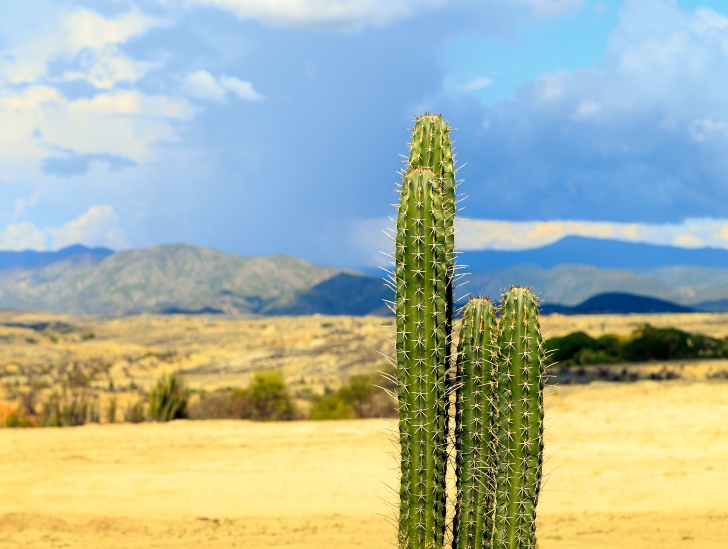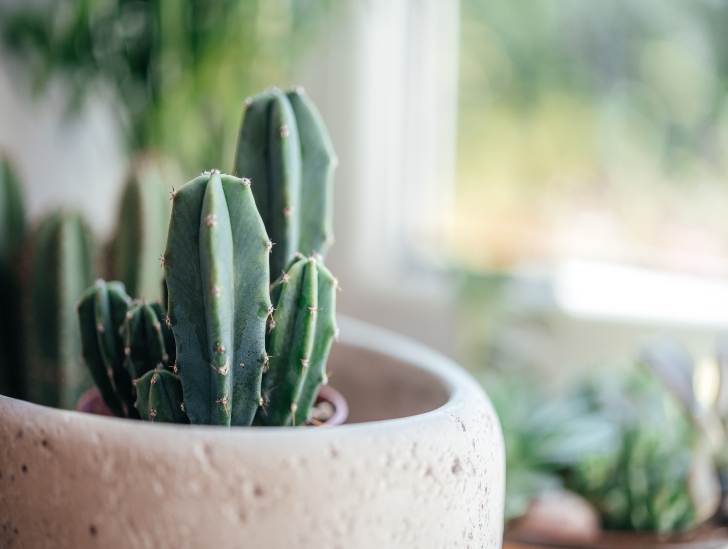

When a cactus begins to turn yellow, it can be a cause for concern for any plant enthusiast. The vibrant green hues typically associated with these resilient desert plants may lose their luster, signaling that the cactus is not in optimal health. This discoloration can be attributed to a range of factors, from environmental stresses and care mistakes to natural life cycle processes. It is crucial to observe the cactus closely and consider the various reasons why this change in color might be occurring.
Understanding the specific cause of yellowing is essential as it guides the necessary steps for intervention and recovery. Environmental conditions such as lighting and watering practices play a significant role in the health of a cactus, and improper care can lead to stress and discoloration. Simultaneously, biological factors like age, pests, and disease may also contribute to a cactus turning yellow. By identifying the root cause, cactus owners can take appropriate measures to restore the plant’s natural color and prevent future occurrences of yellowing.
Key Takeaways
- Yellowing in cacti indicates a potential health issue or natural aging process.
- Environmental factors, incorrect care, and biological influences can cause discoloration.
- Correct diagnosis and proper care are crucial for the recovery and maintenance of cacti.
Recognizing Signs of Yellowing in Cacti
Identifying yellowing in cacti is critical for maintaining plant health. Yellowing can manifest in various ways. Here are some signs to look for:
Color Changes: Initially, one may notice a subtle shift in color from vibrant green to a pale, lightened hue. Over time, the yellowing can become more pronounced, with certain areas or the entire plant turning a distinct yellow color.
Region Specific Yellowing: Yellowing can occur in specific regions of the cactus. It’s essential to observe whether the yellowing is uniform or localized to gauge the possible causes.
Texture and Firmness: Alongside coloration, the texture of the cactus may change. A healthy cactus should feel firm, while a yellowing cactus may feel soft or mushy, especially at the base.
Leaf and Stem Appearance: In cacti that possess leaves, such as epiphyllum, one might observe yellow leaves. The stems of cacti can also show signs of yellowing, often starting at the base and moving upwards.
| Sign of Yellowing | Description | Possible Significance |
|---|---|---|
| Pale Color Transition | Subtle lightening of green hues. | May indicate early stages of yellowing |
| Distinct Yellow Color | Pronounced yellow coloration. | Possible advanced yellowing |
| Soft or Mushy Texture | Loss of firmness in the plant tissue. | Potential overwatering or rot |
| Localized Discoloration | Yellowing in certain areas of the plant. | May suggest disease or injury presence |
Careful observation and timely response can make a significant difference in the treatment of a yellowing cactus. By recognizing these signs, one can take steps to diagnose the underlying issues and rectify them to restore the cactus to good health.
Common Causes of Yellowing
When a cactus turns yellow, it often indicates a cultural or environmental issue. Addressing the problem early can prevent further damage and promote recovery.
Watering Issues
Overwatering is a primary cause of yellowing in cacti, leading to root rot and a yellow discoloration that typically starts at the base of the plant. Conversely, underwatering can also result in yellowing due to a lack of water necessary for maintaining healthy tissues. It’s crucial to establish a consistent watering schedule that takes the plant’s environment into account and provides adequate moisture without excess.
Light and Sun Exposure
Cacti require a significant amount of sunlight to thrive. However, too much direct sunlight, particularly in already hot climates, can cause sunburn, leading to a yellowing or whitening of the cactus skin. Conversely, insufficient light exposure can cause cacti to become pale and yellow. Partial shade may be necessary for some species or during the hottest part of the day.
Soil and Nutrient Factors
The right soil mix is critical for cacti health. A mix that drains well helps prevent overwatering and root rot. Nutrient deficiencies due to lack of nutrients in the soil can cause yellowing, which may be corrected with appropriate fertilizer application. Using the wrong soil type can also hinder nutrient uptake and water drainage.
Temperature and Environmental Stress
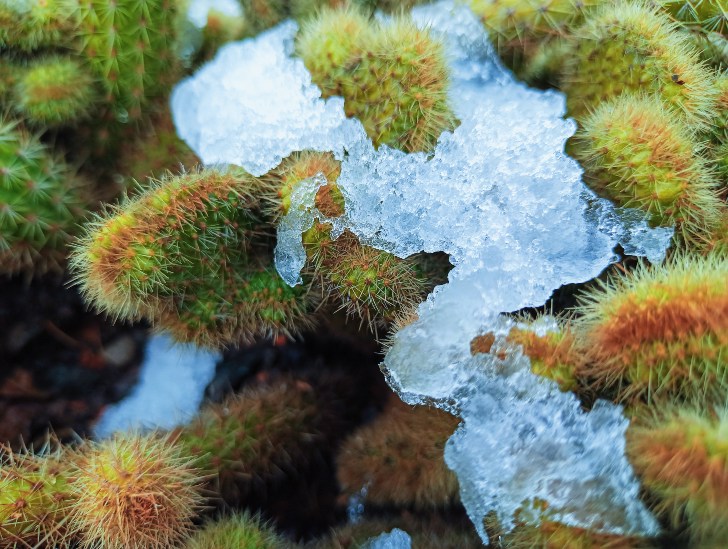
Cacti are well-suited to arid environments and can suffer when exposed to extreme temperature fluctuations or drought-like conditions. Cold temperatures, particularly in winter, can induce stress and yellowing in cacti not adapted to the cold.
Pest Infestation and Diseases
Pests like spider mites, scale, and mealybugs can cause stress and damage that results in yellowing. Diseases such as fungal infections or root rot can also manifest as yellowing tissues, often accompanied by other signs like soft spots or blackening. Chlorosis, a condition caused by a lack of chlorophyll, can lead to yellow leaves and is often associated with pest infestations or disease.
Prevention and Care for Healthy Cacti
Maintaining vibrant and healthy cacti requires attention to their specific needs, such as appropriate watering, lighting, soil conditions, and temperature adaptation. By carefully managing these aspects, one can prevent common issues like yellowing and ensure the longevity of these resilient plants.
Optimal Watering Practices
Cacti thrive when the watering schedule mimics their natural arid environment. Allow the soil to completely dry out between waterings, and use drainage holes in pots to prevent overwatering. Conversely, underwatering can be just as detrimental as too much water. The goal is to strike a balance, typically watering once a week during growing seasons and reducing the frequency in winter.
Suitable Lighting and Placement
Provide cacti with adequate sunlight while avoiding prolonged exposure to intense direct sunlight that may scorch them. A spot with bright, indirect light or partial shade is ideal. Cacti positioned in indoor environments benefit from south or east-facing windows to access the light without the harsh midday sun.
Soil and Fertilization Techniques
The best soil mix for cacti is one that drains quickly yet retains essential nutrients. A commercial cactus mix or a homemade blend with sand and perlite can be used. Regarding fertilization, use a balanced, water-soluble fertilizer during the growing season to prevent nutrient deficiency, but avoid fertilizing in the dormant winter months.
Adapting to Temperature and Seasonal Changes
Cacti are best suited to stable conditions that don’t fluctuate dramatically. Most species prefer temperatures between 55°F to 85°F (13°C to 29°C). During temperature changes, especially in winter, reduce watering and protect your cacti from frost to replicate their natural growth cycle, allowing them to rest.
Diagnostic and Intervention Strategies
To maintain the health of a cactus, it’s crucial to accurately diagnose the issue causing yellowing and then apply specific treatments or corrections. This section details methods for confronting diseases, tackling pest problems, and adjusting care practices regarding watering and nutrition.
Identifying and Treating Diseases
Diseases such as fungal infections and root rot contribute to cactus yellowing. Identification hinges on the presence of soft, brown roots or a base, and a musty odor. Treatment may involve removing affected parts and applying a fungicide. In the case of root rot, it’s imperative to consider repotting the plant in fresh, well-draining soil.
Addressing Pest Related Issues
Pests like spider mites, scale, and mealybugs can siphon nutrients from a cactus, leading to yellowing. Observing for small bugs or cottony deposits is key to identification. An insecticidal soap or a neem oil solution are efficient treatments, directly targeting the pests while protecting the cactus.
Correcting Watering and Nutritional Imbalances
Proper watering practices are fundamental for cactus health. Overwatering can induce yellowing, signaling the need to reduce frequency and ensure good drainage. Conversely, underwatering causes the cactus to deplete its stored water, leading to pale or yellowing tissue. A balanced approach with occasional fertilizer application can rectify nutrient deficiencies. Regular checks and adjustments can prevent these issues from progressing.
The strategies detailed above arm a cactus enthusiast with the necessary steps to diagnose and address yellowing in their plants, thus sustaining a thriving and visually appealing cactus collection.
Restoration and Recovery of Yellowing Cacti
When a cactus turns yellow, it is crucial to diagnose the cause to revive the plant effectively. Recovery involves several steps that one must undertake with careful attention to detail.
Steps to Save a Yellowing Cactus:
| Cause | Action Required |
|---|---|
| Overwatering | Reduce watering frequency, ensure proper drainage. |
| Underwatering | Water the plant generously until soil is moist. |
| Poor Lighting | Move cactus to a location with adequate sunlight. |
| Nutrient Deficiency | Fertilize with a cactus-specific formula. |
An overwatered cactus often has a soft, yellow appearance. The primary step in restoring such a cactus is to adjust watering habits. They should allow the soil to dry out completely before the next watering session.
Conversely, an underwatered cactus can appear yellow and wrinkled. One should hydrate the cactus until the soil is evenly moist, not saturated, to replenish the moisture levels.
If the yellowing is due to inadequate lighting conditions, relocating the cactus to an area that receives a full day of direct sunlight can be beneficial, especially since most cacti thrive under such conditions. However, when direct sunlight is the cause of yellowing, they should shift the plant to a location with bright, indirect light.
Lastly, the yellowing might signify a nutrient deficiency; a specialized fertilizer can help restore the cactus to its natural color. During recovery, monitoring the cactus for changes in its condition is essential, as is adjusting care routines to avoid future instances of yellowing.
Caring for Cacti in Special Conditions
Properly maintaining cacti under unconventional outcomes requires a nuanced set of strategies tailored to their specific needs during dormancy, in diverse climates, and through processes of repotting and propagation.
Handling Cacti During Dormancy
During the dormant period, typically in the winter, cacti slow down their growth and require different care than in the growing season. They should be kept in a cooler, but not freezing, environment, with temperatures ideally between 55°F and 65°F. Watering should be minimized to prevent rot, providing just enough to keep the cactus from shriveling.
Managing Cacti in Varied Climates
Cacti can thrive in an arid environment but may experience stress when conditions deviate from their native habitats. In humid climates, it’s critical to ensure good drainage by using a soil mix with perlite or sand and having pots with drainage holes. Conversely, in cooler areas, protecting cacti from excess moisture and cold is the priority.
Repotting and Propagation Methods
When cacti outgrow their current container, or for propagation, handling the plant should be done cautiously. Use a soil mix designed for drought-resistant plants to provide adequate drainage and avoid compacting the soil. Repot during the active growing season and water sparingly until the plant shows new growth, indicating that it has acclimated. To propagate, cut a piece from a healthy cactus, allow the cut to callous, and plant it in a suitable potting mix.
Advanced Cactus Care Techniques
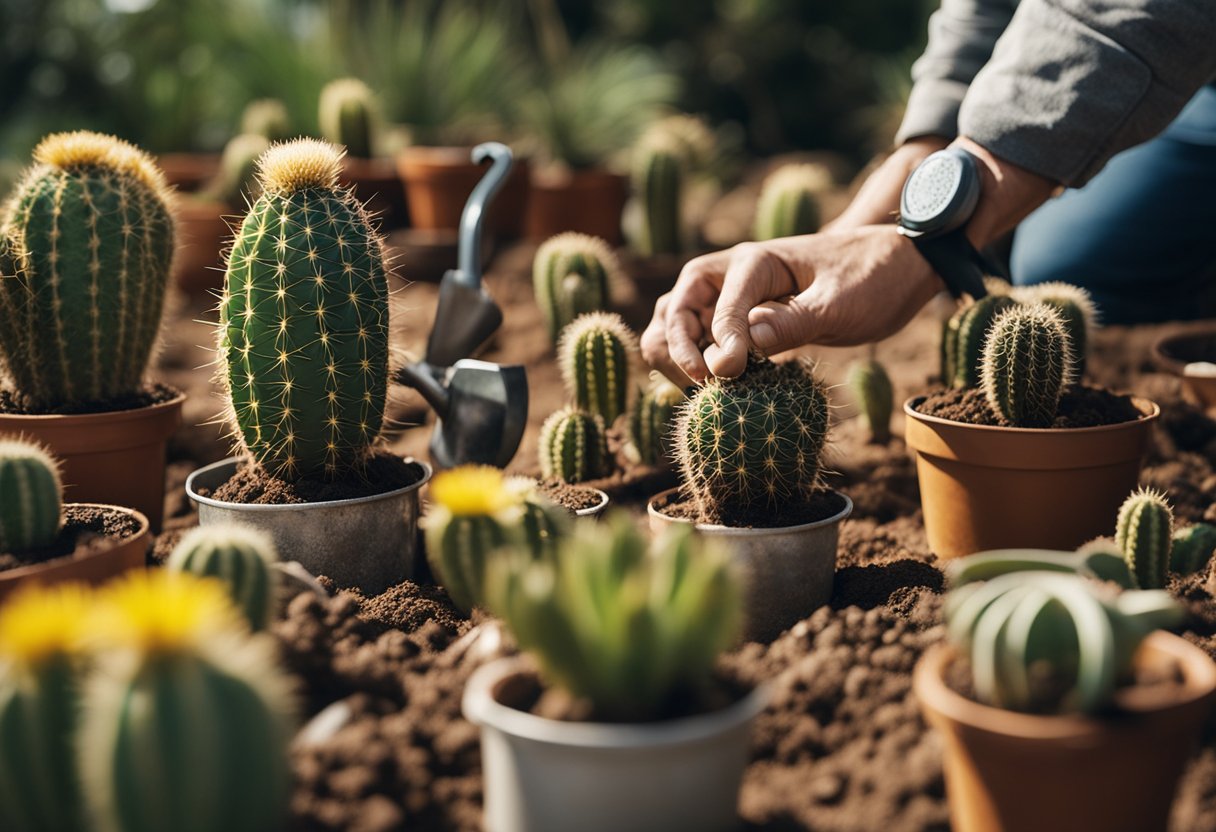
Advanced cactus care involves strategic practices that ensure a cactus not only survives but thrives. This section covers meticulous pruning, acclimating cacti to new environments, and understanding water quality’s significant impact on cactus health.
Pruning and Maintenance
It’s essential to prune cacti periodically to remove dead or unhealthy tissue and promote healthy growth. Cacti benefit greatly from careful removal of any yellow or damaged parts. Use sterilized, sharp tools to prevent infection. Remember, pruning also regulates growth and helps maintain an attractive shape.
Acclimatization to New Environments
Cacti often require time to acclimatize to new temperature and light conditions, particularly if they are moving from an indoor to an outdoor environment or vice versa. Gradually expose them to new conditions over several days to reduce shock, closely monitoring for signs of stress such as discoloration.
Water Quality and Its Effects
Water is a pivotal factor in cactus care – too much or too little can be detrimental. Use distilled water or rainwater to avoid the potential negative effects of chemicals in tap water. Cacti prefer infrequent, deep waterings that mimic drought and downpour cycles, rather than frequent, shallow watering. This approach encourages the development of a robust root system capable of withstanding drought-resistant conditions.
Further Insights and Best Practices
When tending to cacti, one must recognize that these succulents require particular care to maintain their vibrant color and health. Despite being low-maintenance plants, a few best practices can prevent them from turning yellow.
It is crucial to ensure that the cactus plant gets adequate sunlight. While these plants thrive in bright conditions, too much direct sunlight can cause sunburn. They benefit from sunlight that mimics their natural habitat, which is typically bright and indirect. Cacti prefer to be in a sunny spot that is protected during the hottest part of the day.
Watering requirements are unique for cacti. Overwatering can lead to root rot, while underwatering can cause the plant to shrivel and turn yellow. The best practice is to provide a thorough watering once the soil has completely dried out. This usually means less frequent watering than one might expect.
| Common Issue | Indication | Best Practice |
|---|---|---|
| Overwatering | Soft, yellow patches | Allow soil to dry out |
| Underwatering | Wrinkled, pale stems | Thorough soak, then dry |
| Sunburn | White or yellow spots | Filtered sunlight |
| Poor Drainage | Watersoaked spots | Well-draining soil |
Ensuring proper drainage is another critical aspect. Cacti are not fond of ‘wet feet’ and require well-draining soil. Thus, containers should have drainage holes, and heavy, compact soils should be avoided.
Lastly, inspect the cactus routinely for signs of pest infestation, which can also lead to yellowing. If pests are detected, one should isolate the affected plant and treat it with appropriate measures, such as insecticidal soap or neem oil applications.
These insights should enable enthusiasts to provide the care needed to keep their cacti vibrant and healthy.