What Kind Of Soil Is Best For Cactus?

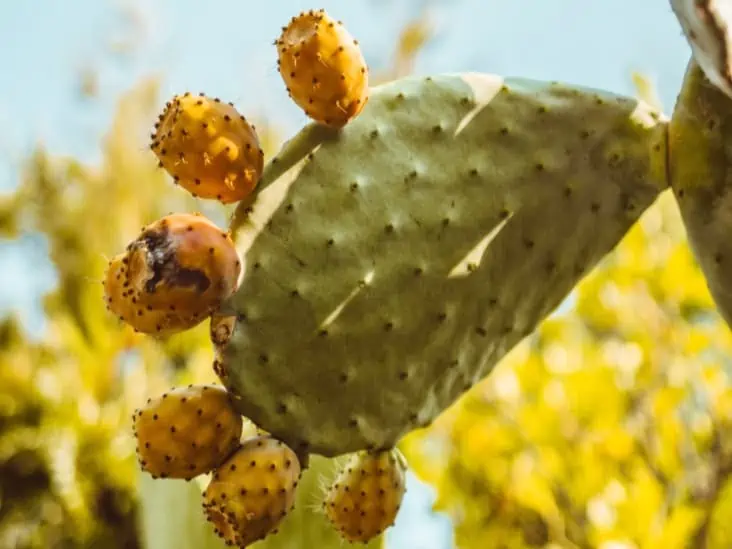
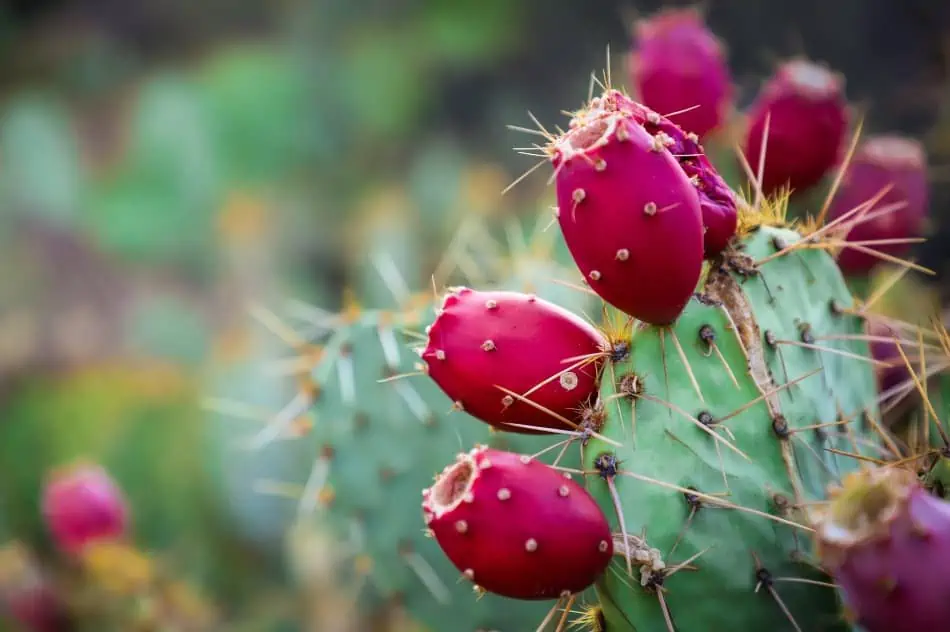
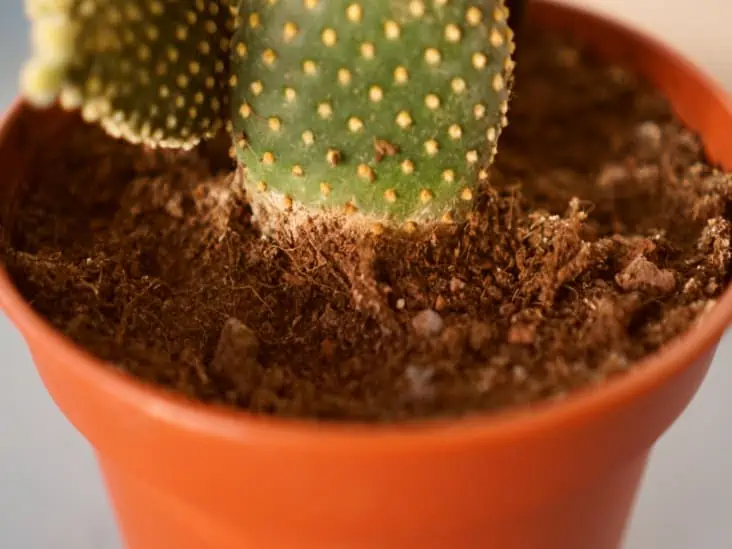
A cactus soil.

Cacti plants make great indoor and outdoor plants with their bold appearance and brightly colored flowers. These plants are suited to warm and dry conditions and don’t require a lot of attention like other plants. In fact, it is relatively easy to grow cacti plants in your home as long as you provide them with sufficient light, water, and potting soil.

So, what kind of soil is best for cactus? Generally, cacti plants grow well in porous, pebbly, or sandy soil that provides excellent drainage and plenty of aeration. This soil is not special per se, but it is somehow different from the regular soil.  The right spoil must also have plenty of organic matter in it to supply the plant with nutrients as it decomposes. The other function of the organic material is to hold moisture to ensure that the soil doesn’t dry out immediately after watering.

In this post, we look at some of the qualities of the best potting mix and how cacti plants behave in different types of soil. We shall also discuss the dangers of using poorly-draining soil and how you can get the best out of your cactus. Read on to discover everything you need to know about the cactus potting mix.

Before we start, here is a list of our favorite and recommended soil mix (Here)

What Is the Best Potting Mix for Cactus?

Watering is one of the most important and trickiest aspects of growing cacti plants. You need to keep in mind that too much water may cause the roots of your plant to rot while too little water will weaken the plant. Once you master the art of watering your plant properly, you need to ensure the potting mix provides the best environment for your plant to thrive.

The type of potting mix you choose to use will go a long way in determining how much water is retained in the soil. Whether you are growing your plants indoors or outdoors, in the ground or containers, the most critical factor to consider when choosing a potting mix is its ability to drain properly.
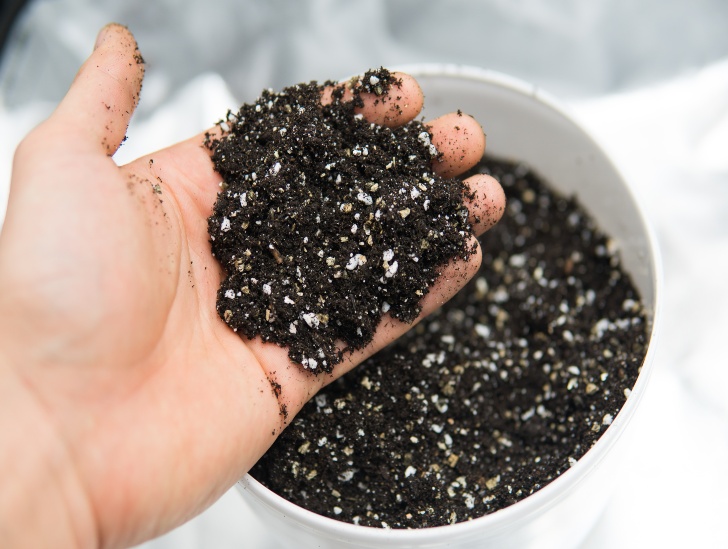
A soil with perlite.
Good potting mix allows for relatively easier root growth by allowing efficient water exchange and air circulation.

Generally, you need to make sure that the soil is porous enough so it can drain well and dry out completely. That is why we stress on going for sand and pebbly soil.

Remember the fact that cacti plants do well with soil that may be considered poor for other houseplants. Good potting mix allows for relatively easier root growth by allowing efficient water exchange and air circulation.

Most commercial potting mix brands are rich in inorganic matter and only a few organic elements. Therefore, you need to check your soil after purchase to ensure it contains sufficient organic elements. Good potting mix must contain between 40-50% organic elements combined with inorganic matter.

The Role of Organic and Inorganic Materials in Cactus Soil

Inorganic materials play a crucial role in cactus soil. They make the soil porous so that it can drain well. They also promote aeration by allowing air to flow through the soil. The most common inorganic materials used in cactus soil are perlite and pumice. The two are often used interchangeably, but they differ in characteristics.

For instance, pumice lasts longer and is more superior compared to perlite. On the other hand, perlite is much more affordable and widely available, making it a much more viable option. Other materials such as gravel and grit are also used in cactus potting mix to limit the amount of water that the soil can hold.

"Organic"
Organic mixes become more sustainable because they are rich in nutrients

Cactus soil also benefits significantly from organic materials to increase the overall volume of water that the soil can hold and its ability to absorb essential nutrients. Some of the common organic materials used in cactus soil include mulch, coir, and peat.

Defining Quick-Draining Soil

Throughout our discussion so far, we have stressed the importance of using quick-draining soil to grow cacti plants. But what do we mean by “quick-draining?”

Well, the primary objective of any cactus soil should be to allow the plant to absorb water while it is being watered and for a few moments afterward. From there, the soil should dry out as quickly as possible.

By doing so, we are trying to mimic the desert environment where these plants grow. Typically, when it rains in deserts, cactus roots collect water as quickly as possible because the light showers dry up.  This is the same thing you achieve when you use quick-draining soil.

However, there is no strict definition for “quick-draining”, but it is a good rule of thumb for the soil to dry out completely within one to two days after watering.

The easiest way to test if the soil is drying is by sticking your finger at least one inch into the dirt. If it feels dry and warm, then it is drying. However, if it feels much cooler than the surrounding air, it is damp, and that should make you worried.

Quick-Draining Potting Mix and Container Drainage

It is good to note that there is no point in having a quick-draining potting mix if your plant is not in a well-draining pot. You can have the best potting mix, but if the water doesn’t have anywhere to drain, it is still going to stay in the container and cause harm to your plant.

The same thing applies to “drainage layers.” Avoid putting gravel and stones at the bottom of your container, thinking that you are helping with drainage. In fact, these materials block the drainage holes causing the water to stay in the pot.

While your cactus plant can survive in a container with only a few drainage holes, the results may be catastrophic if there is no drainage at all. Therefore, it is always good to go for a pot with plenty of drainage holes to make your plants happy and healthy.
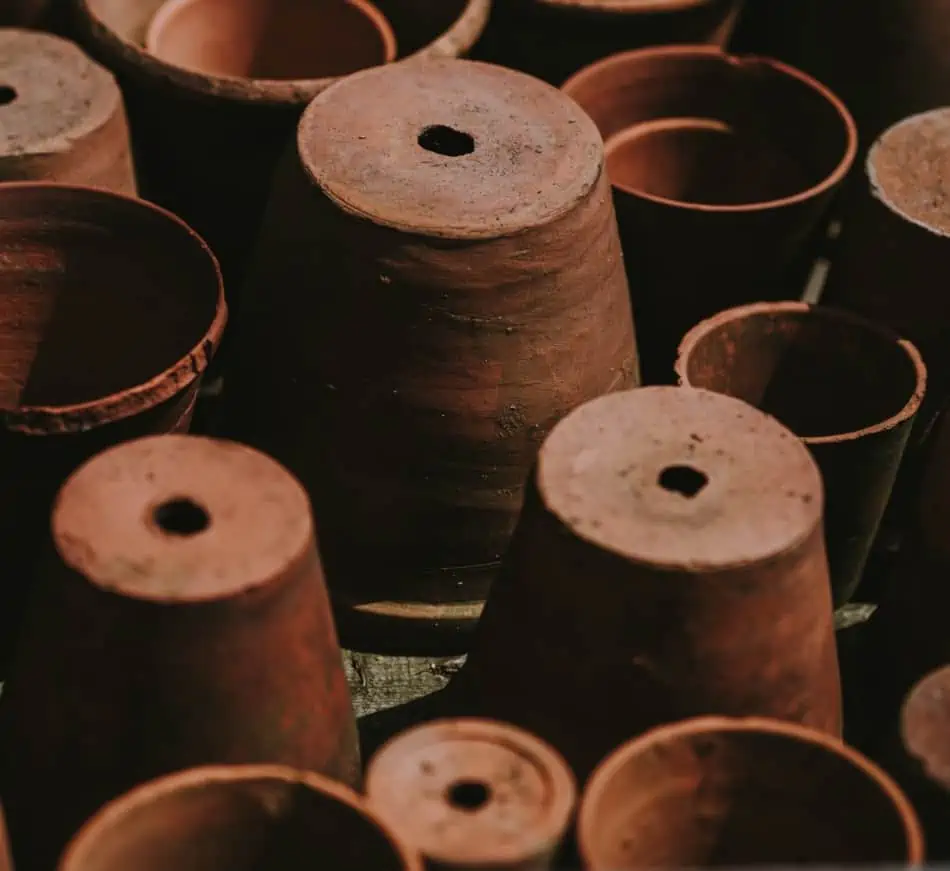
Pot with draining holes.
Ensure that your pot has drain holes to eliminate the water sitting at the bottom of the container

Are Commercial Cactus Potting Soils the Best?

The truth is that there are plenty of commercial potting mixes available, including high-quality custom blends offered by nurseries that specialize in cactus.

Some of these mixes are pretty good, and you don’t need to do anything else after purchase to get them ready for your plants.

However, most of the cactus soils you will find in the gardening section of your local plants’ store may not be the best options for indoor potted cacti plants. Most of them tend to contain a minimum amount of coarse inorganic material which affects drainage.

Keep in mind that your cactus plant will only thrive if you have the right type of soil that drains water efficiently. If you must go for these commercial potting soils, be sure to add in some more pumice or pebbly material to improve the porosity and mineral content of the soil.

Otherwise, the best way to ensure that you have the right type of potting mix is by making one for yourself.  

How Can You Make Good Cactus Soil? A Quick Overview

As mentioned earlier, the best way to ensure you have the right potting mix is by making one yourself.  The process is simple and pretty straightforward. In general, your soil mixture should consist of at least 1/3 part by volume coarse sand or pebbly material if you are using soil as a base.

You should also have approximately ½ part inorganic materials for mixing with the organic materials. Be sure to use different inorganic materials with varying particle sizes for both indoor and outdoor cacti plants.

You can easily test the texture of your soil mixture by carefully wetting some of it and squeezing it with your hand. If the soil mixture clamps together, then you need to add some more inorganic matter. A good mixture should feel coarse and fall apart when you squeeze it.

We shall cover the process of making good cactus soil in detail in another post. So, stay tuned.
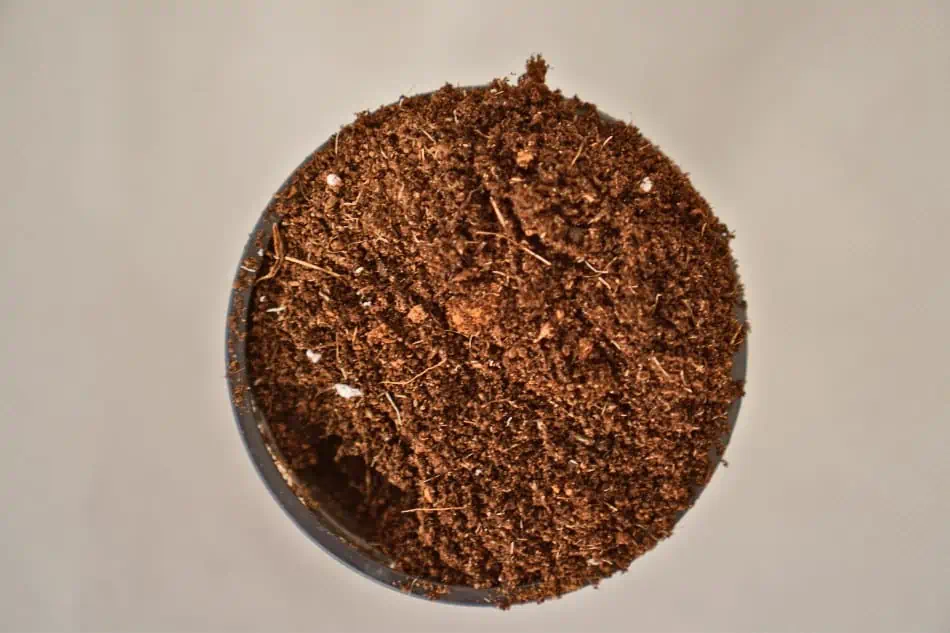
A topview image of soil in a pot.
The best way to ensure that you have the right type of potting mix is by making one for yourself

Do Cacti Plants Need Soil to Grow? Can They Survive Without Soil?

You may be wondering if your cactus can survive without soil. Well, the truth is that all plants, including cactus, need some growing medium to survive and thrive. You may be seeing cacti arrangements in small terrariums with gravel or sand and wonder if you can grow your plants the same way.

The simple answer is yes. You can grow your plants this way because their hardy nature allows them to survive in such arrangements for a relatively long period. However, with time, the roots of these plants will start to elongate and look for a more suitable medium to grow in.

In most cases, cacti plants planted in the sand, driftwood, or moss will eventually outgrow the container. The moment you notice signs of the plant outgrowing the container, carefully re-pot it in a bigger container with a suitable potting mix.

A cactus terrarium hanging.
You can grow your plants this way

Otherwise, if you do nothing, it will not thrive and will eventually die. You can think of such arrangements as short-term usage and not long-term strategies.

Summary

Cacti plants are pretty easy to grow and take care of. One of the most important things you need to do to achieve better results is to find the best soil for your plant.  Good cactus soil needs to drain quickly while holding on to the right amount of moisture to nourish the plant when need be.

We hope you have learned a few things about cactus soil that will set your plant up for great success, and here is a list of our favorite and recommended soil mix (Here)
Do You Need Special Soil For Cactus?

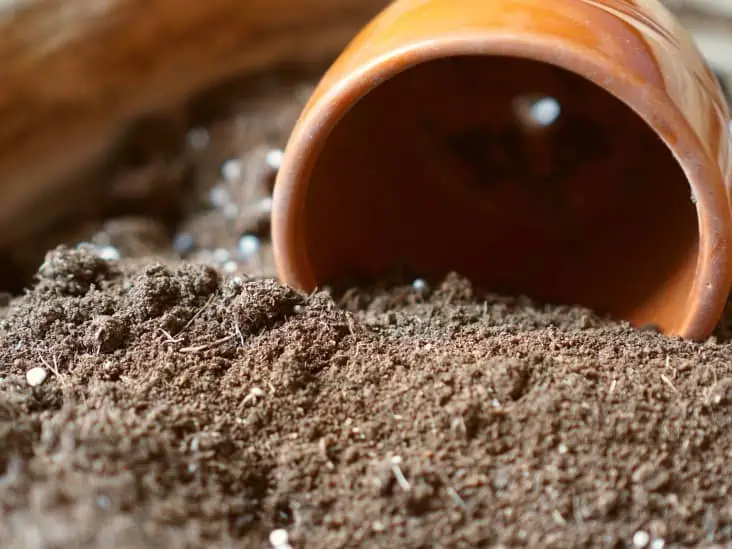
A soil.

Growing cacti plants can be rewarding. There is a lot to love about these plants, and they will always make your home feel better and more beautiful throughout the year. They have an unusual and diverse range of growth forms and bloom beautifully. 

However, to grow healthy cacti plants successfully, there are three critical things you need to keep in mind: What is the best type of soil for my cactus?  How should I water my plant? How much light should my cacti plants receive to thrive? In this post, we address the question of the soil type.

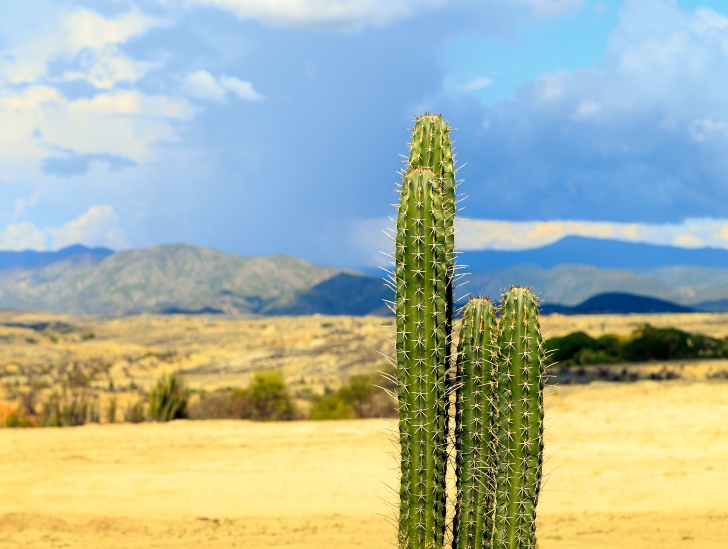
So, do you need special soil for cactus? The short answer is “Yes.”  Most cacti plants are native to a desert environment. As such, they are accustomed to growing in sandy soil. Therefore, if you bring the plants to a new environment, then you must also provide them with the right soil for them to survive. Specifically, these plants need fast-draining soil.  The soil should also provide plenty of aeration. A good cactus potting soil should comprise of some organic material that retains moisture when the plant is watered but then dries out pretty quickly.

Read on to find out everything you need to know about the right potting mix for your cactus plant. You will be a pro at finding the right type of soil at the end of the guide.

Cactus Plant Soil Requirements

As mentioned in our introduction, good cactus soil should drain water faster. Soil that holds water for too long may cause the roots of your plant to rot, resulting in the death of your plant. Avoid using regular garden soil on your cactus or any other succulent.

It is also critical to ensure that your pot working drain holes to eliminate the possibility of water sitting at the bottom of the container. Feel free to mix your potting soil with some organic material to prevent the soil from drying out quickly.

Cacti roots also love an airy soil. So, you need to make sure your potting mix is well-prepared to provide the roots with sufficient aeration.

Consider re-potting your plants as soon as you see roots starting to exit through the drainage holes at the bottom of your container. Most cacti species will need re-potting at least once every two or three years. Consider re-potting the slower-growing cacti species such as the Saguaro every four or five years.

Re-pot during spring season when the plants are actively growing to avoid causing problems. It is also recommended you water your plants at least two days before you re-pot to ensure the roots and root ball are moist during the re-potting process.

A pot with draining hole.
Ensure that your pot has drain holes to eliminate the water sitting at the bottom of the container

Understanding Cactus Roots and Desert Environments

You are probably familiar with some of the water-preserving mechanisms of cacti plants, such as their highly modified leaves, waxy coatings, and succulent stems. But, do you know that the roots of these plants are also modified to preserve moisture and water?

Understanding how cactus roots adapt to the arid environment will assist you to know why it is so critical to use the right potting soil that will drain water quickly and maintain a free flow of air.

Typically, cactus roots collect and hold water in different ways. One way these roots adapt to the arid environment is by developing a cork-like outer layer that prevents water loss to the soil. Another way is by developing an extensive system of fibrous roots that spread laterally away from the cactus plant allowing it to collect as much water as possible when it rains.

The roots of cacti plants have also adapted to fluctuations in the plant’s water supply. When it rains, the plant develops a new set of roots to collect more water while the existing roots become more effective in absorbing the rainwater. This helps the plant to absorb as much water as possible.

However, when there is no rainfall, the roots dehydrate, and the newly formed roots dry up and break away from the plant. When the roots shrink, they create a layer of air around the plant that prevents moisture collected by the roots from escaping to the soil.

The ability of these plants to rapidly absorb water whenever there is some rainfall is vital to their survival in the desert climate. Keep in mind that the torrential monsoon rains only last a few minutes, and most moisture only soaks up in the upper layer of the ground.

A desert cactus.
Cactus roots are susceptible to rotting when they are confined in a container.

Therefore, the way cactus roots are designed to act swiftly and efficiently to absorb water when it becomes available and then shrink back; they are susceptible to rotting when they are confined in a container and not allowed to dry out properly between watering sessions.

Choosing the Best Cactus Potting Soil

While making or buying a cactus potting mix, you need to make sure the soil is fast draining to prevent root rot issues and oversaturation of your plant cells. However, you need to ensure your potting medium can retain the water you provide for the plant so that the plant can use it before drying out.

Your potting mix must also meet the nutritional needs of cactus plants. Here are some crucial factors to consider while choosing cactus potting soil:

Organic vs. nonorganic

Both organic and nonorganic mixes are ideal for container gardening. The primary difference between the two is that nonorganic mixes need fertilizer to provide essential nutrients to the plant.

However, for long-term use, organic mixes become more sustainable because they are rich in nutrients. The organic materials are usually at various stages of decomposition.

As the organic materials decompose, over time, they continue to fertilize the soil for ongoing use.

"organic"
Organic mixes become more sustainable because they are rich in nutrients

Ingredients

The key to choosing the best potting mix is to understand the ingredients. The main elements in most cactus soils are calcined soil or sphagnum peat moss to help absorb water in the soil, vermiculite/perlite to improve soil drainage, and composite organic matter to provide essential nutrients to your plant.

Typically, vermiculite holds more water than perlite and is mostly used in medium to heavy soil mixes. Some potting mix also includes lime to help balance pH when alkaline soil is needed.

Air circulation

Typically, cacti plants require soil that allows air to circulate properly. In most cases, you will want to look for a potting soil that is a bit light and fluffy to help with the air circulation aspect.

Avoid dense or tightly packed soil since it may cause problems in the long run. Soil that gets too dense when it is wet won’t allow cactus roots to grow well. Dense soil also tends to stay wet for too long, encouraging fungal growth and root rot.

Mixed or not mixed?

Some potting soils are already mixed, while others aren’t. Go for mixed soil, especially if you are still a beginner. One of the most significant advantages of pre-mixed soil is that you can use it straight from the package.

Saoil with perlite.
This is a convenient option for gardeners who don’t have time to get the soil ready.

You don’t have to spend time preparing it in any way nor add any ingredients to it. This is a convenient option for gardeners who don’t have time to get the soil ready before use.

On the other hand, if you want to mix your potting soil, ensure you understand how to do it correctly. Incorrectly mixed soil can affect plant growth. Make sure the mixture is aerated and well-draining to ensure optimum growth.

Soil pH

You also need to make sure that your cactus potting soil is of the right pH. One of the primary reasons why most people choose to go for commercial soil is that they don’t have to worry about the pH. 

Pre-mixed cactus soil is designed to have a specific pH balance that will help your plants to thrive. The soil should not be too acidic or too alkaline. The best soil pH for succulents and cacti is slightly acidic to neutral. We are looking at values that range between 5.5 and 7.5.

The PH Scale.
The best soil pH for cacti is slightly acidic to neutral

You can test the pH of your soil at home using a digital pH meter. If you want to ensure that your soil is slightly acidic, add some sulfur to it.

If you want to make it more alkaline, on the other hand, you can add some lime. These two ingredients are readily available in garden stores.

The primary objective is to ensure you choose a well-draining mix with the right pH balance.

Be sure to check out this article that discusses how to choose the perfect soil for your cactus plant in detail.

Can I Use Regular Soil for My Cactus?

Well, you can still use regular soil or the African violet soil to grow your cacti plants. However, don’t use them on their own since the results may not be great. These soils hold water for too long, and their organic matter may contain a wide range of fertilizer additives not geared for cacti plants.

Therefore, instead of using regular soil to grow your cactus, consider using it as one of the ingredients when making your oil potting mix. This way, you can be sure to achieve the best results as long as you do everything right.

When using regular soil, add some perlite or vermiculite to improve drainage. You should also add some organic matter, such as composted leaves, bark, or manure. These ingredients will help you get the perfect potting mix for your cactus plants.

What Is the Best Potting Soil for Jungle Cacti?

Throughout this article, we have been discussing the soil requirements for desert cacti. However, there is another type of cactus that we need to mention- the holiday cactus native to Brazilian rainforests. The plant grows in the tropical rainforest that receives sufficient rainfall throughout the year.

For this type of cacti, you still require a well-draining growing medium. But the roots of the holiday cactus don’t have to dry out completely as their desert counterparts do.

Potting soil for holiday cactus should be composed of mainly organic matter. Simply add a significant amount of peat moss to your regular potting mix, and you are good to go.

You can also use coco coir as an alternative to peat moss.

It would help if you kept the soil moist but not soggy at all times. Water when the topsoil feels dry to the touch. Check out this article discussing how often you should water your holiday cactus.

How Often Should I Repot My Cactus Plant?

You should repot your cactus every two to three years. The best time to do it is in the spring before the plant starts its growth spurt.

When repotting, choose a pot that is only one size larger than the old one. Cacti plants don’t like too much space since it encourages them to produce more leaves and stems.

The plant’s roots need to completely fill the pot for the plant to be happy. If you choose a pot that is too big, the roots will have a lot of space, which can encourage root rot.

Go slow while watering a newly repotted cactus plant. Allow the soil to dry out completely between watering. Don’t water again until the pot feels light.

You should also avoid fertilizer for at least six weeks after repotting. This will give the plant time to adjust to its new environment and recover from the stress of being transplanted.

Final Thought

Although growing cacti plants can be challenging, using the right soil makes the work a little bit easier. Good potting soil that is well-drained and nutrient-rich will make your plants thrive and look healthy.

We hope this simple guide has provided you with the essential information you need to know about potting soil for growing cactus.

Are Cactus Fruits Good For You?

Disclaimer: The author is not a medical doctor or veterinarian. The information presented is purely to share our experience and for entertainment purposes. As always, check with a doctor and/or veterinarian before making any health or nutrition decisions and consult with a doctor and/or veterinarian regarding any question or problem that you have. The author and blog disclaim liability for any damage, mishap, or injury that may occur from engaging in any activities or ideas from this site.

Have you ever tried eating a cactus fruit? Despite its unusual appearance, the prickly pear is delicious and loaded with a wide range of healthy nutrients. Also referred to as the tuna fruit, nopal cactus fruit, or the cactus pear, this fruit packs a naturally sweet flavor and can be served as a dessert. It is low in calories and sugars making it an ideal choice for low-carb and ketogenic diets.

Are cactus fruits good for you? The simple answer is “YES”. Each prickly pear fruit is packed with high levels of vitamin C, potassium, dietary fiber, calcium, magnesium, polyphenols, flavonoids, and B-family vitamins. These fruits are also loaded with antioxidants and healthy minerals that play a critical role in managing blood sugar levels, lower cholesterol, and reduce inflammation.  

In this post, we discuss some of the health benefits of cactus fruits and simple ways you can consume the fruit. Read on to find out everything you need to know about the prickly pear fruit.

What Is Prickly Pear Fruit?

Before we jump into discussing the health benefits of this wild fruit, let us take a few minutes to understand it better.  The prickly pear or cactus fruit is mostly found in Mexico and southwestern regions of Mexico. The fruit is mainly used in Mexican cuisine and comes with different names. 

Edible prickly pear mostly comes from Nopal cactus, which thrives in hot, arid areas. The fruits can only be consumed when the plant is still relatively young. When the cactus gets older, the fruits become a little bit tougher and hard to eat.

Peeled cactus fruit.
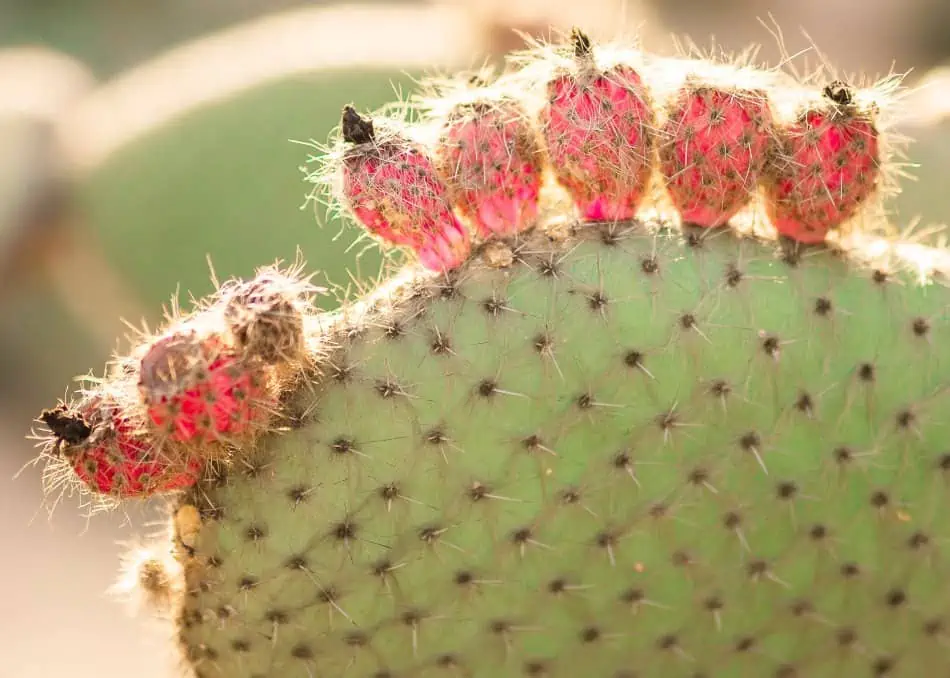
The fruits are oval, and their color usually ranges from light green to yellow, red, and pink.

There are over 200 different species of Nopal cactus spread across North and South America, all of which produce some form of prickly pear fruits. However, not all varieties of prickly pear are edible. The most commonly consumed prickly pear fruit is of the O.ficus-indica species, commonly referred to as the Indian Fig Opuntia.

The most interesting thing about the cactus fruit is that it grows at the very edge of the spiny leaves of the cactus plant. The fruits are oval, and their color usually ranges from light green to yellow, red, and pink, depending on the cactus species and level of ripeness.

Some Interesting Cactus Fruit Nutrition Facts

Whether you want to boost your immune system, get leaner, or feel energized, you can always count on prickly pear fruits for the best results. A single cactus fruit packs up to 24% of the daily recommended vitamin C intake together with high doses of nutritional copper, potassium, calcium, and magnesium.

Compared to some of the other common fruits, cactus fruits are quite low in carbs. Each prickly pear packs a paltry 9.9 grams of carbs, which includes approximately 3.7 grams of nutritional fiber. You will also get small amounts of thiamin, vitamin B6, selenium, iron, and vitamin A from this fruit.

Prickly pear is also a great choice if you are on a low-fat diet because it contains less than one gram of fat per serving. Isn’t it a perfect addition to your body slimming plan? In fact, its rich, sweet flavor will easily satisfy your cravings without getting you into any health problems.

What Are the Health Benefits of Cactus Fruit?

There are many health benefits of cactus fruits. They include its ability to improve the digestive process, lower cholesterol levels, boost the immune system, reduce inflammation, aid in weight loss, and decrease the risk of developing diabetes. Let us discuss some of these benefits in detail.

A cactus bearing fruits.
There are many health benefits of cactus fruits. They

Boosts immunity

Research published in the American Journal of Clinical Nutrition shows that consuming a small portion of the cactus fruit daily helps in the removal of toxic substances from your body. The antioxidant activity is caused by the high levels of vitamin C and vitamin E in the fruit.

In fact, a single serving of the cactus fruit contains more than 35% of the recommended daily intake of vitamin C. Also referred to as ascorbic acid; vitamin C plays a critical role in boosting your immune system and stimulating the production of more white blood cells.

It acts as a powerful antioxidant protecting you from harmful microorganisms that may be lurking in your body. Vitamin C also plays a critical role in the production of muscle tissue and metabolic processes.

Reduces inflammation

This wild fruit is also highly valued for its powerful anti-inflammatory properties. Research shows that chronic inflammation is a major contributing factor to arthritis, coronary heart disease, and Crohn’s disease. It can also lead to chronic depression, pain, fatigue, and a wide range of other recurrent infections.

While treatment for inflammation is available, most drugs have side effects that may affect your health in the long run. Therefore, before you visit that drug store, consider changing your diet. Replacing your conventional snacks with cactus fruits can be a good starting point.

In a 2018 study published in the Food & Nutrition Journal, it was proved that the prickly pear can prevent and reduce inflammation effectively. Researchers attribute this effect to the high number of vitamins and antioxidants that occur naturally in cactus fruits. Beta-carotene, betanin, glutathione, and kaempferol are just some of the antioxidants found in cactus fruits.

Aids in weight loss

Did you know that eating cactus fruits can play a critical role in helping you achieve your weight goals? Well, a 2015 study published in the Nutrition Journal suggests that eating prickly pear can aid in a significant reduction in body fat, blood pressure, and cholesterol levels. The findings of the research show that this wild fruit not only promotes weight loss but it is also essential in keeping you healthy.

A woman measuring her waistline.
Eating prickly pear can aid in a significant reduction in body fat, blood pressure, and cholesterol levels

Another study published in the BioMed Research International Journal confirmed the effects of prickly pear on cholesterol levels. High levels of cholesterol are linked to heart diseases and obesity. Therefore, eating cactus fruits will benefit not only your waistline but also your heart.

It can fight cancer

According to the American Journal of Clinical Nutrition, cactus fruits have relatively high levels of betalains, polyphenols, and flavonoids. These compounds are potent antioxidants that neutralize free radicals before they cause healthy body cells to start mutating.

The phytochemical compounds found in cactus fruits also slow down the overall growth of cancer cells in the liver, colon, prostate, and breasts without affecting the functioning of other healthy cells in the body. 

Lowers blood pressure

A four-ounce prickly pear is packed with up to 227miligrams of potassium, which is equivalent to about 6% of the recommended daily intake and only five milligrams of sodium equivalent to 2% of recommended daily intake.

A high-potassium, low-sodium diet can prevent high blood pressure or help you manage blood pressure that is already high. High blood pressure is a dangerous disease that also increases your risk of developing stroke and kidney disease. 

Vegetables and fresh fruits are high in nutritional potassium and low in sodium, which is critical to keeping your blood pressure in check.

Protects your heart health

Cactus fruits are packed with a significant number of nutrients that are good for heart health. The levels of dietary fiber in the fruit can play a crucial role in lowering levels of bad cholesterol in your body.

Furthermore, the significant amount of potassium in the fruit lowers blood pressure by relaxing blood vessels and reducing the overall stress on your cardiovascular system. 

Finally, betalains found in the cactus fruit are directly connected to strengthening the endothelial walls of blood vessels hence reducing the chances of weakening the blood circulatory system.

A heart.
Prickly pear can lower the risk of developing heart diseases

Overall, consuming prickly pear lowers your risk of developing coronary heart diseases, stroke, and atherosclerosis.

Aids indigestion

Prickly pear boasts a high amount of dietary fiber like most fruits and vegetables. Therefore, these wild spiny fruits can aid in the digestion process by preventing constipation.

The dietary fiber bulks up a stool to help pass food particles through the digestive tract quite easily hence eliminating the risk of bloating, constipation, and other gastrointestinal issues such as gastric ulcers.

Lowers LDL Levels

Regular consumption of cactus fruit can lower cholesterol levels by approximately 30%. The fruit is a rich source of soluble fiber, which helps reduce the absorption of LDL cholesterol from the intestines.

It also reduces fat oxidation, preventing atherosclerosis. Reduced levels of LDL cholesterol may reduce the risk of heart attack and stroke.

High in Antioxidants

Cactus fruit is rich in antioxidants, which help protect cells from damage caused by free radicals.

The antioxidant content of cactus fruits may help protect against chronic diseases such as cancer and diabetes, as well as improve overall health.

Improves the health of your liver

The liver is a vital body organ, and disregarding its importance can adversely affect your physical well-being and health.

The primary role of the liver is to filter blood from the gastrointestinal tract and carry out the metabolic processing of drugs while eliminating harmful toxins.

You must monitor your diet closely to maintain a healthy liver. Occasional consumption of carcinogens can pose a threat to this organ.

Cactus fruit is rich in antioxidants, which reduce the oxidative stress induced by compounds in the liver.

Consequently, it exhibits hepatoprotective properties primarily by neutralizing free radicals and enhancing the liver’s antioxidant capacity.

How Can You Eat a Cactus Fruit?

Fortunately, there are many ways you can enjoy cactus fruits.

You can cut open the fruit and scoop out the edible flesh with a spoon. This is an easy way to eat since you don’t need special tools.

The inside of the fruit is succulent, sweet, and juicy. You only need to be careful to avoid the spines that surround the fruit.

Another way to enjoy cactus fruit is to blend it into a smoothie. This is a great way to get all the nutritional benefits of cactus fruit in an easy-to-consume form.

Cut open the fruit and scoop out the flesh, then add other ingredients like bananas, mangos, and honey to make a delicious smoothie.

You can also blend your cactus fruit into cactus juice. The refreshing and nutritious beverage can be enjoyed on its own or mixed with other juices for an exciting flavor.

Toss chunks of peeled cactus fruit into a blender, add water, then strain off any remaining solids before drinking.

If you’re looking for a unique way to enjoy your cactus fruit, try making candied cactus fruit.

Cut the fruit into thin slices and simmer it in a syrup of sugar and water until it’s tender and candied. Sprinkle with a bit of cinnamon for an even more delicious treat.

Cactus fruit is also a great addition to salads, salsa, guacamole, or chutney. Cut open the fruit, scoop out the flesh, and add it to your favorite recipes to enjoy the unique flavor of cactus fruit.

What Else Is Edible from the Prickly Plant

Are you wondering what else you can consume from the prickly plant? Well, apart from the fruits, you can also eat the pads as vegetables and the petals as salads. You can chop the pads into small pieces, boil or grill them and add to your salads or serve as a side dish.

Cactus fruit drink.
Many people out there also enjoy adding cactus fruits to their smoothies.

You can also eat them raw, although the slightly bitter taste might not be a thing for you.  Many people out there also enjoy adding cactus fruits to their smoothies. No matter how you want to eat the prickly pear, you can always be sure of getting a wide range of healthy nutrients.

Final Thoughts

The prickly fruit is one of the healthiest fruits you can include in your diet. It is rich in vitamins, minerals, and dietary fiber that offer a wide range of health benefits. In fact, the fruit is a staple in parts of Latin America, and Mexico mostly served with eggs and salads. 

However, before you consume the prickly pear, make sure you remove the skin and carefully peel it off to get rid of the spines. If you don’t, the glochids can lodge themselves in your throat, gums, and lips, which can be quite painful.

If you have not tried the prickly pear yet, then you might be missing something important. Find it today, try it out, and let us know how it feels in the comments section below.

Why Is My Cactus Turning Brown?

Cacti are remarkably durable and low maintenance plants. In most cases, they only need sufficient exposure to light, well-drained soil, and careful watering to thrive. Pest issues aren’t common with cactus and are easy to deal with when they arise.  Although these succulents are generally considered hardy, stem drying and browning is a common problem that you may encounter. 

So, why is my cactus turning brown?  Cacti plants can turn brown, yellow, or even purple for different reasons. For instance, if your plant is turning brown from the top, the cause could be sunburn. However, if the browning starts from the bottom towards the top, root rot could be the culprit. Red spider mites and corking could also cause your plant to change color from green to brown.

In this post, we discuss all the possible reasons that may cause your cactus to turn brown and what you can do to save it from the problem.  Read on to find out everything you need to know.

Why Is My Cactus Turning Brown?

As mentioned in our introduction, cacti plants can turn brown for many reasons. In this section, we discuss some of the top causes of this problem.

Root rot

If the base of your cactus plant is turning brown and the stem is soft and yellow, the problem could be root rot

Unfortunately, plants with root rot can be quite challenging to save because the rot usually starts inside before working its way out. In most cases, symptoms of root rot will only begin to show when the problem is already advanced. 

Plants picked from the soil.
The best thing to do is stop watering the plant and repot it in well-draining soil

The moment you notice signs of root rot, the best thing to do is stop watering the plant and repot it in well-draining soil.

You can also try to save your plant by cutting away all the tissue that is showing signs of rot plus some of the healthy tissue surrounding it to ensure the rot doesn’t spread.

Make sure you use a clean, sharp knife and wipe it with alcohol in between the cuts. Once you are done, be sure to apply sulfur powder on the wounds to help the plant heal. Overwatering and poor drainage soils are the common causes of root rot.

Indoor hazards

Your indoor cacti plants are still at risk from the same pests and diseases as their outdoor counterparts. However, indoor plants may suffer additional problems that are only unique to them.

When your indoor plants start to show signs of browning or drying out, be sure to check that they are not located close to a heat vent.

The blowing hot stream of air from the vent can cause plant tissues to dry out despite the thick layer of waxy that protects the plant. AC vents can also cause similar damage, although it may take longer for the damage to appear.

Typically, if your plant starts browning and feeling brittle on one side, yet it isn’t positioned directly in a window, it is time to consider moving it to another spot.

Sunburn

If your cactus plant is turning brown from the top, the most common and likely cause would be sunburn. This may sound abnormal because most of us tend to think that cacti plants are sun-loving, desert plants.

However, not all cacti species thrive in the hot sun. Some of them require minimal light and partial shade to do well. Cacti plants bought from a plant nursery or store may also suffer sunburn if you do not take time to introduce them slowly to the bright, outdoor light.

In most cases, mild sunburn will appear as whitish discoloration on the sun-facing side of the plant. With time, the whitish spots turn to brown scars which are a symptom of severe sunburn. Cacti plants with severe brown burns have permanent damage, and there is nothing you can do about it.

But, if your plant has whitish spots, you can save it by moving it to a shady area. As long as you provide shade on the hottest days of the year, it will fully recover. It will also help if you take some time to learn about your plant’s lighting requirements so that you can provide the best conditions possible.

Cactus on pot outside exposed to sunlight.
Some cacti plants should never be exposed to full sunlight all-day

Keep in mind that cactus species that aren’t used to being in direct sunlight must be acclimatized by exposing them to full sunlight for a short period each day.

Start increasing the exposure progressively over several weeks.  It won’t be long before your plants fully acclimatize to the outdoor light conditions. 

It is also good to mention that some cacti plants should never be exposed to full sunlight all day.

Scales

Scales refer to small insects that usually appear as brown spots on cacti plants because of their hard brown shell coverings. These insects feed on plant juices that weaken the cactus plant making it look yellow or brown.

If this is the case with your plant, consider spraying it with a stream of water to get rid of the scales or wash it with a relatively weak solution of detergent. You can use your preferred brand of insecticide for large infestations.

The other way of killing scales is by using cotton swabs soaked in horticultural oil on each side. This forms an oil layer on top of the scales cutting off the oxygen supply to the insects.

With time, the insects suffocate to death.

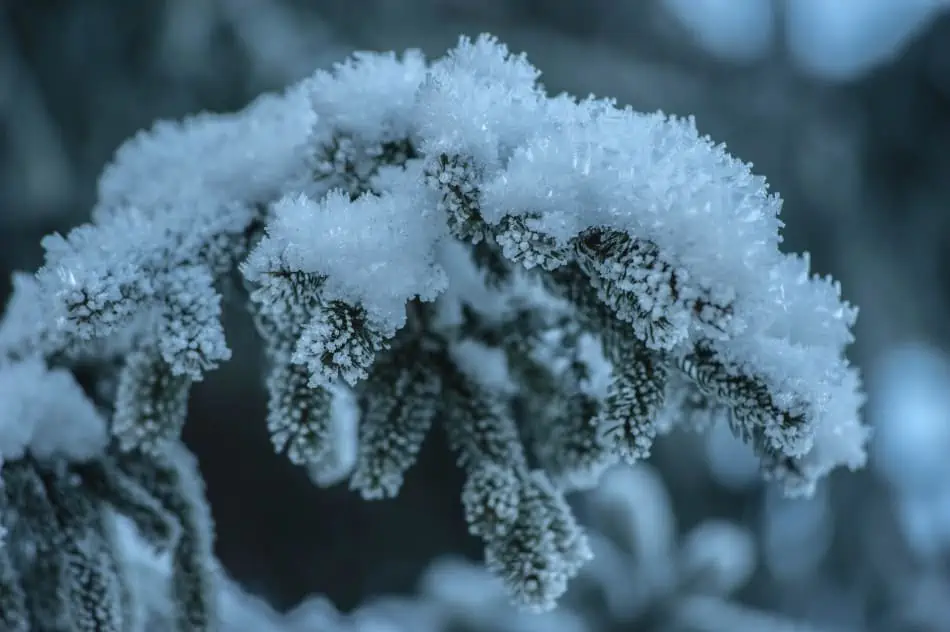
Frost damage

Just like sunburns, frost damage can also cause cacti plants to turn brown in affected areas. The damage is quite similar, and the only way to differentiate between sunburn damage and frost damage is by checking the temperature.

When tissues of a cactus plant are subjected to freezing temperatures, the cells rapture. Although you may fail to notice the damage right away, the plant will try to self-heal by creating calluses over the damaged tissues.

This is the same type of self-healing mechanism that occurs after a hail storm as well although the brittle spots on the plant are usually patchy.

Frost damage can still happen on indoor plants that come in direct contact with the window glass.

A frozen plant.
When tissues of a cactus plant are subjected to freezing temperatures, the cells rapture

Mites

If your plant is turning brown from the top where new growth is appearing, it could be a sign of mite infestation. 

Red spider mites are tiny insects that suck juices from your plant at the more tender parts. These insects are so small such that it might be relatively easier to look for their webs other than the insects themselves.

Symptoms of mite infestation include rusty brown spots that appear at the top of the plant and the presence of mite webs.

If left untreated, these pests can kill your plant by feeding on the entire outer layer of tissue. Indoor cacti are the most susceptible to red spider mites.

Sometimes, the plants come from the nursery when they are already infested with these mites. To get rid of bugs, consider watering your plant from overhead with a relatively strong stream of water.

Root lice are another common type of mite that may infest your cactus. Root lice can jump from pot to pot for plants grown in greenhouses, making it difficult to control.

The best way to deal with root lice is by separating your new plants from the other plants for a few weeks. You should also avoid soil sharing and recycling to control root lice.

Corking

The sudden appearance of firm barklike and brown tissue a few inches above the soil of an otherwise healthy cactus plant could be a sign of corking.

Cactus on the pot near the window.
Corking starts from the base of the plant and moves upwards progressively

Fortunately, this is part of the natural aging process of cacti plants that shouldn’t worry you so much.

In most cases, corking starts from the base of the plant and moves upwards progressively. If your plant is browning due to corking, there is nothing you can do about it because it is a natural process.

Just focus on taking good care of it to slow down the aging process.

How Can You Prevent Your Cactus from Browning?

Are you wondering if you can protect your cactus from turning brown? The good news is that there are lots of things you can do to avoid this problem.

The best way to keep your plant from turning brown is to make sure it is growing in a conducive environment. Also, make sure you quarantine new plants and scrutinize them for pests and diseases before you expose them to your other plants.

To avoid browning as a result of root rot, provide your plant with loose and well-drained soil.  Expose it to sufficient light and avoid overwatering. More than 90% of root rot cases occur as a result of overwatering.

Old lady cactus flowering.
  Expose it to sufficient light and avoid overwatering

In fact, cacti plants recommend underwatering instead of overwatering.  Always remember the fact that overwatering cacti plants is much more dangerous than underwatering.

The Bottom Line

Browning is a relatively common problem that many cacti gardeners have to deal with. Fortunately, this is not a death sentence for your plants. When you notice brown spots start to form on your plant, take time to identify the problem and deal with it accordingly.

Do not panic or try to solve the issue without understanding its cause. If you cannot identify the cause on your own, don’t be afraid to call in a plant expert to help you solve the problem. Keep in mind that growing healthy cacti plants require good care!

How Long Does a Cactus Flowers Last?

It is no secret that a lot of people cherish cacti plants not only for their appearance but also for the beauty and size of their flowers. This is the primary reason why they stand out from other plants in your garden. The way these succulents flower and bloom is close to a miracle. It is a unique moment that no plant lover will want to miss. But how long does the show last? We are here to help you understand.

So, how long does a cactus flowers last? The length of time that cacti flowers last tend to vary greatly depending on the species of the plant. While some plants bloom and wither within one day, others will retain their flowers for periods of up to six weeks. Some of the crucial factors that determine how long a cactus flower lasts include the temperature of the surrounding environment and the amount of watering it receives.

In this post, we focus on different aspects of flowering among cacti plants and what you can do to ensure you get the best floral show possible. Read on to discover some of the interesting things about cacti flowers and the behavior of these unique plants during the blooming season.

How Old Must a Cactus Plant Be to Start Flowering?

A cactus plant will only start flowering when it is fully mature and exposed to the right conditions. Age is a crucial factor in the whole process.  While some cacti plants will begin to flower at a relatively younger age, others may take more than 30 years before they start to show any signs of flowering

That is not all. In most cases, the plants won’t bloom even if they are mature enough unless they get the proper care. They must be exposed to the right light conditions and receive sufficient watering and fertilization.

A flowering cactus.
Cacti won’t bloom even if they are mature enough unless they get the proper care

Generally, columnar cacti plants will take many years before they bloom for the first time if grown from seed. However, if you carefully root a branch from an already mature and flowering plant, the newly propagated plant will keep blooming even after it has been separated from the mother plant.

Unfortunately, some columnar cacti plants, such as the Saguaro, have branches that cannot root no matter how hard you try. This means that the only option you’ve got with such cacti species are grown from seed with a 40 to a 55-year waiting period before you can see the first flower.

A few plants in this category can produce flowers for the first time after ten to 20 years. A good example is the Peruvian cactus plant.

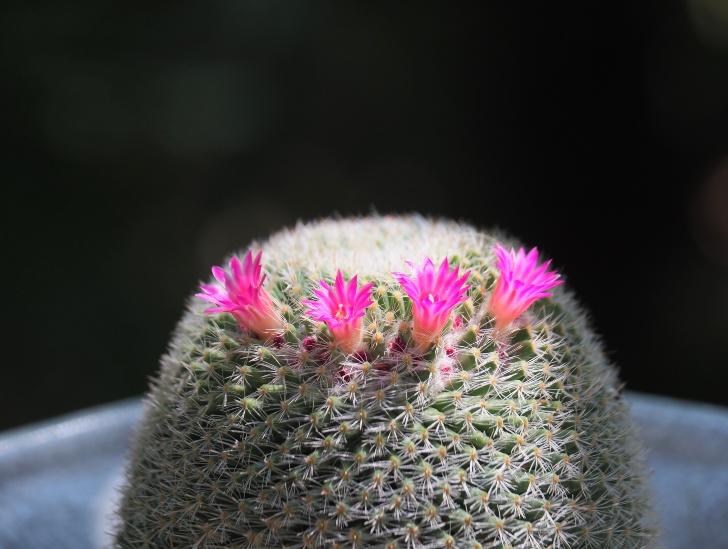
The short-stem cacti with mature stems usually flower within five years from germination.  Hedgehog cactus is a good example that falls into this category. This plant produces large beautiful pink or red flowers in plenty during spring.

Easter lily cactus is another good example of short-stem cactus plant that starts to produce huge funnel-shaped flowers within the first five years after germination.

For round cacti, you won’t have to wait for too long before you start to see the first signs of flowering. In most cases, cacti plants that fall into this category will begin to bloom three to four years after sprouting.

Although most of them are round when they are still young,   they tend to elongate into medium columnar plants with time. In fact, the most floriferous cacti plants belong to this category. They include the pincushion cactus and the Rebutia SPP cacti plants.

When Does a Cactus Flowers Bloom?

Most cacti plants bloom in the spring, opening their flowers during the day. The spring flowering season usually starts from mid-February to mid-June, with the peak happening around mid-March to late April, depending on the amount of rainfall and temperature.  

The spring-blooming plants can create an incredible floral show that can last for days or weeks.  Even if rains are sparse during this time, most cacti plants are poised to put on a magnificent floral show because they draw up their stored water and use it to flower.

The only difference is that they won’t flower as much as they could if rainfall was abundant. Typically, wetter years spur more flowers. The cactus show continues throughout spring with some species such as the Opuntia spp starting to flower in May, followed by the giant Saguaro in June. 

Old lady cactus flowering.
The spring flowering season usually starts from mid-February to mid-June.

While a lot of cacti species will start to bloom in the spring, others do so in summer.  Most cacti plants that flower in the summer are generally the large species that tend to store a lot of water in their stems.

The stored water helps them bloom reliably, even when the temperatures soar. For instance, Saguaros are well known for their striking flowers that start to bloom in June through to July.  However, these giant plants that can reach up to 60 feet tall won’t start flowering until they are at least 40 years old

Creating the Perfect Blooming Environment for Your Cacti Plants

Your cacti plants require the right conditions to bloom. Keep in mind that even if your plant is fully mature, but the conditions aren’t right, it won’t flower. Almost all cacti plants usually need bright and hot desert-like sunlight to bloom properly.

They also need a period of dormancy that usually occurs during winter to get ready for the blooming season. In this section, we highlight some of the critical conditions that you must achieve to help your plants bloom.

What temperature does a blooming cactus plant require?

If you want your cacti plants to bloom, you must ensure that the temperature is right. Most cacti plants take a break during the cold winter months and bloom actively during spring and into the summer.

The best range of temperature to spur flowering in your plant is between 55 and 60 degrees F. You must strive to maintain this temperature for about six weeks just before the flowering season kicks in.

Maintaining this temperature during the period of dormancy (winter) will help the plant to devote much of its energy towards creating flower buds.

During spring, you can gradually increase the temperature and closely monitor how the plants respond. Most cacti plants love relatively high temperatures and will cope quite well when carefully transitioned from an indoor setting to outdoors.

If you don’t want to take your plants outdoors, be sure to keep them near a south-facing window where they will receive plenty of sunlight.

How much light does a blooming cactus need?

Just before the blooming season kicks in, you will need to expose your plants to lots of darkness. Your plant requires between 12 to 14 hours of uninterrupted darkness for at least eight weeks to bloom.

Top view of flowering cactus.
Your plant requires at least six hours of direct sunlight

During this period of dormancy, exposing your plants to some minimal indirect sunlight is okay, but you have to make sure the darkness cycle is not interrupted. However, things might change once your plant starts to put on the beautiful floral display.

During the flowering period, strive to provide it with at least six hours of direct sunlight. This shouldn’t be a difficult thing to achieve since there is plenty of sunlight during spring and summer when these plants bloom. 

Typically, your plant will show some signs of distress if it is not receiving sufficient sunlight. You may start to notice some discolouration on its spines, and the flowers will begin to wither.

The plant may also start to stretch towards the light direction. If you notice any of these signs, carefully relocate your plants to a spot that receives more direct sunlight and it shall self-heal and bloom more.

How much water does a cactus plant need when blooming?

Even though cacti plants are extremely drought-tolerant, they still need sufficient water supply, especially during the flowering season. Keep in mind that in their natural desert environment, these plants receive the bulk of their annual water during monsoon’s rains. 

The amount of water absorbed and stored in their stems during this period is usually sufficient to last them for too long. But, you don’t have to expose your flowering cacti to such harsh conditions

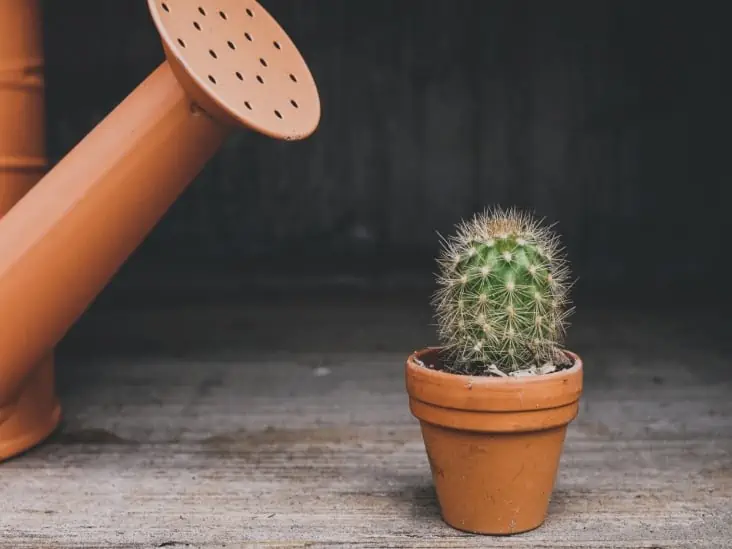
A small cactus in a pot and a water can.
Water your flowering plants once or twice per week to keep the flowers healthy.

Always check your potting mix frequently and be sure to water whenever the topsoil is completely dry. Check the soil by hand and be sure it is completely dry before you water again.

Generally, water your flowering plants once or twice per week to keep the flowers healthy. But, you need to be careful not to overwater your cacti plants because overwatering is much more dangerous than underwatering.

Why Is My Cactus Not Blooming?

While cacti plants are incredible exotic plants that create quite a magical show when blooming, these plants may sometimes fail to flower. As we have mentioned earlier, you must strive to provide the right conditions for your plants to bloom.

Therefore, if your plants are fully mature and haven’t started blooming, it could be they are not getting the right amount of light/darkness, water, temperatures, or are grown in the wrong type of potting soil.

But what if all the conditions are right, but still you cannot see any signs of blooming? In such a case, it could mean that you are growing one of those cacti species that take too long to bloom.

As mentioned earlier, some cacti species may take up to 50 years to start flowering. In other words, you will have to be patient for at least 50 years before you can see the first floral display on these plant species.

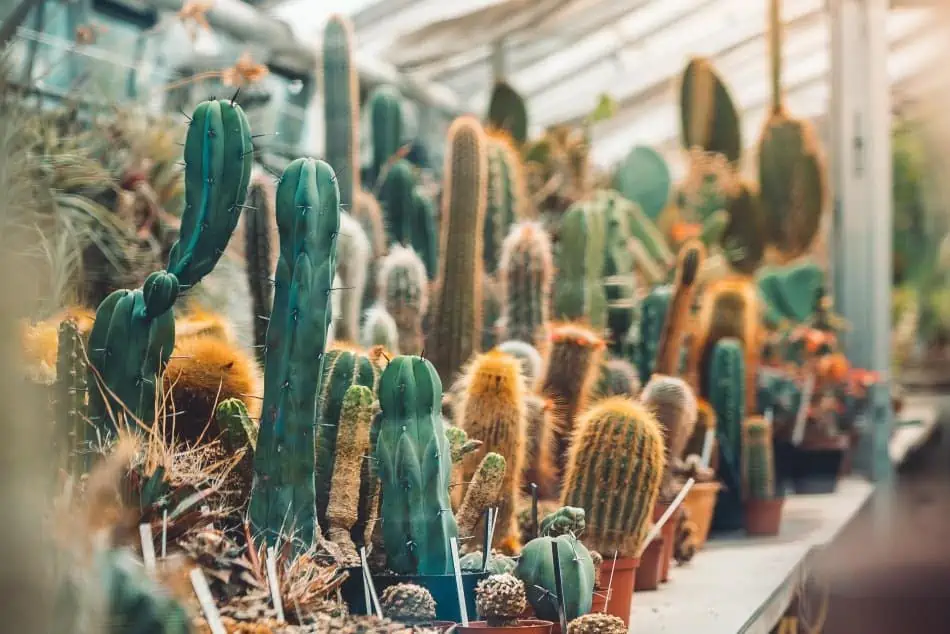
Cactus plants on display.
Some cacti species may take up to 50 years to start flowering so you will have to be patient

Summary

Almost all cacti plant flower as long as they are fully mature and are exposed to the right environmental conditions. Even after blooming, the length of time the flowers last will depend on a wide range of factors and how you take care of your plant. The good thing is that as long as you do everything right, you can be sure to enjoy a magical floral display that can last for weeks. 

Have you heard any experience with flowering cactus that you’d love to share with us? Let us hear it in the comments section below.

How To Eat A Cactus Fruit Or Prickly Pear?

Disclaimer: The author is not a medical doctor or veterinarian. The information presented is purely to share our experience and for entertainment purposes. As always, check with a doctor and/or veterinarian before making any health or nutrition decisions and consult with a doctor and/or veterinarian regarding any question or problem that you have. The author and blog disclaim liability for any damage, mishap, or injury that may occur from engaging in any activities or ideas from this site.

Cacti plants are an incredibly fascinating group of succulents. While people associate the plant with lots of things, only a few know that cacti fruits are edible and so nutritious. Whether you are intrigued by their beautiful flowers, stems, shapes, or even spines, it is good to keep in mind that cacti plants can offer much more value beyond the aesthetics.

Wondering how to eat a cactus fruit or prickly pearThere are crucial steps you need to follow to make the cactus fruit edible. To get past their prickly exterior, you will need a sharp knife, bowl, fork, cutting board, and a food mill if you want to blend the fruit into pulp/juice. The process starts with identifying and harvesting the right fruits. From there, you need to get rid of the thorns, get rid of the skin, and decide whether you want to consume it raw or cook it.

These fruits have been an essential part of different diets for many years. They form an integral part of Mexican cuisine and are also consumed in many parts of the United States. In this post, we guide you step-by-step on how to prepare the prickly pear before eating it. Read on to find out everything you need to know.

What Is a Prickly Pear Cactus Fruit

A prickly pear cactus fruit is an edible fruit that grows on the nopal cactus. This type of cactus typically grows in hot and arid regions, including the Sonoran Desert, Mexico, New Mexico, Texas, and California.

The prickly pear has an oval shape with red-purple skin that has numerous small spines or needles.

The pulp is sweet and juicy, with a texture and flavor similar to watermelon or kiwi. Depending on the variety, it may contain edible small black seeds.

Always pay close attention to the spines when harvesting cactus fruits since they can be sharp and painful.

Preparing and Eating the Cactus Fruit

In this section, we talk about how to identify ripe cactus fruits, how to harvest them, and how to prepare them for consumption. You will need the tools mentioned above to complete the steps successfully. So, let us get started right away.

Identifying and harvesting the cactus fruit

The first thing you need to do is to identify the fruit on the plant and harvest it in the right away to avoid suffering thorn piercings. Typically, cactus fruits grow on the edges of the flat pads of the plant.

Fruit bearing cactus.
There are crucial steps you need to follow to make the cactus fruit edible

The fruits are pear-shaped and come in different colors ranging from green (not so sweet) to red (the sweetest). You may also come across fruits with orange or purple spots. The little spots that form on the surface of the fruit are not spines but glochids.

The tiny hair-like splinters can easily stick into your skin, causing severe pain, and they are hard to see.  When harvesting your cactus fruit, be sure to protect your hands with thick gloves or use a towel folded in several layers. Six or seven paper towels stack together to form one thick layer will also work fine. 

To harvest the fruit, hold it firmly in your hands then twist it gently. The greener fruits usually require more effort to harvest because they are not fully ripe. However, the red ones that are fully ripe will pop right off the plant with minimal effort.

Place the harvested fruit in a basket or bowl, and don’t touch it with your bare hands. You can also use tongs to get the fruits off the cactus.

Preparing to remove the skin

There are a few things you need to do to get the fruit ready for the next step. First, you need to remove the glochids to make the fruit safe for handling with bare hands. If you purchased the fruit from a store, the glochids should have been removed already.

You can easily burn off the glochids by holding your fruit over an open flame. Hold it with a pair of tongs or stick it on the sharp end of a fork and slowly turn the fruit over the fire.

Don’t be surprised to hear popping sounds as the glochids burn. Continue turning the fruit over the flame until all the glochids burn.

Peeling off the skin

Using a fork, hold your cactus fruit steadily and gently peel off the skin using a knife. If the cactus fruit is ripe, the skin will pull off easily with some gentle nudging.  However, you may need to use a little bit more effort if the fruit was still green.

Peeled cactus fruits,
The greener fruits usually require more effort to harvest because they are not fully ripe.

Once you have peeled the skin from both sides of the fruit, carefully grasp it to pull off the bottom skin layer.

Be careful not to touch the skin since it may still be having some glochids that may pierce your skin.

Place the fruit on a clean plate and use a fork or your pair of tongs to discard the bottom skin. Repeat this process with all the other fruits. Just make sure you avoid touching the skin with bare hands. 

Removing the seeds

You probably think that the fruit is ready for consumption after peeling off the skin, right?  You are not yet there. Most cactus fruits will have another surprise that you must deal with before you start to enjoy its deliciousness.

The fruit contains numerous seeds that you must find a way of eliminating from the fruit. You cannot eat the fruit with all the seeds. There are so many ways of removing them, but the best way is to use a food mill.

This simple mechanical device is mostly used by mothers to prepare baby food. So, if you are a mother, chances are you already have this tool. If not, be sure to look for it at your local store.

Simply chunk up your prickly pear fruits and run them through the food mill. In no time, you will have a bowl full of pulpy juice, and that is it.

What if you don’t have a food mill?

Some people are never bothered about the idea of passing their fruit through a food mill to get rid of the hard seeds. Fortunately, that is not a big issue. If you don’t have a food mill, then you can skip step number four.

A salad.
Upgrade your daily salad with cactus fruit

After peeling off the skin, slice your fruit into small pieces ready to serve. While you cannot bite through the small hard seeds, they won’t cause you any harm if you choose to swallow them.

Alternatively, chew the fruit and spit the seeds out. Feel free to do whatever suits you best.  Here are the five best ways you can enjoy the prickly pear fruit:

  • Cut up and add to salads
  • Cut up and add to any corn side dish
  • Add the fruit pieces to your favorite burrito along with lettuce and tomatoes
  • Dice the edible prickly pear fruit and add to couscous along with some diced tomatoes to spice up everything
  • Dice and add to your favorite salsa recipe or any other  store-bought salsa

Health Benefits of Cactus Fruits

Apart from being delicious, cactus fruits are also packed with a lot of health benefits. While there are no solid scientific studies on the health benefits of cactus fruits, experts suggest that nutrients found in these fruits can lower blood sugar levels, reduce cholesterol, and even heal wounds

The results of a study conducted in 2019 showed that the nopal plant family, Opuntia dillenii has many anti-inflammatory and antioxidant properties. The findings also suggested that the fruit may boost immunity, protect body organs such as liver, and soothe the pain.

It is for this reason that many herbal doctors cherish cactus fruits. They use them in treating and preventing a wide range of conditions and symptoms such as ulcers, glaucoma, fatigue, ulcers, wounds, and liver conditions. In Mexico, a lot of people believe that these fruits can cure diabetes.

Citrus fruits.
Nutrients found in cactus fruits can lower blood sugar levels, reduce cholesterol, and even heal wounds

Just like most vegetables and fruits, cacti fruits also pack healthy fiber, which plays a critical role in managing diabetes.  A significant number of individuals make the fruits part of a high-fiber diet that can be used to manage sugar levels, improve levels of lipids/fat compounds, and reduce insulin levels in the bloodstream.

While it might be too early to call these fruits a superfood, they can still be part of a healthy day-to-day diet. In fact, some people consume their leaves, stems, and even flowers. Each part contains a lot of calcium, potassium, and, most importantly, proteins.

Are All Prickly Pear Cactus Fruits Edible?

All prickly pears from the Opuntia genus are edible, although you may discover that not all varieties are tasty and delicious. Some fruits will usually have more seeds or spines than others, and it is upon you to decide what you want.

Most of the prickly pears and cactus pads you will find in stores come from the Opuntia genus but have been carefully selected, prepared, and packaged. Saguaro cactus fruit is also edible, although it is not easy to come by in stores.

Cactus fruit drink.
Always take time to prepare your cactus fruit in the right way before serving it.

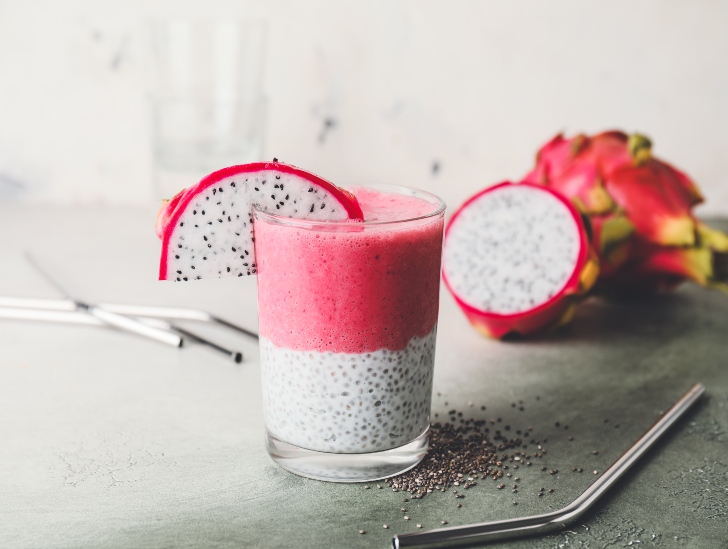
Organ pipe cactus fruit is also edible, as is the famous dragon fruit that grows on some cacti species. There are lots of other types of cactus fruits that are consumed in different parts of the world, but these are some of the most common ones.  

Different Ways to Eat a Prickly Pear Cactus Fruit

There are different ways to enjoy a prickly pear cactus fruit. Some include juicing it, blending it into smoothies, adding it to salads, and composting it for a savory flavor.

Prickly pear can also be eaten fresh right off the cactus. To do this, ensure you burn off the glochids with an open flame and remove the skin with a knife or fork before eating.

Prickly pear can also be diced and added to burritos, couscous, salsa recipes, or any other store-bought salsa for a unique flavor. Some people even go an extra mile by adding it to their cocktails.

When Are Prickly Pear Fruits in Season?

Typically, prickly pear fruits are harvested from July to October when they are ripe and ready to eat.

Some varieties may be available for sale during other times of the year, but fresh-harvested fruits will only be found in stores around these months.

Some grocery stores will still have plenty of prickly pear fruit supply in December, depending on where they get their supplies from.

Sometimes, they will appear in stores even before the harvesting season since they have been frozen.

Summary

Although cacti fruits may appear vicious on the outside, they are so delicious on the inside. However, before you get to the sweet meaty inner flesh, you will need to do a lot of things to get past the prickly spines.

Any slight mistake can be costly and will leave you nursing injuries. Always take time to prepare your cactus fruit in the right way before serving it. If you are still new to cactus fruits, consider easing them into your diet slowly to avoid body reactions.

Some people have reported experiencing nausea, diarrhoea, and increased stool frequency after consuming the fruit for the first time. But these symptoms disappear after some time.

So, do you love eating cactus fruits? Share your experiences with us in the comments section below.