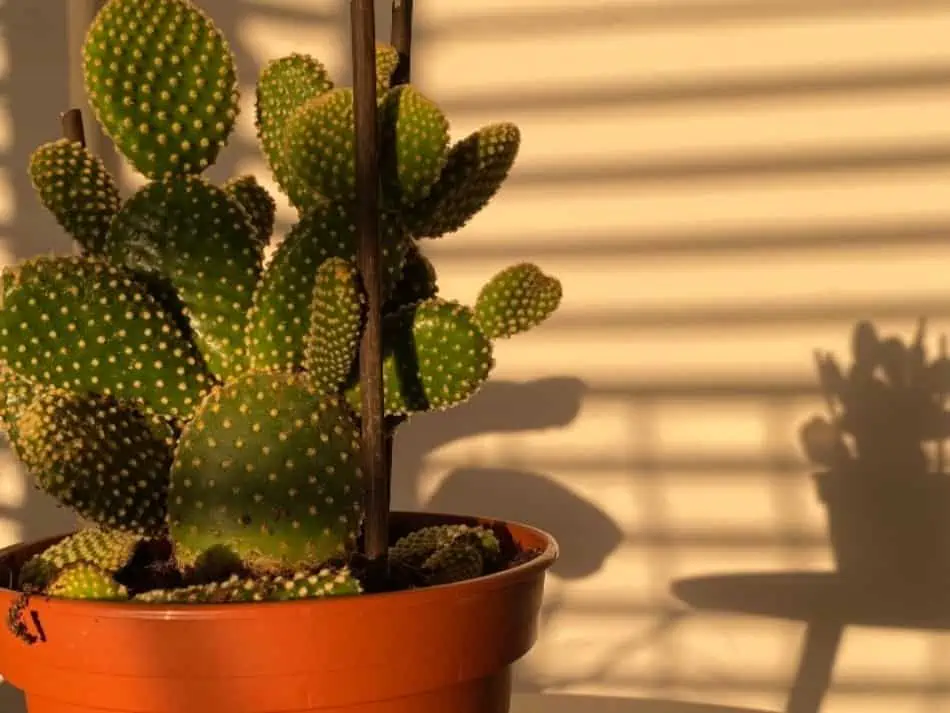
How to Revive a Mushy Succulent?

A mushy succulent can be a result of several different factors. Succulents are desert plants and they naturally do not have much moisture in their tissues because of the heat and lack of rain. If a succulent gets too wet or is exposed to excess humidity, it will dry out and become mushy. When this happens, the best thing to do is get it back into a growing medium that will help maintain its moisture level.

So, how do you revive a mushy succulent? The best way to revive a mushy succulent is to cut off the bottom of it and place it in soil that is well-draining. Ensure the soil is not too wet, but moist enough for it to stay healthy. Mist the succulent with water every day or two and place it in a sunny area that provides good air circulation. The fastest way to revive a mushy succulent is by planting it outside where it can get more direct sunlight than inside of your home and will have access to potting soil that is well-draining.

Reviving a mushy succulent is not as complicated as many would want to believe. This article offers a few simple steps to follow and will help you in reviving your mushy succulent. It will also offer you some insight on how to maintain your succulent so that it does not become mushy again.

Causes of a mushy succulent

A mushy succulent can mean a number of things:

The succulent was in too much humidity for an extended period of time. Excess humidity causes the succulent tissues to dry out and become mushy. This is the most common reason for a mushy succulent. The best remedy for this is to cut off the bottom of it and place it in soil that will maintain its moisture.

-The succulent was exposed to sunlight for too long or not enough. Excessive exposure can cause sunburn because plants cannot stop generating energy, which burns tissues on the surface of plant leaves. This causes them to dry out and become mushy. If it is not too severe, the best remedy for this is to cut off the bottom of it and place it in soil that will maintain its moisture.

If your succulent is exposed to excessive amounts of sunlight, it may get mushy over time.

-There are not enough roots on the bottom and top sections to support it.  This usually happens when a person takes a cutting from another plant without transferring some root tissue with it.  If this is the case, you can try to root the section in a new pot with soil. Doing so will help it stay healthy and will encourage the growth of roots.

-The succulent is infested with bugs or disease, which can also cause mushy succulent or even rotting leaves and roots. If this is the case, you’ll need to use pesticides on them in order for your succulent tissues not to dry out and become mushy.  Do not use soap-based insecticides as they may kill your plants.  The best option is to choose a pesticide that contains Neem, which will help control the bugs and prevent future infestations.

-The succulent has been in one spot for too long.  If the plant is out of water or experiencing some other type of stress, it will produce roots along its stems so that it can better anchor itself to survive until conditions improve around it. This results in a mushy succulent because the new roots are in contact with water and less likely to wither.

-The succulent had been completely submerged in water for an extended period of time.  Such extended contact with water will cause the plant to wilt and become mushy. The best remedy for this is to cut off the bottom of it and place it in a well-draining soil mix.
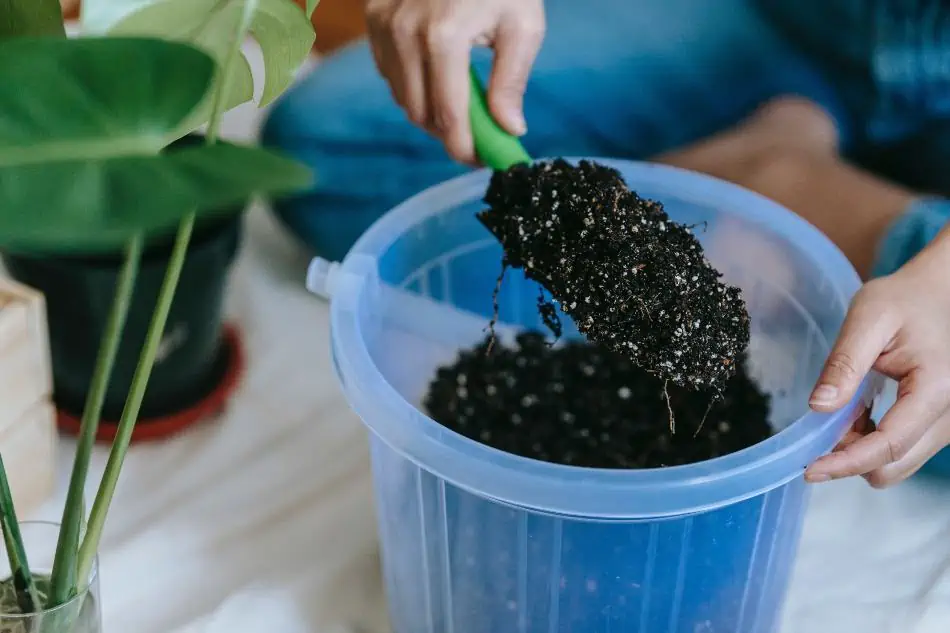
Use well-draining soil for your succulents to prevent them from having extended contact with water.

-The succulent was exposed to extreme temperatures for an extended period of time. Plants cannot survive in areas that have low or high heat, so they will turn brownish and die from exposure if left unattended.

-The succulent was exposed to an insecticide or something else toxic for an extended period of time.  If this is what caused your mushy plant, then you need to figure out how quickly the chemicals are being absorbed and how long it will take to completely eradicate them.

-The succulent was exposed to salt for an extended period of time, which may cause major damage if left unattended.  Plants cannot survive when they come into contact with saltwater or other salty material because their tissues become dry and mushy. When this happens, you should cut off the bottom of it and place it in soil that will maintain its moisture.

-The succulent may be too old or have been neglected for an extended period of time.  If this is what caused your mushy plant, then you need to figure out how quickly the tissues are drying out and if they’re irreparable. In case they are not reparable, it may be time to replace your succulent.

-The succulent may be too small and immature for its environment, so it is not getting enough water to survive or has been exposed to something toxic that is causing the tissues in its leaves to dry out.  If this is the case, you should remove it from your current location and place it somewhere with better conditions where there is plenty of water and the air is not too hot.

How long does it take for a mushy succulent to revive back?

A mushy succulent can mean several different things, but all of them result in the plant’s tissue becoming dry, mushy, and unhealthy-looking. The best way to avoid this is to take steps at once so that you can revive your succulent before it does too much damage to itself and becomes irreparable. This early intervention will help your plant return to its former glory in no time.

The time taken for a mushy succulent to revert back to its healthy condition will depend on the cause of its dryness and mushiness. If you know what caused it then take appropriate measures to remedy it as soon as possible, or else your plant will continue to suffer until there is nothing left for you to do but replace it.
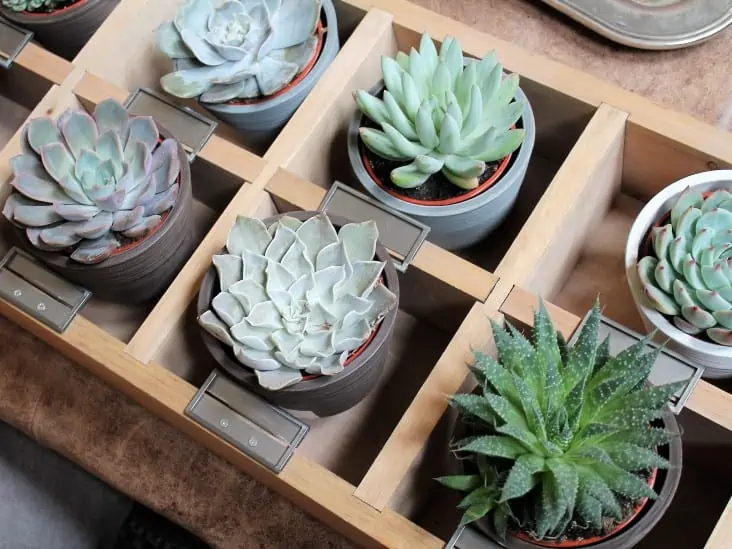
Reviving a mushy succulent can take from a few days to around one month, depending on its dryness.

Generally, it will take a few days to completely revive your succulent if it is just suffering from exposure or neglect. It may take up to two weeks for the tissue in its leaves to become healthy again if it has been exposed to something toxic, and up to one month of constant care before it revives itself if you have not yet determined what caused its dryness and mushiness. This is only a general guideline, so make sure to check on your succulent regularly and keep track of how long it is taking for it to come back.

How to avoid experiencing a mushy succulent

A mushy succulent can be detrimental to your plant but you can easily avoid getting a mushy succulent in the first place. The following steps will help you avoid the hassle that goes into reviving a mushy succulent.

-Maintain a healthy and well-balanced diet with ideal amounts of water to ensure that your succulent is getting the nutrients it needs to stay strong. Keep an eye on its appearance because you may be able to identify signs before they become too obvious.
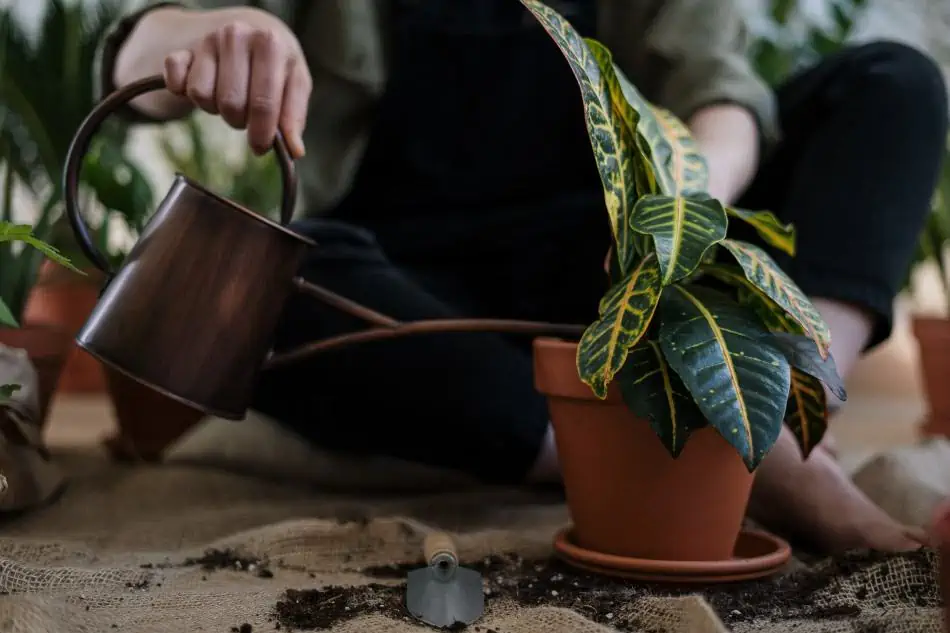
Make sure your succulent receives adequate amounts of water to prevent it from becoming mushy.

-Find an environment conducive for your succulent’ needs: if you are experiencing low or high temperatures then move your plant somewhere with better conditions; contact someone who can help identify whether something toxic has come into contact with it.

-Find a succulent that is the right size for your environment: if you have a small and immature plant then remove it from its current location to somewhere with better conditions where there is plenty of water and the air isn’t too hot.

-When watering, do not let your plant’s soil dry out completely but don’t water too much either. The goal is to keep the soil moist but not soaked because this will cause its tissue to turn dry and mushy as well.

-Finally, make sure that you’re giving your succulent enough sunlight so it can thrive in an otherwise healthy environment. If possible, move it away from places where there are too many toxic fumes or where it is exposed to the sun for too long.

Succulent is generally a non-problematic plant but it can get mushy and unhealthy if it is exposed to something toxic or faces neglected. If neglecting your succulent has caused the tissue in its leaves to dry out, then taking care of this problem will be a matter of giving it plenty of water while making sure that harmful substances don’t come into contact with it again. Reviving a mushy succulent is not a difficult task to undertake if you know what the cause is, and it will only take a few days for your plant’s tissues to become healthy again.

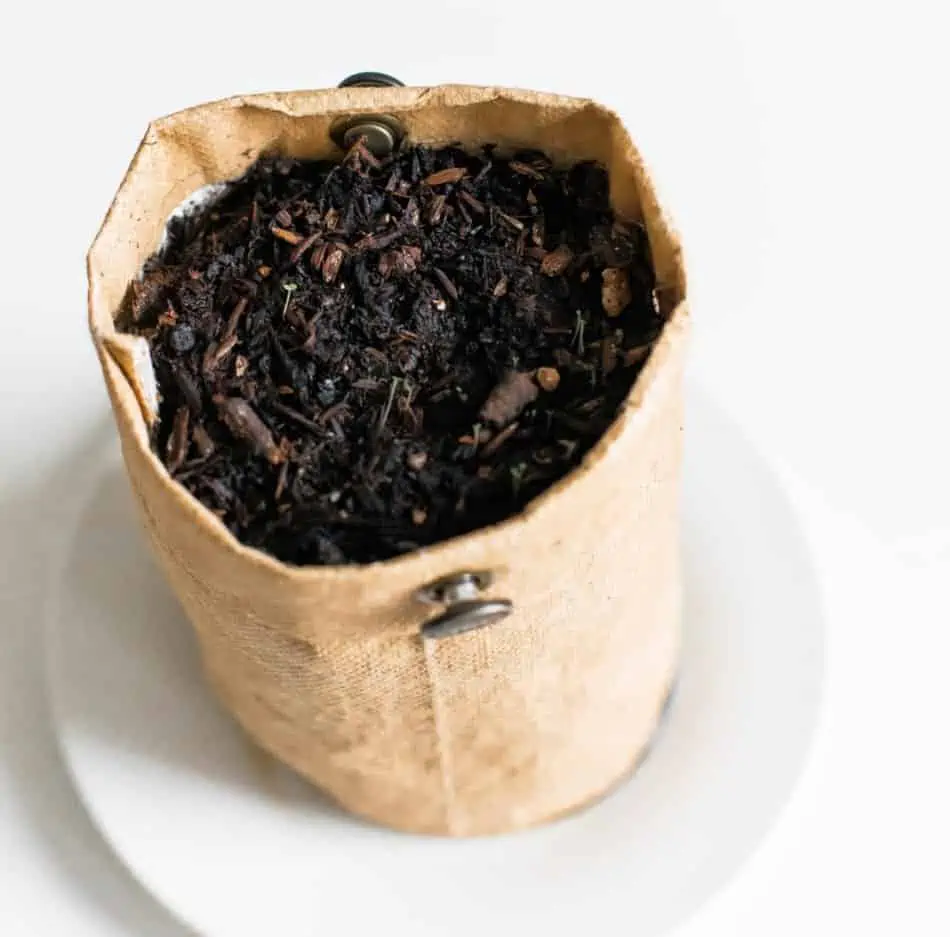
How to Choose the Perfect Soil for an Ice Plant?

Nothing draws more attention to your landscape like an ice plant in your garden. Ice plant is a vibrant way to fill up spaces in your garden because the hardy ice plant is succulent and has a perennial ground coverage of daisy-like flowers. While heat-loving perennials thrive to some level of neglect, choosing perfect soil is important.

It is easy to grow plants and thrive well if their conditions are well met and neglected. Ice plants are perfect plants to grow as they form a carpet of flowers that are deer resistant and attract bees, butterflies, and other beneficial pollinators. It is one plant that will make you enjoy beautiful colours year after year. Therefore, it is worth it choosing the perfect soil to grow the perennial plant to enjoy the long-lasting benefits.

So do you want to know how to choose the perfect soil for an ice plant? First choose a soil with good drainage, soil with fewer nutrients, medium soil consistency, and that with a PH-neutral. Ice plant is vigorous and grows well in poor to average, and well-draining soil. In this case, sandy, gravel and dry soil is perfect for ice plants. They will choke and die in moist, dense, and claylike soil, thus the need to target a pH-neutral soil when planting.

Choose Soil with Good Drainage.

One of the most important components to consider when choosing soil for ice plants is good drainage. Ice plants do not like poor drainage, as it leads to soggy roots submerged in water and may cause the plant to rot. The lampranthus thrive well in well-aerated soil with high drainage ability. Avoid dense or moist, clay-like soil that tends to hold water for long.

To avoid the accumulation of excess water, you should always choose sandy soil for your Ice Plant.

When choosing the perfect soil for your ice plant, sandy and loam soil are best. Avoid using clay soil during a dry or wet climate because of poor drainage, as excessive standing water can choke the plant. However, in drier climatic conditions, garden loam is the perfect soil to grow the plant.

How does proper drained soil help an Ice plant? 

Inappropriate soil drainage when planting ice plants can also attract termites that can destroy the crop due to moisture. Proper soil with good drainage will ensure that the topsoil is not carried away from the plant. When an ice plant is grown in a container, mix high-quality potting soil with coarse sand to allow good drainage.

Select Soil with Low Nutrients

Soil nutrients are good for a healthy ice plant to grow. However, the Ice plant is a simple plant that doesn’t require a lot of nutrients from the soil or supplements from shops. Ice plants will do well and thrive better in soil that has fewer nutrients. There is no need to add compost or fertilizer when planting ice plants as it is self-satisfactory with the few nutrients it gets from the soil. 

Since Ice Plant does not really require supplements, a low-nutrient soil would work just fine.

Sand or gravel soil is the best for Ice plants, because of the low nutrient levels. You can mix gravel or sand soil with your farm soil to create an ideal growing medium. Due to its original arid habitat, the plant has well-evolved increased tolerance towards most physiological stresses, enabling it to thrive well and brighten in low nutrients soil.

Some soils do not have single nutrients for the plant to use. Though the plant does not require many nutrients, ensure that the soil has a bit of nutrients. The plant needs little and, in most cases, no fertilizing, and all they require is planting and watching them grow.

Select a Soil With Medium Consistency.

Soil consistency can be termed as the strength of the soil to hold materials together and resist soil distortion and rupture. It varies from hard, soft, and sticky soils. When choosing the best soil for the ice plant, select one with a soft type of consistency.

 Loam soil is a combination of sand, silt, and clay soil and has a medium consistency. Pure sand soil and a mixture of garden soil with gravel are good for growing ice plants. Soil with medium thickness will hold the plant well because it increases the resistance of the soil beneath the plant to any pressure. When planting an ice plant in a pot, a mixture of sand, gravel, and loam is the best soil for ice plants.

Choose Soil with PH-neutral Upon Planting.

Regarding how nutrients are distributed to a crop, PH levels influences micro-organic activity that allows the decomposition of organic materials. Soil with a neutral-PH makes it possible for microbial actions to improve chemical variations to the plant. Microbial components include important chemicals like sulphur, phosphorus, and nitrogen, which the plant can easily obtain. 

Ice Plants should be grown in pH-neutral soil that promotes various microbial actions.

If the soil around you is not acidic or alkaline, it is good that you correct it before planting your ice plant. High acidic soil means plant roots cannot access the nutrients required for maximum growth. Appropriate soil pH supports the development of a strong ice plant that blossoms and grows fruits.

To correct acidity in soil add lime to the soil a few days before planting the ice plant. If the soil is too alkaline, you can fix it by adding gypsum, which reduces the concentration of sodium found in the type of soil. PH that is too low or too high may affect pesticides management and is likely to change the soil composition. 

Loose or Poor Soil?

Soil is considered loose if it has a low relative density from 0 to about 15% and has a void ratio compared to other soil. Choose a perfect loose soil to grow your Ice plant, because it has little strength, and it is easily compressible, making it best for growing ice plants. You can choose from decayed organic materials and mineral particles, which form loose soil, and with these characteristics, the plant will grow fine, because it is well aerated and does not hold water.

Grow ice plants in loose soil, to allow the roots to easily spread and pull water and minerals from a larger area. When water is supplied to the plants, it easily enters the loose soil. Loose soil will drain much of the water, leaving enough for the plant.

When you use poor and compacted soil, it will inhibit the roots from spreading and reaching valuable minerals and water. Therefore, loose soil is perfect, because it acts as a good support system to the plant. Loose soil will prevent water from clogging, ideal for ice plants promoting good air transportation into the soil.

Why is a Porous Soil Most Suitable? 

Soil with the best porosity for ice plants is loam soil. One of the best aspects of having porous soil to grow a plant is that it holds a lot of oxygen within the pore’s spaces. Mixing sand with gravel makes the sand porous, making them good aquifer materials for planting ice plants.

Porous soil enables the Ice Plant to develop sturdy and healthy roots.

Soil porosity may affect soil drainage, with those with less porosity able to hold water for plant consumption and drain the excess. Porous soil also leaves space in the soil, creating good aeration, important for root health. When soil with poor porosity is used, it facilitates soil erosion as it can be easily washed away with rain waters, thus the need to select less porous soil. 

Making the Soil Permeable.

 If the soil in your compound is not less porous, you can create a mix of sand and gravel to make it porous. Gravel has the highest permeability. Making the soil permeable increases the soil’s drainage and increases the proper movement of the roots system.

 The spaces created by the gravels allow air to circulate in the roots. Permeable soil ensures no clogging of water in the plant’s roots, and the plant absorbs only enough water and drains the excess. Since ice plants flourish well in drought and harsh conditions, where most soil drains off quickly, providing permeability makes them grow perfectly. 

Though it is important to choose permeable soil, it should not be too porous. If the soil is too porous, it washes away the nutrients in the plant during watering. Though water moves well in such soil, the soil will not hold enough water for the plant, and it is impossible for the roots to access any nutrients, as much as an ice plant requires less of that.

Bottom Line

 If you want a new plant in your garden, try planting an ice plant. Ice plant is a beautiful plant that will add splash colours to your garden. Ice plants will not require much of your time because they are easy to grow and maintain.

 Ice plant appears in many species. One of the good things about the plant is that their fleshly, bright green foliage is always green and tends to provide colour all year. Besides preparing a ground cover for your compound, this plant is hardy. It is tolerant to heat, drought, and frost, with some of its varieties, is not affected by winter.

Are you looking for a drought-tolerant yet lovely flower to introduce to your garden? Then try planting ice plants to add a bright colour to drier parts of the garden. It is an easy-care plant, as long as you choose the perfect soil for easy management. 

Can a Damaged Cactus Heal Itself?

Cactus is known to be one of the hardiest plants ever. They endure everything from extreme drought to being buried under the tumbling sands of a desert. Injuries and wounds are part of their daily life. Even those grown at home are not excepted from injuries and wounds. New research, however, has found that these plants have one more trick up their sleeve: self-healing.

Can A Damaged Cactus Heal Itself? Apart from the harsh conditions of the desert, cactus also receives wounds from animals, accidents, or routine care such as cuttings. The scars can be deep, on the shallow stem surface or in the roots. The good news is that cactus can heal these wounds on their own with amazing speed and effectiveness.

If you’re wondering if a cactus can really heal itself, the answer is yes. However, the actual process is fascinating. Here are things you should know about cactus self-healing.

How Can Cactus Heal Itself?

Cactus can seal off a cut almost instantly, thanks to a newly discovered mechanism. After a cactus is cut, it releases an acid that dissolves the tissues around the wound over a period of about 48 hours. Then, calcium carbonate crystals form in this area and harden, binding the wound.

Cactus can heal itself by producing acid and forming calcium carbonate around the wound.

Normally, a plant can seal off wounds naturally because of its immune system. This is how it protects itself from various diseases and infections from outside elements such as animals or bacteria. The acid released by the cactus during self-healing creates this protective layer that prevents another infection from occurring after the wound heals.

The cut, therefore, heals with minimum scarring thanks to the body’s natural defense mechanism. This is why cactus can heal itself so quickly without any medical intervention.

Types of Cactus Wounds

There are different types of wounds that your plant is likely to receive. For instance, an accident may cause the plant to fall or tip over, which will leave a big gash on its body. Animals can also cause small cuts during routine foraging for food. Cacti are so difficult to cut that you needn’t worry about causing infections even if physical damage is done.

Here are the different kinds of wounds you’ll notice on your plant:

Shallow Surface Wounds

The shallow surface wounds result from knocks and bumps. Plants can handle this type of wound by themselves. How fast these wounds heal will depend on the season. They might take longer to heal during cold seasons than they would during the summer.

Deep Surface Wounds

These types of wounds are worse because they penetrate more deeply. They’re wounds resulting from harder impacts that could damage the cactus’s vascular system. With these kinds of injuries, there is a high risk of infection and failure to self-heal. Cacti often fail to heal if they suffer deep wounds or irreparable damage.

Smashed, Uprooted, or Broken Off Cacti

These kinds of wounds are the worse case scenarios for a plant that has been damaged by a strong impact. The likelihood of these types of wounds becoming infected is high, and it may take years for them to heal completely. If left unrepaired, the injury could also become necrotic.

Internal Wounds

Internal wounds are the types of injuries that occur when a cactus has been cut off at the stem. There is a very high risk for infection when this happens because it opens up the plant to invasion by pathogens.

Although plants have immune systems just like humans, they are not as effective in fighting infections. This is why internal wounds caused by cuttings should be treated immediately by a plant doctor.

Transplanting or Propagating Wounds

These types of wounds are common during transplanting or propagating plants. Cacti should be put in clean soil after these procedures to avoid infection. How you handle your plants during these processes will determine how easy they’ll heal. Ensure that the soil you put them in is sterilized and that your hands are clean before transplanting.

If you notice that some of the roots of your cactus have been cut off or torn apart during transplanting or propagating, you must tend to them immediately. Trim them off and surrounding them in clean soil.

If roots have been torn apart when transplanting your cactus, you should immediately trim them off.

Damaged Roots

If the roots of your cactus were damaged, they would not be able to self-heal. Damaged roots mostly happen as a result of digging near the plant. It is common to accidentally cut roots off when doing this. The best thing you can do for your cactus during this situation is to make sure that the damaged area remains dry and clean. You don’t want it to get infected by viruses or bacteria floating around in the soil.

A cactus with damaged roots will not be able to heal itself, so you should clean the area and keep it dry.

What Should You Do if Your Cactus Gets Damaged?

Cactus normally heal their own wounds, but lab tests show that damaged cacti usually take longer to heal than regular ones. They take anywhere from 30 days to 2 years to completely recover.

If you want your cactus to heal faster, you can use a water bottle to spray it with clean water. This will help the plant recover by keeping the surrounding area moist while it’s healing. It is also recommended that you reproduce or propagate your damaged cacti as soon as possible to avoid infection.

Use a spray bottle and clean water to keep the area around the wound clean and moist.

Cactus that has internal wounds should be treated with a fungicide, then wrapped in plastic, and placed in a sunny location indoors. This will stop the infection from spreading and force the plant to focus its energy on healing itself rather than fighting off pathogens.

A cactus can handle physical damage without any help. However, if the wound is serious or you find that it’s taking too long to heal, then you should contact a cactus doctor immediately.

Treat your plants right away to avoid infections after the damage has been done. This will ensure that they heal faster and look just as beautiful as ever!

Tips To Protect Your Cactus from Wounds

  • Don’t keep your cactus in drafty areas. Setting them next to a window or an air conditioning unit can cause serious damage if it’s too cold or too close.
  • Keep the surrounding area around your cactus dry, especially during winter, to avoid rot.
  • Protect your plants from lawnmowers, pets, other animals, and children. They might cause your plant to fall over and collapse, which can lead to serious damages.
  • If you want to protect your cacti from physical damage in the future, you should buy a special case for them. This will put an end to worries about bumps and bruises while protecting your plants from harsh conditions such as extreme temperatures or moisture changes.

Related Questions

How long does it take for a cactus to heal?

It takes anywhere from 30 days to 2 years for a cactus to heal. But you can help your cactus heal faster by spraying it with clean water, keeping the surrounding area dry, and ensuring the temperature is comfortable.

What should you do if your cactus gets damaged?

If your cactus gets damaged, it is recommended that you treat the wound with fungicide and wrap it in plastic before putting it in a sun-filled room indoors. This will prevent further damage and help your cacti heal faster.

Why do cacti have to be treated?

Cacti should be treated immediately after damages are done to prevent infections. If it gets infected, it will take much longer to heal and might never look the same again. This is why you should always buy a case for your cactus if you want to prevent future injuries.
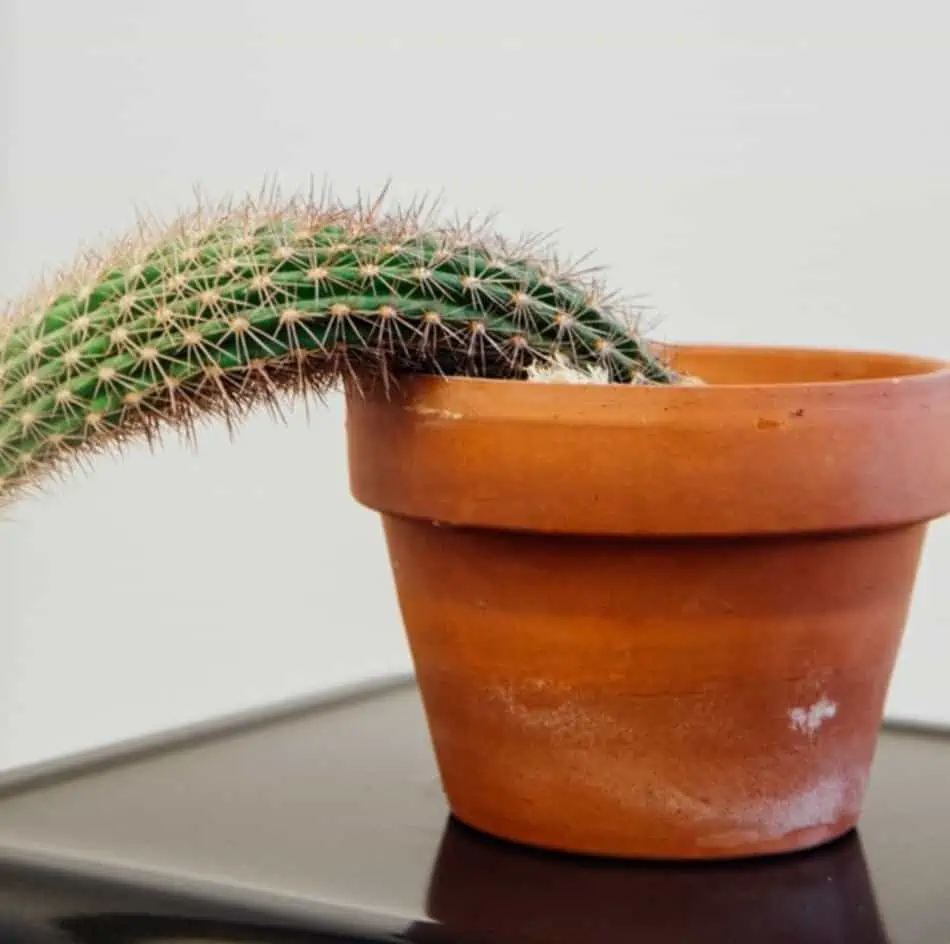
What is the best way to handle a cactus?

The best way to handle cacti with thorns is by using hands with gloves or tongs. This will make sure that you won’t hurt yourself while preventing damage to your plants. You should also avoid touching new buds or spines as they can easily detach from the plant and cause serious infections or injuries.

Can a dead cactus come back to life?

A dead cactus can’t come back to life because the root system was destroyed, but you can make it look new again by carefully replanting its head and covering it up with soil. This might take a while, though, depending on the condition of the plant.

Bottom Line

It’s indeed true that a cactus can heal itself from severe injuries, but it can take a while and might never look the same again. So instead of risking your plants and forcing them to heal on their own, you should treat their wounds immediately. You should also take measures to prevent injuries, such as buying a case for them so that you don’t have to worry about future injuries.

Remember, self-healing is only left for the cacti in the wild. As for the ones you have at home, it’s your responsibility to ensure they stay in good shape and look just as beautiful as ever.

What Are Cactus Plants Made Of?

Most of us probably know a cactus as a thorny green plant that grows in the desert.  While that may be true, there is still much more to learn about these succulents and how they survive. Cacti plants have special features that allow them to adapt quite well to harsh environmental conditions. They usually store water in their stems, roots, and even leaves and live for up to one year without rain.

So, what are cacti made of? Almost all plants in the family Cactaceae have unique features that allow them to survive in relatively dry climates. Much of its body makes up the stem that stores and transports water to other parts of the plants. The plant has thorny spines designed to protect it, capture water, and regulate its temperature. It also has a relatively broad root system for maximum water absorption whenever it rains.  Some cacti plants have flowers and fruits.

Read on to find out everything you need to know about these amazing succulents.

How Does a Cactus Plant Look Like?

There are approximately 2000 different types of cacti species that come in different sizes, shapes, and even colors. While green is the most common cacti color, we have some that are brown-green or bluish.

Some cacti plants are round, while others are literally flat like a pancake.  Some are shaped like a starfish, while others are pretty long like snakes.

A cactus plant can be small or big depending on its species. In fact, the largest type of cactus can grow up to 66 feet tall and weigh up to 4600 pounds. That weight is an equivalent of a fully loaded truck!

Although most of us think that all cacti plants are ugly, the truth is quite different.  Most cacti species are covered in thorny spines, but most of them also grow big, beautiful flowers during specific times of the year.

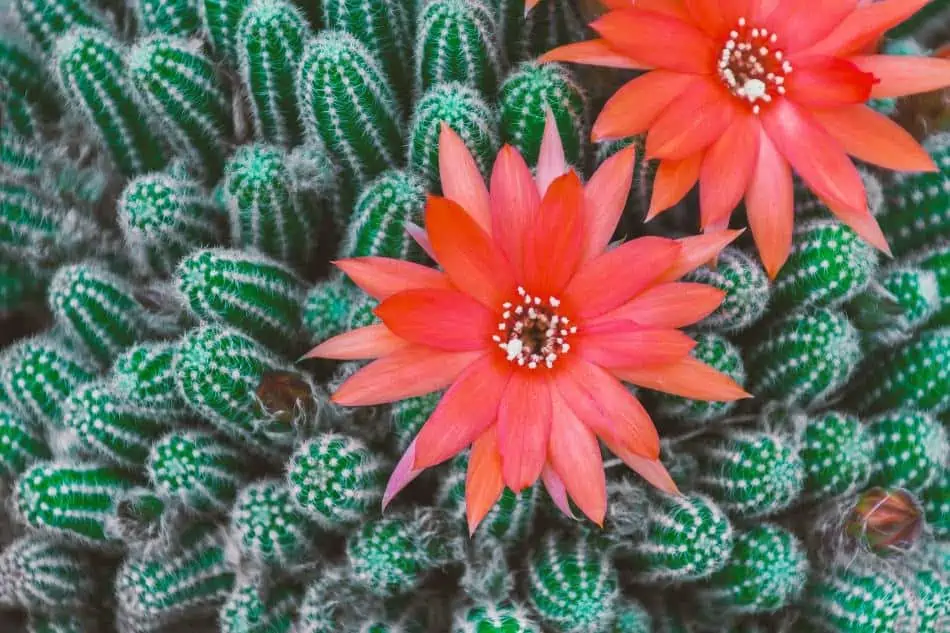
Cactus flowers can be blue, orange, yellow, white, or red. Some cacti plants bloom for only one day, while others put on the show for several weeks. Many of the flowers are nocturnal, meaning they only bloom at night.

The spikes on a cactus plant are known as spines and serve as leaves. These spines limit water loss through the process of evaporation, helping the plant survive in harsh climatic conditions. They also protect the plant from desert animals and birds.

What Makes Up a Cactus Plant?

Now that you understand how a cactus plant looks like, let us discuss some of the unique features of these succulents:

1. Corona

Corona is the highest part of a cactus plant. It is usually covered in spines and often has a purple tinge.

The corona is the most vulnerable part of the plant since it is where the flowers and fruits form, so it’s important to protect this area while gardening.

Corona connects directly to the plant’s vascular system and is responsible for transporting water to all parts of the cactus. It also supports photosynthesis and temperature regulation.

2. Stems

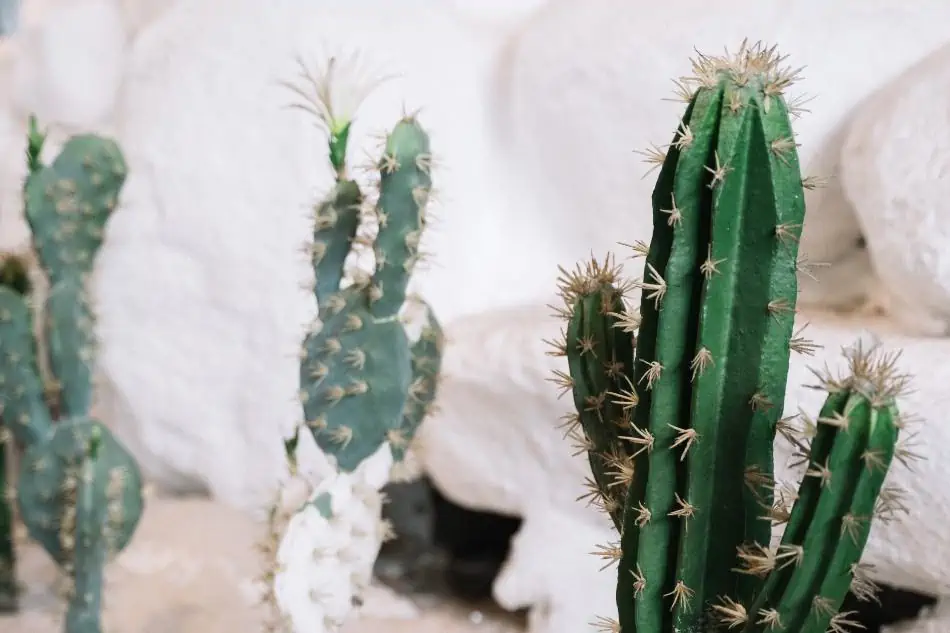
The leafless, spiny stem is a unique feature found on a majority of cacti plants. The stem is succulent, making it more adapted to storing water. Its surface may be smooth or covered with slight bumps known as tubercles.

The tubercles vary in size and are more prominent among cacti plants found in the genus Mammillaria. The stem may also be fluted or ribbed in shape.  The prominence of ribs usually depends on how much water the stem is storing.

Most cacti species are characterized by leafless stems that store water.

When the stem is full of water, the ribs are invisible since the stem is swollen. However, when the cactus plant is short of water, the stem shrinks and the ribs become more visible.

The stems of most cacti plants are green, brownish-green, or bluish since they contain chlorophyll used in the process of photosynthesis. They also have stomata that allow the passage of gases in and out of the plant. Some cacti stems are visibly waxy.

3. Ribs

Ribs are ridges found on cactus stems. Their primary function is to increase the surface area of the stem, allowing it to store more water during wet seasons and shrink when dry.

When there’s a lack of water, the ribs become very pronounced due to the shrinking of the stem tissues. The prominence of ribs also varies depending on how much water is stored in the stem.

Cactus plants with short ribs are more adapted to surviving in dry climates, while those with long ribs are more suitable for wetter climates. The number of ribs also varies between species and is usually used for identification.

4. Spines

Most cacti plants have thorny spikes modified into spines. The primary functions of the spines are to protect the plant, regulate its temperature, and store water.

The spines usually grow from the center and edges of the rounded areoles. The central spines capture rainwater and direct it towards the roots for absorption. They also keep desert animals at bay.

However, the relatively thin, white, and radial spines that originate from the outside of the areolas are specifically designed to reflect and absorb sunlight. Cacti species with few or no spines at all, such as the Christmas cactus, tend to produce toxic chemicals as their primary defense mechanism.

Spineless cacti, just like the Christmas Cactus, produce toxic chemicals to defend themselves.

The spines are also used for identification since they vary between color, size, number, hardness, and even shape. Most of them are straight or slightly curved and are usually described as needle-like, hair-like, or bristle-like, depending on their length and thickness.

Some cacti species have flattened spines, while others have hooked spines.  Members of Opuntioideae tend to have relatively short spines known as glochids. The spines are barbed along their length and can shed quite easily.

5. Areoles

Areoles are unique to cacti plants. They typically appear as hairy or woolly areas on parts of the stems where spines grow. Cacti flowers also grow from areoles.

In the genus Leuenbergeria, the areoles grow on the axis of leaves. In a leafless cactus plant, the areoles sprout on specific areas on the stem where the leaf bases would have been.

Areoles are basically specialized and condensed branches or shoots. In a normal shoot, the nodes bearing flowers or leaves would be separated by the length of the stem. However, in areoles, the nodes are pretty close to each other, forming one structure.

The areole may be stretched into a relatively oval or circular shape. In some cases, it will be separated into two parts that are visibly connected in some way.

The part near the top of the stem will generally produce spines, while the other one will produce spines.

In most cacti species, the areoles only produce new flowers and spines only for a few years before it becomes inactive. This is the reason why some cacti plants have a fixed number of spines, with the flowers only being formed from the ends of the stems.

6. Roots

Most cacti plants have a broad and shallow root system that is fully designed to ensure efficient water absorption whenever it rains. The roots are located close to the surface to absorb as much rainwater as possible.

Keep in mind that most deserts only experience light showers. Therefore, the rainwater cannot penetrate the deeper layers of soil.

The broad root system also protects these succulents from wind damage in the dry and loose desert soils.

The broad and shallow root systems of cactus plants protect the succulents from wind in dry soil.

During the rainy season, cacti plants develop a dense root system to facilitate maximum water absorption.  However, most of the roots are only temporary and die after the rainy season.

The large cacti species with a tall stem, such as the Saguaro, often develop a central taproot to provide further anchorage. The taproot also penetrates deep into the soil to access the water stored underground.

7. Flowers

Just like the spines, cacti flowers tend to vary greatly. The flower’s ovary is usually surrounded by a material derived from the stem tissue forming a unique structure known as pericarpel.

Different cacti species have different flowering seasons. For instance, most desert cacti species will flower during spring, but the Christmas cactus will bloom during winter (around Christmas time).

While some cactus species produce flowers in spring, others bloom in winter.

The flowers have many stamens but only one style, which may branch into more than one stigma. The stamens arise from all over the inner surface of the flower, although some cacti flowers produce stamens in more specific areas inside the floral tube.

The flower is usually radially symmetrical, but some cacti species produce bilaterally symmetrical flowers. As mentioned earlier, the flower colors vary significantly from red to pink, white, orange, and magenta.

8. Seeds and Fruits

When flowers are pollinated, they form fruits. Depending on the species, the fruit derived from a cacti flower will be either fleshy or dry.

The fleshy fruits may contain up to 2000 seeds each, while the dry ones have only a few hundred seeds. The seeds are very small and usually found embedded in the pulp of their mother plant’s fruits.

In some cacti species, the fruits may be edible. However, others are known to be toxic and should not be consumed without first consulting a professional. The prickly pear (Opuntia ficus-indica) is the most popular edible cacti fruit. 

It has a sweet taste and can be used in all sorts of dishes. Dried fruits are also used to make a type of sweet confectionery called cactus candy.

The Cactus Life Cycle

All cacti plants reproduce. A typical cactus flower will have male and female parts. The male part produces pollen, while the female part contains an egg.

Insects, birds, and bats are usually attracted to the flowers’ beautiful colors and sweet scent. While feeding, they transfer the pollen grains from the male part of the flower to the female part through pollination.

If the pollination is successful, the flower turns into a fruit. The cactus fruit is a flesh berry containing many seeds. When birds or insects feed on the fruit, the fleshy part is digested, but the seeds remain intact.

The seeds are then scattered far away from the main plant in the form of bird droppings. Wind and rain can also scatter the seeds.

A typical cactus plant produces up to one million seeds, but only one or two seeds live to become new plants. Some cacti species can reproduce without flowers and seeds.

For instance, both the cholla and prickly pear cacti species have relatively weak stem joints. When the stem breaks off from the main plant, it sometimes grows in the soil and develops into a new plant.

Most cacti plants are slow growers. Sometimes, it can take up to one or two years for them to grow into one inch. However, older plants tend to increase by three or four inches every year. These plants can live for up to 200 years.

Final Thought

Cacti plants are fascinating and highly adaptive succulents with many unique features that allow them to survive in harsh conditions.

From the structure of their stems and spines to their broad root system and showy flowers, they have a lot of interesting and useful features that make them stand out from other plants.  

They are also valuable food sources and can be used for medicinal purposes or garden decoration.

Is Succulent Soil the Same As Cactus Soil?

Cacti and succulents require a special type of soil mix, unlike conventional plants. As such, the soil should be able to hold water well without them turning mushy and retain oxygen. Cactus or succulent mix can often include many ingredients including bark, perlite, sand, loam topsoil, etc., but is succulent soil the same as cactus soil?

To better answer this, it is important to understand the difference between cacti and succulents. Cactus is a type of succulent, but not all succulents are cacti. The type of soil to go for really depends on what type of succulents you are growing. Succulents come in all shapes, sizes, and colors so it’s important to know the differences between them before deciding on a potting soil mix for your plants.

So, is succulent soil the same as cactus soil? Since cactus is a type of succulent, it is safe to say cactus and other succulents can thrive in the same soil type. All succulents, including cacti, require soil that is well-draining and high in organic matter. A common potting mix for succulents will include a combination of perlite, coarse sand, vermiculite, bark (pine or fir) all mixed together to create the perfect soil type for your plants.

A look at succulent soil structure and ingredients

Succulent soil is a special mix of various ingredients that make up the perfect soil for your succulents.  Succulents typically require well-draining soil and are high in organic matter. A good soil mix for cacti and succulents should include the following ingredients:

  • Perlite
  • Coarse sand
  • Bark (pine or fir)

This mix of ingredients helps ensure that there is an adequate drainage process for the succulents. The soil should also be able to hold water well, but not retaining so much moisture in it as to cause root rot and bacteria. Furthermore, the mix should retain enough oxygen for your plants to breathe properly and have beneficial microorganisms in it that help break down organic matter into nutrition for your succulents.

Perlite helps add some aeration to the mix, while also adding drainage. The coarse sand helps provide general support for your succulents and adds more aeration. Bark (pine or fir), on the other hand, helps add additional organic matter to your soil as well as holding water longer than other materials like peat moss. The mixture of these ingredients creates a much healthier environment for your succulents to grow in.

How to make your own succulent soil mix at home

If you are a hands-on succulent enthusiast, then making your own soil mix can be a great idea. This is because you can customize it to your needs and preferences. But, before you start making mixes for succulents at home make sure that the soil mixes are not too dense or too wet as this will cause root rot in your plants. The following are steps you can take to make your own succulent soil mix at home:

Steps to make your succulent mix at home

·          Combine equal parts of perlite, coarse sand, and vermiculite

·        Add a handful of potting soil to give your mix some nutrients. Potting soil is generally nutrient-rich so this will benefit the succulent plant in its early stages until it can acclimate itself to its environment.

·          Mix all ingredients together until they are well blended. Ensure that there is an even distribution of all the ingredients.

·        Make sure that your soil has some moisture but is not too wet as this will cause root rot and bacteria.

·        Store your mix in a dry place and water sparingly as too much watering will cause the soil to lose its texture.

The resulting soil mix from this process is a healthy mix that will help your succulents thrive. The soil should have enough drainage and aeration to allow for the plant’s roots to breathe, but also retain water over long periods of time so as not to cause root rot or bacteria build-up.

Homemade soil mix vs Commercial succulent mix

When it comes to succulent growth and care, the type of soil you go for can make all the difference. Succulent enthusiasts have the option to choose between making their own soil mix or opting for a ready-made commercial soil mix. We take a look at the pros and cons of each to help you make an informed decision.

As long as you choose the right type of soil, you can use both commercial and home-made succulent soil mix.

Commercial soil mix

Pros:

 Come in a variety of different types that cater to your specific needs.

They are readily available at most nurseries or plant shops nearby 

Commercial soil mixes are a good option if you don’t have the time or resources to make your own mix at home. Commercial mixes

Cons: 

Commercial soil mixes take away the personal touch when it comes down to caring for succulents as you can’t control what ingredients are going into them.

Homemade soil mix 

Pros: 

  • Allows you to create a succulent mix made up of the right ingredients that are most beneficial for your plants
  • Can be customized to suit specific soil needs more effectively
  • Allows you to get creative with ingredients and make one mix for all your succulents.
  • It is an affordable option

Cons: 

  • Succulent soil made at home can be bulky which may hinder the root growth of small plants such as sedum or echeveria.
  • The homemade version requires extra time, effort and resources that some people don’t have or want to invest in.

What do succulents requires from the soil?

Whether you are growing cacti or other types of succulents, the soil it is planted in plays a very important role. There are several factors that determine what kind of soil works best for succulents, and knowing these can help you choose which type to get your plants in.

Succulents benefit from well drained soil that doesn’t hold water

Succulents are plants whose main requirement is to store as much water in their leaves and roots as possible. This is why they require the perfect type of mix for drainage so that any excess moisture can be removed from it by evaporation. The best option would be a cactus or succulent mix that is rich in perlite which will allow for optimal drainage as well.

Succulents require well-draining soil to get read of excess water and avoid being too moist.

The soil should also have a good amount of aeration

Succulents require the right balance of water and oxygen to grow optimally. This means you need soil with just the right amount of texture and density so that it can retain moisture while also having enough aeration for the roots to breathe.

Taking care of this is important because if there’s not enough oxygen in your soil, it will suffocate and rot your plant’s root system which can lead to plant disease or even death.

Be sure that you have a nutritionally balanced mix

Succulents require nutrients from their soil in order to grow and stay healthy. This means that you have to decide between a soil mix that is made up of all organic components or one that has got some nutrients added into it. In the case of succulents, it would be best to go for packaged mixes as they often come with additional fertilizer which can help your plants get just the right amount of nutrients they need.

Nutritious soil mix will ensure that your succulents grow healthy.

Succulents can adapt to pure commercial mixes too

If you are looking for an easy option, succulent soil in its packaged form is also a good choice as it usually comes with the correct mix and ratio that’s best suited for your plant’s needs. This makes buying pre-packaged soils a good option if you want something that is ready to use and also provides your plants with all the nutrients they need.

What to look for when buying commercial soil mix for succulents

The soil mix you choose for your plants should be one that is easily available, affordable and has all the right components. If you are looking to buy commercial mixes then it will be good if they come with added fertilizer. This can help boost plant growth while also adding nutrients that may have been missing in other soils.

Use a succulent soil mix with added fertilizer to promote the healthy growth of your plant.

While cactus or desert soils can be used with other varieties too, they may not provide all the nutrients your plants need. This is why it’s important to look for a mix that has the perfect balance of sand, organic material and perlite so that you can ensure your succulents will grow well in it without being deficient in any nutrients they require.

Conclusion

As much as cacti may behave different features and characteristics from other succulents, there are a number of similarities that make the two similar. One of these is the type of soil needed for them to grow well. While there may be some differences, in the end choosing a soil mix with perlite and other components is important.

Whether you go for homemade or commercial mix, as long as it has these components, you’ll be able to ensure your succulents will grow well in them. Succulent plants are usually easy to take care of and with the right soil mix, you can help make sure they stay healthy for a longer period of time.

What Does It Mean When a Cactus Blooms?

Due to the harsh conditions of the cacti growth environment, it’s normal not to expect these plants to bloom. But to the surprise of many, cacti do bloom with beautiful flowers. These blooms are very distinctive, and most even have a strong scent that many find appealing. Some cacti only bloom once, while others have been known to show their petticoat multiple times in a year.

So what does it mean when a cactus blooms? People see it as a symbol of love, while others see it as an indication that the cactus is dying. Many believe that when a cactus blooms, it’s just beginning to show its age. Others see cactus blooms as a symbol of endurance because they endure all the hardship and still show their beauty.

If you’re curious about cactus blooms and want to know more about them, this guide is here for you. Here are some things you might not know about cactus blooms:

The Meaning of Cactus Blooms

As you can see, cactus blooms can mean different things. Let’s have a deeper look at some of them:

Old Age

For most people, cactus blooms are a symbol of age because these plants usually bloom once they’ve managed to grow at least six feet in height. This is based on the assumption that cacti can live up to 100 years or more. Many varieties won’t bloom until they reach their full maturity.

Cactus blooms often indicate the old age as these plants may not flower until their full maturity.

Love

People from Mexico are one of the cultures that associate cactus blooms with love. So much so that it’s not unusual to see cacti blooming in February and March, which is also their month of love. Many give credit to the main flower selling companies in Mexico, who purposefully plant and grow these plants near their shops, making them more visible. They believe that when a person sees a blooming cactus, it signifies that someone close to these people will get married soon.

Life Cycle

In the US, cactus blooms are seen as an indication of the life cycle. It starts when a person gets their first job and later in life they become parents. Later on in life, when their kids have grown and left home, the cactus blooms once more to signify the empty nest.

Dying/Death

People in some cultures associate cacti blooms with death. While it’s not common, there are still people who believe that when a cactus blooms, it means that it is dying or in its last days. This is based on the belief that cacti flowers are not genetically engineered to be so beautiful. Instead, these blooms are viewed as a way for the plants to say goodbye before they die.

Some cultures believe that cacti that bloom are slowly dying.

Good Care

If you give your cactus the care it deserves,  you’ll notice that it will start to grow flowers. Even if the blooms are not extremely big, your cactus will still look lovely. However, you should know of a few things first before you can expect to see your cacti bloom:

  • The flowering of a cactus can be very unpredictable, so do not expect them to bloom every year. 
  • They may not even bloom at all during your lifetime, so you should expect this and try not to let it affect how you treat them. 
  • As mentioned earlier, cacti grow best in poor conditions, and they tend to flourish more than usual if neglected.

Hanging Cactus Flowers

Some believe that the colorful blooms of cacti symbolize fragility and mortality. At the same time, others think of these cactus flowers as symbols of love and friendship since they only last for a short time.

The meaning of the word cactus is also important because it is derived from the Greek word “kaktos.” This refers to a certain type of thorny plant that has been used as decoration since ancient times. In fact, those who first saw cacti were exploring new lands and looking for edible plants.

How to Make Cactus to Bloom

Just like other plants, cacti can be forced to blossom or bloom through different methods. Some of these methods include:

The Ferber Method

This method involves withholding water and fertilizer from the plant for an extended time. Since cacti survive harsh conditions, they can easily adapt to this method of forcing them to blossom. Another benefit of using this method is that there’s no risk of harming or killing the cactus.

The Bending Method

This method is similar to the first one because it also withholds water and fertilizer from the cactus. The main difference of this method is that you bend the plant’s stem instead of withholding its resources. Since the plant can’t grow properly when its stem is bent, it forces it to blossom. 

The Flower Pot Method

This method involves moving the cactus to a pot and placing it in a spot with indirect sunlight and room temperature. You also need to make sure that the plant’s soil is moist but not soggy since too much water can kill it. After some time, you’ll see that the cactus will start to blossom.

Types of Cactus Flowers

There are many different types of cactus flowers, but only a few you can expect to see when growing your own cactus plant. Some of the most common types of cacti include:

Mammillaria – This type of cactus is also called nipple cacti because it has small tubercles that look like nipples.  These cacti grow almost anywhere and produce red, pink, or white flowers.

Echinopsis – Echinopsis is a type of cactus that can grow as tall as six feet and has beautiful blooms which come in different colors such as blue, purple, yellow, orange, and more. They may look like daisies, but they are actually cacti.

Trichocereus – Trichocereus is a type of cactus that looks like it has many spines, but actually, it’s just one plant growing as a multiple-stemmed plant (much like bamboo). These plants grow green or yellow flowers that last only for a day.

Epiphyllum – This type of cactus is also called epiphyllum because it has flowers that resemble little orchids. These flowers are usually white, red, pink, or lavender and grow in clusters on top of their stems. They look so unique that they have been a favorite among cactus collectors.

How Long Does It Take Cactus to Bloom?

Once you successfully force a cactus to bloom, it can take anywhere from 1 week to several months before the flowers begin to show. The amount of time also depends on the age and type of cacti you’re trying to force to blossom. Some types of cacti only need several days or weeks before they start blooming, while others take months before they finally show their colorful flowers. 

Some cacti only bloom once a year, while others are known to blossom several times a year. The blooming season for these plants is usually during the spring and summer seasons. But there are also certain varieties of cacti that only flower during fall and winter.

While some cacti produce flowers in just a couple of weeks, others may take months to bloom.

If you’re planning on forcing a cactus to bloom, then keep in mind that timing is important. You also might need to try different methods of forcing the cacti to blossom if your desired result doesn’t happen after some time. But if you do follow the proper steps and take the necessary precautions when trying to force a cactus to bloom, then you’re very likely to see beautiful flowers in no time.

How Long Do Cactus Flowers Last?

Some cacti flowers can last for several days before wilting. But some types of cacti have very short blooming periods lasting only for a few hours. Try looking up the different types of cacti you have to determine how long their flowers last, or maybe ask someone who knows about these plants if you’re unsure.

While some cacti flowers last for a couple of days, others may die in just a few hours.

If you want to see your cacti bloom, but can’t find them in nature, then try buying live cactus plants and growing them at home. It’s not difficult to grow these beautiful succulents, so give them a try and wait until they bloom. You’d be surprised by how many colors and types of cacti there are to choose from.

Summary

As you can see, cacti blooms can mean different things depending on where you live or what culture you come from. It’s essential to consider these different meanings and symbolism of the cactus flowers before deciding on what it means for you. This helps you better understand your cacti and how to properly care for them as well.

You can also try looking up information about when certain types of cacti will flower, depending on where you live. Please note that this method only works if you have a cactus located in your area and a similar climate as yours.

So, whatever reason cactus blooming may be, you can appreciate the sight of cactus blooms since these little wonders manage to survive the harsh conditions that lead many plants to die.

Pros and Cons of Having a Succulent

Growing succulents at home is a fun and interesting way to spice up your home or garden. They not only look good but also require very little maintenance. But because succulents are a popular choice, there must be some reason behind their popularity. 

While these advantages of having a succulent outweigh the disadvantages, there is no denying that some downsides do exist. As such, it would be only fair to take an objective look at both sides of the coin before committing to a lifelong relationship with succulents.

So, what are some of the pros and cons of having a succulent? Succulents make your home look more attractive and interesting. This is all thanks to their low maintenance requirements and the interesting shapes that they take. They can be used in pots, planters or beds to create an aesthetic appeal that will catch the attention of everyone who visits your home.

On the flipside, succulents can be a little tricky to grow indoors, especially if you live in colder climates. Another disadvantage of succulents is their slow growth rate. While some species do exhibit fast shoot and flower rates, they still take much longer than other types of plants. 

While succulents are a great addition to your home garden, they also come with their fair share of challenges. This article will look at both sides of the coin, helping you to decide whether or not you will want to grow succulents in your garden.

Pros of Having a Succulent at Home

1.     Improves air quality

Succulents have the ability to cleanse your home of pollutants and other harmful gasses as they help the air become fresher. They are excellent at absorbing carbon dioxide and releasing oxygen back into the atmosphere. The process is known as photosynthesis, where plant cells use sunlight as an energy source to turn water and carbon dioxide into simple sugars.

Succulents are also capable of filtering out toxins, dust and pollen to provide clean air to breathe. This is especially beneficial for people who suffer from allergies or other respiratory ailments. Breathing in fresh oxygen will help you feel more energetic and lively throughout the day.

The next time you feel like something is not right with the temperature in your home, don’t simply rely on your air conditioner to resolve the problem. Instead, try adding some indoor plants to create a healthier living environment. Just a small number of indoor plants can make a huge difference in absorbing harmful chemicals in the air such as carbon monoxide, formaldehyde and other toxins. What makes succulents ideal for this purpose is that they don’t require much effort or maintenance.

2.     Medicinal properties

With the growing popularity of alternative medicines that are both safe and inexpensive, succulents are becoming very popular in this segment of the health industry. Succulent plants are widely used to provide relief from pain, anxiety, nausea, muscle spasms and even conditions like tuberculosis.

Succulents were first used by ancient Egyptians as a remedy for minor health issues such as fungal diseases, digestive problems and even earache. Modern-day succulents can be used to treat colds, sore throat, acne and other conditions when taken in the form of teas or even creams and lotions.

Succulents can boost your metabolism and help you lose weight more effectively.

Succulents also help in conditions like obesity as they are effective in weight loss. They do this by boosting the metabolism and reducing appetite by increasing the amount of good bacteria in your gut.

Even if you don’t have any ailments now, it’s still a good idea to add succulents into your home because you never know when one might strike. If you have respiratory issues, succulents can be the perfect solution to improve your breathing and overall health.

3.     Drought-resistant

There is no doubt that drought has become a huge problem all over the world today. With some regions being affected by searing temperatures that reach as high as 50 degrees Celsius, it is a blessing that succulents don’t require much water to survive.

The good news is that they are able to store enough water in their leaves and stems so they can still thrive even without access to water for months on end. If you live in areas where there is a lack of rain, succulents are the ideal plants to grow in your home.

Succulents are drought-resistant as they store plenty of water in their leaves and stems.

Unlike your conventional home plants, succulents only need to be watered once every few weeks. If you overwater your succulents, however, it can lead to root rot or even yellow leaves if the water remains stagnant in the pot for too long a time. Always check which kind of lighting and temperature that your particular succulent needs prior to purchasing them to ensure that they will thrive well indoors.

4.     Easy to multiply

Succulents are a very simple and fun plant to propagate, sometimes even making it more interesting than simply buying them from a nursery. Succulents can easily reproduce by forming offshoots or also known as “pups”. In fact, keeping plants on their own roots can be difficult compared to a few cuttings.

Propagation can be a challenge for most house plants, but not with succulents. You can easily cut the leaves and/or roots of your succulent to ensure that you have new plants.

Succulents can be easily propagated through their leaves and/or roots.

If you are looking for a unique way to celebrate life and your love, succulents are the ideal plants as they offer high-quality cuttings. You can easily grow several new succulents from just one cutting. All you have to do is take three or four-leaf sections with some roots attached and place them on a cut surface of a healthy stem.

5.     Improves your concentration

You might not be aware that succulents can actually help you become more focused and attentive at work when placed in areas where high-level thinking is needed. How this works is by the plant’s ability to raise serotonin levels found in most parts of our bodies. This is because of the bright colors and forms of succulents. Colors like red, yellow and orange exude a high amount of energy that encourages you to concentrate more on your work.

Succulent plants can be placed in an office desk or even at home near your study table to help stop any distractions from occurring while you work. This action is called is called “biophotons” where the plants produce specific wavelengths of light. This way, succulents actually improve your brain power to allow you to focus more while working instead of being easily distracted by other things. Succulents are also known for their ability to increase creativity and also instill a sense of positivity to your environment.

6.     Can be edible

One of the biggest reasons to have succulents is for culinary purposes. The leaves and sweet roots of the plants are full of water, making them a good addition to your diet. The major compounds found in the leaves contain fiber, vitamins A and C as well as essential oils that our body needs. Of course before eating them, make sure that they haven’t been treated with pesticides or other chemicals.

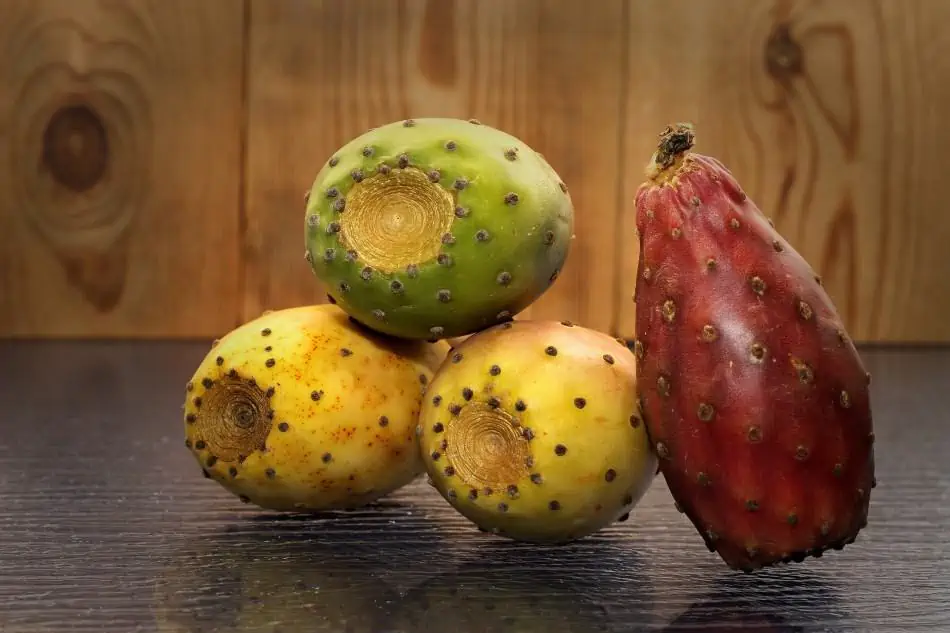
Edible cacti, such as Prickly Pear, offer numerous health benefits and can complement your diet.

However, it should be noted that not all succulents are edible. Find out which of your succulent plants are edible before eating them. Some of the notable edible succulents include the Jade plant, Aloe Vera and some Agaves. There are also edible cactus species like the Mexican Opuntia and Mediterranean set Spineless Prickly Pear.

Cons of Having Succulents At Home

They can rot easily

Another risk of succulents in the home is that they can easily get affected by fungus and rot. This is because succulents require very little water to survive, especially when compared to other plants. When you overwater your succulents, this means there will be too much moisture in the pot or soil which leads to damping off. To avoid this, make sure that your plants are watered regularly in small amounts.

Overwatering your succulents may lead to fungus or rot.

If you notice there is a brown patch on the succulent leaves, this could also be due to overwatering. Watch out for signs of root rot as well, which can also become quite an issue when dealing with succulents.

Succulents, especially when they are not watered well, could become dehydrated easily. There is a sign for this as the leaves turn a pale lime green shade and begin to fall off from their stems.

They are slow growing

When you get succulents, they tend to grow very slowly which means that it might take almost half a year before it reaches its full maturity. Succulents are very easy to grow as they require no fertilizers and are relatively free of diseases.

This is why you should not expect your succulents to reach the desired height and size in just a short span of time, especially if you want them to live for many years. They might be slow growing but they are sure to live for many years. The ultimate goal of having succulents is so that you can use them as a houseplant and not just ornamental in your garden.

Can be harmful to pets and children

The sharp spines found on the leaves could be very harmful if handled without care, especially by children and pets. The spines can be more than harmful to the skin as they can also scratch and scar it, causing an uncomfortable sensation when touched.

Succulents are not like other plants that can grow indoors or outdoors in our homes because of their tendency to attract pests. They have a high insect attracting property that even mosquitoes find them irresistible. These pests are more than just a nuisance as they can also carry diseases that could be transmitted to your pets especially if you have any in the house.

Needs a spacious location

One of the reasons why you should only grow succulents outdoors is because of their tendency to attract diseases. If you put them somewhere with people and animals, they may be exposed and get infected.

Succulents need a spacious location because they can grow very big over time, especially when planted in the ground. Because of this, make sure that you are not growing them too much near small children or pets so that they will not accidentally hurt themselves.

Some bring bad feng shui

Some people don’t like the idea of having succulents because they believe it brings bad luck or feng shui, especially when added to a crowded space. It is believed that they attract negative energy and loose money out of your bank account. However, this belief may only be applicable to those who have a weak constitution. The idea of bad feng shui may be just to encourage homeowners to get rid of succulents in order for them to sell their products.

Some people believe that succulents planted in crowded places can bring bad luck and feng shui.

Can be toxic

Some succulents are actually toxic especially if you ingest them or even touch the sap from their leaves. Take note that not all succulents are edible, so make sure to take care of which ones you grow in your garden or house. You can still enjoy the beauty of succulent plants without giving yourself a hard time.

If you eat succulents that are immature or have been exposed to harmful chemicals, there can be adverse side effects such as nausea and diarrhea. This could lead to dehydration and problems with your stomach. Children and pets are the most at risk when it comes to succulents because of their tendency to taste everything they touch. It is your responsibility as a parent or pet owner to make sure that they will not get into contact with these succulents unless you want them to be in trouble.

How to Get the Best Out Of Succulents

Even with its pros and cons alike, there is no denying the succulents are getting popular by the day. As such, there are better ways you can make your succulents work for you despite the challenges that come with the same. For better interaction with your succulents, you need to have an idea of how they grow and their requirements.

1. Keep them grounded whenever possible

Letting them live in the ground is better compared to keeping them as container plants. First of all, they will be exposed to more sunlight which will help with their photosynthesis.

Also, planting them in the ground will help you have better control over their growth. Once they grow bigger than what you expected, it is easy to move them and replant them somewhere else without having to dig up the entire plant from its roots.

2. Exposure to sunlight 

Succulents need a lot of sunlight and do not like being exposed to low levels of sunlight. They could turn yellowish if they are somewhat shaded by something such as a tree.

If you want your succulents to be healthy, the best time to water them is during daybreak or late in the afternoon when they have been exposed enough to sunlight. You should also water them when the soil is dry.

To grow a healthy succulent, the plant should receive plenty of sunlight during the day.

3. Getting rid of pests

Pests on succulents canbe a nuisance especially if you have a large succulent collection. Once your succulents get infested with parasites, it would be a good idea to use natural methods first before resorting to chemical pesticides. You could for instance, carefully remove the infected leaves and apply insecticidal soap to avoid further spreading of these pests.

4. Use a cactus potting mix

The use of this type of soil is very helpful for your succulents because it contains all the nutrients and water retention they need to grow healthy. There are different types you can choose from such as the ones made up of gravel or sand. Cactus potting mixes also improve your succulents’ drainage since it is well-aerated enough. A good soil mix should look like soil from your backyard with an addition of gravel or sand. Mix the organic and inorganic parts properly until you get a thick slurry that is free from clumps.

5. Be careful with overwatering

Succulents can easily get contaminated so make sure to water them when the soil is dry and not too much such that their roots could rot. Proper watering is often neglected by succulent owners, so if you’d like to take care of your plants the right way, try doing it more and more so that they would not get into trouble.

Also, avoid using fresh water in watering your succulents because they have different water requirements. If you want to be sure, use rain runoff or distilled water in order for them to thrive.

Conclusion

Succulents can be a blessing and a curse at the same time. There is no denying that they come with huge benefits to your garden and home. On the other hand, they can be potentially dangerous to animals and humans alike unless you know how to take care of them well without any accidents happening to anyone.

By mastering the art of properly looking after your succulents, you stand a much better chance at succeeding in your attempts. Take your succulent growing journey a notch higher by following expert advice from experienced arborists around you or better still, try implementing the tips mentioned above. This will be a major step forward in growing succulents like a pro.

What to do if Cactus Breaks? Experts Guide

Cactus is a slow-growing succulent plant with stiff, jointed and fleshy stems covered by hard, leathery leaves. Unluckily, it is also very prickly! Cactus has long been a favorite houseplant for its attractive appearance and low-maintenance requirements. Due to its fleshy stem and brittle joints, the cactus is susceptible to breaks and dents which can be a big problem for the plant.

Such wounds can become entry points for fungal infection and cactus rot. Usually, small breaks in the cactus do not kill the plant, but its sulky appearance will definitely affect the aesthetic value of your home. If you love your prickly pets as we do, you may need to learn what to do if cactus breaks.

So, what to do if the cactus breaks? The first step is to access the extent of the damage. This will help determine whether you will reattach it back, perform grafting or planting the detached piece into a new plant. You can reattach a broken cactus by simply joining the broken parts. However, if the breakage is extensive and some of its segments are separated too far from each other, grafting or re-planting maybe your best option.

A broken cactus can be disappointing, especially if you do not know how to fix it. However, you need not worry as this article will teach you how to care for a broken cactus by taking you through a checklist on how to fix a broken cactus.

Vital Steps to Fixing a Broken Cactus

1.     Initial assessment

The first step in dealing with a broken cactus is to appreciate the fact that the stem or joint cannot be replaced back into its normal position. In most cases, there will be a crack around the break which prevents it from being re-joined properly. If you are lucky enough for your cactus to have two symmetrical halves, leave it alone or you will risk introducing more problems.

Always observe your broken cactus to check if the stem or joint can be re-attached to the plant.

2.     Cleaning the pieces

Roughly clean the area around the break by removing any unwanted dirt and debris with a soft brush. Use a mix of warm water and mild detergent to clean inside and around the wound thoroughly. It is important to remove all traces of dirt and bacteria otherwise they will proliferate to cause infection and rot. If you find that dead tissues around the wound are preventing it from closing properly, remove them carefully with a pair of sterilized scissors or tweezers.

3.     Minimize scarring

If the stem is spiny on its underside as in many species, do not try to smooth out the area by rubbing in circles or applying pressure as it will only cause more damage. Instead, cover the area with green leaf gel as it will facilitate the healing process and minimize scarring.

Smoothing out the broken area or applying too much pressure to it may cause irreversible damage.

4.     Take care of the cambium

When reattaching, always ensure the cambium is aligned. Cambium is the green layer of living tissue right below the bark. Cactus normally produces new stems from the cambium so it will be helpful to take a piece of stem from a healthy plant and use it as a replacement for the broken one. Stick the replacement onto your cactus with wood glue around the wound and hold it firmly until it dries.

5.     Avoiding infections

The main concern after successfully fixing a broken cactus is to prevent it from becoming infected as the new stem has no natural protection against pathogens. Keep your prickly friend away from windows and drafts because they attract dust, mites and other dangers for your plants. It is also advisable to keep dehumidifier near growing or flowering cacti because they are more susceptible to rot and fungal diseases when flowers are present.

Avoid placing your broken cactus near the window or draft to avoid rot and fungal diseases.

6.     Dealing with the remaining half

Sometimes, your damaged cactus may be severed in half with the tops part missing. It is possible to save a damaged cactus even if it only has one-half of the stem left. The plant will eventually grow new stems and you can detach them once they reach sufficient size. Be patient as this process may take years. With good care, your cacti have the potential to live long and be as prickly as you like.

7.     Consider grafting

Grafting is another approach to a broken cactus. This involves transferring pieces of stems or roots from other plants to the wounded area. Leave it undisturbed for a year and then you may consider repotting your cactus into a larger container so that the graft can grow freely. Your prickly pet will never be ugly again once it gets healed. The best part is, besides learning what to do if the cactus breaks, this procedure can be repeated as many times as you like without damaging the plant.

8.     Re-planting  as an option

In cases where the broken piece cannot be reattached, you can consider propagating it as a new plant. Take the detached piece and remove any unwanted parts. Place the stem in a glass filled with water and keep it out of direct sunlight.

If the broken part cannot be attached to the cactus, consider potting the detached piece to propagate it.

When new leaves appear, plant your cactus cutting into the soil-based potting mix and transfer it to bright light. Water well and watch for growth as you wait for more roots to develop. Once the new stems become sturdy enough, you can move them out to direct sunlight and enjoy your new addition to the family. Just keep an eye on it so that it does not rot or become infected as this will further affect the health of your other houseplants.

A Few Tips to Prevent Future Breakage

– Watch out for falling branches or pot lids that can snap spiny stems of the cactus. If you are worried about such risks, plant your prickly pet in a sturdy ceramic pot.

– Try to avoid repotting cactus too often or putting them in a very small container that will cause the plant to grow towards the light source and break. If you are going to pot your pet into something smaller, make sure that it is just slightly bigger than its current size so it can grow outwards.

– Use a few pieces of fine wire mesh or slotted plastic to separate cactus branches in your pot, so that they cannot rub against each other and break accidentally.

-Keep your cactus out of reach of children or animals. Many people have gotten injured after touching cacti that were grown as ornamentals or kept as pets.

– Avoid overwatering your plant and keep the soil at a suitable level of moisture for healthy growth.

– Keep an eye on any wilting leaves, yellowing or irregular colored spots to avoid infection and rot before it spreads further into the plant.

– Know beforehand how spiny your cactus is and handle them accordingly when repotting, showering or moving them around the house. If you have pets at home, remind them to keep away from prickly houseplants to avoid unnecessary accidents.

Healing Considerations When Fixing a Broken Cactus

When fixing a broken cactus, it’s important to consider how much work you want to put into fixing the plant. In some cases, it may be more aesthetically pleasing just to let a few holes in the cactus and consider it part of your decor. On the other hand, a few broken pieces of cactus can be considered parts that really show off your personality.

Whether you choose to fix a broken cactus or not, it’s important to clean the wounds and apply antibacterial cream as needed. It may be helpful to clip off any undesirable parts of the plant so that they will not die with the main stem.

After applying medications, bandaging your cactus is a good way to prevent further infection or more rot from developing. It is also helpful to spray the plant with water and make sure it keeps moist until the damaged area heals enough to support itself.

If you do have a broken cactus, ensure that its parts are reattached in a similar compost so that they can grow back together. For plants whose stems or roots cannot be reattached, you can propagate the cutting as another plant to enjoy. You can also continue enjoying your cactus with or without the extra holes in it for years to come.

Fixing a broken cactus is not the east of tasks. It takes a lot of care and attention to the plant in order for it to heal quickly. If you are easily discouraged by broken plants, try not to fix your cactus immediately. Give it at least a week before trying again.
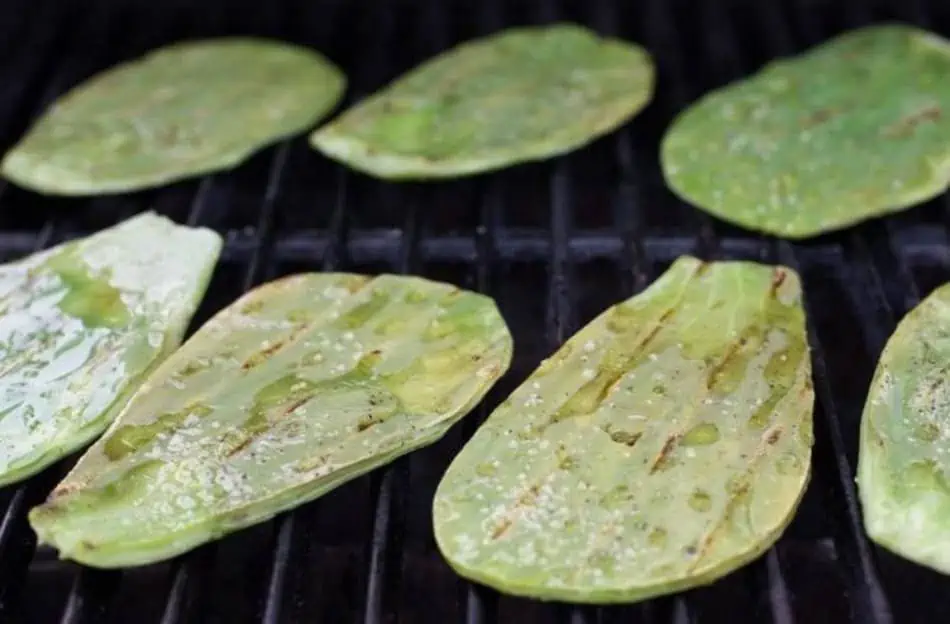
Don’t be too hard on yourself if things don’t work out as planned because there are plenty of other ways to enjoy your cactus. As long as you are careful when handling your plants and get them checked by a professional if necessary, fixing a broken cactus is not too difficult or threatening to the health of your plant.

If anything, looking after a cactus with holes in it will give you more practice in expanding your gardening skills and make you more confident with handling other plants in the future.

How to Revive a Mushy Cactus?

Cactus rot issues are one of the scariest moments for every gardener. The plant itself is an investment in time and money, and seeing it die can be heartbreaking. But there is something you can do to save it. All you need are a few household ingredients and some time.

Believe it or not, saving a mushy cactus is possible and very easy. All you have to do is find out the cause of the mushiness, cut out the dying part, and clean off all of the dead tissue. You can also re-pot the plant in a clean pot with fresh soil. 

Your cactus gets mushy, soft, or worse, waterlogged? There are three ways you can resolve this issue without having to toss it out. Let’s explore them.

Understand the Cause

Before you begin saving your cactus from the pangs of death, you need to understand the cause or source of the problem. Usually, a cactus gets mushy because of one or more of the following reasons:

Overwatering

Overwatering is a common reason for your cactus being unable to recover. It might start as an innocent mistake when you spray the plant with too much water after not seeing it grow for some time. But once the rot sets in, there is no going back. Sometimes, the roots also rot due to excess water, and this can be dangerous because if you don’t take action right away, the plant will lose all its root hair and die slowly.

An overwatered cactus may turn mushy and its roots may start to rot.

Pests

If pests like mealybugs or scale insects have hit your cactus, then it isn’t far from being completely dead. They suck the life out of your cactus by feeding on it, and that rots the plant from behind until it is mushy all over.

Inadequate Air Circulation

Your cactus needs fresh air to live, just like all other plants do. But if there is no air circulation in your room or if you keep the plant in a place that doesn’t get any natural light, it will start to rot from inside.

If your cactus does not receive enough fresh air and sunlight, it may start to rot from the inside.

Dust

This might seem like a strange reason for your cactus turning mushy but think about it. If you have dust or dirt on the leaves of your cactus, then there is no new supply of nutrients getting in for the plant. Also, if the leaves don’t have a way to clean themselves off, the dust will prevent sunlight from reaching inside, and it will also rot your cactus over time.

How You Can Revive a Mushy Cactus

After you understand why your cactus is mushy and what you need to do, here are ways you can save it. Keep in mind that these methods only address mushy cactus symptoms and not the underlying reasons behind them.

Watch Your Watering

If you want to prevent your cactus from getting mushy again, follow this first tip; water it less often but more thoroughly. Don’t allow your cactus to get thirsty and dehydrated because that will mean danger. The plant will dry, brown, and get calloused. This is actually the opposite of how the plant reacts when you overwater it.

Avoid watering your cactus during night hours because the water won’t have enough time to dry out, and it will cause rotting. Also, be careful not to overwater your cactus because this is the main cause of rot issues. Too much water will drown the roots and cause them to rot and become mushy.

To prevent your cactus from getting mushy, water the plant less frequently but thoroughly.

Remove the Damaged Parts

If your cactus is rotting from the top, it will be very easy to cure. Cut away the mushy. If it’s rotting from the bottom, then prepare yourself for a little more work.

The most important tip here is to remove as much damaged tissue as possible and leave only healthy tissue behind. You can use tweezers for this if necessary but don’t touch what you can’t see.

You might want to start with a thick paper towel or cloth between your cactus and the tweezers. This will prevent any chance of damaging the healthy parts by mistake. Ensure you remove the rotten tissue as soon as possible because letting it stay there will only invite more rot to spread.

Re-pot the Plant

If your precious cactus plant is rotting from the bottom, you won’t be able to cut the mushy part out. In this case, your best bet will be to re-pot your cactus, preferably in a larger pot.

Usually, re-potting is carried out to grow the plant bigger and create space for the roots. But in this case, we will leave the old soil where it is and give it more space by moving up the pot.

Re-potting your cactus in a larger container will help you save the plant if it is rotting from the bottom.

There is an important difference between this and regular re-potting. With a normal re-pot, the plant’s root ball does not get disturbed. Here, you need to remove some of it to place the bottom part in a clean soil bed. Do this gently because cacti are delicate plants and can easily snap if you pull at them too hard.

After you place the bottom part in the soil bed, fill it up. You’ll have a pot that has only one part of the cactus root ball in contact with the soil. This is fine because the roots can grow freely from there, effectively filling up all the space we gave them.

If possible, put your cactus in a place where it gets some natural light during the day. This will help it grow new healthy parts more quickly after you remove the old ones.

Re-pot your plant as soon as possible because letting its root ball stay loose for too long will cause it to turn mushy again and possibly rot completely from inside.

Trim Away Dead Leaves

Over time, leaves get damaged and when they do, cut them away because they aren’t helping your cactus anymore.

If you trim away dead leaves of a mushy cactus plant, you will remove some of the dead material that might be causing the plant to rot. This should help it stay healthy for longer, but don’t expect dramatic results because you are not solving any root problems with this move.

However, it is a good idea to trim away damaged leaves, so they don’t get mushy and fall off later on while you have your plants outside when it’s warmer.

Improve Air Circulation

One of the main reasons why cacti get mushy is that they can’t breathe properly. Like all other types of plants, cacti need fresh air to stay healthy and prevent diseases like rot caused by non-breathable conditions. If you keep your cactus in a glass cabinet and there is no air getting into it, you can be sure that it’s going to get mushy.

To prevent this from happening, make sure that there are holes of some type on the sides or top part of your plant’s container. This will provide an easy way for air to enter every corner of the container and help your cactus breathe again.

Related Questions

Can a mushy cactus recover?

When a cactus starts to rot from its core, there is little you can do except remove it as soon as possible. Letting it stay will only invite more decay and possibly kill your other healthy plants when you bring them home. But if the rotting was caused by an injury or some other problem that disrupted water flow in the plant, you can try to save it. Remove the damaged part and allow fresh air inside.

Can a cactus go soft even with no issues?

Yes. Cacti are very vulnerable to temperature changes, over-watering, and other problems that can turn them mushy if you do not treat them properly. Also, some varieties of cactus grow naturally softer than others because their main defense is blending in with their surroundings, so they don’t get eaten by animals or insects.

When the cactus is in nature, this works perfectly, but when you put it inside your home or garden, a softer cactus can quickly get ruined by any small animal that touches it.

How often should I water my cactus to avoid rotting?  

Water your cactus at least once per week or when it feels dry. If you live in a hot area or leave your cactus outside during summer, you should water it at the same frequency as above with a larger amount of water at once.

Summary

Rot is a very serious problem for your cacti, and no matter how careful you are, it might still happen. When it does, don’t panic because this is not the end of the world. If the damage is limited to one or two spots near its bottom, there’s still hope.

If the rotting was caused by an animal or a mishap with the water, you could try to help your cactus recover by removing the damaged part. As long as you get rid of at least 75% of it, you should be able to restore your plant to life within a couple of months.

Can You Eat Raw Cactus?

Disclaimer: The author is not a medical doctor or veterinarian. The information presented is purely to share our experience and for entertainment purposes. As always, check with a doctor and/or veterinarian before making any health or nutrition decisions and consult with a doctor and/or veterinarian regarding any question or problem that you have. The author and blog disclaim liability for any damage, mishap, or injury that may occur from engaging in any activities or ideas from this site.

Cactus fruit has been eaten by the people of Mesoamerica for centuries. It is a delicious and refreshing treat, but the question on whether to eat raw or boiled depends on which type of cactus you’re eating. Raw cactus is not only good for your taste buds, but also provides you with some great health benefits. The majority of edible cacti are low in calories and high in water content. They also contain vitamin C, potassium, and fiber. Some types may provide more nutrients than others. However, be careful to avoid those that have any toxic compounds like cycads (which can cause photosensitivity) or cardiopulmonary poisons (which can lead to heart failure).

So, can you eat raw cactus? Yes, but make sure you’re eating the right type of cactus. There are hundreds of cactus species out here but only a few can be eaten raw. This could either be the fruits, pads or the stem. Some notable cactus species that can be eaten raw are the Lemaireocereus marginatus, Cereus repandus and Opuntia ficus-indica.

Edible cactus comes it two basic categories; those that can be eaten raw and those that need to be boiled. This article will focus on cactus varieties that can be eaten raw. It will also be looking at how best you can eat these cacti and the main edible parts for these plants.

What does raw cactus taste like?

Before tasking any cactus raw, it is important that you first determine that it is indeed an edible cacti. There are poisonous cacti out there, so you must be careful.

That said, the taste of raw cactus varies depending on the type, but since they’re all succulent plants with high water content, chances are you’ll get a good dose of refreshing flavor. Some people say it tastes like cucumbers while others compare its freshness to that of apples or tomatoes.

For instance, raw fruits of the Cereus repandus tastes like a sour grape while its shoots taste bitter and crunchy. The Leucaena retusa is also known to have an interesting flavor when eaten raw which can either be sweet or tart depending on your preference.

How to eat Raw Cactus

For edible cactus, there are several parts of the plant that you can eat depending on the species. In most cases, the fruit and pads of the cactus can be eaten fresh. For a selected few, however, the stem and the leaves also offer a great deal of nutrients to the diet.

Common Edible Parts in Cactus:

Fruits

Some common cactus variety whose fruits can be eaten include Cereus repandus, Leucaena retusa and Melocactus communis. For cereus repandus, its fruits are sweet when ripe, but sour in the beginning. Leucaena retusa also has an interesting taste which can be both sweet and tart depending on your liking. Meanwhile, Melocactus communis is often called “Nopal” by Mexicans where it becomes a staple ingredient in many dishes like tacos or salads because of its crunchy texture.

Leaves

The broadleaf cactus or prickly pear is the most popular edible plant in North America, but there are some other species that can provide you with great nutrients if consumed raw too. For instance, the nopales (a type of pad) of Opuntia ficus-indica tastes like green beans when they’re young and transforms into a fruit with the right amount of sweetness.

Stem

The stems are the most underrated parts of edible cacti but can actually provide you with some great benefits if eaten raw! For instance, nopales (a type of pad) from Opuntia ficus-indica tastes like green beans when they’re young and transforms into a fruit with the right amount of sweetness.

Pads

Some common edible cactus variety whose pads can be eaten include Opuntia stricta, Geohintonia standleyi, Leucaena leucocephala and Stenocereus eruca. For opuntia stricta, the pads have a sharp flavor when raw and turns sweet if cooked in boiling water for about 15 minutes. Geohintonia standleyi also has a sour taste which is often compared to green apples or cucumbers while Leucaena leucocephala tastes like green beans with a hint of sweetness. Finally, Stenocereus eruca is often compared to green peppers or cucumbers when eaten raw and has a slightly sour taste.

Raw cactus pads are full of nutrients and adding salt and lemon makes them even more delicious.

A cactus fruit is usually eaten without any preparation. Simply wash it and eat it as is. If you’re a little more daring, try removing the spines first before eating it raw.

Raw cactus pads are usually sliced into thin strips or cubes before being eaten. You can add some salt and lemon to make your cactus strips even tastier. If you want a side dish for dinner, cut some cubes and add it to your salad or sandwich.

If you’re looking for something crunchy that can be used as a snack on the go, then raw cactus stem is perfect for you! It’s similar in texture to cucumbers or zucchinis and is a great alternative to chips. Just make sure you peel the skin before eating it raw or else your mouth will get all prickly.

Common varieties of edible cactus species

Prickly Pear cactus

This cactus is often confused with the nopales because of its flat, rounded pads. The prickly pear is ideal for making salads and fruit juices while the pads are usually cooked in water until they soften before adding them to any dish.

Can prickly pear be eaten raw?

The fruit of the prickly pear can be eaten raw, but it’s a good idea to wash them thoroughly first before eating. The best way to eat the prickly pear fruit is when they’re ripe.

Prickly pear fruits can be eaten raw as long as you get rid of the spines and thoroughly wash them.

Cholla cactus

The cholla has small spines on its pads which are easily removable if you peel off the skin first before eating them raw. The best way to describe this type of edible cactus variety’s flavor is “a cross between cucumber and green pepper.” They have small fruits growing from their stems which are often compared to grapes in terms of size and color.

Can cholla cactus be eaten raw?

Yes, the stem of this type of edible cactus can actually be consumed without cooking it. Just make sure you peel off the skin before eating them to prevent any discomfort in your mouth caused by its spines.

Dragon fruit cactus

Dragon fruits are mostly grown for their flowers and fruits. Its fruit is known for its distinct red outside color and delicious white flesh inside which tastes like a combination of grapes, kiwi and pineapple.

Can dragon fruit cactus be eaten raw?

Yes, the green skin on the pads are actually completely edible even without any preparation at all. Just wash it thoroughly before eating it to get rid of any dirt or pesticides that may have been used on it.

You can eat the green skin on the dragon fruit cactus pads, but make sure you clean it first.

Barrel cactus

Another excellent type of edible cactus variety whose pads can be eaten raw is the barrel cactus, especially its younger stems which are covered in small spines. Most people compare their taste to green beans with a hint of nuttiness while others simply say that they are very crunchy.

Can barrel cactus be eaten raw?

Yes, this type of edible cactus can actually be enjoyed without cooking it first. Just make sure you wash its skin thoroughly to get rid of any dirt or pesticides before eating it.

Saguaro Cactus

The saguaro cactus is a classic in many traditional Mexican dishes. The skin of the saguaro cactus can be eaten raw and it’s commonly used as a substitute for lettuce when making tacos or salads.

Can saguaros be eaten raw?

Yes, this type of edible cactus variety has small spines that are easily removable if you simply peel off its skin first. You can eat it raw or cook it into any dish you like.

The Saguaro cactus skin is often used in salads and tacos as an alternative to lettuce.

Peyote Cactus

The peyote cactus is known for having psychoactive properties and is one of the most important types of edible cactus variety. It’s actually a very popular type of psychedelic tea that has been used in traditional medicine for thousands of years.

Can peyote cactus be eaten raw?

The short answer is no, the long answer is that it’s dangerous to eat this type of edible cactus raw because they contain a very high concentration of mescaline which can be deadly when consumed without being cooked first. San Pedro Cactus.  This type of edible cactus is very popular among those who use it for its psychoactive properties.

San Pedro Cactus

 San Pedro cactus is one of the most popular types of edible cactus variety that are used for its psychoactive properties. Just like peyote, it’s dangerous to eat this type of edible cactus raw because they contain a high concentration of mescaline which can be deadly when consumed without being cooked first.

Can San Pedro cactus be eaten raw?

No, this type of edible cactus variety has psychoactive properties that are best when cooked first before being consumed. Eating them raw without cooking them will definitely cause some discomfort in your stomach area at the least while it could be fatal at the worst.

Conclusion

Eating raw cactus is an ancient practiced that has been passed on from generation to generation. While it’s fine to eat raw cactus variety like barrel and saguaro, the rest contain psychoactive properties that are best when cooked first before being eaten or they can be downright deadly if consumed without cooking them at all. This said, the varieties that can be eaten raw offers a lot of health benefits that can’t be found in other types of food so it’s no wonder why they have been a staple in the diets for people all over the world.