Why is My Cactus Shrinking? Expert Advice

Most cacti are relatively hardy and can survive neglect to some extent. However, these succulents still require specialized care to thrive and live for many years. One of the most common issues you may encounter with your cactus is the shrinking of leaves and stems. It is important to act as quickly as possible when you notice signs of shrinking on your cactus. Failure to do so can be catastrophic.

So, why is my cactus shrinking? A cactus plant can shrink for many reasons. Common causes include overwatering during winter, rotting, too much light, aging, underwatering, and lack of air circulation. In some cases, the cactus may also be attacked by pests or suffer from fungal infections, which can cause it to shrink. Typically, you need to look for multiple signs to establish the true cause of shrinking. Just keep in mind that a cactus shrinking is not normal.

This blog post discusses everything you need to know about cactus shrinking, including reasons, signs, and tips to prevent it. Read on to learn more.

How Does Shrinking Occur?

Before diving into the reasons for cactus shrinking, let’s learn more about how it occurs.

Typically, cacti plants shrink as they lose water. The shrinking is a survival mechanism meant to help the succulent conserve its water reservoirs.

During this time, the plant feels relatively hollow or squishy. This is a major sign that your plant has begun to lose its water reserves, and something needs to be done urgently to save it.

The first signs of shrinking will appear on the oldest stems and leaves of the plant. Shrinking is a gradual process, which may be difficult to spot at first.
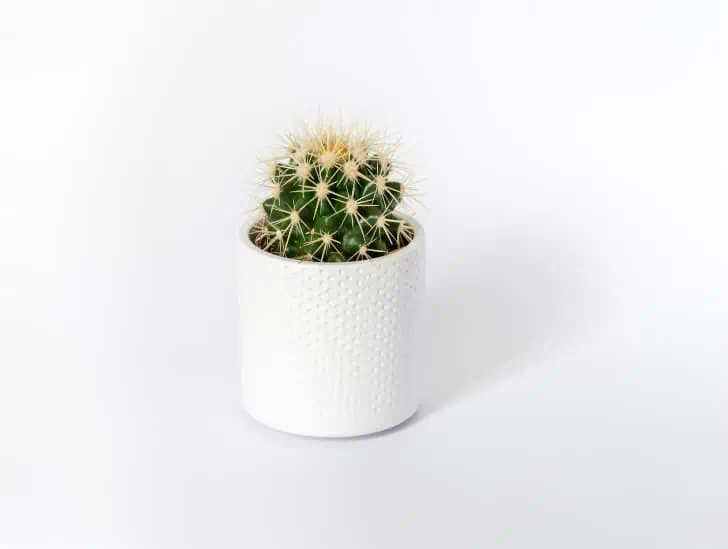
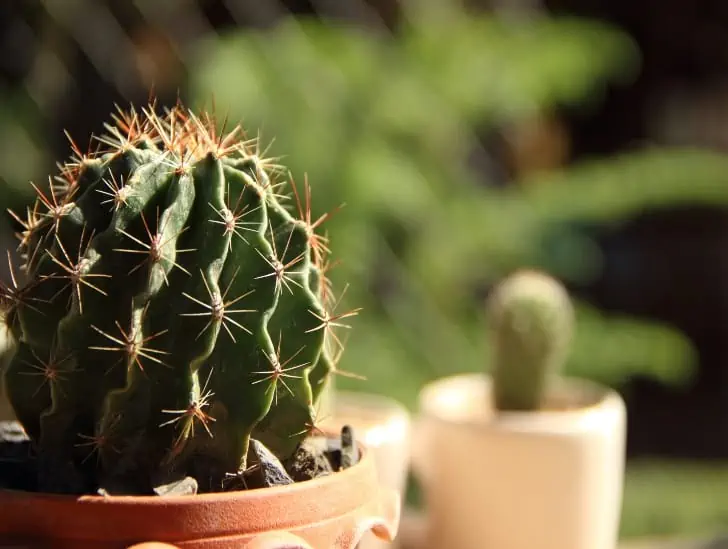
A golden barrel cactus in a white pot.
The shrinking is a survival mechanism meant to help the succulent conserve its water reservoirs.

In severe cases, you may also notice that some parts of the plant have already died. This is especially true of cacti plants that have been overwatered continuously for too long.

Why Is My Cactus Shrinking?

Now that we have an idea of how shrinking occurs, let us dive into the common causes:

Reason #1: Too Much Light

Most cacti species naturally love sunlight and being exposed to bright direct light or slightly shaded light shouldn’t harm your plant in any way. In their natural habitat, most cacti species are exposed to a lot of direct sunlight throughout the year.

However, you must remember that these succulents can adapt to a new environment relatively fast. So, if you live in an area that experiences cold winters, your cacti will most likely not appreciate the direct sunlight.

It means that if your cactus plant wasn’t getting too much light during the winter season and you suddenly exposed it to bright direct sunlight during summer, it will resist the sudden change in environmental conditions.

Signs of too much light on your cactus include burning and curling of leaves, discoloration, and shrinking. To prevent this, consider using indoor blinds or curtains to protect your cactus from direct sunlight during the hot months.

Once winter is gone, re-introduce your cactus to direct/indirect light gradually. To do this, start by placing it near a bright window and gradually moving it closer to direct sunlight as the season progresses.

Take extra precautions if you live in an area that experiences extreme seasons with very hot or cold temperatures.

Reason #2: Overwatering During Winter

This is one of the most common causes of cactus shrinking. Cacti plants store water in their stems and leaves, which helps them survive periods of drought and cold temperatures during winter. When overwatered, the plant’s roots become clogged, leading to rotting and eventual death.

Common signs of overwatering include wilting, wrinkling, discoloration, and shrinking. You can avoid overwatering your cactus during winter by ensuring the potting mix is completely dry between watering sessions.
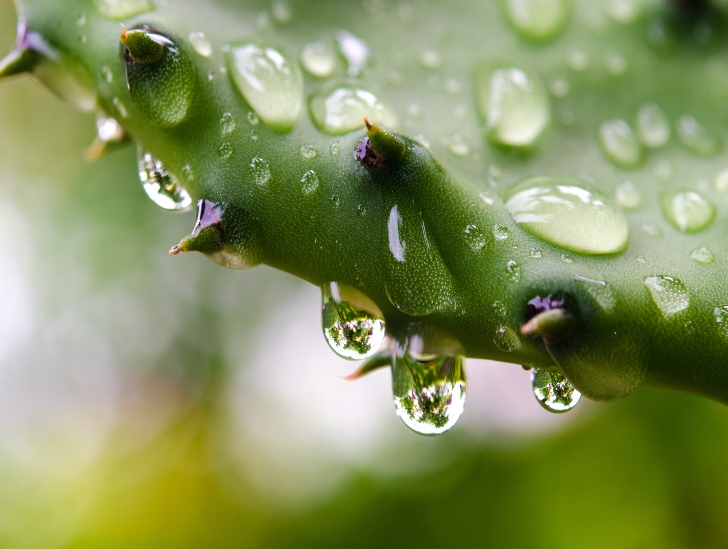
Water droplets on the cactus.
When overwatered, the plant’s roots become clogged, leading to rotting and eventual death.

During winter months, water your cactus sparingly. Generally, you only need to water your plant once a month. However, if you live in an area where temperatures drop drastically during winter, consider reducing the watering frequency even further.

Some cacti species can even survive the entire winter season without being watered. This is especially true of cacti species native to drier climates.

Reason #3: Underwatering

Unfortunately, it is not just overwatering that can cause your cactus to shrink. Sometimes, underwatering can also leave your succulent in a dehydrated and stressed state.

This occurs when you forget to water your cactus for a long time or when it is exposed to high temperatures for an extended period.

As mentioned earlier, cacti plants usually store water in their stems and leaves, giving them a plump, thick appearance.

Therefore, if you fail to water your plant for a relatively long time, there will be no water for the stems and leaves to store. Naturally, this will cause shrinking, causing your cactus plant to appear smaller.

The best way to determine if your cactus requires watering is by checking the soil for dryness. Carefully push your fingers into the potting mix and feel it. If your soil feels dry, it is time to water your plant.
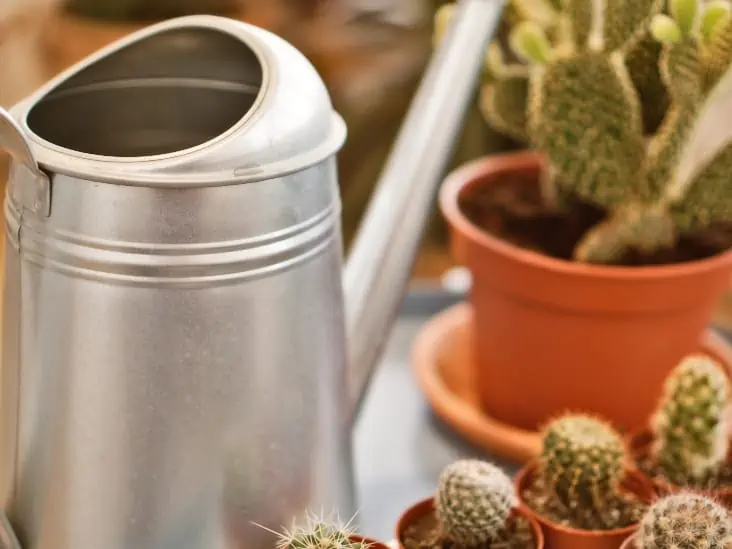
A water can besidethe cactus plants in a pot.
The best thing to do is monitor your cactus closely and only water it when the soil is completely dry.

Give your plant a thorough soaking and allow the excess water to drain away. Once you have watered, the leaves and stems will absorb water allowing your plant to return to its normal size in a couple of days.

Some cacti species still require watering, even during the dormant winter period. Therefore, it is highly recommended that you don’t stick to a strict watering schedule because it can easily lead to overwatering or underwatering.

Remember that many factors affect how often your cactus needs to be watered and how it should be watered. The best thing to do is monitor your cactus closely and only water it when the soil is completely dry.

Reason #4: Pests & Fungal Infections

Pests and fungal infections can also lead to your cactus shrinking. Common pests like mealybugs and scale feed on the sap from succulent plants, leading to shriveling of leaves over time.

This is why it’s important to regularly inspect your cactus for signs of infestation or disease.

Take immediate action if you spot any signs of pest infestation. A mild insecticidal soap or alcohol-water solution can help get rid of pests. Fungal infections can be treated using anti-fungal sprays and soil treatments.

In some cases, even after treating the infestation, you may find that your cactus still isn’t growing back to its full size.

This can be due to the damage caused by pests and fungi, which has affected the roots of your cactus plant, eventually leading to shrinking.

Unfortunately, in cases like this, you may have to discard your cactus and get a new one.

Reason #5: Rotting

The other common reason you may be staring at a shrinking cactus is rotting. If your cactus is getting too much water, too little light, or a combination of both, it can lead to the succulent rotting from the inside.

Black or brown spots on the leaves and stems of the cactus usually signal rotting. Sometimes, you may also notice a bad smell coming from the potting mix.
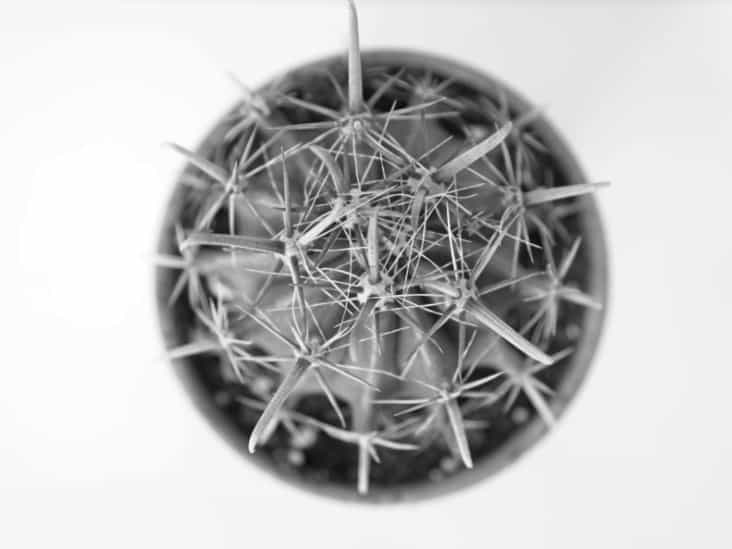
A dying cactus.
If the rot has spread to other parts of your cactus, you may be forced to discard it and get a new one.

The best thing to do in such cases is to remove the affected area or parts of your cactus. You can then discard the rotting material and ensure that the area around it is clean and dry.

If the rot has spread to other parts of your cactus, you may be forced to discard it and get a new one.

Reason #6: Not Enough Light

Your cactus cannot thrive without exposure to sufficient sunlight. If your plant has not been getting enough light over a long time, it will start thinning, leaning, and showing signs of elongated growth.

Without sufficient light, it cannot photosynthesize, which is the process that helps it produce energy and nutrients. As a result, your cactus will start to shrink as it slowly loses its ability to sustain itself.

To prevent this from happening, give your cactus plenty of direct sunlight (at least 4-6 hours per day). If you’re growing cacti indoors, consider installing an artificial light source such as grow lights.

Reason #7: Aging

Lastly, your cactus plant can also start shrinking as it ages. As cacti get older, they tend to lose some of their water storage capacity. It means that they struggle to store enough water to keep them hydrated.

Also, with age, the growth of your cactus may start slowing down or even stop entirely. Over time, this can lead to shrinking. Unfortunately, there isn’t much you can do about it.
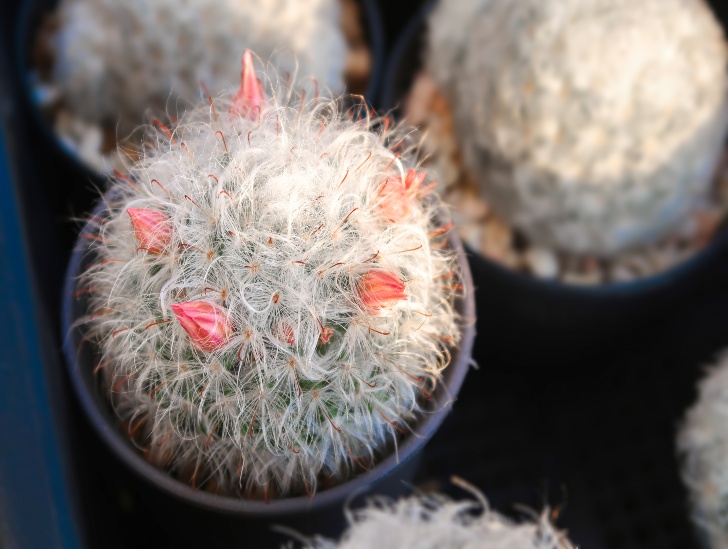
A flowering old man cactus exposed to sunlight.
As cacti get older, they tend to lose some of their water storage capacity.

At this point, the best thing to do is to ensure your plant gets enough light, water, and nutrients to help it stay healthy for as long as possible. Avoid overwatering or underwatering since it can accelerate its decline.

Summary

Although cacti are low-maintenance plants that can tolerate neglect, they still require some level of care to stay healthy and flourish.

If your cactus is shrinking, it could be due to different reasons, from too much or too little water to insufficient lighting.

By troubleshooting the issue and making changes to your cacti’s care routine, you can help it return to a healthy state.
Succulent Secrets for Thriving in Tropical Climates

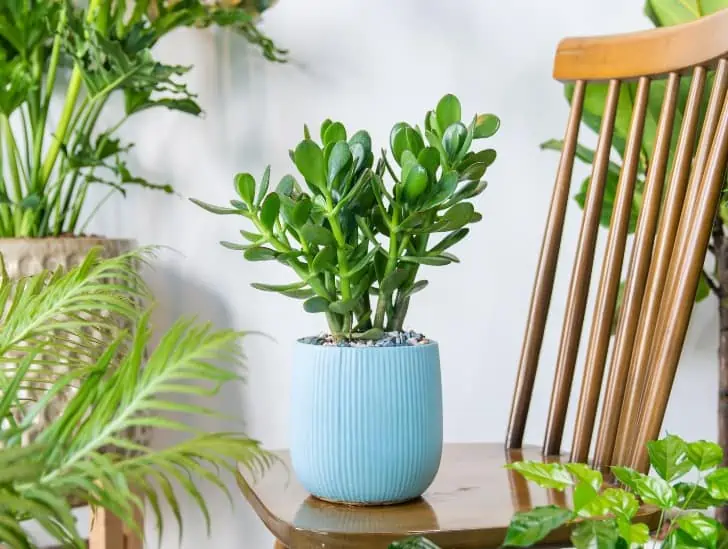
Crassula on a blue pot.

Succulent plants are known for being attractive, hardy, and easy to maintain. Most of them can survive even when neglected. Typically, they do great in warm climates with plenty of sunlight and minimal water. Most of them are not suited to tropical climate conditions. They need relatively steady temperatures throughout the year with no extreme heat or cold periods.

So, will succulents grow in tropical climates? The answer is yes! Some succulent species can grow and thrive in different climatic conditions, including hot and humid tropical areas. While many succulent plants originate from arid regions, they are surprisingly adaptable to different climates. Some succulents even prefer tropical climates as long as they have access to plenty of sunlight and well-draining soil. Some common succulents that thrive in tropical climates include the monkey tail cactus, kalanchoe, aloe vera, sansevieria, and the string of pearls.

This blog post discusses everything you need to know about growing succulents in tropical climates.

Understanding the Tropical Climate

Before diving into how to care for succulents in tropical climates, let’s look at what tropical climate looks like.

Tropical climates are experienced between the Tropic of Cancer and the Tropic of Capricorn.

This area is known as the tropics and experiences high temperatures throughout the year with minimal seasonal variations. These areas also experience relatively high levels of humidity and rainfall.

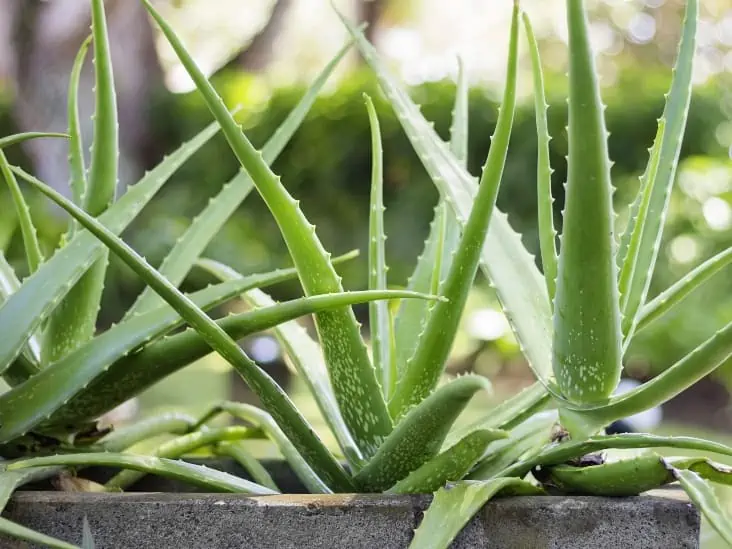
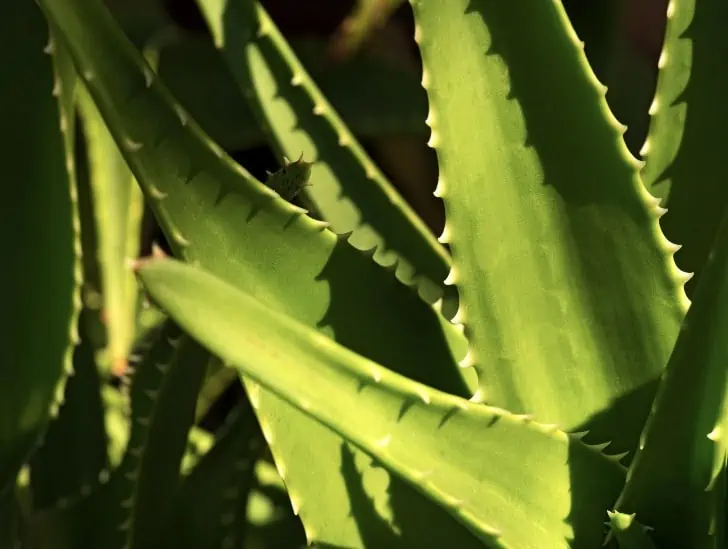
Aloe vera exposed to sunlight.
Most succulents that thrive in tropical climates are native to these regions.

The rainy season is between May and October, while the dry season is between November and April.

Temperatures are higher during the rainy season than during the dry season. The average annual rainfall in tropical climates is between 1,000 and 2,000 millimeters.

Most succulents that thrive in tropical climates are native to these regions. These plants have adapted to the unique conditions in the tropics and will survive quite well given proper care.

Which Succulents Will Survive in Tropical Climates?

As mentioned earlier, some succulents can do well in areas that experience tropical climate. Some of the most common succulents that can survive in this type of climate include:

Aloe Vera

Aloe Vera is a popular succulent known for its medicinal properties. This plant is native to tropical climates and can survive in temperatures of between 40-90oF.

It prefers bright light but should be placed away from direct sunlight since too much heat can damage it.

Aloe Vera outdoors in a pot.
Position it near a windowsill or balcony for adequate ventilation.

Keep the soil moist but consider watering it regularly during summer. However, you need to reduce watering during winter and let the soil dry out completely in between watering sessions.

It is also important to remember that Aloe Vera needs lots of ventilation to survive. Keep it away from areas with heavy air conditioning or heating. Instead, position it near a windowsill or balcony for adequate ventilation.

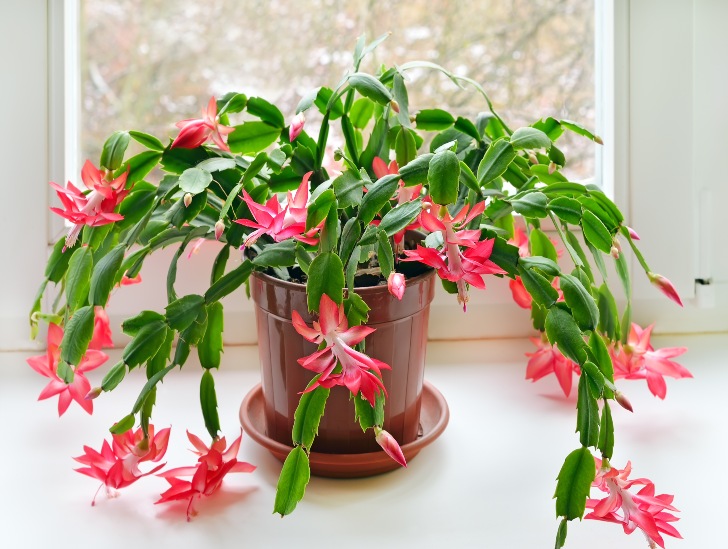
Christmas Cactus

The Christmas cactus is native to the tropical forests of South America and is a popular choice for decorating homes during the winter holidays.

It prefers bright, indirect sunlight and should be placed in areas with temperatures of between 60-70oF.

The soil must stay constantly moist during the growing season and slightly dry during the dormant winter period. This succulent only needs a little fertilizer since most  of its nutrients come from the organic potting mix.

Christmas cactus in a windowsill.
It is a popular choice for decorating homes during the winter holidays.

It is essential to keep this cactus from cold drafts and direct sunlight during winter since it can cause discoloration of its leaves.

Pruning back the tips of the plant may encourage new growth and additional blooms. Given proper care, your Christmas Cactus will bloom in late fall or early winter

Monkey Tail Cactus

The monkey tail cactus is a famous succulent native to tropical forests in Mexico and Central America.

This unique cactus looks like a long monkey tail with pointed “fingers” at the end. It prefers bright indirect light, temperatures of around 75oF, and relatively moist soil for growth.

In its natural habitat, the monkey tail cactus grows on trees as an epiphyte. The succulent relies on the trees for support.

This succulent is a great option for tropical climates since it can tolerate high humidity levels and lots of sunlight.

A monkey tail cactus in a hanging pot.
Although the monkey tail cactus can survive the whole year without fertilization, it is good to fertilize it once or twice a year.

The monkey tail cactus should be kept from cold drafts and direct sunlight when grown in a home environment. It must also be placed in a pot with good drainage, so the soil does not stay soggy for too long.

Minimize air conditioning or heating exposure and ensure it gets plenty of indirect sunlight. Although the monkey tail cactus can survive the whole year without fertilization, it is good to fertilize it once or twice a year.

Apply slow-release fertilizer during the active growth season, which is usually during spring or summer.

Kalanchoe

The Kalanchoe is native to tropical Africa, specifically Madagascar. It can survive in temperatures close to freezing but prefers warm and humid climates. The prefers lots of sunlight for growth and should be placed in bright areas with indirect light.

The soil should also be well-draining and consistently moist during the growing season. During the winter, you can let the soil dry out a bit.

Provide adequate ventilation around the plant to prevent humidity from getting too high since it can cause root rot.

Kalanchoe exposed to sunlight outdoors.
It can survive in temperatures close to freezing but prefers warm and humid climates.

The kalanchoe can benefit from fertilizer every month or two, especially during the active growing season.

Use a balanced liquid fertilizer diluted to half strength and apply. The succulent also needs regular pruning to maintain its shape.

The Kalanchoe can flower any time of the year as long as the conditions are right. During the blooming season, provide lots of bright light and keep the temperature around 65-75oF

Crassula

Crassula is a diverse and extensive family of succulents native to South Africa and Madagascar. It thrives in bright light but should be protected from direct sunlight, which can cause sunburn.

This succulent prefers warm temperatures, with ideal conditions ranging between 65-75oF.

Ensure the potting mix is well-draining and slightly dry between watering sessions. It does not need much fertilizer, but a light application of diluted liquid fertilizer during the active growing season can help promote flowering.

It is also important to remember that Crassula needs proper ventilation to thrive. Keep it away from air conditioning or heating and position it near a windowsill or balcony for adequate ventilation.

Consider pruning the plant at least once a year to encourage new growth and additional blooms.

String of Pearls

The string of pearls is an attractive trailing succulent native to South Africa. It does well in bright light and can tolerate temperatures between 50-70oF.

The soil should be well-draining and slightly dry between watering sessions. The string of pearls does not need much fertilizer to thrive. In fact, frequent feeding can cause severe to your plant.

String of pearls exposed to sunlight.
It can survive in temperatures close to freezing but prefers warm and humid climates.

The succulent requires proper ventilation to survive. Therefore, if you are growing it indoor, consider position it near a windowsill or balcony for adequate airflow.

Pruning the tips of the plant can encourage new growth and additional blooms. With proper care, your string of pearls will thrive and produce vibrant flowers throughout the year.

Sedum

Sedum is another tropical succulent native to Africa, Asia, and Europe. It prefers bright light but should be kept away from direct sunlight since it can cause sunburns.

The potting mix should be well-draining and slightly dry between watering sessions. It does not need much fertilizer, but a light application of diluted liquid fertilizer during its active growing season can help promote blooms and leaf growth.

It is also important to remember that Sedum needs lots of ventilation to survive. Pruning or pinching back the tips of the plant can encourage new growth and additional blooms.

Top Care Tips for Tropical Succulents

Now that we know the type of succulents that can survive in tropical climates, let’s look at some tips on how to care for them:

  • Provide bright, indirect sunlight and ensure the temperature never gets too hot or cold.
  • Water your succulents regularly during summer, but let the soil dry out completely in between watering sessions.
  • Fertilize your succulent once or twice a year with a balanced liquid fertilizer at half-strength.
  • Keep your succulents away from air conditioners, heating vents, and other areas with poor ventilation.

Summary

Succulents are a diverse group of plants that can grow in various climates, including tropical climates.

While not all succulents thrive in a tropical climate, several varieties can survive under the right conditions.

If you live in a tropical climate and are interested in growing succulents, research which varieties are best suited for your area and provide them with the proper care.

The Expert’s Guide to Mother of Millions Plant Care

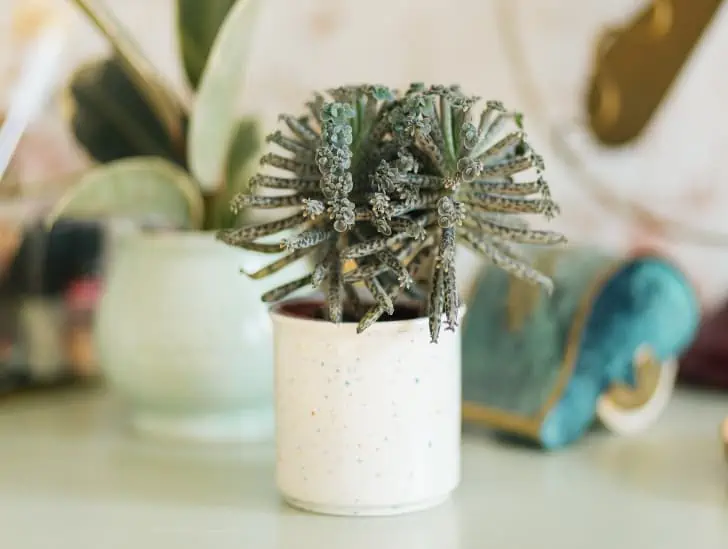
Kalanchoe delagoensis, commonly referred to as “Mother of Millions,” is a succulent plant native to Madagascar. Its unique foliage, which sports hundreds of small, hard-shelled baby plants along the edges of its leaves, gives this plant its name. The Mother of Millions is considered a low-maintenance and relatively easy-to-care-for houseplant that can thrive in both outdoor and indoor settings.

So, what are some of the interesting facts about this distinctive plant? The Mother of Millions is a member of the Crassulaceae family, making it related to the popular jade and other succulent plants. This tropical perennial grows best under warm conditions with plenty of sunlight and soil that drains quickly. The leaves are thick, fleshy, and spoon-shaped, ranging from green to dark purple. The baby plants that form along the edges of each leaf are called offsets, and they will eventually grow into mature plants if separated and potted on their own. Aside from its unique foliage, Mother of Millions also produces star-shaped flowers in shades of yellow, pink, or white during summer.

This blog post discusses everything you need to know about the Mother of Millions plant, from its care and maintenance needs to how it reproduces. Read on to learn more about this fascinating succulent!

Mother of Millions- Classification

The Mother of Millions plant is a member of the Crassulaceae family, making it related to other succulent plants such as stonecrop. It is known botanically as Kalanchoe delagoensis, though it has several common names, including “vegetable pan” and “finger plant.

The succulent is native to Madagascar, though it has been introduced to many other countries. It is often grown as a houseplant and can be found in many gardens worldwide.

A top view image of a mother of millions.
The Mother of Millions plant is a member of the Crassulaceae family, making it related to other succulent plants such as stonecrop.

Some of the common locations where the succulent is naturalized include southern and eastern Africa, South America, and some oceanic islands that experience relatively warm weather.

The succulent grows in poor soils and rocky sites. Typically, it prefers the rocky outcrops in urban open spaces and savanna areas. It is a perennial plant and generally grows to 12 inches high, though it can reach up to 18 inches in height with the right care.

Mother of Millions- Similar Species

This succulent is closely related to several other species in the Crassulaceae family. They include Kalanchoe fedtschenkoi, which is also known as “Chandelier Plant” and “Lamp Plant,” and Kalanchoe thyrsiflora, also known as “Mexican Hat Plant.”

These species share the same spoon-shaped leaves and star-shaped flowers as Mother of Millions.

A lamp plant.
This succulent is closely related to several other species in the Crassulaceae family.

In fact, some people believe that the Mother of Millions and the Mother of Thousands (Kalanchoe daigremontiana) are the same species, as they share many similarities. However, the latter has much larger leaves and more offsets per leaf.

Mother of Millions- Growth Pattern

The Mother of Millions is a low-growing succulent with thick spoon-shaped leaves. The foliage will range from green to dark purple, depending on the variety and amount of light it receives.

Along the edges of each leaf are hundreds of small baby plants, referred to as offsets. These unique features give the plant its name and provide an interesting texture to its foliage.

This succulent will produce star-shaped flowers in shades of yellow, pink, or white during the summer. The flowers are lightly fragrant and attract pollinators such as butterflies.

Mother of Millions- Care & Maintenance

The Mother of Millions makes an excellent houseplant due to its low maintenance requirements. It likes plenty of sunlight but will also tolerate some shade.

When caring for this succulent, water it sparingly. The plant needs soil that drains quickly. Too much water can lead to root rot. Be sure to check the amount of moisture in the soil before watering.

The easiest way to check is to stick your finger in the soil. If it feels moist, you don’t need to water it yet. Use the bottom watering method to prevent water from getting on the leaves.

A mother of millions outdoors exposed to sunlight.
The Mother of Millions makes an excellent houseplant due to its low maintenance requirements.

Ensure you are using the right potting mix for succulents. A soil mix with some sand and grit is recommended. Basically, you want soil that promotes fast drainage. The growing pot must also have plenty of drainage holes.

Consider layering your pot with one or two inches of gravel or pebbles to help improve drainage.

For temperature and humidity, the plant prefers warm conditions and a moderate amount of humidity. Temperatures should range between 65-75 degrees Fahrenheit during the day and not below 50 degrees at night.

Fertilizing is unnecessary for this plant as long as it receives a good amount of light and is kept in well-draining soil. Periodically repotting the succulent will ensure that it has enough space to grow.

It is important to note that the Mother of Millions is a toxic plant. If ingested, it can cause digestive problems and skin irritation. Keep the succulent away from pets and children.

Mother of Millions- Reproduction

The Mother of Millions is unique in its ability to reproduce asexually, which means it can produce hundreds of new plants very quickly and easily.

The offsets that form along the edges of the leaves will eventually drop off and start growing wherever they land – whether on the soil or in a pot.

To propagate your succulent, cut or twist off an offset and plant it in its container filled with succulent soil. Then place the container in a warm area with plenty of sunlight until new roots develop. Once this happens, you can move it to its permanent location.

If you have trouble removing offsets, you can propagate the plant using stem cuttings. Cut off a healthy stem about 4-6 inches in length and let it callous for a few days before planting it in soil.

Mother of Millions- Flowering

The Mother of Millions plant will produce showy star-shaped flowers in summer. The flowers come in shades of yellow, white, and pink and are lightly fragrant.

For your plant to produce blooms, it needs plenty of sunlight, warm temperatures, and well-draining soil. However, the plant may not flower every year or even at all if it does not receive the right conditions.

Fortunately, there are a few things you can do to encourage blooming. Fertilize your plant with a balanced succulent fertilizer and give it plenty of sunlight.

A mother of millions flowering,
The flowers come in shades of yellow, white, and pink and are lightly fragrant.

You can also try to mimic the natural winter dormancy period by reducing watering and allowing the soil to dry out completely before watering again.

If your Mother of Millions fails to bloom, it can still make an attractive houseplant. The succulent foliage is often all you need to enjoy its beauty.

Mother of Millions- Dispersal

The plant produces tiny seeds that are dispersed through the wind. The tiny seeds can also be spread by animals and humans when propagating or moving plants from one place to another.

Common Growing Problems

Although the Mother of Millions is a relatively hardy succulent, it can still be susceptible to some common growing problems.

Overwatering is the most common issue. Symptoms of overwatering include wilted leaves and root rot. To prevent this, ensure your pot has a good drainage system and only water when the soil starts to dry.

Another potential problem is sunburn. This can occur when the plant is exposed to too much direct sunlight.

Move your plant to a spot where it will receive filtered light and/or provide some shade during the hottest part of the day.

Finally, mealybugs can also be an issue with this succulent. If you notice white cottony masses on the leaves, treat them with a neem oil solution.

Toxicity of Mother of Millions

The succulent is mildly toxic to humans but can have severe effects on pets and children. It is best to keep the plant away from areas where your child or pet may be able to access it.

Its toxicity is caused by the bufadienolides found in the plant. These toxins can cause skin irritation, vomiting, and other digestive problems if ingested.

A mother of millions in a blue pot.
It’s important to be aware of its potential health risks and avoid contact with it if possible.

In fact, mere contact with the plant or getting its sap on your skin may cause severe itching or skin irritation. Children are more at risk because of their smaller body size.

Since the Mother of Millions is a highly attractive succulent, it’s important to be aware of its potential health risks and avoid contact with it if possible.

Common Uses of Mother of Millions

The Mother of Millions is a popular ornamental plant due to its attractive foliage and flowers. It can be grown outdoors as a groundcover or in containers and hung baskets indoors.

Furthermore, it can be used medicinally. The sap has been known to have healing properties when applied topically to wounds and sores.

It also has an interesting architectural shape, making it a great choice for succulent gardens or rockeries. It can add a bright and vibrant touch to your living space when grown indoors.

Overall, the Mother of Millions is an attractive and fascinating plant that can bring beauty to any home.

Summary

The Mother of Millions is an incredibly hardy succulent perfect for every gardener. Its low-maintenance requirements, unique foliage, and asexual reproduction make it a great plant to have in any garden.

With the right care, this succulent can live for many years and provide you with endless enjoyment. So why not give it a try today and see whether you like it?