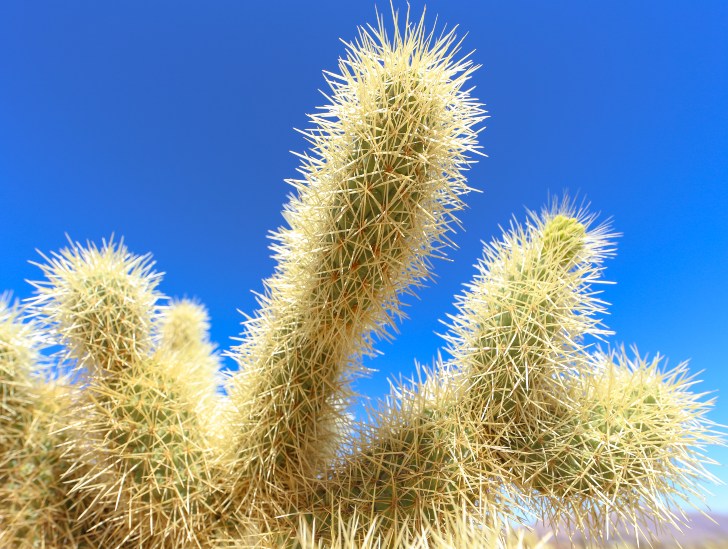
How Does a Cactus Get Water In The Desert?

Cactus plants surprise many people with their ability to survive and thrive in the world’s harshest climates. Cactus plants are mostly found in deserts where no one knows when it rained last and when it will rain next. We’ll know that plants need water to grow and thrive. But it’s amazing those cacti thrive without rain and can survive up to 200 years. How’s that possible?

Cacti have all kinds of adaptations that enable them to survive with minimal or no water. These plants have devised several ways to collect and store as much water as possible when it rains. They also have various ways to ensure they don’t waste the water they’ve collected. The water storage and preservation tactics start from their long and spread-out roots to the needle-like spines.

Cacti plants need water to survive, just like other plants. If you’re wondering how they get water despite their dry climates, read this article to learn some of their water retention and collection tactics.

Cactus Plants Modify Their Roots to Collect and Store Water

While the deserts are known to be dry and dusty, the areas also experience rains once in a while. Cactus plants have their roots a few inches below the ground to help them absorb as much water as possible. Their roots are shallow and widely spread to enable them to collect water even from light rains.

These plants also develop some temporary roots that absorb extra water during rainy days. These roots can spout from the cacti in just two hours whenever it rains. They get to work as soon as they sprout. When it stops raining, the temporary roots dry up and fall from the main roots to reduce water loss.

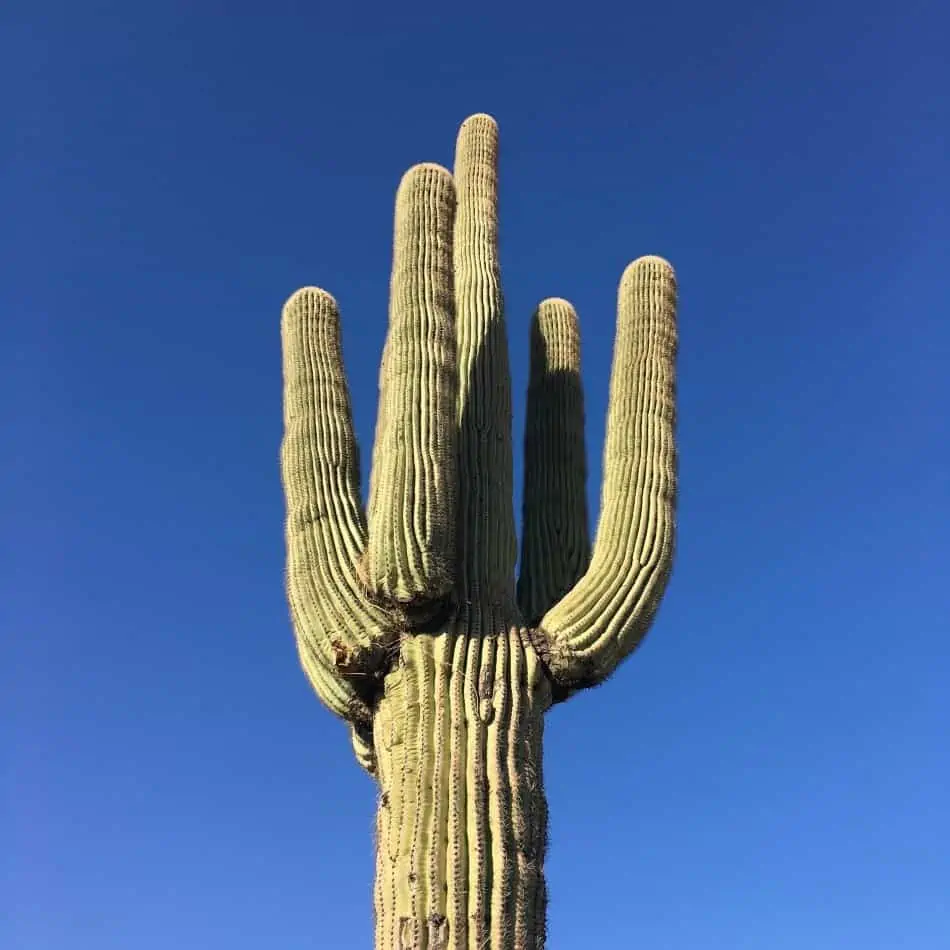
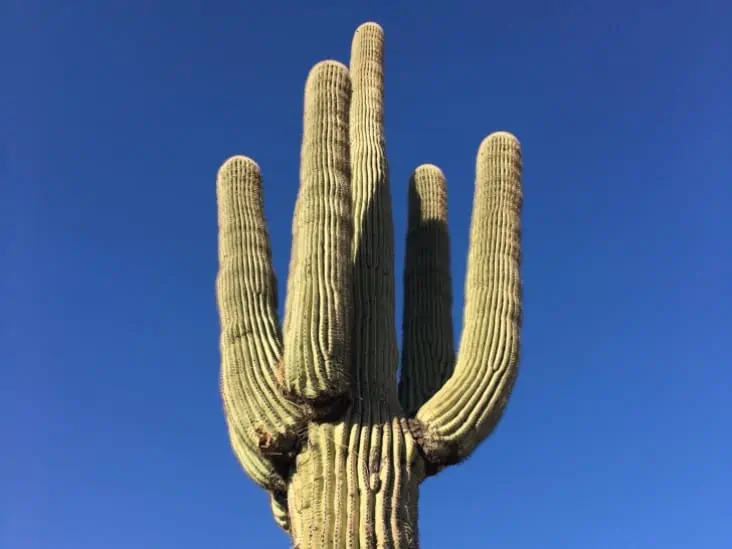
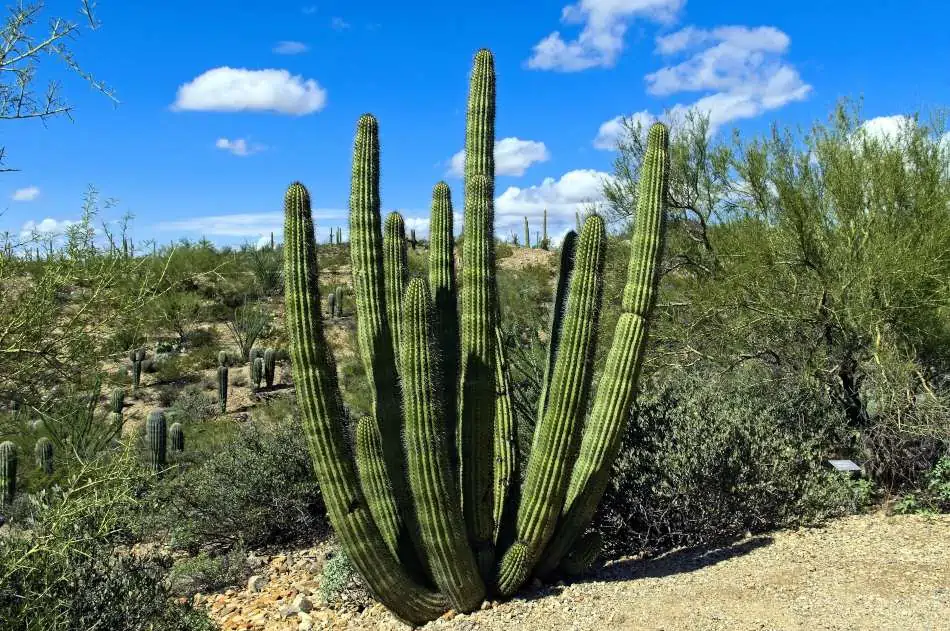
All the roots transport the water they’re able to absorb to the main plant for storage. Some large cacti plants, such as the saguaro cactus, can store up to 4200 pounds of water during the rainy seasons. They can survive with this water for the next couple of seasons until it rains again.

Other cacti plants grow very long roots called taproots. The roots go deep underground to get moisture from the soil so that the plant can survive the long drought. The taproot also ensures the plant gets firm anchorage, so the plant isn’t washed away by soil erosion or rainstorms. Cacti plants that develop the taproots include Mexican cereus and saguaro.
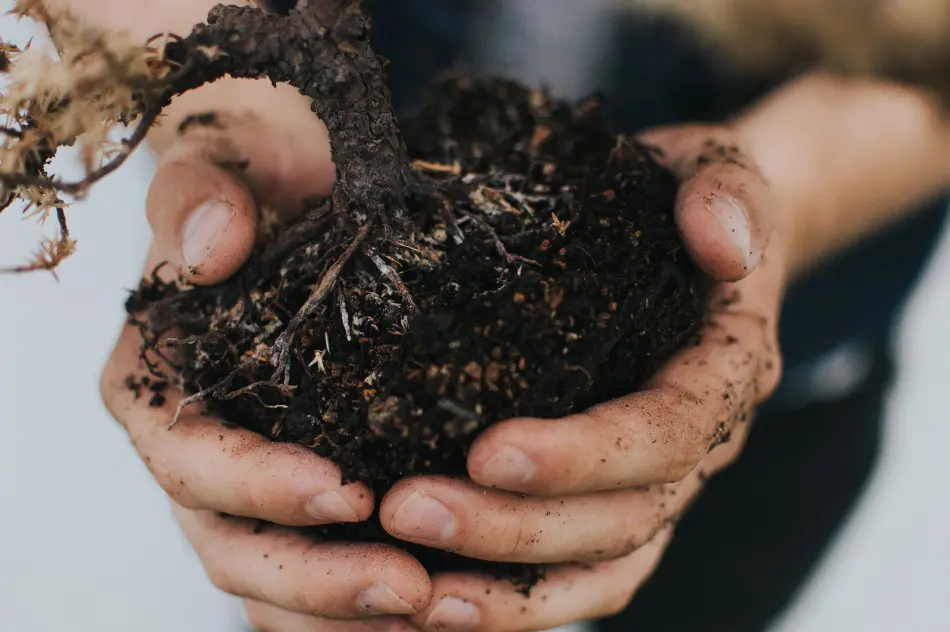
Cacti have modified roots, enabling them to absorb and store more water than other plants

Apart from the roots that help the cactus absorb water, some cacti also have succulent roots that store food and water. An example of such a cactus is the Arizona queen of the night or the Cereus greggii. These cacti plants have enlarged roots to serve the storage purpose. The roots of these plants can go up to 27 kilometers. The enlarged parts of these roots are called the xylem tissue.

Other cacti plants decrease their water loss by detaching themselves from the ground. This is because the plant sometimes has more moisture than the ground to extend that it risks losing water to the ground.

Cacti don’t have aerial or adventurous roots because these kinds of roots tend to encourage water loss.

Cactus Grow Spines Instead of Leaves to Minimize Water Loss

Cactus plants don’t develop leaves, or even if they do, the leaves are very tiny, and you’ll barely see them from a distance. Most cactus plants have spines instead of leaves. In most cacti, you’ll notice small bumps known as areoles. This is where the spines spout from.

But how do these plants carry out essential processes such as photosynthesis without the leaves? Cacti use their stems to conduct photosynthesis. Because of the plenty of sunshine in the desert, the stem of cacti plants has no trouble accessing the sunlight needed for photosynthesis.
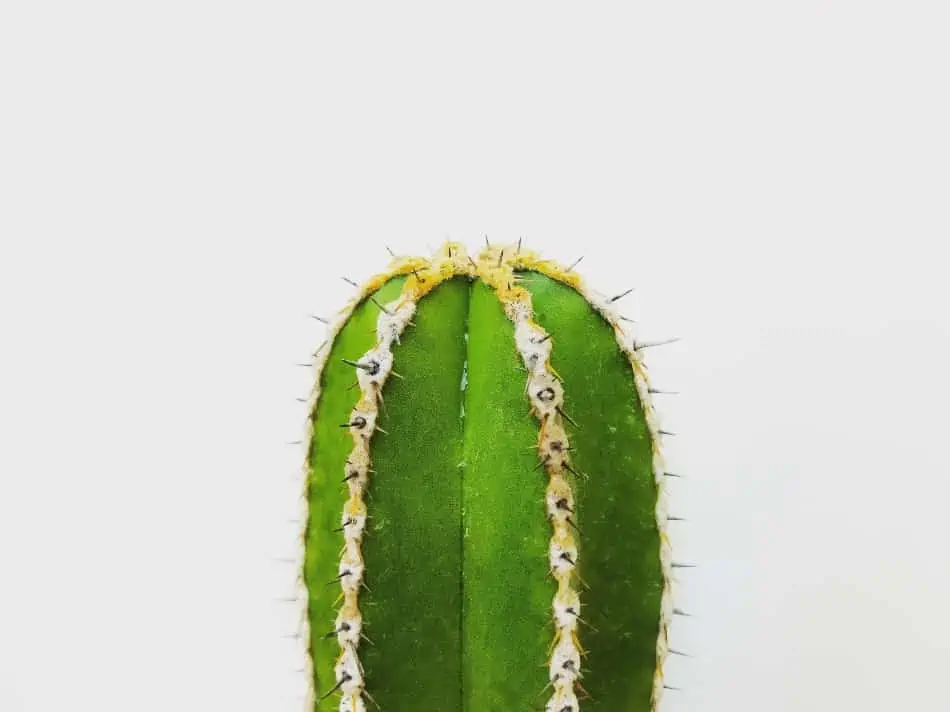
Cacti plants minimize water loss by growing spines instead of leaves.

The reason why cacti spout spines instead of leaves is to avoid water loss through evaporation. The spines of the cactus also create a buffer that traps air. By trapping air, the plants restrict airflow, which in turn prevents them from losing water.

Another function of the spines in the cactus is providing shade that shields the plant from extreme sunlight, leading to water loss. The spines are densely populated in the plant that they provide enough shade that the plant needs.

Believe it or not, the spines of cacti also serve water collection purposes. Some deserts are so dry that they might not experience any rain for many seasons. But such deserts also experience heavy fog in the morning. Once this dew settles on the spines, it turns to water which then drops to the ground. The roots of the cacti then absorb this water to help in nourishing the parent plant.

The spines also deter animals that might come to steal the water already collected by the cacti. So, these spines are also a form of security detail for the plant.

Cactus Preserve Water for as Long as Possible

Because the rains are unpredictable in the desert, cacti don’t waste the little water they get. The plants have gotten good at water storage, which has worked so well for their desert survival. Their water storage techniques start right from their shape.

The cells of these plants develop a stiff outer layer known as a cell wall. The cell wall keeps the plant strong and prevents them from exploding when they’re full.
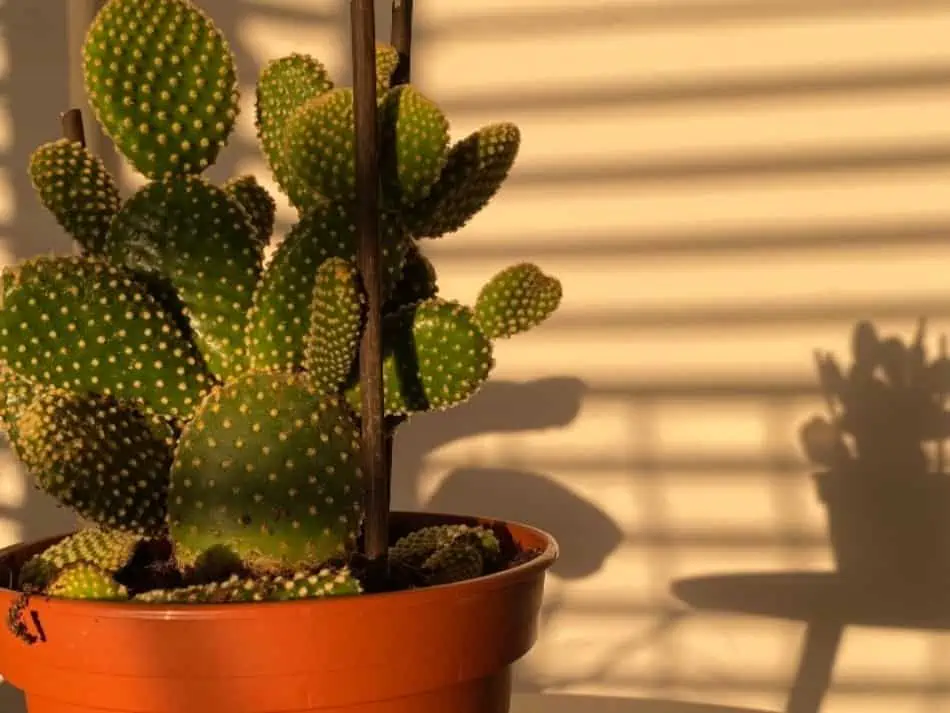
Since deserts are so dry and rains are unpredictable, cacti store water in their fleshy stems for as long as possible.

The plants have a very fleshy stem that gives them many volumes to store enough water collected during the rainy periods. Other cacti have their stems coated with a thick wax that they utilize for their waterproofing purposes. The wax keeps water inside the plant long enough.

Other cacti grow ridges and ribs on the stems. The ribs and stems allow the plant to expand to accommodate as much water as possible.

With so many ways of storing water, cacti plants can survive and thrive in the desert for many years without rain. Many plants will die with prolonged drought, but this will not happen with cacti. The plants are known to hold on to their water even after it dies. You’ll find the stem of dead cacti still filled with water even after getting cut from the main plant.

Cactus Plants Avoid Evaporation by Having Stomata on the Stem

Many plants have their stomata on the leaves, which encourage their carbon dioxide intake. These plants need carbon dioxide gas for food manufacturing. As the plant takes in carbon dioxide, it loses oxygen. This process also encourages a lot of moisture loss.

To avoid losing too much moisture and oxygen in the process, most cacti plants only carry out the photosynthesis process at night. This is the time when the temperatures are cooler, and the plants won’t lose moisture. They also open their stomata only at night to avoid losing too much water.

Cacti also have very small stomata, which are hidden deep into the tissues. They’re not exposed to the surface, as this will encourage water loss.

Cacti Know How to Keep Away Other Animals from Their Water

Because many cacti plants are good at water collection and storage, many desert animals also depend on their water for survival. But the cacti don’t give up their water so easily. They have their ways of deterring these animals from drinking their water.

Cacti use spines to protect their water reserve from desert animals.

One of the ways the plants deter desert animals from their water is through the use of spines. However, some very desperate animals are capable of going past the spines to quench their thirst.

Cactus Cortex Is Modified to Store Water

The cortex is yet another way that cacti use to store water. The cortex has two categories. The inner section is used for storing water, and the outer section for photosynthesis.

The outer layer also allows the plant to absorb carbon dioxide, which foresees the photosynthesis process.

The inner layer of the plant has several collapsible cells for water storage. It stores enough water, which keeps the plant healthy and hydrated all day, even in the driest months. These cells also portray fewer chloroplasts which are elastic and flexible. This allows the cell to expand and allows enough water absorption. The cell of the inner cortex walls is also thin and flexible, so they can easily fold to avoid water loss.

Summary

Cacti plants survive the harsh climate conditions in so many ways. They’re so used to their survival tactics that the plant won’t survive when you change the climate they’re used to. If you plan to plant some cacti in your garden, you have to mimic their growth conditions for them to survive. For instance, you should not give them too much water as they’ll lack where to store the excess and rot instead.

Some will rather collect dew than rainstorms. Allowing them to survive from the dew can sometimes prove fruitful than watering. Make sure you give them well-drained soil, so they never get soggy. If you cannot provide the environment almost the same as their natural habitats, you better not grow then as they’ll die on you.

Here Is How Animals Can Eat And Survive From Desert Plants

Animals can survive in the desert, but it is an extremely tough place to live. They have to be able to find water and food without much effort, or else they will die of dehydration and starvation. An animal’s ability to survive in the desert is mainly determined by how well it can find food and water. The plants around them are their main source of both, but these plants are scarce due to the lack of rain and water.

So how can animals eat and survive from desert plants? Desert animals are adapted to eat and survive on the water and nutrients in plants. Plants store a lot of moisture, so animals are able to get their needed hydration from them. Desert bushes usually offer berries that provide an animal with enough nutrition for its next hunt for food or drinkable water source.

This article will discuss some tips on how animals can eat from desert plants, as well as keep up with their need for water. It also explains that most plants are able to provide reliable sources of sustenance as well as hydration for animals living there.

Herbivores that Survive in the Desert

The tips below will discuss some ways that an herbivore in a desert would survive:

The first rule for animals living in the desert is finding food and water. An animal’s ability to survive in the desert is mainly determined by how well it can find food and water. The desert plants around them are their main source of both, but these plants are scarce due to the lack of rain and water.

As desert plants store plenty of water, herbivores use them as water and nutrient sources.

Desert animals are adapted to eat and survive on the water and nutrients in plants. Plants store a lot of moisture, so herbivores have enough hydration from them. Desert bushes usually offer berries that provide an animal with enough nutrition for its next hunt for food or drinkable water source.

Some common desert plants that can be eaten by animals

Acacia trees

 Acacias have been known to survive in some of the harshest climates, and they provide a food source for many desert dwellers as well. The acacia’s thorny branches prevent water loss from its leaves, which means it might not need much rain at all!

Cacti

A Cactus is a great food source for animals, and they usually have lots of water in them too! Many cacti contain up to 95% liquid, so an animal can get hydrated by drinking from the plant’s stem or eating its fruit. What’s more, the cacti’s needles are small enough to be eaten by small animals like birds!

Since cacti consist of around 95% water, they are excellent food sources for desert animals.

Mesquite trees

Mesquites have lots of seeds, which serve as a great food source for many desert dwellers and plants that grow around them. An animal will usually get all the water it needs from mesquite seed pods, and it can also eat the pods!

Desert Bushes

Desert bushes offer berries that provide desert dwellers with enough nutrition for their next hunt for food or drinkable water source. These bushes are usually found in oases, and can provide an animal with more than enough sustenance for their needs. Common desert species that form bushes are:

  • Blackbrush: Blackbrush bushes grow in the hotter, drier parts of deserts and are usually found on hillsides or slopes with a lot of shade to keep them cool. These plants have thorns that can be used by animals for protection from predators, as well as having fruit that is edible to many species!
  • Climbing buckwheat: This desert plant grows in lots of different types of climates and is a favorite food among some animals because it provides them with enough nutrients for their wellbeing!
  • Coyote bush: The coyote bush has fruit that can be eaten by many species, as well as having flowers which provide nectar to smaller animals. The coyote bush also provides animals with a safe place to hide from predators.

A desert’s topsoil is usually dry because it does not get much rain. However, there are some plants that grow to be tall (usually taller than a human) where the soil stays moist thanks to its deep root system and long, narrow leaves which prevent the water from evaporating.

Plant roots can go deep into the soil to find any available moisture, but it’s important that an animal still drink from the surface when it can to prevent dehydration.

Survival tips for desert animals using plants

-Some animals try to find shade during midday hours by digging holes under bushes or trees for protection against the sun.

-A desert animal can survive by eating the leaves of plants or drinking from a plant’s stem. They usually have to work hard and find water, but they are able to do this because their bodies are adapted for it!

Even if animals eat other desert animals, they still need to consume lots of plants to maintain water content and survive.

-There is also some debate about whether herbivores should eat other animals in addition to plants. Regardless, desert animals need to eat lots of green materials that have high moisture content in order to survive.

-Animals that live in the desert have adapted their bodies for hunting at night when it’s cooler, drinking from plants during daytime hours since they can’t rely on a rainstorm or oasis and finding food sources like cactus fruit (which is full of water).

Examples of desert animals that survive by eating desert plants

Ants, gophers and squirrels

Ants, gophers and squirrels who can eat roots from bushes or trees they’ve dug up to find water in them. They have mastered the art of burrowing. Insects survive by eating plants because they don’t need much food or water to live, so it’s easy for them to adapt. They can also find water by sucking out the moisture from leaves.

Cows

Cows depend on plants for their calories and nutrients, but they also need to drink about 40 gallons of water per day! So cacti are a great food source because they usually have lots of liquid in them too.

Sheep and deer

Animals like sheep and deer use their tongue to sweep sand off plants. This  reveals some moisture that might have accumulated in the dirt from a past rain shower or dew drop.

Birds

Birds like the kiwi, which can eat and drink from fruit that falls to the ground. Kiwis have no feathers on their legs or feet, so they’re able to walk around without sinking into the sand. Other common desert birds that survive are the sandgrouse, which lives in Africa and Asia.

Camels

Camels have adapted to living in dry conditions because they’re able to store water from plants inside their bodies when there’s not much outside of it. Camels can also drink up to 20 gallons of water at one time! Some common plants that camels eat in the desert are thorns, which they chew on to get the water out. They have a thick tongue to prevent the effects of pricks and thorns.

Camels can store water inside there bodies, making it much easier for them to survive in dry climates.

Goats

Some desert animals like goats are able to eat plants by ripping them off with their teeth and swallowing leaves in one gulp, which helps reduce the amount of moisture lost while eating! Desert goats can stand on their hind legs to reach higher green leaves in the dryer bushes.

Lemurs

Lemurs are only active during nighttime hours because there’s not enough sunlight for them in their native habitat. Lemurs usually eat leaves from trees and bushes, but can also drink up to twice per day since they’re able to find more sources of liquid than some other animals.

Bees

Bees survive by drinking nectar from flowering desert plants and using it for their energy instead of sunlight. They also collect pollen that has moisture in it which is great for desert animals who want something green like ants.

Scorpions

Scorpions are able to survive by eating dead animals and plants that other animals leave behind. They’re also active during nighttime hours when there’s not as much competition for food sources.

Desert slugs

Desert slugs eat the mucus from cacti, which helps them get moisture without actually taking any liquid in. There is speculation that some animals might not be able to survive in the desert because they can’t get a lot of moisture without going into water sources, which is dangerous for them.

Prairie dogs

Prairie dogs are great at finding food and survival by eating plants like grasses and leaves from bushes or trees. They have something called cecum, which has a lot of bacteria that helps break down plant material.

Rodents

Rodents like mice are able to survive by eating seeds and nuts, which has a high moisture content in them. They also have the ability to store fat so they don’t need as much water or food when living in dry conditions.

There are many more desert animals than just these listed above, but they all share a few common characteristics including: being able to live in hot, dry environments and hunting at night when the air is cooler.

Animals can survive in the desert by adapting to their surroundings and finding ways to find food, water and a way of existing from the plants that grow there. Most plants in the desert provide dependable sources of food and water for animals because they have adapted and found ways to survive in those conditions.

Here Is How Desert Plants Adapted To The Desert

Apart from the intense heat, there are several things that desert plants have to endure. Other harsh things include global warming, erosion, dust, high winds, and attack by animals and humans. Despite the harsh conditions, desert plants are still the most durable as they can leave more than 200 years. If they can survive the harsh conditions, then even disease attacks will not bring them down.

Desert plants have to adapt to all the harsh conditions to survive. The plants adjust their leaves, stems, and roots to either store water or reduce water loss. They grow strong anchorage roots that ensure storms or wind don’t pull them off the ground. The plants keep away humans and animals by their sharp spines. These are just a few of the characteristics that these plants have devised to survive and thrive in harsh environments.

There are many excellent and unique ways that desert plants such as cacti adapt to the desert. This article provides some of those ways.

How Plants Find Water in the Desert

They say water is life, and many living things, including humans, animals, and plants, depend on survival. But we’ll know that water finding water in the desert is not easy. So, how do desert plants like cactus survive the prolonged lack of water periods?

Even though desert areas are always dry for the better part of the year, they also experience sporadic rains. The desert plants absorb as much water as they can when it rains. They have different ways of accumulating and storing water for long-term use.

Desert plants obtain and store water from sporadic rains, air condensation, or through their taproot system.

Some plants grow near river beds and extend their roots so deep to reach the water underground. These plants develop a kind of root called taproot that allows them to penetrate deep into the subsurface soil to find the needed moisture. These roots are capable of penetrating up to five feet into the ground.

Another way the desert plants get water to survive the extended dry seasons is through air condensation. When the air condenses, it forms dew which the cactus spines and hairs capture. They then direct the dew to the ground, where that moisture gets absorbed in the roots.

How Plants Limit Water Loss in the Desert

Because getting water in the desert is a big struggle for the plants, they don’t want to lose the little they get easily. Plants develop several adaptations to enable them to preserve water. One way these plants reduce water intake is through the reduced size of the leaves or completely no leaves.

Without the leaves, the plant won’t be losing water through transpiration. Transpiration involves the process in which plants circulate water through its body before it evaporates to the air. Plants find a way to reduce the transpiration process; hence, they don’t need to lose water or spend much energy.

To minimize water loss, desert plants have modified their leaf size and some plants do not have any leaves at all.

Most desert plants get inactive during the dry seasons. They don’t perform many activities that consume water, such as photosynthesis. They do not grow much or reproduce. The dormancy periods enable them to survive the rough months. In case they manage to produce seeds in the dry months, the seeds remain protected in the coat. When it starts to rain, the water dissolves the coating enabling the seeds to grow rapidly.

Some plants produce a wax coating on their leaves which prevents evaporation. This protects the plants from losing water either from the inside or the surface.

Instead of developing leaves, some plants such as cacti grow spines. These spines work in many different ways to prevent water loss. These include protecting the plant against predators looking for the stored water. Other functions of the spine involve shading the plant from extreme sun and trapping moisture near the plant.

Another way desert plants survive water scarcity is by losing their leaves. When it gets too hot, the plants shed their leaves to limit water loss. One good example is the Ocotillo plant that sheds off its leaves to preserve water. They regrow these leaves when the temperatures get more favorable.

Plants like the aloe have greying color that deflects heat to prevent water loss. The aloe plant also has types of leaves that store enough water for their survival.

Some cacti and succulent plants have thick and waxy outer skin, which protects them from water loss by sealing moisture.

Root System Modifications for Survival

Some desert plants like cactus adapt to the harsh climate through various root system modifications. Most cactus plants have their roots on the surface of the soil, meaning they don’t go too deep. The plants develop fibrous roots that spread meters away from the plant.

Desert plants have modified their roots so that they are spread across the soil surface and collect enough water to survive.

When it rains, the roots can gather enough water from different directions. They then store this water in the stem region. The amount of stored water depends on the size of the plant. For instance, the mature saguaro is capable of storing up to 1000 liters of water.

During the rainy seasons, plants with fibrous roots shoot out more roots to absorb and store as much water as possible. When drought season comes, the extra roots dry up and break from the plant to minimize water loss. Other plants have modified root systems meant for water and food storage. They store excess water when the stem is full.

Drought Avoidance Mechanism

Some plants will not develop mechanisms to survive the harsh desert conditions but will simply avoid it altogether. Such plants die during the dry periods and come up again when it begins to rain. These plants grow and mature in a single season. They focus on germinating and producing more seeds instead of preserving energy for drought survival. These plants are called the annuals.

Some desert plants die during dry periods and come back to life whenever it rains.

Most plants found in deserts such as the Sonoran desert germinate in the fall or after the summer heat and cold winter months. They rely on the small rains during fall to wet the soil, which will be enough for the germinating seeds to produce their own seeds even with no more rain.

The drought-evasive plants are known to be the most successful desert survivors. Their seeds have no metabolism and are resistant to extreme temperatures. Such seeds only sprout in particular temperatures, rain, or seasons. Even when the conditions are favorable enough, not all the seeds of such plants germinate. Some remain dormant until they reach a certain age. For instance, bluebonnet seeds will not germinate until after ten years.

The Stomata Adaptation

Another common adaptation method of desert plants is stomata. These are small pores on the leaves and stem that help in regulating the exchange of gas. The stomata of desert plants are different from those of other plants. Many desert plants lack stomata or have very small ones. They’re also far apart and few.

The reason for the limited stomata in desert plants is to limit water loss. Others practice what is known as CAM photosynthesis, whereby the plant closes the stomata during the day to limit water loss. It only opens at night when it’s cooler, and no evaporation is taking place.

The Areoles in Cacti

Plants such as cacti survive in the desert through their unique structures called the areoles. You will notice these structures in hairy parts of the cacti where spines emerge. The areoles also produce flowers in some cacti. Some leafless cacti plants have their areoles on the raised areas of the stem. You’ll notice them in oval or circular shapes separated into two parts.

The areoles give rise to spines and glochids, which act as their self-defense. They provide a protecting function that shields the plant from attack by desert animals or even humans. The spines also provide protection from sun rays and other types of conditions that can cause injuries.

Growing Thick Cuticle

Other plants manage to survive through the seasons of harsh climates by developing thick cuticles. A cuticle is a thick and waxy out layer found in most succulent plants such as cacti. In some plants, the cuticles are so thick that you can easily scratch off the wax from the plant with your fingernails.

But how does the thick cuticle help such plants survive the harsh climates? The cuticle prevents the water stored in the plant from evaporating in the air. The cuticle also acts as a shield that protects the plant from attack by germs and microorganisms.

Summary

There are endless strategies that plants adapt to survive in the desert. While most of these plants are generally small, they have the capability of surviving where even the largest plants on earth won’t survive. They have different ways of getting water and protecting themselves from the harsh environment.

While the desert environment may seem hostile and incapable of sustaining life, these plants have proven that they can survive and thrive in such climates. Some plants even survive by reducing competition around them. Such plants produce some chemicals that deter other plants from growing near them and competing for scarce water and nutrients.

10 Desert Plants ideas When Landscaping

You are finally through building your dream home, but wait; your outdoors look plain and unpleasant. This is the time to think about landscaping to help improve the overall outlook of your backyard. While you may consider several options for the purpose, using desert plants for the same can be a unique approach to your landscaping endeavors. While many may picture the desert as a barren endless mass of sand, nothing could be further from the truth. The desert is home to various plants that include cactus, trees, shrubs, grass, and other attractive, flowery plants. These come in multiple shapes, sizes, and colors to help transform your outdoors into some work of art.

So what are the ideal desert plants you can use for your landscaping? While the choices are endless, the following are the most common options based on their growth patterns, size and visual appeal:

  1. Golden Barrel Cactus
  2. Yellow bells
  3. Bottle Brush
  4. Texas Sage
  5. Aloe Vera (Aloe)
  6. Flaming Katy
  7. Jade Plant or Friendship Tree
  8. Mexican Feather Grass
  9. Paddle Plant or Red Pancake
  10. Ghost Plant Succulent

This article takes a closer look at each of these desert plants and their suitability for landscaping.  We will discuss more about their adaptations and what attractive features they bring to your landscaping design.

1. Golden Barrel Cactus

You may have heard about the huge barrel cactus; this is not it. The Golden Barrel Cactus (Echinocactus grusonii) is from the same family, but smaller and round-shaped. This unique shape makes it an attractive feature to add to your landscape design. If you are working on a rock garden or cactus garden, then this is your best bet to include in the mix. Its spherical form makes it an ideal option for anyone looking to create a geometrically inclined landscaping design. As the cactus grows, however, it may change shape and turn cylindrical. You can find the golden barrel cactus in various shades of green coupled with spikes that come in multiple shades of yellow. Occasionally, the cacti may surprise with some bright yellow flowers.

Golden Barrel is a round-shaped cactus species that can produce bright yellow flowers when blooming.

2. Yellow Bells

Are you looking to go flowery for your landscaping project? Well, what better option to go for other than the flowery bell? These unique desert flowery plants stand out with their bright yellow flowers that bloom abundantly within a short period. As the name suggests, its flowers are bell-shaped and vibrant. The plant works best when mixed with other flowery or non-flowery plants to give your landscaping design the much-desired ambience.

3. Bottlebrush

The bottlebrush (Callistemon) gets its name from its flowers that bear some striking resemblance to bottle brushes. This desert plant stands out with its brightly colored needles that form the flower. Although the plant is sometimes referred to as a bottlebrush tree, it also grows as a shrub. This makes it an ideal option to include in a list of low-growing landscape plants. The plant commonly bears red flowers, although there are species that bloom a variety of other colors. Add color, intriguing texture, and drama to your garden with this unique desert plant.

For best effects, first determine what the bottlebrush needs to do in your landscaping design. Usually, this would come in to enhance the color scheme, support local birds, or even liven up that dull corner in your garden.

4. Texas Sage

Are you looking to add some natural purple to your landscape? Well, the Texas Sage (Leucophyllum frutescens) does just that. It helps bring in that neutral tone that helps blend with other desert plants in your garden. Its lavender and purple colored blooms may be significantly small but stand out with their sturdiness.

 This desert plant remains green for the better part of the year but come summer, the tiny flowers in shades of lavender, blue and purple will cover its branches. This bloom will remain all through the fall. The texas sage does not need any pruning, making it ideal for gardens that do not require much disturbance all through the year.

5. Aloe Vera (Aloe)

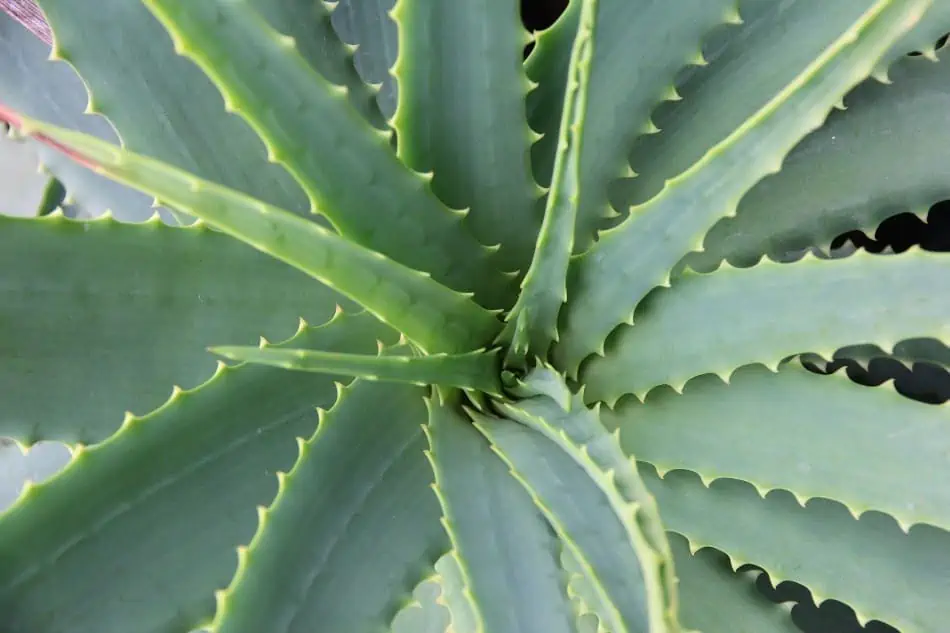
If you live in a mild climate and love succulents, then the aloe vera should be your best bet when designing your landscapes. This drought-resistant succulent not only helps add some drama to your garden but also gives your landscape a contemporary look, especially when planted in geometrical blocks. For better results, bring in a mix of two or three varieties of aloe vera. They work best when mixed with some drought resistant flowering perennials or ornamental grass.

Aloe Vera is a drought-resistant succulent that carries a variety of health benefits.

What’s more, you will be glad to benefit from aloe vera’s medicinal values right at your doorstep. However, you may need to approach this feat with care as some aloe species are poisonous and require the expertise of an experienced arborist to help differentiate the same. With the right mix, aloe vera brings in a versatile addition to your landscape design.

6. Flaming Katy

Have you been searching for the best way to add some color to your landscaping design? The Flaming Katy (Kalanchoe blossfeldiana) would be an ideal pick for this purpose. This easy-to-grow succulent helps bring some vibrancy to your garden or backyard. The best thing about the Flaming Katy is that it is not an invasive plant. As such, you need not worry about it crawling all over the place when used for landscaping.

This delightful plant not only helps add some striking colors to your landscape but also gives you an easy time on maintenance. With just the right lighting and temperatures, you can be assured of getting some gorgeous blooms to make it a strikingly attractive centerpiece for your landscaping design. You will love the giant splash of color the plant comes with when they bloom.

7. Jade Plant or Friendship Tree

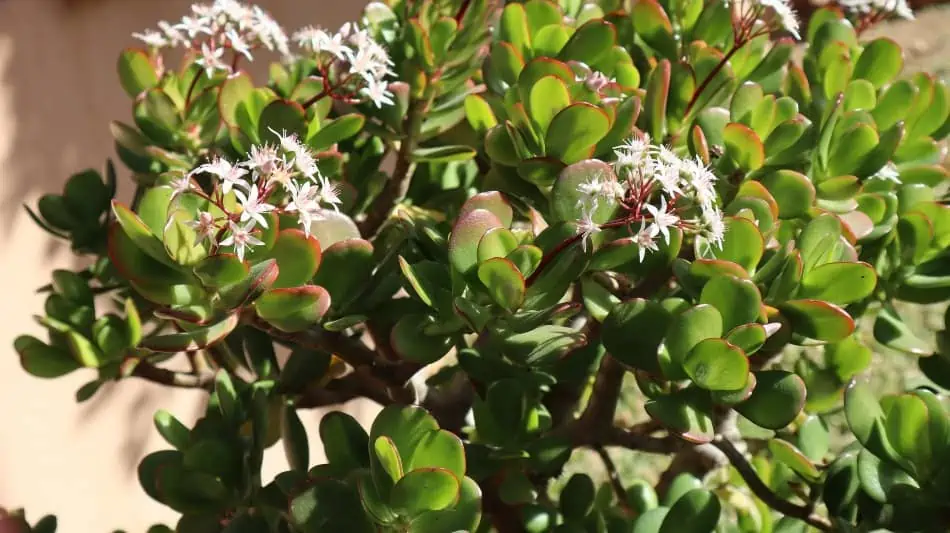
The fact that the Jade plant (Crassula ovata) falls somewhere between a flower, a tree, and a shrub makes it a unique addition to your desert landscape. Usually, the plant grows to take up the shape of a small bush. During the winter and fall months, the plant blooms with some slightly pinkish but white flowers. This gives your garden some color, especially when mixed with other flowery plants. Jade plants or friendship tree will flourish best in loamy quick-draining soil as it is prone to root rot easily when exposed to slow-draining soil.

The Jade Plant is a desert plant with white to pinkish flowers that can give your garden a more lively look.

8. Mexican Feather Grass

A landscaping design cannot be complete without some grass and the Mexican Feather Grass (Stipa tenuissima) come in to complete the design by giving your garden that feathery feel. As an ornamental grass, the Mexican Feather Grass stands out with its delicate but graceful and fine texture. Its growth pattern cascades just like a water fountain, making it appealing to the eye. Its delicate blades blend in to create that magical beach-like environment. Add this allure to its drought resistance, and you have just the right desert plant for your landscape design. When planting, however, be careful not to overdo it as the grass spreads quickly and can become invasive.

9. Paddle Plant or Red Pancake

The Paddle Plant  (Kalanchoe thyrsiflora) is a popular succulent in the world of landscape design.  It stands out with its rounded and thick paddle-shaped leaves. The Paddle Plant is a crowd favorite thanks to its easy disposition, coupled with its eccentric shape and coloring. It may look bizarre in its growth pattern, but this uniqueness makes it even more appealing as a landscaping plant.

 For better results, intertwine the paddle plant with other succulents to create an attractive silhouette. Add some dramatic splashes of red to your landscape design using this color-changing low maintenance desert succulent.

10. Ghost Plant Succulent (Graptopetalum paraguayense)

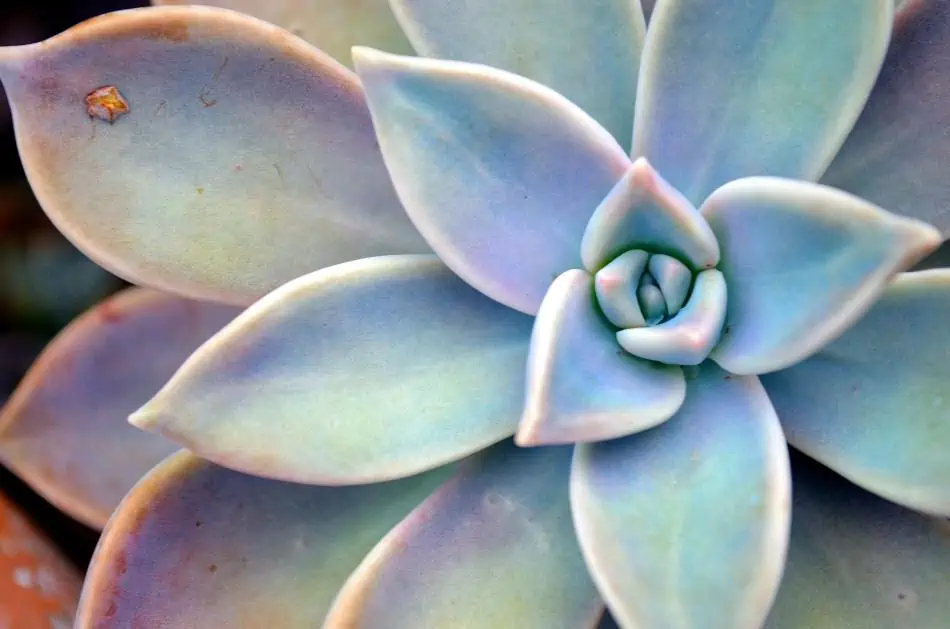
The Ghost Plant (Graptopetalum paraguayense) is a cold-hardy desert succulent featuring some whitish or pale grey leaves. Its stands out as an ideal landscaping plant thanks to its versatile growth. You will love how it cascades down the pot or container to make an unprecedented groundcover.

The Ghost Plant is a desert succulent with pale green, grey, pinkish, or blueish leaves.

The plant gets its name from the powdery coating on its leaves that give it a ghostly look. This coating should be handled with care as it fades with ease. Its trailing stems and form rosettes that range from yellow-pink to blue-gray gives the plant an edge as an attractive landscaping addition. They work best when planted along pathways, in rock gardens, arranged in planters, or as garden borders.

Final Thoughts

Your idea of a desert landscape doesn’t necessarily have to be all about green, brown and other dull colors. You will be surprised to realize that there is a myriad of colorful, ornamental, and attractive desert plants you can use for your landscape idea or outdoor garden. It all boils down to how best you can mix and blend them to give you that appealing look. Break up the plant pattern by mixing desert plants of different sizes, shapes and colors in your landscape design. 

Apart from plants, you can also consider throwing in some desert oriented items like stones and sand. This will help complement the desert plants and give you that natural desert feel and look.

How Does a Cactus Survive in the Desert?

The ability of the cactus plant to survive in the desert with no water plus harsh weather conditions all – year round baffles many people. I carried out some in-depth research on this topic in my quest to understand this mystery. I compiled this article based on scientific facts, and I’m happy to share the information with you. 

How does a cactus manage to survive in a hostile desert climate? The cactus plant survives in the desert by using the adaptation technique. This plant’s leaves, roots, and stems have adapted to the desert to enable it to absorb, and conserve water.

The science behind how a cactus can thrive in the desert while other plants can’t is easy to understand. Read on to understand better how the plant adapts into the desert environment.

The cactus plant’s adaptation techniques

The cactus plant is one of the few easily recognizable plants on the planet. The plant is a staple of many cartoons due to its unique features. There are over 2000 species of this plant scattered in deserts all over the globe. 

Human beings have utilized some species of this plant for centuries for their medicinal value and as a source of food. This plant can also serve as a great garden or house plant. 

The plant attracts tourists in the desert each year, with its unusual shapes and beautiful blossoms.  The plant is a native of Africa, America, Australian, and Europe, and many different species exist in the desert environment.  

A cholla cactus bearing fruits.
The plant attracts tourists in the desert each year, with its unusual shapes and beautiful blossoms. 

It is astonishing how the cactus can live for up to 200 years in the hot desert climate, right? Thanks to its adaptation capabilities, the plant is not only able to survive but thrive in the environment. 

Characteristics like spines, shallow roots, stomata on the stem and waxy skin make the plant a reservoir despite the harsh climate.

1. Spines instead of leaves

The plants don’t have real branches or leaves, like other plants. Instead, cacti have modified leaves known as spines. The branches of the cactus plant have small bumps known as areoles, and this is where the thorns sprout from the plant. 

This brings about the question of how the plant can carry out photosynthesis without leaves. Well, the plant’s stems are what conduct photosynthesis for these plants compared to other plants where the leaves are what carry out the procedure. 

Therefore, cactus doesn’t need leaves to photosynthesis the way other plants do. The added advantage of that is the desert has plenty of sunshine so it’s easy for the stems to have access to sunlight. 

The spines play a significant role when it comes to avoiding water evaporation. 

So, how does the cactus carry out photosynthesis during the summer?

During the summer, most desert shrubs droop and stop photosynthesis. Not the cactus plant. The plant continues to manufacture food, and that’s the reason you’ll see the cactus standing tall even during the hot summer months. 

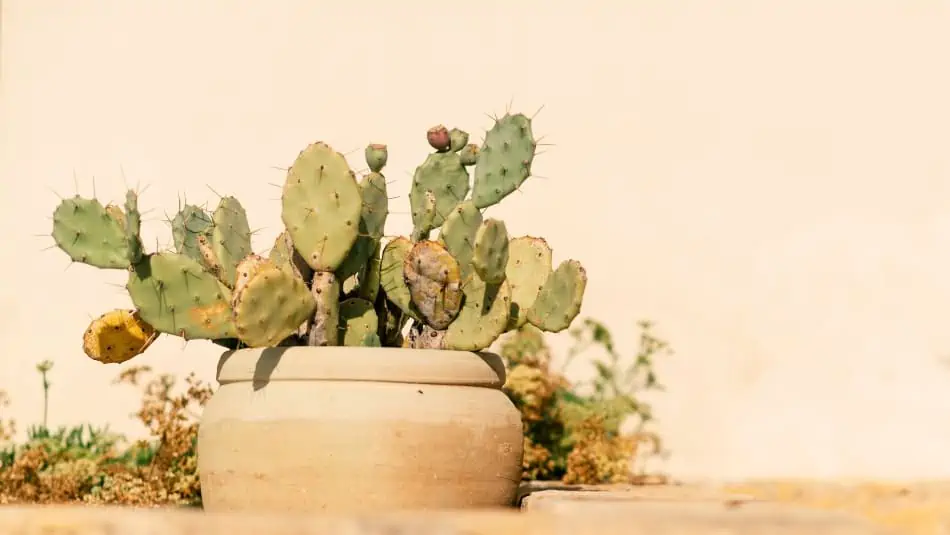
Cactus in a pot.
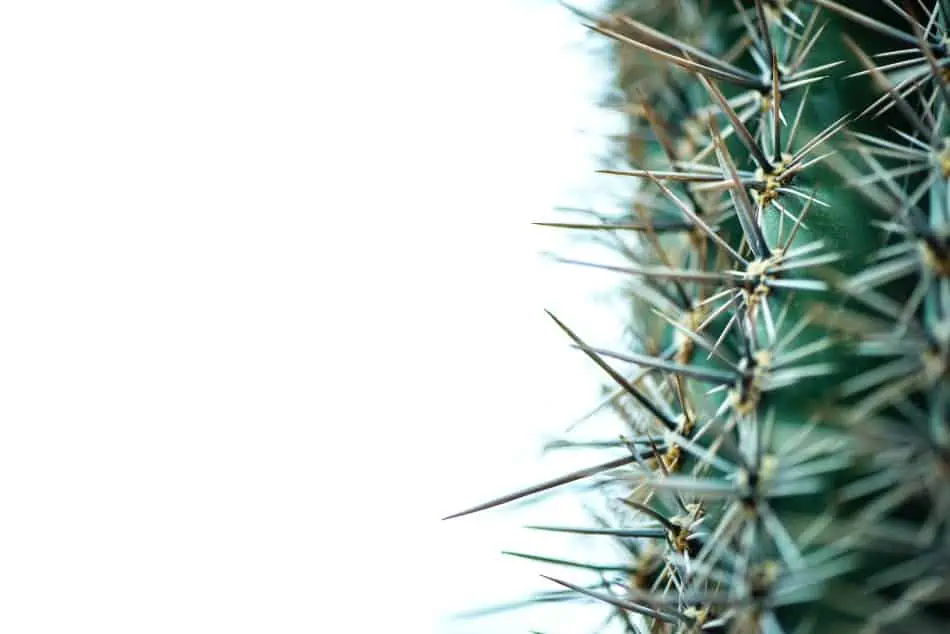
Cactus spines

2. The roles that spines play in a cactus’s survival

Air trapping to reduce moisture loss

The spines create a buffer that traps air around the spine. The air trapping is necessary for restricting airflow; otherwise, the water might escape from the plant in the process.  

The buffer contains moist air, and this plays a vital role in preventing water from evaporating from the plant in the hot desert heat.

Water collection for survival

The Chilean Atacama Desert is one of the driest deserts on earth. However, this desert experiences heavy fog in the early morning hours. The locals refer to the heavy dew as “camanchaca.”

Once dew from the fog settles on the spine, it liquefies into the water and then drips on the ground below. The cactus roots then absorb this water to help nourish the plant and keep it alive.

The spines also have a hierarchical groove structure. The unique grooves that help the cactus plants collect water. 

Shade provision to avoid the hot desert sun

The cactus spine may look like it can’t offer much shade because it has a thin radius. However, the needles have a dense population with a single plant having thousands of them, and this is for a reason.

The dense population serves the purpose of covering as much surface area as possible.  Therefore, the shade that these spines provide adds up to protect the plant from losing water.

Close up image of a cactus with spines.
The cactus spine provide shade to the plant

Protection from predators

The desert is full of herbivorous animals that would love to munch away on the plants. The spines are prickly and can pierce through the skin, the reason why they are excellent for keeping these animals at bay.

3. Shallow root systems for quick water absorption

The desert experiences rains from time to time. The cactus plants have shallow roots that absorb water from the ground. 

The plant also grows temporary roots when the ground becomes damp with the goal for absorbing plenty of water during the rains. It only takes about two hours for a cactus plant to grow these roots.  After the rains stop, the roots dry up. 

In addition to roots that are close to the ground for maximum water absorption, the roots are also extended to enable them to cover a large area.  After water intake, the roots then transport this water to the stems for storage.

Some plants like the saguaro cactus can store up to 4200 pounds of water.

4. Stomata on stem to discourage evaporation

Are you wondering how it’s possible for the cactus to store water in the hot desert weather that could otherwise encourage evaporation? 

Well, here is how. 

Every plant has stomata on the leaves for carbon dioxide intake. Together with sunlight and water, plants use the gas to manufacture food in a process known as photosynthesis. 

As a plant inhales carbon dioxide, it also exhales oxygen and in the process loses a lot of moisture. Moisture loss shouldn’t be a big deal in plants that grow in climates that have regular rain, but for the cactus plants that grow in the desert, this is a different story. 

Desert plants need to conserve as much water as possible for survival during times where there’s no rain. Remember that it only rains once in a long while in the desert. 

For this reason, the plants only carry out the photosynthesis process at night. Temperatures are much cooler at night.  

Photosynthesis needs sunlight. So how is the plant able to carry out the process if the stomata are only one during the night when there is no sunlight?

 Since it’s hot in the desert during the day, the cactus plant’s stomata only open up at night when temperatures are cooler, hence fewer chances of water loss. Scientists refer to the process of night photosynthesis as crassulacean acid.

The stomata’s opening and closing work like clockwork. By dawn, the pores close, and automatically open at night. 

To further avoid water loss, the cactus stomata is very small. In addition, it’s found deep in the tissue as opposed to the surface, which would otherwise cause water loss. 

5. Stem water storage

The stem usually has thick skin than that of regular leaves, and this is why cactus uses it as a reservoir. Since a desert experiences sporadic rain, the feature allows the plant to store water for lengthy amounts of time, before the next rainfall. 

A cholla cactus.
The stem usually has thick skin than that of regular leaves, and this is why cactus uses it as a reservoir.

6. Waxy skin for water retention

The plant’s surfaces have a waxy skin. This skin covers most of the leaves, apart from the stomata since the plant needs inhalation and exhalation of carbon dioxide and oxygen. This wax helps to avoid water evaporation. 

The wax also helps to keep the plants cool in the hot climate. Else the plant would dry out, due to extreme heat. 

7. Expandable stems for maximum water intake

To enable the plants to store as much water as possible during the rainy season, the cactus has an expandable stem. These stems expand to allow as much water intake as possible for use during the days when there’s no rain. 

If you were to cut up the plant, you would notice that it resembles an accordion. The structure allows channeling of water to various parts of the plant.

These stems shrink as the plant continues to use up the water in anticipation for the next rainy season.  

8. Short growing season for water conservation

Unlike most plants that grow continuously, the cactus has periods where it stops growing. Growth requires a lot of water, which is already limited in the plant’s habitat.

For this reason, the plants only grow for a season, then pauses for a while, before the next growing season. It’s no wonder that the cactus plants grow slowly, but stay alive longer than most plants.

9. Spherical shapes to reduce surface area

The plant’s body assumes a sphere, especially during seasons where it has stored a lot of water. The sphere shape reduces the plants surface area, which means that only a small part gets sunlight exposure, avoiding dehydration. 

10. Thick tissue for maximum water storage

Due to evolution, the plants have formed a thick layer of plant tissue. The dense tissue is essential for water storage and retention deep within the plant. 

Cactus plant with fruits.
Cactus spherical shapes and thick tissue for maximum water storage

Related Questions

What does a cactus need to survive? Cactus is one of those low maintenance plants that need close to nothing to survive. If you’re considering using this unique for landscaping purposes, lal you need to do is plant it in dry soil, place it in direct sunlight and water it regularly. Avoid water logging by creating drainage in potted plants and avoid too much watering during cold seasons.

How much water does a cactus need to survive? Watering your plant once a week should be enough. Some seasons are cold, which means less watering. Before you water, check about half an inch of the topsoil layer. If the layer is dry, then your plant needs water. To ensure that you don’t water too much or too little, water until the drainage holes begin to leak water.