How To Grow A Mammillaria Cactus?

Gardening can be either a hit or a miss for some people, especially if they have little to no experience. Many may feel that they need a green thumb to start a garden successfully. Although some plants can be much easier to grow, others require a bit more love. The Mammillaria Cactus is no exception. This type of cacti is simple by nature; however, it requires a bit of extra attention to properly grow one.

To successfully grow a Mammillaria Cactus, you need to use proper lighting, give the plant the right amount of water, pay attention to the temperature, and, most importantly, be extremely observant and check for any signs of rotting. 

You do not need a green thumb to grow a plant; however, every bit of useful information helps you achieve maximum results. So, if you’re considering planting a Mammillaria Cactus in the near future, then this is the perfect article for you.

Growing a Mammillaria Cactus

Since you are thinking about growing a Mammillaria Cactus, you’ll need to make sure that you have the right tools to successfully grow your cactus. 

Think of gardening like following a recipe for a new dish: you want to have everything prepared, and you want to make sure you are not missing any key ingredients, but most importantly, you need to follow all the steps. 

A flowering Mammillaria cactus.
This type of cacti is simple by nature; however, it requires a bit of extra attention to properly grow one

Here is your step by step guide for growing a mammillaria cactus.

What You’ll Need ?

The first step to growing your Mammillaria Cactus is buying all the materials that you will need. 

It is important to note that this may become quite expensive down the line. Nevertheless, if you want to have great results, you’ll need to make a good investment. Here are just a few key items that you’ll need.

  • Soil comes first. One of the most important components of gardening is the soil. Think of it as your plant’s foundation. 

You’ll want to make sure that you purchase a cacti mix. Since cacti do not require many nutrients, you will need to make sure that you do not buy soil that includes built-in fertilizer. One of the best brands for cactus soil is Repotme, which is available for sale on Amazon for $19.95. 

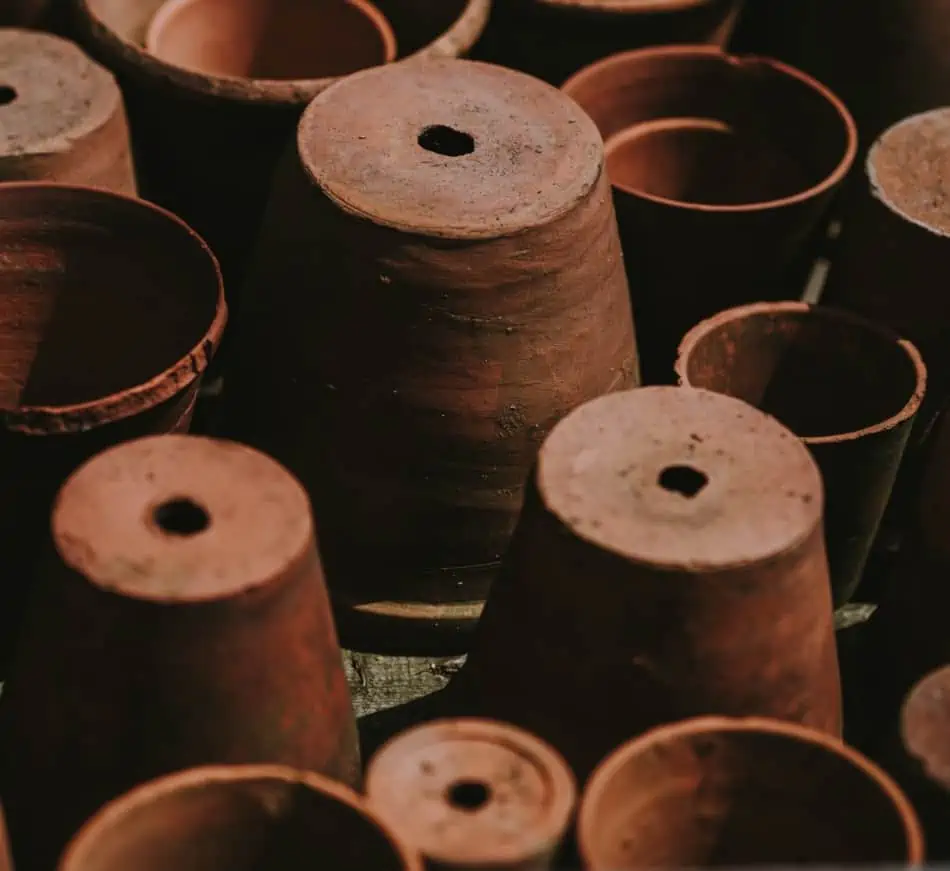
A clay pot with drainage whole.
A cactus is no exception to this rule, and the size of your pot will determine the outcome of your plant. 

When you go out to buy your pot, you’ll want to make sure that it is a small pot with large drainage holes in order to prevent overwatering your cactus. 

Fertilizer is also key. This is not your typical fertilizer. It is important that you take note of this before you go out and buy your supplies. 

You’ll need to purchase a water-soluble fertilizer for your plant’s food since it is high in phosphorus and low in nitrogen, which is useful for cacti. Cactus Juice is a great water-soluble fertilizer which is perfect for cacti and is available for sale on Amazon.

Now it’s time for you to put all of those items to use and begin growing your cactus. Remember, this is a step-by-step process, and there is no skipping or rushing it. This will ultimately determine your plant’s success.

With these key components in place, you’ll be one step closer to growing the perfect Mammillaria Cactus. 

Steps of Growing a Mammillaria Cactus

Growing cactus is not as difficult as most people may come to think, and you can get this project off the ground in a few simple steps. 

Luckily for you, the most difficult part of this entire process is purchasing the materials. Since we just went through those items, you already have an idea of what you need. 

Here’s what you need to do to get the process going:

  • Prepare your soil. As mentioned before, you’ll need to use the right soil. In most gardening cases, you’ll need to have gone the extra mile to prepare your soil, but because you’ve purchased the cactus mix, it’s ready for you to start planting.
  • Add your soil to your container. You’ll need a shallow container for this step and something that is not permeable because you don’t want gases or liquids getting through the surface. A plastic container may be sufficient. 

This container is solely used for the beginning of the process to ensure that your seeds grow properly. 

  • Plant your cactus seed into the soil. When it comes to cacti, there are two ways you can go about planting. You can either use cactus seeds or plant a seed from a cactus pod that will require you to already have a cactus on hand and requires more labor. 
A small pot with small cactus and succulent plants.
When it comes to cacti, there are two ways you can go about planting

Either way, both methods of planting work very well.

  • Seal your container. Once your seed has been planted, you’ll need to put a tight transparent lid over your pot. Saran wrap is more than sufficient for this step. 

Once you have covered your container with saran wrap, you’ll need to place the container in direct sunlight

The saran wrap will allow your pot to retain moisture. At this point, it may take several weeks for you to see any sprouting take place.

Now that you have planted your seeds, you will be responsible for taking care of your cactus so that it does not die on your watch. 

One of the leading reasons for plants dying is due to lack of care, or doing way too much to the plant, and not allowing it to grow naturally. 

Mammillaria Cactus Care

So after you have let a few weeks pass, you’re probably wondering what happens next. 

You should already be seeing your cactus spines beginning to peak out of the soil by this point. The weeks following your cactus spines beginning to peak are absolutely vital. So, here are some tips you can follow to make sure that your cactus gets quality care.

  • Uncover your cactus during the day. Since the spines are beginning to peek through the soil, you’ll need to make sure that your cactus has some time to breathe. 

To do this, you’ll need to remove the saran wrap during the day. As your cactus continues to grow, you’ll find yourself leaving your cactus uncovered for longer periods of time. 
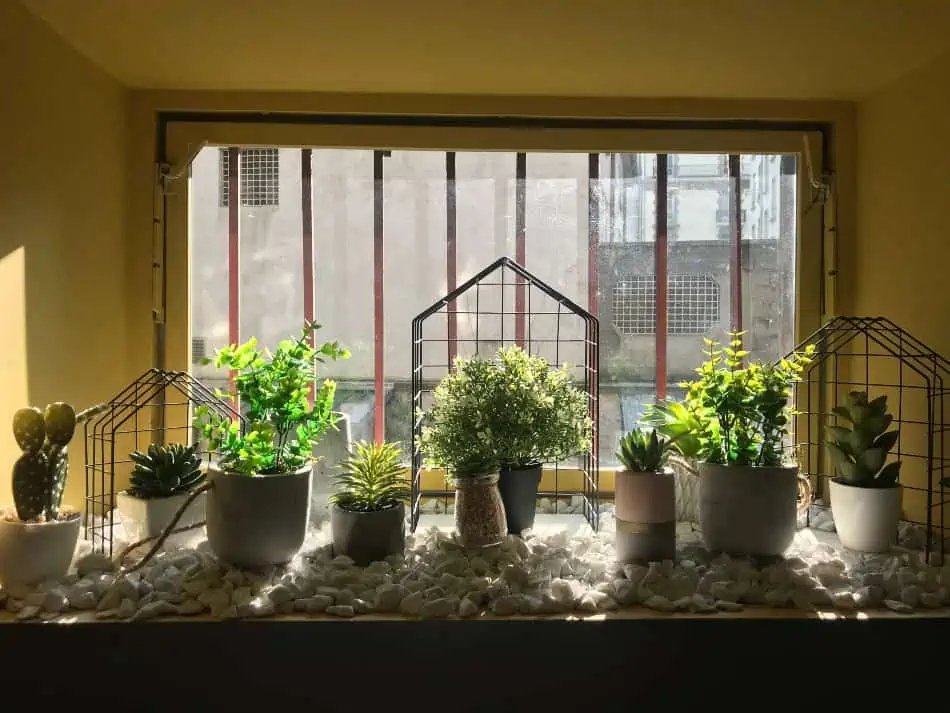
Plants near the window exposed to sunlight.
You’ll need to place the container in direct sunlight
  • Repot your cactus. Now that you have an actual cactus growing, it’s time to remove it from the container where you planted your seedling and add it to your perfectly sized, specially chosen pot. 

Make sure you wear gloves and cover your surface with a sheet because this step can be quite messy. Once you have placed your cactus in its new soil and pot, you may want to let it recover in the shade for a while, and then, over the next few weeks, gradually put it back into the sun.

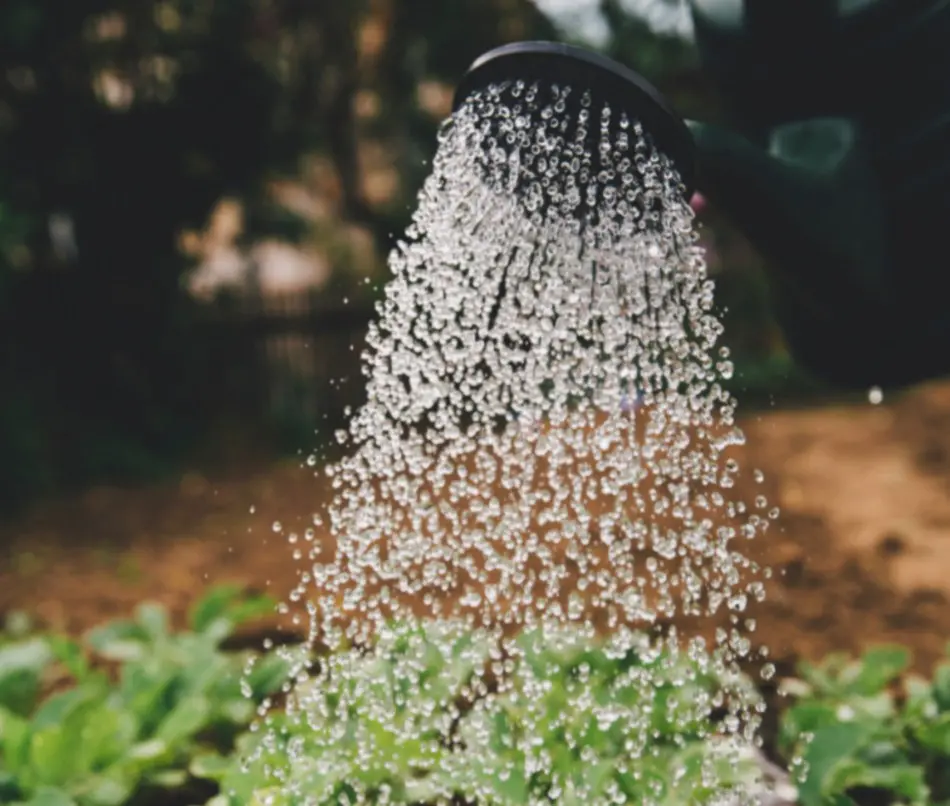
  • Do not overwater. There’s a reason why cacti survive in the desert and require little water. Believe it or not, a sprinkle of water is enough to make sure that your cactus gets sufficient water and stays hydrated. 

A cactus can retain a lot of water, so it does not require constant watering, which is why it’s also a perfect plant for beginner gardeners. 
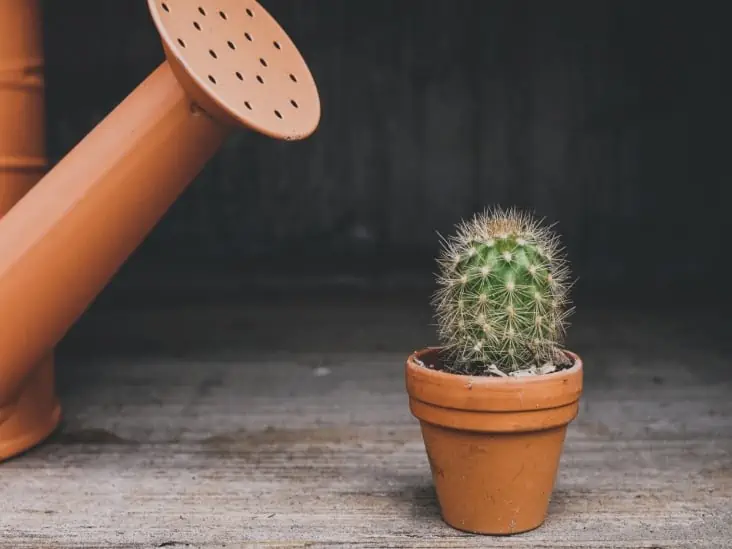
A small cactus on a pot with a water can.
Make sure you keep a close eye on the soil when checking for moisture. 

If you are not sure when it is the right time to water a cactus, a great tip is to allow the soil to completely dry out before adding more water, so make sure you keep a close eye on the soil when checking for moisture. 

  • Fertilize while it’s still young. You want to make sure that you use your liquid fertilizer when your cactus is still in its beginning stages of the growing process. Make sure that you follow the instructions on the packaging to make sure that you properly fertilize your cactus

It is important to note that adding too much fertilizer to your cactus may actually prevent the cactus from flowering.

With these tips, you’ll be able to properly take care of your cactus without having to worry about whether or not you are doing things correctly. Remember always to follow instructions on your care materials when caring for your cactus. 

Preventative Measures

Like any gardening process, there may be a point where you’ll run into problems, and you’ll need to make sure that you address those problems immediately to prevent any further issues down the line. 

Here are a few common problems that come with cactus and how you can address those issues.

  • Overwatering leads to rotting. Believe it or not, you can actually cause your cactus to rot by overwatering it. Once it starts, the rot will eventually spread and end up killing the cactus. 
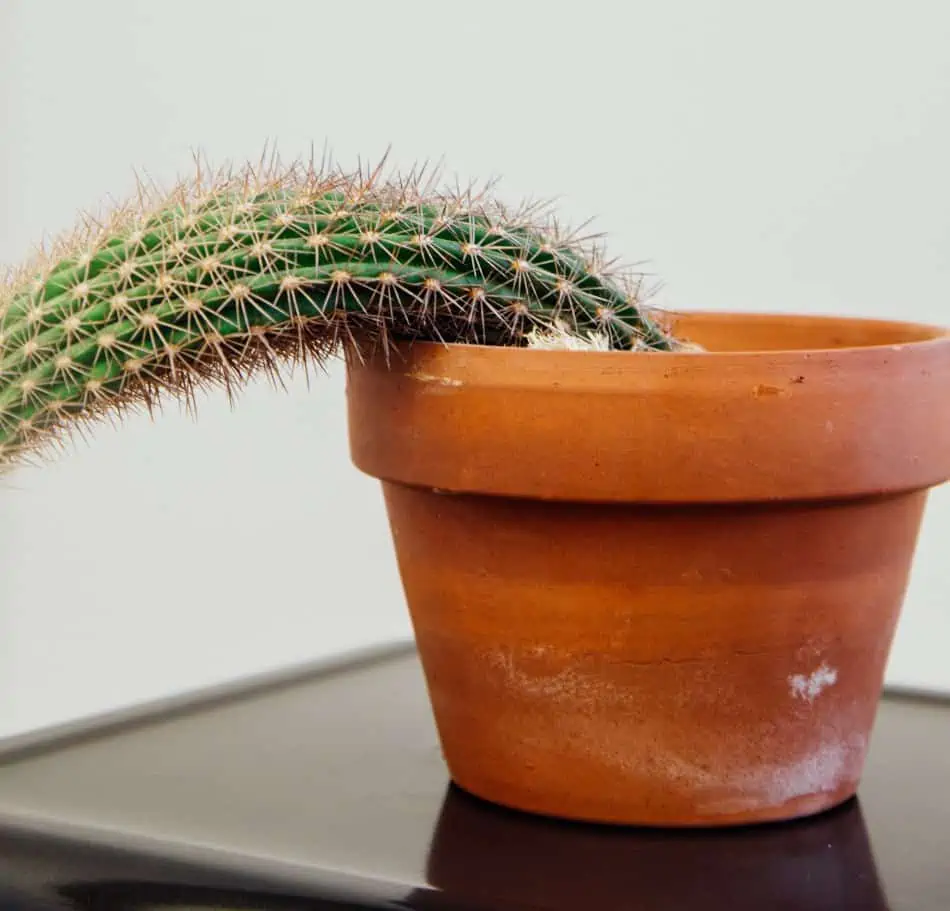
A cactus falling over the caly pot.
You can actually cause your cactus to rot by overwatering it

In order to prevent the spread of rot, you’ll need to remove the rotting piece of the cactus. You can detect rotting if your cactus appears to be a brownish color and begins to soften.

  • If your cactus looks pale, then it needs some sun. The pale color of a cactus is known as etiolation, and a lack of sunlight causes it. However, do not leave it in the sun for long periods of time. You’ll need to put it in the sunlight to prevent further damage gradually. 

Remember, cacti are desert plants, so being in the sun is actually a good thing, do not feel the need to deprive them of sunlight because you think that they might get overheated. 

With these things in mind, you’ll be able to tackle any problem that comes along with the responsibilities of growing a cactus. It’s all about following directions and preparing yourself for any worst-case scenario. 

With the above tips, you’ll be able to put yourself ahead of a problem instead of having to scramble to find a solution.

Tips For Beginners

If you’re reading this article, you are likely a beginner in cactus growing, which means that this section is super useful to you! 

The tips in this section will give you an extra boost to help you properly grow your cactus like an expert.

  • Go the less expensive route first. The worst thing that can possibly happen to you is that you throw your money down the drain. Although gardening is a big investment, you may want to consider purchasing a less expensive cactus to make sure that you get the hang of caring for a cactus. 

Purchasing a succulent might be your best option since they require little care and provide for easy practice. 

  • Keep a constant eye on your cactus. Growing cactus is all about patience, but it also involves keeping a watchful eye and observing any issues that may arise. As mentioned before, you can take some preventative measures by keeping a watchful eye.
  • Keep the pests away! Pests can cause big concern for your cactus and may bring along problems; however, it’s best to stay away from harsh chemicals that can actually harm the cactus. According to When in Manila, a great natural pesticide that you can use is combining some dish soap, vinegar, and water into a spray bottle and spraying it on your plant. 

Sometimes going natural is so much better than having to spend money on harsh chemicals that may actually cause harm to your cactus. Also, the ingredients are already in your home!
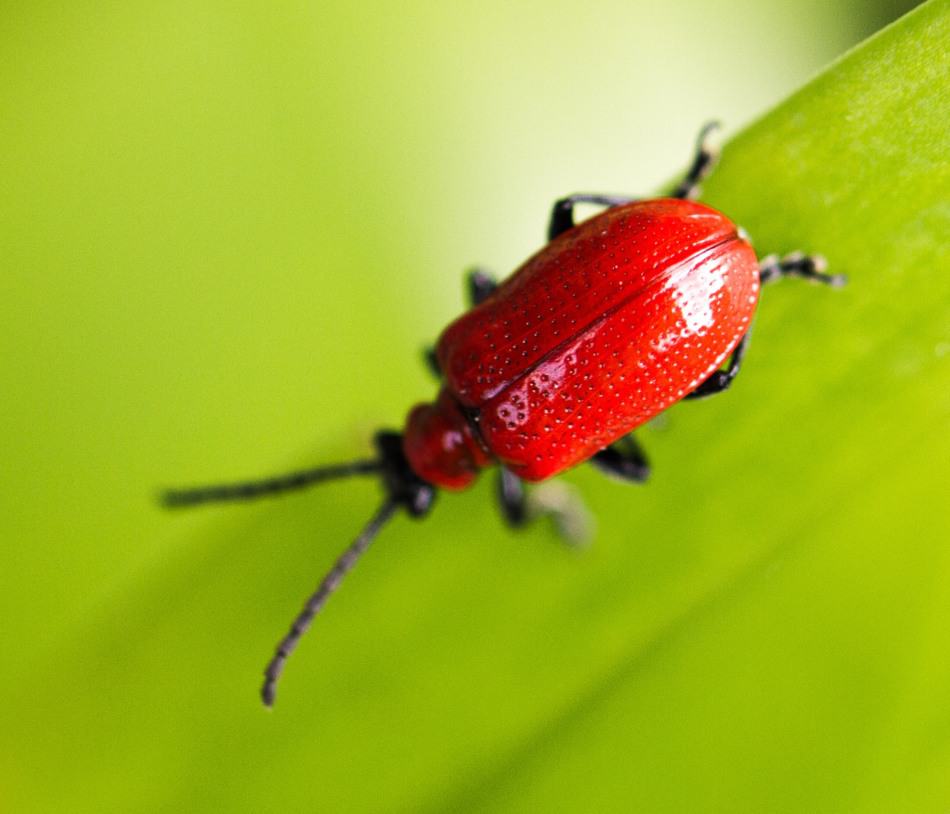
A bug on a plant.
Pests can cause big concern for your cactus and may bring along problems; however, it’s best to stay away from harsh chemicals that can actually harm the cactus
  • Make sure soil is dry before repotting. At some point, you’ll need to repot a cactus, which is a very important step in the growing process. 

When you finally reach the repotting step, you’ll need to make sure that the soil is completely dry when removing it. While you have the cactus in your hands, you’ll want to check for any dead roots and cut them immediately. 

Also, after repotting, make sure that you do not water the cactus for at least a week. 

By following the tips in this section, you’ll be able to grow a beautiful cactus without having to worry about any issues. The tips are intended to be extremely useful for beginners and will gradually turn you from a first-timer to an expert in no time! 

The Mammillaria Cactus

The Mammillaria Cactus, known as the pincushion cactus, is very common in the South West region of the United States and can also be found in parts of the Caribbean. Although these cacti are common in those particular regions, it does not mean that you will be restricted from growing them in your home. They’ll just require some extra attention. 

You’ll know that you’ve come across a Mammillaria Cactus because the cactus’s spines will be either straight or hooked. In addition, there will be small flowers sticking out of the cactus, and they will form a crown across the top, the colors of the flowers will vary. 

According to Gardening Know How there are about 250 species in the Mammillaria Cactus family. Although the pincushion cactus is much more common, there are other types of cacti in the Mammillaria family that you may want to consider planting. Here are a few additional members of the Mammillaria family.

  • Mammillaria Bocasana: This cactus is also known as the Powder Puff Cactus. Although this is a cactus, there is a fuzzy white substance that grows out of the cactus. The flowers on this particular cactus are often white or yellow.
  • Mammillaria Plumosa: Also known as the Feather Cactus, the stems on this cactus are completely covered in a white substance almost like a feather. The flowers on this cactus are usually white and yellow, pretty similar to daisies.
  • Mammillaria Elongata: This cactus is quite interesting due to its structure, which is how it got its nickname, the Lady Finger Cactus. This cactus is very clustered with cylindrical stems, like a cluster of ladyfingers. The spines of the Mammillaria Elongata Cactus are usually a golden yellow color, sometimes even a brownish color.

Although these different cacti forms will vary in shape and size, the attention that goes into growing them will be roughly the same across the board. Growing cacti properly from seeds can be quite complex, so you want to make sure that you follow all the necessary guidelines when you are starting the process. 

A top view of Mammillaria cactus.
There are about 250 species in the Mammillaria Cactus family

Final Thoughts

By properly following the instructions and purchasing the right items, you will be on the verge of growing a beautiful mammillaria cactus. Simply by following the tips and tricks in this article, you’ll be one step closer to becoming an expert, and will have enough confidence to grow an entire field of cacti. 

When going through the growing process, you’ll slowly begin to notice that growing cactus is much more simple than you may have originally thought.

Remember, it’s almost like following a recipe. And if you follow each step correctly, you’ll have a successful experience in cactus growing!
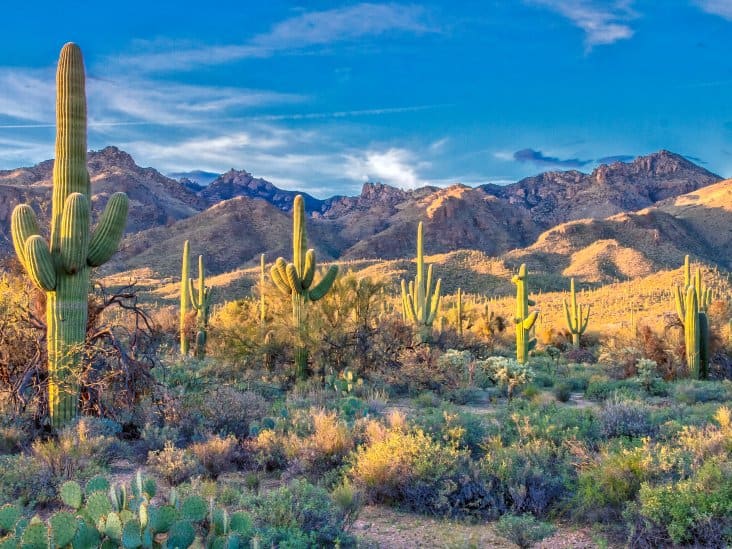
Saguaro Cactus 101: Facts And How To Grow

When you think of a cactus, it’s usually the iconic Saguaro that first comes to mind. It’s synonymous with the Southwest US region, and for a good reason. It’s also one of the few visuals you can actually care for at home as a living souvenir of Southwest Americana. You’ll have a harder time with the coyotes and roadrunners.

The Saguaro, pronounced SUH-WAHR-OH, is a particularly unique cactus plant native to the Sonoran Desert, which includes Arizona, Mexico, and California. It is illegal to transplant the Saguaro cactus from the Sonoran Desert, and Arizona has strict rules protecting the plant, but the Saguaro can be purchased online or at a plant nursery located in the southwest.

While the Saguaro cactus is an enticing purchase for your succulent needs, the plant is rather particular, so it might be handy to do a little background research on the Saguaro before bringing it into your plant family. If you’d like to learn more about the Saguaro cactus and the nuances to its care, you’ve come to the right place.

What is the Saguaro Cactus?

The Saguaro cactus, or Carnegiea gigantea, is probably the cactus you picture when conceptualizing what a cactus is. Like many other cacti, the Saguaro cactus features protective spines and a green body. However, this cactus plant has several notable characteristics that distinguish itself from other cacti.

  • Size: The Saguaro cactus is the largest cactus in the United States. They are typically slow-growing, but at full maturity, the average Saguaro grows upwards of 40 feet tall.
  • Age: This leads to another Saguaro trait, their incredible lifespan. Although Saguaros can reach enormous heights at full maturity, it takes roughly 125 years for a Saguaro to do so. The average lifespan of a Saguaro generally falls between 150-200 years.
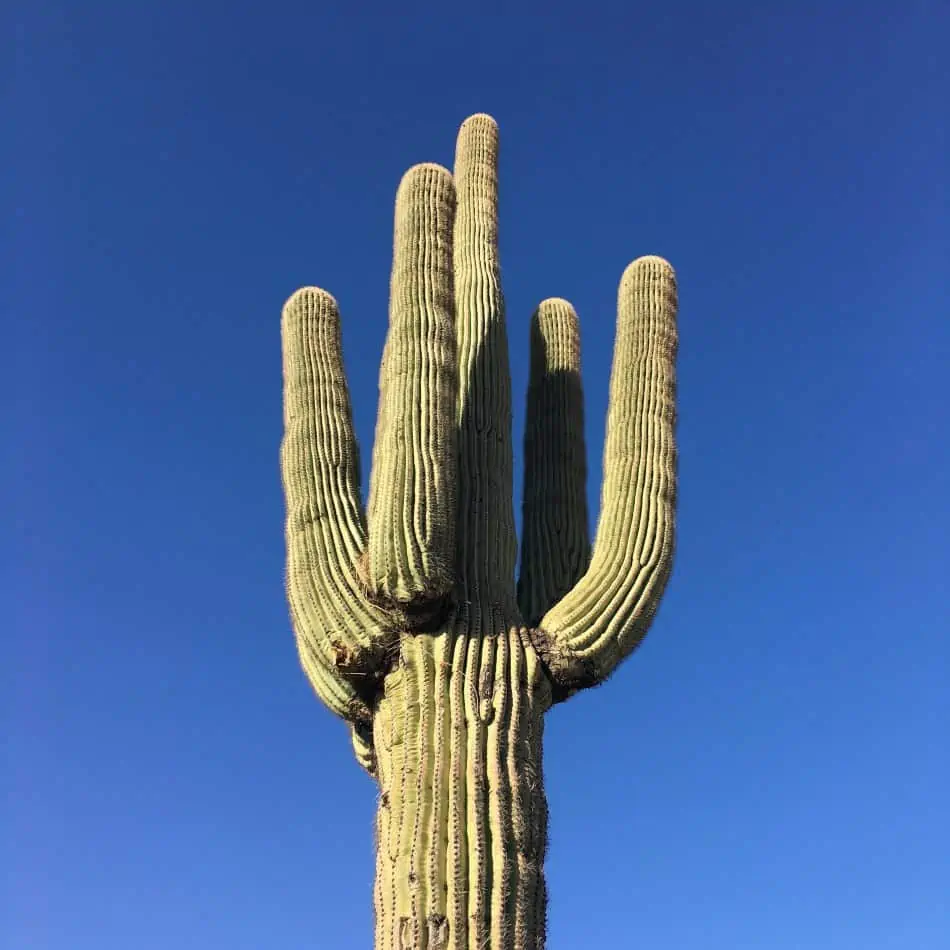
  • Shape: Perhaps the Saguaro’s most distinct quality is its shape. The Saguaro features a singular, cylindrical body with several peripheral arms extending from the body and pointing upward. 
  • Blossoms: Like most other cactus plants, the Saguaro is a flower. While the Saguaro’s blossoms are not unique in color, creamy white, or size, 3 inches in diameter, the age at which a Saguaro first blooms is unique. The Saguaro does not experience its first bloom until roughly 35-50 years of age.
A Saguaro cactus blooming.
Saguaro first blooms is unique. The Saguaro does not experience its first bloom until roughly 35-50 years of age

These characteristics certainly make the Saguaro a distinct symbol of Southwest America, but it also features a list of traits that make it particularly adept at surviving in Southwest America.

  • Skin: The Saguaro cactus’s skin is coated in a thick wax that prevents water from escaping its body through transpiration.
  • Spines: The Saguaro cactus is also covered by defensive spines that serve to defend the water stored inside from predatory animals.
  • Roots: The Saguaro cactus uses a single taproot, extending roughly 5 feet into the ground, to access the region’s groundwater. The rest of the Saguaro’s root system is located near the surface, roughly 3 inches below the ground, to collect rainfall.
  • Sponge: When the Saguaro cactus collects this water, it does not use it right away. Instead, the water is soaked up and stored in the cactus’s sponge-like interior.
  • Ribs: As more water gets stored in the Saguaro’s sponge-like interior, the skin of the cactus expands, which allows for more storage space. This is made possible by the exterior pleats and interior ribs that expand and contract with the cactus as it stores and depletes water. 

How to Care for the Saguaro Cactus

Although the Saguaro cactus is endemic to the Sonoran Desert, it is possible to purchase and care for your very own Saguaro cactus at home. However, the Saguaro requires very particular care and may not fare well in homes located in colder climates or higher altitudes.

This section will detail the particular methods of care that the Saguaro cactus requires.

Planting

Prior to planting, introduce water into the soil you will use to plant your Saguaro. Also, be sure to begin the planting process in the late spring/early summer months. Saguaro cacti require an abundance of the sun to grow, which is crucial during this early growth stage.

If pot-planting, do not use an overly large pot as the Saguaro has a rather weak root system. Make sure the pot is base-heavy, though as Saguaro’s can grow to be quite large, upwards of 40 feet in fact.

Initial Watering

Once planted, do not water the Saguaro for roughly two weeks. During the summer months, May through October, the Saguaro requires a deep watering once every 2-4 weeks. 

To water your Saguaro, do not use a watering can or any overhead watering technique. The Saguaro’s roots are close to the surface, and this will result in overwatering. Instead, funnel a small hose into the soil surrounding the Saguaro and soak the soil to about one foot in depth.

A person watering plants.
During the summer months, May through October, the Saguaro requires a deep watering once every 2-4 weeks

General Watering

After about six months, the Saguaro’s roots should start to set into the soil. Continue the same watering practices until the roots firmly establish themselves. This typically takes between 1-2 years after the initial planting. 

Then, water the Saguaro once per month during the summer months and do not water at all during the fall or winter months. To properly water your Saguaro, use the hose-method detailed above.

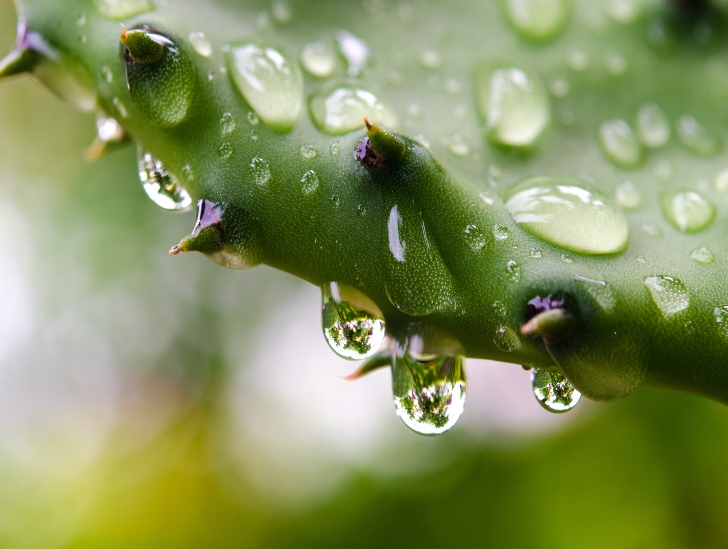
Water droplets on cactus.
To make sure your Saguaro is receiving enough water, check the exterior pleats of your Saguaro.

Lay the hose about 5 feet away from the Saguaro’s main body. Then, let the hose run for roughly 30 minutes. Doing this once a month in the summer months should be a sufficient amount of water for your Saguaro.

To make sure your Saguaro is receiving enough water, check the exterior pleats of your Saguaro. If there is less than an inch of space between each pleat, then your cactus needs more water. You can also check the skin to tell if your Saguaro is underwatered. If the skin is not firm, your Saguaro is underwatered.

Sunlight

The Saguaro requires full sun, so it is imperative that you plant the Saguaro in the southernmost portion of your household to receive south exposure. It might be difficult to grow the Saguaro in overcast regions, but there are methods for overcoming this hurdle.

A Saguaro exposed to sunlight.
The Saguaro requires full sun

Temperature

The Saguaro does not thrive in colder climates, but it can persist through several hours of frost. If you live in a particularly cold environment, a greenhouse is probably necessary. The Saguaro is only tolerant of about 28 degrees Fahrenheit. 

Additional Resources

In addition to watering your Saguaro, providing it with liquid plant feed during the summer months will supplement its growth.

Your Saguaro might also fall victim to bacterial ooze. This can be easily treated by excavating the infected area and applying a mixture of bleach and water, about 10% bleach and 90% water, to the area.

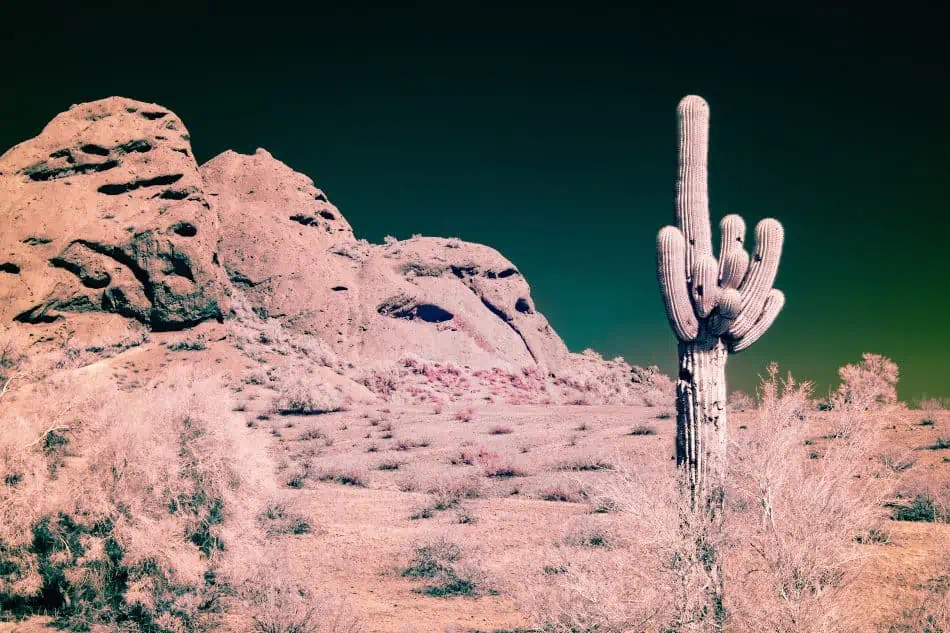
A desert cactus.
Your Saguaro might also fall victim to bacterial ooze.

Why is the Saguaro Cactus Important to the Southwest US?

It is clear that the Saguaro cactus is a unique and iconic symbol of the desert lands that it inhabits. It is also clear that the Saguaro is particularly adept at life in the desert. However, you might be wondering what this cactus plant functionally offers the desert that it inhabits. Functionally, the Saguaro serves various purposes to the Sonoran Desert.

  • Provides food to desert animals: When the Saguaro blooms, many birds and insects visit its flowers. In June and early July, its fruit matures, and many desert-residing animals feed upon its fruit, juicy red pulp with 2,000 accompanying seeds.
  • Provides shelter to desert animals: Gila woodpeckers and gilded flickers create nesting holes by digging into the fleshy body of the Saguaro. These holes are used by other desert-residing birds such as elf owls, purple martins, house finches, and Ash-throated flycatchers. 
  • Provides a hunting perch for predatory birds: Large birds such as the red-tailed hawk nest between the Saguaro’s body and its peripheral arms. They tend to use the tips of these arms as hunting perches.

While the Saguaro is incredibly important to the Sonoran Desert, the desert maybe even more important to the Saguaro.

Why is the Southwest US Important to the Saguaro?

Plenty of people around the world care for their own miniature Saguaro cacti at home, but in nature, they are found only in a quaint patch of desert land in the southwestern United States. 

This is because the Saguaro relies heavily on its climate, and the Sonoran Desert is the only region that provides the perfect climate. The perfect climate possesses these three qualities:

  • Temperature: The Saguaro cactus is highly susceptible to low temperatures. The plant will only thrive in climates with minimal days below freezing per year. This is why the Saguaro is located throughout the southernmost desert states but not the more northern desert states like Nevada.
  • Rainfall: In addition to consistently high temperatures, the Saguaro also necessitates a certain amount of rainfall to survive. For instance, Tucson, Arizona, located in the middle of the Sonoran Desert, averages about 12 inches of rain per year, which is about 9-10 more inches than Las Vegas, Nevada typically receives.
  • Altitude: The Saguaro cactus is only found between sea level and roughly 4,000 feet of elevation. This is due to its susceptibility to low temperatures. 

While these functional qualities make the Saguaro cactus a staple of the southwestern United States and vice versa, there is far more to the Saguaro’s importance than these characteristics.

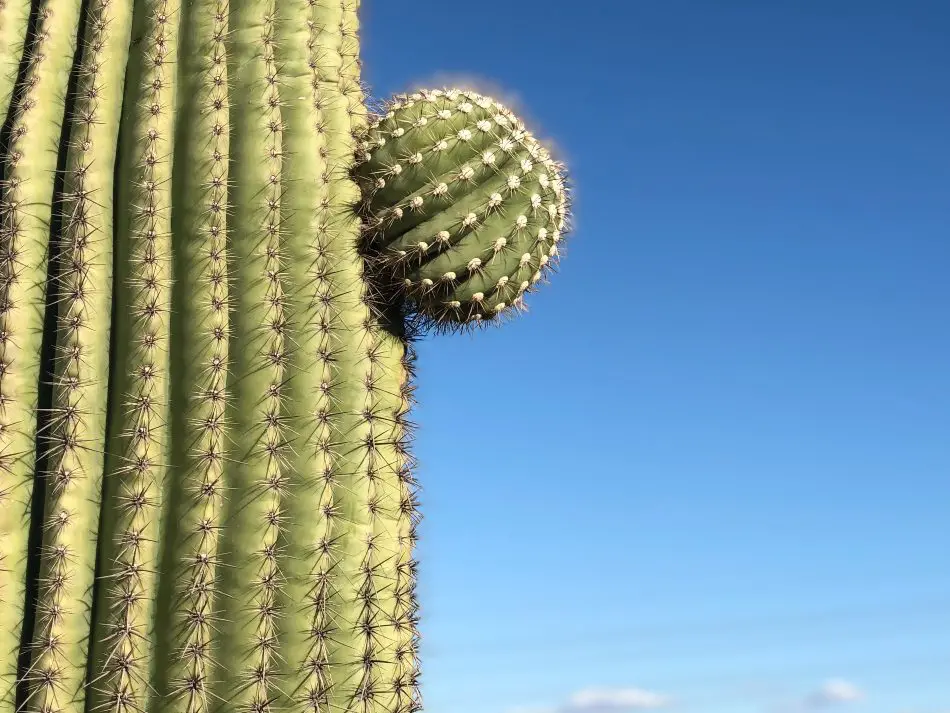
A Saguaro spines.
Saguaro relies heavily on its climate, and the Sonoran Desert is the only region that provides the perfect climate

The Spiritual Importance of the Saguaro Cactus

Western films might be where the Saguaro cactus garnered its icon status to most people, but the cactus was revered long before cinema’s existence as a method for storytelling. The many indigenous tribes that lived and continue to live in the Sonoran Desert have crafted numerous mythoi for the Saguaro.

While there are numerous tribes with an array of different legends, these legends tend to depict the Saguaro as a human or a being that has the characteristics of a human. Let us take a look at a few of these legends and the tribes that crafted them. 

Akimel O’odham (or Pima) – Origin of the Saguaro and Palo Verde Cacti

The Pima people, or Akimel O’odham, which translates to “river people,” are indigenous to the land that is now northwestern Mexico and central and southern Arizona. One of their legends tackles the origins of both the Saguaro and Palo Verde cactus.

The legend goes that an elderly grandmother lived with her two grandchildren, for whom she ground wheat and corn to make porridge every day. One day the grandchildren fought with each other and knocked over the “water-olla” that was heating the water for the porridge.

The grandmother spanked them as punishment, and the two grandchildren ran away in anger. The grandmother gives chase, but she loses them. Now alone, the older grandchild declares that he will turn into a Saguaro so that he will live forever and bear fruit every summer. The younger grandchild claims that he’ll turn into a Palo Verde to make the bare mountains green.

The grandmother approaches the Saguaro cactus as it whistles, recognizing the voice of the whistling to be the voice of her eldest grandson. She tries to take the cactus in her arms, but its prickly spines impale her.

Tohono O’odham (or Papago) – Legend of the Saguaro

The Papago people, or Tohono O’odham, which translates to “desert people,” are indigenous to the neighboring lands to the Akimel O’odham in the Sonoran Desert. They tell a slightly different origin story for the Saguaro cactus.

The legend goes that a young girl sank into the sand and began chanting a song. The nearby children heard the song and noticed the girl sinking into the sand. They cried for help and tried to pry the girl out of the sand, but it was no use. The young girl’s mother came running over, but by then, it was too late. The young girl was completely submerged by the sand.

One year later, the little girl regrew in that same spot in the sand as a Saguaro.

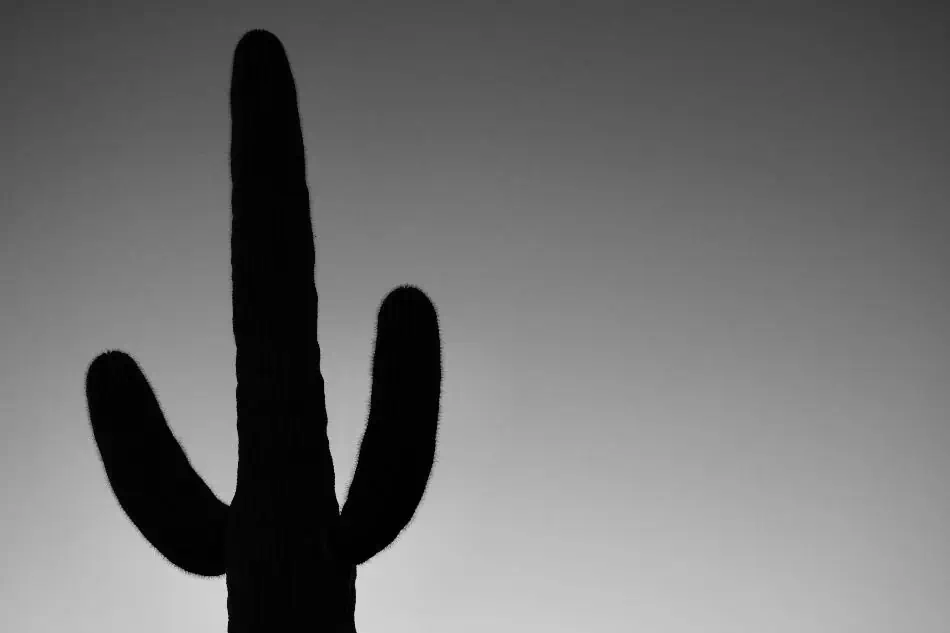
A shadow of saugaro cactus plant.
The Papago people, or Tohono O’odham, which translates to “desert people,”.

The Saguaro’s Revenge

Many of these legends, including the Akimel O’odham origin story, depict the Saguaro as a human-like entity that enacts revenge on people that have wronged it. This depiction of the Saguaro had a recent return when a true story about a Saguaro’s revenge in the 1980s gained traction on the popular fact-checking site Snopes.

The story goes that two roommates, David Grundman and James Joseph Suchochi, went shooting in the Sonoran Desert a few miles north of Arizona State Route 74. Grundman decided to take aim at some Saguaro cacti nearby and blasted several holes into its main body. According to the story, the Saguaro toppled over onto Grundman’s body, crushing him.

Although Suchochi’s revision of the story asserts that it was only an arm shot off of the Saguaro that crushed Grundman’s body, the story is largely true and serves as an excellent parallel to the Saguaro’s origin stories.

Fun Facts About the Saguaro

This article has delved into many different facets of the Saguaro cactus. However, there is still more information about the cactus plant that we have not yet covered. Here are a few fun facts about the Saguaro cactus that might not be imperative to its care or its symbolism but will undoubtedly be an absolute blast to learn.

  • The Saguaro’s scientific name (Carnegiea gigantea) was named after the famed industrialist and philanthropist Andrew Carnegie: The Saguaro garnered this scientific name after Carnegie established a desert lab in Tucson for indigenous plant research.
  • An adult Saguaro can weigh as much as 10 tons: Roughly 75% of its weight is due to the water stored inside of the cactus.
  • The Saguaro’s creamy white bloom is Arizona’s state flower: The Saguaro’s blossom was adopted by Arizona as its state flower in 1931.
  • Saguaro fruit is an important cultural icon to the Tohono O’odham Nation: The fruit has been harvested by the Tohono O’odham to make jams and jellies. However, it is also used to make wine that is consumed during the Tohono O’odham rain ceremony, Nawait I’m.
  • The average Saguaro cactus can contract or expand in girth up to roughly 20-25% per year: This is due to the amount of water stored inside of the cactus and made possible by the interior ribs of the Saguaro that allow it to expand and contract.
  • In rare cases, the Saguaro has been known to grow crested, fan-like arms rather than its iconic forked arms: This is due to a mutation in the Saguaro cactus’s cells. 
A adult saguaro on desert.
An adult Saguaro can weigh as much as 10 tons

Final Thoughts

At the conclusion of this article, it should not only be clear what a Saguaro cactus is and how to properly care for it, but why this cactus, in particular, is so important to the lands it resides in. 

The Saguaro is certainly an iconic symbol of Hollywood’s great Western films. However, this plant is an even greater symbol to the peoples and animals that are indigenous to the lands depicted in these Westerns.

Ultimately, the Saguaro cactus is a distinct plant that should be revered for its astonishing characteristics, and the support it provides all of those living within the same environment as it.