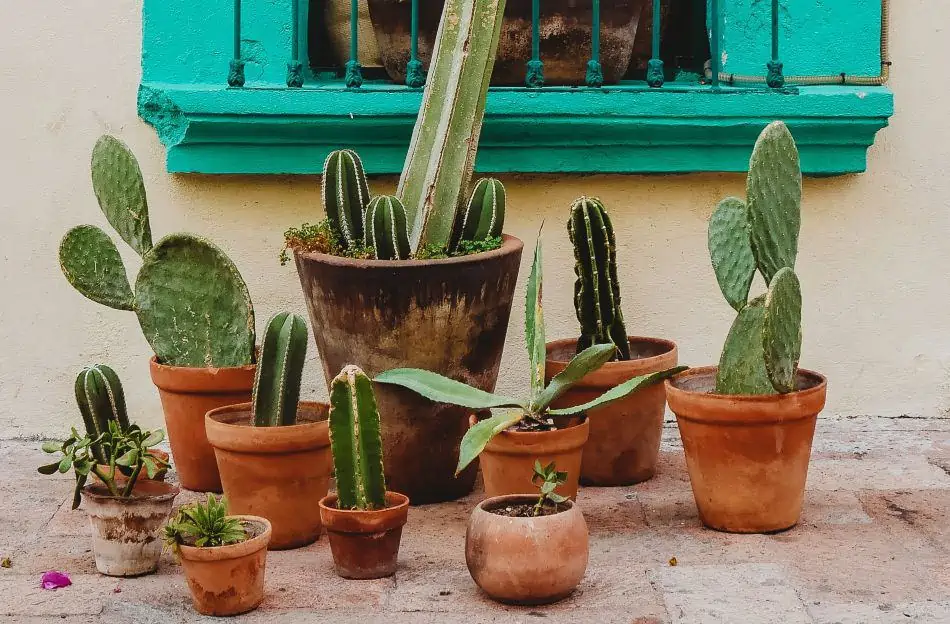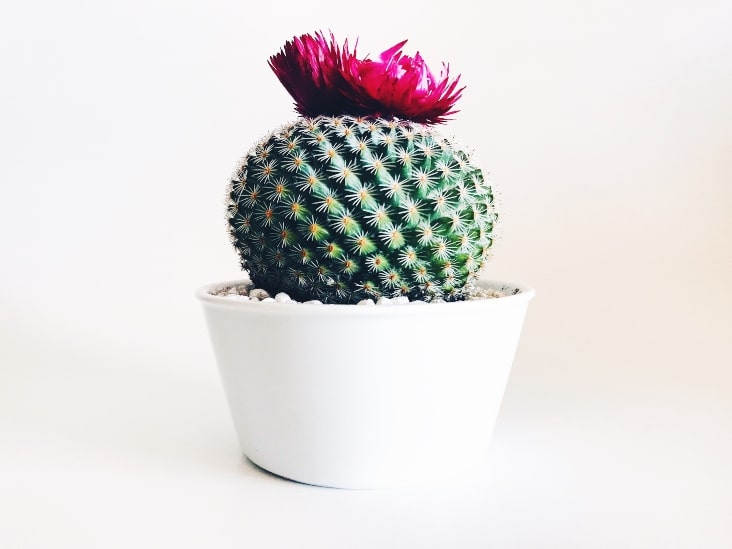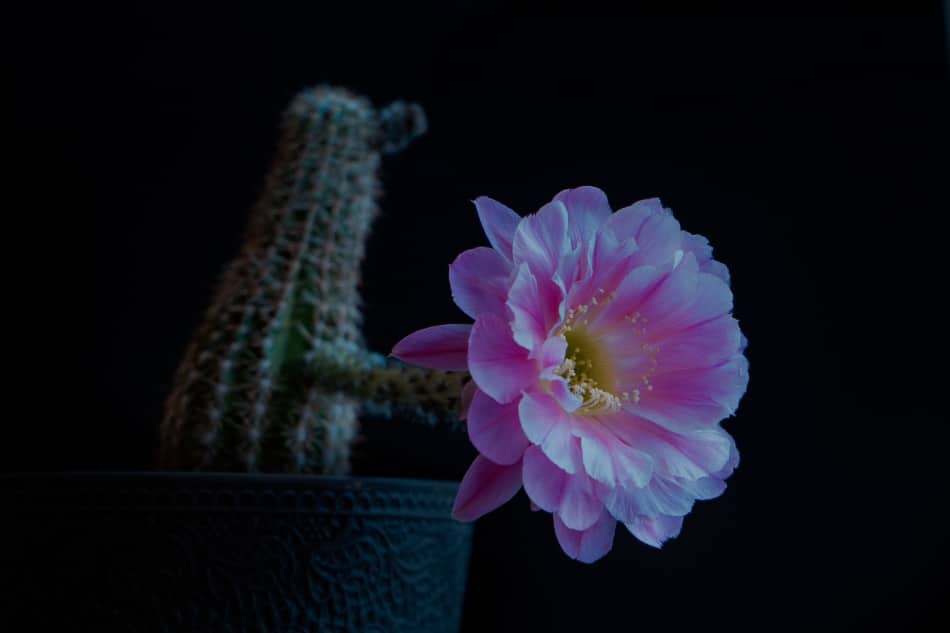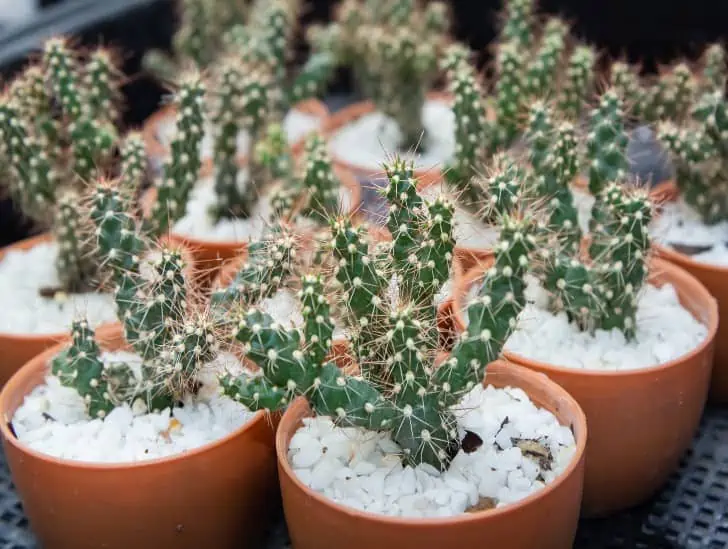
How To Choose The Perfect Soil For Your Cactus?

I have been researching extensively about cactus and how to grow them healthily. One thing I have discovered is you need the perfect soil mix for a longer lifespan. When you are purchasing your cactus, you don’t need the ideal plant but also the right soil mix for better results. I went on a pursuit to knowing how to get the perfect soil. Stick around for my findings.

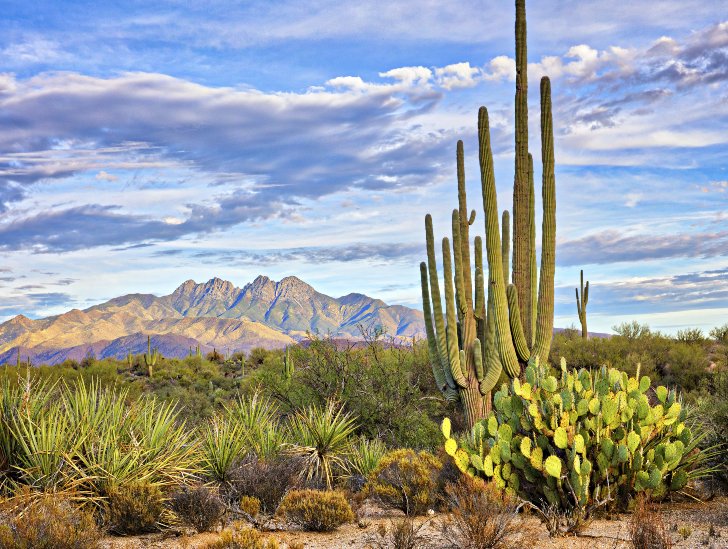
Cactus is commonly referred to as a desert plant, but it also grows in tropical rainforests. The idea when purchasing a cactus is trying to mimic its previous growing conditions. One of the ways to do that is ensuring you have the right potting mix.

Starting with the right kind of potting mix will be easier as it will make work easier for you. Naturally, cactus are not high-maintenance plants. 

Type of soil a cactus needs

A cactus will require soil that’s pebbly, sandy, porous and one that provides excellent drainage and aeration. The right type of soil will need to dry quickly after you water the plant. The mixture should also be able to meet the nutritional needs of the cactus. 

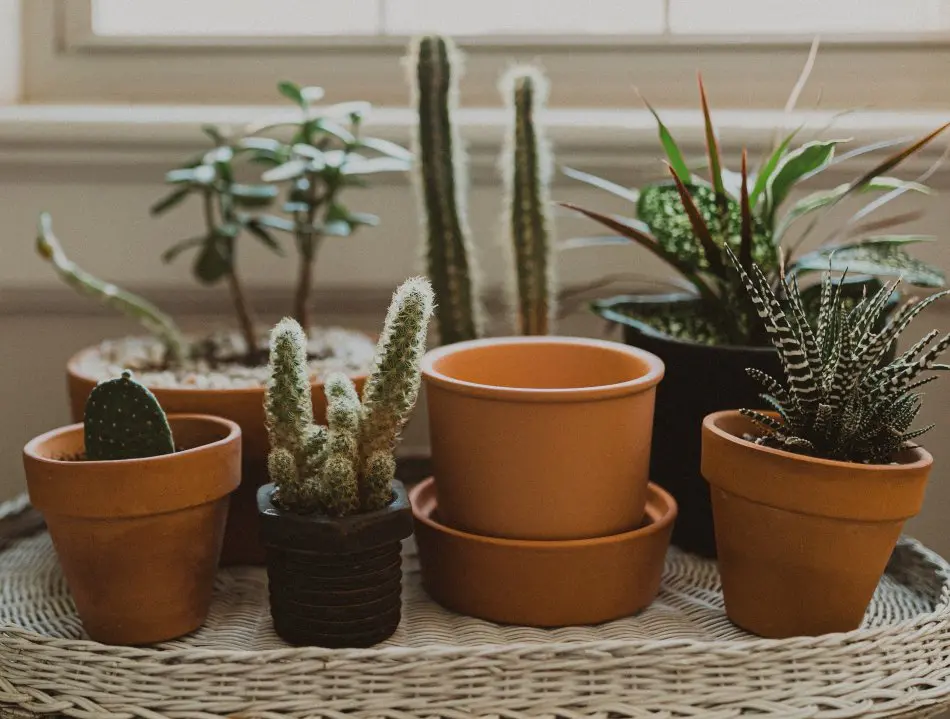
Cactus need a potting mix that’s ideal for them.

What is a cactus mix?

Cactus mix is soil specially designed for growing cactus. The mix is available in garden centers and most nurseries. You have the option of purchasing the mix or making one on your own. The right kind of combination has superior drainage qualities and quick dry out time upon watering. 

What happens is, when you water cactus, they take in all the water they need and store it. Therefore, there is a need for good soil that drains well so that it can drain the excess water. This will prevent root rot and fungal infections. 

Commercial mixes (those you purchase) are designed in a way that they use the elements where these plants grow naturally, and they then add peat which holds moisture. When the peat absorbs moisture and then dries out, it rarely soaks in water which leaves the pot dry. 

Alternatively, you can create a homemade mix customized for your plant. Sometimes, one mix doesn’t fit all cacti species, and yours may be different from the ones at the local store. It also depends on your location and what the cactus is used to. For example, you can not use the same mix for tropical and desert cacti as the living conditions are a bit different. 
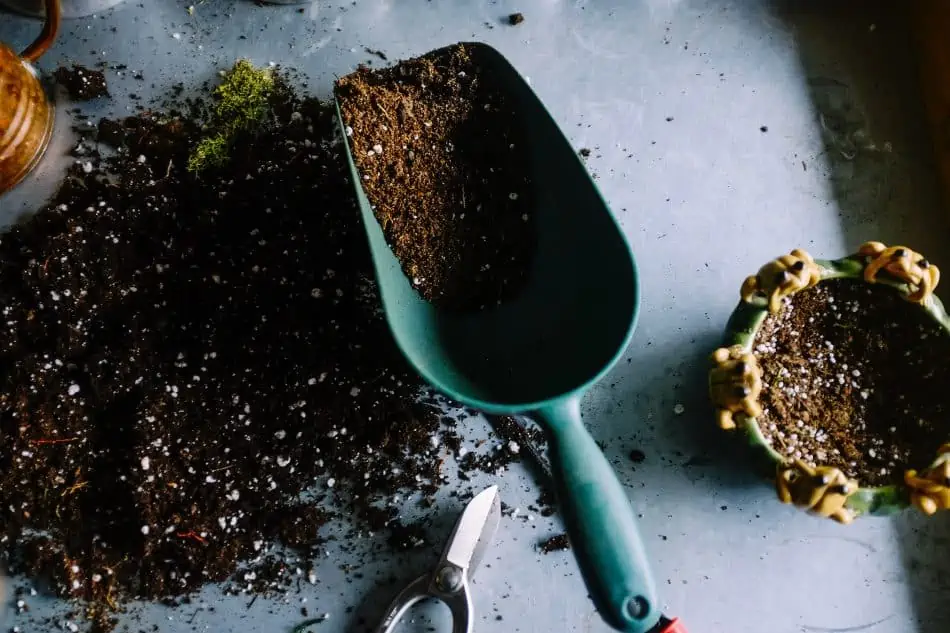
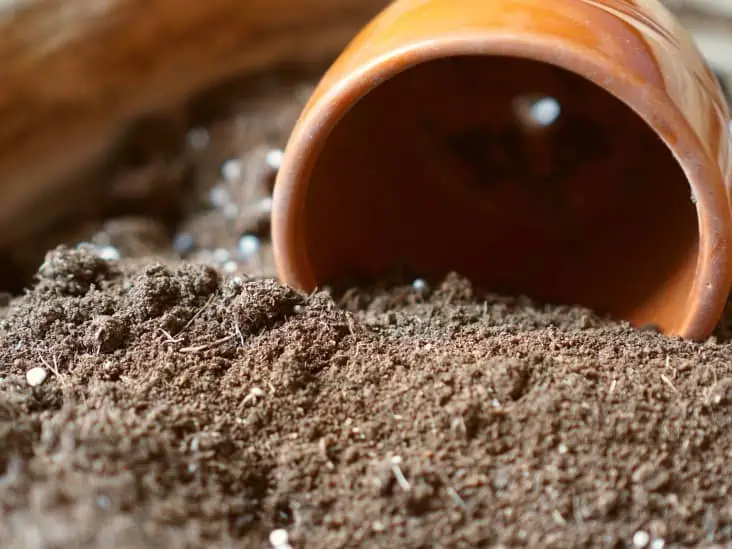
A soil on the gravel.
Making your mix can be great because you get to add your own taste and preference than the ones found in garden stores

Why you need a good cactus soil

You probably are aware of how cactus have adapted to their harsh conditions on how to store water through their waxy coatings and succulent tissues. 

The desert cactus roots have also adapted, which is why you need a potting mix that can dry out quickly. 

Cactus roots are susceptible to rot when they soak in excess water. They can store water for long through their shallow roots that spread away. The root formation helps them take in enough water to take them for a long time. The roots can adapt quickly if there are any changes in the water supply. 

Due to the way they are, they quickly collect water but can be quick to rot, especially if they are planted in a pot and don’t have the right cactus soil mix. It is, therefore, crucial to making sure your soil mix is up to par with their requirements. 

Before we start, here is a list of our favorite and recommended soil mix (Here)

Tips To Choosing The Perfect Soil For Your Cactus

After you buy cactus, you need to know what to look out for when choosing the soil mix. Below are some pointers to getting the desired soil for healthy cacti:

1. Organic vs. Inorganic matter

Organic matter helps the water to penetrate the soil quickly. Peat moss, ground coconut fibers, and ground bark are some examples of organic matter

The only downside about this is that it has a possibility of retaining too much water. There are soil mixes that contain peat moss such as Perfect Plants, Miracle-Gro, and Hoffman. 
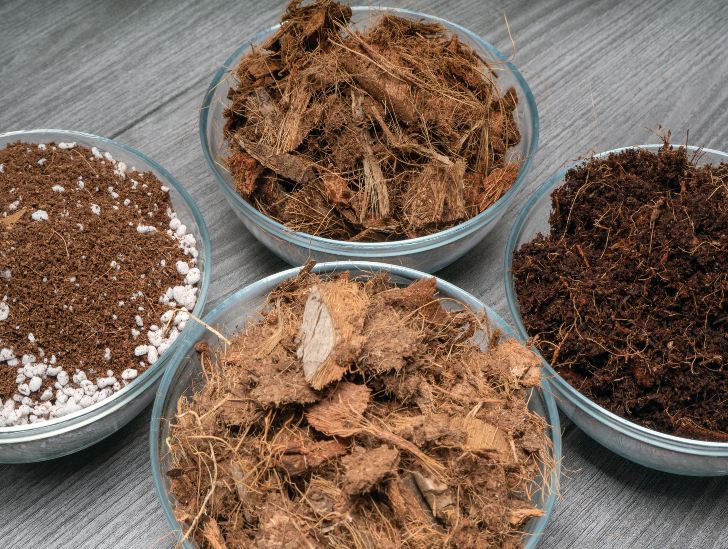
Coconut fibers and soil.
Peat moss, ground coconut fibers, and ground bark are some examples of organic matter. 

Inorganic matter is ideal and helps keep the soil well-drained. Some of the ingredients are sand and perlite. 

2. The soil composition

A well-drained cactus soil

The main cause of cactus not thriving is the issue of overwatering them. Some common signs of overwatering are: 

When purchasing your soil, you don’t want one that will retain too much water such that your cactus ends up dying. 

An ideal soil composition should be pebbly and gritty. One that drains well and is aerated. Also, the particle size ingredients need to be ¼ inch so that there is free airflow and moisture is easy to control.

Soil with the right PH

The most significant advantage of using a purchased potting mix for growing your cactus is the fact that they are specially designed in a way that they have the right PH.  The soil you use should have the correct PH. You don’t want soil that’s too acidic. A soil with a PH of 5.5 or 6 is excellent and will be right for your plant. 

Sometimes, if your cactus is not growing, it could be because there is no PH balance. It could also be because the soil has water, which raises its alkalinity. The plant may not be growing because it doesn’t absorb the much-needed nutrients for its health.

Using rainwater is ideal because it will keep the soil PH balanced. 

There are types of PH testers available in the market where you can test your soil to ensure it has the right PH. 

Testing soil PH 

I. Using a commercial test probe

First, dig a hole and break off the soil to remove any debris. Using distilled water (available at your local pharmacy) fill the hole until it’s muddy at the bottom. Using your clean probe, insert it into the muddy pool and hold it for 60 seconds then take your reading. The tester is usually on a scale of 1-14. 

If the PH is 7, it is neutral. If it is above 7, it is alkaline, and if it’s below 7, it is acidic.

Soil PHBelow 77Above 7
Acidic Neutral Alkaline

II. Using PH test strips

Test strips are also known as litmus paper. You can purchase them at the garden store. To test the soil, pick a small portion of your soil and mix it with distilled water in a bowl, and then stir to ensure the mixture is even. 

Holding the non-reading end, dip your test strip into the mixture for about 20 seconds. Always refer to your test strip as this time may vary depending on the strip type. Once the time is up, you can then dip the strip briefly in distilled water to dilute the dirt. 

Using your key that comes together with the test strip, check what color is close to the results. The color will be in the form of numbers where you can translate your results. 

It is also possible to change your soils PH by lowering to make it more acidic, which is ideal for growing cactus.  Mix your soil with one cup of organic matter such as decomposed leaves or peat moss. Keep testing and adding organic matter until it reaches your desired level. 

The pH Scale.
Take several measurements for accuracy

3. The soil ingredients

What the soil mix contains is what determines if the cactus will grow healthy or not. Choose the appropriate soil combination.

Some of the common elements in the soil are:

The Japanese hard akadama

Just as the name suggests, its origin is Japan and is exclusively mined there. It is a clay-like mineral that’s used as soil for potted plants. It can act as one element that can be combined with others, such as sand to give a rich soil mixture. The akadama can retain water and nutrients and can break down, allowing the roots to grow and avoiding water from staying around the roots hence reducing risks of root rot. 

Pumice

Pumice is a volcanic rock in the form of lumps. Due to its numerous gas bubbles, it floats on water. The reason why pumice is excellent as a cactus soil ingredient is because it is porous. It is used as an additive for potting mixes so that there can be great drainage conditions for the plants. 

It is loose and with a lot of space for the roots and air. With high drainage, it leaves enough space for air so that it retains enough moisture so that it reduces the number of times you water your plant to reduce the chances of root rot. 

In most cases, a potting mix will contain 25-30% of pumice. 

Perlite

Perlite is usually a form of volcanic glass mined globally and is white. It has high water content and can be used to make potting mixes for cactus and other succulents that don’t require moisture. Perlite has a neutral PH and is best known for its aeration qualities. 
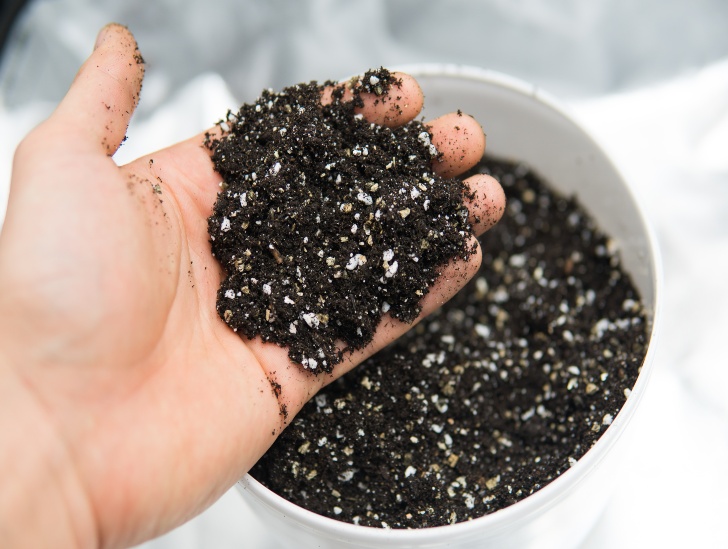
A soil with Perlite.
It has high water content and can be used to make potting mixes for cactus and other succulents.

Using perlite helps as it retains moisture and drains any excess water making the soil dry and great for the cactus as they don’t thrive in water.

Vermiculite

Vermiculite is hydrated laminar minerals. In most cases, it usually has a PH of 7, which means it’s neutral. It’s light and easily mixes with the rest of the ingredients in the soil. The medium, as compared to the rest, is better at water retention and soil aeration. Below are some of the uses of vermiculite.

Vermiculite uses

  • It can be used for growing plants where it’s easier for them to absorb calcium, magnesium, potassium, and ammonium, which are all required for accelerated growth.
  • You can add it to soil together with peat for soil lightening and conditioning to promote the growth of the roots.
  • Mix half vermiculite and half soil in potted plants as it does away with any excess water and is perfect for aeration.
  • Vermiculite can be used alone or mix with some soil or peat for seed germination. In the case that you use the vermiculite alone, make sure you pour in some weak fertilizer after the first leaves appear. 
  • It is also used when transplanting. Carefully dig a hole that’s larger than the plant roots and fill it with vermiculite and the topsoil you had removed when digging the hole. This helps the roots spread and control excess moisture as well as protecting the roots from completely drying out. 
  • The medium grade one can be used for root cuttings directly. You just need to water thoroughly.
  • You can use vermiculite when arranging flowers. Fill your pot/container with vermiculite and saturate it with water. Pour off the excess water and arrange your flowers. There will be no need for changing the water, and it will keep your flowers fresh all day. Be sure to use the horticulture vermiculite though.

New Zealand pine bark

Also known as Enzogenol, it is a 100% natural extract found in New Zealand pine trees. The bark can last for years when used in pots without breaking. It holds water which makes it perfect for cacti and other succulents. 
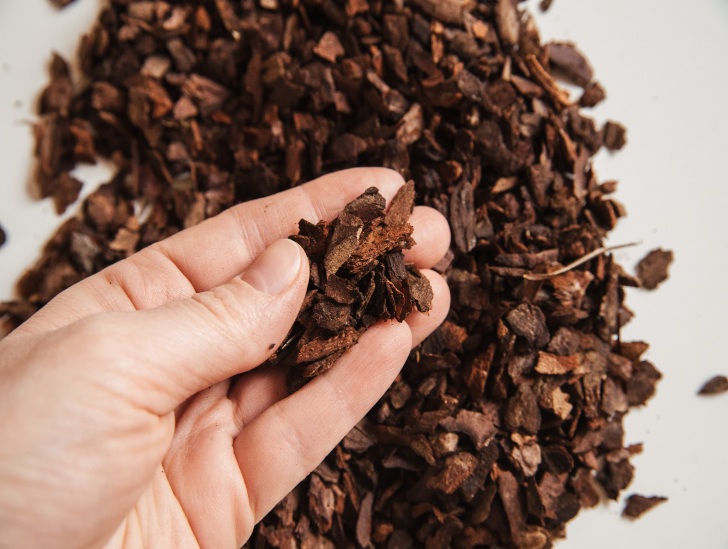
A hand holding a pine bark.
The bark can last for years when used in pots without breaking

Haydite

Also known as expanded shale, it absorbs any excess water and eventually releases it slowly to the roots. This way, there are no issues of the cactus roots rotting. 

Coco coir and composted rice musks

These two are among the best organic matter to include in your potting mix. What makes them perfect is that they are long-fiber that absorb excess moisture and dry out quickly as well. They last long, have good nutrient bonding properties and are rot-resistant. 

Sand

In most cases, sand is used to ensure the soil drains well. You can mix gravel and grit into your potting mix for better drainage. If you decide to use sand, make sure you use construction sand since it’s coarse and inexpensive. 
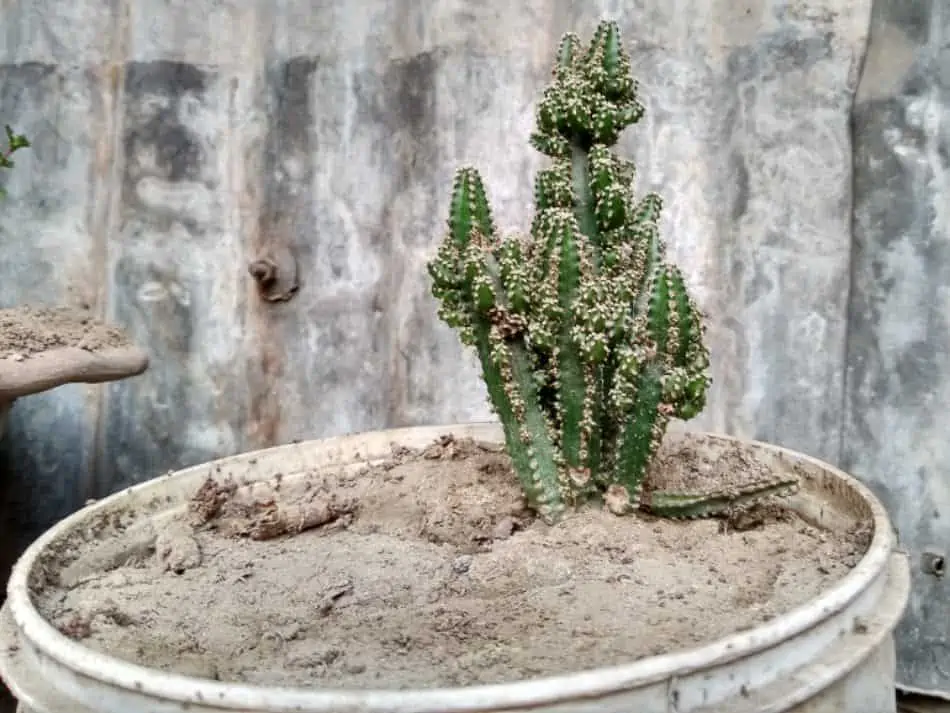
A cactus on a sand.
If you decide to use sand, make sure you use construction sand since it’s coarse and inexpensive

4. Researching on the commercial potting mixes in the market

If you decide to go with a commercial potting mix at your local garden store, you’ll need to choose the best. There are numerous ones in the market, and some are specially designed for cactus. However, some may not be the best for your indoor plant, and upon purchasing, you may need to add some pumice or any other coarse material. This improves soil porosity

If you are not quite familiar with making your own cactus potting mix, then purchasing the commercial mixes is a better option for you. Some of the best-known mixes are Hoffman Organic Cactus and Succulent Mix, Cactus mix with Mycorrhizae from Green Planet Naturals and Espoma Organic Cactus Mix. 

The best potting mixes will always have good drainage as well as an excellent water-holding feature. They will also not dry out completely to leave some moisture for the roots when they dry out. 

Cactus will absorb the water quickly and store it in their bodies while the excess water drains out through the drainage hole of the pot/container.

This is why it’s crucial when buying a pot, consider if it has drainage holes. You need one that has so that water drains out. This way, there is no excess water left hanging around to cause root rot. 

The potting mixes available have the basic elements of a potting soil, which is why you need to add peat moss to create an overall better mixture. These mixes will usually grow the cactus from propagation all the way to maturity. 

5. Knowing what type of cactus you purchase

As mentioned, cactus live in either arid or tropical areas. Determining what kind of soil is ideal for your cactus first needs you to identify your cactus type.

Tropical cactus

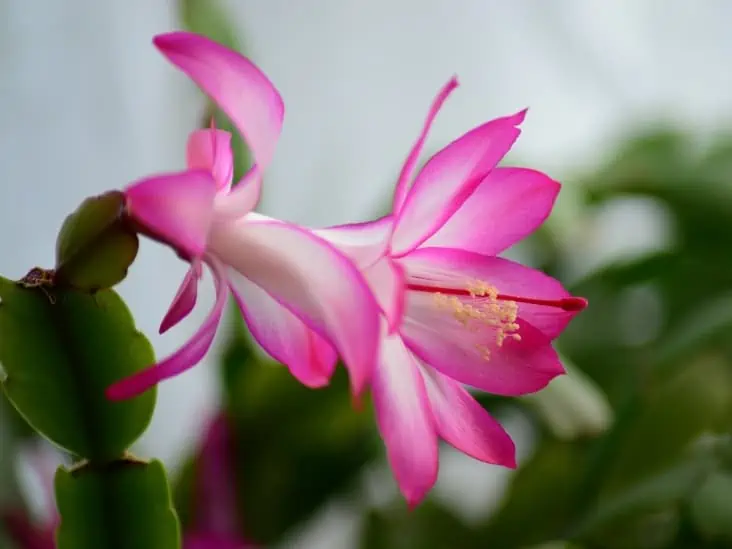
Tropical cacti are found in places such as the South American jungles. Since they are epiphytes, they grow attached to the trees. Such species are the Holiday Cacti such as the Christmas Cactus. These cacti are soft and have spineless leaves, unlike the arid ones.
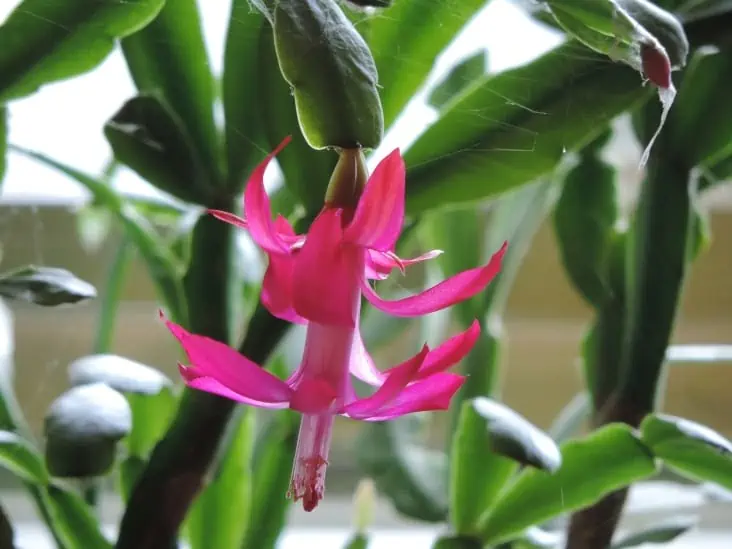
Christmas cactus flowering.
For tropical cactus, they need soil with more organic matter. 

Even as the tropical areas are rainy, cacti drain freely because they hang on the trees; hence, their roots never rot. As such, they need evenly moist soil but one that does not become waterlogged. They need one that drains effectively. 

Generally, all cacti species require well-draining soil. However, for tropical cactus, they need soil with more organic matter. 

You can mix 1 part of garden soil to 2 pieces of peat moss and 1 part of sand. 

Arid cactus

Even as most cacti grow in desert areas and bear fruits and flowers, they are mostly grown for their shapes, sizes, and colors. In recent years, research has also shown the health benefits of cactus fruits and pad (nopals). From weight loss to healthy hair, the benefits are quite numerous.  

They have spines that are a protective way of keeping away predators. However, there are still some daring animals such as camels that eat them even with their spines. They usually have hardened structures in the mouth known as papillae that help protect them from scratches of the spines. 

A mature arid cactus.
Arid cactus

Arid cactus need dry soil as they are used to in the desert areas. They hate waterlogged soil, which is a common cause for root rot. Making your mix can be helpful, and it’s recommended you use 1 part soil mix and 2 parts of sand so that you provide the right growing environment for them for proper drainage. 

6. Consider the option of making your own potting mix

Instead of purchasing the usual commercial potting mix, you can make your potting mix. You get to customize it for your plant. The first step is getting a container big enough to hold all the ingredients without any spillovers. 

Here are some sample recipes for making a cactus potting mix.

Ingredients:

  • 1 part builder’s sand
  • Four parts bagged potting soil 
  • Five parts perlite
  • A pinch of rock dust

Make sure the top part is dressed with aquarium stones or pea gravel. 

Recipe for the desert cactus

If you plant cactus in pure sand, it will not thrive well. Therefore, get a rich-nutrient soil that’s rocky that is in a pot that has adequate drainage holes. Nutrients you need will include peat moss, perlite/vermiculite, coconut coir, and pumice. All of these combined make the perfect potting mix that’s great for aeration and drainage. 

To start, use ordinary potting soil as your base. Then add 2 parts of pumice as it is a volcanic rock which is porous and is light. In case you don’t get pumice, chicken grit can be a great substitute. Check for oil dry number 8822. You can also substitute with perlite or vermiculite. This is a crucial stage because water quickly passes the potting mix while still providing aeration. 

Next, pour in some coconut coir as it gradually decomposes. The upside for this is that it helps the cactus mix hold moisture. 

Recipe for jungle cactus

As earlier mentioned, the potting mix you use for desert cacti is not what you’ll use for the jungle ones. Since jungle cacti are epiphytic, which means they can grow literally on rocks, you’ll need a well-customized mix. 
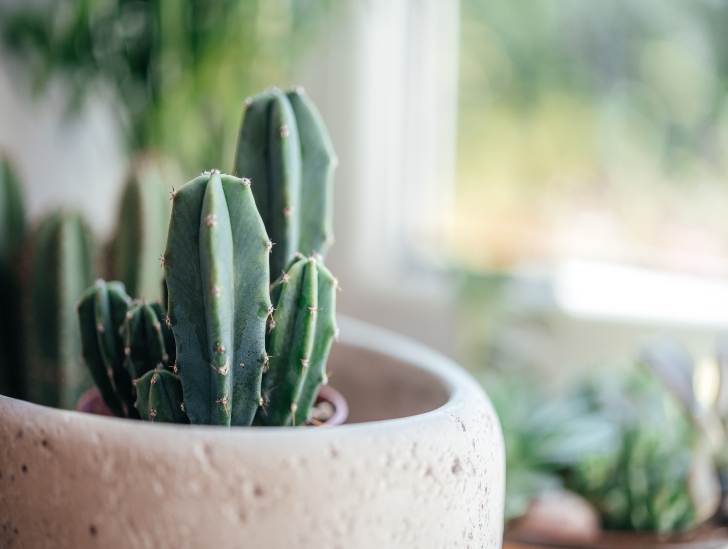
A cactus near the window.
This potting mix provides more aeration, which makes it the perfect blend for your tropical cactus. 

This means that they can get nutrients from dead leaves. They can even get their needs from the air, which is great. 

The idea is to try and mimic those living conditions in your potting mix. Try to make it as natural as it can be. For this, you need a combination that has coconut coir, orchid or fir bark, peat moss, oak leaf mold, and pumice. 

The mix will be almost similar to the dry soil mix but change up a bit. You need 1 part pumice and 2 parts orchid bark (coarse.) This potting mix provides more aeration, which makes it the perfect blend for your tropical cactus. 

Another alternative for tropical and arid cactus

Ingredients:

  • Ground fir bark
  • Bucket
  • Coconut coir/peat moss
  • Vermiculite/perlite/pumice/coarse sand

In the bucket, mix equal portions of peat moss and ground fir bark. This creates an ideal base mixture for both desert and tropical cacti. As an alternative, instead of using peat moss, you can use coconut coir or leave out the ground fire bark. 

Next, mix the base potting mix you made with one part of the coarse builder’s sand. This is applicable to the tropical cactus as they need more moisture and can tolerate slow water drainage as compared to the desert species. Alternatively, you can use perlite, vermiculite, or pumice instead of the coarse sand.

For the desert cactus, use equal portions of the base potting mix and the coarse sand or pumice/perlite/vermiculite. They do well with a mix that drains water quickly and can’t stand too much water retention.

After the above, mix all the ingredients until they are uniformly combined. In the case that there are any lumps formed, blend the soil until it is even. 

The last step is equally as important. Before you plant the cactus, water the mixture to allow the peat or coir to absorb the water, do this for approximately an hour. Squeeze the soil to make sure no water droplets are running down to be sure it’s safe to plant the cactus. 

Sometimes, you’ll need to add 1 tablespoon of vinegar to 5 gallons of water when you are watering to raise the soil’s acidity slightly. 

Note that there is no specific recipe that is ideal for everybody. The best one for your plant will depend on your preferences and your plant. The recipes above are to guide you so that you can create a well-balanced mixture. 
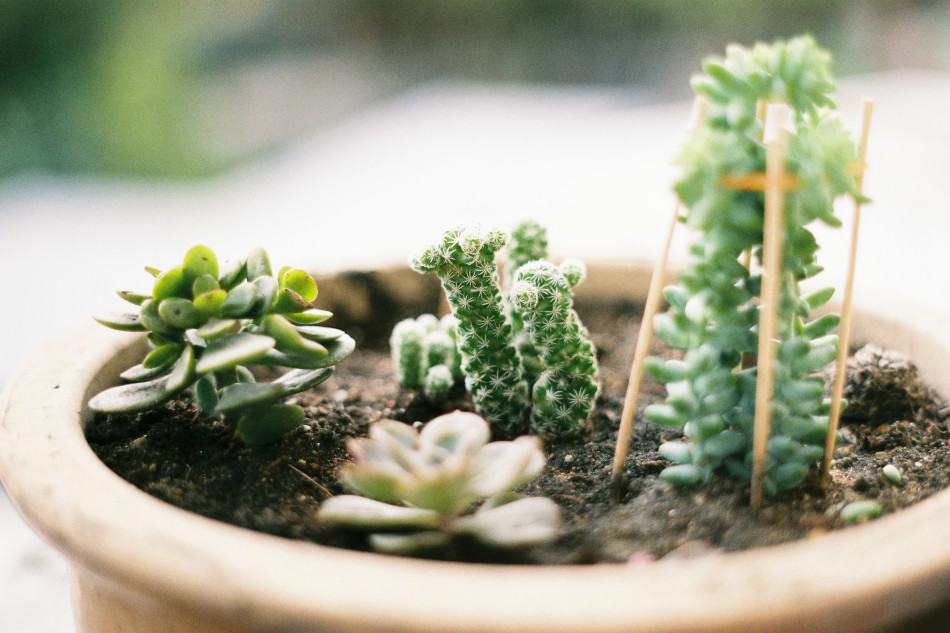
Different kinds of Plants on the pot.
Instead of purchasing the usual commercial potting mix, you can make your potting mix

Characteristics of an excellent potting mix

The soil needs to drain fast to prevent the cactus roots from rotting. An excellent remedy for root rot is re-potting and cutting the damaged roots carefully. 

The potting soil should also be able to retain some moisture so it can provide when the plant dries out. 

Get one that is rich in nutrients that contain porous inorganic materials for proper drainage and part of it having organic materials that will provide nutrients to the roots when they need them. 

Even as you use regular potting soil, ensure you add a bit of pumice to improve the soil’s ability to drain water effectively. 

The above points should help you make a decision when you want a potting mix for your cactus. If you wish to purchase the mix or make your own, the guide will help you. Also, remember, even after you make the potting mix, you will need to re-pot them ideally every two to four years. Once the roots start showing through the drainage holes, it is time to re-pot them. 

Here is a list of our favorite and recommended soil mix (Here)

21 Proven Health Benefits of Cactus Fruits

Disclaimer: The author is not a medical doctor or veterinarian. The information presented is purely to share our experience and for entertainment purposes. As always, check with a doctor and/or veterinarian before making any health or nutrition decisions and consult with a doctor and/or veterinarian regarding any question or problem that you have. The author and blog disclaim liability for any damage, mishap, or injury that may occur from engaging in any activities or ideas from this site.

Did you know that the cactus fruit is also known as Prickly Pear? Well, now, you know. The fruits are quite sweet, and you can eat them raw. They range from green (slightly sour) to red (very sweet). Some are even orange. The fruits, however, are prickly and have splinters that easily stick to your skin. It is recommended that you wear leather gloves when picking them.  
Cactus can be grown indoors or outdoors. They are fascinating plants that make a great addition to your home’s decor. The fact that you can eat the fruits should even be more exciting. These fantastic plants also have health benefits. Interesting Health Benefits You Should Know About Cactus Fruits:

1. Can lower cholesterol levels

The prickly pear is high in fiber. It can reduce cholesterol levels in the blood. According to research, the intake of cactus fruits reduces body fat, blood pressure, and cholesterol levels significantly. 

Usually, cholesterol is good for building healthy cells. However, high levels of it come with complications. It puts you at risk of heart diseases such as stroke, coronary heart disease, and peripheral vascular disease. 

A healthy lifestyle is recommended to lower cholesterol levels, and incorporating cactus fruits can help as well.

2. It is an excellent source of micronutrients

There are essential micronutrients found in the Prickly Pear. The fruit contains iron, magnesium, riboflavin, vitamin C, potassium, calcium, and vitamin B6. Out of these nutrients, the ones highest in percentage are vitamin C and magnesium. 

A prickly pear cactus fruit lime drink.
There are essential micronutrients found in the Prickly Pear.

One cup of the Prickly Pear contains the following nutrients:

  • 14 calories
  • 3g carbs
  • 1g protein
  • Less than 1 g of fat
  • 2g fiber
  • 20mcg vitamin A
  • 8 mg vitamin C
  • 4.6 mcg vitamin K
  • 1g sugar
  • 141mg calcium

The red and purple fruits have the highest antioxidants that contain anti-inflammatory properties. 

3. It could be the secret to weight control

According to a report by America Health Rankings, 31.3% of America’s population is obese.  Adults who are overweight are at risk of having advanced health conditions such as osteoarthritis, some types of cancer, diabetes, mental illnesses, and so on. 

Obesity is a global problem that needs to be contained early enough. Instead of going for shortcuts, such as undergoing surgery, there are healthier ways of getting leaner. A possible solution to obesity could be just consuming lots of fiber. The cactus fruits are rich in fiber, and eating them gets you full for longer and reduces the chances of frequent hunger pangs. 

Compared to most fruits, the cactus ones are low in carbs as it only contains 9.9 grams of carbs, which also includes 3.7 grams of fiber. It only has 42 calories. 

Also, the fiber in the fruits helps eliminate dietary fat through excretion from the body system. Since the intestines don’t absorb any of the dietary fat, it’s easier during your weight loss journey. 

The fruit can be used in fruit juices, smoothies, pancakes or desserts. 

During three-month clinical research, cactus fiber resulted in weight loss. The intake of the fiber resulted in reduced energy absorption, which ultimately led to bodyweight reduction. 

A person checking her weight.
Cactus fruits will help you control your weight

4. It prevents gastric ulcers

Gastric ulcers are usually painful sores usually in the stomach lining. They mostly occur when the layer (usually thick) of mucus reduces. This particular lining protects the stomach from digestive juices. 

Once the lining becomes thin, the digestive acids will usually eat away the tissues on the stomach lining, which in turn causes gastric ulcers. 

Some common signs and symptoms are nausea, heartburn, anemia, weight loss, vomiting, among others. 

The cactus fruit contains a compound known as betanin. For people with ulcers, consuming the cactus fruit has a positive effect on gastric mucosa, which leads to its regulation and the reduction of pro-inflammatory chemicals. According to research, the intake of betanin resulted in reduced stress lesions and reduced the decrease in the gastric mucosa. 

5. The prevents inflammation

This particular fruit is known for its anti-inflammatory strengths. In simple terms, inflammation is the body’s response to injuries. It is more of how the body signals the immune system to repair any damaged tissues as well as defending it against bacteria and viruses. 

If the inflammation goes on for long, it could lead to advanced problems. For example, it has been linked to stroke and heart diseases. In most cases, a healthy diet could help control inflammation. 

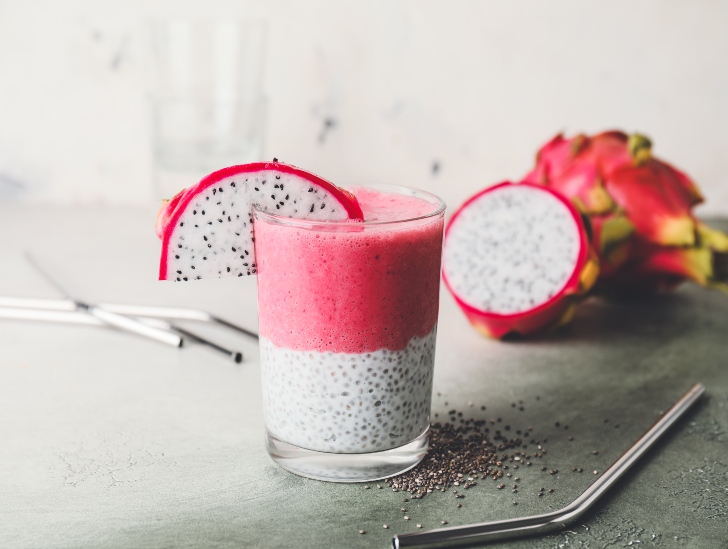
A bowl of dragon fruit smoothie.
The nutrients in the fruit can improve your immune system.

Before you decide on taking pills due to chronic inflammation, you could consider your diet. You could incorporate the Prickly Pear in your meals. 

A study by the Food & Nutrition Research for two weeks that involved 28 volunteers who underwent a controlled feeding involving the cactus fruit was conducted. The study subsequently showed an increase in dermal carotenoids. The nutrients in the fruit improve your immune system and protect you from the side effects of chronic inflammation. 

6. It lowers blood sugar levels

Another interesting fact about the Prickly Pear is its hypoglycemic ability. It can lower high blood glucose levels. Different experiments have suggested that the intestinal absorption of glucose significantly decreases. The pectin and fiber in the fruit are what facilitates this. It’s easy to manage type II diabetes once the sugar levels are under control. 

It doesn’t mean that the cactus fruit alone can cure diabetes. The idea is adding it to your diet helps in normalizing the blood sugar levels. You can make it into juice. Make sure when buying any cactus juice, get the unprocessed ones. The best of them all is, if you live near a place with cactus, you could harvest them on your own and make your juice. Be sure to avoid the spines pricking you.

Sugar cube.
The pectin and fiber in the fruit can lower high blood glucose levels

7. Boosts the immune system

We all agree that eating or drinking products that boost our immune system are an advantage for the body. You will be less susceptible to illnesses as your body toughens up to fight disease-causing organisms.  

The good news is that cactus fruits are great immune system boosters. They contain Vitamin C, which is responsible for the body’s growth. 

Vitamin C has various benefits regarding body growth:

  • Absorbing iron
  • Bone, teeth and cartilage maintenance
  • Healing wounds
  • Repairing body tissues

Intake of Vitamin C leads to increased production of white blood cells, which eliminate disease-causing organisms. 

8. Protects people from heart diseases

As we had mentioned, the fruit is high in fiber, which reduces cholesterol levels hence reducing risks of obesity. The fiber content also maintains the body’s blood pressure. 

One in every four U.S. citizen dies of heart diseases. 

Heart diseases are quite many. Here are a few:

  • Congenital heart disease
  • Dilated cardiomyopathy
  • Coronary artery disease
  • Arrhythmia
  • Pulmonary stenosis

High levels of cholesterol can cause heart diseases, which is why you need to keep it low. The antioxidants found in the fruit help in cardiovascular health. The flavonoids present in the Prickly Pear help the blood platelets keep the heart in good shape. 

9. Colon cleansing

The high fiber content in cactus is not only for weight loss and lowering cholesterol levels but also helps in cleansing the colon. It helps regulate the normal function of the colon. 

Once glucose is absorbed, excess bile and unhealthy fats are excreted from the body. Usually, the colon is prone to inflammation but consumption of the cactus fruits that contain antioxidants to eliminate any inflammation compounds

Cacctus fruit drinks.
It could help with issues to do with irregular bowel movements and constipation. 

Taking cactus juices and smoothies is an excellent option of naturally cleansing your colon.

Why cleanse the colon? It could help with issues to do with irregular bowel movements and constipation. 

Apart from the cactus fruit, there are other natural ways of performing a colon cleanse:

  • Water flush: people who use this method of cleansing the colon recommend about 6-8 glasses of warm water daily. You can also eat foods known to have high water content such as watermelons, celery, lettuce, and tomatoes. 
  • High-fiber diet: Plants that are high in fiber and cellulose aid in removing excess matter in the colon. They also help in the regulation of overactive bowels and constipation. Such products are nuts, seeds, vegetables, and fruits (such as cactus fruits.) 
  • Saltwater flush: Saltwater could potentially cleanse the colon only when paired in some strategic yoga poses. The saltwater flush is excellent for people who frequently experience constipation. Immediately you wake up in the morning, mix two teaspoons of salt (preferably Himalayan salt or sea salt) with warm water. Make sure you drink it on an empty stomach. What happens is, after a few minutes, you’ll feel like using the washroom. You can do this every morning and evening.
  • Herbal teas: these have been known to work wonders as well, improving the digestive health and overall cleansing the colon. They may include but not limited to aloe vera, marshmallow root, ginger, garlic, slippery elm, and psyllium. Before taking them, make sure you talk to your doctor. Also, use sparingly and don’t overindulge.

10. Preventing liver damage

The liver is an integral part of the body, and if not taken care of could be detrimental to the overall physical health. Its primary function is filtering out blood from the digestive tract. It also metabolizes drugs and detoxifies chemicals. 

Watching what we eat is crucial for the liver’s health as sometimes we may consume carcinogens that could end up hurting the liver. However, the fact that the cactus fruit contains antioxidants that in turn reduce the oxidative stress that’s usually caused by compounds on the liver. It then exerts hepatoprotective activity, which is mainly involved in doing away with free radicals and in increasing the antioxidant activity against these compounds. 

This will help protect you from diseases associated with the liver, such as:

  • Liver failure
  • Cirrhosis
  • Ascites
  • Gallstones
  • Hemochromatosis
  • Liver cancer
  • Hepatitis A, B & C

11. Soothes the stomach

The Prickly Pear is an excellent dietary supplement for cleansing the stomach and improving bowel movements. The antioxidants present in the fruit help in improving the stomach’s health. 

Changes in bowel movements can be a result of an underlying illness. Some common bowel habits include:

  • Crohn’s disease
  • Diverticulosis
  • Celiac disease
  • Irritable bowel syndrome (IBS)( common symptoms are constipation, diarrhea, gas and bloating)
  • Thyroid disorders
  • Ulcerative colitis

12. It reduces the frequencies of migraines

A migraine is a recurring headache that often affects one side of the head and is sometimes coupled with nausea and blurry vision. 

According to the Migraine Research Foundation, migraine is the third most prevalent illness globally. It is common between the ages of 18 and 44.  Most of those who suffer from migraines, 90% of them have a family history of migraines. 

Some common triggers of migraines:

  • Some types of foods such as alcohol, aged cheese, food additives such as nitrates in hot dogs, and lunchmeat. 
  • Stress is also a contributing factor. When you get stressed, your brain is capable of producing chemicals that in turn, lead to changes in the blood vessels, causing the migraine.  
  • Caffeine: too much consumption or withdrawing can usually cause the migraines because the blood vessels are so used to it. 
  • Changes in weather.
  • Skipping your meals.
  • Changing your sleep pattern.
A man experiencing migraine,
Cactus fruits contain anti-inflammatory compounds which are necessary to stabilize the migraine

Anti-inflammatory compounds are necessary to stabilize the migraine. These compounds are found largely in the cactus fruit. Regular consumption helps control the migraines by reducing the frequency and intensity. 

There are other recommended home remedies for migraines. The list below points out some remedies you can craft comfortably at home:

  • Putting an ice pack on your forehead
  • You can use painkillers
  • Regular workouts
  • Magnesium which is found in cactus fruits, nuts, and whole grains
  • A good night’s rest of 7-8 hours
  • Yoga
  • Knowing what triggers it and avoid it such as avoiding certain foods like curated meat

13. Want healthy looking nails? Here’s the answer

Your fingernails are a clear indication of your health. A change in how the nails look is a clear indication of a deficiency of nutrients. 

Dry and damaged nails are a common occurrence and often tend to keep breaking. Even as there are many remedies, some seem not to work. The good news is, the oil extracted from the cactus fruit helps moisturize the damaged nails. The oil contains palmitic acid, oleic acid, and linoleic acid. 

A clean and healthy nails.
Your fingernails are a clear indication of your health.

A study was done to establish the fatty acid oils present in the oil. The results showed that Linoleic acid was highest in percentage having 61.01%) followed by oleic with 25.52% and lastly palmitic with 12.23%. 

Apart from the fatty acids, there are other nutrients you need. Biotin, iron, magnesium, vitamin C, protein, and zinc. A combination of these helps you have healthy nails.

14. Want stronger bones and teeth?

Having strong bones and teeth is right for your general health. Calcium is needed to keep them healthy. Most of it is stored in the bones and teeth, making it crucial to eat foods with calcium. 

Most often, calcium deficiency may cause osteoporosis causing the bones and teeth to become weak. You’ll notice teeth becoming week and falling out. 

What’s osteoporosis?

“Porous bone” as it is commonly referred to is usually a bone disease that’s prevalent when the body loses significant bones. Often, when you view a bone using a microscope, you’ll notice the healthy bone looks like a honeycomb. However, if the bone is not healthy, the holes in the ‘honeycomb’ will be bigger. 

Osteoporosis makes bones become so brittle that even mild straining such as coughing could cause a fracture. It affects both genders though it’s more common to older women who’ve hit menopause. 

Basic symptoms

  • Bones that break easily 
  • Stooped posture
  • Back pain caused by a fractured vertebra
  • A loss of height gradually

The cactus fruit helps your bones and teeth become stronger and reduces the chances of osteoporosis.

Here’s a list of the recommended calcium intakes daily recommended by the Institute of Medicine:

  • Men 70 years and younger: 1000mg daily
  • Women 50 years and younger: 1000mg daily
  • Men over 70: 1200mg daily
  • Women over 50: 1000mg daily

Take lots of food that contain calcium for improved and stronger teeth and bones. Balance your diet such that it has enough calcium. However, if it’s not enough, the cactus fruits can come in handy as well as nuts, leafy green vegetables, and beans. 

There is also an option of taking supplements to increase your calcium intake and prevent the risk of bone loss. However, be on the lookout and make sure what you choose is safe. 

Woman smiling.
Cactus fruits contain calcium which needed to keep your teeth and bones healthy

15. Reduces chances of stroke

Metabolic syndrome continues to cause a series of deaths annually. According to research done, involving 68 women suffering from metabolic syndrome, cactus cured the metabolic syndrome for 8% of the group. Day 14 also recorded low cholesterol levels of 42 of the women. 

A stroke occurs when a section of the brain loses blood supply, which in turn stops working. We have two types of stroke: Ischemic stroke that occurs when part of the brain completely loses blood flow and the hemorrhagic stroke where bleeding occurs within the brain. 

Some common signs of stroke are:

  • Weakness
  • Tingling
  • Numbness
  • Vision loss
  • Loss of balance, dizziness, and trouble walking
  • Sudden severe headache
  • Confusion and difficulty talking

Once you notice these signs from your loved ones, call 9-1-1 immediately.

16. Having a hangover? Not anymore!

As unbelievable as it sounds, the cactus fruits can reduce the effects that come with having a hangover. A night out with friends Alcohol hangovers usually occur due to dehydration. The cactus fruit is capable of significantly reducing the symptoms associated with hangovers. A study done at Tulane Health Sciences Center of people who drank took the cactus extract before a night out reported showed a significantly lower effect of the hangover in the morning. They reported that expected nausea, headache, and food aversion were less severe. 

There are also supplements available that are from this particular fruit, and you can alternatively use them. 

Usually, when you consume alcohol, the body produces free radicals that may damage the cells. The Prickly Pear, being an antioxidant, will protect the lipid from any damages as the body gradually breaks down the alcohol. 

17. Skin anti-aging

Cactus fruits contain vitamin E and K, which are responsible for keeping the skin rejuvenated. They also have fatty acids that nourish and hydrate the skin. They generally prevent fine lines and wrinkles from forming.

As much as we can’t run away from aging, but we can always delay the process naturally. As the world continues to evolve today, more and more remedies come up to help in anti-aging. However, not all of them are ideal, and some can be quite harmful. Strive to use natural remedies that won’t have side effects. 

Some common remedies are: 

  • Eating cactus fruits
  • Honey
  • Coconut and olive oil
  • Banana mask
  • Egg white mask
  • Aloe vera gel
Old person.
Cactus fruits contain vitamin E and K, which are responsible for keeping the skin rejuvenated

18. Reducing dark circles

Cactus fruit has the capability of reducing dark circles that generally form around the eyes. Due to the presence of fatty acids in the fruits which make the cactus seed oil, they help in nourishing and brightening the skin. In turn, they end up brightening the eye area and the dark circles as well. 

Dark circles can be caused by:

  • Fatigue

Extreme fatigue or having less sleep will cause dark circles around your eyes. The skin can sometimes become pale and dull to an extent your blood vessels become evident. Oversleeping can also cause dark circles

  • Straining your eyes

Extended watching of the television or working on your PC can cause dark circles around your eyes. Try taking a break from the TV and PC to avoid this.

  • Allergic reactions

Some people experience allergic reactions when they eat or touch something they are allergic to. Such reactions can sometimes trigger the dark circles. They may even make the skin itchy which could push people to start scratching, which in turn could cause swelling under the eyes. 

  • Dehydration

Keeping your body hydrated all the time is very important. Taking the recommended glasses of water daily should help your body stay hydrated. However, if you deprive it of water, it becomes dehydrated and can sometimes cause dark circles.

  • Overexposure to the sun

Sunlight is healthy for our bodies. However, too much of it can cause dark circles, especially around your eyes. Overexposure makes the body produce excess melanin, which in turn, pigments. 

Some of the recommended remedies apart from taking the Prickly Pear are getting enough sleep, soaking your eyes with tea bags and applying a cold press. 

19. Wound healing

As results of some researches done show that the Prickly Pear contains phenolic compounds, it shows that there’s a natural remedy for healing wounds. The compounds exert antioxidant skin effects and help to repair the skin in case of any damages. 

The oil extracted from the fruit helps, especially if you apply regularly. Apply till you get the desired results, especially for skin blemishes. 

20. Nourishing the hair

As mentioned before, the oil extracted from the fruits contains fatty acids that help rejuvenate the skin. Similarly, when used on the hair, it helps nourish the hair and scalp by providing the oils for its growth. 

21. Can be used as a hair conditioner

Instead of continually buying some overpriced hair conditioner, it is possible to make your own. Mix the cactus fruit with cucumber, coconut oil, and coconut milk. Blend everything and let the mixture sit for about 20-30 minutes before using it. 

Upon applying the mixture on your hair and scalp, it’ll leave it looking shiny and soft. It even protects the hair from the scorching heat during summer. 

A healthy hair of woman.
The oil extracted from the fruits contains fatty acids that help rejuvenate the skin and hair

As shocking as the above health benefits about cactus fruits are, always remember that if you are looking to purchase a cactus, ensure you learn how to take care of it. Proper care of the plant will reward you with the above benefits. However, it is important to consult a doctor before taking any natural remedies. 

20 Amazing facts You Didn’t Know About Cacti

When growing up, I never thought much about the cactus, other than it’s a hardy desert plant. I love home improvements, and one day, I came across this beautiful photo with a cactus plant as part of home decor. The breathtaking photo is what aroused my curiosity to research more on this plant:

1. Origin of the word cactus

Cactus originates from the Greek name Kaktos. Kaktos is a Spanish artichoke or the “prickly plant of Sicily” as many refer to it in Greece. 

The Greeks used the word cactus to refer to the spiky plant, which they compared to artichoke. However, it later emerged that the plant that they referred to as cactus was actually an artichoke and not a cactus and that the two plants had different characteristics. 

According to the Online Etymology Dictionary, the word originates from the Latin word Cardoon in a classical sense. In 1769, Linnaeus thought that the American prickly cactus that we know today were related to cactal, and named the plant cactus. 

You might have heard that the word “cacti” is the plural for cactus and that, “cactuses” is wrong. Scientific researches, studies, and print media favor the usage of cacti over cactuses. However, most English speakers use cactuses in informal settings. Therefore, both cacti and cactuses are correct, but their usage depends on whether you’re engaging in informal writing or just casual talk. 

2. Cacti can store an unbelievable amount of water in a short time

As you may know, it rarely rains in the desert. When it does rain, the rain is often light, and it may take many months for a desert to experience rainfall again. The desert sun is also extremely hot and dries up rainwater in a very short time.

So how does a cactus survive without water for extended periods? To cope with the dry and hot conditions in the desert, cactus stores plenty of water whenever it rains. 

You might imagine that cacti might have deep roots to enable them to absorb water from deep in the earth. While this may be true for most environments, it’s not the same case for deserts.

Water evaporates pretty fast from the hot desert sun. Therefore, the soil never gets a chance to soak up water and store it below the surface. 

Therefore, the plants have shallow root systems to allow them to absorb as much water as possible. The roots are only 1.3 cm deep, hence it doesn’t take long for the rainwater to reach them for absorption.  

Aside from being shallow, the shallow roots also transverse across large areas. Covering a larger surface area allows the roots to absorb lots of water at a go. 

After absorption, the plant stores gallons of water in its stem making it appear swollen. The desert sand may look dry since it drains fast, but if you want to know if it has recently rained just look at a cactus’s turgidity. 

A mature cactus.
Cactus stores gallons of water in its stem

3. Cacti stomata only open at night

The cactus will go to extreme lengths to conserve water, and that includes opening its stomata only at night. As you may know, plants open their stomata during the day to serve as a gas intake and exhaling point.

Carbon dioxide intake and oxygen release from the plant is essential for photosynthesis. Photosynthesis is the process that enables plants to produce food and energy their growth and survival.

During photosynthesis, plants transpire and lose a lot of water in the process. During the day, water loss is especially high in deserts where the extremely hot sun. 

Cacti have adopted a concept that scientists refer to as crassulacean acid metabolism (CAM). CAM allows the plants to only open their stomata at night when temperatures are cooler. 

At night, these plants store carbon dioxide and release it during the day for food manufacture. 

During summer, the temperatures are unbelievably hot, and this stresses the plants. During this season, cacti keep their stomata closed both day and night, and this leads to a dormant phase where the plants don’t grow at all. 

4. Cacti have spines instead of leaves

Leaves are an important part of every plant, as they enable it to produce food that is essential for growth and survival. If you’ve ever come into close contact with a cactus plant, you might have wondered how it’s able to survive without leaves. 

A cactus plant has spines instead of leaves, and this is nature’s way to help the plant survive. The spines come in a variety of forms, such as:

  • Awl-like
  • Straight
  • Curved
  • Needle-like
  • Bristle like
  • Hair-like
  • Round
  • Hooked

There are very important reasons why a cactus plant favors the spiky protrusions instead of leaves. The following are the roles that spines play in a cactus plant.

Protection

The desert has plenty of herbivores that depend on different desert plants for food and the cactus is no exception. With its fleshy appearance, the plant is bound to attract different animals, and this is where the spines come in.

Aside from animals, the plants are also under threat from poachers. There’s a lucrative black market for cactus trade, which leads to the destruction of the plants. Repeated destruction of the cactus might eventually lead to extinction. 

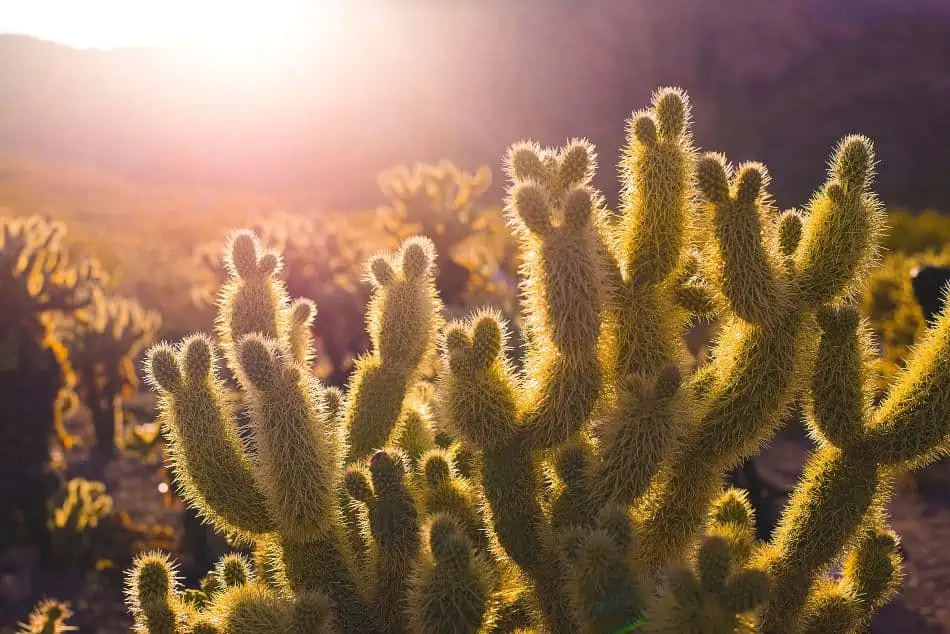
A cholla cactus.
The needles deeply pierce the skin, upon close contact.

Spines act as a defense mechanism for the plant. The needles deeply pierce the skin, upon close contact. A puncture from a spine is extremely painful for any animal to withstand.

The spines are also hard to remove from the skin upon puncture and may cause secondary infections. Some spines can cause multiple injuries in one location. 

Water collection

Spines help to collect water in foggy deserts, and this is how they do it. When the fog lands on the spines, it later turns into the water that trickles down on the ground below. The plant’s roots then absorb this water for storage by the plant.  

Air trapping 

Airflow can lead to water loss, and spines help break the flow of air around a cactus plant. Without the buffer that the spines create, there would be too much water evaporation and the plants would otherwise lose a lot of water.

Shade

The desert climate is extremely hot, and the spines collectively provide shade. Without the shade, the desert sun would soon dry out all the moisture from the plants, and they wouldn’t be able to survive.  

Propagation

Propagation is important for the growth of new plants in the same species. Spines that are blown around by strong desert winds or that pierce animals often find themselves in new locations. The spines then grow into cacti plants which ensures the continuation of life for the plants when the older ones die of old age. 

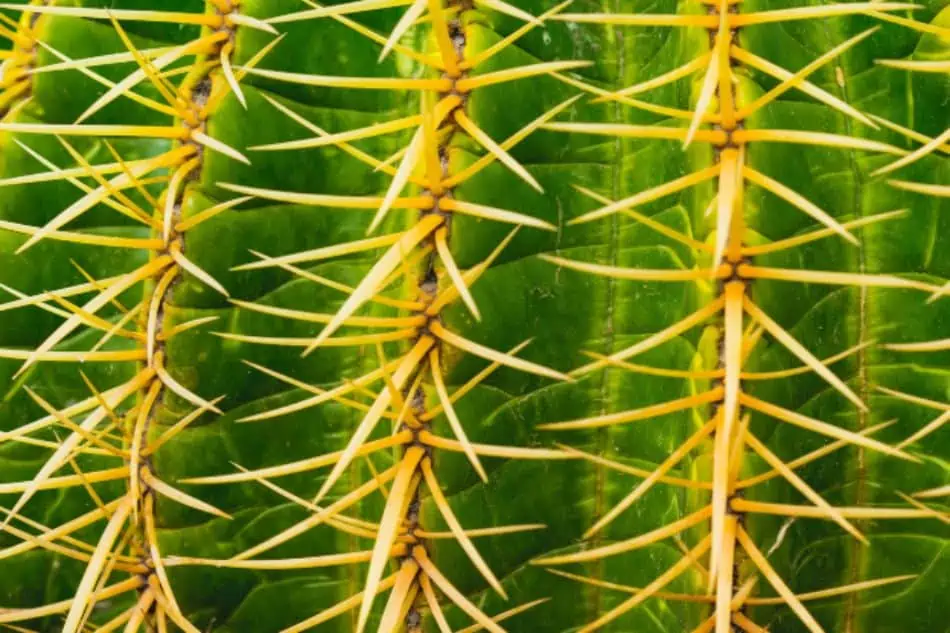
Closeup image of cactus.
The spines have important roles in a cactus plant

5. Cacti has waxy surfaces

Plants that grow in humid areas favor surfaces that enable them to easily transpire. Without the ease of release moisture and gases into the environment, these plants would rot and die.

However, it’s the opposite in deserts where the scorching sun and winds quickly lead to moisture loss. Cacti, therefore, use a waxy coating to discourage water loss. 

6. A cactus plant can live for ages

Most houseplants will require constant replacements because they have a short lifespan. If you’re looking for a plant that can survive for decades, you should consider getting a cactus plant.

This plant does not only require minimal care but can outlive the majority of plants. As you may know, there are more than 1500 species of this plant. The average lifespan of a cactus plant is between 10 to 200 years.

A cactus.
This plant does not only require minimal care but can outlive the majority of plants.

However, as much as the plants don’t require your care around the clock, some things may interfere with their survival.

Ensure that you do the following to keep the plants happy, and for years to come:

Watering your plants

Water your plants regularly. Avoid overwatering as this may cause root decay. 

Sufficient lighting

Place your plant in an area with natural lighting. Avoid placing them on window sills for long as this may cause sunburns and discoloration. You might need to alternate between placing them in sunlight and under a shade depending on how hot it is during the day. 

Choose the right soil

Avoid soils that retain water for long, and instead, opt for soils that drain water quickly. Water retention is not good for the plant’s roots and may cause rotting.

Temperatures

Cactus requires optimum temperatures to stay healthy and strong. Many species adapt to different environments, but you have to be careful not to place them in extreme temperatures for lengthy amounts of time. 

A red firestick pencil cactus.
Cactus requires optimum temperatures to stay healthy and strong.

During winter and fall, the ideal temperatures would be between 45 and 55 degrees Fahrenheit. In summer, the plants do well in temperatures of between 65 to 95 degrees Fahrenheit.

7. Growing cactus can be a waiting game

Some potted plants take just a matter of weeks to sprout into flowers, but not the cactus. Growing the cactus requires patience. 

The cactus plant grows slower than other plants because it does not contain chlorophyll in leaves. Chlorophyll is present in leaves of most plants and helps in quick food production for plants. 

Due to its adaptations and focusing on conserving water in harsh environments, the plant’s primary focus is on survival rather than reproduction. If the plant had real leaves, it would end up losing a lot of moisture during food production.

If you want to plant a cactus from seedling, here’s what growth phases will look like:

Month 1 

During this period, do not expect much, and focus on observing to see if there’s a seedling emerging from the soil.

Small spines may or may not start emerging from your seedling. 

Give the plant plenty of ventilation and light. Also, water your potted plant when the top one or two inches start getting dry.

Month 6

Your plant at this point could be larger than a marble. This shouldn’t make you nervous. Remember that cactus has retarded growth compared to other plants, so this is perfectly in line. 

Year 1

You are also not likely to see much change by this time. The cactus may still be the same size. Remember to switch the plant from the tray to a larger container, ideally a pot with perorations.

Moving your marble-size plant to a larger container is essential as it encourages growth. If you don’t move your plant, it could take forever to grow, or even worse, die. 

After changing containers, do not expose the young plant to direct sunlight for lengthy amounts of time. Start with a few hours, and then proceed with small increments every day.

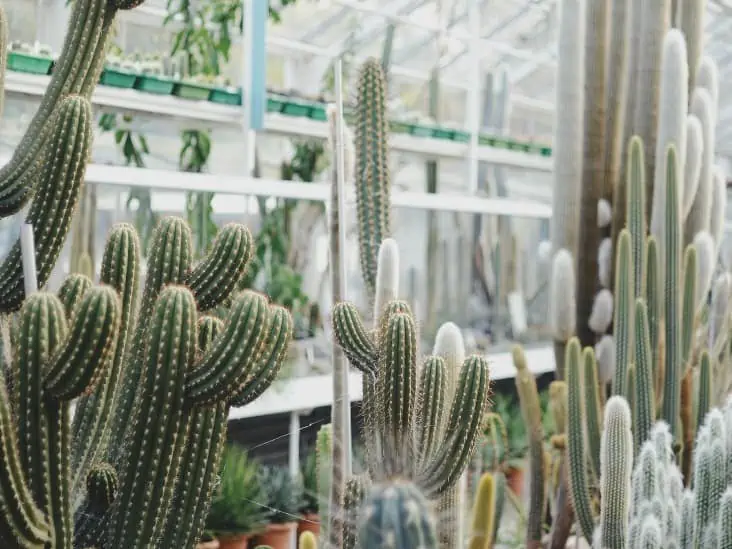
Different kinds of cactus on different pots.
Growing cacti

From year 1

Here, you’ll see changes in the plant’s height, although this will be slow. Some plants may bloom after a few years, while others like the saguaro might take up to 35 years before they have their first bloom.  

As you can see, it takes a long time for a seedling to develop into a full-grown cactus plant. If you want quick results, it’s best to get your cactus from a shop that sells cactus plants. Here, you can choose a plant of any age, based on your requirements. 

8. Cacti recruit ants as additional bodyguards

Cactus number one soldier when it comes to keeping away herbivores are the spines. Spine, such as those from the jumping Cholla anchors its needles deep into the offender’s skin upon the slightest provocation. 

Cactus spines do a great job of keeping large animals, including humans away. However, when it comes to smaller animals or critters like mealybugs, the needles cannot effectively get rid of them since they are small enough to slip through the cactus spaces.

The cactus plants produce four types of nectar to attract ants. It’s hot in the desert, and with limited sources of food and water to quench their thirst and hunger, it’s easy for the ants to flock on cactus.

Some species of the plant produce the highly irresistible nectar from the regular spines of modified spines that are blunt to touch. Others have some specialized leaves where the spines originate from, and this is where they produce the ant-friendly substance. 

So what role do the ants play in a cactus life?

  • The ants attack any smaller animals that can easily pass through the spaces on the spines.
  • The ants also attack bacteria and fungi that might otherwise discolor, cause disease, and kill the plants. 

9. Cactus is not always green

Some cacti such as the Gymnocalycium Mihanovichii Friedrichii ‘Rubra, is not primarily green and comes in a variety of colors. The bodies of this mutant species are:

  • Red
  • Yellow
  • White
  • Purplish
  • Orange

So, we know that chlorophyll is green in color, and every plant needs it for growth. How does the Gymnocalycium survive? 

This plant can only survive if you graft it with another cactus plant that produces chlorophyll. With this mutant, you don’t have to use any particular chlorophyll-manufacturing plant; any species will do. 

Different colors of a cactus.
Cactus is not always green

10. Cacti don’t always grow in the desert

The words cactus and the desert are almost synonymous. True, most cactus plants thrive in the desert climate, but the plant can also grow in other habitats as well. 

Cacti can survive very well in the tropics, and even in snow-clad mountains such as the Alpines. As you may know, the cactus is a highly adaptive plant, and this is capable of adapting to different climates;

Mountainous regions

Mountains environments have harsh weather, and there’s hardly any rainfall. However, the cactus can collect moisture from the snow. The snow falls on the spines and then liquefies into water that the plant’s roots can absorb.

A mountain beside the cactus.
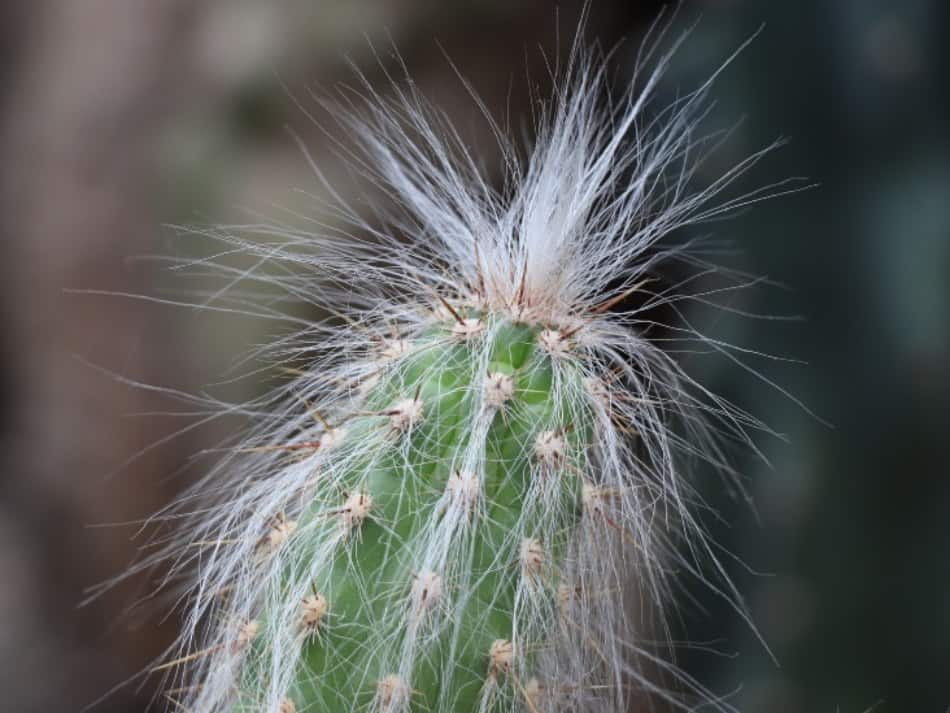
The mountain cactus also has wooly spines that shield them from harsh weather like strong winds and frost.

The mountain cactus also has wooly spines that shield them from harsh weather like strong winds and frost. Sometimes, mountains, tops, experience scorching sunlight. The plants in these regions have a waxy coating, to discourage moisture loss. 

Tropical weather

The tropics such as South America have high moisture content. While the temperatures in the desert average 18 degrees centigrade, they range between 20 to 25 degrees centigrade in the tropics and are often accompanied by regular rainfall. 

If you want to successfully grow cacti in the tropics, ensure the following:

  • That you grow your plants in clay containers as opposed to plastic containers. Plastic containers retain water for a longer time, which is detrimental for the plant, considering the environment is humid.
  • Mix your soil base preferably loam soil with compost such as rotted horse manure or leaf mold for nutrition.  
  • Allow the roots to breathe by using either coarse sand, small gravel or perlite
  • Don’t place plants under direct sunlight
  • Water your plants once a week during the summer then once every two or three weeks during all other seasons
  • The tropics are breeding ground for pests like mealybugs or scales. Instead of using harsh insecticides, use insecticidal soap spray as its generally safer for your health, and that of your loved ones  

11. How many flowers can one areole produce?

There’s a common misconception that all cacti cannot produce multiple flowers from one areole. This is true for most cactus species. After producing flowers the areoles become incapable of producing any more flowers.

However, there’s an exception when it comes to the following cacti species, according to this study. 

  • Lepismium cruciforme
  • Rhipsalis russellii
  • P. marginatus
  • Myrtillocactus
  • P. schottii 

12. Water straight out of a cactus plant isn’t palatable

You might have heard that if you ever get lost in the desert without any water to drink, you can quench your thirst by extracting water from a cactus.  Well, the plant can store gallons of water, but this water isn’t palatable.

The water isn’t poisonous, but it contains acids and alkaloids whose taste is bitter. The water would probably overwork and harm your kidneys since they have to clean out the acids before releasing the water into your bloodstream.

The plant uses the tactic of having acrid water probably to discourage animals from using it as a source of water. Otherwise, the plant would be extinct in the desert environment where every animal needs water.

13.  It’s possible to differentiate between Christmas cactus and Thanksgiving

Most plants produce identical flowers. Not for the Christmas and Thanksgiving cactus. The blooms from the two plants may look similar in appearance to the untrained eye, but a professional can easily tell them apart.

Christmas and Thanksgiving cacti are from the Schlumbergera Cactus family. The cacti have gorgeous flowers that bloom when most plants only have green vegetation, and that’s why they’re popular around the holidays. The flowers from these plants are dominant from November to around a new year.

A flowering christmas cactus.
The cacti have gorgeous flowers that bloom when most plants only have green vegetation.

Although the two are popular around the holidays, they can also grow all-year-round. It’s not uncommon to find Christmas thanksgiving cacti growing in different months of the year, in indoor environments where one can use artificial light.

Here’s how to tell them apart

  • The Christmas cactus has flattened stem segments while Thanksgiving cactus has claw-like stem segments
  • Christmas cactus blooms hang down the plant, while the thanksgiving ones appear more erect

14. All cacti are succulents, but not all succulents are cacti

To most people, any succulent is a cactus. Understandably so, because some succulents closely resemble the plant. It gets even more confusing when people use cactus and succulents interchangeably.

Although cactus is a succulent, it’s scientifically wrong to use the terms interchangeably. It’s paramount to learn to tell the difference, especially if you plan to get the plants into your home.

Being able to tell them apart will help you make an informed decision when making purchases. Making the right choice is vital if you have pets and little kids at home because some succulents are toxic.

Every plant needs care, whether minimal or specialized. It, therefore, helps to know your plants well, because this enables you to personalize your attention to a particular species.

All succulents store large amounts of water in their roots, stems or leaves, and this is a quality that cacti have. The majority of succulents have thorns, and this is why people assume that they are cacti. 

The main distinguishing feature between cacti and other succulents is that cactus plants have areoles. Areoles are openings on the cactus plants where spines and flowers sprout from.

15. Blooming is not a given for this plant

The cactus is a flowering plant. However, some aspects surrounding your environment and care practices could determine whether your plant blooms or not. 

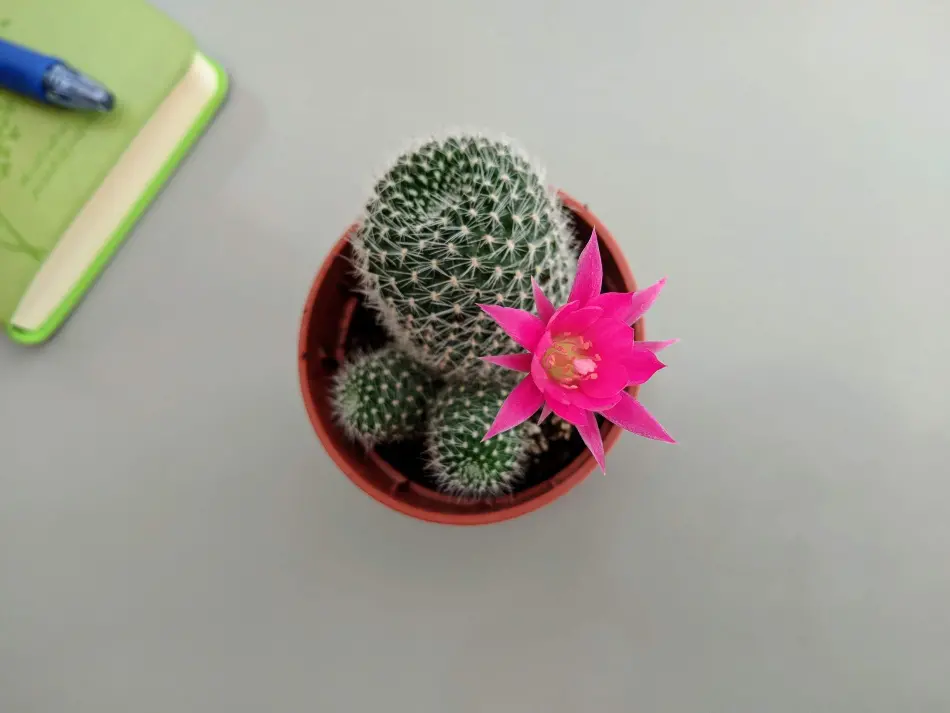
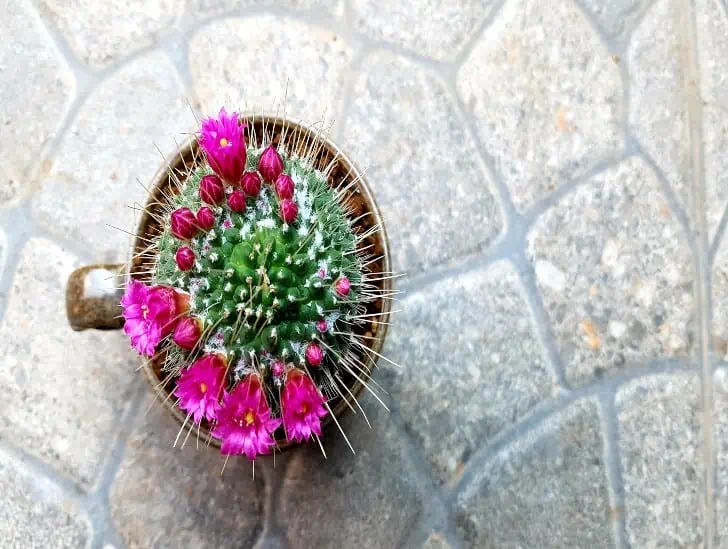
Top view of a flowering cactus.
Some cacti may bloom after a few years, while others might take up to 35 years before they have their first bloom 

In short:

  • Some cacti will produce gorgeous flowers
  • Others will not bloom until they’re over 30 years 
  • There is that cactus that will never bloom at all

The following are things that can affect your cactus blooming behavior:

  • Lighting
  • Fertilization
  • Watering
  • Planting method (Whether from seed or rooting a branch)
  • Temperature

16. Cactus comes in varying sizes and shapes

Cacti come in different shapes and sizes. Some are just a few inches tall, while others get up to 66 inches in height. 

Examples of cactus and their sizes

  • Opuntia microdasys (Bunny ears cactus) –  grows up to 3 feet. 
  • When exposed to light produces purple fruits and white flowers.  
  • Astrophytum asteria (Star cactus) – between 2 to 6 inches
  • Resembles a sea urchin, and is covered by white dots and white hairs. 
  • Pachycereus schottii monstrosus (Totem pole cactus) – grows up to 12 feet high
  • Has a wrinkled texture and resembles a tall structure

17. Cactus can be a source of food

Ancient communities in Mexico and Peru used cactus as a source of food. Researchers date cactus existence in the communities as far back as 12000 years ago. Hunters and gatherers collected the cactus fruits which they brought back to their camps for food. 

cactus fruit with spines
Cactus fruits have become popular for their psychoactive

In modern times, cactus fruits have become popular for their psychoactive agents. The agents are beneficial to the brain, as they promote increased cognitive performance. It’s, for this reason, some species like the Indian Fig are popular in herbal medicine.

18. These plants can take a bit of neglect

Most plants will just die off at the slightest sign of neglect. Believe it or not, but it’s possible to revive a cactus that has gone without water for months, just by watering it. 

The cactus is one of those plants that don’t need your constant care. This is, therefore, a great choice for novice gardeners or busy people that don’t have time for plant care.

19. You can grow these plants in different containers

You can grow a cactus in a clay pot, plastic container, on the ground, window boxes or tray. Just ensure that your container and soil type drain easily. 

Also, choose your container depending on your environment. Plastic containers are ok with dry climates areas, while clay pots are better for wet areas.

Outdoor Cactus plants in a clay pot.
Choose your container depending on your environment and cactus size

20.  Don’t dare vandalize a cactus

Cactus can grow up to six stories tall, and so you can imagine the weight. In 1982, a man in Arizona tried to destroy a cactus by repeatedly shooting at it. The plant eventually fell on him and killed him instantly. 

This particular cactus was a saguaro and measured 27 feet tall. 

If you fear that such a cactus might topple over and damage your property, it’s best to call the wildlife service to deal with such issues. Such departments know how to safely eliminate cactus without causing any harm to you, your loved ones, property or environment.

There is no shortage of surprising qualities from cacti. These plants can survive in hostile environments where the majority of other plants never could.  The plants also come in a variety of forms, and their gorgeous blooms are attractive, the reason why they’ve become popular as potted plants in many homes.

Ultimate Guide: How to Get Your Cactus to Flower?

Getting a cactus to bloom is no easy feat. It can take a lot of time, effort, and, sometimes, feeling like you want to pull your hair out because it seems like it just won’t bloom no matter what you do. Trust me, I’ve been there.

But after several attempts to get my cacti to bloom, I have finally figured it out! And now I want to help you avoid those feelings of pulling your hair out with this ultimate guide on getting your cactus to flower that tells you everything you need to know from shopping and caring for your blossoming cactus.

The Basics

It’s a well-known fact that it can be hard to get an indoor cactus to bloom. This is mostly due to the fact that the cactus isn’t in its native, ideal environment.

Cacti are meant to thrive in desert environments with intense sun and heat and with very little water, so that is naturally the conditions cacti would bloom under.

Our homes are usually not that hot or dry however, there are different things we can do to help a cactus to begin to bloom. Let’s start with the basics of cactus blooms.

What kinds of cacti bloom?

Cacti are a flowering plant, so any cactus is capable of blooming if it is mature and healthy. But a lot of things have to be in place in order for a mature cactus to bloom. The kinds of cacti are known for their ability to easily bloom:

  • Garnet or (Dwarf cacti)
  • Pincushion cactus
  • Spiny cacti
  • Christmas cactus (Zygocactus)
  • Easter cactus (Rhipsalidopsis)
  • Bolivian (Lobivia cacti)
  • Hedgehog cactus varieties
  • Notocactus
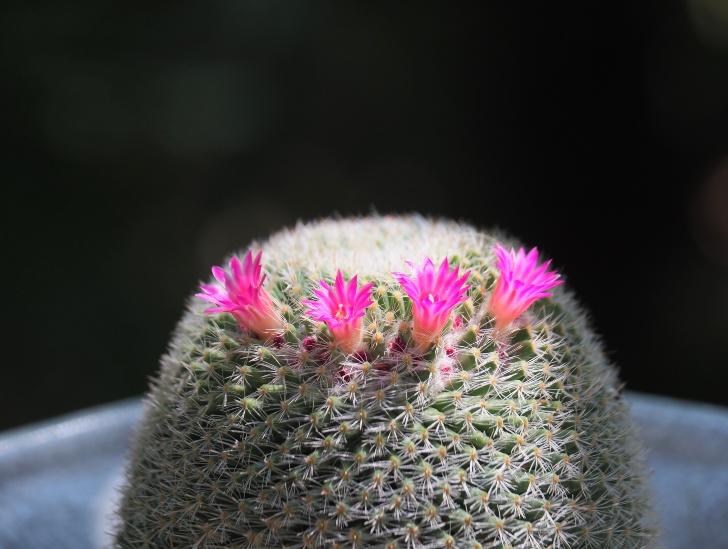
A flowering cactus.
Some kinds of cacti are known for their ability to easily bloom

What does cactus blooms depend on?

Age, care and dormancy. As mentioned before, it can take a long time for a cactus to blooms. Sometimes, it can even take up to 30 years for a cactus to mature!

Although, even a mature cactus won’t bloom unless it gets the proper care and lives in the right environment. And, even if it has all these things, cacti experience a dormant period during the winter that will keep it from blooming.

How can I make sure my cactus has all these things?

For starters, when shopping for a cactus, buy one that is already blooming. That way, you know that it is mature and capable of blooming. Then, follow all the basic care requirements cacti have, such as light and water, and make sure to always stay vigilant and cater your care to the different seasons.

A cholla cactus on the pot.
Make sure to follow all the basic care requirements cacti have, such as light and water.

How long does it take a cactus to bloom?

As mentioned before, it can take up to 30 years for a cactus to bloom, so make sure you buy one that already has a bloom on it or that has bloomed in the past.

However, just because it has bloomed once doesn’t mean it will bloom again in a certain period of time. The time it takes a cactus to bloom depends on the level of care you give it and the quality of the environment it is in.

Cactus Care

Light

Cacti need tons of light, just as if they were still in the desert. The best place to put your cactus in your home is a south-facing window, where it will get the most direct sunlight. If you choose to put your cactus in a different location, make sure it can still get at least 6 hours of direct sunlight.

You also have the option of using an artificial grow light to help your cactus along if you don’t think it is getting enough light. An artificial grow light might also become very helpful during the winter.

While a cactus is a very low maintenance plant, it doesn’t mean you can just sit it down and forget about it. You should be checking your cactus frequently, especially after you first introduce to its new home, so you can ensure it is acclimating properly.

Cactus exposed to sunlight.
Cacti need tons of light, just as if they were still in the desert

Your cactus will give you signs if something is not right, especially if it is getting too little or too much light. If your cactus is not getting enough light, you might notice some slight discoloration on its leaves or stems or even the cactus stretching to reach the sunlight. If this happens, just slowly move it further into the sunlight or supplement it with an artificial grow light when the sunlight disappears.

It’s also possible for your cactus to receive too much direct sunlight. Too much sunlight can cause your cactus to burn. If this happens, you will notice sunburn across the skin of the cactus as dark, rough, and maybe even calloused areas.

Too much sun can also cause a cactus to become discolored and faded. If your cactus is receiving too much sunlight, simply move it away from the window where the sunlight is less direct and less intense.

Water

Keeping an eye on your cactus is also important when it comes to water. Cacti don’t need much water at all. Being from the desert, they store water in their stems and leaves for those long, hot dry periods they are so used to in the desert.

To know when it is time to water your cactus, feel the top of the soil. If it is dry, wet the plant thoroughly. If it is still damp, you can wait a while before watering it.

Generally speaking, your cactus shouldn’t need watering more than once a week.

The main problem cactus owners run into is with water. Even if you only water your cactus once a week, or less, if your cactus does not have enough drainage, the roots will sit in water and be prone to root rot, doing permanent damage to your plant. If this begins to happen, you will notice the leaves and stems of your cactus becoming soft and limp.

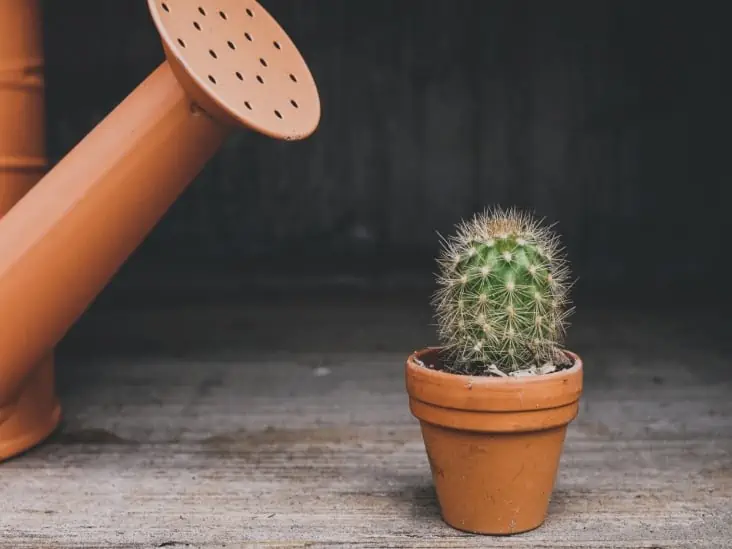
A small cactus and a water container beside,
Be sure to use specialty cactus potting soil instead of regular potting soil.

To avoid root rot, not only should you avoid overwatering your cactus, but you should also take certain precautions when you go to pot your cactus.

Choose a pot for your cactus that has a drainage hole and line the bottom of the pot with a layer of pebbles for the best drainage possible.

Also, be sure to use specialty cactus potting soil instead of regular potting soil because regular potting soil holds too much water. Using it could lead to root rot, as well.

Fertilizer

Since cacti are hearty plants, they don’t really require the use of fertilizer. With proper water and light, all cacti will thrive. However, if you want to give your cactus an extra boost and make sure it has valuable nutrients for blooming, giving it a dose of fertilizer wouldn’t hurt.

Choose a specialty cactus fertilizer or a regular fertilizer that is lower in nitrogen and higher in phosphorous. If you fertilize your cactus, do it doing the growing season, spring and summer. You will only need to fertilize your cactus once or twice a year.

Just remember that more fertilizer does not equal more or faster blooms. Fertilizer just ensures your cactus is getting enough of the food and nutrients it needs.

Blooming!! What Now?

Once you have gotten your cactus to bloom, the work isn’t over! Take care of a flowering cactus the way you took care of it before it began to bloom. The blooms mean you are doing something right and the cactus is thriving!

Don’t alter your care just because you see blooms. Continue to water it on your regular schedule and do not move it to a different location. A cactus that is in bloom is no different than the cactus before it bloomed.

A top view of flowering cactus.
Take care of a flowering cactus the way you took care of it before it began to bloom

About the Blooms

Cacti bloom by producing flowers anywhere from the leaves or areole, or along the ribs or warts of the cactus. The flowers on a cactus are just like any other flower with petals, stigmas, stamens, and all other parts of a flower. In fact, it can even be pollinated by or used for pollination by bees and other insects.

What are cactus blooms like?

Different cacti produce different kinds of blooms. Some blooms are small, others are large or brightly colored. The type of blooms you will see depends on the cactus you buy.

How long do the blooms last?

The length of the blooming time also depends on the type of cactus you buy. Some blooms will be gone within 24 hours. Others could last 1-2 weeks.

When does a cactus bloom?

Different cacti bloom at different times of the year. Some cacti bloom in the spring after resting up all winter long. Others bloom in the heat of summer after they have stored up a significant amount of water.

A flowering golden barrel cactus.
Different cacti bloom at different times of the year.

Some cacti, such as the holiday cacti, bloom during the holidays they are named for. And a few cacti even bloom at night.

The Dormant Period

Cacti will naturally experience a dormant period starting as early as the fall and lasting throughout the winter as they are expecting a drop in temperature and daylight hours.

During this time, their growth will slow down or even halt for the season. The dormant period is also a time where your cactus won’t bloom (unless it’s a Christmas cactus).

Your cactus will need less light and even less water during the winter. This may happen naturally in the area they are located, or you could move the plant to an area where it only gets three to four hours of sunlight a day. The soil will dry out even slower in the winter meaning that it will take longer between necessary waterings.

This only means to stay extra vigilant to ensure not to let water stand. As long as you took the necessary precautions as far as soil and drainage, and do not water the plant until the soil is completely dry, you should not run into any issues like root rot.

Just make sure to remember to slowly transition the cactus back to its regular location and watering frequency when things start to warm up in the spring.

Troubleshooting

Even after you’ve gone through all these steps, you may find that your cactus still hasn’t bloom If you find yourself asking, “why is my cactus not flowering?” then it’s time to troubleshoot.

Every cactus is different and unique, so just one change that makes one cactus bloom might not make your cactus bloom.

Cactus exposed on the sunlight.
Try playing with the lighting it is in.

When you try to troubleshoot your cactus blooms, it’s important to try one thing at a time so you know exactly what works and what doesn’t. It may take some time, but it will be well worth it when you see those beautiful blooms!

Light

Every cactus needs plenty of light, but different kinds of cacti have different preferences. If your cactus is thriving in the light that it is in but still not blooming, try playing with the lighting it is in.

Put it in a window with even more sun or move the plant a few feet away from the window. Or, try using an artificial grow light. Try turning the pot regularly for even growth. If you find that light is not the problem, then move on to the next area.

Water

Just like light, water is essential to a happy, healthy cactus, but just a little. The first place to start when troubleshooting the watering of your cactus is to evaluate how frequent you water it. Are you watering your cactus on a schedule? Or are you waiting until the cactus tells you it is ready for water? Make sure that you test the soil before you water it.

If you water it when the soil is dry but it still isn’t blooming, try testing the soil deeper in the pot. It may still be damp deep down. To test this, stick a pencil in the side of the pot. If it comes out clean, it is completely dry and you can water it. If dirt sticks to the pencil, it is too damp so withhold from watering it until later.

A person flowering the plant.
To know when it is time to water your cactus, feel the top of the soil

Time of Year

Always keep the time of year in mind. If it is fall or winter, you are more than likely not going to see a bloom on your cactus any time soon (unless it is a Christmas cactus). Be patient and wait until the prime growing season when it starts in the spring.

You will have a better chance to see it bloom in the prime growing season than any other season, especially compared to its dormant period. Monitor it closely to see the small buds starting to pop up!

The important thing to remember when it comes to encouraging blooms on your cactus is that your cactus needs to be in tip-top shape in order to bloom.

If it is not getting the proper amounts of water and sun, you will be less likely to see it bloom. As long as your cactus is happy and thriving, it will eventually bloom. Monitor it closely to know what it needs. Also, give it plenty of time and patience!

Bottom Line

There is no special technique that gets your cactus to bloom. Just care for it properly all year round if you want to see it bloom during the prime growing season.

Since all cacti have the potential to bloom, it doesn’t matter what kind you have as long as you have seen a bloom on it before. That way, you know it’s mature enough to bloom.

With the perfect amount of sun and water, your cactus will have everything it needs to bloom when it is ready. Some other things that can help it along include fertilizer and drainage.

Play around with all the different elements of caring for a cactus to find the right formula for your particular cactus. Every cactus is different, so don’t get discouraged if something works for someone else’s cactus but not your own.

It will take a lot of experimentation and daily monitoring for you to find what works for you.

Most importantly, don’t forget, you can do it! Getting a cactus to bloom may be difficult and take a lot of time, but it is not impossible! You can do anything you set your mind to and if you want to see your cactus bloom, it will happen. When you are dedicated to providing great care for your cactus, it will happen. Just like everything else, a little time and patience are all that you need.

7 Steps for the Perfect Cactus Garden

Cactus Gardens are great to create because they require such little maintenance. Cacti can thrive in many different growing conditions, making them wonderful plants, especially for those of us who have a hard time caring for plants.

Cactus gardens, in particular, are so much fun to care for because there are many different ways to create them and care for them. Whether you want to create an indoor or outdoor cactus garden, I have created this 7-step guide to help you start your cactus garden journey as fast and easy as possible:

1. Picking Out Your Cacti

Before you start putting together your cactus garden, you need to make several decisions. The first and maybe most important decision you should make is what kind of cacti to include in your cactus garden.

The type of cacti you use depends mostly on whether you want to create your cactus garden: indoors or outdoors.

Indoors VS Outdoors

Cacti love sunlight and warm weather. Cactus gardens do great outside when you live in a hot and dry environment and have mild winter weather. If you live in a humid area with cold winters, your cactus garden would do much better if you created it indoors in a container.

There are thousands of different cacti to choose from when creating your cactus garden. Some of the best plants to include in your indoor cactus garden include:

  • Pincushion plants
  • Hens and chicks
  • Sea urchin cactus
  • Ruby ball cactus
  • Hedgehog cactus
  • Crown cactus
  • Pilosocereus pachycladus
  • Christmas cactus
  • Eastern prickly pear cactus
  • Crow’s claw cactus
  • Pipe organ cactus
  • Totem pole cactus
  • Barrel cactus

These are just a few ideas of great indoor cacti to get you started. You are not limited to only these plants! If you have considered starting your cacti as seeds, I would highly recommend against it because it actually takes cacti an extremely long time to grow from seeds.

Cactus flowers?

One thing to think about when researching which cacti you want to put in your cactus garden is whether or not you want blooming cacti. Not all cacti bloom, but there are a few that do, such as Mammillaria, Gymnocalycium, and Parodia. Knowing which, if any, of your cacti bloom is important because it could determine where you place it in your cactus garden layout or it might affect your decorations.

Cactus plant flowering exposed to sunlight.
Not all cacti bloom, but there are a few that do, such as Mammillaria, Gymnocalycium, and Parodia.

Variety is the key

In fact, you don’t have to have only one type of plant in your cactus garden. In fact, the best cactus gardens include a variety of cacti and other plants. If you were wondering if you could put a cactus and succulent together, the answer is yes! Cacti and succulents do extremely well when placed together in the same container. Not to mention, cacti are succulents. Even though not all succulents are cacti, call cacti are succulents because succulents are named for their ability to retain moisture.

The only thing to keep in mind when choosing different plants for your cactus garden, including mixing cacti and succulents, is to pick plants that are similar in size and care requirements (i.e. need the same amount of light and the same amount of water), especially if you are putting them in the same container.

Choosing plants with different care requirements for the same container would make it extremely hard to care for each plant individually and would eventually lead to over or under watering or other damaging issues.

2. Location, Location, Location

After you know what kind of cacti you will be putting in your cactus garden, you will need to choose a location for it. Every cactus has different care requirements and the perfect location will depend on the type of cacti you will be using, especially if you are choosing between an indoor and outdoor cactus garden.

Plants near the window exposed to sunlight.
A south or east-facing window will be the best choice for your cactus

If you are planting an outdoor cactus garden, choose a location that gets plenty of sunlight. If you are planting a cactus garden in a container indoors, you should put it in a sunny window that gets lots of direct sunlight.

Most likely, a south or east-facing window will be your best bet. In either location, your cactus garden should get at least 6 hours of direct sunlight a day.

The location of your indoor cactus garden also depends on what kind of container you choose and how you choose to display it. Creating an indoor cactus garden is full of possibilities. You could have a hanging cactus garden, one in one large container, one in many different containers, or even one in a terrarium.

You could even use a teacup or saucer as a container for your cacti! Each kind of container has different location requirements, so make sure to choose one that works best in the sunniest area of your home. For instance, do not choose to have a hanging cactus garden if there is nowhere to hang it in the sunniest window of your home.

3. A Container for Your Cacti

As previously mentioned, there are many different kinds of containers you can use to create your indoor cactus garden. If you have an outdoor cactus garden, you can skip this step as you won’t be needing a container.

When choosing a container for your indoor cactus garden, look for one that is shallow and has at least one drain hole.

Draining is very important when planting cacti, so make sure to keep that in mind while choosing a container. If the water is unable to drain off from the cactus, the cactus will be sitting in water and be more likely to experience root rot, something that could eventually kill the plant. Cactus roots are pretty shallow, so shallow containers work well to ensure that the cactus won’t sit in too much water, as well.

Cactus and succulent plants in a pot.
Different type of containers for a different type of cacti

The type of container you choose also depends on how many cacti you plan on including in your cactus garden. Make sure to choose one large enough to house all of your cacti comfortably. Cacti can be planted right up under each other, but make sure there is enough room for each one to get plenty of sunlight.

Terracotta pots are very popular for cactus gardens because of their variety of sizes and great drainage, as well as the fact that it creates a pretty aesthetic.

4. It’s All About the Soil

After you have the perfect container and all your plants, it’s almost time to plat. But first, you need the proper soil. Cacti require special soil. Regular potting soil is not good for cacti because it holds way too much water.

If you plant your cactus in regular potting soil, it will not do well and will possibly die. In fact, without proper drainage, your cacti may begin to experience root rot where the roots are sitting in too much water and rot the plant from the roots up. Root rot is fatal to cacti if it goes on too long without correction.

A pot and a cactus soil.
Making you own cactus soil allows you to control the amounts of each item you use.

Cactus soil is specially formulated for optimum drainage. You can buy cactus potting soil, or you can prepare the soil for your cactus garden yourself.

Cactus potting soil is created with a mixture of one-third regular potting soil, one-third coarse sand, and one-third pumice or perlite.

The regular potting soil serves as the base for your cactus potting soil. Coarse sand allows for drainage in soil mix and can be the sand you buy to put in a sandbox. Finally, pumice or perlite are other additives that create good drainage and retain very little moisture.

All you have to do is mix all three items together to create your own cactus potting soil. Also, to ensure the best drainage possible, line the bottom of the container of your indoor cactus garden with pebbles or gravel before adding the cactus potting soil.

A person holding a plant from the pot.
Cacti require special soil

Making your own cactus potting soil can actually be much cheaper than buying a store-bought mix. It’s also a good idea because it allows you to control the amounts of each item you use.

Once you create your first batch of cactus potting soil and start using, you may find that you want to add more or less of one of the ingredients, which is totally fine! The more cacti you plant and take care of, the more you will be able to understand what ratios work best for your cacti.

To plant your cactus garden in the ground outdoors, the same principle applies: the soil should have great drainage in order for your cactus garden to thrive. While you don’t necessarily need to create a large mix of cactus potting soil, you may need to add some items to the ground soil before planting.

To know if you need to alter the ground soil, dig holes for your cacti that are less than a foot deep and fill it with water. Allow 30 minutes to pass and then check it. If water is still standing in the hole, add coarse sand and some rocks to the bottom of the hole before finally planting your cacti. If water is not standing in the hole, you should be good to go. However, if you want to add sand and rocks to the hole anyway just to be sure, it wouldn’t hurt the drainage for your cacti at all.

5. Finally Time to Plant

Once your soil is optimized for drainage and your container is filled, it’s finally time to plant your cactus garden! Before you start to put your plants in the soil, take a minute to think about how you want to layout your cactus garden.

There is no right or wrong way to layout your cactus garden. The only thing to keep in mind is to try not to plant the cacti where some get more light than others. Make sure all of them have access to the direct sunlight. That’s the only rule!

You can be creative as you want when planting your cactus garden. Create a shape with your cacti or give them a more natural layout and plant them in clusters. You could even create layers, planting some taller than others. It’s your garden, so plant them whatever way makes you most happy!

A top view of a purple flower cactus.
One issue you may run into when plating your cactus garden is how prickly cacti can.

When you are ready to finally place your cacti in the soil, dig small holes in the soil, just deep enough for the cacti’s roots to fit. Place all of your cacti in their holes before you pack down the soil just in case you want to change the placement of the cacti once you see what it looks like.

When you are finally happy with where all the cacti are, pat down the potting mix, give it just a little water, and you are good to go!

One issue you may run into when plating your cactus garden is how prickly cacti can be. If you are worried about your hands getting stuck, use thick gloves to avoid getting pricked. Or, you could even use kitchen tongs so you don’t have to touch the cacti with your hands at all! Even a folded newspaper will work to help you not prick your hands.

If you have trouble getting the cacti out of the containers you bought them in, you can knock on the container a couple of times to knock the roots loose, or use an old, dull knife and scrape around the edges until the cactus comes loose.

6. Decorate

Now comes perhaps the most fun part of creating a cactus garden: decorating! Just like with the layout of your cactus garden, there are endless possibilities for decorating it and it is all up to you and your preferences!

There are lots of different things you can use to decorate your cactus garden like colored pebbles, small stones, large rocks, figurines, and so much more. Decorations can be as extravagant or simple as you want.

When using a cactus garden as décor, many people start with the container. When you choose a container for your cactus garden, choose one that matches the theme of the décor you are looking for. For instance, if you are going for a southwestern themed décor, terracotta pots are the way to go. Or, if you want something more modern, choose a clear glass terrarium.

The options don’t even end there! You can always hand paint and decorate whatever container you have lying around to fit your décor theme!

After your container is filled with plants in your desired shape or layout, then you can add more décor.

Different color of plant in a pot.
Decorations can be as extravagant or simple as you want

Here are some ideas to get you started:

  • Layer the soil with a single layer of pebbles colored white or red
  • If you have a clear glass container, lay down multiple layers of different colors to be seen through the side of the container
  • Create even more patterns with many different colored pebbles
  • Use large rocks or tall figurines to all more dimensions to your cactus garden.

Once your decorations are all in place, you are all done!

7. Care for Your Garden

Now that you are done creating your cactus garden, all that’s left to do is care for it!

Sunlight

As mentioned before, your cactus garden needs plenty of sunlight. Check on your cactus garden every day to ensure it is healthy and thriving. If your cacti aren’t getting enough sunlight, you will notice their leaves and stems stretching towards the sunlight. You may also notice some discoloration.

Golden cactus barrel exposed to sunlight.
It is also possible for your cactus garden to get too much sunlight.

If you see any of these warning signs, slowly move your cactus garden into more direct sunlight until leaves or stems begin to perk up and colors become more vivid.

It is also possible for your cactus garden to get too much sunlight. If this happens, your cacti will lose its green color and potentially become sunburnt with rough and calloused skin.

To correct this, simply move your cactus garden out of the sunlight into an area with lower light. When moving your cactus garden, always keep an eye on it after its move to make sure it’s still getting enough sunlight.

Water

Another major component of caring for your cactus is water. Cacti don’t need a lot of water. In fact, to know when to water your cacti, feel the soil. If it is dry to the touch, go ahead and water it thoroughly. If the soil is wet, your cacti don’t need any water.

You can tell if your cacti are not getting enough water if its skin or leaves are puckered or shriveled. If your cacti are getting too much water, your cacti will feel mushy and potentially begin to experience root rot.

A person checking the moisture of the soil of the cactus plant.
You can tell if your cacti are not getting enough water if its skin or leaves are puckered or shriveled.

If any damage happens to your cactus garden, it does not mean it is dying. There is always a chance to correct it. Any damage done to leaves due to too much sun, too little sun, too much water, or too little water is permanent. However, you can always prune the damaged leaves or stems away.

Fertilize

You may decide that you want to fertilize your cactus garden at some point. Cacti are hearty plants that can thrive in almost any condition, so you don’t necessarily need to fertilize it.

However, give your cactus garden a dose of fertilizer that can give it an extra boost to thrive no matter the season or growing conditions.

If you choose to fertilize your cactus garden, most any fertilizer that you use for house plants would work for cacti. You may also use a fertilizer specific for cacti, like Miracle Grow Cactus Fertilizer.

Look for a fertilizer higher in phosphorus than nitrogen. You can fertilize cacti as little as once a year. Or, you can fertilize it 2-3 times a year if you can keep up with a fertilizing schedule.

Bottom Line

And that’s it! As I said, cacti are easy plants to take care of. They require very little maintenance and as long as you give it the proper setup, they will thrive for a very long time. If you follow this 7 step guide for creating your own cactus garden, you will have a thriving garden up and running in no time!

Cactus Care: 11 Essential Tips For Beginners

I have always loved cacti and how easy they are to manage. They are your ideal room-mate as they are easy to grow with less attention. The most exciting part is when they bloom! Depending on what type your cactus is, they may have red, pink, blue, yellow, or white flowers.

As a beginner, it’s important to note that you need to know how to care for your cacti. If you overwater them, they may end up rotting. Keeping them in the right conditions will see them thrive and live for decades.

We have compiled a beginner’s guide on caring for cactus, here are 11 easy to do tips: 

1. Start with a bang – the potting mix is everything

The truth is, different cacti species live in different conditions. There are those that prosper in dry sandy soils while others do well in tropical rainforests. When you decide to purchase your cacti, ensure you know its species and what type of conditions make it thrive. 

After buying it, you need to get a potting mix that is appropriate for it. If you get a potting mix designed for tropical cacti but use it for the arid plant, it will not thrive. 

The ideal tropical cactus soil

Epiphyllums are a species of cacti found in the tropical rainforests. If you decide to go with such species, ensure the potting mix is ideal for it. Tropical cacti will drain quickly as they are usually suspended in trees so that their roots don’t rot due to too much water. 

For such a cactus to thrive, it needs soil that drains well. For tropical cacti, they need a little bit more organic matter in the potting mix than the arid cacti.  

The arid cactus soil

Most of the cacti that grow in arid areas, if they grow in poorly draining soils, they will eventually not grow. Most of these cacti will thrive in purchased potting mixes specifically for cacti. 

A person holding the plant from the pot.
Ensure you know your cacti species and what type of conditions make it thrive

A few steps to making the best cactus soil

There are available potting mixes in the market that are ready for use. You can purchase such and skip all the processes of making your own potting mix. However, making your own mix helps you have the right nutrients for your young cacti

To make the potting mix, follow the following steps:

  • Use equal portions of ground fir bark and peat moss in a bucket for either arid or tropical cacti.  
  • For a tropical cactus, use the mix above to add builder’s sand because they require more moisture. You can also use vermiculite or pumice instead of the sand for the desert cactus.
  • Ensure you mix everything to make sure the mixture blends evenly.
  • You need to water the mixture before transferring it to the pots where your cacti will grow. Leave it to absorb for an hour such that even when you squeeze the mixture, no water droplets form. 
  • Don’t add any fertilizer at this point because cacti have minimal nutrient requirements.

2. When should you water your cacti? 

Even as some of the cacti are usually in arid areas, they require water. Therefore, even when you purchase a cactus that’s designed for such areas, you need to have a watering schedule. 

Cacti are naturally juicy, which means they store moisture. One of their adaptations is that they store water so they can use it during the dry seasons. They can stay for quite some time without water, but most often you’ll tell when it is insufficient as they start yellowing.  

A small cactus on a clay pot and a water container.
A water gauge can help in determining the soils moisture — only water when the topsoil is dry.

Most cacti experience growth during the warmer seasons. During this time, you need to water them adequately. In cold seasons, winter and spring, they require less moisture. 

Watering depends on where your cactus is placed. If it is outside in direct sunlight, you may need to water regularly as compared to when it’s indoors. 

On average, during spring/summer, you can water once a week or even more, depending on whether the soil dries or not. 

A water gauge can help in determining the soils moisture — only water when the topsoil is dry. Overwatering cacti will make its roots rot, and the plant will start turning pale. Another alternative would be using a stick to poke the soil to see if the bottom has water. If soil sticks on the stick, then there’s still water. 

There is also a downside to underwatering. The cactus turns pale, and it bends in a particular direction. 

The idea with watering cactus is ensuring you strike a balance and avoid under or overwatering. 

A person watering the plant.
On average, during spring/summer, you can water once a week or even more

Tips to guide you through watering cactus

  • The cactus size

You’d think that a bigger cactus in size will need more watering, but in the real sense, the smaller, younger ones have a higher growth rate, which means they need more water. The smaller ones will need frequent watering than large ones. 

  • Pot size also affects how frequent you water

Small pots are necessarily ideal when watering because cacti don’t love sitting in water as they are more likely to rot. 

A cholla cactus on a pot.
Make sure to use a pot that removes the excess water thoroughly.

Large pots will take time for water to drain, which make the cactus susceptible to not thriving. 

Get a pot that’s just enough for your cactus. 

  • The type of pot you use

Even as we consider the kind of pot that’s ideal for growing cactus, what matters the most is if the soil is aerated. 

Plastic pots can be used but take time to dry out as compared to terra cotta pots. They ensure there is maximum air movement and drain excess water faster, reducing chances of the roots rotting. Make sure to use a pot that removes the excess water thoroughly.

3. Is using a fertilizer necessary?

A plant needs nutrients to thrive. For proper care, you need to purchase a fertilizer designed for cacti. They need additional nutrients for them to grow well. For most cacti, their growing season is usually the warmer months. 

When looking for fertilizer, ensure you get a low-nitrogen one but high in phosphorus. This helps in maintaining the healthy looks of the cactus.

Always ensure you inspect your cacti during spring to monitor any new growth. Only apply fertilizer when you notice the growth. 

The fertilizer should be in the ratio of 1 tablespoon of the low-nitrogen fertilizer with 1 gallon of water. Use this solution to water the cactus. Use this every eight weeks during spring/summer. 

Safety tip:

If you recently potted or repotted the cactus, don’t use fertilizer until the plant establishes itself in the new pot. This can take up to two months. 

Some cacti such as the Christmas cacti bloom in winter and remain dormant during summer. In this case, fertilize them in winter. 

4. Give your cactus the sunlight they need

Light is a necessity when caring for cactus. Desert cacti love direct sunlight and would do with four hours a day of some direct sunlight. The tropical cacti such as Christmas cacti prefer partial shade. During winter, tropical cacti such as Rhipsalis would ideally need direct sunlight because that’s when they bloom. If possible, expose them to direct sunlight for their growth. 

Get to know your cacti well and know what works for them. 

For indoor cacti, to get adequate light, ensure they are 4 feet of the window if it faces the east or south. Keep rotating the plant because too much sunlight will make them turn yellow or white. 

During winter and autumn, cacti will need temperatures of between 8-10°C. In summer and spring, even as they require proper ventilation, they can do with higher temperatures.

If you are growing your cactus indoors, it is important to rotate it preferably every month. This is because cacti will tend to grow towards the light. Rotation strikes a balanced growth. Rotate the pot a quarter turn. 

A cactus in a pot exposed to sunlight.

Can using grow lights work?

In the case that you think you won’t be able to provide sufficient sunlight, you can buy grow lights. 

Grow lights are artificial lamps designed to help with indoor plants that require light but is insufficient in the growth of plants. 

A Russian botanist first discovered them. 

We have three types of grow lights: light emitting diodes (LED), fluorescent lights, and high-pressure sodium (HPS) or high-intensity discharge (HID). 

  1. Fluorescent lights are used to grow herbs and vegetables indoors. 
  2. For the HPS, you need to place your cactus a distance away from them as they produce quite high amounts of heat. They also require you to invest heavily in setting them up and having a system that will manage the temperature. 
  3. The LED is more efficient than the other two types, and the light is far more focused. There is also very minimal heat produced if any. 

A grow light will be able to imitate sunlight, which will help the cactus during their growing stage and help them to bloom. 

5. Be on the lookout for pests as they are a major concern

In most cases, the most common cacti problems are bacterial and fungal diseases caused by overwatering. However, once in a while, pests such as mealybugs will attack them. Controlling these pests may be difficult because they may keep recurring or become stubborn and end up damaging the cacti. 

Mealybugs and scale

These two insects are the most common insects that manage to get past the cactus spines and can do a lot of damage that may end up killing the cactus. 

Mealybugs are usually in clusters and have a white, waxy and cotton appearance. They are not easy to spot because they stay in hidden parts of the cactus. They are mostly found on the underside of the leaves and hidden joint areas. 

They mostly attack the leaves and stems. There are those that attack the roots and will usually suck the root juices causing the cactus rot due to bacterial infections

Scale insects are dome-shaped, and just like mealybugs, they also attack the leaves and stems. 

Spider mites

To know if spider mites have attacked your cactus, the first indication is usually webbing and some small brown dots on the plant. They are quite small and only noticeable when you tap the affected area with a piece of paper because they resemble dust. 

Fungus Gnats

These particular pests resemble mosquitoes. They mostly hover around the soil. The larva lives in the soil, which ends up consuming the organic matter, which deprives the cactus its nutrients. If you were just starting and you had planted cactus seedlings, they may end up not growing. 

A pest in the pot.
Pests can be a major concern

How do we manage these pests? 

In as much as cacti don’t need much care like some other plants, it’s essential to ensure you observe them keenly for any pests. They may be the reason your cactus is not growing

  • Practice measures to prevent pests

How you nurture your cactus also contributes to its health. Ensure your plant gets the right amount of water, sunlight, and drainage. When it thrives, it has a lower risk of pest attacks. Keep the cactus pots free from any dead leaves as they may end up attracting pests. 

  • Control the new cacti plants

Sometimes, you may end up having an old infected cactus, ensure that it is not near the new cacti as you risk the pests transferring to it. Quarantine them until you confirm they don’t have any pests. You can even choose to discard the old infected cactus

  • Use cotton swabs to deal with mealybugs

If your cactus is already infested, use cotton swabs that are dipped in alcohol to remove mealybugs and scale insects. 

Spraying the plant with an alcohol solution diluted in water may ruin the plant’s epidermis. You can test the solution on a small area before spraying the whole area. The solution will help you get rid of unnoticeable pests as well. 

  • Washing off spider mites

Wash away the spider mites with water. Make sure you cover the pot to avoid overwatering. 

  • Using insecticidal soap 

Insecticidal soap can be used to wash off the pests. However, note that it can damage the plant as cacti have wax that could be damaged by the soap. Make sure you read the label to ensure that it’s safe for use on the cactus. 

  • Safe insecticides

Insecticides are also an option but should be used sparingly. Always read the product’s label before applying to see if it’s safe to use on your plant.  

A person spraying insecticide on the cactus.
Limit the sunlight by placing the cactus in a dull place until the pesticide works.

Some insecticides are oil-based, meaning oil remains on the plant, and exposure to sunlight could make the cactus have a tan. Limit the sunlight by placing the cactus in a dull place until the pesticide works then you can return it to its usual place. 

6. Observation is key

You know how delicate babies are and you have to keep checking what works for them and what doesn’t? The same applies to cactus. Keen observation in their growth helps you know what works for them. How they grow will tell you what they are lacking. 

For example, when you see the leaves growing towards sunlight, it is a clear indication that they are not getting enough. Change their location and get a place that has better lighting or consider investing in grow lights. 

If the cactus seems faded, it means it is getting too much light. Move it to a place with less light. 

7. Profile your plants

As a beginner, you probably don’t know much about cactus. When you decide to purchase one, you need to know the basics. Like what species is it? Where was it picked from? What were the living conditions?

The idea here is to ensure you have a little background about your plant so that you can mimic its old living conditions. Ask the person in charge during the sale to give you their contacts in case you need advice on how to nurture the young plant. Some stores will provide you with an overall guide on what you should and should not do.  

A flowering golden cactus.
It’s incredible how much information you can get online.

When purchasing the cactus, inspect it to ensure that it looks healthy. Remember that an old cactus will have a bit of scarring which should not worry you. However, if the plant seems discolored, don’t buy it. 

Once you know a bit of the cactus, research more on success stories. The internet should be your best friend here. It’s incredible how much information you can get online. After you have all the information, get started with growing it and trying to follow what you know.

With time, you get accustomed to the cactus. Every plant is unique, along the way you will learn how to treat it to get it growing and even blooming. The biggest advantage of cacti is that they live for decades some going even up to 200 years. 

For example, for the Christmas Cactus which is commonly grown indoors, the best time to propagate is late spring because that’s when they grow. Some cactus never bloom at all. However, to trigger the Christmas Cactus, the nights need to be 14 hours and days 8-10 hours for about six weeks. You may need to cover your cacti at night if there’s light. 

Know when you need to fertilize your cactus and when to water it. 

8. Joining groups of people who care for cactus

Sometimes, doing this alone is not as effective as when you have a group of people helping you. Find people who grow cacti and get to learn from them. It can be as simple as getting our Facebook group or checking your neighborhood for people who have similar interests. 

Take the chance to ask as many questions as possible for people to help. You may be surprised to find that you are also helping them because there must be some things that will work for you and feel the need to share. 

9. Repotting should be at the top of your mind 

When you start noticing roots finding their way out of their pot, it’s time to report. Since cacti are not very demanding, you may think that they don’t need repotting, but the truth is, you need to take care of them for them to have proper growth. 

It’s advisable to repot every 2-4 years. If you fertilize, do so after every four years but if you don’t, repotting every two years is ideal. 

Cactus and succulent plants on a pot.
Repotting can be a great way to reviving your cactus

Follow these steps when repotting:

  • Get the necessary tools 

Before you begin the process, have a unique potting mix in a pot that’s a size up the previous one. Since most cacti are spiky, you could wrap the plant in layers of newspaper and secure with tape. Alternatively, get leather gloves to avoid the cactus pricking you.

You will also need a good pot (clay ones are perfect) that quickly drains any excess water. 

  • Loosening the soil

Using a blunt/dull knife, loosen the soil until you are able to remove the cactus. Be careful not to damage the plant. Using your leather gloves or the wrapped newspapers around the cactus, gently pull it out. Pulling the cactus out with barbecue tongs can also work. 

Put into consideration that different species have different sizes of spines. For example, the Prickly Pear has tiny unnoticeable spines that break easily and can easily stay lodged in your skin. Therefore, ensure you have gloves that will shield you from any spines. 

  • Cleaning and inspecting the roots

After you’ve pulled the cactus out, brush off any lumps of soil on the roots. It’s important to you check the roots for any rot, or pests. 

If you notice any pests, use insecticides that are safe for the cactus. Check the label for instructions.

If there are any dead roots, cut them off as well. 

  • Drying the roots

Letting the roots dry is an essential step before transferring the plant to a new pot. Leave them for about three days. 

When removing the cactus from its previous pot may have damaged some roots and if you transfer it immediately at its state may prevent it from thriving. Letting it reduces the chances of infection. 

  • Use an appropriate pot

Once your roots are dry, the next step is transferring it to the next pot. Always choose a container that’s just slightly bigger than the previous one to allow growth. The danger of using a large pot is water retention is high, which increases the chances of root rot. 

Species such as Ariocarpus and Aztekium are more susceptible to rotting. 

  • Adding soil to the pot

Before adding soil to the pot, add some gravel or crocks for easy drainage when watering the plant. Purchase a potting mix or make your own enough to keep the cactus planted. Try to avoid putting excess or less soil. 

  • The planting process

After you’ve added soil, use the barbecue tongs or newspaper you had when pulling the cactus out to place it at the center of the new pot. Place it gently on the soil in the soil and don’t forcefully place it as this could cause damage to the roots. 

Pour in more soil to hold the plant. Ensure it entirely covers the roots. Add some compost to help maintain the soil’s acidity. 

  • Allowing the plant some recovery time

Most importantly, once you’ve repotted, don’t add water immediately. Wait for some days before you water the cactus so that it dries and recovers. 

If you have a particular species that rots quickly, wait for a week or two before watering. After that, you can smoothly go back to your routine of caring for your cactus. 

 Tip:

Repot during summer because it is easy for the roots to break or rot during winter. 

10. Proper air circulation for the growth of your cactus

Let’s face it; cacti hate stiff breezes. They grow well in places where there is sufficient fresh air. If you grow your cactus indoors, then make sure the conditions are right to do so.

 Open your vents and windows during summer and incorporate ceiling fans for better air circulation. 

11. Put your potted plant outside sometimes

For you to keep your cactus at its peak, if you strictly do indoor growing, place them outside during summer. Make sure they get the light they need to avoid edema. Select a sheltered spot. During the rainy season, ensure they don’t soak in rainwater and be on the lookout for snails as they may end up destroying the juicy stems. 

A cactus outside exposed to sunlight.
Make sure they get the light they need to avoid edema.

Bottom line:

The idea of having cactus on your patio or indoors is exciting. As a beginner, you don’t have things already figured out. However, the above tips should help you get started on how to care for cacti. 

Cactus is great indoors because you can use it as part of the decor. Some cute white pots with a Christmas Cactus makes the house look alive. Whether you want it in your bedroom or the kitchen, it is a great addition. With the findings above, you can be sure that your cactus will grow healthy. 

Are Cactus Spines Poisonous?

Disclaimer: The author is not a medical doctor or veterinarian. The information presented is purely to share our experience and for entertainment purposes. As always, check with a doctor and/or veterinarian before making any health or nutrition decisions and consult with a doctor and/or veterinarian regarding any question or problem that you have. The author and blog disclaim liability for any damage, mishap, or injury that may occur from engaging in any activities or ideas from this site.

Cactus plant is so appealing to us because it’s stress-free when it comes to maintenance, not forgetting its beautiful blooms. As much as we love cactus for home decor, it is important to know whether the spines are poisonous or not.  

So, are cactus spines poisonous? Cactus spines are not poisonous for humans or animals. However, a spine puncture can lodge deep into the skin and even get to the collagen and muscles. It’s also crucial to note that a spine can also have bacteria and fungi on its surface that may cause infections in your body. 

It’s paramount to consider what plants we bring into our homes as some might be detrimental to our health. Continue reading to see what to do in case you get a spine injury. 

Purposes of Spines on Cactus

  • Protection against predators

Animals like the desert tortoise, wild pigs, or bighorn sheep use the plant for food. 

This plant’s spines do an excellent job protecting itself using the needles. The thorns pierce the skin upon touch and some for instances from the Cholla variety can even fly to the face and cause painful injuries.

  • Providing shade to prevent water evaporation

The cactus plant needs all the shade it can get from the hot desert sun. One cactus plant may have thousands of spines, and these collectively work together to shield the plant from the hot sun that may promote moisture loss.

  • Water collection in foggy areas

The cactus plant can take advantage of unlikely situations to quench its thirst. In foggy areas, the plant can collect water from the air using its spines. When the fog settles on the spikes, it later liquefies and falls on the ground below, and the roots absorb the water for conservation.

  • Air trapping

Did you know that airflow around plants contributes to moisture loss? Water loss via airflow is worse in the desert where there are strong desert winds. With no sufficient plant cover to break the magnitude in which the winds hit the plants, there is bound to be a massive loss of water.

Thanks, to the spines, moisture loss is minimal for the cactus plant. The needles create a buffer that restricts airflow around the plant, saving the plant from losing a lot of water.

What do you do when you get pierced by a spine?

A puppet hand holding the cactus.
It’s possible to remove the cactus spine from your body safely

You’re neither a predator, nor are you a cactus smuggler, but a cactus spine can easily injure you. The following are scenarios that might leave you with spine injuries;

  • Outdoor activities like hiking, horse riding or biking in an area that has cactus
  • Caring for either an indoor or outdoor cactus plant
  • Trying to rescue a loved one or pet from the snare of a cactus plant

The scenarios regarding how a spine could end up injuring you are endless. It’s therefore vital to learn how to safely remove a thorn from your body safely, to avoid worsening the situation. 

According to Science Daily, punctures from the barbed variety of cactus such as the “jumping” Chollas can easily puncture deep and become challenging to remove. The University of Illinois at Urbana Champaign embarked on a study to find out how exactly the spines are so effective at causing injury. 

The research involved comparing several cacti such as the prickly bear, saguaro, Cholla, barrel cactus, and rose cactus. The scientist tested the effect of the spines upon pricking both chicken and pig flesh.

The results showed the following:

  • After an attempt to remove the spines from chicken flesh, the spine had a coating of chicken flesh on it, meaning that it came off with torn tissue.
  • On removing the needle from the pig meat, only a portion of the spine came out, meaning that only a part of the spine broke off, and the remaining part was buried deep within the pig’s flesh.

Such gory findings, right?

Cactus spines do not contain any poison that can kill you upon perforating your skin. However, the thorns are painful and can cause infections that might turn septic, if you don’t take care of the problem the right way.

It’s also possible for spines to leave pustules that could stay on your skin for months. Pustules can leave black marks that comprise of dead skin, and the only way to get rid of these is via surgical removal. 

A cholla cactus.
It’s possible to remove the cactus spine from your body safely if you do it the right way.

In worse case scenarios, the wound contract a staph bacterial infection that may be hard to treat even with antibiotics. It’s also possible for a person to get gangrene that may result in amputations. 

The good news is that it’s possible to remove the cactus spine from your body safely if you do it the right way. The natural reaction to do is to either try to pull out the sine with your bare hands or teeth.

Please do not try to use your hands because the spines will transfer from whatever area of the body to your hands. Trying to use your teeth is even worse because the painful spikes could lodge in your tongue or lips.

There’s no one size fits all, in spine removal. However, the following pointers may help you remove cactus in a safe manner that won’t cause more damage. 

Here’s what to do if you get pierced by a spine accidentally

A bandaid.
To remove the spines use small tweezers

If you have an entire stem attached to the needles on your body, start by cutting off the bigger chunks using a pair of scissors or pliers. Leave about half an inch of the spine on your skin for the next step.

To remove the remaining bits that may still be stuck under your skin, use small tweezers. Unlike that large tweezers, the small ones are more effective at removing little bits of spines lodged in your skin. 

Some cacti like the Cholla release dozens of spines in one area. If you have plenty of these needles, start by running the affected part of the body under running water. The water softens the thorns, making them easier to remove. 

Another effective way to remove spines is to use tape. Put the sticky side of your tape on top of the area. Gently pull out the tape, and it should come off with the spines. 

Some spines are translucent, and it might be hard to know whether there’s still any left stuck under your skin. To test whether you’ve managed to pull the whole spine out, try touching the area. If it’s still sensitive to touch, the chances are that there are bits still stuck in your skin tissue.

If you can’t see any spines and your skin is still sensitive, use a magnifying glass to locate the exact position of the spine. Trying to, dig around your skin trying to remove thorns that you can’t see with the naked eye might be tiresome, and might also create more harm than good. 

How to remove prickly pears spines?

A prickly pear cactus with fruit.
Tiny needles may remain if the handler doesn’t properly clean the fruit

Some cactus species such as the Opuntia can be a source of food. The cactus produces the prickly pear, also known as the tuna fruit. The fruit is common for use in appetizers, salads, soups, vegetable dishes, desserts, jelly, candy or entrees

During preparation, the preparer has to clean the fruit to remove all spines properly. However, tiny needles may remain if the handler doesn’t properly clean the fruit, and they may end up getting stuck in the lips, throat, or tongue.

To remove these spines, chew on a piece of bread, and swallow it. Your saliva will moisten the bread, and make it soft enough to pull out the needle as you swallow it. The bread trick has worked countless times for Raul Puente-Martinez, a curator and research botanist in a Phoenix desert botanical garden. 

If the spines are impossible to remove using tweezers, you might need to go to your local hospital. Needles in your legs can leave you unable to walk for days and might require a doctor’s attention. If there’s already an infection resulting from the injuries, the doctor might give you an antibiotic to help with healing. 

A dog sniffing the cactus.
As for pets, please leave the spine removal for veterinarians.

It’s common for people to use a blunt knife to scrape off the spines. However, this method might break the needles halfway, and leave bits in your skin. The broken spines may also cause fresh punctures on your skin. 

As for pets, please leave the spine removal for veterinarians. Unlike you who can tell exactly where the pain is, a pet can’t speak up, and it might be too late before you realize the exact locations of spines. 

Related Questions

What is a normal reaction to expect after a spine puncture? Expect skin irritation, reddening, or rashes. Rush to the emergency room immediately if you start experiencing severe reactions like severe swelling, difficulty in breathing, or swallowing. Bear in mind that some spines might be carrying dangerous pathogens like bacteria and fungi which might be causing the reactions. It’s, therefore, best for a doctor to examine you and prescribe the right medication.  

What are the most poisonous cactus species on earth? There are no poisonous cactus species that would cause death, anywhere on earth. There was a debate some years back about a Mexican cactus plant whose punctures resulted in wounds that would never heal. Scientists later established that the septic wounds arose from bacteria and fungi on spines.

Why Is My Cactus Turning Yellow?

You finally got a cactus plant, and it’s been sitting pretty in your house. You can’t wait for the beautiful flowers to start blooming! The lady at the nursery mentioned a few things you should do to prevent your plants from turning yellow, and as usual, you forgot some…We are here to help you with that.

What might make a cactus plant turn yellow? A few things might lead your cactus plant to turn yellow, such as insufficient lighting, insect infestation, excess watering, or even lack of proper nutrients. The wrong kind of soil can also affect your plant’s color or survival.

Read on to see more in-depth info on the topic. Information is power, and it can help you learn how to take care of your cactus plants best.

6 Reasons Why your cactus is turning yellow

The cactus is a striking plant and can give your home a fresh new contemporary look. The succulent comes in many different shapes and sizes, and the beautiful flowers it sires also come in various vivid and gorgeous hues. 

Besides its unusual beauty, the plant is easy to care for, and can even take some neglect. Unlike most plants that require constant care, this plant requires minimal effort. 

As much as it’s easy to take care of this plant, it might sometimes end up not surviving, under some conditions. The hue might also start changing from green to a yellow color. 

Nothing is as disheartening as watching your cactus turn yellow right in front your eyes. The first thing you might ask yourself is what could have caused the change — usually, it’s the conditions around the plant that are the source of the problem. 

Worry not, these are just simple oversights. There are a few things that are easy to adjust, and will not take a lot of your time. All you need to do is start making small adjustments here, and your plant will thrive. 

1. Inadequate light

A cactus exposed to sunlight.
Too much or too low can affect your cactus

There’s such a thing as too much or too little light when it comes to the cactus plant. The amount of light that your plant will need will depend on the species. 

You might be tempted to put your succulent on the windowsill, but this might result in sunburns, which can turn the plant yellow.  Remember, not all species require too much light. 

The only way to find out if your plant is getting adequate light to observe its behavior. If the plant’s color is turning from green to yellow, this indicates too much light. 

If the plant is indoors and starts to grow towards a source of light such as a window, this indicates that it’s not getting the amount of light it needs to grow. 

Move the plant to a location that has natural light such as a window. Make sure to turn the plant regularly to ensure that all the parts get sufficient lighting.

If the weather conditions keep changing rapidly, your plant may scorch, and this might harm it for life. If the sun becomes scorching and your plant is on the window, move the plant away for a few hours, then return it when temperatures regulate to normal.  

If your plant is outdoor, place it in a sunny place in the morning, and then under a shade in the afternoons. The afternoon sun is hot and may end up discoloring the plant. 

Some experts recommend putting your plants in the most South or Western window in your house. 

2. Soil type

A cactus on the container with a soil.
Cactus soil

According to SFGate, cacti need properly draining soils. Heavy soil types such as clay soil might end up retaining too much water, which may make that plant’s roots rot. 

Once the roots start rotting, the plant will be unable to transport nutrients from the soil, making the plant turn yellow. 

Ensure that your container isn’t too big, as bigger containers tend to make the soil stay wet for too long. If your soil’s drainage is not good, try adding a little bit of sand to solve the problem.

3. Underwatering or overwatering

A child watering the plant.
Lack of sufficient water can harm your cactus

It might seem like it’s okay to let the cactus go without water for months since it’s a desert plant, but lack of sufficient water can harm your cactus. 

Watering is an essential part of every plant. Even cactus in the desert does everything in its power to collect and conserve water because water is necessary for the plant’s growth.

However, too much or too little could harm your plant. The cactus plant swells when it has sufficient water. 

During summer and spring, when the plant is in the growing season, it may start using up more water from its reserves, and this may cause it to look shriveled. The plant may also turn yellow, and this is usually visible from the parts closest to the soil going upwards.

Although cactus can store plenty of water, too much might be detrimental to its health. Too much water makes it impossible for air to travel to the roots, turning it yellow. 

With little or no aeration in the soil, fungi and bacteria are also likely to grow, which might eventually kill your plant. 

Another sign that you’re overwatering your plant is the darkening of leaves. The plant might also start rot. 

How do you know whether you’re providing the right amount of water for your cactus?

  • Using your fingers

Insert your finger into your soil to test soil dryness. Ensure that the top one or two inches of soil in your pot is dry. This indicates that the plant needs watering

A person checking the moisture content of the soil using their fingers.
Insert your finger into your soil to test soil dryness.
  • Use a moisture meter

You can also use an electronic moisture meter to help you establish whether your soil has enough moisture. The gadget is inexpensive, and you can get it from your local plant store.

All you need to do is push the gadget into the soil. If the marker is dry, it shows that the soil is dry enough for watering. Otherwise, refrain from watering your plant unless it is necessary. 

  • Use a wooden or bamboo stick

Insert a wooden stick into your pot. Remove the stick, and on touching, it should feel dry. If it feels wet, do not water your plants, as you will be overwatering them. 

Generally, water your plants bi-weekly. Ensure that your pot has some perforations. When watering, ensure that at least some water starts leaking from the holes, and this is when you can tell that your plant has had enough. 

4. Wrong temperature

Desert climate is sweltering during the day and freezing at night time. For some plants like the Christmas cactus epiphyllum and jade, the cold weather at night is essential for blooming. Therefore don’t worry too much during cold weather

During summer, the soil might dry out too fast, leaving your plant without adequate water. If your plants are outdoors during the hot season, you might need to water them weekly, instead of doing it once every two weeks, otherwise, they’ll turn yellow.

The temperature in your house is humid from cooking and breathing. Unlike in the desert where there’s free movement of air, the temperature stays humid because you close your windows and doors at night. Your soil ends up absorbing this humidity, and this might encourage the yellowing of your plant, as well as root rot. 

5. Bug infestation

A bug in the cactus.
Insects might love your cactus too

Some bugs like scale insects, mealy bugs, spider mites, slugs or snails attach themselves to cactus as they suck on the succulent plant juices. When these critters detach from the plants, they leave marks.

The insects also spread fast, and tend to attack plants in colonies. When this happens, the plant may look discolored. The best way to remove these bugs is to use an insecticide that you can get from your local pest control store. 

6. Lack of proper nutrients

Cacti need nutrients to thrive. A reason why your plant could be turning yellow is due to improper nutrient absorption by the roots. This problem is common where the roots are rotting.

Inspect your roots to see if there are any signs of rotting. If the roots have started to rot, you may need to regrow them. Scrap off the rotten parts, change the soil in the pot, and replant your roots. 

Related Questions

Why does my cactus look shriveled? The cactus soaks up a lot of water, and when it has sufficient water in its storage, it looks plump and turgid. When the water starts drying up, especially during the dry seasons or due to inadequate watering, it starts losing water, which makes the plant look shriveled. When this happens, water your plant, and it will begin to regain its health once again. 

Why is my cactus turning brown? Your cactus might be turning brown because of a mite infestation. Mites are spider-like insects that attach themselves to the upper parts of the plants, to suck juices. This type of infestation is more common in indoor cactus than in outdoor cactus. It’s essential to thoroughly inspect your plant if you’re purchasing it from a nursery, as it might already have mites.

Can A Cactus Grow In Shade?

Lots of people buy cacti because they think it will be a great plant to freshen up their home that requires little to no maintenance. However, after several attempts to keep a cactus living, I have realized that cacti still require care and, more importantly, the proper placement.

Can cactus grow in shade? There are some cacti that thrive in low light, but most cacti need light. In fact, the best place to keep a cactus indoors is somewhere where it can get at least 4 hours of light. Cacti need to be in the sun or bright, indirect light. Windowsills facing the south or east are usually the best indoor locations for a cactus.

As a desert plant, cacti need plenty of light. However, the amount of light each cactus needs depends on its type. Doing some research on your specific type of cactus may be beneficial. In this article, we will try to help you understand how much light your cactus needs.

How Much Light Does an Indoor Cactus Need?

As a general rule of thumb, cacti do best when they can get at least four hours of sunlight a day. If your cactus is a flowering cactus, you may want to give it more sunlight during the growing season, which is usually March through September, to encourage flowering.

It is recommended that you place your cactus in windowsills facing the south or east because those directions get the most direct sunlight. If your cactus is a fresh cut or has just been transplanted into a new pot, wait one to two weeks before putting it in a location with direct sunlight so not to damage its new growth.

If there is not an area in your home where your cactus can receive this much sunlight every day, you can supplement natural light with an artificial grow light. If you choose to use an artificial grow light, leave it on for 10-14 hours a day, depending on the time a year and how much natural sunlight reaches it in the location you have chosen for it.

Easter Cactus exposed to sunlight.
If your cactus is a flowering cactus, you may want to give it more sunlight during the growing season.

To find the best spot for your cactus to receive light, take note of what areas in your home receive the most sun and for how long. You may find there is a sunny location in your home that is not in the south or east after you take note of the sunlight coming into different locations at different hours of the day.

Monitoring your cactus after you have put it in one of these locations will tell you all you need to know about whether it is a good location to leave it or not. You will easily be able to tell if the cactus is receiving too little or too much light by regularly checking the condition of its stems and leaves over time.

When growing a cactus indoors, it needs:

  • 4 hours of direct sunlight a day
  • A windowsill facing south or east
  • Time to get adjusted to its new home
Plants near the window exposed to sunlight.
Windowsills facing the south or east are usually the best indoor locations for a cactus

How Do You Know if a Cactus Needs More Light?

If your cactus is not getting enough light, it will start to stretch in the direction the light is coming from. This is known as etiolation. For instance, if a cactus is planted in the center of the pot and it begins to experience etiolation, you will notice it stretching away from the center. If this happens, try finding a spot that receives more light for your cactus. While your cactus can recover from not having enough light for a period of time, if your cactus experiences etiolation, the growth pattern it develops is permanent unless you prune it or clip it off.

You may also notice your cactus growing more on one side than the other. This just means one side of your cactus is getting more light than the other. Rotating your cactus regularly can prevent this and promotes more well-rounded growth all over the plant.

Your cactus may also experience thinning of the top growth if it is not getting enough light. If you move your cactus to a location where it receives more light, do so slowly over several days to introduce it to its new home and prevent scorching.

Other signs of your cactus not getting enough light is discoloration, fading colors, and root rot where the soil stays wet for too long. Cacti have a deep green color when they are healthy. Unhealthy cacti will fade to a pale green color.

If a cactus needs more light, signs include:

  • Etiolation
  • Thinning of top growth
  • Discoloration or fading
  • Root rot

How Do You Know if a Cactus Needs Less Light?

As you may already know, cacti love light. However, too much light or rather, too much heat from sunlight, can damage your plant.

If your cactus is getting too much light, it will start to change colors. It will look bleached, or even turn shades of yellow or orange. It may even get sunburnt. This typically happens if your cactus is in a window with too much direct sun exposure or if you introduce the cactus to more light too fast.

Sunburn on a cactus looks brown or calloused. It will also look rougher than the rest of the plant. The damage done to sunburnt cacti is permanent, but the leaves or stems that are sunburnt can be pruned and removed. If this happens to your cactus, move it to a location where it gets less light or receives more indirect sun exposure.

If you do choose to move the location of your cactus, especially if you are moving it to an area where it gets more light, allow it plenty of time to become adjusted to the new light. Do this by slowing moving your cactus closer to the light source over a period of a few weeks.

If a cactus needs less light, signs include:

Different kind of plants in a shelf.
Cactus may even get sunburn typically happens if your cactus is in a window with too much direct sun exposure

Can Cactus Grow in Bathroom?

Yes! You can grow a cactus in the bathroom! The bathroom is actually a great place to keep a cactus because they can draw in moisture from the air as needed. However, as with growing any cactus, make sure it has ample light.

If your bathroom is south or east facing, or has windows with ample sunlight, you will definitely be safe placing your cactus in your bathroom. However, if your bathroom does not get ample sunlight, you may want to consider using an artificial light or choosing a cactus that thrives in low light.

While cacti are known as a desert plant that enjoys hot and dry environment, there are actually some cacti that thrive when placed in a bathroom with low light and high humidity. Those types of cacti include orchid cacti, mistletoe cacti, and more. Some research on your specific type of cactus and its light, water, and environment requirements would help make sure that it will thrive in your bathroom.

There are also many different places you can put your cactus in the bathroom. While the amount of light is the most important aspect in finding a place to put your cactus, you are not limited to just the window sill. You can place a cactus on a shelf or on your countertop, on the back of your toilet, or even hanging by the window. The possibilities are endless!

Adding any kind of greenery or foliage to your bathroom can actually be beneficial. They can improve air quality by removing pollutants, boost your energy, and improve your mental health. Not to mention, when you put a plant in a humid bathroom, they absorb the extra moisture in the air which helps it grow. It’s good news for anyone who tends to forget about watering their plants!

Cactus in the bathroom.
While cactus is a desert plant it can grow in the bathroom

Related Questions

Other than plenty of sunlight, what does my cactus need to thrive? Water. While your cactus doesn’t need a lot of water, it still needs some to survive. A good rule of thumb is to water your cactus when the soil seems dry. Water your cactus thoroughly and if it soaks up the water fast, dowse it one more time. Usually, Cacti need water at least once a week.

If your cactus is not getting enough water, the leaves will begin to pucker, shrivel, and become discolored. If your cactus has been watered too much, it will feel mushy, begin to brown, or experience root rot.

Does the temperature of my home affect my cactus? Yes. Cool temperatures can lead to water being absorbed slower and it sitting in the pot much longer which could lead to root rot. As temperatures change, make sure you are checking the soil before you water your cactus and do not water it unless the soil is dry. You may only need to water your cactus once a month if it is in a cool environment.

A cactus in a pot near the window.
As temperatures change, make sure you are checking the soil before you water your cactus.

Hot temperatures can affect cacti, as well. While they are desert plants that thrive in hot environments, hot temperatures mean the water will dry up much quicker. If the temperature in your home is on the warm side, you may need to water your cactus more than once a week. A high temperature, especially for a cactus sitting in a window, can also lead to burning.

Is Cactus a Flower, a Plant, or Tree?

From adding a home’s aesthetic value to being a tourist attraction in different parts of the world, the cacti are exotic with over 2,000 species. I had previously been wondering if cactus is a flower, a plant, or a tree. Stick around to see my findings. 

Would you classify a cactus as a flower, plant or tree? Cactus is a plant belonging to the family Cactaceae which comprises 127 genera and has over 1700 species. Cactus are not flowers, but the areoles which are sort of branches are what give rise to the flowers. Cacti are not trees as trees have woody stems which cacti don’t. Cacti can grow up to the height of trees, but they have succulent stems that do not classify them as trees.

Cacti can be as tall as 19m with the Pachycereus pringlei being the tallest and the Blossfeldia liliputiana being the shortest with a record of 1cm at maturity. It is reasonable to think that cactus are trees, especially for those that are quite tall. However, there are the epiphytes that grow on trees, which makes it clear that they are not trees. 

What is the most explainable definition of a plant?

If you come across a succulent plant that has spines, it is most likely of the cactus family. 

In simple terms, a plant can be young trees, shrubs, vines, bushes, grasses or herbs.  As mentioned, all cacti species are plants. With over 1700 species, cacti grow globally. Some of the common cacti species are: 

  • Prickly pear
  • Saguaro cactus
  • Peyote
  • Chin cactus
  • Star cactus
  • Christmas cactus
  • Thanksgiving cactus
  • Moon cactus
  • Barrel cactus
  • Cholla cactus
  • Totem pole cactus

We have several characteristics that make cactus a plant:

1. Photosynthesis

Unlike other plants that photosynthesize with their leaves, cacti do so with their stems. At night, they take in carbon dioxide, which is then used during the day. 

2. The stem succulent

A cactus is classified as a succulent. In other terms, a succulent is a plant that has thick juicy stems or leaves that store water. A cactus stores its water in stems, and some species are adapted to arid areas. 

3. Special skin surface

One attribute that makes cacti not lose a lot of water is the fact that they have waxy surfaces that prevent evaporation. Some species also have ribbed surfaces that prevent splitting even when the plant expands during desert rainstorms.

4. Cactus spines

Cacti have spines that protect them from being eaten by animals. The spines also act as insulation during the dry seasons. 

Is cactus a flowering plant?

A flowering Cactus.
Blooming cactus

Yes, cacti are referred to as flowering plants. 

Do all cacti bloom?

Every type of cactus is capable of blooming. It only depends on how you care for it and its age. Some species bloom when they are over 30 years. Others will not bloom if they are not in the right light conditions. For the Holiday cacti, they only thrive if they get short days and longer nights. 

Potted cacti need to be regularly checked as you need the right amount of water, fertilizer, and light for it to bloom. 

  • Short stem cacti

Short stem cacti such as the hedgehog cacti that have mature stems that are below 2ft usually flower in five years or less. Such species often produce red flowers which are in plenty during spring. 

Old Cactus Flower.
Some species often produce red flowers which are in plenty during spring. 

The Easter lily cactus produces white, lavender, magenta, and red flowers. For the Peanut cactus, stems usually crawl on the ground when they are ⅔ long and produce orange flowers in spring that are 1 inch and above wide.   

  • Round cacti

The Mammillaria is an example of a round cactus. These types bloom in a span of between three and four years after they sprout.

Although they are round when they are young, as they grow, some form small columns, their flowers are magenta, red, pink, yellow, green, and white. They grow outdoors and are native to South America. 

  • Columnar cacti

One thing about this type is that when you grow from the seed, they take years before blooming. However, if you cut a clipping from a mature blooming cactus, it will continue thriving even after the separation. 

Note, the Saguaro has to be grown from the seed since their branches when planted won’t root. They take between 40-55 years to flower. 

A peruvian Apple Cactus.
The Peruvian apple cactus will take about 10-15 years to produce white flowers.

There are other columnar cacti such as the Peruvian apple cactus will take about 10-15 years to produce white flowers. The Senita cactus produces pink flowers. 

How do you encourage blooming?

It can sometimes be quite a challenge to get a desert cactus that’s designed to grow in arid areas to bloom indoors. However, you just need to mimic these conditions, and you get them to bloom. 

1. Buy a blooming cactus

When purchasing, the only sure way to know that your cactus will bloom is buying one that’s blooming already. Some of the best varieties to buy that bloom easily are Spiny cactus, Christmas cactus, Easter cactus, Bolivian cactus, and Dwarf cactus.

2. Place them in the right temperatures

If your cactus is to bloom, then you need to place it in the proper temperatures. You want them to bloom if possible on an annual basis. 

Golden Barrel Cactus exposed to sunlight.
Most cacti bloom during summer.

Most cacti bloom during summer. During winter, ensure that you keep your cacti at 50 degrees Fahrenheit. This way, you can be sure it will flower during spring. 

3. Expose them to light

During the growing season, you can keep your cacti outdoors to get enough sun and light. Direct sunlight is ideal during this period as you make sure that it drains water well to avoid its roots decaying. 

Most cacti need approximately four hours a day of sunlight. You may sometimes notice you cacti turning yellow; this could be because they are getting excess light. Try to balance out for healthy, growing cacti that have high chances of blooming.

4. Water appropriately

As much as most of the cacti are drought-prone, they still need adequate water, especially the growing season for them to bloom. Water the succulents when you notice the soil is dry. Have good drainage so that the soil doesn’t soak and cause the roots to decay.

During winter, water rarely only when the pot is extremely dry.  In spring and summer, water at least once a week. Preferably, use rainwater as tap water may cause buildup, which tampers with the nutrient flow to the cactus. 

For varieties such as the Holiday cacti, they love water. Have a regular water schedule to ensure they have enough water. Consistent misting will help them produce healthy flowers. 

Be on the lookout not to overwater as it may cause stunted growth. On the other hand, underwatering will cause shriveling. 

5. Use an appropriate fertilizer

The only time you are allowed to use fertilizer is during the growing season. Purchase a fertilizer that’s only designed for cactus. Ensure it has a high ratio of potassium and low on nitrogen. To apply the fertilizer, take one tablespoon of fertilizer and mix it in a gallon of water. Then water the cactus until the soil becomes moist. 

Apply the fertilizer every two weeks during its growing season. When cacti are dormant, they don’t need any additional nutrients. 

Ensure you have a potting mix for the cactus. 

Can cactus be classified as a tree? 

There’s not really a definite explanation of a tree. However, it is generally agreed that a tree is a perennial plant that has an elongated stem and trunk that supports the trees and branches. It comprises of woody plants. A tree should be ideally above 32ft those that are less qualify as shrubs.

A cholla cactus bearing fruits.
Cacti can be tree-like. 

The tallest cactus is the Saguaro with it reaching about 40ft. Cacti can be tree-like.  However, they are not trees for the fact that even when their trucks are quite woody, when they dry out, they become very light and porous. 

Cacti don’t have leaves but instead have spines with fleshy stems, unlike trees that have quite woody stems. So cacti are not trees. 

Related Questions

How long do cacti flowers last? Cactus flowers last only for a day. Some of the species will flower at night, and moths and bats then pollinate them. The reason they bloom at night is that they want to preserve water, especially for those that grow in the desert.  Their big flowers are easy targets for pollinators. 

Which species of cacti last longer? The lifespan of different cacti is between 10 and 200 years. Those that grow outdoors tend to outlive the indoor ones. The Saguaro Cactus is thought to have the longest lifespan of between 150 and 200 years. The Neobuxbaumia macrocephala lives approximately 200 years while the Cephalocereus columnatrajani lives 145 years. 

Is it safe to drink cactus water? On the extreme, only consider this if you are out of options. The saguaro stores about 200 gallons of water, but it can be toxic. The barrel and prickly pear cacti store safe drinkable liquid. The easiest way of getting access to the water is by peeling their fruits and eating them raw. Only do this if its an absolute emergency.