The Ultimate Guide to Summer Succulent Care

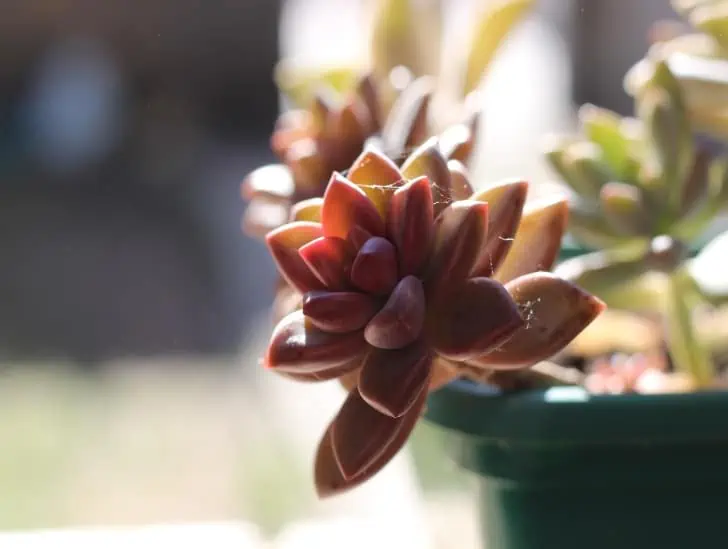
A sedum succulent.

Summer is rapidly approaching, and temperatures are about to rise exponentially. You look at your succulents and feel proud of the great job that you have done. But one big misconception can easily ruin your hard work and dedication that you need to be aware of. Many people believe that since succulents are native to hot climates, they don’t need special care during summer. While this is generally true, you still need to provide them with proper care to avoid irreversible damage.

So, how do you take care of succulents during summer? To keep your succulents healthy and thriving, you should know five main areas of succulent summer care: water, sunlight, temperature, nutrients, and pests. You must ensure your plants receive enough water to sustain them through the intense heat waves. Be sure to provide shade to prevent the scorching summer from causing sunburn, and regularly check the soil temperature to ensure it is not too hot. Additionally, provide your succulents with a balanced supply of nutrients using specially formulated fertilizers, and watch out for any pests lurking around.

This blog post provides you with a list of detailed tips on succulent summer care. Read on to find out everything you need to know.

What Does Summer Mean for Succulents?

Before we dive deep into the topic, it is essential to understand what summer means for succulents. Succulents thrive in hot climates, and summer is the perfect time to flourish. The intense heat allows them to stretch out their leaves fully and absorb more light.

However, this also means you must be extra vigilant when caring for your succulents during this season. As temperatures rise, so does the risk of dehydration and sunburn.

Remember that succulents generally have thick and fleshy stems, making them more vulnerable to heat damage. Therefore, you must be prepared to provide optimal care to keep them healthy and strong.

Succulent Summer Care

Caring for summer succulents can be tricky, but you don’t have to freak out. Here are some valuable tips to get you started:

1. Water Properly

A common misconception is that succulents don’t need much water to thrive. But the truth is that these plants need to be watered deeply and thoroughly to survive.

Succulents planted outdoors or in a greenhouse need to be watered at least once every week during summer. You can allow the soil to approach dryness before watering.

Indoor succulents can also be watered at the same rate, but ensure you check the potting mix for dryness before watering.
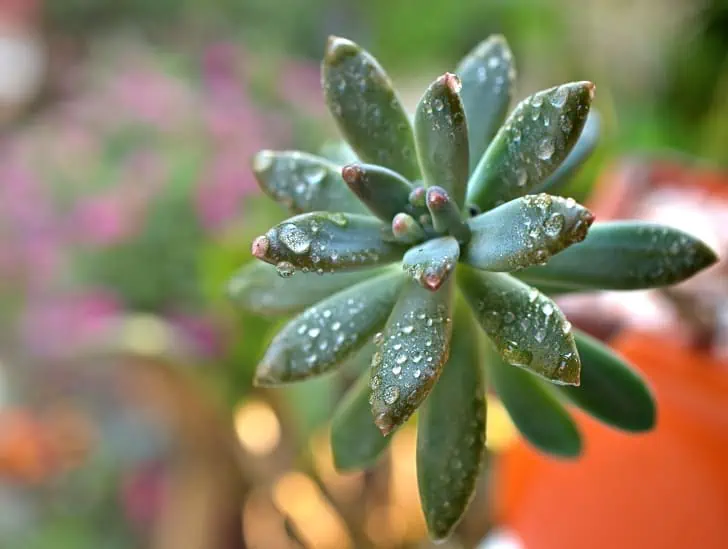
Succulent rain water.
Don’t allow the soil to dry out completely for extended periods.

Succulents planted in black plastic pots must be checked frequently since the black color increases the temperature and evaporation rate.

It is essential to ensure that your succulent receives enough water during summer. Don’t allow the soil to dry out completely for extended periods because it may damage the plant’s fine root filaments leading to stunted growth.

You can test the moisture content in the potting mix by simply touching it with your finger. If the soil feels dry and crumbly, it is time to water your succulent.

The watering technique you use also matters. Ensuring the soil is fully saturated to the deepest roots when watering well-established succulents is crucial.

Consider watering your succulent until you start to see water sipping out of the bottom of the pot. Deep watering is good because it promotes healthy root growth and healthier succulents.

The best time of the day to water your succulents during summer is early morning before temperatures soar. Avoid watering your plant in the afternoon when the temperatures peak.

If you cannot water your plant early in the morning, consider watering it in the evening when the temperatures are relatively low.

However, watering in the evening is not good practice during winter. Leaving succulents waterlogged all night makes them susceptible to root rot and other fungal diseases.

2. Provide Enough Sunlight

Ignoring your succulents’ need for sunlight during summer is easy. However, providing them with adequate sunlight is essential for healthy growth and their overall health.

During summer, try to place your succulent in a spot that receives at least six hours of direct sunlight daily.

Avoid areas with excessive shade because insufficient light can cause your plant to become leggy and weak.

If you are growing your succulents indoors, place them close to an east or south-facing window where they can receive ample light.

A kalanchoe exposed to sunlight outdoors.
Providing them with adequate sunlight is essential for healthy growth and their overall health.

You should also consider using fluorescent grow lights if natural sunlight is insufficient in your home.

However, you must be careful not to expose your succulents to too much sunlight during summer. Doing so may cause sunburn, which can be fatal for your plant.

3. Pay Close Attention to the Potting Mix

You may be forgiven for thinking that any potting mix will work for your succulents. But that’s far from the case.

The wrong soil and planting environment can be detrimental to the health of your succulent, especially during summer.

The best potting mix must be well-draining, light, and full of organic matter. This allows for a good balance between moisture retention and adequate drainage.

If you are about to report your succulent, use the best soil mix. You can also use a mixture of potting soil and perlite or sand to improve drainage and aeration.

4. Provide Shade

The intense heat during summer can be very damaging to succulents if they are not provided with enough shade.

Prolonged exposure to the direct sun can cause sunburn and dehydration resulting in yellowed or brown leaves.

The appearance of black or beige patches on your succulents could be a sign of sunburn.

These patches indicate that some cells in your succulent leaves have already been damaged, and you need to act fast to save the rest of the plant.
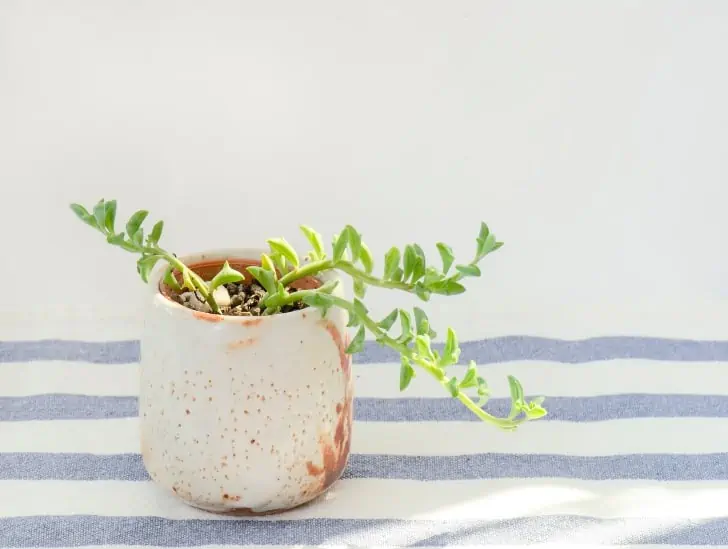
A string of dolphin on the shade.
The appearance of black or beige patches on your succulents could be a sign of sunburn.

You may be lucky if the spots appear on outer leaves since new growth from the center of the succulent may conceal the sunburned areas with time.

It may be the same case if the damage is on lower leaves because those naturally fall off after some time.

To prevent sunburn, look for a shaded spot to place your succulent. If you are growing your succulent outdoors, you can create shade by planting it under trees or building a canopy.

If you have an indoor succulent garden, try to keep it away from windows and other sources of direct sunlight. You can also use sheer curtains to filter the light and protect your plant from sunburn.

Another way to protect succulents during summer is by using a plastic or paper shade cloth over them. Shade cloths are available in different colors, sizes, and densities, so choose one that suits your needs.

5. Provide Adequate Ventilation

Succulents need proper air circulation to prevent them from succumbing to fungal diseases and pest infestations.

Good air circulation is also crucial during summer since it helps prevent the leaves of your plants from drying out too quickly.
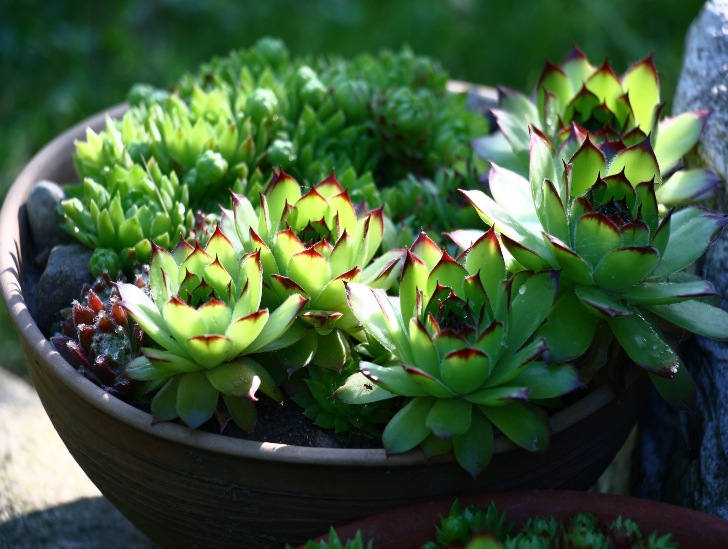
A sempervivum exposed to a partial sunlight.
Good air circulation is also crucial during summer.

Keep your succulents in an open space away from crowded areas with little or no ventilation. If you keep them indoors, place a fan facing the plants to increase air circulation.

6. Mulch

Mulching your succulents during summer can play a crucial role in keeping the evaporation rate of your soil to a minimum.

Remember that soil tends to dry out much quicker when exposed to direct sun. This makes mulch an essential tool for regulating soil temperature and moisture levels.

When choosing the best type of mulch for your succulent, pick one that is well-draining. Organic mulch such as pine needles, wood chips, bark pieces, or cocoa shells are great options.

You can also use rocks and gravel as mulch to add texture and interest to your succulent garden.

7. Fertilize Carefully

Succulents need very little fertilizer during summer. Too much fertilizer can cause them to become leggy, so use only a quarter of the recommended amount of fertilizer in your plants.

You can also opt for organic fertilizers such as compost or fish emulsion instead of chemical-based alternatives.

Fertilizer on the soil mix.
Use only a quarter of the recommended amount of fertilizer in your plants.

This will minimize the risk of burning succulents with too much fertilizer and keep them healthy during summer.

8. Monitor Your Plants’ Health

Finally, inspect your succulent occasionally during summer for any signs of damage.

Pay special attention to the leaves and stems of your plant since these are usually the first parts to be affected by intense heat and inadequate watering.

Also, keep a close eye on the soil. If it is drying out too quickly, you may need to adjust your watering routine or add more mulch to slow down the rate of evaporation.

Final Thoughts

Summer is an essential season for succulents since they are prone to many issues.

Understanding how to care for succulents and providing the right environment is essential if you want them to thrive during summer.

Following the tips outlined will ensure you provide your succulents with the best-growing conditions and allow them to thrive during the warmer months.

With a few adjustments, you can easily ensure that your succulents stay healthy and happy all year round!
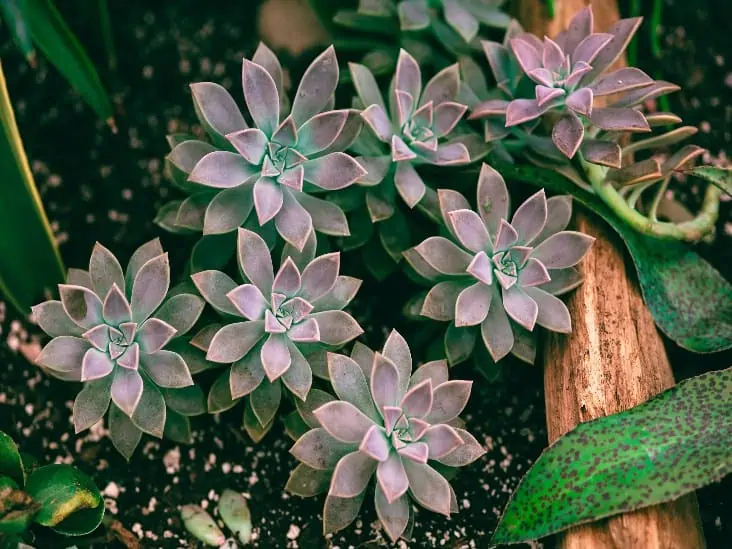
Golden Rules for Watering Echeveria

In Echeveria care, watering is probably the most challenging task that gardeners have to deal with. Keep in mind that, like other succulents, overwatering your Echeveria can result in death-causing effects. In fact, you are much better off underwatering your Echeveria than overwatering. A slight overwatering mistake and you could remain with a dead plant to dispose.

So, what are the golden rules for watering Echeveria?  Generally, you want to ensure that the soil is completely dry before watering. It is almost impossible to say how many days should pass between watering because different areas experience different climatic conditions that affect how slow or fast the soil loses moisture. While watering, consider watering from the bottom to achieve better results.

If you cultivate Echeveria and have been struggling with watering, you have come to the right place. By the end of this blog post, you should be able to water your plant with confidence, even if you are a beginner.

Know When Your Echeveria Is Active/Dormant and How It Impacts Watering

Like many succulents, Echeveria plants are summer growers. It means that the plant becomes super active during spring and summer and will require frequent watering.

Since most of the plant’s growth will happen during this time, feel free to take advantage of it and feed it as well. Growth will start to slow down in fall as the winter season approaches.

During summer, you can feed your plant with fertilizer every two weeks, but you need to keep in mind that some fertilizers can be really strong for it. Therefore, consider diluting it by at least half before offering it to your plant.

succulent plants getting sunlight
Plants that are very active during the summer will require more frequent watering

If you over-fertilize your Echeveria, it may experience severe fertilizer burn, resulting in root damage and discolored leaves.

If your plant has already suffered fertilizer burn, consider replacing the potting mix with an unfertilized one which can help prevent further damage.

Carefully prune off the burned leaves. If everything is already burned, consider leaving a few leaves because the plant requires them to continue growing.

Winter Dormancy

During winter, your Echeveria will slowly slip into dormancy, and growth slows down drastically. In fact, the dormancy starts late fall.

As the growth slows down, the plant also absorbs less amount of water and requires less frequent watering. Therefore, it is critical to cut down on your watering schedule during winter.

We recommend giving it half the amount of water you usually give it during spring or summer. For instance, if you usually water it every week during spring and summer, start watering it every two weeks.

plants in winter
During winter, you should water your plants less for it absorbs water slowly

Echeveria is a succulent and well adapted to surviving in dry areas. Typically, the plant will show you signs of dehydration when it is fully dehydrated. These signs include wrinkled leaves and contracted stems.

Feel free to water your plant whenever you notice these signs. However, you need to be careful not to overwater it because overwatering is the #1 cause of death for Echeveria plants.

If you notice that you have overwatered your Echeveria, get rid of all the blackened spots with a clean pair of shearers. Leave it to sit in a relatively dry area for up to three days so that the cut wound can callous over.

Once the wound has been calloused over, repot your plant in dry potting mix and mist it every three or four days until it starts to show signs of life again.

Use the Right Watering Method

The truth is that most gardeners water their plants from top to bottom, directly onto the soil. For many, it is the perfect way of providing their plants with the much-needed water supply.

However, it is recommended not to water Echeveria this way and instead use the bottom watering method. In the top-down watering method, water only remains at the top of the potting mix, encouraging the growth of odd leaves.

However, the bottom watering method completely wets the soil, ensuring your plant absorbs as much water as possible.

echeveria plant getting watered
Use the right watering method depending on your plant type to allow it to grow more

But there is another reason why top watering won’t work well with Echeveria. Generally, these plants will be delivered when they are already potted in a potting mix that comprises peat moss. When peat moss is allowed to dry completely, it cannot absorb water when it is poured from the top.

The water will only run through the soil pretty quickly, leaving the bulk of it completely dry.  The only way you can get it wet is by gradual wicking found with the bottom watering method.

How Do You Bottom Water Echeveria?

To bottom water your Echeveria or any other succulent plant, start by submerging the growing pot in a water basin up to its rim. Let the pot stay under the water for up to 20 minutes.

This allows enough water to enter the potting mix through the drainage holes and saturate the soil. Once the soil is fully saturated, allow the excess water to drain away before taking the plant back to its spot.

But the biggest disadvantage of bottom watering you need to know is that the method can lead to the build-up of excess fertilizer, which isn’t washed out of the potting mix as it is when the plant is watered from the top.

sample of bottom water method
This is an example of a bottom water method for plants like the Echeveria

Therefore, it is highly recommended you fertilize a bottom watered plant less often. Furthermore, you should use relatively weaker fertilizer strength. Watering from the top after every five or six bottom watering sessions can help rinse out the excess fertilizer.

The best time to water your Echeveria plant is early in the morning so that any water spilled on your plant’s leaves can evaporate rapidly during the day.

Water Sparingly

When it comes to watering Echeveria, less is definitely better than more. Since you should always wait until the soil is completely dry before watering, it’s safe to assume that you should water your Echeveria at most once every two weeks.

Watering an Echeveria too often can cause root rot and eventually lead to plant death. So, you must be cautious and only water when absolutely necessary.

If you let the soil dry out completely, your Echeveria will begin to show signs of drought stress.

It’s a good idea to use a moisture meter or an electronic soil tester to check the water level in your potting mix and determine whether it is the right time for watering.

These devices will save you from over-watering and let you control how much water your Echeveria needs.

Use a Growing Pot with Plenty of Drainage Holes

No matter how attractive it may seem, you should never be tempted to grow Echeveria directly in a glazed pot without enough drainage holes. While it may be possible to keep your plant alive in such a pot, you will have to pay extraordinary attention to the amount of water and watering method you use.

If you must grow your Echeveria in a beautiful glazed pot, be sure to get at least a terracotta pot with proper drainage. You can always slip the plant in and out of the container easily when it is time for watering.

You should also choose the right size pot. Don’t choose a too big pot because Echeveria doesn’t like a lot of room for its roots. Generally, you should go for a shallow pot that is slightly larger than your plant’s root ball.

Keep in mind that if there is a lot of soil around your plant’s roots, it has a great potential of holding a lot of moisture, which can result in root rot.

Know the Signs of Improper Watering

If you want to keep your plant happy, you should be able to tell when you are not watering correctly. In this case, improper watering refers to either overwatering or underwatering.

The good thing is that your Echeveria plant will always show you signs when it is unhappy with how you water it. For instance, if you are underwatering, you will notice your plant dropping leaves, wilting, shriveling up, and becoming weak.

succulent leaves turning brown
To know if you are underwatering your plant, it will start turning black or brown

If you are overwatering, you will start to notice sections of your plant turning black or brown. The stem may also start bulging and feeling soft. The dark areas are signs of rotting, and you need to act pretty quickly before you lose your entire plant.

If you notice any of these signs, take time to examine your plant for rot and other issues. Sometimes, you may be forced to repot it if the problem has already become severe.

Ensure you cut off all rotted parts of the plant before repotting in fresh potting mix. You should also allow the plant to lie out in the open air for at least one day before repotting it in fresh soil.

Water At the Right Time of the Day

The time of the day you choose to water your Echeveria is critical to its overall health. You should avoid watering your Echeveria early in the morning or late at night because the temperature is low at these times of the day, which increases the chances of fungal disease and root rot.

The best time to water a succulent is between 9:00 am and mid-day when it’s relatively sunny and hot. This will help the water evaporate faster from the soil and leaves, reducing moisture-related problems.

If you cannot afford to water at this time, t aim for the hours between 3:00 pm and 5:00 pm when there is still plenty of sunlight to help the water dry faster.

Avoid watering Echeveria in the late evening since the water will stay in the soil for extended periods, promoting fungal disease and root rot.

How Often Should You Water Your Echeveria?

Typically, the frequency of watering will depend so much on where you live. If you live in a relatively humid area, you need to water your plant less frequently because it takes time before the soil is completely dry.

However, if you live in a dry area or have a central heating device installed in your house, you may be forced to water more frequently.

Generally, consider watering Echeveria once every week or ten days. But keep in mind that other factors such as your plant size and pot size may influence the watering schedule.

It is always good to check the top few inches of the potting mix and only water when the soil is completely dry.

Use the Right Type of Water

Did you know that succulents are highly sensitive to the type of water you use? If you use hard water, rich in minerals, the plant may experience calcification.

The best type of water to use is soft water, preferably rainwater. If you don’t have access to it, use distilled or reverse osmosis-filtered water, free from minerals.

Avoid using tap water because it may lead to mineral buildup. This may cause your Echeveria to suffer from a condition known as lime disease and will die with time.

If you must use tap water, allow it to sit for about 24 hours before using it.

You should also avoid sprinkling water directly on the plant’s foliage since it may cause issues such as leaf rot, discoloration, and even death.

Summary

Knowing how to water your Echeveria plant correctly is critical to its survival. Take time to study your plant and determine how much water it requires based on its size, then adjust your watering schedule appropriately.

As long as you do everything right, you don’t have to worry about some things such as root rot and wilting.

Once you figure out its wagering requirements, you can focus on other things that will make it stay healthy and happy.

How To Care For A Cactus In The Summer?

There is a general idea that cacti are low maintenance plants that don’t need much care or attention to thrive.  After all, don’t they naturally live in the desert?  Completely reliant on whatever water, temperature, and amount of sunlight nature decides to give.  But they aren’t as low maintenance as some novice gardeners think.

How to Care for a Cactus in the Summer? Caring for a cactus during the summer months will really depend on the type of cactus you have.  While late spring/summer is the main growing season for most types of cactus, they need consistent care to thrive. The correct watering, temperature, and amount of sunlight are imperative.

Knowing the types of cacti that are the best for indoor and outdoor growing along with the best way to care for them will set you up for cactus care success no matter how new you are to gardening.  This knowledge will also help you choose the cactus that is best for your space and commitment level.

How Many Types of Cactus Are There?

There are hundreds of cacti species in the world, if not thousands.  There is no way for us to cover every single kind of cactus and the care they need to thrive in your garden or indoor space. 

However, there are two main types of cactus that have species within those types.  These are some of the most recognizable cacti, and even novices will have heard of at least some of these. The two types that we are going to talk about do naturally grow in different areas of the world.

This means that if you have them both in your house, you will need to pay attention to temperature and humidity needs. They will also likely need to be placed in different areas of your house due to lighting needs.

Desert Cacti

The single most recognizable cactus to almost everyone is the desert cactus. This type of cactus is usually what comes to mind when the cactus subject is brought up.  Because of this type of cactus, some people think that a cactus can survive in someone’s home and garden with no care.

Cactus in a clay pot.
Desert cacti

These cacti grow in the very typical shapes of paddles or mostly round shapes.  They are also known for having spines.  If you grab onto a desert cactus for any reason you are likely to have a very painful experience due to the spines.

Contrary to popular belief, these cacti do need a fair amount of specific care, especially during the main growing season. 

Forest Cacti

This type of cacti could not be more different from the desert cacti.  This species grows in tropical climates, has beautiful vibrant blooms, and rarely has spines. Something else that makes this species different from their cousins is the fact they grow in mostly shaded areas.

A forest cacti.
Forest cacti

Directly sunlight is not something that is usually good for a forest cactus because they don’t commonly get it in nature. This does not make them good candidates for an outdoor garden for most North American Climates.  There are some expectations, but few areas have the plant’s ideal environment.

Summer Cactus Care

Late spring and early summer tend to be the height of the cacti growing season for both types.  That means that care cannot be lacking during this time.  Care is important during the latent season as well, but if the growth season is neglected, your cacti won’t thrive.

There are three main aspects of summer cactus care.  Understanding what to do for your specific type of cactus and why it is important is imperative to the care and keeping of this kind of plant. 

If you are diligent in your care, after a few years of careful cultivation, your cactus species will likely produce beautiful blooms during the typical blooming season. That is a wonderful reward for a job well done.

Watering

How you water during the summer growing months will vary depending on what type of cactus you have.

  • Desert Cacti – need to be watered during the peak growing season, but the watering will be conservative in relation to other types of house or garden plants.  Summer watering will only occur if the soil is dry to the touch. Do not overdo it, or the roots will end up rotting. This is different from the winter latent months when you will almost never water the cactus unless it starts to shrivel.
  • Forest Cacti – are different from the desert cacti in that during the summer growing months you will be watering it like a normal houseplant.  That means you will water daily but pay attention and don’t overwater.  Their roots could rot as well, but since they are a tropical species you have more leeway.  However, watering in the winter is similar to the desert cactus.
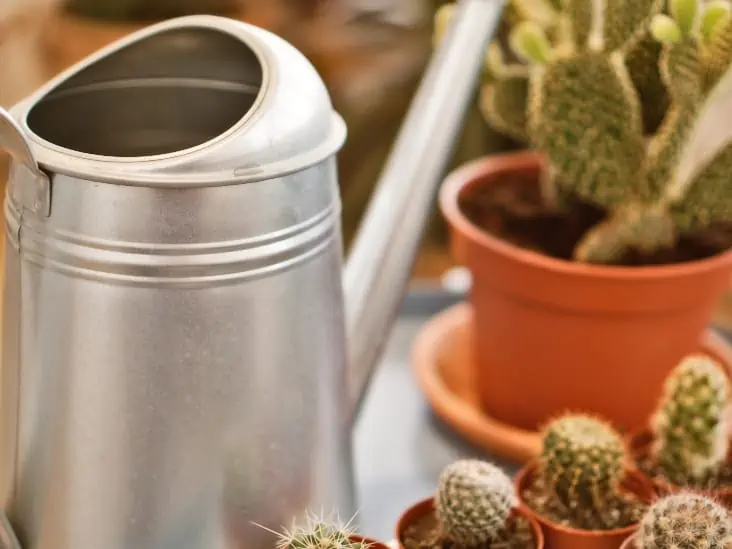
A watercan with cactus soil beside.
How you water during the summer will vary depending on what type of cactus you have

Sunlight

If the way you need to water in the summer is any indication of how different these types of cacti are, then you may already suspect that sunlight needs will be different as well. If that is what you thought then you would be right.

A desert cactus, of course, can handle the heat and direct sunlight, however, because they are house or garden plants and do not live in the natural environment, they may be scorched by too much direct sunlight during the summer months. This will also depend on your climate.  However, direct and strong sunlight is very good for this type of cactus in the wintertime.

Santa rita cactus exposed to sunlight.
This will depend on your climate.

Forest Cacti love bright sunlight but do not tolerate direct sunlight.  They really want to mimic the light they would get in a tropical forest. Forest cactus like to be outside during the summertime, but make sure the temperature and lighting are good for them.

Soil Type

Each of these types of cacti also needs different kinds of potting soil.  This makes sense when you think about the different environments they naturally occur in.

The desert cactus needs a special fast-draining desert cacti potting mix. This mix can usually be found in your local gardening store, but if it isn’t, then you can make a DIY alternative that will work just fine.

The DIY desert soil mix is made by mixing a regular potting soil with perlite.  This agent increases the ability of the soil to drain and aerate, which is what desert cacti need to thrive in the soil.

Forest cacti are less complicated when it comes to soil choices.  This type of cacti does well in regular potting soil. The only thing you need to know is that they will need to be repotted at the beginning of the main growing time.

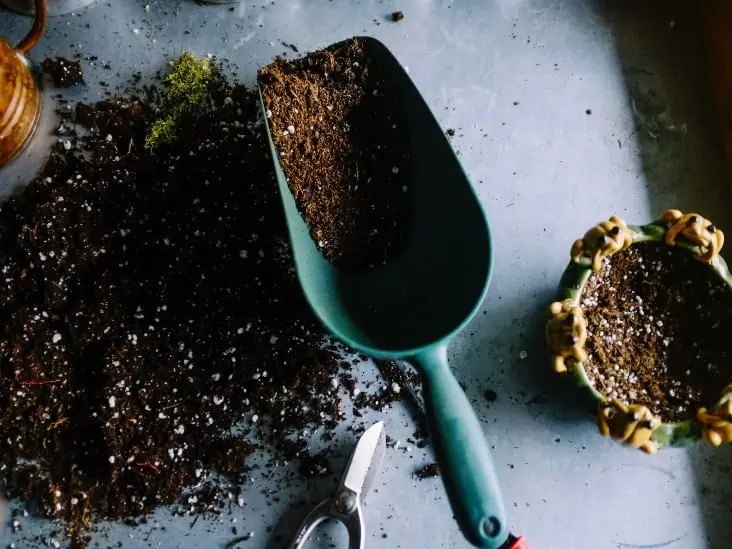
A gravel with soil.
Each of these types of cacti needs different kinds of potting soil because of the different environments they naturally occur in

9 Best Cacti for Home and Garden

With so many species of cacti, it is important to know that not all of them are good for you to keep in your home garden or as indoor plants. There are species that are wonderful to keep indoor and will brighten your home and your day as well as outdoor types that will spruce up your garden.

Indoor

Indoor plants really brighten up your space and add color to your home. Cacti can also add a splash of uniqueness to any room. There are five species that we love as house plants, and they do very well.

  • Bunny Ears This cactus species has such a cute name that it should be in every house.  Based on the name it is easy to imagine what this cactus looks like.  It has two pads that rise up separately and look like a pair of rabbit ears. The bunny ears cactus is a desert type, which means it does have spines.  It is also a moderately sized cactus only growing to two or three feet in height.
  • Old Lady Cactus is another desert type and should only be watered every other week.  These cacti do typically bloom if they have optimal care.  The name “old lady” comes from the fact that this cactus looks like a pincushion.  It does have spines, so care should be taken when handling.
  • Easter Cactus is one of the more recognizable and well-known house cacti.  This is a forest cactus that is native to Brazil.  It gets its name from when it blooms.  You will typically see beautiful blooms in a well cultivated Easter cactus in late winter or early spring.  Basically, around Easter.
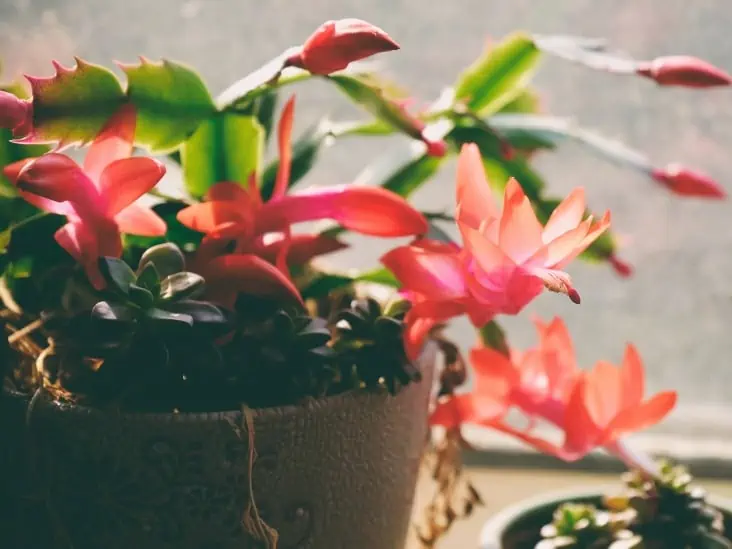
  • Christmas Cactus, also a forest cactus that is well known as a popular house plant and gift, blooms only once a year.  This is similar to its cousin the Easter cactus, but the time of year is different. The time of year you will see blooms on this beautiful tropical cactus is given away in its name.  Like a wonderful Christmas gift, it blooms with a beautiful red flower in late winter.  The name also came from the fact that it is often given as a Christmas or holiday gift.
  • Moon Cactus is a desert cactus from South America, mainly Argentina, and can vary in not only the shape it takes but also the color and size.  These are wonderful house plants that enjoy sitting on a windowsill and will add color and personality to any room.  They do have spines, so you will need to be careful when you are tending to it. The name was given because the most common shape the top takes is round, like the moon.
A christmas cactus.
Christmas Cactus is well known as a popular house plant, blooms only once a year

Outdoor

The Cacti species that thrive indoors will not typically do as well outside depending on the climate.  But there are species that thrive outside.  Depending on what your climate is like, you may need to bring them in sometimes unless they are too big. They may require being covered in colder weather if you can’t bring them in.

Cacti in your outdoor garden are beautiful and will add charm and character to your landscape.  Just make sure they are not somewhere small children can fall into them, especially if they are desert cacti.

  • Crab Cactus (Thanksgiving Cactus) is not suited for areas that have frost in the winter times but does like cooler weather during the winter months.  This cactus has a few names, but the most common name is taken from the holiday during which it blooms. Even though the first blooms typically appear around the Thanksgiving holiday, if it does not encounter frost, it will continue to bloom all winter.
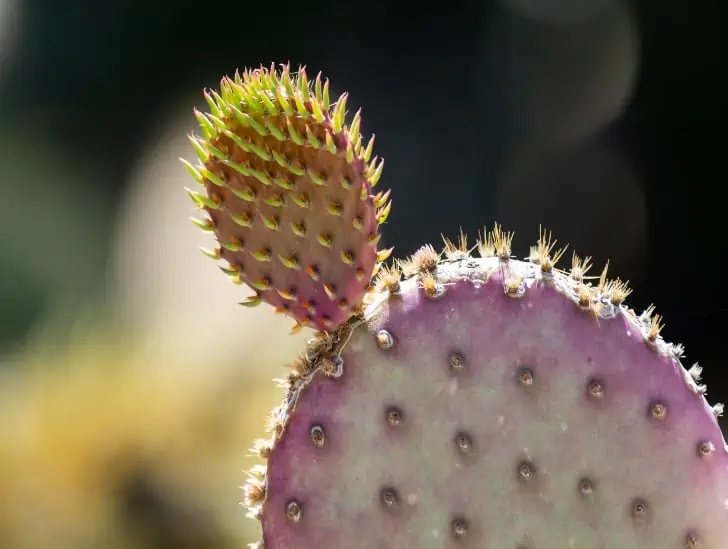
  • Prickly Pear is known by name and usually by sight because of its recognizable shape. This a great cactus to use for landscaping if you live in a dry climate that tends to get droughts regularly.  However, just know that it does shed.  This could be a deal-breaker for some gardeners.  They do get very pretty blooms though and do have a few variations.
  • Cholla Cactus is native to the United States and is typically found in the southwest region. This cactus species has more than 20 variations and also have very sharp spines.  If you live in a region that is cooler and tends to get a lot of rain, then this cactus is not for you.  While it doesn’t need much water, it does need a large amount of light.  They do have unique bloom colors.  You will see them in bright green and orange.
  • Queen of the Night is enticing mostly because it has a very appealing name.  This is a forest type cactus that is found naturally in the forests of Brazil. They actually grow directly on trees and produce large, beautiful white blooms. The name of this particular cacti species comes from its tendency to bloom during the night. If you want to see the bloom then you will have to wait up late at night because the flowers wilt before the sun comes up.  The queen of the night is a perennial type plant that does come back year after year.  It can grow to a height of ten feet and is not only a cactus but a succulent as well.
A prickly pear cactus.
Prickly Pear is a great cactus to use for landscaping if you live in a dry climate that tends to get droughts regularly

Should I Get a Cactus?

Armed with all of this knowledge about cacti and how to care for them in the summer growing season, you may be wondering if you should get a cactus and test your knowledge. Cacti are a great addition to any home or outdoor garden and can definitely add some personality. But they aren’t for everyone.

While it is true that cacti are trendy right now for a few reasons, that isn’t a good reason to embark on cacti gardening.  One of the reasons they are trending right now is because they are a succulent.  Where can you go right now and not see or hear about succulents?  They are on fire.  But that doesn’t mean you should get one.

A cholla cactus.
Cacti are a great addition to any home or outdoor garden and can definitely add some personality.

Where You Live

One thing you need to evaluate is where you live.  If you are looking to get an outdoor cactus but live in a cold northern climate, then it isn’t a good idea.  If you are hooked on the idea of a cactus, then you may look into a variety that thrives in cooler climates or indoors like the Christmas cactus.

Commitment Level

The next thing to think about is how committed you are to the care of a cactus.  While they really are pretty simple to care for and cultivate, they do require special care at certain times. If you aren’t ready or willing to offer the seasonal summertime care and the care needed during latent times, then you may not be ready for a cactus.

Even though cacti can go long periods of time during the winter months with no water, you can’t completely ignore them.  They still need a good amount of light, and you need to pay attention to the dryness of the soil, so you know when and how much to water.

Being committed to anything living that is in your care is the most important aspect of gardening, whether it is a vegetable garden or a house plant. Without a full level of commitment, the plants will not thrive, and you will miss out on the beauty the cacti, or any plants, have to offer.

A small cactus flowering.
Cacti are a great addition to any home or outdoor garden and can definitely add some personality

Why You Want a Cactus

Plants are not pets, but they are living things that shouldn’t just be left to shrivel up and die because they are no longer trendy.  Examining the motivation behind purchasing any species of cactus should be examined. 

If you are getting a cactus because it is the “in” thing to do right now or because they are popular but don’t really care to find out how to care for them, then it isn’t the right plant for you.

But if you are willing to learn how to cultivate these unique and spunky plants, then you will be rewarded with a beautiful and healthy plant that yields blooms in its season. All cacti bloom at one point or another, but only if they have all that they need during the year and especially during the summer when they grow the most.