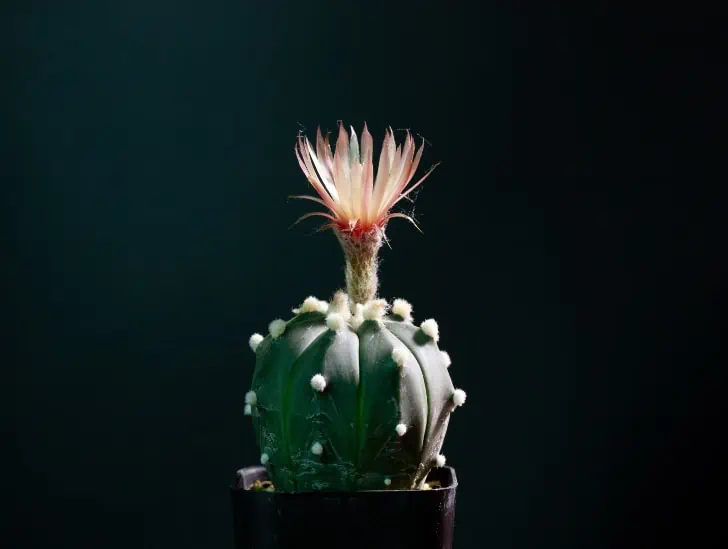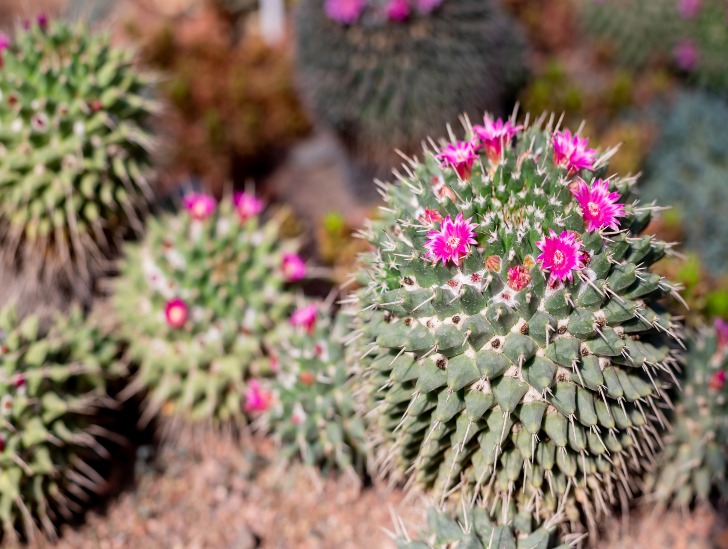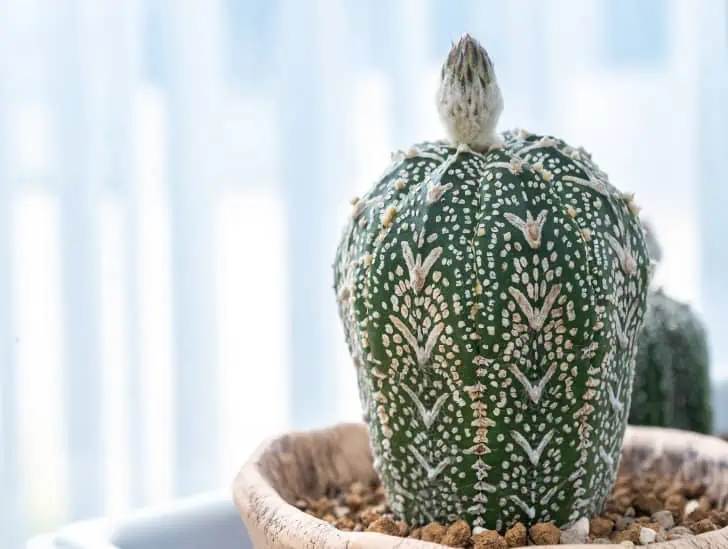
Cactus Care 101: How to Protect Your Plants from Winter Burn Damage?

Cactus on windowsill during winter.

Winter brings a serene and often magical transformation to our landscapes as snow blankets the earth. However, for cactus gardeners, the start of winter can be a time of concern. Cacti, with their reputation for thriving in arid desert conditions, may appear ill-equipped to handle the harshness of cold weather. Yet, with the right care and precautions, you can safeguard your cherished plants from the dreaded winter burn damage that can occur during frigid months.

So, how do you protect your cactus plants from winter burn damage? You can help your cactus plants adapt to winter conditions by watering them less frequently, sheltering them, using mulch, moving them indoors, or making a frost blanket.

Read on for more details.

How Does the Cold Damage Plants?

Extreme cold affects plant tissue in two main ways. The first relates to plant biology.

Like any other organism, there’s an ideal temperature for all cellular processes that plants require to thrive. The colder the plants get, the harder it becomes for them to keep up with these processes.

Most plants become dormant at this point, just as deciduous trees do in winter. However, dormancy cannot last forever because plants cannot repair tissue damage or grow in this state.

Freezing is the other risk associated with extremely cold temperatures and is destructive for plants.
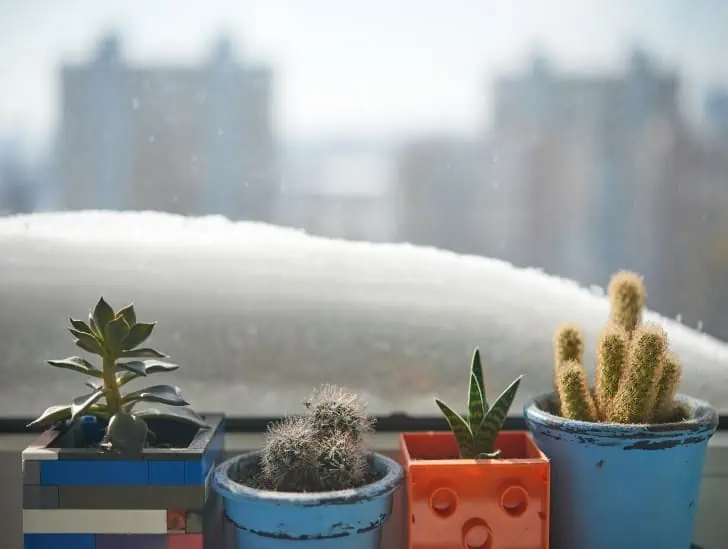
Mini succulent in the windowsill furing the winter.
There’s an ideal temperature for all cellular processes that plants require to thrive.

When the temperature drops to the freezing point, water crystalizes into ice. If you have ever left a bottle of water in the freezer, you know that ice expands after crystallizing.

The combination of sharp water crystals and expansion raptures plant cells. That explains why frozen plants become mushy and discolored.

How Cactus Plants Adapt to Freezing Winter Temperatures

Fortunately, not all plants are affected by cold. Cactus is a good example.

Cactus plants adapt in several ways to survive during winter, and regulating water is the reason behind all these adaptations.

Cacti usually go dormant during winter when temperatures tend to drop below freezing point. They reduce their cellular activity and stop growing, which allows them to survive on minimal water.

This is among the best adaptations of most desert plants, but also one that prevents cactus plants from dying when frost covers the ground.

When a plant has less water, it is less likely to crystalize due to freezing.
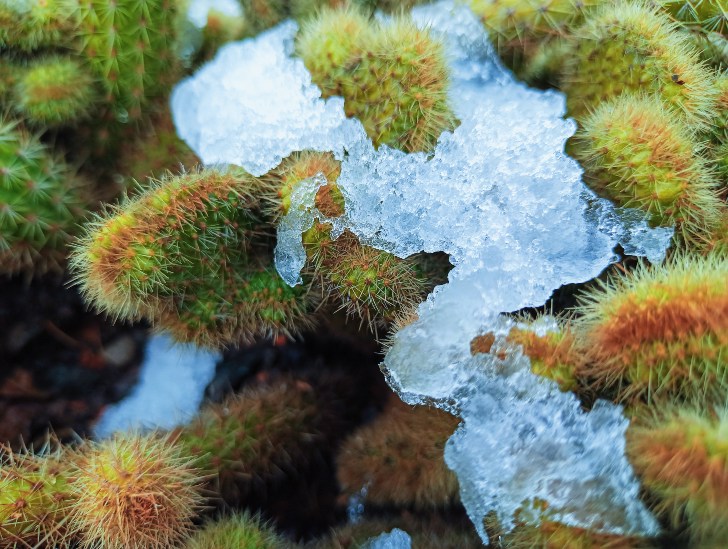
a snow on cactus.
Cactus plants adapt in several ways to survive during winter, and regulating water is the reason behind all these adaptations.

The low water content means other compounds in the plant cells are abnormally concentrated. The high concentration makes them work as a natural antifreeze, thus protecting the cactus.

The cactus could move water into the interstitial spaces between cells if the water level fails to go low enough to trigger this natural antifreeze.

Even if bigger crystals form here, they cannot harm the plant’s cells. Certain proteins found on the cell surface help repel those large crystals.

These adaptations are only partially failsafe, but their impact is impressive. Some cacti species can withstand temperatures below -30°F.

Normally, plants can’t endure such frigid conditions for long, but the hardy cultivars won’t be deterred by one or two freezing nights in the middle of winter from regenerating when the warm weather sets in again.

What Species of Cactus Pants Can Freeze?

Despite having a reputation for thriving in hot climates, some cactus species grow naturally in colder northern regions. Some cactus types are even native to Canada. Here are some of the cold-resilient cacti species:

Prairie hedgehog cactus

These little mounded cacti, native to the Great Plains and American Rockies, are hardy and attractive.

They can withstand any winter conditions but thrive better when covered with snow or mulch during colder months.

Fishhook barrel cactus

This species is unique because it can endure extremely high and low temperatures.

It grows in arid regions of the southern United States and northern Mexico, where daytime and nighttime temperatures vary considerably. Water moderately for optimum growth.

Texas barrel cactus

Texas barrel cactus resembles a bird’s nest made of thorns because protruding spines cover it.
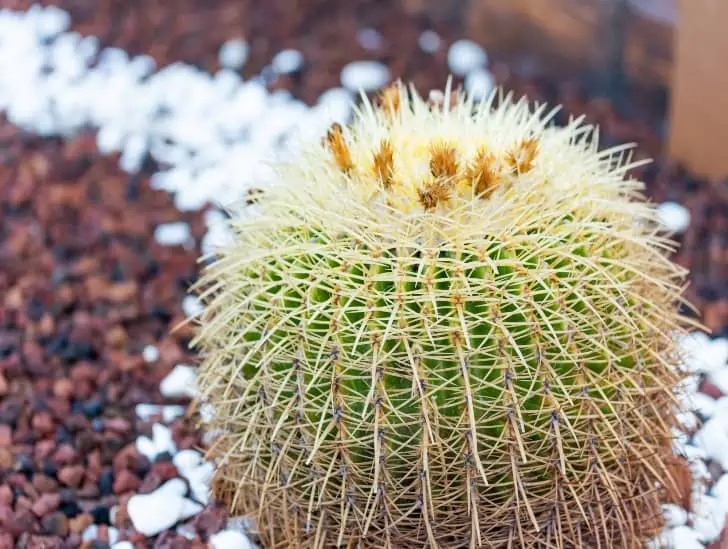
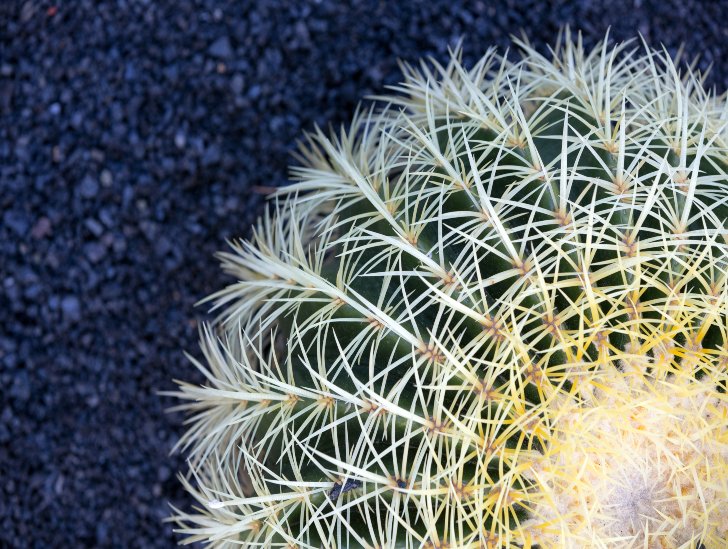
A closeup image of a golden barrel cactus.
Temperatures below 5°F can damage the plant.

It is mostly found in the Chihuahuan Desert and can withstand freezing up to 5°F. Temperatures below this can damage the plant.

Santa Rita prickly pear

Prickly pears come in different cold-hardy species, with the Santa Rita being one of the most common.

When not in the active growing phase or just mildly stressed, its pads turn a spectacular dark purple that adds color to the landscape all year round.

Although it is frost-hardy, Santa Rita can grow up to six feet tall, making it difficult to protect when cold weather approaches. 

Eastern prickly pear

This cactus species is native to the United States and often found in the central and eastern states.

It is widely picked for food, like many other prickly pear cactus plants, since the pads and the fruits are edible.

Prickly pear cactus.
This cactus species is native to the United States and often found in the central and eastern states.

However, the eastern prickly pear shrivels as temperatures drop, eventually lying flat on the ground. It comes back to life during spring.

How to Protect Cactus from Winter Burn Damage

Water less frequently

Help your cactus plants gradually adapt to the cold weather as temperatures drop. One way to do this is watering your plants less often, down to once every six weeks for most species.

Reducing watering frequency encourages cacti to enter dormancy, enabling them to survive through winter.

Shelter your cactus from cold air

Avoid waiting until the frost is severe to protect your cactus plants from the cold air. If your plant is small and potted, you can move it to a sheltered location, like behind a wall or away from strong winds. 

Old furniture is another alternative you can use to protect your cactus. You can place a chair over your cactus to help trap some of the heat.

If your cactus is small, you can turn plastic containers upside down over the plant but leave some space for air to enter.

Use mulch or stones

Sometimes, the soil loses its heat faster as the weather cools. Fortunately, you can protect your cactus by covering the ground with materials to help retain the heat.

Some darker stone varieties are excellent for trapping the soil’s heat. Black lava or brown and red rocks can help retain the warmth in the soil, depending on the environment.

You can also use mulch to cover the soil as an alternative to stones. Mulch will keep your cactus comfortable by retaining heat.

Avoid using too much mulch because it might trap moisture and cause your cactus plants to rot since they cannot tolerate excess moisture.

Move your cactus indoors

It could be better to move your cactus indoors if you reside in an extremely cold climate.

But when doing this, be careful not to cause shock to your cactus by changing the temperature, light, or humidity abruptly because this might affect its normal adaptation process.

When moving your cactus indoors, place it in a spot with adequate sunlight or add a cactus-specific grow light to your plant room.
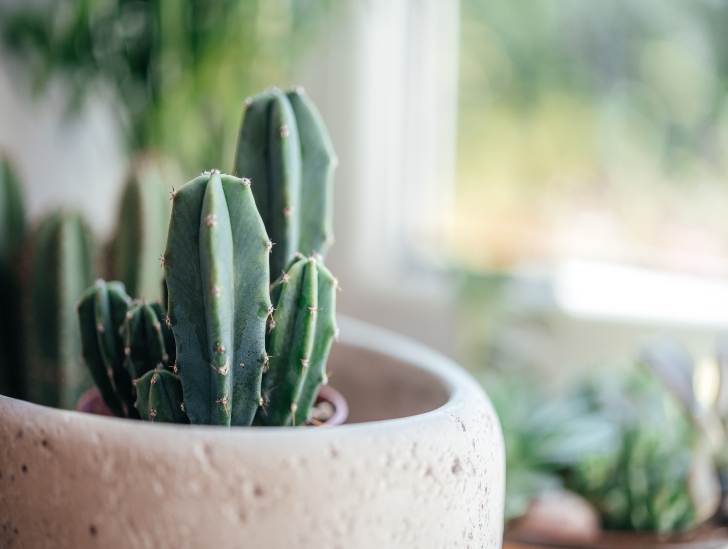
Cactus on windowsill.
Remember to adjust the room’s temperature and humidity to match the outdoor weather conditions.

Also, ensure that no dust or obstructions are on the plant’s surface so that it can absorb enough sunlight.

Remember to adjust the room’s temperature and humidity to match the outdoor weather conditions.

Make a frost blanket

This is a quick and effective technique for protecting your cactus from freezing. You can do this in various ways.

There are high-quality, special frost blankets that retain heat in the air layer surrounding the cactus. You can also use plastic sheets, burlap, and other materials.

A frost cloth, especially white, allows sunlight to pass through, and burlap allows airflow. However, you should leave space for air if using a plastic sheet.

The most important thing is to ensure the blanket does not touch the cactus in any way.

The heat produced this way comes from the layer of trapped air, so if the material touches your plant, it might cause a drop in temperature and create room for frost damage.

Use a sturdy object like a chair to support the blanket and prevent it from shifting. You may need to use several layers of cloth if where you are is extremely cold.

Another option, especially when moving your cactus indoors, is adding artificial light inside the blanket to raise the temperatures further.

How to Revive a Frozen Cactus

Even after doing all this, your cactus may still suffer winter burn damage. Or perhaps your cactus got damaged by the frost because you had no idea how to protect it.

Either way, you can still revive it, so there’s no cause for alarm.

When frost harms your cactus, you notice mushy tissue around the damaged parts. These damaged parts turn white at first. Do nothing at this point and wait for the cactus to repair itself.

The damaged parts will soon turn purple and eventually black. If it turns black, that means the tissue is damaged beyond repair.

At this point, prune the cactus and remove all damaged black areas to prevent further damage.

Summing Up

Cactus plants are highly adaptable to survive extremely hot and cold temperatures. But if you live in areas prone to freezing temperatures, you can protect your cactus plants from winter burn damage by following the simple techniques outlined above.

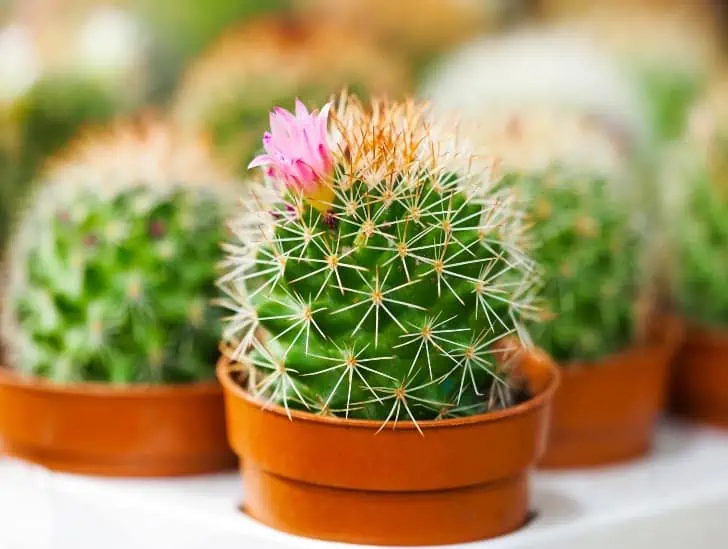
How To Identify Fake Cactus Flowers & Removing Fake Flowers

Fake cactus flower on the pot.

You may stumble on cacti with flowers when you visit a nearby gardening store or plant nursery. At first, you may be stunned at how good the plant looks with a beautiful flower blossom on its top. But you may realize the flowers are not real after a closer look. These are fake flowers that cactus sellers glue on the plant to make it marketable. Unfortunately, buying a cactus and later realizing the flower is fake would leave you feeling cheated.

So, how can you identify fake cactus flowers, and how can you remove them? You identify fake cactus flowers by closely examining the flowers. Look at the placement of the flower, color, and texture, and check for glue binding the flower to the stem. To remove fake flowers from your cacti, you can gently pull them out using your hand, use a hairdryer to blow the glue that binds the flower to the stem, use a knife to scrape off the glue, cut the flower off using scissors, or leave the plant alone till the fake flower falls off on its own.

In this post, we will discuss what fake cactus flowers are, how to identify them, and how to remove fake flowers from your newly bought cactus plants.

What are Fake Cactus Flowers?

The fake flower you see on a cactus is not fake but real. Technically, this flower is an inflorescence from a species of plants called everlastings or strawflowers.

They are called so because when dried, the flowers have a crispy, straw-like texture and remain in good condition for a long time.

This unique texture makes the fake flower easy to identify when touched and comes in different colors.

But the most intriguing thing about a straw flower is that it can respond to humidity levels even when dried.

Small golden barrel cactus.
Technically, this flower is an inflorescence from a species of plants called everlastings or strawflowers.

The flower opens when there is little humidity and closes when there is excessive humidity, imitating real cacti flowers.

Why Do We Have Fake Flowers on Cacti Plants?

Flower growers and sellers often attach flowers of cacti to enhance their appeal. This helps the cacti plants sell faster, getting new homes.

 So, it is your job to inspect each cactus to avoid buying one with a fake flower.

The seller should be truthful if you ask about the flower. But the seller is not to blame if you fail to ask.

Flowers give cactus a vibrant, thrilling appearance that appeals to potential buyers. Knowing whether a cactus flower is real or fake becomes easier as you gain experience.

Do Cacti Plants Flower?

So, you may think that sellers use fake flowers to make cactus look more attractive because these succulents do not flower. Well, this is far from the truth.

Almost all cacti are flowering plants. Some bloom faster than others, depending on the species.

But even though cacti can bloom, making them do so is difficult. You may have to care for the cactus for two to three years; even blooming will depend on the species.

Some species, like Mammillaria, Parodia, and Gymnocalycium, bloom quite fast, while others, such as the prickly pear cactus, take up to four years to flower.

A thelocactus blooming in a pot.
You may have to care for the cactus for two to three years; even blooming will depend on the species.

Another thing is that the lifespan for most cacti flowers is short. Some cactus flowers open for a few days, while others last only for a few hours and then fade away.

So, to keep the flower vibrant for longer, cacti growers came up with the idea of using hot glue to attach flowers to these plants.

They fail to realize that by doing this, they cause damage to the plant. The part of the cactus skin that comes into contact with the hot glue gets burned. This is one of the things you can look out for to identify fake flowers.

How to Identify Fake Cactus Flowers

The best way of handing cacti with fake flowers is to avoid purchasing them. For this, you must inspect the blooms.

Start by looking at the placement of the flower. Cacti sellers often stick the flower on the growth point in the middle of the stem.

However, this is not how real cacti bloom. Real cacti flowers usually emerge on the mature end of the plant.

They can grow directly on the side, sometimes in the middle, but never precisely in the middle part of the plant. So, the flower is fake if it appears precisely at the center.

The color of the flower is another indicator. Cacti with fake flowers are often delivered in trays and are also in trays when exhibited in nurseries.

If you notice blue, purple, or violet flowers in a collection of what looks like flowering cacti, they are fake. Cacti flowers do not have such colors.

A spider cactus blooming.
Cacti with fake flowers are often delivered in trays and are also in trays when exhibited in nurseries.

The same applies to cacti with bright green flowers. Some cacti may have lime-green blooms but not bright green.

Remember to touch the flower. A real cactus flower is silky smooth and gives no resistance when touched. A strawflower feels like paper and can break if you bend it.

You can also look closely to see what binds the flower and the plant together. Real cactus blooms grow on a tubular stem, which can be long or short and is usually prickly.

Some more miniature flowering cacti, like pincushion cacti (Mammillaria), have very short stems but are still visible if you are keen enough.

On the contrary, fake flowers are attached to the cactus plant using hot glue. You may see the whitish glue under the flower if you lift the petals or ray flowers.

You can also delay buying the cactus for at least a week to see how the flowers will look like by then. Real cactus flowers are short-lived. Most of them only survive for less than ten days. Others only last for a day.

However, strawflowers can live up to two years. So, if you notice a cactus is still at the store three weeks later and seemingly blooming well, its flowers are fake.

If the flowering cactus you want has been in the store for some time, its flowers may be dusty – that is if they are fake. Real cactus flowers do not survive long enough to become dusty.

How to Remove Fake Flowers from Cactus

Spreading hot glue on a cactus stem causes permanent damage and kills adjacent cells. So, you want to avoid buying cactus with fake flowers.

But if you already bought your cactus, you can remove the fake flowers carefully without causing further damage. Of course, this will leave a wound, but it may not even be visible.

Here are five ways to remove a fake cactus flower.

1. Remove by Hand

First, avoid yanking the flowers off – they are not bandaids! You might tear off an areole, the skin, or even some cactus flesh.

San dollar cactus blo
So, gently pull the flower out using your hand instead.

This could leave a wound bigger than the hot glue caused. So, gently pull the flower out using your hand instead. Move it back and forth, left and right, and repeat a few times.

The glue will soon come loose.

2. Using a Hairdryer

Hot weather is the best for removing fake cactus flowers because the glue softens and becomes easy to remove.

But if it’s the cold season with barely any sun outside, you can get a hairdryer and blow hot air on the plant.

This will work if the glue is not stuck hard on the plant. But if it’s too adhesive, even a hairdryer won’t break off the flower.

Avoid blowing for too long. Cactus cannot withstand 100 degrees of hot air blown directly, so blowing on the plant for too long could damage the plant cells.

3. Using a Knife

Sometimes, the flower is stuck directly in the cactus spines instead of the stem. If the spines are thick and intertwined, some chunks of glue could remain stuck even after removing the flower.

If this is the case, carefully scrape off the glue using a sharp knife while working your way from the root to the tip of the spine.

Sometimes, you can get all the glue out by gently working on the plant.

4. Use Scissors and Brush

If nothing seems to work because the glue is stuck too hard to the stem, you may need to cut the flowers off altogether. Use scissors to cut them and a brush to clean the spine surface.

Be gentle and careful when cutting the flowers. You may lose some spine, but you will not cause much damage to the plant.

This is worth your effort because it will leave the cactus looking more beautiful without a fake flower on the top.

5. Leave It as It Is

Or you can wait. Cacti are living plants, not stones – they will keep growing.

A golden barrel cactus flowering.
Cacti are living plants, not stones – they will keep growing.

The stem’s shape changes as the cactus grows, and the glue may wear off, so the flower eventually falls off.

Summary

Although cacti bloom naturally, some sellers stick fake flowers to make their plants more appealing to potential buyers.

Being able to differentiate between fake and real flowers is important because fake ones compromise the health of your cactus. Most sellers use hot glue to attach the fake flower, which can damage the plant.

You should remove them by hand, using scissors and a brush, a hairdryer, or a knife so your cactus can thrive.

But it is entirely up to you to decide whether to remove the fake flowers or leave them to fall off on their own.

Why Golden Barrel Cactus Is the Must-Have Plant for Your Garden

Small golden barrel cactus.

The Golden Barrel Cactus holds a special place in the world of succulents. Its distinctive globe-shaped structure and radiant golden spines make it a fascinating addition to any garden, bringing an exotic touch that few other succulents can match. Known for its resilience and low maintenance requirements, the Golden Barrel Cactus is an excellent choice for both seasoned and beginner gardeners looking to add a splash of intrigue to their home garden.

So, why is a Golden Barrel Cactus a must-have plant for your garden? This cactus is incredibly easy to care for, making it a perfect addition to your home garden. It boasts a unique aesthetic and is highly adaptable to different climates and environments. It can thrive in different environments, from arid deserts to temperate gardens. It is even suitable for growing in containers, making it versatile for different gardening situations. The Golden Barrel Cactus is naturally resistant to common pests and diseases, reducing the need for chemical treatments and maintenance efforts. With proper care, the cactus can live for many years, becoming a long-lasting and cherished feature of your garden.

This blog post highlights some of the top reasons why you should consider adding a Golden Barrel cactus to your succulent collection. Read on to learn more.
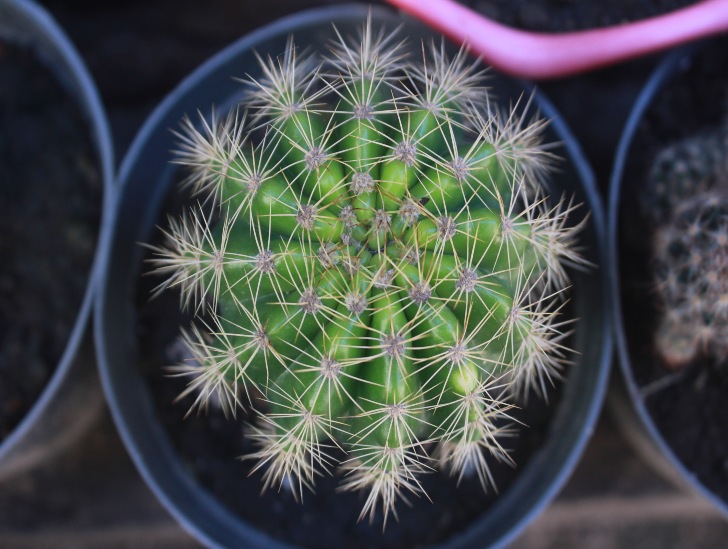
Golden Barrel Cactus: Quick Overview

The Golden Barrel Cactus, also known as Echinocactus grusonii, is a striking and iconic cactus species renowned for its spherical shape, distinctive golden spines, and captivating presence.
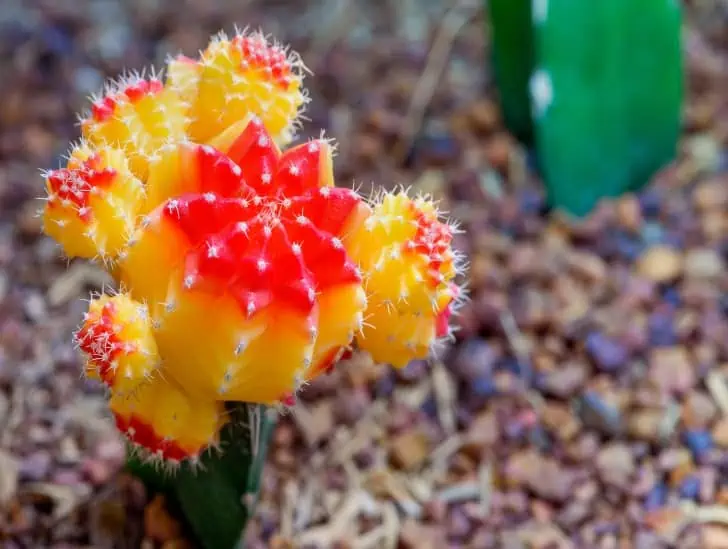
This unique cactus species has earned a special place among succulent enthusiasts and plant lovers around the world.

The Golden Barrel Cactus is native to central Mexico, particularly the states of Querétaro and Hidalgo. It is also found in small populations in parts of Nuevo León and San Luis Potosí. This cactus species thrives in arid and semi-arid regions with well-drained soil and plenty of sunlight.

It thrives in rocky slopes and hillsides in the arid regions of Mexico. They are often found growing in clusters, forming striking colonies that protect from extreme temperatures and predation.

A closeup image of a golden barrel cactus.
This unique cactus species has earned a special place among succulent enthusiasts and plant lovers around the world.

Golden Barrel Cactus is a slow-growing succulent. It usually starts as a small, spherical globe and gradually grows larger over the years.

A mature plant can reach up to three feet in diameter. This cactus typically has a single central stem, although it can transform into a multi-stemmed plant with age.

The cactus is covered in rows of golden-yellow to pale-yellow spines, which give it a distinctive, barrel-like appearance.

The spines, which can be pretty sharp, serve both as a defense mechanism against herbivores and to reduce water loss by providing shade and reducing air movement around the cactus.

This cactus is a relatively late bloomer, typically flowering once it reaches maturity, which can take several decades.

The flowers emerge from the crown of the cactus in a circular arrangement. The blooms are usually yellow or orange, with a funnel-like shape and a sweet fragrance. Flowering occurs primarily in late spring to early summer.

Why Golden Barrel Cactus Is a Must-Have Plant for Your Garden

Now that you have a better understanding of the Golden Barrel Cactus and its unique features, let us highlight the top reasons why you should consider adding this cactus to your succulent collection.

1. Low Maintenance

The Golden Barrel Cactus is renowned for its low-maintenance requirements, making it an excellent choice for many gardeners.

The cactus is native to arid regions of Mexico, meaning it is adapted to thrive in harsh environments with limited water supply.

The cactus stores water in its thick, spherical body, allowing it to withstand extended periods of drought. For gardeners, this translates to infrequent watering needs.

Once established, the cactus can go for weeks, or even months, without water. This characteristic not only conserves water but also makes it an excellent choice for xeriscaping, a landscaping approach that focuses on water efficiency.

Golden Barrel Cactus doesn’t require frequent fertilization to thrive. In fact, too much fertilizer can harm it.

Golden barrel cactus blooming.
It is adapted to thrive in harsh environments with limited water supply.

A balanced, slow-release cactus fertilizer applied sparingly during the active growing season (spring and summer) is sufficient to support growth.

Furthermore, the cactus requires minimal pruning to maintain its shape.

Occasionally, you may need to remove dead or damaged stems or address issues like pests or diseases. However, compared to other garden plants, its maintenance needs are significantly lower.

2. Perfect for Xeriscaping

If you live in a region with limited water resources, the Golden Barrel Cactus is an excellent choice for xeriscaping. Its water-saving qualities help conserve water while adding a unique touch to your garden.

Since the cactus is native to arid regions of Mexico, it’s well adapted to survive and thrive in water-scarce environments with minimal irrigation or rainfall.

This makes it an ideal addition to gardens located in dry climates where other succulents may struggle.

Typically, The Golden Barrel Cactus is grown in outdoor rock gardens, raised beds, and other dry areas of the garden or yard.

This cactus also makes an excellent addition to succulent arrangements, offering texture, dimension, and a splash of color.

3. Unique Aesthetic

The Golden Barrel Cactus is known for its striking spherical shape, adorned with distinctive golden-yellow spines. This unique aesthetic is almost unmatched by other succulents, making it an excellent centerpiece for any garden.

The cactus also produces yellow and orange flowers that appear at the center of the plant when in bloom, adding to its beauty.

4. Low Pest Susceptibility

The Golden Barrel Cactus boasts natural defenses that make it relatively resistant to many common garden pests and diseases.

One of the primary reasons for the Golden Barrel Cactus’s resilience against pests is its thick covering of sharp, spiky spines.

These formidable spines act as a physical deterrent, making it challenging for insects and animals to approach and feed on the cactus.

Furthermore, unlike many other plants that have a multitude of leaves and stems, the Golden Barrel Cactus has a compact, spherical shape with minimal exposed surface area.

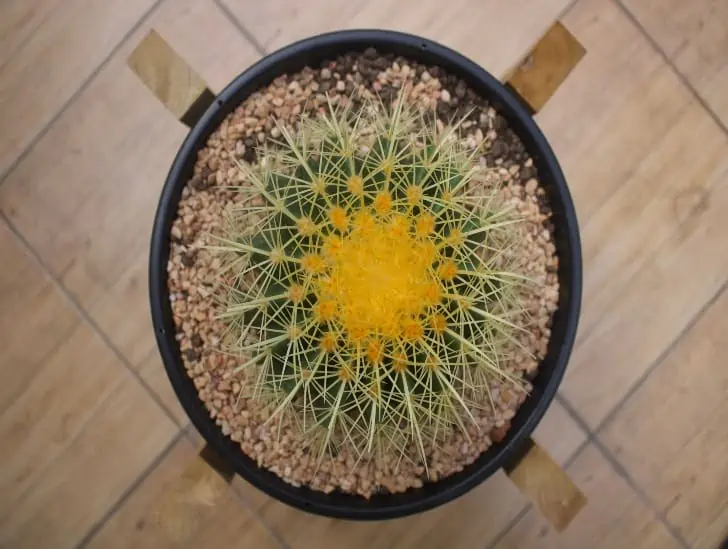
A topview of a golden barrel cactus.
One of the primary reasons for the Golden Barrel Cactus’s resilience against pests is its thick covering of sharp, spiky spines.

The lack of abundant foliage reduces the available space for pests to settle and feed, limiting opportunities for infestations.

The cactus’s ability to thrive in arid conditions with minimal water also plays a role in its resistance to pests.

 Many pests prefer moist environments, so the dry, water-storing tissues of the Golden Barrel Cactus are less attractive to them.

5. Educational Value

The Golden Barrel Cactus offers unique learning opportunities in gardening and the natural world.

Growing and caring for a Golden Barrel Cactus provides a hands-on way to explore and appreciate desert ecosystems.

It introduces gardeners to the specific challenges and adaptations that plants in arid regions have developed to thrive in harsh conditions.

Observing the cactus’s life cycle, from growth and flowering to potential propagation through offsets or seeds, provides insights into plant biology and reproduction.

It is an excellent opportunity to witness the intricate processes of plant development.

The unique traits and adaptations of the Golden Barrel Cactus, such as its water-storing capabilities and protective spines, also offer valuable lessons in plant physiology and ecology. These adaptations allow the cactus to thrive in its native desert environment.

6. Longevity

One of the primary benefits of adding a Golden Barrel Cactus to your garden is its longevity. The cactus can live up to 100 years if cared for properly.

This makes it an excellent choice for those looking to pass down their garden to future generations or add value and character to their outdoor space over the long term.

A huge golden barrel cactus.
One of the primary benefits of adding a Golden Barrel Cactus to your garden is its longevity.

It also means that you’ll be able to enjoy the beauty of your cactus for many years to come.

From its exceptional shape and golden spines to its colorful flowers in spring and summer, this is one plant that will add a special touch to your garden for decades.

7. Year-Round Beauty

One of the remarkable qualities of the Golden Barrel Cactus is its ability to maintain its aesthetic appeal throughout the year.

The cactus is evergreen, meaning it retains its foliage throughout all seasons.

Unlike deciduous trees or shrubs that shed leaves in the fall, Golden Barrel Cactus offers consistent greenery and structure, contributing to the overall attractiveness of your garden even during winter.

The cactus is also known for its naturally symmetrical and globular shape.

The symmetry remains intact year-round, providing a visually pleasing and harmonious addition to your garden.

Blooming golden barrel cactus.
The cactus is also known for its naturally symmetrical and globular shape.

This also makes it a popular choice for those seeking a well-structured and balanced garden design.

Furthermore, the golden spines add a splash of color and contrast against the cactus’s green body.

Their vibrant hue is enduring and doesn’t fade with the changing seasons, ensuring a consistent visual impact.

Unlike some plants that undergo dramatic seasonal changes in color or form, Golden Barrel Cacti exhibit only minor variations throughout the year.

While they may produce flowers in spring, their core structure and overall appearance remain relatively constant.

The consistency is particularly appealing for those who prefer a more predictable and reliable garden aesthetic.

Final Thoughts

The Golden Barrel Cactus is an excellent addition to any succulent collection.

Its low maintenance requirements, drought tolerance, pest resistance, and unique aesthetic make it a must-have plant for gardeners in arid climates.

Furthermore, its educational value and longevity help ensure that your garden remains vibrant and engaging for years to come.

If you’re looking to add a one-of-a-kind plant to your outdoor space, the Golden Barrel Cactus is worth considering.

Mammillaria Nejapensis: The Colorful and Resilient Cactus of the Desert

Mammillaria Nejapensis in a pot top view.

The Mammillaria nejapensis, commonly referred to as the silver arrow cactus or owl eye cactus, is a popular flowering cactus that belongs to the Cactaceae family. It is native to Mexico and usually forms globular stems with white, sharp spines. The spine length varies depending on the cultivar but averages about 2.5 cm. This cactus is also known for its bright and colourful flowers, which bloom in spring and summer, producing yellow-orange petals with a light pink centre.

So, what makes the Mammillaria nejapensis cactus so popular? The cactus is incredibly resilient and can withstand extreme temperatures. It is drought tolerant, preferring dry conditions but can also tolerate low temperatures. The Mammillaria nejapensis is relatively easy to care for, requiring just occasional watering and pruning of spines to thrive. It makes a great addition to any garden or backyard, especially in areas that experience high temperatures. Planting this cactus in sunnier spots will promote faster and more prolific flowering.

This blog post discusses everything you need to know about Mammillaria nejapensis. Read on to learn more about this resilient and colourful cactus and how to care for it.

Mammillaria Nejapensis: Quick Overview

The Mammillaria nejapensis cactus showcases a distinctive appearance that sets it apart from other cacti species.

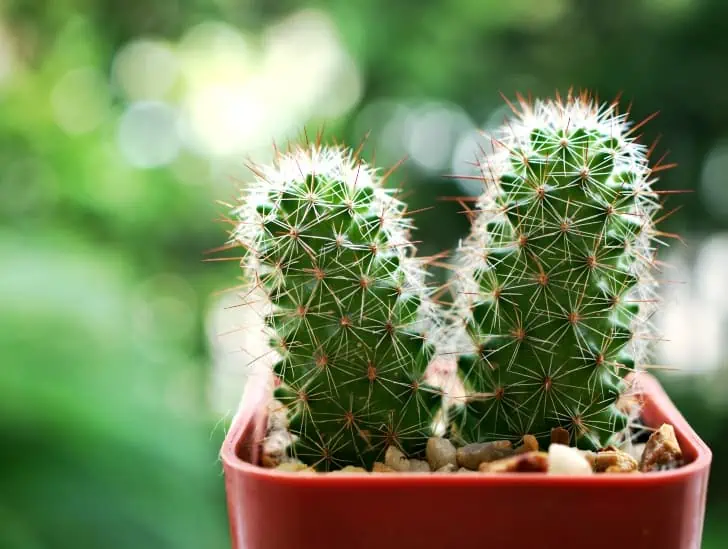
It typically forms solitary or clustering globular stems, which can grow up to 10 centimetres in height and diameter. Its surface is covered with prominent, tightly packed tubercles, giving it a distinctive knobby texture.

Each tubercle features silvery-white or creamy-yellow radial spines that emerge in a star-like pattern, creating contrast against the cactus’ green body.

The central spines are darker and slightly longer than the radials. As the cactus matures, it may produce small, funnel-shaped flowers in shades of pink, white, or yellow, adding an elegant touch to its appearance.

Mammillaria Bocasana flowering in a pot.
Its surface is covered with prominent, tightly packed tubercles, giving it a distinctive knobby texture.

The cactus is native to Mexico. It primarily thrives in the arid and semi-arid climates of its natural habitat, characterized by rocky, well-draining soils and limited rainfall.

This cactus species can often be found growing in crevices between rocks or nestled under the protection of larger plants, making it well-adapted to survive in harsh and challenging conditions.

The Mammillaria nejapensis is a slow-growing cactus species that takes time to establish itself and mature. It tends to maintain a compact size, making it well-suited for container gardening and smaller spaces. Its clustered growth habit adds an interesting visual dynamic to your home garden.

Mammillaria Nejapensis: Classification

Mammillaria nejapensis belongs to the Cactaceae family and is closely related to other Mammillaria species, such as Mammillaria bombycina and Mammillaria pectinifera.

Despite belonging to the same genus, these cactus species have distinct characteristics that make them easily identifiable.

For example, the Mammillaria nejapensis has a distinctive globular form covered in tightly packed, white-and-yellow spines.

It can easily be distinguished from other cacti in its family due to its unique coloration and growth habit.

Mammillaria Nejapensis: Indoor or Outdoor Succulent?

Many people believe that Mammillaria nejapensis is an outdoor succulent, but it can also thrive indoors if the growth conditions are right.

The cactus thrives in an outdoor environment where it can get plenty of sunlight it needs to grow.

Mammillaria lasiacantha flowering.
It will greatly benefit from exposure to bright, direct sunlight.

If you must grow your Mammillaria nejapensis indoors, consider moving it outdoors during the warmer months. It will greatly benefit from exposure to bright, direct sunlight.

Whether grown indoors or outdoors, the most important things you need to pay close attention to include well-draining soil, proper watering, sunlight, temperature, and humidity.

Mammillaria Nejapensis: Flowering

This cactus usually flowers during spring and summer. The blooms are a combination of white, cream, and light pink colors. The flowers can be numerous, covering the entire top of the plant.

You can encourage blooming by holding back on your watering schedule during winter. Providing your plant with too much water during the cold season can deter flowering.

Applying fertilizer at quarter strength every two or three weeks during the active growing season may also encourage your Mammillaria nejapensis to set more flowers.

Mammillaria Nejapensis: Care Instructions

To properly care for the Mammillaria nejapensis cactus, you must provide the right environment and soil conditions. Below are some tips that will make your plant thrive:

1. Light Requirements

Mammillaria nejapensis generally thrives in properly lit environments. The amount of light your cactus receives will largely depend on whether it is grown indoors or outdoors.

If you are growing it indoors, choose the brightest spot in your house. A south or east-facing windowsill is a perfect spot for your cactus. A west-facing windowsill can still work perfectly.

Window spots are good because they are generally sunnier than other spots in your house. In fact, these spots receive the most sunlight from outdoors.

When choosing where to position your plant indoors, don’t hesitate to move it around a couple of times until you find the perfect spot. The primary objective is to ensure your cactus receives plenty of sunlight.

Mammillaria nejapensis exposed to sunlight.
If you are growing it indoors, choose the brightest spot in your house.

The cactus prefers an open spot with plenty of sunlight when grown outdoors. However, you need to ensure the plant is not completely exposed to intense heat because it can lead to irreversible sunburn.

Consider providing it with bright, partial shade during the hottest time of the day. In fact, you should consider positioning your Mammillaria nejapensis in a sunny spot with plenty of afternoon shade. It will thrive without any issues.

2. Soil Requirements

The Mammillaria nejapensis prefers well-draining soil, so avoid using regular soil or potting mix. An ideal soil mix for this cactus combines 60% pumice and 40% peat or compost.

You can either combine these materials on your own at home or purchase a mix of good quality from your local plant store.

Whether you purchase the medium or make your own at home, it is important to ensure that it has good drainage properties and enough room for the roots to breathe in.

A well-draining potting mix will ensure your plant’s roots remain healthy and won’t rot. It is also light and nutrient-rich, crucial for the growth and development of your Mammillaria nejapensis.

3. Water Requirements

Mammillaria nejapensis is a resilient cactus that can survive in harsh and challenging conditions. However, this doesn’t mean you shouldn’t water it regularly. It only means you should be careful with how much water you give.

For outdoor Mammillaria nejapensis, natural rain should take care of the plant’s watering needs if you don’t live in an arid area.

However, if it doesn’t, consider watering your cactus once a week during summer and once every two weeks during winter.

A water droplet in a cactus.
Mammillaria nejapensis is a resilient cactus that can survive in harsh and challenging conditions.

You should only water your Mammillaria nejapensis when necessary. Check for signs of moisture on the soil before you water your plant, and only do so if necessary.

Generally, you should wait until the soil is dry before watering it again. Also, consider allowing the water to drain off completely after each watering session.

Indoor Mammillaria nejapensis may not need to be watered as much as outdoor Mammillaria nejapensis, especially if it is not exposed to a lot of sunlight.

4. Frost Tolerance

The Mammillaria nejapensis can withstand winter frost only up to a certain point. The cactus can survive in temperatures as low as -5°C (23°F), but it may suffer damage if exposed to temperatures beyond this threshold.

Extremely cold temperatures can force the cactus into a state of dormancy, reducing its growth rate and making it appear less vibrant.

To avoid frost-related issues, consider keeping your Mammillaria nejapensis indoors during winter or in a greenhouse where the temperature and conditions can be easily controlled.

For gardeners living in areas that experience extremely harsh winters, it is highly recommended that you plant your Mammillaria nejapensis in containers. That way, you can easily move them indoors when outdoor temperatures fall below freezing.

If you cannot afford to bring your plants indoors during winter, consider protecting them using frost cloths.

Be sure to choose a good quality cloth that can withstand temperatures well below freezing without letting frost get through.

5. Feeding Requirements

Mammillaria nejapensis does not require frequent fertilizer application during its growth period, especially if you have already added a good amount of compost to the soil during sowing.

Mammillaria nejapensis top view in a pot.
Mammillaria nejapensis does not require frequent fertilizer application.

Once your cactus has grown for several months, consider feeding it with a balanced fertilizer like an 8-8-8 formula once every two weeks. This will provide the essential nutrients it needs for healthy growth and development.

6. Humidity Requirements

Mammillaria nejapensis is a very resilient cactus that can survive in dry climates. However, it still benefits from having the right amount of humidity in its environment.

If growing your Mammillaria nejapensis indoors, consider placing it on a pebble tray filled with water. This will provide extra humidity to the air, and your plant will greatly benefit from it.

In addition, consider misting the leaves of your cactus once or twice a week using lukewarm water. This will help to increase humidity levels and keep the plant healthy and vibrant.

Final Thoughts

Mammillaria nejapensis is an easy-to-care-for cactus that can grow indoors and outdoors. It requires plenty of bright, direct sunlight but should not be exposed to intense heat or frost.

So, if you are looking for a unique and easy-to-care-for cactus to add a touch of vibrancy to your home garden, the Mammillaria nejapensis is worth considering.

What Is the Penis Cactus and How to Care for It?

A cactus penis in a pot.

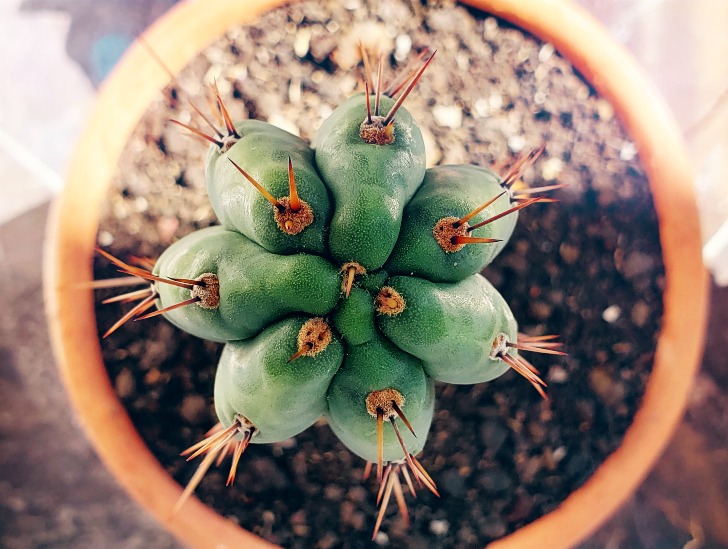
The term “Penis Cactus” is a colloquial name that refers to a specific type of cactus known scientifically as Trichocereus bridgesii. It is also commonly called the “Bolivian Torch” due to its origin in Bolivia and its elongated columnar shape. The nickname is due to the cactus’s appearance, resembling a phallic shape. The cactus grows upright, reaching heights of up to ten feet in its natural habitat. The Bolivian torch cactus features bright yellow spines as long as eight inches. The cactus thrives in relatively warm climates with plenty of sun exposure.

So, how do you take care of a penis cactus? The Bolivian torch cactus prefers full sun exposure making it an ideal option for your outdoor garden. Being a drought-resistant plant, it doesn’t need frequent watering. You should only water it when the potting mix is completely dry. Fertilize your Bolivian torch cactus once a month during the active growing seasons (spring, summer, and fall). Be sure to use a small amount of slow-release fertilizer. The cactus thrives in temperatures between 65 and 85 degrees Fahrenheit. Prune it regularly to prevent it from toppling over if you’re growing it indoors. Watch out for common pests such as aphids and mealybugs, and consider repotting your cactus every two or three years.

This blog post discusses everything you need to know about the Bolivian torch cactus and how to take care of it. Read on to learn more.

Penis Cactus: An Overview

The penis cactus, scientifically known as Trichocereus bridgesii but commonly referred to as the Bolivian torch cactus, is a fascinating and striking member of the cactus family.

Native to the high altitudes of Bolivia, this unique cactus has captured the attention of plant enthusiasts and curious minds alike.

The Bolivian torch cactus boasts an impressive columnar growth habit, often reaching heights of 10 to 20 feet (3 to 6 meters). Its elongated, ribbed stems exhibit a distinctive bluish-green hue adorned with prominent areoles and spines.

A cactus eccentric shape like penis.
It is a fascinating and striking member of the cactus family.

One of its most notable features is its uncanny resemblance to a phallic shape, earning it the humorous nickname “penis cactus.”

Indigenous to the high-altitude regions of Bolivia, specifically the Andean Mountain ranges, the penis cactus thrives in arid and rocky landscapes. It is a hardy species, adapted to withstand extreme temperatures and water scarcity.

Known for its psychoactive properties, the cactus has played a significant role in religious and healing rituals for centuries.

With increasing interest in the Bolivian torch cactus for ornamental and ceremonial purposes, the species faces potential threats from overharvesting and habitat destruction.

That is why many plant conservationists worldwide have started conservation efforts to protect this unique cactus and its natural habitat, encouraging responsible cultivation and ethical practices.

Taking Care of the Penis Cactus

Now that you know a bit more about the penis cactus, let’s take a look at how to care for it. The tips and tricks highlighted below will help you achieve great success cultivating this cactus at home.

1. Watering

The Bolivian torch cactus is a drought-resistant succulent that doesn’t require frequent watering to thrive. In fact, the cactus has a relatively thick stem to store as much water as possible in its natural habitat.

Therefore, only water the cactus when the potting mix is completely dry. You can check for the dryness level by sticking your finger in the soil up to the first knuckle.

If the soil feels dry, go ahead and water your cactus deeply. Otherwise, give it a couple of days before you check again.

When potted, consider watering the cactus slowly and wait for the water to flow out of the bottom of the growing container. Empty all the excess water from the tray to avoid waterlogging your plant.

A water droplet in a cactus.
You can check for the dryness level by sticking your finger in the soil up to the first knuckle.

The watering frequency varies significantly with the season. The cactus is actively growing during spring, summer, and fall. Consider watering your cactus once per week to keep the potting mix slightly wet during this time.

Cut back on watering frequency during winter when the plant is dormant. Only water the cactus slightly during this time to keep the soil wet. Consider light watering once a week or every two weeks.

Water your Bolivian cactus with rainwater or distilled water. Avoid tap water since it contains a lot of magnesium, calcium, and other mineral salts that may cause soil compaction. Avoid splashing water on the stem during watering to prevent stem rot issues.

2. Light Requirements

The penis cactus is a sun-loving species and will thrive in bright, direct sunlight. When grown indoors, providing your cactus with the best possible light source is crucial. Typically, the cactus requires at least six hours of direct sunlight every day to thrive.

Choose an ideal spot that receives plenty of direct sunlight most times of the day. A south or east-facing windowsill is a good spot for your cactus.

A lady finger cactus exposed to light.
When grown indoors, providing your cactus with the best possible light source is crucial.

Feel free to supplement direct sunlight with artificial grow light if need be. Grow lights are great for providing additional light to your cactus during winter or if you live in an area that receives less sunshine.

Keep in mind that if you grow your penis cactus outdoors, it will require a few weeks of exposure to sunlight before it can tolerate full sun conditions.

Start by exposing your plant to dappled sunlight for several hours daily and gradually increase the exposure time.

3. Temperature and Humidity

The penis cactus enjoys a warm climate. It prefers temperatures between 65 and 85 degrees Fahrenheit, although it can tolerate slightly cooler temperatures if necessary.

Avoid exposing your cactus to temperatures below 40 degrees Fahrenheit for extended periods because it may cause irreversible rot to the plant.

The cactus thrives in dry air conditions, typically found in arid habitats. Low humidity levels will help keep the stems and spines healthy.

Consider increasing the humidity level of your home slightly if it is too dry for the cactus.

A simple way is to place a humidifier near the plant or use a shallow water tray filled with pebbles. Ensure the water level is below the pebbles, so your cactus won’t be sitting in water.

4. Soil Requirements

The penis cactus thrives in relatively fertile, gravel-rich, and highly draining succulent soil. The soil pH should be maintained at around 6-7.5.

You can buy a commercial succulent soil mix or make your own by combining perlite, pumice, vermiculite, potting soil, and sand in equal parts.

You should also add some organic matter, like well-rotted compost, to the soil mix to provide additional nutrition for the cactus.

Some gardeners prefer using a culture soil formula that is about 60% vermiculite, 20% sandy soil, and 20% coconut coir or peat moss for nutrients. Some prefer adding a small amount of organic potting soil to the mix.

A golden barrel cactus on hand being repot.
The soil pH should be maintained at around 6-7.5.

You must remember that the roots of the Bolivian torch cactus are quite sensitive to oxygen deficiency. Therefore, root rot can easily set in if the soil is poorly permeable to water and air.

It is pretty easy to determine the permeability of your soil. Pay attention to how fast the water flows through the potting mix when watering. If it takes too long, amend the soil with more perlite or pumice.

5. Fertilizing

The Bolivian torch cactus doesn’t require frequent fertilization to remain healthy and vigorous. You can provide your cactus with a balanced liquid fertilizer diluted in water three times per year.

During spring and summer, you can replace one of the regular watering sessions with a liquid fertilizer solution. Use half the recommended dose listed on the package to avoid salt buildup in the soil.

Avoid fertilizing your cactus during fall and winter when it is dormant, as this may lead to root burn.

You should also avoid using fertilizer if your penis cactus is in a container that has not been repotted for more than two years.

6. Repotting

With time your cactus will outgrow its pot. At this point, you must repot it into a larger one. This will give the root system enough space to spread and the plant to grow bigger.

Repot your Bolivian torch cactus once every two to three years during spring or early summer. Use a pot slightly bigger than the previous one and fill it with fresh succulent soil.

Water heavily after repotting to help the roots establish in the new container. Reserve fertilizing for the next season when the cactus starts showing signs of active growth.

7. Pests and Diseases

Finally, it is essential to keep an eye on your cactus for any signs of diseases or pests. If left untreated, these can cause severe damage to the plant, so treat them immediately.

Common diseases and pests include root rot, fungal infections, mealybugs, aphids, and spider mites. These can be treated with chemical sprays or organic solutions like neem oil and insecticidal soaps.

A san pedro cactus top view.
it is essential to keep an eye on your cactus for any signs of diseases or pests.

Be sure to observe the safety instructions listed on the packaging of chemical sprays. When using organic solutions, ensure you use 100% pure essential oils, not diluted ones.

Keep your cactus healthy by wiping off any dusty layers that may accumulate on its spines or stem from time to time. This will keep the plant clean and free from any pests.

Summary

The penis cactus is a beautiful and unique species that is easy to care for as long as you provide it with the right growing conditions.

With proper watering, light, humidity, soil, fertilizing, and pest management techniques, your Bolivian torch cactus can thrive indoors or outdoors for many years.

What Makes Parodia Magnifica So Magnificent?

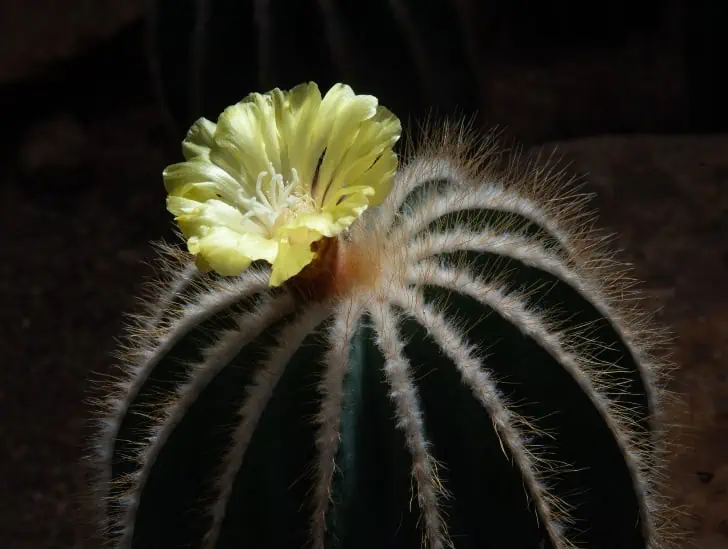
A parodia magnifica closeup image blooming.

Parodia magnifica, also known as the “Magnificent Parodia,” is one of the most unique cactus species in the world. It has a distinct shape and coloring, setting it apart from other types of cacti. Native to the Andes Mountains in South America, this species can be found in various habitats ranging from deserts to grasslands. The Parodia magnifica is loved by cactus enthusiasts due to its unique features and ability to thrive with minimal care.

So, what makes Parodia magnifica so magnificent? The most striking feature of the Parodia magnifica is its spiny body, which consists of thick, white spines that radiate outward from its large central stem. The spines are often curved and densely packed, giving it an almost furry appearance. The spines vary in color, ranging from white to yellow, pink, and even purple. This makes the cactus an attractive option for decorating homes and gardens. The cactus is also known for its unique flowers that vary in shape and color. Some of them are large and brightly colored, while others are small and more muted in color.

This blog post highlights some of the unique characteristics of Parodia magnifica that make it so magnificent. Read on to discover more.

Parodia Magnifica: A Quick Overview

The Parodia magnifica, commonly known as the Magnificent Ball Cactus, is a strikingly beautiful species that captivates the eye with its unique charm and extraordinary appearance.

Native to the South American continent, this cactus belongs to the Cactaceae family and is renowned for its remarkable growth patterns and fascinating adaptations.

The Parodia magnifica is a relatively small cactus with a spherical shape characterized by a plethora of elongated, vibrant green tubercles covering its surface.

A Parodia Magnifica.
The Parodia magnifica is commonly known as the Magnificent Ball Cactus.

These tubercles are adorned with magnificent spines that vary in length and color, ranging from bright yellow to reddish-brown, creating a visually captivating display.

The spines serve as a defense mechanism against herbivores, safeguarding the cactus from potential threats in its natural habitat.

As the cactus matures, it occasionally produces stunning, large, golden-yellow flowers that emerge from the crown of the plant.

The breathtaking blooms are a spectacle to behold and act as a beacon to pollinators, such as bees and butterflies, that play a crucial role in the cactus’ reproductive cycle.

Parodia magnifica usually exhibits a slow but steady growth rate. As it reaches maturity, it can attain a diameter of around 10 to 15 centimeters, making it an excellent choice for enthusiasts of compact cacti collections.

Its relatively diminutive size also allows it to thrive in various settings, including pots, rock gardens, or even as an ornamental houseplant.

Originating from the vast landscapes of South America, the Parodia magnifica finds its natural habitat primarily in regions with arid or semi-arid conditions.

It thrives in well-draining soils and is often nestled between rocky outcrops or gentle slopes.

Its unique ability to endure periods of drought and tolerate high temperatures has enabled it to adapt and flourish in some of the harshest environments on the continent.

One of the most intriguing and captivating aspects of the Magnificent Ball Cactus is its ability to store water in its thickened stem. This adaptation allows the cactus to survive prolonged periods of water scarcity, making it a resilient species in its native habitat.

Additionally, its unique geometric arrangement of tubercles adds to its aesthetic appeal and enhances its water storage capacity by reducing water loss through transpiration.

What Makes Parodia Magnifica So Magnificent?

Now that you understand the Parodia magnifica well, let’s take a closer look at some of the most outstanding features that make it so magnificent.

1. Unique Appearance

Parodia magnifica boasts a truly remarkable and captivating appearance, setting it apart from other cactus species. Its unique morphology and shape are key distinguishing features that set it apart

This cactus stands out among its prickly relatives with a globular or cylindrical body adorned with prominent ribs or tubercles.

Moreover, its size can range from small and compact to larger and more imposing, further adding to its allure.

A parodia magnifica cactus.
Its unique morphology and shape are key distinguishing features that set it apart.

The unique combination of vibrant green tubercles and eye-catching spines creates an unmistakable aesthetic that captivates and charms cactus enthusiasts.

Another standout feature that adds to its unique appearance is its exquisite coloration. The cactus exhibits diverse hues, from vibrant green to serene silver-blue and captivating gray.

Some of its variants may even display hints of reddish tones, making them truly stand out in any collection.

Furthermore, certain variants may display intriguing patterns or variegation, adding an extra layer of visual interest to their appearance.

The cactus also features a unique supination pattern. Each cacti species possesses a specific arrangement and density of spines; in this regard, the Parodia magnifica does not disappoint. Its spines form distinctive patterns that decorate the cactus’s surface, adding to its aesthetic appeal.

Tucked within the spines, Parodia magnifica features small, woolly, or bristly hairs that further accentuate its appearance.

2. Colorful Flowers

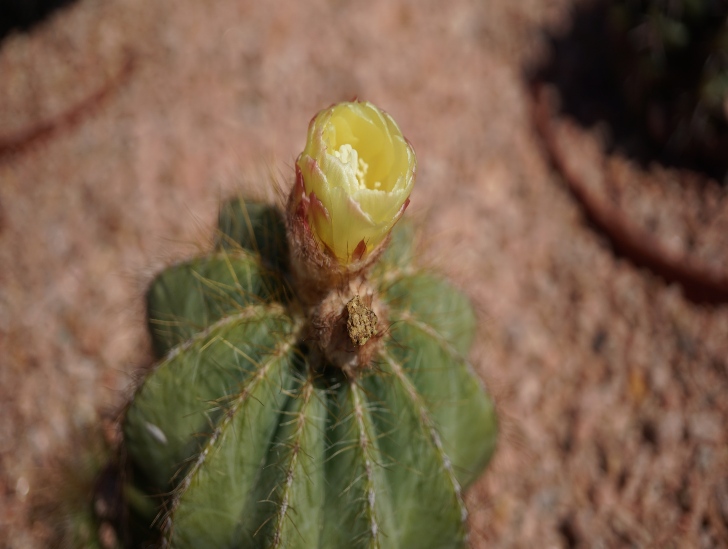
The Parodia magnifica produces exquisite, golden-yellow flowers that bloom from the plant’s crown.

The vibrant blooms are a sight to behold and contribute greatly towards making this one of the most beautiful species in its family.

The cactus flowers during spring and summer but may sometimes flower sporadically throughout the year.

The stunning blooms attract pollinators, such as bees and butterflies, which play a crucial role in its reproductive cycle.

A parodia magnifica flowering.
The Parodia magnifica produces exquisite, golden-yellow flowers.

The flowers can reach up to six centimeters across and possess an unmistakable star-like shape with multiple petals radiating from a central stem.

The majestic blossoms are also an essential food source for different insect species and act as an attractive beacon for pollinators.

3. Fruits and Seed Pods

Among the many alluring features of Parodia magnifica, its fruit and seed pods stand out as remarkable components of its life cycle.

These structures, which develop after successful pollination of its flowers, possess distinctive attributes that contribute to the overall magnificence of the plant.

The appearance of the fruit and seed pods is a visual delight. The fruits vary in size, from small, delicate capsules to more substantial, eye-catching globular sizes.

Their colors can be equally captivating, ranging from rich green to warm yellow, depending on the cactus variety.

The texture of the fruit and seed pods is another intriguing aspect. Some Parodia magnifica variants usually have smooth and glossy exteriors, while others exhibit spines, hairs, or tubercles on their surfaces, providing an extra layer of tactile fascination.

Moreover, the development of these fruits and seed pods is an eventful and captivating process. As the flowers fade away, seed pods begin to form and grow in their place.

Observing the transformation from a withering bloom to a developing fruit can be a rewarding experience, demonstrating the life cycle of the cactus in all its natural splendor.

In some cases, the fruits and seed pods might hold surprises within them. The seed pods house remarkably small, numerous, or uniquely patterned seeds reflecting the cactus’s evolution and adaptation to its environment.

The seeds carry the promise of new life and growth, adding a layer of symbolism and significance to the fruiting process.

4. Resilience

As you may have already guessed, one of the most outstanding features of the Parodia magnifica is its resilience.

It has remarkable adaptations that allow it to survive in some of the harshest conditions found in South America.

The cactus can go without water for long periods, with its thick stems acting as effective water reservoirs. Additionally, its spines and woolly hairs serve the purpose of reducing water loss through transpiration.

A parodia magnifica in a pot.
One of the most outstanding features of the Parodia Magnifica is its resilience.

Moreover, it can withstand high temperatures for extended periods while still maintaining a good amount of vigor, often emerging unscathed from relentless heat waves.

These remarkable characteristics make Parodia magnifica one of the most resilient cactus species in its native range, allowing it to thrive under harsh environmental conditions.

5. Season Changes

The other fascinating aspect of Parodia magnifica is its ability to undergo seasonal changes that contribute to its allure throughout the year. This cactus species reveals a dynamic and captivating transformation as the seasons shift.

During the active growing season, typically in spring and summer, the cactus experiences a burst of activity. It may enter a period of vigorous growth, producing new stems, areoles, and spines.

This time of abundance often coincides with the blooming of its magnificent flowers, showcasing a breathtaking display of colors and shapes that will captivate any observer.

As the seasons progress and conditions change, the cactus gracefully adapts to the shifting environment.

With the arrival of autumn, it undergoes subtle changes in coloration, displaying warm hues that reflect the changing landscape around it.

These autumnal shades add to the cactus’ visual appeal and contribute to the overall charm of the garden or collection where it resides.

A ball cactus blooming.
One of the most outstanding features of the Parodia Magnifica is its resilience.

As winter approaches, Parodia magnifica enters a period of rest or dormancy. During this time, its growth rate slows down, conserving energy and resources to withstand harsh conditions.

While it might seem less active, the cactus remains a striking presence with its unique form and textured surface, contributing to the winter aesthetic of the landscape.

Summary

From its unique appearance to its impressive resilience, the Parodia magnifica is a magnificent cactus that stands out among other members of its family. With colorful blooms, captivating fruits and seed pods, and dynamic changes throughout the year, this cactus species will surely bring a unique charm to any garden or collection.

The Ultimate Guide to Propagating Mammillaria Elongata Successfully

A small lady finger cactus on a pot.

Mammillaria elongata, commonly referred to as ladyfinger cactus, is one of the best cacti species to grow at home. The cactus is native to Mexico and is the prettiest cactus you’ll ever encounter. What makes the ladyfinger cactus popular is its low-maintenance requirements and beautiful looks. Its surface is covered by numerous spines that are harmless. The spines form an eye-catching brown, yellow, or white carpet. However, one of the biggest worries for any cacti enthusiast is how to propagate Mammillaria elongata. Fortunately, propagating the ladyfinger cactus is relatively easy.

So, how do you propagate Mammillaria elongata? The ladyfinger cactus can be propagated through cuttings or seeds. To propagate through cuttings, use a sharp knife to cut the stem of the plant at the base and let the cutting dry. Fill a container with well-draining soil and plant the cut end. Keep the soil moist and wait for the cuttings to form roots. For seed propagation, plant the seeds in a seed-starting mix and water them regularly. The seeds will germinate after a few weeks. Allow the seedlings to reach about two centimeters before you transplant.

This blog post outlines everything you need to know about propagating Mammillaria elongata. Read on to learn more.

Why Should I Propagate Mammillaria Elongata?

Before we get into the nitty-gritty details of propagating Mammillaria elongata, let’s talk about the benefits of propagation. Propagating your cactus helps you create a bigger collection without investing in new plants.

Also, with proper care and attention, you can produce a plant that is as strong and healthy as those store-bought.

The best time to propagate your ladyfinger cactus is in the spring when the plants start thriving, and they can be easily divided into cuttings or grown from seeds.

A lady finger cactus flowering.
Propagating your cactus helps you create a bigger collection without investing in new plants.

The weather should also be warm and dry. So, ensure you have ideal propagation conditions before you get started.

How to Propagate Mammillaria Elongata from Cuttings

Ladyfinger cactus can be propagated through cuttings or seed germination. Each propagation method has its pros and cons. We’ll discuss each process in detail so you can decide which one is best for you.

Propagation Through Cuttings

Propagating ladyfinger cactus through cuttings is an easy and effective way to create new plants from an existing plant. You will need the following materials to propagate ladyfinger cactus through cuttings:

  • Healthy and mature ladyfinger cactus (source plant)
  • Sharp, sterilized pruning shears or a clean knife
  • Well-draining potting mix (cactus mix or a mix of sand, perlite, and peat moss)
  • Small pots or containers with drainage holes
  • Rooting hormone (optional but can enhance success)
  • Plastic wrap or a clear plastic bag
  • Water spray bottle

Step-by-Step Guide to Propagating Ladyfinger Cactus

Follow the steps outlined below to propagate your Mammillaria elongata from cuttings.

Step 1: Prepare the Mother Plant

Ensure that the source ladyfinger cactus plant is healthy and disease-free. It’s best to choose a mature plant with several stems to avoid excessive damage to the parent plant during cutting.

A lady finger cactus exposed to light.
Ensure that the source ladyfinger cactus plant is healthy and disease-free.
Step 2: Select and Prepare the Cutting

Identify a healthy and well-developed stem for cutting. Use sterilized pruning shears or a clean knife to make a clean cut about 1-2 inches above the stem’s base.

The cutting should be approximately 3-4 inches long. Allow the cutting to callus over for a day or two before proceeding to the next step.

Step 3: Potting Mix and Container Preparation

Fill small pots or containers with a well-draining potting mix suitable for cacti. A cactus mix or a blend of sand, perlite, and peat moss in equal parts works well. Ensure the container has drainage holes to prevent waterlogged soil.

Step 4: Rooting Hormone (optional)

Dip the cut end of the cactus cutting in a rooting hormone or gel. While not essential, a rooting hormone can encourage faster root development and increase the success rate.

Step 5: Plant the Cutting

Make a small hole in the potting mix using your finger or a stick. Gently insert the cut end of the ladyfinger cactus cutting into the hole, making sure it stands upright. Lightly press the soil around the cutting to provide stability.

Step 6: Watering

Water the newly planted cutting sparingly, making sure not to overwater. Allow the top inch of the potting mix to dry out between watering sessions to prevent root rot. A water spray bottle can be used to moisten the soil evenly without disturbing the cutting.

Step 7: Provide Indirect Light

Place the potted cutting in a location with bright, indirect sunlight. Avoid placing it in direct sunlight, which can lead to sunburn on the cutting. A windowsill with filtered light or a spot under a shade cloth is ideal.

A lady finger cactus in a pot.
Place the potted cutting in a location with bright, indirect sunlight.
Step 8: Encourage Humidity

Cover the cutting with plastic wrap or place it inside a clear plastic bag to create a humid microenvironment. This helps retain moisture and promotes successful rooting. Remove the cover briefly every few days to prevent fungal growth.

Step 9: Monitor and Be Patient

Check the cutting regularly for signs of root development. This process can take several weeks to a couple of months, so be patient. Avoid disturbing the cutting unnecessarily during this period.

Step 10: Transplanting

Once the cutting has developed sufficient roots (visible through the drainage holes or by gently tugging the cutting with resistance), it is ready to be transplanted into a slightly larger container with a regular cactus potting mix. Continue caring for the new plant as you would for a mature ladyfinger cactus.

PS: The best time to take cuttings for propagation is during the growing season, typically in spring or early summer. This is when the cactus is actively growing and has a higher chance of successful root development. Propagation through cuttings also requires patience. It may take some time for the cutting to root and establish itself. Avoid overwatering or disturbing the cutting during this period.

Propagation Through Seed Germination

Propagating ladyfinger cactus (Mammillaria elongata) through seeds is an exciting and rewarding way to grow this unique cactus species.

Unlike propagating through cuttings, seed propagation allows you to witness the complete life cycle of the cactus, from germination to maturity.

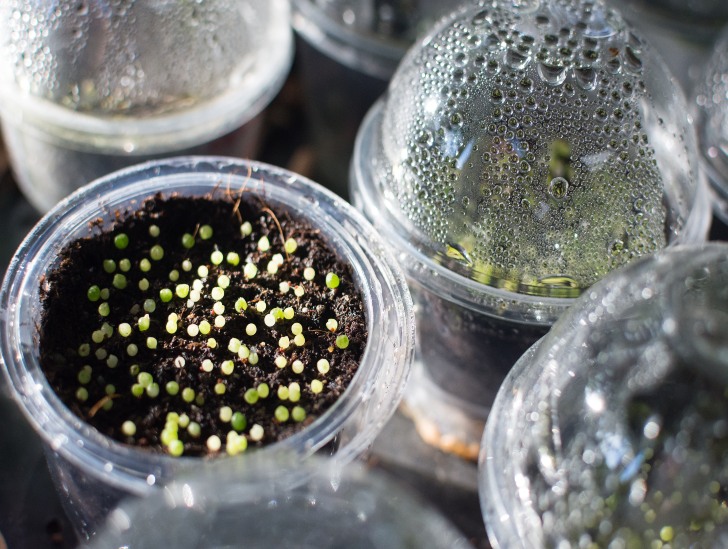
Seedlings on cups.
Propagating ladyfinger cactus (Mammillaria elongata) through seeds is an exciting and rewarding way to grow this unique cactus species.

You will need the following tools to propagate ladyfinger cactus through seed germination:

  • Fresh ladyfinger cactus seeds
  • Well-draining cactus potting mix (or a mix of sand, perlite, and peat moss)
  • Small pots or seed trays with drainage holes
  • Clear plastic wrap or a clear plastic lid (for seed trays)
  • Water spray bottle
  • Bottom heat source (optional but can aid germination)
  • Grow light or a well-lit location with indirect sunlight.

Step-by-Step Guide to Propagating Ladyfinger Cactus Through Seed Germination

Follow the steps outlined below to propagate your Mammillaria elongata through seed germination:

Step 1: Seed Selection and Preparation

Obtain fresh ladyfinger cactus seeds from a reliable source. If you have access to mature ladyfinger cacti, you can harvest the seeds from ripe fruits.

Store-bought seeds are also a good option. Ensure the seeds are fresh and viable for the best germination results.

Step 2: Potting Mix and Container Preparation

Fill small pots or containers with a well-draining cactus potting mix. Alternatively, you can use a combination of sand, perlite, and peat moss in equal parts. Ensure the container has drainage holes to prevent waterlogged soil.

Step 3: Plant the Seeds

Sprinkle fresh ladyfinger cactus seeds over the surface of the soil. Do not cover them with additional soil; they need light to germinate. Gently press down on the soil to ensure good contact between the seed and potting mix.

Step 4: Moisten and Cover

Lightly spray the surface of the soil with water to moisten it. Cover the container or tray with clear plastic wrap or a lid (for seed trays). This helps maintain moisture and humidity, increasing germination success.

Step 5: Provide Bottom Heat (optional)

Placing the container on an electric heat mat under 75-80°F can speed up germination. A warm, well-lit windowsill can also provide bottom heat.

Step 6: Provide Adequate Light

Place the container in a location with bright, indirect light, or use a grow light. Ensure the seedlings receive 12 hours of light daily to ensure healthy growth.

Step 7: Monitor and Water

Monitor the soil moisture regularly, refilling the water spray bottle as needed. Keep the soil moist but not soggy to prevent fungal diseases. Once seedlings emerge, reduce watering gradually until you can see uniform drying of the top layer of soil between sessions.

Step 8: Transplanting

Once your ladyfinger cactus seedlings are 3-4 inches tall, they can be transplanted into individual containers with well-draining cactus potting mix. Continue caring for your plants as you would a mature Mammillaria elongata.

A old lady cactus flowering.
Continue caring for your plants as you would a mature Mammillaria elongata.
Step 9: Continued Care

Continue to provide bright, indirect sunlight and proper watering to the young seedlings. As they grow, you can gradually acclimate them to more direct sunlight.

Summary

Propagating cactus is a fun and rewarding experience. Growing your ladyfinger cactus from seed or cutting provides the satisfaction of watching it grow from start to finish.

Whether you opt for propagation through cuttings or seed germination, give yourself plenty of time and patience to ensure successful results.

With proper care and maintenance, your ladyfinger cactus will thrive and bring you plenty of joy. Good luck!

How to Care for Trichocereus Grandiflorus: A Beginner’s Guide

A trichocereus grandiflorus.

Trichocereus grandiflorus, commonly known as the red torch cactus or the Desert’s blooming jewel, is a beautiful and unique species native to South America. Its striking red flowers make it a popular choice among gardening enthusiasts. The cactus is gorgeous, and its magnificent blooms capture the attention of everyone. It stands upright, with its branches growing splendidly from its base. Its stems are bright green with a slightly yellow hue and are covered in golden spines. The flowers appear in late spring and summer in clusters of red and yellow colors, providing a stunning display.

So, how do you care for a red torch cactus? Like any other cactus plant, a red torch is relatively easy to care for. The main issues are with overwatering. Occasional watering when the potting mix is completely dry will make your red torch cactus thrive. Ensure the soil is loose and well-drained, and you provide temperatures above 70 degrees Fahrenheit. This cactus can tolerate direct sunlight but ensure that it gets some shade during the hottest parts of the day. Feed it occasionally with a balanced cactus fertilizer for it to bloom. Pruning is also essential because it helps maintain its shape and prevents unwanted growth.

This blog post provides you with an essential guide on how to care for your Trichocereus grandiflorus. Read on to find out everything you need to know.

Trichocereus grandiflorus: A Quick Overview

Trichocereus grandiflorus is one of the most popular cactus species known for its bright red blossoms. It can reach up to 4 feet in height, with the main stems growing upright while secondary branches form at the base.

The stems are greenish-yellow and covered in golden spines, protecting the plant from predators. Its unique star-like shape gives it a majestic look.

The cactus is native to South America, mainly Argentina, but it is cultivated worldwide as a potted or rockery plant.

It looks great on its own but can grow in different locations of your home as clusters. As an ornamental and drought-tolerant plant, the cactus is commonly used in xeriscape landscaping, such as rock gardens.

A Trichocereus grandiflorus red flower.
Trichocereus grandiflorus is one of the most popular cactus species known for its bright red blossoms.

However, some gardeners prefer growing it alongside other desert plants, such as agaves and cacti. When planting, ensure you allow for enough vertical clearance.

Also, give it enough room to spread horizontally since it produces many branches from its base.

Caring For Trichocereus Grandiflorus

Trichocereus grandiflorus is easy to care for, but getting the basics right is crucial if you want your plant to thrive. Here is what you should know to get started:

1. Watering

Watering is one of the most critical aspects of caring for Trichocereus grandiflorus. Like most cacti, excessive watering can lead to irreversible root rot, eventually killing the plant.

Remember that these plants are native to dry areas and have adapted to survive with little water. Consider watering your Trichocereus grandiflorus sparingly during the active growing season (spring and summer).

Check the level of soil moisture before watering. You can insert a finger into the soil and check if it is dry. If the soil still feels moist, don’t water your cactus.

If the soil feels completely dry, proceed with watering. The best way to water a Trichocereus grandiflorus is from below using an open tray.

Fill the tray with water and let your cactus sit in it for about 30 minutes. After that, discard excess water.

2. Light

Trichocereus grandiflorus prefers full sun or light shade but can tolerate partial shade. The best spot for it is a sunny window or outdoors in an area with plenty of sunlight and shade during the hottest parts of the day.

When grown outdoors, it can thrive in full sun without any issues. Remember that the cactus has little cover in its natural habitat and has adapted to thrive under harsh desert conditions.

You must be careful with the shade you provide, even during summer. Too much shade can lead to etiolation.

A trichocereus grandiflorus outdoors.
When grown outdoors, it can thrive in full sun without any issues.

If you live in a region that experiences mild winters, you can easily cultivate Trichocereus grandiflorus outdoors, where it will receive direct sunlight throughout the day.

If you plan on growing the cactus indoors, choose a perfect spot with plenty of sunlight.

A bright south-facing window is an ideal spot for the cactus, but an east or west-facing windowsill can still work perfectly.

One thing you must keep in mind is that this cactus does not thrive in low-light environments, especially indoors.

So, if you plan to transfer your Trichocereus grandiflorus indoors during the winter, know it will need more light.

You can supplement natural sunlight with an artificial grow light to ensure the plant receives enough light to thrive.

3. Temperature

Closely related to the aspect of light is temperature. Trichocereus grandiflorus prefers warm temperatures and can tolerate a wide range of temperatures, from the mid-50s to the mid-90s°F (10-35°C).

During winter, it grows slowly and requires lower temperatures than during summer. Place your cactus in a cool spot below 50°F (10°C) if growing it indoors.

If you live in an area that experiences cold winter climates, moving the pot indoors to receive more light and shelter from frosty conditions is best.

It’s also important to note that Trichocereus grandiflorus requires good air circulation and should never be placed in stuffy spots.

4. Container

If you intend to cultivate this cactus indoors, you will need an appropriate container to hold it.

Look for a container with plenty of drainage holes that allow excess water to drain from the bottom as quickly as possible.

Drainage is a critical aspect of caring for Trichocereus grandiflorus. A growing pot with enough drainage holes will work best. Instead, it may lead to severe root rot, eventually killing your plant.

A trichocereus grandiflorus in a pot.
A growing pot with enough drainage holes will work best.

Pots made out of terracotta tend to absorb some of the water from the potting mix. This can be a good thing if you accidentally overwater your plant.

However, it also means that you must water your Trichocereus grandiflorus frequently during summer.

Glazed ceramic containers, plastic pots, and wooden containers are also great options for your cactus. Choosing the perfect pot for your cactus boils down to personal preference.

Whichever type of container you choose, fill it with a well-drained potting mix with plenty of organic matter.

5. Soil Requirements

The most important thing when it comes to soil requirements is drainage. Trichocereus grandifloras needs a fast-draining soil mix that retains some nutrients but allows for enough air circulation.

You can buy a pre-mixed succulent and cactus potting mix at your local garden center or prepare one with perlite, compost, sand, peat moss, and some pumice.

If you plan to grow cacti in containers outdoors, choose a well-drained soil mix that has a good amount of organic matter. A combination of soil, sand, and compost should work perfectly.

6. Fertilizing Requirements

Applying fertilizer to your Trichocereus grandiflorus is essential because it gives it the best colors and aids blooming. The flowers can easily become fruits when your plant receives enough nutrients.

But you must be careful with the fertilizer type and its application. Feed your cactus with a balanced fertilizer with equal amounts of nitrogen, phosphorus, and potassium during the growing season.

You can also mix some slow-release fertilizer in the potting soil when you plant it or sprinkle a thin layer on top of the soil every two to three months during the growing season.

When applying fertilizer, always follow the directions on the label carefully. Over-fertilizing can burn your cactus’s roots and lead to stunted growth.

7. Pruning Requirements

The Trichocereus grandiflorus has a relatively slow growth rate. Pruning is only necessary to maintain the shape of your cactus or eliminate damaged parts.

Use sharp and clean scissors or garden shears to make precise cuts when pruning. Make sure you sterilize your tools before and after each use with a solution of one part bleach and ten parts water.

A blue pruner.
Use sharp and clean scissors or garden shears to make precise cuts when pruning.

Do not prune the cactus during the dormant period because it can hinder proper growth. If you want to shape it, wait until the next growing season and then prune when necessary.

8. Repotting

Lastly, you must repot your Trichocereus grandiflorus every two or three years. When you report it, ensure the root ball is tightly packed and has ample space in the new container to grow.

Use a slightly larger pot with enough drainage holes, as discussed earlier. Repotting with fresh soil will also help replenish the potting mix’s essential nutrients.

A trichocereus grandiflorus top view.
Ensure the root ball is tightly packed and has ample space in the new container to grow.

Generally, repot your cactus in spring or summer when it grows actively. When done correctly, this will help promote healthy growth and blooms.

Summary

Taking care of a Trichocereus Grandiflorus can be challenging, but with this beginner’s guide, you will surely provide your plant with all it needs to thrive.

All factors discussed above will help ensure a healthy and long-lasting Trichocereus grandiflorus.

Ultimately, the key to success in caring for your cactus is consistency and paying attention to its individual needs.

We are confident you’ll keep your cactus happy and healthy with these tips.

Grafted Cactus: The Ultimate Guide

Human beings have long liked to tinker with nature to see the results. As such, crossbreeding of plants is quite common. This practice has resulted in the emergence of plant varieties that are hardier than their original versions, offering better yield or more ornamental value. Grafting happens when a piece of one plant is grown onto another plant. While grafted cactus is a direct result of human intervention, there is more to it than meets the eye.

So, what is grafted cacti? Simply put, grafted cacti is a combination of two different cacti species on one plant. To be grafted, both plants need to be cut, and then the pieces are joined together with a special grafting technique. It means that the stem of one cactus is grafted onto the rootstock (base) of another. The result is a single plant with two separate parts – one on top and the other at the bottom. The top part is known as the scion, while the bottom is known as the rootstock.

This blog post discusses everything you need to know about grafted cactus, from how it’s done to why this technique is so popular. So, let us get started.

Grafted Cactus: An In-depth Analysis

Perhaps, the grafting technique for cacti plants is started in the wilderness and only aided by human beings.

What do we mean? Well, in their natural habitat, some cacti species produce pups that get detached from the mother plant after some time.

When the mutant pup separates itself from the mother plant, it has no choice but to die since it cannot photosynthesize.

A yellow crest grafted cactus in a pot.
This process gives rise to a new plant with features from two different plants.

The primary reason it can’t photosynthesize is that it lacks chlorophyll, which is critical in photosynthesis.

For the mutant pup to survive, it must have other means of getting water and nutrients. That is where the grafting technique comes into play.

The pup is grafted onto an existing cacti plant to get nutrients from its “host” via the roots. The mutant pup then grows slightly faster than normal since it has access to more resources. This process gives rise to a new plant with features from two different plants.

However, the grafting process in a home environment is a little more complicated. It requires you to have the right tools and techniques, as well as a high level of expertise.

You must also understand the compatibility of the two cacti species to ensure a successful graft. If you plan on trying this technique, make sure you research thoroughly before attempting it.

Grafting Cacti Plants: Why Do It?

Cacti plants are grafted for many reasons. You can choose to graft your plants to produce a different cacti species mechanically.

The process produces a faster-growing, more robust species with enhanced ornamental value.

A small colorful cactus.
You can also graft cacti plants to create a unique shape or size that you otherwise wouldn’t get from regular cultivation.

You can also graft cacti plants to create a unique shape or size that you otherwise wouldn’t get from regular cultivation.

Grafting helps protect the mutant pup from the environment since it can draw nutrients from its host’s roots.

The process also helps the new plant to resist pests and diseases better since it is a combination of two different cacti species.

Grafting is relatively common in fruiting cacti species since it increases the overall growth rate and maturity of an existing cactus plant for earlier fruition.

Typically, the scion inherits the characteristics of its mother plant, while the rootstock now turns into the base of the new plant.

A moon cactus garfting.
Grafting is relatively common in fruiting cacti species.

The union is usually at the vascular cambium, where the scars of the rootstock and the scion are carefully sealed together to aid healing and joining.

Once the wounds have healed completely, no special grafted cactus care is needed. All you have to do is take care of it like you would do for any other cacti plant.

What Are the Common Rootstocks for Cactus Grafting?

As mentioned earlier, you need to fully understand the compatibility of the two cacti species before you attempt grafting.

Generally, you can use any species as a rootstock. However, many experienced gardeners prefer using any of the following cacti species as rootstocks:

1. Dragon Fruit

The dragon fruit is a green cactus plant that makes an excellent rootstock for grafted succulents because it is more resilient and adaptive to sudden environmental changes like temperature and humidity. The dragon cactus produces a fruit referred to as the dragon fruit or pitaya.

A grafted dragon fruit.
You can also graft cacti plants to create a unique shape or size that you otherwise wouldn’t get from regular cultivation.

2. Barbary Fig

The Barbary fig is a firmly rooted species that readily take in the tissue for scions it is grafted onto. It thrives well in hot climates, making it an excellent rootstock for such conditions.

3. Peruvian Torch Cactus

The Peruvian torch cactus is a columnar cactus species that grows well in most types of soil. It is often used as a rootstock for other succulent and desert plants because it can tolerate extreme conditions like drought, frost, and intense heat.

It can reach up to 30 feet high with the right growing conditions. The cactus also produces an edible fruit commonly used in South American Cuisine.

4. Golden Torch Cactus

The golden torch cactus grows between 3-6 feet tall and is a desert-type cactus. It can tolerate extreme temperatures from both hot and cold climates and requires minimal maintenance, making it an ideal rootstock for grafted cacti plants.

5. Blue Myrtle Cactus

The blue myrtle cactus is a Mexican plant with a columnar shape and dark blue-green color. It is often used as a rootstock for grafting due to its ability to tolerate extreme temperatures and soil types. This cactus also produces an edible fruit that is sweet and juicy.

Though these cacti species are excellent for grafting, it is also essential to research thoroughly and understand the compatibility of the other cacti species involved.

Grafting Cacti Plants: The Process

The process of cacti grafting is a bit labor-intensive, but once you understand the steps and the materials required, it becomes easier. Here are some tips to keep in mind when grafting your plants:

  • Choose healthy scion and rootstock plants that have similar or compatible sizes. Check for signs of disease or infection before you start the grafting process.
  • Use a sharp blade or scalpel to make a flat cut at the top of the rootstock and then create a slit down its side about 1/4 inch deep.
  • Place the scion onto the rootstock and be sure the vascular cambium layers are touching.
  • Secure the scion with a rubber band or any other material to hold it in place while it heals.
  • Water the grafted plant regularly, but do not overwater or underwater it.
  • After a few weeks, the scion should have successfully taken over the rootstock. To ensure this, inspect the top of the scion and ensure it has started growing new roots and shoots.
  • Once the scion is securely joined to the rootstock, you can start taking care of your cactus as usual.

Tips for Grafted Cactus Care

Grafting is a delicate process and requires special care to ensure successful results. Here are some tips on how to properly care for your grafted cactus:

  • Get the temperature right – Cacti prefer warm temperatures between 18-25 degrees Celsius, with slightly higher temperatures during summer and slightly lower temperatures during winter.
  • Water appropriately – Grafted cacti need regular watering but should be allowed to dry out before their next watering session.
  • Monitor for pests and diseases – Keep a close eye out for signs of infection or any kind of damage caused by environmental changes or pests.
  • Provide enough light – Grafted cacti need plenty of sunlight, so make sure to give them at least six hours of direct light each day for optimal growth.

Moon Cactus and Why It is the Most Ideal Cactus to Graft

The Moon Cactus, or Gymnocalycium mihanovichii, is a type of cactus that was first discovered in the 19th century.

It is native to South America and has been cultivated as an ornamental plant. The Moon Cactus has a unique shape and vibrant colors, which make it stand out among other cacti species.

A grafted cactus.
The cactus usually needs to be grafted onto a compatible rootstock to survive and thrive.

Perhaps, one of the standout features of the moon cactus is its colorful appearance. Unfortunately, this cactus lacks chlorophyll needed to help it manufacture its own food. Therefore, the cactus usually needs to be grafted onto a compatible rootstock to survive and thrive.

It is also a popular choice for grafting due to its ability to tolerate extreme temperatures and drought conditions.

Overall, the Moon Cactus makes for an ideal scion because of its bright colors and resilience to extreme weather conditions.

That is why it has become popular for grafting among gardeners looking for an ornamental cactus.

Summary

Grafting cacti is an effective method for propagating and cloning your favorite plants.

The process involves selecting compatible rootstock and scion plants, joining them together in the right way, and giving them proper care they need to thrive.

With a bit of patience and dedication, you can easily graft your own collection of cacti plants. Good luck!

Starting Your Cactus Journey: Our Top 7 Picks for Beginners

Cacti are amazing plants available to buy and grow in your garden. Most of them are relatively easy to look after and survive, even with neglect. In fact, they are the only group of plants known to be highly forgiving. However, these succulents can still suffer various problems that beginner gardeners might have trouble identifying and dealing with. For instance, some cacti varieties require more water than others, or they may need to be repotted every few years to thrive. This can be daunting for beginners. Luckily, there are some cacti varieties perfect for newbie gardeners who may not have much experience in this area.

So, what are the best cacti for beginners? We can recommend many cacti plants that are relatively easy to grow, but not all of them are easily available in plant nurseries and online stores. So, if we were to pick the best cacti for beginners, we would go with Mammillaria, Rebutia, Echinopsis, Orchid cacti, Barrel cactus, Prickly Pear Cactus, and Gymnocalycium. Others include the Angel Wings cactus, the Rat Tail cactus, the Saguaro cactus, and the Christmas cactus. These cacti are easy to find and relatively low maintenance.

This blog post discusses some of the best cacti for beginners in detail while highlighting their unique characteristics and needs. Read on to learn more.

Mammillaria

Commonly referred to as the “pincushion cactus,” mammillaria remains one of the largest species in the cactus family, with more than 250 varieties. They are also one of the most cultivated cacti species. They vary from relatively small to large clusters and are Native to Mexico.

Mammillaria loves bright, indirect sunlight but can still survive in full light. In fact, exposing it to full light promotes flowering, but you must be careful to avoid causing sunburn.

In summer, water your Mammillaria frequently (every week) but go slow during winter since the plant slides into a state of dormancy.

A person holding a Flowering Mammiliaria in a brown pot.
Exposing it to full light promotes flowering, but you must be careful to avoid causing sunburn.

Consider reducing your watering frequency to once every four or five weeks. The cactus will thrive in relatively cool spots with temperatures of between 60-65 degrees Fahrenheit.

Mammillaria is known to flower quite easily, but they produce relatively small flowers. The flowers range from white to purple.

Mammillaria is one of the best cacti for beginners due to its easy-going nature, forgiving behavior and resilience. They are also easy to find, and you can find lots of information online on their general care routine.

Rebutia

Rebutia is a special type of cactus that comes from the high altitudes of Bolivia. It has a very relaxed look with its small globular body.

Rebutia is one of the best cacti for beginners because it can survive in low-light conditions as well as relatively harsh conditions.

Unlike Mammillaria, this type of cactus does not require frequent watering and can go for weeks without being watered.

During summer, water your Rebutia occasionally only if the soil is completely dry. During winter, the cactus will not require any watering at all.

Rebutia loves bright indirect sunlight since too much light can lead to sunburns. So, you must limit its exposure to full light, especially during summer when we have extended periods of sunny days.

A flowering rebutia cactus in a pot.
Once you get used to its prickly nature, you will realize that Rebutia is a great choice for a beginner.

It produces bright yellow and red flowers, but only if you expose it to the right amount of light.

Rebutia is not as popular as other cacti species due to its small spines, which can be uncomfortable when handling it.

However, once you get used to its prickly nature, you will realize that Rebutia is a great choice for a beginner.

Barrel Cactus

The barrel cactus belongs to genus Ferocactus known for being fierce and hardy. A typical barrel cactus is usually covered with long, sharp spines that protect its juicy and edible pulp.

In its natural habitat, this cactus species can grow up to 6ft tall and is easy to find in stores. It needs full sun with temperatures of between 55-90 degrees Fahrenheit.

Water your barrel cactus sparingly during summer and let the soil dry out completely between watering sessions. During winter, you can reduce your watering frequency by half or even more, depending on the environment.

Barrel cactus can live for many years and reach great heights. Indoor barrel cactus can easily hit a height of five feet.

The succulent is a great choice for those who want an easy-to-maintain plant that requires little attention and care. Its ability to thrive in the harshest conditions has made it popular amongst beginners and experienced gardeners.

The barrel cactus will produce beautiful flowers (usually yellow or orange) during summer if you provide it with enough sunlight and water.

Echinopsis

Also known as the hedgehog cacti, Echinopsis remains one of the most popular cactus types amongst gardeners.

It is native to South American deserts and boasts beautiful spines that stretch out like hair from its body, making it one of the most unique cacti plants.

A flowering echinopsis in a black pot.
You must grow it in a highly porous and well-draining potting mix to achieve good results at home.

However, its ability to survive in relatively harsh conditions with minimal attention makes it a great choice for beginners.

This succulent loves rich soil in its natural habitat, where it grows pretty quickly since it develops a dense root system for water and mineral absorption.

Therefore, you must grow it in a highly porous and well-draining potting mix to achieve good results at home.

It loves good watering during summer but should only be watered when the soil is completely dry. During winter, water it sparingly to prevent root rot.

Echinopsis can handle variable light conditions, but direct sunlight can damage its spines. Therefore, consider providing it with indirect or filtered sunlight to avoid sunburns.

For temperature and humidity, this cactus is quite hardy, requiring a minimum temperature of 15 degrees Celsius and relative humidity of about 40%.

Echinopsis produces beautiful flowers in bright yellow, pink, and red colors that attract bees and butterflies.

Thelocactus

Thelocactus refers to a cacti genus comprising medium-sized columnar or globular-shaped cacti plants. Cacti plants in this category tend to have many beautiful spikes with a diameter of around 8-20cm.

When growing Thelocactus, you must provide it with an appropriate soil mix (well-draining) and full sun exposure to encourage growth.

In fact, you should only consider growing Thelocactus if you live in an area that receives plenty of sunlight. Water your cacti when the soil is dry and reduce watering frequency during winter.

This cactus species can tolerate some frost, but it is always recommended to keep it indoors during the cold months.

A flowering thelocactus in a pot.
Thelocactus refers to a cacti genus comprising medium-sized columnar or globular-shaped cacti plants.

Thelocactus is a great choice for those who want an easy-to-care-for plant that will grow well in harsh conditions.

It produces attractive flowers in yellow, purple, and red shades, making it a great addition to any indoor or outdoor garden.

Plus, its sturdy and long-lasting nature makes it ideal for those who want a cactus that will last for many years.

Prickly Pear (Opuntia Cactus)

Prickly pear is one of the traditional types of cacti species ideal for beginners. The opuntia cactus is native to North America and commonly found in desert habitats.

It is a low-maintenance plant that requires minimum care and attention. It can handle high temperatures and extended drought periods with little water requirements.

Always allow the soil to dry out completely before watering your prickly pear cactus. Reduce the frequency of watering significantly during winter to prevent root rot.

The prickly pear cactus is quite cold hardy and can tolerate temperatures of up to -30 degrees Celsius. It thrives in full sun exposure but consider watering it sparingly during summer for best results.

A prickly fruit cactus.
The prickly pear cactus is definitely worth trying if you’re looking for an easy-to-care-for plant.

This cactus is known for its stunning red, yellow or white flowers appearing from late spring to summer. It also produces edible fruits with a sweet and refreshing taste, making them a great addition to any garden.

The prickly pear cactus is definitely worth trying if you’re looking for an easy-to-care-for plant that will add beauty and color to your landscape.

Astrophytum

Astrophytum is a small group of cacti plants also referred to as star cacti due to their star-shaped appearance.

Most of them are columnar and somehow globular. Some species in this genus are spineless, making it a great choice for beginners.

The succulent is known for its slow growth and low maintenance requirements making it ideal for both experienced and beginner gardeners.

Astrophytum thrives in a well-draining potting mix with some added sand to enhance water drainage.

Water your cacti plant once a week during summer when temperatures are high and reduce the frequency significantly during winter.

It requires bright sunlight to survive and thrive. However, adjust the amount of light you provide depending on your environment.

Too much direct sun can cause sunburns, while too little light will result in poor growth and blooming.

This cacti species is very tolerant of cold temperatures and can tolerate temperatures down to -5 degrees Celsius.

It produces beautiful yellow and pink flowers that attract bees and butterflies when grown outdoors.

It is definitely worth trying if you’re looking for a low-maintenance cactus species with stunning blooms.

Summary

These are some of the best cacti for beginners. These species are a great way to start if you are considering getting into cacti culture.

After getting to know these plants and how to care for them, you will be well on your way to becoming a cactus expert.

But be sure to conduct your research before purchasing any plant to ensure it is the right fit for you and your home.