
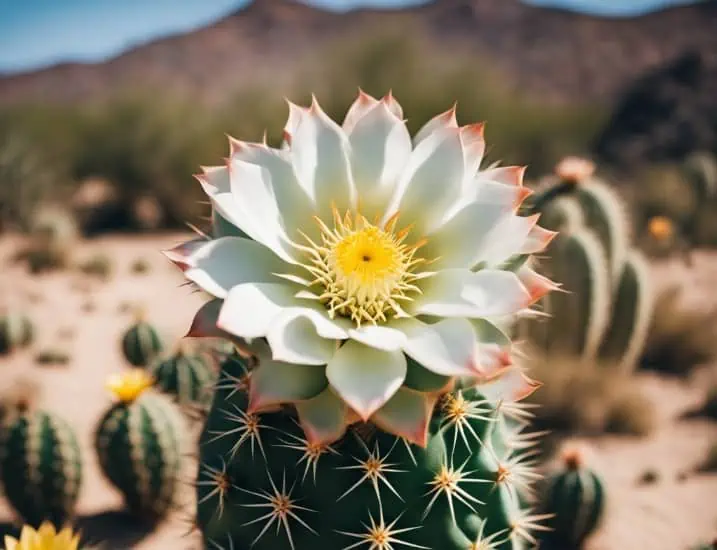
Cacti are a diverse group of plants that often captivate with their striking forms and resilience in arid environments. Among their most intriguing characteristics is their blooming cycle, which varies widely across different species. Some cacti boast flowers that open only for a single night, offering a rare and enchanting spectacle, such as the night-blooming cereus. Others celebrate the seasons with a more enduring display, with blooming periods that align with environmental cues of spring, summer, or even winter.
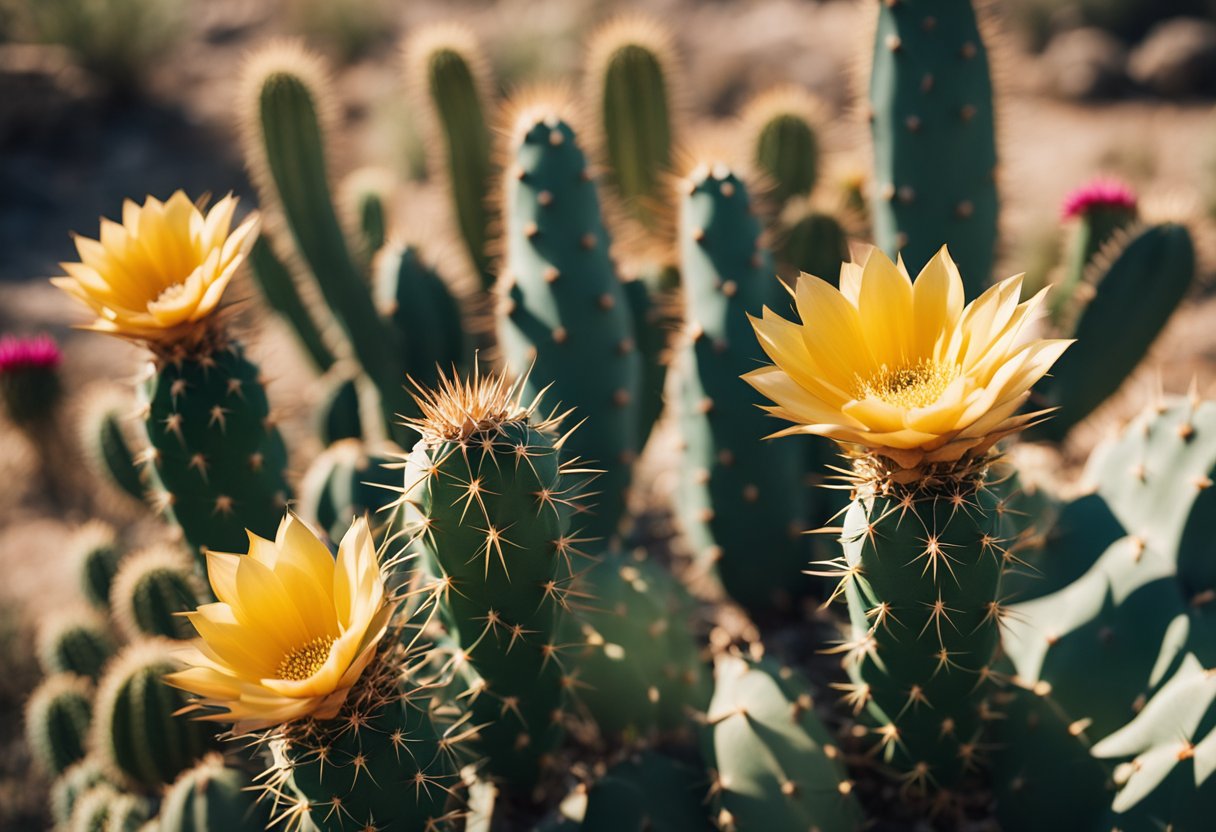
Understanding the blooming cycles of these hardy plants is not only of interest to the avid gardener but also to those who appreciate the complexity of desert ecology. Each species follows a unique schedule of flowering, often driven by specific climate conditions and survival strategies. The blooming of cacti is a remarkable process that involves phases of initiation, bud formation, and flowering, resulting in the production of fruits. As such, the care for these plants during their blooming period is vital, and common issues may arise that require troubleshooting to ensure that these spectacular displays can be enjoyed year after year.
Key Takeaways
- Cacti exhibit a wide range of blooming cycles and patterns, unique to each species.
- The blooming process is influenced by seasonal changes and environmental factors.
- Proper care during blooming can enhance flower production and address common growth issues.
Defining Cactus Characteristics
In exploring the remarkable world of cacti, it’s essential to examine both their unique structural features and their biological processes, which enable them to thrive in some of the harshest environments on Earth.
Anatomical Features
Cactus plants are distinguished by their spines, which are actually modified leaves designed to reduce water loss and provide protection. Beneath the spines lie the areoles, specialized structures unique to cacti from which both spines and flowers grow. The skin of cacti often has a waxy coating, aiding in water retention, and can vary in texture from smooth to woody. Many species also exhibit tubercles—small, rounded projections that can help shade the plant body.
Physiological Processes
Cacti have evolved to perform photosynthesis differently than other plants, using a process called Crassulacean Acid Metabolism (CAM) which allows them to conserve water by opening their stomata at night. During these times, they absorb carbon dioxide and store it until daylight permits photosynthesis.
Cacti as Succulents
As succulents, cacti are adept at storing water in their fleshy tissues, enabling survival through extended dry periods. This succulent property is particularly important in their native dry conditions, especially in regions like Mexico and South America.
Taxonomy of Cacti
The Cactaceae family comprises around 139 genera and nearly 2,000 species. The family is exclusively native to the Americas, with its center of biodiversity in regions like Brazil and Argentina.
Cactus Habitats
Although commonly associated with desert regions, cactus habitats can range from arid plains to tropical rainforests. They are often found in shallow and well-draining soils, where moisture is scarce and the sunlight is abundant.
Adaptations to Environments
Cacti have a variety of adaptations to their environments, from thickened stems for water storage to the presence of spines for defense against herbivores. These features are essential for survival in environments with intense heat and limited rainfall.
Lifecycle and Maturity
From the seedling stage to maturity, cacti undergo a significant transformation, ultimately becoming flowering plants. The time it takes for cacti to reach maturity and begin blooming can vary widely among species, some taking several years to produce their first flowers.
Indoor Versus Outdoor Cacti
Indoor cactus plants are popular houseplants that often live in containers, requiring careful management of water, soil, and light conditions to mimic their natural habitats. While outdoor cacti are typically more resilient and can handle greater variances in environmental conditions.
Seasonal Aspects of Cacti
The unique blooming cycles and adaptations of cacti are intrinsically linked to the seasons, with specific periods of growth and dormancy dictating their life processes.
Winter Period
During winter, cacti species like Schlumbergera, commonly known as Christmas cactus, and Thanksgiving cactus, experience a period of dormancy. In this time, they require cooler temperatures to induce blooming. The winter season is crucial for these cacti as they set buds and bloom as daylight decreases. It’s typically important for these plants to be in temperatures around 12-15°C (55-59°F) to initiate flowering.
Summer Adaptations
In contrast, many cacti, such as Opuntia and Echinocereus, thrive in the summer heat, displaying remarkable adaptations like thickened stems to retain water and spines to provide shade. During summer, cacti manage their resources and may enter a state of slowed growth to conserve energy, awaiting the optimal conditions for blooming.
Blooming Timelines
The blooming timeline of cacti is not uniform across species; while Opuntia species may flower from late spring to early summer, others may have different patterns. Echinocereus species, for instance, may have a maturity-dependent flowering sequence which can be specific to late spring. This bloom generally heralds a period of active growth and reproduction, which for many cacti, requires increased temperature and light exposure.
Reproduction and Propagation
Cacti propagate through both seeds and vegetative means such as offsets. Flowering plants may exhibit different styles of blooms, which facilitate cross-pollination, an important aspect of seed formation. In the propagation of species like the Christmas cactus, cuttings from offsets can be taken and rooted in a suitable substrate to create new plants, thereby continuing the cycle of life through the seasons.
Diverse Cactus Species
The world of cacti presents a stunning array of forms, from towering columnar species to petite globular types. Each possesses unique adaptations that enable them to flourish in a variety of environments, with an impressive range in size, shape, and flowering habits.
Columnar Species
Columnar cacti, such as the iconic Saguaro (Carnegiea gigantea), are distinguished by their lofty, tree-like structures. These towering giants are native to the deserts of North America and can live for over 150 years. Columnar species typically grow vertically and may develop several arms as they age.
Globular Varieties
Contrasting the vertical reach of columnar cacti are the globular varieties. Species like Rebutia and Echinocactus, commonly known as the barrel cactus, boast a spherical or short cylindrical shape. Rebutia are small, often producing vibrant flowers, while Echinocactus can grow to substantial sizes and are characterized by their prominent ribs and numerous spines.
Epiphytic Types
Unlike their desert-dwelling cousins, epiphytic cacti, such as Epiphyllum or orchid cactus, grow on other plants or structures. They are adapted to more humid conditions found in tropical and subtropical environments. These cacti have leaf-like stems and produce large, showy flowers, distinguishing them from other cacti.
Unique Epidermal Features
Cacti exhibit a collection of unique epidermal characteristics that help them conserve water and protect from harsh sunlight. For instance, Mammillaria elongata has elongated tubercles covered in spines, while Ferocactus species are known for their stout, curved spines that arise from prominent ridges on their spherical bodies. These features are not just for defense or water storage; they also help in the reproductive process by aiding in the dispersal of seeds.
Popular Cacti and Their Blooming Patterns
The variety among cactus plants is astounding, each species possessing its distinct blooming cycles. Here is a snapshot of the blooming patterns across different types of popular cacti.
Holiday Favorites
Easter Cactus (Hatiora gaertneri): This cactus is named for its bloom season, which typically coincides with the Easter holiday. The flowers, usually pink or red, dangle gracefully from the stems. More about this can be found in Understanding The Timing Of Cactus Flower Blooms: A Guide For Gardeners.
Christmas Cactus (Schlumbergera bridgesii): As indicated by its name, it blooms near the Christmas season. The flowers come in various shades, adding a festive touch to any setting.
Desert Dwellers
Golden Barrel Cactus (Echinocactus grusonii): This round, ribbed cactus typically flowers in the hottest months, with yellow blooms circling its crown.
Prickly Pear (Opuntia microdasys): Recognizable for its broad, flat pads, these produce yellow, red, or purple flowers in late spring to early summer.
Cacti with Notable Flowers
Moon Cactus (Grafted Cacti): Often vibrant in color, these cacti are actually grafted onto another species, with the top part rarely blooming. However, the rootstock may produce modest flowers depending on its species.
Rat Tail Cactus (Aporocactus flagelliformis): Known for its long, trailing stems, this cactus displays vibrant pink to red flowers during spring.
Common Houseplant Cacti
Fairy Castle Cactus (Acanthocereus tetragonus): Resembling the spires of a castle, this cactus can take years to bloom and often does so only when fully mature, producing white or yellow flowers.
Peanut Cactus (Echinopsis chamaecereus): Displaying orange-red blooms, this cactus flowers in late spring and often requires ample sunlight.
Parodia: A genus with various species, these cacti typically flower in summer, offering a display of yellow, red, or orange blooms atop their ball-shaped bodies.
Caring for Blooming Cacti
Proper care of blooming cacti involves understanding their specific watering, light, temperature, soil, and maintenance needs. These factors are crucial for the plant’s health and vibrancy during its blooming cycle.
Watering Needs
Blooming cacti require a delicate balance of watering. During active growth and bloom periods, they should be watered more frequently but always allow the soil to dry out completely between waterings. Overwatering can lead to root rot, which is detrimental to the plant’s health. The Thanksgiving cactus thrives in typical household conditions without too much fuss over watering.
Light and Temperature
Cacti in bloom perform best in conditions that mimic their natural habitats. They prefer bright indirect light and should be kept at a temperature that’s consistent – generally between 65-75°F (18-24°C). During the blooming phase, some cacti species such as the Christmas cactus, demand cooler nighttime temperatures and longer periods of darkness to trigger and sustain their flowers.
Soil and Nutrient Requirements
The right soil mix is crucial for the health and growth of blooming cacti. They require a well-draining soil medium, often a mix of potting soil and sand or perlite. Nutrient needs can be met with a balanced, low-nitrogen fertilizer applied during the growing season but should be reduced or halted during dormancy.
Pruning and Maintenance
Pruning helps maintain the shape of the cactus and encourages branching where flowers are more likely to develop. Using sterile tools, one should prune dead or overgrown branches after the blooming cycle. Furthermore, check for pests that can impact the cactus’s health, and clean the spines and areoles gently to prevent dust buildup, which can inhibit growth.
Troubleshooting Common Issues
In cultivating cacti, gardeners may encounter issues affecting the health and flowering of these resilient plants. This section provides strategies for addressing common problems related to pests, environmental stress, blooming, and plant care in containers.
Pest and Disease Management
One encounters problems with pests such as spider mites, scale insects, and mealybugs, which can hinder growth and blooming in cacti. Disease management is critical; signs of stress, like black or brown spots and mushy stems, may indicate overwatering and fungal infections. For pest infestations, one can apply insecticidal soaps or neem oil treatments, ensuring to follow application guidelines to avoid plant harm.
Dealing with Environmental Stress
Cacti thrive under specific conditions, and when those are not met, they suffer from environmental stress. Ensuring that a cactus receives sufficient sunlight (at least six hours a day) and is watered correctly, allowing the soil to dry out completely between watering sessions, are essential steps. In dry conditions, one must balance humidity levels without overhydrating.
Encouraging Bloom
Cacti may not bloom or show signs of flowering due to several factors. They require a period of dormancy, with cooler temperatures and less frequent watering, to promote blooming cycles. It is also beneficial to fertilize them with a specialized cactus fertilizer, which can provide the necessary nutrients for flowering.
Repotting and Transplanting
Cacti often outgrow their containers or require fresh soil to rejuvenate their root systems. When repotting and transplanting, use a well-draining cactus mix and size up the container if the plant has expanded beyond its current pot. Handle the process delicately to avoid root damage, which may stall growth and blooming.
Conclusion
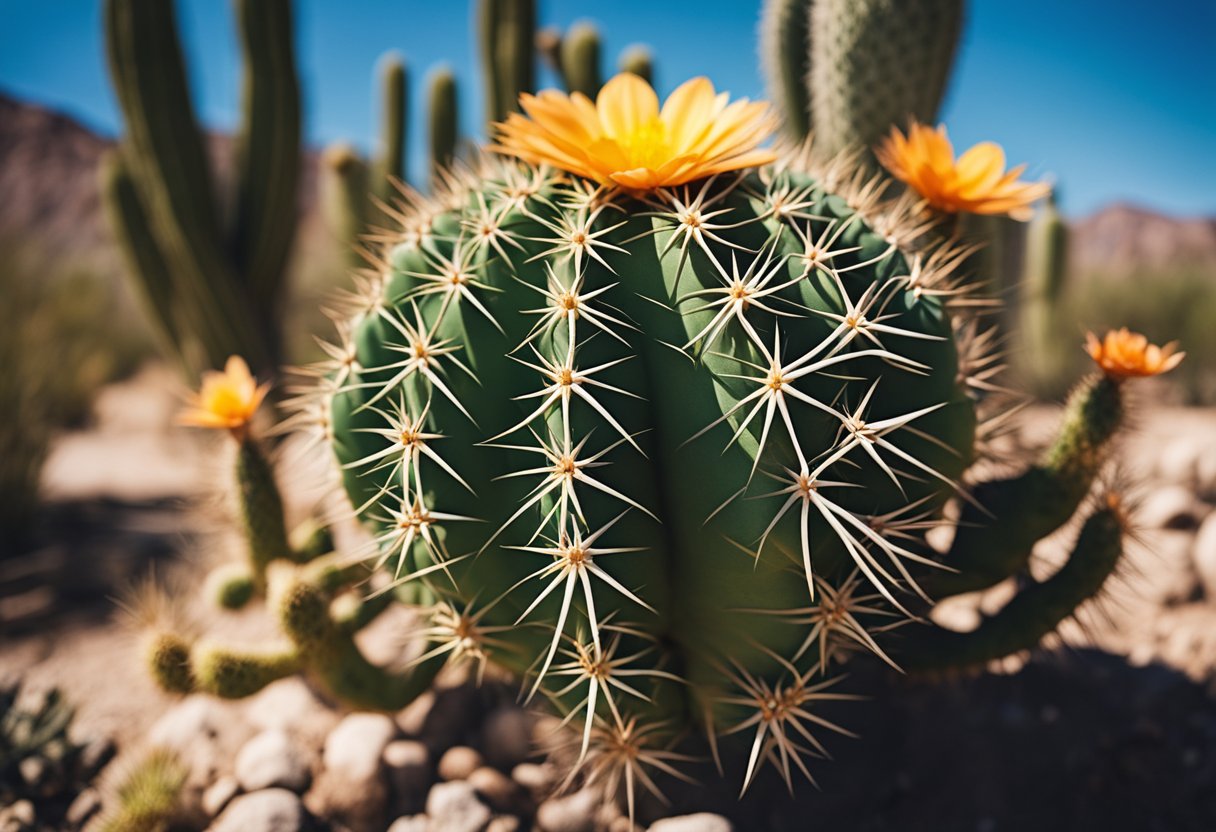
The blooming cycles of cacti are intricately linked to their environmental adaptations and specific species characteristics. They display a remarkable diversity in their flowering habits, with some species flowering annually, while others may do so less frequently. The key factors influencing these cycles include temperature, light, water availability, and the cactus’s maturity.
- Annual bloomers: Some cacti species bloom each year at predictable times, typically when conditions are most favorable for pollination and seed dispersal.
- Less frequent bloomers: Other species flower sporadically, and their blooms may be a rare delight, sometimes triggered by specific environmental cues.
It’s essential to recognize that not all cacti follow the same patterns, and these can vary widely:
- Day Bloomers: Many cacti flowers open with the sunlight and close at dusk.
- Night Bloomers: Some species, like those from the genus Epiphyllum, unfurl their blossoms at night, relying on nocturnal pollinators.
Gardeners should tailor their care for cacti according to the specific species’ needs to foster a successful blooming cycle. They must ensure optimal growing conditions, which can be a delicate balance in cultivation, mimicking the cactus’s native habitat as closely as possible. It is in this careful mimicry that the spectacular and sometimes elusive cactus flowers can be coaxed to reveal their beauty. To deepen understanding, examining guides on the timing of cactus flower blooms and cacti’s life cycle can be particularly informative.