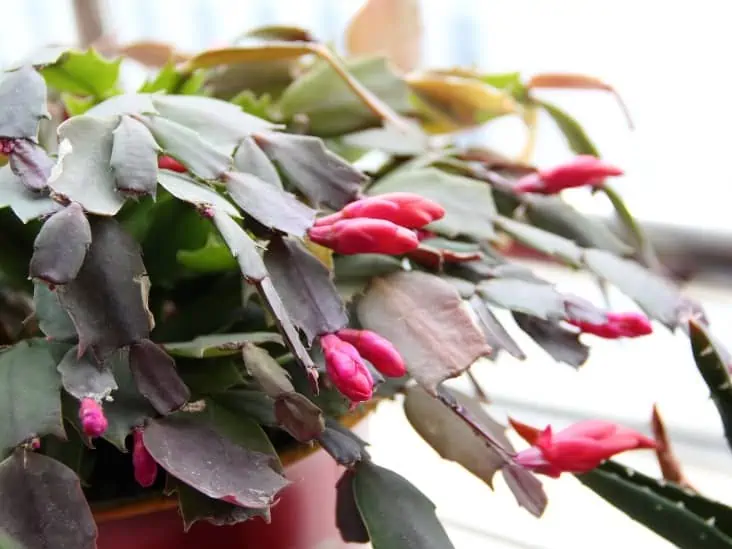
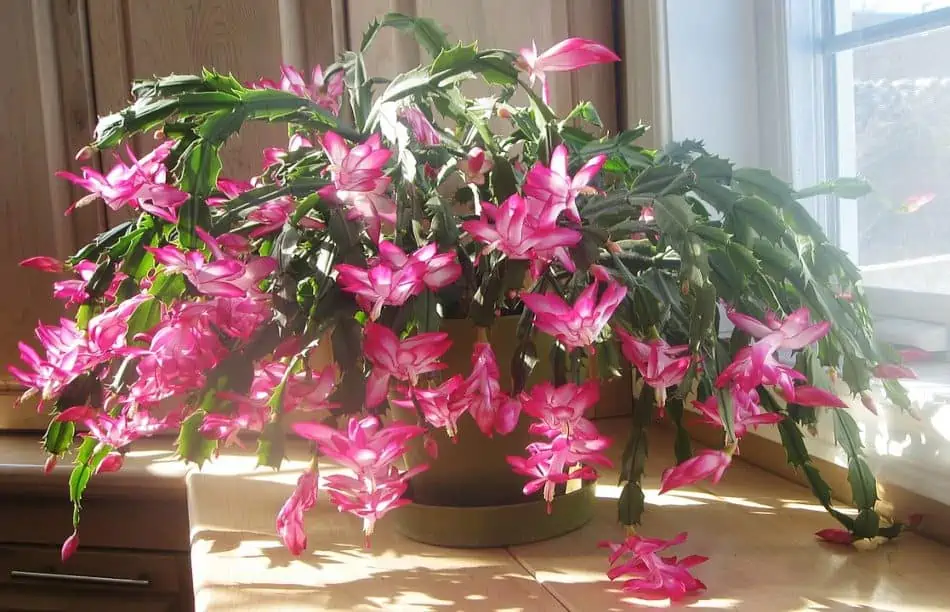
The holidays are a time to make merry, celebrate and be happy. As such, this is a time synonymous with decorations. Whether we are talking of Christmas or any other holiday, we do our best to improve the overall outlook of our homes. So what better ways to do this than using attractive plants like the Christmas cactus? The Christmas cactus, otherwise known as the holiday cactus, is a common holiday plant and comes in different types based on their growth habits and blooming seasons.
So what are the three types of Christmas cactus you can grow indoors? Christmas cactus (holiday cactus) comes in three main types: Schlumbergera truncata, Schumbelgera bridgesii and Rhipsalidopsis gaertnerii. The difference between these three types of holiday cactus lies in the shape of their leaves and blooming seasons. While the Rhipsalidopsis gaertnerii has distinctively rounded edges the Schlumbergera truncata features clar shaped and distinctively pointed projections at the edges. The Schumbelgera bridgesii on the other hand has tear-drop –shaped or scalloped leaf projections.
This article seeks to break down the specific features and characteristic of the various types of Christmas or holiday cactus. It will look at their growth habits, requirements and blooming seasons.
Schlumbergera Truncata
The Schlumbergera Truncata, also known as zygocactus or false Christmas cactus flowers around Thanksgiving all the way to Christmas. This falls between the months of November and late December. Depending on care and variety, some may bloom up to January.
Schlumbergera Truncata is a false Christmas cactus that blooms around Thanksgiving.
This holiday cactus blooms in a variety of colors that include white, golden-yellow, red and pink.
The Schlumbergera Truncata does well when placed in a partial shade, making it a perfect indoor plant
Schumbelgera bridgesii
The Schumbelgera bridgesii or Schumbelgera buckleyi is commonly known as the Thanksgiving cactus. This is all thanks to its blooms that happen around the Thanksgiving holiday. The cactus starts to bloom from October and will last through November. Its blooms are huge and will spread all over. Its large vibrant flowers are easily noticeable even from a distance.
Schumbelgera Bridgesii produces vibrant flowers from October through November.
Rhipsalidopsis gaertnerii
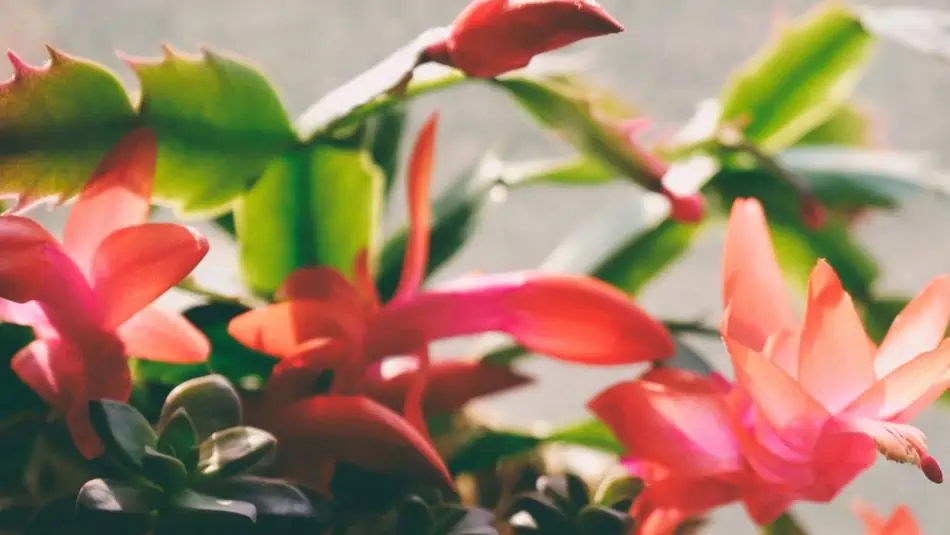
This is one of the most common holiday plants. They would usually be in bloom at the time of purchase. The cactus stands out with its variety of bloom colors that range from red to white, peach orange, pink and lavender.
Rhipsalidopsis Gaertnerii features colorful flowers, ranging from white, pink, lavender, and peach orange.
The Rhipsalidopsis gaertnerii has an interesting growth pattern. New growth forms a new segment, thus creating a rickety stacked outlook. Its soft pointed nodes at the edges serve as the equivalent of spines in other types of cactus. Unlike the Schlumbergera species that are native to Brazil’s troika forests, the Rhipsalidopsis gaertnerii is native to the Natural forests.
Tropical plants
By virtue of being tropical plants, the Schlumbergera species will require the same care and weather conditions as any other tropical plant. Develop a regular watering regime. Once the top one inch of the soil feels dry, it is time to start watering the plants. You may see the need to reduce your watering during the spring and winter months. This not only helps avoid root rot but also encourages the plant to bloom. The Schlumbergera species requires higher humidity, and you can achieve this easily through a humidity tray. Do this by filing gravel on a waterproof saucer and filling it halfway with water. You can then position your cactus on the gravel surface.
Transplanting/repotting a Christmas cactus
Transplanting a Christmas cactus works best after the blooming season. Usually, this would be later winter or early spring. Repotting a Christmas cactus when blooming is a recipe for disaster because the chances of survival are slim. Once the roots look a little too crowded, then it is time to repot in order to help improve it chances of blooming within the right season.
You should never repot your Christmas cactus when the plant is blooming.
Prepare some wall draining soil and get a sizeable container with a drainage hole to help drain off any excess water.
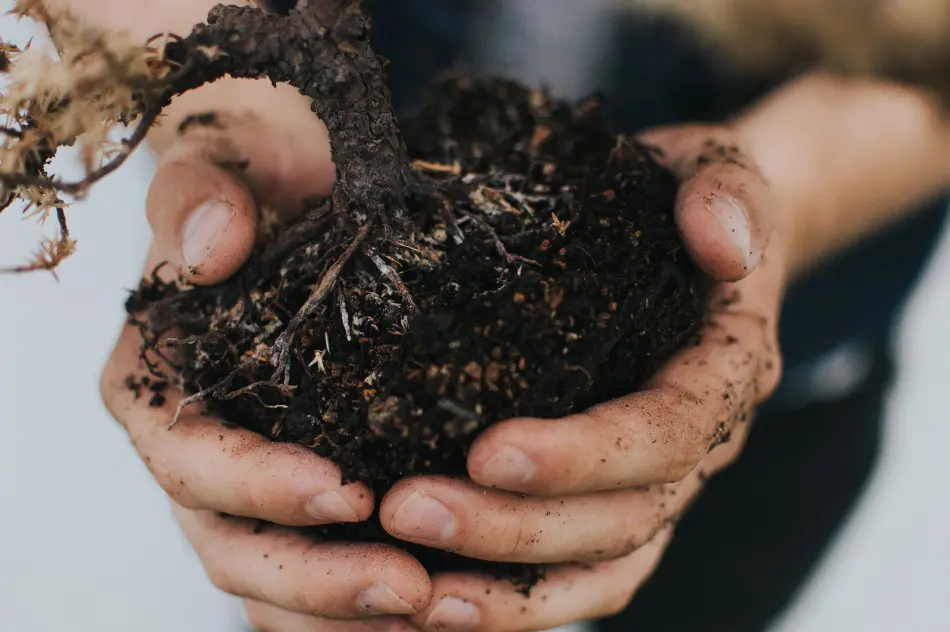
You can then remove your Christmas cacti from its old pot with some soil ball. Loosen the roots lightly and wash some excess soil away with water. Replant your cactus by ensuring your root ball is at least one inch below the new soil mix. Water it sparingly and place it is a shade with enough light for 2 to 3 days.
How to get a Christmas cactus to bloom easily
What is a Christmas cactus without is flowers? Every cactus enthusiast knows too well that a Christmas cactus without its ability to bloom is as good as dead. While most Christmas cacti will bloom naturally when the right season comes, others may not follow the same pattern and may not bloom at all. As such, you ought to device practical ways to ensure your cactus blooms when the holiday season comes around.
Understand the ecology of the plant
The plant may be called a cactus, but has nothing to do with the desert. Unlike its cousins, the Christmas cactus is, indeed, a forest plant. As such, its ecological needs reflect those of any other forest or tropical plant.
Notably, the Christmas cactus thrives best when potted correctly. You may see the need to plant it in a small pot and repot it later to a larger container as need arises.
Light and temperature
These are two basic factors that will determine the overall health of your Christmas cactus. The cactus flowers more easily and brightly when placed in a cool environment. For better results, expose your cactus to at least 16 hours minimal light and at least 8 hours of enough light per day. This, in essence, means even at night, do not turn on any form of light for the plant as this will break the dark cycle required for better blooming.
For the case of temperatures, the Christmas cactus prefers around 61 degrees. Avoid exposing the plant to hot or cold air drafts. All you need to do is place your cactus in a cool room. A window seal is preferred as an ideal location for better lighting. In some cases, the plant will grow flower buds but would later fall off prematurely. This is usually a case of too much water or lack thereof. In some cases, lack of hair humidity will cause the same.
As long as you meet the light and temperature requirements, it should be easy to get your Christmas cacti to bloom. Other notable factors you may need to keep in mind include the following:
Fertilization – Once the flower buds appear, use high potassium fertilizer every two weeks.
Soil – Use quality soil mix high in humus and other essential nutrients for your cactus. You may opt to make your own mix or buy ready commercial soil mix from reputable dealers.
Transplanting – For better results, consider repotting your Christmas cactus every year. Do this just after the flowering period.
How to propagate a Christmas cactus
A Christmas cactus is always a sign of joy whenever the holidays are nigh. As such, one is never enough. You want to have as many of these as possible. Talking of propagation, there are three basic methods you can use to propagate your Christmas cactus:
Propagating upright in soil – This is ideal for large cuttings with good whole ends. Let your cutting callous for about two days. This is an important step to help spur rooting. You can then place your cutting deep into fresh potting soil. Water sparingly and wait for about 3 weeks for the roots to develop.
Propagating on flat soil – This is ideal for cuttings with damaged bottoms. Here your goal is to spur rooting at the middle point of your cutting rather than the bottom. After letting it dry for two days, place your cutting flat on top of your potting soil. Ensure that there is a good contact between the soil and the cactus for better results. The cutting should root within 3 weeks if given the right moisture levels.
Propagating in water – This is by far the fastest method to propagate your Christmas cactus. Take a good cutting and let it dry for a good callus before dipping the bottom end in water. Within two weeks, your cactus will be rooting already. You can then take the cutting and plant it in good potting soil. This is a delicate method and any slight mistake will see your cutting rotting away. Nevertheless, it is worth it.
Apart from these, you can propagate your cactus by its seeds. For better results on seen production however, cross pollination is advised.
The Christmas cactus has always been a darling to most cacti enthusiasts. With the right care, you can rest assures of colorful blooms, just in time for the holidays. However, this doesn’t come easy. It takes good care and expertise. The three types of Charismas or holiday cactus can be confusing but a keen look will reveal the differences. Nevertheless, they serve the same purpose of making our holidays as colorful as it can get. Whether you opt for the Schlumbergera or the Rhipsalidopsis species, this is a cactus plant you do not want to miss in your collection.
It is difficult work to cultivate healthy succulents. In fact, many equate it to an art form. Certain things need to be done in order to develop a plant and keep it flourishing no matter what environment it might be in at the time.
Succulents are unique plants in that they do not need much water. They are resilient and can withstand some tough conditions. However, that does not mean that they do not need some tender loving care along the way. Please continue reading to learn some golden rules regarding watering succulents that you will want to keep in mind.
Important Information About Succulents
Before you get started on the path to maintaining a thriving array of succulents at home or in the office, there are some things that you should know.
Keep in mind that although succulents store water, they still need to be watered regularly.
Succulents store water – These are resilient plants, so they are always storing extra water that they do not need. They do so in their leaves, roots, or stems. This allows them to survive even when they go as long as a month between watering.
They still need to be watered – Just because succulents are known to thrive in drought like conditions does not mean that you can neglect the importance of watering them. You will want to develop a regular watering schedule and work to maintain it.
Avoid overwatering them – Succulents can only store away so much excess water. You do not want to overdo it, so consider using this guide as a way to know how to more effectively water your succulents so that they can thrive in virtually any condition.
Watering Your Succulents Indoors
Many people are naturally drawn to succulents because they are easy to maintain when kept inside. This is also what makes them such a popular choice for the office.
Some of more the popular succulents that can be kept indoors include:
SedumsHens-and-chicks
Jade plants
Kalanchoe
Aloe vera
Snake plants
Cactus
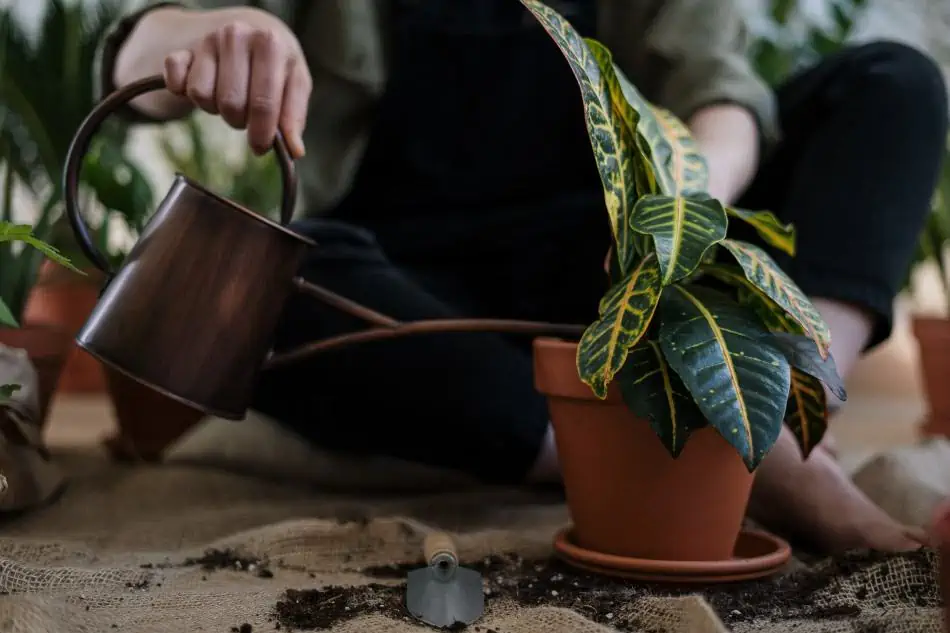
Many people who keep succulents inside make the mistake of just giving them a little splash of water every once in a while. This is not the best course of action. Instead, you will want to have such plants in a small pot that has a drainage hole at the bottom.
When growing succulents indoors, use pots with a drainage hole and water the plants until excess water starts to drain.
The best thing to do is to follow a set watering schedule. Give your succulent a good soaking until the excess water begins to come out of the hole at the bottom of the pot. The key here is not to leave too much excess water on the roots, as this will end up rotting them. You will then let the soil dry out completely before you water again. That is all there is to it.
Once you have finished watering your indoor succulents, please make a note to yourself to check each one of them in a week or so. You just need to feel the soil with your finger. If it feels damp, then you can probably wait another week before checking again.
Different Seasons Bring Different Indoor Watering Schedules
The interesting thing about succulents is that they tend to require more or less water depending on the season you are in. This is important to know because it impacts their ability to grow and flourish into the beautiful plant you were hoping they would be.
You should consider seasonal changes and climate when creating a watering schedule for your succulents.
Spring – This is the time of the year that most succulents will actively grow. As such, you will find that you will want to water your plants a bit more often than normal. Of course, this will become obvious when you notice the soil drying out more quickly between watering than it does during other parts of the year.
Summer – You might think that your indoor succulents need more water during the hottest time of the year, but that is not correct. In fact, this is the time of the year when you will be watering these plants the least.
Fall – Watering will depend on where you are located, so just keep checking the soil to determine when you should add some more.
Winter – The amount of light during the winter months will decrease. This will put your succulents into a dormant period where they will not go through much water at all. Follow the watering requirements listed earlier, and then just wait until the soil becomes dry.
Watering your indoor succulents may not be an exact science, but it is not a difficult process either. Keep in mind that the size of the container you keep your succulent in will often determine how much water it needs. Small pots that are rather shallow may necessitate more frequent watering than larger pots will.
Watering Your Succulents Outdoors
There are many reasons why you might want to have your succulents outside. When that time comes, there are some things that you will want to keep in mind.
When planting succulents outdoors, give them shade and avoid placing them in direct sunlight.
Give them shade first – It is true that succulents love the sun, but they do need to become acclimated to it first. You will be doing them a favor by first planting them in an area that is partially shaded.
You can move them later – Once your outdoor succulents have become used to the sunlight outside, you can then move them to an area of the yard that is much sunnier.
Avoid areas that are too intense with the sunlight – As you look for places to plant your succulents, you will want to stay area from those parts of the yard that get the most intense sunlight in the midafternoon.
They do need more water – Since the water will dry out more quickly thanks to the increased sunlight, you will need to water any succulents that you have planted outside.
The amount of water depends on outside conditions – It is difficult to say exactly how much water your outdoor succulents will need. It depends on what part of the country you are in. Check the soil every week. If it is bone dry, you need to water. If it is still moist, then they are good.
Special note for shallow containers and cactus – If you have any succulents planted outside in a shallow container, you will need to water them every few days. This same principle applies to any cactus that you might have outdoors as well.
These are the general principles to keep in mind when watering any succulent that you plant outside. These are plants that can last for years if you will manage the mix of sunlight and water that they get.
Watering Succulents Planted in the Ground
There are also plenty of occasions to plant succulents in the ground around your home and garden. Sedums are the perfect example of a succulent that can thrive in such conditions. How often you water them will depend on:
The conditions outside
How grounded the roots are
In essence, the longer the succulent has been in the ground, the less water it will require. To begin, you will probably want to water them at least once every week.
Succulents that are planted outside will eventually be able to live for quite a long time under even the driest of conditions. This is particularly true for those succulents that have been in the ground for more than a few seasons.
Growing succulents in the ground will require that the soil is well-drained. If you find it difficult to get the moisture out of the soil, you might want to consider moving them to a bed that has been raised. You can also mound up the soil in the locations around your yard where you are going to plant the succulents.
If you decide to use mounds, it is recommended that they be one to two feet each. You will also want to use a compost mix that has been aged well. Mix it with perlite in order to give the succulents every possible opportunity to thrive in even the harshest of conditions.
Keep the soil healthy, give them a good soaking from time to time, and you will find that your succulents stay vibrant from one season to the next.
Special Watering Tips for Your Succulents
Now that you have a general overview about how to water succulents depending on where they are located, it is time to get a bit more specific. As you can imagine, the amount of water that you provide your succulents is important, as is the frequency with which you do it.
There are some additional tips that you will want to follow in order to give your succulents the best possible environment in which to grow and make you happy in the end.
Pots Need a Drainage Hole
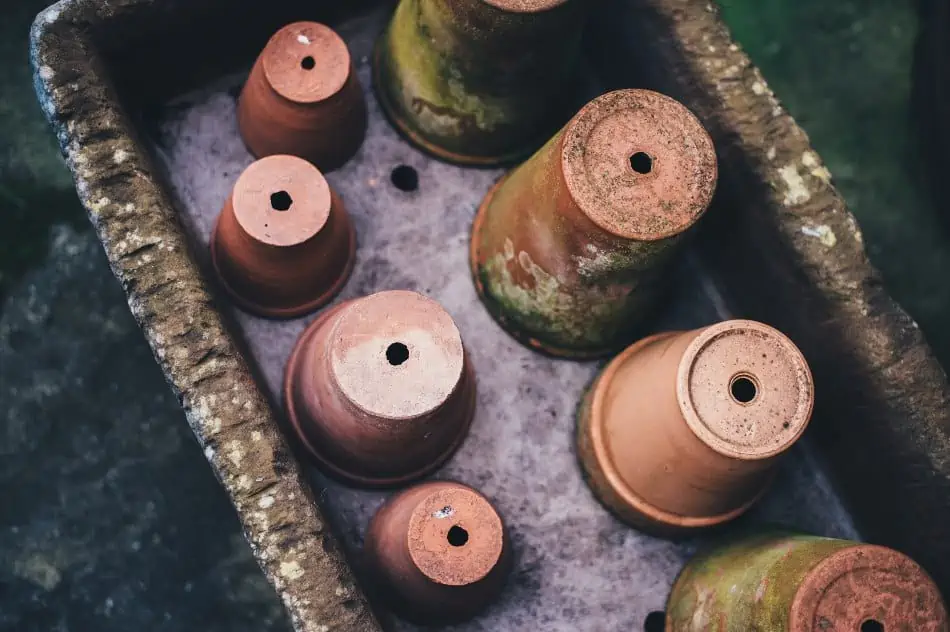
Since it is so important that you not overwater your succulents, it is recommended that you grow your plants in a pot that has a drainage hole. While you can eventually do away with practice once you get the hang of the watering process, this is a way to better mitigate the flow of water that is provided to the succulents.
To be fair, you can certainly grow succulents in a pot that does not have any such drainage hole. However, it is a bit tricky to do so because there is a risk that water may accumulate at the bottom of the pot. When this happens, the soil will stay wet for far longer than healthy for most succulents.
Using a pot without a drainage hold also requires more attention to your pot. You will need to monitor the amount of moisture in the soil much more closely. This may also alter your watering schedule.
Remember that part of the beauty of succulents is that they do not require much time. Stick with a pot with a drainage hole, and you will be much better off in the end. If your pot does not currently have such a hole, you can easily add one by using a diamond tip drill bit.
Soil Type is Important
When it comes to succulents, not all soil types are created equal. You have to keep in mind that any type of succulent can actually rot rather quickly if they are just sitting in water. This is why it is important that you use soil that is known for its ability to drain quickly. This means that soil will not retain water, thus allowing the roots the room they need to breathe.
If you use fast-draining soil combined with a pot with a drainage hole, you will not need to worry about making a mistake when watering. This is because the materials you are using will do much of the work for you.
If you have decided to plant succulents, get some porous potting soil and use fluffy materials for fast drainage.
You can easily find the right type of soil for your succulents when you go shopping at a local garden supply store near you. It is not expensive, and it will do wonders for the vibrancy of your succulents in the end.
If you are the type of person that likes to do things yourself, you can make your own fast-draining soil mix by combining the following:
Porous potting soil
Various types of fluffy materials – Perlite or pumice tend to do rather nicely.
Inspect the Soil Before Watering
It would be easy to say that all succulents require the same amount of water, but that simply is not accurate. Some will require a bit more water than others, so you need to pay a bit of attention to what is going on. The beauty of succulents is that they tend to tell you when they require more water.
If you notice that the leaves are wrinkling and dropping quite rapidly, that indicates that you need to add some more water. However, you do not want to water your succulents too often. It is a delicate balancing act that you will perfect with practice.
Always inspect the soil (dryness or wetness) prior to watering your succulents.
The principle here is to check the top of the soil. If you notice that it is bone dry, then that is an indication that you need to water some more. Give the succulent a good soaking, but then leave it alone. It needs time to completely dry out before you even think about watering it again.
With succulents, less is better. In other words, it is better to underwater the plant than it is to overwater it. When you first start outgrowing succulents, it is best to water about once every other week or so. Take a look at how they react to the water, and then adjust the schedule as needed.
What Type of Water Does a Succulent Need?
This might sound like a strange question, but the type of water that you use to water your succulents is an important consideration as well. Believe it or not, the best type of water for succulents comes from the sky. That’s right – rainwater is best. If it is not raining, then distilled water is a close second best.
You might be wondering why this is even an issue. It is because tap water tends to contain many types of minerals that can be harmful to your succulents. These include magnesium and calcium.
As minerals can be harmful for succulents, use rain water or distilled water to keep them hydrated.
Over time, these will build up around the soil. You may also notice mineral deposits on the leaves. They leave a dastardly white dot that detracts from the appearance you have worked hard to create.
If you have a lot of succulents around the house, you might want to consider collecting rainwater during the appropriate season. That way, you will always have some on hand when you are ready to water. This is yet another way to really take care of your succulents and help them become as vibrant as they can be.
Where Should You Water?
The next question becomes where you should put the water in the first place. With succulents, you want to water directly at the roots. Make sure that you do not spray or put water directly on the leaves. That is not beneficial at all.
Avoid using spray bottles when watering your succulents.
When it comes to watering your succulents, here are some key things to keep in mind.
Leave spray bottles out of it – Since succulents don’t need much water, many people make the mistake of simply using a spray bottle and misting the leaves. This provides nothing of substance to an adult succulent. It requires water directly in the roots, so use a watering bottle or can.
Leave the leaves alone – You want to avoid watering the leaves. Water tends to stay on the leaves for far too long, causing them to rot over time. Stick to focusing on the roots and giving the soil a good soaking.
Avoid watering when it is humid, raining, or very hot – These are all times when watering your succulents can do more harm than good. Wait for ideal conditions, check the soil, and then water if it is time.
Morning is best – The best time of the day to water succulents is early in the day. Avoid watering at lunchtime or in the early afternoon.
Rainwater is best, followed by distilled water – If at all possible, use rainwater when you set out to water your succulents. If not is available, distilled or filtered water is beneficial as well. Avoid using tap water in order to prevent mineral deposits from developing on your plants.
What Type of Pot is Best for Your Succulents?
When it comes to watering your succulents, it is important to have the right type of pot for the occasion. This is how you can be assured that water is dispersing to where it needs to be and that you do not overwater.
Here are some of the various types of pots that you have to choose from.
Concrete Pots
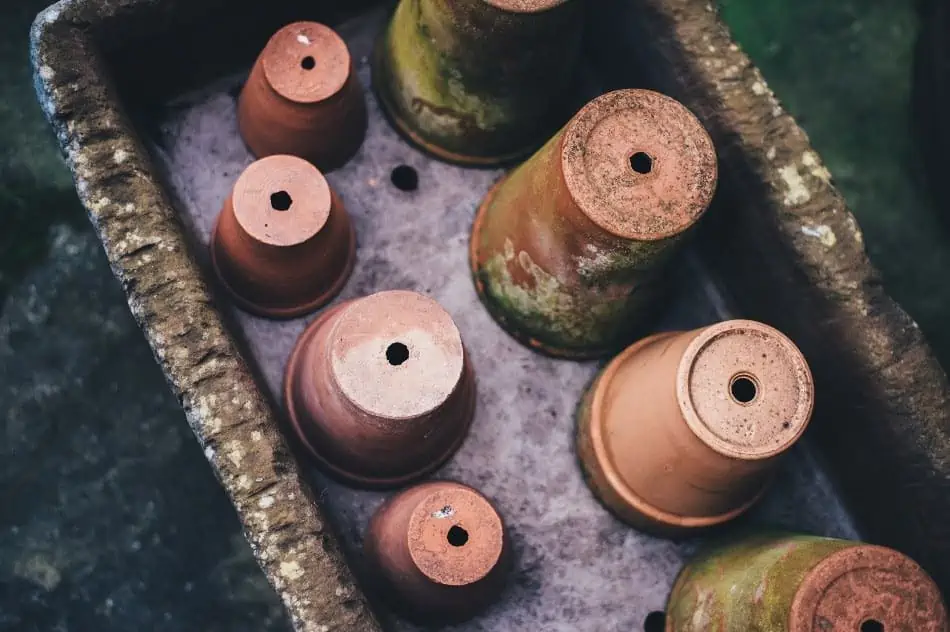
Concrete pots are actually perfect for cactus and various other types of succulents. This is because water evaporates quickly in concrete, thanks to its porous nature. However, you will want to make sure that there are some drainage holes in the bottom of the pot.
Due to the porous nature of concrete pots, they are among the best types of containers for succulents.
Concrete pots last for a long time. They are also excellent in terms of insulating plants against any sudden changes in temperature. Since concrete is also able to absorb heat, roots are protected better against frosty periods.
Do keep in mind that concrete pots are a bit on the heavy side. They can also break quite easily, so make sure you are careful when handling them.
Terracotta and Ceramic Pots
One of the main benefits of these types of pots is that they look great. Put a succulent in one, and it can quickly become the centerpiece of any room in your home or office. Like concrete, terracotta and ceramic are also quite porous. This makes them perfect for any area that is not well ventilated.
Similar to concrete, one of the downsides to terracotta and ceramic is that the pots are quite heavy. They are also prone to breaking if not handled properly.
Plastic Pots
This is probably the most common type of pot to keep your succulents in. They are so easy to move, and they make it a snap to water the plants in. You will want to make sure you get the type of plastic pots with drainage holes already drilled in the bottom.
You will love the fact that plastic pots are not fragile. You will also have many different colors and shapes to choose from. This makes it easier to create just the look you are hoping for with your succulents.
One downside to plastic pots is that they are not as breathable as you would find with a concrete or terracotta pot. However, fast-draining soil combined with those drainage holes we have been talking about will take care of this problem.
Wood Pots
You can get really creative with these. Wood pots are very attractive and can really bring your succulent alive when kept either inside or outside. Woods pots do not heat up like some other materials, meaning you do not have to worry if your succulent ends up in direct sunlight for part of the day.
One issue with wood pots is that they will tend to deteriorate quite rapidly when in certain environments. Because of this, most people will only use wood pots when keeping their succulents indoors.
Metal Pots
You might not think of metal pots when it comes to housing your succulents, but they are really trending right now. Consider copper and brass pots. They can really provide a nice accent to many places in your home or office.
The disadvantage of metal pots is that they can rust. Obviously, this is not good for the health of your succulents. To keep this from happening, you will want to line the bottom of the pot with plastic. This will help prevent water damage.
Metal pots are also best for indoor use only. Putting them outside will heat up your succulents rather quickly since metal is a heat magnet.
Just the Right Amount of Water Please
This is what your succulents are screaming out at you. One final golden rule for watering succulents is that you want to avoid over or underwatering them.
While succulents are rather simple to take care of and they can last for months with water, they can also die a quick death if their roots are flooded. The following advice will help you avoid doing that.
The Problem with Overwatering
Succulents tend to store water within their leaves and stems. This is different than other plants that depend on a complex root system to survive. This is an evolutionary design, as succulents can now survive in arid environments where they may not get much water for months at a time.
To prevent the leaves and roots of your succulent from rotting, give them just enough water to thrive.
While it is nice that you come along and take care of them, you do not need to feel sorry for them. Give them just enough water to be happy, but do not drown them. If you overwater a succulent, their roots and leaves will rot. They can become like a balloon that is overfilled with air. Do not do this to them.
The Problem with Underwatering
Since succulents can go so long without water, many owners make the mistake of thinking that they can just leave them for months at a time. You do not want to neglect your succulents. The leaves will dry out. This not only creates an ugly looking plant, but it results in death as well.
To avoid underwatering your succulents, put in on your internal schedule to test the soil every week or so. This is all you need to know whether or not you need to give them some water. If you do this, then the leaves will stay healthy and vibrant for quite some time to come.
Wrap-Up
After reading this guide, you should now know all there is to know about watering succulents. There really is not much to it, but you do need to pay attention to them from time to time. If you do that, then you will end up with a great indoor or outdoor plant that really adds to the overall ambiance quite nicely.
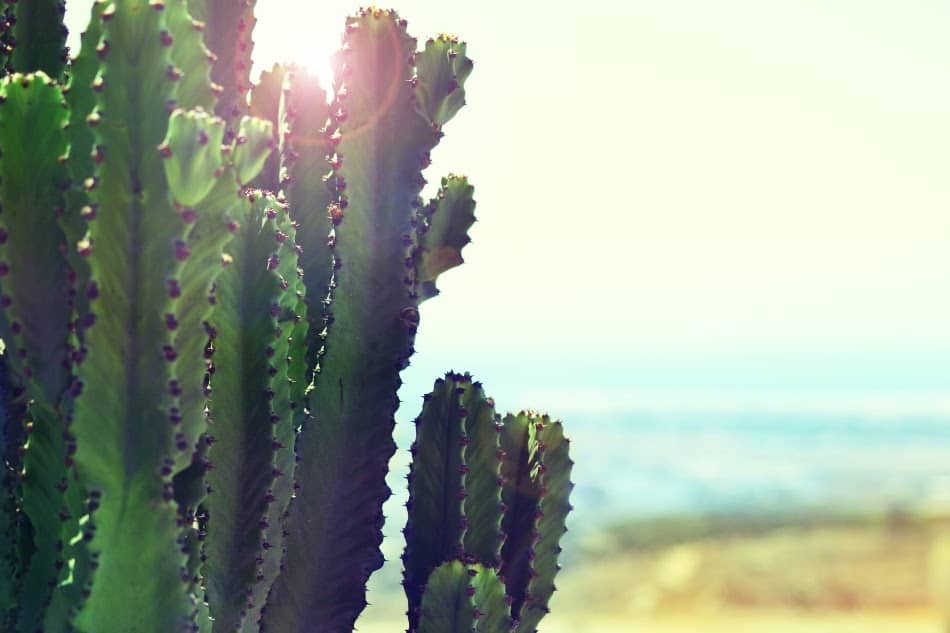
Apart from the intense heat, there are several things that desert plants have to endure. Other harsh things include global warming, erosion, dust, high winds, and attack by animals and humans. Despite the harsh conditions, desert plants are still the most durable as they can leave more than 200 years. If they can survive the harsh conditions, then even disease attacks will not bring them down.
Desert plants have to adapt to all the harsh conditions to survive. The plants adjust their leaves, stems, and roots to either store water or reduce water loss. They grow strong anchorage roots that ensure storms or wind don’t pull them off the ground. The plants keep away humans and animals by their sharp spines. These are just a few of the characteristics that these plants have devised to survive and thrive in harsh environments.
There are many excellent and unique ways that desert plants such as cacti adapt to the desert. This article provides some of those ways.
How Plants Find Water in the Desert
They say water is life, and many living things, including humans, animals, and plants, depend on survival. But we’ll know that water finding water in the desert is not easy. So, how do desert plants like cactus survive the prolonged lack of water periods?
Even though desert areas are always dry for the better part of the year, they also experience sporadic rains. The desert plants absorb as much water as they can when it rains. They have different ways of accumulating and storing water for long-term use.
Desert plants obtain and store water from sporadic rains, air condensation, or through their taproot system.
Some plants grow near river beds and extend their roots so deep to reach the water underground. These plants develop a kind of root called taproot that allows them to penetrate deep into the subsurface soil to find the needed moisture. These roots are capable of penetrating up to five feet into the ground.
Another way the desert plants get water to survive the extended dry seasons is through air condensation. When the air condenses, it forms dew which the cactus spines and hairs capture. They then direct the dew to the ground, where that moisture gets absorbed in the roots.
How Plants Limit Water Loss in the Desert
Because getting water in the desert is a big struggle for the plants, they don’t want to lose the little they get easily. Plants develop several adaptations to enable them to preserve water. One way these plants reduce water intake is through the reduced size of the leaves or completely no leaves.
Without the leaves, the plant won’t be losing water through transpiration. Transpiration involves the process in which plants circulate water through its body before it evaporates to the air. Plants find a way to reduce the transpiration process; hence, they don’t need to lose water or spend much energy.
To minimize water loss, desert plants have modified their leaf size and some plants do not have any leaves at all.
Most desert plants get inactive during the dry seasons. They don’t perform many activities that consume water, such as photosynthesis. They do not grow much or reproduce. The dormancy periods enable them to survive the rough months. In case they manage to produce seeds in the dry months, the seeds remain protected in the coat. When it starts to rain, the water dissolves the coating enabling the seeds to grow rapidly.
Some plants produce a wax coating on their leaves which prevents evaporation. This protects the plants from losing water either from the inside or the surface.
Instead of developing leaves, some plants such as cacti grow spines. These spines work in many different ways to prevent water loss. These include protecting the plant against predators looking for the stored water. Other functions of the spine involve shading the plant from extreme sun and trapping moisture near the plant.
Another way desert plants survive water scarcity is by losing their leaves. When it gets too hot, the plants shed their leaves to limit water loss. One good example is the Ocotillo plant that sheds off its leaves to preserve water. They regrow these leaves when the temperatures get more favorable.
Plants like the aloe have greying color that deflects heat to prevent water loss. The aloe plant also has types of leaves that store enough water for their survival.
Some cacti and succulent plants have thick and waxy outer skin, which protects them from water loss by sealing moisture.
Root System Modifications for Survival
Some desert plants like cactus adapt to the harsh climate through various root system modifications. Most cactus plants have their roots on the surface of the soil, meaning they don’t go too deep. The plants develop fibrous roots that spread meters away from the plant.
Desert plants have modified their roots so that they are spread across the soil surface and collect enough water to survive.
When it rains, the roots can gather enough water from different directions. They then store this water in the stem region. The amount of stored water depends on the size of the plant. For instance, the mature saguaro is capable of storing up to 1000 liters of water.
During the rainy seasons, plants with fibrous roots shoot out more roots to absorb and store as much water as possible. When drought season comes, the extra roots dry up and break from the plant to minimize water loss. Other plants have modified root systems meant for water and food storage. They store excess water when the stem is full.
Drought Avoidance Mechanism
Some plants will not develop mechanisms to survive the harsh desert conditions but will simply avoid it altogether. Such plants die during the dry periods and come up again when it begins to rain. These plants grow and mature in a single season. They focus on germinating and producing more seeds instead of preserving energy for drought survival. These plants are called the annuals.
Some desert plants die during dry periods and come back to life whenever it rains.
Most plants found in deserts such as the Sonoran desert germinate in the fall or after the summer heat and cold winter months. They rely on the small rains during fall to wet the soil, which will be enough for the germinating seeds to produce their own seeds even with no more rain.
The drought-evasive plants are known to be the most successful desert survivors. Their seeds have no metabolism and are resistant to extreme temperatures. Such seeds only sprout in particular temperatures, rain, or seasons. Even when the conditions are favorable enough, not all the seeds of such plants germinate. Some remain dormant until they reach a certain age. For instance, bluebonnet seeds will not germinate until after ten years.
The Stomata Adaptation
Another common adaptation method of desert plants is stomata. These are small pores on the leaves and stem that help in regulating the exchange of gas. The stomata of desert plants are different from those of other plants. Many desert plants lack stomata or have very small ones. They’re also far apart and few.
The reason for the limited stomata in desert plants is to limit water loss. Others practice what is known as CAM photosynthesis, whereby the plant closes the stomata during the day to limit water loss. It only opens at night when it’s cooler, and no evaporation is taking place.
The Areoles in Cacti
Plants such as cacti survive in the desert through their unique structures called the areoles. You will notice these structures in hairy parts of the cacti where spines emerge. The areoles also produce flowers in some cacti. Some leafless cacti plants have their areoles on the raised areas of the stem. You’ll notice them in oval or circular shapes separated into two parts.
The areoles give rise to spines and glochids, which act as their self-defense. They provide a protecting function that shields the plant from attack by desert animals or even humans. The spines also provide protection from sun rays and other types of conditions that can cause injuries.
Growing Thick Cuticle
Other plants manage to survive through the seasons of harsh climates by developing thick cuticles. A cuticle is a thick and waxy out layer found in most succulent plants such as cacti. In some plants, the cuticles are so thick that you can easily scratch off the wax from the plant with your fingernails.
But how does the thick cuticle help such plants survive the harsh climates? The cuticle prevents the water stored in the plant from evaporating in the air. The cuticle also acts as a shield that protects the plant from attack by germs and microorganisms.
Summary
There are endless strategies that plants adapt to survive in the desert. While most of these plants are generally small, they have the capability of surviving where even the largest plants on earth won’t survive. They have different ways of getting water and protecting themselves from the harsh environment.
While the desert environment may seem hostile and incapable of sustaining life, these plants have proven that they can survive and thrive in such climates. Some plants even survive by reducing competition around them. Such plants produce some chemicals that deter other plants from growing near them and competing for scarce water and nutrients.
The worst nightmare of every gardener is to see the plants they’ve worked so hard to care for slowly dying. One of the most common causes of plant deaths is root rot. Sometimes root rot can attack so carefully that you only realize it after it has done too much damage. To save the plants, you have to identify root rot and treat it before it affects the entire root system. But how does root rot look like?
While rot mostly attacks the roots, its effects are usually noticeable on the plant’s upperparts. You might notice wilting stems, yellowing leaves, mushy stems, or wet potting mix. These signs are visible, and you don’t have to pull off your plant from the soil to inspect it for rotting. But if you notice any of these signs, you’ll have to consider un-potting the plant and checking the roots.
If you’re wondering what rotting roots look like after un-potting your plant, this article is for you. Let’s have a look at how to root rot looks like and what you can do about it. Here are answers to all the questions you might have concerning root rot.
What is Root Rot?
Root rot is a common condition that attacks plants from the roots causing them to decay and eventually die if not solved. Causes of root rot include fungi infection or lack of oxygen. Most of these causes occur from waterlogged soil, which causes the plant to suffocate.
If your cactus is dying, root rot might be one of the reasons.
The roots are the lifeblood of every plant, and if anything is not right, the whole plant suffers. Every plant needs oxygen for essential processes such as photosynthesis. Lack of oxygen prevents the root cells from producing a key molecule that saves and transports energy in cells. With time, the roots will start dying and will not uptake essential nutrients.
What Does Root Rot Look Like?
While you’re likely to see signs of root rot on the stems or the leaves, sometimes that might not be the case. To be sure that your plant is suffering from root rot, you might have to inspect the roots themselves. Here are some of the things you’re likely to come across when you encounter a rotting root.
Decaying Smell
A foul smell may not be a visible sign of root rot, but it’s an obvious sign that all is not well with the roots. A healthy plant usually has an earthly smell. But when you notice that you can’t stand the smell that comes from the roots when you un-pot your plant, that’s root rot. Your rotting plant may emit a rotting eggy odor.
Soft or Mushy Roots
A healthy plant has creamy white roots, which are very firm. If you notice that the roots are rather soft and mushy, it’s a good indication that you’re dealing with root rot. The softness and mushiness of the roots occur from excessively soggy soil. This causes the fungal spores to multiply rapidly, causing the healthy portions of the root to turn brown and become mushy.
Roots Detached from the Plant
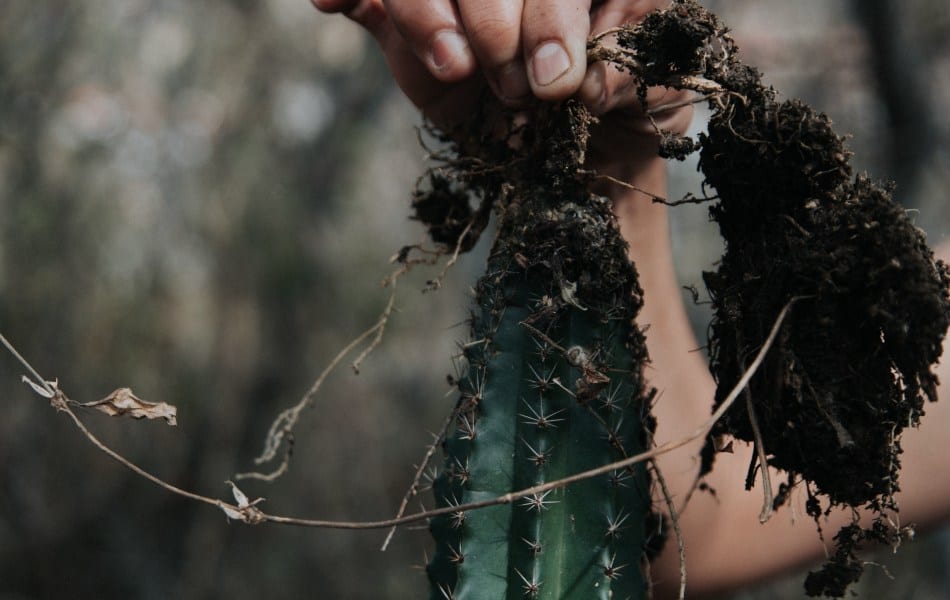
Sometimes the roots may be too affected that they easily fall off from the plant when you touch them. It’s devastating to see the roots falling off the parent plant. This might be a sign that the rot has become so severe that there’s very little you can do to save the plant.
Root rot might cause the roots to separate from the cactus itself.
Other noticeable symptoms of root rot include;
Yellow leaves
Leaves falling off from the plant
Brown splotches on the leaves
Wilting stems or leaves
Unhealthy or malnourished plant
Black or brown roots
Stunted growth
What Do People Mistake Root Rot For?
When the roots start to rot and people see signs of a dying plant, the first thing that comes to mind is a lack of water or nutrients. Here are the two main things you’re likely to mistake root rot for.
Underwatering
Many people think that the plant is turning yellow or not growing as it should because it lacks enough water. Sometimes you might think your plant is underwatered when in the real sense, it’s overwatered. This can be confusing because the plant shows almost the same visual signs when underwatered or overwatered. An example of this is usually wilting leaves.
When you assume that your plant is wilting because it lacks enough water, the chances are that you’ll begin to water it. You’ll give the plant more water than it needs, which will further escalate the rotting problem. The plant will become waterlogged and suffocated. This will eventually cause its death.
Overwatering your cactus plant might lead to root rot.
Lack of Nutrients
Other people mistake signs of root rot for nutrient deficiency. When the plant tends to have wet soil even with enough sunlight, and you can’t see signs of pests, the first thing that comes to mind is lack of nutrients.
Mistaking root rot for lack of nutrients gives rise to another bigger problem altogether. You’ll probably decide to give the plant a water-soluble fertilizer. And you’ll mix water, soil, and fertilizers; hence, end up overdosing the plant. You’ll add extra water on the soil that’s already waterlogged. This means you’ll wet the soil even further and escalate the rotting problem.
Causes of Root Rot
You’ll only save your plant if you know the problem and the cause. Here are common causes of root rot that you’ll likely come across.
Overwatering
One of the common causes of root rot is too much water. Plants have different water needs, and sometimes you might think it needs too much water when that’s not the problem. Plants like cactus need very little watering. Sometimes you may think you’re doing them good by watering when you’re destroying them.
When the soil under your plants gets oversaturated, it will become a breeding ground for bacteria and fungi. Once you give fungi and bacteria some space to thrive, you won’t be able to prevent root rot.
Underwatering
If you think overwatering is the only problem, then you’re mistaken. Your plant can also suffer root rot when you don’t give it enough water. When you stop watering your plant, the roots will begin to shrink and shrivel because of the dry soil. When you finally realize that the roots are so dry and decide to flood them with water eventually, you’ll overwhelm the already fragile roots causing them to rot.
Poor Soil Drainage
Poor soil drainage is when the water you give your plant only remains on the surface. When your pot lacks drainage holes, water won’t escape, and you’ll end up with too moist soil. This means that your plant will suffocate due to the lack of oxygen, which will cause the roots to rot. You should consider adding rocks and pebbles to the bottom of the pot to increase drainage. You should also avoid pots that have no holes.
Ensure that your cactus pot features drainage holes to prevent your plant’s roots from rotting.
Oversized Pots
If you’re a gardener, you’ll always think that your plant needs enough room. But using too big a pot is the worst mistake that can ever make. A big pot is one of the causes of root rot. Excess soil around your plant is the biggest source of problems. Those empty spaces between the soils can cause waterlogging, which will eventually invite bacteria.
Planting Too Deep
Many plant species don’t appreciate it when you plant them too deep. If the roots were to go deep, the plants would rather do that by themselves as they grow. Other plants need to root along the stems, and that means when you bury them deep in the soil, you’ll be interfering with their growth. Ensure you check your plant’s growing specifications so you don’t lower its depth so much.
How to Deal with Root Rot
It’s devastating to see that the plants you’ve worked so hard to tend to begin to rot and eventually die. But you must know that not every root rot leads to death. If you identify root rot early and the cause, chances are that you’ll be able to save your plant.
If you can still see some white and firm roots in your plant, the chances are that you can still save it. You can bring your plant back to health by replanting it with good and fresh soil. But you can only replant and save your plant if not all of it has turned mushy. If the entire plant is mushy, it will be too late to save it.
For replanting to be successful and for you to save the plant, you should be careful with this process. Make sure you get rid of all the parts of the root that have become mushy and brown. Use a sharp pair of scissors to do this. After removing the damaged parts, replant the plant within a few hours. After the process, dispose of the rotten parts and sterilize the scissors so that the fungi don’t spread.
Summary
Identifying how to root rot looks like is the first step towards treating it. You should take immediate action when you notice that your plants are not growing as they should. The telltale signs of a sick plant include wilting stems and yellowing leaves.
Ensure you don’t overwater underwater or give it improper drainage to protect the roots from rot. Act quickly so the rotting won’t affect the plant too much to a point where you can’t save it anymore. You don’t want to wait until it’s too late because this will mean losing all your hard work and precious plant.
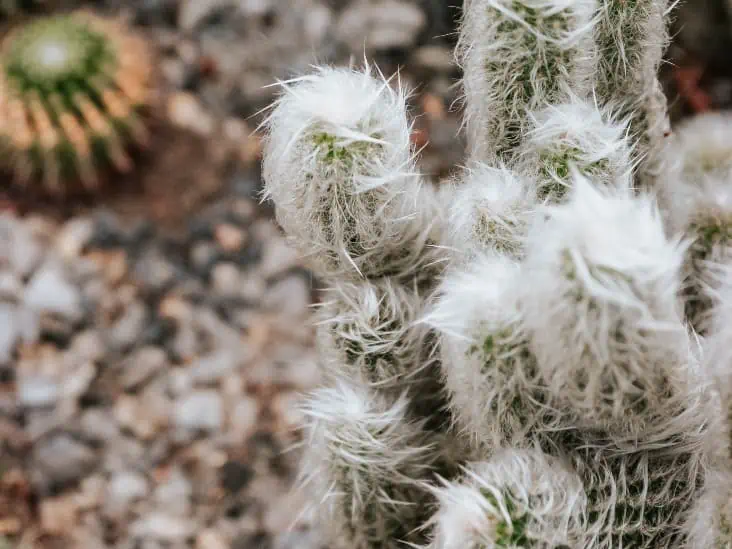
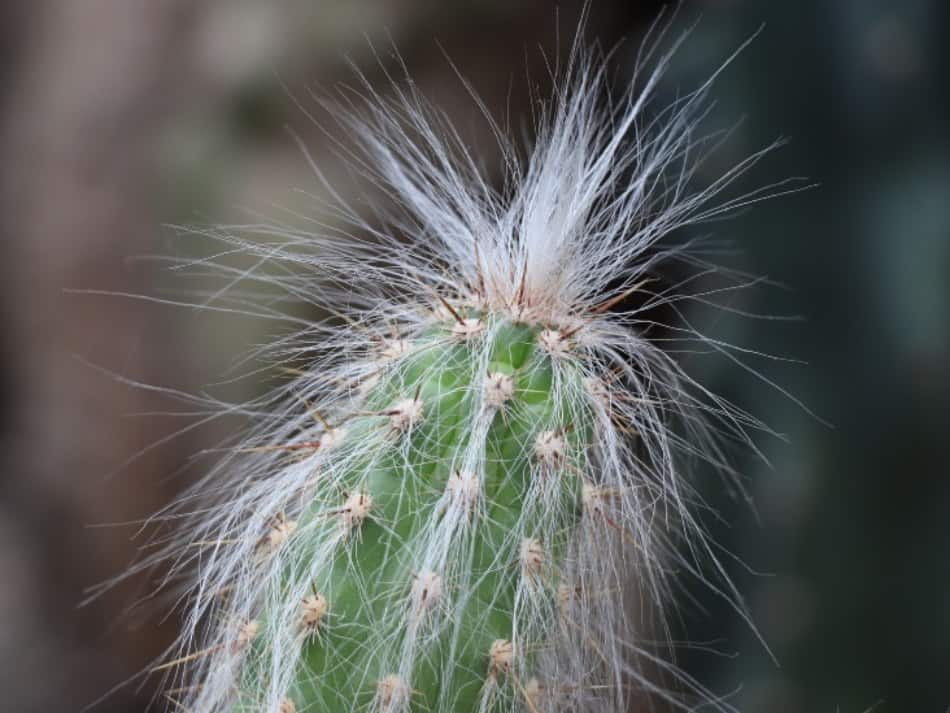
Old Man cactus, or Cephaocereus Senilis in its Botanica name, is one of the great-looking cactus plants you’ll desire to have in your garden. The plant grows long white hairs covering its entire body, making it appear like a senior citizen; hence, its name. Don’t be tempted to try candling the white hairs because the old man also protects himself with some sharp spines that can prickle your hands.
To grow old man cactus, you should try to mimic its natural habitats. This cactus is native to Mexico and grows in hot and dry climates. It can thrive both in containers and on the ground. When grown indoors, the old man has the potential to portray a lot of character and personality. Whether you grow it indoors or outdoors, make sure it receives lots of sunlight.
If you’re wondering how you can grow your old man cactus the right way and see it thrive, here is a guide for you. Read through to help you get started with your old man cactus.
Old Man Cactus Growing Needs
Old man cactus needs sunny and warmer locations to thrive. You can use a cactus mix, a blend of sand, and topsoil in a container. Make sure you get an unglazed pot so it can easily evaporate to get rid of excess moisture. Too much watering of this plant is the main cause of rot and other diseases. You should also watch out for pests which easily hide on the hairs and kill your cactus without you noticing.
Old Man cactus requires warm conditions and infrequent watering.
The plant is very heat and drought tolerant; hence, it won’t die easily under such conditions. It can make a very xeric landscape plant when it reaches its large, impressive size. But make sure you plant it away from the play area because of the sharp spines. When taking care of it, you can wear some gloves and protective eyewear. You should also understand that the plant may need some attention at its young age, but this reduces as it continues to mature.
Should You Grow Old Man Cactus Indoors or Outdoors
Old man cactus will reward you with its beauty if you add it to the collection of your indoor plants. Just make sure the temperatures are hot, and you put it near the windows where it can receive lots of sunlight.
While growing this cactus outdoors, especially at its young age, can be challenging, you can do it. Just make sure it gets the right outdoor conditions. If you’re lucky enough to mimic its natural habitats, old man cactus can grow pretty large and will likely flower easily. It will adorn your garden with its beautiful white hairs and its pretty flowers.
If you can’t mimic its natural conditions, then it’s advisable to keep it indoors where it will be easier to control the temperatures.
Growing Old Man Cactus from Seeds
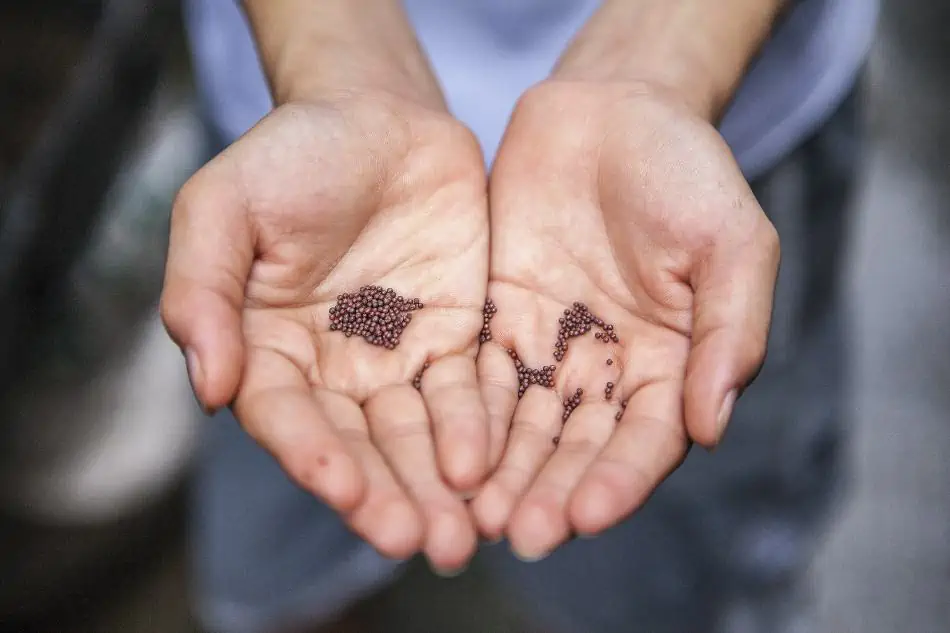
Growing old man cactus from seed can take a long time before you can get something recognizable, but you’ll get the satisfaction of growing your cactus from scratch. Growing them from seed is the best solution, though you can also cut or graft. If you prefer going the seed way, you can order the seeds online or from a nursery nearby.
Growing an Old Man cactus from seeds is a relatively slow process, so you should also consider purchasing a grown cactus.
To plant the Cephalocereus Senilis seed, you should prepare a shallow tray or some good potting soil. Spread the seeds openly on the surface and spray some water using a spray bottle. Use plastic wrap to cover the soil and prevent moisture from escaping. Place your tray or pot in a warm place and make sure it gets indirect light. Make sure the soil remains moist throughout the three months until the seeds start to spout.
If you’re not patient enough to ensure the slow germination period and the slow growth, then growing cactus from seed is not your thing. Try purchasing one which has already grown instead. Make sure you understand how a healthy old man cactus should look like so you don’t end up purchasing one with root rot. Also, make sure you get one grown from a nursery and not those poached from the wild.
Old Man Cactus Fertilization and Care
The old man of Andes will really appreciate and reward you if you give it some extra care in the form of TLC. At its young age, the old man will appreciate some fertilization and a little bit more attention. Of course, this will reduce gradually as the cactus continues to grow. You need to apply the fertilizer once or two times during summer. Use all-purpose plant fertilizer with low nitrogen for your plant.
It will also need you to pay special attention to very specific environmental conditions and soil types. Make sure it receives bright light and heat as it grows. During summer, give your cactus full sun. It will appreciate a window space with southern or western exposure to receive the desired sunlight. You should ensure the topsoil in the container dries out completely before your next watering. Drench the soil completely when watering.
As your Old Man cactus grows, do not forget to give the plant enough direct sunlight during summer months.
When it’s winter, reduce watering. You can do it only once or twice throughout the season. Monitor the pot to ensure it’s completely dry before you water it next. Give it a bright, dry, and cool setting throughout the cold temperature period. It will appreciate temperatures of around 50 to 60 degrees Fahrenheit.
Your cactus may appear dormant during winter because of the unfavorable conditions. Don’t do anything to it since it will regain back its shine when winter ends. It’s also advisable to encourage dormancy at this time so it can survive the harsh winter weather.
Old Man Cactus Soil and Repotting
There’s specialty potting soil made to suit different kinds of cactus. The soil needs to have high mineral content to sustain it for a long time. You can mix cactus, potting soil, sand, and some pumice and perlite. This mixture will ensure good water drainage and proper ventilation.
Always pot your Old Man cactus in a pot which offers enough drainage to get rid of excess water.
When it comes to potting, make sure the pot enables good drainage of the soil. Drill one or more holes at the bottom of the pot to ensure this. This way, excess water will escape and leave the soil well-drained to support the cactus. Consider an unglazed pot or terracotta as they come in good sizes and capable of soaking up excess water. Don’t report your cactus often. Take at least three to five years before changing the pots so that the roots can be strong enough.
Old Man Cactus Blooms
Old man cactus can also adorn your home garden with some pretty pink flowers in early spring. It produces its first flowers after 20 years of growth. The sweet flowers only open at night from the head of the cactus and close by down.
When your Old Man cactus is mature enough, it will start producing beautiful pink flowers in spring.
If you want to see the beautiful blooms, you must give your old man cactus the care it deserves. It might fail completely to produce the flowers, especially the ones that have grown indoors. You might consider fertilizing it to get the blooms. The cactus can also produce some long fruits, but this is quite rare in cultivated cactus.
Pruning Your Old Man Cactus
Once the old man cactus is grown enough and stable on the ground, it will become less demanding in terms of care. But this doesn’t mean you should neglect it. You don’t need to prune it because it grows very nicely in one straight line. Its long, soft, and white hairs act like protection from excess heat and cold. It also helps the cactus retain moisture for a very long time, even in very dry conditions. This makes the plant appear healthy and beautiful throughout the year.
Old Man Cactus Disease and Pest Attack
Like any other plant, old man cactus is prone to attack by pests and diseases. Its long, soft hair gives a very good hiding ground for several pests, so you won’t notice them until they’re done an immense distraction.
Another problem you may experience with this cactus is rots which mainly occur when you overwater your plant. The long, soft hair also attracts mildew to the plant, and this can endanger it.
One of the ways to protect your old man of Angles from these dangers is to ensure correct watering. Never give mildew a chance to attack your plant because it’ll spread very quickly and kill your precious plant.
A common pest problem with cactus is spider mite infestation or cactus mealybugs. The pests hide in the long hair. You need to check from time to time, and when you notice any signs of a problem, re-pot your cactus plant. Consider purchasing mild insecticidal soap or insecticide that will help kill mildew. You can also treat your cactus using shampoo. Keep inspecting your cactus to catch any re-infestation that can end up killing your cactus.
Why Shampoo Your Old Man Cactus
Apart from getting rid of pests that hide in the long hair, shampoo is also a perfect way to ensure your cactus stays clean and beautiful. The fuzzy white hairs capture dirt and dust over time and might not look white anymore. Mix a liquid castile soap with water to give your cactus some cleaning.
Mix unscented organic castile soap with water and use the solution to clean your Old Man cactus.
It’s important to use organic and unscented castile soap, so you don’t leave any chemicals on your plant. Make sure you carefully wash off the detergent from your cactus, so it doesn’t seep into the soil. Comb the hair upwards and allow it to dry. You’ll love the clean, neat, and new look of your old man cactus.
Old Man Cactus Offsets
Another important part you should never overlook when propagating this cactus is the offsets. Old man cactus grows in clumps, so you need to separate individual cacti, so they grow better. The process can also involve uprooting some offsets from the clumps. Make sure you use a sharp, clean knife while doing this, and wear protective gloves for yourself.
Allow the offsets you’ve uprooted to dry out in the open for some days. The clumps will have some open wounds that can get infected by bacteria and fungi if not well taken care of. The drying process allows the wounds to callous. This will protect them from infections and give them a better chance of surviving when you plant them back.
Old Man Cactus Frequently Asked Questions
Can you grow Cephaocereus Senilis where there are pets?
If you love both animals and plants, you need to find ways for both to cohabit. Luckily the old man cactus and your pets, such as cats and dogs, can cohabit comfortably in one house. The plant is not poisonous to these animals. The animals will also not move near it because of the sharp spines.
What can cause Cephalocereus Senilis to die?
When you plant your old man cactus, you always expect it to thrive and adorn your garden. But that doesn’t happen all the time as your Cephaocereus Senilis can also die instead of growing. But what can be the cause of death?
Overwatering
One of the biggest causes of death in many cactus plants is too much water than they need. Cephalocereus senilis is an easy-to-care cactus that can survive very hot temperatures with a little watering. But it only needs a fraction of water; hence, too much water will cause the roots to rot.
Overwatering your Old Man cactus will cause root rot and your plant might even die.
Infections
Fungi and bacteria can also attack your plant, and if you don’t realize it early, it will be too late to save it. If you give it too much water and fertilizer, it will develop a fungal infection known as phytophthora. The cactus will start to wilt and develop green discoloration.
Make sure the fungal doesn’t attack your plant by ensuring good drainage and following the correct fertilization method. If you don’t redeem it early enough, the infections can kill your plant.
Pest Infestation
Sometimes your plant will get attacked by all kinds of pests. The hairs act as good protection for the plant but can also harbor spider mites and mealybugs. These pests eat your cactus slowly, and you might not notice until the damage is done. Use mild insecticides on the plant from time to time to keep the pests away.
How fast does old man cactus grow?
Old man cactus is a slow-growing cactus that needs a lot of patience from your side. The seeds take time to germinate, and even after growth, the plant will not achieve much over a long period. You’ll also have to wait 10 to 20 years before you can see the old man cactus bloom. Sometimes it might never bloom, especially when planted indoors.
How big does old man cactus grow?
If you’re going to grow your old man cactus indoors, it’s natural to worry about how big it can get. Will it outgrow the pot soon? Will the indoor space accommodate it? Well, old man cactus is a slow-growing cactus that you can have indoors for a very long time without the need to take it outside. It grows up to 20 feet before flowering and can grow up to twice more height after its first blooms.
How do I make my cactus grow straight?
At times, you may notice your cactus leaning, yet you want it to grow upright. The leaning might not be disease or an unhappy cactus; hence, easy to solve. You can solve this problem by replanting the cactus in dry soil. Alternatively, you can add more soil around the base of a layer of small rocks and gravel on the topsoil.
How do I clean my old man cactus?
The hairs from the old man cactus can trap all kinds of dust and dirt, making it look brownish instead of white. You need to clean it to restore its sparkling white look. You can use water and mild detergent for this. Make sure you mixed the solution well, brush on the air and rinse well with plain water.
You can also shampoo the hairs of your old man cactus. Just make sure the shampoo or the detergent doesn’t get to the soil.
Conclusion
Cephaocereus senilis is one of the best cacti to grow if you want to adorn your garden with beautiful white hairs. Someone with zero knowledge about cacti will not even realize this is a plant once it’s grown enough.
But for you to achieve its beautiful look, you must learn how to grow and care for this cactus. Make sure the soil conditions are favorable; it receives enough sunlight and appropriate watering. You can also give it some TLC and extra attention if you want it to reward you with beautiful blooms.
It’s also important to note that your beautiful old man cactus can rot if the conditions around don’t favor its growth. Identify the things that can cause rot and death, such as too much water, infections, and fungi. When you do everything right, the old man cactus will appreciate your effort by adorning your garden with its beauty.
Cactus is a popular desert plant that has recently gained much prominence in homes. Apart from the cactus, there are succulents. In most cases, these two terms are used interchangeably, and this begs the question, are cactus succulents? To better understand this, it is only fair we understand the definition of a succulent. A succulent is any plant with the ability to store water in its juicy stems, leaves or roots during plenty to be used in time of drought.
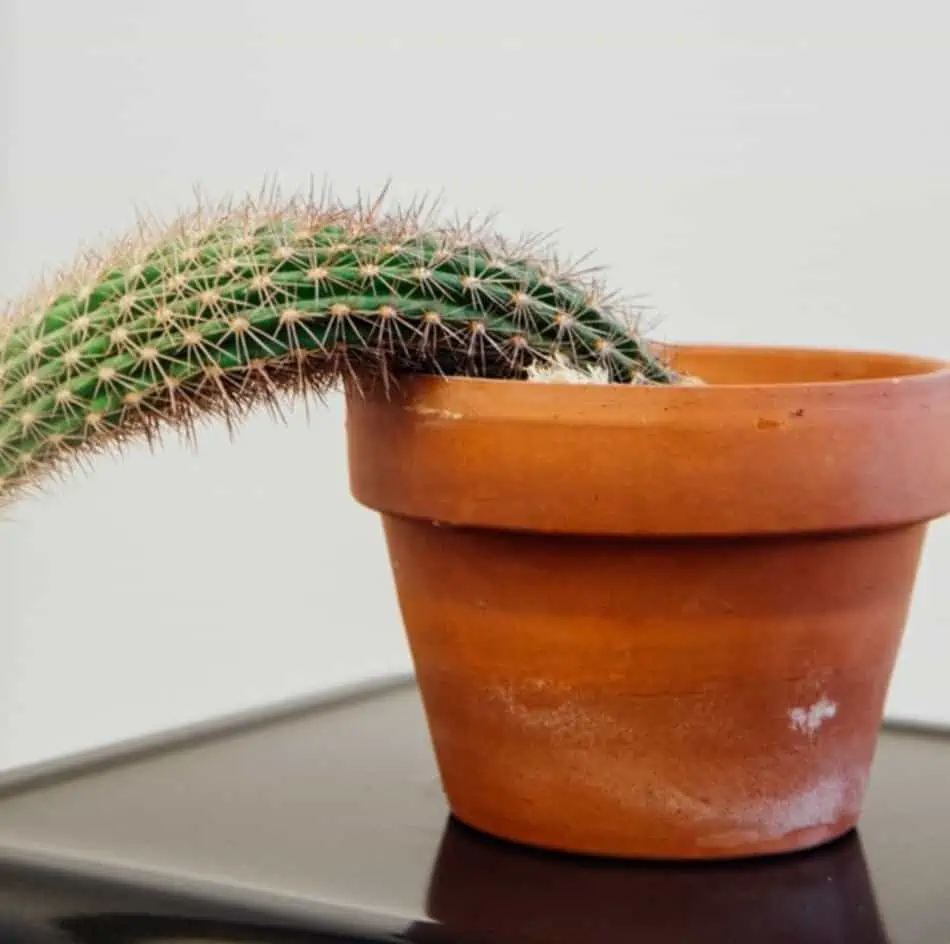
So, is cactus a succulent? By virtue of its physical features, the cactus is a succulent. However, the word cactus is used to denote its botanical family (Cactaceae). A succulent is a broader group that includes a number of other botanical families. So simply put, all cacti are succulents, but not all succulents are cacti.
Cactus is derived from the word Kaktos which essentially means ‘spiny plant’. Later, the name Cactaceae was coined to identify a group of plants that exhibited peculiar traits like storing large amounts of water in their stem, hairy or prickly coverings and limited or no leaves.
The major difference between succulents and cacti is that a succulent is a broad group of families, which includes Cactaceae.
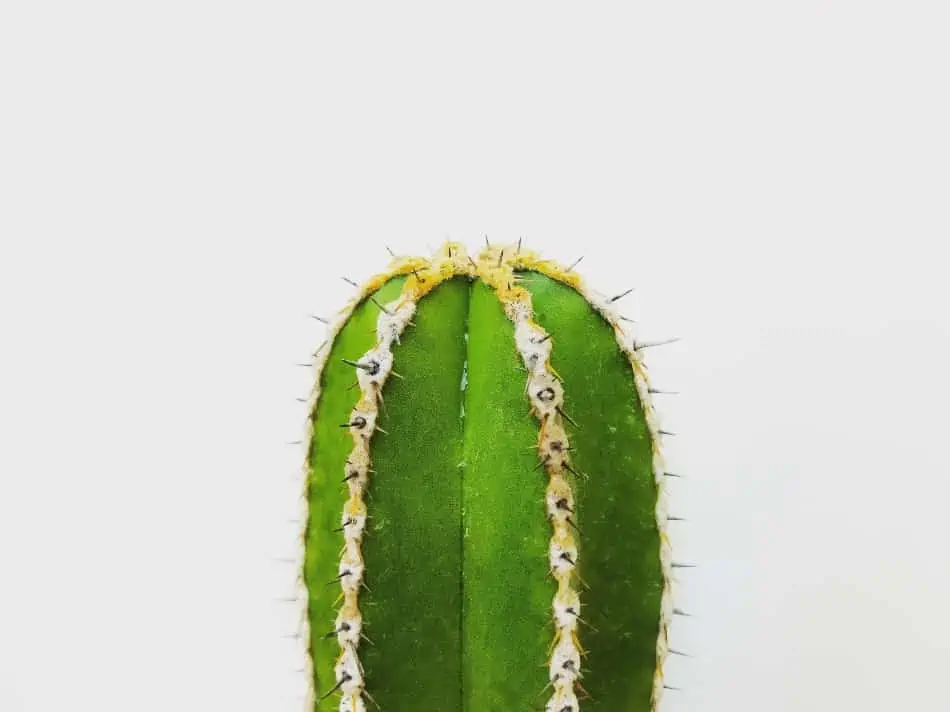
One can easily identify cacti, albeit with rare exceptions, from their leave-less appearance. This is a result of their struggle to thrive under harsh climatic conditions. Their stems are modified into pads, cylinders and joints that help store water in times of drought. The spikes and bristles come in handy for protection against herbivores. This is one of the adaptations for survival in the wild. Most of them feature brightly colored flowers, and some produce edible fruits.
It’s all in the leafs
While most succulents feature notable leaves, cacti do not have any. However, during the seedling stage, cacti have leaves, and some will sprout on new growth, albeit for a short time. With time, they shade these leaves to help avoid water loss through evaporation. Most cacti will change shape in the course of their growth as they adjust to the prevailing conditions. They also feature accordion-like ribs that expand to accommodate more water without bursting and will contract without losing shape as the plant uses up the water.
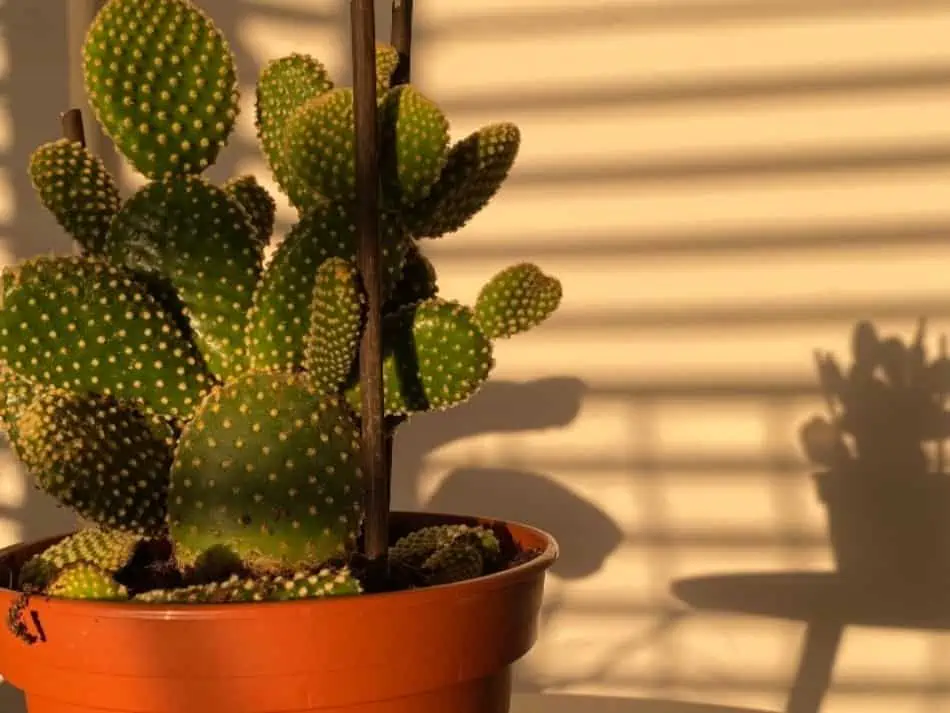
While succulents have plumpy leaves, cacti feature sharp spines.
On the other hand, the evolution of succulents like hawthorias, aloes, echeveria and drassula happened under less severe conditions compared to cacti. Most succulents have leaves, but these are also adapted to dry climatic conditions. Their leaves would become flattened gradually by water-storing tissues. These leaves are covered with horny or waxy materials that help reduce water loss through evaporation.
Variety of climates
Most succulents can be found in desert and semi-desert areas, especially in the warmer parts of the world like Africa and Mexico. However, others like sempervivums and sedums thrive in colder regions and can be found in rocky slopes.
Most deserts of the world are home to succulents, but not all succulents are desert plants. A number of them exist in forests, mountains and near rivers, seas and lakes. For instance, in the semi-arid regions of America, Africa and Asia, most succulents thrive, but they can also be found in rain forests. The following are some of the notable succulents and their native regions:
Aeonium – Africa, Madeira and Canary Islands
Agave – The Americas
Cotyledon – Africa
Aloe- Africa, Atlantic Islands, the Mediterranean
Crassula – Africa
Dudleya – Mexico, coastal California
Gasteria – South Africa
Echeveria – the Amricas
Faucaria – South Africa
Kalanchoe – America, Africa and Southeast Asia
Sempervivum – Southern and Central Europe, North Africa
Cacti are believed to have evolved over 30 million years ago in North and South America. This explains why most cacti species are native to these regions, and it stretches from western Canada to Patagonia. On the other hand, succulents are native to every continent apart from Antarctica. The adaptability of these plants is unmatched. In fact, they can sometimes be found as epiphytes that grow as parasites to other plants.
Taking Care Of Succulents
Succulents have been known to make excellent houseplants. This is especially so considering the popularity that cacti have gained in the last few years as both garden and indoor plants. With the right propagation and potting according to their variety and family, succulents will need little attention. As long as they have access to enough sunlight, they can thrive even without frequent watering regimes.
This said, it is important to appreciate that each succulent variety has its specific care tips. However, the rule of thumb is always to ensure you have the right soil mix for your succulent. Talk to your botanist about your succulent and should be in a position to advise you on the best soil mix for your plant. Nevertheless, always ensure the soil mix is dry enough before watering. This will help reduce cases of root rot that can be detrimental to the life of your succulent.
Water and lighting needs
Depending on the humidity, drainage and temperatures in place, watering once a week is ideal for most succulents. Always be on the lookout for signs of over-watering. These may include leaves looking mushy or soggy. In other instances, the leaves may change color.
The majority of succulents love bright light, but you should avoid placing them under direct sunlight.
Most succulents thrive best under a bright light. However, you do not necessarily have to expose your succulent to direct sunlight. Placing it by the window will do just fine. You may see the need to move them around just to see how they adapt to the various conditions. In cases where getting sunlight is a challenge, you can opt for grow lights to help offer the much-needed light for healthy growth. Some notable signs of light deficiency in succulents include leaves stretching out and pale flesh.
Propagating Succulents
Succulent can be a source of joy when grown indoors. As such, you want to have as many as possible. Luckily propagation of succulents is simple. Depending on your variety, succulents can be propagated by seeds or vegetatively.
You can propagate succulents from seeds or through vegetative propagation.
Propagating succulents from seeds can only be possible with successful pollination. While in the wilt, this would be done by wind insects and birds. However, when grown indoors, you may need to practice cross-pollination by hand to increase your chances of getting healthy seeds.
On the other hand, vegetarian propagation can be done by using cuttings, pads or offshoots of the parent plant. These would then be replanted by spurring rooting in separate containers. These cuttings would, however, require a healing period called callousing before transplanting. This helps increase the chances of rooting by avoiding the risk of rotting.
Common Succulents You Can Plant Indoors
Apart from cacti, there are multiple other succulents that can be grown indoors. The type of succulent to go for will depend on the climatic conditions and overall home décor of your indoors. Hereby some common indoor succulents:
Aloe Vera – This is a common succulent that can sometimes be confused for a cactus, thanks to its appearance. Apart from improving your home décor, aloe vera has been used from time immemorial to heal burns and relieve pain.
Burrows Tail Sedium – This succulent thrives best when grown in hanging baskets. It works perfectly with medium to high light.
Panda Plant – This is a type of kalanchoe and is most popular for its soft, fuzzy leaves that help complement home décor.
Ponytail Palm – Often confused for a palm tree, this succulent stands out with its bulbous trunk that helps store water. This is most ideal for busy individuals or those who travel frequently.
Snake Plant – This extremely hardy succulent is resistant and can handle a lot of abuse. Water sparingly with breaks in between to allow the soil to dry out.
Crown of thorn – This thorny succulent has gained much prominence thanks to its unique shape. Water the plant as soon as one inch of the soil feels dry. Too much dry soil, and you risk losing its leaves and flowers.
Pincushion Cactus – Its name notwithstanding, the Pincushion cactus is not a true cactus but falls under general succulents. It is part of a group of around 200 ball-shaped succulents. It thieves best under extremely high light.
Cacti, just like the rest of succulents, may not need much attention, but following the common care tips will help improve their health. Most succulents are slow-growing and will thus need the patience to reach maturity. When grown at home, it is important to understand its ecological needs.
While most succulents would thrive in the deserts, others do best in cold conditions. With this in mind, it becomes much easier to determine the best conditions even when grown at home. Unlike cacti, most other succulents have leaves and would make their food through photosynthesis, just like any other regular plant. As such, exposure to sunlight is vital for their survival.
You can never go wrong with succulents as your indoor plants. Having a succulent in your room makes the house feel cozy and fresh. Plants have a natural way of purifying the air and making your home a healthy place to live in.
But before you run to grow any succulent you come across, you must know that not all of them are suitable for indoor planting. Others won’t do well in the enclosures of a house, and some will give you a difficult time to care for. But there are still many succulent varieties that are easy to care for and can grow well indoors. The likes of Aloe Vera, Christmas cactus, and crown of thorns are perfect examples of succulents that thrive indoors.
If you’re looking forward to starting an indoor cacti garden, you’re going to have to make the right selections. Here is a list of 12 types of succulents that can thrive indoors and make your house beautiful and fresh.
1.Aloe Vera
Aloe Vera is a famous succulent that is typically easy to grow and can do pretty well indoors. This plant is known for its beauty as well as its functionality. Many people use Aloe Vera for its medicinal purposes. The plant has sap on its leaves that has been used for decades to cure skin conditions, including acne, burns, and scrapes. The plant is used to make many creams, skin lotions, and ointments because of its medicinal purpose.
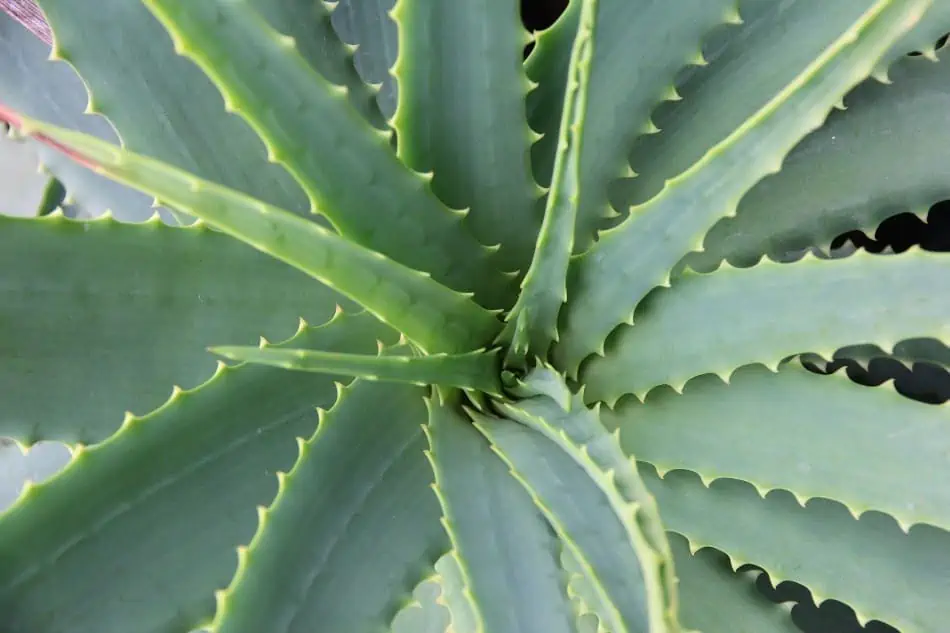
Aloe Vera is an easy-to-grow succulent that thrives in tropical climate, but can also grow perfectly healthy indoors.
You can easily identify Aloe Vera with its thick, greening, and pointed leaves. Some varieties grow white spots on the leaves. Aloe Vera thrives in tropical climates but can also do well when given proper indoor care in any climate.
2.Crassula
Crassula has grown for many years as a houseplant making it a wonderful addition to your succulents’ collection. The plant is an evergreen one with shiny leaves. This succulent is easy to plant and can tolerate different soil types as long as there’s good drainage. It requires a good amount of sunlight, but it can also tolerate some shade.
When grown indoors, crassula will grow up to six feet tall and develop branchy stems with some fleshy-looking leaves. For it to thrive well indoors, give your crassula a fresh pot every spring. When grown outdoors, crassula can bloom in white and pink blossoms.
3.Christmas Cactus
Christmas cactus is a famous house plant that is used widely as a gift, hence the name. This succulent is in the cactus species, but it doesn’t produce spines like other cacti. It also differs slightly from other cacti in that it requires a little more moisture. You need to water it every time you notice that the topsoil is dry. But you don’t worry if you forget to water your Christmas cactus for a while because it easily bounces back from drying and thrives once again.
A Christmas Cactus is a spineless plant that produces gorgeous white, pink, red, or peach orange flowers during winter.
The cactus produces beautiful blooms during winter, provided you keep it near the window. Its flowers have beautiful yellow pollen. Give it good care throughout the year, and you’ll have some beautiful flowers to gift out during Christmas.
4.Burro’s Tail
The Burro’s tail is a beautiful plant to add to your indoor collection native to Mexico. The plant produces amazing fat trailing stems, which make it ideal for growing in hanging baskets. You’ll also recognize it with its gray-blue or gray-green leaves that are usually 2 feet long.
For your Burro’s tail to thrive, make sure it receives bright sun. Keep the soil dry during winter dormancy and fertilize it in summer. Do not disturb the plant because a slight touch can make the leaves easily fall out.
5.Crown of Thorns
The crown of thorns succulent is also known as Christ plant or Christ thorn and is native to Madagascar. The Latin Americans call it Corona de Cristo. The beautiful houseplant grows beautiful thick stems that are quickly invaded with thorns.
If you want this plant to thrive and reward you with beautiful blooms, make sure it receives direct sunlight. It blooms in pink and red flowers all year round, provided there’s enough sun.
6.Echeveria
If you want your house to have a perfect supply of green all year round, then the perfect succulent to plant is the Echeveria genus species. The beauty of these plants lies in their rosette shape and their leafy attributes. It’s an evergreen plant with a palette of hues with colorful flowers on the delicate stems.
Echeveria is one of the most popular succulents that requires sandy and well-drained soil to produce blooms.
For it to thrive and reward you with beautiful blooms, make sure your Echeveria received full sun and part shade. Give it sandy and well-drained soil. When watering the plant, make sure it goes directly to the soil and not on the leaves. This way, you’ll protect the waxy coating and protect the plant from rotting.
7.Ponytail Palm
Ponytail palms got the name from their woody-looking trunk and leathery leaves that make them look like palm trees. The succulent grows very slowly and beautifully, making them perfect for indoor gardening. They can grow up to four feet indoors and go up to 20 feet when you move them outdoors.
The plant is also known as elephant foot, thanks to its bulbous base trunk. The primary purpose of the trunk is to enable the plant to store water. Ponytail palm thrives in bright light, low humidity, and warmer temperatures. It does pretty well indoors if you can provide it with these growth conditions.
8.Hens-and-Chicks
Take a glance at these plants in a container, and you’ll appreciate the work of nature. The flat flowerlike rosettes with round edges will no doubt bring perfect work of beauty to your indoor garden. The plants reward your hard work with their arching, bell-shaped blooms. They give your garden interesting shapes and colors that make your house a vibrant collection of plants.
When you grow these succulents as houseplants, make sure they slightly dry between watering to avoid rot. Put them in the spot near the window where they can receive direct sunlight. The soil should be sandy potting mixed with good drainage.
9.Lithops
If you never thought some plants look like stones, then meet lithops. The succulent plants take the appearance of stones or pebbles and are also known as living stones. If you don’t know them, you won’t even realize they’re plants. These succulents are easy to care for and thrive well indoors.
You have to ensure your plants receive plenty of sunlight. Give them poor but well-drained soil and a shallow potting. They’ll mostly grow underground and only expose their leaves to get moisture from above the ground. Water lithops sparingly during winter to ensure they don’t rot.
10.Portulaca
Portulaca plant, also known as moss rose, is a beautiful succulent plant that can thrive well with little or no care. If you give it full sun and enough room to roam around, the plant will grow well, even in dry soils. Portulaca is a half-hardy succulent that won’t tolerate cold temperatures. You only need to water them when the leaves drop.
If you give it well-drained soil and the right watering, Portulaca will surely reward your garden with bright, showy flowers with double or single rows of petals. The blooms range from yellow to hot pink. They also have narrow leaves that look like pine needles. Its trailing stems will look lovely in hanging pots.
11.Haworthia
Haworthia is a perfect houseplant that won’t take up a lot of your indoor space. It’s a tiny succulent that only grows a few inches tall and thrives with little care. The succulent grows in a beautiful rosette that looks like aloe. You’ll recognize it easily with its white bands on evergreen leaves. It has a striped appearance like that of a zebra plant.
Haworthia is tiny houseplant, ideal for those looking for low-maintenance succulents.
You can grow several of these plants in a shallow dish which you should put on the window sill to give you a wonderful display. Make sure it receives bright but indirect sunlight if you want it to grow beautifully.
12.Snake Plant
Snake plant is another beautiful succulent that will likely add an interesting accent to your room. To preserve its beauty, you have to wipe clean the leaves with a rag now and then. Make sure you give the snake plant direct sunlight for it to thrive well. This plant can still thrive well without water or light but will still maintain its beauty.
Snake plant grows in thick, stiff, and pointed leaves that go up to three feet long. You’ll also identify them with their patterned markings that give them the name snake plant. Although it can tolerate low light and little watering, it still needs some bright light and moisture when the soil dries up.
Summary
There are plenty of succulents to choose from and beautify your indoor garden. You have to realize which one does well in your climate area and which one you can care for without problems. Go through the plant’s specifics and understand how to grow and care for it before taking it home.
If you give your succulents the care they deserve, they reward your garden with color and immerse beauty. Choose yours from this list of 12 succulents, and you’ll love the look of your garden after a few months.
Growing a perfect cactus garden is easy and achievable. It feels less like of a chore compared to other garden plants since they require just a bit of general care. They require little to survive, with requirements that are easy to cater for, even for those who consider gardening tedious. Constructing a cactus garden can appear a child’s play, but it is not entirely a mindless venture. Crucial factors come into play when growing the dream cactus garden.
So, what are the basic tips for a perfect cactus garden? Going into the cactus gardening business clueless could cost you. Cacti differ significantly from your average plants. They have different biology, growth needs and grow in an almost unfathomable ecological setting. Their cultivation regime would never resemble common mesophytes. A perfect cacti garden can be achieved by;
Choosing the right cactus species to grow
An appropriate container to grow it in- size and make
Correct positioning of your cactus and using correct type of soil
Are you planning to create a cactus garden and wondering where to start? This guide will help you understand how best to create one, right from choosing an ideal species, containers, soil and positioning.
Choosing between indoor and outdoor cactus landscaping
It all boils down to the choice of the cactus species you choose to grow. This decision is influenced by where you want to grow the plant. Growing an outdoor cactus is easy; growing an indoor cactus will come with a few extra steps. If you live in a sunny, hot area, cacti will naturally thrive with much ease. Garden landscaping is less tedious and requires minimal effort. Most of the work is done for you by nature; watering the plants will not be necessary. The only task you might have to do is to nourish your cacti with cacti fertilizer at least once a year. Cactus does well grown on a hill because of the sloppy gradient that will help improve the drainage. Deeper holes will be required to make up for the lack of slope on a flat yard so that the water can drain deeper away from the shallow roots into the ground.
When planting cactus plants outdoors, you might not even need to water them. Simply use a fertilizer to nourish the soil.
There is bounty of ideas on how to pull off outdoor cacti landscaping. You can choose to grow cacti surrounded by small shrubs and flowering perennials. To achieve the desert landscape appearance, grow your cactus in a sea of crushed stone and pebble. Barrel cactus, organ pipe cactus, prickly pear, blue candle, cow’s tongue cactus, and blueberry cactus are classic species for outdoor cactus landscaping.
If you hail from a rainy and humid area- conditions that can be detrimental for the cacti growth, you may be better off growing your cactus indoors. Cacti are desert plants. As such, always ensure you provide them with adequate sunlight for better growth by placing them in an ideal position where the sun rays can easily get to the plant.
Take hints from the cactus species and its natural environment
The characteristics of your chosen cactus can offer some pointers on how to plan your cactus garden. Consider their most appealing features. For a blooming cactus, for instance, placing it in a strategic position would help flatter the plant and consequently decorate the room accordingly. Cacti flowers can bloom better with extra care. Notably, their desert-growing counterparts flower less often thanks to the unbearable, hot weather.
You should always consider natural environment and growth patterns of a cactus before planting it in indoors or outdoors.
Consider the growth pattern of your cactus. Is it a winding epiphyte? These do best as hanging cactus accentuating the room with exoticism and uniqueness. Cacti size matters a lot when choosing the location. A small cactus would most likely look presentable planted in a pot placed on a window sill or your office desk. Growing cactus requires patience and, ultimately, knowledge on the plant’s biology. Cacti are a slow-growing breed and can remain in the soil for years. For fast-paced visible growth, avoid growing cactus from seeds but instead use their shoots when propagating.
No written rules mandate that cacti should be grown in pure breed or as an assortment. The most attractive cactus gardens are grown in a variety. Provided that they have similar growth requirements, cacti can make room for one or more succulents in the pot. These pot partners must, however, have similar care and size requirements.
Location
The positioning of your cacti is vital for its growth. This is especially so for indoor plants. Pick the brightest part of the room or corridor to grow your cactus. Most cacti would thrive basking in the sun for at least 6 hours a day. Position you cactus in an easily accessible area for better attention. For instance, you can place your container by the main door to your house. Subject to your preference, you can lay out your garden bed in a circular, triangular, semicircular, or rectangular shape.
Potting style
Creating an authentic cactus garden requires that the pot you choose is aesthetically pleasing and practical. An ideal cactus pot is one with adequate root space and has at least one drainage hole. Drainage is crucial for desert plants. Remember, root rot invades plants that are potted in poorly draining pots. For ornamental purposes, choose pots that are relevant to plant size. Cacti are shallow-rooted plants made to take up the little water trickling down the soil. As such, it would be unnecessary to use a ridiculously huge pot unless the cacti being propagated is respectively huge.
Make sure your cactus pot has a drainage hole so that excess water drains out of the soil.
Grow each shrub in their pot for large shrubs. Smaller shrubs look good potted in one container. Other cacti varieties are more appealing when grown in multiple pots and arranged together. An assortment of small cacti would look good growing from terracotta or rustic bowls. In fact, you can pruce up your garden by growing a mix of colorful perennial flowers. Dangle down rattail cactus,orchid, and Christmas cactus from hanging baskets or tyre tubes. Decorate your walls by growing tall, gigantic cacti alongside them.
Allow your creative genius to run wild when choosing your ideal pot. Container gardening thrives on your creativity and willingness for experimentation. Even in regular gardening, few species fit the mold to be grown ideally in a container, but cactus makes the list. Remember you do not have to go for commercial containers when starting out. You can make a pot out of a cup, old boots and even toy trucks. Otherwise, you may opt for a cactus terrarium. The cactus terrarium is planted in the open to keep humidity from destroying the plants. Do not forget to line their inner bases with gravel to improve drainage.
Soils
The cactus’ native habitat should inform you of the type of potting soil you require. Adhering to this information is crucial to avoid further repotting of a plant that has deteriorated in health with little to be done, far down the cactus’ growth journey. For pure desert breeds, it is advisable to capitalize on the grit, while for forest cacti, adding peat will improve the plant’s growth conditions. Peat helps to hold the soil together, while grit improves drainage and aeration. Regular soil holds too much water and is, therefore, a bad idea for cactus.
Since regular soil holds too much water, use a suitable soil mix for desert and forest cactus plants.
Cacti thrive on well-drained and properly aerated soils. Soils with high water retention are detrimental to cacti roots adapted to thrive on little to no moisture. Cacti readily absorb moisture- even from dew and moist. The excess water left in the soil once the roots have taken in enough leaves breeding grounds for fungus and bacteria that cause root rot. Water these plants in moderation; at least once a twilight, just enough to keep the peat from drying out. When dry, the soil becomes hard and absorbing moisture afterwards is taxing for cactus roots.
To avoid the hassle, you can purchase cactus potting soil or prepare some yourself from the garden. For young cactus roots, cactus potting mixes from garden centers and nurseries are a better choice as these young roots have a more challenging time getting accustomed to regular soil.
How to make you own soil mix
Would you rather prefer a DIY cactus mix recipe? You can easily do this by mixing one-third coarse sand, one-third of pumice, and one-third of regular soil. This particular soil recipe helps achieve the desired texture, drainage, aeration, and compactness for the cacti species. Before pouring in the soil mix, line the pot’s base with gravel and pebbles to improve drainage further. Making your own soil mix helps reduce the costs that would, otherwise go into purchasing the commercial option.
Outdoor gardening will require a drainage test to make sure that the grounds are ideal for the cactus. Dig up holes less than a foot deep on the ground and add water. If the water still stands after 30 minutes, add rocks and sand in the holes, which will alleviate the drainage problem. An outdoor cactus garden may require less cactus soil mix, assuming the soil outside is gritty.
Cactus is an exciting gardening option for a change. To spruce up your gardening portfolio, try the most respected plants of the desert. They require almost less of everything than your regular plants except for sunlight which Mother Nature gives for free. The easy-going, low-maintenance cacti can turn anyone into an enthusiastic garden keeper following these few simple steps. They are tried and tested methods by expert gardeners by which you can achieve that enviable dream garden. Keeping a plush out-of-this-world cactus garden is fulfilling and a source of pride.