Cacti Wonders Guide Review: Ultimate Expert Resource?

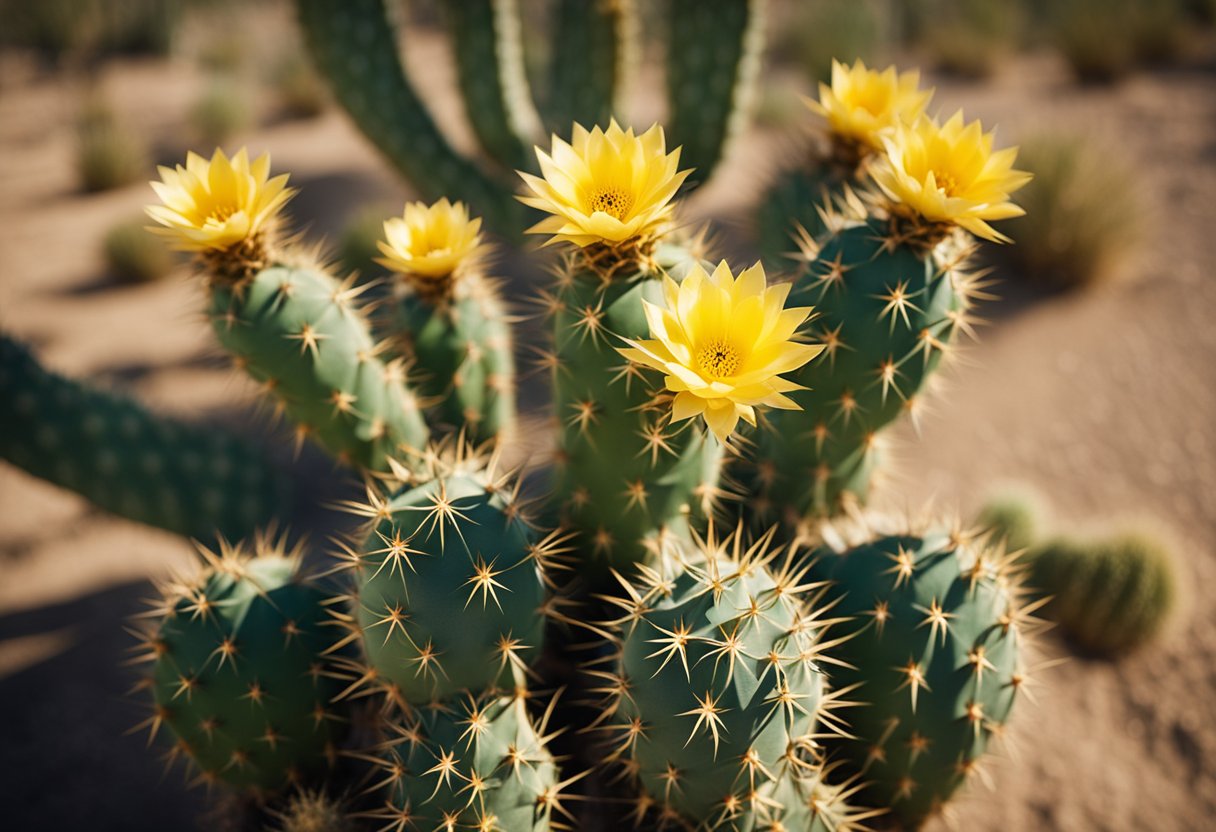
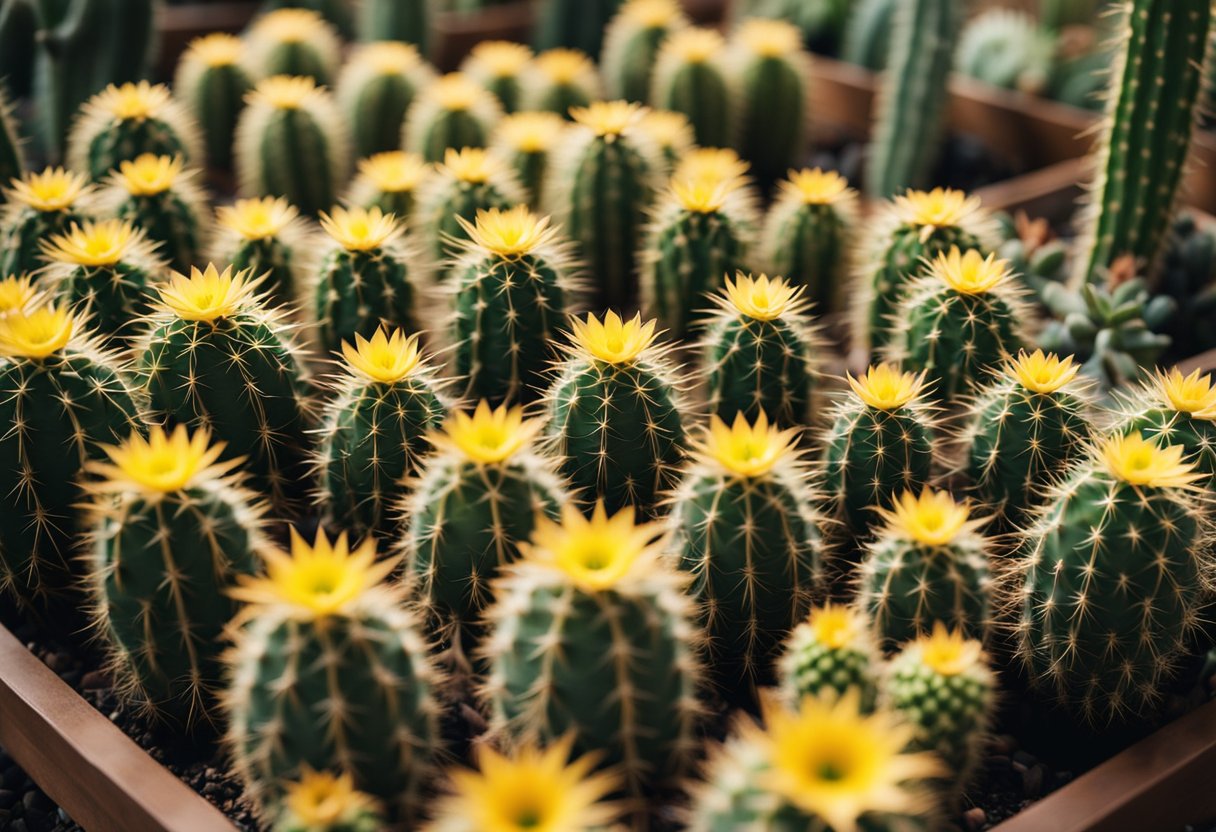
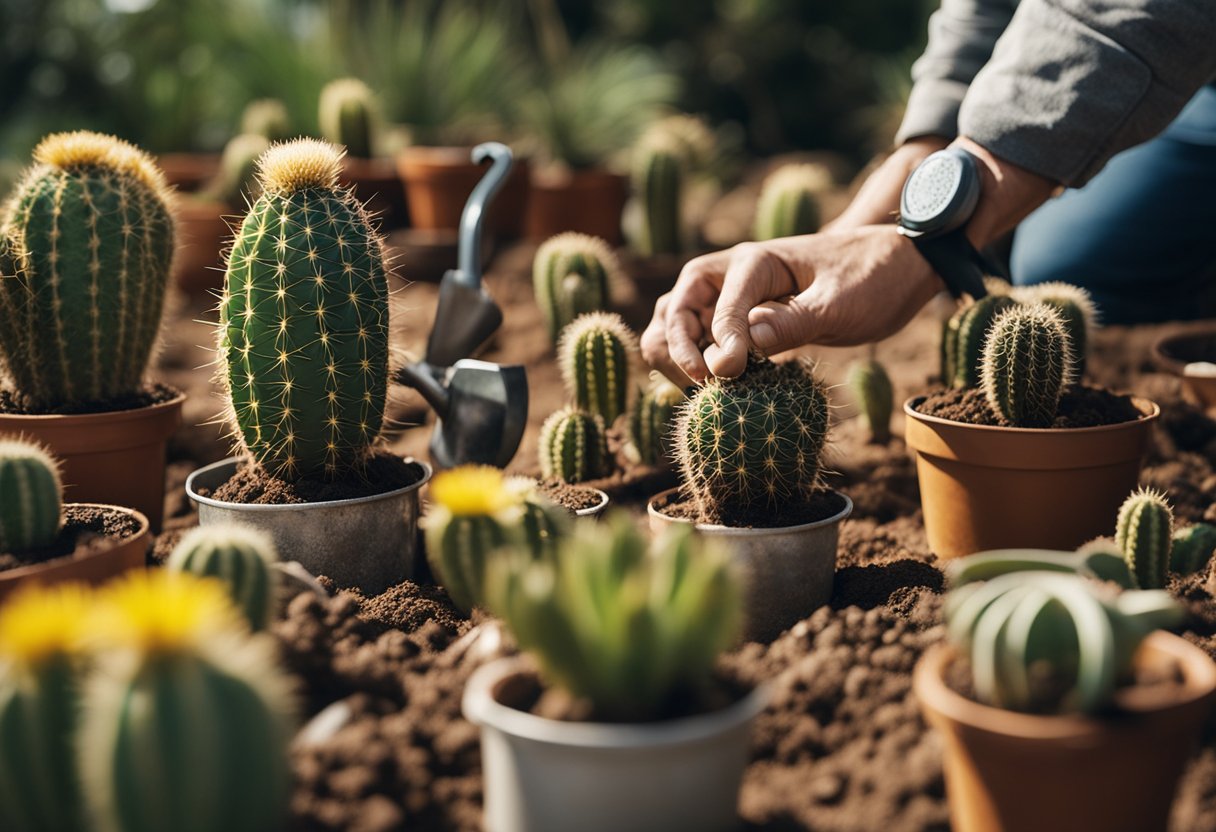
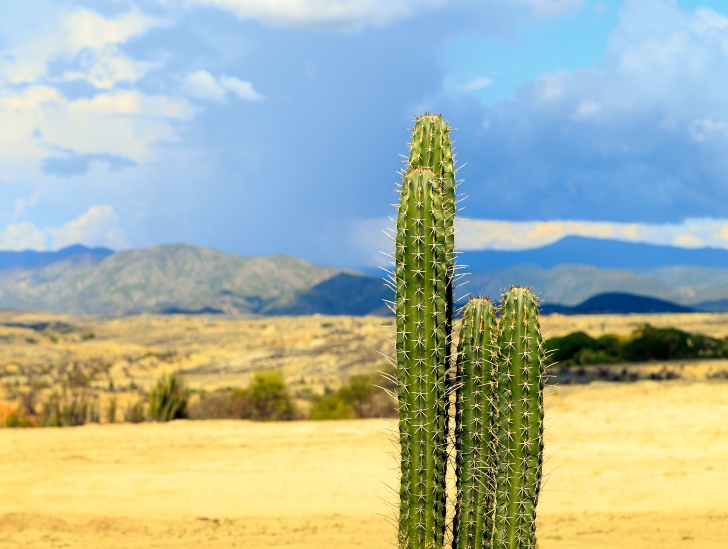
If you’ve ever been fascinated by the diverse world of cacti, we recently delved into a fantastic read that you might be interested in. Cacti Wonders: A Guide to the World of Cacti is a concise and informative ebook that covers various aspects of these captivating plants.

With this ebook, we were able to improve our understanding of different cacti species, their natural habitats, and the unique ways they have adapted to survive in harsh conditions. It’s a perfect read for both, the seasoned cacti enthusiast and the curious beginner.

Although the ebook doesn’t have features like sticky notes, X-Ray, or text-to-speech, we still found it engaging and easy to read. The file size of 5109 KB ensures that it doesn’t take up much space on your device. Additionally, unlimited simultaneous device usage means you can enjoy the ebook on multiple gadgets at once.

It’s important to note that the ebook’s language is English, so it may not be suitable for readers who aren’t comfortable with the language. Nonetheless, we believe Cacti Wonders has a lot to offer for those interested in expanding their knowledge about these amazing plants.

Bottom Line

Cacti Wonders: A Guide to the World of Cacti is an insightful and interesting ebook for anyone looking to explore the realm of these unique plants.

If you’re ready to dive into the world of cacti, click here to get your copy of Cacti Wonders on Amazon and start your fascinating journey today!

Overview of Cacti Wonders: A Guide to the World of Cacti

Diving into the pages of Cacti Wonders, we found ourselves immersed in the fascinating world of cacti. The eBook, available on Amazon, offers comprehensive information on various types of cacti, their care, and history. The knowledge and detailed descriptions provided throughout the book make it an excellent read for beginners and experienced cacti enthusiasts alike.

However, upon further exploration and trying out some of the features, we found that some of the Kindle features, such as sticky notes, text-to-speech, and enhanced typesetting, are not enabled. This was a bit disappointing as these functionalities can enhance the reading experience. Despite this, the clear language and unlimited simultaneous device usage still make it a valuable resource for anyone interested in the world of cacti.

In conclusion, Cacti Wonders: A Guide to the World of Cacti is a fantastic resource for those looking to grow their knowledge on these remarkable plants. Although lacking some Kindle features, the content itself is engaging and informative, making it a worthwhile addition to your cacti book collection.

Key Features

While exploring “Cacti Wonders: A Guide to the World of Cacti,” we noticed a few standout features that we believe to be essential for anyone looking to learn about and appreciate these fascinating plants.

Comprehensive Coverage

As we delved into the pages of this guide, it was evident that the author had put in a significant amount of effort to offer thorough coverage on the world of cacti. The information presented covers various species of cacti, their unique characteristics, and care requirements. Although the Kindle file size is only 5109 KB, the comprehensive scope of the content makes it a valuable resource.

Easy-to-Navigate Structure

Navigating through “Cacti Wonders” is a breeze. The structure is well-organized, making it easy for readers to find information on specific topics of interest. The unlimited simultaneous device usage allowed us to read and reference the guide on multiple devices, ensuring that the guide was always accessible, no matter where we were.

High-Quality Images

Although the enhanced typesetting feature is not enabled, “Cacti Wonders” does offer a range of high-quality images. These visuals help readers gain a better understanding of the various cacti species, as well as their growth patterns and care requirements.

Interactive Elements

While “Cacti Wonders” lacks interactive features like sticky notes, X-Ray, word wise, and text-to-speech, the informative and engaging writing style more than makes up for these limitations. The authoritative and clear tone of voice empowers readers to immerse themselves in the world of cacti.

In summary, “Cacti Wonders: A Guide to the World of Cacti” is a comprehensive and accessible guidebook for enthusiasts and beginners alike. With its easy-to-navigate structure, high-quality images, and engaging content, this guide is a valuable addition to any plant lover’s library.

Pros and Cons

Pros

After reading “Cacti Wonders: A Guide to the World of Cacti,” we couldn’t help but appreciate the extensive information this eBook provides. Covering a diverse range of cacti species, it sheds light on the unique characteristics and needs of each plant. For beginners, there are step-by-step care instructions, making the maintenance of these fascinating plants an enjoyable experience.

The eBook is packed with captivating imagery and a user-friendly layout that makes it easy to navigate. We were entertained by the sprinkling of cactus-related anecdotes and trivia throughout the eBook, a charming touch that adds depth to the reading experience. Additionally, the author’s passion and firsthand knowledge of cacti are apparent, lending credibility to the content.

Noteworthy Features

  • Comprehensive guide to various cacti species
  • Step-by-step care instructions for beginners
  • Vivid imagery and user-friendly layout
  • Entertaining anecdotes and trivia
  • Authentic voice backed by the author’s expertise

Cons

While “Cacti Wonders” has its strengths, there were a few minor setbacks we encountered. For one, the eBook could benefit from more detailed diagrams, as these visuals would complement the written instructions for cacti care. Furthermore, those seeking information on more unusual cacti species might find this guide lacking, as it primarily focuses on common species.

It’s worth noting that this eBook is only available in Kindle format, which could limit accessibility for some. The lack of a print version or alternative eBook formats is a slight downside. Lastly, the book’s price may be considered high for an electronic publication, especially when compared to similar guides on the topic.

Areas for Improvement

  • More detailed diagrams needed
  • Limited information on rarer cacti species
  • Exclusive Kindle format limits accessibility
  • No print version available
  • Comparatively high price

In conclusion, “Cacti Wonders: A Guide to the World of Cacti” is a valuable resource for those interested in cultivating and appreciating these unique plants. Despite a few minor drawbacks, we believe the pros outweigh the cons, making this eBook a worthwhile addition to any cacti enthusiast’s library.

Exploring the Content

Diving into the pages of “Cacti Wonders: A Guide to the World of Cacti,” we found a wealth of information on various cactus species, their growth patterns, and unique characteristics. Our experience with the guide revealed both its strengths and areas for improvement.

On the positive side, the book offers:

  • Detailed descriptions: Each cactus species is well-explained, making identification easy.
  • High-quality images: Professional photos are included, aiding in learning and capturing our attention.
  • Caring instructions: The guide provides useful information on maintenance and cultivation, helpful for both beginners and seasoned cactus enthusiasts.

However, there are some aspects that could be improved:

  • Organization: The book may benefit from a clearer structure or better categorization.
  • Navigability: A more detailed table of contents or index would help readers quickly locate specific topics.

In summary, “Cacti Wonders” is an engaging and informative read that, with some minor tweaks, has the potential to become an even more valuable resource for cactus lovers.

Customer Reviews

As experienced users of Cacti Wonders: A Guide to the World of Cacti, we would like to provide a summary of the customer reviews we have come across. It appears that this e-book is well-received by fellow cacti enthusiasts who find it informative and engaging. The comprehensive content found within Cacti Wonders covers the different types of cacti and their unique characteristics, making it a helpful guide for both beginners and advanced hobbyists.

However, some readers have mentioned that the e-book could benefit from more visuals to give a better representation of the various cacti species discussed. Additionally, a few customers have expressed their desire for a more in-depth discussion on cacti care and maintenance.

Overall, Cacti Wonders is a valuable resource for cactus lovers looking to expand their knowledge on the fascinating world of cacti. While it has areas to improve upon, the majority of customers find this e-book to be a worthwhile investment.

Conclusion

After spending some quality time with “Cacti Wonders,” we are confident in saying that this guide offers a wealth of knowledge on the fascinating world of cacti. While we did notice a few minor errors and some stylistic inconsistencies, they hardly detracted from the value of the information provided.

The guide is well-researched, and the illustrations and photographs truly bring these prickly plants to life. We appreciated the care taken in presenting not just the common cacti but also introducing lesser-known varieties that will surely expand any enthusiast’s horizons. Although we found the book quite engaging, some readers may prefer more in-depth discussion on certain topics.

Overall, we believe “Cacti Wonders” is worth the investment for anyone seeking a comprehensive, accessible introduction to these resilient plants. This book can inspire the beginner, fuel the passion of the experienced hobbyist, and even serve as a quick reference for the expert. Happy cactus hunting!

DIY Plant Gifts: Creative and Personalized Ideas for Any Occasion

Giving gifts is an act of thoughtfulness and personal connection, and when it comes to expressing care, DIY plant gifts stand out. Plants as presents hold a symbolic significance, representing growth, vitality, and a touch of personal flair from the giver. For those with a penchant for creativity and a green thumb, these gifts can range from potted houseplants to intricately arranged terrariums, crafted with a mix of aesthetics and personal sentiment.

As DIY plant gifts offer a living touch to gift-giving, they become an ongoing reminder of the relationship between the giver and the recipient. Crafting a plant gift by oneself allows for customization, be it through choice of plant species, decorative pots, or the inclusion of specific design elements that cater to the recipient’s taste and the intended message of the gift.

When considering the creation of a DIY plant gift, attention to detail is paramount. Selection of a suitable plant species that aligns with the recipient’s lifestyle and environment is crucial; some plants require minimal care and thrive in a variety of conditions, making them ideal for busy or novice plant owners. The choice of container must not only complement the plant but also fit within the recipient’s living space aesthetics. Additionally, understanding the basics of plant care and potting will allow for a healthier and more sustainable gift.

We delve into this craft with a clear understanding that the best DIY plant gifts are those tailored to the recipient’s lifestyle and our expertise in the essentials of plant care, ensuring the gift is not only beautiful but also lasting. This approach ensures the creation of personalized, meaningful, and environmentally conscious presents that resonate well beyond the initial exchange.

Top DIY Plant Gift Ideas

We’ve searched far and wide to bring you a collection of DIY plant gift ideas that are perfect for any green-thumbed individual in your life. Each product on our list has been curated to provide you with the best options for creating thoughtful, personal, and eco-friendly presents. Whether you’re a seasoned gardener or a novice looking to dip your toes into the world of plants, our roundup is sure to have something that will help you craft the perfect gift.

Bonsai Variety Kit

We think this Bonsai Tree Starter Kit is a worthy investment for those captivated by the serene art of bonsai cultivation, offering tools and guidance to get started.

Opening the Envy Prime Bonsai Kit immediately sparks excitement for the planting journey ahead. Its biodegradable bamboo fiber pots give us a sense of responsibility towards our environment while indulging in our gardening passions. As a beginner in bonsai cultivation, the user-friendly guide included is a beacon of wisdom, leading us from planting to nurturing with clarity.

Upon receiving the package, the first step we took was to meticulously follow the grow guide. This detailed set of instructions is straightforward yet thorough—crucial for anyone without a green thumb. We especially appreciated the variety of seeds provided, which allowed us to embark on growing four different types of trees, making each planting experience unique and fulfilling.

However, patience is indeed a virtue with this kit. Germination was not an overnight success, and it reminded us that a critical part of growing bonsai is embracing the waiting game. While we delighted in watching our sprouts eventually push through the soil, we also encountered a few seeds that were reluctant to wake up, although this is not uncommon in the world of planting. Additionally, mishaps during shipping sometimes led to a messy box upon arrival, but this minor inconvenience is easily overlooked considering the adventure you’re about to undertake with these saplings.

In essence, the hands-on experience with the Bonsai Tree Starter Kit solidifies our understanding of the delicate beauty of this ancient practice. If you’re seeking a tranquil gardening activity or a gift for a loved one who cherishes plants, this starter kit is a considered choice—just be prepared for the nurturing journey that bonsai demands.

Herb Garden Delight

We think this is a must-have for anyone looking to infuse their cooking with fresh, home-grown herbs.

When we got out hands on the HOME GROWN Indoor Herb Garden Starter Kit, it was clear this set is a game-changer for kitchen garden enthusiasts. Unpacking the box, the sheer convenience of having everything in one place struck us. From the reusable pots to the clearly labeled herb markers, it’s user-friendly from the get-go. Who knew starting an indoor herb garden could be so stress-free?

Feeling the soil between our fingers and planting the seeds, we could sense the significance of using non-GMO, heirloom seeds. We were bringing something truly natural into our homes. Our curiosity piqued with every perfectly placed seed, imagining the burst of flavor these herbs would soon add to our meals.

Watching the herbs sprout has been a delightful journey. The seeds come with a strong promise of germination, and sure enough, they didn’t disappoint. They began to poke through the nutrient-rich peat soil with vigor, and it wasn’t long before our kitchen windowsill was transformed into a lush, miniature herb garden, offering both aesthetic pleasure and the practical joy of leaves ready to be plucked and added fresh to dishes.

Bonsai Garden Kit

We think this kit is a splendid choice for anyone eager to explore the art of bonsai, providing everything you need in a single package.

Opening the sleek box from Planters’ Choice, we’re immediately greeted with the promise of a bonsai journey. The presentation is thoughtful, ensuring beginners feel welcomed into the world of these miniature trees. The comprehensive booklet feels like having a knowledgeable friend guiding us through each step, from seed germination to the final display. It’s clear the creators have put care into making this experience user-friendly and satisfying.

Planting the four seeds available in the kit, we can appreciate the craftsmanship of the tools provided. The bamboo markers add a natural touch while helping us keep track of each species. The bonsai clipper is sturdy in hand, hinting at the mindful trimming sessions to come. Watching the Norway Spruce, Royal Poinciana, Blue Jacaranda, and Rocky Mountain Pine take root, it’s evident why this kit holds its rank as a top-seller.

As days turn into weeks, the joy of witnessing seedlings sprout confirms the high germination rate promised. It’s a rewarding process, nurturing these seedlings into bonsai trees, each with its unique history and character. While we’ve been fortunate enough to witness growth in multiple seedlings, we acknowledge that there’s a learning curve. Beginners without a green thumb may need patience and a bit of research to fully enjoy what this kit has to offer. Despite a couple of hiccups in the process, such as the occasional missing element, the overall experience is fulfilling.

Meekear Plant Starter Set

We believe this kit simplifies the planting process for novices and could be a delightful way to initiate someone into the world of gardening.

Our initial impressions of the Meekear Plant Starter Set were quite positive. As we unpacked the kit, the jute bags caught our eye with their stylish prints and eco-friendly appeal, although we quickly realized they would require a waterproof tray underneath to protect our surfaces.

Working with the soil discs was a breeze. Watching them expand after soaking was satisfying, and it gave us the impression that we were really kickstarting the life of our soon-to-be plants. The mini shears and plant markers included in the kit further enhanced our planting experience, making us feel like seasoned gardeners even though some of us were beginners.

Gifting this set was a joy, too. It presented well due to the attractive packaging, and it seemed to kindle an interest in planting for our friends. The comprehensive guide proved useful, offering clear steps that made the setup process easy to follow.

However, while the set claims to simplify the germination period, patience is required. Since it does not come with seeds, we had to obtain them separately, leaving us with a variable wait time to see actual growth. Moreover, you should be prepared to transplant the seedlings to more permanent homes as the bags are not designed for the long haul.

Concluding our experience, the Meekear Indoor Starter Kit makes for a charming introduction to gardening, offering an almost complete package for those eager to get their hands dirty and grow some greenery. It’s important to remember that it’s just the beginning, and there will be more to do as your plants thrive.

Craft Crush Suncatcher Set

We believe this suncatcher set is a charming and engaging way to brighten up your indoor plants, offering both a delightful crafting experience and a splash of color to your living space.

Crafting with the Craft Crush Suncatcher Set feels like a refreshing break in our routine. The process is straightforward, and there’s nothing quite like the sense of accomplishment from creating something with our hands. We especially appreciate how each charm brings its unique burst of color to the usual greenery around the house.

We’ve found the kit to be quite versatile—after all, why stop at plants? We’ve adorned pencil cups and even made a charming window display. The clear instructions meant we could dive right in without any hiccups, and the included tweezers are a godsend for placing those tiny beads.

We suggest setting aside an afternoon for this craft; patience is key with this kit. It took us longer than anticipated to place all the baking crystals into the metal frames, but the effort was worth it. Just a little tip: keep an eye during baking, as the crystal beads can shrink more than you might expect, leaving small unfilled spots. Despite this, we find the end result to be quite enchanting, especially when sunlight hits the charms.

Bonsai Garden Delight

We found this kit to be a delightful foray into the art of Bonsai gardening, a must-have for both enthusiasts and novices seeking a green thumb challenge.

Our firsthand experience with the ZESTIGREENS Bonsai Starter Kit can only be described as both educational and enriching. The seeds sprouted without a hitch, showing that the 95% germination promise holds true. It’s a rare joy to nurture these seeds into miniature versions of the majestic trees they represent. The wooden pots provided are a classy touch, doubling as a chalkboard; our guests couldn’t stop complimenting.

While we adored watching our tiny trees emerge, care is paramount. The pots, despite their appealing look, need to be treated gently to avoid damage. Also, growing bonsai is not a set-it-and-forget-it hobby. It requires a watchful eye and a dedicated heart, especially through the germination phase.

As for the whole experience? The kit comes with every necessity, from the organic soil discs that facilitated healthy root growth to the easy-to-follow visual instructions. We were well-equipped for success right from the start, even if our green thumbs were previously untested. Let’s say we’re now thinking of gifting this kit to friends who appreciate a touch of nature indoors.

Hapinest Felt Succulent Kit

We recommend this DIY felt succulent kit for anyone loving crafting and those fond of no-fuss home decor.

Transform any space with the charm of succulents without worrying about sunlight or watering. We gave the Hapinest Felt Succulent Kit a try, and it’s a delightful project with tactile fun. The trendy look makes it a charming addition to our office desk, adding a pop of color and creativity to the workspace.

The assembling process is soothing, like a meditative practice that steers us away from daily stresses. We appreciated the self-expression it offered, and the end product is surprisingly chic and coherent with modern decor. The pre-cut felt pieces were easy to handle and adjustable, and we relish in the satisfaction of seeing our handcrafted succulents brighten our room.

Despite our positive crafting experience, we did observe some pitfalls. For a more durable setup, we suggest supplementing the provided adhesives with a bit of hot glue. This provided our creations with the sturdiness they needed to withstand a busy household. Additionally, keep in mind the scale of the plants; they might weave into smaller nooks better than large tablescapes.

In our box, we faced the hiccup of missing sticky cardboard inserts. We made do by cutting squares from the box itself, which worked out fine. This hiccup could be a chance to get creative with materials at home.

In all, the Hapinest Felt Succulent Kit is a rewarding craft with alluring results. It’s ideal for gifting or enjoying a quiet afternoon, transforming simple materials into artful decor.

Sprout N Green Mini Succulents

We think these mini succulents are an enchanting choice for anyone looking to add a touch of green to their space or searching for a thoughtful, living gift.

Welcoming these tiny green visitors into our home was an absolute delight. From the moment we opened the package, it was clear that a lot of thought went into ensuring their safe travel from the sunny California farm to our doorstep. Arranging these succulents was a breeze, and instantly, every corner they graced was transformed with a fresh, lively vibe.

We noticed how each succulent brought its unique texture and form, making the assortment a perfect gift for anyone looking to start or expand their plant collection. These adorable succulents work wonders as personal keepsakes or as special tokens for birthdays, anniversary celebrations, or even as wedding favors. They bear the promise of growth, which is a wonderful message to share.

After potting them, we did face the challenge of identifying the varieties, as they came without labels — a step that beginners may find daunting. However, this also presented us with the opportunity to learn and get to know each plant through a bit of research and observation. It’s been a few weeks, and aside from a couple of succulents that had a rough journey, the others are thriving and sprouting new leaves, filling the room with a dash of nature’s resilience and beauty.

Hydroponic Garden Guide

We found “DIY Hydroponic Gardens” to be an invaluable resource for anyone looking to embark on a soil-free planting adventure, streamlining the process from theory to harvest.

“DIY Hydroponic Gardens” makes an initial splash, showing us that a lush, verdant inside space is within reach. As we flipped through the pages, the well-taken photographs not only added a visual appeal but also clarified the instructions on system-building – it felt like having an expert guiding us through every step.

Unlike some other instructional guides that can be overwhelming, this book approached each topic with such straightforwardness that we were quickly brainstorming where to set up our first water-based garden. It’s apparent that the writer knows the ins and outs of hydroponics, presenting content that caters to both green-thumbed enthusiasts and those who might not even know what NFT stands for.

After our hands-on experience with several of the projects, we were, admittedly, a little daunted by the scale of some designs. However, even though we had to invest in a few extra materials, the outcome was incredibly rewarding. Our kitchen balcony is now a burgeoning space of greens and we’re eating salads that couldn’t be fresher. The only small hiccup was the text color; a family member with less than perfect eyesight struggled with the light grey print.

Yet, the book more than made up for this with its breadth of knowledge and inspiration. It’s as if we transported a piece of the countryside into our urban dwelling. Thanks to “DIy Hydroponic Gardens,” we’re now advocates for water-based systems and eagerly await our next harvest.

Home Grown DIY Favorites

If you’re looking for a gardening project that’ll ignite your green thumb, we recommend this Succulent & Cactus Seed Kit as a fulfilling endeavor.

Our recent experience with the Home Grown DIY Favorites kit was largely pleasant. The seeds, planting medium, and containers worked together harmoniously, offering an almost seamless process from sowing to sprouting. We delighted in the simplicity of the setup, finding the instructions straightforward and the additional drip trays and markers quite thoughtful. It’s a self-contained garden waiting to flourish.

The joy of seeing tiny sprouts emerge was tempered by the fact that we did encounter some non-starters in the seed mix. This isn’t unusual when growing plants from seeds; hence we weren’t too disheartened. It’s all part of the experience. Monitoring for mold was a minor challenge, though regular checks and tweaks to the environment sorted us out quickly.

We particularly appreciated how this kit could be placed both indoors and out. Our plants found their haven on a sunny windowsill. Even those without a knack for gardening can expect to see green shoots, given the resilient nature of the seeds, a testament to Home Grown’s choice of plant varieties. When friends asked for suggestions for an easy and engaging gift, we had no hesitation in recommending this kit. It’s an excellent way to introduce someone to the world of gardening without overwhelming them.

For those starting their gardening journey, the Succulent & Cactus Seed Kit is an apt choice. Coupling convenience with the excitement of growing your own plants, it’s clear why this kit is a staple for us. While it’s true that you might not get a 100% germination rate, the sprouts that do make it through are rewarding. It’s evident that Home Grown has focused on creating a product that would bring the garden to any home with ease.

Buying Guide

Understanding Plant Needs

When choosing plants for DIY gifts, we should first consider the plant’s basic needs:

  • Light Requirements: Plants vary in their need for sunlight.
  • Watering Needs: Some plants require frequent watering, while others thrive on minimal moisture.
  • Temperature Tolerances: Ensure the plant can thrive in the recipient’s climate.

Pot Selection

The right pot is crucial:

  • Size: The pot should be proportional to the plant’s size and allow room for growth.
  • Material: Options include terracotta, plastic, or ceramic, each with pros and cons regarding durability and moisture retention.
  • Drainage: Good drainage is key to prevent root rot.

Soil Considerations

Selecting the right soil mix is important for plant health:

  • Type: A general-purpose potting mix is suitable for most plants, but some may need specific mixes, e.g., succulents or orchids.
  • pH Level: Some plants require more acidic or alkaline soil.

Accessorizing

Consider additional gift elements:

  • Decorative Stones: Enhance the pot’s appearance.
  • Plant Markers: Help identify the plant species.
  • Care Instructions: Guide the recipient in caring for their new plant.

By aligning our selection with the recipient’s environment and our understanding of these features, we gift a plant that not only looks good but also thrives in its new home.

Cactus Gifts: Unique Souvenirs for Plant Lovers

Cacti are unique plants, often associated with the arid deserts and resilient survival. Their distinct shapes and sizes have increasingly made them trendy gifts, especially for those looking to add a touch of greenery to their homes with minimal maintenance. As gifts, cacti represent endurance and timeless beauty, making them a thoughtful present for various occasions – from housewarmings to office desk decor.

When selecting a cactus as a gift, it’s important to consider the type and size of the plant, as well as the recipient’s living conditions and gardening skills. Cacti can range from small, desktop sizes perfect for a work environment to larger, outdoor varieties that can make a statement in any garden. Some cacti bloom with flowers, adding an extra layer of surprise and beauty when they come to life.

The critical aspects to keep in mind while purchasing a cactus gift include understanding the care requirements for the specific species, the pot size and material, and whether the cacti come with the appropriate soil mix. Additionally, if the gift is intended for someone without much experience in plant care, opting for a hardier variety of cactus would be prudent.

We understand that the ideal cactus gift should not only align with the aesthetic preferences of the recipient but should also thrive under their care. We have dedicated time to identifying a variety of cactus gifts that are sure to delight while ensuring they are suitable for plant enthusiasts of all levels.

Top Cactus-Themed Gifts

We’ve scoured the marketplace to curate a collection of cactus-themed gifts perfect for any plant enthusiast. From practical home items to whimsical decor, our selection caters to a variety of tastes and preferences, ensuring you’ll find just the right item to surprise and delight your desert-loving friends and family.

Cactus Lover’s Cup

We think this cactus-themed tumbler is a charming gift for anyone who adores succulents or enjoys adding a natural touch to their drinkware collection.

The Coolife Cactus Cup isn’t just another drinking vessel; it’s a statement piece that reminds us of the resilience and charm of desert flora. Holding this cup, its sturdy glass and eye-catching design immediately convey a sense of quality. The bamboo lid fits snugly, preventing any spills, and the stainless steel straw is a sustainable addition to our daily hydration habits.

Beyond its looks, the 16 oz capacity allows us to enjoy ample amounts of our favorite drinks, from steamy lattes to refreshing iced teas. The versatility of this tumbler makes it a go-to for every beverage, and it feels just right in our hands, whether we’re at home or in the office.

Lastly, the thoughtfulness that went into the packaging is apparent. Nestled in sponge mats and presented in a sleek gift box, the Coolife Cactus Cup arrives ready to delight. The inclusion of the straw brush is a considerate touch, ensuring we can keep our straw clean and our drinks pure. Despite its delicacy and cleaning requirements, this charming glass cup is one that we’ve been reaching for again and again.

Cactus Smiley Slippers

We think these slippers are a splendid gift for anyone who loves to keep their feet snug while adding a dash of cheer to their daily routine.

Slipping into these Siaowei Cactus Smiley Slippers feels like stepping on a soft, welcoming mat. The plush material not only keeps our feet warm, but also adds a layer of gentle comfort throughout our movements around the house. The vibrant smiley faces on these slippers are contagiously cheerful, reminding us to keep our spirits high even on dreary days.

We also appreciate the slip-ons for their ease of use. The pull-on closure frees us from the hassle of adjusting straps or dealing with laces. It’s a simple slide-in-and-go, making them a staple for quick errands outside or a leisurely walk in the garden.

Our experience aligns well with the cactus theme – resilient and enduring. However, with only a handful of reviews, we’re left wondering about the long-term satisfaction of these slippers. Despite the uncertainty, the initial joy and comfort they offer make them a compelling pick for a fun and cozy gift.

Cactus Sticky Notes Bundle

If you’re in need of bringing both organization and a splash of whimsy into your daily routine, this succulent sticky note set should definitely be on your radar.

Having these cactus sticky notes spread around our desk injected some much-needed personality into our workspace. The smallest pads are perfect for brief reminders, while the lined notes section is ideal for lengthier to-dos. The colors and designs make each note stand out, so missing an important task is hardly a concern anymore.

However, the smaller size of some pads can be slightly restrictive if you’re looking to capture more detailed notes. We’ve observed that we tend to run through the sheets faster than expected, which means keeping an eye on our supply level. But their size also means they don’t crowd the desk, which can be a blessing in a busy work environment.

Due to the single, cactus-themed design, these notepads cater to a specific taste. While they are certainly a charming conversation starter, they won’t suit those who prefer more traditional or varied themes in their stationery. But for us, these sticky notes hit the sweet spot between functionality and style, making everyday note-taking just a little bit brighter.

AIXIANG Cactus Candle Set

We think these AIXIANG cactus tealights are a charming touch to any home, offering both aesthetic appeal and a cozy glow.

These AIXIANG succulent candles surprised us with their lifelike details. The various shapes and colors added a vibrant touch of greenery to the room, without the hassle of caring for real plants. As soon as we opened the robust packaging, we knew these were perfect for gifting. The thoughtful presentation, complete with a ribbon and a kraft box, made them instantly ready for any occasion, whether it’s a housewarming or a festive celebration.

Upon lighting, they cast a soft, serene light that enhanced the ambience of our space with a subtle flair. The eco-friendliness of the paraffin wax is a big plus for us, letting us enjoy the flicker of candlelight without the worry of harmful emissions. It’s important to note, though, that their size is quite small, aligning more with decoration rather than a primary light source.

Their charm was undeniable when set amongst our decor. Each cactus candle, with its metal tealight holder, burned cleanly for more than 30 minutes, filling the room with a warm and inviting glow. We found ourselves wishing they would last longer, as their presence was so delightful. Regardless, they’ve proven to be a lovely addition that speaks to our appreciation for nature-inspired elements indoors.

Cozy Cactus Socks

If you’re searching for a quirky and comfortable gift, these cactus-theme socks are an excellent choice.

Slipping on these HAPPYPOP cactus socks, we instantly felt the softness of the cotton blend. The snug fit and breathability made us forget they were there, and the charming patterns added a whimsical touch to our outfit. Perfect for an indoor cozy day or for making a fun statement outdoors.

During use, we appreciated the high-quality stitching and the careful attention to detail in the design. Whether it was lounging at home or stepping out for errands, these socks served us well.

We washed these socks several times, and it was impressive how they maintained their color and shape. The comfort didn’t diminish and they kept our feet warm without any signs of shrinking or stretching, confirming their durability.

Our overall experience was delightful. For anyone with a taste for the quirky or a flair for botanical themes, these cozy cactus socks by HAPPYPOP make an endearing and practical gift.

Buying Guide

When we look for the perfect cactus gift, there are several features to consider to ensure we choose the best product. Our aim is to highlight key aspects that will guide us in making an informed decision.

Size and Portability

SizeIdeal for
SmallDesktops, windowsills
MediumCountertops, bookshelves
LargeFloor spaces, garden features

We must consider the space where the cactus will be placed. A small cactus is perfect for limited spaces, whereas large varieties serve as striking home décor for more spacious areas.

Care Requirements

Sunlight: Cacti generally require abundant sunlight. However, we will check the specific needs of each type as some may thrive in lower light conditions.

Watering: Over-watering can harm cacti. We will look for cacti with clear care labels to ensure proper maintenance.

Temperature Tolerance: As cacti are resilient, most can tolerate a range of temperatures, but we will confirm the tolerance levels to avoid any that require special conditions.

Pot Design and Material

  • Material: We prefer terracotta or ceramic pots for their breathability and moisture-wicking properties, which are ideal for cacti.
  • Design: A pot with a drain hole is a must to prevent water logging. We also consider the design to match the recipient’s taste.

Additional Features

  • Flowering: Some cacti flower, adding extra appeal. If that’s a desired feature, we’ll keep an eye out for flowering varieties.
  • Growth Potential: Understanding the growth rate and potential size helps us anticipate how the cactus will change over time, ensuring it remains a suitable gift for years to come.

By considering these features, we ensure our selection of a cactus gift will be well-received and thrive in its new environment.

Succulent Gifts: Perfect Choices for Plant Lovers

succulents holiday gifts

Succulents have become a popular choice for indoor and outdoor plant enthusiasts due to their low maintenance needs and aesthetic appeal. With their ability to store water in their thick, fleshy leaves, they are ideal for those looking to embellish their living spaces with greenery without requiring a green thumb. The diversity of succulent species, with varied shapes, sizes, and colors, allows for a range of personal expression in both personal and professional spaces.

When considering succulents as gifts, the customized nature of such presents adds a thoughtful touch. Whether presented in a decorative pot for a friend’s new home or as a collection of mini succulents for a coworker’s desk, these plants symbolize endurance and lasting growth, echoing the sentiment behind the gifting occasion. Moreover, the versatility and durability of succulents make them suitable gifts for both plant novices and aficionados.

In selecting succulent gifts, it’s important to consider factors like the recipient’s lifestyle and their home or office environment. Sunlight exposure, temperature, and space limitations play significant roles in the health of a succulent. Additionally, the choice of container is critical; a pot with proper drainage and breathable materials like terracotta can help prevent overwatering and root rot.

We understand the nuances involved in choosing the ideal succulent gift and have invested our expertise into identifying options that cater to a variety of tastes and conditions. From petite, low-light tolerant varieties to eye-catching, sun-loving species, our selections meet a broad range of preferences and care capacities. The next section will dive into the best succulent gifts we’ve discovered, ensuring you select a present that brings lasting joy and vitality.

Top Succulent Gifts

In our search for the perfect presents for plant lovers, we’ve compiled a selection of top-notch succulent gifts that are sure to delight any enthusiast. Our carefully curated list reflects a variety of styles and preferences, ensuring that there’s something for every taste. From low-maintenance plants to beautifully crafted arrangements, these picks are ideal for adding a touch of greenery to any space.

LEGO Botanical Succulents

We believe this LEGO Botanical Succulents set is a delightful choice for anyone looking to combine a love of LEGO with a penchant for plants, providing a soothing crafting experience with a stunning result to spruce up any room.

Just finished assembling the LEGO Botanical Succulents set, and it’s been a true delight. Each plant design echoes the unique beauty of living succulents, right down to the varied textures and rich colors. Having them in our living space has added an eye-catching, contemporary touch without the worry of watering or sunlight.

The assembly process itself was nothing short of meditative. We took pleasure in clicking each piece into place, gradually seeing the natural shapes take form. It’s easy to appreciate the thoughtfulness behind the design as we shared and built the set together.

We’ve been creative with our display, experimenting by grouping some succulents while showcasing others solo. They’ve become a focal point in our office, receiving compliments from everyone who catches a glimpse. Whether you’re a LEGO enthusiast or a greenery lover, this set is sure to impress.

Succulent Sticky Notes

We highly recommend this adorable sticky note set for anyone who loves adding a dash of personality to their reminders and to-do lists.

Upon first glance, this succulent sticky note set instantly brings a smile with its charming cactus shapes and vibrant hues. The peel and stick mechanism is seamless, letting the notes attach securely to surfaces without any trouble. Each notepad’s paper feels durable, accommodating ballpoints and gel pens alike without bleed-through.

Managing different tasks is a breeze with the array of pad sizes. The larger lined pad is ideal for list-making, while the tiny squares are perfect for quick, succinct reminders. Doodles and personal messages also find a delightful home on the cactus-shaped pads.

We appreciate how this set serves not only practical needs but also doubles as a quirky desk ornament, making it a gift that’s both fun and functional. Whether jotting down a phone message or bookmarking pages, these sticky notes retain their charm use after use.

Charming Succulent Duo

We find the Popvip Succulent Pots to be an adorable addition to any plant lover’s collection, their whimsical design bringing a splash of humor to our greener spaces.

When it comes to sprucing up our desks or window sills, these quirky pots elevate the mood with their amusing expressions. Each use proves how they’re not just delightful to look at, but also functional. The ceramic is of a high quality, and the finish remains polished even after several waterings.

Managing indoor plants can sometimes be messy, but with these pots, the bamboo trays prove to be lifesavers, catching excess water effortlessly. We appreciate that this negates worries about water damage to surfaces underneath the pots.

As a gift, these pots have been met with nothing but wide smiles and chuckles. Their size makes them a perfect match for a small succulent, adding greenery without taking up much room. Despite their petite stature, they make a bold statement that’s appreciated by all.

Succulent Seed Starter Kit

Our gardening experience tells us this kit is a solid choice for those aiming to dive into the world of planting with ease and variety.

This Home Grown Succulent & Cactus Seed Kit is truly designed for beginners and enthusiasts alike. Unboxing the kit gave us the same thrill of anticipation one feels before embarking on a new hobby. The inclusion of planters, drip trays, markers, and seeds means you can hit the ground running the moment you receive it. We’ve found it’s a convenient and delightful way to introduce a touch of green to any space.

The joy of seeing a new sprout is hard to beat, and this kit has made the process significantly easier. The easy-to-understand instructions were a boon, guiding us through each step, from sowing the seeds to the first signs of life. It’s satisfying to note how the hardy species included offer a higher chance of successful growth, making this a relatively low-stress endeavor.

A point of advice: keep an eye on moisture levels to avoid mold or algae, which can be a common issue when growing plants from seeds. The waiting game is very real here. Patience is key, as germination can be slow and sometimes uneven. However, we appreciate the quality and potential the kit possesses, providing a rewarding and educational experience for any plant lover.

Tanstor Succulent Set

We think this Tanstor Succulent Set is a stylish and thoughtful gift option that comfortably marries aesthetics with practicality.

Upon setting up the bamboo stand and arranging the ceramic pots, the aesthetic uplift to our space was immediate. The pots have a solid feel to them, and the polished white ceramic contrasts beautifully against the fresh greens of succulents. There’s also a thoughtful drainage system which is essential for maintaining healthy plants.

The excitement at unboxing the set, complemented by the ready-to-gift packaging and greeting card, made us appreciate the attention to detail. It was clear it’s designed with gifting in mind, and the premium appearance does not disappoint.

The compact size of the pots makes it a perfect desktop or windowsill adornment. However, for our larger specimens, these wouldn’t be suitable. We also had to take some time to assemble the bamboo stand, but the result was worth the effort – a stylish, stable display for our favorite succulents. For anyone looking to brighten a nook or gift a piece of joy to a plant lover, this Tanstor Succulent Set is a petite treasure.

Buying Guide

Choosing the Right Succulent

When selecting succulents, consider factors such as size, color variety, and growth habits. For size, smaller plants are convenient for indoor spaces. Color variety ranges from vibrant greens to rich purples, offering aesthetic versatility. Growth patterns vary; some species sprawl, while others remain compact.

Essential Features

We should look for succulents that have firm, plump leaves, which indicate good health. The potting mix should be well-draining to prevent root rot. Ensure the container has drainage holes.

FeatureWhat to Look For
Leaf HealthFirm and free of discoloration
Soil TypeFast-draining mix
ContainerWith drainage holes

Light and Temperature Requirements

Succulents thrive in bright light, so we must verify if the intended location near a window will provide sufficient natural light. Temperature tolerance varies, so it’s important to match the plant with our climate if it’s to be placed outside.

Maintenance Level

Even though succulents are low-maintenance, we must understand the watering needs and frequency. Overwatering is a common issue, so choosing plants with similar care requirements can simplify maintenance.

  • Water: Sparingly and only when soil is dry.
  • Light: Bright, indirect sunlight is ideal.
  • Temperature: Preferably between 60°F and 80°F.

Adaptability

For gifts, it’s wise to choose species that can adapt to a variety of indoor conditions. Hardy plants are more forgiving and better suited for recipients who may not be gardening enthusiasts.

Remember, a well-chosen succulent can bring lasting joy, so taking the time to select the right one is crucial.

11 Golden Rules For Watering A Cactus

Cacti are often associated with the stark landscapes of deserts, but they’re versatile plants that can be found in a variety of climates, including tropical rainforests. Their ability to thrive in arid conditions is attributed to their extensive root systems, which can draw water from a large surrounding area, allowing them to endure even during dry spells.

Proper watering is crucial to maintaining a healthy cactus, whether it’s situated in a natural habitat or cultivated at home. The task involves more than just the amount and frequency of water; understanding the specific needs of your cactus is essential. There are several key guidelines that should be taken into consideration to ensure that your cactus can flourish.

Key Takeaways

  • Cacti can survive in diverse environments, from deserts to rainforests, due to their adaptive mechanisms.
  • Proper watering techniques are vital for cactus health and depend on several factors.
  • Thorough knowledge of your specific cactus species can aid in optimal care and prevent over or underwatering.

1. Understanding Cactus Watering Frequency

Watering cacti is more than just a routine—it is a critical aspect that determines the health and vibrancy of your plant. It’s important to water based on the plant’s specific needs which can change with its environment and state of growth.

  • Growing Season: From March to September, cacti are in their active growth phase and require more frequent hydration, typically once a week. This consistent watering helps prevent dehydration. Fertilization should coincide with this watering schedule.
  • Dormancy Period: In the dormant months, reduce watering significantly. Check the soil’s moisture by touching it; if it’s entirely dry, it’s time to water, but if there’s still moisture, wait longer.
  • Checking Soil Dryness: Before another round of watering, the topsoil must be completely dry. For accurate measurement, use a soil moisture gauge. Alternatively, a simple method is to insert a stick into the soil—if it emerges without soil sticking, the cactus needs water.

When a cactus does not receive enough water, it may appear washed out and limp, with a lighter coloration. Conversely, receiving too much water can cause the plant to swell beyond its normal size, which may eventually lead to root decay.

Careful observation of these signs and the appropriate adjustment of the watering method is key to a healthy cactus. Whether it’s an occasional deep watering or a more regular weekly schedule, the goal is to cater to the plant’s needs without overdoing it.

2. Assessing Water Needs Based on Cactus Dimensions

  • Young Cacti: High growth rate necessitates more frequent watering.
  • Mature Cacti: Despite a lower surface area to volume ratio leading to reduced evaporation, watering is still necessary.
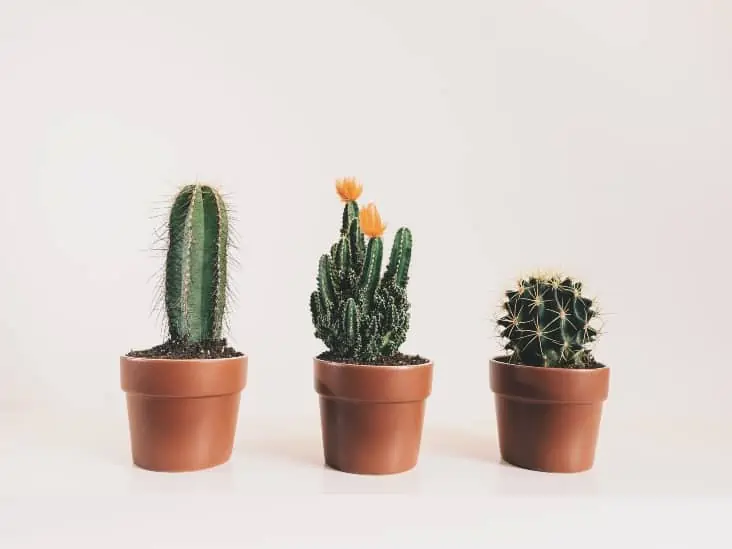
Three cactus plants on a pot.
Small younger cactus will often need more water since their growth rate is high.

3. Soil’s Role in Cactus Hydration Requirements

Soil Composition and Water Retention

The soil mix used for cacti is paramount in regulating how much water the plants hold onto. Ideal cactus soil should possess a fine balance between moisture retention and the ability to let excess water escape swiftly through the pot’s drainage holes. A soil that drains well keeps roots from standing in water, reducing the risk of rot.

  • Sandy Soil: Increases drainage and prevents water-logged roots.
  • Pebbles or Grains: Enhance soil structure and aeration.
  • Organic Material: Provides essential nutrients and retains moisture efficiently, permitting brisk drying as well.
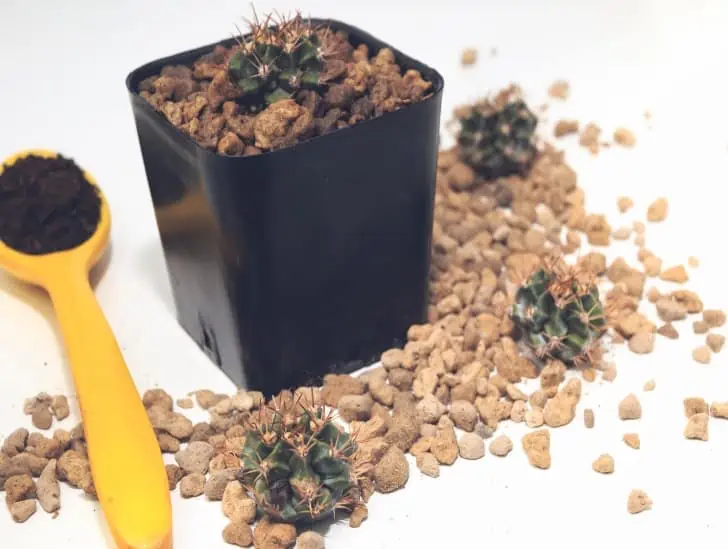
Cactus soil and equipment for planting.
You can make your own potting mix to ensure once you water, it drains effectively.

Customizing Your Potting Mix

Making a custom potting mix can be more cost-efficient and ensures optimal drainage tailored to your cactus type:

  • Desert Cacti Blend:
    • Mix equal parts sandpumiceperlite, or vermiculite with pre-prepared potting mix.
    • Aim for a quick-drying, light mix that does not retain excessive water.
  • Tropical Cacti Blend:
    • Integrate one part coarse builder’s sand with two parts potting mix base of ground fir bark mixed with peat moss or coconut coir.
    • This blend should retain slightly more moisture to cater to tropical species’ needs.

Note: Whether sandy or pebbly, it’s crucial that your soil type is porous enough to facilitate quick water passage while hitting the right mark of moisture delivery to the cactus roots.

Assessing Drainage and Moisture Level

Before you plant or repot, testing your soil for proper drainage ensures that your mix meets your cactus’s specific needs. Discard compact and heavy topsoil if present, as it can hinder water flow and air circulation.

  • Moisture Assessment: Using a touch-test or a moisture meter helps gauge if the soil has dried out completely before the next watering.
  • Soil Condition: A homogeneous, lump-free soil signifies a well-blended mixture.

Once your cactus is settled in the correct type of soil prepared as above with all ingredients stirred evenly, water the plant thoroughly to establish a healthy water cycle right from the start.

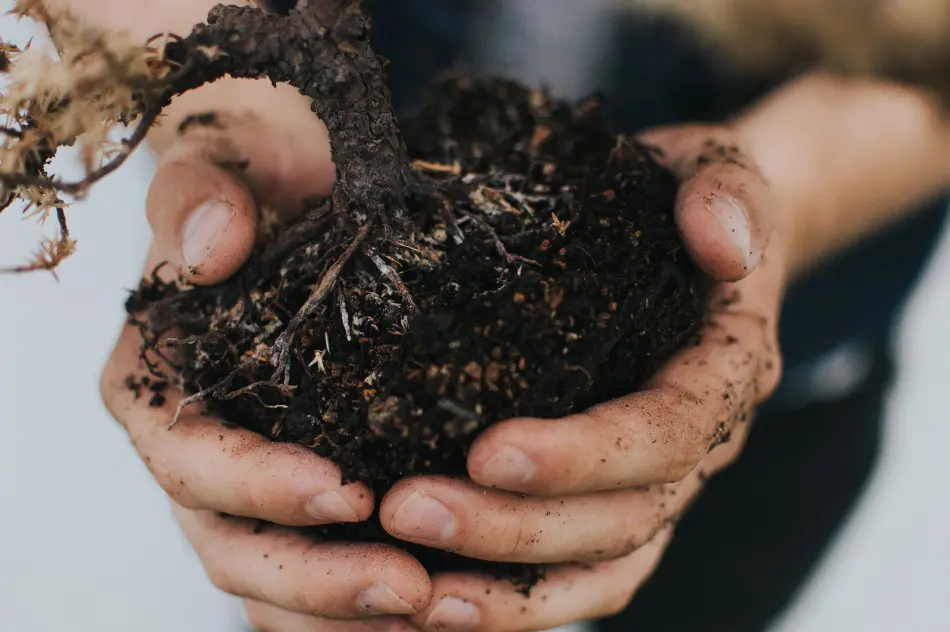
Person holding the plant from the pot.
Soil is a crucial aspect of growing cactus as it determines if it retains or drains the water

4. Seasonal Watering Patterns for Cacti

Chilly Season Care

In the cooler months, cacti enter a rest phase and their growth pauses as temperatures fall. To accommodate this dormancy, watering should be reduced, with a good rule of thumb being moistening the soil once every four weeks.

Reawakening Period Nourishment

With the arrival of milder weather, cacti begin to emerge from their dormant state. The increase in natural precipitation serves as a cue for watering needs, which generally translates to hydrating cacti once per week to support their renewed growth.

Heatwave Hydration

The rise in heat during summer leads to faster soil drying. Cacti in this season may need water more frequently—up to two or three times per week, depending on the specific climate and soil dryness. It’s essential to check the soil manually to determine when water is necessary.

Autumn Adjustments

When autumn temperatures stay above 40 degrees Fahrenheit, a weekly watering is a good practice to maintain. Consistent soil moisture helps cacti adapt to the changing conditions as they prepare for cooler months ahead.

5. Choosing the Right Containers for Your Cacti

Container Material and Watering Frequency

Different materials used for cacti containers can affect how quickly the soil dries and how often you need to water these resilient plants. It is crucial to understand the properties of each container type to ensure the health of your cacti.

Cactus plant on the container.
The container will determine the amount of water

Clay Containers

Clay containers are excellent for promoting soil aeration due to their porous nature. Unglazed options tend to wick away moisture, which can be beneficial for cacti that thrive in dry conditions. However, you must regularly monitor soil moisture levels, as these pots can dry out more rapidly than others, requiring more frequent watering. These containers offer a steady temperature for the plant but can be more expensive and may crack in cold weather.

Earth-colored Pots

Characterized by their natural clay construction, these pots are similar to ceramic but typically unglazed. Their porosity allows for quick drainage and breathability for the roots, requiring more attentive watering schedules to prevent the soil from drying out too fast. They are lightweight and reasonably priced but should be protected from freezing temperatures to prevent cracking.

Monkey tail cactus in a clay pot.
The clay absorbs moisture from the potting soil, especially if the cactus prefers dry soils.

Synthetic Pots

Lightweight and versatile in design, synthetic pots, made from materials like plastic, are widespread in plant cultivation. They can retain moisture longer due to their non-porous nature, which means less frequent watering is necessary. Nonetheless, additional care is needed to ensure the soil does not remain overly wet, which could harm cactus roots.

Woven Containers

These containers are crafted from a mix of resin and fibers, offering the look of traditional pots with the added benefit of durability and resistance to weather conditions. Those designed specifically for cactus care usually come with built-in drainage holes. If using fiberglass containers, be cautious with watering, and do so only when the soil has dried out completely.

Metal Pots

Offering a sleek and durable option, metal pots can be used for cacti with proper care. They are not typically designed with drainage in mind, so watering should be minimized and carefully controlled to avoid root issues. In warm environments, metal can conduct heat excessively, potentially causing harm, so consider placement carefully.

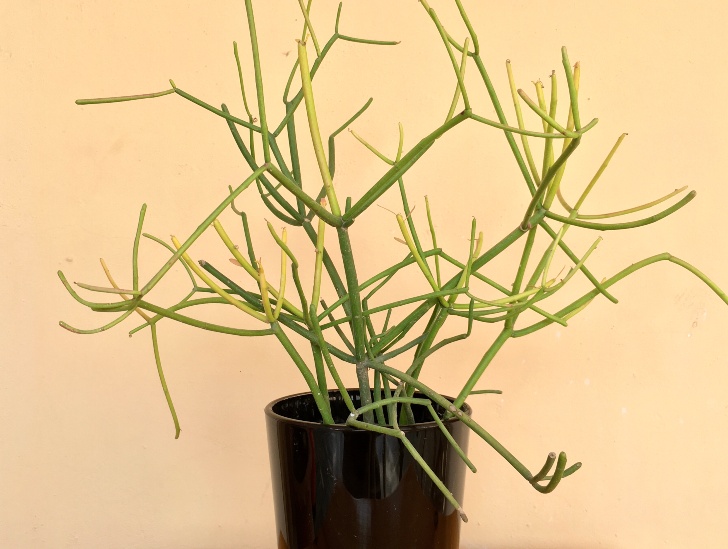
Pencil cactus in a black plastic pot.
They are light and can be crafted to look like terracotta or ceramic pots.

Wooden Planters

Natural and rustic, wooden plant containers provide an attractive and sturdy option. They retain moisture and can be slower to dry out. To prevent potential root rot, cacti in wooden containers should be watered less frequently. A plastic liner can be beneficial to protect both the wood and the cactus’s roots from moisture damage.

In all cases, ensure that your chosen container has proper drainage, which is vital for cactus health. If drainage is lacking, consider using bottom watering techniques or a saucer of water to allow the plant to absorb moisture from the bottom up. Implement good drainage practices, be it through the use of containers with drainage holes or by manually controlling the watering amount to create an ideal growing environment for your cacti.

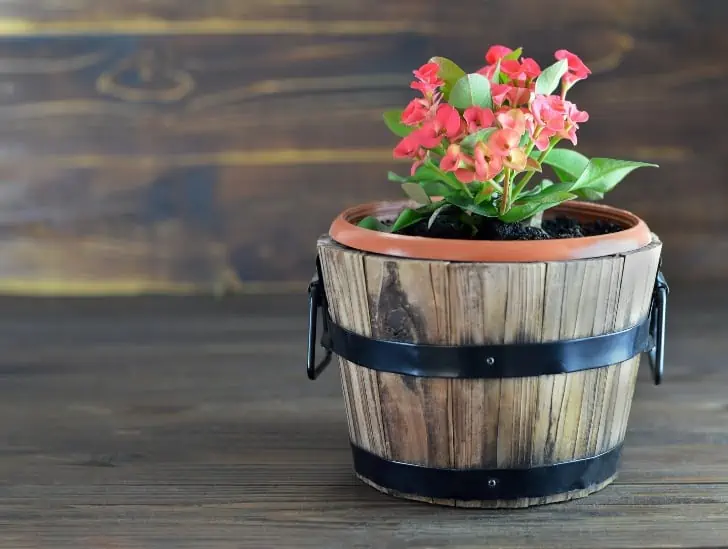
A plant in a wood pot container.
These types of containers hold moisture in and are slow to dry out completely.

6. Watering Considerations for Cacti Based on Location

Watering Techniques for Cacti Inside Homes

To properly maintain indoor cacti, understanding their water retention in leaves and stems is key. These plants are prone to root rot if overwatered, and can shrivel up when not receiving enough water. During the active growth period, water should be applied until excess flows out of the pot’s drainage holes — this is critical to removing any build-up of salts in the soil.

  • Frequency: In the growing months, watering roughly every 10 to 14 days is appropriate.
  • Dormancy: Check for soil dryness and offer water only every three to four weeks in their dormant phase.
  • Seasonal heating: Consider a humidity tray or a humidifier to rebalance moisture levels when indoor heating is in use, mitigating the dry conditions that heaters create.

Observation is a reliable guide; if the cactus appears lackluster, it may need an increased watering schedule. Aim to provide less water rather than more to avoid complications from overwatering.

Cactus plants outside on clay pot.
Outdoor cacti Vs Indoor cacti

Optimizing Watering Practices for Outdoor Cacti

Cacti grown outdoors experience a different environment from their indoor counterparts, demanding an adjusted watering strategy. Moisture levels in the soil should guide your watering decisions.

  • Moisture Checking: Utilizing a moisture meter can prevent both over- and underwatering. Insert the probe carefully into the soil, taking care not to harm the roots, and consult the meter to judge when watering is needed.
  • Growth Season Watering: Increase watering frequency to once every 7 to 10 days, ensuring full soil saturation until water drains freely from container holes.
  • Dormant Season: Similar to indoor cacti, limit watering to once every three to four weeks. You’ll eventually recognize the plant’s needs by its appearance and behavior.

The best time for watering outdoor cacti is in the morning, allowing the plant to hydrate adequately before the hotter part of the day, which helps prevent potential heat stress and sunburn. This consistent schedule will help in maintaining a robust and thriving cactus.

Remember, both indoor and outdoor cacti are sensitive to their environments, and successful watering largely depends on observing and responding to the plant’s conditions. Whether dealing with the controlled climate indoors or the variable elements outside, adjust your watering practices to align with the needs of your cacti.

 7. Optimal Water Types for Cacti Care

Considerations for Softened Water

Utilizing water that has undergone mineral removal processes, commonly involving sodium or potassium, one must exercise caution. If this treated water carries high sodium levels, it can accumulate within the soil, potentially leading to dehydration and nutrient uptake issues in cacti.

Impact of Hard Water on Cacti

Hard water, characterized by its higher content of calcium and magnesium, is known to leave residue on cacti and in the soil. Over time, this can be harmful to the plants. To mitigate the negative impact, repotting every one to four years might be necessary, as this can remove the accumulated minerals.

Benefits of Harvested Rainwater

Rainwater is fundamentally optimal for cacti irrigation, due to its balanced mineral content. Being a seasonal resource, collecting rainwater when possible for subsequent use is a valuable practice. Additionally, blending tap water with stored rainwater can temporarily lower the concentration of salts in the soil, though periodic repotting is still advised to ultimately reduce salt accumulation.

For cleansing mineral deposits from a cacti, a mild solution can be created by combining a tablespoon of vinegar with distilled water or rainwater. Using a cotton ball dipped in this mixture, one can gently clean any mineral stains present on both the cactus and its container.

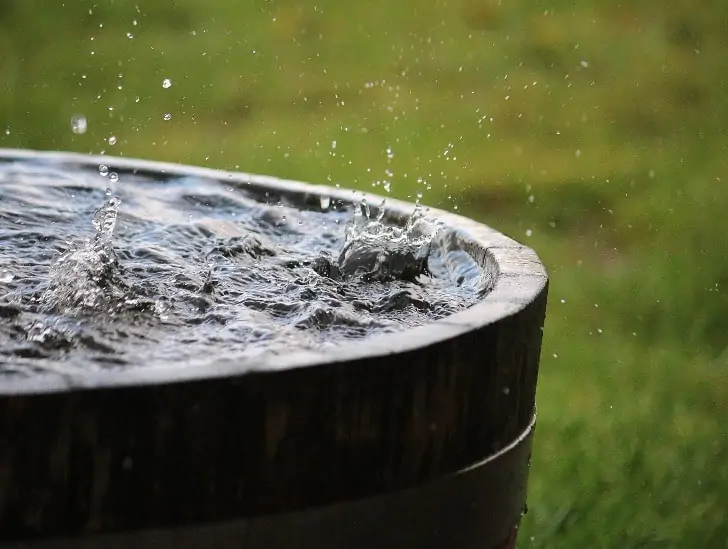
A water in a water container.
Since rainwater is not available year-round, you can store the water for later use.

8. Understanding Cactus Species and Their Water Needs

Cacti exhibit diverse water requirements, largely influenced by their native habitats. Species originating from rainforest regions—such as the Christmas cactus—thrive with more frequent watering and retain moisture well. In contrast, desert cacti, like the Prickly Pearflourish with less water and demand fast-draining containers to prevent root rot and promote healthy growth.

Appropriate Watering Patterns Based on Habitat:

  • Desert Varieties:
  • Rainforest Varieties:
    • Can tolerate more moisture
    • Pots that retain some water
    • Regular watering to echo humid environments

Understanding the species of cactus one owns is critical; it allows for a more targeted care approach, ensuring the plant not only survives but thrives in its new environment.

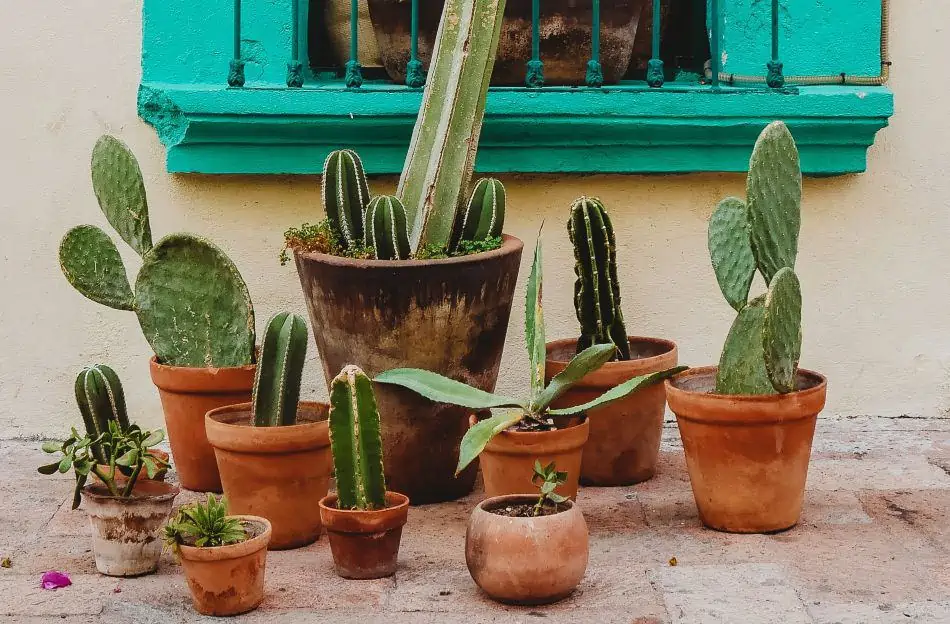
TOp view of cactus plants in different containers.
The idea is to know the specific species so that you can water it accordingly

9. Selecting the Appropriate Pot Size

When it comes to repotting your cactus, the choice of pot size plays a crucial role in the plant’s well-being. A well-sized pot ensures proper drainage, preventing excess water from causing root rot—a common issue in oversized containers. Here are key considerations:

  • Small Pots: Suitable for keeping the soil from staying wet too long. Typically, such pots may require watering weekly, but always check the soil’s dryness first.
  • Larger Pots: These retain moisture longer, extending the time between watering sessions to 4-6 weeks. Be cautious, as prolonged wet soil can harm the roots.
  • Optimal Pot Size: Upon repotting, choose a pot that’s roughly 10% wider than the cactus’ width to accommodate growth without excess space.

Remember, a cactus thrives when its roots are neither too dry nor too wet. Thus, finding the balance through the right pot size is essential.

10. Considerations for Cactus Lighting

Sun Exposure and Watering Frequency:

  • Direct Sunlight: Increases soil drying, leading to more frequent watering needs.
  • Indoor Placement:
    • South-facing windows: Cacti demand regular watering due to increased light.
    • North-facing windows: Cacti require less frequent watering due to reduced light.

11. Identifying Watering Issues in Cactus Plants

Signs of Underwatering in Cactus

A dehydrated cactus presents distinct visual cues that it’s not receiving enough water. These indicators include:

  • A lighter coloration, indicating water depletion.
  • Shriveling of the cactus body as water reserves become utilized.
  • The plant’s surface feeling brittle or bone-dry upon touch.
  • Observable drooping or collapse of the structure.
  • Noticeable decrease in pot weight due to moisture loss.

Correcting underwatering is straightforward. Proper hydration can restore the plant’s vigor within several days.

Recognition and Implications of Overwatering

Overwatering poses a serious threat to cactus well-being, often leading to decay and fungal infections. The hints of excess moisture are:

  • Swollen, discolored areas trending toward brown or black.
  • Softening of tissue, particularly at the base, signaling rot.
  • A mushy appearance and texture, contrasting the typical firmness of a healthy cactus.

The root system suffers significantly during overwatering, becoming vulnerable to rot, hindering its ability to nourish the plant.

Addressing Root Rot

If root rot is suspected due to the above symptoms, a root inspection is vital. Healthy roots appear white, while infected ones are darkened. Salvaging a partially affected cactus involves:

  • Excising the decayed roots with sterilized shears.
  • Replanting in fresh soil to encourage recovery.

Sanitize all tools post-use to forestall spreading the disease.

Watering Techniques for Cacti

Tailor the watering method to the specific needs of your cactus species. Some well-established methods include:

  • Saturation watering, allowing excess water to drain freely.
  • Bottom watering by placing the plant in a saucer until the soil is moist halfway up.
  • Drip watering with a hose for gradual soil hydration.

Understanding the cactus variety and its environmental adaptations informs the appropriate watering regime and method.

Small cactus plants in a small pot.
When your cactus show signs of underwatering, water it thoroughly. It should bounce back to healthy leaves and stems in a few days

Essential Insights on Cactus Hydration

Spring and Summer Care: During these growth-centric seasons, cacti require adequate hydration, which promotes cell growth, flowering, and fruit development.

  • Observation is Key: Owners should observe their cacti to learn specific hydration needs.
  • Replicating Natural Habitat: Aim to emulate the plant’s natural environment for optimal growth.

Note: When buying a cactus, gather information about its native conditions to better recreate its preferred habitat at home.

What Temperature Is Too Cold For Cactus Plant?

Cacti, often associated with arid deserts and relentless sun, are more versatile than commonly thought. With over 2,000 species in their family, these hardy succulents have adapted to a variety of climates, from mountainous regions to tropical zones. Not all cacti are fragile in the face of cold; in fact, some can endure subzero conditions. The green flowered hedgehog is a prime example, capable of withstanding temperatures down to an impressive -20°F.

At the core of a cactus’s ability to endure colder weather are ingenious adaptations that prevent water inside its tissues from freezing. This article will explore these survival strategies, examine the risks cold weather poses to cacti, and discuss methods to help these resilient plants recover if they experience excessive cold.

Key Takeaways

  • Cacti can survive in various climates and a select number can tolerate extreme cold down to -20°F.
  • Cacti adapt to colder temperatures by reducing water content to avoid tissue damage from freezing.
  • Protective measures can be taken to help cacti recover from cold exposure.

What Is the Lowest Temperature for a Cactus Plant?

Cacti exhibit varying degrees of cold tolerance based on species-specific adaptations. The hedgehog cactus (Echinocereus viridiflorus), recognized for its resilience, can endure freezing climates, sustaining itself in temperatures plummeting to -20°F. This petite yet robust plant reaches heights no more than eight inches and spreads to about three inches in width.

The aptly named fishhook barrel cactus weathers low temperatures down to -5°F. It stands out with its hook-like spines and can attain a height of six feet and a girth spanning three feet.

In contrast, the horse crippler cactus (Echinocactus texensis), admired for its striking purple blooms, can withstand zero-degree Fahrenheit weather. Its growth is relatively modest, with a height and diameter peaking at eight and twelve inches, respectively.

Another species, the Santa Rita prickly pear (Opuntia Santa-Rita), can survive in temperatures as chilly as 12°F. It features distinct, spined paddles reaching approximately a foot high and half a foot wide.

Despite these examples, it’s important to acknowledge that cacti from regions with milder winters may suffer damage under intense cold stress. To ensure the well-being of cacti in colder climates, understanding their temperature requirements and providing appropriate care during lower temperature periods is crucial. Generally, cacti are not adapted to sustain a significant drop in night temperatures and may need protection or a suitable microclimate to thrive.

Table: Cold Tolerance Ranges of Select Cactus Species

Cactus SpeciesMinimum Temperature Tolerance
Hedgehog Cactus-20°F
Fishhook Barrel Cactus-5°F
Horse Crippler Cactus0°F
Santa Rita Prickly Pear12°F

It’s essential to conduct research on individual cacti species and their specific tolerances to ensure successful cultivation in various temperature zones.

Cacti Survival Strategies During Winter Dormancy

Cactus near the window.
During the cold months, stop watering and fertilizing your plants.

Cacti, by nature, are masters of enduring scorching heat and arid conditions, chiefly due to their ability to hoard moisture within their stems and spines. When temperatures plummet, these desert inhabitants enter a dormant state to safeguard the liquid within their cells from solidifying. Their metabolism slows, curtailing the need for substantial water and nutrients.

In this phase of dormancy, which aligns with the winter months:

  • Watering: It should be minimized or ceased to allow the cactus to dehydrate slightly, reducing the risk of its tissues freezing.
  • Sunlight: While in hibernation, the necessity for sunlight diminishes. Nevertheless, the Echinocereus, or hedgehog cactus, alongside other cold-hardy varieties, can subsist in areas that receive full sun.
  • Growth: This halts to converse energy.

As the days grow shorter and the chill of winter sets in, cacti naturally prepare for the colder season. Alternatively, by providing an artificial summer-like environment indoors, with ample light and sustenance, these hardy plants can be tricked into continuing their growth. Despite this possibility:

  • Reproduction: Their natural reproductive cycle, signaled by the changing seasons, could be disrupted, potentially causing them to forfeit flowering.

When winter comes, it’s best to let cacti rest, offering just enough moisture to maintain their survival, as they gear up to emerge from their dormant state when the warmer weather returns.

Impact of Cold Temperatures on Cacti

When cacti are exposed to temperatures below their tolerance level, they are prone to a condition commonly referred to as frost damage. Here’s what happens and how to manage it:

  • Cellular Damage: The liquid within the cactus cells can freeze, leading to an expansion that may rupture the cell walls. This can result in discoloration, shrinkage, and misshapen appearance of the cactus.
  • Symptoms of Frostbite: Cacti may exhibit darkened or softened sections on their stems, indicative of frostbite.
  • Revival Techniques:
    • Relocation: Move the cactus to a warmer environment immediately, which could include placing it indoors or on a warming mat.
    • Hydration: Provide ample water to help rehydrate damaged cells and encourage recovery.
    • Additional Lighting: Supply additional light, either natural or artificial from a source like a grow light, to facilitate photosynthesis and energy production for healing.

In regions with colder climates, such as Alaska or generally cold areas, cacti are more susceptible to such conditions. Ensuring protective measures and rapid response to cold exposure can help mitigate the effects of low temperatures on these resilient succulents.

Indicators of Excessive Cold in Cacti

When a cactus experiences low temperatures beyond what it can withstand, its health visibly deteriorates. These are the telltale signs of a cold-stressed cactus:

  • Shift in Color: A pale complexion indicates distress.
  • Soft Texture: A cactus should feel firm; if it’s spongy, it may be too cold.
  • Stunted Growth: Slowed or halted growth signals possible temperature issues.
  • Spots on Surface: Dark areas may be a sign of cold damage.
  • Leaf Appearance: Reduced blooms or wrinkling leaves suggest adverse conditions.
  • Plant Structure: Limpness or drooping of the cactus can result from inadequate warmth.

If any of these conditions are observed, relocating the cactus to a warmer environment and ensuring proper hydration is crucial for recovery.

Can Ice/Snow Kill Cacti Plants?

Froozen plant.
Ice storms and freezing rain are not good conditions for your outdoor cacti plants

In regions where ice storms are common, cacti can be at high risk. Ice and snow can be harmful to these plants, often leading to damage or even death. Here are key factors to consider for protecting cacti in frosty weather:

  • Insulation: When freezing temperatures threaten, ensure cacti are insulated. Covering them with plastic helps mitigate ice accumulation.
  • Drainage: Cacti prefer well-draining soil to prevent water from pooling around the roots. Adding components like coarse sand or compost to the ground can enhance drainage and provide better conditions during snowy seasons.
  • Hardy Varieties: Some cacti are cold-hardy and can withstand chilly conditions, but even they are vulnerable to freezing rain. If cold weather is frequent in your area, consider hardy species that can endure lower temperatures.

It’s worth noting that despite the resilience of certain cacti to snow and sub-zero conditions, the prolonged presence of ice from freezing rain can cause significant harm. Careful gardening and preventive measures are crucial for their survival.

Remember, the desert origins of cacti do not prepare them for ice encasement. If you’re cultivating these plants in areas prone to such weather, proactive steps are essential.

Identifying Cold and Frost Stress in Cacti

Snow on the cactus.
A common sign that your cactus plant has been damaged by cold is the presence of a softened tissue.

When a cactus succumbs to the chill of its environment, the damage is often not visible immediately; in some cases, it can take a couple of days before the symptoms of cellular destruction appear. Cacti affected by cold may exhibit soft spots on their otherwise rigid structure. These soft areas typically begin as pale or whitish patches which, over time, darken to black as the tissue decays.

Indicators of Cold Damage in Cactus Plants:

  • Softened Tissue: An initial sign of cold distress in cacti; starts white and darkens.
  • Discoloration: Blackened areas indicate serious cell damage and decay.
  • Delayed Appearance: Damage might not be evident for up to 48 hours post-exposure.

Cylindropuntia species, also known as cholla, Opuntia humifusa, known as the eastern prickly pear, and Opuntia santa-rita, are examples of more cold-hardy cacti that can endure colder conditions better than others. The notable Christmas cactus, despite its festive name, can also be susceptible to more extreme cold, assuming it does not receive adequate protection.

Cold Resistance Traits in Cacti:

  • Spines: Serve as a defense against chilly winds.
  • Areoles: Specialized structures from which spines grow can help prevent frost from settling.
  • Moisture Retention: Cacti with lower internal moisture may be less prone to frost damage due to fewer ice crystals forming within the tissues.
  • Opuntia Family: Includes variants like the prickly pear, which have adapted to survive cooler temperatures.

In extreme cases, the affected parts of cacti may detach as a result of weakening from the cold. It’s imperative to recognize these signs promptly to prevent further decay and potential loss of the plant.

Restoring a Cactus after Frost Exposure

In areas where temperatures plummet, a cactus can experience significant stress due to the water within its tissues freezing and expanding. Such conditions can impair the plant’s stem cells and possibly cause rot once the ice melts and leaves behind softened, misshapen stems. However, with careful attention, a frozen cactus can be brought back to health.

When handling a cactus that has encountered frost, patience is crucial. The tissues may soften, but immediate trimming should be avoided as the plant might self-recover. Discoloration towards purple or white may occur, but if blackening of the tips is observed, this indicates rot, which necessitates pruning.

The optimal time for pruning a frost-damaged cactus is on a clear day after the last frost has passed. This ensures that the plant isn’t subjected to additional stress from ongoing cold weather. Here are the steps to properly trim the plant:

  • Inspect the cactus: Look for any blackened areas which suggest rot.
  • Prune damaged sections: Remove softened or black parts of the cactus until only healthy tissue remains. This may involve trimming the tips or removing the entire top section if it’s compromised.
  • Sanitize tools: Clean the cutting tools between each snip to prevent the spread of decay.

Cacti, being resilient, will typically respond well to pruning, and new growth is expected within a few months. Though this growth may differ in appearance from the original, it signifies a successful recovery from cold damage. To ensure the best chance of revival, keep the following in mind:

  • Careful observation is needed to determine the plant’s healing process.
  • Avoid premature pruning to allow for potential self-healing.
  • Prune only when necessary, removing all signs of rot to stop it from spreading.

Restored correctly, even a severely cold-damaged cactus can resume healthy growth, with its vitality and structure intact.

Cactus freshly picked from the ground,
Your pruning can revive the plant, and in a few months, new growth will sprout in all pruned areas

Protecting Your Cactus from the Chill

To safeguard cacti against cold conditions, gardeners can employ several methods:

  • Relocation: Transfer potted cacti to a warmer indoor space, such as a house or greenhouse, when forecasts predict freezing temperatures.
  • Insulation: Apply a layer of burlap or frost cloths over outdoor cacti to act as a barrier against the cold; securing the edges ensures no heat escapes.
  • Hydration: Adequately water your cacti prior to the cold setting in; this allows them to store water which provides internal insulation.
  • Acclimation: Gradually introduce your cacti to cooler temperatures to help them adjust to lower thermostats without shock.
  • Lighting: For indoor cacti, consider using a grow light to provide supplemental warmth and light that mimics their natural environment.
  • Air Flow: Ensure there is sufficient air circulation around covered cacti to prevent moisture accumulation, which can lead to freezing damage.

Using these tactics, such as providing a shelter with a frost cloth or adding warmth with heat lamps, can assist in preserving the health of your cacti during colder months.

Essential Insights on Cactus Cold Tolerance

Cactus species exhibit diverse cold tolerance levels. Certain types endure exceptionally low temperatures down to -20°F, while others sustain damage at or below 32°F. To foster cacti effectively, it’s crucial to comprehend and cater to the specific thermal preferences of your chosen species.

Cold-Resistant Cacti:

  • Possess adaptive abilities for survival in frigid conditions
  • Require safeguards against extreme elements like ice and freezing rain

Key Considerations:

  • Specific cacti vary in their cold weather resilience
  • Protective measures are vital for their well-being in hostile climates

How Is The Cactus Adapted To The Desert?

The truth is that all plants that grow in such an ecosystem, including cacti, develop unique characteristics that help them to survive the intense heat and limited water supply.

So, how the cactus is adapted to the desert? The primary reason why cacti survive in that ecosystem is because of their numerous adaptations, which include:

  • The leaves of this plant are reduced to needle-like structures referred to as spines that limit water loss, which could occur during the process of transpiration.
  • The needle-like leaves act as a self-defense mechanism that protects the plant from predators.
  • The stem of the cactus plant is swollen and contain numerous collapsible water-storage cells that store water for a relatively long period
  • The stem is green and performs photosynthesis.
  • The plant has a shallow root system that absorbs maximum water even during light showers.
  • The plant is covered with a thick waxy cuticle that helps to conserve water and protect it from desiccation in the scorching heat.

other flowering plant, cacti reproduce sexually depending on the ability of pollen to reach the stigma. They rely on simple pollination methods such as wind transfer.

Survival Strategies Unveiled

Cacti are the jewels of the desert, known for their remarkable ability to thrive in some of the harshest conditions on Earth. The desert environment presents extreme challenges like intense heat, scarce water, and nutrient-poor soils, yet cacti have evolved various unique adaptations that enable them to not only survive but also to flourish. From their distinct morphological characteristics to intricate physiological processes, cacti showcase a spectacular example of evolutionary ingenuity.

Morphologically, many cacti have evolved thick, succulent stems that store water, providing reserves during prolonged droughts. Their spines, which are modified leaves, serve multiple purposes including defense against herbivores, providing shade, and reducing water loss by breaking up wind flow across the plant surface. Furthermore, their extensive root systems spread out widely to capture any available moisture. Physiologically, cacti often utilize a specialized form of photosynthesis known as CAM (Crassulacean Acid Metabolism), which allows them to open their stomata at night to reduce water loss, yet still manage essential gas exchanges for survival.

Key Takeaways

  • Cacti exhibit unique adaptations such as water-storing stems and spines for defense and water conservation.
  • Extensive root systems assist in water absorption from the surrounding arid soil.
  • CAM photosynthesis enables cacti to minimize water loss while maintaining gas exchange during cool nights.

Cactus Adaptations to Arid Environments

In environments like deserts where water is scarce and conditions extreme, cacti demonstrate remarkable adaptations that enable them to not only survive but thrive.

Essential Adaptations for Survival

Cacti have developed a range of structural characteristics and behavioral mechanisms that are essential to their survival in the desert. These adaptations address the primary challenges of arid environments: intense heat, minimal water, and the need for defense against herbivores.

Water Storage Mechanisms

The thick, fleshy stems of cactus plants are fundamental in their ability to store water. This succulence is a result of the stem’s capacity to expand and contract, accommodating fluctuating water levels. For example, the saguaro cactus has pleated stems that allow for such expansion.

Reducing Water Loss

A waxy coating on the stem surface, along with spines instead of leaves, significantly reduces water loss through evaporation. The spines also provide shade, lowering the plant’s temperature and further reducing evaporation.

Root Systems Optimized for Desert Survival

Cactus roots are uniquely adapted to desert life, with some species having a shallow root system that can quickly absorb water from rainfall, while others may possess a taproot that reaches deep underground sources. The sprouting of temporary root hairs after rain is another strategy to maximize water absorption.

Photosynthesis Under Extreme Conditions

Instead of the typical photosynthetic process, cacti utilize Crassulacean Acid Metabolism (CAM), which allows them to open their stomata at night, reducing water loss while still performing photosynthesis. This remarkable process transforms malic acid to sugar under low solar radiation.

Adaptations to Desert Predators

Spines on cacti are not only vital for water conservation but also serve as a protection against herbivores. They are an effective deterrent, making cacti less appealing as a source of food or water.

Reproductive Strategies

Cacti have adapted to ensure their species’ continuation in harsh conditions through various reproductive strategies. They produce seeds that can remain dormant until conditions are favorable and flowers that attract specific pollinators despite the desert’s sparse offerings.

Morphological Characteristics of Desert Cacti

Desert cacti exhibit a range of structural adaptations that enable them to thrive in an arid environment. These adaptations reduce water loss and maximize water storage.

Structural Features of Cacti

Desert cacti, such as the saguaro and barrel cactus, display unique structural traits that contribute to their survival. These cacti often have thick, waxy skin, which helps to reduce water loss through evaporation. The skin is also often folded into ribs, allowing for expansion during water intake and minimizing surface area exposed to the sun.

  • Areoles: These small, cushion-like pads are where spines, flowers, and new branches emerge.
  • Spines: Modified leaves serving as defense against herbivores and providing shade.
  • Succulence: Tissues that store water swell with moisture, which is used during drought.

The stems of these cacti perform the functions typically associated with leaves, which include photosynthesis.

Advantage of Reduced Leaf Area

Cacti, including the iconic saguaro and various species of barrel cacti, have evolved to either have very small leaves or a complete lack of leaves. This significant reduction in leaf area diminishes water loss through transpiration.

  • Modified leaves: Cacti have adapted by turning their leaves into spines, which reduces the loss of water that larger leaf surfaces would experience.
  • Areoles: Leaves have been repurposed into specialized structures from which spines emerge, providing the plant with an efficient form of defense and further reducing water loss.

Overall, the morphological characteristics of desert cacti fundamentally revolve around effective water conservation and protection from the harsh desert climate.

Physiological Processes in Desert Cacti

Desert cacti have developed impressive physiological processes to ensure their survival in the harsh desert environment. They employ specific strategies to regulate their water loss and to use available water efficiently.

Regulation of Transpiration

Cacti minimize water loss primarily by opening their stomata at night, a process known as crassulacean acid metabolism (CAM) photosynthesis. This allows them to avoid the intense heat of the day which would increase transpiration. Their waxy cuticle further reduces water loss, covering the succulent stems and giving them a shiny appearance. This layer is particularly thick on desert cacti, creating a tight seal that holds moisture in.

Efficient Use of Available Water

The survival of cacti in dry environments is largely due to their highly efficient use of water. Cacti have water-storage cells throughout their succulent stems, which soak up and retain water like a sponge. Their root systems are also adapted to collect as much water as possible. They rapidly absorb water sources like rain or dew, with roots that can quickly expand to increase the area for absorption. This intricate root network coupled with their water retention abilities ensures that every drop of water is conserved for times of drought.

Ecological Role of Cacti in Desert Ecosystems

Cacti play a pivotal role in maintaining the delicate balance of desert ecosystems, offering vital resources for fauna and shaping the desert landscape.

Relationship With Desert Fauna

Cacti form a symbiotic relationship with the fauna of desert regions. The saguaro cactus, native to Arizona’s Sonoran Desert, acts as a crucial habitat and water source. Birds, such as woodpeckers, create nests in the saguaro’s flesh, while its fruit provides nutrition for species including bats and doves. Insects, like bees, are often attracted to cacti for their flowers, facilitating pollination and thereby ensuring the survival of these desert plants.

Contribution to the Desert Landscape

Cacti significantly influence the desert landscape with their water-storing capabilities and structural features. Unlike other plants, cacti possess shallow root systems which allow them to absorb rainwater efficiently across a broad area, minimizing soil erosion. Their thick, fleshy stems are adapted to store water, making them well-equipped to endure arid conditions. Because of these adaptations, cacti are able to thrive in deserts, contributing to the Earth’s biodiversity by supporting complex desert ecosystems.

Significance of Cacti Beyond Their Habitat

Cacti’s adaptations not only allow them to thrive in arid environments, but also contribute significantly to human culture, industry, and scientific study, greatly exceeding their ecological roles.

Cacti in Human Culture and Industry

In human culture, cacti are esteemed as decorative plants due to their unique shapes and resilience. They feature prominently in gardens and interior spaces, often symbolizing endurance. Industrially, the Saguaro cactus, recognized by its towering presence on Earth’s landscape, is harvested for its wood by Native American tribes. Cacti also play a role in agriculture, as certain species’ fruits are edible and others possess medicinal properties believed to help with ailments such as diabetes.

Scientific Study of Cacti

Researchers focus on cacti for their unique adaptations in plant biology and ecology, seeking to understand how these plants conserve water and thrive in nutrient-poor soils. This research has important implications for agriculture, especially in areas where water is scarce and soil conditions are challenging. The study of cacti also contributes to the wider field of plant biology, offering insights into possible strategies for crop improvement.

Challenges Faced by Desert Cacti

Desert cacti, emblematic of arid areas, are subject to a rigorous environment that tests their survival capacities. They encounter extreme heat and water scarcity, alongside a short growing season that demands efficient adaptations.

Environmental Threats and Protection Efforts

Extreme Heat and Water Scarcity: The most prominent challenge for desert cacti is the extreme heat of desert environments, which can lead to dehydration and heat stress. These plants have evolved to minimize water loss, but prolonged high temperatures can still be detrimental. In addition to heat, water scarcity creates a harsh setting for growth. Cacti counter this by having shallow root systems that can quickly absorb any available moisture.

Short Growing Season: Desert cacti are further challenged by a short growing season, during which they must complete their life cycle more efficiently. Their growth and reproductive processes have adapted to take advantage of this limited period.

Climate Change: The effects of climate change pose a significant threat to the stability of desert ecosystems, altering temperature and precipitation patterns. This can lead to habitat loss and create conditions unsuitable for native cacti, potentially resulting in decreased populations.

Conservation: Efforts to conserve desert cacti involve declaring some species protected to prevent overharvesting and ensure that their natural habitats are preserved. Various cacti are now recognized as protected species, and conservation programs work to safeguard these symbols of desert resilience against growing environmental and anthropogenic pressures.

Conclusion

Cacti exhibit a remarkable ability to survive in deserts through a series of specialized adaptations. These plants have evolved to overcome the challenges imposed by extreme temperature fluctuations, minimal water availability, and intense solar radiation.

  • Water Storage: With succulent stems that store water, cacti can endure long periods of drought. Their stems expand when water is abundant and contract as it is used, making the most of the sporadic desert rainfall.
  • Reduced Water Loss: The transformation of leaves into spines minimizes surface area and thus water loss, while also providing a defense mechanism against herbivores. Furthermore, cacti utilize a distinct form of photosynthesis called Crassulacean Acid Metabolism (CAM), which allows stomata to remain closed during the day and open at night to reduce water loss.
  • Sun Protection: The spines shade the plant’s surface, and the often light-colored and reflective skin reduces the amount of heat absorbed.
  • Root System: Desert cacti typically have extensive root systems that spread out wide or go deep into the soil to absorb as much moisture as possible from the surrounding environment.

These characteristics underscore the cactus’s adeptness at making the most of its resources, securing its survival in the arid desert habitat. Through such efficacious strategies, these plants not only persist but thrive in some of the most formidable ecosystems on Earth.


Do Cacti Need Sun? Understanding Their Light Requirements

Cacti are a diverse group of plants that have adapted to a variety of lighting conditions over time. Found in a range of habitats from dense forests to barren deserts, these resilient plants have developed unique ways to survive. Commonly associated with arid desert environments, many people assume that all cacti thrive in intense sunlight. However, this is a simplification, as different species have adapted to various degrees of sun exposure. While sunlight is a crucial element for photosynthesis and the overall health of a cactus, the amount and intensity of light required can significantly vary from one cactus species to another.

Understanding the specific sunlight needs of cacti is key to ensuring their growth and vitality. For some cacti, direct sunlight fuels their development and flowering, while others may prefer the dappled light of a forest understory. The light requirements of cacti can dictate not only their health but also their ability to flower and produce seeds. Moreover, as the seasons change, so do the light conditions, and understanding how to care for cacti as these conditions vary is essential for any enthusiast or gardener. By placing a cactus in its ideal lighting situation, whether it is the full desert sun or the indirect light of an indoor setting, these fascinating plants can flourish.

Key Takeaways

  • Sunlight is critical for cactus health, but needs vary across species.
  • Cacti have adapted to different light environments, influencing care practices.
  • Seasonal changes impact light availability and cactus care routines.

The Importance of Sunlight for Cactus Health

Cactus plants rely heavily on sunlight for essential processes such as photosynthesis and have adapted to handle intense desert light conditions. The way they utilize and respond to sunlight is pivotal to their health and success as a desert plant.

Photosynthesis and Sunlight

Cacti engage in photosynthesis to convert sunlight into the energy they need for growth. They differ from other plants in their method of photosynthesis, using a process called CAM (Crassulacean Acid Metabolism) that allows them to minimize water loss in arid environments. Cacti must absorb sufficient sunlight to effectively convert carbon dioxide and water into glucose and oxygen, which are vital for their survival and continued growth.

Sun-Induced Stress and Adaptation

While cacti thrive in sunlight, they can also experience sunburn if exposed to too much direct light, especially when not acclimated. Cacti exhibit a range of adaptations to manage intense sunlight, such as growing spines that provide shade and reducing the surface area exposed to direct sunlight. Over time, these adaptations have enabled cacti to flourish in the harsh conditions of the desert.

Growth and Etiolation

Without adequate sunlight, cacti may exhibit etiolation, where they grow elongated and pale as they seek out more light. This stretching can weaken the plant and make it susceptible to damage. Utilizing a grow light might be necessary in conditions where natural sunlight is insufficient to prevent etiolation and maintain healthy growth. Maintaining the right balance of light exposure is crucial to prevent etiolation and ensure that cacti remain robust and healthy.

Cacti Light Requirements and Environments

Understanding the light requirements of cacti is crucial for their survival and growth. These resilient plants have diverse needs based on their natural habitats, the environments they are placed in, and the specific species.

Cacti Natural Habitats

Cacti originate primarily from desert environments, where they have adapted to thrive under conditions of intense sunlight and arid climates. They are accustomed to experiencing direct sunlight for the majority of the day. For instance, species like the prickly pear are well-suited for outdoor desert landscapes, often basking in sunlight for ample periods.

Indoor vs. Outdoor Cacti

When cultivating cacti indoors, it is important to mimic their natural environment to some extent. Indoor cacti should be placed in a bright location, such as a windowsill, ideally a south-facing window. This ensures they receive a minimum of 4 to 6 hours of sunlight daily, simulating their native conditions. In contrast, outdoor cacti can tolerate more direct sunlight, although care should be taken to prevent sunburn in extremely harsh conditions.

Species-Specific Sunlight Needs

Different cactus species have varying sunlight requirements. The Christmas cactus (Schlumbergera), for example, does not require as much direct sunlight as desert-dwelling cacti and can even prosper in shade or indirect light. It’s essential to research the specific species of cactus to provide the appropriate amount of light, whether placing them indoors or outdoors, to ensure their health and longevity.

Caring for Cacti in Various Light Conditions

Cactus care requires understanding their specific light requirements and knowing how to adjust to different conditions to maintain their health and growth.

Managing Sun Exposure

Cacti typically flourish under conditions that provide ample sunlight. Full sun species need approximately 10-12 hours of sunlight, but exposure beyond 14 hours can lead to sun damage. For those living in environments where the natural light is too intense, creating partial shade can protect cacti from excessive exposure. Shade tolerant cacti may suffice with less sunlight and can thrive in conditions that offer filtered light.

Utilizing Artificial Light

For indoor cacti or those grown in regions with insufficient sunlight, artificial light, specifically designed cactus grow lights, can be an excellent substitute. These grow lights should provide a spectrum of light that mimics natural sunlight, supporting photosynthesis and healthy growth. It’s typically recommended to position grow lights 6-12 inches above the cactus and use them for 12-14 hours daily to replicate natural light cycles.

Preventing Sun Damage and Disease

Excessive direct sunlight can lead to sun damage characterized by bleaching or yellowing of the cactus. To mitigate this, cacti should be gradually acclimated to sunlight, especially if they were previously grown in lower light conditions. Diseases like root rot can be a result of overwatering, especially in conjunction with inadequate light. Ensuring a proper balance of light and moisture is critical to prevent such issues and keep cacti healthy.

Cactus Care Throughout the Seasons

Cactus care requires adapting to seasonal changes, particularly light and watering needs. Understanding these variations is key to maintaining healthy, vibrant, and blooming cacti.

Seasonal Light Variations

Spring and Summer: Cacti thrive with ample natural light. They require full sun, defined as at least 6 hours of direct sunlight daily, to maintain their vibrant colors and prevent becoming leggy. Shade-tolerant cacti may survive with less, but adequacy of light is critical during their active growth periods.

Fall: As the natural light shifts, so should the care for cacti. During fall, indirect but bright light supports blooming for varieties such as the Thanksgiving cactus, which prepares to flower at this time.

Winter: Cacti enter a dormant state in the cooler, darker winter months. Diminished light is appropriate, and the plants benefit from a rest period with reduced sunlight and a cooler environment, mimicking their natural habitat.

Watering and Light during Growth Periods

Active Growth: In spring and summer, cacti need consistent watering as they soak up the sun. When the soil is dry to the touch, watering encourages growth and flower development. Always ensure pots have drainage to prevent waterlogging.

Dormancy: Less is more when it comes to winter watering. Cacti require water just enough to prevent shriveling. Along with less light, reduced watering helps cacti rest and store energy for the next growth cycle.

Advanced Considerations for Optimal Cactus Care

When cultivating cacti, gardeners must account for specific light requirements and adapt care strategies to changing climates to ensure survival.

Measuring Light Intensity

Measuring the intensity of sunlight reaching a cactus is vital for its health, particularly in cultivation. Lux meters are tools that provide gardeners with the ability to quantify light levels, informing them whether their cacti are receiving the optimal amount of sunlight. Cacti thrive with substantial light; however, the exact lux requirement varies by species. Gardeners should aim for an environment that mimics the plant’s natural habitat to prevent issues like etiolation.

Specialized Cacti Care Strategies

Cacti have evolved using crassulacean acid metabolism (CAM) photosynthesis, an adaptation allowing them to withstand drought by opening their stomata at night to minimize water loss. Gardeners should recognize the unique watering and feeding schedules that these plants demand, which differ greatly from those of other plants. Research suggests that providing conditions for adequate nighttime ventilation can optimize this natural process, enhancing growth and health.

Adapting to Changing Climates

Climate change is creating more erratic weather patterns, including increased heatwaves, which affect how cacti are cared for. Gardeners need to protect cacti from extreme temperatures that could damage the plants. Strategies include adjusting the location of potted cacti to more shaded areas during heatwaves or increasing water slightly to compensate for higher evaporation rates while still being mindful of overwatering risks. Monitoring weather forecasts and climate trends assists in making informed decisions about cactus care and ensuring their survival in a shifting environment.

Cactus Turning Yellow: Causes and Solutions

When a cactus begins to turn yellow, it can be a cause for concern for any plant enthusiast. The vibrant green hues typically associated with these resilient desert plants may lose their luster, signaling that the cactus is not in optimal health. This discoloration can be attributed to a range of factors, from environmental stresses and care mistakes to natural life cycle processes. It is crucial to observe the cactus closely and consider the various reasons why this change in color might be occurring.

Understanding the specific cause of yellowing is essential as it guides the necessary steps for intervention and recovery. Environmental conditions such as lighting and watering practices play a significant role in the health of a cactus, and improper care can lead to stress and discoloration. Simultaneously, biological factors like age, pests, and disease may also contribute to a cactus turning yellow. By identifying the root cause, cactus owners can take appropriate measures to restore the plant’s natural color and prevent future occurrences of yellowing.

Key Takeaways

  • Yellowing in cacti indicates a potential health issue or natural aging process.
  • Environmental factors, incorrect care, and biological influences can cause discoloration.
  • Correct diagnosis and proper care are crucial for the recovery and maintenance of cacti.

Recognizing Signs of Yellowing in Cacti

Identifying yellowing in cacti is critical for maintaining plant health. Yellowing can manifest in various ways. Here are some signs to look for:

Color Changes: Initially, one may notice a subtle shift in color from vibrant green to a pale, lightened hue. Over time, the yellowing can become more pronounced, with certain areas or the entire plant turning a distinct yellow color.

Region Specific Yellowing: Yellowing can occur in specific regions of the cactus. It’s essential to observe whether the yellowing is uniform or localized to gauge the possible causes.

Texture and Firmness: Alongside coloration, the texture of the cactus may change. A healthy cactus should feel firm, while a yellowing cactus may feel soft or mushy, especially at the base.

Leaf and Stem Appearance: In cacti that possess leaves, such as epiphyllum, one might observe yellow leaves. The stems of cacti can also show signs of yellowing, often starting at the base and moving upwards.

Sign of YellowingDescriptionPossible Significance
Pale Color TransitionSubtle lightening of green hues.May indicate early stages of yellowing
Distinct Yellow ColorPronounced yellow coloration.Possible advanced yellowing
Soft or Mushy TextureLoss of firmness in the plant tissue.Potential overwatering or rot
Localized DiscolorationYellowing in certain areas of the plant.May suggest disease or injury presence

Careful observation and timely response can make a significant difference in the treatment of a yellowing cactus. By recognizing these signs, one can take steps to diagnose the underlying issues and rectify them to restore the cactus to good health.

Common Causes of Yellowing

When a cactus turns yellow, it often indicates a cultural or environmental issue. Addressing the problem early can prevent further damage and promote recovery.

Watering Issues

Overwatering is a primary cause of yellowing in cacti, leading to root rot and a yellow discoloration that typically starts at the base of the plant. Conversely, underwatering can also result in yellowing due to a lack of water necessary for maintaining healthy tissues. It’s crucial to establish a consistent watering schedule that takes the plant’s environment into account and provides adequate moisture without excess.

Light and Sun Exposure

Cacti require a significant amount of sunlight to thrive. However, too much direct sunlight, particularly in already hot climates, can cause sunburn, leading to a yellowing or whitening of the cactus skin. Conversely, insufficient light exposure can cause cacti to become pale and yellow. Partial shade may be necessary for some species or during the hottest part of the day.

Soil and Nutrient Factors

The right soil mix is critical for cacti health. A mix that drains well helps prevent overwatering and root rot. Nutrient deficiencies due to lack of nutrients in the soil can cause yellowing, which may be corrected with appropriate fertilizer application. Using the wrong soil type can also hinder nutrient uptake and water drainage.

Temperature and Environmental Stress

Cacti are well-suited to arid environments and can suffer when exposed to extreme temperature fluctuations or drought-like conditions. Cold temperatures, particularly in winter, can induce stress and yellowing in cacti not adapted to the cold.

Pest Infestation and Diseases

Pests like spider mites, scale, and mealybugs can cause stress and damage that results in yellowing. Diseases such as fungal infections or root rot can also manifest as yellowing tissues, often accompanied by other signs like soft spots or blackening. Chlorosis, a condition caused by a lack of chlorophyll, can lead to yellow leaves and is often associated with pest infestations or disease.

Prevention and Care for Healthy Cacti

Maintaining vibrant and healthy cacti requires attention to their specific needs, such as appropriate watering, lighting, soil conditions, and temperature adaptation. By carefully managing these aspects, one can prevent common issues like yellowing and ensure the longevity of these resilient plants.

Optimal Watering Practices

Cacti thrive when the watering schedule mimics their natural arid environment. Allow the soil to completely dry out between waterings, and use drainage holes in pots to prevent overwatering. Conversely, underwatering can be just as detrimental as too much water. The goal is to strike a balance, typically watering once a week during growing seasons and reducing the frequency in winter.

Suitable Lighting and Placement

Provide cacti with adequate sunlight while avoiding prolonged exposure to intense direct sunlight that may scorch them. A spot with bright, indirect light or partial shade is ideal. Cacti positioned in indoor environments benefit from south or east-facing windows to access the light without the harsh midday sun.

Soil and Fertilization Techniques

The best soil mix for cacti is one that drains quickly yet retains essential nutrients. A commercial cactus mix or a homemade blend with sand and perlite can be used. Regarding fertilization, use a balanced, water-soluble fertilizer during the growing season to prevent nutrient deficiency, but avoid fertilizing in the dormant winter months.

Adapting to Temperature and Seasonal Changes

Cacti are best suited to stable conditions that don’t fluctuate dramatically. Most species prefer temperatures between 55°F to 85°F (13°C to 29°C). During temperature changes, especially in winter, reduce watering and protect your cacti from frost to replicate their natural growth cycle, allowing them to rest.

Diagnostic and Intervention Strategies

To maintain the health of a cactus, it’s crucial to accurately diagnose the issue causing yellowing and then apply specific treatments or corrections. This section details methods for confronting diseases, tackling pest problems, and adjusting care practices regarding watering and nutrition.

Identifying and Treating Diseases

Diseases such as fungal infections and root rot contribute to cactus yellowing. Identification hinges on the presence of soft, brown roots or a base, and a musty odor. Treatment may involve removing affected parts and applying a fungicide. In the case of root rot, it’s imperative to consider repotting the plant in fresh, well-draining soil.

Addressing Pest Related Issues

Pests like spider mites, scale, and mealybugs can siphon nutrients from a cactus, leading to yellowing. Observing for small bugs or cottony deposits is key to identification. An insecticidal soap or a neem oil solution are efficient treatments, directly targeting the pests while protecting the cactus.

Correcting Watering and Nutritional Imbalances

Proper watering practices are fundamental for cactus health. Overwatering can induce yellowing, signaling the need to reduce frequency and ensure good drainage. Conversely, underwatering causes the cactus to deplete its stored water, leading to pale or yellowing tissue. A balanced approach with occasional fertilizer application can rectify nutrient deficiencies. Regular checks and adjustments can prevent these issues from progressing.

The strategies detailed above arm a cactus enthusiast with the necessary steps to diagnose and address yellowing in their plants, thus sustaining a thriving and visually appealing cactus collection.

Restoration and Recovery of Yellowing Cacti

When a cactus turns yellow, it is crucial to diagnose the cause to revive the plant effectively. Recovery involves several steps that one must undertake with careful attention to detail.

Steps to Save a Yellowing Cactus:

CauseAction Required
OverwateringReduce watering frequency, ensure proper drainage.
UnderwateringWater the plant generously until soil is moist.
Poor LightingMove cactus to a location with adequate sunlight.
Nutrient DeficiencyFertilize with a cactus-specific formula.

An overwatered cactus often has a soft, yellow appearance. The primary step in restoring such a cactus is to adjust watering habits. They should allow the soil to dry out completely before the next watering session.

Conversely, an underwatered cactus can appear yellow and wrinkled. One should hydrate the cactus until the soil is evenly moist, not saturated, to replenish the moisture levels.

If the yellowing is due to inadequate lighting conditions, relocating the cactus to an area that receives a full day of direct sunlight can be beneficial, especially since most cacti thrive under such conditions. However, when direct sunlight is the cause of yellowing, they should shift the plant to a location with bright, indirect light.

Lastly, the yellowing might signify a nutrient deficiency; a specialized fertilizer can help restore the cactus to its natural color. During recovery, monitoring the cactus for changes in its condition is essential, as is adjusting care routines to avoid future instances of yellowing.

Caring for Cacti in Special Conditions

Properly maintaining cacti under unconventional outcomes requires a nuanced set of strategies tailored to their specific needs during dormancy, in diverse climates, and through processes of repotting and propagation.

Handling Cacti During Dormancy

During the dormant period, typically in the winter, cacti slow down their growth and require different care than in the growing season. They should be kept in a cooler, but not freezing, environment, with temperatures ideally between 55°F and 65°F. Watering should be minimized to prevent rot, providing just enough to keep the cactus from shriveling.

Managing Cacti in Varied Climates

Cacti can thrive in an arid environment but may experience stress when conditions deviate from their native habitats. In humid climates, it’s critical to ensure good drainage by using a soil mix with perlite or sand and having pots with drainage holes. Conversely, in cooler areas, protecting cacti from excess moisture and cold is the priority.

Repotting and Propagation Methods

When cacti outgrow their current container, or for propagation, handling the plant should be done cautiously. Use a soil mix designed for drought-resistant plants to provide adequate drainage and avoid compacting the soil. Repot during the active growing season and water sparingly until the plant shows new growth, indicating that it has acclimated. To propagate, cut a piece from a healthy cactus, allow the cut to callous, and plant it in a suitable potting mix.

Advanced Cactus Care Techniques

Advanced cactus care involves strategic practices that ensure a cactus not only survives but thrives. This section covers meticulous pruning, acclimating cacti to new environments, and understanding water quality’s significant impact on cactus health.

Pruning and Maintenance

It’s essential to prune cacti periodically to remove dead or unhealthy tissue and promote healthy growth. Cacti benefit greatly from careful removal of any yellow or damaged parts. Use sterilized, sharp tools to prevent infection. Remember, pruning also regulates growth and helps maintain an attractive shape.

Acclimatization to New Environments

Cacti often require time to acclimatize to new temperature and light conditions, particularly if they are moving from an indoor to an outdoor environment or vice versa. Gradually expose them to new conditions over several days to reduce shock, closely monitoring for signs of stress such as discoloration.

Water Quality and Its Effects

Water is a pivotal factor in cactus care – too much or too little can be detrimental. Use distilled water or rainwater to avoid the potential negative effects of chemicals in tap water. Cacti prefer infrequent, deep waterings that mimic drought and downpour cycles, rather than frequent, shallow watering. This approach encourages the development of a robust root system capable of withstanding drought-resistant conditions.

Further Insights and Best Practices

When tending to cacti, one must recognize that these succulents require particular care to maintain their vibrant color and health. Despite being low-maintenance plants, a few best practices can prevent them from turning yellow.

It is crucial to ensure that the cactus plant gets adequate sunlight. While these plants thrive in bright conditions, too much direct sunlight can cause sunburn. They benefit from sunlight that mimics their natural habitat, which is typically bright and indirect. Cacti prefer to be in a sunny spot that is protected during the hottest part of the day.

Watering requirements are unique for cacti. Overwatering can lead to root rot, while underwatering can cause the plant to shrivel and turn yellow. The best practice is to provide a thorough watering once the soil has completely dried out. This usually means less frequent watering than one might expect.

Common IssueIndicationBest Practice
OverwateringSoft, yellow patchesAllow soil to dry out
UnderwateringWrinkled, pale stemsThorough soak, then dry
SunburnWhite or yellow spotsFiltered sunlight
Poor DrainageWatersoaked spotsWell-draining soil

Ensuring proper drainage is another critical aspect. Cacti are not fond of ‘wet feet’ and require well-draining soil. Thus, containers should have drainage holes, and heavy, compact soils should be avoided.

Lastly, inspect the cactus routinely for signs of pest infestation, which can also lead to yellowing. If pests are detected, one should isolate the affected plant and treat it with appropriate measures, such as insecticidal soap or neem oil applications.

These insights should enable enthusiasts to provide the care needed to keep their cacti vibrant and healthy.

Tall Cactus Care: Essential Tips for Healthy Growth

Tall cacti are among the most iconic and recognizable plants in arid environments. With their remarkable height and unique silhouettes, these plants can rise dramatically out of the desert landscape. The towering stature of some cacti species allows them to dominate their surroundings and serve as a testament to their survival capabilities in harsh climatic conditions. These succulents have adapted to thrive in environments where water is scarce, possessing a variety of structural and physiological traits to maximize water retention and minimize loss.

The growth and development of tall cacti are a marvel of nature’s engineering. They must balance the need to reach sunlight with stability in windy and sometimes eroded environments. Varieties like the Saguaro and the Mexican fence post cactus are excellent examples of plants that not only withstand drought conditions but also grow to impressive heights. Their ability to stock water and nutrients enables them to survive long periods without rainfall. Not only are these towering flora adapted to survive in the outdoors of their native habitats, but they often become focal points in landscapes and cultivated gardens around the world, where conditions permit.

Key Takeaways

  • Tall cacti are drought-tolerant succulents that adapt to harsh, arid climates.
  • These plants demonstrate significant growth, reaching remarkable heights outdoors.
  • Their unique physical characteristics have practical uses and cultural significance.

Scientific Classification

In the world of plant taxonomy, the classification of cacti is both intricate and definitive. The scientific categorization system allows botanists and enthusiasts alike to identify and understand the unique characteristics that define these resilient plants.

Cactaceae Family

The Cactaceae family is known for encompassing a wide variety of cacti that are classified as succulents. This plant family is characterized by its members’ ability to retain water effectively, an adaptation that allows them to thrive in arid environments. Members of the Cactaceae family share several distinctive features such as areoles, from which spines, branches, or flowers grow.

Genera and Species:

  • Genera: There are approximately 127 recognized genera within the Cactaceae family.
  • Species: These genera account for around 1,750 species, showcasing a vast diversity in form and size.

Major Characteristics:

  • Photosynthesis: Cacti perform a unique form of photosynthesis called CAM (Crassulacean Acid Metabolism), which is highly efficient in arid conditions.
  • Stem Structure: Unlike many other plants, cacti store water in their stems rather than their leaves, often presenting a thick and fleshy appearance.

Habitat:

  • Cacti predominantly inhabit regions such as the Sonoran and Chihuahuan deserts in North America, along with other desert and semi-desert areas across the globe.
  • Some species, like the saguaro (Carnegiea gigantea), have adapted to specific desert conditions, exemplifying the family’s ability to specialize and survive in challenging environments.

Famous Tall Cacti Types

Tall cacti are a formidable presence in the landscape, often symbolizing the resilience and beauty of desert ecosystems. Among these, some species are particularly renowned for their impressive height and unique characteristics.

Saguaro Cactus

Scientific Name: Carnegiea gigantea

The Saguaro Cactus is iconic to the Sonoran Desert and can grow to lengths in excess of 40 feet. Not only is it celebrated for its size, but it is also known for its ancient lifespan, living upwards of 150 years or more.

Mexican Giant Cardon Cactus

Scientific Name: Pachycereus pringlei

Known as the tallest cactus in the world, the Mexican Giant Cardon Cactus is magnificent and holds a record for reaching heights over 60 feet. It’s an impressive specimen commonly found in the deserts of Baja California, Mexico.

Organ Pipe Cactus

Scientific Name: Stenocereus thurberi

The Organ Pipe Cactus features a unique growth structure resembling the pipes of an organ, reaching upwards of 25 feet. Typically native to Mexico, this cactus thrives in arid conditions and flowers with striking white blooms.

Mexican Fence Post Cactus

Scientific Name: Pachycereus marginatus

The straight, columnar form of the Mexican Fence Post Cactus makes it a popular choice for landscaping. It can grow tall, beyond 16 feet, and is known for the neat rows of spines that accent its ribs, similar to a natural fence.

Totem Pole Cactus

Scientific Name: Lophocereus schottii var. monstrosus

The Totem Pole Cactus is recognized for its smooth and spineless skin, featuring patterns of lumps and bumps reminiscent of a totem pole. It can grow upwards of 20 feet, adding a unique sculptural element to the spaces it inhabits.

Growth and Development

The growth and developmental phases of cacti are influenced by their species, age, and environmental conditions. Throughout their lifespan, these plants showcase varied growth rates and heights, with tall cacti exhibiting notable upright growth habits.

Cactus Age and Height

As cacti age, they may achieve impressive heights, depending on the species and growing conditions. Some tall cactus species such as the Saguaro (Carnegiea gigantea) and African Baobab (Adansonia digitata) grow steadily over many years and can reach over 60 feet. The height of a cactus is directly tied to its age; older cacti are typically taller, but this growth takes decades due to their slow-growing nature.

Slow-Growing Varieties

Many cacti are known for their slow-growing attributes. Varieties such as the Barrel cactus (Ferocactus) and the Christmas cactus (Schlumbergera) may take years to reach maturity. For instance, the Saguaro cactus, which can tower at heights of 40 to 60 feet, only grows about 1 to 1.5 inches annually during the first eight years of life. This incremental growth reflects the persistence and resilience of these plants in harsh environments.

Upright Growth Habits

Tall cacti typically exhibit upright growth habits to maximize their exposure to sunlight, which is crucial for their survival in desert conditions. Their structured, vertical growth patterns support their ability to reach significant heights while maintaining stability. Growth habits can vary among species; some, like the Peruvian Apple Cactus (Cereus repandus), grow in a columnar fashion, while others may branch out as they mature.

Adaptations and Habitat

Cacti showcase remarkable adaptations that enable their survival in extreme conditions. These adaptations are critical for thriving in habitats such as the arid Sonoran Desert.

Drought Tolerance

Cacti have evolved to maximize water storage and minimize loss, making them extraordinarily drought-tolerant. Their roots spread out widely just under the soil surface to absorb water quickly during rare rainfalls. The stem’s thick, fleshy structure acts as a reservoir, storing water during prolonged dry spells. Spines, which are modified leaves, provide shade and reduce airflow around the cactus, lessening water loss.

Desert Ecosystem Survival

To survive in hot, dry climates, cacti possess a range of structural adaptations. The stem’s green surface not only stores water but also engages in photosynthesis, due to the absence of true leaves which could result in more water loss. Their reproduction methods are also adapted to desert ecosystems, with flowers that open at night to attract pollinators like moths and bats, a time when desert temperatures are cooler and more hospitable.

Physical Characteristics

The quintessential features of tall cacti include their formidable spines, diverse and vibrant flowers, as well as their structural arms. These characteristics are not only distinctive but also instrumental to the plant’s survival in arid environments.

Cacti Spines

Cacti spines, which are actually modified leaves, serve several functions such as water conservation and plant protection. For instance, the Mexican Fence Post Cactus stands tall with its bright white margins accentuating the spines. These spines are positioned closely together, creating a formidable barrier for any potential predators.

Cactus Flowers

Flowers of tall cacti are often large and showy, providing a stark contrast to their spiky exterior. These flowers can range in color, displaying white flowers or even red flowers, depending on the species. The Saguaro Cactus, specifically, is renowned for its sizeable large white flowers, which bloom under the night sky.

Cactus Arms

The arms of a cactus are not just for show; they play a critical role in reproduction and growth. Saguaros, for example, may not develop arms until they are 70 years old, but once they do, these arms help increase the plant’s reproductive capacity by providing more surfaces for flowers and fruits. The structure also aids in photosynthesis, allowing the cactus to thrive in its sun-drenched habitat.

Practical Uses and Cultivation

Tall cactus plants are valued for both their aesthetic appeal and practical applications, notably in xeriscaping projects due to their minimal water requirements and the consumption of their edible parts. Cultivating these towering succulents involves specific considerations to ensure their optimal growth and utility.

Edible Parts of Cacti

Many cacti bear edible fruits that can be consumed fresh or made into jellies and other preserves. The fruits of the Saguaro and the Prickly Pear, for example, offer nutritional benefits and are widely used in various culinary preparations. To ensure fruit production, one must provide conditions mimic to their natural habitats, with ample sunlight and well-draining soil.

Cacti in Landscapes

Incorporating tall cactus plants into rock gardens and xeriscape designs not only provides structural diversity but also conserves water resources. Plants such as the towering Saguaro or the sculptural Organ Pipe cactus can serve as focal points in such landscapes. When cultivating these plants, it’s crucial to provide ample space for growth and to consider sunlight patterns, as most cacti thrive in full sun.

By taking into account the specific needs of each species, including sun exposure, drainage, and spacing, gardeners can successfully integrate tall cacti into their outdoor spaces, fulfilling both practical and ornamental purposes.

Conservation and Environmental Impact

The ongoing well-being of tall cacti is deeply intertwined with their utility in desert ecosystems and their ability to thrive under harsh conditions. Efforts to conserve these plants are crucial given their role in supporting biodiversity and maintaining the balance of desert food chains.

Role in Desert Food Chain

Tall cacti, such as the iconic Saguaro (Carnegiea gigantea), serve as a fundamental food source in the desert ecosystem. They provide sustenance to a variety of desert fauna, from nectar-feeding bats to birds that consume their fruit. These cacti also offer shelter and nesting sites for certain birds, making them an indispensable part of the desert ecology. It is essential that conservation measures are taken to protect tall cacti, as their decline could threaten the species that rely on them for survival.

Through a variety of adaptations, tall cacti are able to thrive in extreme environments. Their water storage capabilities, thick skins, and protective spines make them well-suited to life in places where other plants might not survive. However, despite their resilience, tall cacti still face challenges such as climate change and habitat destruction, which can impact their ability to thrive and in turn, affect the larger food web.

Cultivation Challenges and Care

Tall cactus varieties present unique challenges that require specific care strategies. These undemanding plants are often considered easy to care for and low-maintenance, but their impressive height can introduce complications.

Care for Tall Cactus Varieties

When nurturing tall cactus varieties, ensuring sturdy support is paramount. Owners might stake the plant by sinking a support deeply into the soil to prevent leaning or toppling, particularly important for cacti that reach significant heights. The use of soft fabric strips can gently secure the cactus to the stake without damaging the plant.

Pruning becomes necessary when the cactus grows too tall for its environment, which can be done by cutting it back and allowing it to cure for several weeks in indirect light. This process is typically followed by the application of a rooting hormone and repotting in a suitable cactus potting mix.

Pests and Diseases

While tall cacti are relatively low-maintenance, they are not immune to pests and diseases. Common issues include:

  • Mealybugs and spider mites: These pests can be controlled by periodic inspection and when needed, applying insecticidal soap or neem oil.
  • Rot: Caused by overwatering or poor drainage. Ensure that cacti are planted in well-draining soil and watered sparingly to mitigate this risk.

It’s essential to monitor for symptoms such as discoloration or soft spots, which may indicate the presence of pests or disease and prompt timely intervention.

State Symbols and Recognition

Cacti have not only adapted to thrive in harsh desert climates but have also become integral elements of cultural identity within certain U.S. states. Specific species have been designated as state symbols, signifying their unique importance and recognition in the region.

State Wildflower of Arizona

The Saguaro Cactus (Carnegiea gigantea), named to honor philanthropist Andrew Carnegie, is the state wildflower of Arizona. This iconic cactus is celebrated for its towering presence and longevity. The Saguaro Cactus can reach impressive heights, symbolizing the grandeur of Arizona’s desert landscapes.

Cacti Beyond the Americas

While cacti are predominantly associated with the arid regions of the Americas, several species have adapted to environments across the globe. The following is a focused look at such varieties found in Africa.

African Varieties

The African Milk Tree (Euphorbia trigona) often referred to as the African cactus, is a prime example of a cactus-like plant native to the continent. Though not a true cactus, it resembles one due to its upright, columnar growth and spiny ridges. This species thrives in the varied climates of Africa, from the tropical West to the drier South.

  • Common Name: African Milk Tree
  • Scientific Name: Euphorbia trigona
  • Native Regions: West and South Africa
  • Growth Habits: Upright, can reach up to 9 feet tall
  • Appearance: Green stems with V-shaped patterns and sporadic spines

Geographically distant from their American cousins, African varieties like the African Milk Tree showcase the Earth’s evolutionary diversity. They possess adaptations that allow them to conserve water and thrive in less than hospitable environments, much like the cacti of the New World.

Cacti in Arts and Culture

Cacti have long stood as symbols in various forms of art and cultural expressions. Their distinctive shapes and resilience have made them a favorite subject in the Southwestern arts scene, particularly within the United States.

In painting and photography, the stark silhouettes of tall cacti like the Saguaro are often used to represent the beauty and harshness of the desert. Artists such as Georgia O’Keeffe have incorporated cacti in their works to capture the essence of the American Southwest.

The film industry frequently depicts cacti to instantly set a scene in the desert. Their unique forms contribute to the visual storytelling of movies and television shows set in arid landscapes.

In music, references to cacti appear in lyrics to evoke feelings of solitude or to illustrate a Western setting. Country and folk genres, in particular, may use cacti imagery as part of the narrative of life in arid regions.

Cacti also make appearances in literature, acting as metaphors for isolation, survival, and beauty in arid conditions. They are featured in poems, novels, and travel writing.

Here is an illustrative list of cacti’s roles in various cultural contexts:

  • Visual Arts: Symbol of desert beauty
  • Photography: Emblematic desert subject
  • Film: Scenic desert background element
  • Music: Lyrically symbolizes Western themes
  • Literature: Metaphor for resilience

Cacti in arts and culture often carry an underlying message of endurance and adaptability, reflecting not just the plants’ biological traits but also a wider human significance.