Can Cactus Survive The Winter? (Tips For Protecting Your Cacti)

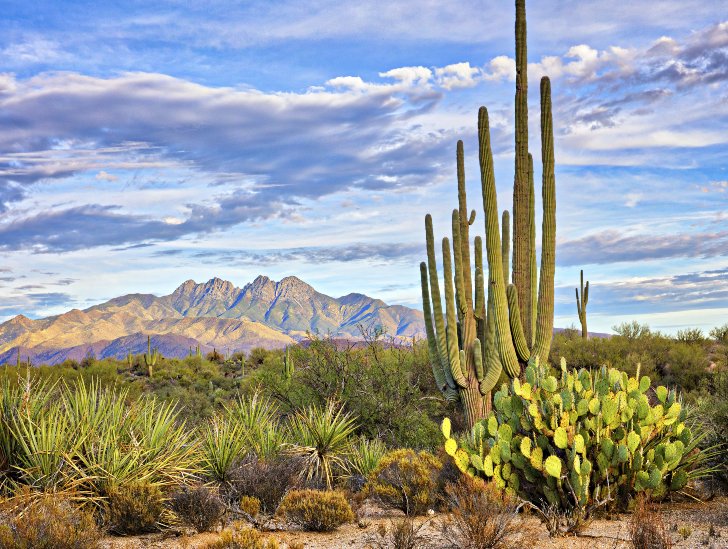
Cactus plants are commonly considered as desert plants. To many people, this means dry areas that record incredibly high temperatures throughout the year. However, the truth is that many deserts are not all that hot and even the ones that are, usually get quite cold at night. Therefore, it is not surprising that cactus plants can survive in cold areas as well.  This brings us to the most controversial question about these plants.

Can cactus survive winter? The simple answer to this is yes. While a majority of cactus plants are adapted to living in dry areas, they can still brighten up your indoors even during winter’s darkest days. The lowest temperature for any cactus plant depends on its species. While some species cannot tolerate temperatures below the freezing point, others can still survive in temperatures below 0oF.

Many cactus species that survive in very cold temperatures usually expel water at night to ensure the excessive water stored in their roots and stems does not freeze.

In this post, we are going to look at temperature requirements for cacti plants, how to bring them indoors for winter and give you essential tips on how to take care of your cacti during the cold season.

What are the Temperature Requirements of Cactus Plants?

Perhaps, one of the most challenging parts about growing cactus plants outdoors is the worry that comes with the cold winter months. Will your cacti survive the extremely low temperatures and constant rains? 

In some parts of the world, temperatures can sometimes drop to below freezing points during the cold winter season. Some parts may also experience extended nights of frost and a significant amount of snowfall.

A thermostat.
One of the most challenging parts about growing cactus plants outdoors is the worry that comes with the cold winter months

Typically, in deserts, temperatures fluctuate every day by as much as 68-77oF each day. Sometimes, the extreme maximum temperature can be as high as 120oF while the extreme minimum temperature can be as low as -0.4oF.

Having adapted to these temperature fluctuations in the desert, many cacti species will tolerate low winter temperatures without any problem. However, you must always ensure that your plants are kept dry and receive plenty of light and warmth during the day.

Keep in mind that if subjected to extremely low temperatures with added moisture from snow or frost, your cacti plants may not survive if you don’t take steps to ensure they are kept dry and have access to light (even if it is artificial light from your house lamps).

In areas with long, cold winters and relatively short, cloudy days, gardeners must do everything possible to raise the minimum temperature to ensure the survival of their plants.

What is the Optimal Temperature for Cactus Plants?

To answer this question appropriately, you must know what type of cactus you have and its origin. This will help you establish its ideal temperature requirements.

While some cacti species are cold hardy, others may not survive the snow and frost at all. Some species will only do better in full sun with extremely high temperatures while others may need protection from the intense heat.

In general, most cacti species will grow better when kept in temperatures of between 45-55oF

Surviving the Winter Frost: How to Protect Your Cacti from Frost

If you live in an area that is usually hit hard with frost during the cold months, then you need to learn how to protect your precious succulents from potential damage.
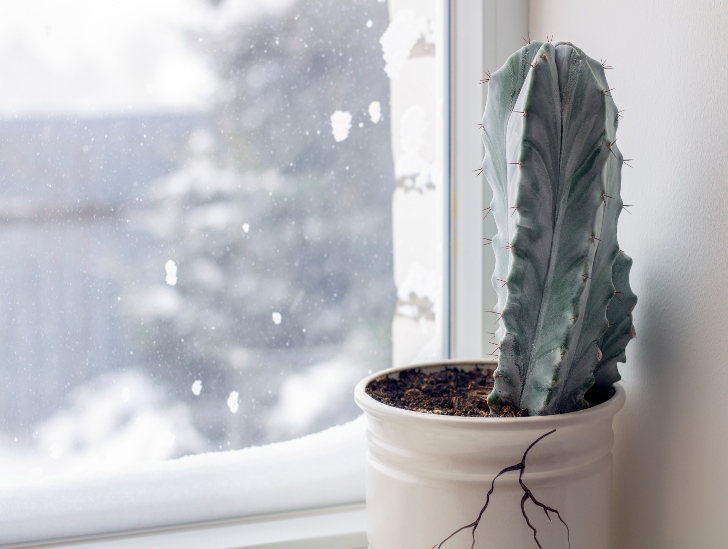
Cactus near the window.
Provide them with special care to help in protecting them from unfamiliar weather conditions. 

Other plants in your home may have adapted well to respond to the cold weather by dying to the ground and shooting out again in spring.

Unfortunately, many succulents, including cacti, don’t have this adaptation. Therefore, you need to provide them with special care to help in protecting them from unfamiliar weather conditions

Follow these simple tips to help protect your cactus plants from frost:

Use frost cloths

High-quality frost cloths can provide adequate protection from the freezing temperatures for some time by trapping the heat and preventing it from escaping out into the cold air. The cloth also helps to prevent cold air from coming in.

Make sure the frost cloth is as close to the ground as possible and provides adequate coverage based on the overall size of your plants. Hold down the frost cloth with strong objects such as stones to stop it from being blown away.

White frost cloths work best because they allow for sunlight to get through the cloth and hit your cactus plants.
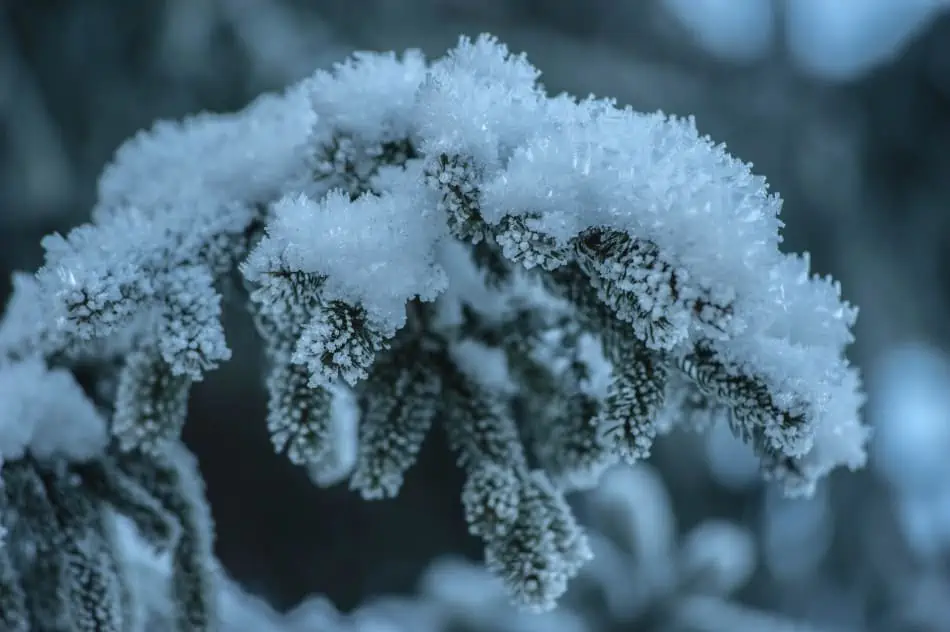
A freezing plant.
Protect your cactus plants from frost with frost cloths

Use burlap material to cover your plants

If you happen to have an old burlap material lying idle somewhere in your compound, use it to cover your cactus plants. Sometimes, you may be forced to use at least two layers of burlap if the fabric material is thin.

Burlap is breathable, allows for air circulation, and keeps the cold air out. Leave some room between the plants and burlap to prevent any damage to your plants when the material gets soaking wet.

Use outdoor furniture as cover

Positioning your cactus plants under a table, chair, or any other piece of outdoor furniture during the cold months may be enough during a light freeze.

As long as you are sure the temperature will warm up during the day and your cactus plants will receive plenty of sunlight, this method could be sufficient to protect your plants from occasional light freezes. 

However, if you expect more extreme weather such as severe freezing temperatures for several days, make sure you use a covering over the furniture. The cover can be blankets, frost cloths, or even plastic.

When using plastic as a cover, make sure you leave sufficient room between the plants and the plastic cover. Otherwise, the plastic cover can easily fry your plants when the sun comes out because temperatures can rise pretty quickly.

Use heat lamps to raise the temperature

If you want to provide extra warmth for your plants or live in an area prone to severe cold weather, consider using heat lamps. This will help raise the temperature around your plants and prevent them from freezing.

Use a digital thermometer to help you monitor the temperature around your cacti plants. You don’t want the temperature to go too high because this can also damage your plants.

The ideal temperature for most cacti species is between 45-55oF. If you can maintain this temperature around your plants, they should be safe from damage.

 Move your plants to safer places

If the drop in temperature isn’t that big then moving the plants under a shade or any other ideal location to help protect them from the cold wind may be enough.

For instance, if your cactus plants are in a windy spot, move them into a site that receives less wind to help protect them from cold. You can also position them under a large tree or to a mini greenhouse.

No matter where you choose to put your plants, make sure they can receive as much sunlight as possible during the day. But, it is good to keep in mind that this method will only work for hardier and cold-resistant cacti species.

Essential Tips for Moving Your Cactus Plants Indoors During Winter

If you cannot protect you cactus plants from the cold winter conditions or if you live in an area with extremely cold climatic conditions, then you can bring them inside to protect them from the cold.

When bringing your cacti plants indoors, do consider the following

Consider lighting conditions inside your house

One of the primary concerns with keeping cactus plants indoors is adequate lighting. Sometimes, it can be quite challenging to get adequate lighting for your cacti plants when you decide to bring them indoors during winter.

Having been accustomed to sunlight, your plants will need to receive sufficient light indoors to survive. Find a relatively bright or sunny spot inside your house and position them there.

South-facing windows always provide a perfect spot. If you cannot find a bright spot, consider using artificial lighting to keep your plants healthy.
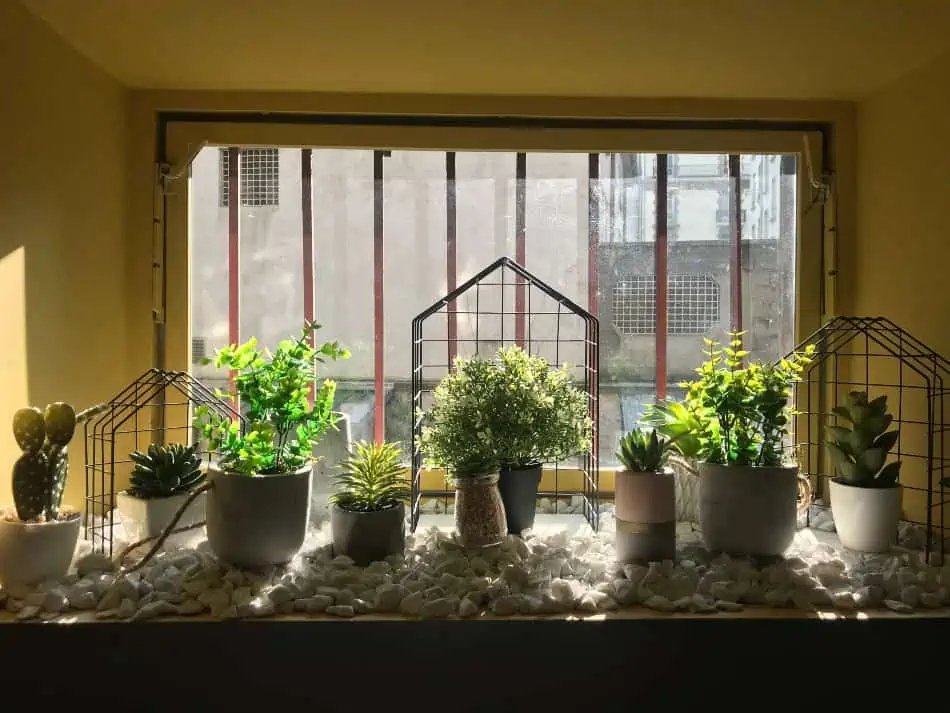
Plants exposed to sunlight,
South-facing windows always provide a perfect spot

Clean plants of dirt and debris before moving them indoors

Before you bring your cactus plants indoors, make sure you get rid of all the dirt and debris they may have collected for being outside.

Your plants will always have pebbles, little twigs, and grime when left outside for too long. Carefully wipe the dirt off the spines and pull out any unwanted weeds that may have grown in the pot.

Cleaning your plants before moving them indoors helps with the process of photosynthesis. Keep in mind that by bringing your cactus indoors, you are already subjecting them to less sunlight. Therefore, having dusty plants will only block the little amount of sunlight available from reaching the plant.

Consider temperature and humidity

If you have installed a furnace, consider adjusting your thermostat to provide cooler night temperatures. Try not to keep the indoor temperatures too warm.

Strive to provide cooler temperatures during the night so that the plant doesn’t suffer a “shock.” Plants placed near the vent or any other heat source may die.

Although many cacti species don’t mind a dry atmosphere, if you find your indoor environment too dry for your plants, install a humidifier or try putting a pot of water near the plant to help provide the much-needed humidity in the air.

  • Do not fertilize: As a general rule, don’t fertilize your cacti during winter. These plants do not grow actively during the cold season and don’t need any fertilizer.
  • Water sparingly: Also, you do not need to water your cactus plants as much as you do during the hot summer months. Water sparingly and always check the potting mix for moisture before watering again. Always ensure the potting soil is completely dry between watering sessions.
  • Re-potting: Re-potting may not be necessary unless the plant has outgrown its pot or if the potting mix has broken down and needs replacement. That’s it!
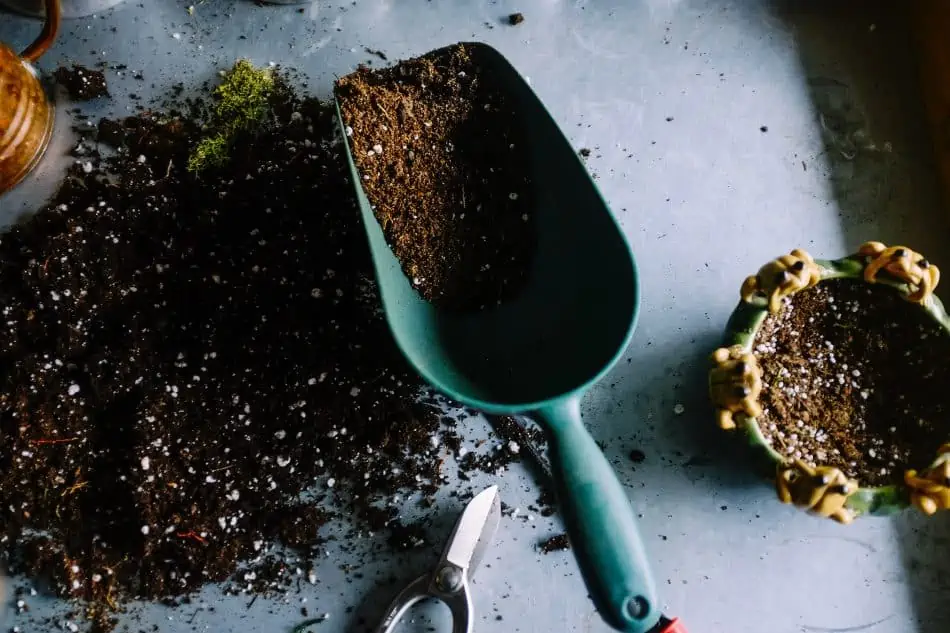
A gravel with soil.
Don’t fertilize your cacti during winter

Use the right potting mix

When repotting your plants or moving them to a new pot, make sure you use a high-quality cactus potting mix. This type of potting mix is ideal for cactus plants since it provides good drainage and aeration.

It also has the perfect ingredients for cacti plants to thrive. The potting mix will help hold water and nutrients while allowing the roots to breathe.

If you cannot find a cactus potting mix, you can always make your own by mixing two parts of sand with 1 part of potting soil. You can also add Perlite or pumice for better drainage.

How Do You Know Your Cactus Is Under Stress During Winter?

Cactus plants are resilient and can withstand a lot of abuse. However, they will still show signs of stress when they are not getting the right conditions to thrive.

One of the most common signs of stress in cacti plants is wilting or drooping leaves. This usually happens when the plant is not getting enough water or if the humidity in the air is too low.

If you notice your cactus plant wilting, give it a good watering and mist the leaves with water to increase the humidity around the plant. You can also move the plant to a brighter spot or add a humidifier to the room.

Cacti plants can also suffer from root rot if they sit in water for too long. This usually happens when the potting mix is too dense or if the pot does not have drainage holes.

If you notice signs of root rot in your cactus, carefully remove it from the pot and replant it in a new pot with a fresh, well-drained potting mix.

Your cactus plant may also lose its color if it does not get enough light. If you notice the leaves of your cactus turning yellow or pale, move the plant to a brighter spot.

Cacti plants that are under stress will also start to produce fewer flowers. If you notice your cactus isn’t blooming as much as it used to, check the environment around the plant and ensure it is getting the right conditions to thrive.

Summary

While many cacti species are adapted to the hot desert conditions, it doesn’t mean that they will die when exposed to the cold winter conditions. In fact, some cold-hardy cactus plants are well-adapted to survive in cold conditions than the hot desert conditions.

The most important thing is trying to understand your cacti species and what it needs to survive the colder months.

We hope this post has provided you with helpful information that can help you take care of your cactus plants during the cold months.  Just remember to take your plants out of their winter barracks and into the great outdoor conditions once the sky clears up and spring kicks in.
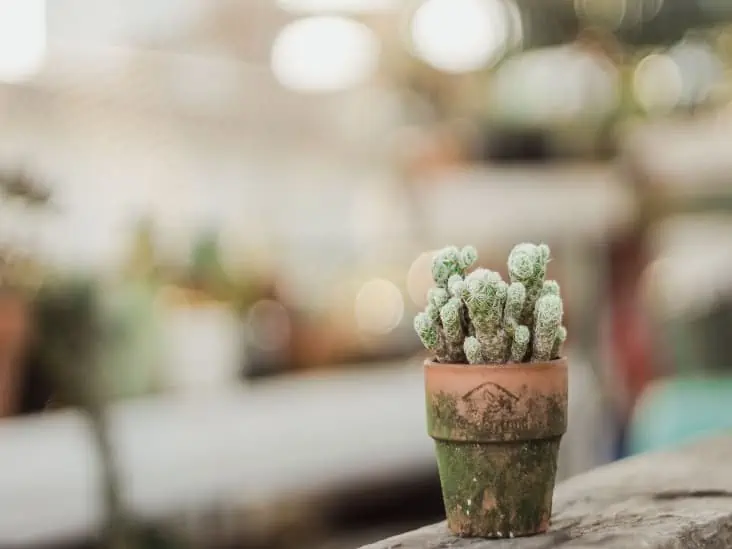
Can You Put A Cactus Outside? (Full Instructions to do it right)

Cacti are undeniably the most rewarding house plants as long as you provide them with adequate lighting. Since they grow relatively slowly, space is never a big issue. But, the big question is, can you take your cacti plants outside?  We are here to help you understand everything you need to know about moving your indoor cacti plants outdoors.

Can you put a cactus outside? Yes, you can always move your indoor cacti outdoors during the warm summer months when night temperatures rise to at least 65oF. However, you need to be careful when making the transition. Start their outdoor stay in a well-protected spot and allow them some time to get used to the outdoor conditions.  Once they have been outside for some time, be sure to move them to an area with more sunlight.

Plant experts highly recommend taking your indoor cacti plants outside for the warm spring and summer conditions. In this post, we discuss how to make the transition without endangering your plants and some of the critical things you need to keep in mind. 

Can You Put Cactus Outside during Winter?

The truth is that winter can be tough on cacti plants. The freezing cold will make them look dull, and if you don’t protect them, they may die. But, this doesn’t mean that you must always move your plants indoors every time the cold season kicks in.
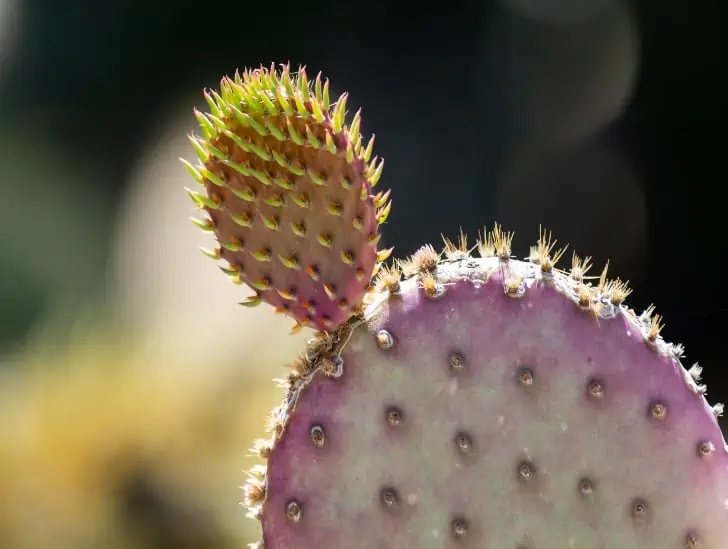
Many gardeners are surprised to learn that there are many different types of cacti plants that can survive all year round outdoors, even during the cold months. Unfortunately, the cold-hardy varieties are mostly overlooked in the world of cacti plants. A lot of people don’t even realize they exist.

If you are planning to keep your cacti plants outdoors throughout the year, be sure to check their cold hardiness level before buying them.

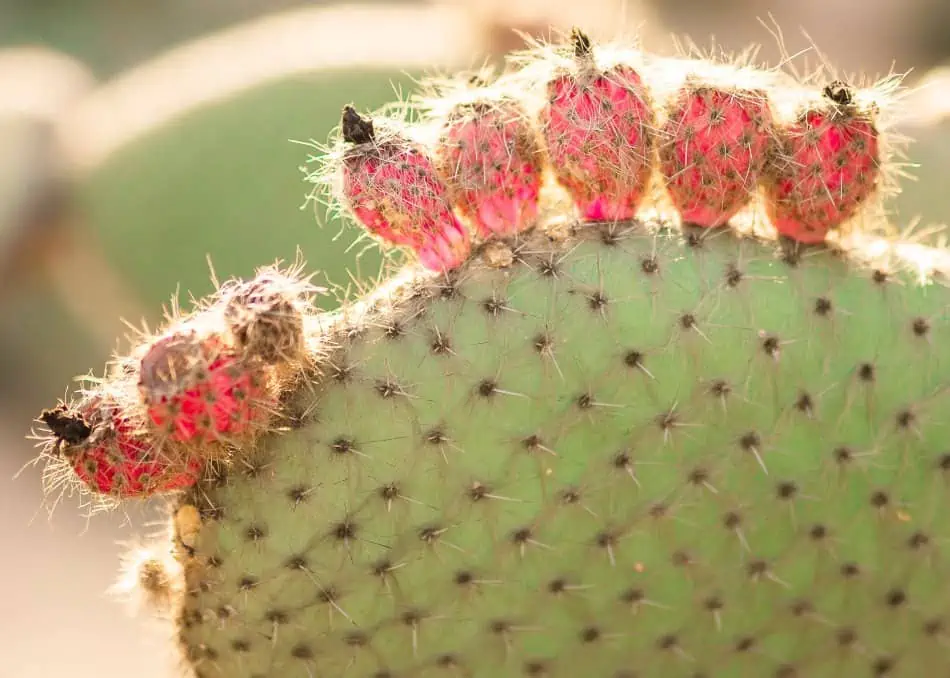
The real champions of cold climate come from the infamous prickly pear cacti family referred to as Opuntia

A fruit bearing cactus.
Prickly pear cacti family referred to as Opuntia can live well in a cold climate conditions

The Opuntia species usually come in a wide range of sizes, shapes, and colors. They grow close to the ground and have flowers that can be red, yellow, or bright pink.  

Two of the toughest cacti species in the Opuntia family are Opuntia fragilis that can survive temperatures as low as -35oF and Opuntia Poryapantha that can withstand temperatures as low as -25oF.

The Opuntia compressa species is also cold-hardy and does well in most parts of the United States and Canada. Its juicy red fruits are also edible. The other types of cacti species that are cold-hardy include Cylindropuntia, Corynopuntia, Escobaria vivipara, and Echinocereus.

However, growing cold-hardy cacti plants doesn’t mean that you’ll stop taking good care of them during the winter season. You’ll still need to find ways of protecting them from extreme weather conditions.

Moving Indoor Cacti Plants to Outdoors

For many gardeners who do not enjoy the luxury of keeping their cacti plants outdoors throughout the year, spring is always the best time to start moving your indoor plants outdoors.

This is the best time to take advantage of the growth spurt you can get from the relatively strong sunlight and heat. The strong sunlight wakes up the plant’s immune system and initiates growth.

Moving indoor cacti plants outdoors also helps to expose them to better airflow, which allows the roots to dry up quickly. However, if you do not manage the transition properly, you can end up ruining your cacti plants’ aesthetic appeal.

Depending on your cactus collection, that can potentially mean hundreds or thousands of dollars in cacti damage. 

So, how are you supposed to manage this transition? Well, you need to carry out an acclimatization session to help your plants slowly get accustomed to the outdoor conditions.  Let us take a look at the acclimatization process.

Cactus on a clay pot in a outside.
Spring is always the best time to start moving your indoor plants outdoors

Acclimating Indoor Cactus Plants to Outdoor Conditions

Many gardeners commonly misconceive that cactus plants can handle any amount of sunlight without any problems. After all, they grow in deserts where the strongest sun occurs. How can the minimal springtime sun harm them? Well, there are two critical factors you need to keep in mind.

First, you need to understand that the sun outdoors, even if it is under a shade, is much stronger than even the brightest indoor lights. While you may feel like the indoor lights are brighter, the energy output is much greater outdoors.

After all, we are talking about the sun here. Therefore, any move from indoors to outdoors is a move to more light intensity, and you need to manage that transition carefully.

The other factor you need to keep in mind is that although cacti plants have an incredible ability to handle intense sunlight, this capability must be turned on. The wild cacti have been outside their entire lives, so the level of sunlight they are used to is pretty the same throughout the year.  

Most likely, they never reach the level of darkness that your indoor cactus plants experience. Although there may be variations in seasons, the change is usually gradual. Wild cacti plants do scar but not to the level that may happen if you neglect to acclimatize your indoor plants before bringing them outside. 

Cactus exposed to sunlight outside.
Start with minimal exposure to sunlight and gradually increase it over time.

When you expose a cactus plant that has been indoors throughout winter to sudden sunlight, it can severely burn in a matter of few minutes. The burnt spots will discolor and eventually dry out, leaving behind an unsightly rough texture. These scars are permanent.

The overall concept of acclimatizing your indoor plants before moving them outside is pretty straightforward. Start with minimal exposure to sunlight and gradually increase it over time until you eventually position your plants to your desired spot.

While this might sound simple, it can be hard to implement depending on the size of your cacti collection.

If you have a lot of cacti, consider grouping them in bins or crates so you can move them easily. Instead of moving back and forth with only one plant at a time, you can always carry several of them at once.

Essential Tips for Taking Cacti Plants Outside

The secret to migrating your plants from indoors to outdoors successfully is to start early when sunlight is still at a lower intensity. But, you also want to make sure you do so after the extremely low winter night temperatures rise securely above the freezing point.

Find a shady spot at the back of your yard and move them there. Keep a close eye on them, and if you notice any abnormal changes in their appearance, be sure to return them indoors. You can give them some time indoors before you initiate the movement again. 

Here are a few tips to help you throughout the process:

Watering

The watering routine tends to change in summer, especially when you decide to take your plants outdoors. The most important thing to keep in mind is that your cacti require more water in summer, the relatively hot weather conditions cause water to evaporate more quickly and two, this is an active growing season for your plants. You will still need to follow the recommended guidelines while watering your plants. Move your plants outside first before watering them to make them less heavy, and the whole process less messy.

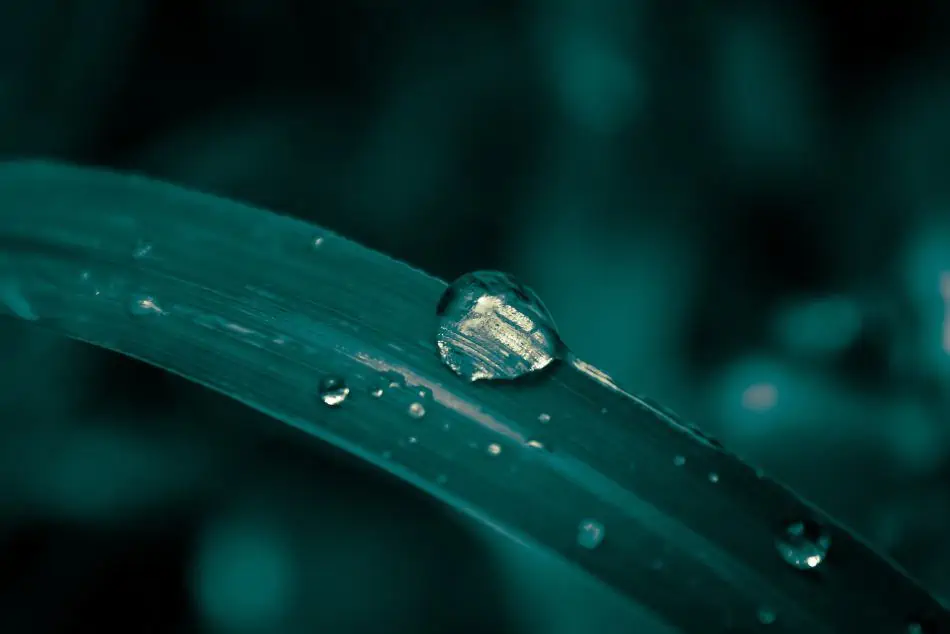
A water droplet on a leaf.
Keep in mind is that your cacti require more water in summer

Fertilize

Spring is always a great time to fertilize your cacti plants. At this time, most of them are just coming out of dormancy, and they are ready to grow.

Therefore, giving them a little more food will help them produce new offshoots and regain their aesthetic color pretty quickly. Be sure to use the right type of fertilizer that can help you achieve better results before fall kicks in.
Primp your plants

It is always good to primp your cacti plants and give them some good grooming before you move them outside. Prune any dead matter and aerate the soil properly. This will encourage new growth, prevent pests, and make your plants look great.

Repot if necessary

If your cacti plants grew much larger over the winter season, or if you have had some plants sharing the same pot, consider repotting. Dump out the old soil and also remove as much soil from the roots as possible.

Clean your pots thoroughly with soapy water and then rinse them before replanting your plants with new soil. If your cacti plants have been growing in the same pot for some time, they will appreciate the new soil and clean environment.

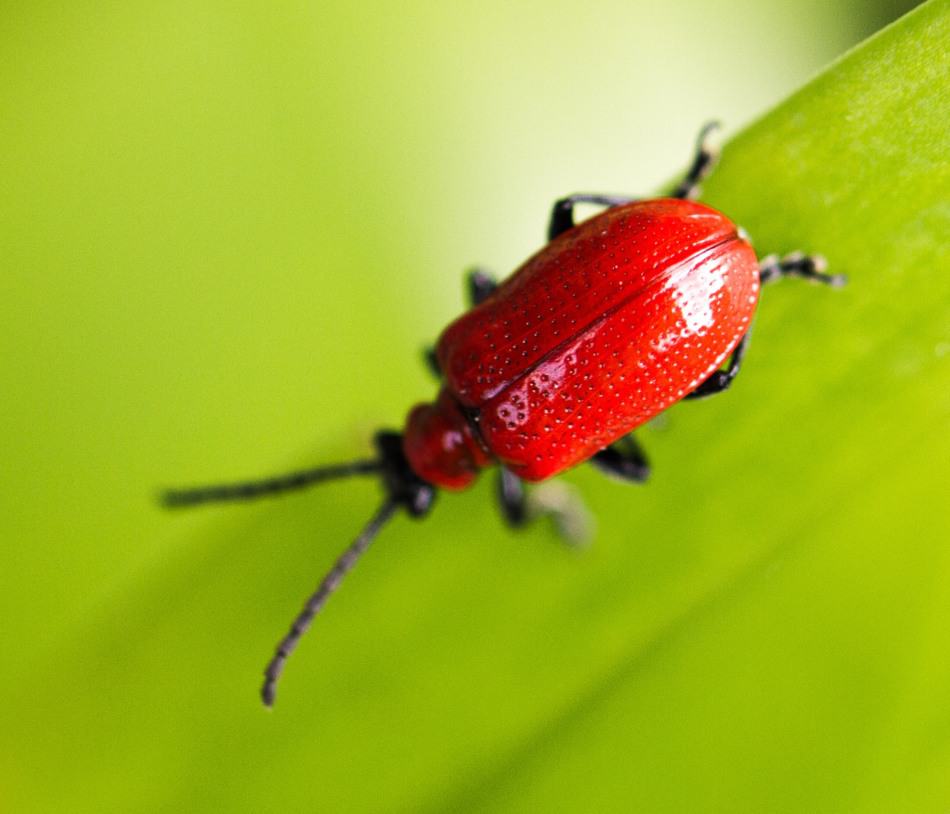
Watch out for bugs

Mealybugs love cacti plants and other fast-growing succulents. Always keep a close eye on your plants for these nasty bugs once you move them outdoors.

Ants tend to spread Mealybugs from plant to plant pretty fast. You can kill these bugs by pouring alcohol on them.

Snails and slugs love cacti and other succulents and may destroy your plants completely if you don’t manage them. Raccoons, dogs, birds, and squirrels also love playing with succulents. Be sure to find ways of keeping these animals away from your plants.

A mealybug.
Snails and slugs love cacti and other succulents and may destroy your plants completely if you don’t manage them

Final Word

Taking your cacti plants outside can help them thrive. However, the migration process can be a little bit tricky and may result in excessive damage if you don’t manage it well.

As you bring your plants outdoors, keep everything we have highlighted here in mind. Nothing can be frustrating as killing your precious plants as a result of not paying attention to their needs.

What Temperature Is Too Hot For Cactus?

While cacti plants are known to be drought-tolerant plants, it doesn’t necessarily mean they love excessive heat. Like any other living thing, there are a lot of factors that come into play with the amount of heat that these plants will tolerate. Depending on where you live, the summer heat can be quite high and too excessive for your cacti plants.

So, what temperature is too hot for cactus?  Well, the amount of heat that a cactus plant can tolerate will depend on its species. While others thrive in full sunlight and will tolerate extreme heat conditions, other species may need protection from the intense heat.  Generally, most cacti plants will do well when kept in temperatures between 45oF -85oF (7oC-29oC). Some cacti species won’t thrive in temperatures above 90oF.

In this post, we discuss the optimal temperatures ideal for growing cacti plants, how to take care of your plants during the hot summer season, and how to know if your plants have been exposed to excessive heat. Read on to find out everything you need to know about cacti plants and high temperatures.

What Is the Optimal Temperature for Cacti Plants?

To answer this question comprehensively, you need to understand your cacti species and its origin. This would help you establish its temperature requirements pretty quickly.  While some plants are cold hardy and will survive hot temperatures as well, others won’t survive extreme cold or heat at all. 

Some cacti species are well adapted to do well in full sunlight and will tolerate extreme heat conditions whereas others will need full protection from intense heat. However, a majority of cacti species need warm weather to survive.

A thermometer.
The ideal temperature for most of the cacti is anything between 45oF and 85oF (7oC-29oC)

Therefore, the ideal temperature for most of them is anything between 45oF and 85oF.  During the relatively dormant months in fall and winter, anything between 45oF and 55oF will do fine. Temperatures below this point can lead to severe irreversible damage to your plants.

It is also good to note that in deserts (natural habitat for most cacti plants) temperatures tend to fluctuate daily as much as 68oF to 77oF (20oC-25oC) each day. Sometimes, the extreme maximum temperatures in this habitat range from 109oF to 120oF while extreme minimum temperatures can sometimes drop to -18oF or even -0.4oF.

Having adapted to such extreme temperatures, many cacti plants will easily tolerate low night temperatures as long as they are kept dry and receive a sufficient amount of warmth and sunlight during the day.

The Overall Impact of Temperature on Cacti Plants

As mentioned earlier, cacti plants tend to do well in temperate climates with temperatures ranging between 45oF and 85oF (7oC-29oC). However, gardeners can sometimes expose their plants to extreme temperatures causing unnecessary stress in their plants.

While high temperatures of between 85oF and 90oF can sometimes help maintain the deep colors for many cacti species, you need to be careful when trying out this experiment.  Even in normal temperatures, you can still achieve excellent colors as long as you water your plants properly and provide them with the right type and amount of fertilizer.

A sunburned cactus,
A combination of extremely high temperatures and full sun exposure can cause sunburn to your cacti plants.

Keep in mind that extremely high temperatures can cause severe harm to your plants. In fact, avoid exposing your cacti plants to anything beyond 90oF unless you are 100% sure such high temperatures are ideal for your cacti species.

During the hot summer season, a combination of extremely high temperatures and full sun exposure can cause sunburn to your cacti plants damaging the spines, stem, and root system. During the hottest hours of the day (when the temperature is too high), consider relocating your plants to a shaded area or cover them with a shade cloth. 

If you live in a region that is extremely hot during summer, consider planting your cacti directly into the ground instead of plant pots because the ground soil temperature tends to stay relatively constant despite any changes in weather.

If you must plant your cacti in containers, go for container materials that are great at insulating your cacti plants against sudden fluctuations in temperature. These materials include ceramic, terracotta, wood, and concrete. Avoid metallic and glass containers.

How Are Cacti Plants Adapted to Hot Temperatures?

Cacti plants are succulents adapted to survive in hot and dry conditions. They have several features that enable them to do this.

These plants have fleshy stems and leaves that store water for prolonged periods. This helps them to survive long periods without water.

They have a waxy coating on their leaves and stems that helps to prevent water loss. The waxy coating also reflects some of the harmful ultraviolet rays from the sun.

They have a shallow root system that helps them to absorb any water available quickly. Since they are typically found in habitats with little or no shade. This means they have to adapt to survive in direct sunlight.

They have spines instead of leaves. This helps minimize water loss by reducing the surface area exposed to the sun and wind. They often grow in clumps, providing protection from the sun and wind.

When Are Cacti Plants Most at Risk from Heat Damage?

Cacti plants are most at risk from heat damage during the summer months when the temperature is highest. This is because they suffer massive water loss due to evaporation.

They are also at risk during periods of drought when there is little or no water available for the plant to absorb.

However, it doesn’t matter how well adapted a cacti plant is to hot conditions; if the temperature gets too high, it can still be damaged.

Signs of Too Much Heat and Sunlight (Sunburn)

Typically, it doesn’t take long before your cacti plants start showing signs if they have been stressed from too much sunlight or intense heat. When your plants are getting the right amount of sunlight, they will often change colors or “blush” which is a beautiful transformation to see.

However, if they are exposed to too much heat and sunlight, the stems and spines will start to burn. With time, you may begin to notice pale or white patches on the stems and spines. The sad thing is that this damage is irreversible.

The only thing you can do to salvage the situation is to cut off the areas that have started turning dry and black. The black spots will mostly begin to form on the outside edges of your cactus plant, and it will be dry and crispy. This is in contrast to the blackening that may occur as a result of root rot which starts in the middle of your cactus plant and feels wet and mushy.

If you have moved your plants to a shady area, but they are still experiencing hot temperatures, you may notice a yellow/golden color start to appear. The plant won’t turn completely black as it would with direct sunburn, but the colors will still look warmer or a little bit more yellow than usual.

This will generally go away with time, or your cactus plant will revert to its original color if you move it to a much cooler environment.

A sun on a red sky.
If cacti are exposed to too much heat and sunlight, the stems and spines will start to burn

Protecting Your Cacti Plants from Sunburns

If you realize that your cacti plants have been affected by excessive heat and sunlight, then you need to take the right steps to protect them from any further damage. Even though the marks are permanent, the good news is that as your plant grows, the damaged parts may be covered. 

Furthermore, if you can manage to catch the problem before the epidermis is scorched, then you might be able to save the poor plant. Here are a few tips to help you:

Move your cactus plant away from the sun

Obviously, the first thing you need to do to rescue your plant from any further damage is to get it out of the hot sun. If you notice any yellowing or shriveling on your cactus and it is still exposed to full sunlight, move it indoors or to shade.

Cactus with dog figurine.
If your cactus plant has suffered sunburns, then it just got a lot weaker.

It doesn’t matter even if you have to move it in and out every day; your primary objective is to save it. However, this is only feasible if the plant is potted, and the size of the container is physically possible to move.

Use a shade cloth

If you have a relatively large cactus plant that you can’t move because it is planted in your garden then try to use a shade cloth to protect it from any further sunburn. Cover it during the hottest part of the day and be sure to uncover it when the temperatures cool.

 Water your plants consistently

If your cacti plants are showing signs of being stressed due to too much sunlight, there is a good chance that the plant will hibernate into dormancy.

This means that it will go into a stage where it won’t be growing for some time. During this period, you want to keep your plant hydrated but be careful not to overwater it. Closely monitor soil dryness and only water it when the soil is completely dry.

Protect your plant from diseases

If your cactus plant has suffered sunburns, then it just got a lot weaker. This makes it more susceptible to infections and pest infestation.

Carefully check for bugs and ants that may cause more harm than what the sun has already done. Be sure to spray and treat your cacti plants if they show any signs of diseases or bug infestation.

Do All Cacti Plants Need Bright and Direct Sunlight?

The simple answer to this question is no. Not all cacti species need bright and direct sunlight to survive. Some cacti species will only thrive in bright but indirect sunlight since full exposure to the sun can cause severe damage.

For instance, Rhipsalis, which is a genus of the epiphytic cacti, won’t do well when exposed to bright and direct sunlight. Instead, this group of cacti plants prefers shade since they have their natural habitat in the tropical rainforests. There are over 35 cacti species in the Rhipsalis genus with one of the most common ones being the Rhipsalis baccifera (mistletoe cactus).

On the other hand, some cacti species, especially those from genus mammillaria prefer bright light but are also fine with partial exposure to direct sunlight. You will find the globe and nipple cactus in this category.

It is also good to keep in mind that even those cacti species that thrive in bright and direct light might need a period of rest without much sunlight. Therefore, make sure you transfer them to shade for a few hours every day of the hot season.

Plants exposed to sunlight.
Some cacti species will only thrive in bright but indirect sunlight since full exposure to the sun can cause severe damage

Can Cacti Plants Survive Too Much Heat?

The truth is that cacti plants are highly tolerant plants that can survive in various conditions. However, they are not indestructible and can be damaged by excessive heat, just like any other plant.

It is important to remember that while cacti plants can tolerate hot temperatures, they still need some protection from the intense heat of the midday sun. They will also need to be watered more frequently in hot weather.

If you are growing cacti plants in an area with very hot summers, choosing a species known to be tolerant of heat is important. Some heat-tolerant cacti plants include Opuntia ficus-indica, Ferocactus wislizenii, Echinocactus grusonii, and Lophocereus schottii.

It is also important to provide some protection from the intense heat. This can be done by planting the cacti in an area that receives some afternoon shade or by growing them in containers that can be moved into a sheltered area during periods of extreme heat.

Final Thoughts

While a significant number of cacti species will survive extreme heat, it is always good to keep them in a cool and shady area during the hottest days of summer to avoid sunburns.

If you have cacti plants planted in containers, you need to keep in mind that they are going to heat up relatively faster than those planted in the ground.

We hope this guide has provided you with valuable information you need to know when it comes to taking care of your cacti plants during the hot season.

Does Cactus Need Direct Sunlight?

Does Cactus Need Direct Sunlight?

Cacti plants are widely known for their drought-resistant nature and good water storage properties. This is the primary reason why they are referred to as desert plants. Since most of them do well in arid and semi-arid areas, gardeners usually assume that these plants require direct exposure to bright and intense heat to thrive. But is that the case? We shall find out in a moment.

Does cactus need direct sunlight? Most cacti species don’t need exposure to direct sunlight to survive. Just like other succulents, cacti plants will do well when positioned in places with good light and not necessarily direct sunlight. If you are growing your plants indoors, position them on a south-facing window to help them access bright light. If you are growing these plants outdoors, choose a perfect location within your garden with partial shade to help protect them from intense sunlight.

Depending on their place of origin, some cacti species cannot tolerate full and direct sunlight.  Such species tend to suffer from damage and sunburn if you don’t provide them with some form of protection from the intense heat. However, a few other species have developed a wide range of adaptations that help them handle direct and intense sunlight much better.

Read on to find out everything you need to know about exposing cacti plants to direct sunlight and how you can protect your precious little plants from potential damage.

Do Cacti Plants Need Exposure to Direct Sunlight?

Naturally, cacti plants tend to do better when they receive a lot of exposure to light, but they do need protection from intense heat and direct sunlight. Too much heat can cause severe damage to your plants.

Typically, prolonged exposure to direct sunlight can result in sunburn damage leading to permanent scarring or even death.  To prevent this from happening, it is always good to slowly acclimatize your plants to the intense sunlight before full exposure. 

Cactus plant exposed to sunlight outside.
Cacti plants tend to do better when they receive a lot of exposure to light, but they do need protection from intense heat and direct sunlight

Start by positioning them to partial shade and slowly introduce them to more and more sunlight until they are fully acclimatized to the sun and heat. You can start by exposing them to the morning sun, which is less intense and slowly works your way to the more intense afternoon sunlight.

You can also position your cacti under the shade of other tall plants before moving them away and exposing them to direct sunlight.

The primary target here is to increase sun exposure gradually to avoid shocking the plants and causing sunburn or permanent scarring.

Keep in mind that shade-loving cacti species such as Mistletoe Cactus and the Easter Cactus and newly propagated plants are more susceptible to sunburn and permanent scarring. However, grey, red, or blue cacti plants covered with a lot of spines tend to do well under direct sunlight.

Sun-hardy cacti-species that have been accustomed to growing indoors are also susceptible to sun damage and sunburn when moved outdoors abruptly.  Therefore, it is always good to find ways of acclimatizing the plants to intense heat slowly before you position them under direct sunlight.

Newly propagated or young cacti plants won’t do well under direct sunlight. Give them some time to mature before you can start to position them under direct sunlight.

Since different parts of your outdoor spaces get hit by direct sun rays at different times of the day, it might take some trial and error to determine which location will suit your cacti plants best.

Some of them may respond well to the morning sun while others may respond well to the intense afternoon heat.

Monitor them carefully under different circumstances to see how they respond to the different heat intensities.

How Many Hours of Sunlight Do Cacti Plants Need?

Typically, most cacti species need at least four to six hours of sunlight to thrive. These plants love being in bright and sunny locations. Plants that don’t receive sufficient exposure to light may exhibit a wide range of signs.

Perhaps, the most common sign that your plants aren’t receiving adequate light is etiolation/elongation. This is a process whereby plants stretch to seek more light. While it may seem like an excellent self-adaptation mechanism, etiolation produces weak stems and may result in poor growth.

Cacti plants that do not receive sufficient exposure to light may also become pale or revert to their original green color. On the contrary, plants that receive adequate exposure to light demonstrate their true beauty by showcasing a wide range of vibrant colors.

A girl looking at her plants on the window.
If you are growing your plants indoors, position them on a south-facing window to help them access bright light

Can Cacti Plants Receive Too Much Sun?

The simple answer to this question is “yes.” Too much sunlight is what causes sunburn and sun damage in cacti plants and other succulents. The unfortunate thing is that sunburn may happen pretty quickly during a heatwave or when the temperatures soar so high. Sometimes, the process can also occur gradually.

The first sign of sunburn is the appearance of brown/yellow spots on the surface of your plant. Fortunately, if you realize signs of sun stress early, the effects can easily be remedied to avoid further damage to your plants

Sunburned cactus.
The first sign of sunburn is the appearance of brown/yellow spots on the surface of your plant.

Simply relocate your plants to a shady area or position them next to other taller plants for protection from excessive sunlight.  If you don’t do anything even after realizing signs of sun stress, some cacti plants will fry to a crisp and eventually die.

Some species may toughen up, adapt to the intense heat and survive the heatwave. Don’t take any chances; make sure you provide your plants with sufficient protection when temperatures start to soar.

Can Cacti Plants Survive without Sunlight?

So, the next question you must be asking yourself is whether your cacti plants can survive in low light conditions. Well, the truth is that cacti plants, just like any other plant, need sunlight to survive. The light energy absorbed is used to trigger chemical reactions that help the plant produce food and energy.

However, cacti plants can still survive in low light conditions for some time. After a few days of insufficient exposure to light, your plants will start to show signs of stress such as etiolation and stunted growth. They will also lose their beautiful vibrant colors and appear pale.

When given too much water and little exposure to light, cacti plants may succumb to root rot. If you don’t take appropriate measures to correct the situation, the plant will start to rot from the roots up and eventually die. In fact, when root rot starts to set in, it can be quite difficult to save your plant from death.

How Can You Keep Your Cacti Plants Alive during Prolonged Heatwaves?

With the effect of climate change, weather extremes are quite common in different parts of the world. Some regions experience extreme heatwaves that can easily cause harm to succulents. Heatwaves, especially during summer, can be challenging to deal with, given that they can last for days or even weeks.

Flowering cactus.
Move them to shadier spots of your garden and if possible, take them indoors.

You risk losing your plants if you leave them unattended during this period. So, what can you do to protect your cactus from the stress and potential damage? Here are some of the things you can do to protect your plants during this period.

Provide your plants with shade

One of the best things you can do during such a period is to prepare ahead of time.  If you anticipate a heatwave in the coming days, find good shelter for your young, smaller, and fragile cacti plants.

Move them to shadier spots of your garden and if possible, take them indoors. The taller, mature, and bigger plants that are accustomed to the outdoor heat may be fine, but you should still monitor them closely.

If you have planted your plants in the ground or in beds, then consider covering them with a shade cloth since you cannot move them.

Avoid repotting

This might not be the right time to repot your plants. Remember the fact that repotting even a mature and well-established cactus plant introduces a lot of stress to it. Therefore, doing it at a time when the temperatures are too high will only make things worse. Wait until the heatwave has subsided and temperatures dropped back to normal before you start to repot your plants.

Do not fertilize

Fertilizing your cacti plants can help them thrive and grow fast. But, you need to know the right time and season to fertilize your plants.

Preferably, you should only fertilize your plants during spring when they are actively growing. During a period of a heatwave, your plant’s main focus is to survive and not grow. So introducing extra nutrients to the plant during this time can only cause more damage than good.

Cactus plants in a pot.
Cacti plants tend to thrive when located in areas that receive plenty of bright light, but not direct sun

The Bottom Line

Cacti plants tend to thrive when located in areas that receive plenty of bright light.  However, this doesn’t mean exposing them to direct sunlight. Some cacti plants are prone to sunburns and sun damage when positioned under direct sunlight.

If you live in the northern hemisphere and grow your plants indoors, consider placing them on south-facing windows which are a good position that provides excellent access to sunlight.  The optimum amount of sunlight required largely depends on the cacti species that you are growing. For instance, while Rhipsalis cactus does well in shaded areas, Echeveria will only blossom when positioned in bright spots.

How Often Does A Cactus Flower Bloom?

Generally, cacti are flowering plants. Therefore, almost every type of cactus species is capable of flowering when it is mature and in the right conditions. Whether or not your cactus plant blooms will largely depend on its age and the care you provide. While some cacti plants bloom at a relatively younger age, others won’t flower until they are at least 30 years old.

So, how often does a cactus flower bloom? Typically, cacti plants bloom at least once a year, although wetter years may lead to more flowering periods. Most cacti species flower in spring when the weather conditions are near perfect. The greatest diversity of spring-flowering cacti species can be seen in April. Some also stretch into May with some species such as the prickly pears cactus blooming well in early May. Saguaros tend to flower from mid-may to mid-June.

In this article, we provide you with valuable information you need to know about flowering in cacti plants. Get to learn when to expect your cacti plants to start flowering, how to create the right environment to stimulate flowering, and much more. Read on to find out everything you need to know.

When Do Cacti Plants Flower?

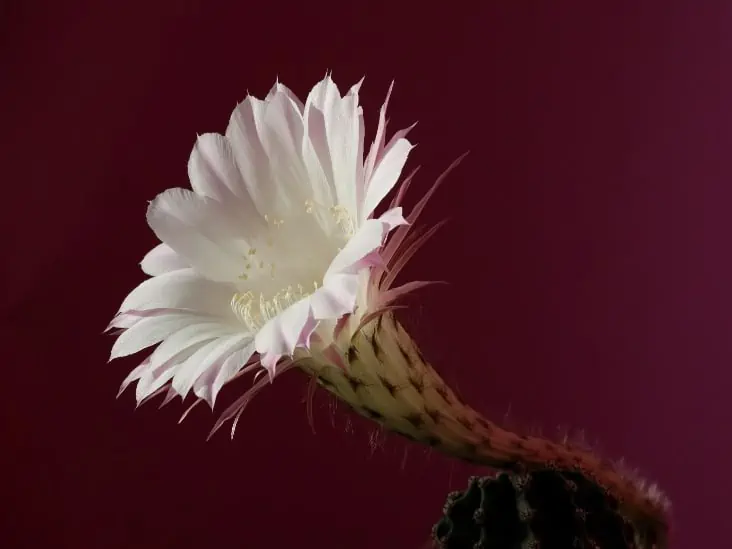
A significant number of cacti plants have a unique sculptural quality to them. Cacti flowers are gorgeous and come in a wide range of striking colors. In fact, you shouldn’t be surprised to see several colors in one cactus flower.

Most cacti plants flower in the spring, during the day. However, a few species will bloom in summer during the night.

Here is a breakdown of when and how cacti plant flower:

A old lady cactus flowering.
The greatest diversity of spring-flowering cacti species can be seen in April.

Spring Bloomers

After resting all winter and being confined to a state of dormancy, most cacti plants will spring back to life once the warm weather kicks in. With the light spring rains and warm weather, everything is set for another flowering season.
At that time, temperatures are not yet excessively hot, so your cacti plants are in a better position to put on a fantastic floral show. Even when there is insufficient rainfall, they will use the water stored in their stems to flower.

In some parts of North America, these plants will start to flower as soon as March, with April being the peak flowering month. In May, the prickly pear cactus shoots into life and starts to put on its floral show.

A small cactus flowering.
Most cacti plants will spring back to life once the warm weather kicks in

Summer Shows

Not all cacti plants flower in spring. Some of them will wait until summer to start flowering. Cacti plants that bloom in the hot summer temperatures are generally the large growing species that store a lot of water in their stems.

The water stored in their stems helps them to flower easily, even when daytime temperatures soar to extreme highs.  Saguaros are known for their habit of flowering in summer. These impressive cacti plants that can reach up to a height of 60 feet tall when fully grown won’t start flowering until they are at least 40 years old.

The Carnegiea gigantea (a type of Saguaro), which grows to a height of up to 50 feet tall, usually starts to flower in mid-May to mid-June when the temperatures are so high. 

The heavily-bodied barrel cactus is another type of cacti that blooms from spring to summer. This type of cacti produces orange, bright red, or yellow flowers depending on the species. For instance, the Fishhook barrel cactus, which is the most common type of barrel cacti, produces yellow flowers.

Night Bloomers

Some cacti plants also flower at night, which helps the plant to conserve water during the hot season. The Peruvian cactus is a good example of a cactus plant that blooms at night. Its trumpet-shaped flower usually features a sweet fragrance and is approximately five inches in diameter.

The cereus is another common type of night-blooming cactus. It produces white flowers on its flattened stem in both spring and summer.  A lot of people love the cereus for its oval, red fruit known as the dragon fruit.

A flowering cactus.
Some cacti plants also flower at night, which helps the plant to conserve water during the hot season

The Christmas Cactus: A Special Type of Cactus

The Christmas cactus is perhaps the most common type of cacti grown worldwide. The Christmas cactus announces its flowering season through its name. With its flat and leaf-like stem, the Christmas cactus is known to bloom in December just around the Christmas period.

This cactus species originated from the tropical rainforests of Brazil, but many hybrids of this precious succulent exist today.  Depending on conditions and your region’s climatic conditions, a Christmas cactus can produce white, red, purple, pink, or salmon-colored flowers.

When grown indoors, in order to flower at Christmas time, it requires cold nights and more than 13 hours of darkness throughout the day. It is commonly referred to as the Thanksgiving Cactus because it can easily be manipulated to flower in November instead of December.

Does Every Cactus Flower?

As mentioned earlier, cacti are flowering plants. This means that all cacti species can grow flowers when they are mature. The key to your cactus starting to flower is waiting for its maturity age and providing the right conditions.

Keep in mind that some cacti plants can take 30 or more years to reach maturity. Some species, such as the Saguaro, may take even longer to mature and start flowering. Other cacti species will not bloom even after maturity unless they get the right amount of light, water, and fertilizer.

Cacti plants grown indoors are notorious for not flowering since they do not get the right balance of light and darkness. Typically, the time it will take your cactus plant to flower depends on its size.

A golden barrel cactus flowering.
All cacti species can grow flowers when they are mature.

Giant cacti plants, such as the Saguaro, may take up to ten times longer to reach maturity compared to the small size plants. Below are the three common cacti shapes and their flowering behavior:

Columnar Cacti

The tall-growing columnar cacti usually take many years before they flower for the first time if grown from seed. However, if you root a branch from a mature and already-blooming columnar cactus, the new plant will keep flowering once it is separated from the mother plant and rooted.

Unfortunately, some types of columnar cacti such as the Carnegiea gigantea (Saguaro) have branches that won’t root. Therefore, it can only be grown from seed with a 30-40 year wait period before it starts flowering.

Some columnar cacti plants produce their first flower after 10-20 years and can live outdoors throughout the year. Some good examples include the Peruvian Cactus that produces glittering white flowers and the Senita Cactus that produces pink flowers.

The good thing is that those columnar cacti are still effective landscaping plants even without the flowers.

Round Cacti

Some of the best flowering cacti plants are from this category. Many of them can start flowering as early as three or four years after sprouting. Two of the most popular cacti plants in this category are the Pincusion Cactus and the Rebutia Cactus.

Both of them produce beautiful flowers once they reach maturity. The flowers come in a wide range of colors, including green, orange, purple, pink, magenta, white, and red.

 Although a majority of cacti plants in this category are round when young, most of them tend to elongate to small columns upon maturity.

A round vavti flowering.
If you are growing your plants indoors during the winter season, try to position them in the coolest spot

Short-Stem Cacti

Short columnar cacti with stems typically start to bloom within five years after maturity. The Easter Lily Cactus, Peanut Cactus, and the Hedgehog Cactus are three of the most popular examples of short-stem cacti.

The Easter Lily Cactus produces huge funnel-shaped flowers in red, magenta, pink, lavender, and white.  Its stem is two-three inches long covered with numerous spines. The cactus mostly crawls on the ground and produces abundant flowers after reaching maturity.

How to Get Your Cacti Plants to Bloom

So, what are you supposed to do if your mature cactus doesn’t show signs of flowering? Well, you will want to ensure that the conditions are right.

First, if you are growing your plants indoors during the winter season, try to position them in the coolest spot. While you may be tempted to find them a warm place, the truth is that these plants do require a chilling period to get ready for flowering. If your plants are outside in the cold, find a way of keeping them dry all the time.

Do not water them during the period of dormancy and wait for signs of growth before you resume watering. This will encourage flowering. If you have not positioned your plants in a full sunlight position, do so but only expose them to the morning sun. Move them to shaded areas in the afternoon.

Gradually acclimatize your plants to the sun to avoid sunburns. You can start by exposing them to the sun for one or two hours a day and increase the frequency weekly until your plants are getting between four to six hours of sunlight every day. Consider using artificial lights if there is no sunshine.

Once you start watering again, consider feeding your plants with small amounts of high phosphorus fertilizer as well. Use the fertilizer at half strength after watering. Pay attention to your fertilizer because nitrogen fertilizer is not suitable for cacti plants and other succulents.

As long as you do everything right and your plants have reached a maturity stage, it won’t be long before you start to see the beautiful flowers sprout.

Summary

Most of us tend to bring our cacti plants indoors during winter and cover them to protect them from the freezing temperatures. While this is necessary for extremely cold areas, by doing so, you may also be creating conditions where your plants won’t flower.

Too much heat, overwatering, and not finding the right balance between darkness and light can all result in your cacti plants not flowering.

We hope the information we have discussed here will help you find ways of ensuring your cactus blooms when its right comes.

Can A Cactus Live Without Sunlight?

If you are new to cacti plants, you might be wondering if they can really survive without sunlight. After all, these are desert plants, and you might be tempted to think that you are doing them a favor by keeping them away from sunlight. But is that the case? Probably not.

So, can a cactus live without sunlight? The short answer is NO. Cacti, just like any other plant, need sunlight to survive. Although these desert plants can survive for short periods without sunlight, they need exposure to lots of sunlight to thrive and blossom. Typically, a mini-cacti plant requires at least four hours of direct sunlight daily to thrive.

There are a few cacti species without spines that are pitched as low light plants. A good example of this type of cacti is the Christmas cactus. The problem is that if you don’t provide your cacti plants with sufficient sunlight, they will become thin, sickly, and may eventually die.

In this post, we bring you a complete breakdown of cactus light requirements and what you can do to achieve better results with your plants. Read on to find out everything you need to know.

What Does Sunlight Provide for a Cactus Plant?

Every plant needs sunlight because it plays a critical role in photosynthesis. This is the process of turning carbon dioxide and water into sugar; the plant’s primary energy source. Sunlight also helps your cactus with blooming and growing healthy stems, flowers, and roots.

Whether you’re planning to get an Old Man cactus, prickly pear cactus, Christmas cactus, or whatever desert cacti you wish to have, ensure that they have enough direct sunlight.

Sunlight also provides warmth. This ensures that the plant can access essential nutrients from the soil. During winter, the little sunshine received helps to keep the cactus warm and healthy, even when it’s snowing most of the time.

Additionally, sunlight helps in maintaining a succulent’s aesthetically appealing look. With sufficient exposure to natural light, your cacti will be lush green and bright colored. It also helps keep a good balance of water and moisture in the plant’s cells.

Succulents are unique plant species because they require varying degrees of sunlight. Most of their chemical conversions usually happen in low light and are only completed when the plant has access to enough light.

This is part of the plant’s survival mechanism since it allows it to store carbon dioxide and only complete the process of photosynthesis when there is enough light.

How Much Light Does a Cactus Plant Need To Thrive?

Light (whether sunlight or artificial light) is a funny thing since you cannot measure it. While you can add two tablespoons of fertilizer to your potting soil or pour one cup of water on your plant, you cannot say that I have given my plant 10 lbs. of natural, free-range light.

Therefore, the best approximation we have when it comes to light is to measure the duration. So, a good question would be; how long should your cacti plants be exposed to light each day?

Well, the simple answer is that all succulents, including cacti, need between 10-14 hours of light every day. Here, we are assuming that we are not talking about the shad-loving cacti plants because they would easily fry if you expose them to light for such prolonged periods.

Cactus in the pot outside exposed to sunlight.
Such plants need to be exposed to light for only four to five hours each day.

It is also good to mention that some species of spiny cacti have developed distinct shapes to help minimize the amount of sunlight they need to survive. The spines are highly modified leaves that minimize the amount of water they lose through evaporation.

Such plants need to be exposed to light for only four to five hours each day, and they will be okay. Two critical factors affect light requirements for cacti plants. They are: 

Etiolation

This is a technical term used to refer to a state where your plants “stretch” or become “leggy.” Etiolation can happen in any type of plant, but it is highly noticeable in cacti and other succulents because these plants tend to be so compact.

The process occurs when your plant is not being exposed to sufficient amounts of light. Therefore, it reacts by proliferating (stretching) towards the light direction. The truth is that all plants will always know where light is coming from and how to get there as fast as possible.

While in etiolation, the plant will reduce the number of leaves (spines) it grows. During this process, it may appear weak and ugly. However, it is not unhealthy. As soon as it gets to the spot of light, the cactus plant will resume its normal growth and stabilize it.

Unfortunately, the effects of this process are irreversible. This means that once the plant has grown all stretched out, it will remain that way for the rest of its life. The only solution you have is to prune the etiolated part of the plant.

In most cases, the plant will resume normal growth once the wound has healed, and if you stick the prune section in some soil, it can start growing too.

Cactus outside exposed to sunlight.
All succulents, including cacti, need between 10-14 hours of light every day

Seasonal light differences

It is also pretty evident that the level of sunlight intensity varies greatly from season to season.  During summer, the days are pretty long, and sunlight intensity is pretty strong as well.

Most cacti plants tend to do well in these conditions. However, if you live in a region that is known for extreme summers, you may want to protect your plants from potential sunburn.

On the other hand, winter days are relatively shorter, with less intense sunlight. If your cacti plants slide into dormancy during this season, that will be much better. If not, then you might need to supplement the minimal natural light with more artificial light.

Some people rotate their plants indoors and outdoors as seasons change. This is a good idea as long as you know when to take your plants indoors or outdoors and how to acclimatize them to avoid damage.

How Does Dormancy Affect Light Requirements?

As mentioned in the previous section, cacti plants tend to slide into dormancy during the cold winter months. During this period, their rate of metabolism slows down, and they stop growing. Dormancy occurs because the freezing temperatures don’t provide optimal temperatures for chemical reactions. Therefore, the rate of photosynthesis slows down, which in turn affects plant growth.

Cactus near the wondow indoors.
Cacti plants require the dormancy period to produce seeds, fruits, and flowers.

However, this is a critical part of the plant’s life cycle. While you could artificially continue to provide sufficient exposure to light to trick your plant into thinking it is still summer, the effects can be adverse

Cacti plants require the dormancy period to produce seeds, fruits, and flowers. Therefore, if you trick the plant into thinking it is still summer, you may miss out on this vital phase.  While in dormancy, a cactus plant can still survive with minimal exposure to light.

Sunlight vs. Artificial Light: Which One Is Better for Your Cacti Plants?

This is a highly debated topic. In fact, we can write an entire book on this topic alone! However, the comparison is quite interesting, and a lot of science and personal preference comes into play while making a decision.

The truth is that neither natural sunlight nor artificial light is better than the other. There are situations when sunlight outshines artificial lights and vice versa. So, how do they stack up?

Sunlight

Natural sunlight is quite amazing because it is readily and freely available. You can simply position your cacti plants on your windowsill, water them, and they will still thrive. Isn’t it great?

Sunlight has always been there, and every living thing on earth is well adapted to handle its heat. Cacti plants and other succulents know how to harness their energy and used it to power a wide range of chemical reactions.

In fact, cacti plants were created to bathe in sunlight. They have a wide range of adaptations that help them to absorb different wavelengths of sunlight and protect themselves from the excessive heat. That is why you will never go wrong if you choose to expose your cacti plants to lots of sunlight.

A group of cactus exposed to sunlight.
Cacti plants were created to bathe in sunlight

What Kind of Sunlight Does a Cactus Need?

Cacti plants need natural sunlight to survive. If you do not expose your cacti to sufficient light, they will start etiolating and stretching out of shape.

Therefore, if you are growing a cactus indoors, ensure it is close enough to a window that receives plenty of natural light.

You can also use artificial lights such as LED and fluorescent bulbs to supplement the natural light for your indoor cacti.

As mentioned earlier, you must provide them with 6-10 hours of good-quality light each day for optimal growth.

Remember that too much sunlight can cause sunburn on your cacti plants, so be sure to monitor light levels and adjust accordingly.

How Can You Maximize on Natural Light Indoors?

Natural light tends to fade off as the day progresses. This natural cycle works well for indoor cacti plants. Typically, the morning to midday light is brighter and more intense. However, its strength fades off in the afternoon.

If you are in the northern hemisphere, position your cacti plants on south-facing windows for the best results. This way, your plants will have more hours of daylight, which enables them to thrive.

In regards to east and west-facing windows, the east-facing windows offer the best option because the sun rises in the east, and the strongest sunlight is in the first half of the day.  North-facing and west-facing windows are ideal for cacti plants that prefer partial sunlight.

While positioning your plants on a windowsill, consider external factors such as nearby buildings or trees that may cast a shade on the windows. Also, position your plants as close to the glass as possible.

Keep your window glass clean since dirt and accumulated grime tend to block a significant amount of light. If you run out of windowsill space, consider getting a hanger or windowsill shelf to accommodate the extra plants.

Artificial Lights

Natural sunlight is great, but artificial lights may help you when there is no sunlight for a prolonged period. In fact, if you are into cacti plants so much, there is a high possibility you ran out of windowsill space a long time ago. This means that all plants positioned far away from the window cannot receive natural light.

Furthermore, if you live in a region that experiences extremely colder winter seasons, you may want to bring your plants indoors and at least expose them to some light. If you bring your plants indoors and fail to provide them with sufficient exposure to light, they may etiolate or even die.

Artificial lights are also a great option when it comes to propagating since their intensity is quite low. In fact, specific light wavelengths can be used to encourage fruiting and flowering.

Unfortunately, artificial lights aren’t available freely. You will need to find the right bulb and pay your electricity bill to enjoy their benefits. Fortunately, the upfront cost is relatively low, yet it provides you with a lot of freedom when it comes to growing cacti plants.

Cactus lamp.
Cacti plants were created to bathe in sunlight

How Does Lighting Affect Flowering?

For cacti plants, timing is everything when it comes to flowering and fruiting. When the days are shorter, they produce more flowers and fruits.

That’s why when you keep your cacti plants indoors all year round, they may not flower as expected since there is no natural light that signals when the days are shortening.

Luckily, with artificial lights, you can easily manipulate the light hours. When you expose your cacti plants to more prolonged lighting hours, they will eventually flower and fruit.

To achieve this, you can use a timer that runs for 12-14 hours daily and turns off when it is time for them to rest.

Also, note that different cacti plants have different flowering requirements. For example, some species may require longer lighting hours than others to flower.

Summary

Cacti, just like any other plants, need sufficient exposure to light to thrive. If you don’t provide the right amount of light, your plants won’t bloom and may succumb to various infections. These plants require approximately 10-14 hours of light to thrive, but they can still do well with relatively less amount.

We hope this information gives you a good foundation for growing healthy cacti plants in your home.  Do you have a question or comment? We would love to hear from you in the comments section.

How Long Can A Cactus Survive Without Water?

What comes to your mind when you think of a cactus plant? You probably think of a desert plant that can go for prolonged periods without water and still survive, right? While it is true that these plants prefer dry soil and have adapted to living in deserts, they still require a sufficient supply of water, especially during the growing season.

How long can a cactus go without water?  Typical desert cacti can survive for up to two years without water. This is because it has developed thick stems that store a lot of water and has a protective layer that prevents water loss. However, this doesn’t apply to indoor cacti because the conditions are quite different. Indoor varieties do require frequent watering depending upon the species.

In this post, we discuss how long a cactus plant can survive without water in detail and help you understand how these plants have adapted to living in arid areas. Read on to find out everything you need to know about cacti.

How Long Can a Cactus Live Without Water? A Detailed Explanation

No matter how hard these desert plants are, they cannot survive without water forever. Science tells us that a cactus plant is a living thing, and all living things require water to survive.

It is only that cacti plants have developed unique features that help them go for longer periods without water. In fact, some cacti species can survive for as long as two years without water supply.

These desert plants usually use water stored in their roots and stem much more efficiently compared to non-desert plants.

Mountain cactus.
The relatively bigger cacti species can last much longer without water supply.

Furthermore, they don’t give up water through evaporation as easily as other plants since they don’t have leaves. This might make you think that cacti plants have developed deep roots to help them acquire more water from underground.

On the contrary, they have a shallow and extensive root system that stays just a few inches beneath the ground. The roots can also extend a few meters from the plant to help in collecting as much water as possible.

They also tend to develop more roots quite fast once the rains come and will shrivel back up and break as soon as the dry season kicks in to help it store its water supply.

How long a cactus plant can survive without water supply will also depend on the species of the plant, its size, and the location where it is growing.  

For instance, the mammillaria cacti species and other small cactus species can survive without any problems during the whole winter season without water.

This is approximately four months without water, but they must be stored near-freezing temperatures to a couple of degrees up during the summer season.

The relatively bigger cacti species such as Ferocactus and Barrel can last much longer without water supply since they have bigger water storage capacity in their stems. 

How Does a Cactus Plant Live Without Water?

As mentioned earlier, every living thing needs water to survive. But, given the natural areas where cacti plants grow, water supply is generally scarce

To adapt to this environment, these plants have developed a wide range of unique features that allow them to conserve the little water they receive from rare rainfalls. 

For instance, the prickly spines of the cactus plant are actually highly modified leaves. These spines serve two primary functions- they help protect the cactus plant from desert animals that want to feed on them and reduce water loss by restricting the flow of dry air near the plant.

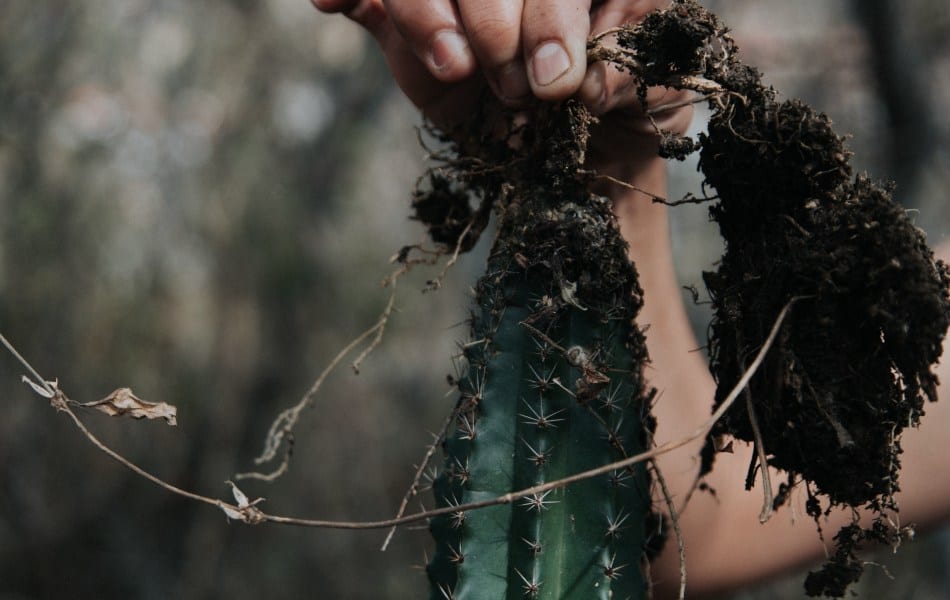
Most cacti plants also have an extensive but shallow root system that helps them soak up any little rainfall that may come their way.

Cactus freshly picked from the ground.
Most cacti plants also have an extensive but shallow root system

Since rain is usually sporadic in arid areas, these plants have developed thick stems that allow them to store as much water as possible for longer periods.

For instance, a fully grown Saguaro can absorb and store up to 200 gallons of water when there is a good downpour.

So, How Much Water Do Cacti Plants Need to Survive?

This is a relatively difficult question to answer since there is no specific measure of the amount of water a cactus plant may need to survive.

In fact, water- whether too much or too little- is one of the hardest things to get right and a common reason why gardeners lose their cacti plants.

Sweeping generalizations on how much and how often to water your cactus plant may not help since every cactus is different.

Here are some simple guidelines to follow while watering your plant:

  • During the growth season – usually from spring to fall- your plant requires regular watering and fertilizing. During the hotter summer months, make sure you water your plant at least twice a week.
  • However, many plants tend to rest in a state of semi-dormancy from late fall to early spring and may need less water then. If you live in a relatively wetter area, you may not need to water your cacti plants during this period.
Cactus pot near the window.
They don’t need any watering during winter season.
  • Always let the soil dry out completely before watering again. Check to ensure that the top few inches of the soil are completely dried out before you water your plant. A water gauge can help you establish the soil’s moisture level, or you can even stick one of your fingers into the soil to gauge the moisture level. If the soil sticks on your finger, give the plant some time before watering again.
  • Some plant experts say that cacti need little water during the winter season while others believe they don’t need any watering during this season. The most important thing to do is to test and carefully watch your plant to see how much water it requires during the cold season.
  • Plants in pots usually require more water than those planted directly in the ground. Therefore, be sure to adjust your watering accordingly.
  • Watch out for signs of under-watering or over-watering of your plant. An underwatered cactus will look pale, skinny, rubbery, or deflated.

At first, an overwatered cactus may look healthy and plump, but waterlogging your plant will soon cause its roots to die and rot. Eventually, the plant will turn pale and get soft.

How Do You Know Your Cactus Is Underwatered?

Since cacti plants are generally hardy, it is quite easy to forget to water them. However, not watering your cactus plant can cause a lot of stress, and it might start showing signs of being underwatered. Here are some signs that you should look out for:

  • Wilting: If your cactus plant starts to wilt, it is a sign that it is not getting enough water.
  • Shriveling: If the stems of your cactus plant start to wither, it is another sign that it is not getting enough water.
  • Soft spots: If you see any soft spots on the stem of your cactus plant, it is a sign that it is dehydrated and needs to be watered immediately.
  • Yellowing: If the color of your cactus plant starts to change to yellow or brown, it is a sign that it is not getting enough water.
  • Dropping leaves: If your cactus plant starts to drop its leaves, it signifies that it is stressed and needs more water.

How Do You Know Your Cactus Is Overwatered?

  • While underwatering your cactus plant can cause stress, overwatering it can be even more harmful. Overwatering your cactus can lead to root rot, which can eventually kill the plant. Here are some signs that you should look out for:
  • Soft stems: If the stems of your cactus start to feel soft or mushy, it is a sign that it is getting too much water.
  • Yellowing: If the color of your cactus plant starts to change to yellow or brown, it is a sign that it is getting too much water. Therefore, it is critical to pay close attention to any color change in your plant.
  • Mold: If you see mold growing on the potting mix or the surface of your cactus plant, it is a sign that it is getting too much water.
  • Dropping leaves: If your cactus plant starts to drop its leaves, it is a sign that it is stressed due to overwatering.

How to Tell How Much Water Your Cactus Needs Even If You Don’t Know Its Species

Are you wondering how you can determine the right amount of water for your cactus if you don’t know its exact species?

Answering the following simple questions should help you establish how often to water your cactus plant:

  • Does it have spines? Generally, if your cactus plant has a lot of spines, it might need less water than one with few spines. Most cacti plants have spines that are modified into leaves to prevent water loss through evaporation.
Cactus closeup image.
The spines reduce water loss by restricting the flow of dry air near the plant

The spines trap air on the surface of the plant, creating a highly insulating layer that reduces transpiration and evaporation. Spines also provide a little shed and lower the plant temperature.

  • Does it have leaves or stems? Most cacti plants don’t have true leaves. Typically, the thinner the leaves, the more water the cactus will need.

Cactus with thinner leaves have a high surface area to volume ratio, which makes them lose water at a relatively higher rate than those with thick and fat stems.

  •  Is it small or large? In general, small cacti plants require less water compared to larger ones.
  • Does it have a solid stem? If your plant has a solid stem, it is probably great at conserving its water reservoir. The stem usually serves as the primary water storage area for a cactus plant. If the stem is ribbed, it allows the cactus plant to shrink or swell with water like an accordion.

How Often Should You Water Your Cactus Plant?

How often you should water your cactus plant will depend on a few factors, such as the type of cactus, the size of the pot, the climate, and the time of year.

Generally, it is best to water your cactus plant once every two weeks or so. However, you should always check the soil before watering to ensure it is dry.

To check if the potting mix is dry, insert your finger into the mix. If the soil feels dry, it is time to water your plant.

You might need to water your cactus more often in hot weather or during the summer months and less often in cooler weather or during the winter months.

If you are unsure how often to water your cactus plant, it is always best to err on the side of too little water rather than too much. Overwatering your cactus can lead to root rot, which can eventually kill the plant.

When you water your cactus plant, give it a good soaking until you see water running out of the drainage holes at the bottom of the container. Allow the plant to drain for a few minutes before putting it back in its location. 

Be sure to empty any saucers or drip trays that might have collected water underneath the pot, as this can lead to root rot if the plant sits in water for too long.

You can also wait until the plant starts to show some signs of being underwatered before watering it.

How to Water Your Cactus

There are different ways of watering cactus, and the method you choose to use will most likely depend on your preference.

Typically, if you have planted your cactus in a plant pot, do the following:

  • Carefully place the plant pot in a saucer with sufficient water
  • Let the roots of your plant absorb moisture for some time
  • Once you think the soil in the plant pot is wet halfway up, carefully take it out of the saucer

Some people prefer watering their cacti plants by carefully submerging them in water.  In most cases, this watering method is only applicable to cactus with big and thick roots.

Water can and small cactus in a pot.
Overwatering your cactus plant is much more dangerous than under-watering it.

Alternatively, you can choose to apply water on the surface of the soil. The amount of water you use in this method will depend on the area where your plant is stored and the amount of sunlight and heat it receives. If your plant is stored in an open area with direct access to sunlight, you may need to water it a little bit more.

No matter the method you choose to use, always try not to overwater your plant. Overwatering your cactus plant is much more dangerous than under-watering it. Also, remember that the type of cactus species you have will guide you in watering.

Is Cactus A Good Outdoor Plant?

Many gardeners believe that growing cacti plants outdoors is almost impossible or that these succulents can only do well in dry and hot areas. Fortunately, that is not the case. Cacti plants and other succulents make incredible landscaping plants. They can thrive in different climates, require little maintenance, and are always easy to grow and care for.

So, is cactus a good outdoor plant? Yes. While cacti plants tend to thrive in indoor environments, many varieties can also do well when planted outside. No matter the climatic conditions of the region where you live, you can always find an ideal cactus species that can thrive outdoors.

While some cacti species are adapted to intense light and heat, other varieties do well in cold-winter climates. Therefore, it is upon you to find the right species that will do well in your area.

In this post, we are going to discuss everything you need to know about growing cacti plants outdoors.  What is the process like? How do you find an ideal cactus species that will thrive in the outdoor environment? How do you take care of your cactus garden? Read on to find out everything you need to know.

Growing Cacti Plants Outdoors

The moment you decide to grow your precious succulents outdoors, make sure you choose a relatively sunny and sloppy location in your garden for better results. Planting cacti on a sloppy area allows for much better drainage, which is critical when cultivating these desert plants.

Also, depending on the type of cactus species that you have selected, make sure your beds are approximately 6-15 inches deep. The soil should be well-drained and specially formulated for cacti plants.

Santa rita cactus exposed to sunlight.
Make sure you choose a relatively sunny and sloppy location in your garden for better results.

You can either purchase the soil and mix it with your natural garden soil or mix it yourself using two parts sand, two parts potting soil, and one part gravel. You should also consider adding a moderate layer of mulch, such as pebbles, rocks, or a similar substance. 

Here are some more gardening tips to follow when planting cacti outdoors:

  • These plants don’t do well when they are allowed to sit in water. Keep in mind that you are dealing with a desert plant, so there is a need to avoid exposing it to excessive water

The best way to ensure that your garden is not waterlogged is to choose a sloppy area with good drainage. Adding a layer of mulch to the soil, as mentioned above, is also critical.

  • During the warm summer months, your plants may need frequent watering because the rate of evaporation is quite high. Always inspect the topsoil of your garden and consider watering your plants whenever you realize the soil is dry.
  • However, during the cold winter months, cut down on the number of watering sessions and only water your garden when you feel it is necessary. Some cacti species don’t need to be watered at all during the cold months until a new growth cycle starts in spring.
  • Sand mulch is always a great type of soil to use in your cacti garden since it allows water to drain away pretty quickly.
  • Allow sufficient space between cacti plants in your garden. You do not want to deal with an overcrowded garden since the risk of losing some of your plants will be too high.
A cactus outside exposed to sunlight.
During the warm summer months, your plants may need frequent watering

Which Climates Are Best for Growing Cacti Outdoors

Cacti plants are generally native to hot, dry climates. However, some cacti species are known to be quite tolerant of cold weather and can even survive in temperate climates.

When choosing a cactus for your landscape, it is important to select a species that can tolerate the climate in your area.

Some cacti species that do well in hot, dry climates include:

  • Saguaro (Carnegiea gigantea): This cactus species is native to the Sonoran Desert in Arizona and Mexico. It can grow to over 50 feet tall and has large, triangular stems.
  • Barrel cactus (Ferocactus spp.): There are different species of barrel cacti, all of which are native to dry regions of North and South America. These cacti have round or oval-shaped stems and can grow several feet tall.
  • Prickly pear cactus (Opuntia spp.): Prickly pear cacti are native to dry regions of North and South America. They have flat, oval-shaped stems that are covered in spines. Prickly pear cacti can grow to be several feet tall and wide.
  • Peruvian apple cactus (Cereus repandus): This cactus is native to Peru and Bolivia. It has a columnar shape and can grow over 20 feet tall. The Peruvian apple cactus has large, white flowers that bloom in the summer.
  • Easter lily cactus (Rhipsalidopsis gaertneri): This cactus is native to Brazil. It has a slender, upright stem and can grow several feet tall. The Easter lily cactus has white or pink flowers that bloom in the spring.

Some cacti species that do well in temperate climates include:

  • Mammillaria hahniana: This cactus is native to Mexico. It has a spherical shape and can grow to be about seven inches tall. The Mammillaria hahniana has white or pink flowers that bloom in the spring.
  • Coryphantha missouriensis: This cactus is native to the United States (specifically Missouri). It is cylindrical and can grow to about 12 inches tall. The Coryphantha missouriensis has yellow or red flowers that bloom in the summer.
  • Echinopsis chamaecereus: The Echinopsis chamaecereus cactus is native to Bolivia and Argentina. It has an elongated, cylindrical shape and can grow to about 18 inches tall. The Echinopsis chamaecereus has white or pink flowers that bloom in the spring.
  • Schlumbergera truncata: The Schlumbergera truncata cactus is native to Brazil. It has a flattened, stemless shape and can grow to about six inches tall. The Schlumbergera truncata has white or pink flowers that bloom in the winter.
  • Notocactus uebelmanniana: This cactus is native to Brazil. It has a globular shape and can grow to be about 6 inches tall. The Notocactus uebelmanniana has yellow flowers that bloom in the spring.

Crucial Steps to Growing Cactus Plants Outdoors Successfully

If you are planning to create a cacti garden in your backyard, then you need to learn how to do it right. Otherwise, you risk suffering significant amounts of losses if you do things in a hurry and without a proper plan.

Follow these steps if you want to grow cacti plants outside your house successfully:

  • Plant selection: The most crucial step to growing cacti plants outdoors successfully is choosing the right cacti species. Keep in mind that not every cactus species is well-suited for growing outside.

Before choosing your plants, be sure to check their hardness rating. The rating usually indicates the ability of the cacti species to tolerate cold conditions. Plants will generally be categorized as zone 4, 5, or 6.

Many of the cacti species in the prickly or Opuntia family are known to be cold-hardy and come in a wide range of shapes and sizes. Opuntia fragilis or the famous brittle prickly bear, is the toughest in the family and is capable of withstanding cold freezing temperatures as low as -35oF. Several species in the Cylindropuntia family also do well outdoors.

Several kinds of cactus.
Keep in mind that not every cactus species is well-suited for growing outside

Even in dry climates, not all cacti species thrive. Therefore, it is always good to pay close attention to each plant’s unique needs. When selecting your plants, consider choosing a multi-colored cactus without any visible bruises and scars.

You should also check the plant’s flesh for thickness and firmness. You want to feel a nice firm flesh before you decide to take the plant away.

Learn the optimal conditions for growing cactus plants outside:

Basically, cacti plants that thrive outdoors tend to have the same basic needs as those that grow indoors.

First, every cactus plant requires sufficient exposure to sunlight to bloom. Therefore, you will need to ensure the garden section where you choose to grow these plants receives plenty of sunlight.  

Good drainage is also critical. Refer to our previous points to understand how you can boost the drainage in your garden. Feel free to use container gardens to make it easier to move your plants if need be.

  • Planting: Because of its relatively shallow root system, a cactus plant is always susceptible to root rot. Therefore, it is always good to plant the succulent in a location where the base can easily dry out.

Consider elevating the plant on a berm, setting it up on rocks, or placing extra gravel underneath it.  Take two small stones and carefully put them together and plant your cacti in-between such that the base of the plant is sitting on top of the rocks, but its roots are in the soil.  This way, you can be sure that the base will dry out as soon as possible.

  • Learn how to take care of your plants: When growing cacti plants outdoors, you should always do your homework first. Take time to learn more about the growing requirement for each plant and try as hard as possible to match these requirements to that of your landscape.

Even though cacti plants have developed a wide range of tactics that helps them to adapt to different environments, it is always better to provide the ideal environments for fast growth.  

Small cactus plant near the window.
Every cactus plant requires sufficient exposure to sunlight to bloom.

If you are growing more than one cacti species in your garden, group them according to their needs and find ways of taking care of each species. There are lots of other things you can do to take care of your plants. 

Watering Outdoor Cacti

Do outdoor cacti plants require watering? The simple answer is yes. Never fail to water your plants even if you think it is unnecessary. During the warm summer months, consider watering your plants at least twice a week.

Water slow and deep until you are sure the plants have received sufficient water supply. Some experts recommend using the “deep soaking” method to water your outdoor cacti plants.

Deep soaking is a relatively slow but steady drip from a garden hose over a 2 to 6-hour period. Typically, the overall size of the plant will determine the duration for deep soaking.

The larger and more established plants may require less watering since the plant has larger storage capacity and can go longer between waterings. For instance, a full-grown Saguaro species may never need frequent watering, but a tiny mammillaria species may need frequent watering.

However, do not water newly planted cacti plants. Always wait for a few days after planting before you start watering. Since watering depends on the weather, the cooler it is, the longer you might have to wait before you give your succulents that first drink.

Plant experts recommend waiting for at least one week before you start watering newly planted cacti plants. This waiting period gives the roots sufficient time to heal before being exposed to water. Only water again once the soil is completely dry at the roots.

 No matter how you choose to water your outdoor cacti plants, one thing you need to avoid at all cost is overwatering since it can spell doom for your plants. Cactus plants easily succumb to root rot, so it is always advisable to know when to water them.

During winter, mother nature may take care of the plants’ watering needs in the form of rain, but you should consider watering your plants thoroughly during the hotter months.

Different kinds of cactus in one pot.
Water slow and deep until you are sure the plants have received sufficient water supply

What Are the Pros and Cons of Growing Cacti as Outdoor Plants?

There are both pros and cons to growing cacti as outdoor plants. Some of the pros include

  • Cacti plants are drought-tolerant and tend to survive with minimal care
  • They are low-maintenance succulents
  • Cacti plants add a unique touch to any landscape design

Some of the cons of growing cacti as outdoor plants include:

  • They require full sun to thrive. So, they may not survive in areas that experience prolonged winters.
  • The soil must be well-draining to prevent problems with the roots
  • Cacti should be watered sparingly to avoid root rot. Too much water can be detrimental to the plant.

If you are considering adding cacti to your outdoor landscape, it is important to weigh the pros and cons to see if they are the right plants for you.

Summary

Cacti plants are not only great houseplants but also thrive when grown outdoors. However, great care needs to be observed when growing these succulents outdoors since they are exposed to a wide range of destructive elements. 

The most important thing to keep in mind if you want to grow cacti plants outdoors is to choose the right species that can withstand the climatic conditions in your area.  Failure starts with poor plant selection.  

Some of the common types of outdoor cacti plant species include the eastern prickly pear cactus, pipe organ cactus, crow’s claw cactus, and the candelabra cactus.

We hope this post has provided you with some good information that can help you set up your outdoor cactus garden successfully.

How to water cactus in winter? Here’s How to do it

During the cold winter months, many gardeners believe their cacti plants only need a little amount of water- almost none at all. While this perception may be right in some cases, it can also be wrong. As a gardener, the last thing you want is your cactus plant to die due to dehydration.

Are you wondering how to water cactus in winter? During the low-light winter months, cacti should be watered only enough to prevent withering and shrinking. When watering your cactus, make sure you do it thoroughly. Water must flow through the drain holes and discard the excess after a few minutes. Avoid a series of repeated shallow sprinkling because it often results in distorted growth. However, you should always allow the soil to dry out completely between watering.

Understanding the water requirements of your cactus plant during different seasons is critical. Even though cacti are drought-resistant plants, they still need a sufficient supply of water to survive.

In this post, we discuss everything you need to know about watering your cactus in winter.

How Often Should You Water Cacti During Winter?

During the cold winter months, when cacti become dormant, it is usually advisable to water less frequently.

Consider watering your plant two to three times less often than during the summer. But, be careful not to dehydrate it. 

Test and observe your plant to establish how much water it needs. Watch for signs in the stems and leaves that might show the plant is getting stressed due to lack of or excess moisture. We shall cover these signs later on in this post. 

A water can and cactus.
Consider watering your plant two to three times less often than during the summer.

Most gardeners trying to grow cacti tend to suffer the greatest amount of plant losses during winter as a result of incorrect watering. Be careful not to be one of them.

While there is no simple recipe for advising on the exact amount of water or frequency of watering required during winter, there are many environmental and non-environmental factors that will determine your plant’s water needs.

What Is the Best Watering Method for Cacti?

While there are many watering techniques that can be used, it is best to use the soak-and-dry approach. The soak-and-dry watering method involves giving your cactus a good soaking by immersing it in water for fifteen minutes or so.

This ensures that the cactus plant absorbs enough moisture to last until the next watering schedule.

Once done, remove the pot from the water and discard the excess water. Allow the soil to dry completely between watering sessions.

You can also use the bottom watering method, which involves setting the container with its pot on a plate or shallow tray filled with water. Allow the plant to soak up the moisture for fifteen minutes, then discard the excess water.

Factors that Influence How Often to Water Cactus in Winter

Your cacti plants will only thrive when they are watered sufficiently throughout the year.  As mentioned earlier, these desert plants tend to grow best when they are watered sufficiently and left until the potting soil has completely dried up before watering again.

Some of the factors that affect how quickly your potting media will dry out include:

Size of cactus

You might be thinking that the larger the cactus, the more frequently it will need to be watered. However, that is not the case.

Younger and smaller cacti plants typically have higher growth rates and will require more water uptake compared to fully grown cacti plants.

The larger plants have a smaller surface area to volume ratio, which helps to lower the rate of evaporation of water from the surface of the plant.

Practically, you may need to provide a little bit more water to larger cacti plants during watering, but you will soon find that the smaller, faster-growing cactus plant planted in smaller pots require frequent watering.

Cactus near the pot.
Younger and smaller cacti plants typically have higher growth rates.

Species

The type of cacti species also affects how often you need to water your plant.  One thing you need to keep in mind is that not all cacti are the same.

In fact, the term “cacti” is a short form for a specific plant family known as Cactaceae.  The umbrella term encompasses different types of plants that live in different habitats and have varying needs.

Those from genus Ferocactus are the typical desert dwellers and require little amounts of water to survive. However, those from genus Echinopsis mostly found in South American and those from genus Oreocereus from high Andes Mountains need more water to survive.

To know the species of your cactus plant, be sure to look at the container it came in. Typically, there will be a tag or sticker somewhere on the container with the plant information.
You can also take it to your local nursery for identification. Once you know the exact plant species, it becomes easier to understand how often you need to water it.
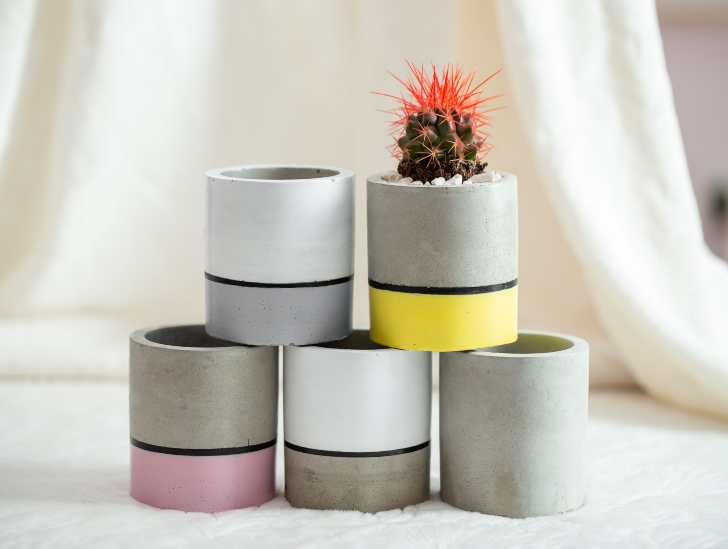
A cactus on a pot.
One thing you need to keep in mind is that not all cacti are the same

Type of potting media

For better results with growing cacti, make sure your potting media is fast draining. You can either go for a commercial cactus mix or a simple DIY combination of coarse sand, potting soil, and perlite.

A well-draining cactus mix allows excess water to drain easily and the soil to dry quickly. Although this will mean that you need to water your plants more frequently, the results will also be much better.

Type of pot and drainage

For a cactus plant, the best strategy is to provide a lot of water and then leave the excess to drain rapidly, leaving the potting media dry and ready for another watering session.

While choosing your pot, avoid plastic pots because they trap a lot of moisture hence increasing the time it takes for the soil to dry out.

Terracotta pots are a good choice because they are porous and allow the excess water in the pot to slowly drain out through its walls and evaporate into the air.

This helps to reduce the time it takes for the soil to dry out.  Conventional plant pots with lots of holes are also good.

Red needle cactus in a pot.
Avoid plastic pots because they trap a lot of moisture.

Humidity levels

The rate of evaporation tends to be higher in desert conditions. Wet cactus potting mix in dry areas will typically dry up faster because the air will have sufficient capacity to take up much more water.

Monitoring the humidity levels in your house is always a good idea when caring for your cacti and other indoor plants since it can help you predict water requirements for these plants.

Although natural succulents tend to do much better in arid conditions, you won’t achieve success if you deny them water. However, as long as you monitor soil dryness and levels of humidity in your house, you can be sure of achieving great success.

Temperature

Another crucial factor affecting cacti’s water requirements during winter is temperature. Even though most areas experience cold temperatures during winter, the desert environment of the cacti species is exposed to lower temperatures.

It means you will need to water your cactus less frequently when temperatures are lower. The plant’s metabolic rate also slows down in winter, and so does its uptake of nutrients, water, and other vital elements.

You should also remember that the temperature inside your home can be higher than outside. Therefore, you need to pay attention to the temperature inside and outside when deciding how much water your cacti need during winter.

For instance, if you use artificial grow lights to keep your cactus warm during winter, you must water it more frequently because the plants will still be active. The potting mix may also dry up faster.

How Do You Know Your Potting Soil Is Dry?

 It is quite easy to know when your cactus plant needs watering – whether in winter or summer. As a rule of thumb, the potting soil must completely dry out before watering. But, how can you check the soil at the bottom of your pot for dryness? Use any of these methods:

  • Push a skewer or stick gently into the potting mix right up to the bottom. Leave it for a few seconds before you remove it. If the skewer or stick feels or looks damp, then leave the plant for a while before watering.
  • Carefully poke one of your fingers into one of the drainage holes at the bottom of your pot to feel the amount of moisture. If the soil feels dry, then it is time to water your plants.
  • You can also use your finger to poke into the top few inches of your potting mix. If the soil feels dry up to a few inches down, then consider watering your plant. If the soil is still wet and clings to your finger, you can wait for a little longer before you add more water.
  • Use a moisture meter to measure the moisture content of your soil. This can be quite accurate and will clearly indicate when it is time to water your plants.
A group of cactus.
As a rule of thumb, the potting soil must completely dry out before watering

How to Water Cactus in Winter- Signs of an Under-Watered Cactus

An under-watered cactus will show signs of distress. The best way to tell whether your cactus is thirsty is by the overall appearance of its leaves.

If your plant has wrinkly or shriveled up leaves, it could be an indicator that it is under-watered.  You may also notice plenty of dried up, brown, or dead leaves from the bottom of the plant.

Typically, as the plant starts losing its water storage, it is the bottom leaves that will start drying up first.   

If the leaves feel soft and flat when touched, it could also be an indicator of under-watering. The leaves tend to lose their plumpness and firmness when a cactus plant is under-watered.

Luckily, you don’t have to panic when you notice signs of under-watering in your cactus plant. Under-watering is usually far less harmful than overwatering.  

A underwatered golden barrel cactus.
The best way to tell whether your cactus is thirsty is by the overall appearance of its leaves.

If your plant is showing signs of under-watering, you can simply correct the problem by thoroughly watering the plant as soon as possible. The plant should rejuvenate fairly quickly and bounce back to its former state.

How to Water Cactus in Winter- Signs of an Overwatered Cactus

 Overwatering a cactus plant is much more dangerous than under-watering it. When a cactus plants absorb too much water, it literally runs out of storage space, which can cause its cell walls to rupture. 

A cactus plant with ruptured cell walls will feel mushy when you gently press or squeeze it. This is the most significant difference between an overwatered and under-watered cactus plan; the mushiness.

The other signs of an overwatered cactus include:

  • The base of the plant will start turning black or brown
  • The cactus leaves and stems will start changing color to black or brown
  • The plant will start to appear as if it is decaying or rotting
  • The cactus becomes mushy and may start leaking

Can You Save an Overwatered Cactus

The truth is that most cacti plants are highly sensitive to overwatering, and it can be quite challenging to bring them back from the brink of death.

If you have an overwatered cactus, your best chance of saving it is by taking action as soon as possible. Remove all the dead parts of the plant and repot in fresh soil with better drainage.

Allow the soil to completely dry out before watering again, and keep the plant in an area with plenty of sunshine.

You may also need to reduce the amount of water you give your cactus during winter. The best way to know when it is time to water your cactus is by feeling the soil with your fingers or using a moisture meter.

It is essential to understand the signs of both under-watering and overwatering when caring for your cactus during winter months. This will help you provide the best possible care for your plant and ensure it stays healthy and happy all year round. 

Summary

Learning how to water your cacti plants in winter can take a little bit of trial and error. Watching for obvious signs of distress or overwatering can be an essential part of being a successful cactus plant gardener.

The most important thing to remember is to monitor your plant’s potting mix throughout winter to know when it needs watering. Once you develop the techniques of being able to understand when your cactus needs watering, everything falls into place, and your cacti will start to thrive.