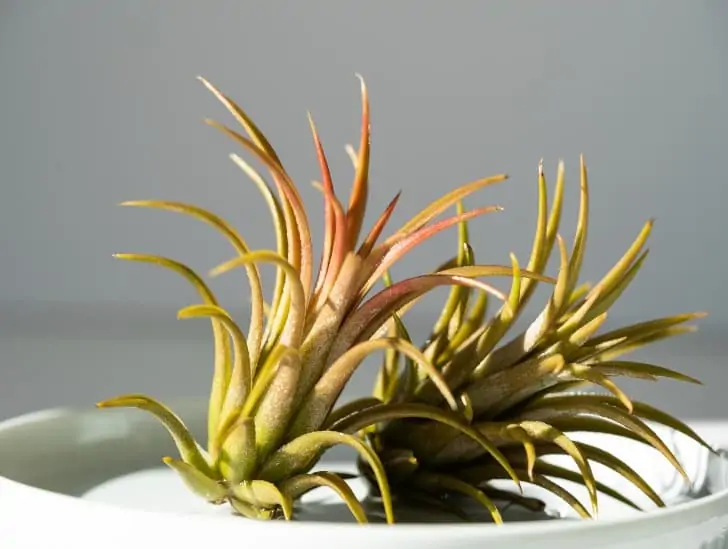
How Much Direct Sunlight Does An Air Plant Need?

A air plant exposed to sunlight.

Air plants, also called tillandsia, prefer a bright but indirect, filtered light. They are a part of the Bromeliaceae or Bromeliad species and have been labeled Epiphytes, as they do not need soil to grow. They thrive well in warmer subtropical climates, which gives you an idea of the best sunlight conditions.

 A little direct light may be beneficial and bring out more color in your plants. Too much sunlight will deplete the moisture in your plants and make them burn and eventually die if they are left in the sun for too long. A great deal of natural light encourages flowering. If kept in low light conditions, they may survive, but they will not grow very fast or flower.

Key Factors That Influence How Much Light Your Air Plant Requires

Three primary factors affect the amount of light your air plant can handle.

Species

Xeric species are desert air plants that can resist much more sunlight. They generally have short silver hairs covering their leaves, protecting them against direct sunlight. Xeric species are the ideal option if you prefer a place that receives direct sun.
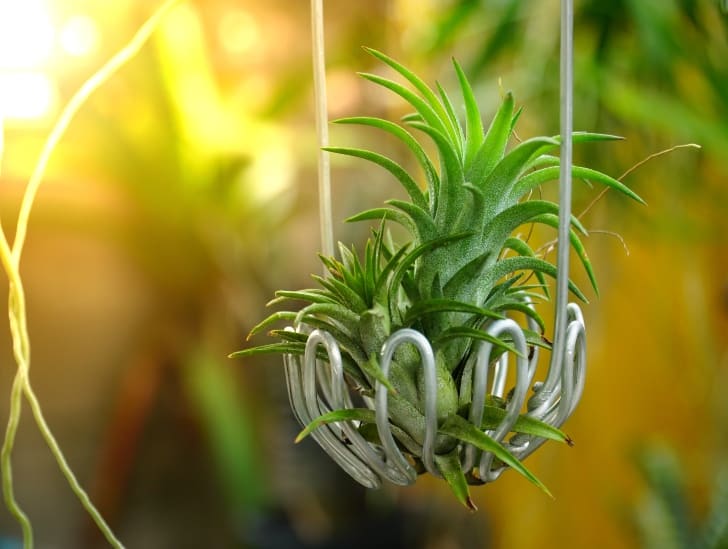
Airplant hanging.
They grow better under filtered light.

● Mesic forest air plants, however, receive only the sunlight that has been filtered through a tropical canopy. As a result, mesic-air plants tend to have smooth, broad leaves that trap as much sunlight as possible. As a result, they grow better under filtered light.

Humidity

Humidity in your environment may also dictate how much natural light air plants can manage. If your air plants live in a damper environment, they will be able to withstand a little more sunlight since they will not dry out so quickly.

When temperatures are warmer and conditions drier, your air plants are more prone to sunburn. However, if temperatures or moderate humidity are high and your air plants stay well-watered, they will be far more resistant to direct sunlight.

If you put your air plant where it will receive a lot of light, you should plan for misting more frequently – twice a week or even a day. A sunny bathroom is an excellent choice for an air plant because the humidity of your shower will take care of most plant misting for you.

Season

When determining how much light your air plant can absorb, keep seasonal changes in mind. Beware of direct sunlight and intense summer sun, magnified by windows, terrarium glass, etc. Move your air plant terrarium to a different window or farther from a light source in the summertime months.
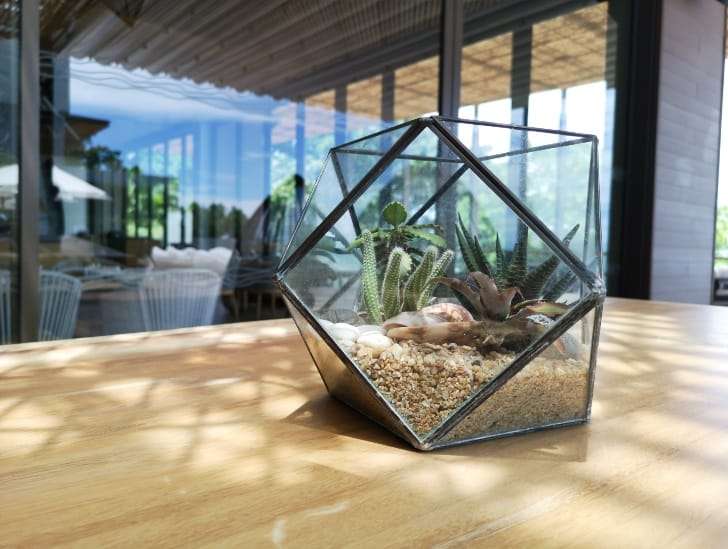
A glass hexagonal terrarium.
Move your air plant terrarium to a different window or farther from a light source in the summertime months.

In the growing season (April to October), plants in the air thrive under sunlight but can be burned if exposed to strong direct sunlight. However, they are happy under more direct sunlight for the rest of the year.

Outdoor Sunlight Requirements

Keep your plants away from direct sunlight. Remember, in nature, many species of air plants like to grow up in the sheltered canopy and shaded trees. However, they will do their best if you can place them in a bright place away from the sun’s rays.

Please make sure they are in an area that the sun will not directly strike for more than an hour a day or where they are entirely shaded from the direct sunlight. Beneath a tree or on your porch or Lanai should work just fine.

Air plant on outdoor.
They will do their best if you can place them in a bright place away from the sun’s rays.

Some Tillandsia may take more sun than others according to the species of the plant and its environment. If your plant has more slender, wispier leaves, it probably won’t do too well in full sun. Thicker and fuller leaves may better retain moisture so that this kind of air plant may better tolerate some direct sunlight for parts of the day.

If you live in a state of the south or desert areas where the sun is extreme, you need to be very careful with the exposure of your air plants to direct sunlight. Be especially careful in the regions that lack moisture, like the desert, because your plants will damage and wither from direct sunlight even faster.

Tillandsias love spending the summer outside, but make sure you put them in place with filtered sunlight. Direct sunlight in the hot summer months can “fry” them. And be sure to bring the plants indoors before the first autumn frost.

Indoor Light Requirements

Air plants are small in size, making them perfect options to decorate small spaces and apartments. If you keep them inside, we recommend keeping them next to the windows. However, windows must be shaded, either from a tree or any other type of protection against the direct sun.

Filtered light, or perhaps only the mild morning sun, is perfect for your indoor air plants because they are inclined to get a little “fried” in direct sunlight. Pay particular attention when planting in a terrarium, as light amplification may burn your plants.

As air plants benefit from indirect sunlight, their ideal location is to receive many hours of soft morning light and bright light throughout the day. A window facing eastward is acceptable. If you place them at the south or west window, be sure to maintain a certain distance to avoid direct exposure to the sun for their optimal growth. For example, putting one to three feet from a window facing east or west or one or two feet from an artificial light source.

A Airplant in glass terrarium.
Windows must be shaded, either from a tree or any other type of protection against the direct sun.

Rooms with windows facing north also work well, as long as the plant is located near the window, and the window is not blocked by trees or a complex of neighboring apartments. Western daylight tends to arrive late in the day and can be very hot and intense. If you keep them appropriately watered, they can tolerate warm, more direct sunlight and more prolonged exposure. Avoid poorly illuminated areas.

Exceptions

Air plants have silvery or whitish reflections, some of which are more visible on the underside of the leaf. The radiance is very visible; on others, not that much. The silver luster or fuzz is known as trichomes.

The silver appearance of any Tillandsia is due to the high density of trichomes, which means that it is adaptable to dry conditions and can reflect sunlight. Conversely, plants that look greener (mesic tillandsias) have fewer trichomes, are adapted to shade, and require more frequent watering.

The air plants of the silver-leaf variety can withstand more direct sunlight. These air plants usually have thicker and fuller leaves. Some Tillandsia xeric species like Xerographica can survive well in direct sunlight for short periods due to trichomes.

Trichomes offer a flurried look at an air plant’s surface, making it absorb nutrients and water more effectively. It also makes it possible for the air plant to manage direct sunlight better. Another variety that is also capable of withstanding periods of full sun is the Orthophytum. They take full sunshine and do not require a lot of water.

The trichomes serve as sunscreens protecting the leaves from the sun’s rays. More trichomes mean that the plant will be able to withstand more sun. So give the silver-colored plants as much light as you can.

It is important to remember that they will not tolerate the full summer sun, but the winter sun is fine. Also, remember that you may need to water more frequently when exposed to direct sunlight.

Artificial Light for Air Plants

Although air plants can withstand short periods of darkness, they require good lighting to produce their best. Placing your plant in an office or basement where it will get no natural sunlight is possible. Nevertheless, there are some specific rules to follow to ensure the success of your air plant.

Grow lights can provide extra light to air plants – or as the sole light source. Fluorescent or full-spectrum LEDs are the perfect artificial light for air plants, specialized for growing plants.

Standard filament lamps do not emit the quality of light required for photosynthesis.

Position your Tillandsia not more than 3 feet from the light source. If artificial light is their primary source of light, plan to keep it on for approximately 12 hours per day to provide adequate light. You can use an automatic timer to have them receive the proper amount.

Signs of Excessive Sunlight

Signs of sunburn include:

  • Brown spots,
  • Dried patches occur inside the growth.
  • The unhealthy splotchy appearance of the outer leaves 
Dying airplant
Air plants do not grow well in full sunlight.

Once you notice these signs, remove the plant right away from its current location. Next, carefully pull out the outer leaves that are completely damaged. If they do not detach easily, use a pair of scissors to cut the damaged areas. Finally, give the plant a good soak before finding it a new place, better off away from the sun.

Bottom Line

Air plants do not grow well in full sunlight, but they require a few hours of bright and indirect sunlight per day. The quantity of the sun also depends on the type of air plant and the climatic condition. In addition, you can use artificial lamps to grow them. If you keep them appropriately watered, they may take more direct sun for a more extended time.
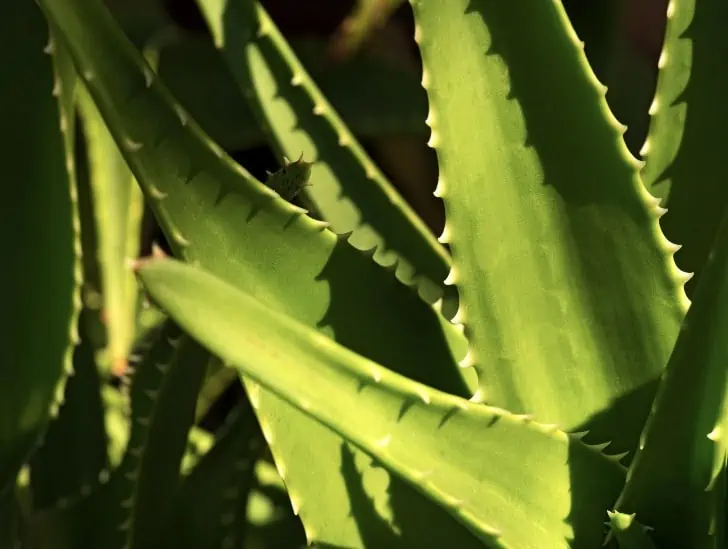
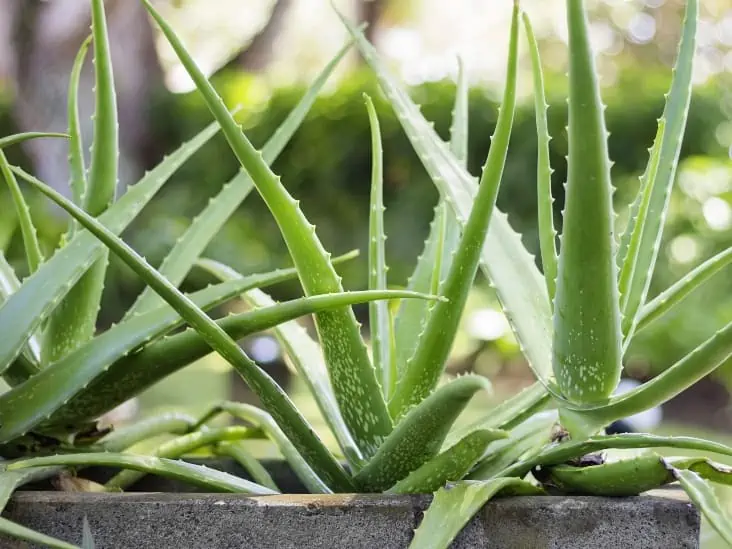
How Much Sun Do Aloe Vera Plants Need?

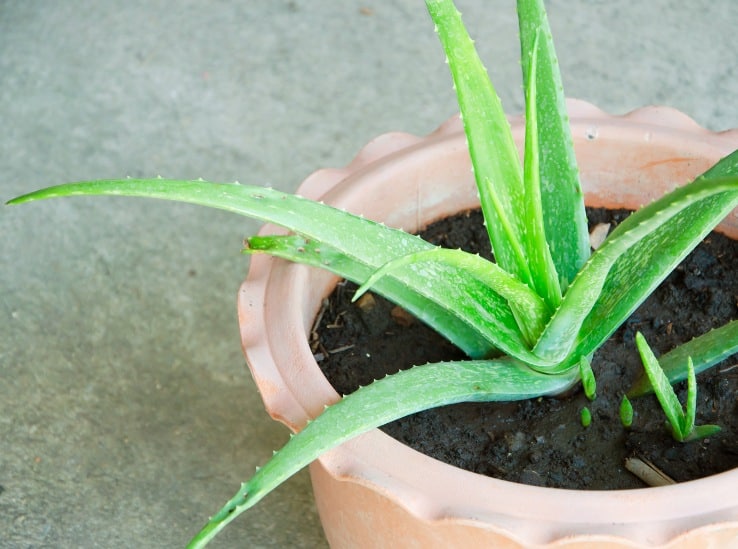
A aloe vera exposed to sunlight.

Aloe vera plant is a beautiful and easy to care for succulent, making for a great indoor companion. In addition, aloes do well in dry, winter conditions. Still, they are somewhat challenging to grow indoors because they need lots of sun every day.

Light is where most succulent gardeners fall short of the needs of their plants. It would be best to put your Aloe where it will get a minimum of six hours of sunlight daily. Without adequate, direct light, your Aloe begins to stretch towards light and loses its compact form. As a result, the plant may topple over as the stem grows weak.

Light is an essential factor when growing an aloe vera plant. Sunlight plays a crucial role in aloe vera’s long-term health and well-being, although individual plant needs vary depending on positioning, soil, and age.

Indoor Light Requirements For Aloe Vera

Aloe Vera is a trendy house plant because it looks beautiful, adds a friendly vibe to your house, and does not require as much care and water as other house plants do. However, because succulents are warm and sun-loving plants, many are afraid to grow succulents in places where the summer season isn’t that long.

You will need a location with bright and indirect sunlight. Excess direct sun can dry out the plant and turn its leaves yellow. Water your Aloe more often if your Aloe lives in an incredibly sunny area. Place the aloe vera plant in a container near a kitchen window for occasional use.

Aloe Vera plant
It would be best to put your Aloe where it will get a minimum of six hours of sunlight daily.

We recommend A western or southern window. If the sun in your brightest spot is not adequate, consider artificial lights, alone or natural light. If it’s not a sunny, hot exposure like a south or west window, you can put it in the window.

Rotating your indoor Aloe Plant plant every 2-3 months will ensure it receives light evenly on all sides and not permanently leaning towards the light source. You can still grow your succulents throughout the year even if you live in a climate with distinct seasons and the winter months are cold and dark. Bring them inside once freezing temperatures hit and use artificial lights to give your succulents the light they need.

Artificial Light Basics

You can grow aloe vera plants under artificial light if you provide the correct amount of light. You need to choose the most suitable lights and know how to use them to bring out the best of your Aloe plants.

Plants exposed to artificial lights.
You can grow aloe vera plants under artificial light.

When you choose artificial lighting for an indoor garden, you need to think about a couple of things when making the decision. And these things are:

How bright is the grow light

It would help if you considered how bright the light from the artificial lights would be because this will affect how much light the plants get and how well they will grow. For Aloes, you need lights that emit at least 2,000 lumens for each square foot of sunlight. 

What color temperature is the artificial light?

Aloes prefer bright light overshadow, so they also require a specific light in terms of the color temperature of the morning. Color temperature is the visible color that the grow lights radiate. The optimal color temperature for succulents begins at about 5,000 Kelvins, giving your succulents full-spectrum light that closely resembles sunlight.

How much energy does the grow light consume?

The more energy a light consumes, the more you have to pay for your electricity, so you don’t want to buy a bright light but chews up a lot of watts, as that will be very expensive. Instead, look for lights labeled energy-efficient for a high lumen count and low wattage.

How much heat does the grow light give off?

If they give off too much heat, you could have a problem with the room where you grow your succulents being too hot, resulting in you having to spend more money on good ventilation or a cooling system.

How high to hang the grow lights from your plant 

How high you hang your grow lights determines how much light the plants get. Therefore, it would be best to turn the plants to get the maximum sunlight without burning the plants with the heat radiating from these lights. 

Plants exposed to artificial lights.
Put the grow lights at least 6 to 8 inches away from the tips.

Put the grow lights at least 6 to 8 inches away from the tips of your aloe vera because this will reduce the chance of your grow lights burning and damaging your plants. If you realize that your lighting doesn’t give out much heat, you can place them closer to the succulents to get more intense light. A white fluorescent light will give good results. Provide artificial light for at least 14 to 16 hours per day

Outdoor Light Requirements

You can allow your indoor Aloe to experience fresh air and sunshine in the late spring and summer by moving it outdoors. However, shallow temperatures can lead to the death of your Aloe Vera. So ensure you shield your plant from temperatures of 40 degrees F or lower. 

Provide your Aloe Vera Plant with as much light as you possibly can, mostly during springtime and summer. You can keep Aloes outdoors in full sun during the summer when temperatures are above 70°F (21°C). However, bring the Aloe inside if nighttime temps threaten to drop below 60°F (16°C).

Aloe vera plant in a pot.
Most aloe vera plants can tolerate some light shade or filtered sun at midday. 

Please do not move your aloe plant from indoors to the outdoors right away; it may need some time to acclimatize to the bright light, or else it will sunburn. First, make sure it sits in partial shade for about a week before moving it to a sunnier location.

Aloe vera thrives in full sun, especially in cooler climates where fog or overcast skies are typical. Be careful that your plants get a minimum of six hours of direct sun; however, most aloe vera plants can tolerate some light shade or filtered sun at midday. 

The best outdoor areas are South- or west-facing with slight sandy soil, whether in a pot or the ground. Sunburn is a concern when moving indoor aloe vera plants to a bright, sunny location outdoors. 

If you’re growing aloe plants outdoors, place them in partial shade. The location you choose should get lots of morning sun. However, make sure you protect the plants during the afternoon as the lighting is more intense during this time. 
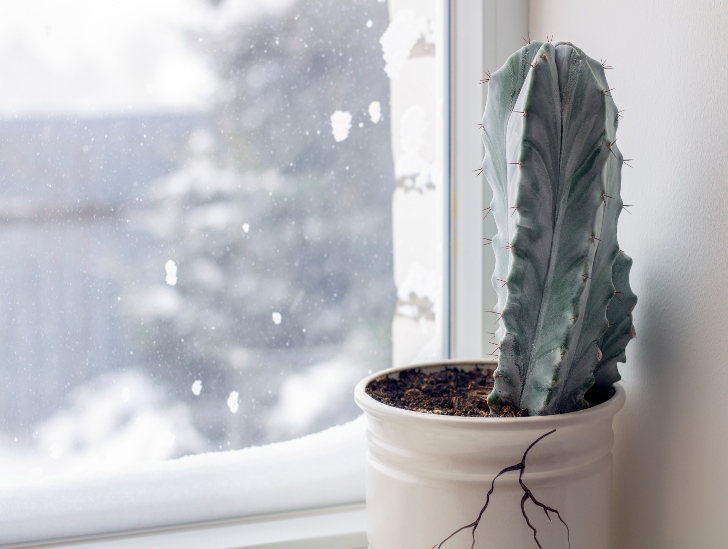
Direct lighting can dry them out if you don’t provide enough protection for your aloe plants. The leaves can also become scorched by the sun. Introduce the plant to outdoor conditions slowly by exposing it to sunlight for an increasing period each day throughout one to two weeks before planting or leaving it outside. Acclimatizing minimizes stress to the Aloe.

Age and Light Requirements

Older aloe vera plants can withstand direct sunlight. However, young, freshly propagated plants will not tolerate intense light levels as more senior, mature plants. Therefore, for freshly potted pups or seedlings, make sure that you use a sheer curtain when placing them where there is bright and diffuse light. 

If the plant is outdoors, place it beneath a shade cloth in the daytime and move it indoors at night. 

Avoid exposing young plants to the scorching noon sun until they are mature, at which point you can adjust the light conditions slowly over a week or so.

Signs That Your Aloe Vera Is Not Getting Enough Light

Aloe flop can occur if your plant is not getting enough sunlight and the foliage does not have the strength to grow in the fine upright form you expect. Instead, leaves will appear limp, flattened, and elongated.

Frequent low light will lead to a lack of blooming, in addition to discolored growth. Plants that experience low light develop leggy growth because they stretch toward light sources, which disfigures the plant and weak growth.

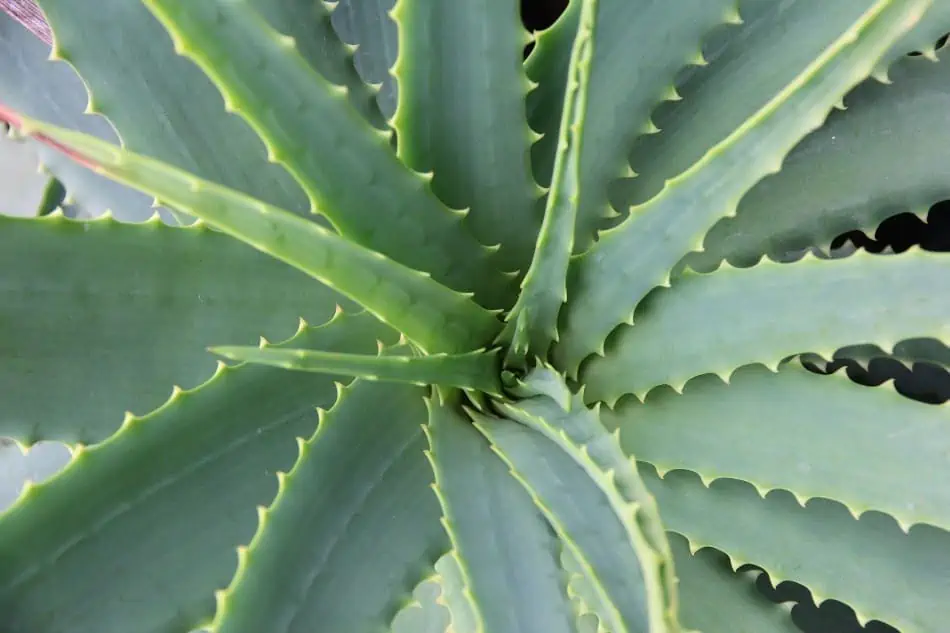
Close up image of aloe vera plant.
Lack of light will weaken your Aloe plant and cause the leaves to crease.

Aloe vera plants are grown under low light and experience root rot. Sunlight regulates the moisture in the soil by heating it. Cold and damp will increase the likelihood of root rot. Ensure you monitor the moisture level in the ground and only water when dry.

Lack of light will weaken your Aloe plant and cause the leaves to crease or bend at the base or in the middle. A leggy growth habit and pale leaves are other indications of insufficient light.

Signs of Overexposure to Sunlight

Aloe vera plants exposed to too much sun for long will not be in the best condition. Excess sun exposure happens in coastal areas or can also happen if you grow the plants against a south- or west-facing wall because light bounces off the structure. 

Despite adequate watering, signs of overexposure to sunlight include blanched leaves and midday wilting. Move your potted aloe vera plants to a location where they will receive some filtered shade at noon. Garden-grown aloes will require protection when the sun is hottest, so place a shade cloth over them or move them into a lightly shaded bed.

Bottom Line

The Aloe’s piny, gray-green foliage and showy golden-yellow flowers add beauty to your indoor and outdoor spaces. Just provide the right light to enjoy these beauties.

String of Dolphins Plant – Does It Require Sunlight

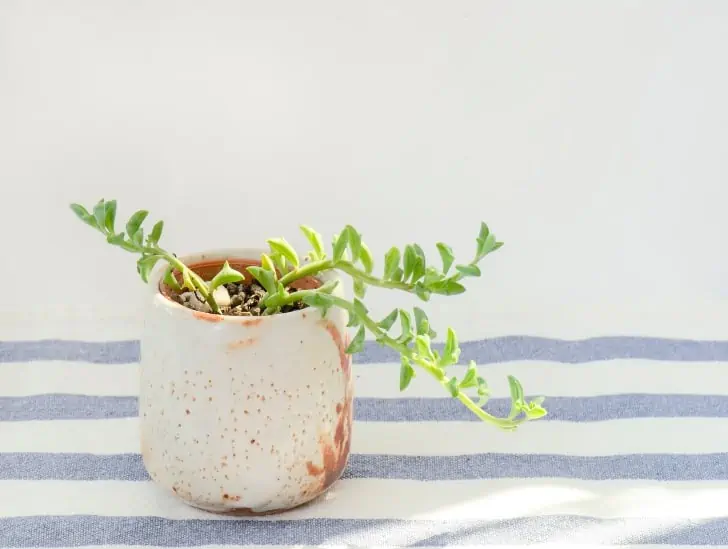
A string of dolphin on the shade.

The String of dolphins are succulents with dolphin-shaped leaves and long hanging tendrils. While they can bloom, the delicate blooms are relatively inconspicuous, and these plants are grown for their attractive foliage rather than their flowers. 

The String of Dolphins is not heat-loving succulent, so don’t give them direct sunlight when it is getting too hot. If you want to cultivate them outside, put them in a shaded place where they can access indirect or filtered sunlight throughout the day.

Although it can easily get sunburned in direct sun when grown outdoors, when grown as a houseplant, a string of dolphins does best when it receives at least six hours of sunlight a day. Therefore, place your String of Dolphins outdoors in the shade or indoors near a sunny window to strike the right balance.

Dolphin Plants need sunlight, but they can tolerate slightly less light than some non-green succulent varieties, thanks to their leaf windows. Therefore, you can supplement with grow lights to get an adequate amount of sun exposure for your StringString of dolphins.

Artificial sources come in handy during low-light periods like winter. However, shady locations will increase the risk of root decay because of a lack of sufficient light. In addition, the amount of light the plant gets will affect the plant’s health. 

The Leaf Windows in String of Dolphins

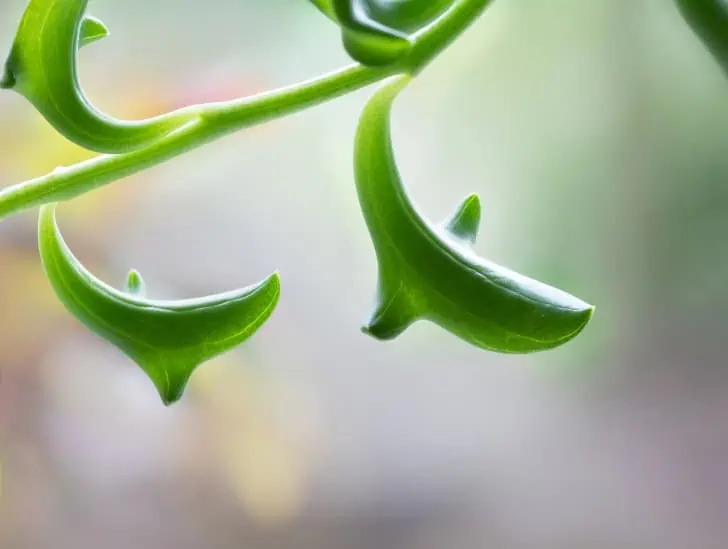
Dolphin Plants need sunlight, but they can tolerate slightly less light than some non-green succulent varieties, thanks to their leaf windows. A Leaf window is a leaf structure that consists of a translucent patch where light enters the interior surfaces of the leaf. 

A string of dolphin.
Reduces exposure of leaf surface area and prevents drying because of intense heat. 

The translucent windows increase the absorption of sunlight. In addition, you can find them at the leaf tips, and they allow light to be captured and used even when the plant is almost entirely below the soil surface; this reduces exposure of leaf surface area and prevents drying because of intense heat. 

Indoor Light Requirements

Lots of sunshine encourages fast growth and healthy, green foliage, as with all succulents. Preferably, the String of dolphin plants requires at least six hours of sunlight a day to flourish. If you are growing indoors, try to ensure that the plant is in the brightest location in your home. A bright sunny windowsill is best for this houseplant.

The String of dolphins grows best in bright light but make sure you shield them from direct sunlight. Place the plant near an eastward or west-facing window to get adequate light. Intense sunshine will lead to yellow, scorched leaves. In addition, growing in low light or shade causes leggy growth and sparse foliage.

A string of dolphin has been watered.
Dolphin plants do best next to south-facing windows.

If growing in a south-facing room, the constant direct sunlight can burn the foliage. So, it’s best to keep the hanging succulent a few feet away from the window. Alternatively, you can get lighting conditions right by growing the dolphin plant behind a sheer curtain.

The String of dolphin plants is not low-light plants. So, you should avoid growing them in rooms with little light or shaded corners. Also, because dolphin plants don’t require much humidity, they are not ideal for bathrooms. Finally, the lack of light causes the dangling vines to stretch towards the light and give the plant an unkempt look.

Dolphin plants do best next to south-facing windows. Here, they receive at least six hours of morning sunlight and some partial shade in the afternoon. We suggest placing a fluorescent or LED artificial light around your plants during the winter.

Best Indoor Locations For String of Dolphins

Balcony

Planting your succulents on the balcony helps them achieve sufficient light. Additionally, it improves the overall outlook of your patio and the house as a whole. 

The balcony is convenient for larger succulents that may not fit the window. The ample balcony space will accommodate your String of Dolphins. To get light, ensure that your balcony has access to sunlight for at least 6 hours a day.

Window

When you are growing your String of Dolphins indoors, the best place would be by the window. East or south-facing windows are ideal sources of light for your succulents because they filter in enough light levels for the survival of your succulents. Through these, your plants will receive indirect bright sunlight throughout the day.

A string of dolphin exposed to sunlight.
The best place of growing string of dolphin indoors would be by the window.

Hanging Basket

Succulents grown in hanging pots can be placed anywhere in the house as long as they get enough sunlight, especially in cases where you have limited space within your home. However, it is essential to note that growing succulents in hanging pots or baskets depends on the plant’s growth pattern.  

How To Use Grow Lights For Indoor String of Dolphins

Dolphins are sun-loving plants, and sometimes, growing them indoors might not provide enough sunlight, especially during winter when daytime gets shorter. That is when artificial light comes into play. The two common types of grow light for indoor succulents are Fluorescent and LED.

If your window is exposed to full sun all day, then your succulents can survive well even in winter without growing light. However, during wintertime, String of Dolphins rarely get adequate sunlight, and therefore, etiolation and fading are common issues. You can prevent those issues by getting a suitable grow light.

Find a place to put the plants and install the lights in your house. The distance between your succulents and the light is significant. If placed too close, the heat emitted from the bulbs might burn your succulents. On the other hand, there is insufficient lighting for succulents to grow healthy if it is too far. Generally, we recommend at least 6 inches and not exceeding 40 inches.

Expose your String of Dolphins plants to lighting for around 12-14 hours per day. Do not let the plants sit at just one angle of the light source. Instead, rotate the plants weekly so that each side has the same amount of light.

Outdoor Light Requirements

The String of Dolphins enjoys spending the summer outdoors. So wait to move it outside until a few weeks after the danger of frost has passed, and be sure to bring it back inside when nighttime temperatures drop to 55°F.

When your StringString of dolphins is outdoors, please put it in a spot that receives either dappled sun, morning sun, or indirect light. Avoid the hot, blasting sun at midday outdoors. Also, you’ll need to water it more frequently than you do indoors since wind and sun often dry the soil out faster.

A string of dolphin stem.
They thrive in direct sunlight in rare cases where the region has temperatures that are not too hot.

The String of Dolphins plants flourishes in a location with exposure to lots of bright and indirect light throughout the day. They thrive in direct sunlight in rare cases where the region has temperatures that are not too hot, and the sun is mild. When you provide a String of Dolphins with too much sunlight, they will quickly get sunburned and may die off eventually.

Signs of Too Little Light

Plants that are Light-starved or etiolated look pale and spindly, with significant gaps between leaves on their stems. Succulents will grow tall and lose pigmentation to try and absorb more sunshine. 

You can expose your plants gradually to more sun. Start by a step-by-step transition to a brighter location within 1-2 weeks. The growth will help the plants to not only grow more leaves but also recover their color. However, some changes to the shape of the plants can be irreversible. At the first signs of etiolation, move the succulent closer to a south-facing window or outdoors.

You can prevent etiolation by keeping indoor succulents that are colorful/non-green near a sunny window. Additionally, you can use artificial lights to supplement indoor light, starting with a few hours of sunlight each day and gradually increasing duration. Then, over two weeks, slowly move the plant into sunnier conditions, watching for signs of sunburn.

Signs of Too Much Light

Let’s explore signs to look out for when your String of Dolphins is overexposed:

  • Pigments look washed out and bleached
  • Leaves get blotchy burns in white, yellow, or brown
  • Wrinkled, scaly, or crispy leaves

To prevent sunburn, take two weeks to transition plants into brighter light gradually. Also, protect your plants from the full sun when temperatures exceed 85F; you can use shade cloth. Moving your plants to lower light conditions is the first step you should take if you notice sunburn. 

A top view image of a string of dolphin.
The burnt leaves will eventually fall off, and new growth will soon appear.

You can also increase watering frequency slightly and water during the coldest parts of the day. Though the dark burns will not disappear, the burnt leaves will eventually fall off, and new growth will soon appear.

Bottom Line

The String of Dolphins thrives in a location where it can get tons of bright and filtered light all day. Ensure your plant is in a brightly lit room, where it gets at least 6 hours of indirect sunlight daily. A sunny southward window is ideal for this succulent. However, avoid direct sunlight that can easily sunburn, causing unattractive black spots on its sensitive leaves. If needed, you can use grow lights to provide additional light for your String of dolphins.

.

Madagascar Palm, Are They Ever In Need Of Direct Sunlight?

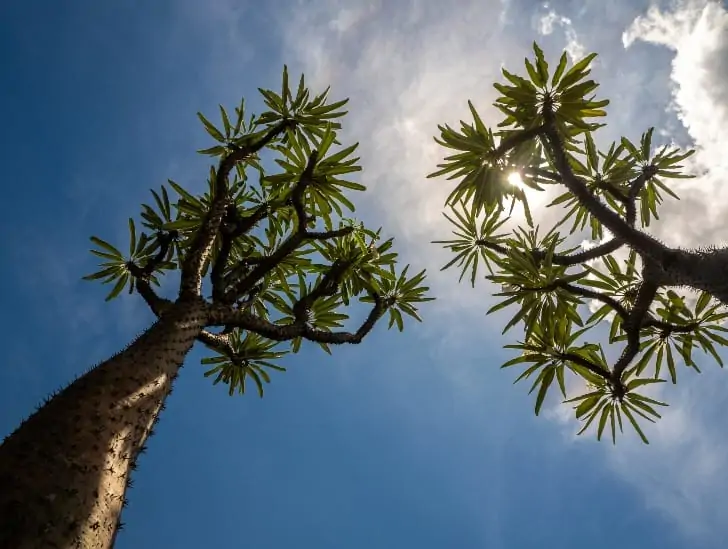
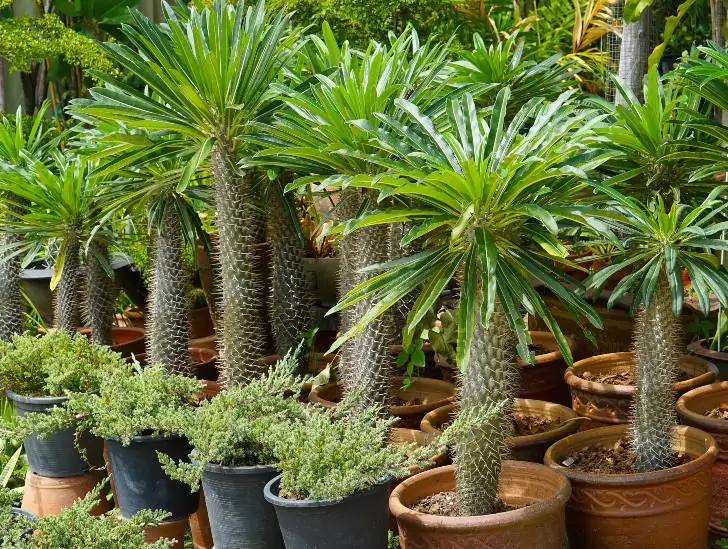
The impressive Madagascar palm is no palm but a succulent plant armed with sharp thorns and a palm-like summit. This tree that likes the sun is native to the south of Madagascar; in its natural habitat, it grows in full sun. As a result, the Madagascar palm can be grown outdoors in the mild winter zones throughout the year.

You can cultivate the succulent in a container (using a clay pot, not a plastic pot), move outdoors in summer, or cultivate exclusively as an indoor plant. Inside, please place it in full sunlight in front of a window facing south or west. Then, rotate your plant to receive equal sunlight. Otherwise, the plant is at risk of deformation as it reaches sunlight on one side.

Ensure that sunlight gets to the plant without artificial shade. As a succulent, it benefits from full sun, but it can tolerate partial shadow on the outside, as well. You can keep it in a pot to move it inside during cold spells or plant it in a sheltered place and cover it during cold nights.

The best spots for Madagascar palms are bright spots with some sun in the morning or evening. We recommend exposing yours to about two or three hours of sunlight daily for solid growth. Newly purchased specimens will need to increase their sun tolerance within the next six weeks to prevent sunburn.

Basics Of Acclimatizing Your Madagascar Plants To Direct Sunlight

While Madagascar plants prefer bright indirect light, you can acclimatize your plants to limited direct sunlight. So how can you acclimate your plant to direct light? Here are some things you can do:

● Put your plant in a bright area away from direct sunlight on the first day. It can be under a patio or a shadow tree in the courtyard. Also, you should protect the plant from too low temperatures and wind to support its survival.

Madagascar palm exposed to indirect sunlight.
You should protect the plant from too low temperatures and wind to support its survival.

● Shift the plant into full sun for only one hour on the first day. The best time to move the plant is early or at the end of the day. Watch out for the hottest noon sun. Please return it to the sheltered location after this time.
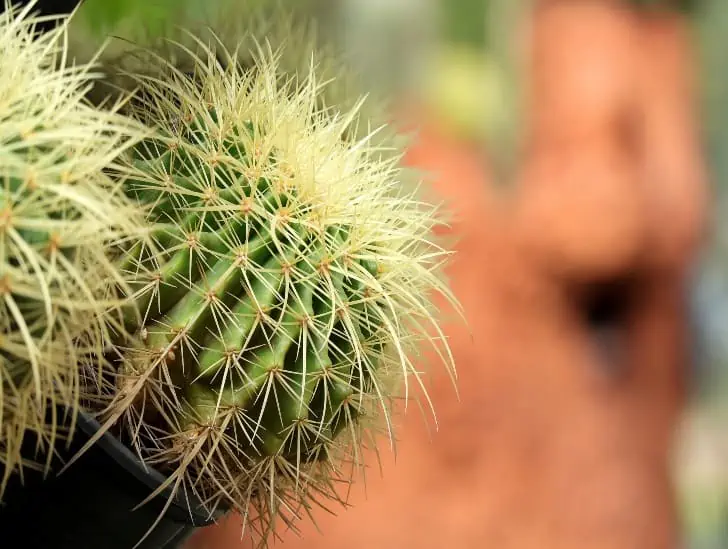
● Leave it in the protected place most of the second day, but move it in direct sunlight for just two hours. Once again, it is preferable to do so early in the morning or later on in the day.

● Keep moving the plant towards direct sunlight, increasing total sun exposure by one hour each day. Work up to as many hours in bright sunlight as recommended for Madagascar Plants, at least four to six hours.

● Next, water and nourish your plant enough outdoors. Outdoor areas generally dry the soil of indoor plants slightly more than indoor areas due to breezes and wind, so it will likely require more water. In addition, due to the increased intensity of sunlight and time, the plant will also use more nutrients, so fertilize it slightly more often.

Light Requirements For Madagascar Outdoor Plants

Madagascar palms are beautiful outdoor landscape plants and may be cultivated as hardy perennials. Choose a position that is sunny or partially shaded. The palm will do great in full, bright, indirect light, but the full direct sun is best for this plant, as light affects its growth speed.

If you have recently purchased your own Madagascar plant, you can induce it to tolerate more challenging levels of sunlight than most indoor plants. To do so, gradually add on to the number of hours in the sun over the next month. It is preferable to do so from autumn to the end of winter when the rays are weakest.

Madagascar palm in a pot.
Madagascar palm outdoors during daylight hours every time the weather is above 70 degrees F.

Every week, increase the amount of light by an hour, starting with only an hour of morning light to gain momentum. As a result, the plant will slow down chlorophyll production, reducing the risk of bleaching and sunburn.

Remember to hydrate the sample during this time and permanently stop the experiment if it shows signs of solar burn. This plant’s maximum amount of sunlight is approximately 4 hours per day.

Put your Madagascar palm outdoors during daylight hours every time the weather is above 70 degrees F. Madagascar palms need full sun to thrive. Exposure to temperatures below 30° Fahrenheit (1° Celsius) increases the risk of severe harm and death.

Bring your potted Madagascar palms indoors in the cold weather to avoid any damage. If planted outside and freezing temperatures are imminent, covering it with a tarp can help it survive.

Expose your plants to sunlight in the morning or evening to recreate their natural habitat. Plants kept in areas with too much shade quickly show growth retardation, soil mold, and root decay.

Direct sunlight keeps your Madagascar palms healthy and robust. However, they can wither if you expose them to insufficient light, especially during the day. In summer, put the Madagascar palm in a warm place, protected from the wind and sheltered from the rain.

Signs Of Overexposure To The Sun

You will observe initial signs of stress on the leaves; brown edges and yellowed halos will circulate the leaf diameter. The plant may also appear white bleached.

Cactus over exposed to the sun.
Higher sweat levels will lead to the drying up of the soil and the development of wilting.

Higher sweat levels will lead to the drying up of the soil and the development of wilting, thus becoming a serious problem that you must tackle immediately. In addition, some species wither before much water is lost to reduce sweating and dehydration rates.

Growth retardation is the final symptom to monitor. Again, due to the undesired environment, there will be a reluctance to re-grow as juvenile tissues are more susceptible to scaling than older, thicker leaves.

Remedies For Sunburn In Madagascar Palms

As mentioned above, if a plant bears overly damaged leaves and severe dehydration, the chances of survival are considerably reduced. So, let’s talk about tips that may help the recovery process for your plant.

Keep the plant clear of sunlight as early as possible. As there may still be relatively intact portions of the foliage, removing it will prevent further general damage.

If there is visible dehydration, accompanied by dry soil, this is the time to water. Rather than shock the roots by immediately soaking the ground, give it little and often the water in the next few hours. The plant’s root system can still be sensitive to chemicals and cold water, so it is crucial to drop fertilizers for a while.

A close up image of a Madagscar palm.
Keep the plant clear of sunlight as early as possible.

Trim all yellow and brown leaves attached to the plant. Keep branches that are still foldable with a green cambium (under the bark), as new nodal shoots may develop in the next few weeks.

Display a bright environment that does NOT provide direct sunlight. Moving it to a more shaded area may not be helpful mainly because the leaves contain very little chlorophyll, which means that they will not convert natural light sufficiently into stored energy. In addition, moving a plant to a new environment under different conditions will result in environmental shock, resulting in the sudden loss of leaves, delayed growth, and possible death.

Keep the soil uniformly damp and allow the top third to dry. If the leaves do not straighten after one week of saturated soil, there is little chance of survival. Keep the potted plant under a clear bag or box to lock in moisture for better transpiration speed. A well-hydrated leaf is more likely to be photosynthesized, producing more stored energy for the recovery process of the plant.

Indoor Light Requirements

In colder climates, the Madagascar palm is grown in a pot so that you may take it indoors during the colder months of the year. While they do not grow as large in containers—they will grow to about 6 feet high—they still make interesting indoor plants with beautiful tropical leaves.

Even entirely indoors, perfectly positioned in front of a south-facing window, could do the trick! Of course, you should keep the plant in places with lots of lights, whether indoor or outdoor. But it is challenging to keep it as a houseplant as they need a lot of light. Keep them close to a window that benefits from several hours of full sunlight per day if they are inside.

Madagascar palm in a white pot.
It generally requires an environment that is more illuminated than only artificial interior lighting can provide.

Ensure your plant grows in a highly illuminated area. You will need a place that gets at least 6 hours of sunshine. In addition, this plant will do well in an area that gets direct or indirect sunlight from the sun. It generally requires an environment that is more illuminated than only artificial interior lighting can provide.

If you realize that the leaves of your Madagascar palm start to bend to one side, your succulent does not receive enough light. Give your succulents a lighter and rotate your plant occasionally to fix the lean.

Bottom Line

Are you looking for an intriguing and unusual indoor plant? If yes, the Madagascar palm is an attractive choice. The Madagascar palm enjoys the sun, so you should place it in the sunniest place possible. These bold succulent ones are easy to maintain, provided you have a bright, sunny spot for them to call home.

Does Euphorbia Plant Require Direct Sunlight?

Euphorbias are hardy perennial plants that are easy to grow with few problems. Famous for their richly colored leaves and unusual flowers, euphorbias are an excellent addition to your plant collection.

They prefer a spot in full sun, meaning at least six hours of direct sunlight on most days, though some species can tolerate partial shade. In hot climates, some afternoon shade can be helpful for most species. 

Euphorbia plants require plenty of light and different temperature requirements depending on their location. You can grow this semi-succulent outdoors as an ornamental shrub if you live in a warm climate.

When outdoors, they will need at least six hours of sunlight a day, while you should set indoor plants in an area that gets three to four hours of natural or artificial light daily. In cold climates, make sure that you store your plants in a place where they can get plenty of sunlight.

What is Full Sun?

A full sun location, on most days, must receive six to eight hours of direct sunlight. Full sun is hard to achieve because while many plants need full sun to set buds and bloom, some plants cannot handle the intense heat and dry conditions that often come with that much sunshine.

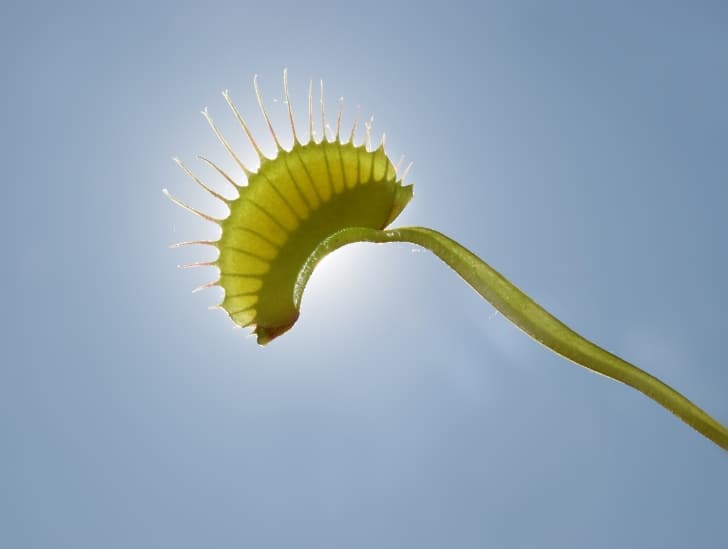
A venus flytrap exposed to sun.
If the plants get at least six to eight hours of direct sunlight, they should grow well.

One way to place these sensitive plants where they receive most sunlight is in the morning or late afternoon because the temperatures are slightly lower. However, if the plants get at least six to eight hours of direct sunlight, they should grow well.

The Different Species of Euphorbia and their Sunlight Requirements

Euphorbia is known to have more than 2,000 species. Out of the total, nearly about 1,300 come under the category of succulents. These different species have different light requirements. Let’s look at some of the species and the additional sunlight requirements.

Silver-leaved Euphorbia

Silver-leaved euphorbias love sunny environments. They include Euphorbia myrsinites and Euphorbia rigida.

Variegated Euphorbias

Variegated euphorbias grow best in dark soil. Therefore bright and sunny places are for this type of plant. These plants may not make it through harsh and freezing winters.

Mediterranean Euphorbia

Mediterranean varieties, mainly euphorbia characias, are excellent winter plants for well-drained, sunny areas. You have to protect them from frost storms. 

Woodland Euphorbias

In comparison to other varieties, Woodland euphorbias grow best in darker environments. Still, You have to provide them with some sunlight to grow. These euphorbias are stockier.

Euphorbia wood spurge.
Woodland euphorbias grow best in darker environments.

Indoor Euphorbia Light Requirements

Euphorbias will happily grow indoors with proper care and attention. If your Euphorbia succulent is indoors, it may need a bright light throughout the day. Place the plant close to a window with lots of natural light rather than artificial light for those looking to grow indoors. 

Southward or west-facing windows are the best place for them inside (four or more hours of the direct sun shining on the plant), though they can also be grown in very bright indirect light. They also do well when located close to an east-facing window or door during the cold months of winter.

Euphorbias’ skin is more delicate than cactus, so their chances of burning if placed within 18 inches of a window are high. Placing them at an angle to the window helps prevent this. Place it less than 1ft from a south-facing window to maximize the growth potential.

A plant near the window.
Euphorbia will want more indirect or artificial sun exposure hours than other plants.

If you grow them in bright indirect light, ensure the plant has excellent drainage and keep it as warm as possible. Euphorbia does not tolerate low-light. Remember that EuphorbiaEuphorbia will want more indirect or artificial sun exposure hours than other plants. More exposure to light will increase their chances of surviving through those colder periods while keeping them warmer than being outdoors on your porch.

Outdoor Sunlight Requirements

From Spring to Fall, you can place the containers on the patio or in the garden. If you’re planting your EuphorbiaEuphorbia outdoors, then choose an area that gets at least four hours of direct sunlight each day.

Most Euphorbias are sun lovers, but some will tolerate partial shade. Increase sun exposure gradually to prevent sunburn. If you want your Euphorbia plant to be healthy, try to provide it with as much light exposure.

Euphorbia plant outside.
It is usually grown in a container indoors, but you can move it outdoors for the colder winter months.

If the succulent becomes too stressed out by the full sun, we recommend a location in the partial shade instead. Just remember to make sure you provide it with plenty of bright light. It is usually grown in a container indoors, but you can move it outdoors for the colder winter months.

What is Partial Shade?

Partial shade for Euphorbias means four to six hours of sun exposure each day, preferably in the cooler hours of the morning. However, there is a subtle difference:

  • If a plant requires partial sun, make sure it receives at least four to six hours of sun daily. These plants need a couple of hours of sun to set flowers and fruits; however, they are not as demanding as the sun worshippers, which require a full sun day.

You will need to experiment to find the ideal spot in your garden for plants listed as the partial sun. If the plants you’ve tucked into a part sun garden aren’t flowering or growing up to expectations, it is because they need more direct sunlight.

  • If a plant requires partial shade, the plant will need some relief from the intense heat of the late afternoon sun. You can easily accomplish this by planting where a nearby tree will cast afternoon shade or growing on the east side of a structure where you block the area from the direct afternoon sun.

Can Euphorbias Take too much sun?

Euphorbia plants do better when they receive a lot of exposure to light, but they need protection from scorching heat and direct sun. Too much heat will cause severe damage to your plants.

Too much sunlight causes sunburn and sun damage in Euphorbia plants. Sun damage can happen quickly during a heatwave or when the temperatures suddenly soar. Sometimes, the damage can occur over time. The first sign of sunburn is brown/yellow spots on your plant. If you notice the signs of sun stress early, you can remedy the effects to avoid further damage to your plants. 
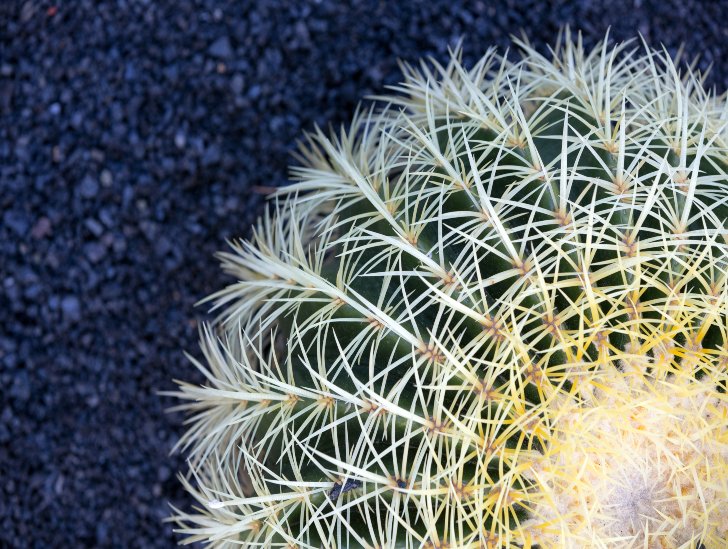
Move your Euphorbias to a shaded area or place them next to taller plants to protect them from excessive sun. If you don’t take action even after realizing these signs, some Euphorbia plants will burn and die after a while.

Although some species may adapt to and survive the heatwave, ensure that you provide sufficient protection to your plants when temperatures start to soar.

Gradually Introducing your Euphorbia to More Sun. Typically, prolonged exposure to direct sunlight can damage your Euphorbia plants, leading to permanent scarring or even death. Acclimatize your plants slowly to the intense sunlight before total exposure to prevent this from happening.

You can start by positioning them to partial shade and slowly introducing them to more sunlight until you fully acclimate them to more sun. First, expose them to the morning sun, which is less intense, and slowly introduce the plants to the more scorching afternoon sun.

You can also put your Euphorbias under the shade of other tall plants before moving them away and exposing them to direct sunlight. The main objective is to gradually increase sun exposure to avoid shocking the plants and causing sunburn or permanent scarring.

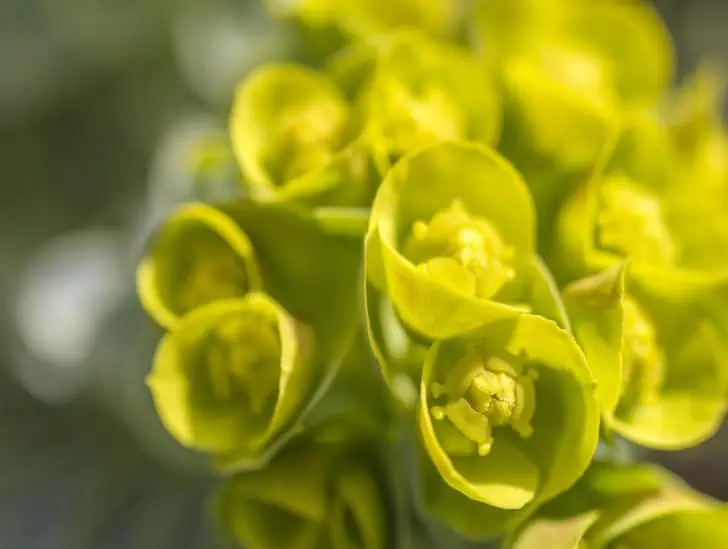
A euphorbia rigida exposed to sunlight,
Find out the best way to determine which location will suit your Euphorbia plants best.

Euphorbias growing indoors can also suffer from sun damage when moved outdoors abruptly. So, it is always good to find ways of gradually acclimatizing the plants to intense heat before you put them under direct sun.

Newly propagated or young euphorbias are highly susceptible to sun damage when placed under direct sunlight. Let them mature first before exposing them to more sun. Since your outdoor spaces receive varying amounts of sunlight, you will need to find out the best way to determine which location will suit your Euphorbia plants best.

Signs of Too Little Light

Generally, most cacti species need at least four to six hours of sunlight to thrive; Euphorbias are no exception. These plants enjoy being in bright and sunny spots. Plants that don’t get adequate exposure to light may show some signs.

One of the most common signs that your plants aren’t receiving adequate light is etiolation/elongation, whereby they stretch trying to seek out more light. Although stretching out appears to be an excellent self-adaptation mechanism, it causes weak stems and may lead to poor growth.

Euphorbia plants that do not receive adequate exposure to light may also become pale or go back to their original green color. On the contrary, plants that receive sufficient exposure to light demonstrate their true beauty by showcasing a wide range of vibrant colors.

Bottom Line

If you plan on growing Euphorbias outdoors, find a place that gets plenty of sunlight. When growing indoors, place it near a south or west-facing window. Full sun or partial shade works best for Euphorbias. Try to keep them out of the most extreme conditions if you want the best results.

Does Monkey Tail Succulent Need Full Sun?

The monkey tail is one of the most famous succulents in the world. The plant needs three critical things to grow and thrive: ample light, the right type of soil, and adequate water. While there are no questions about watering and the type of soil that is right for the succulent, many gardeners wonder if they should provide their monkey tail with direct or indirect sunlight. Broadly speaking, monkey tail cactus requires sufficient exposure to sunlight to thrive. But how much is sufficient and should it be full sun?

Do monkey tail cacti need full sun? The short answer is no. Full sun isn’t a mandatory requirement for growing monkey tail cactus. Generally, the succulent can use any light for photosynthesis. Even without exposure to full sun, your monkey tail will still grow and thrive as long as you expose it to some amount of light that is enough to facilitate photosynthesis. That being said, it is good to mention that a monkey tail would be happier if you exposed it to full sun.

Do you have a monkey tail in your home and don’t know whether to expose it to full sun or not? If so, then you have come to seek the answers in the right place. Read on to learn everything you need to know about monkey tail and exposure to full sun.

General Monkey Tail Light Requirements

This type of cactus is prized for its long, thin stems and interesting flowers. However, they can be quite challenging to care for, so it’s essential to understand the light requirements before bringing one into your home.
Monkey tail cacti need plenty of bright, direct light in order to thrive. Generally, it requires at least six hours of sunlight exposure for it to stay healthy. If you don’t have a spot in your home that gets that much light, you can supplement with artificial grow lights.

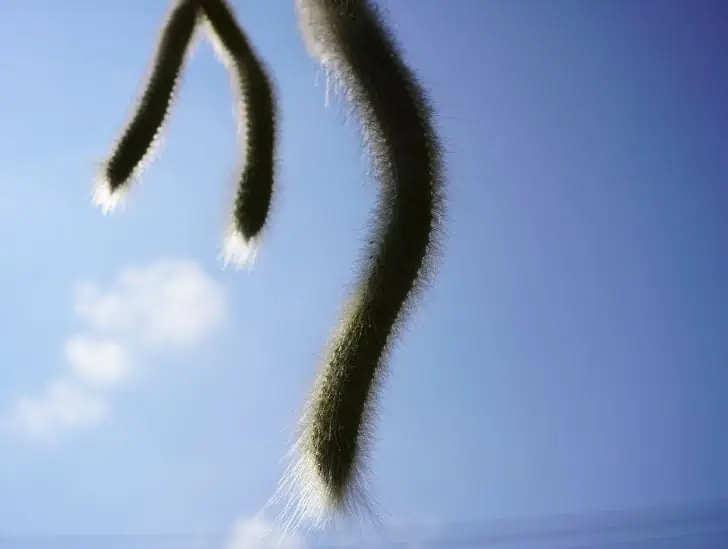
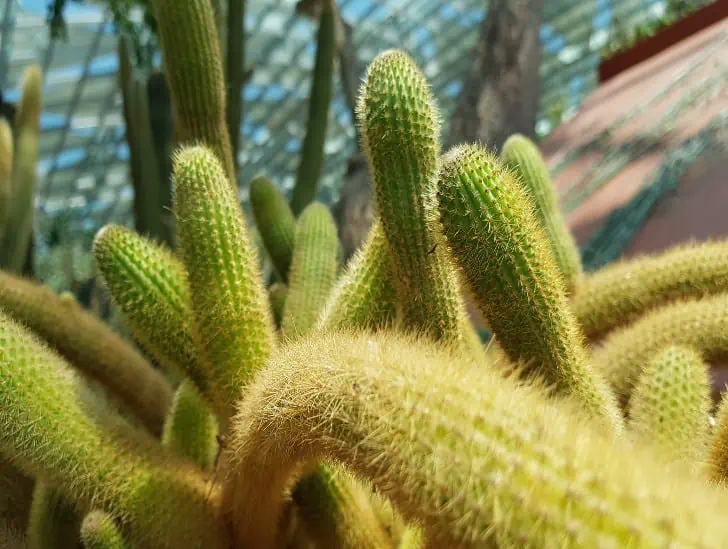
Monkey tail cactus in a pot and exposed to sun light.
These cacti also like it on the warm side.

These cacti are also quite sensitive to changes in light conditions, so it’s essential to be consistent with their exposure. Sudden changes, such as moving them from a bright windowsill to a darker corner of the room, can cause them to go into shock and lose their blooms.

If you don’t have a spot that gets full sun, you may need to supplement with artificial lighting. These cacti also like it on the warm side, so you may need to provide a heat source if your home is relatively cooler.

Why Is Sunlight Beneficial to the Monkey Tail?

This succulent prefers to be in full, direct sun for some reason. First, light is vital for its survival because it aids photosynthesis. During photosynthesis, the light energy absorbed by the plant is converted into chemical energy with the help of the green pigment known as chlorophyll.

Secondly, this succulent requires plenty of exposure to sunlight to help it “reveal” its true colors. This is also known as the “sun blush.”  These are basically terms used to describe the beautiful colors that the monkey tail is known for.

Monkey tail cactus closeup image.
You will know that your monkey has developed sun stress when it starts to change color.

But when the succulent is exposed to overly intense sunlight, it develops “sun stress.”  You will know that your monkey has developed sun stress when it starts to change color. The color-changing tactic helps the plant reflect some light, preventing heat damage.

The monkey tail cactus can and do survive just fine with minimal exposure to sunlight. But the catch is that your plant will just stay with the dull shade of green.

Lastly, sunlight is also helpful because it brings heat which helps dry out the potting mix. If you have been following our posts closely, you must have noticed the emphasis we put on watering succulents correctly.

Like other succulents, the monkey tail cactus doesn’t like being waterlogged. In fact, it prefers growing in highly draining soil. Sunlight plays a critical role in drying out your soil, even if the plant is positioned behind a windowsill or in a relatively cool environment.

The light from the sun is usually high in energy which speeds up the evaporation rate even if you don’t notice the temperature rising rapidly.

Why Does the Monkey Tail Require a Lot of Sunlight?

In the course of evolution, monkey tail cacti have evolved to adapt to their natural environment. Typically, the monkey tail cactus comes from relatively hot and dry areas that receive plenty of sunlight.

This is why they can survive relatively long periods of drought without any issues. They store plenty of water in their stems and leaves.

Without sufficient light, the monkey tail cactus will most probably start turning pale before it eventually dies. Therefore, it is critical to ensure that your plant isn’t positioned in a dark room of your house.

If you don’t have a nice spot in your house that receives plenty of sunlight, consider using special grow lights to provide your monkey tail cactus with the best care possible.

A monkey tail red flower.
It slides into a state of dormancy that promotes the formation of flowers the following year.

The amount of light also influences the biorhythm of your succulent. During the cold winter months, the monkey tail will automatically notice that it receives fewer hours of direct sunlight per day.

Therefore, it slides into a state of dormancy that promotes the formation of flowers the following year. You shouldn’t bother too much about your plant during this time because it is “resting.”

Can a Monkey Tail Cactus Receive Too Much Sun?

The simple answer is yes; a monkey tail cactus can receive too much sun. While these are desert plants and can tolerate high levels of sunlight, they can still be damaged by too much exposure.

The amount of sunlight a monkey tail cactus needs depends on a wide range of factors, but most types need at least four hours of direct sunlight per day to stay healthy.

If your monkey tail cactus is exposed to too much sun, it may develop sunburned patches on its surface, which can lead to dehydration and death.

If you are concerned that your cactus is receiving too much sun, there are a few things you can do.

First, try moving it to a shadier spot in your garden or house. If that is not possible, you can also try using a shade cloth to protect it from the sun.

Finally, make sure to water your cactus regularly, even if it receives a lot of sunlight. Monkey tail cactus needs water to stay healthy, regardless of how much sun it gets.

Growing Monkey Tail with Little Sunlight

As mentioned earlier, the monkey tail cactus requires at least four hours of sunlight exposure every day. But it is still possible to grow the succulent in partial shade as long as all the other aspects of growth are not interfered with at all.

The monkey tail will prefer an area that receives a few hours of bright light and some hours of partial shade. This way, the succulent can get the best of both worlds; there is enough light to facilitate photosynthesis and sufficient protection from potential sun damage.

Some types of monkey tail cactus have even evolved and developed unique features that help them survive in areas with minimal light. But for the most part, you still need to provide your monkey tail cactus with a sufficient amount of light for it to thrive.

Monkey tail cactus exposed to sunlight.
It is still possible to grow the succulent in partial shade.

Keep in mind that there is a significant difference between surviving and thriving. When the monkey tail is surviving, it will stretch its stems, trying to reach the nearest light source. This prevents your plant from reaching its true potential.

Another major drawback of inadequate sunlight is that it can make your monkey cactus succumb to root rot when combined with overwatering.

Where Do You Get the Best Sunlight?

If you are committed to growing a monkey tail cactus, you will need to know the optimal places to position your succulent for better results.

If you are trying to provide your plants with as much sunlight as possible, it is pretty simple to plant them in your outdoor garden. Choose a slightly elevated spot that has nothing around it to cast shade.

However, if you don’t have an outdoor garden but still need to have a monkey cactus in your home, cultivating it indoors is the only option you have.

In such a case, south or east-facing windowsill will be the perfect spot for your monkey tail cactus. But since you only get light from one direction, be sure to rotate your plant regularly to eliminate the risk of your plant growing in the direction of light (etiolation).

Flowering monkey tail cactus.
You can place your monkey tail near a window then you will be rewarded with beautiful blooms year after year.

Positioning your plant on a good south-facing windowsill is just as good as having it outside in your garden. The east-facing option is also good because the morning light tends to be more intense, making it better for your succulent.

Final Thoughts

All in all, it is evident that the monkey tail plant requires a lot of sunlight. If you cannot provide the succulent with enough direct sun each day, you should consider another type of plant.

However, if you live in an area where there is ample sunshine, and you can place your monkey tail near a window or door, then you will be rewarded with beautiful blooms year after year.

What Is the Main Habitat of Golden Barrel Cactus?

The golden barrel cactus is one of the most amazing succulents you can easily grow in your home. The cactus has a unique appearance, with a large rounded body covered in long, golden spines. It gets its name from the fact that it often has a reddish hue to its skin. However, the succulent only grows in a few specific areas.

So, what is the main habitat of the golden barrel cactus? This cactus is a native of the Chihuahuan Desert in Mexico. It is also found in the southwestern United States, mostly in Arizona and New Mexico. It grows best in well-drained, sandy soil and full sun. It is a slow grower but can reach up to five feet high. The Golden Barrel cactus has a thick, rounded stem covered with spines. The branches are also spiny, and the leaves are small and round. The flowers are yellow or orange and bloom in the spring.

So, are you looking to learn more about the golden barrel cactus and its main habitat? Well, you’ve come to the right place! This article will discuss everything there is to know about this amazing succulent.

What Is the Main Habitat of Golden Barrel Cactus?

The golden barrel cactus is mainly found in the desert regions of North America. In the United States, it is primarily found in Arizona. It can also be found in the deserts of Mexico and New Mexico. The golden barrel cactus grows best in sandy soil that has good drainage. It also requires full sunlight to thrive.

Golden Barrel Cactus Outdoor.
This cactus is a native of the Chihuahuan Desert in Mexico.

Some people believe that the succulent is a native of the Chihuahuan Desert in Mexico. Others claim that the plant originally came from the southwestern United States. It is believed that the cactus was introduced to Mexico by Spanish explorers in the 16th century.

Since then, the cactus has spread to other parts of the world. It can now be found in Australia, India, and South Africa.

What Are the Distinguishing Features of a Natural Golden Barrel Cactus Habitat?

Typically, a natural golden barrel cactus habitat will have sandy soil with good drainage. The area will also receive plenty of direct sunlight.

The cactus itself is covered in spines to help protect it from predators. The plant also has a thick, rounded stem to store as much water as possible every time it rains.

While these conditions can be found in different parts of the world, they are most commonly found in the Chihuahuan Desert.

The desert is located in Mexico and covers parts of the states of Coahuila, Durango, Nuevo León, and Tamaulipas. It is also found in the southwestern United States in Arizona and New Mexico.

A Golden Barrel Cactus Natural Habitat
A natural golden barrel cactus habitat will have sandy soil with good drainage.

The desert is known for its hot, dry climate. It can get very windy, and the temperatures can reach up to 120 degrees Fahrenheit. The region receives about 10mm of rainfall per year.

Despite these harsh conditions, the Chihuahuan Desert is home to various plants and animals. These include the golden barrel cactus, the roadrunner, and the javelina.

Can a Barrel Cactus Survive in Other Climates?

Being a desert plant, the barrel cactus is adapted to hot and dry conditions. However, it can also survive in other climates as long as it is provided with the right care.

If you live in a region that experiences cold winters, it is best to grow the plant indoors. This will protect it from freezing temperatures.

When growing the golden barrel cactus indoors, place it in a sunny spot. You can also supplement artificial light with artificial grow lights. The cactus should be watered sparingly and only when the soil feels dry to touch.

Cactus pot near the window with snow outside.
It is best to grow the plant indoors. This will protect it from freezing temperatures.

In the summer, you can water it more frequently, but make sure to drain any excess water from the pot because it doesn’t like being waterlogged.

The barrel cactus can also be grown in outdoor gardens. If you live in a hot and dry climate, this is the ideal way to grow the plant. Just make sure to choose a spot that receives full sun.

The cactus will also need well-drained soil to thrive. When watering the plant, do so sparingly, and only when the potting mix is completely dry.

Overwatering is one of the most common mistakes made when caring for barrel cacti. Too much water can lead to root rot, killing the plant.

If you live in a region with high humidity, it is best to grow the plant in a pot so that you can control its watering schedule.

What Does the Golden Barrel Cactus Look Like?

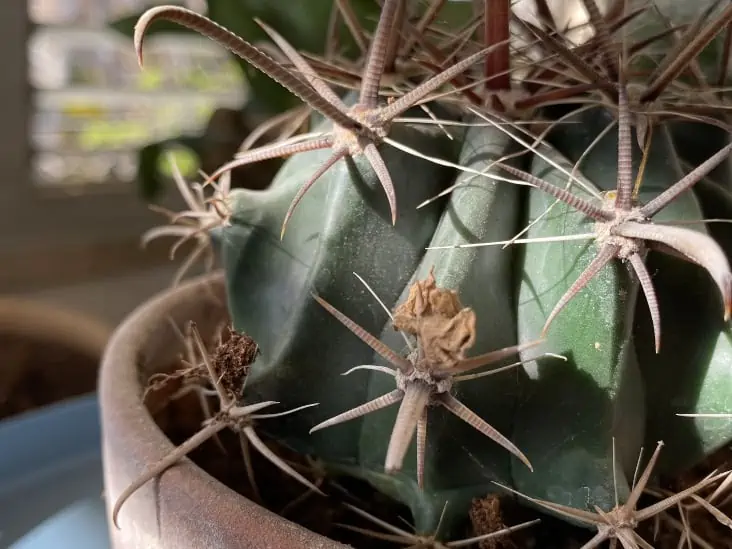
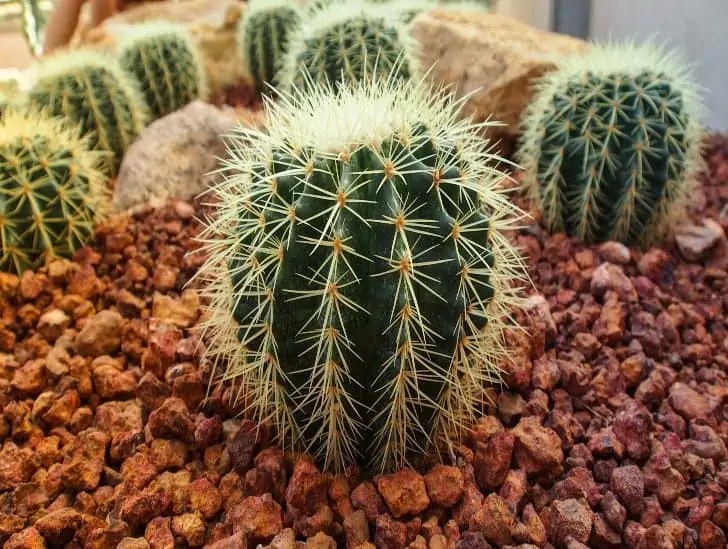
The golden barrel cactus is not actually gold in color despite its name. The name likely comes from the cactus having a globe-shaped stem with a tint of green and gold colors. Its trunk is covered in spines, which can be quite sharp. The modified leaves of the plant are also spiny, small, and round.

Over time, the cylindrical cactus takes on an oblong shape leaning to the southwest so that the spines can help protect the succulent from the scorching desert sun. In fact, some desert travelers use the golden barrel cactus as a compass to help them find their way.

Closeup image of a golden barrel cactus.
They are large, trumpet-shaped, and have a deep yellow color.

The flowers of the cactus are also quite distinctive. They are large, trumpet-shaped, and have a deep yellow color. The flowers usually form at the tip of the plant and wither after a few days.

How Does the Golden Barrel Cactus Survive in the Desert?

One of the most amazing things about the golden barrel cactus is how it survives in the desert. Despite being in an environment so hostile to life, this cactus manages to thrive!

One way the golden barrel cactus survives is by storing water in its thick trunk. This water can help the plant survive for long periods without rainfall. It also has deep roots that can reach underground sources of water.

The golden barrel cactus is also adapted to the hot desert climate in several other ways. For example, the spines on the plant help to reflect sunlight and heat away from the body of the cactus. This helps to keep it cool during the day.

Additionally, the cactus flowers bloom at night when it is cooler outside. The primary objective is to minimize water loss and keep the plant hydrated.

What Are the Benefits of Having a Golden Barrel Cactus in Your Home?

Like other succulents, the golden barrel cactus is a popular plant to have in the home. This is because it is relatively low-maintenance and can thrive in various conditions.

Some people believe that having succulents in the home can help to purify the air. Additionally, the Golden Barrel cactus is known to be an excellent source of oxygen.

In some parts of the world, the succulent is believed to carry good luck depending on where you position it in the home. For example, it is said to bring good luck if you place it on the east side of the house.

Top View image of a golden barrel cactus.
The Golden Barrel cactus is known to be an excellent source of oxygen.

Furthermore, the golden barrel cactus can be used in a desert terrarium or as part of a cactus garden. It is also a popular plant to give as a gift.

Generally, if you are looking for a plant that is both beautiful and beneficial in many ways, the golden barrel cactus may be the perfect option for you!

Where Can I Buy a Golden Barrel Cactus?

If you’re interested in purchasing a Golden Barrel cactus, you can find them for sale online or at your local nursery or gardening store. Do your research to ensure that you are getting a healthy plant.

It’s important to note that the golden barrel cactus is considered a threatened species in its natural habitat. As such, it is important to only purchase plants that have been cultivated.

Buying wild-caught plants puts unnecessary stress on the population and is detrimental to the species as a whole.

How Do I Propagate a Barrel Cactus?

One of the best things about barrel cacti is that they are easy to propagate.

To propagate a barrel cactus, you can simply take a cutting from an existing plant and root it in soil. The easiest way to do this is by using rooting hormone powder.

Once you have taken the cutting, dipped it in the rooting hormone powder, and placed it in well-draining soil, all you need to do is wait.

It will take a few weeks for the cutting to develop roots. Once it has rooted, you can transplant it into its own pot.

When Is the Best Time to Plant a Golden Barrel Cactus?

The golden barrel cactus is a hardy plant and can be planted in most climates. However, the best time to grow it is during the spring or summer months when the weather is warm.

Ensure to water your cactus regularly, especially during its first year of growth. Once it becomes established, you can water it less frequently.

Give your plant some time to adapt to its new home before you start to fertilize it. Over-fertilizing can be harmful to a cactus.

Summary

Now that you know all about the golden barrel cactus and its main habitat, you can start your own succulent collection! These plants are relatively easy to care for and make a beautiful addition to any home. So, what are you waiting for? Get out there and get started!

Haworthia Plant: DO They Need Direct Sunlight?

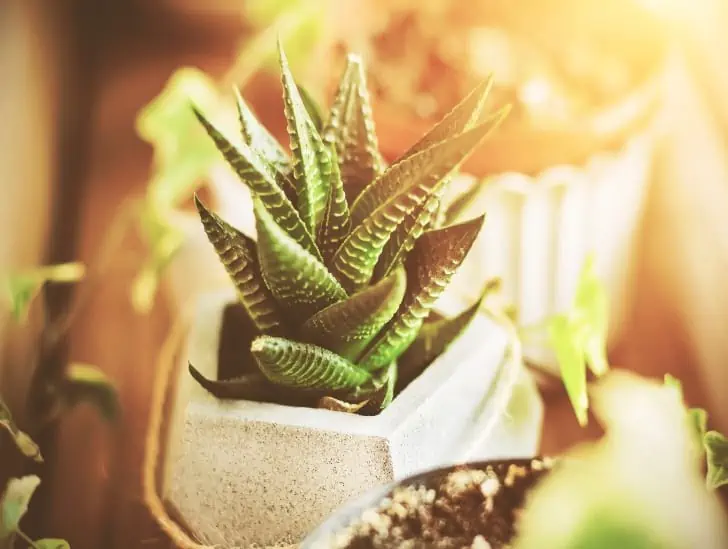
Haworthia is one of the best indoor plants because it is easy to care for. While caring for your haworthia plant, it is critical to pay close attention to watering and lighting needs as they are very sensitive. A slight mistake with any of the two and your succulent could easily suffer premature death.

So, does haworthia need direct sunlight to survive? The simple answer is no. It’s a common myth that haworthia plants need direct sunlight in order to thrive. In fact, these plants can grow quite well in shaded areas – making them perfect for indoor gardening. Even in their natural habitat, they mostly grow in the filtered shade of rocks, bushes, and shrubs to avoid contact with direct sunlight. However, you also need to ensure the light isn’t too low because it will cause the plant to experience etiolation. Typically, you should provide your haworthia with four to five hours of bright indirect sunlight for it to thrive.

If you want to learn more about haworthia plant light requirements, you have come to the right place. Read on to find out everything you need to know to make your succulent happy.

General Haworthia Plant Light Requirements

As a general rule, haworthia thrives under bright indirect sunlight. So, if you are growing this plant at home, you need to ensure you provide it with four to five hours of bright indirect sunlight, preferably in the morning hours.

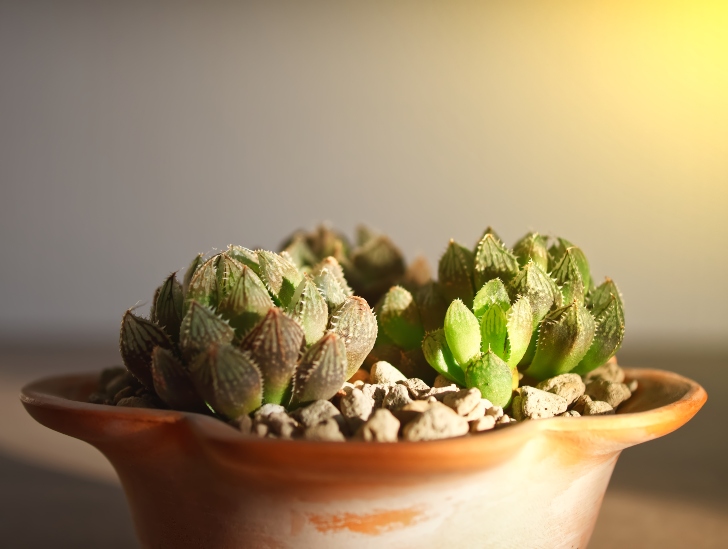
Haworthia plant with Offset.
You also need to be careful not to deny your plant access to a sufficient amount of light needed for survival.

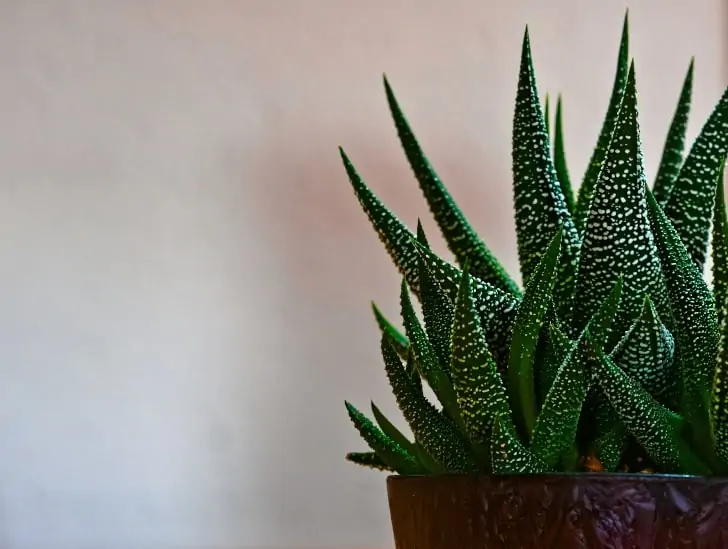
Some haworthia species, such as Haworthia fasciata, can survive well under low light. When exposed to excessive direct sunlight, the succulent can suffer severe sunburn that may lead to its death.

This makes them perfect for indoor growth. In fact, if you want to have haworthia in your outdoor garden, you need to position them under tall plants to provide them with enough shade.

But you also need to be careful not to deny your plant access to a sufficient amount of light needed for survival. Generally, if you notice your plant stretching towards the direction of light and showing signs of stunted growth, it could mean you are not providing it with sufficient amounts of light.

If it is indoors, move it to a bright sunny spot immediately and give it a few days to recover. If your house doesn’t have a good spot that receives plenty of sunlight, consider installing artificial grow lights to fulfill your plant’s light requirements.

The only haworthia species that can survive low light is the Haworthia fasciata. In fact, if you have this type of haworthia, lighting shouldn’t be among your list of worries when caring for the plant.

As long as the plant receives some light enough to conduct photosynthesis, it will be fine.

What Is the Importance of Good Light for Haworthia?

All green plants require sunlight to thrive and photosynthesize their own food. Generally, the plant does well under bright indirect light because it grows in areas that experience a tropical climate.

Some haworthia species can tolerate full sunlight as long as the intensity isn’t too strong. Adequate sunlight helps the plant conduct photosynthesis and maintain its unique patterns and colors.

Haworthia Caorctata Plant.
They may survive the full sun, keeping it in a relatively shaded area makes it feel better.

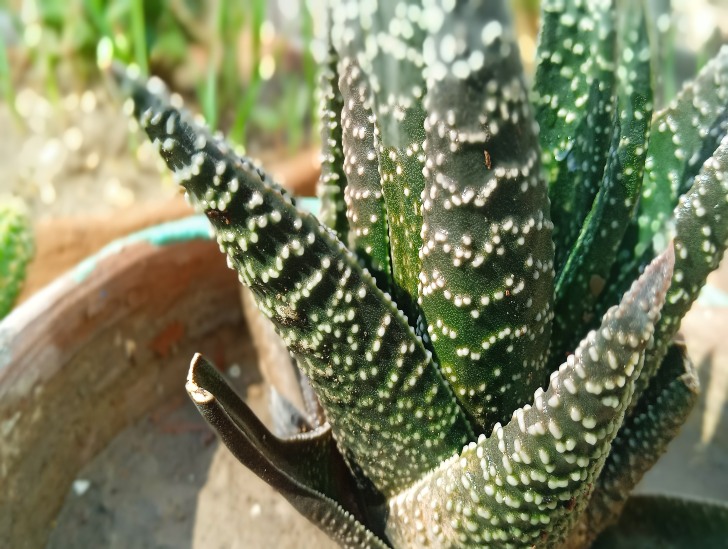
Most haworthia species have relatively long leaves with white stripes hence the nickname the zebra plant. The succulent requires exposure to sufficient amounts of light to maintain its rich color and beautiful pattern.

While it may survive the full sun, keeping it in a relatively shaded area makes it feel better, and it will appreciate it by maintaining its beautiful color and patterns. Depriving it of sufficient light exposure can be catastrophic in the long run.

What Is the Difference Between Direct and Indirect Light?

We have constantly mentioned that haworthia does well when exposed to bright indirect light throughout this post. So, what is the difference between direct and indirect light?

Well, the best way to figure out if you are providing your plant with direct or indirect light is using your hand.

Stretch your hand between your haworthia and the light. Look at the shadow formed carefully. If it is clear and sharp, then the light is direct. You will most likely also feel increased heat intensity for the direct light.

Haworthia plant in a pot.
Haworthia does well when exposed to bright indirect light.

On the other hand, if the shadow formed is somehow blurry, the light is indirect. In most cases, indirect sunlight will also be quite soft and gentle. The heat you feel in such a case will be less intense and more bearable.

It is always good to feel the light and determine whether it is direct or indirect before planting your haworthia in a given spot. If you have a spot in mind and realize that it receives a lot of direct, intense sunlight, be sure to choose a different spot for the safety of your succulent.

What Is the Appropriate Light Intensity?

As mentioned earlier, haworthia, just like other green plants, requires exposure to sufficient light to photosynthesize. Light intensity refers to how strong the light rays are.

Typically, this succulent can tolerate around 6,000 to 12,000 lux of light. If the intensity goes beyond 12,000 lux, the plant may suffer severe sunburn. Some of the common signs of sunburn in haworthia include leaves turning brown.

If you notice signs of sunburn and do nothing about it, your plant will most likely die. So, you need to do everything possible to ensure you maintain the light intensity within the acceptable range.

In some cases, the intensity differs and may be slightly higher for mature plants and the varieties that produce rich color and patterns.

The succulent takes time to adapt to intense light. So, you need to introduce it to bright light gradually.

To estimate the exact intensity of your light, feel free to use a measuring device to count the intensity level of your preferred planting spot.

To be on the safe side, it is important to understand your plant’s stage to provide it with appropriate light intensity.

Established or stressed haworthia needs a maximum of 5,000 lux; a plant that is still growing requires 10,000 lux maximum, while a robust and well-established haworthia can survive in relatively intense light conditions of up to 20,000 lux.

Relatively larger, matured haworthia plants with prominent patterns can handle full sun pretty well and will thrive in intense light of up to 23,000 lux.

What Is the Best Light Quality for Haworthia?

When we discuss light quality, we are mainly talking about artificial grow light. Generally, haworthia will survive under grow lights, but you still need to ensure the intensity is right and the light isn’t too low.

A Haworthia house plant.
The succulent requires exposure to sufficient amounts of light to maintain its rich color and beautiful pattern.

When you live in an area that doesn’t receive plenty of sunlight, you can supplement the little amount of natural sunlight that your succulents receive with artificial grow lights.

When installing artificial grow lights, make sure you use a blend of warm and cool white bulbs to deliver adequate intensity and balance in the plant color.

We highly recommend using the T5 fluorescent lights to achieve better results. These lights tend to produce the right intensity needed by haworthia to thrive. Just ensure the lumens stand at around 6k to 12k lux.

Can Haworthia Receive Too Much Sunlight?

The simple answer is yes. While some haworthia species can tolerate full sun, some can’t. You need to be extra careful with your plant in summer when temperatures rise too high, and sunlight becomes too intense since it can affect your plant’s overall health.

Keep in mind that in their native habitats, these succulents don’t grow under full sun. Most of them take refuge under shades of bushes, shrubs, and even rocks to avoid the effects of bright, direct sunlight.

No matter the type of haworthia you have, just know that it will need protection from a full sun at some point. It is your duty to monitor your plant and take action whenever you notice any signs of sunburn.

Haworthia succulent plant in a pot.
Some haworthia species can tolerate full sun, some can’t.

Besides developing sunburn, the plant leaves will also develop yellow/white patches when exposed to excessive light. The leaves may also turn from green to black or dark red, depending on the haworthia species you have.

Should I Rotate My Plant?

The simple answer is yes. If you are growing haworthia indoors, consider rotating it so that the entire plant gets sunlight evenly.

If you don’t rotate your plant, only one side will flourish while the other side of the plant remains stunted. Be sure to rotate your plant at least twice every week. Some gardeners even choose to rotate their plants every day!

For younger plants, avoid exposing them to direct sunlight as much as possible since they are weak and highly susceptible to sunburn.

Summary

While some haworthia species can survive in direct sunlight, most of the species require some form of shade during a period of too much intensity. To be safe, consider planting your haworthia in a spot that receives bright indirect sunlight.

Maintain the light intensity between 6,000 lux and 12,000 lux for better results. Once your plant is fully mature, you can gradually increase the intensity.

No matter where you plant your haworthia, ensure it receives at least three hours of morning sunlight every day for better results.

How To Cut, Split And Propagate Sempervivum

One of the joys of every succulent gardener is to see their plant collection multiply to form a colony. Unlike other succulents, the sempervivum, commonly referred to as the hen and chicks’ plant, has a remarkable ability to reproduce through offshoots (chicks) that grow into beautiful plants. Therefore, propagating the sempervivum isn’t that difficult. The most important thing you need to know is how to separate the offshoots from the mother plant at the right time and propagate them into new plants.

So, how do you propagate sempervivum? Sempervivum has a remarkable characteristic of producing rosettes that grow into relatively tidy, mounding clusters. To propagate the plant, carefully cut the rosettes and plant them in a well-draining potting mix. Carefully position them in partial sun and water them regularly until they establish a stable root system. The propagation of offshoots into new plants is best done outdoors in spring or summer. Other than offset propagation, you can also try your luck at propagating the succulent from seeds.

Do you have a sempervivum plant in your home, and you want to grow it into a colony of beautiful plants? You have come to the right place. Read on to find out everything you need to know about propagating the hen and chicks plant.

Propagation from Rosettes

As mentioned in the introduction, it is possible to grow your sempervivum colony without any effort on your part. The succulent produces beautiful rosettes that mature into young plants forming a neat colony.

When the mother plant flowers, it automatically dies, leaving behind a space to be occupied by the young plants.

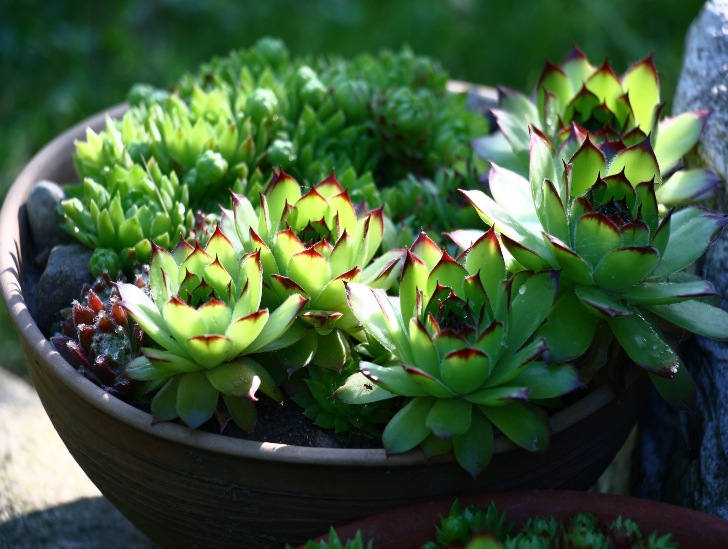
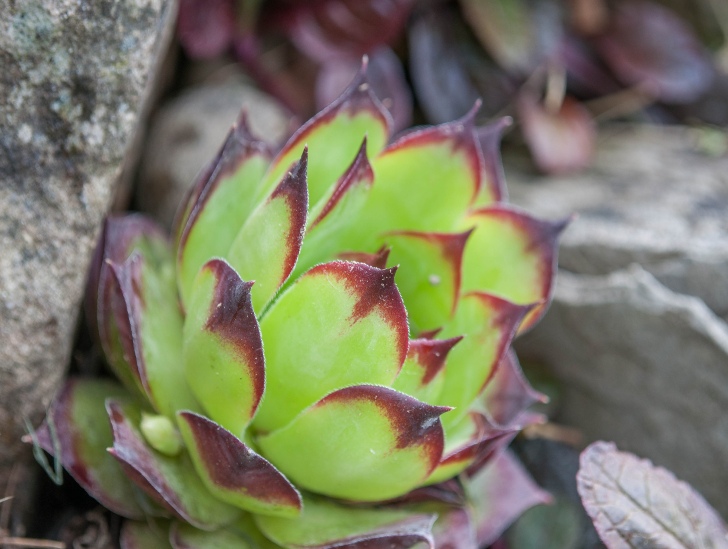
Sempervivum plant exposed to sunlight.
It is critical to replant the young rosette divisions you obtain into a well-draining potting mix.

However, you can still take charge of the propagation process and divide the rosettes manually using a sharp, clean knife.

One of the benefits of manual division and propagation is that it gives you more control over your colonies’ size and exact location.

When you subdivide the rosettes into several pieces for propagation, it is critical to ensure each piece of the rosette has a bit of root tissue that will develop into a new root system for the young plant.

It is also critical to replant the young rosette divisions you obtain into a well-draining potting mix. Proper subdivision of the rosettes can take some time, but it is worth every effort.

Follow the steps outlined below to propagate your sempervivum through rosette subdivision:

1. Choose Healthy and Juicy Rosettes

You will have the most successful propagation if you choose healthy rosettes that have already formed some roots other than going for the youngest chicks on the plant.

The easiest way to establish if the rosettes have formed some roots is by carefully lifting the plant from its pot and shaking off some of the potting mix to expose the root system.

Selecting rosettes with an already developed root system gives your offshoots the best chance of survival when transplanted away from the mother plant.

Close up image of sempervivum.
You can easily identify rosettes that have formed roots based on their age.

If you take offshoots without any roots, the propagation process will take longer since rooting alone can take up to one year. There is also a real risk of death.

If you don’t want to lift the plant from the pot, you can easily identify rosettes that have formed roots based on their age. In this case, make sure you go for offsets that are at least one year old.

2. Dividing the Offsets from the Mother Plant

Once you have identified healthy and juicy rosettes, the next thing you need to do is to separate them from the mother plant. You can do this using a sharp kitchen knife if necessary.

Be careful when making your cut to avoid damaging the young roots already formed on the rosette. You should also remove the stem that connected the sempervivums carefully. You need to ensure you obtain a clean cut.

Once you have obtained your rosette, don’t rinse the roots in water because it will only complicate the rooting system. If the roots have traces of the potting mix, it is okay, and you don’t have to worry about removing it.

If the rosette has dry leaves, get rid of them gently. Be careful to avoid damaging the healthy leaves since it can cause your rosette to develop diseases.

If the cutting was deep, set your rosette in a relatively dry and sheltered area to allow the cutting to form a callus. You can allow the cut part to receive some light but not direct sunlight.

3. Preparing the Rooting Spot

You can root the rosette in-ground or growing pot. It all depends on what you need in the long run. When choosing a place to root the rosette, it is critical to ensure the chosen spot receives plenty of light.

Take time to prepare the potting mix and ensure everything is okay. You can mix regular garden soil with sand in the ratio of 1:1 to obtain a good potting mix for your young sempervivum plants.

Sempervivum in a pink pot.
The only part of the rosette that should be in the soil is the roots.

Carefully place the sempervivum roots in the preparing soil. The only part of the rosette that should be in the soil is the roots. Every other part of the young plant must be above the ground level.

If you are propagating more than one rosette at the same time, ensure each rosette is carefully positioned at a sufficient distance from the other. A distance of approximately three inches between the rosettes will be okay.

Do I Need to Shade Newly Propagated Offsets?

Generally, you don’t have to provide your newly propagated offsets with shade but don’t expose them to direct sunlight.

The only exception will be when you are propagating the dwarf species of the sempervivum. In this case, you need to provide your newly propagated rosettes with sufficient shade to prevent them from sunburn.

If the place you want to position your rosettes is relatively sunny (receives more than eight hours of direct sunlight), then you need to tighten the shade to protect your young plant from intense heat.

Sempervivum and rocks.
You need to remember that there are times when the shade may be needed for a relatively longer period.

To create a simple shade for your young sempervivum, stick two sticks in the ground and pull a shade net between them. You can also position your growing container under tall plants such that the relatively tall plants are protecting the young plants.

You need to provide the shade for at least two weeks to allow your young sempervivum plants to adapt to their new environment.

When the middle of the rosette starts turning bright green, it means that the rosette has successfully developed a root system, and you are free to remove the shade.

However, you need to remember that there are times when the shade may be needed for a relatively longer period (one month or even more). This is especially true if you propagate your sempervivum rosettes in summer.

If during the rooting there is almost no sun or it rains, then you can do away with the shade, and your rosette will do just fine.

Should I Water Newly Propagated Sempervivum Offsets?

It is prudent to water your newly propagated offsets a little to keep them hydrated. However, watering should only be started at least three days after planting. Don’t water the rosettes immediately after planting because they will die.

When watering the rosettes, use a small amount of water and only moisten the plants. Feel free to gradually increase the amount of water as the offsets develop a stable root system.

Sempervivum and rosettes in a pot.
You need to remember that there are times when the shade may be needed for a relatively longer period

Avoid overwatering at all costs because young sempervivum plants are at an increased risk of developing root rot.

Watering is only necessary if there is no rainfall at all. There is no need to water your young sempervivum plants in the rain.

Should I Fertilize Newly Propagated Sempervivum Rosettes?

There is no need to fertilize your newly propagated sempervivum rosettes until they form a stable root system. Typically, the root system will be strong enough to sustain fertilization after 30 or 40 days.

Keep the fertilizer to a minimum amount, and be sure to use slow-release plant fertilizer since it is the best option.

Don’t worry if you forget to fertilize your plant because it is not a matter of life and death. The succulent still produces many vitamins and other critical elements needed for survival.

Therefore, it only requires minimal fertilization to thrive. A few pellets under the rosette are enough for survival.

Can I Propagate Sempervivum from Leaves?

There is a lot of information circulating online about propagating sempervivum from leaf cutting. Unfortunately, the information isn’t correct, and nobody can verify it.

It is almost impossible to propagate sempervivum from leaf cuttings because new roots may never form. Several people have tried taking cuttings from the leaves and stems and rooting them in soil, but they only ended up drying instead of forming new plants.

Even spraying and positioning the leaf cuttings in a greenhouse doesn’t change the outcome. Basically, if you want to propagate sempervivum successfully, you need to stick with the offset propagation method described above.

Summary

Sempervivum is one of the easiest succulents to propagate, making it an excellent choice for beginners. If you have healthy and juicy rosettes, you can separate them from the mother plant and root them.

Once the offsets have rooted, you can transplant them into their own container or garden bed. You may need to shade newly propagated offsets in hot weather, but overall, they should be relatively easy to care for.

Adenium Plant (Desert Rose) – Does It Require Direct Sunlight?

Adenium plant, also known as the desert rose, is a perennial succulent plant native to parts of Africa and Arabia. The plant has thick, fleshy roots and a stem with beautiful flowers. It is a popular houseplant and can also be found in arid, desert-like climates. Caring for the plant is relatively easy, but one question that is often asked is whether the succulent needs direct sunlight.

So, does the adenium plant need direct sunlight? The answer to this question is yes and no. Adenium plants appreciate bright light, but they cannot tolerate direct, scorching sunlight. If you live in an area with scorching summers, it is best to grow your plant under a shade cloth or in a spot that only receives morning sun.

This blog post discusses everything you need to know about growing an adenium plant, including the amount of sunlight it needs. We also provide tips on how to care for your plant so that it thrives.

Adenium Plant General Light Requirements

In general, adenium plants need at least 4 hours of sunlight per day. They can tolerate up to 6-8 hours of sunlight, but anything more than that will start to damage the plant. If you live in an area with hot summers, it is best to provide some afternoon shade for your plant.

Adenium plant exposed to sunlight.
It is a popular houseplant and can also be found in arid, desert-like climates.

The amount of sunlight your plant receives will also affect the blooming pattern. Adeniums that receive more sunlight will bloom more often than those that don’t.

When growing the succulent indoors, it is best to place it near a south-facing window. This will ensure that your plant receives enough light. If you don’t have a south-facing window, you can supplement the light with artificial grow lights.

How to Know If Your Adenium Is Getting Enough Light

There are a few ways to tell if your plant is getting enough light. The first is by looking at the leaves. Healthy leaves should have a deep green color. If the leaves are pale or yellow, this is a sign that the plant is not getting enough light.

The second way to tell if your adenium is getting enough light is by looking at the stem. The stem should be thick and fleshy. If the stem is thin and spindly, this is a sign that the plant is not getting enough light.

Adenium Socotranum plant outdoors.
Adeniums that receive enough light will produce more flowers.

The third way to tell if your adenium is getting enough light is by looking at the flowers. Adeniums that receive enough light will produce more flowers. If the plant is not receiving enough light, the flowers will be smaller and fewer in number.

How Do You Know Your Adenium Isn’t Receiving Enough Sunlight?

Adenium needs at least four hours of sunlight to do well. If it isn’t receiving that much sunlight, the leaves will turn pale or yellow. The stem will also be thin and spindly. The plant may also produce fewer flowers.

The other obvious sign that your plant isn’t receiving sufficient light is etiolation. When a plant doesn’t receive enough light, it will start to stretch out and become leggy. The internodes (the space between the leaves) will also become longer.

If your plant is etiolated, you can cut back the stem to promote new growth. Be sure to place the plant in a spot that receives more light. You may also need to supplement the natural light with artificial grow lights.

Can Adenium Receive Too Much Sunlight?

The simple answer is yes. Like other succulents, adenium can sunburn if exposed to direct, scorching sunlight. The leaves will turn red or brown, and the plant will start to wilt. If the sunburn is severe, the leaves will eventually fall off.

Desert rose in a pot indoors.
Be sure to place the plant in a spot that receives bright light but not direct sunlight.

To avoid sunburn, it is best to provide some afternoon shade for your plant. This is especially important during the summer months when the sun is at its strongest.

You can also move your plant indoors during the hottest part of the day. If you do this, be sure to place the plant in a spot that receives bright light but not direct sunlight.

How Do You Treat Sunburn on Adenium Plant?

If your adenium plant has already suffered sunburn, you need to act swiftly to avoid further damage. If the sunburn isn’t severe, you don’t have to worry because it will eventually heal on its own.

To help the healing process, you can provide some afternoon shade for your plant. You can also move the plant indoors or place it in a spot that receives indirect sunlight.

If the sunburn is severe, you need to take measures to prevent further damage. The first thing you need to do is provide some afternoon shade for your plant. You can also move the plant indoors or place it in a spot that receives indirect sunlight.

Next, you need to water the plant more frequently. This will help prevent the leaves from drying out and falling off.

Finally, you need to apply a succulent fertilizer to help the plant recover. Be sure to follow the directions on the fertilizer label.

With proper care, your plant will eventually recover from sunburn. However, it is essential to note that the leaves will never return to their original color. If that is an issue for you, consider pruning the damaged leaves.

Can Adenium Grow Under Shade?

Adenium can grow under shade, but it will not do as well as it would in full sun. The plant will be leggy, and the leaves will be pale green. The flowers will also be smaller and fewer in number.

Positioning your plant under shade may also lead to other problems such as powdery mildew and root rot.

It is best to provide adenium with at least four hours of sunlight. If that is not possible, you can supplement the light with artificial grow lights.

Can Young Adenium Plants Survive Direct Sunlight?

Caring for young adenium plants requires a bit more care and attention. This is because they are more susceptible to sunburn and other problems.

To avoid sunburn, it is best to position young adenium plants under partial shade. This is especially important during the summer months when the sun is at its strongest.

Desert rose stem flower.
To avoid sunburn, it is best to position young adenium plants under partial shade.

You can also move your plant indoors during the hottest part of the day. If you do this, be sure to place the young plants in a spot that receives bright light but not direct sunlight.

With proper care, your young adenium plant will eventually become acclimated to the sun and can be moved into a full sun position.

Can Adenium Grow in Artificial Light?

Adenium can grow in artificial light, but it will not do as well as it would in full sun. The plant will be leggy, and the leaves will be slightly pale. The flowers will also be smaller and fewer in number.

To grow adenium under artificial light, you need to pay close attention to the intensity of the artificial bulbs you use. Generally, you need bulbs that produce at least 10,000 lux. Leave the lights turned on for at least eight hours a day.

It is important to note that adenium will not flower under artificial light. If you want your plant to flower, you need to provide your plant with some exposure to natural sunlight.

You also need to be careful not to overdo it with artificial light. It is best to use a combination of fluorescent and incandescent light bulbs. This will help prevent the leaves from getting too hot.

How Often Should You Water Adenium?

Adenium plants are drought tolerant and can survive long periods without water. However, they will not thrive unless they are given a good soaking every few weeks.

You may need to water your plant once a week during the summer months. This will depend on the weather conditions and the type of soil you are using.

If you are growing adenium in a pot, you will need to water it more frequently. This is because the roots are confined, and the soil dries out more quickly.

Watering adenium plant.
You can also allow the plant to go through a period of dormancy in the winter months.

You can reduce the watering schedule to once every two weeks during the winter months. Be sure to check the plant before watering to ensure the soil is dry.

Overwatering is one of the most common problems with adenium plants. If you water too often, the roots will rot, and the plant will die.

To avoid this problem, make sure the soil is dry before watering. You can also allow the plant to go through a period of dormancy in the winter months. This will help prevent root rot.

Conclusion

Although adenium plants can tolerate a certain amount of direct sunlight, it is essential to be aware of the plant’s general light requirements and how to provide them.

If you are unsure whether your adenium is receiving enough light, there are several ways to tell. Sunburn on an adenium plant is not common, but can happen if the plant receives too much sun.

Adenium plants can also grow under shade, although they will not flower as prolifically. Young adenium plants should not be exposed to direct sunlight for extended periods until they have become stronger and more tolerant.