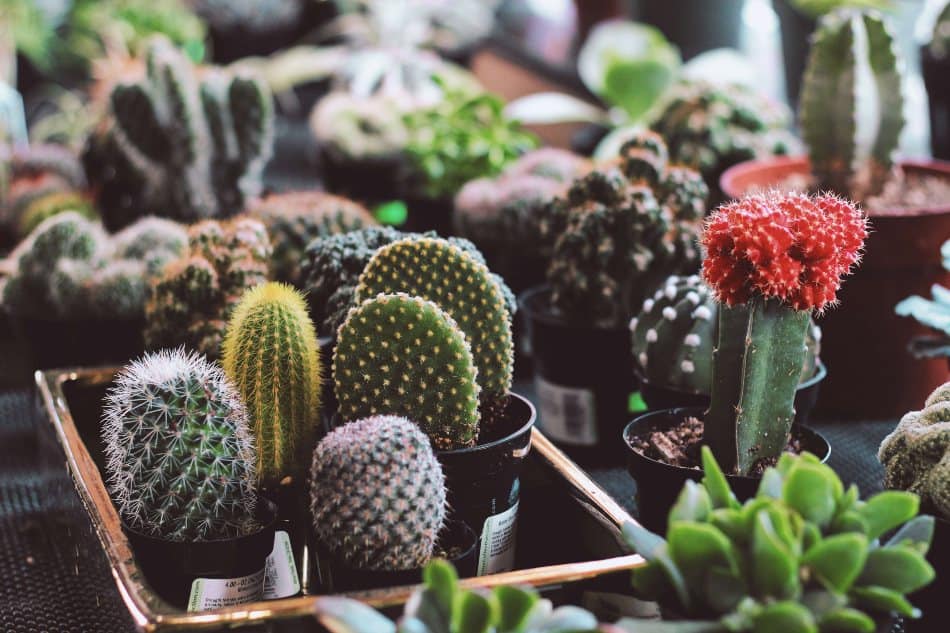
Where Does A Cactus Grow? 10 Beautiful Places You Can Find Cactus

Cacti make great landscaping plants. My pursuit in understanding more about cactus drove me to find out more on where it grows. Stick around to see what I found out. 

So, where does a cactus grow? Cactus often grow in different climates. Most of them grow in dry and hot regions. However, some thrive in rain forests and mountains. What’s even more surprising is that some also grow in Antarctica and Alaska. They are also found in Mexico and various parts of SouthWestern U.S.

What’s more surprising is that cacti can grow even in the harshest environments. They store water in their stems, leaves, and roots. This explains why they can survive for long, even when it does not rain.   

Where can you find cactus?

Cactus has over 1700 species which most of them are native to the Americas. Different species grow in different environments. Below are some of the climatic regions you can find cacti. 

The Desert

Cactus in Desert in Mexico.
Cacti in Mexico

Some cacti are found in drought-prone areas such as Mexico, Texas, parts of South America, southwestern US and the Atacama desert in Chile which is the world’s driest place. 

Most species of cacti survive in the deserts. What makes them survive is their adaptation to the environment. When it rains, they take advantage of it and store as much water as they can. Their roots are on the surface, which enables them to collect the water and store it in the stems quickly.

The amount of water the cactus stores is approximately 90% of the plant. For example, for the Saguaro, about 750-1000 liters are stored when it rains heavily. 

How does water not evaporate considering the hot nature of the desert?

Unlike other plants that shed off leaves during the hot season, cacti can continue photosynthesis due to their sunken pores on the leaves, and they also have a waxy stem to prevent evaporation.  

The pores often open during the night to release some moisture and close during the day. 

Their spines protect them from animals that would ideally eat them. However, for animals such as camels, the spines don’t prevent them from eating as they have papillae, which help them eat cactus with little discomfort.  

Some of the notable species found in desserts such as California are Prickly Pear, Barrel Cactus, and Cholla. 

Rainforests
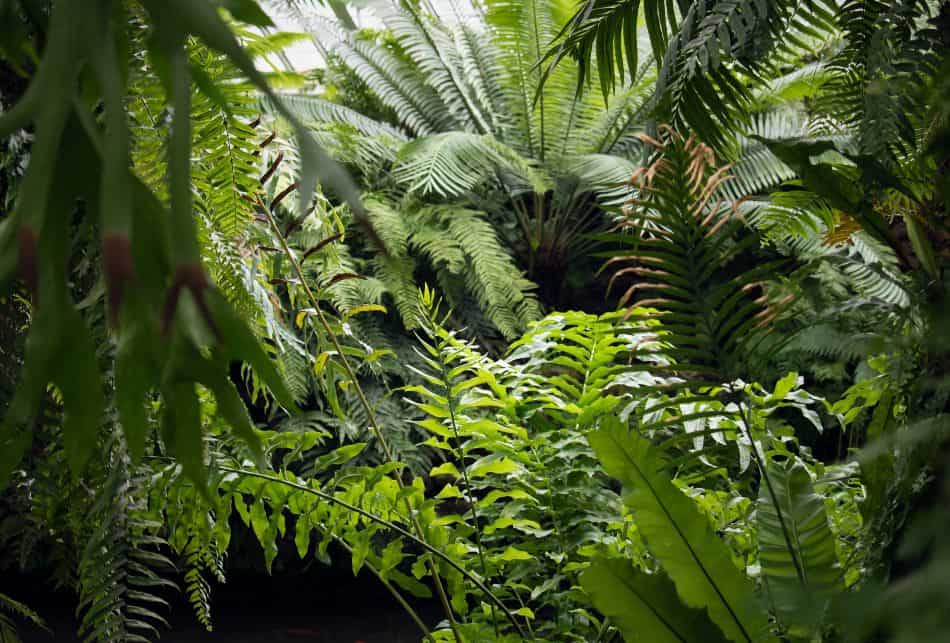
A cloud rain forest.
Cloud Rain-forest

Tropical rainforests such as central America, Carribean Islands, northern South America, southeastern Brazil, and Bolivia, are all home to certain species of cacti.

Contrary to what people think, cacti don’t only grow in deserts. There are those that grow in rainforests and are usually known as jungle cacti. Unlike the mostly thorny desert ones, jungle cacti don’t have spines. 

Most of the cacti are found in cloud forests that are in the elevation f between 1,000 and 2,000 meters. 

Some of the popular species are the holiday cacti: Thanksgiving, Easter and Christmas Cacti. These cacti are mainly lithophytic (grow on rocks) or epiphytic (grow in trees). Such succulents mostly get their nutrients from dead leaves, the air or debris in cracks or crotches. 
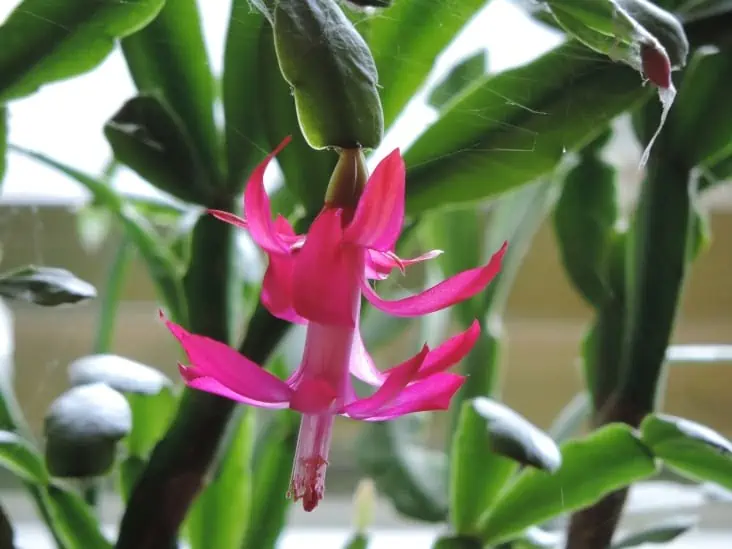
A flowering christmas Cactus.
These cacti are mainly lithophytic (grow on rocks) or epiphytic (grow in trees).

The cacti that grow in trees do not sap any nutrients from the trees but rather do so for support. They have elongated leaves whose primary purpose is to absorb light. 

When planning to grow jungle cactus, it’s essential to mimic soil close to such natural conditions. To do so, you’ll need an appropriate potting mixture containing stuff like potting soil, pumice, oak leaf mold, orchid bark, among others. 

Always repot your cacti after every two to three years around when it has finished blooming. Ensure the cacti get the right amount of light. Just like in the rainforests, they grow in restricted sunlight, don’t expose them to prolonged summer light.

When they reach the flowering stage, consider using a tomato-type fertilizer every fortnight. Be keen not to use a high-nitrogen fertilizer. 

Mountains
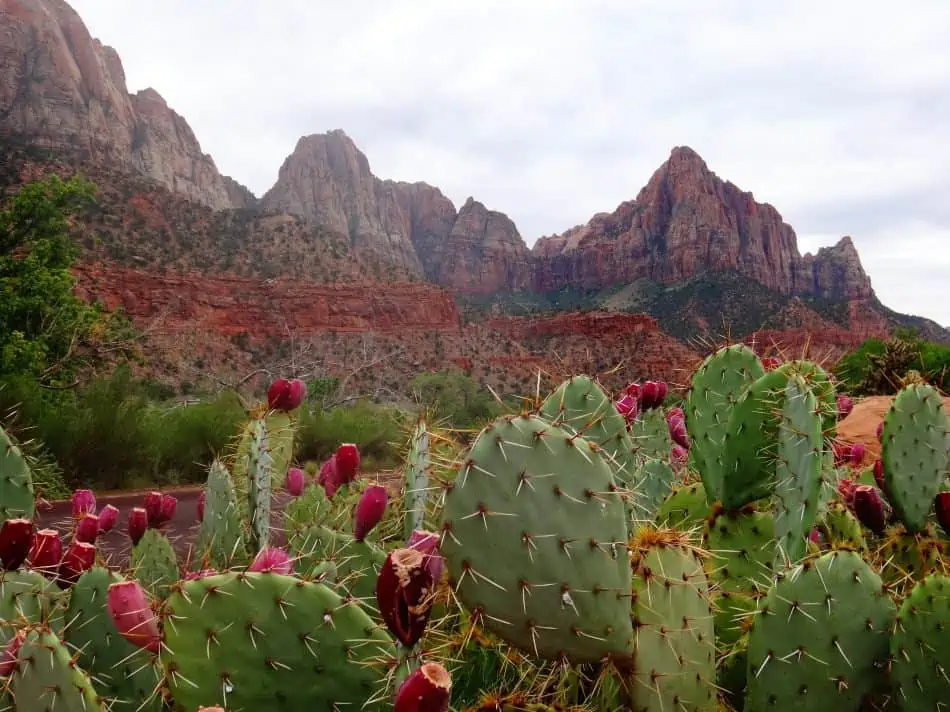
A green cactus near the window.
Green cactus by rocky mountain

As hard to believe as it seems, cacti grow in the mountains. However, they grow in the mountains with low latitudes. Such cacti can be found in Whipple Mountains

In this case, the mountains will tend to interrupt the humid winds and have a side that’s rainy due to ‘catching’ water in the air and facing the wind.

On the other side of the mountain is the rain shadow where there is rarely any rain since the air that goes to the other side comes back when it’s compressed, hot and dry.  Cacti will often grow in this part of the mountain as they have the arid environment they thrive in. 

What makes cacti grow well also in the mountains is the fact that the soil here is usually eroded and is quite rocky. 

Cacti love environments that are windy, rocky, and gravely soil, which is what is found in the mountains. 

The Mountain Ball Cactus is one of the species found in the mountains.

Breathtaking Places Where You Can Find Cactus

Cacti are beautiful, and I have rounded up all things cacti here. I have compiled an impressive list of some of the best places globally where you can find all sorts of species. The list involves locations as far as Texas and Spain. The craze about cactus is clearly not going away any time soon. 

1. The Tehuacán-Cuicatlán Biosphere Reserve

For starters, the Tehuacán-Cuicatlán Biosphere Reserve was listed as a UNESCO World Heritage Site! From the incredible landscape to the cacti galore, this reserve provides some of the best shots. It is around 500,000 hectares of land that’s protected. 

There are four mountian ranges: Sierra Mazateca, Sierra Mixteca, Sierra Zongolica and Sierra de Juarez. 

What makes this reserve stand out is the cactus. There are over 2500 columnar cacti species here! It is considered the largest concentration of cacti species globally. 

The reserve is considered as a ‘biodiversity hotspot’ because of the rare species found here that may be in danger of extinction. It is also among the last areas or remaining wild cactus in such volumes which justifies why it is on the heritage list. 

With such a large reserve to explore, you may spend days hiking while exploring the great cacti species available. There are buses available from Tehuacan to the Reserve. The only trick here is, be sure to sit on the front seats for a clear view. 

Also, if you decide to go on the bus, you can go to the Helia Bravo Hollis which is a botanic garden that’s filled with cactus in between paths. 

2. Moorten Botanical Garden and Cactarium

This garden in Palm Springs was established in 1939 by Patricia and Chester Moorten who were a celebrity couple. At that time, they were helping Walt Disney in designing Disneyland’s Frontierland. 

The Moorten gardens sit on a 0.4-hectare land. As you enter, you can see the Moorten home commonly referred to as the Cactus Castle. The garden is 1.5 miles from Palm Springs, and there is parking space. 

The couple showed their love for botany by exploring and collecting all sorts of desert plants. Moorten garden boasts of about 3,000 of desert cacti as well as other desert plants. 

There is a cactarium greenhouse which has different species of cacti collected from various parts of the world.
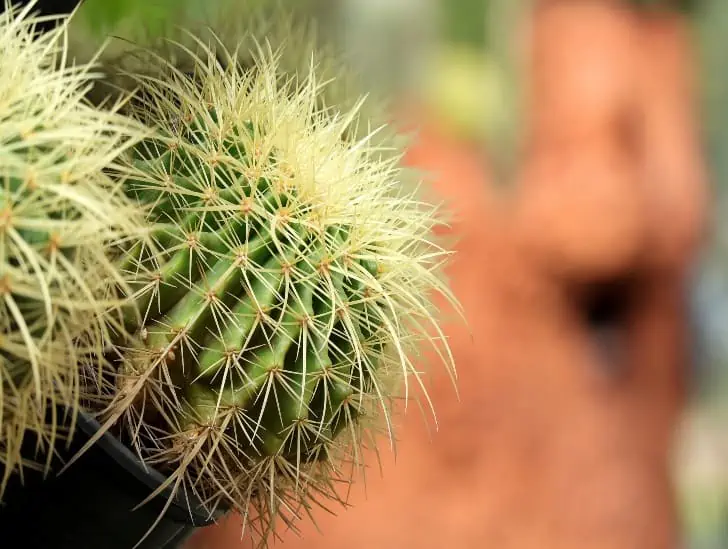
A Golden Barrel cactus.
The garden is 1.5 miles from Palm Springs, and there is parking space. 

If you need guided tours, you need to book in advance. You can also make purchases of the available plants. Note that, the gardens are closed on Wednesdays. 

3. The Legendary Cactus Store In Los Angeles

The Cactus Store, located in the neighborhood of Echo Park, has a rare variety of species from all around the world. The store started in 2014, and its daily operations are run by Carlos Morera- a graphic designer, his uncle Johnny Morera-nursery man and cactus specialist, and other friends: Prof Christian Cummings, Max Martin, Jeff Kaplon and Greg Passuntino. 

Before the store came to life, they took about two weeks on trips to the Mexican border to hand pick cactus from different farms. 

Even though the store is only 350 square feet, it has 8,000 pounds in cinderblocks for displaying the various types of cacti. 

The store is best known as a collector’s store. Each cactus is handpicked for its own unique features. For example, a cactus may seem small in size and is more expensive than other ones, but some have been in existence for over 70 years. Some are just found on one particular farm in the whole world. 
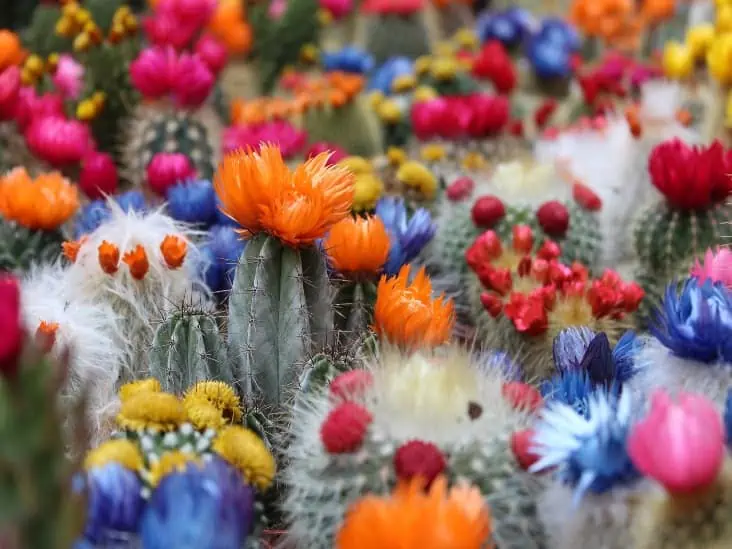
A colorful flower from fifferent kind of cactus.
Each cactus is handpicked for its own unique features.

The store ensures that each cactus is unique and has different attributes to the rest. 

What’s even more mindblowing is the fact that the pots in which the cacti grow come in raw form and are from a Mexcian manufacturer. Since cactus hate being in moist soil, these unglazed pts are better because they suck water out quickly as compared to the glazed pots. 

If you are planning to buy any cacti in the store, the prices start from $25 to around $1300 per piece. 

When the store started back in 2014, it was not named immediately, and it got the name, ‘Cactus Store’ from people because they just started calling it that. 

4. Kaktus København

Located in Copenhagen, the store was opened in 2015 by three childhood friends: Gro, Cille, and Maja. 

The store has specialized in over 150 cacti species. Most of the cacti have been sourced from a local Danish nursery which makes all their cacti Danish-bred. 

What’s impressive about this store is that the owners show you how the cacti can create the perfect decor for your house. They also help you know how to care for the cactus. 

The store started way before it was officially opened when Maja and Cille moved in together and started a cactus collection until they covered the whole large windowsill. It was when Cille traveled to Guatemala that she learned how to cook cactus and how to use them. This was when they decided to open the store together with Gro, Maja’s sister. 
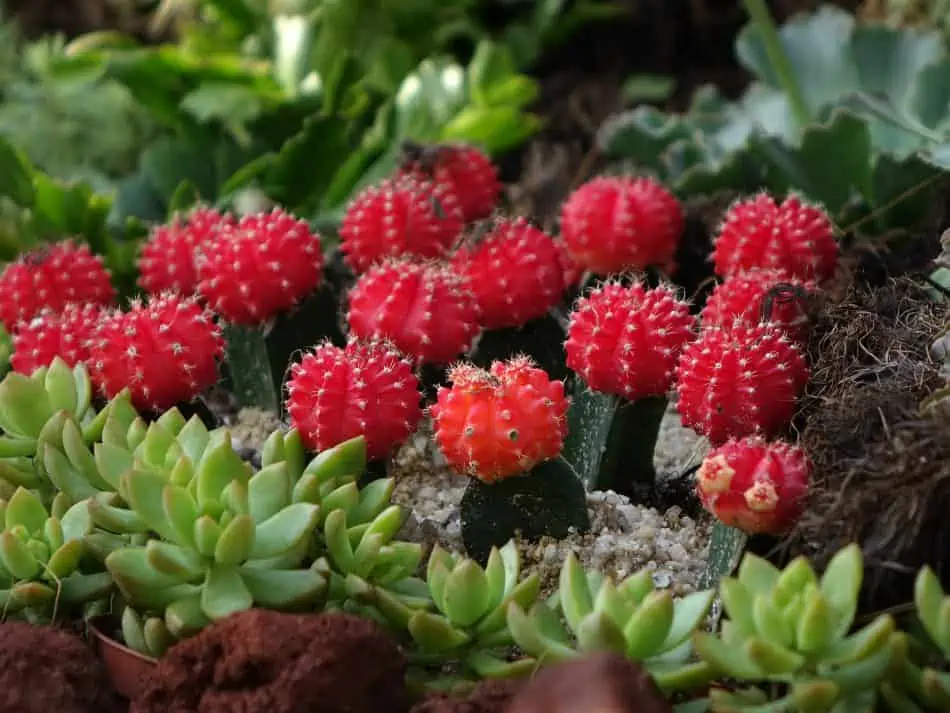
Red Cactus.
When planting, plant half the clipping which should be covered by soil.

Some of the tips they give when planting a clipping is: cut a small section of the cactus, leave it to dry for ten days. When planting, plant half the clipping which should be covered by soil. Avoid watering for the first few days to give it time to let the roots grow. Once they grow, you can water. They also mention that you need to be patient as the cactus takes a while to row. 

5. Desert City, Madrid

For nature lovers, this is another magnificent place. There are more than 400 xerophytic species on the 5,000 square meters gardens. 

The garden is divided into five zones: 

  • Arizona: this section has a variety of cacti.
  • Oasis: it’s a forest full of palm trees.
  • Tuscany: has species such as pomegranate, lavender, olive, among others. 
  • Tabernas: this is where landscaping breaks the aesthetics of the rest of the garden.
  • Guajira: this is where the gardening plants, together with cacti and other xerophytes coexist.

There are free guided tours every Saturday and Sunday at 11.30 a.m. If you are coming in groups of more than ten, you have to book in advance.

The owner is Mercedes Garcia. You have an option of purchasing plants of your choice.

6. Getty Museum Cactus Garden 

This magnificent garden was built in 1997. It is a mixture of ancient and modern as California traditions, and the ancient Mediterranean inspired it.  

A notable feature about the cacti plants found here is that the layout is what creates terrific effects. Each section of cacti contrasts with the one next to it. 

There are 1500 species of cacti and succulents here. They sell at between $10 and $800. 

7. Jardin de Cactus

This magnificent garden is in Guatiza, northern Lanzarote. It is situated in a former quarry where extraction of volcanic sand was done to pour on cultivated areas for the retention of moisture. 

The garden’s design was by the artist, Cesar Manrique, who was among the most influential artists.  From the paved ways to the walled bridges, all evident at the garden are courtesy of Cesar. 

The cactus garden has over 450 cacti species with over 4,500 examples. These species are from all five continents. The dark volcanic rocks, together with the green plants coupled with the blue sky, make the garden look magnificent.  

8. Prick London

The prick was one of the first-ever cacti and succulent boutique in Dalston, London. The store’s founder is Gynelle Leon. Most of the plants are from the UK and Europe. 

The store sells over 150 types of plants. Cacti are considered low maintenance and a great addition to the modern way of living. They add to the home decor creating a sophisticated, relaxed look. 

The store has its own design of pots. Gynelle’s passion for cacti began when she started picking giant cacti. She was mostly attracted to the fact that they seemed to last longer than her relationships!
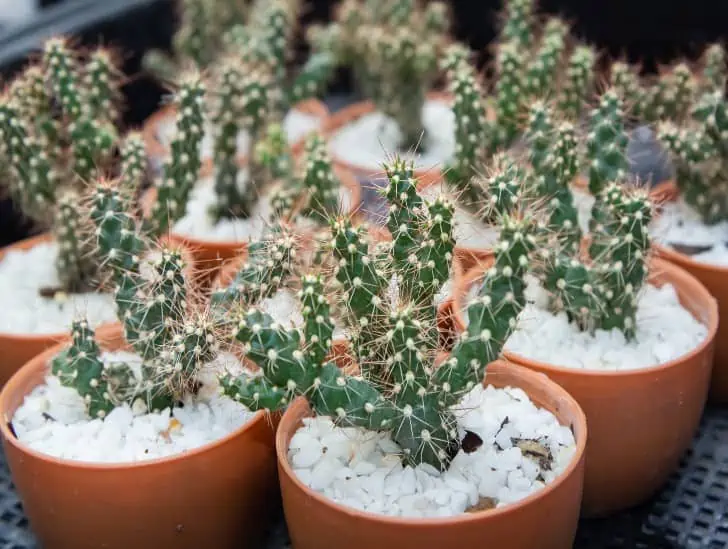
Cholla cactus in a pot.
Cacti are considered low maintenance and a great addition to the modern way of living.

What makes this tore even more attractive is the fact that it is a complete contrast of garden shops. It is almost as enjoyable as shopping for clothes. 

Interestingly, they have a Best Selling Book: Cacti and Succulents: Choosing, Styling, Caring by the shop’s owner, Gynelle. 

9. Cactus Garden Chandigarh, India

The garden covers 7 acres of land. It is India’s most extensive botanical garden. Well known for its beauty of the cacti species in it, it was established in 1987. 

The best months to visit this garden are between September all the way to March. It has numerous species of about 272 varieties of genus Mammillaria cacti with a distinct one from Mexico known as Bursera, and its shape is like a big tree. 

10. Arizona Cactus Garden

Even though this garden is officially the Arizona Cactus Garden, it is located in Stanford University in California. Leland and Jane Stanford built the garden between 1881-1883. It is 30,000 square feet. And it is free to the public daily. 

Currently, the garden contains 500 cacti. The cactus garden is divided into two subsections: The Eastern and Western hemisphere. The Western hemisphere holds cacti species native to the Americas while the Eastern one has the rest of succulent plants such as aloe and jade plants. 

Related Questions

How can you make cactus grow faster? Cactus grow faster if they are exposed to the right amount of water (only water when the soil is dry), fertilizer (once a month during warm months) and light (place the cactus in the sunniest place of your home and keep rotating weekly). Provide an ideal condition during warm months throughout the year for faster growth. 

How can I get rid of cactus spines? There is the option of using tweezers and magnifying glass. The other more straightforward way is applying white glue to the affected part of the skin and wait for about 30 minutes until it’s dry then gently roll the gauze from the skin.  

Are cactus spines poisonous? There are no known cactus spines that are poisonous. What happens is that some small ‘glochid’ spines of some cacti species will easily stick in the skin and can be quite challenging to remove. Wear gloves such as those worn by rose gardeners to avoid this. 
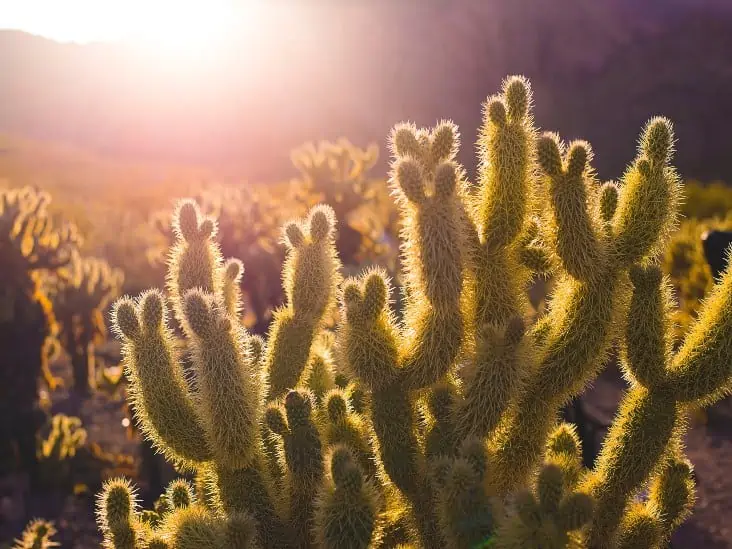
Does A Cactus Need Sun? Shine Your Cactus with the Following Tips

Cacti and other succulents are among the most common houseplants. But, away from the home conditions, these plants have learned to compete for survival all over the world. Most of them are desert plants that have learned how to survive the scorching sun and sporadic rainfall. 

So, does a Cactus plant need sun? Cactus love to be near the window two blossom. You need to ensure that you give your cacti and other succulents the brightest window you can afford in your home. A south facing position will provide good sunlight, and the optimum light depends on the variety of cacti that you are growing.

Cacti come in a wide range of shapes and sizes and tend to grow best in lots of light, high temperatures, low moisture, and good drainage.

However, not all cacti grow in deserts. Some of them, such as the Schlumbergera grow in the rainforest conditions of North and South America and prefer semi-shade and humid conditions.

So, do cacti plants need lots of sunlight to blossom in your home? In this simple guide, we help you debunk the common myth that cacti need lots of sunshine to thrive.

Furthermore, we shall teach you how to take care of your cactus plant by understanding its light requirements and how to ensure that it gets the right amount of light throughout the year.

Read on to find out everything that you need to know.

Do Cacti Plants Need Sunlight?

Generally, succulents, including cacti, love sunlight, and it is always a good idea to position your cacti in a relatively bright place. Although some cacti species such as Rhipsalis and Hitora can tolerate lower light levels, no cactus loves to sit in the dark rooms of your house or on your dark office desk.

Finding a bright spot in your home is the first step in establishing whether you can take care of cacti or not.

Cacti plants can behave quite strangely if they don’t get sufficient sunlight. In most cases, you will notice discoloration in your cactus plants if they need more light. The deep green cacti will slowly fade to pale green while the purple, yellow, or bright pink cacti will revert to plain green.

Insufficient light will also affect the overall growth habit of your cacti. What was once a short, dark, and healthy cactus plant may start to grow tall and pale as it tries to reach for more light.

This will soon lead to strange growth patterns that may cause new growth to be much smaller than the rest of the plant or sometimes, new branches will come out that are quite long and tendril-like.

The unusual growth pattern in cacti is often referred to as etiolation and can only be avoided if you move your plant to a place where it will receive sufficient sunlight.

A fruit bearing cactus.
Succulents, including cacti, love sunlight

How Much Light to Give Cactus

Light is a funny thing since it is hard to measure it. If we were talking about water requirements, we could say that you need to pour one or two cups of water on the plant once or twice in a day, but it is not like you can give your cactus plant 7 lbs of light every day.

It simply can’t happen that way. So, how can we measure the amount of light to give to your cacti?

Well, the best approximation that we can use is to measure the duration. How long should your cactus plant be exposed to light each day? And to make things more precise, you need to understand how much of what kind of light keeping in mind that there is natural and artificial sunlight.

Fortunately, we are here to simplify things for you and ensure that you take good care of your cacti. So, let us start with the basics.

Cacti and other succulents need to have between 10-14 hours of light a day. Don’t expose your cactus plant to more than 14 hours of light in a day. On average, 12 hours of light a day is enough to keep your plant happy.

Remember the fact that your plant needs rest too and exposing it to more than 14 hours of light a day won’t help it in any way. In fact, cacti plants need darkness to take in carbon dioxide that will be used in the process of photosynthesis during the day.

 Know Your Angles

One of the most critical things that you are supposed to do before you even go for that cactus plant is to understand which way your house faces.

If your house faces north or south, that is great because you get all that southern exposure. However, if your home faces east or west, it is going to be a little bit trickier since the east-west sunlight isn’t as bright or as hot compared to the north-south sunlight.

If you are lucky to have a north or south facing house, make sure that you study the sunlight for several days to determine how many hours of sunlight you get in a day.

This will guide you on which type of cacti to go for and what to avoid. Some cacti such as the blue cactus usually require several hours of unrelenting hot sunlight to thrive.

If your house is facing east or west- meaning that you get a less amount of sunlight- go for the darker species of cactus plants since the darker the cactus plant, the less light it needs to survive.

Different kinds of cactus near the window exposed to sunlight.
First, understand which way your house faces

Direct vs Indirect Sunlight

One of the most critical aspects of light you need to consider while taking care of your cacti plants is the intensity of sunlight.

Cacti, like us humans, prefer to bask in direct sunlight rather than indirect sunlight. However, too much direct sun can cause serious damage to your cacti and even lead to death.

Direct sunlight refers to the rays that are directly hitting the plant and is quite strong. Therefore, you need to ensure that your cacti plants get enough direct sunlight but not too much of it.

On the other hand, indirect sunlight refers to filtered, scattered light that is not directly hitting the plant. These rays are weaker than direct sunlight and may barely be enough for your cacti to thrive in.

Therefore, if you are keeping your cacti indoors all the time, ensure that it gets enough indirect sunlight from a nearby window or balcony.

Seasonal Light Differences

The other crucial aspect of light that you need to keep in mind while taking care of your cacti plants is that light levels and intensities differ from season to season.

Summer days can be quite long, and the light intensity is also strong. Therefore, the most critical factor in your summer months is sun exposure. But, you must strive to understand how much sunlight your plant is getting every day as well as the temperature and humidity.

Although they survive in deserts, cacti and other succulents can get scorched and dried out quickly if the sun rays are too intense. You need to be cautious while moving your plant from shade to full sunlight.

Sometimes, the plant can’t withstand the sudden change in the intensity of light and will die even if you think that you have done the right thing to help it. When introducing your cactus plants to new climate or light intensities, make sure that the process is gradual.

Cactus in a pot near the window.
You need to take a lot of precaution during the cold months.

During winter, the days are shorter with less intense light. If your cacti become a little bit dormant in winter, don’t worry about it.

However, you need to know the right time to keep your plants indoors and take proper precautions when you transfer them outdoors.

If temperatures in your region are going to fall below 500F, then it is time to find a perfect window indoors for your cacti plants.

Most importantly, you need to take a lot of precaution during the cold months, especially if it has rained. Sometimes, the wet soil mixed with the relatively cold temperatures can quickly cause your cacti to die.

Many people prefer rotating their cacti between indoors and outdoors as the seasons change just to make sure that they don’t get hurt.

Sunlight vs. Artificial Light

This is a big topic when it comes to growing cacti, but the truth is that neither sunlight or artificial is better than the other. There are situations when sunlight outshines artificial light and vice versa.

Sunlight is amazing since it right there, and it is also free. You can simply put your cactus plant on your windowsill, water it when you remember, and it will thrive. Sunlight has always been there, and the cactus plant is well equipped to harness it and use it appropriately.

In fact, cacti plants were born to bathe in sunlight, and they have a wide range of colors that enable them to absorb different wavelengths and fascinating adaptations to protect themselves when the sunlight is too scorching.

Cactus exposed to sunlight.
Sunlight is amazing since it right there, and it is also free.

Therefore, you will never go wrong when you choose to expose your cacti plants to lots of sunlight whenever possible. If you are in the northern hemisphere, you will notice that you experience prolonged hours of sunlight and that could be a significant advantage to your plant. 

If your house is facing east or west, you should prioritize placing your plants in windows facing east. The sun rises in the east, and typically, the strongest sunlight is in the first half of the day.

You should also take into account external factors such as buildings or trees that may cast shade on your windows hence limiting the amount of sunlight that your plant receives.

Position your cacti as close to the glass window as possible since every inch closer to the light means more light and a happy plant. Keep the glass clean to minimize the amount of blocked or diffracted light.

While natural sunlight is great, artificial light can also help your cacti to thrive. If the light doesn’t penetrate well into your house or have simply run out of windowsill space, then you have no choice but to embrace artificial light as the primary source of light for your cacti.

Artificial lights are also great for propagating since they are less intense and you can use specific light wavelengths to encourage fruiting or flowering.

But, unlike sunlight, artificial lights aren’t free since you have to buy the bulbs and foot the electricity bill. The different types of artificial light that you can use to make your cacti happy include fluorescent, LED, and incandescent lights.

A cactus near the window exposed to sunlight.
While natural sunlight is great, artificial light can also help your cacti to thrive

How Long Should I Keep the Artificial Light On?

When it comes to artificial lights, you should keep them on for 12-16 hours per day. The intensity and duration of the artificial light should be adjusted as days become shorter or longer to ensure that your cacti plants get enough light during all seasons.

Also, pay close attention to the type of artificial light you choose since it will determine the length of time your cacti should receive light.

For example, incandescent and halogen bulbs don’t need to be kept on for long since they have a low intensity, while LED and fluorescent lights are more powerful; hence, they can stay on longer.

Be Wary of Sunburn

Although most succulents and cacti can handle intense sunlight, extreme temperatures and direct exposure to the sun can lead to sunburn. Common signs of sunburn in cacti include wrinkled leaves/stems, discoloration, and pitting.

It is hard to reverse the damage that has been caused by sunburn. Therefore, you must always be careful when growing cacti outdoors and ensure they don’t get too much direct sunlight.

When transferring your plant outdoors, you must do it gradually and keep an eye on your cacti for any adverse reactions such as sunburn.

Keep in mind that not all cacti have the same ability to resist light intensity. If you are growing a variety of cacti plants, pay close attention to the individual characteristics when it comes to light exposure.

For instance, some cacti, such as the Mammillaria elongata, can handle very intense sunlight, while others, such as the Echinopsis hybrid, prefer filtered light.

Therefore, it is prudent to use a shelter or keep them well-watered to minimize direct contact with intense sunlight and create an ideal microclimate for your cacti.

Final Thoughts

When it comes to taking proper care for your cacti plants, light plays a critical role. Being desert plants, cacti require a significant amount of light to stay healthy throughout the year.

Typically, a cactus plant needs approximately 12 hours of light each day to avoid etiolating.

During summer, sunlight can be a good source of light, but you need to be careful since the increased intensity of the sunlight can cause your plants to die. However, artificial light comes in handy during the cold winter months.

Also, if you are living in an area that doesn’t receive much sunlight, artificial lights are the way to go. Whether you depend on natural sunlight or artificial lights, the most critical thing is to ensure that your cacti receive the right amount of light needed to stay healthy.

Are Cactus Plants Poisonous to Dogs? Things to Know about Cactus and Dogs

Disclaimer: The author is not a medical doctor or veterinarian. The information presented is purely to share our experience and for entertainment purposes. As always, check with a doctor and/or veterinarian before making any health or nutrition decisions and consult with a doctor and/or veterinarian regarding any question or problem that you have. The author and blog disclaim liability for any damage, mishap, or injury that may occur from engaging in any activities or ideas from this site.

We can’t deny the fact that dogs are mischievous animals who like to sniff, explore, and eat everything around them. This habit can often get them into trouble and cause severe health issues if they consume something that they shouldn’t have. If you love to grow indoor plants such as cacti, then you may be wondering whether it is poisonous to your dog.

So, is a cactus plant poisonous to your dog? The truth is that a cactus plant isn’t poisonous to your dog, and it is perfectly fine to have this exotic plant around your pet. Nonetheless, you need to make sure that your dog doesn’t eat the cactus plant since you don’t want to take such risks.

We understand your concerns, and we are here to reveal everything that you need to know about the cactus plant and dogs so that you can take appropriate measures to protect your pet from danger.

Dogs are naturally curious and friendly animals, and that means that they can easily smell and try to taste every plant that you grow inside your house. Thus, it is your responsibility to ensure that you don’t bring anything toxic into your home that could harm your dog.

If you do bring anything toxic into your house, you need to ensure that it is out of reach of your pet. So, is cactus poisonous to dogs? Read on to find out critical facts about the cactus plant and dogs.

Why Do Dogs Love to Eat Cactus?

Before we dive into understanding whether a cactus plant is poisonous to your dog or not, you need to know why your canine friend loves to eat cacti.

First, all dogs are naturally curious, and they love to taste everything that comes their way. This is the primary reason why you will most likely see your pet stuffing his/her mouth with some of the weirdest things in your home.

In fact, science tells us that dogs love to explore with their mouths and if your little friend always seems to find something to chew on, it only means that he/she is a big explorer and there is nothing that you can do about it.

Furthermore, dogs are omnivores, and they often enjoy eating plants. They love eating plants so that they can get roughage, which is not only a great source of vitamins but also helps your dog have better bowel movements and pass digested food much easier through their intestines.

A dog looking at the food.
Dogs love to explore with their mouths

Moreover, dogs are natural scavengers, and when you see your little friend fighting for that piece of pizza from garbage even after you just fed him with some high-quality food, it shouldn’t surprise you at all. It is only that nature is kicking in, and there is nothing the dog can do about it.

Nature and your dog’s instincts also kick in for another reason- the “feast or famine” scenario. The explanation behind this situation is quite simple and straightforward.

Dogs used to go for several days, weeks, or even months without food while living in the wilderness, and those instincts still follow them up to date. This means that your dog will stuff everything that comes his/her way, including your indoor cactus plant out of fear of famine.

Besides that, boredom can be another big reason why your dog decides to eat your cactus.

There are also some medical reasons why your dog may chew everything that they come across, including the cactus plant. 

Parasites are the main culprits and if you suspect that your pet has developed some health issues don’t hesitate to take him/her to the veterinary officer.

Is the Cactus Plant Poisonous to Dogs?

The cactus plant contains a fibrous plant material that can easily cause irritation and stomach problems to your dog leading to vomiting and diarrhea. In addition to that, you may be spraying your cacti with insecticides or adding fertilizer and the chemicals can be dangerous to your dog.

A dog sniffing the cactus.
The sap of the cactus plant can be a potential allergen and can be harmful to dogs that tend to develop allergic reactions.

Furthermore, the sap of the cactus plant can be a potential allergen and can be harmful to dogs that tend to develop allergic reactions.

The spines can also cause severe harm to your pet, and we are sure that this is something that you don’t want to happen.

Therefore, in as much as cacti plants aren’t poisonous to your dog, you still need to keep your pet away from them and not allow it to eat the cactus since it can lead to a wide range of digestive problems.  Remember the fact that it is your responsibility to protect your pet at all times.

Signs of Trouble

While the cactus plant isn’t poisonous to your dog, you should be worried if you discover that your dog has consumed plenty of it.

It is thought that the sap substance released by the cactus plant has acidic properties that may cause mild to moderate effects on your dog.

For that reason, you need to act quickly the moment you realize that your pet has consumed cactus before it causes much harm to it.

The symptoms exhibited may vary greatly depending on your dog’s size, age, and general health.  You will know that your dog is suffering if you see the following signs of distress:

  • Vomiting
  • Nausea
  • Stomach pain
  • Diarrhea

If your dog didn’t eat the cactus but had ocular or dermal contact, you may notice the following signs:

  • Swelling around the eyes
  • Temporary or permanent blindness
  • Ulceration
  • Rashes on the skin accompanied by moderate pain
  • Blisters
  • Burning
  • Irritation to the skin
Different Cactus plant on a pot.
While not life-threatening, cactus spines can cause your dog some discomfort and great pain

What To Do If Your Dog Eats Cactus

The easiest and safest way to protect your little pet from eating cactus or any other harmful succulent plant that you grow inside your house is to keep all the plants out of reach of your dog.

By doing so, you will always be sure that your little friend is fine and there will be nothing to worry about.

In case you are unable to keep the plants out of reach, and your dog finds a way of eating any part of the cactus plant, make sure that you contact your trusted veterinarian as soon as possible.

Even if you are unsure of the type of plant that your dog consumed, but it exhibits signs of distress such as excessive salivation, vomiting, diarrhea, or any other unusual behavior, make sure that you contact your veterinarian for immediate assistance.

The last thing you want to do is to see your dog suffer and all you can do is sit back and watch it suffer in pain.

Removing Cactus Spines from Your Dog

Apart from eating the cactus plant, your pet can also get the spines (needles) of cacti stuck in their mouth, feet, coat, eyes, and ears. While not life-threatening, cactus spines can cause your dog some discomfort and great pain.

In fact, a heavy infestation of cacti spines may require immediate veterinary attention. However, one or two needles can easily be removed at home without any complication.  Make sure that you seek veterinary help if your pet becomes distressed since it might be good to sedate the pet before removing the needles.

Before you start the needle removal process, take some time to evaluate the severity of the infestation.

Green cactus with a ceramic dog beside.
Treat spine wounds with uttermost care since they create an opening for harmful bacteria.

Keep in mind that your dog may try to get rid of the spines with his/her mouth or by kicking her legs. You need to be quite careful since the needles can easily become dislodged and stick into your skin.

Treat a cactus spine as a puncture wound and use the right tools while dislodging it from your dog’s skin. You can start with a relatively coarse comb to get rid of the needles, but you need to be careful since blood may spurt out the entry points. Therefore, it is always good to keep a styptic stick and gauze close to you.

If you think that you can’t do the job on your own, don’t be afraid to get someone to help you.

Once you have used the course comb to remove the loose spines from your dog’s coat, remove the individual needles that remain with a pair of forceps or tweezers by pulling each one of them in the direction of fur growth.

While removing the needles, ensure that you clean off any blood and stop bleeding at the entry point.  If your dog has the spines in different areas of the body, it is advisable that you apply antibiotic ointment in one section of the body before moving on to another area.

Treat spine wounds with uttermost care since they create an opening for harmful bacteria. Before you start the removal process, make sure that you have everything that you will need ready.  If the needles are lodged in the mouth or eyes of your dog, seek veterinary assistance.

Conclusion

Dogs are natural explorers, and they will always want to smell or taste everything around them, including your indoor plants such as cacti. 

These animals love to eat cacti for a wide range of reasons, and it is your responsibility to ensure that the plants are kept out of reach of your pet.

While most cacti plants aren’t poisonous to your pet, the chemical composition of the cacti sap can cause gastrointestinal ailments to your little canine friend.

Signs of cacti ingestion in dogs include vomiting, diarrhea, appetite loss, stomach pain, excessive salivation, and nausea.

If you discover any of these signs and suspect that your pet consumed cacti, make sure that you contact your veterinary officer for immediate assistance. Don’t let your little friend suffer in pain as you watch.

A dog biting a wood.
Dogs are natural explorers, they will always want to smell or taste everything around

Related Questions

Are cactus plants poisonous to cats? Cactus is not poisonous to cats upon ingestion. Unlike most houseplants that contain dangerous compounds that may have adverse effects on your cat, this plant is harmless. However, bear in mind that the plant has spines that may accidentally injure your cat.