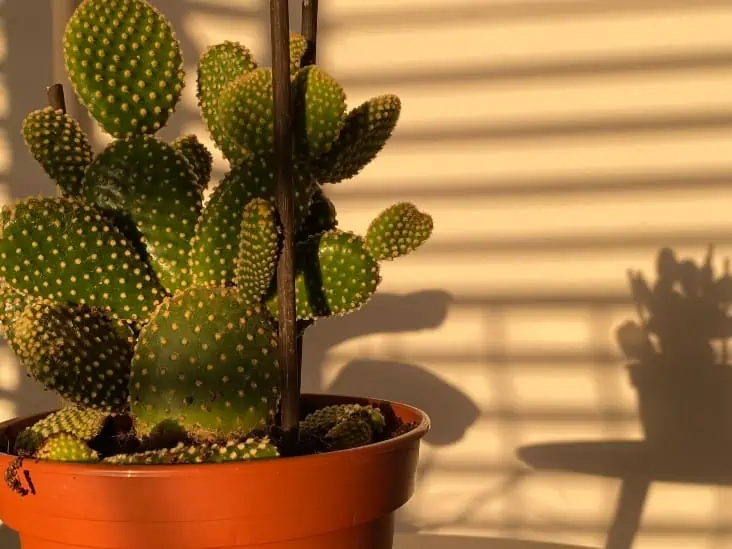
How Do You Revive A Dying Cactus? 10 Easy Steps

Adding plants to your home is a great way to get a fresh view and is a pastime that many absolutely love. One of the best plants that you can add to a home, both indoors or outdoors, is a cactus, which ranges vastly in size, shape, and even beauty. Of course, keeping your plants alive and well can become a challenge for many. This leads to the question many unfortunately have, which is:

How do you revive a dying cactus? Just like many other plants, cacti can run into several problems that lead to their early demise, but there are steps you can take to revive them, including:

  1. Fixing root rot
  2. Monitoring watering, temperature, and light
  3. Replanting
  4. Using new soil
  5. Set up a feeding schedule

While some plants may be difficult to revive even with proper steps and diligent effort, most can be brought back to life with just some extra care. The remainder of this article will discuss several ways you can bring your dying cactus back to life.

10 Ways to Bring Back Your Dying Cactus

If your cactus is beginning to look less than beautiful, it is time to act and bring it back to life. Most plant owners put a lot of time and thought into their cacti, and it can be challenging to see them getting weaker. However, if you follow these easy steps and look for the common signs of distress, you have a great chance of saving your beloved plant.

1 – Look for and Fix Root Rot
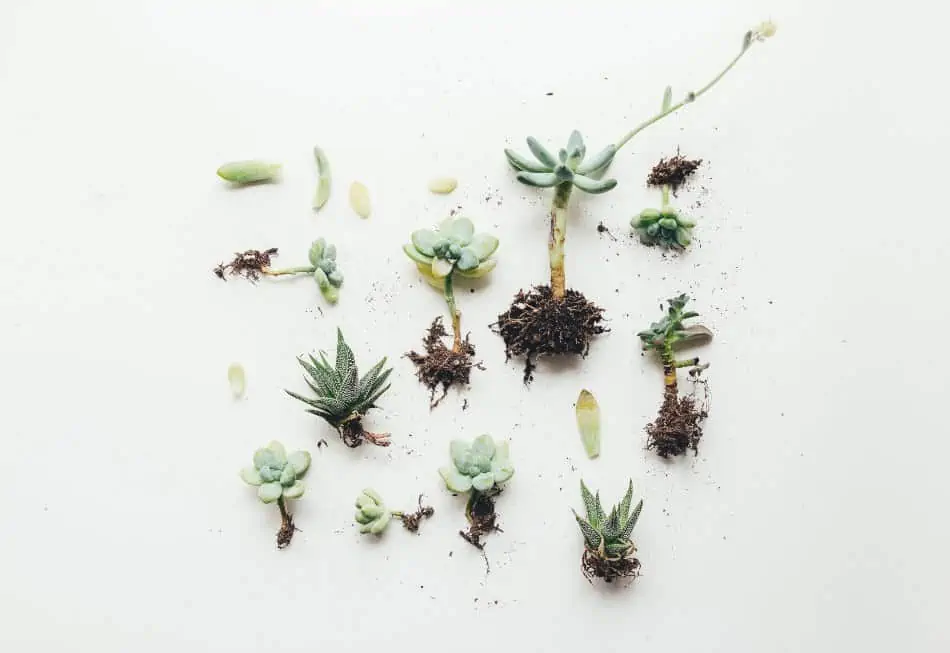
Different kinds of plants.
Checking the roots of your cacti is essential since one of the reasons causing the death of a cactus is root rot.

One of the most common issues that cacti suffer from is root rot, which can be commonly diagnosed and luckily is not impossible to fix. If you notice that your cactus has discoloration, shakiness, or mushy roots, you are probably dealing with a case of root rot. You may also see that the plant is beginning to turn a brown or black color.

Cacti have a wide and shallow root system, which is great for maximizing water collection but can be a challenge if they are constricted within a smaller pot space. When you combine a small pot, too much water, compacted roots, and/or a poor drainage system, it is easy for root rot to develop. You may notice that the issue is primarily near the base of the cactus and not the root itself, but it can quickly take over the plant if not dealt with.

When you notice your plant has begun to suffer from root rot, you want to act quickly to get rid of the problem. If you recognize that it is a problem before it gets too extensive, you can handle the issue, and the plant should bounce back quickly. The basic ways to deal with root rot are:

  • Remove the plant from the pot that it is in and check to see the full condition of the roots. Allow the plant to dry and heal out of the soil before repotting it in a clean container with a fresh potting medium. You will want to wear protective gloves when dealing with these pokey plants or wrap them in a newspaper to avoid the spines.
  • Many cacti respond well to excising any diseased tissue that you may notice. This can be a problem if the rot has gone too far, so you will want to approach this with caution. However, you can take a sharp and sterile knife and dig out the damaged flesh. You will need to allow any holes to dry out before repotting; do not water the wound as it closes.
  • If the roots are covered in rot, you will want to wash the roots well and replant in sterile soil. However, if the root rot is excessive, your plant may be too far gone to save. While some plants do recover, it can be a major challenge.
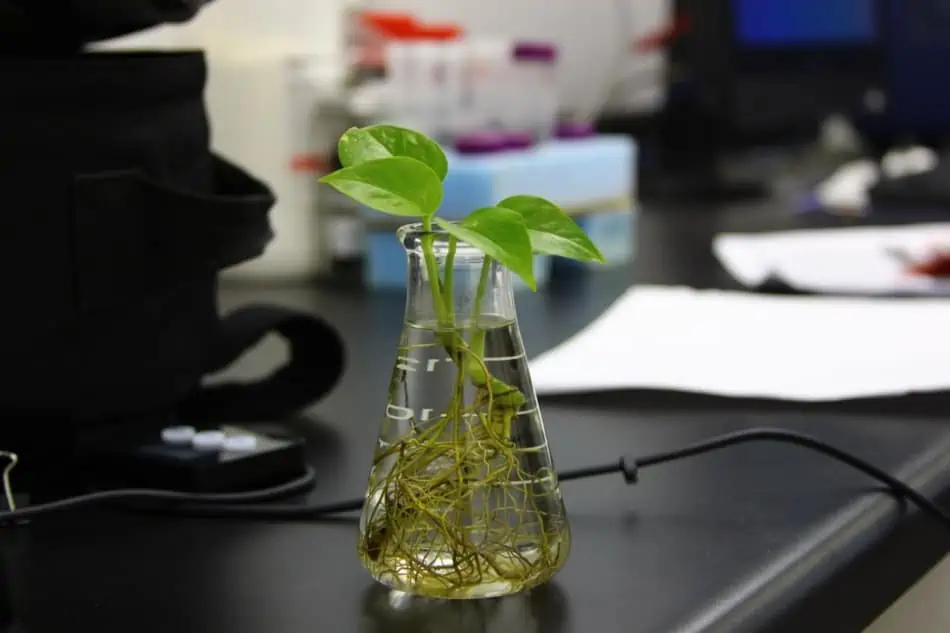
  • Another option that you may want to take into consideration when it comes to your cactus is that you can grow a new plant with your dying plant’s cuttings. You can take cuttings from the plant and allow them to callus over for a few days before inserting it into the medium. The cutting will begin to root, and a new, healthy cactus will grow from your dying plant.

2 – Monitor Your Watering
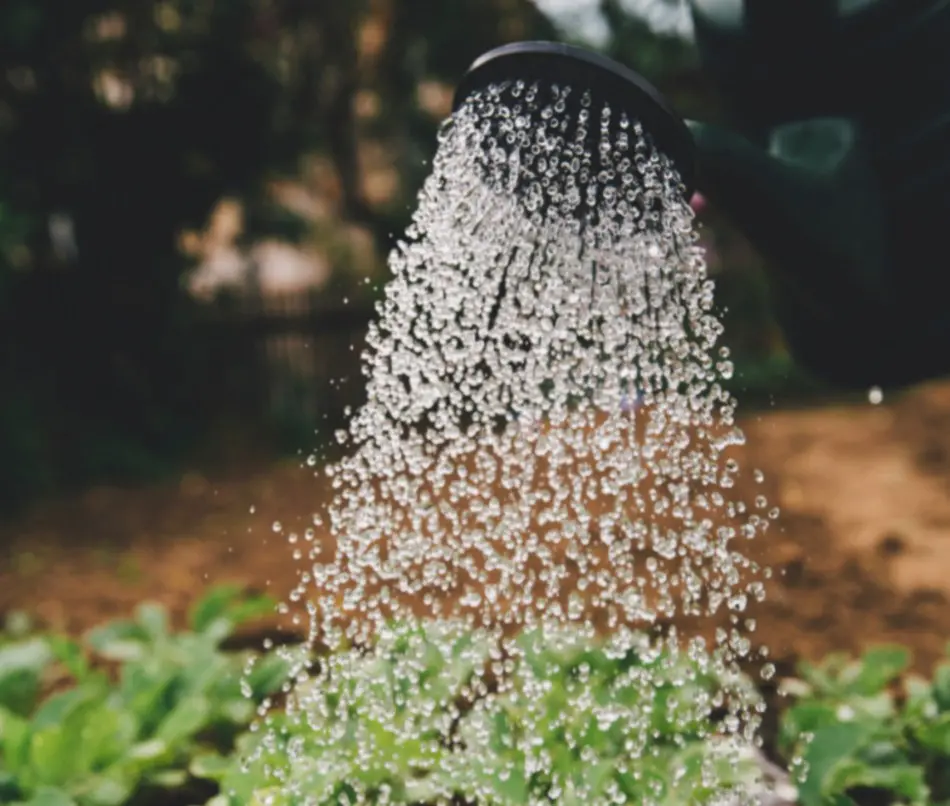
A person watering the plant.
You should always follow the proper watering rules depending on the species of your cactus.

If you begin to inspect your plant’s roots and you do not think the rot is the problem or if you notice the rot is not too severe, it could be an issue with watering the plant. Too much water can be just as damaging as not enough water when it comes to many types of cacti. Since these are desert plants, you want to use less water rather than more.

There are two issues that arise from watering frequency: you could either be underwatering or overwatering the plant, and you will want to do your best to remedy these problems.

Under-watering Your Cactus

While your cactus does not need an abundance of water, you do need to give it water regularly for proper growth to take place. You will notice that the plant begins to pucker or shrivel, maybe even becoming brown, dry, or callused from lack of water.

If you notice that your plant looks dehydrated, you can simply give it a good watering and continue watering it regularly, which should lead to a restored and growing plant.

Overwatering Your Plant

If you notice that your plant is becoming mushy, it may be because you are overwatering the plant, and this can even lead to root rot. The problem that many plants have is not the amount of water you are giving them but simply that they cannot drain the water off properly. You will want to start by lowering the amount of water you give the plant and how frequently you do so. If this does not help, seek other action.

Your plant may be holding too much water because of the pot that it is currently in as well. You will want to find a pot that is slightly larger than the cactus and repot it using a classic cactus mix. A clay pot is a great choice for this as it can wick away moisture quickly, and the fresh mix should help with the process.

3 – Offer Your Cactus a New Home
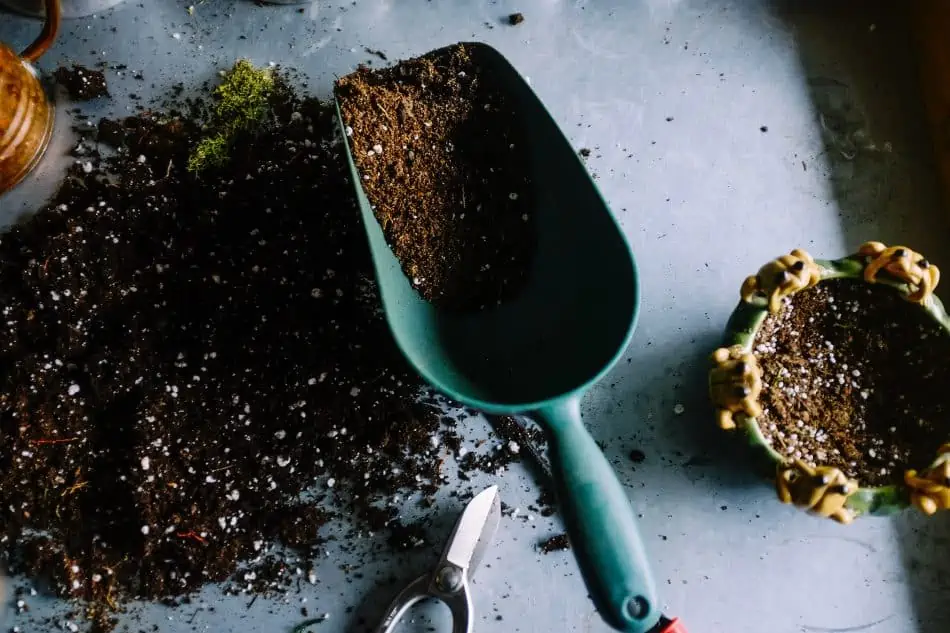
A gravel with sand.
A cactus with compacted roots might need to be re-potted in a larger container.

Your cactus may begin looking a little weak because it is time to get a new pot for the plant. A common reason that many growers need to repot their cactus is because it needs a larger growing space. Like most plants, a cactus will eventually outgrow the container that it is in, and the roots will become overly crowded and compacted.

If you are not providing your plant enough space to grow, it will begin to experience stunted growth, which can lead to death. If you notice that your plant has:

  • Begun to fill the container
  • Noticeably crowded roots (roots growing out of drainage holes or above soil levels)
  • Water running right through the container
  • Leaves that look unhealthy

It is time to repot. You will want to move your plant up to the next larger container size and allow the roots to spread.

When choosing your pot and repotting the plant, you will want to keep a few things in mind:

  • Make sure that you always thoroughly disinfect the new pot with one-part bleach and one-part water. This cuts down on any bacteria that may be present and provides your plant with a safe new start.
  • Find a pot that fits the size of your cactus. You do not want to pick a pot that is too small or the same size as your current pot; instead, pick one that is a little larger. This will give your plant room to grow and will still be stable enough to support it.
  • If you do choose a pot that is too large, it can lead to even more issues. These pots have too much excess soil and can hold too much water, leading to the issues mentioned previously.

4 – Try a New Soil
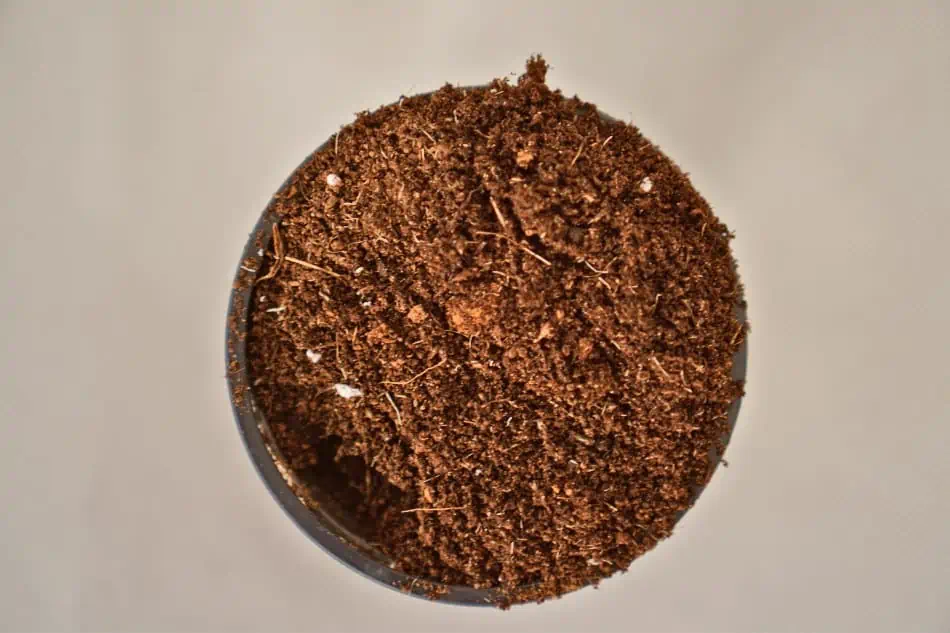
A soil.
Changing the current soil to a new potting mix might also help you get rid of rot and save your precious plant.

Whether your original intentions were to repot your plant or not, changing soil can be a good way to revive your plant. If you are dealing with overwatering issues, small pots, or simply cannot find the true cause of your cactus’ issues, you may want to try new soil. Often, the reason why root rot or other similar issues arise is that there is a member of the water mold known as Phytophthora spp present.

This rot is common in soil that has adequate moisture, which can happen from overwatering or from lowered drainage. If you notice root rot, it is because these pathogens are in the current soil, so replacing the soil is key. Also, some potting mixes are too heavy and can hold more water than most cacti will need.

If you are repotting your plant, you will want to change to a lighter, more porous potting soil. Most classic cacti mixes work well for this and are readily available on the market today. These blends are often resistant to the pathogens that cause root rot and are great at draining or absorbing any excess water.

5 – Check for Mealybugs

A cactus with pest.
To avoid the problem of bugs, you should consider natural treatment methods and save your gorgeous plant.

Just like many other plant species, the cactus is no stranger to invasive bug species. Mealybugs, in particular, will suck the sap from the cactus plant, also known as phloem, which can lead to its demise. When they attack your plant, they will reduce its vigor. The bugs also excrete sticky honeydew and wax, reducing plant quality.

If you notice mealybugs present near your plant, you will want to act. Higher populations of these bugs can feed on the foliage or stem of the cactus and greatly inhibit growth. While most healthy plants can handle a small population of the bug, almost no plant can withstand large numbers.

Many have found that cacti are more vulnerable to the bugs because they have a year-round mild temperature, which encourages bug population growth. Also, if you have an indoor cactus that attracts mealybugs, they do not have any natural predators ridding them from the area. You will want to monitor the plant regularly for the bug and take action should you see them.

Of course, there are some chemical ways that you can get rid of the bugs, but there are also many natural remedies. Some simple DIY ways to lower the mealybug population are:

  • Use a cotton swab with denatured alcohol that you can dab the bugs with, which will kill them. However, note that this treatment requires you to repeat it often until the bugs are all removed from the plant. Make sure to check every few weeks for new bugs.
  • You can use a fumigating smoke cone regularly to cut down on bug numbers.
  • You can spray the cactus with a few drops of dish soap that has been diluted into one cup of water. This is an easy way to kill the bugs effectively. This treatment may also need to be repeated often for full effectiveness.

6 – Set Up a Good Feeding Schedule
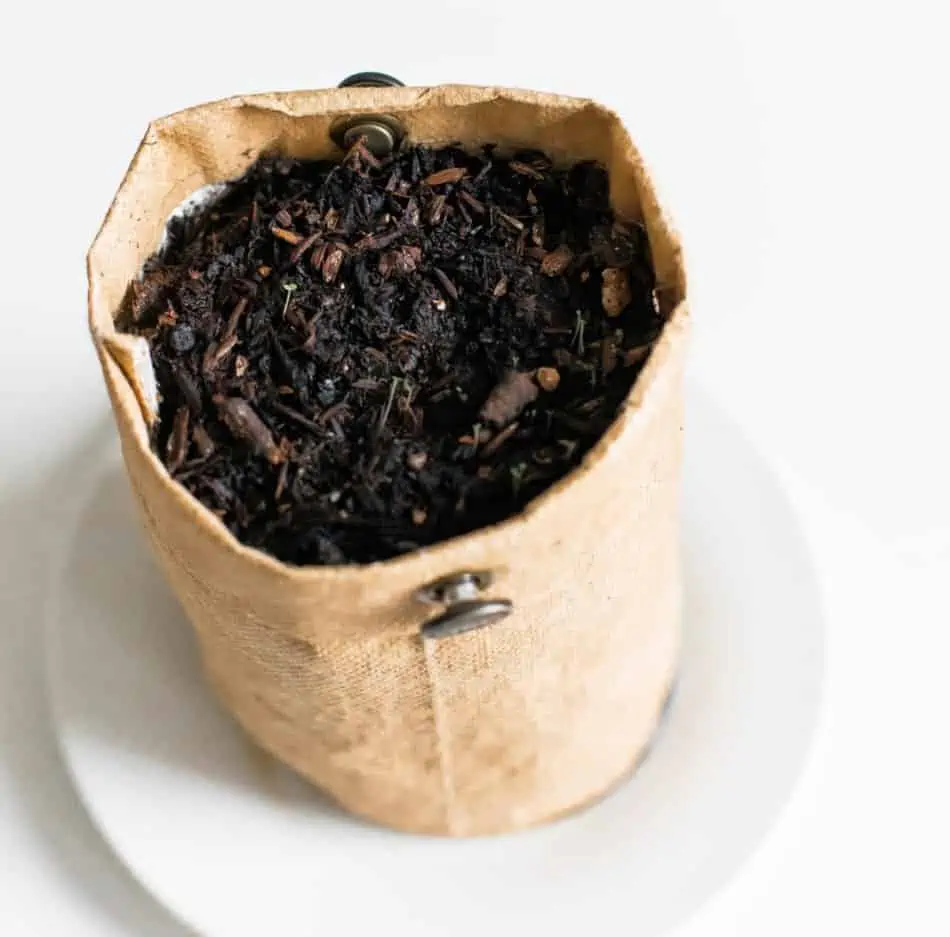
A cactus fertilizer.
To provide proper nutrition for your cactus, you can use special cactus fertilizers but never over-fertilize them.

A big problem that many cactus owners run into is that their plant is lacking proper nutrition. While many cacti can grow and thrive without any fertilizing, adding this extra nutrition can help them get healthier and more colorful. This makes it extremely important for you to feed your cactus with a recommended fertilizer at a regular frequency.

Ideally, you will want to feed the plant every two weeks with a complete cactus fertilizer from spring through early fall. During the fall and winter months, feed the cactus around once a month. If you are not great at keeping up with a schedule, aim for once every few months or even once a year after the plant is growing properly.

You want to ensure that you are not over-fertilizing the plant, which can lead to just as many growth issues as lacking nutrition. If you notice that your cactus’ leaves are getting soft, feel like they are made of cloth, or are even turning brown, it can mean you are feeding the plant too much. You will want to make sure that you are always following the packaging instructions when feeding your plant. If you are ever questioning yourself, opt for feeding it less instead of more.

Of course, the amount of fertilizer used for feeding is just as important as the type of fertilizer that you offer the plant. Since cacti are not heavy feeders, you want to dilute any fertilizer that you offer them to half or even a quarter strength. Too much concentration of fertilizer may lead to root rot for your plant.

Some important things to remember when it comes to finding and using fertilizer are:

  • Look for different ratio formulas to find one that fits your plant’s needs. You can use a blend of 10% nitrogen, 10% phosphorous, and 10% potassium. You can also use a lower, balanced solution that is a 5-10-5 ratio. The main thing you want to look out for is too much nitrogen, which can become a problem.
  • Once you find a good fertilizer, you will want to mix as the bottle states. For example, if it says to mix one tablespoon fertilizer with one-gallon water, you will want closely follow this and even drop the fertilizer level down by ½ for healthy plants.
  • If you are growing a cacti species that is more of a tropical breed, you will want to reduce the fertilizer even more at ¼ the ratio. A common tropical species is the Christmas Cactus.
  • After feeding your cactus, you will want to move the plant into the sunlight. Removing them from the shade helps the plant utilize the fertilizer properly and enhances growth. Of course, limit the level of light and high temperatures as you would normally.

7 – Ensure You Are Offering Proper Light

A cactus on pot exposed to sunlight.
To prevent a cactus from being floppy and pale, you should offer your plant natural or artificial light.

If your plant is not receiving the proper amount of light, it can become floppy, pale, and shed its leaves. This lack of light is almost guaranteed to lead to the death of your plant. If your plant is growing, but you notice that the new growth is pale or more flimsy than normal, light could be your issue.

Of course, there are plenty of ways that you can offer your plant light if a lack of it is a problem. Some ways to increase light exposure for your plant are:

  • Move it to a windowsill for temporary natural lighting.
  • Move it closer to the light source, whether this is natural or artificial.
  • Pick up a quality artificial light source if you live somewhere with increasingly darker days. LED bulbs or grow lights are relatively inexpensive and a great way to increase the light exposure for your plant.

While not enough light can be an issue for your cactus, having too much light can also be a major problem. If your plant is getting more light exposure than needed, it can lead to an issue called cactus corking. This is when a firm, brown, or even a tissue that resembles bark can develop just above the soil on a healthy plant.

This is part of the natural aging process of most plants and often starts at the base of the cactus, moving upward. If you notice that your cactus is turning brown from the top down, this is a clear sign that your plant has too much sun. Just like humans, your cactus can get sunburn with extended exposure.

If your plant is experiencing mild sunburn, it can begin as a whitish discoloration that is at the top of the plant or on the side that is facing the sun. Severe burns will appear similar to corking, with hard brown scabs on the surface. If your cactus has reached the point of having these scabs, it is permanently damaged.

To allow your plant time to heal from small burns or to stop it from getting more extensive damage, you will want to move it into the shade. While cacti grow in the desert, they are not accustomed to a large amount of sunlight, and many are used to never experiencing full sun all day. You will want to acclimate the plant to extended sun exposure slowly or simply limit the level of light that the plant gets daily.

8 – Monitor the Temperature

A thermostat.
Monitoring the temperature is essential for maintaining the ideal temperature for your specific cactus species.

While most cacti do grow in warmer weather environments, this is not always the case, and they need regular temperature variations. One sign that they are having health issues is because they are not blooming properly. This may be due to the level of light that they are getting, or it could be due to the temperature at which you keep them.

Most cacti do need warm weather to survive, but it is important to remember that this ideal temperature should be between 65 degrees and 90 degrees Fahrenheit. However, during the cooler dormant months, you will want to lower these temperatures for proper growth. These dormant month temperatures should be closer to 45 to 55 degrees Fahrenheit.

For most cactus plants, flowers will only form when the plant is between 50 and 55 degrees. While many cacti have adapted to living in higher humidity locations, they still will die if the humid habitats are too extreme. Also, if the temperatures are too low, you can kill the plant by allowing it to get too cool.

9 – Induce Plant Rooting
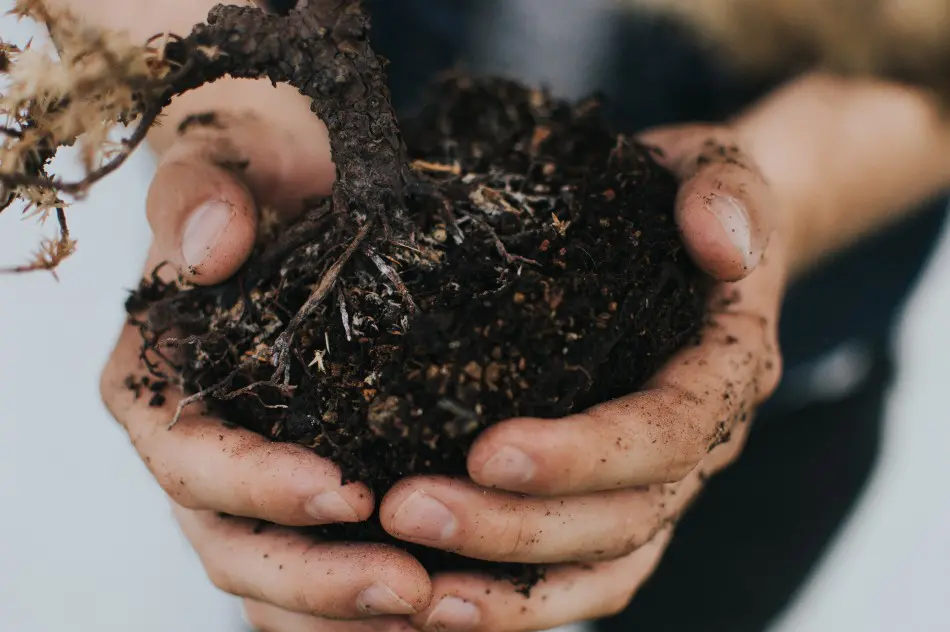
A soil on hand.
You should properly root and induce new cactus rooting before transferring it to another pot.

Many of our methods of saving your cactus involve repotting the plant or removing it from its current home. This can be dramatic for the cactus, and without proper rooting can lead to death. If you notice that the roots of your plant have been damaged from rot or excessive watering, you need to encourage new rooting in its new soil.

As mentioned in our first step involving root rot, you may need to cut away damaged tissue from the plant. This can lower the amount of roots present and makes growing new roots critical for survival. Luckily, cacti are some of the best plants at regenerating, with a whole cactus plant easily grown from a small portion of healthy tissue.

To properly induce new rooting, you can do a few extra steps before planting the cactus:

  • Let the cactus dry out for several days until thick scabs form on the cut sections.
  • Place the remaining cactus section into a pot with cactus soil or some other porous, quality soil that you know works well.
  • Bury the cactus about one inch deep. If the only remaining tissue is quite small, simply bury it about halfway. You want to ensure a large amount is in the dirt, and some remain above the soil.
  • Avoid overwatering the cactus, even stopping watering entirely for the first week.
  • Once the first week has passed, you will want to water the plant sparingly and look for new growth to appear.

10 – Simply Leave it Alone

Cactus in a mug.
Although it might seem ridiculous, living your cactus on its own can also help them revive.

This final step to saving your cactus may seem like a silly one, but too often, it is the most effective. There are times when your plant may look a little weak or simply off to you, but it truly does not need your saving. It may simply be going through its normal die off and shredding of its buds phase.

If your plant is looking a little less than perfect, examine the vital areas and look for any signs that may be alarming. Take a glance at the roots, check for any bugs, and evaluate your normal care routine. If everything seems to check out, simply give your cactus a little break and let it take care of itself.

If you are concerned, give your plant a good drink of water and leave it be. Put the cactus in an area that gets a fair amount of sunlight, like a windowsill, and give it time to grow. You will want to revisit it now and then to water it again and give it a little checkup.

The best thing to do once you have diagnosed and hopefully repaired your plant is to establish a good routine that you can follow from here on out. Some basics to keep in mind are:

  • Stop overwatering your plant. Only supply water to the cactus every couple of weeks, depending on the size and species of plant that you have. Research your specific cactus type, as well as keep a record of which watering schedule leads to quality growth.
  • Supply your plant with a proper amount of sunlight and offer them cooler, dormant months as needed. Make sure to check for signs of sun damage or too much light, adjusting the plant accordingly.
  • Give your plant a break to allow it to heal and grow. Most of these saving techniques can be quite traumatic, and most plants do well just being left alone and cared for as needed.
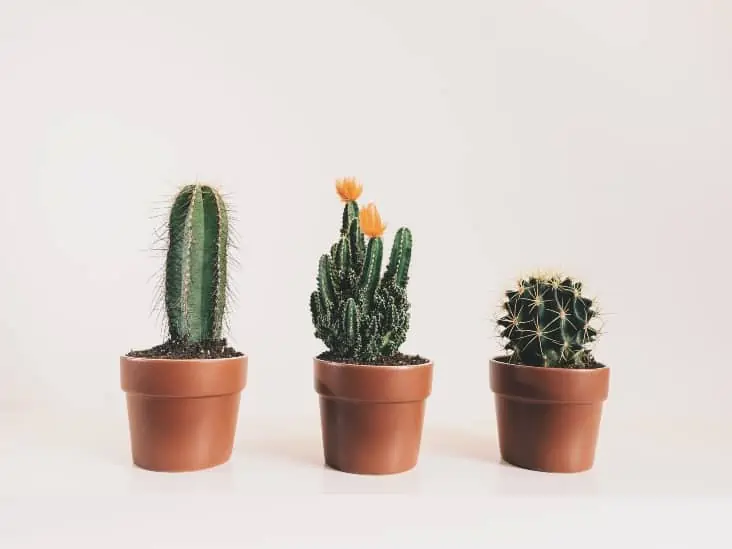
5 Signs Your Cactus Needs Less Water

Who doesn’t love growing things? Unfortunately, for many of us who don’t have a green thumb, it may be challenging to keep plants alive. However, a cactus is an example of one plant that is low-maintenance and is often recommended for new plant growers. But, even though cacti are easy to care for, you still need to remain mindful of how much water you give them, just like any other plant.

What are the signs that a cactus is overwatered? Five signs will let you know a cactus is receiving too much water:

  1. Splitting
  2. The skin of the cactus is mushy and puckered
  3. Soil stays moist for too long
  4. Cactus is starting to die in winter
  5. Black/brown discoloration, especially at the base

Because cacti are very drought-tolerant, they need far less water than you think. The remainder of this article will discuss the reasons why these succulents do not need a lot of water, and signs that your plant may be getting too much water. With a few simple steps, you can still save your plant and get it to perk back up! 

Why does a cactus need limited water?

Different kinds of Cactus.
Cacti absorb and store water and can survive with less watering compared to other plants.

A cactus is part of the succulent plant family, which thrives on very little water by storing most of what they absorb beneath their skin. This is an adaptation for plants that evolved in low-water areas such as desserts or steppes. When they cannot rely on much water from the sky or the ground, they need to keep as much as possible to last them through the months-long dry seasons.

Cacti, specifically, are succulents that are covered in spines. These spines can be thick and large, small, and soft, and everywhere in between. They grow from areoles spaced out along the skin and serve several purposes, including helping cacti absorb every water droplet in receives.

Since the spines have 360 degrees of surface area, they can prevent water from running down off the plant and into the ground. Instead, they can direct the water to where it can be more easily absorbed by the cactus.

Another feature that helps keep the cactus hydrated is its waxy skin. This coating prevents moisture from leaving once it has been absorbed.

Cactus Roots

Succulent  roots.
The root system of a cactus is responsible for absorbing the water from the soil.

The cactus has a root system that is also specially designed for absorbing water. With a shallow and extensive root system, the plant doesn’t have to wait for the water to sink in too far before they get to it. This is especially important for desert-dwelling plants because rainfall is less likely to soak into the lower layers of dirt than it is to be evaporated by the hot sun and dry air.

Taproots aid in stabilizing larger columnar cacti. These also help the large cactus store even more water to support its massive size.

CO2 Intake

"And Breath" LED Light.
Cacti respire (breathe) during the night through Crassulacean Acid Metabolism to preserve stored water.

Another feature of cacti’s skin allows them to employ a unique breathing process. As we know, all plants intake carbon dioxide (CO2) and expel oxygen (O2). Typical plants do this during the daytime as part of photosynthesis, or the chemical process by which plants use light from the sun to synthesize foods from carbon dioxide and water.

Cacti do not breathe during the day because while this would allow CO2 to enter the plant, and would allow precious water to escape via transpiration. Instead, they use crassulacean acid metabolism(CAM), which means they reserve breathing for nighttime. To do this, the plant stores carbon dioxide in the form of malic acid until daylight. Then, it uses the CO2 for photosynthesis.

Because this entire process takes place during the late hours of the day when it is cooler and more humid, a cactus significantly reduces its water loss.

5 Signs Your Cactus Needs Less Water

As cacti are very slow growing, you may have invested a lot of time and effort into your little plant. Unfortunately, many of us kill our cacti with kindness, that is, by overwatering it.  This is the main culprit of a struggling house cactus. Fortunately, they are pretty good at letting you know when you are doing this.

So, pay attention to these signs, and you’ll be able to save your spiky friend!

  1. Your cactus splits.
  2. Your cactus is mushy and puckered.
  3. Your soil stays moist for too long.
  4. Your cactus is starting to die in winter.
  5. Your cactus is turning black or brown, especially at the base.

1.     Your Cactus Splits

Maybe you forgot your cactus for a while, or you went on an extended vacation. When you came back, the soil looked super dry, so you dumped a bunch of water on it. The next thing you know, the cactus has a split in its skin.

This happens when a cactus takes up too much water at one time. Since these plants are highly efficient at absorbing and storing water, they pull in more water than other house plants. While they are designed to expand during times of rain, too much expansion can be harmful. This is what causes the split.

Cactus near the window.
Cacti have adapted to repair themselves from this kind of damage by creating a callus and sealing off the area.

Also, when they have been dry for too long, the plant has likely contracted, specifically to survive its arid conditions. You’ll want to reintroduce water slowly to your plant to allow it to expand and grow at its own rate, especially if it’s been a long time since its last watering!

But don’t worry! Splitting does not cause long-term damage to the plant. Cacti have adapted to repair themselves from this kind of damage by creating a callus and sealing off the area. Just continue watering lightly, and your plant should grow as usual.

To learn more about cacti splitting, check out this YouTube video by Desert Plants of Avalon.

2.    Your Cactus is Mushy & Puckered

The problem with puckered succulent leaves or cacti is that it can be attributed to too little or too much water.

A healthy cactus will be plump and firm because of the water stored inside it. These stores are used as reserves for times when new water is scarce. As the cactus dries out, it will begin to tap into these reserves to survive. If it draws too much from them, the skin begins to pull inward as water volume is lost. This is a sign of too little water and usually happens at the bottom of the plant first.

Conversely, if the cactus absorbs too much water, then the storage space will run out. As water is stored in the cells of the plant, these cells will burst if too full, and the plant will literally fall apart from the inside out. This results in a puckered and mushy plant.

Therefore, you should make sure to pay attention to your watering habits to determine if you are under- or over-watering your cactus. To remedy this, ease into adding more water or decreasing watering time slowly so as not to shock the plant too much.

Do you think one of these things is happening to your plant? If you’re not sure what you should be looking for in terms of mush or puckering, check out the photos in this article from Pistils Nursery. There are good examples of what these signs usually look like.

3.    Your Soil Stays Moist for Too Long

A soil on hand.
Keeping soil watery for long periods of time will make the cactus absorb more water than it actually needs.

While you may be tempted to use standard potting soil or compost for your new cactus, this should be avoided. Regular potting soil is designed to hold moisture close to the plant. This is because other houseplants are not as good at quickly absorbing water as cacti. 

Cacti are gluttons for water. That is, they soak up as much water as quickly as possible. This is because the soil in which these plants are found is naturally poor and arid. Any rainfall is not likely to stick around long—whether it drains by runoff or disappears by evaporation. This means the cactus needs to get it before it’s gone.

Therefore, if the soil stays wet around the roots for too long, your cactus will keep drinking it until it oversaturates itself; it doesn’t know when to stop! And worst yet, this oversaturation could lead to root rot and other problems.

To prevent this, you can change your potting medium to a specially-designed cactus soil that is coarse and low in nutrients. This soil tends to be equal parts:

  • Sand
  • Soil
  • Gritty mixture (pebbles or pot shards)

Some mixes even contain:

  • Peat
  • Pumice
  • Coir
  • Pearlite
  • Limestone
  • Coconut fibers

The necessity of these additional ingredients really depends on the type of cactus you have, so read the instructions carefully. For example, peat is useful if you live in a very arid climate. It is designed to hold moisture, but if you allow it to get too dry, it will not rehydrate well.

You can buy a commercial cactus mix or make your own, but the benefit of this mixture is that it will drain faster and encourage evaporation. Once you’ve changed the potting medium, make sure to let it dry out thoroughly between watering. And don’t forget to empty the drainage saucer if there is one!

4.   Your Cactus is Starting to Die in the Winter

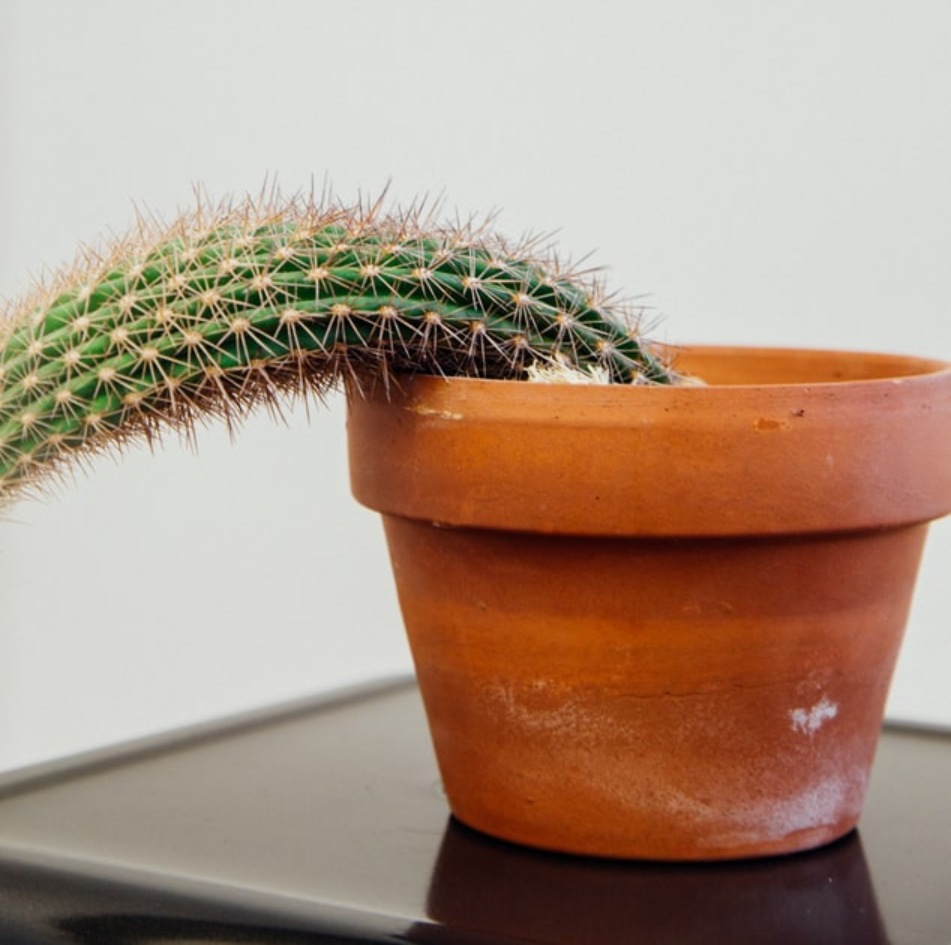
Cactus leaning down on the pot.
If you noticed that your cactus is starting to die, you have most probably overwatered your precious plant.

You may be thinking that your cactus is dying because you are currently in the coldest months of the year. While these plants do love warm temperatures and sun, since they are desert-dwellers, they are no stranger to chilly nights. So, if you keep your cactus indoors and it’s not directly near a cold window, it’s unlikely that the winter weather is causing it to die.

As with all plants, cacti go semi-dormant or dormant in the winter. Their growth slows considerably, and their soil generally does not dry out as fast. This means they generally need less water than in the summer months. Therefore, if you have kept up the same watering schedule even as the days grow shorter, you may be watering your cactus too often.

All plants, in general, need less water over the winter, and cacti are no exception. While you may water your cactus once a week in the summer (or more if you give it outside time in the hot sun), that may be too much for the winter. Try to simulate the cactus’s natural habitat.

Most plant experts recommend only watering the cactus two or three times during the entire winter season. And when you do, make sure to follow tip number one above and not give it too much water at one time!

5.    Your Cactus is Turning Black or Brown

A cactus plants on clay pot.
If your cactus is changing its color to brownish, you might have underwatered or overwatered your plant.

Discoloration can also be another sign of either under- or over-watering. It is essential to know the difference between different shades and textures that may appear as a result of how you water your cactus.

For a cactus that is too dry, it may be turning brown and crispy at the tips. These look like callouses or sunburns. If this is your cactus’ symptom, try giving it more water and over time, the plant will heal its damage. But make sure the soil is fully draining!

On the other hand, if the leaves or stems are turning black or dark brown, that could be a sign of root rot because of overwatering. These dark spots usually occur at the bottom of the plant or on the lower leaves/appendages. They are soggy and can even be oozing or leaky. This means that your plant has so much water that it’s now collected in the roots.

If you suspect this is the case, gently pull your succulent out of its pot and examine the root base.  If the root network is expansive and looks healthy, then your plant may survive. Repot it in fresh, dry soil and decrease your watering.

If the roots look dead or blackened, then your succulent is in trouble. It is most likely that you will need to try to salvage its healthier sections in order to keep it growing well.

Not sure if your cactus is experiencing root rot or dryness? Check the photo examples from this article on Pistils Nursery to compare your plant to.

Saving Your Cactus from Overwatering

Top view of different kinds of Cactus in a pot.
To keep your cacti healthy and beautiful, you must prevent them from being overwatered.

So, what if you have changed the potting medium and readjusted your watering routine, but your cactus still seems sad, and you notice continued mushy spots or dark patches? This may mean your cactus has developed some type of rot, which is slowly spreading through the rest of the plant. Plants cannot heal already rotted flesh, so if you notice these spots, it is best to remove them if at all possible.

Removing Rot from the Top

If the damage is at the top of your cactus, you have a better chance of saving it. Take a sharp, clean knife and dig out the damaged tissue gently. Allow the hole to dry out and heal over. Make sure not to water the plant from above to prevent moisture and bacteria from getting into the wound.

If you give it time, the plant should callous over, and while now looking a little scrappier, it should continue to grow and get healthier!

Removing Rot from the Roots

If you suspect root rot, this is a more difficult problem to tackle. It is possible to save the plant, but it will take extra care and even a little luck.

  • Determine if any healthy roots are left. First, remove the plant from its soil and inspect the roots. If all of them are blackened, limp, or broken off, your plant may not survive. However, if any are still viable, you may try to replant it.
  • Separate the dead tissue. Remove any infected tissue and all surrounding soil from the cactus.
  • Wash the roots thoroughly. This will remove any remaining diseased soil or rot from around the roots.
  • Repot in sterile soil. Plant the cactus in a fresh batch of potting medium, ensuring that its amount and type is suitable for your cactus. This is also an excellent time to check your pot size, making sure it’s not too large or too small.

Root a Cutting

If you determine that the roots of your cactus are no longer viable, you may still be able to root a cutting. Depending on the plant, if there is a healthy part still left, you can cut that piece off from the rest and help it grow new roots.

First, allow the cutting to callous over for a couple of days before placing it in the soil. When planting, make sure to bury it at least an inch into the medium so it can begin to root. While this process may take weeks, you should see a brand-new, healthy baby cactus that is quite similar to the parent plant!

Conclusion

While over-watering can be a death sentence for your little cactus, it doesn’t have to be.  Paying attention to the signs above, and catching them early enough, will allow you to save your succulent just in time. If you follow these simple tips, you and your new houseplant can celebrate many great years together!

How To Care For Your Christmas Cactus: Light, Soil, Watering And Bloom

The Christmas cactus, hailing from Brazil, is a beautiful plant that blooms a light red and white flower. Also known as the Schlumbergera, its beautiful color scheme makes it the perfect natural addition to your holiday season decorations. However, these plants need to be purchased and cared for long before Christmas Eve.

What are the most important things to remember when caring for your Christmas cactus?

  • Cooler temperatures
  • Humidity is good, but too much watering is bad
  • Balance daylight and nighttime
  • Special fertilizer only used at the right time
  • Prune yearly
  • Monitor for and remove insects
  • Displaying area is different from growing area

Let’s explain those steps in more detail and then discuss your additional options.

Steps to Prepare Your Christmas Cactus for the Holiday Season

A christmas cactus.
Christmas cactus, which needs adequate care to bloom and be used as a beautiful Christmas decoration

Just keep in mind as you go through these points that a plant is a living thing, not a product out of a factory. As such, do not be afraid to tinker with these instructions ever so slightly. Christmas cacti especially are used to a little disruption. Use your judgement and a little tender loving care to keep your plant happy and satisfied.

Cooler Temperatures

A thermostat.
You should always keep the temperature from 65 to 75 degrees Fahrenheit for the Christmas cactus to grow healthy

The Christmas cactus is native to the jungles in Brazil, where it grows adjacent to larger trees and under their canopies. As such, they like average temperatures ranging from 65 degrees to 75 degrees. They can be outside in the summer, but keep them under some sort of balcony roof or awning to avoid direct sunlight. Prolonged sunlight can burn them, causing a yellowing color and preventing bloom later in the year.

To time a proper bloom exactly right, your Christmas cactus will need to be placed in cooler temperatures for about 12 hours a day starting in late September to early October. That way they will start to bloom 8 to 10 weeks later in early December. If you live in a temperate climate, leaving your plant outside should work just fine as long as you monitor weather fluctuations. Too cold and it will develop frost, which will kill the plant.

On the other hand, if a hot day pops up in October, bring it inside into the air conditioning. In general, 55 to 60 degrees should do the trick. If you live in a desert or tropical climate, place your Christmas cactus in your basement or at least a closed off closet during this time.

Humidity vs Watering

Watering the plants.
Although Christmas cacti like humidity, they should not be watered that often

Here is where it becomes tricky. The Christmas cactus is technically not a cactus, as it does not grow in the desert. Being from the tropics, this plant likes it humid. However, liking humidity does not mean that it likes being watered all the time. In fact, the Christmas cactus name in derived from the fact that it rarely likes to actually be watered. If this plant were a guy at a Florida resort in July, he would sit under an umbrella outside by the pool all day but never jump in the water.

How do you keep something humid without watering it? It is easier than you might think. If you already live in a humid climate, putting the plant outside is obviously the best thing you can do. If not, follow these steps:

  1. Find a small, shallow tray just larger than the bottom of cactus’s pot. A plate is too shallow, but something like a frisbee or garden stone with ridges will do fine.
  2. Fill it up with small stones, enough so that they sit just above the ridge.
  3. Fill that tray with water.
  4. Place the Christmas cactus on top of the rocks.

By using this method, you are not watering the plant. However, the water in the tray will very slowly evaporate through the pot and around it past the leaves, keeping the plant reasonably humid. Check on the water every so often and fill up the tray again as necessary.

That being said, it is not like a Christmas cactus never wants water. Check on it once a week to see if there is any significant drying out in the soil or yellowing in the leaves. It will generally need water once every 1 to three weeks. Still a lot less often then your common florist bouquet.

It is also important to adjust watering patterns depending on the season. Once a week or so is great in the Spring and Summer. But the Christmas cactus will only bloom if it feels like it needs to. Frankly, if it feels like it is dying needs to reproduce. In the fall, you definitely want to dial it back to 2 or 3 weeks.

Daylight and Nighttime

Outside of blooming preparation, a Christmas cactus’s relationship with sunlight is mostly average. They can sit outside or in the windowsill (temperature permitting). Again, just avoid too much direct sunlight. If you need to choose though, err on the side of too much sunlight over not enough.

Blooming preparation, starting in September, is when it becomes more complicated. Along with cooler temperatures, the Christmas cactus also needs 12 to 14 hours a day of complete darkness. The plant will attempt to look for more sunlight somewhere, hence it will start to bloom. Make sure it receives a healthy amount of sunlight during the day, and then at night move it into complete darkness. Artificial light still counts as light, unfortunately. Try one of these options to make sure it gets adequate amount of “sleep”:

  • Put it in your basement
  • Place it delicately in a closed closet or room by itself
  • If it is too big to move from outside, put a tarp or thick sheet completely over the top of it so that all leaves are covered.
  • Later in the season, when nighttime lasts a lot longer, simply placing it in your backyard (away from car lights and such) works well. Again, if you are keeping it outside, beware of frost.

Fertilizer

A soil on the gravel.
Along with adequately selected soil, Christmas cacti need fertilizer (not during the bloom season) to help them grow

We already know how picky the Christmas cactus is with water. What about fertilizer? That is quite a different story. As long as it is used correctly, fertilizer is a beneficial and necessary ingredient to help your plant do well. But keep it out of the bloom season, as this could be detrimental by interfering with the timing of that process.

During the spring and summer, it is recommended to add fertilizer to your Christmas cactus about once a month. This time of the year is the growing season, so any help is beneficial. In fact, fertilizer will even help you better align your plant’s annual overall rhythm of growth and bloom. Use one with a high rating on its middle number, like 8. Try one of these fertilizers:

  • Tiger Bloom: This simply works for a fair price and is recommended by top horticulturists. Particularly useful in promoting budding in the Fall
  • Miracle-Gro: You probably already know Miracle-Gro from your lawn fertilizer. Well they specialize in houseplants too. It is not specialized to cacti specifically, but it works.
  • Jacks Classic: Cheaper than the rest but will still keep those leaves looking green and the rest of the plant strong throughout the year.

Pruning

You really do not need to be cutting back your Christmas cactus, even during all-out growth season. This could be even worse during budding season because you will be losing tiny buds that are still not completely visible. Remember, this plant is used to growing in treacherous conditions. It is used to finding whatever space it needs to survive. Not pruning will never affect the health of your plant.

However, Christmas cacti can live up to 30 years, meaning they will eventually become too large. Or they may even start growing uneven or otherwise just become unsightly in some way. If you need to prune your Christmas cactus, it is rather easy: just cut on the skinny piece in between two leaf segments. The plant practically marks it for you.

You can cut up to one third off of your Christmas cactus without disturbing its health or growth rate. Also, do not overdo it: you should only be pruning it roughly once a year. After you prune, save a handful of leaf segments! More on that later.

Watch for Bugs

Let’s face it. After everything you have read so far, especially concerning darkness and lack of watering, it sure is tempting to just put your Christmas cactus in your spare bedroom and shut the door. See you in two weeks. Not a good idea. You should at least go in once a day and check on your plant. It could need more water in its humidity tray. But most importantly, you also need to watch for bugs.

A bug on cactus.
Be sure to avoid overwatering because that is usually the main attractor of bugs.

Insects could be infesting their way inside the pot without you even noticing. If this happens, your dream of a beautiful Christmas cactus adorning your living room by the fireplace could die in September. Look out for:

  • Root mealybugs
  • Flower thrips
  • Fungus gnats

If you see any of these, prune off the infected area and discard it so it hopefully does not infect the rest of the plant. Then use an insecticide that is safe on plants. Be sure to avoid overwatering because that is usually the main attractor of bugs. Also keep your Christmas cactus in a thinner, breathable pot so it dries faster.

Display Area

So far, we have almost exclusively discussed placing your Christmas cactus in cold dark rooms or on balconies. The problem is we do not usually roast marshmallows and open presents in a closet. You are obviously going to have to move your plant into a prominent spot in your living room. During the holiday season, it is time for this beautiful plant to shine. Here are some tips on displaying your Christmas cactus:

  • Unlike its holiday plant colleague, the poinsettia, it is not poisonous to cats and dogs. No worries there.
  • Keep it up on an end table though so your pets do not poke at its semi sharp edges. You do not want the kids pulling apart something that took a year to bloom either.
  • If there is less sunshine in your living room, just try to keep it as close to the window as you can. Do not forget that more darkness is better this time of year anyway.
  • Avoid the fireplace. Smoke is bad for the plant. And obviously fire is not great either.

Propagating

A plant on the water.
You can make your own Christmas cactus by rooting leaf segments into a pot filled with soil mix

If your Christmas cactus is in its twenties and has begun to see better days, it might be time to get a new one. Luckily for you, there is no need to buy a new one because you can make one yourself! Grab those leaf segments from before and follow these steps:

  1. Leave the segments out on a dry surface for a few days so that they dry and the tips heal
  2. Assemble a new pot (6 inches in diameter is fine for a now) filled with soil mix. This soil is purposely coarse to allow for plenty of aeration. Here is a list of our favorite and recommended soil mix (Here).
  3. Place three or four leaves in the soil for their old cut stems down. They should all be buried about halfway. Keep a handful to the side in case the leaves in the pot do not take.
  4. Follow normal care. Pay extra attention to humidity.
  5. In about two weeks, growth will occur. Together they will have a brand-new root system.

Where to Buy Your Christmas Cactus

If you do not have a Christmas cactus at all and do not have a way of acquiring a few leaves, you will need to buy one. Before you do, buyer beware: a lot of “holiday cacti” are not actually Christmas cacti. Plenty of companies try to sell the Thanksgiving cactus, which looks similar and is a lot easier to grow, and pretend it is a Christmas cactus. Further troubling is that some people try to sell imitation plants in the place of all holiday cacti! Make sure you are buying from a reputable source like one of the following.

Amazon

Amazon application
Christmas cacti can be purchased on Amazon. Choose a reliable seller to receive an authentic Christmas cactus

We have come a long way from buying our favorite books on Amazon. Believe it or not, Amazon has a huge selection of live plants. The Christmas cactus is no exception. There are a few varieties to choose from, all of which are typically fulfilled locally. If they cannot be fulfilled locally, they are shipped with careful climate-controlled means. Be careful though, as that will probably increase shipping charges. Here are a few ideas:

  • Hirt’s Gardens– $15 is not bad for a plant ready to go and already in a 4 inch pot
  • American Plant Exchange– This is really a larger co-op network of sellers who bid together for simplified pricing. Comes in a larger pot.
  • JM Bamboo– Similar to the Hirt’s Gardens one but better quality and bigger price

Your Hardware Store

You may know your local hardware store as just a good place to buy your favorite gardening tools. While that is true, plenty of them have branched out into floral selections as well. Home Depot and Lowes in particular have vary large gardening sections, often located outdoors, which feature everything you will need to start growing your plant. And of course, the plant itself. Check in to your local store usually around August or September, when the holiday decorations start moving in, and that will typically be when they will have the Christmas cactus in stock. That would be the perfect time to pick it up for your first year, as that is the start of blooming season.

Local Florist

A flower shop.
Commonly, local florists offer Christmas cacti but be aware that they might not have it in stock before September

The most convenient option for many of us is just going to our local florist. Even though they will have a much larger flower selection, they still might not have the Christmas cactus in stock before September. Many people believe certain things should be bought in person, not online, so you can examine quality before you buy. And when it comes to quality, nothing beats buying from your local florist and bringing the plant home that same day.

Cacti for Other Holidays

There are a couple cacti out there for other holidays besides Christmas. There is the Thanksgiving cactus, as previously mentioned, and also the Easter cactus. They are in the family as the Christmas cactus, but have slightly different properties and care practices. Let’s go through those in case you are thinking of keeping the cactus trend going year-round. It is also a good idea to know these things, so you are not bamboozled on your next Christmas cactus purchase.

Thanksgiving

The Thanksgiving cactus is often used as an imitation of Christmas cactus. It is similar in color and appearance. It also is more abundant and therefore cheaper to sell at a markup. However, you will be able to tell the difference.

The Thanksgiving cactus has leaves that are pink and white, not red and white. If you are buying the plant when it has already budded, that will be a dead giveaway. If not, take a look at the leaves. The Thanksgiving cactus leaf has hooked edges, almost like lobster claws. A Christmas cactus should have smaller and smoother edges.

In addition, pay careful attention to the directions. When they tell you to start the budding process in late July or early August, you will know something is up. These plants are designed to blossom a month before the Christmas cactus, in time for Thanksgiving. So naturally they need to start the budding process a month earlier.

Easter

The Easter cactus is a lot different. Although it comes from a similar area in brazil, it is prone to more of a forest environment than a nature one. Also, with its bright pink or even orange colors, there is no way you would get it confused with a Christmas cactus.

As the name suggests, the growth cycle is radically different too, which allows it to bloom in the Spring right around Easter. Caretaking for this plant is similar to the Christmas cactus, just moved later in the year. You will want to start the blooming period back in November if you can, since it might be too cold and too dark during the deep winter. Not enough sunlight at all means more time to get to full bloom. Watering and moisture stay the same. It should also go without saying that the Easter cactus should not be outside during the winter. You can bring outside in the early Spring, weather permitting.

Diseases and How to Avoid Them

Like humans, plants can also become ill. The Christmas cactus, unfortunately, is no exception. The diseases that commonly affect this plant are:

  1. Basal Stem Rot
  2. Botrytis Blight
  3. Impatiens Necrotic Spot Virus

1. Basal Stem Rot

Basal stem rot occurs when fungus builds up around the roots. This may not be outwardly noticeable since you will not see any fungus on the plant or the pot. However, the plant will start to grow slower than it should. If you have other Christmas cacti, it will clearly be smaller than them. It will also start to miss important benchmarks. Even, most critically, the start of blooming season.

How does this happen? Too much water. If you do not overwater, you do not have to worry about basal stem rot. But if it is already happening, you may need to consult an expert.

2. Botrytis Blight

On the other hand, Botrytis Blight is completely noticeable on your Christmas cactus. At first the leaves and flowers will wilt. Then a fuzzy blue fungus will grow. To prevent this, make sure you do not go overboard on the humidity. Keep a close eye on your cactus. If this begins to happen, immediately cut off any infected leaves.

3. Impatiens Necrotic Spot Virus

Like we mentioned before, you should be routinely inspecting for insects on or in your Christmas cactus. Insects, after all, do more than eat your plant. They also carry disease! One infection carried by insects that is perhaps the most detrimental to plants is called Impatiens Necrotic Spot Virus. The symptoms include:

  • Leaves turning purple or off-color
  • Wilting
  • Stunted growth
  • Spots on both the leaves and the flowers

Unfortunately, there is no easy cure to Impatiens Necrotic Spot Virus. Insecticide will not help because the damage is already done. Not to mention the virus usually dives deep into buds and inside stems. The best you can do is cut off the infected area and hope enough of the virus is removed.

4. Phytophthora Root Rot

Phytophthora Root Rot has symptoms very similar to the other diseases. That makes it really hard to diagnose to the untrained eye. Leaves turning yellow will be quite common. However, before you decide to start cutting off stems, cut into the them just a little bit. Take a look at the color. Reddish brown discoloration in the stem is the biggest indicator that the problem in your Christmas cactus is down below in the roots, not the leaves and stems.

Luckily, this problem is quite fixable. It usually occurs from the water not being able to drain properly. Try switching to a thinner pot that allows the soil and roots to dry out faster.

Other Holiday Plants

The Christmas cactus is not the only plant for the holidays. Consider purchases one of the following to fill out the décor of your holiday living room.

Poinsettia

A Poinsettia plant.
Poinsettia is another Christmas plant, which can be used along with a Christmas cactus to decorate the room for the holiday

The poinsettia is the most famous of all Christmas plants with its appropriately green and red colors. Buy a couple of these and place them next to your Christmas cactus for an inspired look. Just make sure you keep them off the floor, as they are dangerous to eat for your dog or cat.

Like the Christmas cactus, take care not to over water your poinsettias either. Also, if you want to keep it for next year, place it in your windowsill and water only occasionally. Pruning can be done liberally, and fertilizer can be given every two weeks.

Cyclamen

A Cyclamen flower.
Cyclamen is a gorgeous flower blossoming for about eight weeks from Thanksgiving through Christmas

The cyclamen has a similar green and red color scheme. However, the bud is decidedly rounder and dainty, for a softer feel. It can also bloom for an impressive eight weeks, which well comfortably take you from right after Thanksgiving through New Year’s Day, if you time it right. They also handle colder temperatures a lot better. Do not put them outside on a frigid day, but you can leave a cyclamen on your balcony well into early December.

Amaryllis

A Amaryllis Flower.
Amaryllis is a mesmerizing flower which can be used to fulfill any type of holiday decor

The Amaryllis is more of a flower than a full plant, but it is pretty nonetheless. These come in all red or all white. There are sometimes ones that produce both color flowers, made by planting both in the same pot of soil. The Amaryllis nicely fills up any leftover space on your holiday display and looks good adjacent to your Christmas cactus.

If you enjoyed the show, you do not have to toss this flower out after New Year’s. Although it may look dead, you can always store the bulb in a cool dark place and replant it next year.

Why Do Cacti Have Spines?

We’ve all seen the pictures of the tall cacti that populate the deserts of the American West. The spines that we see Wile E. Coyote picking from his backside aren’t just there to protect the plant. A cactus spine has several functions.

Why do cacti have spines? A cactus has spines for several different reasons. They are:

  • Reproduction
  • Shade
  • Water Regulation
  • Cooling
  • Protection

The spines are one of the many amazing things that cacti produce. If you are skeptical about the plant or are looking for something to make your desert garden, keep on reading and learn some fantastic properties the cactus has to offer.

What Function Do Cactus Spines Have?

When it comes to all the things that cactus spines can do, you would be shocked. Everyone knows that they keep predators at bay, but did you know they also aid in reproduction? The main functions of cactus spines are:

Top view image of cactus.
Cactus spines bear multiple functions, including reproduction, shading, water regulation, cooling, and protection

Reproduction

Life in the desert is a tough go. The animals that live there make a hard life with little water and even less food. One of the favorite foods of desert animals is the cactus. Animals like the hummingbird and bats are the primary pollinators of the plant. Its skin contains large amounts of water as well. These animals do this at their own peril, because some tiny cacti material can remain lodged in their skin and lead to serious illness or death.

Golden barrel cactus closeup image.
Its skin contains large amounts of water as well.

The spines do a fantastic thing when they are encountered with one of these animals. When they go in for a nice juicy bite of cactus juice, the needles will pierce their skin and remove from the cactus. What they do next is amazing and perpetuates the species. When the barb detaches from the plant, it takes a tiny bit of cactus material with it. As the animal moves, the spine will dislodge and begin to take root where it lands.

Shade

The temps in the desert can reach as high as 130 degrees Fahrenheit. All the plants and animals search for precious shade, which could mean the difference between life and death. An unexpected place that a cactus gets shade is from its spines. As the sun moves, a tiny sliver of shadow protects the essential parts of the stem or trunk.

A cactus spine is tiny and isn’t a place you would think the shade would be abundant. The good thing is that a cactus can have thousands of them, and when they are all closely located, they do an excellent job of being shady. The larger the surface of the cactus, the more spines there will be.

Cacti in a pot.
Cacti get shade from their own spines, preventing the essential parts of the plant from drying out

The giant Saguaro cactus has longer prongs that won’t reach maturity until the plant is over 100 years old. These prongs have a tiny forest of smaller spines at their base that protect the genetic material. This critical spot at the bottom of each prong provides the shade that allows the plant skin to retain water.

You wouldn’t think it, but some cacti have a root system that can spread out over 100ft in search of water. The arms and spines of larger plants will cast shade on the ground that will keep the sun from eroding its waterbed.

Water Regulation

If you live where most cacti live, you would understand how important water can be. A desert receives less than 10 inches of rain a year. That means that if it does rain, it is infrequent, and every drop must be utilized for survival.

Spines on a cactus are inactive, which means that they do not absorb water. What they do is provide an area for tiny particles to be collected and funneled down to the wet skin beneath. Their surface area means that a high percentage of water that does hit the plant gets where it needs to go.

Different kinds of cactus.
Spines keep a cactus hydrated through collecting tiny water particles and transferring them to the plant skin

Cooling

The spines on a cactus keep cooler air closer to the skin of the plant. The temperature is kept cooler, but not free from the heat. It works by making sure that there aren’t large drops or rises in the skin temp. The heat range in the desert can swing more than 70 degrees once the sun goes down. At night, the cactus soaks up cool air and the morning sun turns it into water vapor. Which the plant then uses as a cooling agent or for a drink.

Spines on the cactus act like an extra layer of clothing by shedding or collecting heat. The temps in the desert have a high fall off in degree from the daylight until the moon is up. A shift in temperature could be damaging the plant or even kill it.

Glochids, the tiny hair-like spines at the base of prongs, trap water moisture as it splashes off the large leaves. This splashing creates a far more wet environment that will promote the growth of lush plant skin.

Protection

The legendary sharpness of cactus spines doesn’t need much of an explanation. They provide ample protection from all the plant-eating animals of the desert. That doesn’t mean that animals aren’t relying on the fruit of the cactus. Smaller animals, like mice and rodents, disregard the spines and eat the fruit regardless.

What you might not see are some nasty tiny fibers that could cause infection if not removed. Spines are barbed like fishhooks. When one of them enters the skin of an animal, or you, it creates more debris if it is removed. The remnants aren’t quickly taken care of and will cause a nasty infection if they remain in the skin.

A reptile with cactus behind.
The sharpness of spines protects the cactus from plant-eating animals, especially in the desert

What Is A Cactus Spine?

If you were to call the spines on a cactus prickles or thorns, you’d be wrong. When it comes to thorns, they are just a kind of branch for a smaller plant. A spine is a mutated leaf bud. It grows from the areoles on the surface of the cactus.

When it is mature, a spine shares little or nothing in common with a leaf. Think of it as a fingernail. It grows new material only at the base, and everything else has dead cells. When you talk about spines, it would be a mistake not to also talk about glochids.

Glochids

Growing closer to the surface of the areole are tiny hair-like spines called glochids. The average spine can pierce the skin and lodge deep into your flesh. However, once they are removed, they can be treated like any other wound.

When it comes to glochids, you might not be that lucky. Not only can they pierce your skin, but they will embed themselves so that they cannot be removed. The size of them makes it an impossible task to remove one. Things to look for when treating a possible glochid wound are:

Sabra dermatitis (Prickly-pear contact dermatitis)

Sabra dermatitis is an illness that is associated with glochids from certain fruits. The pickers will have problems with scabies like outbreak that they can’t remember receiving the wound. Sabra can also be caught when the glochids of certain fruits become airborne. Finding tiny cactus spines in your throat sounds like an unpleasant experience.

Once a person has been diagnosed with sabra dermatitis, picking the fruit must come to an end. An ointment or salve, maybe a tiny dosage of antibiotic, is the best way to treat dermatitis. Once the medicines have run their course, around a week, you should be able to return to your normal routine.

A Prickly pear cactus bearing fruits.
Glochids from some cactus fruits can lead to Sabra Dermatitis, which is an irritant contact dermatitis.

Removing Glochidia

If you see pustules and swelling around an area there’s a good chance a tiny sliver of glochid remains. The barbs on the outside of the sliver will root the material there unless you take steps to remove it.

If a tiny sliver of a glochid remains in your skin, you could be in for a world of hurt. The most effective way to remove them is to do it the old fashioned way with tweezers. The tweezer is going to take time and might be painful. A newer approach is to wax them like you would body hair.

Place a bead of wax along the infected area, allow it to dry, and it is party time. This method will also be pretty painful, but much quicker and less effective. You could have to do it a few times to make sure that they are all removed.

The Cacti Of North America

The cactus is an interesting plant that evolved to become a stem succulent. That means that they have developed what was once leaves to process water taken inside the trunk of the cactus. Photosynthesis is the process that plants use to create food and oxygen. When the leaves of the cactus began to evolve out, the stem, or trunk, began to photosynthesize and store water. The root system also saves a decent amount of water, but most storage happens in the trunk.

The leaves have gone away over time to become the beloved spines of recent discussion. They are members of the family Cactaceae with almost 1800 subspecies of cactus. They come in a cast array of sizes and colors. A large portion of these types is found in the Americas from Patagonia to Northern Canada. The most common forms of cactus in North America are:

  1. Echinocereus
  2. Ferocactus
  3. Mammillaria
  4. Opuntia engelmanii
  5. Saguaro
  6. Coryphantha
  7. Triangle cactus

1. Echinocereus

This cactus is very prevalent in the Southwest, with about 70 species residing there. They are long cylinders that have some neat colored spines that can make some fantastic designs. A significant feature of the Echinocereus is its flowers. It has a bright red flower that can be eaten if needed. The flowers are also in bloom for much longer than their cousins.

People often choose this breed for its decorative feel. The skin color, combined with the spines coloration, will add much-needed variety to your garden. It requires a rocky and sunny environment to survive and will have a hard time with wet, cold climates.

2. Ferocactus

A Ferocactus in a pot.
A Ferocactus is a barrel-shaped cactus native to Southwest and Western parts of Mexico

A Ferocactus is a smaller barrel-shaped cactus that is low to the ground and usually forms in clusters. It starts like other cacti, as a long blade, but as they get older, they spread out by creating ribs. Ferocactus is native to the Southwest and Western parts of Mexico. It is a drier climate cactus. It has to have an arid climate but can withstand some severe drop of temps as well.

The incredible innovation of this type of plant is that it shifts to be closer to areas where water can pool or be stagnant. The root system will extend itself towards a constant water source. Also, the plant itself moves by increasing several ribs in the direction of the root system. These ribs extend the barrel shape of the cactus.

3. Mammillaria

A flowering Mammillaria.
Mammillaria can be found throughout the Caribbean as well as in certain parts of Northern South America

This plant is what most people call the pin-cushion cactus. It is the type of cactus that comes in tiny pots and is grown on your windowsill. Mammillaria is the most prevalent species of cactus with over 200 species in this family alone. They grow mostly in Mexico but can be found all over the Caribbean and parts of northern South America.

The explosion of the popularity in this cactus has made locking down all the naming nomenclature an intensive pursuit. For decades, plant nurseries named every cactus Mammillaria. Thereby negating any scientific opinion on the subject. Be cautious when purchasing any cactus that is labeled Mammillaria. If you are going to add a Mammillaria to your garden, be sure that it is the correct species. Not all have flowers, and some never leave the tiny pot stage.

4. Opuntia engelmannii

This cactus is better known by the name Texas Prickly-Pear. It is a long flat blade that has clusters of spines on its face. They are found in the Southwest US and Northern Mexico. That also can bloom with beautiful yellow flowers, which make a nice contrast with their blue-green skin. The blooms are fascinating in that they only live for one 8-hour period from April to May. Making them somewhat of an oddity to be watched as well as tended in the garden.

They are best known for growing in large clusters, some as large as 11 feet high. For generations, the prickly-pear that is produced has been a food staple for many indigenous people in the Southwest.

5. Saguaro

Saguaro is the type of cactus that is most often depicted in the media. It is a tall trunk, usually with a couple of branches. A saguaro can grow to be 40 feet tall and weigh 5000lbs. What makes this type of cactus grow so vast is the gigantic root system that it forms. A root system for a saguaro can grow up to 100 feet in every direction from the cactus base. That’s a tremendous amount of space. But, it could take them as long as 75 years to gain any real size.

After the first year of planting, they are still only 1/4in tall. They also need large amounts of water to reach this size. That is why the largest specimens are reported in Arizona, where they get more rain than their Mexican cousins. The largest Saguaro ever found was 78 feet tall. As large as an average pine tree.

A Saguaro Cactus.
Saguaro cactus

6. Coryphantha

One of the most exciting cacti in the Americas is coryphantha. This plant has a fantastic flower that can range from bright yellow to a deep purple. It grows from the top of the cactus, which makes it more unique than others. Another thing that makes it stick out is that it doesn’t have ribs, but tubercules. This plant is also well known for having a spine grouping that fans out like a large umbrella. It does great at providing shade, which is essential for these arid living plants. The coryphantha has two subgenera and over 50 sub-species.

7. Triangle cactus

It wouldn’t be a list without the most popular cactus in Florida! The home of several gators and snakes also houses one of the most amazing plants in the family. They are also found around the Caribbean and are distinguished by their columnar shape and protruding arms. The triangle cactus can grow to over 20 feet and in a much shorter lifespan than their brother, the Saguaro. They have a distinctive flower that encompasses all shades of white into a vibrant flower, which looks great in any desert garden.

Cactus as Food

Not only are the cacti of the desert an excellent place to search for water, but they are also a decent source of food. A unique way to tell if a cactus is good to eat is by the shape of the leaves. If they are oval-shaped and look like ping pong paddles, they should be good to eat. These types of cactus are called Nopales or Prickly Pear. The meat from the cactus is famous across the Americas and even some locations in Europe.

The texture of the plant is sticky with a middling crunch factor. They are usually canned or made into acitrones, which means they are just candied and stored in syrup. Preparation means that all spines, skin, and areolas are removed from the plant. Some prefer to eat the meat raw, while others will steam it like you would a normal veggie side. It is a versatile plant that can be added to almost any meal with surprising results.

Steamed cactus is one of those condiments that you find out west that blows your mind. It can be added to any meal with eggs or added to a taco. One of the most popular and tasty, sounding dishes comes from Mexico, where they pair it with spicy peppers and corn. A very palatable option is to throw the chunks into a tossed salad in place of cucumber. It will give the dish a refreshing flavor, not unlike guacamole.

Can A Cactus Grow In Any Climate?

The cactus is a fascinating plant that has adapted to grow in some of the harshest conditions on Earth. Everything about it, from its stem to its spines, is designed to maximize its ability to store water for itself in areas where the soil is dry and rainfall scarce. Cactuses are also an excellent choice for a beginner in houseplants because they require so little maintenance

Can a cactus grow in any climate? Cactus plants can grow in any climate, although they are native to North and South America. The majority of cactuses are found in the hottest, driest areas on Earth. However, certain species of cacti grow in rain forests, on mountain ranges, and even in Alaska and parts of Antarctica.

Cactuses can survive on very little water and thrive in the temperature extremes found in deserts around the world. That being said, there are varieties of cactus that grow in rainforests where water is abundant, on lush mountain bases, at high elevations, and low elevations. It is a plant that can grow anywhere in the world, although it’s native to the Americas.

Where Do Cactuses Grow?

Cactuses can grow in any climate, but the vast majority of species are native to North and South America. Interestingly, there is one species that is found naturally in Africa, Madagascar, and Sri Lanka, but no other major continent has native cactus species.

Throughout the Americas, cactuses grow throughout South America in deserts, mountains, and rain forests, up through Mexico, through the United States, and into the southern reaches of Canada.

Huge cactus plants.
Although cacti can grow in any climate, the majority of the species are native to the Americas

The stereotypical, large cactuses dotting a vast prairie or desert landscape that most people think of are found throughout Mexico and the southwestern United States, and these are often the largest and tallest of the cactus species. Species that grow in climates other than dry, arid deserts are usually smaller, inconspicuous plants.

How Many Species of Cactus Are Out There?

There are nearly 2,000 species of cactus, with a wide variety of shapes and sizes. A deep-dive into cactus varieties will tell you that they are extremely varied in appearance and size, and it is difficult to separate them into a few distinct categories of physical appearance. Most cactuses are what are called “succulents,” meaning they have fleshy stems that are designed to absorb and hold substantial amounts of water.

Different kinds of cactus in a pot.
There is a wide array of cactus species with unique shapes and sizes, which require different care techniques

How Are Most Cactus Alike?

Outer Appearance

Though their sizes vary significantly based on the species and location, most cactuses have sharp spines as well as thick skins that are designed to keep water from evaporating. Their spines are intended to keep the fleshy stems from being eaten, but that doesn’t stop many small animals from burrowing into cactuses and using them as homes and food sources.

Root Systems

Most cactuses grow on the ground and have wide-spreading root systems that allow them to gather water from a wide area. While most have fine roots, several species have taproots that go deep into the ground. The cactus that’s found in Africa, Rhipsalis baccifera, is found on tree branches instead of growing on the ground.

Areoles and Spines

All cactuses also have what are called areoles, small brown protuberances that are often woolly or hairy in appearance, and from which sprout both spines and flowers. Cactuses have what are called spines, which are different from thorns in that spines are modified leaves, while thorns are modified branches.

Cactus spines are extremely varied in appearance, with some being straight, some being hooked, some being a combination of both, and some appearing as what are called glochids, which are very short, fine clusters of spines which are particularly irritating when caught in the skin.

A cactus’s spines are not like leaves, which aid in photosynthesis; rather, most spines seem to be a defense mechanism to keep the stem from being eaten by animals.

How Cactuses Affect the Ecosystem

Cactuses are an important part of their ecosystem. Their root systems serve to keep soil erosion at bay, and they are a food source for a wide variety of animals, insects, and even people.

Several animals have a symbiotic relationship with cactuses, such as woodpeckers that make their homes in a cactus and keep insect invaders at bay. Humans have used cactus stems and fruit as a food source for centuries as well.

How Does a Cactus Reproduce?

Cactus plant flowering.
Cacti reproduce through flowers, which possess male and female parts simultaneously

Like most plants, cactuses produce flowers that are used for reproduction. Flowers have both male and female parts, and pollen from one flower is passed to another flower where it fertilizes the egg. These fertilized eggs grow into fruit that holds seeds, which are then eaten by animals and spread throughout the surrounding area.

Varieties and Sizes of Cactus

The size of a cactus varies based on its species. Several of the most common species of cactuses include:

SaguaroPronounced “se-WAR-o,” this is one of the best-known cactus species and can grow to a height of 40 feet, although some older plants in the American southwest and Mexico have been known to reach 60 feet. It has a thick central stem and an arm-like branch that branch off the main stem.
BarrelThese shorter types of cactuses have a very thick, squat stem and don’t have parts that branch off. They come in a wide variety of shapes and sizes, but the largest can grow up to 10 feet tall; others only grow to inches.
Prickly PearThese cactuses are characterized by round, broad “leaves” that are covered with spines, and are typically much shorter than their saguaro and barrel relatives. The largest variety of prickly pear cactus can grow up to 5 feet tall, but they also spread out over a large area, with some covering up to several square feet in-ground space.

Are Cactuses Good Houseplants?

Because of their self-sufficient and hardy nature, cactuses make very popular houseplants and make most of the must-have houseplant lists.  They require minimal upkeep, and smaller varieties can grow in small pots without becoming too obtrusive.

They require a small amount of water, but the qualities that allow them to thrive in arid climates make them a popular choice among people looking for attractive additions to their home décor.

Cactus plants in a shelf.
Due to their benefits and the ease of taking care of them, indoor cacti are ideal plants to have at home

Popular Houseplant Varieties

Obviously, smaller species of cactuses are more suitable for in-home décor. Some of the most popular species of house-cactus are:

  • Angel-wing (a variety of prickly pear)
  • Saguaro
  • Old lady
  • Bishop’s cap

You may notice that the saguaro is included even though it can grow quite large in the wild; it has an extremely slow growth rate though (often taking two centuries to reach its full height), and keeping it in a small pot also keeps it small. Cactuses are also popular in landscaping, often in the southwest U.S. states of New Mexico and Arizona.

Taking Care of Your Cactus

With a minimal requirement for watering and some species only needing three hours a day, a cactus can make anyone feel like an expert horticulturist. Depending on the variety you choose, most cactuses need water once every 10-14 days or so. They do best when they have sunlight all day, but they can thrive on as little as three hours a day.

A woman having fun while holding cactus.
A cactus can make anyone feel like an expert horticulturist.

You definitely want to put your cactus in a spot in your house where it can get the most sunlight. If you have small children or pets, that is an additional concern; while some house varieties have softer spines, many of them are very sharp and can be painful if touched by a curious toddler.

So, What’s the Plural of Cactus?

If you’ve been wondering whether the plural of cactus is “cactuses” or “cacti,” either is correct. “Cacti” conforms to Latin rules for plurals, while “cactuses” is more common in English rules. Cacti is a more common plural form among English speakers. Cactus can also double as a plural form, though this is much less common.

Can A Christmas Cactus Root In Water?

If you have been growing cacti for some time, you must have heard the warnings of how too much water can be disastrous. In fact, cacti experts say that overwatering can kill a cactus plant faster than underwatering. Now, wouldn’t it be surprising even to ask if it is possible to root a cactus in water? We shall find out in a moment.

So, Can A Christmas cactus root in water?   Yes, the jungle cactus is quite different from desert cactus since it mostly grows in tropical regions that receive plenty of rainfall.  One of the most common types of jungle cactus is the Christmas cactus. Since it is well-adapted to the tropical climate, a jungle cactus (Christmas cactus) can root in water without any problems.

In this post, we focus on the Christmas cactus and its ability to root in water. We shall also help you understand if you can grow a cactus in water. Read on to find out everything you need to know.

Rooting Christmas Cactus Cuttings in Water

As mentioned earlier, a Christmas cactus is quite different from the other types of cacti. It lacks the pokey spines of typical desert cactus, and even though it is a succulent, it is mostly found in regions that experience a tropical climate. It also blooms in winter, unlike desert cacti that mostly bloom in summer. To root your Christmas cactus cuttings in water, you will need the following:

  • A sharp scalpel or small kitchen knife
  • Vase, small jar, or any other container that can hold water
  • Small aquarium perlite or gravel
  • Houseplant fertilizer

Choosing a Christmas cactus for cuttings

A healthy leaf of a matured Christmas Cactus.
A healthy and mature Christmas cactus that can be used for taking cuttings and rooting them in water

Before you even start thinking about the rooting process, you must ensure you have good cuttings that will root easily without problems. When it comes to this type of cactus, you must always remember one thing:

Take your cuttings from a thriving, healthy plant to increase your chances of success. Keep in mind it is almost impossible to bring something dead back to life. Therefore, put your best forward and start with healthy cuttings.

You should also make sure the plant from which you intend to take cuttings is mature enough.  Rooting cuttings taken from a relatively young plant can sometimes be difficult.

How to take cuttings from your Christmas cactus plant

Once you have identified a healthy and mature plant, you need to know how to take the cuttings correctly. To do it the right way, start by identifying a juncture on your plant where you want to take a cutting about three to four inches long. Make sure the cutting has three or four leaves or sections.

Sometimes, gently bending the juncture and twisting it a little bit is enough to snap it off from the plant. If you cannot snap it off by bending, consider using a scalpel or kitchen knife to chop it off.

A christmas cactus cuttings planted.
Avoid rooting the cuttings before they are fully dry at the cut end.

If possible, take Y-shaped cuttings with a minimum of three or four leaves/segments attached.  Before you move to the next step, let your cuttings sit in a cool, dry place for at least three days. Depending on the overall conditions in your home, the cuttings could be ready to root in 48 hours or even less.

The less heat and humidity they are subjected to, the faster they will dry and callous. Avoid rooting the cuttings before they are fully dry at the cut end. A little patience goes a long way.

How to root a Christmas cactus in water

A plant growing on the water.
Rooted plant leaves in water, which can be later transferred into the suitable planting pot

Once your cuttings have dried and calloused, it is time to move onto the next step of the process; rooting. Follow the steps outlined below to root your cuttings successfully in water.

  1. Take an empty vase, jar or whatever container you have chosen to use and fill the bottom with aquarium perlite, pebbles, or stones. Make sure the stones/pebbles are about three inches deep.
  2. Add water to the container until it rises above the stones. Carefully place the cut end of your Christmas cactus cutting into the water until two segments are fully submerged. Consider rooting three or four cuttings in one container.
  3. Position the container in a spot that receives plenty of bright but indirect sunlight.  Make sure the container is also in a place you can easily monitor. Allow the container to sit in the designated spot until roots start to form.  

PS: Sometimes, it may take up to eight weeks before roots start to appear. Always keep a keen eye on the water level in the container to ensure two segments of each cutting remain underwater. Consider adding more water if need be.  The humidity in the container will help your cuttings root without rotting.

Planting Rooted Cuttings

Once the cuttings have rooted successfully, you will need to transfer them to an appropriate planting pot. Remember that the cutting will need sufficient growing space to start growing. Ensure the pot isn’t too small or too big.

A gravel with soil.
Materials needed for planting rooted cuttings of a Christmas cactus

Also, make sure the container is filled with three parts of coarse compost carefully blended with at least one part of perlite or small aquarium gravel. The primary purpose of the perlite or gravel is to enhance soil drainage so that your potting mix doesn’t hold water for too long.  

The potting mix should remain slightly moist for prolonged periods, and the air temperature should be no cooler than 70oF during the day and between 60 and 65oF overnight.

With the right growing conditions, your Christmas cactus will grow relatively fast and start to flower early.

Can You Grow a Cactus in Water?

Given that you can root a jungle cactus in water, you may be wondering if you can grow it in water as well. The truth is that you can grow a cactus hydroponically, but you will need to consider a lot of things and take the necessary precautions to succeed with this approach.

Growing a cactus in water is a little bit easier because it doesn’t require an active hydroponic system with a pump. The only thing you need to do is ensure the roots of your plant soak thoroughly in clean water with the right nutrient combination.

Growing cactus hydroponically offers a wide range of benefits over traditional soil growing.

First, it provides you with an opportunity to control nutrient and water levels more precisely, which contributes to healthy plants. Furthermore, once the hydroponic system has been set up, taking care of your cactus plant requires less effort compared to other growing methods.

A flowering christmas cactus.
Blossoming Christmas cactus, which can be grown as a result of rooting the cuttings in water

Follow these steps to start growing your cacti plants hydroponically:

  1. Start by rinsing the aggregate material to be used and soak it in water for a few hours.
  2. Carefully place the designated mesh inner container inside the outer pot. Also, be sure to cover the entire bottom of the inner pot with at least one inch of the aggregate material.
  3. Remove the cactus plant from the soil and rinse its roots thoroughly until all soil has been removed. Rinsing helps to prevent potential problems that come with soil, such as parasite and fungus growth. While rinsing, be careful not to damage them.
  4. Once you have got rid of the soil, place your cactus on the top layer of the aggregate material. Carefully spread the roots evenly around the available space. Fill the inner pot with the remaining aggregate material. Do not cover up the part of your cactus with spines, but ensure you have enough material in place to keep your plant stable.
  5. Mix standard A and standard B-type nutrient solutions with water to an appropriate level recommended by the manufacturer. Fill your tray/pot with enough of the nutrient and water mix to cover the roots of your plant. Watch the water level to make sure it doesn’t cover the stem of your plant to avoid stem rot issues.
  6. Always remove your cactus once every two or three weeks to wash the roots and be sure to get rid of any decaying or dead roots. You should also wash the stem of your plant to remove dust. Change the nutrient solution at least once every two months.
  7. Repotting is still essential even if you are growing your cactus plant hydroponically. Therefore, always consider repotting your cactus once its roots have filled the inner container. This may happen once every two or three years. There is no need to repot unless this happens.

The Bottom Line

Generally, rooting Christmas cactus cuttings in water is relatively easy. The key to success is knowing where and how to find healthy and mature cuttings and being patient with the process. Also, it takes a lot of practice to start rooting your cuttings successfully.

Fortunately, once you have mastered the art of rooting cactus cuttings, everything else falls into place pretty easily. Just keep in mind a potted cactus is an incredible gift to a friend, relative, or even a neighbor. Therefore, keep rooting the cuttings!

Where Are Cacti Found?

Cacti have an exotic flair that makes them incredibly attractive to gardening fans. They can be found in almost every store in the world, and have growers in every corner of the map, too. But, did you ever wonder where cacti originally came from?

Where are cacti found? Cacti can be found in almost every major continent, though they are most commonly found in North and South America. Certain cacti can also be found in Africa and Southeast Asia.

If you recently got a baby saguaro or just started to get into the succulent craze, you’re probably wondering about the native regions of cacti. The truth is there is no one location where you are bound to find them. Let’s talk about the most common regions where you can find cacti, shall we?

Where Are Cacti Found?

Though there are exceptions, cacti are generally found in climates known for hot, dry, sun-filled weather. That is why they are most commonly seen in deserts. While most cacti require desert areas to thrive, it’s possible to see certain species of cacti live it up in rainforests, tundra, and temperate climates.

What Makes A Cactus A Cactus?

Most people assume that cacti are just giant succulents, but that is not quite true. Cacti are a category of succulents that are known for growing spines and bumps that help protect it. They are also recognized by their ability to conserve water and for their waxy exterior coating.

The other thing that distinguishes a cactus is a feature called areoles.  These are the round bumps that the spines and flowers grow from. 

Top view of different cactus.
Different types of cacti that are able to keep hydrated and protect themselves by means of spines and bumps

Where Are You Most Likely to See A Cactus?

When people think about cacti, they tend to think about the hot regions of the American Southwest—like Arizona, Texas, and New Mexico. There is a good reason for that. Most cacti that you will see being sold in stores come from this region, or in similarly dry parts of Mexico and Central America. 

Most people don’t realize that South America has a massive array of cacti that call the continent home. Areas in South America that are known for having cacti include deserts in Chile, Brazil, Peru, and the Amazon Rainforest.

How Far North Do Cacti Naturally Occur?

The furthest you will see cacti growing naturally is around central Canada. These cacti are known for being hardy and tend to be petite in stature, rather than the tall, prickly species you would expect to see near Mexico.

Where Do the Most Popular Cacti Come From?

A prickly pear cactus fruit.
Prickly Pear, one of the most popular fruit-bearing cacti species native to Arizona

Almost all cacti originate in the Americas, so it’s fair to assume that the cacti species you adore come from the United States, Central America, or South America. If you’re curious about the specific regions of your favorite prickly plant, look at the information on these popular picks below:

  • Saguaro. The stereotypical “cactus” is native to the Sonora region of Mexico, the Sonoran Desert in Arizona, as well as Southern California. Saguaros take decades to grow to a tall height, so if you see a tall saguaro, it’s safe to say it is a native grower.
  • Cholla Cactus. This beautiful (but painful to touch) cactus is native throughout the American Southwest and Northern Mexico.
  • Disocactus. Though these flowering cacti are rare and noted for their “dual split” blossoms, they remain highly sought-after by collectors. Unlike most popular cacti on this list, disocacti are native to South American rainforests and require heavy watering.
  • Mammilloydia. This genus of petite, ball-shaped cactus is found in the Chihuahuan region of Mexico. Mamilloydias are extremely popular among cactus collectors due to their low-maintenance upkeep.
  • Queen of the Night. Famous for its striking white flowers that only show themselves at night, this elegant cactus is native to Texas and Arizona. Some even say that the blooms’ sweet scent is what makes the desert air smell so good.
  • Prickly Pear. Approximately 90 different species belong to this genus, making it one of the largest genii in the cactus world. These fruit-bearing plants were native to everywhere from the bottom of Chile to central Canada. The most popular species are native to Arizona.
  • Barrel Cactus. Also known as Ferocactus, these barrel-shaped cacti are native to most of Mexico and the American Southwest. People typically think of these cacti when they assume you can drink the water from a cactus in times of dehydration. (You should not do that, though, since the water can be too alkaline!)
Golden Barrel cactus in a pot.
These barrel-shaped cacti are native to most of Mexico and the American Southwest.

What Cacti Species Can Be Found Outside of The Americas?

Cacti are almost entirely an Americas-only phenomenon. One cactus species has its origins in Africa and Asia. This cactus is called Rhipsalis Baccifera, or “Mistletoe Cactus,” due to its striking resemblance to the Christmastime plant.

Rhipsalis typically grows in deserts of Central Africa, as well as on the island of Sri Lanka. Smaller pockets of the cactus have been reported in other pockets of Southeast Asia as well, but these regions are extremely small.

A Mistletoe cactus.
Rhipsalis Baccifera, also known as Mistletoe Cactus, which is native to Specifically Americas

How Can Cacti Exist in Canada?

Though cacti typically prefer hot weather, there is nothing that says cacti can’t thrive in colder temperatures. Many cacti species have plant leaves that are thick enough to regulate their temperatures in those areas. 

How hardy a cactus is depends on the species. Some can handle the cold, but most cannot.

Don’t Prickly Pears Exist Outside of The Americas?

Many people believe that there are prickly pear species that are native to countries outside the Americas. This is not true. Prickly pears all originated in the Americas with other cacti. Their edible fruit made them a popular plant to cultivate.

Since they have an easy time hybridizing, the species you see outside of the Americas are often specialty breeds. Those that aren’t and are found outside of the Americas regularly are usually considered pests or invasive species. Knowing that, it’s easy to see why there is so much confusion about them.

Where Can You Grow Cacti?

While it’s best to have cacti grow in the areas they are native to, it’s important to realize that these plants have an amazing range of climates where they can thrive. If you pick the right species, there is no reason to assume that you cannot grow a cactus near you—even if you don’t live in the United States.

A Agave Palmeri.
Agave Palmeri, a cold-resistant cactus, which is native to the Southwestern parts of the US but can be grown even outside the Americas

For example, Agave Palmeri, which is native to the Southwestern corner of the United States, can be grown outside in the Midwest or East due to its cold-hardy nature. Many cactus aficionados in Asia and Australia now grow agave plants of their own indoors and outdoors thanks to its adaptability.

If you are genuinely interested in growing a cactus, there are tons of species that are famous for being able to handle indoor growth with ease. Barrel cacti, in particular, are popular choices for indoor homes—as are agave plants.

Conclusion

If you were hoping to find out about cacti species that are native to Europe or mainland Asia, we’re sorry to disappoint. The only places you will find the common cacti people enjoy growing are in North and South America.

Unlike almost any other type of plant, cacti are a “New World” phenomenon, with the center of all cacti cultivation being in the American Southwest and Mexico. The only cacti that are not native to the Americas are Mistletoe Cacti. These are found in Asia and Africa.

While growing cacti in their native regions is ideal, cacti can now be found growing throughout the world. So, while cacti are only traditionally found in the Americas, you can now find them in almost any desert, home office, or succulent collection in the world.

5 Signs Your Cactus Needs More Water

If you are looking for a low-maintenance plant that you can keep inside or outside of your home, a cactus is a great option. These plants are easy to care for and require little expertise on your part to keep them growing and thriving. More importantly, they are resilient should they begin to weaken; you can usually bring them back with a little TLC and making sure you’re watering them correctly.

How do you know your cactus needs more water? Water, both too much and not enough, can be a massive problem with your plant. Some signs of underwatering are:

  1. Different, dryer texture
  2. Puckering
  3. Visual changes
  4. Watering that’s not adjusted according to the season
  5. Improper potting mix

In this article, we will discuss these signs that your cactus needs more water in detail and what you can do to remedy this before it is too late. Unfortunately, many cactus owners believe since the plants are from dryer environments, they can go without water for an extended period. However, your cactus still needs to be watered regularly.

The Importance of Watering Your Cactus

For the cacti to grow healthy and beautiful, it is essential to water them regularly

Before we jump into the signs that a cactus is underwatered, let’s talk about the importance of watering your plant regularly regarding its health. The main thing that sets cacti and similar succulents apart from other plants is their ability to store water for a relatively long period. Cacti plants have specialized cells in their stem that help them hold onto water when there is excess available.

These cells are designed to soak up water during downpours while in the desert but can also be beneficial for plants even in your home. When you water your plant, the cells will absorb water until every cell is fully hydrated. As time progresses, the plant will use water stored in the cells, which will reduce the hydrostatic pressure inside the plant.

If your plant’s water reservoir has not been exhausted, the cactus will continue to prefer dry and airy soil. However, should the plant run out of water in its cells, this can turn into an issue. Ideally, you will offer it more water when it begins to run low internally, but this is not always the case. Should the plant go for an extended period without you replenishing the water, it can be detrimental to its health.

How to Tell if Your Cactus Needs More Water

Luckily, if you are new to the cactus world, it can be easy to tell if your cactus needs more water. If, at any point, your plant begins to look a little off to you or even seems to be dying, you can almost guarantee there is something off with it internally. While underwatering may not always be the case, it is a common issue.

If you cannot remember the last time that you watered your plant, or you do not have a good water schedule in place, the problem could easily be a lack of watering. Some of the easiest signs to spot or things to look for when it comes to your plant are:

1 – The Feel of Your Plant

You can gently squeeze your cactus with your fingers to see whether it is hydrated enough or not

It may seem a little less than intelligent for you to squeeze your cactus to see how it feels, but the physical touch of the plant will alert you to the first signs of water issues. When your cactus has been freshly watered, it will be in what is called a “hard body stage.” Essentially this means that when it is fully hydrated, it should feel a little firmer or harder.

If you know that your plant has been watered recently, you can wear some protective gloves and give it a gentle squeeze to see how this feels. If you notice that the plant has started to soften due to a loss of water pressure, you can touch it to see the difference in physical feel. You should also note that a well-hydrated plant springs back quickly when squeezed, while a dry plant will not spring back as quickly, like a dehydrated human.

If you notice that your cactus feels excessively soft in some areas, this could be a sign of deeper problems. If your plant is softening unevenly and is very weak or even discolored in some spots, this is a sign of root rot. This is a deeper problem that you will want to address and deal with, as it can be fatal to the plant.

2 – Dehydrated Plants Will Begin to Pucker

To keep your cacti hydrated, you should water them frequently and make sure they look plump and chubby

Most cacti that have not been appropriately watered will begin to pucker, and this is an easy sign to look for. Healthy cactus plants will look plump and fleshy due to their stored water. However, if water is not offered to them at regular intervals, it will cause the flesh to shrivel and pucker.

You will often see that the puckering begins in the lower areas and then works its way up the plant. Ideally, you will supply the plant with enough water to bounce back before the entire plant has shriveled and puckered. In addition to the shriveling, you may also notice a small amount of discoloration such as a brown, dry, or calloused flesh.

Usually, once you notice this puckering, you can give your plant a drink of water, and they will be fine. Of course, you always want your cactus to be in a well-drained soil designed for succulents so that they do not become overwatered. If you catch them quickly enough, you will find that they should bounce back like new in no time.

3 – Look for Other Visual Changes

To make sure your cactus is not fully dehydrated, observe its appearance and note any visual changes

When a cactus is adequately hydrated and growing properly, it will stand at its full height and form. This is the classic cactus shape that you are used to seeing and is a clear sign of health. However, when there is a lack of water, you will be able to note some physical changes that are easy to see and diagnose.

Some cactus plants will literally fold in half when they are underwatered but will spring back to life when appropriately watered and hydrostatic pressure returns. Of course, any wrinkly skin, drooping leaves, sagging, or an overall change in shape can mean there is low moisture. Some other common visual changes you should note are:

  • The skin will become dry when there is a lack of moisture, or all water reservoirs are used.
  • They can become discolored due to insufficient water. They can turn a pale color or even become brown when dehydrated.
  • The weight of the pot they are in can feel lighter than when they are well watered.
  • The plant can start wilting, and the leaves will begin to droop.
  • The plant will begin to wither when all the water is used.

While seeing your plant go through these physical changes can be difficult to see, it is often easy to restore them to their normal health. You will want to give your plant a thorough watering when you notice any of these signs. You should see that they revert to a healthy appearance within a day or two.

4 – Consider the Season

Cacti require specific care during each season. Weather should be considered while watering the plants.

One thing that many forget when it comes to their cactus is that the difference in seasons can lead to a difference in water needs. Just like in the wild, your plant will need a change in watering patterns depending on the seasons. If your plant begins to look a little weak, you will want to pay attention to the season and make differences in your watering schedule accordingly.

Some basics to keep in mind when it comes to seasonal watering are:

  • Fall – Your fall months will differ slightly depending on where you live, and you will want to adjust accordingly. If you live in a relatively warm climate during the fall, above 40 degrees Fahrenheit, you will want to water once weekly. If you live in an environment with a colder fall, watering can be a little more sparing.
  • Winter – During winter, your cactus will just need an occasional watering because most are dormant during this period. They often stop growing with a drop in temperatures and will not need to be watered as regularly.  A typical watering pattern during these dormant months is once a month.
  • Spring – The spring showers can help serve as a guide towards your watering schedule. You will want to water the plants weekly to help wake them up from their dormant winter state. They will need a little extra water to survive and thrive during this period.
  • Summer – The summer months are the most critical for water as the hot temperatures tend to dry out the soil. If you have your cactus near an overly sunny window, you may need to water it even more often as they will dry out more quickly. You will want to physically check the soil to see if it feels too dry or wet, watering about two to three times a week.

5 – Check the Potting Mix

The most straightforward way to see if your cactus needs water is to check how wet the soil is.

One of the easiest ways to determine that your cactus needs water is to check the soil that it is in and water accordingly. A rule of thumb that most cactus owners follow is if the soil is completely dried out, the plant needs proper watering. However, you need to learn more about checking the pot for dryness and how to do so.

Some easy ways to check the potting soil of your cactus for dryness and to see if watering is needed are:

  • Use a stick or skewer to gently push into the potting mix, making sure you reach the bottom of the pot. Leave the stick in place for a few seconds before removing it. If it looks of feels damp, the plant is well watered, and no more water should be needed. If the stick comes out dry, adding water is best.
  • Poking your finger into one of the drainage holes is another good indicator. You will want to poke the bottom of the container and feel for any moisture. If the area feels dry, add water and, if not, leave the plant alone.
  • You can use your finger to poke into the topsoil and feel for moisture as well. Of course, you want to be careful of any spines that may be present in the lower areas of the plant. If the soil feels damp and clings to your finger, the plant should not need watering.

Of course, you always want to pick a potting mix that works well for your cactus and is fast draining. There are many soils out there that are explicitly designed for cacti and succulents, making them the best choice for your plant. You always want to ensure that the soil is dry before adding more water to the pot.

If you have several cacti plants, you may want a more proper way of checking the soil to ensure that it is ready for watering. There are tools called moisture meters that can check the level of dryness in mixes. These devices record the soil moisture content, and you will be able to tell when watering is needed, but it often takes a more expensive meter to get an accurate reading.

Design a Good Watering Schedule

The best way to ensure that your plant is not under-watered is to establish a good watering schedule from the start. How much water your plant needs depends on the type of cactus that you are growing as no two cacti species are the same. To truly take care of your plant, you will want to do more in-depth research into the specific cactus that you have and how it should be cared for. Some things to consider are:

  • The type of plant you have
  • The average growing season for your plant
  • The typical temperature, soil, and conditions they naturally grow in
  • The conditions you are currently growing your plant in

If you do not know the type of cactus you have purchased, you can look on the container if it is still in the original. Most containers will have the plant species listed somewhere on the outside. You can also do a quick Google search of common household cacti and find which one most resembles your own.

If all else fails, you can take your plant or a photo of the plant to a local nursery for help. If you have owned the plant for a while, you may be able to take it to the original place of purchase to learn more about the type you purchased. You can even ask for expert advice on caring for the plant.

General Guidelines for Watering Your Cactus

There are some general guidelines that you should consider for watering cacti.

While each cactus is different, there are some similarities between the different types that you can keep in mind. A basic guideline that you can follow when it comes to watering your plant are:

  • As mentioned, always let the cactus’ soil dry out between watering. The top couple of inches of soil should be thoroughly dried out. You can follow the previously mentioned methods to see if the soil is adequately dry.
  • Keep the seasons in mind! Do not forget the seasonal watering changes previously discussed as plants need more water during the hot season and less during the dormant months. During the summer months, water at least once a week!
  • If your plants are indoors, they will need more water than cactus plants that have been placed outdoors.
  • Many plants that rest in a semi-dormant state during colder months need much less water or even none. If you have outdoor plants, they may need no extra watering during this phase. You will want to monitor the plant’s appearance for signs of watering needs.
  • Always watch for the signs that we discussed and give the plant a thorough watering should you notice any puckering, wilting, bending, deflation, or color changes. Make sure to water them effectively and do not overwater the plant. Too much water can be just as bad as too little, if not worse.
  • If you live in an area that has hard water, you may want to repot your plant regularly, and this can become an issue. Hard water can lead to a build-up of salt.
  • Always ensure that your cactus’ pot is well-drained so that water does not build up. Improper drainage can cause the plant to get waterlogged and lead to root rot.

Ensure You Are Watering Your Plant Correctly

Now that you have a better idea of how often you should water your plant and what to look for when a plant is under-watered, you will want to ensure that you are watering it correctly. A good method to stick to for the majority of the year is to water your cactus once a week. However, you want to make sure that you are also watering your plant correctly.

The basic steps to watering your cactus are:

  1. You want to always provide a good amount of moisture without leaving too much water in the soil. Always soak the roots, but not so much that can lead to root rot.
  2. When it is time to water your plant, you will want to do so until the soil is saturated. A good sign of saturation is when water slowly drips out of the drainage holes in the bottom of the pot.
  3. If you are watering an outdoor cactus, you will want to check the ground around the plant to ensure the soil is moist. You can also use a water gauge to ensure the soil is moist enough.

Some argue that watering your cactus from above is not the best option though it may be the easiest. When you use this method, the water will travel down the edge of the soil and to the bottom, which does not allow excess to get absorbed. This is why many plants develop rot at the soil line.

If you have the available amount of space and time, a great option is to set the cactus pot in a pan of water so the plant can pull water in from the bottom rather than the top. This allows the soil in the pot to absorb as much water as possible. This also boosts the plant’s absorption rate, and the moisture will move up to the surface of the pot. After some time, you will want to take the container out of the water pan and let it drain.

How To Clean A Cactus Fruit?

Prickly pear cactus fruit ripe

Disclaimer: The author is not a medical doctor or veterinarian. The information presented is purely to share our experience and for entertainment purposes. As always, check with a doctor and/or veterinarian before making any health or nutrition decisions and consult with a doctor and/or veterinarian regarding any question or problem that you have. The author and blog disclaim liability for any damage, mishap, or injury that may occur from engaging in any activities or ideas from this site.

Cacti are generally considered hostile and unfriendly plants, which is quite understandable. Most cacti species are covered with dangerous spines and grow in hostile desert climates. But did you know that these desert plants can also be your best friend? Cacti plants produce delicious fruits that are full of healthy nutrients. The moment you get past the thorny skin of the fruit, you find a soft, fleshy, delicious, and nutritious heart. Even the pads of these plants are edible.

So, here is how to clean a cactus fruit.  The most important thing you need to do while cleaning cactus fruit is to be careful with the tiny glochids that can easily penetrate your skin. Wear rubber gloves and hold the fruit with one hand, scrub it hard with the brush to get rid of the glochids then rinse it under running water to get rid of any dirt before you peel off the skin.

In addition, You will need the right tools to get the job done. They include a scrub brush, fork, sharp knife/potato peeler, rubber gloves, and a container. That is a simple way to get the fruit ready to use in your recipes. However, there are lots of other things you need to do while cleaning and preparing your cactus fruit. We cover the detailed steps below.

The Simple and Quick Way of Preparing and Cleaning Cactus Fruits

One thing you need to keep in mind while preparing your cactus fruit is that it is covered in tiny needles referred to as glochids. These tiny spines are so thin that you may not even feel them when they penetrate your skin.

But, the problem is that they sting so hard when you touch the area of the skin where they have penetrated, and it is difficult to get them out. They are also almost invisible, so; you can unknowingly prick yourself.

How To Clean A Cactus Fruit
Cactus fruits with a bunch of spines (glochids) that need to be carefully removed to prevent skin irritation

However, that shouldn’t stop you from enjoying the delicious cactus fruit. The steps outlined below will guide you on how to clean and peel cactus fruits and how to dispose of the tiny spines properly.

  1. The first thing you need to do is carefully poke your fruit with a fork to pick it up. Only prick the fruit once and leave the fork where it is. Keep in mind that every time you stick a fork in, the inner flesh gets broken, which makes it harder to peel off the skin.
  2. Hold the fork and rotate the cactus fruit under running tap water for a few minutes. The force and pressure of the water knock off some glochids making your work easier.  Be sure to empty the sink of all dishes so that the tiny spines go right down the drain and not onto anything that someone may touch later on.
  3. Once the running tap water has knocked off the loose spines, scrub the skin of the fruit with a nylon-bristle brush to get rid of all the remaining glochids. Make sure you do this over a container, newspaper, or trash can so that you can easily gather and properly discard the spines. Make sure you are wearing rubber gloves while completing this step.
  4. Carefully hold the cactus fruit on a plate or any other container with the fork and chop off one end. Rotate the fruit, and without taking the fork out, chop off the other end as well. There is always an indentation in the bottom of the fruit, make sure you find it and cut it off as well.
A cactus fruit.
Clean and prepared cactus fruits without any spines

Removing the skin

After cleaning the fruit and getting rid of the glochids, the next thing you need to do is peel off the skin to expose the delicious flesh.  We have to remind you that you don’t need to get out the fork even after cleaning the fruit because you still need it while peeling off the skin.

Follow these steps to peel off the skin:

  1. Make a slit down on one side of the skin. Do it carefully to avoid cutting into the inner pulp of the fruit.
  2. Carefully stick the kitchen knife between the skin and the inner pulp on the opposite side of the fork to separate them.
  3. Continue peeling off the skin from the pulp on the first side. You will find this process to be a lot easier if the cactus fruit was fully ripe. If it was not ripe, the skin might not peel off easily, and if it was overripe, the pulp will not hold together well, making it harder to peel the skin off.
  4. Carefully move the fork over to separate the skin from the inner pulp with the knife now positioned on the second side.  Carefully remove the whole piece of the inner flesh from the remaining bit of the skin with the fork. You can also do it with your fingers since the skin doesn’t have any glochids.

PS: It is good to mention that cactus fruits contain small, hard seeds that you cannot bite through, but you can swallow them if you prefer. Alternatively, chew on the fruit plus the seeds and spit the seeds out. You can also use a strainer or juicer to remove the tiny seeds from your fruit.

A green cactus fruit.
A cactus fruit with no spines but the skin that needs to be peeled off before enjoying it

Are Cactus Fruits Spines Poisonous?

Spines occurring on the surface of cactus fruits are usually referred to as glochids. However, we have chosen to refer to them as cactus fruit spines to avoid confusion. 

While you may have done your best to avoid them while cleaning and preparing your fruit, one or two of them can still find their way into your skin. So, apart from the obvious fractured skin and the irritation, you may be wondering if they are poisonous.

Well, the simple answer to the question is no. However, depending on the type of cacti glochids that pierced through your skin, the effects could be far-reaching than you can imagine.

Glochids lodged into your skin can cause varying degrees of severity from minor wounds that may heal with time to opening avenues to other serious infections, especially when they are left in the skin for a long time. 

Glochids are common on the prickly pear from the Opuntia genus and occur in clusters on the surface of the fruit. Their impact is usually inverse to their size. While they may be small in size, they can cause severe irritation and extensive damage on your skin thanks to their sheer numbers and barbed shafts.

Peeled cactus fruit.
Spines occurring on the surface of cactus fruits are usually referred to as glochids.

In fact, a simple mistake, such as forgetting to wear rubber gloves while handling a prickly pear, could mean hundreds of glochids getting clamped into your skin!

Dealing with Glochids: How to Pull Them Out

Most cactus fruits will have glochids on their skin. The worst thing you can experience while preparing your fruit is suffering from glochids piercing. These little spines grip onto your muscle fibers tightly, making it almost impossible to pull them out.

The irritation that accompanies the piercing is devastating.  In fact, the spines are described as “barbs” for a good reason; they are closely similar to how a barbed wire functions.

cactus fruit with spines
Cactus fruits with spines, which can cause severe injuries if they pierce through your skin

Take the following precautions when glochids get stuck into your skin:

  • Never try to pull them out with your teeth: While you might succeed in getting a few of them out, they may end up in worse places such as your throat, gums, and tongue.
  • Avoid scratching the areas where glochids have stuck. This might be a gut reaction, but for your safety, try to resist the temptation as much as possible. Scratching the affected areas will affect you in two ways.

First, you will drive the glochids further into the skin. Secondly, scratching can easily spread the little spines to lots of other parts, making it difficult to get rid of them.

So, how can you pull the glochids out? Follow these simple steps to get the tiny spines out of your skin:

  1. Using a nylon pair of pantyhose, gently brush the glochids off. Make sure the hand you are using is clad in a strong pair of rubber or gardening gloves to avoid further trouble.
  2. Apply a significant amount of rubber cement on the affected area using a piece of cotton. Allow the rubber cement some time to dry and carefully pull up its edges. The cement should peel off with some glochids. Repeat this process several times to remove as many glochids as possible.

If you cannot remove the glochids using any of these methods, be sure to book an appointment with a professional for further assistance. Keep in mind that although glochids are not poisonous, leaving them inside your skin for too long can cause a wide range of infections from other sources.

Are Glochids the Same as Spine?

From the explanation above, glochids are not the same as spines. “Spine” is a general term used to describe any sharp structure or projection extending from an object.

In contrast, glochids refer to modified small spines with a single point and backward-facing barbs (hooks). These features make it easier for them to attach to skin and clothing more firmly.

Glochids arise from the epidermis of cacti, and in many cases, they are found in clusters either on the stem or surface of a cactus fruit.

The size of glochids varies depending on the type of plant; some species can have larger ones that measure up to 3mm, while others may have even smaller ones.

The main difference between glochids and spines is that the former has a sharp point at its end, making it easier for them to get stuck to the skin.

Spines, on the other hand, are wider and less likely to cause irritation because of their blunt ends. Therefore, you should take extra precautions when handling cactus fruits with glochids.

What Are Some of the Health Benefits of Eating Cactus Fruits?

In addition to their delicious taste and texture, cactus fruits are also packed with numerous health benefits.

The content of minerals such as calcium, iron, magnesium, phosphorus, zinc, copper, and vitamins A, B1 (thiamine), B2 (riboflavin), and B3 (niacin) make them an excellent source of dietary nutrition.

The high antioxidant content in cactus fruits may also help reduce the risk of chronic illnesses such as cancer, heart disease, and stroke by reducing inflammation and oxidative stress. Cactus fruit may also improve insulin sensitivity, thereby helping to manage diabetes.

Moreover, these fruits have a low glycemic index which helps maintain blood sugar levels and control appetite.

This makes them an excellent snack for those trying to control their weight. The high dietary fiber content in cactus fruits also supports digestion, relieves constipation, and decreases bad cholesterol levels in the body.

Cactus fruit is also packed with electrolytes such as sodium, potassium, magnesium, and calcium, essential for maintaining healthy muscle and nerve function.

They contain the essential fatty acid linoleic acid, which helps to maintain healthy skin, hair, and nails.

Summary

While cactus fruits are sweet and nutritious, you must know how to clean them properly before eating them. A slight mistake during cleaning can be costly since it can leave you with glochids lodged in your skin.

Be sure to pin this post and share it with your friends so that they can also learn how to clean these wild fruits properly.

If you have got any questions or suggestions, be sure to leave them in the comments section below. We always love hearing from cacti lovers all over the world.

Is Cactus A Good Indoor Plant?

Unlike most green-leafed and flowering indoor plants, cacti are incredibly hardy and don’t require an abundance of care, water, or climate control. As long as their basic needs are met, cacti can thrive just about anywhere you place them.

So, is cactus a good indoor plant? As a general rule of thumb, yes. Cacti love dry conditions and warm, comfortable temperatures typically found in the home. They also won’t need to be watered often or pruned. Though, some species will do better indoors than others because of their size and sunlight requirements.

In this article, we’ll be discussing the best cactus plants to have indoors and how to care for them to help them thrive.

The Best Kinds of Cactus to Have Indoors

Cacti are increasingly popular plants because of their large variety of appearances. These plants come in different shapes, textures, colors, floral features, and sizes — with some species, like the Saguaro cactus, reaching heights of 40 or more feet. With that in mind, it’s crucial to choose a cactus species that is better suited for indoor growth.

Here are our favorites:

1. Old Lady Cactus

Adorned with long white hairs, the Old Lady Cactus might just remind you of your grandmother’s hair or that rugged cardigan she likes to wear.

This lovely indoor cactus blooms a ring of pink or purple flowers on the top of the plant during the spring and would look beautiful sitting on a window sill or near a sliding glass door. It also has large spines that poke through the white fluff.

A old lady cactus.
Old Lady cactus

Old Lady Cactus Care:

  • Place in full sun (around 6 to 8 hours daily to keep hairs looking healthy)
  • Water once every other week or once a month during the winter
  • Plant in sandy, well-drained soil

Consistent sunlight exposure is key to growing a healthy Old Lady Cactus, so if you don’t have an area in your home that receives sufficient light, you may want to consider a grow light to supplement the hours your cactus isn’t getting sun.

2. Christmas Cactus

With a large number of plants going dormant during the winter, the colder months can become drab and gray. That’s where the Christmas Cactus comes in. This gorgeous indoor cactus generally blooms bright red flowers at the end of each branch but can also clothe itself in flowers of white, purple, yellow, or pink.

What’s great about the Christmas Cactus is that it requires less light than other species, meaning you can place it virtually anywhere in your home without the worry of needing consistent light.

A christmas cactus.
Christmas Cactus

Christmas Cactus Care:

  • Water your Christmas Cactus once a month.
  • Place in an area that receives 4 to 6 hours of sunlight each day. 4 hours each day will still lead to blooms, however, 5-6 hours per day will result in more colorful, fuller flowers.
  • Plant in well-drained soil, preferably sandy. You could even supplement a third of your regular potting mix with sand.

Avoid overwatering. Christmas Cactus are prone to root rot and will only need to be watered once every 3 or 4 weeks. These plants do best in average home temperatures of 65 to 70 degrees Fahrenheit.

3. Bunny Ears Cactus

As cute as its name entails, the Bunny Ears Cactus is a slow-growing cactus that’s perfectly suited for an indoor environment. Rather than cover itself in long, pointy spines, this cactus is coated in small groups of off-white prickles resembling fuzz. It grows between 2 and 3 feet tall and up to 5 feet wide on average, making it great for sunrooms or placement next to large windows.

Does Cactus Need Direct Sunlight?
 Bunny Ears Cactus

Bunny Ears Cactus Care:

  • Bunny Ears Cactus should be watered once a month or every three weeks, depending on sun exposure and indoor temperature.
  • This cactus should have access to partial sunlight — about 4 to 6 hours of direct exposure daily.
  • As with all cacti, plant in well-drained, preferably sandy soil.

With adequate sunlight, the Bunny Ears Cactus will bud in late spring and begin sprouting purple fruit and white flowers in early summer.

4. Star Cactus

A native Texas cactus, the Star Cactus is both interesting to look at and petite, making it a perfect choice for an indoor garden display. This is an adorable rounded cactus with 8 sections, each lined with white prickly dots. The Start Cactus will only reach a width of about 6 inches at most, so it can be placed practically anywhere in the home.

Star Cactus Care:

  • Water your Star Cactus once a month — no more and no less. Excess water could lead to root rot.
  • This cactus requires adequate sunlight, around 6 to 8 hours daily, to be the healthiest.
  • Soil should be rich in nutrients and allow for proper water drainage. Slightly sandy soil is preferable.

In the center of the cactus, a bright yellow flower blooms in the spring from March to May. The center of the flowers are generally orange and reach diameters of 3 to 5 inches across.

A star cactus.
Star cactus

5. Moon Cactus

One of the more interesting indoor cactus options, the Moon Cactus is a popular choice for homes because of their bright coloring and unique shapes. They have a moon-shaped crown sitting atop a central green stem that commonly comes in shades of pink, orange, and yellow. They’re also quite petite, only growing a few inches tall and 8 or so inches in diameter at the fullest part of their body.

Moon Cactus Care:

  • Moon cactus requires watering once every three or four weeks.
  • Exposure to direct sunlight for four hours per day is all that’s needed to keep this cactus healthy.
  • The soil should be rich and sandy and able to drain well. Fertilizer is also occasionally recommended for these cactus plants.

Moon Cactus is two cactus plants grafted together. Because the colorful part of the Moon Cactus isn’t able to survive well on its own, the lower portion allows it to have a prolonged life. The downside to Moon Cactus is that they don’t have as long of a lifespan as other species. While other cacti may live for multiple decades, Moon Cactus may only survive for a single decade or less.

A moon cactus.
Moon cactus

General Cactus Care

To keep your cactus happy and healthy, there are few general care tips to keep in mind, such as:

  • Ensuring the plant is draining water well. One of the biggest killers of cacti is overwatering and water-retention. The majority of cacti will only need to be watered once a month. Be sure that the soil allows for proper water drainage, as pooled water will result in root rot.
  • Keeping the temperature consistent and warm. An indoor temperature of between 65 and 70 degrees is perfect for all cacti. Temperatures that are too cold will kill a cactus, and so will moisture, so your home should also have dry air.
  • Giving your cactus adequate sunlight. Keeping your cactus in a window sill or near a glass door is your best bet. Sufficient sunlight is necessary, but too much can fry your cactus. If your plant requires partial light, be sure to move it to a shaded area after it’s had its fill of sun.
  • Fertilizing every other time you water. Adding a 10-10-10 fertilizer to your cactus will result in a more robust plant and brighter colors.

Overall, cacti are set-and-forget plants that don’t demand an abundance of care. Just as long as they receive enough light and watering now and again, they’ll be good to go year after year.

Final Thoughts

When it comes to cacti, there are a few varieties that do better indoors than others. Star Cactus and Moon Cactus are two of the most common indoor cacti because of their unique appearances, small size, and vibrant coloring. Keep in mind that less is more when cacti are in question—only water when necessary and place them in a window that receives consistent sunlight.