

Cacti are a diverse group of plants that have adapted to a variety of lighting conditions over time. Found in a range of habitats from dense forests to barren deserts, these resilient plants have developed unique ways to survive. Commonly associated with arid desert environments, many people assume that all cacti thrive in intense sunlight. However, this is a simplification, as different species have adapted to various degrees of sun exposure. While sunlight is a crucial element for photosynthesis and the overall health of a cactus, the amount and intensity of light required can significantly vary from one cactus species to another.
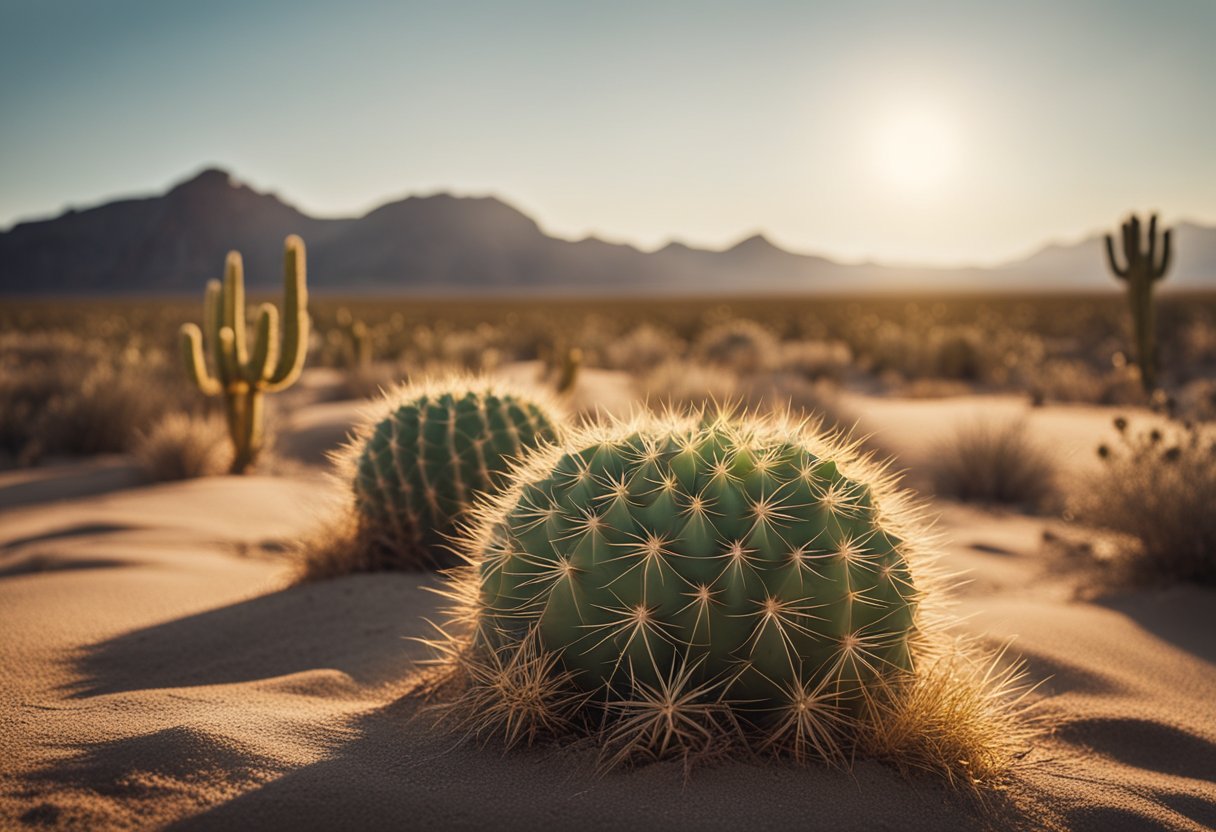
Understanding the specific sunlight needs of cacti is key to ensuring their growth and vitality. For some cacti, direct sunlight fuels their development and flowering, while others may prefer the dappled light of a forest understory. The light requirements of cacti can dictate not only their health but also their ability to flower and produce seeds. Moreover, as the seasons change, so do the light conditions, and understanding how to care for cacti as these conditions vary is essential for any enthusiast or gardener. By placing a cactus in its ideal lighting situation, whether it is the full desert sun or the indirect light of an indoor setting, these fascinating plants can flourish.
Key Takeaways
- Sunlight is critical for cactus health, but needs vary across species.
- Cacti have adapted to different light environments, influencing care practices.
- Seasonal changes impact light availability and cactus care routines.
The Importance of Sunlight for Cactus Health
Cactus plants rely heavily on sunlight for essential processes such as photosynthesis and have adapted to handle intense desert light conditions. The way they utilize and respond to sunlight is pivotal to their health and success as a desert plant.
Photosynthesis and Sunlight
Cacti engage in photosynthesis to convert sunlight into the energy they need for growth. They differ from other plants in their method of photosynthesis, using a process called CAM (Crassulacean Acid Metabolism) that allows them to minimize water loss in arid environments. Cacti must absorb sufficient sunlight to effectively convert carbon dioxide and water into glucose and oxygen, which are vital for their survival and continued growth.
Sun-Induced Stress and Adaptation
While cacti thrive in sunlight, they can also experience sunburn if exposed to too much direct light, especially when not acclimated. Cacti exhibit a range of adaptations to manage intense sunlight, such as growing spines that provide shade and reducing the surface area exposed to direct sunlight. Over time, these adaptations have enabled cacti to flourish in the harsh conditions of the desert.
Growth and Etiolation
Without adequate sunlight, cacti may exhibit etiolation, where they grow elongated and pale as they seek out more light. This stretching can weaken the plant and make it susceptible to damage. Utilizing a grow light might be necessary in conditions where natural sunlight is insufficient to prevent etiolation and maintain healthy growth. Maintaining the right balance of light exposure is crucial to prevent etiolation and ensure that cacti remain robust and healthy.
Cacti Light Requirements and Environments
Understanding the light requirements of cacti is crucial for their survival and growth. These resilient plants have diverse needs based on their natural habitats, the environments they are placed in, and the specific species.
Cacti Natural Habitats
Cacti originate primarily from desert environments, where they have adapted to thrive under conditions of intense sunlight and arid climates. They are accustomed to experiencing direct sunlight for the majority of the day. For instance, species like the prickly pear are well-suited for outdoor desert landscapes, often basking in sunlight for ample periods.
Indoor vs. Outdoor Cacti
When cultivating cacti indoors, it is important to mimic their natural environment to some extent. Indoor cacti should be placed in a bright location, such as a windowsill, ideally a south-facing window. This ensures they receive a minimum of 4 to 6 hours of sunlight daily, simulating their native conditions. In contrast, outdoor cacti can tolerate more direct sunlight, although care should be taken to prevent sunburn in extremely harsh conditions.
Species-Specific Sunlight Needs
Different cactus species have varying sunlight requirements. The Christmas cactus (Schlumbergera), for example, does not require as much direct sunlight as desert-dwelling cacti and can even prosper in shade or indirect light. It’s essential to research the specific species of cactus to provide the appropriate amount of light, whether placing them indoors or outdoors, to ensure their health and longevity.
Caring for Cacti in Various Light Conditions
Cactus care requires understanding their specific light requirements and knowing how to adjust to different conditions to maintain their health and growth.
Managing Sun Exposure
Cacti typically flourish under conditions that provide ample sunlight. Full sun species need approximately 10-12 hours of sunlight, but exposure beyond 14 hours can lead to sun damage. For those living in environments where the natural light is too intense, creating partial shade can protect cacti from excessive exposure. Shade tolerant cacti may suffice with less sunlight and can thrive in conditions that offer filtered light.
Utilizing Artificial Light
For indoor cacti or those grown in regions with insufficient sunlight, artificial light, specifically designed cactus grow lights, can be an excellent substitute. These grow lights should provide a spectrum of light that mimics natural sunlight, supporting photosynthesis and healthy growth. It’s typically recommended to position grow lights 6-12 inches above the cactus and use them for 12-14 hours daily to replicate natural light cycles.
Preventing Sun Damage and Disease
Excessive direct sunlight can lead to sun damage characterized by bleaching or yellowing of the cactus. To mitigate this, cacti should be gradually acclimated to sunlight, especially if they were previously grown in lower light conditions. Diseases like root rot can be a result of overwatering, especially in conjunction with inadequate light. Ensuring a proper balance of light and moisture is critical to prevent such issues and keep cacti healthy.
Cactus Care Throughout the Seasons
Cactus care requires adapting to seasonal changes, particularly light and watering needs. Understanding these variations is key to maintaining healthy, vibrant, and blooming cacti.
Seasonal Light Variations
Spring and Summer: Cacti thrive with ample natural light. They require full sun, defined as at least 6 hours of direct sunlight daily, to maintain their vibrant colors and prevent becoming leggy. Shade-tolerant cacti may survive with less, but adequacy of light is critical during their active growth periods.
Fall: As the natural light shifts, so should the care for cacti. During fall, indirect but bright light supports blooming for varieties such as the Thanksgiving cactus, which prepares to flower at this time.
Winter: Cacti enter a dormant state in the cooler, darker winter months. Diminished light is appropriate, and the plants benefit from a rest period with reduced sunlight and a cooler environment, mimicking their natural habitat.
Watering and Light during Growth Periods
Active Growth: In spring and summer, cacti need consistent watering as they soak up the sun. When the soil is dry to the touch, watering encourages growth and flower development. Always ensure pots have drainage to prevent waterlogging.
Dormancy: Less is more when it comes to winter watering. Cacti require water just enough to prevent shriveling. Along with less light, reduced watering helps cacti rest and store energy for the next growth cycle.
Advanced Considerations for Optimal Cactus Care
When cultivating cacti, gardeners must account for specific light requirements and adapt care strategies to changing climates to ensure survival.
Measuring Light Intensity
Measuring the intensity of sunlight reaching a cactus is vital for its health, particularly in cultivation. Lux meters are tools that provide gardeners with the ability to quantify light levels, informing them whether their cacti are receiving the optimal amount of sunlight. Cacti thrive with substantial light; however, the exact lux requirement varies by species. Gardeners should aim for an environment that mimics the plant’s natural habitat to prevent issues like etiolation.
Specialized Cacti Care Strategies
Cacti have evolved using crassulacean acid metabolism (CAM) photosynthesis, an adaptation allowing them to withstand drought by opening their stomata at night to minimize water loss. Gardeners should recognize the unique watering and feeding schedules that these plants demand, which differ greatly from those of other plants. Research suggests that providing conditions for adequate nighttime ventilation can optimize this natural process, enhancing growth and health.
Adapting to Changing Climates
Climate change is creating more erratic weather patterns, including increased heatwaves, which affect how cacti are cared for. Gardeners need to protect cacti from extreme temperatures that could damage the plants. Strategies include adjusting the location of potted cacti to more shaded areas during heatwaves or increasing water slightly to compensate for higher evaporation rates while still being mindful of overwatering risks. Monitoring weather forecasts and climate trends assists in making informed decisions about cactus care and ensuring their survival in a shifting environment.