
Can Camels Eat Cactus? Everything You Need To Know About

Camels, commonly referred to as ‘ships of the desert’ have bodies built for harsh weather conditions, which is why they can survive the desert.

So, can a camel eat cactus? Camels can eat cactus. Their mouths are lined with what is referred to as Papillae. The papillae help prevent any damage when they are eating the cactus and helps food flow in one direction which goes straight to the stomach. 

Understanding Their Desert Diet

Camels, the ships of the desert, are remarkable creatures that have evolved to thrive in some of the harshest environments on Earth. One question that often arises is whether these hardy animals can eat cacti, the spiny desert plants that seem to discourage most herbivores. Indeed, camels are not only able to consume cacti but do so regularly. This is due to their unique anatomical adaptations that allow them to safely ingest and digest these prickly plants.

Their mouths are specialized for such a diet, equipped with tough, leathery projections called papillae, which protect the camel’s mouth from the sharp spines of the cactus. These structural features, together with their ability to metabolize the water stored in cactus flesh, make camels well-adapted to their arid habitats. Despite the apparent harshness of the desert ecosystem, camels manage to extract sufficient nutrients and hydration from their environment, showcasing an impressive level of adaptation and survival.

Key Takeaways

  • Camels have evolved to consume cacti despite their spines, thanks to specialized mouth structures.
  • These dietary habits display camels’ remarkable adaptations to survive in desert conditions.
  • The ability to eat cacti is one example of the camel’s overall efficiency in utilizing the sparse resources of their habitat.

Anatomy of Camels Relevant to Diet

Camels have evolved a unique anatomy that enables them to thrive on a diet that includes tough, spiny plants like cacti. Their specialized mouth structures and a sophisticated multi-chambered stomach system are central to their remarkable dietary adaptations.

Specialized Mouth Structure

Camels possess a set of rugged oral adaptations suited for a desert diet. The hard palate and teeth work in tandem to efficiently grind down fibrous plants. Most notable are the papillae, which are finger-like keratinized projections in their mouths. These papillae prevent injury by directing the cactus needles away from the taste buds and sensitive tissue, allowing the camels to consume thorny plants with minimal harm. Additionally, camel lips are tough yet flexible, enabling them to forage among thorns without injury.

Multi-Chambered Stomach

The camel’s digestive system is exceptionally efficient, owing much to its multi-chambered stomach. The first chamber, called the rumen, stores food and begins the fermentation process with the help of microbes, breaking down cellulose and other complex plant materials. The succulent parts of the cactus can be digested here, aided by the abundant water stored within the plant’s flesh. The subsequent chambers handle further digestion and water reabsorption, essential features for conservation in their arid habitats. This setup allows for a slow and thorough digestion of tough and fibrous plant matter, contributing significantly to the camel’s resilience in harsh conditions.

Dietary Habits of Camels

Camels have evolved to thrive in harsh environments where food variety is limited and water is scarce. Their dietary habits reflect adaptations to make the most of the resources available in desert conditions.

Typical Food Intake

Camels are herbivores with a diet mainly comprising of grass, leaves, grains, and whatever sparse vegetation they can find in the arid desert. They can survive for days without water due to their ability to extract moisture from the food they consume. Camels are also ruminants, meaning they have a multi-chambered stomach that allows for efficient breakdown and absorption of nutrients from their fibrous diet.

What do camels eat:

  • Grasses and grains
  • Leaves from plants and shrubs
  • Seeds and other vegetation components
  • Occasionally, twigs and fruits like the prickly pear

These foods provide vital nutrients and are high in fiber, which is essential for the camels’ digestive systems. The fat stored in their humps acts as a reserve, providing energy when food is scarce.

Camels and Cactus Consumption

Despite the spines and tough exterior, camels can safely consume various types of cacti, including the prickly pear. Their thick lips and specialized mouthparts allow them to handle the prickly surfaces without injury. Eating cactus provides additional moisture and nutrition during periods when other food sources are even more limited. Their ability to feed on cacti is a critical adaptation for surviving in desert landscapes, where such plants are abundant.

The Desert Ecosystem

The desert ecosystem is a complex web of life, remarkably adapted to its extreme conditions. Here, both flora and fauna have evolved in fascinating ways to survive the scorching heat and scarce resources.

Flora and Fauna

Deserts are home to a variety of plants and animals that have developed unique adaptations. Cacti, with their thick, fleshy parts, are the quintessential desert flora, specifically designed to retain water. These succulents serve as a vital resource for many desert animals. The food chain includes jackrabbits, ground squirrels, and gophers, which may nibble on the plants. Rodents often seek shelter beneath them. Predators like the collared peccary, or javelina, rely on these smaller animals for food. Bird species such as the Gila woodpecker take advantage of both the plants and the animal populations for nourishment and nesting.

Desert Climate Impact on Diet

Desert species contend with harsh weather and extreme weather fluctuations that shape their dietary habits. The sparse resources prompt a diet that is diverse and opportunistic. Animals, such as the prairie dogs and javelinas, make do with a variety of desert plants and any other available resources. In desert conditions where water is a luxury, some animals derive hydration from their food, particularly cacti, which store water in their tissues.

Interactions with Cacti

Camels have adapted remarkable strategies to safely consume cacti, a resource that offers them both nutritional support and hydration in arid environments.

How Camels Handle Cactus Spines

Camels possess a tough mouth lining that allows them to eat thorny plants such as the prickly pear cactus without sustaining significant damage or pain. They have lips that can navigate around thorns, and muscular tongues that help them pick the parts of the cactus that are less harmful. These unique physiological traits enable them to consume cacti, which are a common component of their diet in desert regions, without harmful consequences.

Nutritional Value of Cactus for Camels

The cactus is not only a source of hydration for camels, but also provides them with essential nutrients. Cacti are succulent perennial plants that store significant amounts of water, making them a crucial resource for camels to maintain hydration. Moreover, the flesh of cacti is rich in nutrition, containing carbohydrates and other beneficial compounds that are crucial for a camel’s survival in its natural habitat. The multi-chambered stomach of camels allows them to maximize the extraction of these nutrients, ensuring they get the most out of what might seem like an inhospitable food source to other species.

Adaptations for Desert Survival

Camels, often referred to as “ships of the desert,” have evolved a range of physical and behavioral adaptations that enable them to thrive in the harsh desert environments of the Middle East, Africa, and even parts of Mexico.

Physical Adaptations

Arabian camels, also known as dromedaries, boast a series of physical adaptations tailored to desert life. Their thick eyelashes and narrow, slit-like nostrils can close to block out sand during intense windstorms. The camels’ feet are broad and flat, acting as natural snowshoes to prevent sinking into the sand—a crucial adaptation in the vast dunes of the desert. A camel’s hump is a reservoir of fatty tissue, allowing the animal to tap into energy reserves when food sources are scarce.

Behavioral Feeding Adaptations

In terms of behavioral adaptations, camels have developed remarkable feeding strategies to outlast the scarcity of the desert. They consume parts of plants that most herbivores avoid, such as cacti with spiky defenses. This is made possible through a tough mouth lining that is resistant to punctures and cuts. Camels maintain hydration not only through the water they drink but also by metabolizing the water in the plants they consume, allowing them to go for days or even weeks without direct water sources.

Comparison with Other Desert Herbivores

In the harsh landscapes of deserts, herbivores have adapted to thrive despite scarce resources. Their survival hinges on specific dietary habits and the ability to consume native flora, including various types of cacti.

Dietary Patterns of Other Desert Dwellers

Desert herbivores such as jackrabbits and ground squirrels exhibit diverse feeding behaviors. Jackrabbits primarily consume grasses and herbs, whereas ground squirrels can be more opportunistic, often eating seeds, twigs, and even cactus fruits. Both have developed physical adaptations to process their food: jackrabbits utilize their hard palates to grind vegetation, while ground squirrels have cheek pouches to carry their forage. Javelinas, on the other hand, are ruminants like camels and can digest tougher plant material, including prickly pear cacti. They typically feed on a variety of shrubs and tree parts, seeking out the base part and the juiciest parts of plants.

Cactus as a Food Source for Other Animals

While camels possess specialized mouth structures to consume cactus spines, other desert dwellers have differing approaches. The packrats or trade rats, for example, strip off spiny defenses to reach succulent cactus interiors. Similarly, the Galapagos land iguana has adapted to feed on cacti like the prickly pear, by avoiding the sharp spines to consume the fruit and pads. The eastern cottontail rabbit also partakes in eating cacti, but like the wood rat, they tend to focus on the less defended, new growth. These adaptations highlight the myriad ways desert animals have evolved to utilize the sparse, but nutrient-rich, desert plants for sustenance.

Camel Feeding Practices in Captivity

In captivity, camels’ dietary needs are met with precision, ensuring their health and well-being are well-managed by zoo and reserve staff.

Managed Diet in Zoos and Reserves

When camels are kept in zoos and other conservation reserves, their diet is carefully regulated. They typically receive a mix of hay and specialized fodder formulated to provide the necessary nutrients required for their unique physiological makeup. The staff often incorporates wheat and cacti, such as nopales, prepared in a way to avoid harm from the spines, into the diet to mimic the plants they would encounter naturally.

  • Hay: Forms the staple of their diet, chosen carefully to be free from mold and dust.
  • Cacti: Provided occasionally, ensuring that it is spine-free and safe for consumption.

Water intake is closely monitored, as camels are renowned for their ability to store water efficiently, an adaptation from being desert-dwelling animals. In captivity, however, they have regular access to water, reducing the need for them to utilize their natural water conservation abilities to the same extent as they would in the wild. Professionals in captivity management ensure that camels are not only fed but are also hydrated as per their specific needs.

Conservation and Ecological Impact

In desert ecosystems, camels play a critical role in maintaining ecological balance, which includes their interaction with various forms of vegetation such as cacti.

The Role of Camels in Their Habitat

Camels are quintessential to their arid habitats, often acting as key species in promoting ecological stability. They contribute to the dispersal of seeds as they roam, facilitating the propagation of various plant species, including cacti. Their ability to consume tough, fibrous plants such as cacti is vital in their role within the ecosystem. The digestion process of camels can break down complex cellulose found in cactus, turning it into nutrients that can benefit the soil. This digestion aids in returning essential nutrients to the desert soil, which is typically nutrient-poor.

Moreover, camels can help in controlling the spread of cacti, preventing any one species from becoming overly dominant and disrupting the balance of the desert vegetation. This is particularly important since some cactus species, if left unchecked, can become invasive and may push out other native plants, thus altering the ecosystem. By feeding on these plants, camels contribute to the regulation of the plant community structure.

Understanding the ecological dynamics between camels and cactus can also aid in conservation efforts, ensuring that both can thrive without disrupting the delicate desert ecosystem. Awareness of potential toxins within certain cacti is also significant, as it informs conservationists and local populations about safe practices when involving camels in habitat management.

In summary, camels serve a multifaceted role in desert ecosystems, from seed dispersal to vegetation management, which underscores their importance in conservation and ecological impact assessments.

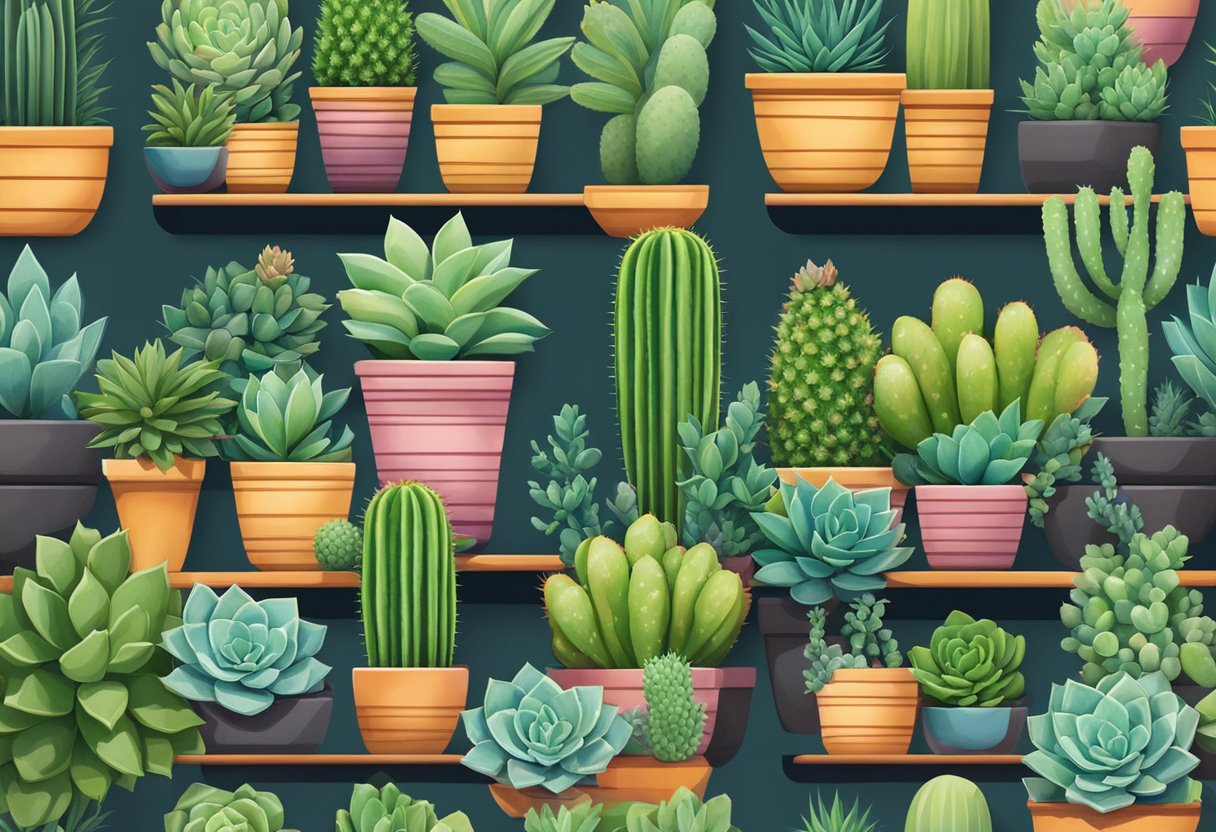
Vertical Gardening with Succulents and Cacti: A Comprehensive Guide

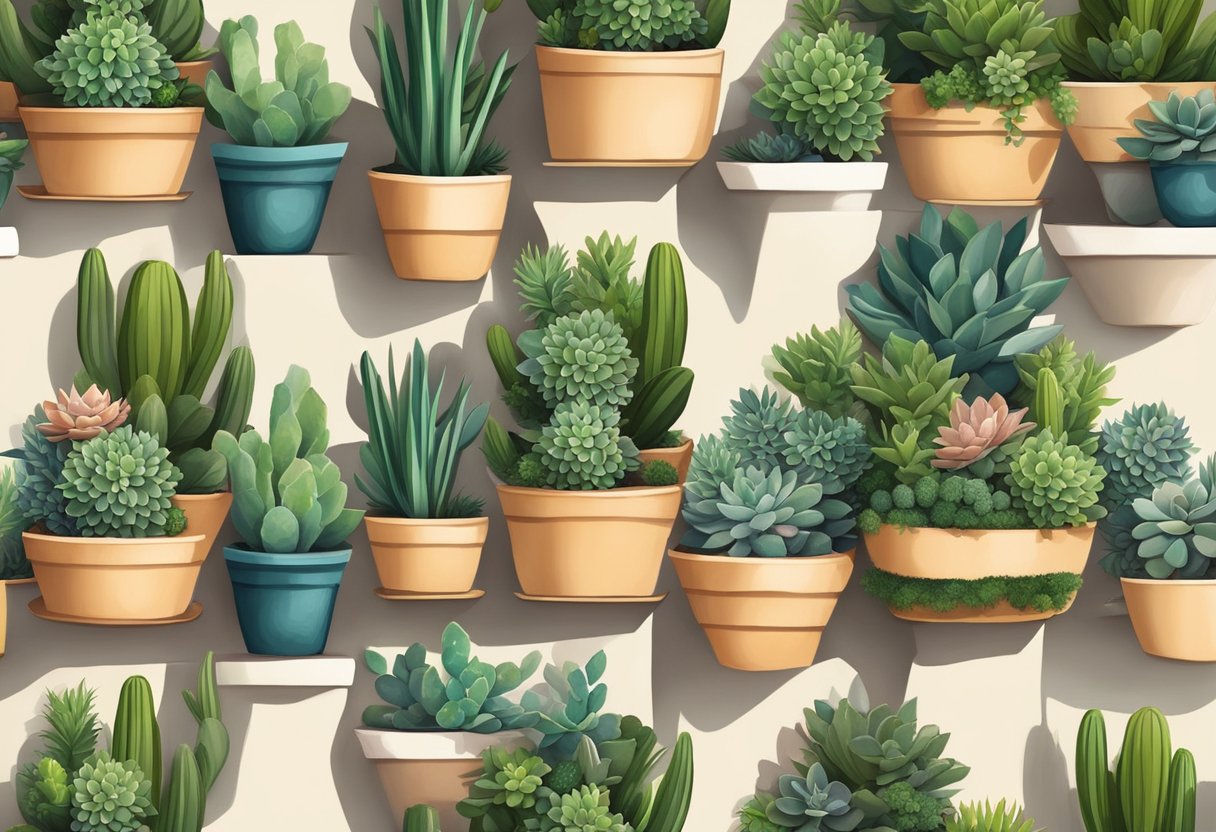
Vertical gardening with succulents and cacti is a unique way to add greenery to any space, whether indoors or outdoors. Succulents and cacti are ideal plants for vertical gardens due to their low maintenance requirements and water retention abilities. Vertical gardening is a technique that involves growing plants on a vertical surface, such as a wall or a fence, instead of planting them in the ground. It is becoming increasingly popular due to its space-saving benefits and ability to create a stunning visual display.

When it comes to vertical gardening with succulents and cacti, there are a few basics that need to be understood. Choosing the right plants is crucial, as not all succulents and cacti are suitable for vertical gardening. Designing the vertical garden is also important, as it can affect the growth and health of the plants. Building the vertical garden requires some DIY skills, but it can be a fun and rewarding project. Proper irrigation and drainage, as well as soil and growing medium, are also essential for the success of a vertical garden. Finally, maintenance and care are important to keep the plants healthy and thriving.

Key Takeaways

  • Succulents and cacti are ideal plants for vertical gardens due to their low maintenance requirements and water retention abilities.
  • Choosing the right plants, designing the garden, building it, and proper irrigation, drainage, soil, and maintenance are all crucial for the success of a vertical garden.
  • Vertical gardening is a space-saving technique that can create a stunning visual display and is becoming increasingly popular.

Basics of Vertical Gardening

Understanding Vertical Gardens

Vertical gardening involves growing plants vertically, utilizing wall space to create a green wall of foliage. This method is particularly well-suited for succulents and cacti, as these plants are adapted to thrive in arid environments and require minimal maintenance. The vertical succulent garden provides an aesthetically pleasing and space-efficient way to incorporate greenery into indoor and outdoor spaces.

Benefits of Vertical Gardening

Vertical gardening offers several advantages, including maximizing limited space, reducing the need for extensive ground-level garden beds, and providing an innovative way to display succulents and cacti. It allows for better air circulation around the plants, minimizing the risk of pests and diseases. Additionally, vertical gardens can serve as natural insulation, regulating indoor temperatures and improving air quality.

By incorporating succulents and cacti into a vertical garden, individuals can create visually striking displays while benefiting from the low-maintenance nature of these plants.

Choosing Plants for Vertical Gardens

Vertical gardens offer a unique way to incorporate greenery into limited spaces. When it comes to selecting plants for vertical gardens, succulents and cacti are ideal choices due to their low-maintenance nature and adaptability to various environments.

Why Succulents and Cacti are Ideal

Succulents and cacti are well-suited for vertical gardens due to their ability to thrive in arid conditions. Their water-storing capabilities make them low-maintenance, requiring minimal watering and care. Additionally, their compact and versatile nature allows them to flourish in vertical arrangements, making them an excellent choice for creating visually appealing displays in limited spaces.

Selecting the Right Varieties

When choosing succulents and cacti for vertical gardens, it is essential to select varieties that are well-suited for vertical growth. Opt for trailing succulents such as String of Pearls (Senecio rowleyanus) or Burro’s Tail (Sedum morganianum) that gracefully cascade down the vertical structure, adding a cascading effect. For cacti, varieties such as Christmas Cactus (Schlumbergera) and Easter Cactus (Hatiora gaertneri) can be excellent choices, as they are not only visually appealing but also well-adapted to vertical growth.

In summary, succulents and cacti are versatile and low-maintenance plants that are well-suited for vertical gardens, making them an ideal choice for creating stunning and space-efficient green displays.

Designing Your Vertical Garden

When it comes to designing a vertical garden with succulents and cacti, there are numerous creative ideas for layout that can be explored. Utilizing wooden boxes, pallet gardens, or living walls can provide an interesting and visually appealing backdrop for the plants. For instance, arranging the succulents in a tiered fashion within wooden boxes can create a cascading effect, adding depth and dimension to the overall design.

Incorporating aesthetics into the vertical garden design is essential for achieving an attractive and harmonious display. Using a variety of succulent species with different colors, textures, and shapes can create a visually stimulating arrangement. Additionally, strategically placing cacti with unique forms and sizes can add an intriguing focal point to the garden. Incorporating a mix of succulents and cacti in a balanced and visually pleasing manner can enhance the overall aesthetic appeal of the vertical garden.

Building a Vertical Garden

When it comes to building a vertical garden, there are two main aspects to consider: the DIY project and choosing the right planters.

DIY Vertical Garden Projects

One of the most important things to consider when building a vertical garden is the project itself. There are a lot of different DIY projects available online, each with their own unique features and benefits. Some popular DIY projects include using wooden pallets, picture frames, and shadow boxes as the base for the planter.

It’s important to choose a project that fits your skill level and budget. Some projects require more tools and materials than others, so it’s important to do your research and choose a project that you feel comfortable with. Additionally, it’s important to consider the size of the project. A larger project may require more time and effort to complete, so it’s important to choose a project that fits your schedule and lifestyle.

Choosing the Right Planters

Another important aspect of building a vertical garden is choosing the right planters. Succulent planters come in a variety of shapes, sizes, and materials, so it’s important to choose planters that fit your needs and preferences.

When choosing planters, it’s important to consider the size and shape of the plant. Some succulents and cacti grow better in smaller planters, while others require more space to thrive. Additionally, it’s important to consider the material of the planter. Some materials, like terra cotta, are better suited for certain types of succulents, while other materials, like plastic, may not be as durable over time.

Overall, building a vertical garden with succulents and cacti can be a fun and rewarding project. By choosing the right DIY project and planters, you can create a beautiful and unique garden that will thrive for years to come.

Irrigation and Drainage

Watering Systems for Vertical Gardens

Vertical gardens with succulents and cacti require a watering system that prevents waterlogging and provides adequate moisture to the plants. One option is to use a drip irrigation system that delivers water directly to the roots of the plants. This system can be set up with a timer that automatically waters the plants at specific intervals, saving water and ensuring that the plants receive a consistent amount of moisture.

Another option is to use a wick watering system, which involves placing a wick in the soil of each planter box. The wick draws water from a reservoir located at the bottom of the vertical garden and delivers it to the plants. This system is easy to set up and maintain, and it also helps prevent over-watering.

Preventing Root Rot

Succulents and cacti are prone to root rot, a condition that occurs when the roots are exposed to too much moisture. To prevent root rot, it is important to ensure that the soil in the planter boxes is well-draining and that excess water is able to drain away.

One way to improve drainage is to mix sand or perlite into the soil. These materials help create air pockets in the soil, allowing excess water to drain away from the roots. Another option is to use a soilless mix, such as a peat-based mix, which is lightweight and provides excellent drainage.

In addition to improving drainage, it is important to avoid over-watering the plants. Succulents and cacti are adapted to dry conditions and can survive for long periods without water. Watering the plants only when the soil is dry to the touch can help prevent root rot and ensure that the plants thrive in the vertical garden.

Soil and Growing Medium

Best Soil for Succulents and Cacti

When it comes to growing succulents and cacti, the right soil is crucial. These plants prefer well-draining soil that allows excess water to drain away quickly. A growing medium that retains too much moisture can lead to root rot and other problems.

The best soil for succulents and cacti is a well-draining soil mix that is specifically designed for these types of plants. This type of soil mix typically contains a high percentage of inorganic materials such as perlite, pumice, or coarse sand, which help to improve drainage and prevent soil compaction.

Organic seeds can also be used to grow succulents and cacti, but it’s important to use a well-draining soil mix even when starting from seed. This will help to prevent damping-off, which is a fungal disease that can kill young seedlings.

When choosing a soil mix for succulents and cacti, it’s important to avoid mixes that contain too much organic matter, such as peat moss or compost. These materials can retain too much moisture and lead to problems with root rot.

In summary, the best soil for succulents and cacti is a well-draining soil mix that is specifically designed for these types of plants. This type of soil mix typically contains a high percentage of inorganic materials such as perlite, pumice, or coarse sand, which help to improve drainage and prevent soil compaction. It’s important to avoid mixes that contain too much organic matter, such as peat moss or compost, and to use a well-draining soil mix even when starting from seed.

Maintenance and Care

Routine Care for Vertical Gardens

When it comes to maintaining a vertical garden with succulents and cacti, it’s important to note that these plants are generally low-maintenance. Regular watering is essential, but it’s crucial to avoid overwatering, as succulents and cacti are prone to root rot in excessively moist conditions. It’s recommended to check the soil moisture levels before watering and ensure that the soil dries out between watering sessions. Additionally, periodic pruning may be necessary to remove any dead or decaying foliage and promote healthy growth.

Managing Sunlight and Photosynthesis

Succulents and cacti thrive in bright, indirect sunlight. When designing a vertical garden, it’s crucial to position the plants in a location where they can receive ample sunlight for photosynthesis. However, it’s important to shield them from direct, intense sunlight, as this can lead to sunburn and damage the plants. Utilizing shading techniques or selecting a suitable location can help regulate the amount of sunlight the plants receive, ensuring optimal conditions for photosynthesis and growth.

Indoor and Outdoor Vertical Gardens

Vertical gardens with succulents and cacti can be adapted for both indoor and outdoor settings. While outdoor vertical gardens offer more space and sunlight, indoor vertical gardens can be just as beautiful and provide a unique way to bring nature into your home.

Adapting Vertical Gardens for Indoors

When adapting a vertical garden for indoor use, there are a few things to consider. First, the amount of light available will be limited, so it is important to choose succulents and cacti that can thrive in low-light conditions. Some good options for low-light indoor vertical gardens include snake plant, ZZ plant, and pothos.

Second, it is important to choose a location for the vertical garden that is not in the way of foot traffic and that won’t get knocked over easily. A good location for an indoor vertical garden could be a wall in the living room, kitchen, or bedroom.

Third, it is important to choose the right type of container for the vertical garden. Containers with drainage holes are important to prevent water from accumulating at the bottom of the container and causing root rot. A good option for indoor vertical gardens is a modular system that can be easily mounted to the wall.

Outdoor Vertical Garden Considerations

When creating an outdoor vertical garden, there are a few things to consider. First, it is important to choose a location that gets plenty of sunlight. Succulents and cacti thrive in full sun, so a south-facing wall or balcony is ideal.

Second, it is important to choose the right type of container for the vertical garden. Containers made of durable materials like metal or plastic are ideal for outdoor use. It is also important to choose containers with drainage holes to prevent water from accumulating and causing root rot.

Third, it is important to choose the right type of soil for the vertical garden. Succulents and cacti require well-draining soil to prevent root rot. A good option for outdoor vertical gardens is a mix of cactus soil and perlite.

Overall, with the right planning and care, vertical gardens with succulents and cacti can be a beautiful addition to any indoor or outdoor space.

Companion Planting

Companion planting is the practice of growing different plants together in a way that benefits each other. In a vertical garden with succulents and cacti, companion planting can help to improve soil fertility, attract beneficial insects, and deter harmful pests.

Integrating Herbs and Vegetables

Herbs and vegetables can be great companion plants for succulents and cacti in a vertical garden. For example, herbs like rosemary, thyme, and basil can repel pests such as aphids, spider mites, and whiteflies. They also add color and fragrance to the garden.

Vegetables like lettuce and peas can also be grown in a vertical garden with succulents and cacti. Lettuce is a great companion plant for succulents because it grows quickly and provides shade for the succulents. Peas, on the other hand, add nitrogen to the soil, which is beneficial for succulents.

When integrating herbs and vegetables into a vertical garden with succulents and cacti, it is important to consider their growing requirements. For example, some herbs prefer full sun, while others prefer partial shade. Similarly, some vegetables prefer cooler temperatures, while others prefer warmer temperatures.

To ensure that all plants in the vertical garden thrive, it is important to choose companion plants that have similar growing requirements. This can be achieved by grouping plants together based on their light and temperature requirements.

In conclusion, companion planting is a great way to improve the health and productivity of a vertical garden with succulents and cacti. By integrating herbs and vegetables into the garden, gardeners can create a diverse and beautiful space that benefits both the plants and the environment.

Sustainability and Environmental Benefits

Vertical gardening with succulents and cacti has numerous benefits for the environment. One of the most significant benefits is water conservation. Succulents and cacti are drought-tolerant plants that require minimal watering. Vertical gardening with these plants can help save water, especially in areas where water is scarce.

Conservation Through Vertical Gardening

According to Coohom, vertical gardening with succulents and cacti can reduce water usage by up to 50%. This is because the plants are grown in a vertical arrangement, and the water is supplied directly to the roots. This reduces water wastage, as water does not evaporate as quickly as it would in traditional gardening methods.

In addition to water conservation, vertical gardening with succulents and cacti has other environmental benefits. According to Mike’s Backyard Garden, vertical gardens can help reduce noise levels. The plants absorb sound waves, reducing noise pollution in the surrounding area. This is especially beneficial for those living in urban areas where noise pollution is a significant problem.

Another benefit of vertical gardening with succulents and cacti is that it can help reduce air pollution. According to Conserve Energy Future, plants absorb harmful toxins and release oxygen into the air. This can help improve air quality, especially in areas where air pollution is a significant problem.

Overall, vertical gardening with succulents and cacti is a sustainable and eco-friendly way to garden. It can help conserve water, reduce noise pollution, and improve air quality. With these benefits, it is no wonder that vertical gardening with succulents and cacti has become increasingly popular in recent years.

Troubleshooting Common Issues

Vertical gardening with succulents and cacti can be a fun and rewarding experience, but sometimes problems can arise. Here are some common issues that gardeners may encounter and how to deal with them:

Dealing with Pests and Diseases

Succulents and cacti are generally hardy plants that are resistant to pests and diseases, but they can still fall victim to a few common problems. Here are some of the most common pests and diseases that can affect succulents and cacti:

  • Mealybugs: These small, white, cotton-like insects can be found on the leaves and stems of succulents and cacti. They suck the sap from the plant, causing it to weaken and wilt. To get rid of mealybugs, wipe them off the plant with a cotton swab dipped in rubbing alcohol. You can also use a neem oil spray to kill them.
  • Spider mites: These tiny, red or brown insects spin webs on the leaves of succulents and cacti and suck the sap from the plant. To get rid of spider mites, spray the plant with a mixture of water and dish soap. You can also use a neem oil spray.
  • Root rot: This is a fungal disease that can affect succulents and cacti if they are overwatered or planted in soil that doesn’t drain well. To prevent root rot, make sure your plants are planted in well-draining soil and water them only when the soil is completely dry.
  • Powdery mildew: This is a fungal disease that appears as a white, powdery substance on the leaves of succulents and cacti. To get rid of powdery mildew, spray the plant with a mixture of water and baking soda. You can also use a neem oil spray.

By following these tips, you can keep your vertical garden of succulents and cacti healthy and thriving.

Creative Sculpting and Pruning Techniques for Cacti and Succulents

Creative sculpting and pruning are not just maintenance tasks for cacti and succulents; they’re an art form that helps to enhance the natural beauty of these resilient plants. By carefully removing parts of the plant, gardeners can encourage a more favorable shape, control size, and even influence blooming patterns. The key to success lies in understanding the unique growth habits and requirements of these plants, along with the use of the correct techniques and tools.

Knowing when and how to prune or sculpt is crucial for the health of cacti and succulents. Pruning can aid in the removal of dead or diseased tissue, and promote air circulation to reduce the risk of fungal infections. For those looking to showcase their cacti and succulents as living art, advanced sculpting techniques can transform a simple plant into a stunning piece of living sculpture, creating a focal point in any space.

Key Takeaways

  • Proper pruning can enhance the shape and health of cacti and succulents.
  • The right tools are essential for safe and effective sculpting and pruning.
  • Aftercare is vital to ensure the longevity and aesthetic appeal of pruned plants.

Essentials of Cacti and Succulent Care

Cacti and succulents are favored for their unique beauty and low-maintenance nature, but they still require specific care to thrive. Here we outline the vital care techniques to keep these plants healthy, focusing on their basic needs, defense against diseases and pests, optimal watering practices, and soil requirements.

Understanding the Basics

Cacti and succulents demand particular conditions to flourish. They typically need a bright environment with several hours of sunlight each day, though certain species prefer indirect light. These plants store water in their leaves, stems, or roots, which enables them to withstand arid climates. However, when cultivated in non-native environments, they must have their specific light and temperature needs met to maintain their overall health.

Common Diseases and Pests

Disease often stems from overwatering, which can cause root rot, and poor air circulation, which may lead to mold. The most common pests affecting these plants include spider mites, mealybugs, and scale insects. Regular inspections can catch early signs of infestations, such as discolored or misshapen leaves. Treatment involves isolating affected plants, removing pests manually, or using an appropriate insecticide.

Proper Watering Techniques

Proper watering is critical for these plants’ health. Overwatering is a common mistake and can lead to root rot, whereas underwatering might cause shriveling.

  • Cacti generally require less water than succulents.
  • During active growth in spring and summer, water when the top inch of soil feels dry.
  • In winter, reduce watering to once a month, or when the soil is completely dry.
  • Always ensure that the container has proper drainage to prevent water accumulation at the roots.

Selecting the Right Soil

Choosing the appropriate soil is essential for ensuring the health of these plants. Cacti and succulents require well-draining soil that mimics their natural sandy habitats.

  • A mix rich in inorganic materials like perlite, sand, or gravel aids in drainage.
  • Avoid heavy garden soils as they retain moisture and could lead to root rot.
  • Ensure the pot has enough holes at the bottom to allow excess water to escape, protecting the roots from stagnation and decay.

Essential Tools for Pruning

Before undertaking the delicate task of pruning cacti and succulents, it is paramount to equip oneself with the appropriate tools. Ensuring you have the right instruments and understanding their upkeep will pave the way for a smooth and successful pruning experience.

Types of Pruning Tools

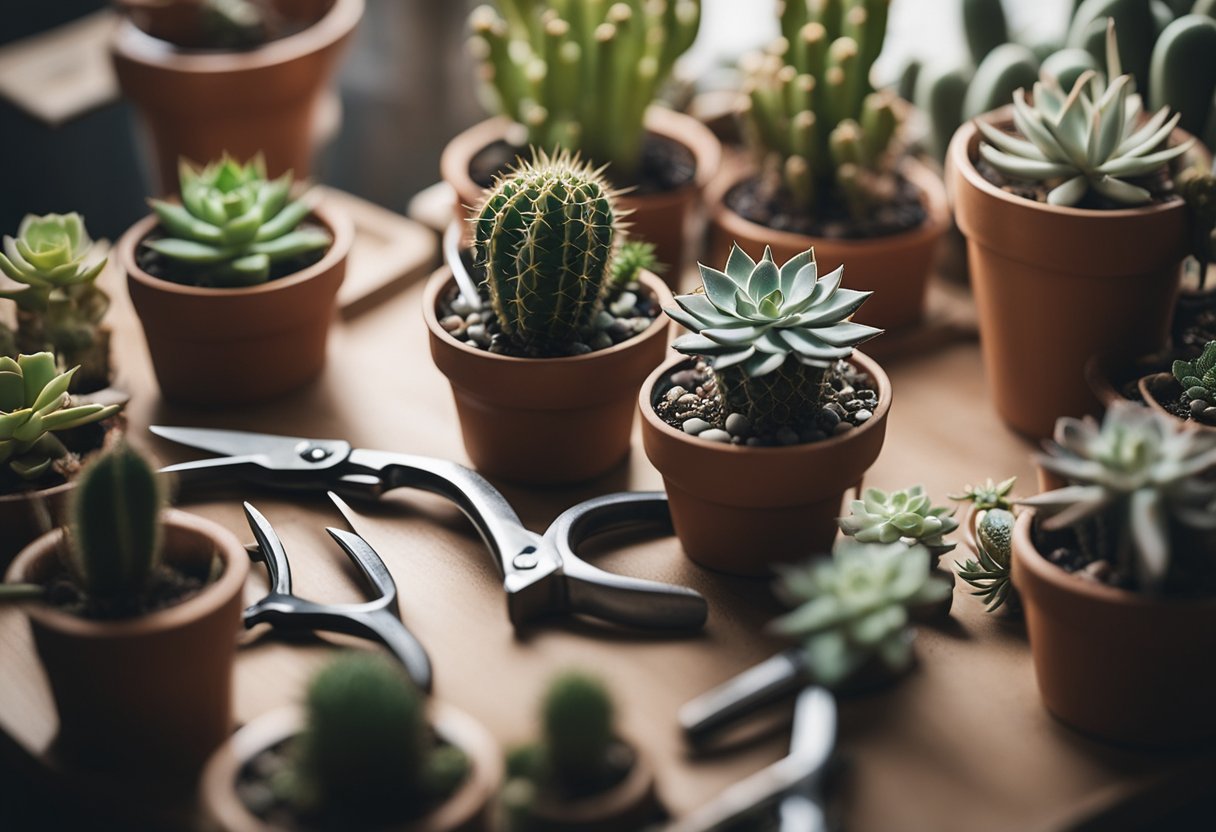
For the precise trimming and shaping of succulents, a variety of specialized gardening tools are essential. Pruning shears are a must-have for clean cuts on thicker stems. A sharp knife is ideal for more intricate work or for slicing through tough, fleshy leaves. For hard-to-reach areas or sensitive operations, scissors and tweezers provide additional precision. Larger species may require a saw to manage thick branches. It is also crucial to use gardening gloves and protective clothing to shield the skin from spines and sap.

  • Pruning Shears: Ideal for clean cuts on thicker stems.
  • Sharp Knife: Best for intricate work on tough leaves.
  • Scissors/Tweezers: Suited for precision work and sensitive operations.
  • Saw: Necessary for thick branches on larger species.
  • Protective Gear: Including gloves and clothing to prevent injury from spines.

Maintenance and Sanitization of Tools

To ensure the longevity and effectiveness of pruning tools, proper maintenance and sanitization cannot be overstated. Tools should be cleaned after each use to remove sap and debris. Sanitizing them with rubbing alcohol or a bleach solution is critical to prevent the spread of disease among plants. Dull blades can damage plants and should be sharpened regularly. Storing tools in a dry environment will prevent rust and corrosion, extending their usefulness.

  • Cleaning: Remove sap and debris post-use.
  • Sanitize: Use rubbing alcohol or bleach solution to disinfect tools.
  • Sharpening: Keep blades sharp for clean cuts and reduced plant stress.
  • Storage: Dry environments prevent rust and keep tools in optimal condition.

Pruning Techniques

Effective pruning can help maintain the health and aesthetics of succulents and cacti. Precision and timing are key to prevent them from becoming overgrown and ensuring their unique forms remain beautiful and healthy.

Pruning Overgrown Succulents

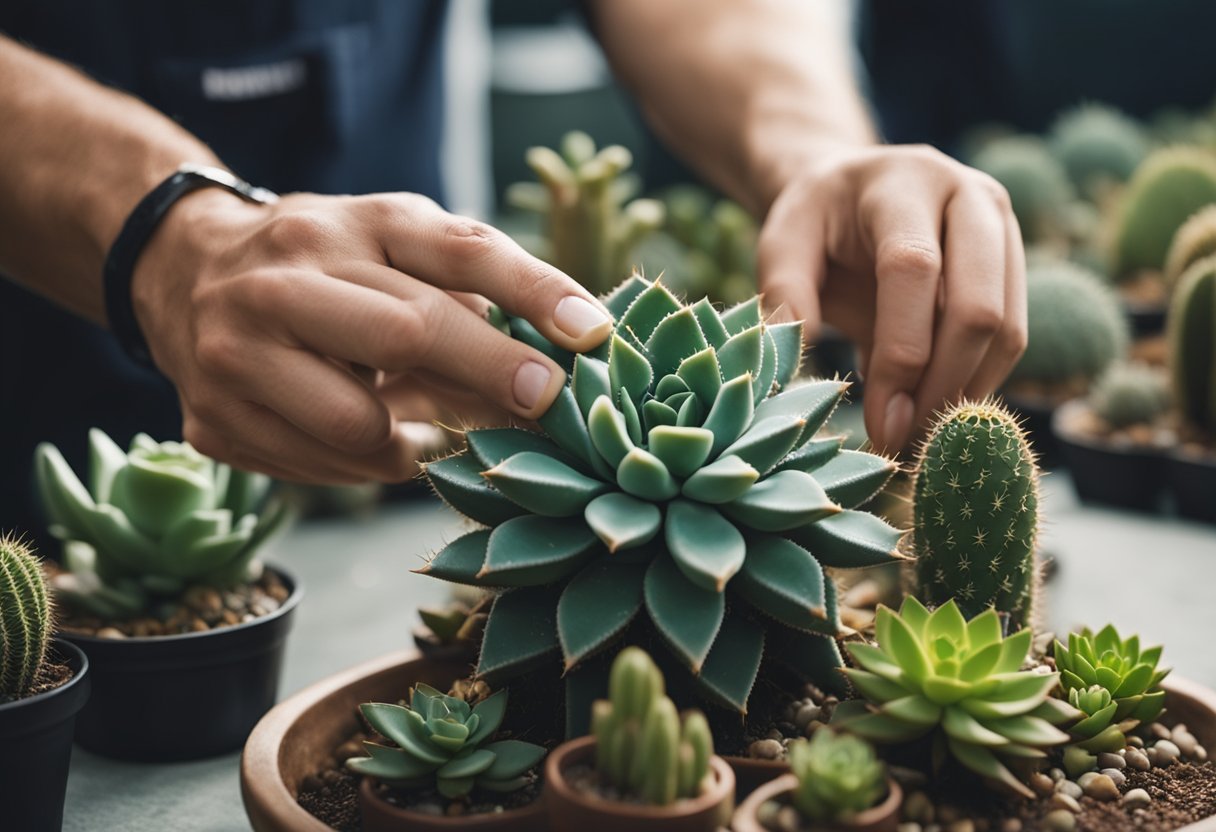
Overgrown succulents often become leggy or stretched out, losing their compact shape. To prune succulents that have outgrown their space, locate the healthy parts close to the stem. Using sterilized sharp scissors, cut above a leaf node to encourage bushier growth. Careful removal of overgrown parts not only reshapes the plant but also encourages a fuller, healthy appearance.

Shaping and Maintenance

Regular maintenance and shaping involve removing dead or dying leaves from the plant base to prevent rot. For trimming succulents, target sections that are detracting from the plant’s overall shape and aesthetic. One can also prune succulents to control their height and promote a desired growth pattern, enhancing their visual appeal.

Cactus Specific Pruning

When you prune a cactus, caution is required due to their spines and glochids. Use tongs or wear thick gloves to handle the plant. Cactus pruning typically involves removing dead or damaged sections. Cut at the natural joints of the plant to minimize stress. For segmented cacti like organ pipe, remove entire segments to trim for shape or health.

When to Prune

The optimal time for pruning succulents and cacti is during their growing season, which is often in early spring or fall. This timing ensures that the plants heal quickly and stress is minimized. Pruning outside of the active growth period can hinder the plants’ recovery and should be done with caution.

Advanced Sculpting Techniques

Mastering advanced sculpting techniques allows one to transform cacti and succulents into living sculptures. These methods entail precise trimming to create aesthetic forms and encourage healthy growth patterns, ultimately enhancing any plant collection.

Creating Artistic Shapes

Sculpting artistic shapes in cacti and succulents begins with envisioning the desired end result. Artists must decide on the shape they aim to achieve—be it spherical, angular, or any abstract form. They then carefully reshape the plant by trimming away specific parts. For example, an agave can be pruned to highlight its architectural rosettes, accentuating its symmetry and lines. It’s crucial to use sharp, clean cutting tools to prevent infection and promote quick healing.

Encouraging Healthy Growth Patterns

To encourage new growth patterns in succulents, strategic cuts are made at growth points. By trimming or pinching back the main stem or specific branches, one can stimulate the growth of new branches, resulting in a fuller and more balanced plant. It’s a meticulous process that uses knowledge of each species’ growth habits to guide the cuts in a direction that enhances both the plant’s health and aesthetic appeal. Proper timing is also vital; the best pruning period varies among different species but is generally during their active growing season.

Propagation from Prunings

Propagating cacti and succulents from prunings is an effective way to create new plants from your existing collection. This technique involves careful preparation of the cuttings and specific methods for encouraging growth in the offshoots.

Preparing Cuttings for Propagation

To propagate from cuttings, one must begin with trimmings that are clean and healthy. The steps are precise:

  1. Trim the cutting from the parent plant with a sterile, sharp knife or pair of scissors.
  2. Clean the cutting of any debris or unwanted leaves.
  3. Allow the cutting to heal, which means letting the cut end callous over for a few days to prevent rot and disease when planted.

For detailed guidance on the initial steps of obtaining and preparing succulent leaves for propagation, one can explore information on how to propagate succulents. Knowing the proper technique for the initial cut and preparation is critical for successful propagation.

Methods for Propagating Offshoots

Once cuttings are prepared, the propagation process begins. This can be carried out through different methods:

  • Soil Propagation: Plant the calloused cutting in well-draining soil, ensuring that the cut end is buried slightly.
  • Water Propagation: For specific succulent types, the cutting may be suspended above water, allowing roots to grow towards the moisture source.

Cacti can also be propagated from cuttings. A guide mentioned in Learn How to Propagate Cacti offers a sequence of actions for cacti propagation, specifically through cuttings, which often promises quicker growth of sizable plants.

Interestingly, not only stem cuttings can foster new growth, but so can offsets or pups which are the little clones that form at the base of some succulents. These pups can be separated from the parent plant and treated in much the same way as stem cuttings to propagate new, independent plants.

Aftercare of Pruned Plants

After pruning cacti and succulents, it’s crucial to manage the healing process, maintain plant health, and perform thorough clean up and disposal to prevent disease and promote recovery.

Healing Process and Care

Immediately after pruning, it is important for the plant to heal. Just as a scab forms on human skin, cacti and succulents also develop a callous over their cuts, which protects the vulnerable tissue underneath. During this period, refrain from watering to allow the wound to dry and form a hard scab. This can take anywhere from a few days to a week, depending on the size of the cut and the humidity levels in the environment.

Maintaining Plant Health Post-Pruning

To maintain the health of the plant after pruning, ensure it is placed in an environment with suitable light, temperature, and ventilation. Avoid fertilizing the plant immediately as this can stress the freshly pruned plant. Monitor for signs of distress or infection, as the open wounds can be susceptible to disease. Healthy growth post-pruning requires vigilance and care to ensure the plant does not succumb to rot or infection.

Clean Up and Disposal

Safety should be a priority during clean up. Dispose of the pruned material responsibly, as cactus spines can cause injury. Utilize protective gloves and tools like tongs to collect the debris. Ensure all tools used in the pruning process are clean and sterilized to prevent the spread of disease to other plants. Proper disposal and sanitation practices contribute significantly to the overall health and maintenance of the cactus or succulent garden.

Safety and Handling Tips

When sculpting and pruning cacti and succulents, the gardener’s safety is paramount. Proper gear and mindful handling are essential to prevent injuries from sharp plant parts such as spines and glochids.

Protective Measures While Pruning

A gardener should always wear thick gloves; a sturdy pair made of leather or another puncture-resistant material is recommended for handling cacti to avoid injuries from spines. Additionally, long-sleeved shirts and protective pants offer an extra layer of defense against accidental scratches or pricks. If extensive pruning is involved, safety goggles should be considered to protect the eyes from flying debris.

Dealing with Sharp Plant Parts

Understanding the cacti’s defense mechanisms is key. Both spines and tiny, barbed glochids can be a hazard. Handling cacti requires tools like tongs or a folded piece of newspaper to keep hands and fingers at a safe distance. In the event a spine or glochid becomes embedded in the skin, using tweezers and magnification assists in safe removal. If longer spikes or hairs are encountered, consider cutting them back carefully with sharp pruning tools to manage the plant safely.

Case Studies and Examples

Unique and artful approaches have transformed everyday cacti and succulents into remarkable showcases. These case studies exemplify how precise techniques can elevate a plant’s aesthetic, enhance the health of the succulent, and reshape the landscape.

Succulent Sculpting Showcases

In a Californian botanical garden, sculptors used trimming techniques to shape Echeveria rosettes into delicate floral-like arrangements, complementing the natural symmetry of the succulents. Regular pruning of dead flower stalks allowed the rosettes to maintain their pristine form.

Cactus Pruning Success Stories

A popular Southwest resort displayed notable success stories, where they rejuvenated a variety of columnar cacti to create an inviting desert landscape. They skillfully trimmed the main stem of overgrown Saguaro specimens to encourage branching, which resulted in a visually engaging cactus garden.

Reviving Neglected Plants

A community garden project demonstrated the revival of neglected succulents suffering from disease and rot. Volunteers meticulously removed diseased leaves and trimmed away the dead parts, allowing healthy growth to flourish once more. Their efforts turned fading landscapes into vibrant gardens.

Integrating Pruned Plants into Landscapes

Pruned cacti and succulents, when integrated into landscapes, offer both an aesthetic appeal and contribute to the health of the plants. Their distinctive forms can complement various landscape designs.

Designing with Pruned Cacti and Succulents

When incorporating pruned cacti and succulents into a landscape, attention must be paid to the flower stalks and trunk structures of these plants. The strategic removal of excess growth not only enhances their unique shapes but also ensures they blend seamlessly with the overall landscape design. For a cohesive look:

  • Balance and Scale: Position pruned cacti and succulents in a way that maintains proportion with other garden elements.
  • Color Coordination: Choose species with complementary colors that fit the existing landscape palette.

Combining Aesthetics and Health in Garden Design

Pruning cacti and succulents in a landscape centers on both their visual impact and their vitality. Pruning encourages healthy growth and flowering, maintaining the plant’s vigor. It is essential to:

  • Sunlight Exposure: Ensure each plant receives adequate light, preventing overgrowth on one side.
  • Air Circulation: Prune to allow airflow, reducing the risk of disease in dense areas.

Carefully chosen and maintained pruned cacti and succulents can serve as sculptural centerpieces or subtle complements to a garden, enhancing the overall aesthetic while promoting a robust environment for both houseplants and outdoor specimens.

Blooming Cycles of Different Cactus Species: An Overview of Seasonal Patterns

Cacti are a diverse group of plants that often captivate with their striking forms and resilience in arid environments. Among their most intriguing characteristics is their blooming cycle, which varies widely across different species. Some cacti boast flowers that open only for a single night, offering a rare and enchanting spectacle, such as the night-blooming cereus. Others celebrate the seasons with a more enduring display, with blooming periods that align with environmental cues of spring, summer, or even winter.

Understanding the blooming cycles of these hardy plants is not only of interest to the avid gardener but also to those who appreciate the complexity of desert ecology. Each species follows a unique schedule of flowering, often driven by specific climate conditions and survival strategies. The blooming of cacti is a remarkable process that involves phases of initiation, bud formation, and flowering, resulting in the production of fruits. As such, the care for these plants during their blooming period is vital, and common issues may arise that require troubleshooting to ensure that these spectacular displays can be enjoyed year after year.

Key Takeaways

  • Cacti exhibit a wide range of blooming cycles and patterns, unique to each species.
  • The blooming process is influenced by seasonal changes and environmental factors.
  • Proper care during blooming can enhance flower production and address common growth issues.

Defining Cactus Characteristics

In exploring the remarkable world of cacti, it’s essential to examine both their unique structural features and their biological processes, which enable them to thrive in some of the harshest environments on Earth.

Anatomical Features

Cactus plants are distinguished by their spines, which are actually modified leaves designed to reduce water loss and provide protection. Beneath the spines lie the areoles, specialized structures unique to cacti from which both spines and flowers grow. The skin of cacti often has a waxy coating, aiding in water retention, and can vary in texture from smooth to woody. Many species also exhibit tubercles—small, rounded projections that can help shade the plant body.

Physiological Processes

Cacti have evolved to perform photosynthesis differently than other plants, using a process called Crassulacean Acid Metabolism (CAM) which allows them to conserve water by opening their stomata at night. During these times, they absorb carbon dioxide and store it until daylight permits photosynthesis.

Cacti as Succulents

As succulents, cacti are adept at storing water in their fleshy tissues, enabling survival through extended dry periods. This succulent property is particularly important in their native dry conditions, especially in regions like Mexico and South America.

Taxonomy of Cacti

The Cactaceae family comprises around 139 genera and nearly 2,000 species. The family is exclusively native to the Americas, with its center of biodiversity in regions like Brazil and Argentina.

Cactus Habitats

Although commonly associated with desert regions, cactus habitats can range from arid plains to tropical rainforests. They are often found in shallow and well-draining soils, where moisture is scarce and the sunlight is abundant.

Adaptations to Environments

Cacti have a variety of adaptations to their environments, from thickened stems for water storage to the presence of spines for defense against herbivores. These features are essential for survival in environments with intense heat and limited rainfall.

Lifecycle and Maturity

From the seedling stage to maturity, cacti undergo a significant transformation, ultimately becoming flowering plants. The time it takes for cacti to reach maturity and begin blooming can vary widely among species, some taking several years to produce their first flowers.

Indoor Versus Outdoor Cacti

Indoor cactus plants are popular houseplants that often live in containers, requiring careful management of water, soil, and light conditions to mimic their natural habitats. While outdoor cacti are typically more resilient and can handle greater variances in environmental conditions.

Seasonal Aspects of Cacti

The unique blooming cycles and adaptations of cacti are intrinsically linked to the seasons, with specific periods of growth and dormancy dictating their life processes.

Winter Period

During winter, cacti species like Schlumbergera, commonly known as Christmas cactus, and Thanksgiving cactus, experience a period of dormancy. In this time, they require cooler temperatures to induce blooming. The winter season is crucial for these cacti as they set buds and bloom as daylight decreases. It’s typically important for these plants to be in temperatures around 12-15°C (55-59°F) to initiate flowering.

Summer Adaptations

In contrast, many cacti, such as Opuntia and Echinocereus, thrive in the summer heat, displaying remarkable adaptations like thickened stems to retain water and spines to provide shade. During summer, cacti manage their resources and may enter a state of slowed growth to conserve energy, awaiting the optimal conditions for blooming.

Blooming Timelines

The blooming timeline of cacti is not uniform across species; while Opuntia species may flower from late spring to early summer, others may have different patterns. Echinocereus species, for instance, may have a maturity-dependent flowering sequence which can be specific to late spring. This bloom generally heralds a period of active growth and reproduction, which for many cacti, requires increased temperature and light exposure.

Reproduction and Propagation

Cacti propagate through both seeds and vegetative means such as offsets. Flowering plants may exhibit different styles of blooms, which facilitate cross-pollination, an important aspect of seed formation. In the propagation of species like the Christmas cactus, cuttings from offsets can be taken and rooted in a suitable substrate to create new plants, thereby continuing the cycle of life through the seasons.

Diverse Cactus Species

The world of cacti presents a stunning array of forms, from towering columnar species to petite globular types. Each possesses unique adaptations that enable them to flourish in a variety of environments, with an impressive range in size, shape, and flowering habits.

Columnar Species

Columnar cacti, such as the iconic Saguaro (Carnegiea gigantea), are distinguished by their lofty, tree-like structures. These towering giants are native to the deserts of North America and can live for over 150 years. Columnar species typically grow vertically and may develop several arms as they age.

Globular Varieties

Contrasting the vertical reach of columnar cacti are the globular varieties. Species like Rebutia and Echinocactus, commonly known as the barrel cactus, boast a spherical or short cylindrical shape. Rebutia are small, often producing vibrant flowers, while Echinocactus can grow to substantial sizes and are characterized by their prominent ribs and numerous spines.

Epiphytic Types

Unlike their desert-dwelling cousins, epiphytic cacti, such as Epiphyllum or orchid cactus, grow on other plants or structures. They are adapted to more humid conditions found in tropical and subtropical environments. These cacti have leaf-like stems and produce large, showy flowers, distinguishing them from other cacti.

Unique Epidermal Features

Cacti exhibit a collection of unique epidermal characteristics that help them conserve water and protect from harsh sunlight. For instance, Mammillaria elongata has elongated tubercles covered in spines, while Ferocactus species are known for their stout, curved spines that arise from prominent ridges on their spherical bodies. These features are not just for defense or water storage; they also help in the reproductive process by aiding in the dispersal of seeds.

Popular Cacti and Their Blooming Patterns

The variety among cactus plants is astounding, each species possessing its distinct blooming cycles. Here is a snapshot of the blooming patterns across different types of popular cacti.

Holiday Favorites

Easter Cactus (Hatiora gaertneri): This cactus is named for its bloom season, which typically coincides with the Easter holiday. The flowers, usually pink or red, dangle gracefully from the stems. More about this can be found in Understanding The Timing Of Cactus Flower Blooms: A Guide For Gardeners.

Christmas Cactus (Schlumbergera bridgesii): As indicated by its name, it blooms near the Christmas season. The flowers come in various shades, adding a festive touch to any setting.

Desert Dwellers

Golden Barrel Cactus (Echinocactus grusonii): This round, ribbed cactus typically flowers in the hottest months, with yellow blooms circling its crown.

Prickly Pear (Opuntia microdasys): Recognizable for its broad, flat pads, these produce yellow, red, or purple flowers in late spring to early summer.

Cacti with Notable Flowers

Moon Cactus (Grafted Cacti): Often vibrant in color, these cacti are actually grafted onto another species, with the top part rarely blooming. However, the rootstock may produce modest flowers depending on its species.

Rat Tail Cactus (Aporocactus flagelliformis): Known for its long, trailing stems, this cactus displays vibrant pink to red flowers during spring.

Common Houseplant Cacti

Fairy Castle Cactus (Acanthocereus tetragonus): Resembling the spires of a castle, this cactus can take years to bloom and often does so only when fully mature, producing white or yellow flowers.

Peanut Cactus (Echinopsis chamaecereus): Displaying orange-red blooms, this cactus flowers in late spring and often requires ample sunlight.

Parodia: A genus with various species, these cacti typically flower in summer, offering a display of yellow, red, or orange blooms atop their ball-shaped bodies.

Caring for Blooming Cacti

Proper care of blooming cacti involves understanding their specific watering, light, temperature, soil, and maintenance needs. These factors are crucial for the plant’s health and vibrancy during its blooming cycle.

Watering Needs

Blooming cacti require a delicate balance of watering. During active growth and bloom periods, they should be watered more frequently but always allow the soil to dry out completely between waterings. Overwatering can lead to root rot, which is detrimental to the plant’s health. The Thanksgiving cactus thrives in typical household conditions without too much fuss over watering.

Light and Temperature

Cacti in bloom perform best in conditions that mimic their natural habitats. They prefer bright indirect light and should be kept at a temperature that’s consistent – generally between 65-75°F (18-24°C). During the blooming phase, some cacti species such as the Christmas cactus, demand cooler nighttime temperatures and longer periods of darkness to trigger and sustain their flowers.

Soil and Nutrient Requirements

The right soil mix is crucial for the health and growth of blooming cacti. They require a well-draining soil medium, often a mix of potting soil and sand or perlite. Nutrient needs can be met with a balanced, low-nitrogen fertilizer applied during the growing season but should be reduced or halted during dormancy.

Pruning and Maintenance

Pruning helps maintain the shape of the cactus and encourages branching where flowers are more likely to develop. Using sterile tools, one should prune dead or overgrown branches after the blooming cycle. Furthermore, check for pests that can impact the cactus’s health, and clean the spines and areoles gently to prevent dust buildup, which can inhibit growth.

Troubleshooting Common Issues

In cultivating cacti, gardeners may encounter issues affecting the health and flowering of these resilient plants. This section provides strategies for addressing common problems related to pests, environmental stress, blooming, and plant care in containers.

Pest and Disease Management

One encounters problems with pests such as spider mites, scale insects, and mealybugs, which can hinder growth and blooming in cacti. Disease management is critical; signs of stress, like black or brown spots and mushy stems, may indicate overwatering and fungal infections. For pest infestations, one can apply insecticidal soaps or neem oil treatments, ensuring to follow application guidelines to avoid plant harm.

Dealing with Environmental Stress

Cacti thrive under specific conditions, and when those are not met, they suffer from environmental stress. Ensuring that a cactus receives sufficient sunlight (at least six hours a day) and is watered correctly, allowing the soil to dry out completely between watering sessions, are essential steps. In dry conditions, one must balance humidity levels without overhydrating.

Encouraging Bloom

Cacti may not bloom or show signs of flowering due to several factors. They require a period of dormancy, with cooler temperatures and less frequent watering, to promote blooming cycles. It is also beneficial to fertilize them with a specialized cactus fertilizer, which can provide the necessary nutrients for flowering.

Repotting and Transplanting

Cacti often outgrow their containers or require fresh soil to rejuvenate their root systems. When repotting and transplanting, use a well-draining cactus mix and size up the container if the plant has expanded beyond its current pot. Handle the process delicately to avoid root damage, which may stall growth and blooming.

Conclusion

The blooming cycles of cacti are intricately linked to their environmental adaptations and specific species characteristics. They display a remarkable diversity in their flowering habits, with some species flowering annually, while others may do so less frequently. The key factors influencing these cycles include temperature, light, water availability, and the cactus’s maturity.

  • Annual bloomers: Some cacti species bloom each year at predictable times, typically when conditions are most favorable for pollination and seed dispersal.
  • Less frequent bloomers: Other species flower sporadically, and their blooms may be a rare delight, sometimes triggered by specific environmental cues.

It’s essential to recognize that not all cacti follow the same patterns, and these can vary widely:

  • Day Bloomers: Many cacti flowers open with the sunlight and close at dusk.
  • Night Bloomers: Some species, like those from the genus Epiphyllum, unfurl their blossoms at night, relying on nocturnal pollinators.

Gardeners should tailor their care for cacti according to the specific species’ needs to foster a successful blooming cycle. They must ensure optimal growing conditions, which can be a delicate balance in cultivation, mimicking the cactus’s native habitat as closely as possible. It is in this careful mimicry that the spectacular and sometimes elusive cactus flowers can be coaxed to reveal their beauty. To deepen understanding, examining guides on the timing of cactus flower blooms and cacti’s life cycle can be particularly informative.