How To Eat A Cactus Fruit Or Prickly Pear?

Disclaimer: The author is not a medical doctor or veterinarian. The information presented is purely to share our experience and for entertainment purposes. As always, check with a doctor and/or veterinarian before making any health or nutrition decisions and consult with a doctor and/or veterinarian regarding any question or problem that you have. The author and blog disclaim liability for any damage, mishap, or injury that may occur from engaging in any activities or ideas from this site.

Cacti plants are an incredibly fascinating group of succulents. While people associate the plant with lots of things, only a few know that cacti fruits are edible and so nutritious. Whether you are intrigued by their beautiful flowers, stems, shapes, or even spines, it is good to keep in mind that cacti plants can offer much more value beyond the aesthetics.

Wondering how to eat a cactus fruit or prickly pear? There are crucial steps you need to follow to make the cactus fruit edible. To get past their prickly exterior, you will need a sharp knife, bowl, fork, cutting board, and a food mill if you want to blend the fruit into pulp/juice. The process starts with identifying and harvesting the right fruits. From there, you need to get rid of the thorns, get rid of the skin, and decide whether you want to consume it raw or cook it.

These fruits have been an essential part of different diets for many years. They form an integral part of Mexican cuisine and are also consumed in many parts of the United States. In this post, we guide you step-by-step on how to prepare the prickly pear before eating it. Read on to find out everything you need to know.

What Is a Prickly Pear Cactus Fruit

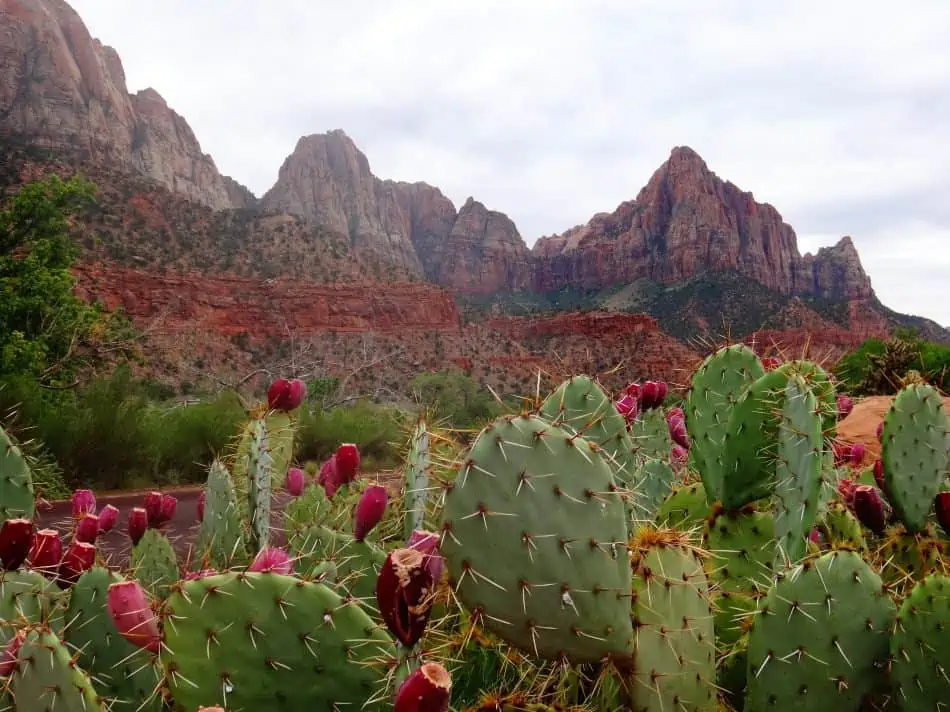
A prickly pear cactus fruit is an edible fruit that grows on the nopal cactus. This type of cactus typically grows in hot and arid regions, including the Sonoran Desert, Mexico, New Mexico, Texas, and California.

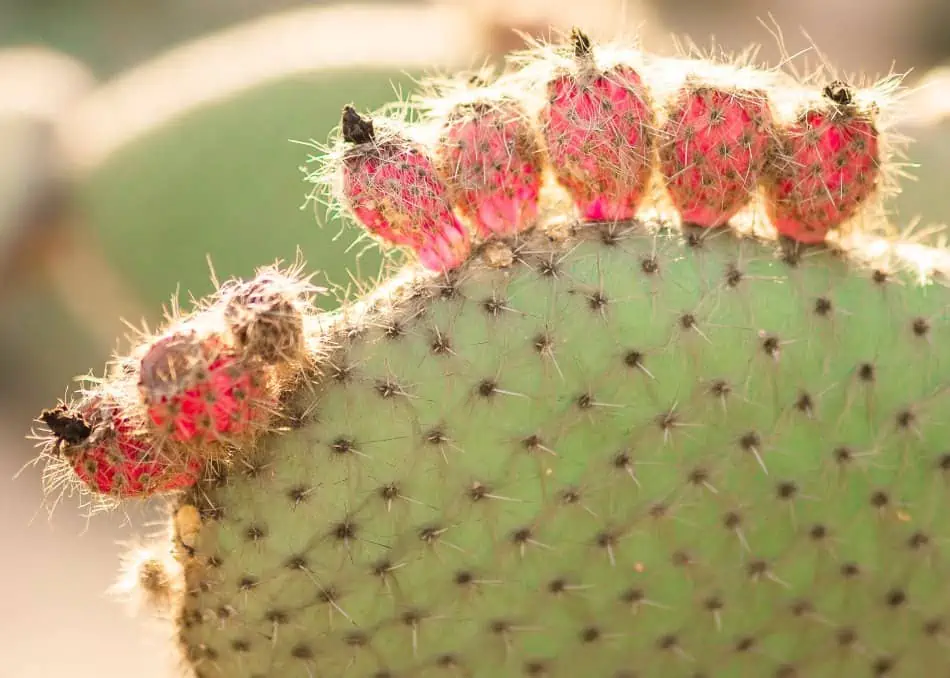
The prickly pear has an oval shape with red-purple skin that has numerous small spines or needles.

The pulp is sweet and juicy, with a texture and flavor similar to watermelon or kiwi. Depending on the variety, it may contain edible small black seeds.

Always pay close attention to the spines when harvesting cactus fruits since they can be sharp and painful.

Preparing and Eating the Cactus Fruit

In this section, we talk about how to identify ripe cactus fruits, how to harvest them, and how to prepare them for consumption. You will need the tools mentioned above to complete the steps successfully. So, let us get started right away.

Identifying and harvesting the cactus fruit

The first thing you need to do is to identify the fruit on the plant and harvest it in the right away to avoid suffering thorn piercings. Typically, cactus fruits grow on the edges of the flat pads of the plant.
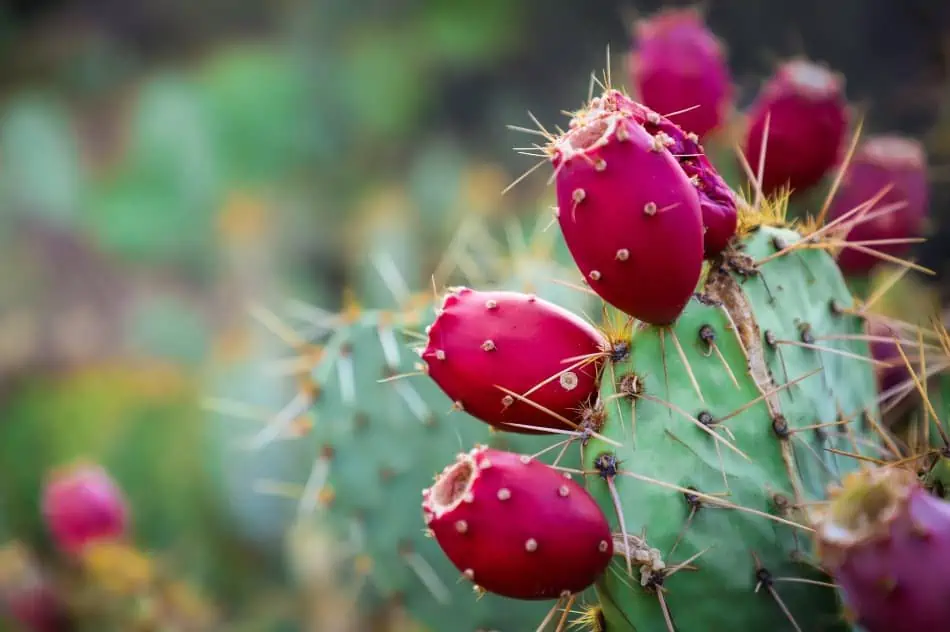
Fruit bearing cactus.
There are crucial steps you need to follow to make the cactus fruit edible

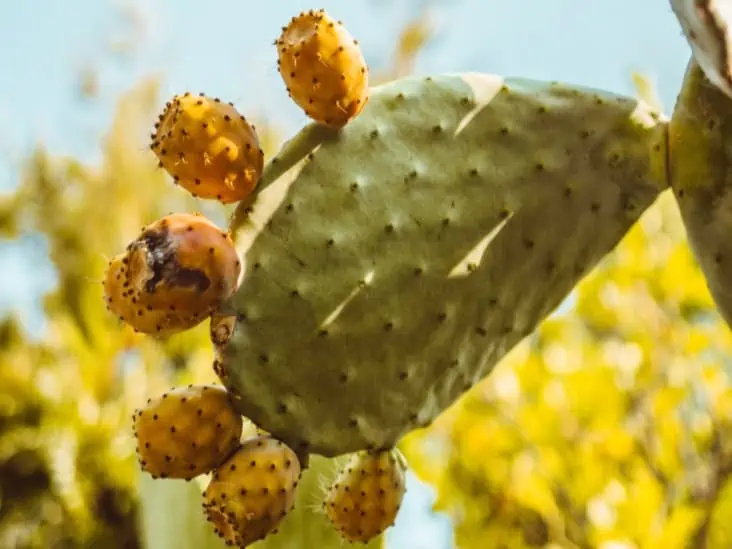
The fruits are pear-shaped and come in different colors ranging from green (not so sweet) to red (the sweetest). You may also come across fruits with orange or purple spots. The little spots that form on the surface of the fruit are not spines but glochids.

The tiny hair-like splinters can easily stick into your skin, causing severe pain, and they are hard to see.  When harvesting your cactus fruit, be sure to protect your hands with thick gloves or use a towel folded in several layers. Six or seven paper towels stack together to form one thick layer will also work fine. 

To harvest the fruit, hold it firmly in your hands then twist it gently. The greener fruits usually require more effort to harvest because they are not fully ripe. However, the red ones that are fully ripe will pop right off the plant with minimal effort.

Place the harvested fruit in a basket or bowl, and don’t touch it with your bare hands. You can also use tongs to get the fruits off the cactus.

Preparing to remove the skin

There are a few things you need to do to get the fruit ready for the next step. First, you need to remove the glochids to make the fruit safe for handling with bare hands. If you purchased the fruit from a store, the glochids should have been removed already.

You can easily burn off the glochids by holding your fruit over an open flame. Hold it with a pair of tongs or stick it on the sharp end of a fork and slowly turn the fruit over the fire.

Don’t be surprised to hear popping sounds as the glochids burn. Continue turning the fruit over the flame until all the glochids burn.

Peeling off the skin

Using a fork, hold your cactus fruit steadily and gently peel off the skin using a knife. If the cactus fruit is ripe, the skin will pull off easily with some gentle nudging.  However, you may need to use a little bit more effort if the fruit was still green.

Peeled cactus fruits,
The greener fruits usually require more effort to harvest because they are not fully ripe.

Once you have peeled the skin from both sides of the fruit, carefully grasp it to pull off the bottom skin layer.

Be careful not to touch the skin since it may still be having some glochids that may pierce your skin.

Place the fruit on a clean plate and use a fork or your pair of tongs to discard the bottom skin. Repeat this process with all the other fruits. Just make sure you avoid touching the skin with bare hands. 

Removing the seeds

You probably think that the fruit is ready for consumption after peeling off the skin, right?  You are not yet there. Most cactus fruits will have another surprise that you must deal with before you start to enjoy its deliciousness.

The fruit contains numerous seeds that you must find a way of eliminating from the fruit. You cannot eat the fruit with all the seeds. There are so many ways of removing them, but the best way is to use a food mill.

This simple mechanical device is mostly used by mothers to prepare baby food. So, if you are a mother, chances are you already have this tool. If not, be sure to look for it at your local store.

Simply chunk up your prickly pear fruits and run them through the food mill. In no time, you will have a bowl full of pulpy juice, and that is it.

What if you don’t have a food mill?

Some people are never bothered about the idea of passing their fruit through a food mill to get rid of the hard seeds. Fortunately, that is not a big issue. If you don’t have a food mill, then you can skip step number four.

A salad.
Upgrade your daily salad with cactus fruit

After peeling off the skin, slice your fruit into small pieces ready to serve. While you cannot bite through the small hard seeds, they won’t cause you any harm if you choose to swallow them.

Alternatively, chew the fruit and spit the seeds out. Feel free to do whatever suits you best.  Here are the five best ways you can enjoy the prickly pear fruit:

  • Cut up and add to salads
  • Cut up and add to any corn side dish
  • Add the fruit pieces to your favorite burrito along with lettuce and tomatoes
  • Dice the edible prickly pear fruit and add to couscous along with some diced tomatoes to spice up everything
  • Dice and add to your favorite salsa recipe or any other  store-bought salsa

Health Benefits of Cactus Fruits

Apart from being delicious, cactus fruits are also packed with a lot of health benefits. While there are no solid scientific studies on the health benefits of cactus fruits, experts suggest that nutrients found in these fruits can lower blood sugar levels, reduce cholesterol, and even heal wounds. 

The results of a study conducted in 2019 showed that the nopal plant family, Opuntia dillenii has many anti-inflammatory and antioxidant properties. The findings also suggested that the fruit may boost immunity, protect body organs such as liver, and soothe the pain.

It is for this reason that many herbal doctors cherish cactus fruits. They use them in treating and preventing a wide range of conditions and symptoms such as ulcers, glaucoma, fatigue, ulcers, wounds, and liver conditions. In Mexico, a lot of people believe that these fruits can cure diabetes.

Citrus fruits.
Nutrients found in cactus fruits can lower blood sugar levels, reduce cholesterol, and even heal wounds

Just like most vegetables and fruits, cacti fruits also pack healthy fiber, which plays a critical role in managing diabetes.  A significant number of individuals make the fruits part of a high-fiber diet that can be used to manage sugar levels, improve levels of lipids/fat compounds, and reduce insulin levels in the bloodstream.

While it might be too early to call these fruits a superfood, they can still be part of a healthy day-to-day diet. In fact, some people consume their leaves, stems, and even flowers. Each part contains a lot of calcium, potassium, and, most importantly, proteins.

Are All Prickly Pear Cactus Fruits Edible?

All prickly pears from the Opuntia genus are edible, although you may discover that not all varieties are tasty and delicious. Some fruits will usually have more seeds or spines than others, and it is upon you to decide what you want.

Most of the prickly pears and cactus pads you will find in stores come from the Opuntia genus but have been carefully selected, prepared, and packaged. Saguaro cactus fruit is also edible, although it is not easy to come by in stores.
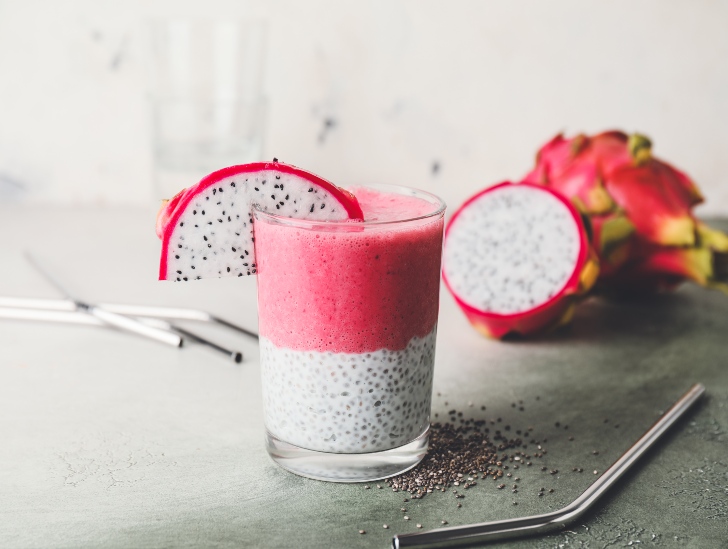
Cactus fruit drink.
Always take time to prepare your cactus fruit in the right way before serving it.

Organ pipe cactus fruit is also edible, as is the famous dragon fruit that grows on some cacti species. There are lots of other types of cactus fruits that are consumed in different parts of the world, but these are some of the most common ones.  

Different Ways to Eat a Prickly Pear Cactus Fruit

There are different ways to enjoy a prickly pear cactus fruit. Some include juicing it, blending it into smoothies, adding it to salads, and composting it for a savory flavor.

Prickly pear can also be eaten fresh right off the cactus. To do this, ensure you burn off the glochids with an open flame and remove the skin with a knife or fork before eating.

Prickly pear can also be diced and added to burritos, couscous, salsa recipes, or any other store-bought salsa for a unique flavor. Some people even go an extra mile by adding it to their cocktails.

When Are Prickly Pear Fruits in Season?

Typically, prickly pear fruits are harvested from July to October when they are ripe and ready to eat.

Some varieties may be available for sale during other times of the year, but fresh-harvested fruits will only be found in stores around these months.

Some grocery stores will still have plenty of prickly pear fruit supply in December, depending on where they get their supplies from.

Sometimes, they will appear in stores even before the harvesting season since they have been frozen.

Summary

Although cacti fruits may appear vicious on the outside, they are so delicious on the inside. However, before you get to the sweet meaty inner flesh, you will need to do a lot of things to get past the prickly spines.

Any slight mistake can be costly and will leave you nursing injuries. Always take time to prepare your cactus fruit in the right way before serving it. If you are still new to cactus fruits, consider easing them into your diet slowly to avoid body reactions.

Some people have reported experiencing nausea, diarrhoea, and increased stool frequency after consuming the fruit for the first time. But these symptoms disappear after some time.

So, do you love eating cactus fruits? Share your experiences with us in the comments section below.
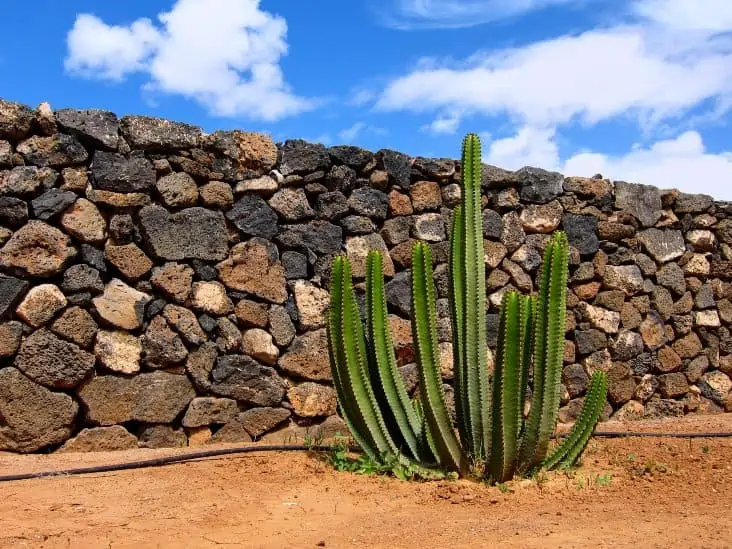

What Temperature Is Too Hot For Cactus?

While cacti plants are known to be drought-tolerant plants, it doesn’t necessarily mean they love excessive heat. Like any other living thing, there are a lot of factors that come into play with the amount of heat that these plants will tolerate. Depending on where you live, the summer heat can be quite high and too excessive for your cacti plants.

So, what temperature is too hot for cactus?  Well, the amount of heat that a cactus plant can tolerate will depend on its species. While others thrive in full sunlight and will tolerate extreme heat conditions, other species may need protection from the intense heat.  Generally, most cacti plants will do well when kept in temperatures between 45oF -85oF (7oC-29oC). Some cacti species won’t thrive in temperatures above 90oF.

In this post, we discuss the optimal temperatures ideal for growing cacti plants, how to take care of your plants during the hot summer season, and how to know if your plants have been exposed to excessive heat. Read on to find out everything you need to know about cacti plants and high temperatures.

What Is the Optimal Temperature for Cacti Plants?

To answer this question comprehensively, you need to understand your cacti species and its origin. This would help you establish its temperature requirements pretty quickly.  While some plants are cold hardy and will survive hot temperatures as well, others won’t survive extreme cold or heat at all. 

Some cacti species are well adapted to do well in full sunlight and will tolerate extreme heat conditions whereas others will need full protection from intense heat. However, a majority of cacti species need warm weather to survive.

A thermometer.
The ideal temperature for most of the cacti is anything between 45oF and 85oF (7oC-29oC)

Therefore, the ideal temperature for most of them is anything between 45oF and 85oF.  During the relatively dormant months in fall and winter, anything between 45oF and 55oF will do fine. Temperatures below this point can lead to severe irreversible damage to your plants.

It is also good to note that in deserts (natural habitat for most cacti plants) temperatures tend to fluctuate daily as much as 68oF to 77oF (20oC-25oC) each day. Sometimes, the extreme maximum temperatures in this habitat range from 109oF to 120oF while extreme minimum temperatures can sometimes drop to -18oF or even -0.4oF.

Having adapted to such extreme temperatures, many cacti plants will easily tolerate low night temperatures as long as they are kept dry and receive a sufficient amount of warmth and sunlight during the day.

The Overall Impact of Temperature on Cacti Plants

As mentioned earlier, cacti plants tend to do well in temperate climates with temperatures ranging between 45oF and 85oF (7oC-29oC). However, gardeners can sometimes expose their plants to extreme temperatures causing unnecessary stress in their plants.

While high temperatures of between 85oF and 90oF can sometimes help maintain the deep colors for many cacti species, you need to be careful when trying out this experiment.  Even in normal temperatures, you can still achieve excellent colors as long as you water your plants properly and provide them with the right type and amount of fertilizer.

A sunburned cactus,
A combination of extremely high temperatures and full sun exposure can cause sunburn to your cacti plants.

Keep in mind that extremely high temperatures can cause severe harm to your plants. In fact, avoid exposing your cacti plants to anything beyond 90oF unless you are 100% sure such high temperatures are ideal for your cacti species.

During the hot summer season, a combination of extremely high temperatures and full sun exposure can cause sunburn to your cacti plants damaging the spines, stem, and root system. During the hottest hours of the day (when the temperature is too high), consider relocating your plants to a shaded area or cover them with a shade cloth. 

If you live in a region that is extremely hot during summer, consider planting your cacti directly into the ground instead of plant pots because the ground soil temperature tends to stay relatively constant despite any changes in weather.

If you must plant your cacti in containers, go for container materials that are great at insulating your cacti plants against sudden fluctuations in temperature. These materials include ceramic, terracotta, wood, and concrete. Avoid metallic and glass containers.

How Are Cacti Plants Adapted to Hot Temperatures?

Cacti plants are succulents adapted to survive in hot and dry conditions. They have several features that enable them to do this.

These plants have fleshy stems and leaves that store water for prolonged periods. This helps them to survive long periods without water.

They have a waxy coating on their leaves and stems that helps to prevent water loss. The waxy coating also reflects some of the harmful ultraviolet rays from the sun.

They have a shallow root system that helps them to absorb any water available quickly. Since they are typically found in habitats with little or no shade. This means they have to adapt to survive in direct sunlight.

They have spines instead of leaves. This helps minimize water loss by reducing the surface area exposed to the sun and wind. They often grow in clumps, providing protection from the sun and wind.

When Are Cacti Plants Most at Risk from Heat Damage?

Cacti plants are most at risk from heat damage during the summer months when the temperature is highest. This is because they suffer massive water loss due to evaporation.

They are also at risk during periods of drought when there is little or no water available for the plant to absorb.

However, it doesn’t matter how well adapted a cacti plant is to hot conditions; if the temperature gets too high, it can still be damaged.

Signs of Too Much Heat and Sunlight (Sunburn)

Typically, it doesn’t take long before your cacti plants start showing signs if they have been stressed from too much sunlight or intense heat. When your plants are getting the right amount of sunlight, they will often change colors or “blush” which is a beautiful transformation to see.

However, if they are exposed to too much heat and sunlight, the stems and spines will start to burn. With time, you may begin to notice pale or white patches on the stems and spines. The sad thing is that this damage is irreversible.

The only thing you can do to salvage the situation is to cut off the areas that have started turning dry and black. The black spots will mostly begin to form on the outside edges of your cactus plant, and it will be dry and crispy. This is in contrast to the blackening that may occur as a result of root rot which starts in the middle of your cactus plant and feels wet and mushy.

If you have moved your plants to a shady area, but they are still experiencing hot temperatures, you may notice a yellow/golden color start to appear. The plant won’t turn completely black as it would with direct sunburn, but the colors will still look warmer or a little bit more yellow than usual.

This will generally go away with time, or your cactus plant will revert to its original color if you move it to a much cooler environment.

A sun on a red sky.
If cacti are exposed to too much heat and sunlight, the stems and spines will start to burn

Protecting Your Cacti Plants from Sunburns

If you realize that your cacti plants have been affected by excessive heat and sunlight, then you need to take the right steps to protect them from any further damage. Even though the marks are permanent, the good news is that as your plant grows, the damaged parts may be covered. 

Furthermore, if you can manage to catch the problem before the epidermis is scorched, then you might be able to save the poor plant. Here are a few tips to help you:

Move your cactus plant away from the sun

Obviously, the first thing you need to do to rescue your plant from any further damage is to get it out of the hot sun. If you notice any yellowing or shriveling on your cactus and it is still exposed to full sunlight, move it indoors or to shade.

Cactus with dog figurine.
If your cactus plant has suffered sunburns, then it just got a lot weaker.

It doesn’t matter even if you have to move it in and out every day; your primary objective is to save it. However, this is only feasible if the plant is potted, and the size of the container is physically possible to move.

Use a shade cloth

If you have a relatively large cactus plant that you can’t move because it is planted in your garden then try to use a shade cloth to protect it from any further sunburn. Cover it during the hottest part of the day and be sure to uncover it when the temperatures cool.

 Water your plants consistently

If your cacti plants are showing signs of being stressed due to too much sunlight, there is a good chance that the plant will hibernate into dormancy.

This means that it will go into a stage where it won’t be growing for some time. During this period, you want to keep your plant hydrated but be careful not to overwater it. Closely monitor soil dryness and only water it when the soil is completely dry.

Protect your plant from diseases

If your cactus plant has suffered sunburns, then it just got a lot weaker. This makes it more susceptible to infections and pest infestation.

Carefully check for bugs and ants that may cause more harm than what the sun has already done. Be sure to spray and treat your cacti plants if they show any signs of diseases or bug infestation.

Do All Cacti Plants Need Bright and Direct Sunlight?

The simple answer to this question is no. Not all cacti species need bright and direct sunlight to survive. Some cacti species will only thrive in bright but indirect sunlight since full exposure to the sun can cause severe damage.

For instance, Rhipsalis, which is a genus of the epiphytic cacti, won’t do well when exposed to bright and direct sunlight. Instead, this group of cacti plants prefers shade since they have their natural habitat in the tropical rainforests. There are over 35 cacti species in the Rhipsalis genus with one of the most common ones being the Rhipsalis baccifera (mistletoe cactus).

On the other hand, some cacti species, especially those from genus mammillaria prefer bright light but are also fine with partial exposure to direct sunlight. You will find the globe and nipple cactus in this category.

It is also good to keep in mind that even those cacti species that thrive in bright and direct light might need a period of rest without much sunlight. Therefore, make sure you transfer them to shade for a few hours every day of the hot season.

Plants exposed to sunlight.
Some cacti species will only thrive in bright but indirect sunlight since full exposure to the sun can cause severe damage

Can Cacti Plants Survive Too Much Heat?

The truth is that cacti plants are highly tolerant plants that can survive in various conditions. However, they are not indestructible and can be damaged by excessive heat, just like any other plant.

It is important to remember that while cacti plants can tolerate hot temperatures, they still need some protection from the intense heat of the midday sun. They will also need to be watered more frequently in hot weather.

If you are growing cacti plants in an area with very hot summers, choosing a species known to be tolerant of heat is important. Some heat-tolerant cacti plants include Opuntia ficus-indica, Ferocactus wislizenii, Echinocactus grusonii, and Lophocereus schottii.

It is also important to provide some protection from the intense heat. This can be done by planting the cacti in an area that receives some afternoon shade or by growing them in containers that can be moved into a sheltered area during periods of extreme heat.

Final Thoughts

While a significant number of cacti species will survive extreme heat, it is always good to keep them in a cool and shady area during the hottest days of summer to avoid sunburns.

If you have cacti plants planted in containers, you need to keep in mind that they are going to heat up relatively faster than those planted in the ground.

We hope this guide has provided you with valuable information you need to know when it comes to taking care of your cacti plants during the hot season.

How Often Does A Cactus Flower Bloom?

Generally, cacti are flowering plants. Therefore, almost every type of cactus species is capable of flowering when it is mature and in the right conditions. Whether or not your cactus plant blooms will largely depend on its age and the care you provide. While some cacti plants bloom at a relatively younger age, others won’t flower until they are at least 30 years old.

So, how often does a cactus flower bloom? Typically, cacti plants bloom at least once a year, although wetter years may lead to more flowering periods. Most cacti species flower in spring when the weather conditions are near perfect. The greatest diversity of spring-flowering cacti species can be seen in April. Some also stretch into May with some species such as the prickly pears cactus blooming well in early May. Saguaros tend to flower from mid-may to mid-June.

In this article, we provide you with valuable information you need to know about flowering in cacti plants. Get to learn when to expect your cacti plants to start flowering, how to create the right environment to stimulate flowering, and much more. Read on to find out everything you need to know.

When Do Cacti Plants Flower?

A significant number of cacti plants have a unique sculptural quality to them. Cacti flowers are gorgeous and come in a wide range of striking colors. In fact, you shouldn’t be surprised to see several colors in one cactus flower.

Most cacti plants flower in the spring, during the day. However, a few species will bloom in summer during the night.

Here is a breakdown of when and how cacti plant flower:

A old lady cactus flowering.
The greatest diversity of spring-flowering cacti species can be seen in April.

Spring Bloomers

After resting all winter and being confined to a state of dormancy, most cacti plants will spring back to life once the warm weather kicks in. With the light spring rains and warm weather, everything is set for another flowering season.

At that time, temperatures are not yet excessively hot, so your cacti plants are in a better position to put on a fantastic floral show. Even when there is insufficient rainfall, they will use the water stored in their stems to flower.

In some parts of North America, these plants will start to flower as soon as March, with April being the peak flowering month. In May, the prickly pear cactus shoots into life and starts to put on its floral show.

A small cactus flowering.
Most cacti plants will spring back to life once the warm weather kicks in

Summer Shows

Not all cacti plants flower in spring. Some of them will wait until summer to start flowering. Cacti plants that bloom in the hot summer temperatures are generally the large growing species that store a lot of water in their stems.

The water stored in their stems helps them to flower easily, even when daytime temperatures soar to extreme highs.  Saguaros are known for their habit of flowering in summer. These impressive cacti plants that can reach up to a height of 60 feet tall when fully grown won’t start flowering until they are at least 40 years old.

The Carnegiea gigantea (a type of Saguaro), which grows to a height of up to 50 feet tall, usually starts to flower in mid-May to mid-June when the temperatures are so high. 

The heavily-bodied barrel cactus is another type of cacti that blooms from spring to summer. This type of cacti produces orange, bright red, or yellow flowers depending on the species. For instance, the Fishhook barrel cactus, which is the most common type of barrel cacti, produces yellow flowers.

Night Bloomers

Some cacti plants also flower at night, which helps the plant to conserve water during the hot season. The Peruvian cactus is a good example of a cactus plant that blooms at night. Its trumpet-shaped flower usually features a sweet fragrance and is approximately five inches in diameter.

The cereus is another common type of night-blooming cactus. It produces white flowers on its flattened stem in both spring and summer.  A lot of people love the cereus for its oval, red fruit known as the dragon fruit.

A flowering cactus.
Some cacti plants also flower at night, which helps the plant to conserve water during the hot season

The Christmas Cactus: A Special Type of Cactus

The Christmas cactus is perhaps the most common type of cacti grown worldwide. The Christmas cactus announces its flowering season through its name. With its flat and leaf-like stem, the Christmas cactus is known to bloom in December just around the Christmas period.

This cactus species originated from the tropical rainforests of Brazil, but many hybrids of this precious succulent exist today.  Depending on conditions and your region’s climatic conditions, a Christmas cactus can produce white, red, purple, pink, or salmon-colored flowers.

When grown indoors, in order to flower at Christmas time, it requires cold nights and more than 13 hours of darkness throughout the day. It is commonly referred to as the Thanksgiving Cactus because it can easily be manipulated to flower in November instead of December.

Does Every Cactus Flower?

As mentioned earlier, cacti are flowering plants. This means that all cacti species can grow flowers when they are mature. The key to your cactus starting to flower is waiting for its maturity age and providing the right conditions.

Keep in mind that some cacti plants can take 30 or more years to reach maturity. Some species, such as the Saguaro, may take even longer to mature and start flowering. Other cacti species will not bloom even after maturity unless they get the right amount of light, water, and fertilizer.

Cacti plants grown indoors are notorious for not flowering since they do not get the right balance of light and darkness. Typically, the time it will take your cactus plant to flower depends on its size.

A golden barrel cactus flowering.
All cacti species can grow flowers when they are mature.

Giant cacti plants, such as the Saguaro, may take up to ten times longer to reach maturity compared to the small size plants. Below are the three common cacti shapes and their flowering behavior:

Columnar Cacti

The tall-growing columnar cacti usually take many years before they flower for the first time if grown from seed. However, if you root a branch from a mature and already-blooming columnar cactus, the new plant will keep flowering once it is separated from the mother plant and rooted.

Unfortunately, some types of columnar cacti such as the Carnegiea gigantea (Saguaro) have branches that won’t root. Therefore, it can only be grown from seed with a 30-40 year wait period before it starts flowering.

Some columnar cacti plants produce their first flower after 10-20 years and can live outdoors throughout the year. Some good examples include the Peruvian Cactus that produces glittering white flowers and the Senita Cactus that produces pink flowers.

The good thing is that those columnar cacti are still effective landscaping plants even without the flowers.

Round Cacti

Some of the best flowering cacti plants are from this category. Many of them can start flowering as early as three or four years after sprouting. Two of the most popular cacti plants in this category are the Pincusion Cactus and the Rebutia Cactus.

Both of them produce beautiful flowers once they reach maturity. The flowers come in a wide range of colors, including green, orange, purple, pink, magenta, white, and red.

 Although a majority of cacti plants in this category are round when young, most of them tend to elongate to small columns upon maturity.

A round vavti flowering.
If you are growing your plants indoors during the winter season, try to position them in the coolest spot

Short-Stem Cacti

Short columnar cacti with stems typically start to bloom within five years after maturity. The Easter Lily Cactus, Peanut Cactus, and the Hedgehog Cactus are three of the most popular examples of short-stem cacti.

The Easter Lily Cactus produces huge funnel-shaped flowers in red, magenta, pink, lavender, and white.  Its stem is two-three inches long covered with numerous spines. The cactus mostly crawls on the ground and produces abundant flowers after reaching maturity.

How to Get Your Cacti Plants to Bloom

So, what are you supposed to do if your mature cactus doesn’t show signs of flowering? Well, you will want to ensure that the conditions are right.

First, if you are growing your plants indoors during the winter season, try to position them in the coolest spot. While you may be tempted to find them a warm place, the truth is that these plants do require a chilling period to get ready for flowering. If your plants are outside in the cold, find a way of keeping them dry all the time.

Do not water them during the period of dormancy and wait for signs of growth before you resume watering. This will encourage flowering. If you have not positioned your plants in a full sunlight position, do so but only expose them to the morning sun. Move them to shaded areas in the afternoon.

Gradually acclimatize your plants to the sun to avoid sunburns. You can start by exposing them to the sun for one or two hours a day and increase the frequency weekly until your plants are getting between four to six hours of sunlight every day. Consider using artificial lights if there is no sunshine.

Once you start watering again, consider feeding your plants with small amounts of high phosphorus fertilizer as well. Use the fertilizer at half strength after watering. Pay attention to your fertilizer because nitrogen fertilizer is not suitable for cacti plants and other succulents.

As long as you do everything right and your plants have reached a maturity stage, it won’t be long before you start to see the beautiful flowers sprout.

Summary

Most of us tend to bring our cacti plants indoors during winter and cover them to protect them from the freezing temperatures. While this is necessary for extremely cold areas, by doing so, you may also be creating conditions where your plants won’t flower.

Too much heat, overwatering, and not finding the right balance between darkness and light can all result in your cacti plants not flowering.

We hope the information we have discussed here will help you find ways of ensuring your cactus blooms when its right comes.

How Long Can A Cactus Survive Without Water?

What comes to your mind when you think of a cactus plant? You probably think of a desert plant that can go for prolonged periods without water and still survive, right? While it is true that these plants prefer dry soil and have adapted to living in deserts, they still require a sufficient supply of water, especially during the growing season.

How long can a cactus go without water?  Typical desert cacti can survive for up to two years without water. This is because it has developed thick stems that store a lot of water and has a protective layer that prevents water loss. However, this doesn’t apply to indoor cacti because the conditions are quite different. Indoor varieties do require frequent watering depending upon the species.

In this post, we discuss how long a cactus plant can survive without water in detail and help you understand how these plants have adapted to living in arid areas. Read on to find out everything you need to know about cacti.

How Long Can a Cactus Live Without Water? A Detailed Explanation

No matter how hard these desert plants are, they cannot survive without water forever. Science tells us that a cactus plant is a living thing, and all living things require water to survive.

It is only that cacti plants have developed unique features that help them go for longer periods without water. In fact, some cacti species can survive for as long as two years without water supply.

These desert plants usually use water stored in their roots and stem much more efficiently compared to non-desert plants.

Mountain cactus.
The relatively bigger cacti species can last much longer without water supply.

Furthermore, they don’t give up water through evaporation as easily as other plants since they don’t have leaves. This might make you think that cacti plants have developed deep roots to help them acquire more water from underground.

On the contrary, they have a shallow and extensive root system that stays just a few inches beneath the ground. The roots can also extend a few meters from the plant to help in collecting as much water as possible.

They also tend to develop more roots quite fast once the rains come and will shrivel back up and break as soon as the dry season kicks in to help it store its water supply.

How long a cactus plant can survive without water supply will also depend on the species of the plant, its size, and the location where it is growing.  

For instance, the mammillaria cacti species and other small cactus species can survive without any problems during the whole winter season without water.

This is approximately four months without water, but they must be stored near-freezing temperatures to a couple of degrees up during the summer season.

The relatively bigger cacti species such as Ferocactus and Barrel can last much longer without water supply since they have bigger water storage capacity in their stems. 

How Does a Cactus Plant Live Without Water?

As mentioned earlier, every living thing needs water to survive. But, given the natural areas where cacti plants grow, water supply is generally scarce. 

To adapt to this environment, these plants have developed a wide range of unique features that allow them to conserve the little water they receive from rare rainfalls. 

For instance, the prickly spines of the cactus plant are actually highly modified leaves. These spines serve two primary functions- they help protect the cactus plant from desert animals that want to feed on them and reduce water loss by restricting the flow of dry air near the plant.

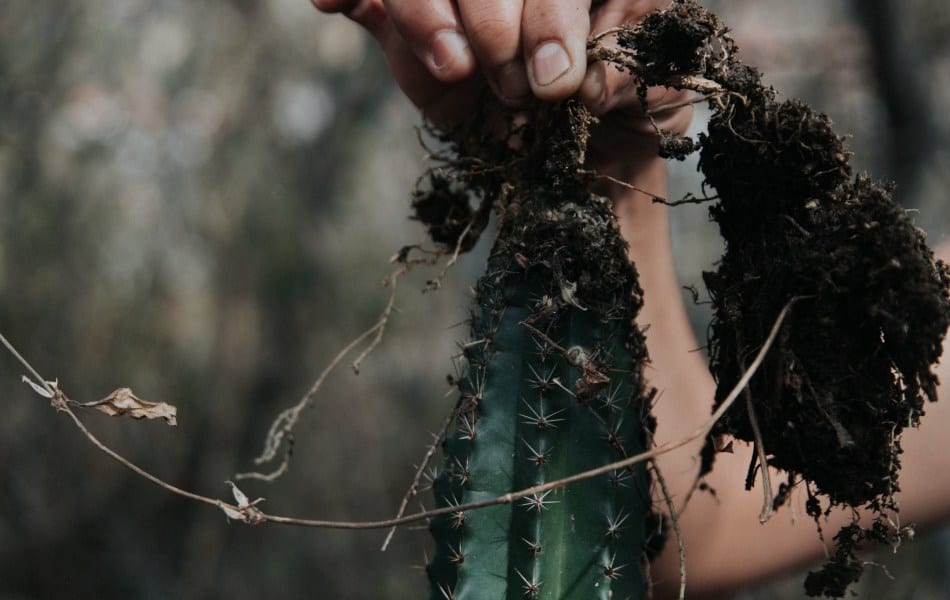
Most cacti plants also have an extensive but shallow root system that helps them soak up any little rainfall that may come their way.

Cactus freshly picked from the ground.
Most cacti plants also have an extensive but shallow root system

Since rain is usually sporadic in arid areas, these plants have developed thick stems that allow them to store as much water as possible for longer periods.

For instance, a fully grown Saguaro can absorb and store up to 200 gallons of water when there is a good downpour.

So, How Much Water Do Cacti Plants Need to Survive?

This is a relatively difficult question to answer since there is no specific measure of the amount of water a cactus plant may need to survive.

In fact, water- whether too much or too little- is one of the hardest things to get right and a common reason why gardeners lose their cacti plants.

Sweeping generalizations on how much and how often to water your cactus plant may not help since every cactus is different.

Here are some simple guidelines to follow while watering your plant:

  • During the growth season – usually from spring to fall- your plant requires regular watering and fertilizing. During the hotter summer months, make sure you water your plant at least twice a week.
  • However, many plants tend to rest in a state of semi-dormancy from late fall to early spring and may need less water then. If you live in a relatively wetter area, you may not need to water your cacti plants during this period.
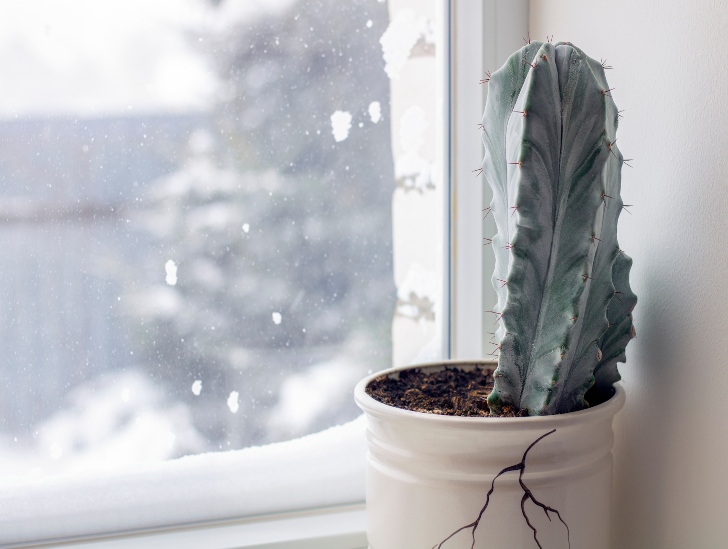
Cactus pot near the window.
They don’t need any watering during winter season.
  • Always let the soil dry out completely before watering again. Check to ensure that the top few inches of the soil are completely dried out before you water your plant. A water gauge can help you establish the soil’s moisture level, or you can even stick one of your fingers into the soil to gauge the moisture level. If the soil sticks on your finger, give the plant some time before watering again.
  • Some plant experts say that cacti need little water during the winter season while others believe they don’t need any watering during this season. The most important thing to do is to test and carefully watch your plant to see how much water it requires during the cold season.
  • Plants in pots usually require more water than those planted directly in the ground. Therefore, be sure to adjust your watering accordingly.
  • Watch out for signs of under-watering or over-watering of your plant. An underwatered cactus will look pale, skinny, rubbery, or deflated.

At first, an overwatered cactus may look healthy and plump, but waterlogging your plant will soon cause its roots to die and rot. Eventually, the plant will turn pale and get soft.

How Do You Know Your Cactus Is Underwatered?

Since cacti plants are generally hardy, it is quite easy to forget to water them. However, not watering your cactus plant can cause a lot of stress, and it might start showing signs of being underwatered. Here are some signs that you should look out for:

  • Wilting: If your cactus plant starts to wilt, it is a sign that it is not getting enough water.
  • Shriveling: If the stems of your cactus plant start to wither, it is another sign that it is not getting enough water.
  • Soft spots: If you see any soft spots on the stem of your cactus plant, it is a sign that it is dehydrated and needs to be watered immediately.
  • Yellowing: If the color of your cactus plant starts to change to yellow or brown, it is a sign that it is not getting enough water.
  • Dropping leaves: If your cactus plant starts to drop its leaves, it signifies that it is stressed and needs more water.

How Do You Know Your Cactus Is Overwatered?

  • While underwatering your cactus plant can cause stress, overwatering it can be even more harmful. Overwatering your cactus can lead to root rot, which can eventually kill the plant. Here are some signs that you should look out for:
  • Soft stems: If the stems of your cactus start to feel soft or mushy, it is a sign that it is getting too much water.
  • Yellowing: If the color of your cactus plant starts to change to yellow or brown, it is a sign that it is getting too much water. Therefore, it is critical to pay close attention to any color change in your plant.
  • Mold: If you see mold growing on the potting mix or the surface of your cactus plant, it is a sign that it is getting too much water.
  • Dropping leaves: If your cactus plant starts to drop its leaves, it is a sign that it is stressed due to overwatering.

How to Tell How Much Water Your Cactus Needs Even If You Don’t Know Its Species

Are you wondering how you can determine the right amount of water for your cactus if you don’t know its exact species?

Answering the following simple questions should help you establish how often to water your cactus plant:

  • Does it have spines? Generally, if your cactus plant has a lot of spines, it might need less water than one with few spines. Most cacti plants have spines that are modified into leaves to prevent water loss through evaporation.
Cactus closeup image.
The spines reduce water loss by restricting the flow of dry air near the plant

The spines trap air on the surface of the plant, creating a highly insulating layer that reduces transpiration and evaporation. Spines also provide a little shed and lower the plant temperature.

  • Does it have leaves or stems? Most cacti plants don’t have true leaves. Typically, the thinner the leaves, the more water the cactus will need.

Cactus with thinner leaves have a high surface area to volume ratio, which makes them lose water at a relatively higher rate than those with thick and fat stems.

  •  Is it small or large? In general, small cacti plants require less water compared to larger ones.
  • Does it have a solid stem? If your plant has a solid stem, it is probably great at conserving its water reservoir. The stem usually serves as the primary water storage area for a cactus plant. If the stem is ribbed, it allows the cactus plant to shrink or swell with water like an accordion.

How Often Should You Water Your Cactus Plant?

How often you should water your cactus plant will depend on a few factors, such as the type of cactus, the size of the pot, the climate, and the time of year.

Generally, it is best to water your cactus plant once every two weeks or so. However, you should always check the soil before watering to ensure it is dry.

To check if the potting mix is dry, insert your finger into the mix. If the soil feels dry, it is time to water your plant.

You might need to water your cactus more often in hot weather or during the summer months and less often in cooler weather or during the winter months.

If you are unsure how often to water your cactus plant, it is always best to err on the side of too little water rather than too much. Overwatering your cactus can lead to root rot, which can eventually kill the plant.

When you water your cactus plant, give it a good soaking until you see water running out of the drainage holes at the bottom of the container. Allow the plant to drain for a few minutes before putting it back in its location. 

Be sure to empty any saucers or drip trays that might have collected water underneath the pot, as this can lead to root rot if the plant sits in water for too long.

You can also wait until the plant starts to show some signs of being underwatered before watering it.

How to Water Your Cactus

There are different ways of watering cactus, and the method you choose to use will most likely depend on your preference.

Typically, if you have planted your cactus in a plant pot, do the following:

  • Carefully place the plant pot in a saucer with sufficient water
  • Let the roots of your plant absorb moisture for some time
  • Once you think the soil in the plant pot is wet halfway up, carefully take it out of the saucer

Some people prefer watering their cacti plants by carefully submerging them in water.  In most cases, this watering method is only applicable to cactus with big and thick roots.

Water can and small cactus in a pot.
Overwatering your cactus plant is much more dangerous than under-watering it.

Alternatively, you can choose to apply water on the surface of the soil. The amount of water you use in this method will depend on the area where your plant is stored and the amount of sunlight and heat it receives. If your plant is stored in an open area with direct access to sunlight, you may need to water it a little bit more.

No matter the method you choose to use, always try not to overwater your plant. Overwatering your cactus plant is much more dangerous than under-watering it. Also, remember that the type of cactus species you have will guide you in watering.

21 Proven Health Benefits of Cactus Fruits

Disclaimer: The author is not a medical doctor or veterinarian. The information presented is purely to share our experience and for entertainment purposes. As always, check with a doctor and/or veterinarian before making any health or nutrition decisions and consult with a doctor and/or veterinarian regarding any question or problem that you have. The author and blog disclaim liability for any damage, mishap, or injury that may occur from engaging in any activities or ideas from this site.

Did you know that the cactus fruit is also known as Prickly Pear? Well, now, you know. The fruits are quite sweet, and you can eat them raw. They range from green (slightly sour) to red (very sweet). Some are even orange. The fruits, however, are prickly and have splinters that easily stick to your skin. It is recommended that you wear leather gloves when picking them.  

Cactus can be grown indoors or outdoors. They are fascinating plants that make a great addition to your home’s decor. The fact that you can eat the fruits should even be more exciting. These fantastic plants also have health benefits. Interesting Health Benefits You Should Know About Cactus Fruits:

1. Can lower cholesterol levels

The prickly pear is high in fiber. It can reduce cholesterol levels in the blood. According to research, the intake of cactus fruits reduces body fat, blood pressure, and cholesterol levels significantly. 

Usually, cholesterol is good for building healthy cells. However, high levels of it come with complications. It puts you at risk of heart diseases such as stroke, coronary heart disease, and peripheral vascular disease. 

A healthy lifestyle is recommended to lower cholesterol levels, and incorporating cactus fruits can help as well.

2. It is an excellent source of micronutrients

There are essential micronutrients found in the Prickly Pear. The fruit contains iron, magnesium, riboflavin, vitamin C, potassium, calcium, and vitamin B6. Out of these nutrients, the ones highest in percentage are vitamin C and magnesium. 

A prickly pear cactus fruit lime drink.
There are essential micronutrients found in the Prickly Pear.

One cup of the Prickly Pear contains the following nutrients:

  • 14 calories
  • 3g carbs
  • 1g protein
  • Less than 1 g of fat
  • 2g fiber
  • 20mcg vitamin A
  • 8 mg vitamin C
  • 4.6 mcg vitamin K
  • 1g sugar
  • 141mg calcium

The red and purple fruits have the highest antioxidants that contain anti-inflammatory properties. 

3. It could be the secret to weight control

According to a report by America Health Rankings, 31.3% of America’s population is obese.  Adults who are overweight are at risk of having advanced health conditions such as osteoarthritis, some types of cancer, diabetes, mental illnesses, and so on. 

Obesity is a global problem that needs to be contained early enough. Instead of going for shortcuts, such as undergoing surgery, there are healthier ways of getting leaner. A possible solution to obesity could be just consuming lots of fiber. The cactus fruits are rich in fiber, and eating them gets you full for longer and reduces the chances of frequent hunger pangs. 

Compared to most fruits, the cactus ones are low in carbs as it only contains 9.9 grams of carbs, which also includes 3.7 grams of fiber. It only has 42 calories. 

Also, the fiber in the fruits helps eliminate dietary fat through excretion from the body system. Since the intestines don’t absorb any of the dietary fat, it’s easier during your weight loss journey. 

The fruit can be used in fruit juices, smoothies, pancakes or desserts. 

During three-month clinical research, cactus fiber resulted in weight loss. The intake of the fiber resulted in reduced energy absorption, which ultimately led to bodyweight reduction. 

A person checking her weight.
Cactus fruits will help you control your weight

4. It prevents gastric ulcers

Gastric ulcers are usually painful sores usually in the stomach lining. They mostly occur when the layer (usually thick) of mucus reduces. This particular lining protects the stomach from digestive juices. 

Once the lining becomes thin, the digestive acids will usually eat away the tissues on the stomach lining, which in turn causes gastric ulcers. 

Some common signs and symptoms are nausea, heartburn, anemia, weight loss, vomiting, among others. 

The cactus fruit contains a compound known as betanin. For people with ulcers, consuming the cactus fruit has a positive effect on gastric mucosa, which leads to its regulation and the reduction of pro-inflammatory chemicals. According to research, the intake of betanin resulted in reduced stress lesions and reduced the decrease in the gastric mucosa. 

5. The prevents inflammation

This particular fruit is known for its anti-inflammatory strengths. In simple terms, inflammation is the body’s response to injuries. It is more of how the body signals the immune system to repair any damaged tissues as well as defending it against bacteria and viruses. 

If the inflammation goes on for long, it could lead to advanced problems. For example, it has been linked to stroke and heart diseases. In most cases, a healthy diet could help control inflammation. 

A bowl of dragon fruit smoothie.
The nutrients in the fruit can improve your immune system.

Before you decide on taking pills due to chronic inflammation, you could consider your diet. You could incorporate the Prickly Pear in your meals. 

A study by the Food & Nutrition Research for two weeks that involved 28 volunteers who underwent a controlled feeding involving the cactus fruit was conducted. The study subsequently showed an increase in dermal carotenoids. The nutrients in the fruit improve your immune system and protect you from the side effects of chronic inflammation. 

6. It lowers blood sugar levels

Another interesting fact about the Prickly Pear is its hypoglycemic ability. It can lower high blood glucose levels. Different experiments have suggested that the intestinal absorption of glucose significantly decreases. The pectin and fiber in the fruit are what facilitates this. It’s easy to manage type II diabetes once the sugar levels are under control. 

It doesn’t mean that the cactus fruit alone can cure diabetes. The idea is adding it to your diet helps in normalizing the blood sugar levels. You can make it into juice. Make sure when buying any cactus juice, get the unprocessed ones. The best of them all is, if you live near a place with cactus, you could harvest them on your own and make your juice. Be sure to avoid the spines pricking you.

Sugar cube.
The pectin and fiber in the fruit can lower high blood glucose levels

7. Boosts the immune system

We all agree that eating or drinking products that boost our immune system are an advantage for the body. You will be less susceptible to illnesses as your body toughens up to fight disease-causing organisms.  

The good news is that cactus fruits are great immune system boosters. They contain Vitamin C, which is responsible for the body’s growth. 

Vitamin C has various benefits regarding body growth:

  • Absorbing iron
  • Bone, teeth and cartilage maintenance
  • Healing wounds
  • Repairing body tissues

Intake of Vitamin C leads to increased production of white blood cells, which eliminate disease-causing organisms. 

8. Protects people from heart diseases

As we had mentioned, the fruit is high in fiber, which reduces cholesterol levels hence reducing risks of obesity. The fiber content also maintains the body’s blood pressure. 

One in every four U.S. citizen dies of heart diseases. 

Heart diseases are quite many. Here are a few:

  • Congenital heart disease
  • Dilated cardiomyopathy
  • Coronary artery disease
  • Arrhythmia
  • Pulmonary stenosis

High levels of cholesterol can cause heart diseases, which is why you need to keep it low. The antioxidants found in the fruit help in cardiovascular health. The flavonoids present in the Prickly Pear help the blood platelets keep the heart in good shape. 

9. Colon cleansing

The high fiber content in cactus is not only for weight loss and lowering cholesterol levels but also helps in cleansing the colon. It helps regulate the normal function of the colon. 

Once glucose is absorbed, excess bile and unhealthy fats are excreted from the body. Usually, the colon is prone to inflammation but consumption of the cactus fruits that contain antioxidants to eliminate any inflammation compounds. 

Cacctus fruit drinks.
It could help with issues to do with irregular bowel movements and constipation. 

Taking cactus juices and smoothies is an excellent option of naturally cleansing your colon.

Why cleanse the colon? It could help with issues to do with irregular bowel movements and constipation. 

Apart from the cactus fruit, there are other natural ways of performing a colon cleanse:

  • Water flush: people who use this method of cleansing the colon recommend about 6-8 glasses of warm water daily. You can also eat foods known to have high water content such as watermelons, celery, lettuce, and tomatoes. 
  • High-fiber diet: Plants that are high in fiber and cellulose aid in removing excess matter in the colon. They also help in the regulation of overactive bowels and constipation. Such products are nuts, seeds, vegetables, and fruits (such as cactus fruits.) 
  • Saltwater flush: Saltwater could potentially cleanse the colon only when paired in some strategic yoga poses. The saltwater flush is excellent for people who frequently experience constipation. Immediately you wake up in the morning, mix two teaspoons of salt (preferably Himalayan salt or sea salt) with warm water. Make sure you drink it on an empty stomach. What happens is, after a few minutes, you’ll feel like using the washroom. You can do this every morning and evening.
  • Herbal teas: these have been known to work wonders as well, improving the digestive health and overall cleansing the colon. They may include but not limited to aloe vera, marshmallow root, ginger, garlic, slippery elm, and psyllium. Before taking them, make sure you talk to your doctor. Also, use sparingly and don’t overindulge.

10. Preventing liver damage

The liver is an integral part of the body, and if not taken care of could be detrimental to the overall physical health. Its primary function is filtering out blood from the digestive tract. It also metabolizes drugs and detoxifies chemicals. 

Watching what we eat is crucial for the liver’s health as sometimes we may consume carcinogens that could end up hurting the liver. However, the fact that the cactus fruit contains antioxidants that in turn reduce the oxidative stress that’s usually caused by compounds on the liver. It then exerts hepatoprotective activity, which is mainly involved in doing away with free radicals and in increasing the antioxidant activity against these compounds. 

This will help protect you from diseases associated with the liver, such as:

  • Liver failure
  • Cirrhosis
  • Ascites
  • Gallstones
  • Hemochromatosis
  • Liver cancer
  • Hepatitis A, B & C

11. Soothes the stomach

The Prickly Pear is an excellent dietary supplement for cleansing the stomach and improving bowel movements. The antioxidants present in the fruit help in improving the stomach’s health. 

Changes in bowel movements can be a result of an underlying illness. Some common bowel habits include:

  • Crohn’s disease
  • Diverticulosis
  • Celiac disease
  • Irritable bowel syndrome (IBS)( common symptoms are constipation, diarrhea, gas and bloating)
  • Thyroid disorders
  • Ulcerative colitis

12. It reduces the frequencies of migraines

A migraine is a recurring headache that often affects one side of the head and is sometimes coupled with nausea and blurry vision. 

According to the Migraine Research Foundation, migraine is the third most prevalent illness globally. It is common between the ages of 18 and 44.  Most of those who suffer from migraines, 90% of them have a family history of migraines. 

Some common triggers of migraines:

  • Some types of foods such as alcohol, aged cheese, food additives such as nitrates in hot dogs, and lunchmeat. 
  • Stress is also a contributing factor. When you get stressed, your brain is capable of producing chemicals that in turn, lead to changes in the blood vessels, causing the migraine.  
  • Caffeine: too much consumption or withdrawing can usually cause the migraines because the blood vessels are so used to it. 
  • Changes in weather.
  • Skipping your meals.
  • Changing your sleep pattern.
A man experiencing migraine,
Cactus fruits contain anti-inflammatory compounds which are necessary to stabilize the migraine

Anti-inflammatory compounds are necessary to stabilize the migraine. These compounds are found largely in the cactus fruit. Regular consumption helps control the migraines by reducing the frequency and intensity. 

There are other recommended home remedies for migraines. The list below points out some remedies you can craft comfortably at home:

  • Putting an ice pack on your forehead
  • You can use painkillers
  • Regular workouts
  • Magnesium which is found in cactus fruits, nuts, and whole grains
  • A good night’s rest of 7-8 hours
  • Yoga
  • Knowing what triggers it and avoid it such as avoiding certain foods like curated meat

13. Want healthy looking nails? Here’s the answer

Your fingernails are a clear indication of your health. A change in how the nails look is a clear indication of a deficiency of nutrients. 

Dry and damaged nails are a common occurrence and often tend to keep breaking. Even as there are many remedies, some seem not to work. The good news is, the oil extracted from the cactus fruit helps moisturize the damaged nails. The oil contains palmitic acid, oleic acid, and linoleic acid. 

A clean and healthy nails.
Your fingernails are a clear indication of your health.

A study was done to establish the fatty acid oils present in the oil. The results showed that Linoleic acid was highest in percentage having 61.01%) followed by oleic with 25.52% and lastly palmitic with 12.23%. 

Apart from the fatty acids, there are other nutrients you need. Biotin, iron, magnesium, vitamin C, protein, and zinc. A combination of these helps you have healthy nails.

14. Want stronger bones and teeth?

Having strong bones and teeth is right for your general health. Calcium is needed to keep them healthy. Most of it is stored in the bones and teeth, making it crucial to eat foods with calcium. 

Most often, calcium deficiency may cause osteoporosis causing the bones and teeth to become weak. You’ll notice teeth becoming week and falling out. 

What’s osteoporosis?

“Porous bone” as it is commonly referred to is usually a bone disease that’s prevalent when the body loses significant bones. Often, when you view a bone using a microscope, you’ll notice the healthy bone looks like a honeycomb. However, if the bone is not healthy, the holes in the ‘honeycomb’ will be bigger. 

Osteoporosis makes bones become so brittle that even mild straining such as coughing could cause a fracture. It affects both genders though it’s more common to older women who’ve hit menopause. 

Basic symptoms

  • Bones that break easily 
  • Stooped posture
  • Back pain caused by a fractured vertebra
  • A loss of height gradually

The cactus fruit helps your bones and teeth become stronger and reduces the chances of osteoporosis.

Here’s a list of the recommended calcium intakes daily recommended by the Institute of Medicine:

  • Men 70 years and younger: 1000mg daily
  • Women 50 years and younger: 1000mg daily
  • Men over 70: 1200mg daily
  • Women over 50: 1000mg daily

Take lots of food that contain calcium for improved and stronger teeth and bones. Balance your diet such that it has enough calcium. However, if it’s not enough, the cactus fruits can come in handy as well as nuts, leafy green vegetables, and beans. 

There is also an option of taking supplements to increase your calcium intake and prevent the risk of bone loss. However, be on the lookout and make sure what you choose is safe. 

Woman smiling.
Cactus fruits contain calcium which needed to keep your teeth and bones healthy

15. Reduces chances of stroke

Metabolic syndrome continues to cause a series of deaths annually. According to research done, involving 68 women suffering from metabolic syndrome, cactus cured the metabolic syndrome for 8% of the group. Day 14 also recorded low cholesterol levels of 42 of the women. 

A stroke occurs when a section of the brain loses blood supply, which in turn stops working. We have two types of stroke: Ischemic stroke that occurs when part of the brain completely loses blood flow and the hemorrhagic stroke where bleeding occurs within the brain. 

Some common signs of stroke are:

  • Weakness
  • Tingling
  • Numbness
  • Vision loss
  • Loss of balance, dizziness, and trouble walking
  • Sudden severe headache
  • Confusion and difficulty talking

Once you notice these signs from your loved ones, call 9-1-1 immediately.

16. Having a hangover? Not anymore!

As unbelievable as it sounds, the cactus fruits can reduce the effects that come with having a hangover. A night out with friends Alcohol hangovers usually occur due to dehydration. The cactus fruit is capable of significantly reducing the symptoms associated with hangovers. A study done at Tulane Health Sciences Center of people who drank took the cactus extract before a night out reported showed a significantly lower effect of the hangover in the morning. They reported that expected nausea, headache, and food aversion were less severe. 

There are also supplements available that are from this particular fruit, and you can alternatively use them. 

Usually, when you consume alcohol, the body produces free radicals that may damage the cells. The Prickly Pear, being an antioxidant, will protect the lipid from any damages as the body gradually breaks down the alcohol. 

17. Skin anti-aging

Cactus fruits contain vitamin E and K, which are responsible for keeping the skin rejuvenated. They also have fatty acids that nourish and hydrate the skin. They generally prevent fine lines and wrinkles from forming.

As much as we can’t run away from aging, but we can always delay the process naturally. As the world continues to evolve today, more and more remedies come up to help in anti-aging. However, not all of them are ideal, and some can be quite harmful. Strive to use natural remedies that won’t have side effects. 

Some common remedies are: 

  • Eating cactus fruits
  • Honey
  • Coconut and olive oil
  • Banana mask
  • Egg white mask
  • Aloe vera gel
Old person.
Cactus fruits contain vitamin E and K, which are responsible for keeping the skin rejuvenated

18. Reducing dark circles

Cactus fruit has the capability of reducing dark circles that generally form around the eyes. Due to the presence of fatty acids in the fruits which make the cactus seed oil, they help in nourishing and brightening the skin. In turn, they end up brightening the eye area and the dark circles as well. 

Dark circles can be caused by:

  • Fatigue

Extreme fatigue or having less sleep will cause dark circles around your eyes. The skin can sometimes become pale and dull to an extent your blood vessels become evident. Oversleeping can also cause dark circles

  • Straining your eyes

Extended watching of the television or working on your PC can cause dark circles around your eyes. Try taking a break from the TV and PC to avoid this.

  • Allergic reactions

Some people experience allergic reactions when they eat or touch something they are allergic to. Such reactions can sometimes trigger the dark circles. They may even make the skin itchy which could push people to start scratching, which in turn could cause swelling under the eyes. 

  • Dehydration

Keeping your body hydrated all the time is very important. Taking the recommended glasses of water daily should help your body stay hydrated. However, if you deprive it of water, it becomes dehydrated and can sometimes cause dark circles.

  • Overexposure to the sun

Sunlight is healthy for our bodies. However, too much of it can cause dark circles, especially around your eyes. Overexposure makes the body produce excess melanin, which in turn, pigments. 

Some of the recommended remedies apart from taking the Prickly Pear are getting enough sleep, soaking your eyes with tea bags and applying a cold press. 

19. Wound healing

As results of some researches done show that the Prickly Pear contains phenolic compounds, it shows that there’s a natural remedy for healing wounds. The compounds exert antioxidant skin effects and help to repair the skin in case of any damages. 

The oil extracted from the fruit helps, especially if you apply regularly. Apply till you get the desired results, especially for skin blemishes. 

20. Nourishing the hair

As mentioned before, the oil extracted from the fruits contains fatty acids that help rejuvenate the skin. Similarly, when used on the hair, it helps nourish the hair and scalp by providing the oils for its growth. 

21. Can be used as a hair conditioner

Instead of continually buying some overpriced hair conditioner, it is possible to make your own. Mix the cactus fruit with cucumber, coconut oil, and coconut milk. Blend everything and let the mixture sit for about 20-30 minutes before using it. 

Upon applying the mixture on your hair and scalp, it’ll leave it looking shiny and soft. It even protects the hair from the scorching heat during summer. 

A healthy hair of woman.
The oil extracted from the fruits contains fatty acids that help rejuvenate the skin and hair

As shocking as the above health benefits about cactus fruits are, always remember that if you are looking to purchase a cactus, ensure you learn how to take care of it. Proper care of the plant will reward you with the above benefits. However, it is important to consult a doctor before taking any natural remedies. 

20 Amazing facts You Didn’t Know About Cacti

When growing up, I never thought much about the cactus, other than it’s a hardy desert plant. I love home improvements, and one day, I came across this beautiful photo with a cactus plant as part of home decor. The breathtaking photo is what aroused my curiosity to research more on this plant:

1. Origin of the word cactus

Cactus originates from the Greek name Kaktos. Kaktos is a Spanish artichoke or the “prickly plant of Sicily” as many refer to it in Greece. 

The Greeks used the word cactus to refer to the spiky plant, which they compared to artichoke. However, it later emerged that the plant that they referred to as cactus was actually an artichoke and not a cactus and that the two plants had different characteristics. 

According to the Online Etymology Dictionary, the word originates from the Latin word Cardoon in a classical sense. In 1769, Linnaeus thought that the American prickly cactus that we know today were related to cactal, and named the plant cactus. 

You might have heard that the word “cacti” is the plural for cactus and that, “cactuses” is wrong. Scientific researches, studies, and print media favor the usage of cacti over cactuses. However, most English speakers use cactuses in informal settings. Therefore, both cacti and cactuses are correct, but their usage depends on whether you’re engaging in informal writing or just casual talk. 

2. Cacti can store an unbelievable amount of water in a short time

As you may know, it rarely rains in the desert. When it does rain, the rain is often light, and it may take many months for a desert to experience rainfall again. The desert sun is also extremely hot and dries up rainwater in a very short time.

So how does a cactus survive without water for extended periods? To cope with the dry and hot conditions in the desert, cactus stores plenty of water whenever it rains. 

You might imagine that cacti might have deep roots to enable them to absorb water from deep in the earth. While this may be true for most environments, it’s not the same case for deserts.

Water evaporates pretty fast from the hot desert sun. Therefore, the soil never gets a chance to soak up water and store it below the surface. 

Therefore, the plants have shallow root systems to allow them to absorb as much water as possible. The roots are only 1.3 cm deep, hence it doesn’t take long for the rainwater to reach them for absorption.  

Aside from being shallow, the shallow roots also transverse across large areas. Covering a larger surface area allows the roots to absorb lots of water at a go. 

After absorption, the plant stores gallons of water in its stem making it appear swollen. The desert sand may look dry since it drains fast, but if you want to know if it has recently rained just look at a cactus’s turgidity. 

A mature cactus.
Cactus stores gallons of water in its stem

3. Cacti stomata only open at night

The cactus will go to extreme lengths to conserve water, and that includes opening its stomata only at night. As you may know, plants open their stomata during the day to serve as a gas intake and exhaling point.

Carbon dioxide intake and oxygen release from the plant is essential for photosynthesis. Photosynthesis is the process that enables plants to produce food and energy their growth and survival.

During photosynthesis, plants transpire and lose a lot of water in the process. During the day, water loss is especially high in deserts where the extremely hot sun. 

Cacti have adopted a concept that scientists refer to as crassulacean acid metabolism (CAM). CAM allows the plants to only open their stomata at night when temperatures are cooler. 

At night, these plants store carbon dioxide and release it during the day for food manufacture. 

During summer, the temperatures are unbelievably hot, and this stresses the plants. During this season, cacti keep their stomata closed both day and night, and this leads to a dormant phase where the plants don’t grow at all. 

4. Cacti have spines instead of leaves

Leaves are an important part of every plant, as they enable it to produce food that is essential for growth and survival. If you’ve ever come into close contact with a cactus plant, you might have wondered how it’s able to survive without leaves. 

A cactus plant has spines instead of leaves, and this is nature’s way to help the plant survive. The spines come in a variety of forms, such as:

  • Awl-like
  • Straight
  • Curved
  • Needle-like
  • Bristle like
  • Hair-like
  • Round
  • Hooked

There are very important reasons why a cactus plant favors the spiky protrusions instead of leaves. The following are the roles that spines play in a cactus plant.

Protection

The desert has plenty of herbivores that depend on different desert plants for food and the cactus is no exception. With its fleshy appearance, the plant is bound to attract different animals, and this is where the spines come in.

Aside from animals, the plants are also under threat from poachers. There’s a lucrative black market for cactus trade, which leads to the destruction of the plants. Repeated destruction of the cactus might eventually lead to extinction. 

A cholla cactus.
The needles deeply pierce the skin, upon close contact.

Spines act as a defense mechanism for the plant. The needles deeply pierce the skin, upon close contact. A puncture from a spine is extremely painful for any animal to withstand.

The spines are also hard to remove from the skin upon puncture and may cause secondary infections. Some spines can cause multiple injuries in one location. 

Water collection

Spines help to collect water in foggy deserts, and this is how they do it. When the fog lands on the spines, it later turns into the water that trickles down on the ground below. The plant’s roots then absorb this water for storage by the plant.  
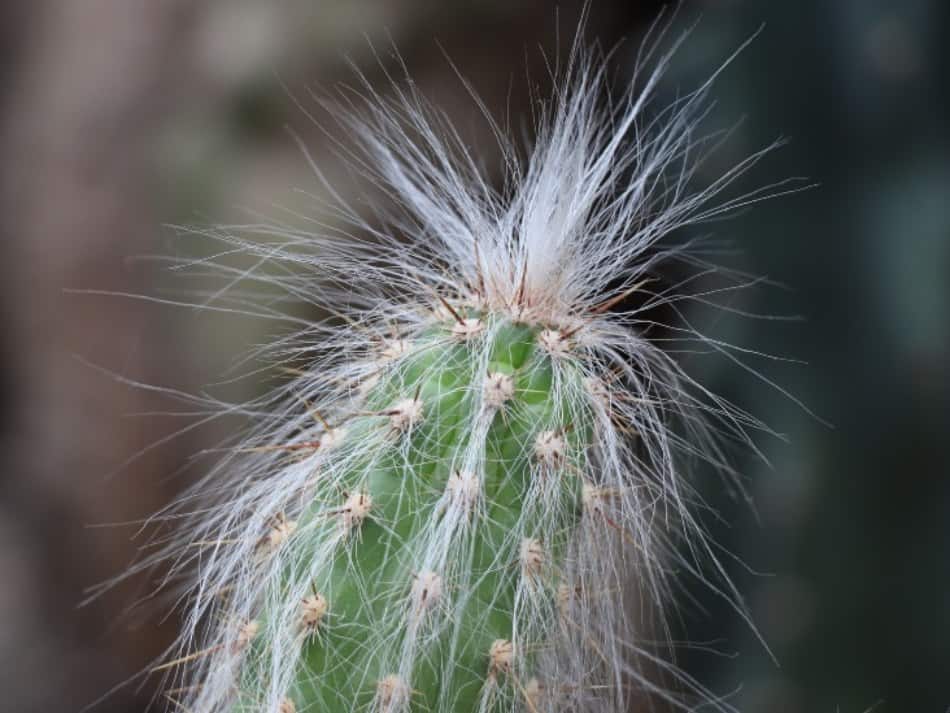
Air trapping 

Airflow can lead to water loss, and spines help break the flow of air around a cactus plant. Without the buffer that the spines create, there would be too much water evaporation and the plants would otherwise lose a lot of water.

Shade

The desert climate is extremely hot, and the spines collectively provide shade. Without the shade, the desert sun would soon dry out all the moisture from the plants, and they wouldn’t be able to survive.  

Propagation

Propagation is important for the growth of new plants in the same species. Spines that are blown around by strong desert winds or that pierce animals often find themselves in new locations. The spines then grow into cacti plants which ensures the continuation of life for the plants when the older ones die of old age. 

Closeup image of cactus.
The spines have important roles in a cactus plant

5. Cacti has waxy surfaces

Plants that grow in humid areas favor surfaces that enable them to easily transpire. Without the ease of release moisture and gases into the environment, these plants would rot and die.

However, it’s the opposite in deserts where the scorching sun and winds quickly lead to moisture loss. Cacti, therefore, use a waxy coating to discourage water loss. 

6. A cactus plant can live for ages

Most houseplants will require constant replacements because they have a short lifespan. If you’re looking for a plant that can survive for decades, you should consider getting a cactus plant.

This plant does not only require minimal care but can outlive the majority of plants. As you may know, there are more than 1500 species of this plant. The average lifespan of a cactus plant is between 10 to 200 years.

A cactus.
This plant does not only require minimal care but can outlive the majority of plants.

However, as much as the plants don’t require your care around the clock, some things may interfere with their survival.

Ensure that you do the following to keep the plants happy, and for years to come:

Watering your plants

Water your plants regularly. Avoid overwatering as this may cause root decay. 

Sufficient lighting

Place your plant in an area with natural lighting. Avoid placing them on window sills for long as this may cause sunburns and discoloration. You might need to alternate between placing them in sunlight and under a shade depending on how hot it is during the day. 

Choose the right soil

Avoid soils that retain water for long, and instead, opt for soils that drain water quickly. Water retention is not good for the plant’s roots and may cause rotting.

Temperatures

Cactus requires optimum temperatures to stay healthy and strong. Many species adapt to different environments, but you have to be careful not to place them in extreme temperatures for lengthy amounts of time. 

A red firestick pencil cactus.
Cactus requires optimum temperatures to stay healthy and strong.

During winter and fall, the ideal temperatures would be between 45 and 55 degrees Fahrenheit. In summer, the plants do well in temperatures of between 65 to 95 degrees Fahrenheit.

7. Growing cactus can be a waiting game

Some potted plants take just a matter of weeks to sprout into flowers, but not the cactus. Growing the cactus requires patience. 

The cactus plant grows slower than other plants because it does not contain chlorophyll in leaves. Chlorophyll is present in leaves of most plants and helps in quick food production for plants. 

Due to its adaptations and focusing on conserving water in harsh environments, the plant’s primary focus is on survival rather than reproduction. If the plant had real leaves, it would end up losing a lot of moisture during food production.

If you want to plant a cactus from seedling, here’s what growth phases will look like:

Month 1 

During this period, do not expect much, and focus on observing to see if there’s a seedling emerging from the soil.

Small spines may or may not start emerging from your seedling. 

Give the plant plenty of ventilation and light. Also, water your potted plant when the top one or two inches start getting dry.

Month 6

Your plant at this point could be larger than a marble. This shouldn’t make you nervous. Remember that cactus has retarded growth compared to other plants, so this is perfectly in line. 

Year 1

You are also not likely to see much change by this time. The cactus may still be the same size. Remember to switch the plant from the tray to a larger container, ideally a pot with perorations.

Moving your marble-size plant to a larger container is essential as it encourages growth. If you don’t move your plant, it could take forever to grow, or even worse, die. 

After changing containers, do not expose the young plant to direct sunlight for lengthy amounts of time. Start with a few hours, and then proceed with small increments every day.

Different kinds of cactus on different pots.
Growing cacti

From year 1

Here, you’ll see changes in the plant’s height, although this will be slow. Some plants may bloom after a few years, while others like the saguaro might take up to 35 years before they have their first bloom.  

As you can see, it takes a long time for a seedling to develop into a full-grown cactus plant. If you want quick results, it’s best to get your cactus from a shop that sells cactus plants. Here, you can choose a plant of any age, based on your requirements. 

8. Cacti recruit ants as additional bodyguards

Cactus number one soldier when it comes to keeping away herbivores are the spines. Spine, such as those from the jumping Cholla anchors its needles deep into the offender’s skin upon the slightest provocation. 

Cactus spines do a great job of keeping large animals, including humans away. However, when it comes to smaller animals or critters like mealybugs, the needles cannot effectively get rid of them since they are small enough to slip through the cactus spaces.

The cactus plants produce four types of nectar to attract ants. It’s hot in the desert, and with limited sources of food and water to quench their thirst and hunger, it’s easy for the ants to flock on cactus.

Some species of the plant produce the highly irresistible nectar from the regular spines of modified spines that are blunt to touch. Others have some specialized leaves where the spines originate from, and this is where they produce the ant-friendly substance. 

So what role do the ants play in a cactus life?

  • The ants attack any smaller animals that can easily pass through the spaces on the spines.
  • The ants also attack bacteria and fungi that might otherwise discolor, cause disease, and kill the plants. 

9. Cactus is not always green

Some cacti such as the Gymnocalycium Mihanovichii Friedrichii ‘Rubra, is not primarily green and comes in a variety of colors. The bodies of this mutant species are:

  • Red
  • Yellow
  • White
  • Purplish
  • Orange

So, we know that chlorophyll is green in color, and every plant needs it for growth. How does the Gymnocalycium survive? 

This plant can only survive if you graft it with another cactus plant that produces chlorophyll. With this mutant, you don’t have to use any particular chlorophyll-manufacturing plant; any species will do. 

Different colors of a cactus.
Cactus is not always green

10. Cacti don’t always grow in the desert

The words cactus and the desert are almost synonymous. True, most cactus plants thrive in the desert climate, but the plant can also grow in other habitats as well. 

Cacti can survive very well in the tropics, and even in snow-clad mountains such as the Alpines. As you may know, the cactus is a highly adaptive plant, and this is capable of adapting to different climates;

Mountainous regions

Mountains environments have harsh weather, and there’s hardly any rainfall. However, the cactus can collect moisture from the snow. The snow falls on the spines and then liquefies into water that the plant’s roots can absorb.

A mountain beside the cactus.
The mountain cactus also has wooly spines that shield them from harsh weather like strong winds and frost.

The mountain cactus also has wooly spines that shield them from harsh weather like strong winds and frost. Sometimes, mountains, tops, experience scorching sunlight. The plants in these regions have a waxy coating, to discourage moisture loss. 

Tropical weather

The tropics such as South America have high moisture content. While the temperatures in the desert average 18 degrees centigrade, they range between 20 to 25 degrees centigrade in the tropics and are often accompanied by regular rainfall. 

If you want to successfully grow cacti in the tropics, ensure the following:

  • That you grow your plants in clay containers as opposed to plastic containers. Plastic containers retain water for a longer time, which is detrimental for the plant, considering the environment is humid.
  • Mix your soil base preferably loam soil with compost such as rotted horse manure or leaf mold for nutrition.  
  • Allow the roots to breathe by using either coarse sand, small gravel or perlite
  • Don’t place plants under direct sunlight
  • Water your plants once a week during the summer then once every two or three weeks during all other seasons
  • The tropics are breeding ground for pests like mealybugs or scales. Instead of using harsh insecticides, use insecticidal soap spray as its generally safer for your health, and that of your loved ones  

11. How many flowers can one areole produce?

There’s a common misconception that all cacti cannot produce multiple flowers from one areole. This is true for most cactus species. After producing flowers the areoles become incapable of producing any more flowers.

However, there’s an exception when it comes to the following cacti species, according to this study. 

  • Lepismium cruciforme
  • Rhipsalis russellii
  • P. marginatus
  • Myrtillocactus
  • P. schottii 

12. Water straight out of a cactus plant isn’t palatable

You might have heard that if you ever get lost in the desert without any water to drink, you can quench your thirst by extracting water from a cactus.  Well, the plant can store gallons of water, but this water isn’t palatable.

The water isn’t poisonous, but it contains acids and alkaloids whose taste is bitter. The water would probably overwork and harm your kidneys since they have to clean out the acids before releasing the water into your bloodstream.

The plant uses the tactic of having acrid water probably to discourage animals from using it as a source of water. Otherwise, the plant would be extinct in the desert environment where every animal needs water.

13.  It’s possible to differentiate between Christmas cactus and Thanksgiving

Most plants produce identical flowers. Not for the Christmas and Thanksgiving cactus. The blooms from the two plants may look similar in appearance to the untrained eye, but a professional can easily tell them apart.

Christmas and Thanksgiving cacti are from the Schlumbergera Cactus family. The cacti have gorgeous flowers that bloom when most plants only have green vegetation, and that’s why they’re popular around the holidays. The flowers from these plants are dominant from November to around a new year.

A flowering christmas cactus.
The cacti have gorgeous flowers that bloom when most plants only have green vegetation.

Although the two are popular around the holidays, they can also grow all-year-round. It’s not uncommon to find Christmas thanksgiving cacti growing in different months of the year, in indoor environments where one can use artificial light.

Here’s how to tell them apart

  • The Christmas cactus has flattened stem segments while Thanksgiving cactus has claw-like stem segments
  • Christmas cactus blooms hang down the plant, while the thanksgiving ones appear more erect

14. All cacti are succulents, but not all succulents are cacti

To most people, any succulent is a cactus. Understandably so, because some succulents closely resemble the plant. It gets even more confusing when people use cactus and succulents interchangeably.

Although cactus is a succulent, it’s scientifically wrong to use the terms interchangeably. It’s paramount to learn to tell the difference, especially if you plan to get the plants into your home.

Being able to tell them apart will help you make an informed decision when making purchases. Making the right choice is vital if you have pets and little kids at home because some succulents are toxic.

Every plant needs care, whether minimal or specialized. It, therefore, helps to know your plants well, because this enables you to personalize your attention to a particular species.

All succulents store large amounts of water in their roots, stems or leaves, and this is a quality that cacti have. The majority of succulents have thorns, and this is why people assume that they are cacti. 

The main distinguishing feature between cacti and other succulents is that cactus plants have areoles. Areoles are openings on the cactus plants where spines and flowers sprout from.

15. Blooming is not a given for this plant

The cactus is a flowering plant. However, some aspects surrounding your environment and care practices could determine whether your plant blooms or not. 

Top view of a flowering cactus.
Some cacti may bloom after a few years, while others might take up to 35 years before they have their first bloom 

In short:

  • Some cacti will produce gorgeous flowers
  • Others will not bloom until they’re over 30 years 
  • There is that cactus that will never bloom at all

The following are things that can affect your cactus blooming behavior:

  • Lighting
  • Fertilization
  • Watering
  • Planting method (Whether from seed or rooting a branch)
  • Temperature

16. Cactus comes in varying sizes and shapes

Cacti come in different shapes and sizes. Some are just a few inches tall, while others get up to 66 inches in height. 

Examples of cactus and their sizes

  • Opuntia microdasys (Bunny ears cactus) –  grows up to 3 feet. 
  • When exposed to light produces purple fruits and white flowers.  
  • Astrophytum asteria (Star cactus) – between 2 to 6 inches
  • Resembles a sea urchin, and is covered by white dots and white hairs. 
  • Pachycereus schottii monstrosus (Totem pole cactus) – grows up to 12 feet high
  • Has a wrinkled texture and resembles a tall structure

17. Cactus can be a source of food

Ancient communities in Mexico and Peru used cactus as a source of food. Researchers date cactus existence in the communities as far back as 12000 years ago. Hunters and gatherers collected the cactus fruits which they brought back to their camps for food. 

cactus fruit with spines
Cactus fruits have become popular for their psychoactive

In modern times, cactus fruits have become popular for their psychoactive agents. The agents are beneficial to the brain, as they promote increased cognitive performance. It’s, for this reason, some species like the Indian Fig are popular in herbal medicine.

18. These plants can take a bit of neglect

Most plants will just die off at the slightest sign of neglect. Believe it or not, but it’s possible to revive a cactus that has gone without water for months, just by watering it. 

The cactus is one of those plants that don’t need your constant care. This is, therefore, a great choice for novice gardeners or busy people that don’t have time for plant care.

19. You can grow these plants in different containers

You can grow a cactus in a clay pot, plastic container, on the ground, window boxes or tray. Just ensure that your container and soil type drain easily. 

Also, choose your container depending on your environment. Plastic containers are ok with dry climates areas, while clay pots are better for wet areas.

Outdoor Cactus plants in a clay pot.
Choose your container depending on your environment and cactus size

20.  Don’t dare vandalize a cactus

Cactus can grow up to six stories tall, and so you can imagine the weight. In 1982, a man in Arizona tried to destroy a cactus by repeatedly shooting at it. The plant eventually fell on him and killed him instantly. 

This particular cactus was a saguaro and measured 27 feet tall. 

If you fear that such a cactus might topple over and damage your property, it’s best to call the wildlife service to deal with such issues. Such departments know how to safely eliminate cactus without causing any harm to you, your loved ones, property or environment.

There is no shortage of surprising qualities from cacti. These plants can survive in hostile environments where the majority of other plants never could.  The plants also come in a variety of forms, and their gorgeous blooms are attractive, the reason why they’ve become popular as potted plants in many homes.

Are Cactus Spines Poisonous?

Disclaimer: The author is not a medical doctor or veterinarian. The information presented is purely to share our experience and for entertainment purposes. As always, check with a doctor and/or veterinarian before making any health or nutrition decisions and consult with a doctor and/or veterinarian regarding any question or problem that you have. The author and blog disclaim liability for any damage, mishap, or injury that may occur from engaging in any activities or ideas from this site.

Cactus plant is so appealing to us because it’s stress-free when it comes to maintenance, not forgetting its beautiful blooms. As much as we love cactus for home decor, it is important to know whether the spines are poisonous or not.  

So, are cactus spines poisonous? Cactus spines are not poisonous for humans or animals. However, a spine puncture can lodge deep into the skin and even get to the collagen and muscles. It’s also crucial to note that a spine can also have bacteria and fungi on its surface that may cause infections in your body. 

It’s paramount to consider what plants we bring into our homes as some might be detrimental to our health. Continue reading to see what to do in case you get a spine injury. 

Purposes of Spines on Cactus

  • Protection against predators

Animals like the desert tortoise, wild pigs, or bighorn sheep use the plant for food. 

This plant’s spines do an excellent job protecting itself using the needles. The thorns pierce the skin upon touch and some for instances from the Cholla variety can even fly to the face and cause painful injuries.

  • Providing shade to prevent water evaporation

The cactus plant needs all the shade it can get from the hot desert sun. One cactus plant may have thousands of spines, and these collectively work together to shield the plant from the hot sun that may promote moisture loss.

  • Water collection in foggy areas

The cactus plant can take advantage of unlikely situations to quench its thirst. In foggy areas, the plant can collect water from the air using its spines. When the fog settles on the spikes, it later liquefies and falls on the ground below, and the roots absorb the water for conservation.

  • Air trapping

Did you know that airflow around plants contributes to moisture loss? Water loss via airflow is worse in the desert where there are strong desert winds. With no sufficient plant cover to break the magnitude in which the winds hit the plants, there is bound to be a massive loss of water.

Thanks, to the spines, moisture loss is minimal for the cactus plant. The needles create a buffer that restricts airflow around the plant, saving the plant from losing a lot of water.

What do you do when you get pierced by a spine?

A puppet hand holding the cactus.
It’s possible to remove the cactus spine from your body safely

You’re neither a predator, nor are you a cactus smuggler, but a cactus spine can easily injure you. The following are scenarios that might leave you with spine injuries;

  • Outdoor activities like hiking, horse riding or biking in an area that has cactus
  • Caring for either an indoor or outdoor cactus plant
  • Trying to rescue a loved one or pet from the snare of a cactus plant

The scenarios regarding how a spine could end up injuring you are endless. It’s therefore vital to learn how to safely remove a thorn from your body safely, to avoid worsening the situation. 

According to Science Daily, punctures from the barbed variety of cactus such as the “jumping” Chollas can easily puncture deep and become challenging to remove. The University of Illinois at Urbana Champaign embarked on a study to find out how exactly the spines are so effective at causing injury. 

The research involved comparing several cacti such as the prickly bear, saguaro, Cholla, barrel cactus, and rose cactus. The scientist tested the effect of the spines upon pricking both chicken and pig flesh.

The results showed the following:

  • After an attempt to remove the spines from chicken flesh, the spine had a coating of chicken flesh on it, meaning that it came off with torn tissue.
  • On removing the needle from the pig meat, only a portion of the spine came out, meaning that only a part of the spine broke off, and the remaining part was buried deep within the pig’s flesh.

Such gory findings, right?

Cactus spines do not contain any poison that can kill you upon perforating your skin. However, the thorns are painful and can cause infections that might turn septic, if you don’t take care of the problem the right way.

It’s also possible for spines to leave pustules that could stay on your skin for months. Pustules can leave black marks that comprise of dead skin, and the only way to get rid of these is via surgical removal. 

A cholla cactus.
It’s possible to remove the cactus spine from your body safely if you do it the right way.

In worse case scenarios, the wound contract a staph bacterial infection that may be hard to treat even with antibiotics. It’s also possible for a person to get gangrene that may result in amputations. 

The good news is that it’s possible to remove the cactus spine from your body safely if you do it the right way. The natural reaction to do is to either try to pull out the sine with your bare hands or teeth.

Please do not try to use your hands because the spines will transfer from whatever area of the body to your hands. Trying to use your teeth is even worse because the painful spikes could lodge in your tongue or lips.

There’s no one size fits all, in spine removal. However, the following pointers may help you remove cactus in a safe manner that won’t cause more damage. 

Here’s what to do if you get pierced by a spine accidentally

A bandaid.
To remove the spines use small tweezers

If you have an entire stem attached to the needles on your body, start by cutting off the bigger chunks using a pair of scissors or pliers. Leave about half an inch of the spine on your skin for the next step.

To remove the remaining bits that may still be stuck under your skin, use small tweezers. Unlike that large tweezers, the small ones are more effective at removing little bits of spines lodged in your skin. 

Some cacti like the Cholla release dozens of spines in one area. If you have plenty of these needles, start by running the affected part of the body under running water. The water softens the thorns, making them easier to remove. 

Another effective way to remove spines is to use tape. Put the sticky side of your tape on top of the area. Gently pull out the tape, and it should come off with the spines. 

Some spines are translucent, and it might be hard to know whether there’s still any left stuck under your skin. To test whether you’ve managed to pull the whole spine out, try touching the area. If it’s still sensitive to touch, the chances are that there are bits still stuck in your skin tissue.

If you can’t see any spines and your skin is still sensitive, use a magnifying glass to locate the exact position of the spine. Trying to, dig around your skin trying to remove thorns that you can’t see with the naked eye might be tiresome, and might also create more harm than good. 

How to remove prickly pears spines?

A prickly pear cactus with fruit.
Tiny needles may remain if the handler doesn’t properly clean the fruit

Some cactus species such as the Opuntia can be a source of food. The cactus produces the prickly pear, also known as the tuna fruit. The fruit is common for use in appetizers, salads, soups, vegetable dishes, desserts, jelly, candy or entrees. 

During preparation, the preparer has to clean the fruit to remove all spines properly. However, tiny needles may remain if the handler doesn’t properly clean the fruit, and they may end up getting stuck in the lips, throat, or tongue.

To remove these spines, chew on a piece of bread, and swallow it. Your saliva will moisten the bread, and make it soft enough to pull out the needle as you swallow it. The bread trick has worked countless times for Raul Puente-Martinez, a curator and research botanist in a Phoenix desert botanical garden. 

If the spines are impossible to remove using tweezers, you might need to go to your local hospital. Needles in your legs can leave you unable to walk for days and might require a doctor’s attention. If there’s already an infection resulting from the injuries, the doctor might give you an antibiotic to help with healing. 

A dog sniffing the cactus.
As for pets, please leave the spine removal for veterinarians.

It’s common for people to use a blunt knife to scrape off the spines. However, this method might break the needles halfway, and leave bits in your skin. The broken spines may also cause fresh punctures on your skin. 

As for pets, please leave the spine removal for veterinarians. Unlike you who can tell exactly where the pain is, a pet can’t speak up, and it might be too late before you realize the exact locations of spines. 

Related Questions

What is a normal reaction to expect after a spine puncture? Expect skin irritation, reddening, or rashes. Rush to the emergency room immediately if you start experiencing severe reactions like severe swelling, difficulty in breathing, or swallowing. Bear in mind that some spines might be carrying dangerous pathogens like bacteria and fungi which might be causing the reactions. It’s, therefore, best for a doctor to examine you and prescribe the right medication.  

What are the most poisonous cactus species on earth? There are no poisonous cactus species that would cause death, anywhere on earth. There was a debate some years back about a Mexican cactus plant whose punctures resulted in wounds that would never heal. Scientists later established that the septic wounds arose from bacteria and fungi on spines.

Is Cactus a Flower, a Plant, or Tree?

From adding a home’s aesthetic value to being a tourist attraction in different parts of the world, the cacti are exotic with over 2,000 species. I had previously been wondering if cactus is a flower, a plant, or a tree. Stick around to see my findings. 

Would you classify a cactus as a flower, plant or tree? Cactus is a plant belonging to the family Cactaceae which comprises 127 genera and has over 1700 species. Cactus are not flowers, but the areoles which are sort of branches are what give rise to the flowers. Cacti are not trees as trees have woody stems which cacti don’t. Cacti can grow up to the height of trees, but they have succulent stems that do not classify them as trees.

Cacti can be as tall as 19m with the Pachycereus pringlei being the tallest and the Blossfeldia liliputiana being the shortest with a record of 1cm at maturity. It is reasonable to think that cactus are trees, especially for those that are quite tall. However, there are the epiphytes that grow on trees, which makes it clear that they are not trees. 

What is the most explainable definition of a plant?

If you come across a succulent plant that has spines, it is most likely of the cactus family. 

In simple terms, a plant can be young trees, shrubs, vines, bushes, grasses or herbs.  As mentioned, all cacti species are plants. With over 1700 species, cacti grow globally. Some of the common cacti species are: 

  • Prickly pear
  • Saguaro cactus
  • Peyote
  • Chin cactus
  • Star cactus
  • Christmas cactus
  • Thanksgiving cactus
  • Moon cactus
  • Barrel cactus
  • Cholla cactus
  • Totem pole cactus

We have several characteristics that make cactus a plant:

1. Photosynthesis

Unlike other plants that photosynthesize with their leaves, cacti do so with their stems. At night, they take in carbon dioxide, which is then used during the day. 

2. The stem succulent

A cactus is classified as a succulent. In other terms, a succulent is a plant that has thick juicy stems or leaves that store water. A cactus stores its water in stems, and some species are adapted to arid areas. 

3. Special skin surface

One attribute that makes cacti not lose a lot of water is the fact that they have waxy surfaces that prevent evaporation. Some species also have ribbed surfaces that prevent splitting even when the plant expands during desert rainstorms.

4. Cactus spines

Cacti have spines that protect them from being eaten by animals. The spines also act as insulation during the dry seasons. 

Is cactus a flowering plant?

A flowering Cactus.
Blooming cactus

Yes, cacti are referred to as flowering plants. 

Do all cacti bloom?

Every type of cactus is capable of blooming. It only depends on how you care for it and its age. Some species bloom when they are over 30 years. Others will not bloom if they are not in the right light conditions. For the Holiday cacti, they only thrive if they get short days and longer nights. 

Potted cacti need to be regularly checked as you need the right amount of water, fertilizer, and light for it to bloom. 

  • Short stem cacti

Short stem cacti such as the hedgehog cacti that have mature stems that are below 2ft usually flower in five years or less. Such species often produce red flowers which are in plenty during spring. 

Old Cactus Flower.
Some species often produce red flowers which are in plenty during spring. 

The Easter lily cactus produces white, lavender, magenta, and red flowers. For the Peanut cactus, stems usually crawl on the ground when they are ⅔ long and produce orange flowers in spring that are 1 inch and above wide.   

  • Round cacti

The Mammillaria is an example of a round cactus. These types bloom in a span of between three and four years after they sprout.

Although they are round when they are young, as they grow, some form small columns, their flowers are magenta, red, pink, yellow, green, and white. They grow outdoors and are native to South America. 

  • Columnar cacti

One thing about this type is that when you grow from the seed, they take years before blooming. However, if you cut a clipping from a mature blooming cactus, it will continue thriving even after the separation. 

Note, the Saguaro has to be grown from the seed since their branches when planted won’t root. They take between 40-55 years to flower. 

A peruvian Apple Cactus.
The Peruvian apple cactus will take about 10-15 years to produce white flowers.

There are other columnar cacti such as the Peruvian apple cactus will take about 10-15 years to produce white flowers. The Senita cactus produces pink flowers. 

How do you encourage blooming?

It can sometimes be quite a challenge to get a desert cactus that’s designed to grow in arid areas to bloom indoors. However, you just need to mimic these conditions, and you get them to bloom. 

1. Buy a blooming cactus

When purchasing, the only sure way to know that your cactus will bloom is buying one that’s blooming already. Some of the best varieties to buy that bloom easily are Spiny cactus, Christmas cactus, Easter cactus, Bolivian cactus, and Dwarf cactus.

2. Place them in the right temperatures

If your cactus is to bloom, then you need to place it in the proper temperatures. You want them to bloom if possible on an annual basis. 

Golden Barrel Cactus exposed to sunlight.
Most cacti bloom during summer.

Most cacti bloom during summer. During winter, ensure that you keep your cacti at 50 degrees Fahrenheit. This way, you can be sure it will flower during spring. 

3. Expose them to light

During the growing season, you can keep your cacti outdoors to get enough sun and light. Direct sunlight is ideal during this period as you make sure that it drains water well to avoid its roots decaying. 

Most cacti need approximately four hours a day of sunlight. You may sometimes notice you cacti turning yellow; this could be because they are getting excess light. Try to balance out for healthy, growing cacti that have high chances of blooming.

4. Water appropriately

As much as most of the cacti are drought-prone, they still need adequate water, especially the growing season for them to bloom. Water the succulents when you notice the soil is dry. Have good drainage so that the soil doesn’t soak and cause the roots to decay.

During winter, water rarely only when the pot is extremely dry.  In spring and summer, water at least once a week. Preferably, use rainwater as tap water may cause buildup, which tampers with the nutrient flow to the cactus. 

For varieties such as the Holiday cacti, they love water. Have a regular water schedule to ensure they have enough water. Consistent misting will help them produce healthy flowers. 

Be on the lookout not to overwater as it may cause stunted growth. On the other hand, underwatering will cause shriveling. 

5. Use an appropriate fertilizer

The only time you are allowed to use fertilizer is during the growing season. Purchase a fertilizer that’s only designed for cactus. Ensure it has a high ratio of potassium and low on nitrogen. To apply the fertilizer, take one tablespoon of fertilizer and mix it in a gallon of water. Then water the cactus until the soil becomes moist. 

Apply the fertilizer every two weeks during its growing season. When cacti are dormant, they don’t need any additional nutrients. 

Ensure you have a potting mix for the cactus. 

Can cactus be classified as a tree? 

There’s not really a definite explanation of a tree. However, it is generally agreed that a tree is a perennial plant that has an elongated stem and trunk that supports the trees and branches. It comprises of woody plants. A tree should be ideally above 32ft those that are less qualify as shrubs.

A cholla cactus bearing fruits.
Cacti can be tree-like. 

The tallest cactus is the Saguaro with it reaching about 40ft. Cacti can be tree-like.  However, they are not trees for the fact that even when their trucks are quite woody, when they dry out, they become very light and porous. 

Cacti don’t have leaves but instead have spines with fleshy stems, unlike trees that have quite woody stems. So cacti are not trees. 

Related Questions

How long do cacti flowers last? Cactus flowers last only for a day. Some of the species will flower at night, and moths and bats then pollinate them. The reason they bloom at night is that they want to preserve water, especially for those that grow in the desert.  Their big flowers are easy targets for pollinators. 

Which species of cacti last longer? The lifespan of different cacti is between 10 and 200 years. Those that grow outdoors tend to outlive the indoor ones. The Saguaro Cactus is thought to have the longest lifespan of between 150 and 200 years. The Neobuxbaumia macrocephala lives approximately 200 years while the Cephalocereus columnatrajani lives 145 years. 

Is it safe to drink cactus water? On the extreme, only consider this if you are out of options. The saguaro stores about 200 gallons of water, but it can be toxic. The barrel and prickly pear cacti store safe drinkable liquid. The easiest way of getting access to the water is by peeling their fruits and eating them raw. Only do this if its an absolute emergency.  

Where Does A Cactus Grow? 10 Beautiful Places You Can Find Cactus

Cacti make great landscaping plants. My pursuit in understanding more about cactus drove me to find out more on where it grows. Stick around to see what I found out. 

So, where does a cactus grow? Cactus often grow in different climates. Most of them grow in dry and hot regions. However, some thrive in rain forests and mountains. What’s even more surprising is that some also grow in Antarctica and Alaska. They are also found in Mexico and various parts of SouthWestern U.S.

What’s more surprising is that cacti can grow even in the harshest environments. They store water in their stems, leaves, and roots. This explains why they can survive for long, even when it does not rain.   

Where can you find cactus?

Cactus has over 1700 species which most of them are native to the Americas. Different species grow in different environments. Below are some of the climatic regions you can find cacti. 

The Desert

Cactus in Desert in Mexico.
Cacti in Mexico

Some cacti are found in drought-prone areas such as Mexico, Texas, parts of South America, southwestern US and the Atacama desert in Chile which is the world’s driest place. 

Most species of cacti survive in the deserts. What makes them survive is their adaptation to the environment. When it rains, they take advantage of it and store as much water as they can. Their roots are on the surface, which enables them to collect the water and store it in the stems quickly.

The amount of water the cactus stores is approximately 90% of the plant. For example, for the Saguaro, about 750-1000 liters are stored when it rains heavily. 

How does water not evaporate considering the hot nature of the desert?

Unlike other plants that shed off leaves during the hot season, cacti can continue photosynthesis due to their sunken pores on the leaves, and they also have a waxy stem to prevent evaporation.  

The pores often open during the night to release some moisture and close during the day. 

Their spines protect them from animals that would ideally eat them. However, for animals such as camels, the spines don’t prevent them from eating as they have papillae, which help them eat cactus with little discomfort.  

Some of the notable species found in desserts such as California are Prickly Pear, Barrel Cactus, and Cholla. 

Rainforests

A cloud rain forest.
Cloud Rain-forest

Tropical rainforests such as central America, Carribean Islands, northern South America, southeastern Brazil, and Bolivia, are all home to certain species of cacti.

Contrary to what people think, cacti don’t only grow in deserts. There are those that grow in rainforests and are usually known as jungle cacti. Unlike the mostly thorny desert ones, jungle cacti don’t have spines. 

Most of the cacti are found in cloud forests that are in the elevation f between 1,000 and 2,000 meters. 

Some of the popular species are the holiday cacti: Thanksgiving, Easter and Christmas Cacti. These cacti are mainly lithophytic (grow on rocks) or epiphytic (grow in trees). Such succulents mostly get their nutrients from dead leaves, the air or debris in cracks or crotches. 

A flowering christmas Cactus.
These cacti are mainly lithophytic (grow on rocks) or epiphytic (grow in trees).

The cacti that grow in trees do not sap any nutrients from the trees but rather do so for support. They have elongated leaves whose primary purpose is to absorb light. 

When planning to grow jungle cactus, it’s essential to mimic soil close to such natural conditions. To do so, you’ll need an appropriate potting mixture containing stuff like potting soil, pumice, oak leaf mold, orchid bark, among others. 

Always repot your cacti after every two to three years around when it has finished blooming. Ensure the cacti get the right amount of light. Just like in the rainforests, they grow in restricted sunlight, don’t expose them to prolonged summer light.

When they reach the flowering stage, consider using a tomato-type fertilizer every fortnight. Be keen not to use a high-nitrogen fertilizer. 

Mountains

A green cactus near the window.
Green cactus by rocky mountain

As hard to believe as it seems, cacti grow in the mountains. However, they grow in the mountains with low latitudes. Such cacti can be found in Whipple Mountains

In this case, the mountains will tend to interrupt the humid winds and have a side that’s rainy due to ‘catching’ water in the air and facing the wind.

On the other side of the mountain is the rain shadow where there is rarely any rain since the air that goes to the other side comes back when it’s compressed, hot and dry.  Cacti will often grow in this part of the mountain as they have the arid environment they thrive in. 

What makes cacti grow well also in the mountains is the fact that the soil here is usually eroded and is quite rocky. 

Cacti love environments that are windy, rocky, and gravely soil, which is what is found in the mountains. 

The Mountain Ball Cactus is one of the species found in the mountains.

Breathtaking Places Where You Can Find Cactus

Cacti are beautiful, and I have rounded up all things cacti here. I have compiled an impressive list of some of the best places globally where you can find all sorts of species. The list involves locations as far as Texas and Spain. The craze about cactus is clearly not going away any time soon. 

1. The Tehuacán-Cuicatlán Biosphere Reserve

For starters, the Tehuacán-Cuicatlán Biosphere Reserve was listed as a UNESCO World Heritage Site! From the incredible landscape to the cacti galore, this reserve provides some of the best shots. It is around 500,000 hectares of land that’s protected. 

There are four mountian ranges: Sierra Mazateca, Sierra Mixteca, Sierra Zongolica and Sierra de Juarez. 

What makes this reserve stand out is the cactus. There are over 2500 columnar cacti species here! It is considered the largest concentration of cacti species globally. 

The reserve is considered as a ‘biodiversity hotspot’ because of the rare species found here that may be in danger of extinction. It is also among the last areas or remaining wild cactus in such volumes which justifies why it is on the heritage list. 

With such a large reserve to explore, you may spend days hiking while exploring the great cacti species available. There are buses available from Tehuacan to the Reserve. The only trick here is, be sure to sit on the front seats for a clear view. 

Also, if you decide to go on the bus, you can go to the Helia Bravo Hollis which is a botanic garden that’s filled with cactus in between paths. 

2. Moorten Botanical Garden and Cactarium

This garden in Palm Springs was established in 1939 by Patricia and Chester Moorten who were a celebrity couple. At that time, they were helping Walt Disney in designing Disneyland’s Frontierland. 

The Moorten gardens sit on a 0.4-hectare land. As you enter, you can see the Moorten home commonly referred to as the Cactus Castle. The garden is 1.5 miles from Palm Springs, and there is parking space. 

The couple showed their love for botany by exploring and collecting all sorts of desert plants. Moorten garden boasts of about 3,000 of desert cacti as well as other desert plants. 

There is a cactarium greenhouse which has different species of cacti collected from various parts of the world.

A Golden Barrel cactus.
The garden is 1.5 miles from Palm Springs, and there is parking space. 

If you need guided tours, you need to book in advance. You can also make purchases of the available plants. Note that, the gardens are closed on Wednesdays. 

3. The Legendary Cactus Store In Los Angeles

The Cactus Store, located in the neighborhood of Echo Park, has a rare variety of species from all around the world. The store started in 2014, and its daily operations are run by Carlos Morera- a graphic designer, his uncle Johnny Morera-nursery man and cactus specialist, and other friends: Prof Christian Cummings, Max Martin, Jeff Kaplon and Greg Passuntino. 

Before the store came to life, they took about two weeks on trips to the Mexican border to hand pick cactus from different farms. 

Even though the store is only 350 square feet, it has 8,000 pounds in cinderblocks for displaying the various types of cacti. 

The store is best known as a collector’s store. Each cactus is handpicked for its own unique features. For example, a cactus may seem small in size and is more expensive than other ones, but some have been in existence for over 70 years. Some are just found on one particular farm in the whole world. 

A colorful flower from fifferent kind of cactus.
Each cactus is handpicked for its own unique features.

The store ensures that each cactus is unique and has different attributes to the rest. 

What’s even more mindblowing is the fact that the pots in which the cacti grow come in raw form and are from a Mexcian manufacturer. Since cactus hate being in moist soil, these unglazed pts are better because they suck water out quickly as compared to the glazed pots. 

If you are planning to buy any cacti in the store, the prices start from $25 to around $1300 per piece. 

When the store started back in 2014, it was not named immediately, and it got the name, ‘Cactus Store’ from people because they just started calling it that. 

4. Kaktus København

Located in Copenhagen, the store was opened in 2015 by three childhood friends: Gro, Cille, and Maja. 

The store has specialized in over 150 cacti species. Most of the cacti have been sourced from a local Danish nursery which makes all their cacti Danish-bred. 

What’s impressive about this store is that the owners show you how the cacti can create the perfect decor for your house. They also help you know how to care for the cactus. 

The store started way before it was officially opened when Maja and Cille moved in together and started a cactus collection until they covered the whole large windowsill. It was when Cille traveled to Guatemala that she learned how to cook cactus and how to use them. This was when they decided to open the store together with Gro, Maja’s sister. 

Red Cactus.
When planting, plant half the clipping which should be covered by soil.

Some of the tips they give when planting a clipping is: cut a small section of the cactus, leave it to dry for ten days. When planting, plant half the clipping which should be covered by soil. Avoid watering for the first few days to give it time to let the roots grow. Once they grow, you can water. They also mention that you need to be patient as the cactus takes a while to row. 

5. Desert City, Madrid

For nature lovers, this is another magnificent place. There are more than 400 xerophytic species on the 5,000 square meters gardens. 

The garden is divided into five zones: 

  • Arizona: this section has a variety of cacti.
  • Oasis: it’s a forest full of palm trees.
  • Tuscany: has species such as pomegranate, lavender, olive, among others. 
  • Tabernas: this is where landscaping breaks the aesthetics of the rest of the garden.
  • Guajira: this is where the gardening plants, together with cacti and other xerophytes coexist.

There are free guided tours every Saturday and Sunday at 11.30 a.m. If you are coming in groups of more than ten, you have to book in advance.

The owner is Mercedes Garcia. You have an option of purchasing plants of your choice.

6. Getty Museum Cactus Garden 

This magnificent garden was built in 1997. It is a mixture of ancient and modern as California traditions, and the ancient Mediterranean inspired it.  

A notable feature about the cacti plants found here is that the layout is what creates terrific effects. Each section of cacti contrasts with the one next to it. 

There are 1500 species of cacti and succulents here. They sell at between $10 and $800. 

7. Jardin de Cactus

This magnificent garden is in Guatiza, northern Lanzarote. It is situated in a former quarry where extraction of volcanic sand was done to pour on cultivated areas for the retention of moisture. 

The garden’s design was by the artist, Cesar Manrique, who was among the most influential artists.  From the paved ways to the walled bridges, all evident at the garden are courtesy of Cesar. 

The cactus garden has over 450 cacti species with over 4,500 examples. These species are from all five continents. The dark volcanic rocks, together with the green plants coupled with the blue sky, make the garden look magnificent.  

8. Prick London

The prick was one of the first-ever cacti and succulent boutique in Dalston, London. The store’s founder is Gynelle Leon. Most of the plants are from the UK and Europe. 

The store sells over 150 types of plants. Cacti are considered low maintenance and a great addition to the modern way of living. They add to the home decor creating a sophisticated, relaxed look. 

The store has its own design of pots. Gynelle’s passion for cacti began when she started picking giant cacti. She was mostly attracted to the fact that they seemed to last longer than her relationships!

Cholla cactus in a pot.
Cacti are considered low maintenance and a great addition to the modern way of living.

What makes this tore even more attractive is the fact that it is a complete contrast of garden shops. It is almost as enjoyable as shopping for clothes. 

Interestingly, they have a Best Selling Book: Cacti and Succulents: Choosing, Styling, Caring by the shop’s owner, Gynelle. 

9. Cactus Garden Chandigarh, India

The garden covers 7 acres of land. It is India’s most extensive botanical garden. Well known for its beauty of the cacti species in it, it was established in 1987. 

The best months to visit this garden are between September all the way to March. It has numerous species of about 272 varieties of genus Mammillaria cacti with a distinct one from Mexico known as Bursera, and its shape is like a big tree. 

10. Arizona Cactus Garden

Even though this garden is officially the Arizona Cactus Garden, it is located in Stanford University in California. Leland and Jane Stanford built the garden between 1881-1883. It is 30,000 square feet. And it is free to the public daily. 

Currently, the garden contains 500 cacti. The cactus garden is divided into two subsections: The Eastern and Western hemisphere. The Western hemisphere holds cacti species native to the Americas while the Eastern one has the rest of succulent plants such as aloe and jade plants. 

Related Questions

How can you make cactus grow faster? Cactus grow faster if they are exposed to the right amount of water (only water when the soil is dry), fertilizer (once a month during warm months) and light (place the cactus in the sunniest place of your home and keep rotating weekly). Provide an ideal condition during warm months throughout the year for faster growth. 

How can I get rid of cactus spines? There is the option of using tweezers and magnifying glass. The other more straightforward way is applying white glue to the affected part of the skin and wait for about 30 minutes until it’s dry then gently roll the gauze from the skin.  

Are cactus spines poisonous? There are no known cactus spines that are poisonous. What happens is that some small ‘glochid’ spines of some cacti species will easily stick in the skin and can be quite challenging to remove. Wear gloves such as those worn by rose gardeners to avoid this. 

How Does a Cactus Survive in the Desert?

The ability of the cactus plant to survive in the desert with no water plus harsh weather conditions all – year round baffles many people. I carried out some in-depth research on this topic in my quest to understand this mystery. I compiled this article based on scientific facts, and I’m happy to share the information with you. 

How does a cactus manage to survive in a hostile desert climate? The cactus plant survives in the desert by using the adaptation technique. This plant’s leaves, roots, and stems have adapted to the desert to enable it to absorb, and conserve water.

The science behind how a cactus can thrive in the desert while other plants can’t is easy to understand. Read on to understand better how the plant adapts into the desert environment.

The cactus plant’s adaptation techniques

The cactus plant is one of the few easily recognizable plants on the planet. The plant is a staple of many cartoons due to its unique features. There are over 2000 species of this plant scattered in deserts all over the globe. 

Human beings have utilized some species of this plant for centuries for their medicinal value and as a source of food. This plant can also serve as a great garden or house plant. 

The plant attracts tourists in the desert each year, with its unusual shapes and beautiful blossoms.  The plant is a native of Africa, America, Australian, and Europe, and many different species exist in the desert environment.  

A cholla cactus bearing fruits.
The plant attracts tourists in the desert each year, with its unusual shapes and beautiful blossoms. 

It is astonishing how the cactus can live for up to 200 years in the hot desert climate, right? Thanks to its adaptation capabilities, the plant is not only able to survive but thrive in the environment. 

Characteristics like spines, shallow roots, stomata on the stem and waxy skin make the plant a reservoir despite the harsh climate.

1. Spines instead of leaves

The plants don’t have real branches or leaves, like other plants. Instead, cacti have modified leaves known as spines. The branches of the cactus plant have small bumps known as areoles, and this is where the thorns sprout from the plant. 

This brings about the question of how the plant can carry out photosynthesis without leaves. Well, the plant’s stems are what conduct photosynthesis for these plants compared to other plants where the leaves are what carry out the procedure. 

Therefore, cactus doesn’t need leaves to photosynthesis the way other plants do. The added advantage of that is the desert has plenty of sunshine so it’s easy for the stems to have access to sunlight. 

The spines play a significant role when it comes to avoiding water evaporation. 

So, how does the cactus carry out photosynthesis during the summer?

During the summer, most desert shrubs droop and stop photosynthesis. Not the cactus plant. The plant continues to manufacture food, and that’s the reason you’ll see the cactus standing tall even during the hot summer months. 

Cactus in a pot.
Cactus spines

2. The roles that spines play in a cactus’s survival

Air trapping to reduce moisture loss

The spines create a buffer that traps air around the spine. The air trapping is necessary for restricting airflow; otherwise, the water might escape from the plant in the process.  

The buffer contains moist air, and this plays a vital role in preventing water from evaporating from the plant in the hot desert heat.

Water collection for survival

The Chilean Atacama Desert is one of the driest deserts on earth. However, this desert experiences heavy fog in the early morning hours. The locals refer to the heavy dew as “camanchaca.”

Once dew from the fog settles on the spine, it liquefies into the water and then drips on the ground below. The cactus roots then absorb this water to help nourish the plant and keep it alive.

The spines also have a hierarchical groove structure. The unique grooves that help the cactus plants collect water. 

Shade provision to avoid the hot desert sun

The cactus spine may look like it can’t offer much shade because it has a thin radius. However, the needles have a dense population with a single plant having thousands of them, and this is for a reason.

The dense population serves the purpose of covering as much surface area as possible.  Therefore, the shade that these spines provide adds up to protect the plant from losing water.

Close up image of a cactus with spines.
The cactus spine provide shade to the plant

Protection from predators

The desert is full of herbivorous animals that would love to munch away on the plants. The spines are prickly and can pierce through the skin, the reason why they are excellent for keeping these animals at bay.

3. Shallow root systems for quick water absorption

The desert experiences rains from time to time. The cactus plants have shallow roots that absorb water from the ground. 

The plant also grows temporary roots when the ground becomes damp with the goal for absorbing plenty of water during the rains. It only takes about two hours for a cactus plant to grow these roots.  After the rains stop, the roots dry up. 

In addition to roots that are close to the ground for maximum water absorption, the roots are also extended to enable them to cover a large area.  After water intake, the roots then transport this water to the stems for storage.

Some plants like the saguaro cactus can store up to 4200 pounds of water.

4. Stomata on stem to discourage evaporation

Are you wondering how it’s possible for the cactus to store water in the hot desert weather that could otherwise encourage evaporation? 

Well, here is how. 
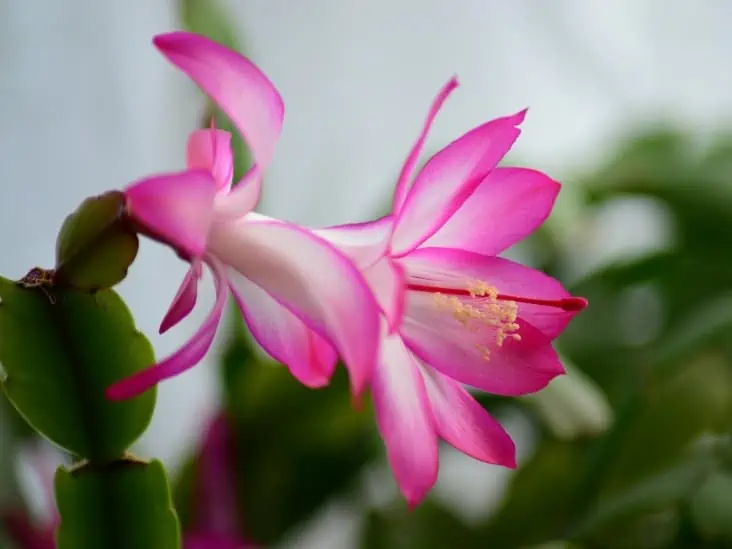
Every plant has stomata on the leaves for carbon dioxide intake. Together with sunlight and water, plants use the gas to manufacture food in a process known as photosynthesis. 

As a plant inhales carbon dioxide, it also exhales oxygen and in the process loses a lot of moisture. Moisture loss shouldn’t be a big deal in plants that grow in climates that have regular rain, but for the cactus plants that grow in the desert, this is a different story. 

Desert plants need to conserve as much water as possible for survival during times where there’s no rain. Remember that it only rains once in a long while in the desert. 

For this reason, the plants only carry out the photosynthesis process at night. Temperatures are much cooler at night.  

Photosynthesis needs sunlight. So how is the plant able to carry out the process if the stomata are only one during the night when there is no sunlight?

 Since it’s hot in the desert during the day, the cactus plant’s stomata only open up at night when temperatures are cooler, hence fewer chances of water loss. Scientists refer to the process of night photosynthesis as crassulacean acid.

The stomata’s opening and closing work like clockwork. By dawn, the pores close, and automatically open at night. 

To further avoid water loss, the cactus stomata is very small. In addition, it’s found deep in the tissue as opposed to the surface, which would otherwise cause water loss. 

5. Stem water storage

The stem usually has thick skin than that of regular leaves, and this is why cactus uses it as a reservoir. Since a desert experiences sporadic rain, the feature allows the plant to store water for lengthy amounts of time, before the next rainfall. 

A cholla cactus.
The stem usually has thick skin than that of regular leaves, and this is why cactus uses it as a reservoir.

6. Waxy skin for water retention

The plant’s surfaces have a waxy skin. This skin covers most of the leaves, apart from the stomata since the plant needs inhalation and exhalation of carbon dioxide and oxygen. This wax helps to avoid water evaporation. 

The wax also helps to keep the plants cool in the hot climate. Else the plant would dry out, due to extreme heat. 

7. Expandable stems for maximum water intake

To enable the plants to store as much water as possible during the rainy season, the cactus has an expandable stem. These stems expand to allow as much water intake as possible for use during the days when there’s no rain. 

If you were to cut up the plant, you would notice that it resembles an accordion. The structure allows channeling of water to various parts of the plant.

These stems shrink as the plant continues to use up the water in anticipation for the next rainy season.  

8. Short growing season for water conservation

Unlike most plants that grow continuously, the cactus has periods where it stops growing. Growth requires a lot of water, which is already limited in the plant’s habitat.

For this reason, the plants only grow for a season, then pauses for a while, before the next growing season. It’s no wonder that the cactus plants grow slowly, but stay alive longer than most plants.

9. Spherical shapes to reduce surface area

The plant’s body assumes a sphere, especially during seasons where it has stored a lot of water. The sphere shape reduces the plants surface area, which means that only a small part gets sunlight exposure, avoiding dehydration. 

10. Thick tissue for maximum water storage

Due to evolution, the plants have formed a thick layer of plant tissue. The dense tissue is essential for water storage and retention deep within the plant. 

Cactus plant with fruits.
Cactus spherical shapes and thick tissue for maximum water storage

Related Questions

What does a cactus need to survive? Cactus is one of those low maintenance plants that need close to nothing to survive. If you’re considering using this unique for landscaping purposes, lal you need to do is plant it in dry soil, place it in direct sunlight and water it regularly. Avoid water logging by creating drainage in potted plants and avoid too much watering during cold seasons.

How much water does a cactus need to survive? Watering your plant once a week should be enough. Some seasons are cold, which means less watering. Before you water, check about half an inch of the topsoil layer. If the layer is dry, then your plant needs water. To ensure that you don’t water too much or too little, water until the drainage holes begin to leak water.