What Type Of Cactus Should You Get?

Are you a beginner in cactus gardening and wondering which cactus can best suit your home? Well, you must understand that cacti are the easiest plants to grow. They are low maintenance, but there are some things you need to learn first before deciding on what specific cactus plant will do best in your home or office. 

Take your time to understand the different types of cacti, their care needs, growth conditions, and sizes. You should also know what you want in your cacti plants, such as blooms, greenery, or tree-like growth. Don’t forget to go for cacti plants that are easy to plant and care for.

So, are you ready to choose your cacti species to take home? Here are some of the things you need to consider when getting a cactus for your home.

Understand Different Cacti Types

Before you decide which kind of cacti you want to grow, take your time to go through the different types available. Cacti are available in up to 2000 species spread all over the globe. This family consists of cacti that grow in different climates, including desert cacti, rainforest cacti, cacti that grow in humid and semi-humid areas, and cacti that grow in subtropical regions like Christmas cactus.

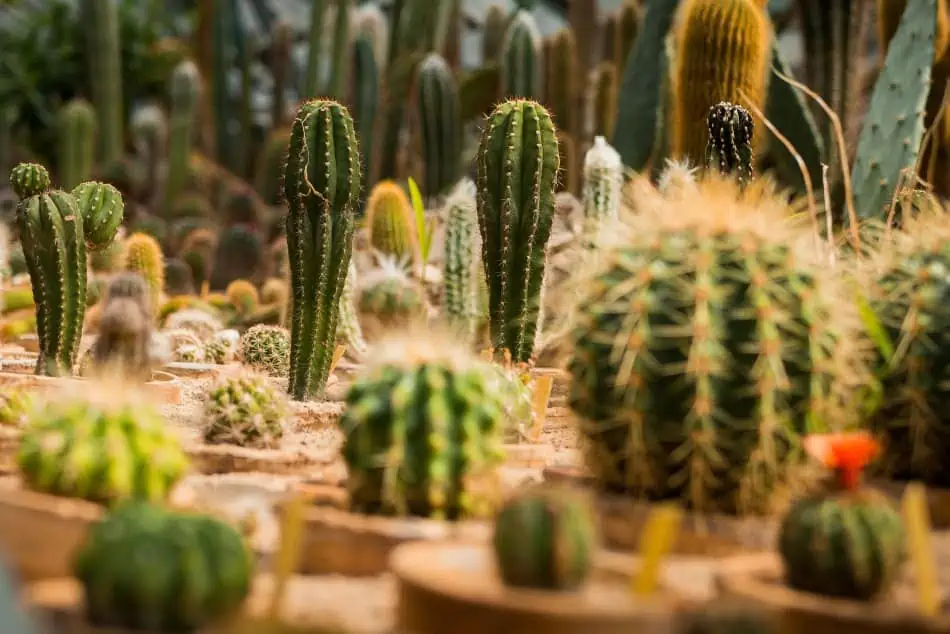
Cacti are grouped into different families such as the Cereus, Euphorbia, Lophophora, Rebutia, and Pereskiopsis families. Some grow very tall like the saguaro; others are more broad-leafed, while some have very thin leaves. Others grow rounded and short, like the balloon cactus or the blue barrel.  Some cacti species grow in clusters like ladyfinger and the Mexican torch.
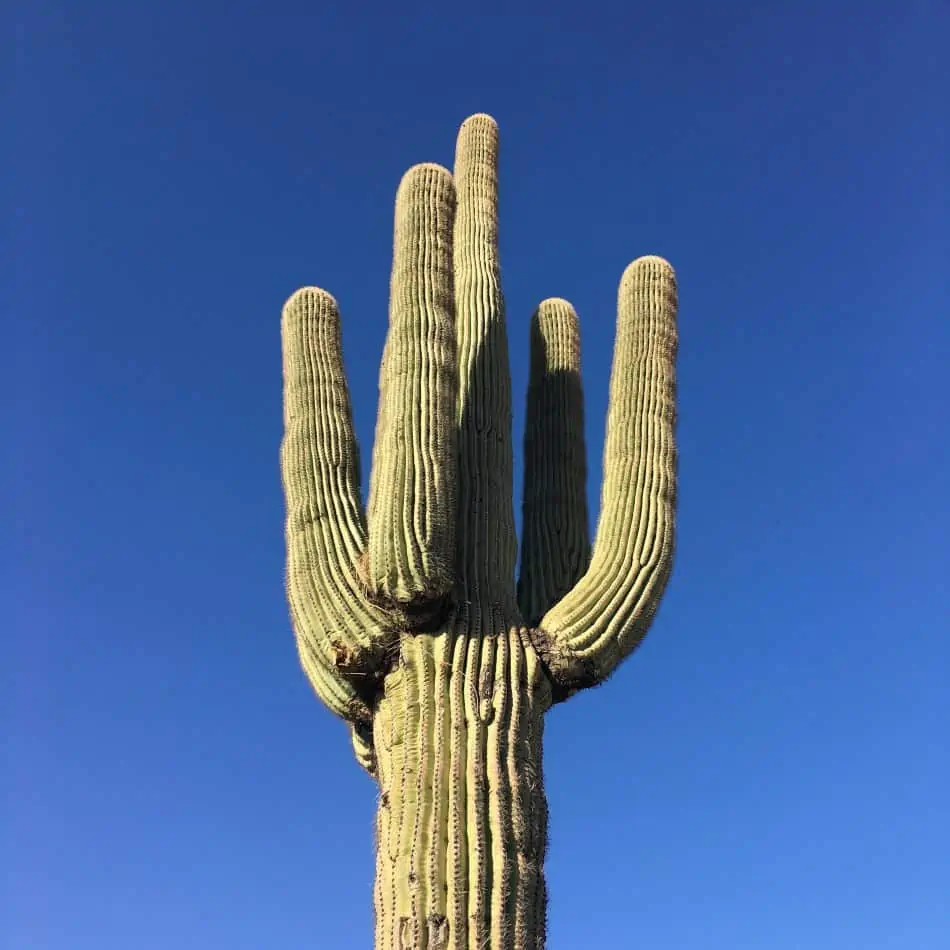
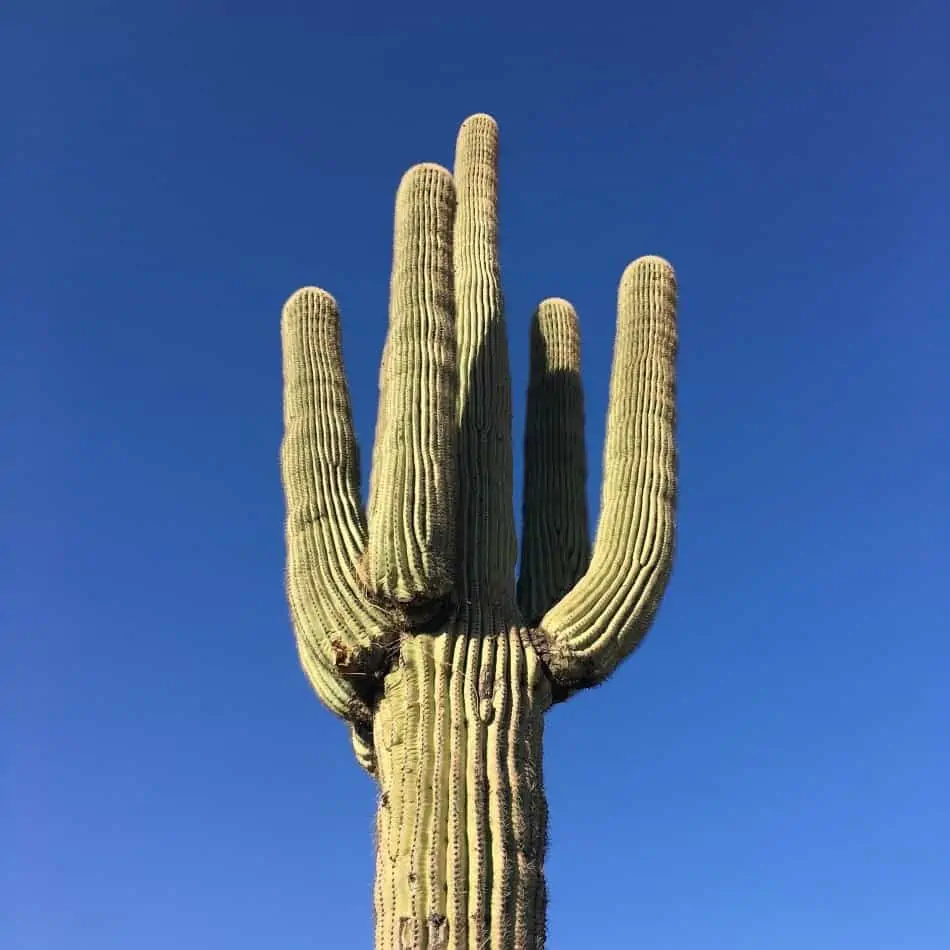
While some cacti grow as tall as Saguaro, others tend to be shorter.

Do You Want Indoor or Outdoor Cactus

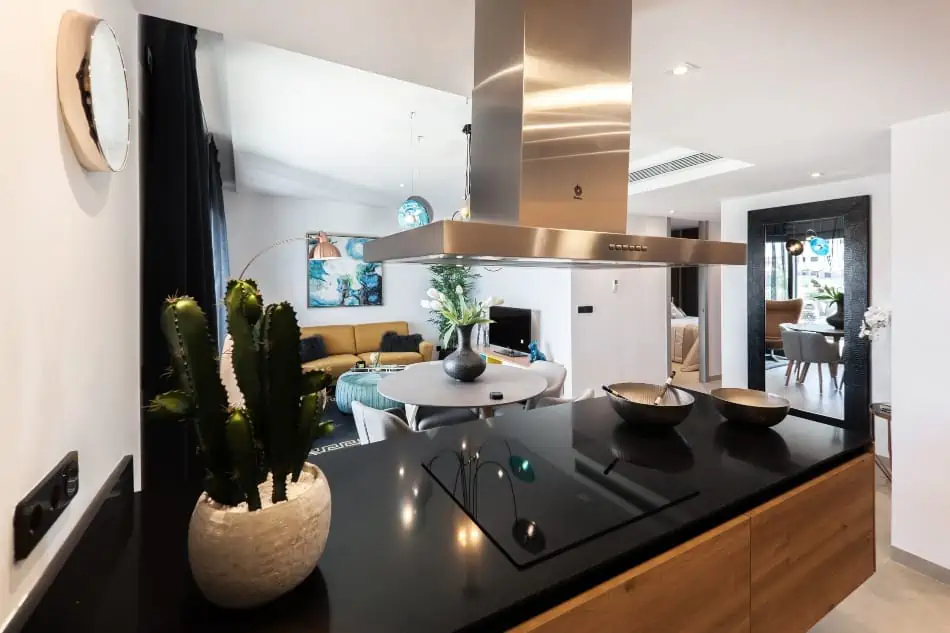
The most important thing for you to consider is where the cacti will live and how large you want them to be. If the cactus is going to live outside, you will need a bigger and hardier plant. If it’s an indoor type of plant, you can choose something that grows smaller but looks good in small spaces.

Some of the big cactus species that you can plant outdoors can be the Rainbow Hedgehog Cactus, Elephant Foot Barrel, and Parodia Elata. These are fairly easy to grow provided that you give them what they need. The best thing about these types of cactus is that they do not require a lot of attention from you. They can grow on their own once planted in your garden or somewhere outside.

They can also grow to be enormous. The Rainbow Hedgehog Cactus, for example, can grow as tall as 10 feet. Some of these even have flowers. Others are known for their woody stems, which you can use to make crafts or decorations.

Indoor Cacti

If you want something small and quite lovely, choose the Parodia Gracilis Whipplei Cactus, which can grow up to four inches. It is an excellent choice for people who live in apartments or homes where space is limited. The only maintenance you will need to provide for them is a little sunlight or artificial lights and pruning.

They make great additions in offices and even on your living room table because they look so beautiful. Other indoor cacti to grow in your house include the Oreocereus Gracilis Rainbow Cactus, Moonstones Hedgehog Cactus, and the Parodia Borzicactus.
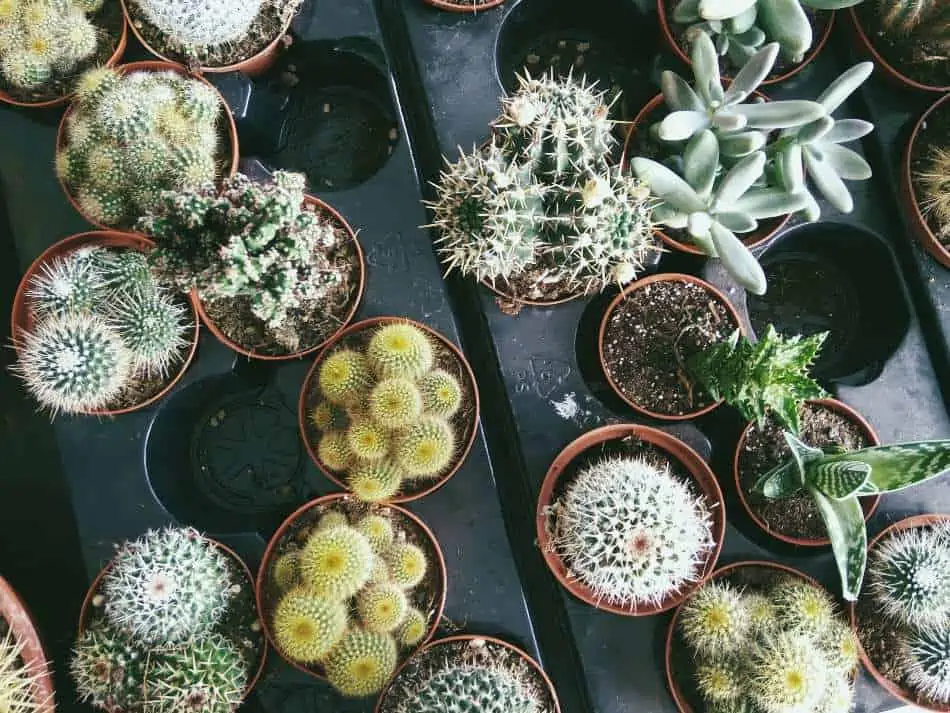
Make sure your indoor cacti receive enough sunlight or artificial light.

What’s Your Location and Climate?

It’s also important for you to make sure that the location where you will place the cactus is suitable for growing. You need to know if it can tolerate the heat during summer and not get damaged by the cold temperatures during wintertime.

Some of these plants are susceptible to frost, so make sure that the area where you will be planting them doesn’t get too cold. Don’t worry about watering your cacti.  They only require a maximum of one watering every two months.

The important thing is to understand that not all cacti thrive in your specific climate. Some can grow everywhere, but others need special care and attention. It would be best if you research first the type of cactus you want to grow to have proper shelter from rain and sun before planting them in your garden.

Are You Planting for Decoration?

Are you trying to add some charm and character to your home with cactus plants? If yes, don’t worry about putting them in small places like offices or your living room. The Parodia Whipplei Cactus can grow 6 inches long, and it looks really good as an indoor decoration. It won’t take up much space on your desk, and you won’t have to worry about its size growing too much.

Another great cactus to add charm and beauty to your home includes holiday cacti types like the Easter cactus and Christmas cacti. These cacti produce beautiful blooms, and they will last for a couple of days before wilting. They are popular because their flowers remind people of Spring, bringing feelings of hope, joy, life, and rebirth.
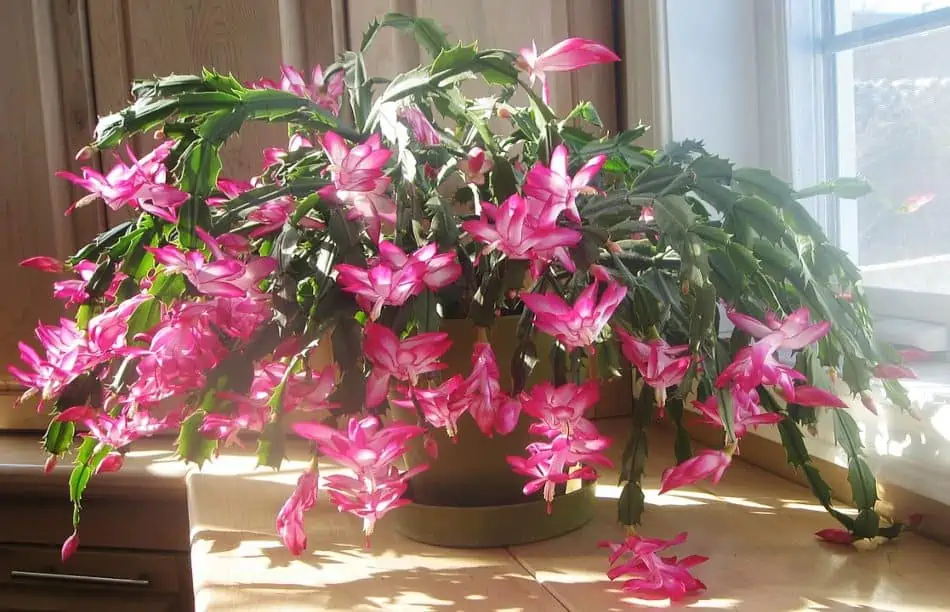
Christmas cactus is an excellent option if you are planting cacti for decoration.

Consider planting cacti with different bloom seasons so you can have them blooming for a longer period. If you want to add color and beauty to your home, then try planting succulent cacti. It’s one way to create an attractive landscape inside the house without much effort.

You should also know that some cacti species can take ages before you can see their blooms. There are even some species that can only grow underground. Others will take a lot more time to bloom, but it’s really worth the wait once they do. Also, some only bloom at night, like cereus and queen of the night.

Do You Have Kids and Pets?

If you are a parent, you know how difficult it is to teach your kids the difference between plants and animals. You probably want to grow plants at home so that they could learn about nature, but at the same time, you don’t want them eating or playing with the cacti in your garden.

One way to handle this problem is to grow cacti with thorns as you teach them the difference between harmful and non-harmful plants. These prickly plants will discourage your kids from touching them, so they won’t end up hurting themselves with these types of cactus. Some examples include the Easter Cactus, Christmas Cactus, and the Pereskia Roseoides Cactus. You may even want to consider a cactus that contains a fleshy or pulpy interior like the Echinopsis Belenii Cactus.

Don’t forget your pets because they might also get interested in eating some of the cacti in your garden. This is why you need to choose cactus plants that are not poisonous to animals. The Pereskia Angustifolia Cactus, for example, is a non-aquatic plant that doesn’t contain any toxin, and it’s also not an irritant to the skin of your pets when they accidentally eat them.

Consider Beginner Friendly Cacti

While cacti are the easiest plants to care for, it doesn’t mean that they are the best kind of plants for beginners. It’s especially true if you don’t have much experience with plants and gardening. You can start by learning how to identify different cactus species and their kinds, so you know which ones will suit your needs and preferences.

When picking a new type of cactus to plant, consider those that are easy to grow. It’s already frustrating when you spend a lot of time and effort nurturing your plants, only for them to die after a short while. Choose cactus varieties with slow growth rates so you won’t spend too much time tending them daily.

If you are a beginner, consider getting low-care cacti just like the Moon Cactus.

Most cacti grow in the desert. This is because they can withstand long periods without rains, little sunlight, and extreme temperatures. They are hardy plants that require very little care from their owners. If you decide to bring these types of cactus into your home, you must understand that the desert-dwellers are not a good choice for beginners.

Most importantly, take your time to research and understand the type of cacti you intend to plant. Learn about their care needs, what to expect from them, how they can help you with your landscaping, and other essential things.

Frequently Asked Questions

Can you plant all cactus types at home?

Depending on the type of cactus species, you can bring these desert-dwellers inside your home and let them thrive in your garden. In fact, most cactus varieties that are common today were originally cultivated by humans. It’s not difficult to grow some cacti at home. Just remember that they will need different kinds of environments. For instance, you can’t grow an epiphytic cactus in a humid place as it may cause some discoloration on the plant’s leaves and rot its roots.

Do all cacti bloom?

Cacti may send out magnificent blooms from time to time. It’s a natural process that they go through, and it happens as they reach the end of their life cycles. You can’t expect all cacti plants to bloom at the same length of time, however. Some species may take more than 20 years before they give out blooms in the wild, while others may take decades or even centuries before flowering. How often you see your cacti blooming will depend on how well you nurture them.

Are there poisonous cacti?

There are indeed cacti that contain lethal toxins in their bodies. For instance, Guanacaste and other New World species usually have a poisonous latex sap that can cause dizziness, nausea, or even death to animals that ingest them. The most common poisonous types of cactus include those belonging to the Opuntia genus. They can be easily recognized by their thorns because they are spiky in appearance. Be careful not to introduce these cacti to your home if you have animals.

Bottom Line

Cacti are great plants to introduce to your indoor or outdoor garden. But for them to thrive, you must take care of them properly. If you have small children at home, consider their safety when growing some cacti species. Always go for cacti that are non-poisonous to animals and easy to grow. Some good choices include the Pereskia Angustifolia Cactus or those belonging to the Echinopsis genus.

Can Cactus Be Kept In The Bathroom?

It’s true most cacti live in the driest places and can withstand the intense sun. Despite this, there are those cacti that still need some moisture, especially in the driest months of the year. Such cacti can do well in the bathroom, where there’s plenty of moisture in the air.

But can cacti really thrive in the bathroom? Well, the answer to this depends on the species. Some species can thrive well in low and humid conditions, while others require drier climates. The ones that survive well in the bathroom absorb the excess moisture in the air and use them for their growth. Cacti plants such as snake plants, orchids, jade plants, mistletoe, and zebra plants can do well in the bathroom.

It’s not only the plants that will benefit from the moisture in the bathroom. A touch of greenery from precious cacti can also give a rather dull bathroom some life. Cactuses give your bathroom the beauty it deserves at a cheaper cost with less maintenance. They also purify the air and ensure you get a good supply of oxygen in the bathroom.

If you want to know how cacti survive in the bathroom and which types do well in such conditions, you’re in the right place. Read this article to the end to learn about that.

Can Cactus Do Well in the Bathroom?

Before you introduce your precious cactus in the bathroom, you need to know if they can survive there. Fast forward, everyone understands that cacti need lots of sunlight, and even those who prefer shade still need a few hours of sunlight. So, what happens to your precious cactus kept away in the confines of the bathroom that sometimes don’t even have a window?

Well, cacti are not the same, and not all of them need direct sunlight. There’s no denying that those cacti that can survive in the bathroom still need some light, and you need to find them an artificial light that you can’t get directly from the sun.

If you have decided to grow cacti in your bathroom, make sure you give the plants enough sunlight or artificial light.

Some cacti species can survive well in a humid environment because they can absorb excess water from the air. They absorb the water in the air and keep them for future use. These cacti can thrive well in the humid environment hence ideal for giving your bathroom some beautiful greenery. 

The cacti have different adaptation techniques that enable them to cope with low light conditions. But if your bathroom doesn’t get enough light, you can use artificial lighting to provide grow light to your bathroom cacti.

But even in humid conditions, don’t forget that these cacti still need moisture, and you should never forget to water them. Ensure you water your bathroom cacti from time to time whenever you feel that the soil is dry. If your bathroom has a window, this will be the ideal place to keep them.

Benefits of Keeping Cactus in the Bathroom

If you keep your cactus in the bathroom, it’s not only the plant that will benefit, but you’ll also share the benefits. Here are some of the advantages you get from growing your cactus in the bathroom.

Get a Touch of Greenery

The bathroom is a dull place but also deserves some makeover with a touch of nature. The striking appearance of your cactus plant is enough to give your bathroom the appeal that everyone will notice. If you get the perfect cacti for your bathroom, you’ll get decorative plants with colorful pots. To maintain their striking appearance, make sure they grow in ideal conditions by ensuring your pots get perfect drainage holes at the bottom.

Air Purification and Oxygen

The bathroom area is usually small and enclosed. This is likely to make them get damp and smelly. Having some plants there purifies the air, and there’s no better plant to do this than cacti. While purifying the air, your cacti will also provide the bathroom area with fresh oxygen that everyone needs while having a relaxing bath.

To ensure you receive enough oxygen, cacti use the carbon dioxide in the air for photosynthesis and give out fresh oxygen. So, if you’re craving for some fresh air supply in that small room, it will be a good idea to get some cacti in there.

You’ll Feel More Relaxed

After a long day of work or having some outdoor fun, you’ll feel so exhausted and drenched in sweat. The bathroom becomes the ultimate place to refresh. If your bathroom has some plants, you’ll feel much calmer and relaxed taking a refreshing bath. So, if you’re always looking forward to some refreshing moments in your bathroom, add some touch-ups to it by growing cacti in there.

Gorgeous cactus plants will make it much easier for you to refresh, relax, and feel happier while taking a shower or bath.

Drawbacks of Growing Cacti in the Bathroom

While cacti do great in the bathroom, growing them there also comes with some drawbacks. Here are some cons of growing cacti in the bathroom you should watch out for before you proceed.

The Cactus Can Grow to Big

Imagine taking a shower, but the plants you have in the bathroom keep scratching your back? Some cacti can grow so big that the small space in your bathroom might not accommodate them anymore. The feeling of the plants touching you can be unsettling. Unless you have enough space, some cacti plants might not be ideal for the bathroom, even if they can still thrive there.

As some cacti grow pretty big, not every cactus plant is suitable for small bathrooms.

You Might Forget to Water Them

Just because your plants are in the bathroom with plenty of moisture doesn’t mean you should neglect their need for some water. Many people make the mistake of thinking their plants get enough water from the atmosphere; hence, they don’t need watering. The plants require less frequent watering, but this doesn’t mean they can do without watering completely.

The Possibility of the Cactus Dying

Remember, your bathroom environment is not the natural habitat of your cacti, and the possibility of them dying there is high. Apart from high humidity, the bathroom is also exposed to various chemicals from your shower gels that might not be favorable to them. If you leave the bathroom window open, some may not like the drought.

How to Keep Your Plants in the Bathroom

If you’re going to put some plants in the bathroom, you’ll need to enjoy their beauty. This will depend on how you keep them in the bathroom in the first place. There are several ways to display your plants in your bathroom and enjoy the breathtaking view of nature.

The best and most common way of all of them is the use of hanging baskets placed near the bathroom window. Make sure it doesn’t get splashed with water. Another option is the bathtub tray to give the space a classy look. If your bathroom receives very low light, the window sill can be an excellent location for your cactus.
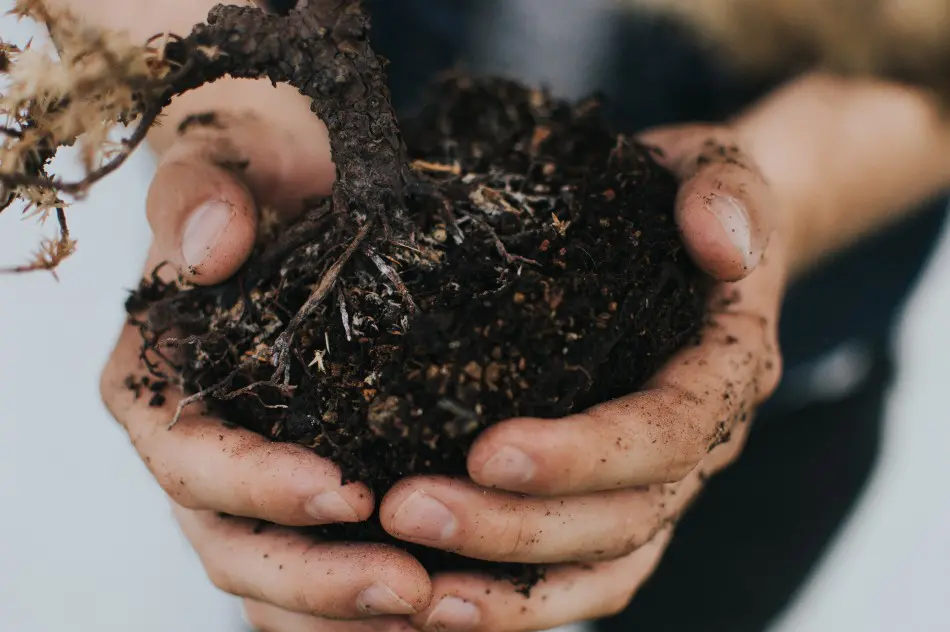
Cactus Plants That Grow in the Bathroom

There are plenty of cactus plants that can grow well in the bathroom as long as they get the care they need. Here are a few of those species to look for.

Snake Plant

Snake plant is also known as mother-in-law’s tongue. This plant is nearly impossible to kill, and you can find different varieties in almost all growing conditions. The plant can tolerate both low light and bright light conditions. The bathroom is another place you can put snake plants, and it thrives perfectly, as long as you get the correct species.

Orchid Cacti

This is another great plant that grows perfectly in humid conditions and will appreciate that environment in your bathroom. You’ll appreciate having an orchid in your bathroom as it keeps the place bright with its gorgeous flowers for several months. The plant grows in bark instead of soil and prefers damp growth material but not wet. Get different orchids to your bathroom, and make sure you introduce them to the bright, filtered light in your bathroom window.

Mistletoe

This is an epiphytic cacti species that comes with beautiful white and yellow flowers. This plant is used to getting minimal and indirect sunlight thanks to its natural habitats of the South America region. The plant can do pretty well in areas with high humidity; hence perfect for the bathroom. You can put it in hanging pots in the bathroom to display its beauty.

Jade Plant

Jade plant is another great plant that you can introduce to your bathroom, thanks to its long life. The plant is super easy to care for. Jade plants will prefer warm, dry conditions but can still thrive in the moist conditions of the bathroom. Remember to keep the soil around the jade plant moist.

Jade Plant is a long-lasting and low-maintenance cactus that can grow perfectly healthy in a bathroom.

Zebra Plant

This is another plant that prefers bright indirect sunlight and will not mind growing in the bathroom. Make sure you water it often if you want it to grow well. If treated well, the zebra plant will reward you with its beautifully striped foliage and breathtaking golden flowers. You can use it in the bathroom or just indoors generally.

Summary

Now you have your answer. If you love cacti and are wondering whether you can also treat your bathroom to some greenery, then the answer is yes. There are plenty of cacti that can thrive under the humid conditions of the bathroom. However, you have to be careful with the types you introduce because not all cacti appreciate such environments. Also, don’t forget to take care of your cacti, such as watering and giving them the needed sunlight to thrive.

12 Cactus Garden Ideas To Spice Up Any Backyard

Does your backyard look plain and uninspiring? It may be time you did something about it. If you live in an arid or semi-arid region and wondering what can work for your backyard, we have good news; a cactus garden will do justice to your backyard. A cactus garden works best for those who may not have enough time to keep monitoring the progress of the plants. This said, however, creating a cactus garden can be easier said than done.  You may need more than just the desire and availability of the cactus plants. This is especially so when it comes to practical cactus garden ideas that will work best based on the design, size and overall outlook of your backyard.

So, what are the top cactus garden ideas that can spice up your backyard? Let’s face it; there are hundreds of ideas that you can go for when it comes to your backyard. However, the ultimate choice will boil down to your personality, size and shape of your backyard, climatic conditions of your region and the ultimate goal or purpose of your backyard garden.  Whether you are looking to do a mound, patch or colorful cactus garden get your design right. You may also see the need to do a blend of both succulents and cactus, adds some rocks for the borders or include a mix of both large and small cactus varieties.

This article will be looking at the various cactus garden ideas for your backyard. It will focus more on how you can achieve that ideal design that will speak boldly about your personality and creativity. This will also include details about each additional item for the garden and their importance.

1. Succulent cactus blend

A blend of cactus and other succulents on your backyard will create a sight to behold. For this idea, find succulents that can complement your small cactus plants on the garden. Preferably, these should be flowering succulents to help give your backyard that delightful look.

Add succulent cactus blend to your cactus garden, ideally those that produce gorgeous flowers.

2. A patch of cactus plants

Go for small, rounded cactus varieties and plant them in neat rows. Patches that stretch into the distance give your garden that desert look while maintaining the exotic appearance that your backyard needs.  You can complement these with some all cactus species by the sides.

3. Red garden cactus

For this idea, create a perfect symmetry using a number of cactus plants with varying shades. You will be surprised by the red shale that will surround the plants once they are fully matured. There are no specific cactus species for this design, but the idea is to find a perfect blend that will complement the overall look of your garden.

4. The aloe effect

Your backyard cactus garden cannot be complete without some aloe effect. Here, you can find one or multiple short cactus varieties for your garden.  You will then break up the monotony using some huge aloe-type plant. This can come in as the centerpiece of the garden. It will overshadow the cactus plants, thus creating an intriguing sight.

Aloe-type cacti can act as a focal point of your backyard cactus garden.

5. Arizona Garden

Arizona is known for its sandstone and tan coloration. Why not apply this effect on your backyard cactus garden? Here, you can create a rock garden by planting some cactus species adapted for the Rocky Mountains. This will create an inviting view, whether you are at the garden or by the window.

6. Go for the high heavens

If you have a bigger backyard, why not opt for the taller cactus varieties? Species like the giant saguaro can easily come in to give your backyard that towering, yet charming atmosphere. The contrast created between the green look against your wall’s color can be a sight to behold. You can then complement these tall species with some ‘grounded’ species for form a perfect ground cover for your garden.

7. The spiny look

Cacti are synonymous with spines. While this can be one of the most detested features by cactus handlers, you can make some lemonade out of this lemon. Find a variety of the spiny cactus that produces long spines. Usually, these spines come in different colors depending on the species in question. The glowing red, purple, black and brown spines jutting from these cacti create an angelic view that will certainly catch your attention. This works best for your backyard since the area may not be frequented by children and curious pets.

Add some spiny cactus species to your backyard garden and ensure the area is not visited by the kids or pets.

8. Rocky colors

Choose a cactus species of your liking and plant them in solitude, each spread out. You will then find small stones with different pastel colors and spread them just at the base of each plant. The color contrasts from the stones create an ideal carpet look for your garden. This will most likely work better by using cactus species that do not spread out too much when mature. Let your creativity kick in when designing this rocky outlook.

9. Potted and ground mix

If you do not have much space in your backyard, consider creating a garden with potted plants. This is especially so for the edges and borders of your garden. Plant some short cactus types on the ground in the middle of the garden. You can then create a fence-like border at the edges using potted plants. If you can find different colored plants for the potted plants, the better.

10. Recycled art garden

There is something wild about cactuses that make them ideal for rugged spaces. Your backyard may include other structures, tools and sometimes stalled machines. Why not improve this outlook by filling it up with some vibrant green life? One may opt for potted cactus types or larger cactus types like the Saguaro or barrel cactus. You will be surprised how your small urban yard will look spacious after all.

11. Lawn alternative

If you live in an arid area, you want to save water as much as possible. While using gravel as the ground cover is an option, you can make this look better by planting some grass cover. You can then add in some sparse plantings of your preferred cactus plant. This will create a water-wise meadow that anyone would be happy to look at.

12. Prickly pear galore

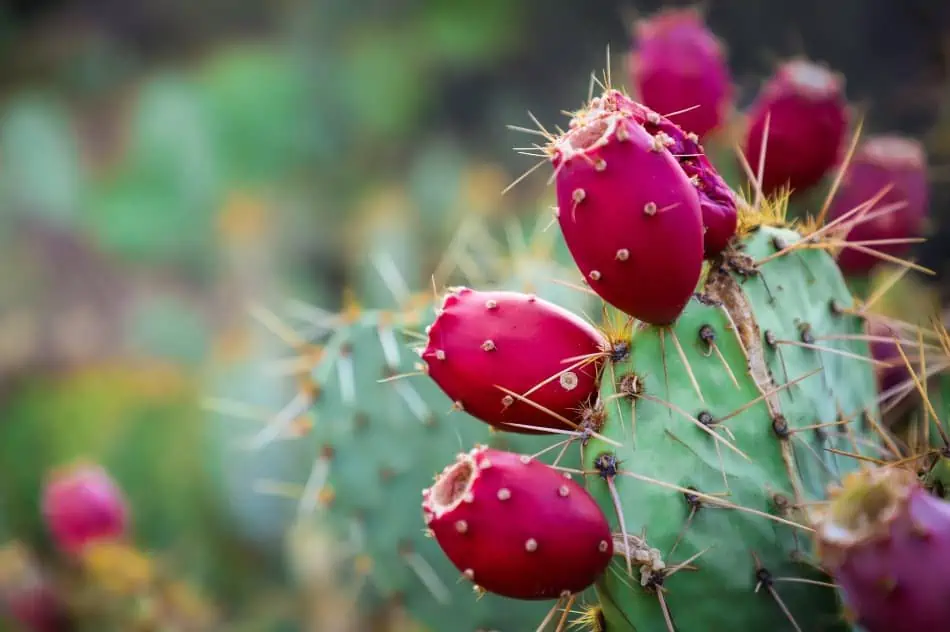
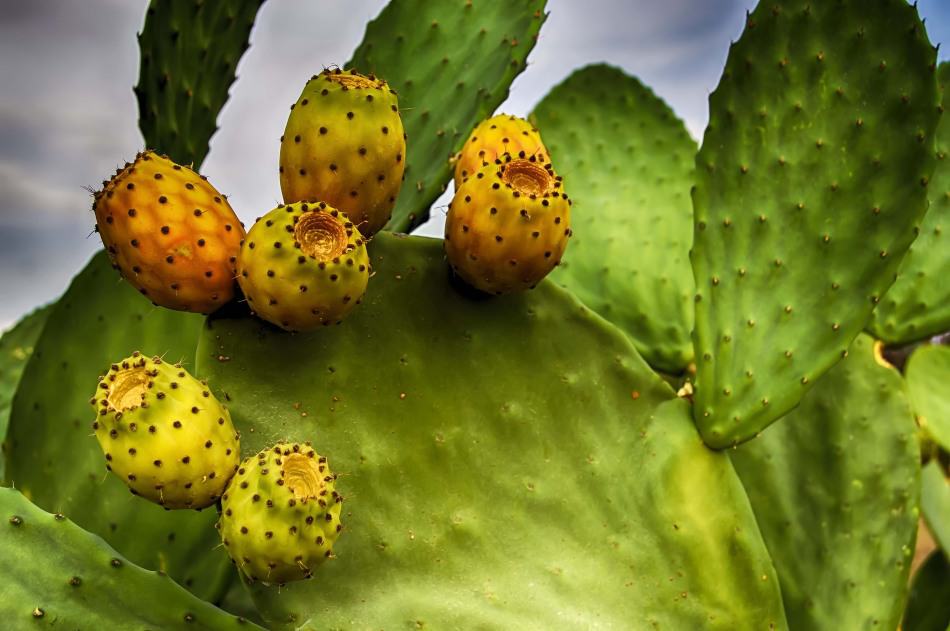
Prickly pear is one of the most popular cactus types for outdoor gardens. If you are looking to experience some edible delight at your backyard, then creating a prickly pear garden is your best bet. Once matured, you can enjoy its tasty fruits that can also be made into jelly. Its pads can also be added to tacos, salads and egg dishes once the spines are fully cleaned off. The fact that the prickly pear grows in clusters makes it ideal to create that forest feel for your backyard garden.

By adding prickly pear cactus to your garden, you will have some edible cactus fruits right in your backyard.

Considerations when creating a backyard garden

Even with the above ideas, you may fail at your bid to create that perfect backyard garden if you do not take some basic cactus care rules into consideration. The following tips will come in handy in this process:

Soil drainage and access to light

Too much or stagnant water can be detrimental to your cacti. Before delving into the planting process, ensure that your backyard has a good drainage. You may consider adding some soil on one end to make a slanting bed. Your soil should also contain enough sand as this is ideal in terms of drainage for your soil.

Depending on the type of cactus you hope to plant on your backyard, ensure that access to sunlight is possible, at least for a couple of hours every day. Remember, there are multiple cactus varieties available and you may need to seek advice from your local arborist regarding the growing conditions for your cactus.

Focus on the centers and edges

For a perfect backyard garden design, ensure that you choose an attractive border. Usually, your borders will stand out with rounded rocks, small colored stones or cement blocks. You may also see the need to place some large rocks as a centerpiece for your garden. Alternatively, using some huge cacti species like the barrel cactus or giant saguaro will do the trick.

Size of your backyard

The size of your backyard will determine the type, size and number of cacti you can use to create your garden. Some designs are meant to make your backyard look spacious despite its small outlook. You do not want to stuff your space too much and end up with a messy backyard.

Your backyard says a lot about your personality, and you do not want to gamble with its design. A cacti garden can be your ultimate savior if you understand how to do it right. Use the various types of cacti to create a perfect blend or size, texture, shades and color for your garden. These can help punctuate your space into a sight to behold.

Where To Place Your Succulents To Ensure Good Feng Shui

Succulents are plants with thick, fleshy parts that are designed to retain moisture.  An example of a succulent would be a cactus, which has a fleshy trunk with large, fleshy paddles to retain water.  Some people place succulents in their homes, both to provide a visual relief and balance their feng shui.  

Succulents are best when placed so as to subtly enhance the overall look of a room, but not front and center.  They are more of a supporting mechanism that improves the overall mood, out of sight.  Places such as the back corner of your living room work well for succulent placement.

Accurately placing succulents to ensure good feng shui is difficult, but not impossible.  Read on to find out what succulents work best for ensuring good feng shui, and where to place them in your house to ensure maximum effect.

Where to Place Your Succulents to Improve Feng Shui

In order to ensure good feng shui and maximum effectiveness, the placement of your succulents is crucial.  They should subtly enhance the energy of the room overall, rather than being front and center of all the objects in the immediate space.  You also need to consider the room where you are placing the succulents.  

The feng shui is different for every room in your house.  The bedroom, for instance, is a place for intimacy.  You wouldn’t want a spiky cactus on your nightstand, as that can project negative energy and kill the mood.  Likewise, the kitchen is a balanced place for creativity and love; the wrong succulent can change the feng shui in a negative manner.

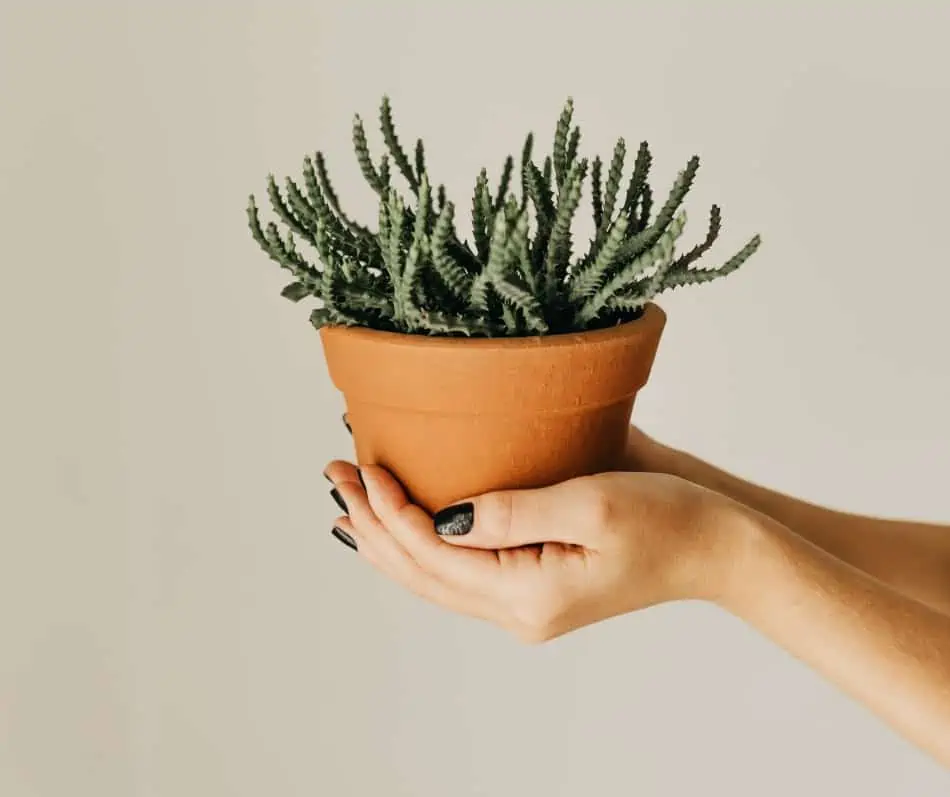
APerson holding a succulent plant on a small pot.
The placement of your succulents is essential to creating good feng shui.

Small cacti in a pot are popular choices when it comes to succulents for the home.  However, you do need to be careful when putting one in your home, as the spiky needles can project negative energy into the surrounding room and unbalance the feng shui.  A small potted cactus works well on objects like a side table in the living room.

Overall, the best place to put a succulent is the place in your house known as the fame and reputation quadrant, which is the room from which you project your personality to the world.  Your fame and reputation quadrant can be your living room, or it can be your kitchen, but that is where a succulent should be placed to ensure proper feng shui.

What Succulents are Best for Ensuring Good Feng Shui?

When considering which succulent/s to bring into your home, you also need to consider how much time and care you want to devote to them.  Having a succulent to balance the feng shui does nothing if you are not willing to take care of it and will simply add clutter.

If gardening is not your strong suit, here are 3 feng-shui enhancing plants that are easy to keep alive:

The Snake plant is a very easy plant to take care of.  It requires little water, is extremely resilient, and as for feng shui, a Snake plant projects protective energy.  It is a good plant to place near the main entrance to your home for a feeling of safety.

The Jade plant  is associated with friendship, money, health and fame.  Like the Snake plant, it is very easy to take care of, requires little water and will work in almost any area of the home, as health energy benefits every room.  A note: the Jade plant does best in bright light conditions.

A Jade plant flowering and exposed to the sun.
Jade plant is a low-maintenance succulent that ensures good feng shui.

Lucky Bamboo is a symbol of good fortune, and is often placed in the wealth area of a building, such as the payroll office.  It will actually grow in water, with a little gravel mixed in for minerals.  Lucky Bamboo does best in medium light conditions; low light will result in unhealthy leaves and high light will burn them.  

What Succulents are Best for Me?

Feng shui also goes beyond simply getting a plant that projects the right energy; you want a plant that is also matched to your geographical area.  Having a bamboo plant in the middle of the desert both wastes water and will look out of place, as they are much better suited to wet areas: Seattle, for example.  

Save bamboo, succulents are excellent at surviving in conditions with low rainfall and high temperatures.  Cacti in particular are very good at eking out a living in desert conditions, and they use very little water.  Additionally, cacti will not seem out of place in areas with high temperatures and low rainfall and will not destabilize the feng shui.

Yop view of different kinds of succulent.
Good feng shui can be achieved by selecting the succulents that carry the right energy for you.

Additionally, you do not need to have one type of succulent and one type only; you can put different succulents in different rooms of your house according to the energy you want to project.  Having a Snake plant by the front door will project protective energy, as will a cactus.

Having a Jade plant in any room will serve the twin purpose of putting you and your guests in a good mood and projecting health energy.  The same goes for a Lucky Bamboo, but remember to place it in a medium-natural light area.

Where to Place Outdoor Succulents for Good Feng Shui

Managing good feng shui is not limited to just your house; it can be extended to your yard and entire property if you so choose.  Doing this requires a little more knowledge of gardening and the climate of your area, but it can be done.

Cactuses on a pot.
You can create good feng shui by properly placing succulents both indoors and outdoors.

While most succulents do well in hot, dry climates, keep in mind even the hardiest plant will be affected by two feet of snow.  If you live in an area that gets plenty of snowfall along with a cold winter, be prepared to redo your outdoor succulent arrangement every spring.  Nonetheless, you should absolutely extend your feng shui outdoors if possible.

Follow the Energy Map

Feng Shui is the art of reaching balance in one’s life.  It believes that if one can achieve harmony in one’s home, office or chosen place, then it will remain peaceful, prosperous and harmonious.  

If you’re serious about feng shui and your succulents, the feng shui garden is made of 9 zones.  A feng shui garden also represents the five main elements: Water, Wood, Fire, Earth and Metal.  The 9 zones are these: Wealth, Fame/Reputation, Love, Health/Family, Center, Creativity/Children, Wisdom/Self Cultivation, Career, Helpful People & Travel.  

Depending on the size of your property, you may be able to make a garden that accommodates each of these zones.  However, if you do not have the space, you can also compensate by hanging plants and having small examples of succulents in pots around your residence.

A air plant hanging on a glass container.
if you do not have the space, you can also compensate by hanging plants.

The zones could also be combined in a pinch.  Wealth, Fame/Reputation and Career could all come together in your home office or workspace, as the three do go together.  Love, Health/Family, and Creativity/Children will work well in your living room, garden or basement.  

Conclusion

Feng shui is a fascinating subject and one that you could spend a very long time studying.  Finding balance and harmony in one’s home is important, and the right succulents can help you achieve that more easily.

With regard to succulents, feng shui boils down to this.  You must have the plant in the right room, it should also be near a good light source, and you need to be willing to take care of the plant, otherwise your efforts are wasted.  

Use the right succulents, however, and while the effect will not be dramatic, your home or workspace will seem much more pleasant to be in.  Your mood will be improved, and your space will be better overall.

What Are The Benefits Of Having A Cactus?

Everyone can see and appreciate the fact that cacti plants are beautiful and make an incredible home décor. But that is not all succulents are good for.  Cactus is also a staple in many parts of Latin America. Some of the cacti species that grow throughout Latin America are edible, and many people love their fruits and nopales. There are also other benefits of having a cactus in your home.

So, what are the benefits of having a cactus?  Cacti plants play a critical role in our day-to-day lives. They improve air quality, offer lots of medicinal uses, and can also increase your concentration.  Some cacti species produce fruits that make for a tasty snack, while others can increase your productivity.  Having these succulents on your office desk can lower your stress levels. Cactus plant owners also say that they enjoy a lot of satisfaction and peace of mind whenever they are involved in taking care of these succulents.

In this post, we focus on some of the top benefits of having a cactus in your home garden or indoors. Read on to find out everything you need to know.

1. Cacti Plants Improve Air Quality

Some cacti species are particularly good at removing toxins from the air. You can still benefit from growing a cactus plant indoors because it improves the air quality.

All cacti plants have tiny spores on their stems that allow them to absorb gases from the atmosphere. Some of the gases that these plants absorb, such as ammonia and benzene, are harmful for human beings if inhaled.

So, it is time to ditch that large and electricity-intensive air purifier and get a few cacti plants.

These succulents also humidify the air, which plays a critical role in improving your indoor air quality even more. They release water vapor into the atmosphere through the numerous pores on their stems during photosynthesis. This helps to put extra moisture into your indoor air preventing it from getting too dry.

Keep in mind that dry indoor air can cause a wide range of unpleasant symptoms such as dry skin and sore throat that nobody wants to experience.

2. Low Maintenance

Cacti plants tend to be low-maintenance compared to other indoor plants. In the natural environment, they usually survive for several months with little or no water at all. Therefore, they are well adapted to surviving long periods without maintenance.

As a plant owner, you are only required to water your cactus when the potting mix dries.  In fact, some cacti species can survive the entire winter season without water.

Cacti are low-maintenance plants that require watering once a week or even less often.

Even the most thirsty cacti plants may only need to be watered once a week. The low water needs can be highly beneficial in regions where water is scarce or too expensive.

You also don’t need to feed your cacti plants regularly. In fact, plant experts recommend feeding your cactus only during the growing season. No need to apply fertilizer during winter or fall because the plants go into dormancy.

3. Having Cacti Plants in Your Home Helps to Keep the Environment in Your Head

This is particularly true if you use these succulents as an office plant. In addition to improving your productivity, cacti plants will continuously remind you about the need to take care of the environment and protect plants.

Tending to a tiny and colorful cactus plant every day will make you happy and remind you of the critical role plants play in the natural ecosystem. It may make you more aware of other ways to help the environment, such as using less paper, conserving energy, or recycling.

Having a cactus at home will influence the way you think about the environment and teach you how to take care of it.

If everyone develops the mindset of caring for our environment, it can make a huge difference in the long run. 

With the increase of harmful emissions to the atmosphere and the looming danger of global warming, there is an increasing need for more people to take up the responsibility of caring for plants. You can play your small part by taking care of that cactus.

4. Longevity

Cacti plants tend to be long-lived succulents. Therefore, you won’t have to replace them often.  Generally, a typical desert cactus’s lifespan ranges from ten years to more than 200 years, depending on the cacti species.

Outdoor species tend to live longer than their indoor counterparts because the outdoor conditions are perfect for their survival.  However, with the right conditions and ideal care, an indoor cactus can still survive for many years.

The Saguaro cactus remains the longest living cactus species. It is native to Arizona and Mexico and can survive for up to 200 years. A fully grown Saguaro can reach a height of up to 50 feet. However, as the plant grows older, it becomes more susceptible to diseases and infections.

The Saguaro Cactus is the longest living cactus species that can last up to 200 years.

Cacti plants live long because they are adapted to surviving in a harsh environment. Therefore, when they are brought into the friendly home environment, they can relax and live comfortably.

To get the best out of your cactus plant, make sure you water it properly and expose it to sufficient light so that it can survive for many years.

5. Cacti Plants Offer Medicinal Benefits

Most cacti plants are known for their nutrients and medicinal value.  The cactus fruit and pads contain powerful antioxidants that can help fight a wide range of infections and ease symptoms of different diseases.

Some of the health benefits of cacti plants include:

a. Eases hangovers

Cactus fruit juice contains vitamins C, E, A, calcium, and much more. These nutrients play a critical role in managing inflammation in your body. In fact, scientific research has proved that taking cactus extract after drinking at least five alcoholic drinks resulted in significantly fewer hangover symptoms such as dry mouth, vomiting, and nausea.

The cactus juice extract also plays a critical role in reducing inflammation in the body, often linked to increased alcohol intake.

b. Soothes joint inflammations

Cactus juice usually inhabits leukocyte migration in your body. Leukocyte is a chemical substance that acts as a catalyst in the development of a wide range of inflammatory diseases.

The juice contains vitamins A, B2, and C, which are great for rheumatoid arthritis patients.

The potent anti-inflammatory properties of cactus juice can also play a critical role in relieving joint pain and soothing joint inflammation. It also eases the stiffness and severe soreness that usually accompany rheumatoid arthritis.

c. Controls blood sugar levels

High blood pressure can be a symptom of a wide range of illnesses such as stroke, diabetes, and heart disease. A study conducted in Mexico revealed that individuals who included at least one piece of a cactus pad in their daily diet record a significant decrease in their blood sugar over time.

Since cactus fruit and pads can lower blood sugar levels, they are ideal products for those diagnoses with diabetes.

Scientific experts and doctors suggest that consuming cactus fruit or pads can be an effective and low-cost way to lower blood sugar for individuals diagnosed with diabetes. 

Fortunately, you don’t have to spend money on fruits and pads if you have cacti plants in your home garden.

d. Boosts immunity

Regular consumption of cactus fruit or cactus juice plays a critical role in eliminating deadly viruses in your body, strengthening your body’s immune system.  Cactus fruit/ juice contain high levels of phytochemicals that inhibit tumor growth and increase immune response in the body.

The fruit is also an excellent source of Vitamin C, which is a powerful immune booster. Regular doses of vitamin C boost the production of white blood cells that make your body less susceptible to diseases.

It also helps your body fight off viruses and other disease-causing microorganisms quite effectively.

e. Improves the health of your gut

The juice aids in the growth of good bacteria needed in the gut area. Since cactus juice is a natural detoxifying agent, it can be used to treat diverticular colitis. Also, the laxative properties of the juice make it an excellent natural remedy for constipation.

The juice’s anti-inflammatory properties play a critical role in easing the inflammation that may develop in your urethra or bladder, especially if you are diagnosed with urinary bladder infections or gallstones.

f. Natural antidote for skin disorders

Cactus juice is a powerful natural remedy for skin disorders like acne, wounds, and insect bites. The antioxidants present in cactus juice can reduce the inflammation caused by these skin conditions.

A study conducted on rabbits revealed that topical application of cactus juice helped reduce signs of redness, swelling, and pain associated with an insect bite.

The topical application can also help reduce acne breakouts and give you clear, healthy-looking skin. Cactus juice is known to be an effective natural remedy for skin disorders due to its antibacterial properties.

g. Prevents onset of cancer

A study conducted in Mexico revealed that cactus juice contains powerful antioxidants, which can help to reduce oxidative stress and prevent the onset of cancer.

The cactus plant extract contains powerful antioxidants such as vitamins A, E, and C, flavonoids, phenols, and other substances. These nutrients play a critical role in reducing the risk of cancer by reducing the damage to cells caused by free radicals.

Cactus juice can also reduce inflammation in your body and repairs damaged tissues, which further helps to prevent cancer. Regular consumption of cactus juice is a great way to prevent the onset of cancer and other diseases.

6. Cacti Plants Have a Relatively Slow Growth Rate

Most cacti species tend to grow slowly compared to other plants, making them an excellent option for individuals who don’t want their indoor plants to change significantly over a short period.

Most homes have limited space for plants. Therefore, fast-growing plants can easily become a nuisance if they outgrow their designated spaces and start encroaching into pathways or corridors.

Fast-growing plants are also tiresome to look after because they usually need regular pruning and repotting.

A typical cactus plant may grow less than an inch in height in a full year. Many cacti varieties also tend to grow upwards, meaning branches and leaves/spines won’t encroach into your living spaces.

7. Enhancing Your Memory

Psychology research conducted by the University of Michigan in the U.S. outlined the numerous benefits one enjoys when interacting with nature. One of the benefits is improved memory.

Cacti plants are particularly beneficial in improving memory since they don’t require much care.

When you frequently engage with your cactus plant, such as watering it or pruning its branches, your brain will actively work and remember various tasks. This helps to improve both short-term and long-term memory.

These plants also have a calming effect on the mind since they don’t require much care and attention.

Therefore, you can spend some time admiring them or simply meditating in their presence without feeling guilty about being unproductive.

By reducing stress levels, cacti plants make it easy for your brain to focus and remember things easily.

8. Sense of Responsibility

Taking care of your cactus plant gives you a sense of responsibility. You will have to ensure that its needs are met, such as providing the right amount of water and sunlight, protecting it from pests and diseases, etc.

By learning how to take care of a cactus plant in the best manner possible, you are teaching yourself valuable lessons about responsibility. This equips you with the skills needed to take on other tasks or responsibilities in life.

Plus, by taking care of something, such as a cactus plant, you experience the joy of watching it grow and develop over time. Knowing that you have created something beautiful can be a great way to boost your self-esteem.

Summary

Now that you know the benefits of having cacti plants in your home, we hope you will acquire a few and start experiencing the magic. To continue enhancing your knowledge on cacti plants, take a look at some of our other posts and subscribe to our email list.

Happy planting!

How to Grow a San Pedro Cactus (Echinopsis Pachanoi)

Scientifically known as the “Echinopsis Pachanoi”, a San Pedro cactus can be a great houseplant choice to liven up any space. The steps to growing it and caring for it are no more unique than the steps needed for any other plant. But following these steps will ensure that your San Pedro cactus is flourishing and healthy. 

The steps to growing a San Pedro cactus include choosing the right cactus soil mix from any local plant store and giving it the proper amount of water and sunshine. You can also propagate it to other pots or patches of land. 

While those are the basic steps to planting a San Pedro cactus, the following is a more detailed description of all the previous steps and a guide on how to maintain your San Pedro cactus. There is also a brief introduction into what you should know about the San Pedro cactus before you purchase one. 

Steps to Growing a San Pedro Cactus 

The first step to growing a San Pedro Cactus is to make sure you have the right tools. The gardening tools you’ll need include: 

  • Water 
  • Cactus potting mix 
  • A 5- or 6-inch plant pot 
  • Potting soil 
  • Trowel 
  • Gardening gloves 
  • Fertilizer 

You can get all the above gardening tools from your local gardening tools and plants supplier. 

Choosing the Right Soil and Putting it in the Pot 

Once you have your tools, the first step is to fill the pot with the right soil. The right soil for a San Pedro cactus is, first and foremost, porous that will drain easily. This is to make sure that the water won’t rot the base of the cactus. San Pedro cacti also like a dry soil since they naturally grow in drier climates. You can make a soil more porous by adding materials like: 

  • Pearlite 
  • Sand 
  • Gravel 
  • Pumice 

Adding these to an existing soil mix will help maintain a suitable soil for your cactus. You can ask any expert at your gardening supply store for a quality beginning cactus soil mix or make your own. 

Transporting the Cactus from Nursery Pot to Permanent Pot 

Once you have your soil, fill the pot you’ve chosen about halfway with it, evening it out with your trowel. You can also add a 1/4- to 1/2-inch layer of any of the prior draining materials on the bottom to assist with drainage. 

  • Dig a small hole in the center of your soil with your finger, about two to three inches in diameter. 
  • Put on gardening gloves and carefully remove the cactus from its nursery pot, placing it directly into the hole you just made. 
  • Tightly tuck and pack soil around the cactus until the roots are fully covered. 
  • Water the cactus until the soil is damp, but not sopping wet. 
A person repotting the plant.
To transport the cactus to its permanent pot, fill it halfway with soil and draining materials accordingly.

When your cactus is firmly rooted, usually after about four to six weeks, you can add fertilizer to give it some extra nutrients. Only do this once it’s rooted, not before then. When a cactus grows roots, it’s ready to take in food.

Watering and Fertilizing Your San Pedro Cactus 

It’s recommended that you water your cactus once a week. If you’re growing your cactus from a seed, it’s recommended you water it twice a week until you start to see something growing out of the soil. One method of doing is to fill a sink large enough to fit your cactus with about two inches of water. 

Let the water seep into the cactus’s soil through the holes in the plant pot and take it out once the soil is fairly damp. You can also water it the traditional way with a watering can, but water it in sections throughout the week to avoid the soil getting soggy. 

Stop watering it when it gets around to the colder months. The cactus will go dormant between the months of October and April and watering it during this time will just make it rot faster. Overwatering can give bacteria an ideal environment to grow and infect the cactus. Cold temperatures can also prevent a San Pedro cactus from being watered properly. It can keep the water from evaporating, making the soil soggy and leading to a rotting cactus .

A person watering the plant.
Typically, a San Pedro cactus needs to be watered once a week.

Fertilizer is what feeds your cactus and gives it the nutrients that water alone can’t give. For cacti, liquid fertilizers are available for you to pour into your plant pot that will help the cactus flourish. Seedlings will need a slightly diluted version of the fertilizer, but adult cacti can be given an undiluted fertilizer.  

Giving Your Cactus Plenty of Sun 

Since the San Pedro cactus is originally a desert plant, it needs plenty of pure sunshine. Start by slowly introducing your cactus to sunlight, especially if it’s a seedling. Seedlings tend to burn in direct sunlight and end up dying. 

To introduce your cactus to sunlight, place them in a position where they’ll get some shade along with the sunshine to lessen the harshness of the sun. You can also start by only introducing the cactus to morning or evening sunlight, which are less intense than the sunlight at midday. You can also put your San Pedro cactus underneath the shade of your larger plants if you have any. 

A cactus exposed to sunlight.
San Pedro cactus loves sunshine, so make sure the plant gets enough sunlight to obtain the necessary nutrients.

If you’re growing your cactus indoors, they will need more sunlight once they get accustomed to it. Placing them in a spot where there’s often sunlight, such as a window or near a porch, will help them get the nutrients they need from the sun. If your cactus is outside in the direct sunlight, make sure to keep it consistently watered since it can dry out faster. 

Propagating Your San Pedro Cactus 

Propagating your cactus means carefully cutting it up and planting those pieces as separate plants. It’s a great way to save money from buying more plants and can help your garden grow faster and be healthier. To start propagating your cactus, you’ll need: 

  • A knife 
  • A plant pot 
  • Soil 
  • A piece of cardboard or a towel 

When you have all your materials: 

  • Clean your knife with an alcohol-based sanitizer and make sure it’s dry before you cut. This will prevent the risk of spreading infections to your cacti. 
  • Decide on a piece of cactus that is healthy and flourishing, and carefully cut it to the length you desire. 
  • Once you have your cactus piece, lay it out in the sun for a day or two. Cover it with a piece of cardboard or a towel if it’s in direct sunlight so it won’t get burned. This will dry it out and make it easier for the cactus to take root in its new pot. 
A person propagating plants.
To propagate your San Pedro cactus, you can obtain healthy cuttings and plant them separately.

As the cactus dries, they can start to develop some color. These spots of color are called calluses and usually range from white to brown to black. This is a good sign, as it signifies the cactus piece is ready to be planted. As long as they calluses aren’t a moldy green or blue color, they are ready to be potted. 

The process for this step is essentially the same as potting the original cactus. The only difference is that, since the cacti are smaller, use pots that are also smaller. A diameter of about one to one and a half inches is recommended. 

Place it in a shady spot and don’t water it for about two weeks. This will allow the roots to start growing and the cactus to get used to its new home. Once it’s rooted, you can start watering it and giving it fertilizer as you would with the original cactus. 

Maintaining Your San Pedro Cactus 

Being a natural plant, the San Pedro cactus won’t always grow in a neat and perfect way. When your cactus starts looking unruly, that’s when you need to start cutting and grooming it. Keeping it looking neat and clean will help keep it healthier in the long run, as the less wild growths it has, the less chance for infection. 

To clip a cactus, all you need is a solid, good quality pair of garden shears that you can get at your local garden supply store. When cutting the cactus, make sure to cut twelve inches or more since these types of plants tend to grow much faster than on average. 

San pedro cactus on a pot exposed to sunlight.
Keeping it looking neat and clean will help keep it healthier in the long run.

Another thing you should do while maintaining your cactus is to make sure that the soil is properly draining the water. You can make sure of this by gently touching the soil. If it feels too soggy or more wet than solid, the soil isn’t draining properly. You can fix this problem by replacing the soil and putting a small layer of the porous materials listed above. 

The final thing to make sure of when maintaining your cactus is that the soil and the cactus are free of infections and pests. To do this, you can lightly spray your cactus with a pesticide killer to get rid of any possible intruders. But do this sparingly, only about once every two months, as too much of the pesticide killer can end up killing the cactus. You can also add a little bit of sulfur to the soil, and it will act as a natural pesticide. 

Things to Know About the San Pedro Cactus 

Now that you know how to plant and take care of a San Pedro cactus, there are some things you should know before you decide to purchase it or include it in your garden. 

The first thing to know about San Pedro cacti is that they grow fast and tall. Each separate stem of the cactus can grow to be six inches wide and ten to twenty feet tall. When properly taken care of, they can grow up to a foot tall within six months and continue growing by a foot per year. 

A cactus.
San Pedro is a fast-growing cactus that grows around 10-20 feet in height and features white flowers in summer.

They grow especially fast and fragrant around the summertime, sprouting white flowers that bloom at night and open the following day. Because of their fast growth spurts, you’ll want to make sure that the cactus isn’t directly below anything that will stunt its growth if it’s inside. If you’re growing it outside, then just keeping it groomed and neat should be all that’s necessary. 

The challenge for caring for a San Pedro cactus comes in when it gets an infection or an infestation. The most common causes of this include: 

  • Etiolation 
  • Desiccation 
  • Overwatering 
  • Sun Burn
  • Bugs 
  • Frost Damage 

Causes and Cures for Etiolation Growth 

Etiolation is the condition of cacti growing a pale and sickly-looking growth on top of them or on their sides due to insufficient light exposure. You could say it’s the acne of the cactus plant. The growths usually look very light green or a yellow-greenish color and have a puffy shape. They are very flimsy. 

To treat this condition, you need to put your cactus into stronger light as soon as possible. You unfortunately can’t get rid of the etiolation growth, it’s permanently stuck onto the cactus. But you can help the cactus get into better condition once you place it under more light more often. 

How to Avoid Desiccation Rot 

Desiccation is essentially what happens when a cactus gets too dry. It shrivels up and looks like a deflated beach ball with sharp spines. Even though cacti are desert plants, they can dry up faster if the weather is hotter and they don’t get enough water. While the seemingly obvious solution is to give your cactus a bunch of water at once, this actually isn’t the best option. The better option is to give your cactus a little bit of water at first and slowly progress the amount of water. Fixing the problem with this approach will help the roots grow and adapt to taking on more water, hydrating the cactus more effectively.  

What Happens When You Overwater Your Cactus 

Overwatering is exactly as it sounds, it’s when you give your cactus too much water and it creates a hotbed for bacteria and diseases to fester and grow. You can tell that your cactus is overwatered when it swells up to almost double its original size. The cactus stem will also usually become so saturated with water that it splits open in one or multiple places. The most harmful side effect of overwatering is that the cactus will start to rot. 

A cactus falling over the clay pot.
Overwatering a San Pedro cactus leads to rotting that makes the plant turn brownish and soft.

A rotting cactus will usually appear brown and feel mushy to the touch. To avoid this problem, make sure that you water your cactus in intervals rather than all at once, and keep the amount of water consistent. If this does happen, stop watering the cactus for a little while. It would also be a good idea to get it out of the overwatered pot and into a fresher, drier pot. The split parts are permanent and can’t be fixed, but that won’t prohibit the cactus from being saved and to continue to grow. 

The Effects of Sunburn Damage 

Sunburn occurs when a cactus has been too overexposed to direct sunlight. It makes the cacti look whitish around the top or on their ridges, and more severe burns make the cactus take on a dark brown look. To treat a cactus with a sunburn, get it to a shady place as soon as possible. If the cactus is already burned to a brown crisp, then the damage is irreversible. To prevent it from happening in the first place, give it full sun exposure for a short amount of time daily, increasing the length of time in the direct sun slowly over the course of a few weeks. 

A sunlight.
Although San Pedro cactus loves sun, overexposure to direct sunlight might lead to severe sunburn damage.

Bug Infestations and How They Harm Your Cactus 

Bug infestations can range from barely visible to bluntly obvious. To check your cactus for bugs, digging around in the soil a bit with a trowel or just taking a good look at it can give you a pretty good idea if there are bugs on the cactus or not. To treat bugs, you will have to physically remove as many bugs as possible from the cactus with a fingernail or some tweezers. If the infestation is of a larger scale, physically removing the plant and washing out the pot is the better option. To prevent any infestations in the future, regularly spraying the pot and the cactus with a light layer of pesticide can prevent an infestation. 

Frost Damage from Cold Temperatures 

Finally, frost damage is what occurs when plant cells that are exposed to freezing temperatures start dying, and the health of the cactus suffers as a result. This also causes the cells to rupture and the water doesn’t hold as well, drying it out. Your cactus is instantly more susceptible to this condition if you live in an area with colder temperatures. To prevent this from happening, bringing the cacti inside or covering them with a tarp can prevent the cold from directly affecting them too harshly. If the temperatures are lower, then a grow light can be a good option to look into. 

Final Thoughts

Growing and maintaining a San Pedro cactus isn’t too hard if you have the right tools. Keeping a close eye on it, making sure it gets the proper care, and taking care of problems when they arise will give the cactus a long and healthy life. 

Review: Leaf And Clay’s Monthly Cactus Subscriptions Box

Imagine the joy of receiving a monthly package filled with delicate, unique, and fresh cacti and succulent plants. Capturing that moment of joy is exactly what Leaf & Clay envisioned when they created the monthly Plant Mail subscription plans. The cacti and succulents are some of the most beautiful plant gifts that can bring a lot of color and vibrance to any space. An added benefit of cacti and succulents is that they require very little maintenance compared to other plants. They create an inviting atmosphere and can be real conversation starters. Each one is perfect for your home, office, studio, or anywhere else you can imagine (as long as it’s a nice, warm place)!

The Leaf and Clay’s goal is to provide unique and high-quality plants, pots, and a lot of greenery stuff for their plant lovers. They are offering monthly subscriptions to inspire their subscribers with perfect quality and their choice of three plants per month. It is well packed in a box with an extra layer of safety that your plants will be delivered without any issues. The best part of their plants are, they are entirely organic with no harmful pesticides used.

A Leaf & Clay home page.
Source: leaf&clay

Cacti & Succulents are Easy to Maintain:

  • Cacti and succulents plants require a lot less care compared to other plants. They need very little water only once a week. 
  • The life expectancy of some cacti and succulents is nearly ten years with the Right Care. 
  • You can put these beautiful plants everywhere in your house. They are small but mighty and incorporate into any decor bookshelves, desktops, windowsills, and countertops.

Leaf and Clay provide value for their community members and send three unique plant gifts each month. You will get excellent quality and a wide selection of organic plants with stylish pots. They offer fast and reliable delivery, which is free with their monthly subscription plan. So, let’s take a closer look at their membership plans.

Helpful Hint: Sign up for their newsletter and get 15% off your first order!

Best Monthly Memberships Plans for Plant Lovers

1. Basic Plant Mail Club Monthly Subscription:

They will provide you with the highest-rated plants of the month. You will receive well-packed sets of 3 cactus and succulents plants such as the Echeveria‘ Ruby Slipper’, Echeveria ‘Mazarine,’ and Polaskia chichipe.

A top view of different kinds of succlents and cactus.
As a Basic Plant Mail Club Monthly Member, you will receive three well-packed cacti or succulents.

Each shipment is hand-selected by their staff and is guaranteed to be uncommon and gorgeous. Never worry about getting the same two plants as each month offers something new and unique! Their team is quite creative, and with thousands of varieties to choose from, you’ll never get bored!

For more information on the Basic Plan, visit Leaf & Clay.

Delivery Duration:

They will provide you fast and reliable delivery of your plants. For your first monthly purchase, you will receive your plant within 1 to 3 business days. The next month, your packages will be processed to go out on the 7th for each month and delivered after 1 to 3 business days. 

Helpful Hint: Your credit or debit card will be charged the amount of your plan on the 7th of each month. You can cancel membership anytime with just simple steps.

Packaging Quality:

Every plant is grown organically with the help of their plant-care experts. The box is sturdy to withstand transportation, and each plant is wrapped gently in protective packaging with the heated or non-heated method, including a pleasant scent. The heated transport packaging is optional and helps avoid damage to the plants during transport or cold weather. With this method, you are guaranteed to find three healthy, fresh plants when you open your box.

A feedback.
Source: Leaf&Clay

2. The Plant Mail Club- 3 Month Subscription: Save (10%) Off

With the Plant Mail 3-Month subscription plan, Leaf and Clay will give three top-notch quality plants for their members. Some plants include Ruby Slipper’, Echeveria Mazarine,’ and Polaskia chichipe.

A multiple plants on a pot.
With a 3-month subscription plan, you save 10% and receive 3 high-quality cacti and succulent plants each month.

This plan is perfect if you or someone you know is a super plant lover. Each plant is the highest-quality, organically grown, handpicked by the staff, and affordably priced with extra discounts!

For more information on the Three-Month Plan, visit Leaf & Clay.

Discount and Details:

The subscription is a reliable and excellent choice for beginner buyers. You will be getting three plants each month for three months time frame. That’s a total of nine gorgeous plants! You will receive 3-packs of succulents with a size of 2.5′ every month, exclusively for Plant Mail Club Members. On top of all that, they include fast, FREE shipping for all our Plant Mail Members.

Helpful Hint: This plan helps you bundle your plants and save monthly. 

Packaging and Delivery:

Leaf and Clay offer you fast and guaranteed damage-free delivery, which will arrive from 1 to 3 business days. The box packaging is meticulous, and you will get two options when it comes to packaging. You can choose the heated or non-heated packaging options. There is an extra charge for the heated option, but it is worth it to help protect your new little friends from damage during shipment. The warming insert will protect them for up to 72 hours, and that is adequate to withstand transport to your door. It is mostly recommended for the winter months, as it shouldn’t be necessary during the summer.

3. The Plant Mail Club- 6 Months Subscription (SAVE 20%):

Leaf and Clay offer their biggest subscription for the 6-Month subscription plan! With this Plant Mail Membership, you will get three pieces of 2.5″ succulent plants monthly. Leaf and Clay subscribers will get this unique succulent with fast delivery of three organically-grown plants. Each one is unique, and you’ll never get the same two! They will be all well-tagged with their name and details about each variety. 

A person arranging the small pot with multiple small plants.
A 6-month subscription plan allows you to save 20% and receive three 2.5-inch tall cacti and succulents monthly.

This deal provides the most significant value at a 20% savings and a total of 18 beautiful plants. It’s the gift that keeps on giving! This subscription is perfect for a house-warming gift, wedding gift, keep it all to give yourself a little reward.

For more information on the Six-Month Plan, visit Leaf & Clay.

Packaging and Delivery:

As with the other plans, the packaging and delivery are fast and responsive. Your delivery will get processed automatically on the 7th of each month and delivered in the next 1 to 3 business. You will get stylish pots along with the plants, all wrapped gently and protected perfectly. The delivery box will be secure. For added protection, you can order a heated box that will help to save your plant from any damage.

Benefits of Having Cacti and Succulents

Leaf and Clay have an excellent reputation for providing low maintenance, high-quality cacti, and succulent gifts. They are a perfect choice for both beginners and experienced succulent aficionados. 

Because each one experienced the same high level of care during the growing process, you won’t need to worry about receiving a sickly plant. Each one will appear relatively uniform in height, and the complimentary pots mean each one will tie together perfectly with any decor.

A top view of a Succulent and cactus on a pot.
Having cacti and succulents indoors helps you decorate the area and brings tons of health benefits.

The cactus plants bring a pleasant feeling of relaxation and provide an overall more tranquil atmosphere no matter where you put them. Enjoy a burst of color, sprinkled all around your home or office. 

There is a reason that cacti and succulents are so loved and appreciated by people around the world. 

Many people believe they carry with them the spirit of the desert and have used them for healing throughout the ages. You can breathe a little easier when they’re around as they also help remove pollutants from the air. 

A feedback.
Source: Leaf&Caly

Multiple Size Options

Cacti and succulents are available in many different dimensions, sizes, and shapes. You can find fascinating varieties of the same or varying qualities such as the 2.5, 3, 4, and the newest height of 6 inches tall. The Leaf and Clay provides a well-packed delivery box wrapped with tissue paper and protective packing layers. They offer a wide variety of plant types, pots, accessories, and more! You’re sure to find the perfect one that speaks to you!

The Verdict

Everyone can use cactus and succulents for improving the decoration and beauty of their home, office, studio, or any other space. Indoor plants bring many benefits, but none are as easy to take care of as cacti and succulents. One of the best things about cactus and succulents is that they don’t need any effort to maintain and do not need much sunlight or a specific environment. As long as it is warm and dry, your plants will be quite happy.

Shopping for succulents online is not as hard as it once was, as more customers are turning to Leaf & Clay to provide them with the best service and highest-quality fresh indoor plants. Leaf & Clay gives a perfect view for indoor, fresh air and sets the mood with a premium vibe. They have an excellent reputation and reviews from thousands of happy customers. 

Leaf & Clay offers a fantastic selection of cacti and succulent varieties, pots, accessories, apparel, gift cards, and more!! Their goal is to provide the best quality at an affordable price, and they achieve that quite well. It’s no wonder they’re the fastest-growing online succulent store. 

With their help, you can create a masterfully-curated collection of beautiful succulents complete with one-of-a-kind pots, cradled in artfully designed macrame hangers. Don’t hesitate! Check out their collection today and find the perfect give for your loved one, coworker, or as a sweet little treat for yourself.

Join Leaf And Clay’s Monthly Cactus Subscriptions Box HERE

How To Plant A Cactus?

A cactus can add a lot to your yard or home. They can add personality to every facet of your life, and there are more than 2,000 species to choose from. They’re also low maintenance, so almost anyone can grow them. But many people are intimidated by the cactus and need some help in learning to plant a cactus. 

It can be tough to plant a cactus without getting the prickly spines in your fingers. It can also be a challenge picking the right dirt for the right cactus. Cacti need bright sunlight most of the time, along with the right soil and digging the hole to the right depth.

Read below to find out exactly how to plant a cactus, pain-free. You’ll see the correct soil type to use as well as the conditions cacti need to thrive.

Indoor Cacti

Before you plant your cactus, there are some decisions you will have to make. The first decision facing you is whether you want to plant indoors or outdoors. There are pros and cons to each. Consider the below for indoor cacti.

Benefits of Indoor Cacti

Cacti need a certain type of weather to survive outside. If you don’t live in a dry, hot climate, it may be best to consider planting your cactus inside in a container.

A person holding a cactus on a pot.
Indoor cacti require low maintenance and can help you with breathing, concentrating, and relieving stress.

There are several benefits of indoor cacti, and they’re very easy to grow inside. If you have limited space or live in a cold climate, consider these benefits for growing your cactus indoors:

Benefits of owning cacti include:

  • Breathing Better – Your cactus will absorb carbon dioxide. That’s a very good thing for you since it will convert that carbon dioxide into oxygen for you to breathe
  • Increased Productivity – Cacti improve our concentration and provide a calming effect for the home
  • Healing – As well as relieving stress, some cacti, such as agave or aloe vera, have healing properties. Aloe vera treats burns and bruises. Agave can help heal cuts and burns
  • Low-maintenance – Cacti can thrive in your home. Just find a sunny window, and you can add a bit of nature to your space.

There are many different beautiful types of indoor cacti, including:

  • Christmas Cactus – A Christmas cactus will put off bright pink blooms yearly but requires more watering and a more humid climate
  • Moon Cactus – A very bright cactus, but they have very short lifespans compared to other cacti
  • Easter Cactus – Very attractive plant that blooms in early spring

Although these are just a few types of cacti that could suit your home well, there are many others to choose from.

Now that you know the benefits and a few types to choose from, it’s time to really think about your planting.

Choosing the Right Soil

If you want your cactus to live a long time and thrive, you need the right type of soil. For any type of cactus, you will need the following.:

  • Sandy
  • Porous
  • Pebbly
  • Good Drainage
  • Good Aeration

The soil will need to be able to dry quickly after being watered. Cactus roots can deteriorate quickly if left in water. 

A soil on hand,
Sandy, porous, and pebbly soil offer excellent drainage and aeration for any type of cactus.

You can get a potting mix specially made for cacti at any lawn and garden center. These mixes mimic the correct soil a cactus in the wild would normally have. If you don’t want to pick up a commercial mix, you could make your own.

Here are some great tips to have the best soil for your cactus:

  • Particle size ingredients should be 1/4 inch big for aeration
  • Needs soil with a PH of 5.5 or 6 – get a PH tester
  • Use rainwater to keep PH balanced
  • Use organic matter like peat moss or decomposed leaves
  • Water the soil before planting to allow the organic material to absorb the water
  • Add pumice to mix to improve water drainage

The correct soil mixture is critical to your overall cactus health. If you don’t get the soil right, the cactus will not survive very long. 

Choosing the Right Container

The most important issue with picking the right container is making sure it has at least one drain hole. Cactus roots don’t need to sit in water and will rot if they do so. Drainage and the right soil will take care of that problem. 

There are many different kinds of containers to choose from. Shallow containers are fine for cacti since they have very shallow roots. In fact, you should choose a container just big enough to fit the cactus.

If using a clay pot, increase the size of the drainage holes in the bottom of the pots to better the drainage of the containers.

Potting Your Cactus

Once you choose your cactus, soil, and container, it’s time to pot your cactus. Here are some tips to make sure it goes smoothly:

A person repotting the plant.
The right way to pot a cactus is to fill 1/3 of the pot with soil and then place the plant inside.
  • Get a pair of tongs or thick gardening gloves, so you don’t get pricked by the cactus spines
  • After filling the pot about 1/3 full with your soil, center cactus in the container
  • Use tongs to hold cactus while you fill in the remaining space with your potting mix
  • Leave a little space at the top of the container with water
  • Press soil gently down among the roots of the cactus
  • Shake the pot a bit to settle the soil
  • Try to place the container in a South or East facing window
  • Water your cactus

It’s not that difficult to plant a cactus but you do have to be careful to not get stuck on those cactus spines. 

Outdoor Cacti

If you prefer to plant your cactus outside, you’re going to have to choose a very sunny spot. Location will be everything to help the cactus or cacti thrive. Read below for the best ideas on planting an outdoor cacti garden.

A prickly pear cactus on a pot exposed to sunlight.
Location will be everything to help the cactus or cacti thrive.

Planting your Outdoor Garden

You will need a dry, hot climate to grow your outdoor cacti. These plants are drought tolerant and don’t need a lot of moisture. You can use cacti to enhance your landscape or you can do a garden completely out of different cacti.

You can also choose to plant your cacti in containers so you can move them inside in the winter. Just remember that some cacti grow very large and may prove impossible to get in during the winter after a certain point. If you do choose containers, try unglazed terra-cotta planters because they’re porous and can whisk away moisture.

You should make sure your cacti have sufficient space in your garden. Cacti can grow very large and some species even grow horizontally so you need to take all that into account and ensure your garden is not over-crowded. 

Before you leave the lawn and garden center, check your plant for firmness and to see how thick it is. You will want to choose a thick, firm plant. The thick flesh will let you know if it can store water for a long period of time. 

Plant selection is critical when you’re dealing with cacti. Make sure that you choose a cactus designed to grow in your region. Below are some popular types of cacti used in outdoor gardens:

  • Beavertail Cactus – A prickly pear cactus with blue-green pads, this grows wider rather than taller and has deep pink blooms
  • Golden Barrel Cactus – Can grow up to 4 feet tall and is very good in drought-tolerant areas
  • Saguaro – Can be grown indoors or outdoors but can get to a height of over 50 feet when fully grown so best to be transplanted outdoors at some point. One of the most iconic looking cacti in the world
A matured golden barrel cactus.
Golden Barrel is one of the most popular outdoor cacti species that can grow over 50 feet in height.

Depending on your region, you can choose the best cactus for your garden. Cacti can be grown in the ground or raised beds. Almost all require little water and a lot of sun. 

Picking the Right Soil

Choosing where you plant your cacti outside will be of major importance. Like real estate, it’s all about location, location, location. To make sure you have enough drainage and aeration, you may choose to use a potting mix rather than the soil found naturally in your yard. 

You can even make this potting mix at home, using only three items::

  • Potting soil
  • Coarse sand (like sandbox sand)
  • Pumice or Perlite (for good drainage)

Whatever potting mix you use, make sure your cacti has a lot of drainage. You do not want root rot on your cacti so drainage and aeration will be key.

A soil fertilizer.
To make the soil perfect for your cactus, consider adding supplements, including Pumice, Perlite, Haydite, and more.

Here’s how to figure out if you need to alter the soil in your yard for your cacti: Dig a hole. Yep, it’s that easy. Dig a hole about a foot deep and fill with water. Wait 30 minutes and check it. If water is still standing in the hole, that soil is not draining well enough and you will need to add rocks or sand to the soil to create better drainage. 

Here are some other items you could use to supplement the natural earth in your yard:

  • Japanese Hard Akadama – A clay-like material that can be combined with sand for a rich soil mixture. It retains water so don’t use too much
  • Pumice – A volcanic and porous rock that’s great for drainage. Leaves a lot of space for air
  • Perlite – This retains moisture and drains water well, making it a great fit for cacti
  • Vermiculite – Good at soil aeration and water retention
  • New Zealand Pine Bark – Can last for years and holds water
  • Haydite – Absorbs excess water and slowly releases it back into roots
  • Coco Coir – Absorbs excess water and dries out quickly. Rot-resistant
  • Sand – Excellent for drainage. Mix with potting mix for better drainage. Use construction-grade sand

Your soil mix will be critical to your growing success. Make sure you match the potting mix with the cacti, as some need more water than others. If you don’t choose the right soil mix, or work the soil to make sure it is correct for your cactus, you will not have a lot of success in growing cacti. 

After you mix your soil and put it in your hole, make sure you water the area for about an hour. You want the absorbent materials in your potting mix to absorb all the water it can so it can slowly release it back to the cactus roots after planting. 

Planting Instructions for Outdoor Cacti

You will want to plant your cactus when the roots are actively growing, preferably from late spring through summer. You will also want to pick your location, which should be in an area that gets mostly to full sun.

A gravel on sand.
To grow a healthy cactus outdoors, it is important to select the right spot and prepare the soil accordingly.

After choosing your location, here are the instructions for planting cacti in your outdoor garden:

  • Prepare the soil in your planting area
  • Dig a hole that is as deep and 1 1/2 times as wide as the root ball or stem
  • Get some tongs or thick gardening gloves to handle cactus
  • Set the cactus in the hole so that the north side of the cactus faces north. You may have to ask at the lawn and garden store which side of the cactus is north
  • Fill the area around the root ball with potting mix and pat down gently
  • Lightly water (remember you should have prepared soil previously with water)

Immediately after planting, you may want to give your cactus some shade until the roots become attached. You can use shade cloth or some type of plant near it that offers temporary shade.

After initially watering, wait at least a week to water again to give the cactus a chance to heal and take root. After that, all you need to do is weed your garden and throw out some occasional fertilizer.

That’s all there is to it. Planting a cactus is easy if you do the prep work right. Choosing the right cactus with the right location and soil is important to your overall success and will mean the difference between a thriving garden and one full of dead cacti. 

Growing Cacti From Seeds

You can grow cacti from seeds rather than an already growing plant, but it will take some time since cacti are notoriously slow-growing. Below are the items you’ll need to grow cacti from seedlings:

  • Cacti seeds
  • Small plastic pots
  • Clear plastic bag
  • Free-draining compost
  • Vermiculite
A seeds on hand.
Growing cacti from seeds will take more time than growing from cuttings.

Fill the small plastic pot with the compost and gently tamp down on the mix. Scatter cactus seeds on the top of the compost and place a small layer of vermiculite over the seeds and compost, covering completely. Leave on a warm east or south-facing windowsill and cover with a clear plastic bag. Remove the plastic bag and spray with water regularly, to keep the compost moist. In a few weeks, you’ll have your seedlings.

Remember you will have to transplant your seedlings in the following spring to a small terra-cotta pot. 

Tips for Growing the Best Cacti

Cacti are incredibly low-maintenance succulents but there are some tricks and tips to get the most out of these plants. Whether you grow inside or outside, consider the below to grow your best succulents ever:

  • Always grow in bright light, either inside or outside
  • Make sure all cacti have access to direct sunlight
  • Wait to water until the top 2 inches of soil are dry
  • Don’t underwater cacti, especially during the growing season of spring and early summer
  • Do not prune cactus
  • Using gloves coated with Nitrile will protect your hands from getting pricked by spines
  • Consider layering gloves
  • Use a soft grip
  • For most cacti, you will need at least 6 months of 70+ Fahrenheit weather
  • Do not use large pots for your cacti – they typically grow very slowly
  • If grown in a container, you only have to transplant every 3 to 4 years
  • If you use fertilizer, it should be specialized for cacti
  • There are different potting mixes for tropical cacti than there are from desert cacti – use the correct mix
  • When planting a cactus garden outside, mix in some other succulents and aloe to give a professional look
  • Adding small pebbles will also give your garden a professional look

These are simple tips and shouldn’t give you much trouble but they can make a big difference in either an indoor or outdoor garden.

The Final Word

Any type of cacti will be a great addition to your garden. They’re easy to grow and easy to maintain. The main problem cacti have is that most people either over or under-water them. 

Other than watering, the main items you’ll have to remember are the type of soil to use and the location of your cacti. Remember that cacti need full sun and little water. Watering two or three times a week for an outdoor garden and once or twice a week for an indoor cactus should be sufficient. 

Being so low-maintenance, they also make great gifts, as it can be hard for anyone to completely kill a cactus. Whichever cactus you choose for your garden, remember not to stress and just enjoy the process. Happy gardening!

How To Grow An Opuntia (Prickly Pear) Cactus

Growing an Opuntia cactus in your yard may seem a bit unfriendly at first glance. But this desert plant has recently fallen into favor with homeowners for all the right reasons. Opuntia cacti add beauty and charm to any garden.

Opuntia Cacti are almost maintenance-free plants that can thrive in most soils as long as they are well drained. The one thing a cactus cannot tolerate is the wet. Some can withstand cold temperatures; others need mild to warm conditions year-round. Let’s take a closer look at how to grow an Opuntia cacti.

Opuntia Cactus may be grown from cuttings

  • With a sharp knife, carefully remove the pad
  • Place the pad on end so it does not curl while a scab forms over the cut end
  • When cured, (2 weeks or longer) dip the pad in a Bordeaux mixture to ward of fungal infections
  • Plant the pad upright one inch deep in a half-and-half mixture of sand and soil
  • Anchor with rocks to keep the pad upright until roots form
  • Water after one month; then water only when soil is dry
A person propagating the plant.
To grow the Opuntia cactus from cuttings, carefully obtain the pads and plant them upright using the right soil mixture.

Opuntia can be grown from the seeds found inside the fruit

  • Rinse the pulp off the seed, and make sure you let it fully dry before planting it. 
  • Potting soil is fine for planting Opuntia seeds if the soil is well drained. Spring seems to be the best time for planting Opuntia seeds.
  • A seeded Opuntia takes three to four years to flower and produce fruit while an Opuntia grown from a cutting will flower and bear fruit within its first year. For this reason, it is most common to propagate the species using cuttings.
  • The Opuntia can reseed itself from just one of the pads or “leaves” that has been severed from the mother plant.
  • It is not difficult to grow an Opuntia, but it does take patience and careful attention to detail.
A cactus seeds on hand.
You can obtain the seeds from your Opuntia fruit and plant them, ideally in Spring.

To grow an Opuntia from a cut pad, you need to select a pad that is at least six months old

  • Sever it from the mother plant using a sharp knife. 
  • Place it upright so it doesn’t curl while a scab forms over the cut end. This will take at least two weeks in dry areas; longer in humid areas.
  • Once the scab has formed, dip the cut end of the pad in a Bordeaux mixture made of 3 1/3 tablespoons of copper sulfate and 10 tablespoons of dry hydrated lime in one gallon of water. This protects the pad from fungal infections.
  • Plant the pad upright one inch deep in a mixture of equal parts sand and soil. Use rocks to stabilize plant until roots form. Do not water the plant yet; this may cause root rot. As a native desert plant, the Opuntia doesn’t need much water.
  • After one month, roots should have formed, and the pad should be able to hold itself upright. At this point, it may be watered. After that, it should not be watered again until the soil is dry.
  • Place in full sunlight, if possible. 
  • A balanced fertilizer may be added monthly, if desired. For larger pads, use a fertilizer high in Nitrogen. For fruit and flowers, use a Nitrogen-free fertilizer.

Be sure that you always wear sturdy work gloves when tending your Opuntia. The tiny glochids that cover the entire surface of the plant and fruit are quite painful when touching bare skin.

Plant or Pot Works Well

It is most common to plant Opuntia cacti outdoors, especially in warm, dry climates where the soil drains well. But they may also be potted. If you choose to pot your Opuntia, be sure the pot is large enough to accommodate their gangly size.

A person repotting her plant.
Although Opuntia cacti grow better outdoors, you can also pot them using a large container.

Opuntias will need to be transferred to larger and larger pots as they continue to grow. Depending on the variety of your Opuntia, this task may require two people to stabilize the cactus for transfer to avoid breaking the plant.

Keep It Drained

The soil your Opuntia lives in needs to be well drained. Opuntias get root rot from living in soggy soil. Watering should be restricted to about once every two weeks during the summer and about once a month in the winter.

You Can Eat Them

Opuntia pads are edible, at least, most of them are. Don’t let the bristles intimidate you; just don a good pair of work or welding gloves and harvest your cactus.

One way to escape being mauled by glochids is to grip the pad with a pair of tongs and cut it from the plant with a knife. You’ll want to choose young, tender pads for this. 

A grilled prickly pear pads
Prickly Pear pads are edible but you will need to remove all the glochids and spines thoroughly.

The best time to harvest cactus pads is midmorning to midafternoon. The acid content is lower at these times making for a more palatable taste. For a mature cactus, approximately one-third of the pads should be harvested yearly to keep the plant at optimal health.

After gathering the pads, you can scrape the bristles off with a blade under running water or burn them off over an open flame.

Prickly pear pads can be eaten:

  • Raw
  • Fried
  • Boiled
  • Sauteed
  • Made into soup
  • Added to a salad
  • Added to an omelet

Prickly Pear Cactus Fruit Is Versatile

The red fruit of an Opuntia is called 

A prickly pear cactus fruit.
Prickly Pear fruit carries tons of health benefits and can be eaten after removing all the glochids.

It is edible cooked or raw, but care must be taken to ensure that all the glochids have been removed. If ingested, glochids can cause irritation to the 

  • Lips
  • Mouth
  • Throat
  • Digestive tract
  • Stomach

To eat the fruit raw, it is commonly split in half and the insides are scooped out with a spoon or it is peeled and eaten whole. These fruits are used in a variety of ways. They can be made into

  • Syrups
  • Preserves
  • Jellies
  • Liquor
  • Herbal remedies
  • Juices
  • Smoothies
  • Pancakes
  • Desserts
  • Candy

The fruit ripens at the end of summer. Most varieties turn a deep red on the outside when fully ripe.

Cactus fruit drinks.
To eat the fruit raw, it is commonly split in half and the insides are scooped out with a spoon or it is peeled and eaten whole.

To harvest cactus fruit, use thick gloves or a towel that is folded several times. Grasp the fruit and twist. If fully, ripened, it should come off the plant with little effort.

Grow an Opuntia Almost Anywhere

The Opuntia Cactus, also known as Prickly Pear Cactus, comes in many varieties. Some grow huge, up to fifteen feet tall while others are quite miniature at just six inches tall. 

This makes them a versatile shrub that can be grown:

  • Indoors
  • In sunrooms
  • On porches
  • Outdoors
  • In gardens
  • Along property lines
  • In xeriscapes
A fruit bearing prickly pear cactus.
Prickly Pear cacti can grow almost anywhere on earth and this is want makes the plant so desirable worldwide.

They all flower, usually in the spring or early summer. Their flowers can be:

  • Red 
  • Yellow
  • Purple

Some have sharp spines, but most have glochids which are short, very fine hairs that grow all over the pads. These glochids easily detach from the pad and stick to skin, causing severe irritation. They are almost invisible and quite difficult to remove, so the use of gloves is recommended when touching an Opuntia.

Why Would You Grow an Opuntia Cactus?

For those in humid areas, it may seem a bit odd to plant a cactus in your yard. But if you have ever been to the desert, you understand how big a piece of your heart you leave behind. Something about the Old Wild West still intrigues us, and we want to bring it home with us however possible.

One way we can do that is by growing Opuntia cacti in  

  • Rock gardens
  • Yards
  • Flowerpots
  • Sunrooms

These hardy plants require little tending so if your green thumb turns plants brown, this is one species you should have good luck with. Besides that, they’re just beautiful! 

A bit intimidating because of their self-defense system, but mysterious and intriguing. They produce that arid feel of the desert. In a sense, they give us a chance to relive the Wild West days. 

Pick Your Opuntia

In all, there are about ninety different plants that are classified as Opuntia Cacti, or Prickly Pear Cacti. We will not study each one in depth here. We’ll only explore the species that most often end up adorning somebody’s rock garden or patio. 

Opuntia Microdasys

This species is known as the “bunny ears” cactus because the pad shape resembles a rabbit’s head. This cactus is relatively small, usually maxing out at around 60cm tall. This makes it the ideal species for growing indoors or in flowerpots.

The young plant is red and turns green as it grows older. When fully mature, this species will grow red or purple fruit. The fruits of the bunny ears cacti are edible, but extreme caution should be exercised when harvesting them. They are covered with almost invisible glochids.

Its flowers which bud in late spring are yellow and measure approximately two inches across. 

The Microdasys should be planted in full sun, if possible. At the most, it should be in only partial shade. A low-Nitrogen fertilizer should be used every other time it is watered. This cactus requires regular watering throughout the summer but shouldn’t be watered at all in the winter. 

This variety of Opuntia Cactus is not cold hardy. It should be kept in temperatures exceeding 45*F year-round.

Opuntia Basilaris

This Opuntia species has the “beaver tail” shape. It is a good option for growing indoors since it rarely grows more than sixty centimeters tall.

 Its gray-green or blue-green pads grow up to fourteen centimeters long and ten centimeters wide. They are fan shaped resembling a beaver’s tail. In dry summers they turn purple and wrinkle a bit but fill out again during the winter rains. 

The Basilaris has no spines, but it is loaded with glochids, so caution must be used when tending it. Its magenta-colored flowers are quite the star of the show as the plant itself is not attractive at all without them.

Native Americans used to depend heavily on the Basilaris buds as a source of food and medicine. Even the large, coarse seeds were ground up and used to make mush. 

The fruit of a Basilaris is brown gray in color and oblong in shape. It is not so readily consumed because it tends to be rather dry.

This is a low maintenance species that does well whether planted outdoors or potted indoors.

Opuntia Ficus-Indica

This is by far one of the most popular species of cacti grown literally all around the world. Most prickly pear recipes refer to this species. 

Topping out at sixteen and a half feet tall, this is one giant of a shrub. For this reason, it is not a good choice for an indoor plant, but it can successfully grow in pots. More often, this will be the cactus you find dominating a rock garden or xeriscape. 

A Opuntia Ficus-Indica with fruit.
Opuntia Ficus-Indica is the most popular Prickly Pear species that is characterized by orange-yellowish flowers and red fruits.

Its pads are thick and oblong, about two feet long and ten inches wide. The surface of the pads is waxy which causes them to reflect sunlight very well. 

From one year to two years old, the Ficus-Indica starts to produce yellow or orange-yellow flowers in the spring or early summer. Soon after, its fruit appears and turns red as it ripens, generally from August to October.

Is It Fruit or Vegetable? It’s Both!

Its red fruit is edible and so are its pads. The most popular way to eat Ficus-Indica fruit is peeled and chilled. It tastes like watermelon and contains myriad tiny seeds which are usually ingested along with the fruit, although this should be avoided in the presence of digestive issues.

These fruits contain the most Vitamin C of any fruit in the world. In fact, it has been proven that the health benefits of eating cacti comprise quite an impressive list.

The stems of the Ficus-Indica tastes much like a string bean. They are used extensively as a vegetable side dish or as a sort of stir-fry to some main dish like chicken or tacos.

 The Ficus-Indica is so popular because it’s so versatile. The pads can be eaten as vegetables and the fruit as dessert, or both can be used as medicine. The different components of the Ficus-Indica are used to make everything from dinner entrees to alcoholic beverages.

Especially in Mexico, the pads and fruits from this cactus are considered a delicacy. But food isn’t the only use of this cactus. 

Upgrade Soil with Cacti

In desert places like the Mediterranean, it is used to slow soil erosion and the shifting of sands. It also improves the quality of soil by replacing Nitrogen and organic matter into the soil.

Ficus Fills the Cows

In the US, the cattle industry has begun using the spineless variety to feed cattle on the desert ranges. Not only is it a cheap food, but its water content is so high that it reduces the need to water the animals who consume it.

Fuel Up with Ficus

Since the Ficus-Indica readily converts water into biomass, Mexico has developed a pilot plant for using the biomass form the Opuntia Ficus-Indica to produce a sort of biofuel.

This species grows very fast and is relatively maintenance free. It is extremely hardy, capable of withstanding temperatures as low as 10 F. It only needs full sun and a little water now and then.

This is one plant that gives back far more than it takes!

Opuntia Santa-Rita

The Santa-Rita grows more slowly than the Ficus-India, but it is well worth the wait. The Santa-Rita can put on a color show like no other cacti.

This variety of prickly pear produces flat pads in colors of

  • Purple
  • Pink
  • Red

The colors can change at times when influenced by climatic conditions. The depth of color in the pads increases during

The purple color fades a bit with too much water, and in warmer temperatures, the pads turn bluish-green. 

What makes this plant so interesting is the stacking of colors. The mature pads are blue-green while the young pads are purple or pink. Top that with red or yellow flowers and you have quite the painted desert show!

It needs to be watered only during the hottest summer months whenever the pads start to wrinkle or appear thinner than usual.

Its flowers can be yellow or red.

Santa-Ritas produce a small purple fruit that is edible, but you’ll have to fight with the birds for it. It seems that Santa-Rita fruit is their favorite snack.

This cactus does best when it receives six or more hours of full sun daily, preferably on a southern or western slope. With this species reaching a height and width of up to five feet, it does best when planted outside with plenty of room away from other plants.

This cactus is mostly trouble-free, and can tolerate cold temperatures, even frost with no problem.

Cacti Never Looked So Good

While they must be handled with care to avoid personal injury, Prickly Pear Cacti provides a unique and rustic feel to their surroundings. Whether indoors or out, they have a way of reminding us of simpler days, of adding rugged beauty and charm in return for so little care.

How To Grow A Mammillaria Cactus?

Gardening can be either a hit or a miss for some people, especially if they have little to no experience. Many may feel that they need a green thumb to start a garden successfully. Although some plants can be much easier to grow, others require a bit more love. The Mammillaria Cactus is no exception. This type of cacti is simple by nature; however, it requires a bit of extra attention to properly grow one.

To successfully grow a Mammillaria Cactus, you need to use proper lighting, give the plant the right amount of water, pay attention to the temperature, and, most importantly, be extremely observant and check for any signs of rotting. 

You do not need a green thumb to grow a plant; however, every bit of useful information helps you achieve maximum results. So, if you’re considering planting a Mammillaria Cactus in the near future, then this is the perfect article for you.

Growing a Mammillaria Cactus

Since you are thinking about growing a Mammillaria Cactus, you’ll need to make sure that you have the right tools to successfully grow your cactus. 

Think of gardening like following a recipe for a new dish: you want to have everything prepared, and you want to make sure you are not missing any key ingredients, but most importantly, you need to follow all the steps. 

A flowering Mammillaria cactus.
This type of cacti is simple by nature; however, it requires a bit of extra attention to properly grow one

Here is your step by step guide for growing a mammillaria cactus.

What You’ll Need ?

The first step to growing your Mammillaria Cactus is buying all the materials that you will need. 

It is important to note that this may become quite expensive down the line. Nevertheless, if you want to have great results, you’ll need to make a good investment. Here are just a few key items that you’ll need.

  • Soil comes first. One of the most important components of gardening is the soil. Think of it as your plant’s foundation. 

You’ll want to make sure that you purchase a cacti mix. Since cacti do not require many nutrients, you will need to make sure that you do not buy soil that includes built-in fertilizer. One of the best brands for cactus soil is Repotme, which is available for sale on Amazon for $19.95. 

A clay pot with drainage whole.
A cactus is no exception to this rule, and the size of your pot will determine the outcome of your plant. 

When you go out to buy your pot, you’ll want to make sure that it is a small pot with large drainage holes in order to prevent overwatering your cactus. 

Fertilizer is also key. This is not your typical fertilizer. It is important that you take note of this before you go out and buy your supplies. 

You’ll need to purchase a water-soluble fertilizer for your plant’s food since it is high in phosphorus and low in nitrogen, which is useful for cacti. Cactus Juice is a great water-soluble fertilizer which is perfect for cacti and is available for sale on Amazon.

Now it’s time for you to put all of those items to use and begin growing your cactus. Remember, this is a step-by-step process, and there is no skipping or rushing it. This will ultimately determine your plant’s success.

With these key components in place, you’ll be one step closer to growing the perfect Mammillaria Cactus. 

Steps of Growing a Mammillaria Cactus

Growing cactus is not as difficult as most people may come to think, and you can get this project off the ground in a few simple steps. 

Luckily for you, the most difficult part of this entire process is purchasing the materials. Since we just went through those items, you already have an idea of what you need. 

Here’s what you need to do to get the process going:

  • Prepare your soil. As mentioned before, you’ll need to use the right soil. In most gardening cases, you’ll need to have gone the extra mile to prepare your soil, but because you’ve purchased the cactus mix, it’s ready for you to start planting.
  • Add your soil to your container. You’ll need a shallow container for this step and something that is not permeable because you don’t want gases or liquids getting through the surface. A plastic container may be sufficient. 

This container is solely used for the beginning of the process to ensure that your seeds grow properly. 

  • Plant your cactus seed into the soil. When it comes to cacti, there are two ways you can go about planting. You can either use cactus seeds or plant a seed from a cactus pod that will require you to already have a cactus on hand and requires more labor. 
A small pot with small cactus and succulent plants.
When it comes to cacti, there are two ways you can go about planting

Either way, both methods of planting work very well.

  • Seal your container. Once your seed has been planted, you’ll need to put a tight transparent lid over your pot. Saran wrap is more than sufficient for this step. 

Once you have covered your container with saran wrap, you’ll need to place the container in direct sunlight. 

The saran wrap will allow your pot to retain moisture. At this point, it may take several weeks for you to see any sprouting take place.

Now that you have planted your seeds, you will be responsible for taking care of your cactus so that it does not die on your watch. 

One of the leading reasons for plants dying is due to lack of care, or doing way too much to the plant, and not allowing it to grow naturally. 

Mammillaria Cactus Care

So after you have let a few weeks pass, you’re probably wondering what happens next. 

You should already be seeing your cactus spines beginning to peak out of the soil by this point. The weeks following your cactus spines beginning to peak are absolutely vital. So, here are some tips you can follow to make sure that your cactus gets quality care.

  • Uncover your cactus during the day. Since the spines are beginning to peek through the soil, you’ll need to make sure that your cactus has some time to breathe. 

To do this, you’ll need to remove the saran wrap during the day. As your cactus continues to grow, you’ll find yourself leaving your cactus uncovered for longer periods of time. 

Plants near the window exposed to sunlight.
You’ll need to place the container in direct sunlight
  • Repot your cactus. Now that you have an actual cactus growing, it’s time to remove it from the container where you planted your seedling and add it to your perfectly sized, specially chosen pot. 

Make sure you wear gloves and cover your surface with a sheet because this step can be quite messy. Once you have placed your cactus in its new soil and pot, you may want to let it recover in the shade for a while, and then, over the next few weeks, gradually put it back into the sun.

  • Do not overwater. There’s a reason why cacti survive in the desert and require little water. Believe it or not, a sprinkle of water is enough to make sure that your cactus gets sufficient water and stays hydrated. 

A cactus can retain a lot of water, so it does not require constant watering, which is why it’s also a perfect plant for beginner gardeners. 

A small cactus on a pot with a water can.
Make sure you keep a close eye on the soil when checking for moisture. 

If you are not sure when it is the right time to water a cactus, a great tip is to allow the soil to completely dry out before adding more water, so make sure you keep a close eye on the soil when checking for moisture. 

  • Fertilize while it’s still young. You want to make sure that you use your liquid fertilizer when your cactus is still in its beginning stages of the growing process. Make sure that you follow the instructions on the packaging to make sure that you properly fertilize your cactus. 

It is important to note that adding too much fertilizer to your cactus may actually prevent the cactus from flowering.

With these tips, you’ll be able to properly take care of your cactus without having to worry about whether or not you are doing things correctly. Remember always to follow instructions on your care materials when caring for your cactus. 

Preventative Measures

Like any gardening process, there may be a point where you’ll run into problems, and you’ll need to make sure that you address those problems immediately to prevent any further issues down the line. 

Here are a few common problems that come with cactus and how you can address those issues.

  • Overwatering leads to rotting. Believe it or not, you can actually cause your cactus to rot by overwatering it. Once it starts, the rot will eventually spread and end up killing the cactus. 
A cactus falling over the caly pot.
You can actually cause your cactus to rot by overwatering it

In order to prevent the spread of rot, you’ll need to remove the rotting piece of the cactus. You can detect rotting if your cactus appears to be a brownish color and begins to soften.

  • If your cactus looks pale, then it needs some sun. The pale color of a cactus is known as etiolation, and a lack of sunlight causes it. However, do not leave it in the sun for long periods of time. You’ll need to put it in the sunlight to prevent further damage gradually. 

Remember, cacti are desert plants, so being in the sun is actually a good thing, do not feel the need to deprive them of sunlight because you think that they might get overheated. 

With these things in mind, you’ll be able to tackle any problem that comes along with the responsibilities of growing a cactus. It’s all about following directions and preparing yourself for any worst-case scenario. 

With the above tips, you’ll be able to put yourself ahead of a problem instead of having to scramble to find a solution.

Tips For Beginners

If you’re reading this article, you are likely a beginner in cactus growing, which means that this section is super useful to you! 

The tips in this section will give you an extra boost to help you properly grow your cactus like an expert.

  • Go the less expensive route first. The worst thing that can possibly happen to you is that you throw your money down the drain. Although gardening is a big investment, you may want to consider purchasing a less expensive cactus to make sure that you get the hang of caring for a cactus. 

Purchasing a succulent might be your best option since they require little care and provide for easy practice. 

  • Keep a constant eye on your cactus. Growing cactus is all about patience, but it also involves keeping a watchful eye and observing any issues that may arise. As mentioned before, you can take some preventative measures by keeping a watchful eye.
  • Keep the pests away! Pests can cause big concern for your cactus and may bring along problems; however, it’s best to stay away from harsh chemicals that can actually harm the cactus. According to When in Manila, a great natural pesticide that you can use is combining some dish soap, vinegar, and water into a spray bottle and spraying it on your plant. 

Sometimes going natural is so much better than having to spend money on harsh chemicals that may actually cause harm to your cactus. Also, the ingredients are already in your home!

A bug on a plant.
Pests can cause big concern for your cactus and may bring along problems; however, it’s best to stay away from harsh chemicals that can actually harm the cactus
  • Make sure soil is dry before repotting. At some point, you’ll need to repot a cactus, which is a very important step in the growing process. 

When you finally reach the repotting step, you’ll need to make sure that the soil is completely dry when removing it. While you have the cactus in your hands, you’ll want to check for any dead roots and cut them immediately. 

Also, after repotting, make sure that you do not water the cactus for at least a week. 

By following the tips in this section, you’ll be able to grow a beautiful cactus without having to worry about any issues. The tips are intended to be extremely useful for beginners and will gradually turn you from a first-timer to an expert in no time! 

The Mammillaria Cactus

The Mammillaria Cactus, known as the pincushion cactus, is very common in the South West region of the United States and can also be found in parts of the Caribbean. Although these cacti are common in those particular regions, it does not mean that you will be restricted from growing them in your home. They’ll just require some extra attention. 

You’ll know that you’ve come across a Mammillaria Cactus because the cactus’s spines will be either straight or hooked. In addition, there will be small flowers sticking out of the cactus, and they will form a crown across the top, the colors of the flowers will vary. 

According to Gardening Know How there are about 250 species in the Mammillaria Cactus family. Although the pincushion cactus is much more common, there are other types of cacti in the Mammillaria family that you may want to consider planting. Here are a few additional members of the Mammillaria family.

  • Mammillaria Bocasana: This cactus is also known as the Powder Puff Cactus. Although this is a cactus, there is a fuzzy white substance that grows out of the cactus. The flowers on this particular cactus are often white or yellow.
  • Mammillaria Plumosa: Also known as the Feather Cactus, the stems on this cactus are completely covered in a white substance almost like a feather. The flowers on this cactus are usually white and yellow, pretty similar to daisies.
  • Mammillaria Elongata: This cactus is quite interesting due to its structure, which is how it got its nickname, the Lady Finger Cactus. This cactus is very clustered with cylindrical stems, like a cluster of ladyfingers. The spines of the Mammillaria Elongata Cactus are usually a golden yellow color, sometimes even a brownish color.

Although these different cacti forms will vary in shape and size, the attention that goes into growing them will be roughly the same across the board. Growing cacti properly from seeds can be quite complex, so you want to make sure that you follow all the necessary guidelines when you are starting the process. 

A top view of Mammillaria cactus.
There are about 250 species in the Mammillaria Cactus family

Final Thoughts

By properly following the instructions and purchasing the right items, you will be on the verge of growing a beautiful mammillaria cactus. Simply by following the tips and tricks in this article, you’ll be one step closer to becoming an expert, and will have enough confidence to grow an entire field of cacti. 

When going through the growing process, you’ll slowly begin to notice that growing cactus is much more simple than you may have originally thought.

Remember, it’s almost like following a recipe. And if you follow each step correctly, you’ll have a successful experience in cactus growing!