Can You Put A Cactus Outside? (Full Instructions to do it right)

Cacti are undeniably the most rewarding house plants as long as you provide them with adequate lighting. Since they grow relatively slowly, space is never a big issue. But, the big question is, can you take your cacti plants outside?  We are here to help you understand everything you need to know about moving your indoor cacti plants outdoors.

Can you put a cactus outside? Yes, you can always move your indoor cacti outdoors during the warm summer months when night temperatures rise to at least 65oF. However, you need to be careful when making the transition. Start their outdoor stay in a well-protected spot and allow them some time to get used to the outdoor conditions.  Once they have been outside for some time, be sure to move them to an area with more sunlight.

Plant experts highly recommend taking your indoor cacti plants outside for the warm spring and summer conditions. In this post, we discuss how to make the transition without endangering your plants and some of the critical things you need to keep in mind. 

Can You Put Cactus Outside during Winter?

The truth is that winter can be tough on cacti plants. The freezing cold will make them look dull, and if you don’t protect them, they may die. But, this doesn’t mean that you must always move your plants indoors every time the cold season kicks in.

Many gardeners are surprised to learn that there are many different types of cacti plants that can survive all year round outdoors, even during the cold months. Unfortunately, the cold-hardy varieties are mostly overlooked in the world of cacti plants. A lot of people don’t even realize they exist.

If you are planning to keep your cacti plants outdoors throughout the year, be sure to check their cold hardiness level before buying them.

The real champions of cold climate come from the infamous prickly pear cacti family referred to as Opuntia. 
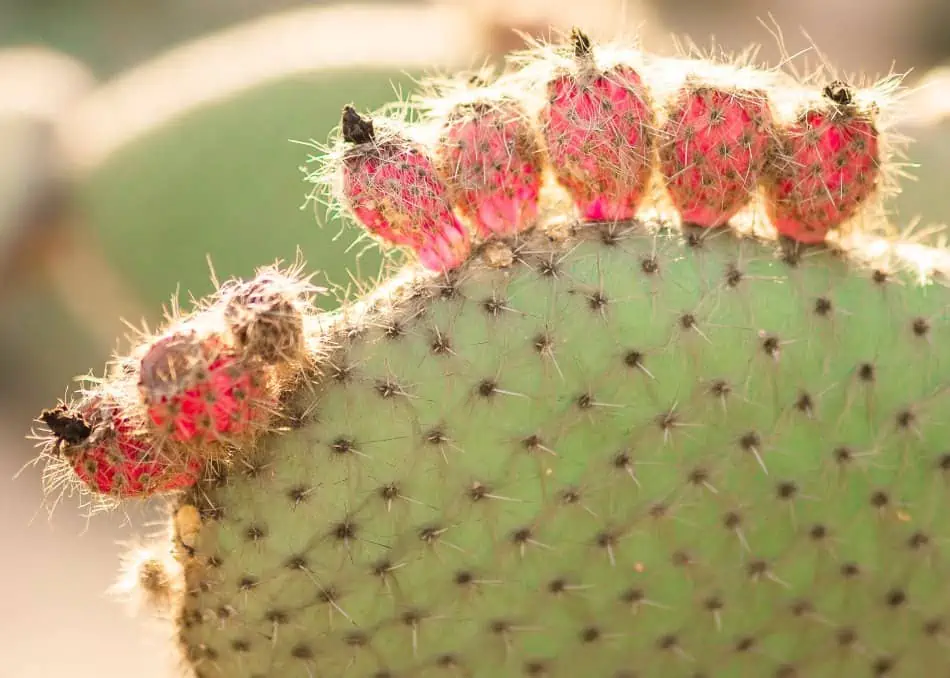
A fruit bearing cactus.
Prickly pear cacti family referred to as Opuntia can live well in a cold climate conditions

The Opuntia species usually come in a wide range of sizes, shapes, and colors. They grow close to the ground and have flowers that can be red, yellow, or bright pink.  

Two of the toughest cacti species in the Opuntia family are Opuntia fragilis that can survive temperatures as low as -35oF and Opuntia Poryapantha that can withstand temperatures as low as -25oF.

The Opuntia compressa species is also cold-hardy and does well in most parts of the United States and Canada. Its juicy red fruits are also edible. The other types of cacti species that are cold-hardy include Cylindropuntia, Corynopuntia, Escobaria vivipara, and Echinocereus.

However, growing cold-hardy cacti plants doesn’t mean that you’ll stop taking good care of them during the winter season. You’ll still need to find ways of protecting them from extreme weather conditions.

Moving Indoor Cacti Plants to Outdoors

For many gardeners who do not enjoy the luxury of keeping their cacti plants outdoors throughout the year, spring is always the best time to start moving your indoor plants outdoors.

This is the best time to take advantage of the growth spurt you can get from the relatively strong sunlight and heat. The strong sunlight wakes up the plant’s immune system and initiates growth.

Moving indoor cacti plants outdoors also helps to expose them to better airflow, which allows the roots to dry up quickly. However, if you do not manage the transition properly, you can end up ruining your cacti plants’ aesthetic appeal.

Depending on your cactus collection, that can potentially mean hundreds or thousands of dollars in cacti damage. 

So, how are you supposed to manage this transition? Well, you need to carry out an acclimatization session to help your plants slowly get accustomed to the outdoor conditions.  Let us take a look at the acclimatization process.
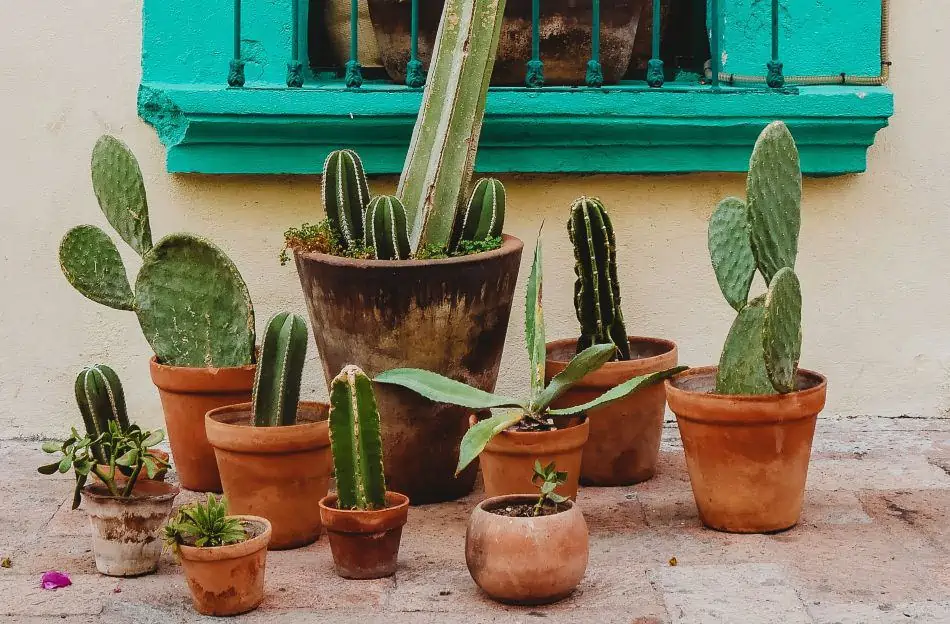
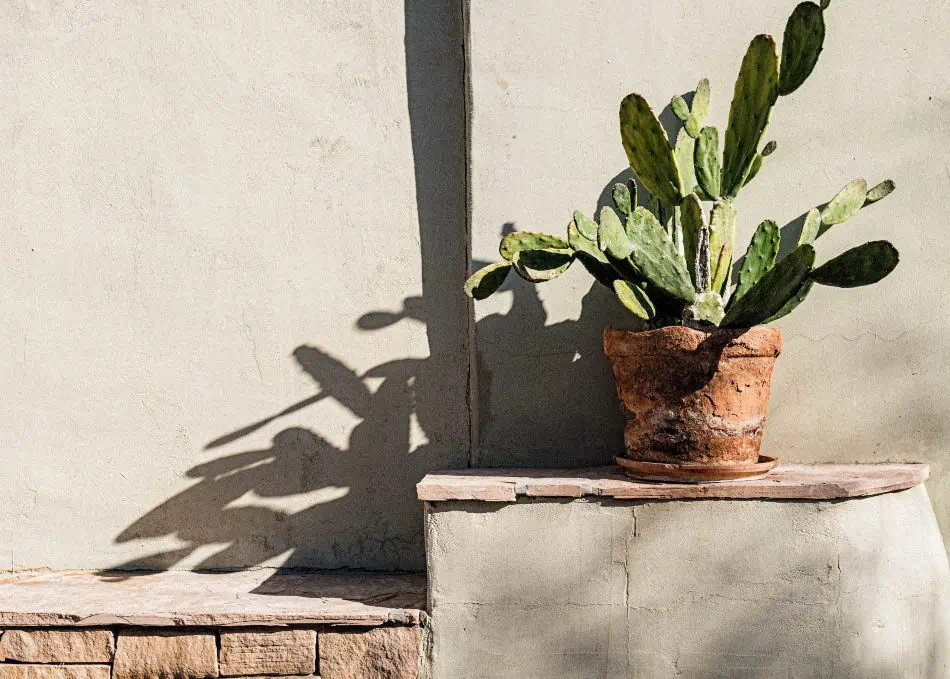
Cactus on a clay pot in a outside.
Spring is always the best time to start moving your indoor plants outdoors

Acclimating Indoor Cactus Plants to Outdoor Conditions

Many gardeners commonly misconceive that cactus plants can handle any amount of sunlight without any problems. After all, they grow in deserts where the strongest sun occurs. How can the minimal springtime sun harm them? Well, there are two critical factors you need to keep in mind.

First, you need to understand that the sun outdoors, even if it is under a shade, is much stronger than even the brightest indoor lights. While you may feel like the indoor lights are brighter, the energy output is much greater outdoors.

After all, we are talking about the sun here. Therefore, any move from indoors to outdoors is a move to more light intensity, and you need to manage that transition carefully.

The other factor you need to keep in mind is that although cacti plants have an incredible ability to handle intense sunlight, this capability must be turned on. The wild cacti have been outside their entire lives, so the level of sunlight they are used to is pretty the same throughout the year.  

Most likely, they never reach the level of darkness that your indoor cactus plants experience. Although there may be variations in seasons, the change is usually gradual. Wild cacti plants do scar but not to the level that may happen if you neglect to acclimatize your indoor plants before bringing them outside. 

Cactus exposed to sunlight outside.
Start with minimal exposure to sunlight and gradually increase it over time.

When you expose a cactus plant that has been indoors throughout winter to sudden sunlight, it can severely burn in a matter of few minutes. The burnt spots will discolor and eventually dry out, leaving behind an unsightly rough texture. These scars are permanent.

The overall concept of acclimatizing your indoor plants before moving them outside is pretty straightforward. Start with minimal exposure to sunlight and gradually increase it over time until you eventually position your plants to your desired spot.

While this might sound simple, it can be hard to implement depending on the size of your cacti collection.

If you have a lot of cacti, consider grouping them in bins or crates so you can move them easily. Instead of moving back and forth with only one plant at a time, you can always carry several of them at once.

Essential Tips for Taking Cacti Plants Outside

The secret to migrating your plants from indoors to outdoors successfully is to start early when sunlight is still at a lower intensity. But, you also want to make sure you do so after the extremely low winter night temperatures rise securely above the freezing point.

Find a shady spot at the back of your yard and move them there. Keep a close eye on them, and if you notice any abnormal changes in their appearance, be sure to return them indoors. You can give them some time indoors before you initiate the movement again. 

Here are a few tips to help you throughout the process:

Watering

The watering routine tends to change in summer, especially when you decide to take your plants outdoors. The most important thing to keep in mind is that your cacti require more water in summer, the relatively hot weather conditions cause water to evaporate more quickly and two, this is an active growing season for your plants. You will still need to follow the recommended guidelines while watering your plants. Move your plants outside first before watering them to make them less heavy, and the whole process less messy.
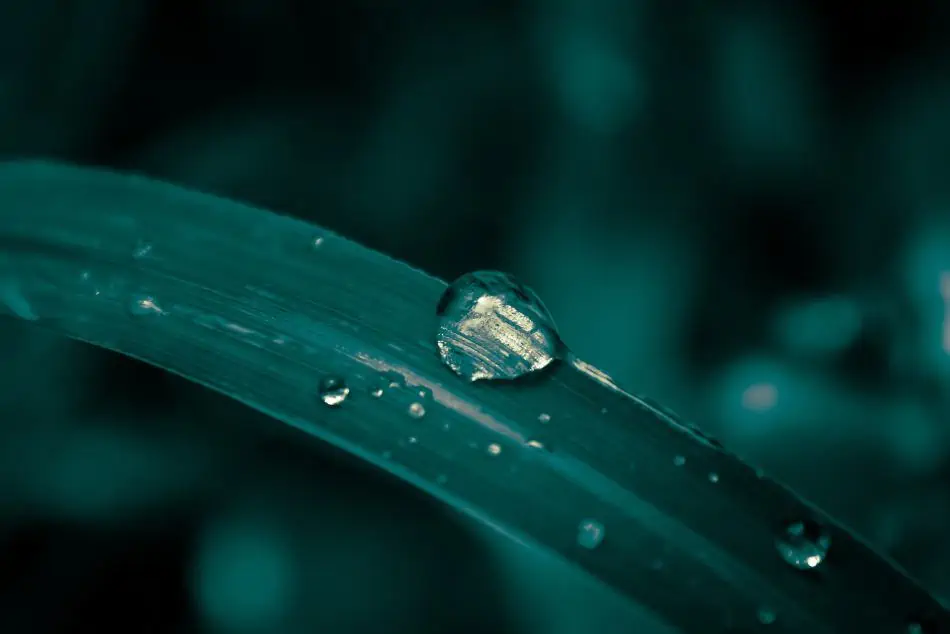
A water droplet on a leaf.
Keep in mind is that your cacti require more water in summer

Fertilize

Spring is always a great time to fertilize your cacti plants. At this time, most of them are just coming out of dormancy, and they are ready to grow.

Therefore, giving them a little more food will help them produce new offshoots and regain their aesthetic color pretty quickly. Be sure to use the right type of fertilizer that can help you achieve better results before fall kicks in.

Primp your plants

It is always good to primp your cacti plants and give them some good grooming before you move them outside. Prune any dead matter and aerate the soil properly. This will encourage new growth, prevent pests, and make your plants look great.

Repot if necessary

If your cacti plants grew much larger over the winter season, or if you have had some plants sharing the same pot, consider repotting. Dump out the old soil and also remove as much soil from the roots as possible.

Clean your pots thoroughly with soapy water and then rinse them before replanting your plants with new soil. If your cacti plants have been growing in the same pot for some time, they will appreciate the new soil and clean environment.

Watch out for bugs

Mealybugs love cacti plants and other fast-growing succulents. Always keep a close eye on your plants for these nasty bugs once you move them outdoors.

Ants tend to spread Mealybugs from plant to plant pretty fast. You can kill these bugs by pouring alcohol on them.

Snails and slugs love cacti and other succulents and may destroy your plants completely if you don’t manage them. Raccoons, dogs, birds, and squirrels also love playing with succulents. Be sure to find ways of keeping these animals away from your plants.
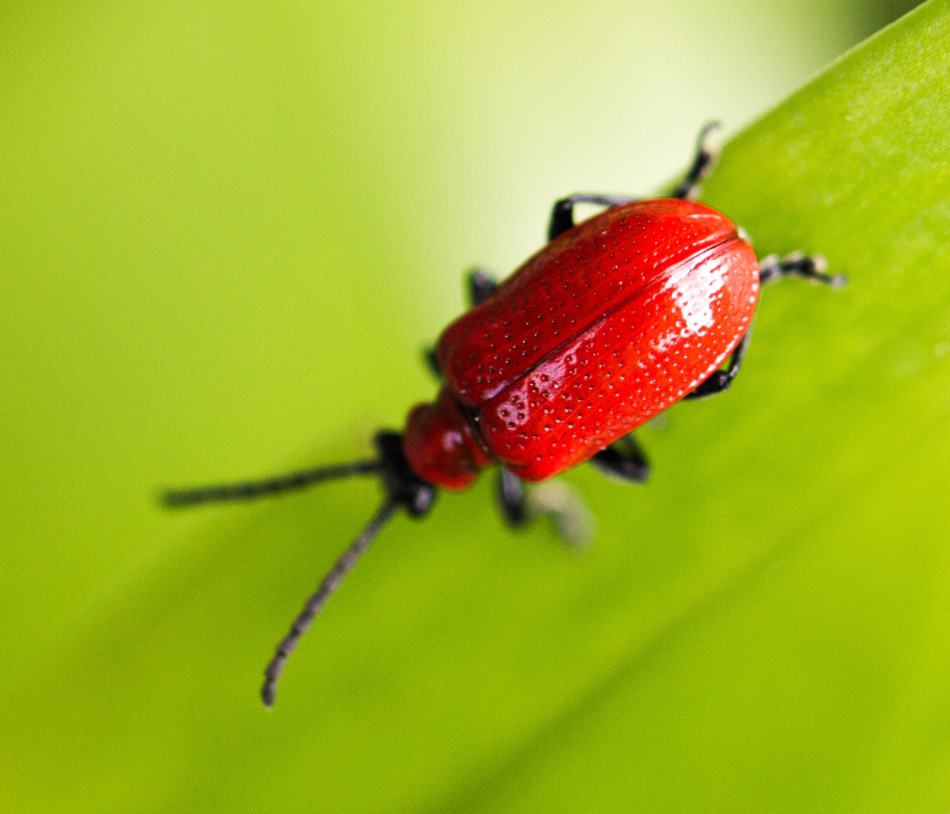
A mealybug.
Snails and slugs love cacti and other succulents and may destroy your plants completely if you don’t manage them

Final Word

Taking your cacti plants outside can help them thrive. However, the migration process can be a little bit tricky and may result in excessive damage if you don’t manage it well.

As you bring your plants outdoors, keep everything we have highlighted here in mind. Nothing can be frustrating as killing your precious plants as a result of not paying attention to their needs.
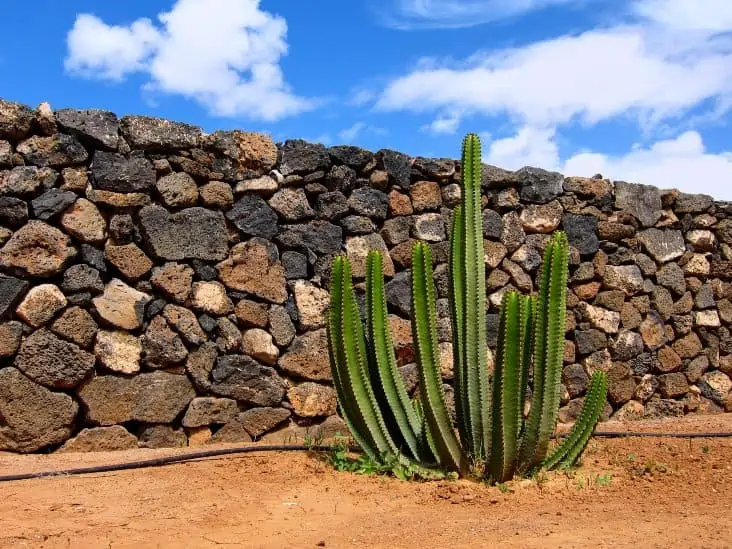

What Temperature Is Too Hot For Cactus?

While cacti plants are known to be drought-tolerant plants, it doesn’t necessarily mean they love excessive heat. Like any other living thing, there are a lot of factors that come into play with the amount of heat that these plants will tolerate. Depending on where you live, the summer heat can be quite high and too excessive for your cacti plants.

So, what temperature is too hot for cactus?  Well, the amount of heat that a cactus plant can tolerate will depend on its species. While others thrive in full sunlight and will tolerate extreme heat conditions, other species may need protection from the intense heat.  Generally, most cacti plants will do well when kept in temperatures between 45oF -85oF (7oC-29oC). Some cacti species won’t thrive in temperatures above 90oF.

In this post, we discuss the optimal temperatures ideal for growing cacti plants, how to take care of your plants during the hot summer season, and how to know if your plants have been exposed to excessive heat. Read on to find out everything you need to know about cacti plants and high temperatures.

What Is the Optimal Temperature for Cacti Plants?

To answer this question comprehensively, you need to understand your cacti species and its origin. This would help you establish its temperature requirements pretty quickly.  While some plants are cold hardy and will survive hot temperatures as well, others won’t survive extreme cold or heat at all. 

Some cacti species are well adapted to do well in full sunlight and will tolerate extreme heat conditions whereas others will need full protection from intense heat. However, a majority of cacti species need warm weather to survive.

A thermometer.
The ideal temperature for most of the cacti is anything between 45oF and 85oF (7oC-29oC)

Therefore, the ideal temperature for most of them is anything between 45oF and 85oF.  During the relatively dormant months in fall and winter, anything between 45oF and 55oF will do fine. Temperatures below this point can lead to severe irreversible damage to your plants.

It is also good to note that in deserts (natural habitat for most cacti plants) temperatures tend to fluctuate daily as much as 68oF to 77oF (20oC-25oC) each day. Sometimes, the extreme maximum temperatures in this habitat range from 109oF to 120oF while extreme minimum temperatures can sometimes drop to -18oF or even -0.4oF.

Having adapted to such extreme temperatures, many cacti plants will easily tolerate low night temperatures as long as they are kept dry and receive a sufficient amount of warmth and sunlight during the day.

The Overall Impact of Temperature on Cacti Plants

As mentioned earlier, cacti plants tend to do well in temperate climates with temperatures ranging between 45oF and 85oF (7oC-29oC). However, gardeners can sometimes expose their plants to extreme temperatures causing unnecessary stress in their plants.

While high temperatures of between 85oF and 90oF can sometimes help maintain the deep colors for many cacti species, you need to be careful when trying out this experiment.  Even in normal temperatures, you can still achieve excellent colors as long as you water your plants properly and provide them with the right type and amount of fertilizer.

A sunburned cactus,
A combination of extremely high temperatures and full sun exposure can cause sunburn to your cacti plants.

Keep in mind that extremely high temperatures can cause severe harm to your plants. In fact, avoid exposing your cacti plants to anything beyond 90oF unless you are 100% sure such high temperatures are ideal for your cacti species.

During the hot summer season, a combination of extremely high temperatures and full sun exposure can cause sunburn to your cacti plants damaging the spines, stem, and root system. During the hottest hours of the day (when the temperature is too high), consider relocating your plants to a shaded area or cover them with a shade cloth. 

If you live in a region that is extremely hot during summer, consider planting your cacti directly into the ground instead of plant pots because the ground soil temperature tends to stay relatively constant despite any changes in weather.

If you must plant your cacti in containers, go for container materials that are great at insulating your cacti plants against sudden fluctuations in temperature. These materials include ceramic, terracotta, wood, and concrete. Avoid metallic and glass containers.

How Are Cacti Plants Adapted to Hot Temperatures?

Cacti plants are succulents adapted to survive in hot and dry conditions. They have several features that enable them to do this.

These plants have fleshy stems and leaves that store water for prolonged periods. This helps them to survive long periods without water.

They have a waxy coating on their leaves and stems that helps to prevent water loss. The waxy coating also reflects some of the harmful ultraviolet rays from the sun.

They have a shallow root system that helps them to absorb any water available quickly. Since they are typically found in habitats with little or no shade. This means they have to adapt to survive in direct sunlight.

They have spines instead of leaves. This helps minimize water loss by reducing the surface area exposed to the sun and wind. They often grow in clumps, providing protection from the sun and wind.

When Are Cacti Plants Most at Risk from Heat Damage?

Cacti plants are most at risk from heat damage during the summer months when the temperature is highest. This is because they suffer massive water loss due to evaporation.

They are also at risk during periods of drought when there is little or no water available for the plant to absorb.

However, it doesn’t matter how well adapted a cacti plant is to hot conditions; if the temperature gets too high, it can still be damaged.

Signs of Too Much Heat and Sunlight (Sunburn)

Typically, it doesn’t take long before your cacti plants start showing signs if they have been stressed from too much sunlight or intense heat. When your plants are getting the right amount of sunlight, they will often change colors or “blush” which is a beautiful transformation to see.

However, if they are exposed to too much heat and sunlight, the stems and spines will start to burn. With time, you may begin to notice pale or white patches on the stems and spines. The sad thing is that this damage is irreversible.

The only thing you can do to salvage the situation is to cut off the areas that have started turning dry and black. The black spots will mostly begin to form on the outside edges of your cactus plant, and it will be dry and crispy. This is in contrast to the blackening that may occur as a result of root rot which starts in the middle of your cactus plant and feels wet and mushy.

If you have moved your plants to a shady area, but they are still experiencing hot temperatures, you may notice a yellow/golden color start to appear. The plant won’t turn completely black as it would with direct sunburn, but the colors will still look warmer or a little bit more yellow than usual.

This will generally go away with time, or your cactus plant will revert to its original color if you move it to a much cooler environment.

A sun on a red sky.
If cacti are exposed to too much heat and sunlight, the stems and spines will start to burn

Protecting Your Cacti Plants from Sunburns

If you realize that your cacti plants have been affected by excessive heat and sunlight, then you need to take the right steps to protect them from any further damage. Even though the marks are permanent, the good news is that as your plant grows, the damaged parts may be covered. 

Furthermore, if you can manage to catch the problem before the epidermis is scorched, then you might be able to save the poor plant. Here are a few tips to help you:

Move your cactus plant away from the sun

Obviously, the first thing you need to do to rescue your plant from any further damage is to get it out of the hot sun. If you notice any yellowing or shriveling on your cactus and it is still exposed to full sunlight, move it indoors or to shade.

Cactus with dog figurine.
If your cactus plant has suffered sunburns, then it just got a lot weaker.

It doesn’t matter even if you have to move it in and out every day; your primary objective is to save it. However, this is only feasible if the plant is potted, and the size of the container is physically possible to move.

Use a shade cloth

If you have a relatively large cactus plant that you can’t move because it is planted in your garden then try to use a shade cloth to protect it from any further sunburn. Cover it during the hottest part of the day and be sure to uncover it when the temperatures cool.

 Water your plants consistently

If your cacti plants are showing signs of being stressed due to too much sunlight, there is a good chance that the plant will hibernate into dormancy.

This means that it will go into a stage where it won’t be growing for some time. During this period, you want to keep your plant hydrated but be careful not to overwater it. Closely monitor soil dryness and only water it when the soil is completely dry.

Protect your plant from diseases

If your cactus plant has suffered sunburns, then it just got a lot weaker. This makes it more susceptible to infections and pest infestation.

Carefully check for bugs and ants that may cause more harm than what the sun has already done. Be sure to spray and treat your cacti plants if they show any signs of diseases or bug infestation.

Do All Cacti Plants Need Bright and Direct Sunlight?

The simple answer to this question is no. Not all cacti species need bright and direct sunlight to survive. Some cacti species will only thrive in bright but indirect sunlight since full exposure to the sun can cause severe damage.

For instance, Rhipsalis, which is a genus of the epiphytic cacti, won’t do well when exposed to bright and direct sunlight. Instead, this group of cacti plants prefers shade since they have their natural habitat in the tropical rainforests. There are over 35 cacti species in the Rhipsalis genus with one of the most common ones being the Rhipsalis baccifera (mistletoe cactus).

On the other hand, some cacti species, especially those from genus mammillaria prefer bright light but are also fine with partial exposure to direct sunlight. You will find the globe and nipple cactus in this category.

It is also good to keep in mind that even those cacti species that thrive in bright and direct light might need a period of rest without much sunlight. Therefore, make sure you transfer them to shade for a few hours every day of the hot season.

Plants exposed to sunlight.
Some cacti species will only thrive in bright but indirect sunlight since full exposure to the sun can cause severe damage

Can Cacti Plants Survive Too Much Heat?

The truth is that cacti plants are highly tolerant plants that can survive in various conditions. However, they are not indestructible and can be damaged by excessive heat, just like any other plant.

It is important to remember that while cacti plants can tolerate hot temperatures, they still need some protection from the intense heat of the midday sun. They will also need to be watered more frequently in hot weather.

If you are growing cacti plants in an area with very hot summers, choosing a species known to be tolerant of heat is important. Some heat-tolerant cacti plants include Opuntia ficus-indica, Ferocactus wislizenii, Echinocactus grusonii, and Lophocereus schottii.

It is also important to provide some protection from the intense heat. This can be done by planting the cacti in an area that receives some afternoon shade or by growing them in containers that can be moved into a sheltered area during periods of extreme heat.

Final Thoughts

While a significant number of cacti species will survive extreme heat, it is always good to keep them in a cool and shady area during the hottest days of summer to avoid sunburns.

If you have cacti plants planted in containers, you need to keep in mind that they are going to heat up relatively faster than those planted in the ground.

We hope this guide has provided you with valuable information you need to know when it comes to taking care of your cacti plants during the hot season.

Does Cactus Need Direct Sunlight?

Does Cactus Need Direct Sunlight?

Cacti plants are widely known for their drought-resistant nature and good water storage properties. This is the primary reason why they are referred to as desert plants. Since most of them do well in arid and semi-arid areas, gardeners usually assume that these plants require direct exposure to bright and intense heat to thrive. But is that the case? We shall find out in a moment.

Does cactus need direct sunlight? Most cacti species don’t need exposure to direct sunlight to survive. Just like other succulents, cacti plants will do well when positioned in places with good light and not necessarily direct sunlight. If you are growing your plants indoors, position them on a south-facing window to help them access bright light. If you are growing these plants outdoors, choose a perfect location within your garden with partial shade to help protect them from intense sunlight.

Depending on their place of origin, some cacti species cannot tolerate full and direct sunlight.  Such species tend to suffer from damage and sunburn if you don’t provide them with some form of protection from the intense heat. However, a few other species have developed a wide range of adaptations that help them handle direct and intense sunlight much better.

Read on to find out everything you need to know about exposing cacti plants to direct sunlight and how you can protect your precious little plants from potential damage.

Do Cacti Plants Need Exposure to Direct Sunlight?

Naturally, cacti plants tend to do better when they receive a lot of exposure to light, but they do need protection from intense heat and direct sunlight. Too much heat can cause severe damage to your plants.

Typically, prolonged exposure to direct sunlight can result in sunburn damage leading to permanent scarring or even death.  To prevent this from happening, it is always good to slowly acclimatize your plants to the intense sunlight before full exposure. 

Cactus plant exposed to sunlight outside.
Cacti plants tend to do better when they receive a lot of exposure to light, but they do need protection from intense heat and direct sunlight

Start by positioning them to partial shade and slowly introduce them to more and more sunlight until they are fully acclimatized to the sun and heat. You can start by exposing them to the morning sun, which is less intense and slowly works your way to the more intense afternoon sunlight.

You can also position your cacti under the shade of other tall plants before moving them away and exposing them to direct sunlight.

The primary target here is to increase sun exposure gradually to avoid shocking the plants and causing sunburn or permanent scarring.

Keep in mind that shade-loving cacti species such as Mistletoe Cactus and the Easter Cactus and newly propagated plants are more susceptible to sunburn and permanent scarring. However, grey, red, or blue cacti plants covered with a lot of spines tend to do well under direct sunlight.

Sun-hardy cacti-species that have been accustomed to growing indoors are also susceptible to sun damage and sunburn when moved outdoors abruptly.  Therefore, it is always good to find ways of acclimatizing the plants to intense heat slowly before you position them under direct sunlight.

Newly propagated or young cacti plants won’t do well under direct sunlight. Give them some time to mature before you can start to position them under direct sunlight.

Since different parts of your outdoor spaces get hit by direct sun rays at different times of the day, it might take some trial and error to determine which location will suit your cacti plants best.

Some of them may respond well to the morning sun while others may respond well to the intense afternoon heat.

Monitor them carefully under different circumstances to see how they respond to the different heat intensities.

How Many Hours of Sunlight Do Cacti Plants Need?

Typically, most cacti species need at least four to six hours of sunlight to thrive. These plants love being in bright and sunny locations. Plants that don’t receive sufficient exposure to light may exhibit a wide range of signs.

Perhaps, the most common sign that your plants aren’t receiving adequate light is etiolation/elongation. This is a process whereby plants stretch to seek more light. While it may seem like an excellent self-adaptation mechanism, etiolation produces weak stems and may result in poor growth.

Cacti plants that do not receive sufficient exposure to light may also become pale or revert to their original green color. On the contrary, plants that receive adequate exposure to light demonstrate their true beauty by showcasing a wide range of vibrant colors.

A girl looking at her plants on the window.
If you are growing your plants indoors, position them on a south-facing window to help them access bright light

Can Cacti Plants Receive Too Much Sun?

The simple answer to this question is “yes.” Too much sunlight is what causes sunburn and sun damage in cacti plants and other succulents. The unfortunate thing is that sunburn may happen pretty quickly during a heatwave or when the temperatures soar so high. Sometimes, the process can also occur gradually.

The first sign of sunburn is the appearance of brown/yellow spots on the surface of your plant. Fortunately, if you realize signs of sun stress early, the effects can easily be remedied to avoid further damage to your plants. 

Sunburned cactus.
The first sign of sunburn is the appearance of brown/yellow spots on the surface of your plant.

Simply relocate your plants to a shady area or position them next to other taller plants for protection from excessive sunlight.  If you don’t do anything even after realizing signs of sun stress, some cacti plants will fry to a crisp and eventually die.

Some species may toughen up, adapt to the intense heat and survive the heatwave. Don’t take any chances; make sure you provide your plants with sufficient protection when temperatures start to soar.

Can Cacti Plants Survive without Sunlight?

So, the next question you must be asking yourself is whether your cacti plants can survive in low light conditions. Well, the truth is that cacti plants, just like any other plant, need sunlight to survive. The light energy absorbed is used to trigger chemical reactions that help the plant produce food and energy.

However, cacti plants can still survive in low light conditions for some time. After a few days of insufficient exposure to light, your plants will start to show signs of stress such as etiolation and stunted growth. They will also lose their beautiful vibrant colors and appear pale.

When given too much water and little exposure to light, cacti plants may succumb to root rot. If you don’t take appropriate measures to correct the situation, the plant will start to rot from the roots up and eventually die. In fact, when root rot starts to set in, it can be quite difficult to save your plant from death.

How Can You Keep Your Cacti Plants Alive during Prolonged Heatwaves?

With the effect of climate change, weather extremes are quite common in different parts of the world. Some regions experience extreme heatwaves that can easily cause harm to succulents. Heatwaves, especially during summer, can be challenging to deal with, given that they can last for days or even weeks.

Flowering cactus.
Move them to shadier spots of your garden and if possible, take them indoors.

You risk losing your plants if you leave them unattended during this period. So, what can you do to protect your cactus from the stress and potential damage? Here are some of the things you can do to protect your plants during this period.

Provide your plants with shade

One of the best things you can do during such a period is to prepare ahead of time.  If you anticipate a heatwave in the coming days, find good shelter for your young, smaller, and fragile cacti plants.

Move them to shadier spots of your garden and if possible, take them indoors. The taller, mature, and bigger plants that are accustomed to the outdoor heat may be fine, but you should still monitor them closely.

If you have planted your plants in the ground or in beds, then consider covering them with a shade cloth since you cannot move them.

Avoid repotting

This might not be the right time to repot your plants. Remember the fact that repotting even a mature and well-established cactus plant introduces a lot of stress to it. Therefore, doing it at a time when the temperatures are too high will only make things worse. Wait until the heatwave has subsided and temperatures dropped back to normal before you start to repot your plants.

Do not fertilize

Fertilizing your cacti plants can help them thrive and grow fast. But, you need to know the right time and season to fertilize your plants.

Preferably, you should only fertilize your plants during spring when they are actively growing. During a period of a heatwave, your plant’s main focus is to survive and not grow. So introducing extra nutrients to the plant during this time can only cause more damage than good.

Cactus plants in a pot.
Cacti plants tend to thrive when located in areas that receive plenty of bright light, but not direct sun

The Bottom Line

Cacti plants tend to thrive when located in areas that receive plenty of bright light.  However, this doesn’t mean exposing them to direct sunlight. Some cacti plants are prone to sunburns and sun damage when positioned under direct sunlight.

If you live in the northern hemisphere and grow your plants indoors, consider placing them on south-facing windows which are a good position that provides excellent access to sunlight.  The optimum amount of sunlight required largely depends on the cacti species that you are growing. For instance, while Rhipsalis cactus does well in shaded areas, Echeveria will only blossom when positioned in bright spots.

How Often Does A Cactus Flower Bloom?

Generally, cacti are flowering plants. Therefore, almost every type of cactus species is capable of flowering when it is mature and in the right conditions. Whether or not your cactus plant blooms will largely depend on its age and the care you provide. While some cacti plants bloom at a relatively younger age, others won’t flower until they are at least 30 years old.

So, how often does a cactus flower bloom? Typically, cacti plants bloom at least once a year, although wetter years may lead to more flowering periods. Most cacti species flower in spring when the weather conditions are near perfect. The greatest diversity of spring-flowering cacti species can be seen in April. Some also stretch into May with some species such as the prickly pears cactus blooming well in early May. Saguaros tend to flower from mid-may to mid-June.

In this article, we provide you with valuable information you need to know about flowering in cacti plants. Get to learn when to expect your cacti plants to start flowering, how to create the right environment to stimulate flowering, and much more. Read on to find out everything you need to know.

When Do Cacti Plants Flower?

A significant number of cacti plants have a unique sculptural quality to them. Cacti flowers are gorgeous and come in a wide range of striking colors. In fact, you shouldn’t be surprised to see several colors in one cactus flower.

Most cacti plants flower in the spring, during the day. However, a few species will bloom in summer during the night.

Here is a breakdown of when and how cacti plant flower:

A old lady cactus flowering.
The greatest diversity of spring-flowering cacti species can be seen in April.

Spring Bloomers

After resting all winter and being confined to a state of dormancy, most cacti plants will spring back to life once the warm weather kicks in. With the light spring rains and warm weather, everything is set for another flowering season.

At that time, temperatures are not yet excessively hot, so your cacti plants are in a better position to put on a fantastic floral show. Even when there is insufficient rainfall, they will use the water stored in their stems to flower.

In some parts of North America, these plants will start to flower as soon as March, with April being the peak flowering month. In May, the prickly pear cactus shoots into life and starts to put on its floral show.

A small cactus flowering.
Most cacti plants will spring back to life once the warm weather kicks in

Summer Shows

Not all cacti plants flower in spring. Some of them will wait until summer to start flowering. Cacti plants that bloom in the hot summer temperatures are generally the large growing species that store a lot of water in their stems.

The water stored in their stems helps them to flower easily, even when daytime temperatures soar to extreme highs.  Saguaros are known for their habit of flowering in summer. These impressive cacti plants that can reach up to a height of 60 feet tall when fully grown won’t start flowering until they are at least 40 years old.

The Carnegiea gigantea (a type of Saguaro), which grows to a height of up to 50 feet tall, usually starts to flower in mid-May to mid-June when the temperatures are so high. 

The heavily-bodied barrel cactus is another type of cacti that blooms from spring to summer. This type of cacti produces orange, bright red, or yellow flowers depending on the species. For instance, the Fishhook barrel cactus, which is the most common type of barrel cacti, produces yellow flowers.

Night Bloomers

Some cacti plants also flower at night, which helps the plant to conserve water during the hot season. The Peruvian cactus is a good example of a cactus plant that blooms at night. Its trumpet-shaped flower usually features a sweet fragrance and is approximately five inches in diameter.

The cereus is another common type of night-blooming cactus. It produces white flowers on its flattened stem in both spring and summer.  A lot of people love the cereus for its oval, red fruit known as the dragon fruit.

A flowering cactus.
Some cacti plants also flower at night, which helps the plant to conserve water during the hot season

The Christmas Cactus: A Special Type of Cactus

The Christmas cactus is perhaps the most common type of cacti grown worldwide. The Christmas cactus announces its flowering season through its name. With its flat and leaf-like stem, the Christmas cactus is known to bloom in December just around the Christmas period.

This cactus species originated from the tropical rainforests of Brazil, but many hybrids of this precious succulent exist today.  Depending on conditions and your region’s climatic conditions, a Christmas cactus can produce white, red, purple, pink, or salmon-colored flowers.

When grown indoors, in order to flower at Christmas time, it requires cold nights and more than 13 hours of darkness throughout the day. It is commonly referred to as the Thanksgiving Cactus because it can easily be manipulated to flower in November instead of December.

Does Every Cactus Flower?

As mentioned earlier, cacti are flowering plants. This means that all cacti species can grow flowers when they are mature. The key to your cactus starting to flower is waiting for its maturity age and providing the right conditions.

Keep in mind that some cacti plants can take 30 or more years to reach maturity. Some species, such as the Saguaro, may take even longer to mature and start flowering. Other cacti species will not bloom even after maturity unless they get the right amount of light, water, and fertilizer.

Cacti plants grown indoors are notorious for not flowering since they do not get the right balance of light and darkness. Typically, the time it will take your cactus plant to flower depends on its size.

A golden barrel cactus flowering.
All cacti species can grow flowers when they are mature.

Giant cacti plants, such as the Saguaro, may take up to ten times longer to reach maturity compared to the small size plants. Below are the three common cacti shapes and their flowering behavior:

Columnar Cacti

The tall-growing columnar cacti usually take many years before they flower for the first time if grown from seed. However, if you root a branch from a mature and already-blooming columnar cactus, the new plant will keep flowering once it is separated from the mother plant and rooted.

Unfortunately, some types of columnar cacti such as the Carnegiea gigantea (Saguaro) have branches that won’t root. Therefore, it can only be grown from seed with a 30-40 year wait period before it starts flowering.

Some columnar cacti plants produce their first flower after 10-20 years and can live outdoors throughout the year. Some good examples include the Peruvian Cactus that produces glittering white flowers and the Senita Cactus that produces pink flowers.

The good thing is that those columnar cacti are still effective landscaping plants even without the flowers.

Round Cacti

Some of the best flowering cacti plants are from this category. Many of them can start flowering as early as three or four years after sprouting. Two of the most popular cacti plants in this category are the Pincusion Cactus and the Rebutia Cactus.

Both of them produce beautiful flowers once they reach maturity. The flowers come in a wide range of colors, including green, orange, purple, pink, magenta, white, and red.

 Although a majority of cacti plants in this category are round when young, most of them tend to elongate to small columns upon maturity.

A round vavti flowering.
If you are growing your plants indoors during the winter season, try to position them in the coolest spot

Short-Stem Cacti

Short columnar cacti with stems typically start to bloom within five years after maturity. The Easter Lily Cactus, Peanut Cactus, and the Hedgehog Cactus are three of the most popular examples of short-stem cacti.

The Easter Lily Cactus produces huge funnel-shaped flowers in red, magenta, pink, lavender, and white.  Its stem is two-three inches long covered with numerous spines. The cactus mostly crawls on the ground and produces abundant flowers after reaching maturity.

How to Get Your Cacti Plants to Bloom

So, what are you supposed to do if your mature cactus doesn’t show signs of flowering? Well, you will want to ensure that the conditions are right.

First, if you are growing your plants indoors during the winter season, try to position them in the coolest spot. While you may be tempted to find them a warm place, the truth is that these plants do require a chilling period to get ready for flowering. If your plants are outside in the cold, find a way of keeping them dry all the time.

Do not water them during the period of dormancy and wait for signs of growth before you resume watering. This will encourage flowering. If you have not positioned your plants in a full sunlight position, do so but only expose them to the morning sun. Move them to shaded areas in the afternoon.

Gradually acclimatize your plants to the sun to avoid sunburns. You can start by exposing them to the sun for one or two hours a day and increase the frequency weekly until your plants are getting between four to six hours of sunlight every day. Consider using artificial lights if there is no sunshine.

Once you start watering again, consider feeding your plants with small amounts of high phosphorus fertilizer as well. Use the fertilizer at half strength after watering. Pay attention to your fertilizer because nitrogen fertilizer is not suitable for cacti plants and other succulents.

As long as you do everything right and your plants have reached a maturity stage, it won’t be long before you start to see the beautiful flowers sprout.

Summary

Most of us tend to bring our cacti plants indoors during winter and cover them to protect them from the freezing temperatures. While this is necessary for extremely cold areas, by doing so, you may also be creating conditions where your plants won’t flower.

Too much heat, overwatering, and not finding the right balance between darkness and light can all result in your cacti plants not flowering.

We hope the information we have discussed here will help you find ways of ensuring your cactus blooms when its right comes.

Can A Cactus Live Without Sunlight?

If you are new to cacti plants, you might be wondering if they can really survive without sunlight. After all, these are desert plants, and you might be tempted to think that you are doing them a favor by keeping them away from sunlight. But is that the case? Probably not.

So, can a cactus live without sunlight? The short answer is NO. Cacti, just like any other plant, need sunlight to survive. Although these desert plants can survive for short periods without sunlight, they need exposure to lots of sunlight to thrive and blossom. Typically, a mini-cacti plant requires at least four hours of direct sunlight daily to thrive.

There are a few cacti species without spines that are pitched as low light plants. A good example of this type of cacti is the Christmas cactus. The problem is that if you don’t provide your cacti plants with sufficient sunlight, they will become thin, sickly, and may eventually die.

In this post, we bring you a complete breakdown of cactus light requirements and what you can do to achieve better results with your plants. Read on to find out everything you need to know.

What Does Sunlight Provide for a Cactus Plant?

Every plant needs sunlight because it plays a critical role in photosynthesis. This is the process of turning carbon dioxide and water into sugar; the plant’s primary energy source. Sunlight also helps your cactus with blooming and growing healthy stems, flowers, and roots.

Whether you’re planning to get an Old Man cactus, prickly pear cactus, Christmas cactus, or whatever desert cacti you wish to have, ensure that they have enough direct sunlight.

Sunlight also provides warmth. This ensures that the plant can access essential nutrients from the soil. During winter, the little sunshine received helps to keep the cactus warm and healthy, even when it’s snowing most of the time.

Additionally, sunlight helps in maintaining a succulent’s aesthetically appealing look. With sufficient exposure to natural light, your cacti will be lush green and bright colored. It also helps keep a good balance of water and moisture in the plant’s cells.

Succulents are unique plant species because they require varying degrees of sunlight. Most of their chemical conversions usually happen in low light and are only completed when the plant has access to enough light.

This is part of the plant’s survival mechanism since it allows it to store carbon dioxide and only complete the process of photosynthesis when there is enough light.

How Much Light Does a Cactus Plant Need To Thrive?

Light (whether sunlight or artificial light) is a funny thing since you cannot measure it. While you can add two tablespoons of fertilizer to your potting soil or pour one cup of water on your plant, you cannot say that I have given my plant 10 lbs. of natural, free-range light.

Therefore, the best approximation we have when it comes to light is to measure the duration. So, a good question would be; how long should your cacti plants be exposed to light each day?

Well, the simple answer is that all succulents, including cacti, need between 10-14 hours of light every day. Here, we are assuming that we are not talking about the shad-loving cacti plants because they would easily fry if you expose them to light for such prolonged periods.

Cactus in the pot outside exposed to sunlight.
Such plants need to be exposed to light for only four to five hours each day.

It is also good to mention that some species of spiny cacti have developed distinct shapes to help minimize the amount of sunlight they need to survive. The spines are highly modified leaves that minimize the amount of water they lose through evaporation.

Such plants need to be exposed to light for only four to five hours each day, and they will be okay. Two critical factors affect light requirements for cacti plants. They are: 

Etiolation

This is a technical term used to refer to a state where your plants “stretch” or become “leggy.” Etiolation can happen in any type of plant, but it is highly noticeable in cacti and other succulents because these plants tend to be so compact.

The process occurs when your plant is not being exposed to sufficient amounts of light. Therefore, it reacts by proliferating (stretching) towards the light direction. The truth is that all plants will always know where light is coming from and how to get there as fast as possible.

While in etiolation, the plant will reduce the number of leaves (spines) it grows. During this process, it may appear weak and ugly. However, it is not unhealthy. As soon as it gets to the spot of light, the cactus plant will resume its normal growth and stabilize it.

Unfortunately, the effects of this process are irreversible. This means that once the plant has grown all stretched out, it will remain that way for the rest of its life. The only solution you have is to prune the etiolated part of the plant.

In most cases, the plant will resume normal growth once the wound has healed, and if you stick the prune section in some soil, it can start growing too.

Cactus outside exposed to sunlight.
All succulents, including cacti, need between 10-14 hours of light every day

Seasonal light differences

It is also pretty evident that the level of sunlight intensity varies greatly from season to season.  During summer, the days are pretty long, and sunlight intensity is pretty strong as well.

Most cacti plants tend to do well in these conditions. However, if you live in a region that is known for extreme summers, you may want to protect your plants from potential sunburn.

On the other hand, winter days are relatively shorter, with less intense sunlight. If your cacti plants slide into dormancy during this season, that will be much better. If not, then you might need to supplement the minimal natural light with more artificial light.

Some people rotate their plants indoors and outdoors as seasons change. This is a good idea as long as you know when to take your plants indoors or outdoors and how to acclimatize them to avoid damage.

How Does Dormancy Affect Light Requirements?

As mentioned in the previous section, cacti plants tend to slide into dormancy during the cold winter months. During this period, their rate of metabolism slows down, and they stop growing. Dormancy occurs because the freezing temperatures don’t provide optimal temperatures for chemical reactions. Therefore, the rate of photosynthesis slows down, which in turn affects plant growth.

Cactus near the wondow indoors.
Cacti plants require the dormancy period to produce seeds, fruits, and flowers.

However, this is a critical part of the plant’s life cycle. While you could artificially continue to provide sufficient exposure to light to trick your plant into thinking it is still summer, the effects can be adverse

Cacti plants require the dormancy period to produce seeds, fruits, and flowers. Therefore, if you trick the plant into thinking it is still summer, you may miss out on this vital phase.  While in dormancy, a cactus plant can still survive with minimal exposure to light.

Sunlight vs. Artificial Light: Which One Is Better for Your Cacti Plants?

This is a highly debated topic. In fact, we can write an entire book on this topic alone! However, the comparison is quite interesting, and a lot of science and personal preference comes into play while making a decision.

The truth is that neither natural sunlight nor artificial light is better than the other. There are situations when sunlight outshines artificial lights and vice versa. So, how do they stack up?

Sunlight

Natural sunlight is quite amazing because it is readily and freely available. You can simply position your cacti plants on your windowsill, water them, and they will still thrive. Isn’t it great?

Sunlight has always been there, and every living thing on earth is well adapted to handle its heat. Cacti plants and other succulents know how to harness their energy and used it to power a wide range of chemical reactions.

In fact, cacti plants were created to bathe in sunlight. They have a wide range of adaptations that help them to absorb different wavelengths of sunlight and protect themselves from the excessive heat. That is why you will never go wrong if you choose to expose your cacti plants to lots of sunlight.

A group of cactus exposed to sunlight.
Cacti plants were created to bathe in sunlight

What Kind of Sunlight Does a Cactus Need?

Cacti plants need natural sunlight to survive. If you do not expose your cacti to sufficient light, they will start etiolating and stretching out of shape.

Therefore, if you are growing a cactus indoors, ensure it is close enough to a window that receives plenty of natural light.

You can also use artificial lights such as LED and fluorescent bulbs to supplement the natural light for your indoor cacti.

As mentioned earlier, you must provide them with 6-10 hours of good-quality light each day for optimal growth.

Remember that too much sunlight can cause sunburn on your cacti plants, so be sure to monitor light levels and adjust accordingly.

How Can You Maximize on Natural Light Indoors?

Natural light tends to fade off as the day progresses. This natural cycle works well for indoor cacti plants. Typically, the morning to midday light is brighter and more intense. However, its strength fades off in the afternoon.

If you are in the northern hemisphere, position your cacti plants on south-facing windows for the best results. This way, your plants will have more hours of daylight, which enables them to thrive.

In regards to east and west-facing windows, the east-facing windows offer the best option because the sun rises in the east, and the strongest sunlight is in the first half of the day.  North-facing and west-facing windows are ideal for cacti plants that prefer partial sunlight.

While positioning your plants on a windowsill, consider external factors such as nearby buildings or trees that may cast a shade on the windows. Also, position your plants as close to the glass as possible.

Keep your window glass clean since dirt and accumulated grime tend to block a significant amount of light. If you run out of windowsill space, consider getting a hanger or windowsill shelf to accommodate the extra plants.

Artificial Lights

Natural sunlight is great, but artificial lights may help you when there is no sunlight for a prolonged period. In fact, if you are into cacti plants so much, there is a high possibility you ran out of windowsill space a long time ago. This means that all plants positioned far away from the window cannot receive natural light.

Furthermore, if you live in a region that experiences extremely colder winter seasons, you may want to bring your plants indoors and at least expose them to some light. If you bring your plants indoors and fail to provide them with sufficient exposure to light, they may etiolate or even die.

Artificial lights are also a great option when it comes to propagating since their intensity is quite low. In fact, specific light wavelengths can be used to encourage fruiting and flowering.

Unfortunately, artificial lights aren’t available freely. You will need to find the right bulb and pay your electricity bill to enjoy their benefits. Fortunately, the upfront cost is relatively low, yet it provides you with a lot of freedom when it comes to growing cacti plants.

Cactus lamp.
Cacti plants were created to bathe in sunlight

How Does Lighting Affect Flowering?

For cacti plants, timing is everything when it comes to flowering and fruiting. When the days are shorter, they produce more flowers and fruits.

That’s why when you keep your cacti plants indoors all year round, they may not flower as expected since there is no natural light that signals when the days are shortening.

Luckily, with artificial lights, you can easily manipulate the light hours. When you expose your cacti plants to more prolonged lighting hours, they will eventually flower and fruit.

To achieve this, you can use a timer that runs for 12-14 hours daily and turns off when it is time for them to rest.

Also, note that different cacti plants have different flowering requirements. For example, some species may require longer lighting hours than others to flower.

Summary

Cacti, just like any other plants, need sufficient exposure to light to thrive. If you don’t provide the right amount of light, your plants won’t bloom and may succumb to various infections. These plants require approximately 10-14 hours of light to thrive, but they can still do well with relatively less amount.

We hope this information gives you a good foundation for growing healthy cacti plants in your home.  Do you have a question or comment? We would love to hear from you in the comments section.

Is Cactus A Good Outdoor Plant?

Many gardeners believe that growing cacti plants outdoors is almost impossible or that these succulents can only do well in dry and hot areas. Fortunately, that is not the case. Cacti plants and other succulents make incredible landscaping plants. They can thrive in different climates, require little maintenance, and are always easy to grow and care for.

So, is cactus a good outdoor plant? Yes. While cacti plants tend to thrive in indoor environments, many varieties can also do well when planted outside. No matter the climatic conditions of the region where you live, you can always find an ideal cactus species that can thrive outdoors.

While some cacti species are adapted to intense light and heat, other varieties do well in cold-winter climates. Therefore, it is upon you to find the right species that will do well in your area.

In this post, we are going to discuss everything you need to know about growing cacti plants outdoors.  What is the process like? How do you find an ideal cactus species that will thrive in the outdoor environment? How do you take care of your cactus garden? Read on to find out everything you need to know.

Growing Cacti Plants Outdoors

The moment you decide to grow your precious succulents outdoors, make sure you choose a relatively sunny and sloppy location in your garden for better results. Planting cacti on a sloppy area allows for much better drainage, which is critical when cultivating these desert plants.

Also, depending on the type of cactus species that you have selected, make sure your beds are approximately 6-15 inches deep. The soil should be well-drained and specially formulated for cacti plants.

Santa rita cactus exposed to sunlight.
Make sure you choose a relatively sunny and sloppy location in your garden for better results.

You can either purchase the soil and mix it with your natural garden soil or mix it yourself using two parts sand, two parts potting soil, and one part gravel. You should also consider adding a moderate layer of mulch, such as pebbles, rocks, or a similar substance. 

Here are some more gardening tips to follow when planting cacti outdoors:

  • These plants don’t do well when they are allowed to sit in water. Keep in mind that you are dealing with a desert plant, so there is a need to avoid exposing it to excessive water. 

The best way to ensure that your garden is not waterlogged is to choose a sloppy area with good drainage. Adding a layer of mulch to the soil, as mentioned above, is also critical.

  • During the warm summer months, your plants may need frequent watering because the rate of evaporation is quite high. Always inspect the topsoil of your garden and consider watering your plants whenever you realize the soil is dry.
  • However, during the cold winter months, cut down on the number of watering sessions and only water your garden when you feel it is necessary. Some cacti species don’t need to be watered at all during the cold months until a new growth cycle starts in spring.
  • Sand mulch is always a great type of soil to use in your cacti garden since it allows water to drain away pretty quickly.
  • Allow sufficient space between cacti plants in your garden. You do not want to deal with an overcrowded garden since the risk of losing some of your plants will be too high.
A cactus outside exposed to sunlight.
During the warm summer months, your plants may need frequent watering

Which Climates Are Best for Growing Cacti Outdoors

Cacti plants are generally native to hot, dry climates. However, some cacti species are known to be quite tolerant of cold weather and can even survive in temperate climates.

When choosing a cactus for your landscape, it is important to select a species that can tolerate the climate in your area.

Some cacti species that do well in hot, dry climates include:

  • Saguaro (Carnegiea gigantea): This cactus species is native to the Sonoran Desert in Arizona and Mexico. It can grow to over 50 feet tall and has large, triangular stems.
  • Barrel cactus (Ferocactus spp.): There are different species of barrel cacti, all of which are native to dry regions of North and South America. These cacti have round or oval-shaped stems and can grow several feet tall.
  • Prickly pear cactus (Opuntia spp.): Prickly pear cacti are native to dry regions of North and South America. They have flat, oval-shaped stems that are covered in spines. Prickly pear cacti can grow to be several feet tall and wide.
  • Peruvian apple cactus (Cereus repandus): This cactus is native to Peru and Bolivia. It has a columnar shape and can grow over 20 feet tall. The Peruvian apple cactus has large, white flowers that bloom in the summer.
  • Easter lily cactus (Rhipsalidopsis gaertneri): This cactus is native to Brazil. It has a slender, upright stem and can grow several feet tall. The Easter lily cactus has white or pink flowers that bloom in the spring.

Some cacti species that do well in temperate climates include:

  • Mammillaria hahniana: This cactus is native to Mexico. It has a spherical shape and can grow to be about seven inches tall. The Mammillaria hahniana has white or pink flowers that bloom in the spring.
  • Coryphantha missouriensis: This cactus is native to the United States (specifically Missouri). It is cylindrical and can grow to about 12 inches tall. The Coryphantha missouriensis has yellow or red flowers that bloom in the summer.
  • Echinopsis chamaecereus: The Echinopsis chamaecereus cactus is native to Bolivia and Argentina. It has an elongated, cylindrical shape and can grow to about 18 inches tall. The Echinopsis chamaecereus has white or pink flowers that bloom in the spring.
  • Schlumbergera truncata: The Schlumbergera truncata cactus is native to Brazil. It has a flattened, stemless shape and can grow to about six inches tall. The Schlumbergera truncata has white or pink flowers that bloom in the winter.
  • Notocactus uebelmanniana: This cactus is native to Brazil. It has a globular shape and can grow to be about 6 inches tall. The Notocactus uebelmanniana has yellow flowers that bloom in the spring.

Crucial Steps to Growing Cactus Plants Outdoors Successfully

If you are planning to create a cacti garden in your backyard, then you need to learn how to do it right. Otherwise, you risk suffering significant amounts of losses if you do things in a hurry and without a proper plan.

Follow these steps if you want to grow cacti plants outside your house successfully:

  • Plant selection: The most crucial step to growing cacti plants outdoors successfully is choosing the right cacti species. Keep in mind that not every cactus species is well-suited for growing outside.

Before choosing your plants, be sure to check their hardness rating. The rating usually indicates the ability of the cacti species to tolerate cold conditions. Plants will generally be categorized as zone 4, 5, or 6.

Many of the cacti species in the prickly or Opuntia family are known to be cold-hardy and come in a wide range of shapes and sizes. Opuntia fragilis or the famous brittle prickly bear, is the toughest in the family and is capable of withstanding cold freezing temperatures as low as -35oF. Several species in the Cylindropuntia family also do well outdoors.

Several kinds of cactus.
Keep in mind that not every cactus species is well-suited for growing outside

Even in dry climates, not all cacti species thrive. Therefore, it is always good to pay close attention to each plant’s unique needs. When selecting your plants, consider choosing a multi-colored cactus without any visible bruises and scars.

You should also check the plant’s flesh for thickness and firmness. You want to feel a nice firm flesh before you decide to take the plant away.

Learn the optimal conditions for growing cactus plants outside:

Basically, cacti plants that thrive outdoors tend to have the same basic needs as those that grow indoors.

First, every cactus plant requires sufficient exposure to sunlight to bloom. Therefore, you will need to ensure the garden section where you choose to grow these plants receives plenty of sunlight.  

Good drainage is also critical. Refer to our previous points to understand how you can boost the drainage in your garden. Feel free to use container gardens to make it easier to move your plants if need be.

  • Planting: Because of its relatively shallow root system, a cactus plant is always susceptible to root rot. Therefore, it is always good to plant the succulent in a location where the base can easily dry out.

Consider elevating the plant on a berm, setting it up on rocks, or placing extra gravel underneath it.  Take two small stones and carefully put them together and plant your cacti in-between such that the base of the plant is sitting on top of the rocks, but its roots are in the soil.  This way, you can be sure that the base will dry out as soon as possible.

  • Learn how to take care of your plants: When growing cacti plants outdoors, you should always do your homework first. Take time to learn more about the growing requirement for each plant and try as hard as possible to match these requirements to that of your landscape.

Even though cacti plants have developed a wide range of tactics that helps them to adapt to different environments, it is always better to provide the ideal environments for fast growth.  

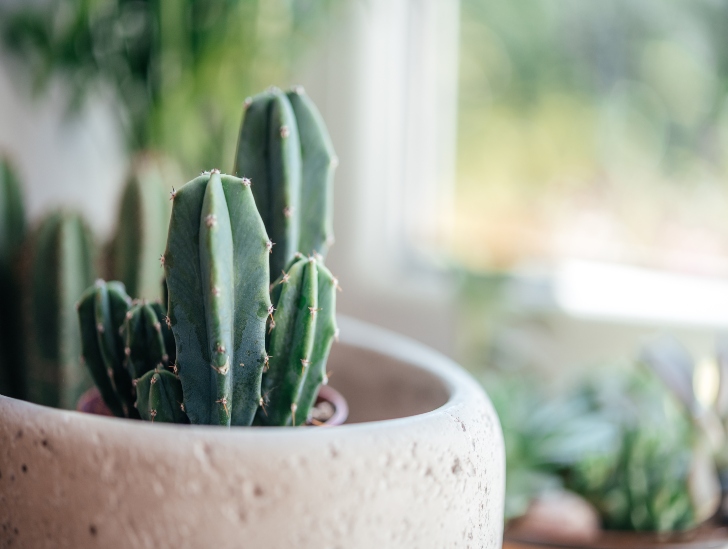
Small cactus plant near the window.
Every cactus plant requires sufficient exposure to sunlight to bloom.

If you are growing more than one cacti species in your garden, group them according to their needs and find ways of taking care of each species. There are lots of other things you can do to take care of your plants. 

Watering Outdoor Cacti

Do outdoor cacti plants require watering? The simple answer is yes. Never fail to water your plants even if you think it is unnecessary. During the warm summer months, consider watering your plants at least twice a week.

Water slow and deep until you are sure the plants have received sufficient water supply. Some experts recommend using the “deep soaking” method to water your outdoor cacti plants.

Deep soaking is a relatively slow but steady drip from a garden hose over a 2 to 6-hour period. Typically, the overall size of the plant will determine the duration for deep soaking.

The larger and more established plants may require less watering since the plant has larger storage capacity and can go longer between waterings. For instance, a full-grown Saguaro species may never need frequent watering, but a tiny mammillaria species may need frequent watering.

However, do not water newly planted cacti plants. Always wait for a few days after planting before you start watering. Since watering depends on the weather, the cooler it is, the longer you might have to wait before you give your succulents that first drink.

Plant experts recommend waiting for at least one week before you start watering newly planted cacti plants. This waiting period gives the roots sufficient time to heal before being exposed to water. Only water again once the soil is completely dry at the roots.

 No matter how you choose to water your outdoor cacti plants, one thing you need to avoid at all cost is overwatering since it can spell doom for your plants. Cactus plants easily succumb to root rot, so it is always advisable to know when to water them.

During winter, mother nature may take care of the plants’ watering needs in the form of rain, but you should consider watering your plants thoroughly during the hotter months.

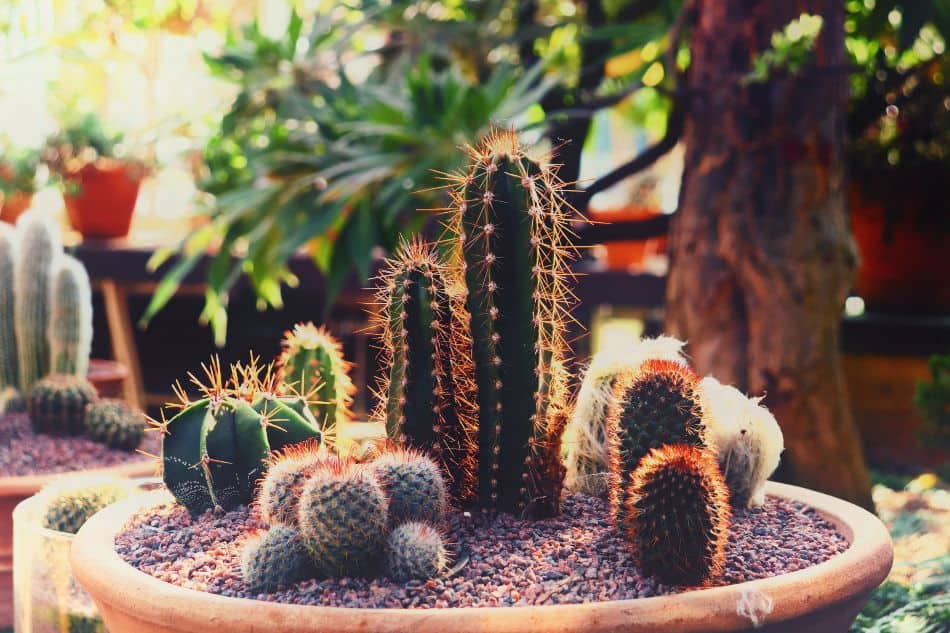
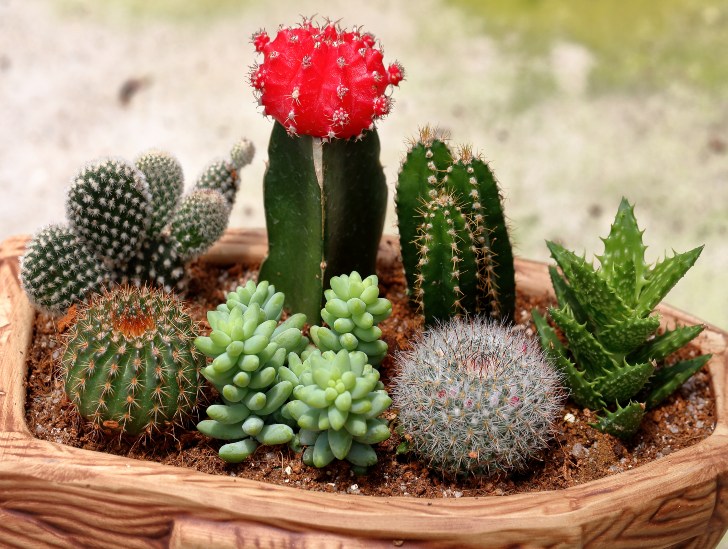
Different kinds of cactus in one pot.
Water slow and deep until you are sure the plants have received sufficient water supply

What Are the Pros and Cons of Growing Cacti as Outdoor Plants?

There are both pros and cons to growing cacti as outdoor plants. Some of the pros include

  • Cacti plants are drought-tolerant and tend to survive with minimal care
  • They are low-maintenance succulents
  • Cacti plants add a unique touch to any landscape design

Some of the cons of growing cacti as outdoor plants include:

  • They require full sun to thrive. So, they may not survive in areas that experience prolonged winters.
  • The soil must be well-draining to prevent problems with the roots
  • Cacti should be watered sparingly to avoid root rot. Too much water can be detrimental to the plant.

If you are considering adding cacti to your outdoor landscape, it is important to weigh the pros and cons to see if they are the right plants for you.

Summary

Cacti plants are not only great houseplants but also thrive when grown outdoors. However, great care needs to be observed when growing these succulents outdoors since they are exposed to a wide range of destructive elements. 

The most important thing to keep in mind if you want to grow cacti plants outdoors is to choose the right species that can withstand the climatic conditions in your area.  Failure starts with poor plant selection.  

Some of the common types of outdoor cacti plant species include the eastern prickly pear cactus, pipe organ cactus, crow’s claw cactus, and the candelabra cactus.

We hope this post has provided you with some good information that can help you set up your outdoor cactus garden successfully.

How to water cactus in winter? Here’s How to do it

During the cold winter months, many gardeners believe their cacti plants only need a little amount of water- almost none at all. While this perception may be right in some cases, it can also be wrong. As a gardener, the last thing you want is your cactus plant to die due to dehydration.

Are you wondering how to water cactus in winter? During the low-light winter months, cacti should be watered only enough to prevent withering and shrinking. When watering your cactus, make sure you do it thoroughly. Water must flow through the drain holes and discard the excess after a few minutes. Avoid a series of repeated shallow sprinkling because it often results in distorted growth. However, you should always allow the soil to dry out completely between watering.

Understanding the water requirements of your cactus plant during different seasons is critical. Even though cacti are drought-resistant plants, they still need a sufficient supply of water to survive.

In this post, we discuss everything you need to know about watering your cactus in winter.

How Often Should You Water Cacti During Winter?

During the cold winter months, when cacti become dormant, it is usually advisable to water less frequently.

Consider watering your plant two to three times less often than during the summer. But, be careful not to dehydrate it. 

Test and observe your plant to establish how much water it needs. Watch for signs in the stems and leaves that might show the plant is getting stressed due to lack of or excess moisture. We shall cover these signs later on in this post. 

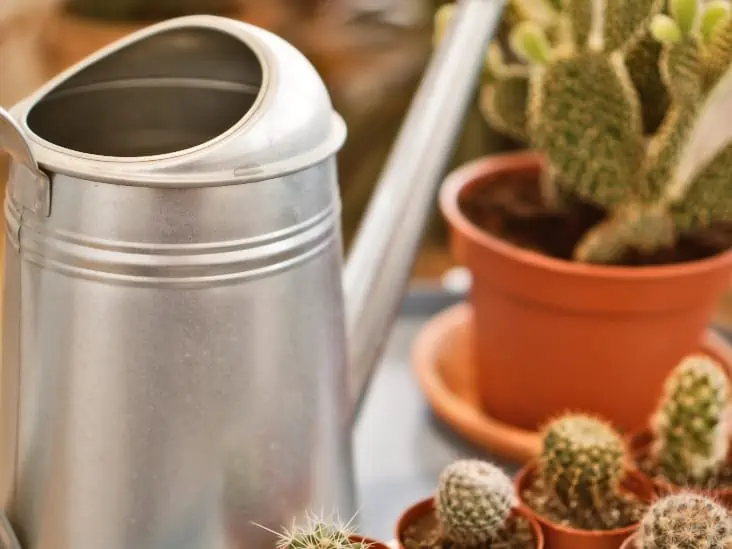
A water can and cactus.
Consider watering your plant two to three times less often than during the summer.

Most gardeners trying to grow cacti tend to suffer the greatest amount of plant losses during winter as a result of incorrect watering. Be careful not to be one of them.

While there is no simple recipe for advising on the exact amount of water or frequency of watering required during winter, there are many environmental and non-environmental factors that will determine your plant’s water needs.

What Is the Best Watering Method for Cacti?

While there are many watering techniques that can be used, it is best to use the soak-and-dry approach. The soak-and-dry watering method involves giving your cactus a good soaking by immersing it in water for fifteen minutes or so.

This ensures that the cactus plant absorbs enough moisture to last until the next watering schedule.

Once done, remove the pot from the water and discard the excess water. Allow the soil to dry completely between watering sessions.

You can also use the bottom watering method, which involves setting the container with its pot on a plate or shallow tray filled with water. Allow the plant to soak up the moisture for fifteen minutes, then discard the excess water.

Factors that Influence How Often to Water Cactus in Winter

Your cacti plants will only thrive when they are watered sufficiently throughout the year.  As mentioned earlier, these desert plants tend to grow best when they are watered sufficiently and left until the potting soil has completely dried up before watering again.

Some of the factors that affect how quickly your potting media will dry out include:

Size of cactus

You might be thinking that the larger the cactus, the more frequently it will need to be watered. However, that is not the case.

Younger and smaller cacti plants typically have higher growth rates and will require more water uptake compared to fully grown cacti plants.

The larger plants have a smaller surface area to volume ratio, which helps to lower the rate of evaporation of water from the surface of the plant.

Practically, you may need to provide a little bit more water to larger cacti plants during watering, but you will soon find that the smaller, faster-growing cactus plant planted in smaller pots require frequent watering.

Cactus near the pot.
Younger and smaller cacti plants typically have higher growth rates.

Species

The type of cacti species also affects how often you need to water your plant.  One thing you need to keep in mind is that not all cacti are the same.

In fact, the term “cacti” is a short form for a specific plant family known as Cactaceae.  The umbrella term encompasses different types of plants that live in different habitats and have varying needs.
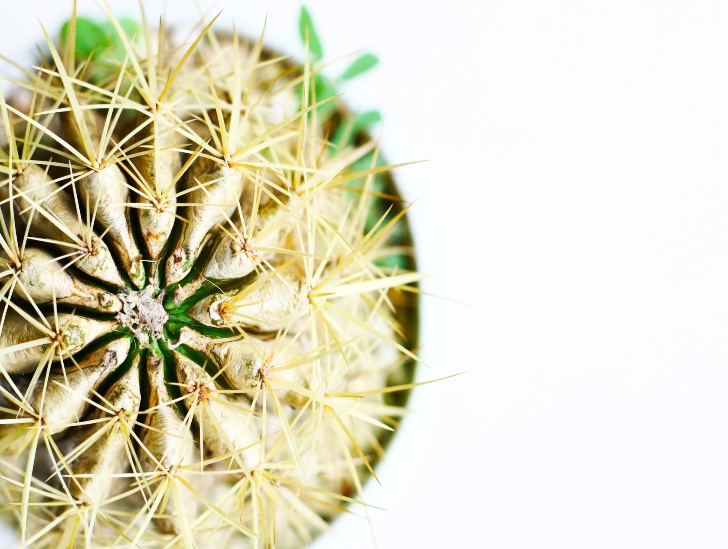
Those from genus Ferocactus are the typical desert dwellers and require little amounts of water to survive. However, those from genus Echinopsis mostly found in South American and those from genus Oreocereus from high Andes Mountains need more water to survive.

To know the species of your cactus plant, be sure to look at the container it came in. Typically, there will be a tag or sticker somewhere on the container with the plant information.

You can also take it to your local nursery for identification. Once you know the exact plant species, it becomes easier to understand how often you need to water it.

A cactus on a pot.
One thing you need to keep in mind is that not all cacti are the same

Type of potting media

For better results with growing cacti, make sure your potting media is fast draining. You can either go for a commercial cactus mix or a simple DIY combination of coarse sand, potting soil, and perlite.

A well-draining cactus mix allows excess water to drain easily and the soil to dry quickly. Although this will mean that you need to water your plants more frequently, the results will also be much better.

Type of pot and drainage

For a cactus plant, the best strategy is to provide a lot of water and then leave the excess to drain rapidly, leaving the potting media dry and ready for another watering session.

While choosing your pot, avoid plastic pots because they trap a lot of moisture hence increasing the time it takes for the soil to dry out.

Terracotta pots are a good choice because they are porous and allow the excess water in the pot to slowly drain out through its walls and evaporate into the air.

This helps to reduce the time it takes for the soil to dry out.  Conventional plant pots with lots of holes are also good.

Red needle cactus in a pot.
Avoid plastic pots because they trap a lot of moisture.

Humidity levels

The rate of evaporation tends to be higher in desert conditions. Wet cactus potting mix in dry areas will typically dry up faster because the air will have sufficient capacity to take up much more water.

Monitoring the humidity levels in your house is always a good idea when caring for your cacti and other indoor plants since it can help you predict water requirements for these plants.

Although natural succulents tend to do much better in arid conditions, you won’t achieve success if you deny them water. However, as long as you monitor soil dryness and levels of humidity in your house, you can be sure of achieving great success.

Temperature

Another crucial factor affecting cacti’s water requirements during winter is temperature. Even though most areas experience cold temperatures during winter, the desert environment of the cacti species is exposed to lower temperatures.

It means you will need to water your cactus less frequently when temperatures are lower. The plant’s metabolic rate also slows down in winter, and so does its uptake of nutrients, water, and other vital elements.

You should also remember that the temperature inside your home can be higher than outside. Therefore, you need to pay attention to the temperature inside and outside when deciding how much water your cacti need during winter.

For instance, if you use artificial grow lights to keep your cactus warm during winter, you must water it more frequently because the plants will still be active. The potting mix may also dry up faster.

How Do You Know Your Potting Soil Is Dry?

 It is quite easy to know when your cactus plant needs watering – whether in winter or summer. As a rule of thumb, the potting soil must completely dry out before watering. But, how can you check the soil at the bottom of your pot for dryness? Use any of these methods:

  • Push a skewer or stick gently into the potting mix right up to the bottom. Leave it for a few seconds before you remove it. If the skewer or stick feels or looks damp, then leave the plant for a while before watering.
  • Carefully poke one of your fingers into one of the drainage holes at the bottom of your pot to feel the amount of moisture. If the soil feels dry, then it is time to water your plants.
  • You can also use your finger to poke into the top few inches of your potting mix. If the soil feels dry up to a few inches down, then consider watering your plant. If the soil is still wet and clings to your finger, you can wait for a little longer before you add more water.
  • Use a moisture meter to measure the moisture content of your soil. This can be quite accurate and will clearly indicate when it is time to water your plants.
A group of cactus.
As a rule of thumb, the potting soil must completely dry out before watering

How to Water Cactus in Winter- Signs of an Under-Watered Cactus

An under-watered cactus will show signs of distress. The best way to tell whether your cactus is thirsty is by the overall appearance of its leaves.

If your plant has wrinkly or shriveled up leaves, it could be an indicator that it is under-watered.  You may also notice plenty of dried up, brown, or dead leaves from the bottom of the plant.

Typically, as the plant starts losing its water storage, it is the bottom leaves that will start drying up first.   

If the leaves feel soft and flat when touched, it could also be an indicator of under-watering. The leaves tend to lose their plumpness and firmness when a cactus plant is under-watered.

Luckily, you don’t have to panic when you notice signs of under-watering in your cactus plant. Under-watering is usually far less harmful than overwatering.  

A underwatered golden barrel cactus.
The best way to tell whether your cactus is thirsty is by the overall appearance of its leaves.

If your plant is showing signs of under-watering, you can simply correct the problem by thoroughly watering the plant as soon as possible. The plant should rejuvenate fairly quickly and bounce back to its former state.

How to Water Cactus in Winter- Signs of an Overwatered Cactus

 Overwatering a cactus plant is much more dangerous than under-watering it. When a cactus plants absorb too much water, it literally runs out of storage space, which can cause its cell walls to rupture. 

A cactus plant with ruptured cell walls will feel mushy when you gently press or squeeze it. This is the most significant difference between an overwatered and under-watered cactus plan; the mushiness.

The other signs of an overwatered cactus include:

  • The base of the plant will start turning black or brown
  • The cactus leaves and stems will start changing color to black or brown
  • The plant will start to appear as if it is decaying or rotting
  • The cactus becomes mushy and may start leaking

Can You Save an Overwatered Cactus

The truth is that most cacti plants are highly sensitive to overwatering, and it can be quite challenging to bring them back from the brink of death.

If you have an overwatered cactus, your best chance of saving it is by taking action as soon as possible. Remove all the dead parts of the plant and repot in fresh soil with better drainage.

Allow the soil to completely dry out before watering again, and keep the plant in an area with plenty of sunshine.

You may also need to reduce the amount of water you give your cactus during winter. The best way to know when it is time to water your cactus is by feeling the soil with your fingers or using a moisture meter.

It is essential to understand the signs of both under-watering and overwatering when caring for your cactus during winter months. This will help you provide the best possible care for your plant and ensure it stays healthy and happy all year round. 

Summary

Learning how to water your cacti plants in winter can take a little bit of trial and error. Watching for obvious signs of distress or overwatering can be an essential part of being a successful cactus plant gardener.

The most important thing to remember is to monitor your plant’s potting mix throughout winter to know when it needs watering. Once you develop the techniques of being able to understand when your cactus needs watering, everything falls into place, and your cacti will start to thrive.

How To Choose The Right Pot For Your Cactus

My passion for cactus has driven me to watch hundreds of Youtube videos on how to take care of them. I’ve read multiple blogs, research journals, books, and any material online and in the libraries, I can find about the cactus.

But before I tell you all the details I uncovered in my research, I realized something significant that many cactus lovers forget before buying the pots. Here are some of the things you should think about before heading out to find the right pot for your cactus.

Questions to Answer Before Your Buy The Pots

  • Are you looking for pots for indoor or outdoor plants?
  • Where exactly do you plan to place the cactus?
  • If you’re looking for pots for your indoor cacti, what colors will complement your home decor?
  • Would you want a masterpiece pot that makes a statement or would you prefer all the pots to be of the same color?
  • If you’re repotting your cactus, what is the size of the current pots?

Here is a detailed report on my research to help you make the right decision when choosing the right pot for your cactus.

What Factors  Should You Consider When Choosing A Pot For Your Cactus?

Drainage

The cactus plant is biologically adapted to survive for an extended period without water.  These adaptations also work against it when you water it so much and too frequently. Therefore, when choosing a pot, ensure that it has drainage holes to drain excess water. If it doesn’t have them, ensure that you drill the holes before using it to plant your cactus.

Cactus with hole.
When choosing a pot, ensure that it has drainage holes to drain excess water.

Material

This is usually the first thought in the minds of many cactus lovers. There are many options to consider when looking for the right material. However, there is no good or bad material. It all depends on your preferences. Here are the materials available and some of the facts you should know about each:

1. Clay (Terra Cotta)

The clay pots are some of the most popular mostly because they drain quickly. Their porous nature creates a conducive environment for the cactus. Also, because they absorb water, it’s pretty easy to estimate the moisture level in the soil. This is because, when the clay pots soak up the water, they turn dark. Finally, these clay pots are affordable as compared to other planters. And, it’s easy to find them in a uniform color for consistency in your home decor.

On the flip side, the clay pots are highly delicate: they immediately shatter if they fall or hit on a rock-solid. Also, due to their high drainage rate, the water can dry out very fast in summer.  Therefore, when you transplant a cactus into a clay pot, pay close attention to it to prevent it from drying out. And, the clay pots are susceptible to breaking in winter.

Note, clay pots might be a challenge when repotting because sometimes the cactus roots might penetrate the clay pot walls. This challenge doesn’t happen with any other kind of pot. However, clay is perfect for people who live in humid areas and do not have an issue with space (they take up a lot of space) and don’t need to move the cactus.

A cactus in a clay pot.
The clay pots are some of the most popular mostly because they drain quickly

2. Wood

Wood is perfect for outdoor cactus. It’s resistant to cold temperature and can hold water for a relatively long period. This makes it ideal for outdoor cactus. All in all, wood is a beautiful material. It can transform the home decor. And, it’s easy to get beautifully crafted wood containers for your cactus.

The major problem with the wood planter is the fact that they’re prone to rotting. This can affect the health of the cacti. Therefore, to prevent this, line the inside of the planter with a plastic bag.

Doing this also compromises the drainage capability of the wood planter. Therefore, ensure that you poke a few holes in the plastic lining to facilitate drainage.

3. Plastic

Plastic pots are some of the most convenient planters you can use. It’s because they’re cheap, readily available and you can easily reuse them. They’re available in all sizes, shapes, and colors.

Plastic pots came into popularity as a better alternative to clay pots due to their functionality. Unlike the clay pots that turn color due to salt build-up after evaporation, indoor plastic pots remain to look beautiful for a long time. 

On the contrary, these plastic containers are inferior in drainage and as such need to be well-drained to avoid soaking up the cactus in water. They’re also not ideal for outdoor use since they’re brittle and can be destroyed by constant exposure to sunlight.

Cactus in a black plastic pot.
Unlike the clay pots that turn color due to salt build-up after evaporation.

If you’re looking for a planter that will add color and design into your home decor, but you’re operating on a budget, you should consider plastic material planters. With technology, plastic planters can now be painted to look like rocks and also manipulated into different shapes. 

4. Ceramic

If you’re looking for a planter that will add elegance to your home decor, a ceramic pot is the right choice for you. They come in different shapes, sizes, and colors, making them ideal as indoor planters.

However, these beautiful ceramic pots can be quite heavy, making them not ideal for bigger cactus that require bigger sized planters. 

There are two types of ceramic pots:

  • Unglazed ceramic
  • Glazed ceramic

Unglazed ceramic pots are porous and most suitable for cactus since they are permeable to water and air. This allows for the healthy growth of the plant.

Glazed ceramic pots are not porous. This makes them very poor in drainage and therefore, the only ideal for the cactus that doesn’t mind a lot of moisture.

If you’re looking for beautiful planters to use for small-sized cactus, you should consider this material. But, be ready to pay extra for the beauty than you would for other materials.

5. Fibreglass

Fiberglass planters come in different colors, shapes, and sizes. They’re mostly moulded and colored to look like clay or wood planters. Due to their lightweight, they’re ideal for planting cactus that will be continuously moved. Additionally, the material is very durable and can withstand changes in temperature, thereby keeping your cactus healthy.

However, these nicely shaped planters have zero drainage. Therefore, to prevent root rot, you’d have to drill holes on them. Since they’re recommended for indoor planting due to their aesthetic nature, you might consider planting your cactus in a plastic container that has holes and fitting the planter into the bigger fibreglass container.

6. Metal

Metal planters can be very aesthetic since they come in different shapes, colors, and sizes. This makes them an excellent additive to your interior design. Metal is very durable and as such can be reused to plant cactus for many years. Copper and brass make some of the most trendy pots due to their attractive nature.

A cactus in a metal pot.
Metal planters can be very aesthetic since they come in different shapes, colors, and sizes. This makes them an excellent additive to your interior design

However, metals such as iron are susceptible to rust. Rusting can be prevented by applying a rust-resistant sealant once every year. Additionally, metal is heavy and therefore not ideal for cacti that you plan to keep on moving.

Lastly, metal, being a good conductor of heat, can get very hot during summer. It might end up burning the cacti. Also, during the cold season, the extremely low temperatures might affect the plant. Also, if the metal container doesn’t come with holes, it might not be ideal for your cactus due to poor drainage.

7. Concrete and Cast-Stone

First, these planters are ideal for outdoor settings. They can withstand various weather conditions, thereby keeping your cactus healthy. Since they can be moulded into different shapes, they add aesthetic value to your landscape.

Concrete is porous and allows water and air to move in and out freely. This quality makes the concrete pots ideal for cactus since it prevents root rot. However, concrete produces lime which lowers the water pH. This can interfere with the health of your cactus. To prevent this, simply water it frequently to drain the excess lime.

A red needle cactus plant in a cancrete pot.
They can withstand various weather conditions, thereby keeping your cactus healthy.

8. Stone

Stone pots are ideal indoor planters. They come in different shapes and sizes, making them physically appealing. 

Note, there are two types of stone pots: natural stone which has been carved into a planter and limestone mixed with fibreglass.  To note the difference, lift each pot and note the difference in the weight. Natural stone planters are very heavy.

Naturally, the stone pots are durable but, if you drop the natural stone pot, it’s likely to break. The fibreglass and limestone pots are more durable but with less drainage capacity.

Color

Color is a huge determinant, especially when choosing an indoor planter. Ideally, you’d want a planter with a color that compliments your home decor.

However, if you’re buying a pot for an outdoor cactus, the color might not be a big priority.  All in all, if you’re purchasing several pots for many cacti, you might consider purchasing a uniform color to consistency or mix and match the shade for a splash of beauty and fun personality.

How to choose the right pot with the right size

Does the size of the pot matter?

Yes, it does. When getting a succulent, you will note that they’re referred to in specific measurements.  A 4″ cactus doesn’t apply to the length of the cactus. Instead, it refers to the diameter of the pots that are appropriate for the plant.

The general fact to know when choosing the right size of the planter is that the size of the pot should allow for the natural growth of the plant as if it were its natural habitat. Cactus plants usually don’t require big pots. However, if you choose a tiny pot, it will constrict the roots leaving no room for the soil. On the other hand, if you choose a vast container, you will- most likely over water the plant. Therefore, it’s incredibly essential to choose just the right size for the cacti. 

The Best Size

The ideal pot size should have a ¼ of an inch between the main body of the cactus and the end of the rim of the pot.

The depth

The depth of the pot is also very significant since if you choose the wrong depth, it might interfere with the growth of the cactus. The depth is dependent on the type of succulent you’re planting.  The depth of the pot should be proportionate to the natural growing process of your cactus. If your cactus grows tall and tends to have deep roots, get a deep pot to accommodate the deep roots. If the cactus has shallow roots, you can easily use a small pot with minimal depth.

Note, the depth factor is one of the primary reasons why you need to repot. Usually, when the plant is young, it will have a minimal root system and as such, will require a small pot to avoid overwatering. After a few years, you will need to repot it as it grows to accommodate the growing roots and to prevent the roots from getting bound in the small pot.  The one sure way to check whether you need to repot is top check the drainage holes at the bottom of the pot. If there are protruding roots, it’s time to repot to a bigger sized pot.

A cactus in a blue pot.
The depth of the pot is also very significant since if you choose the wrong depth, it might interfere with the growth of the cactus

Width

There are quite several cactus species that have shallow roots which grow horizontally. Such types of cacti will not thrive in deep pots. Therefore, always know as much as possible about the species of cactus you’re buying or growing.

If you plant such a species in a slender and deep pot, you will start to notice the roots showing on the sides of the container. Once this happens, it’s time to repot the cactus into a wider pot.

Another tip to help you select the right width for your cactus is the width of the plant. Check the width of the cactus and choose a pot that is only 10% wider than the plant.  Therefore, if a plant is 4 inches wide, select a pot that is only 4.5 inches wide. 

Is it possible to grow several types of cactus in a single pot?

Yes, it is. However, when choosing the pot, you need to know the growth characteristics of each plant. As much as most cactus grow at a languid speed, some do grow relatively fast. If you pot these species together with the ones that grow slowly, you might need to repot them soon.

Different species of cactus in one pot.
Ensure they’re not crowded in the pot by giving them a large bowl.

Therefore, when choosing a pot to plant different types of cactus, select the species that have similar characteristics. Also, ensure they’re not crowded in the pot by giving them a large bowl.  Note, when you have several cacti in one pot, you’ll need to be very observant. Ensure the pot size, as well as other conditions of the soil, aren’t favouring certain species while straining the others.

How to Choose the Right Pot When Repotting

As the cactus grows in size, you will need to transfer it to a bigger pot. It helps to facilitate it’s growth and also prevent its roots from getting rootbound. Note, do not be tempted to take shortcuts and repot it using a pot which is double the size of the initial size.

Repotting a cactus is like buying new clothes for your child as it grows. Usually, you buy clothes that fit. If you buy your child’s clothes that are way too big to avoid buying more clothes, later on, they will look awful dressed in oversized clothes.

However, for the cactus, it will not look ‘overpotted,.’ Instead, it will run the risk of root rot by being overwatered. Therefore, if you are transferring a cactus from a 4 inches pot, repot it using a 6 inches pot.

Pro-tip

For your indoor cactus, you’d want a pot that looks stylish. If you’re not getting ceramic pots-which to have poor drainage, it might be hard to get elegant containers. Therefore, instead, get a plastic pot and decorate them using beautifully designed cloths. Alternatively, you can make your own ‘DIY’ pots for small cactus that look elegant and the perfect fit. This is an excellent option for the people who love to get their hands dirty and are quite artistic.

Indoor cactus pot.
You can make your own ‘DIY’ pots for small cactus that look elegant and the perfect fit.

Bottom Line

Remember, do not over pot the cactus. Meaning, do not plant a cactus in a large pot. This will most likely lead to root rot. If your cactus has a dense stem structure but a minimal root network, plant it in a small pot, but to increase the support, place the small pot in a bigger container. Fill the space between the two pots with gravel. It will give your top-heavy cactus enough base support without running the risk of root rot due to overwatering.

How To Grow Cactus From Seed

The time a cactus takes to grow from seed depends on the species and the climate. Cactus seedlings are quite sensitive, and they continuously need protection from direct sunlight. If possible, keep them indoors then introduce them to the outdoors slowly. 

How long does a seed take to germinate?

The seed germination time depends mostly on the species and where you are growing your cactus. When you choose to grow your cactus indoors, they are more likely to germinate fast. Indoors are a more controlled environment, and seed germination can take between three months and several months. 

On the other hands, if you decide to grow your seeds outside, they take years to germinate. Here, cacti will have to wait for the ideal moisture and temperature for them to grow unlike indoors where you have the option of placing them in a light shade windowsill. 

Cactus seedlings need proper care and protection. They need sun protection for the first few years until they are about 3 inches long. Placing them indoors or in a shaded place is the best way to help in seed germination. 

Cactus seedling cups,
Cactus seedlings are quite sensitive, and they continuously need protection from direct sunlight.

When they are about 1 inch long, you can start introducing them to the sun. Go increasing the light intensity and keep them off if they start scorching. If after some time you comfortably leave them on the windowsill consistently, then it may be time to take them outdoors. 

Why Grow Seeds?

You may be wondering why opt for cactus seeds instead of propagating from cuttings? Here are a few reasons:

Seeds are an inexpensive option because they may end up costing a few cents. You can even collect them from your other cactus plants or get them from a friend. 

It is easier to get different species that may not be available as plants.

With seeds, you can easily give away as gifts to friends.

When you notice cactus seedlings starting to develop, you can gradually begin to remove the transparent cover that covers them. However, when to remove is quite essential, and it will depend on the species. The best way to ascertain when to remove is when the seedlings start developing spines. 

When removing the cover, don’t just remove it wholly, start by cutting sections of it to introduce the plant to the change. Cacti the size of a marble, which are usually about six months are okay for planting in pots. 

A closeup image of cactus.
With seeds, you get to see the whole life cycle of the cactus from the very beginning

The Steps To Growing Cactus From Seed

1. Acquiring the seeds

The first step to planting cactus seeds is purchasing them. Most garden supply stores will have the seeds, and you also have the option of buying online. The good thing about buying online is you can select your preferred species through a simple click on your laptop and delivery is done to your doorstep. Some stores will even sell the seeds in packets of different species. 

The other option would be to pick your own seeds from already blooming cactus in case you grow them. The seed pods are usually some brightly-coloured off-shoots that bear flowers. Once the flowers fall off, what is left is the pod. 

Sowing your seeds in late winter or early spring is the best time because it will give the seedlings ample time to grow during summer. 

2. Harvesting from the pods

As mentioned, if you decide to harvest the seeds yourself, then you need to remove the pods. It is recommended to remove the pods when they are still damp but not wet. The seeds are usually inside the pod. 

A closeup image of cactus seeds.
If you decide to harvest the seeds yourself, then you need to remove the pods.

Once you remove all mature pods from your cactus, you need to remove the seeds. Using a knife, slice the pods and scrape off the seeds. Note, seed color varies from different species. Some are usually black or have some reddish dots. They also vary in size; some are extremely small. 

3. The soil you plant the seeds in is significant

One thing about cactus seedlings is that they are intolerant to poorly draining soil. You need to protect your seedlings from common cactus problems such as bacteria and molds, which means the soil needs to be sterilized. 

To sterilize the soil, you can bake or microwave the soil mix. 

Sterilizing soil

There are various ways you can sterilize your soil before using it to plant the seedlings.

  • Using steam

You can steam the soil using a pressure cooker. Pour in a few cups of water into the pressure cooker and place shallow pans of soil (not more than 4 inches deep) over the rack top. For each pan, cover it with foil paper and then close the lid. Steam for about 30 minutes.

In case you don’t have a pressure cooker, pour an inch of water into a sterilizing container and place soil-filled pans (usually covered with foil) on a rack on the water. Cover the container and steam for about 30 minutes. 

A gravel with soil.
One thing about cactus seedlings is that they are intolerant to poorly draining soil

For both methods, after steaming, allow the soil to cool while wrapped with foil until you are ready to use. 

  • Using a microwave

If you decide to use a microwave, fill microwave-safe containers with moist soil and covered with a lid. Don’t use foil here. Ensure there are ventilation holes on the lids to prevent pressure buildup.

Heat your soil for 90 seconds. Leave the soil to cool by covering the ventilation holes with tape.

The other option would be putting two pounds of moist soil into a polypropylene bag. Place the soil in the microwave with the top left part open to allow ventilation. Heat the soil for about 2minutes 30 seconds full power. Once you are done, close the bag and allow it to cool. 

  • Using an oven

For the oven, you need a container that’s specific for oven use. Put soil about 4 inches deep into the container and cover it with foil. Using a thermometer, place it at the centre and heat at 180F for about 30 minutes. 

Once the time lapses, allow the soil to cool and remove the foil only when you are ready to use the soil. 

When coming up with a soil mixture for your cactus seedlings, you need to find the right proportions for your seedlings to germinate. You will need 

  • Pumice or granite stone
  • Cactus soil
  • Vermiculite
  • Perlite

First, the base of the soil mixture should be pumice stone and the cactus soil. Start by removing any chunks in the cactus soil because they may potentially be a breeding place for bacteria as well as not drain water well. 

Once you sift the cactus soil, mix with the pumice or granite stone. In case you don’t find pumice stone, you can use limestone screenings, which is also a cheaper option. Make sure the pumice is more by about 10% than the cactus soil. 

Pour the mixture where you intend to plant the seeds and avoid packing it in, let it stay as natural-looking as it can. Since seedlings are quite small, using a 2-inch pot is sufficient. You can even use existing materials to act as pots for the seeds. 

In the case that you are reusing pots, make sure you clean them thoroughly to prevent potential pests from killing the seedlings even before they germinate. To clean them, you can use bleach water and rinse thoroughly. 

What these seeds need is a high-drainage soil. Make sure you moisten the soil but make sure the water drains completely. 

Spread your cactus seeds on top of the soil, don’t force them into the soil. You can then cover them with a thin layer of either sand or cactus soil. The reason for not burying them deep in the soil is because they only have small amounts of stored energy which may not reach deep into the soil before running out. 

Make sure to label your containers once you spread the seedlings. It is crucial especially if you plant species by species in different containers are they are great so that you can take specialized care on each species. You don’t want to have difficulties when growing them because some species are too similar to each other and you may confuse one for the other. 

4. Exposing the seeds to the sun

After soil moistening and covering the seeds with sand, you need to cover them in a transparent lid or plastic wrap. Place your seeds in a strategic location, preferably indoors, where they have access to the right amount of sun. Consider placing them on a sunny windowsill. 

Don’t place them outside because they don’t like intense sunlight. The purpose of the transparent lid retains moisture and helps the cacti sprout as well as allowing light to reach the plant. 

Monitor your seedlings carefully. If they start turning purple or becoming red, the chances are that they are getting sunburned. Reduce the amount of light access. 

During the initial stages, as much as the seeds need sun, they need the heat more. Warm areas of the house like the kitchen are ideal. However, you can also purchase a heating mat that you place under the seed containers is a way to boost germination. 

Heat and light are essential as the cactus grows to avoid retaliation where the plant grows thinner and soft such that it breaks when touched.  

Plants with label exposed to sunlight.
Place your seeds in a strategic location, preferably indoors, where they have access to the right amount of sun

In most cases, cacti need a temperature of between 70F and 90F for germination. 

5. What to do when germination starts

Like earlier mentioned, cacti grow slowly, and you need the patience to see them through the whole process. After planting and having the right light and temperature, you should see your seedlings start germinating. It could take a month or more before they do. 

Tiny spines start forming at this stage. This is your cue to let the plant breathe away from the plastic wrap or transparent lid. However, do it gradually, leave the top open for a few hours during the day and then go increasing the hours. 

Keep doing this until you establish that the cactus doesn’t need the wrap. 

Keep in mind that when you uncover the cactus, water evaporates much faster, which will need you to have a watering schedule to avoid the plant dying. 

A cactus growing from seeds.
Some species don’t have spines, so an indication of growth is when the seedlings sprout.

Fresh or distilled water is ideal for preventing the growth of bacteria and algae. If you feel your tap water tastes like chlorine, don’t use it on your cacti. Since the roots are quite tender, using water with chlorine will burn them. This could end up in killing the cactus. 

Even as the seedlings sprout and seem to be doing well, the truth is, below the ground, the roots are still at a tender position and can’t adequately absorb enough nutrients. Keep the seedlings in the plastic wrap until they overgrow.  The high humidity is what facilitates nutrient and water absorption in the roots until they are strong enough. 

Some species don’t have spines, so an indication of growth is when the seedlings sprout. Make sure you don’t leave any water on the soil. Keep checking for signs of overwatering. No standing water should be in the container. You can dip your finger into the soil to feel how dry or wet it is. 

When germination occurs, keep the same timetable you had when you started watering them. Be on the lookout of certain signs such as seedlings thinning, which could be a cause of poor light. The algae may be top of the soil, which could be a cause of overwatering. A fungus infected cacti will start having black spots. 

6. Repotting

When the seeds are overgrown, it is now time to repot. Choose your potting container wisely as you need one that drains quickly. You need one with drainage holes so that during watering, the excess water drains to avoid root rot. 

Terracotta and unglazed ceramic pots are some great examples of good drainage pots. However, other types of containers can also work, but the key is getting one that drains water quickly and doesn’t leave the soil clogged with water.

Even as you get the ideal container, how much you water the cactus also contributes to whether your plant rots or not. 

Naturally, as cactus grow slowly, they may take even a year to reach the size of a marble. At this point, you need to repot to give it room to thrive well. Get the right pot size because getting small-sized one prevents the plant’s proper growth. 

Once you remove the cactus from its previous plastic wrap, using the same formula you used for its last soil, make a new mixture. After making it, place the plant in the container then pour in the soil mixture. 

Water the mixture after 3-4 days and make sure you don’t use any plastic wrap or lid to cover the plant. 

Plants on a pot.
Terracotta and unglazed ceramic pots are some great examples of good drainage pots

7. Recovery time after repotting

Once you repot, allowing the plant to take in the new changes helps it avoid any problems. Repotting can be stressful to plants, and they need recovery time. If you previously placed it near a place with ample sunlight, try keeping it in the shade for a few days until it recovers. You can then re-introduce it to the sunlight slowly until it can fully take on the heat. 

Unlike other potted plants, cacti have low water requirements. They are succulents, and they often store water to use when the soil dries up. A general rule of the thumb is to wait until the soil dries before watering the plant again. 

Cholla cactus in a pot.
Use a cactus fertilizer to help in the growth process.

Once your plant grows, you can even water monthly. During winter is when their water requirements are low for most species. At this time, only water when the plant needs it. You’d rather have an underwatered plant than an overwatered one because it is easier to deal with insufficient water than excess. 

During the growing months, use a cactus fertilizer to help in the growth process. Cacti generally need a lower amount of fertilizer than the rest of the plants. 

The above process should help you grow your cactus seamlessly from seed. If you want to experience the joys of watching it grow from the seeds all the way up, you can do this effortlessly. 

Related Questions

How do you ensure your cactus germinate faster? Usually, cactus have slow growth and may end up taking years to grow. However, you can help them germinate more quickly. Soak them in warm water for about 30 minutes as this will loosen up the seed coat and activate germination.

How does a cactus produce seeds? For a cactus to produce seeds, its flowers have to undergo pollination. Pollen has to be transferred from one plant to another by insects or birds. Once pollination takes place, fruits develop that contain the seeds. One cactus plant has the potential of producing a million seeds. 

Cactus Care: Growing Healthy Cactus Outdoors

Growing cacti in your outdoor space can be a great way to give the external area of your home a unique look. These plants produce beautiful blooms during the spring and summer and have plenty of options that you can explore. 

The cactus flowers come in vivid and attractive colors that are guaranteed to be a conversation starter. In addition, cactus comes in a variety of shapes and sizes, giving you plenty of options to choose from.

Wondering how you can create intriguing landscaping designs using cactus for your outdoors? Here are some simple cactus landscaping ideas;

  • Scattering cacti amongst small shrubs or perennials
  • Using prickly bear or blueberry cactus as a specimen plant
  • Creating a desert-inspired theme by scattering stone and gravel where your cacti grow
  • Using tall cacti species to create a wall around your home

Cacti don’t require your care around the clock. Therefore, if you’re a frequent traveller or have a tight work schedule hence little time for plant care, this plant is an excellent choice for you. 

These plants also do not require intensive care, but surprisingly, they can outlive most plants, so long as you know how to care for them.

Although cacti plants require minimal care, it’s crucial to know what to do to, keep your plants healthy. Providing the right care for your cactus will ensure that they don’t die off, prompting you to restart the planting process once again. 

Before we look at how best to take care of our cactus, it’s critical to note that cactus falls into two broad categories. The two categories are;

  • Desert cactus
  • Forest cactus

Both types of cactus have a unique set of needs. Knowing how to differentiate between the two will help you know the type of care they need. Desert cactus has spines and can withstand direct sunlight for hours. 
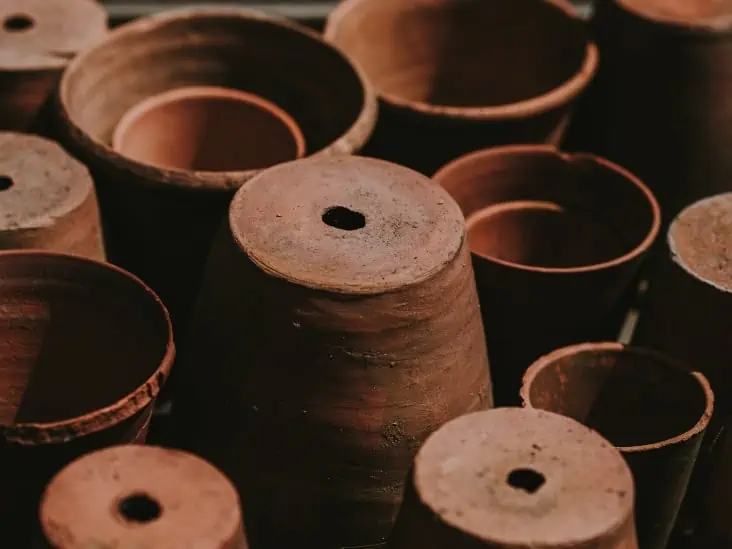
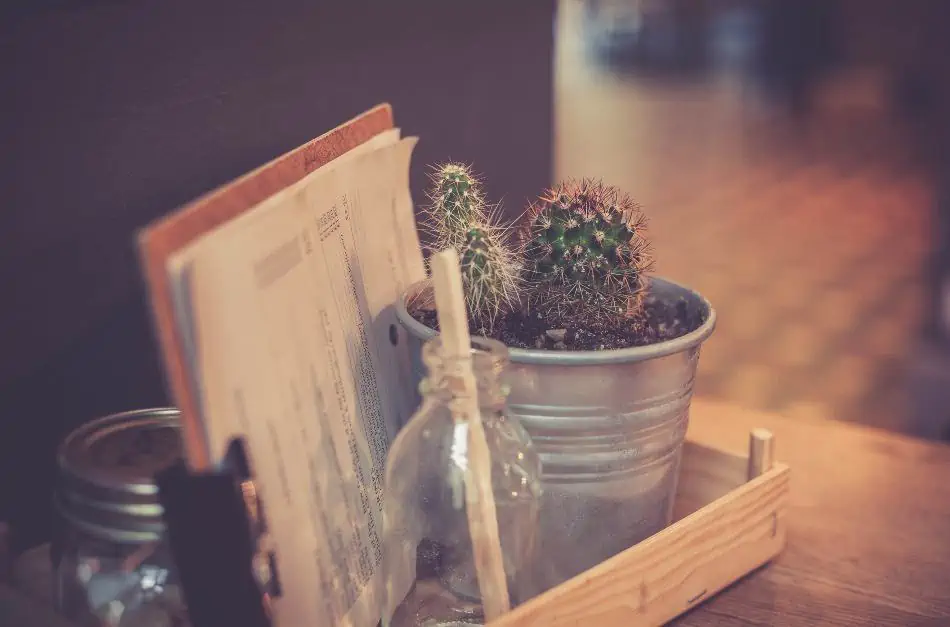
Forest cacti, on the other hand, are natives of forests and jungles. These plants do not have spines, and are not as hardy, as desert cactus.
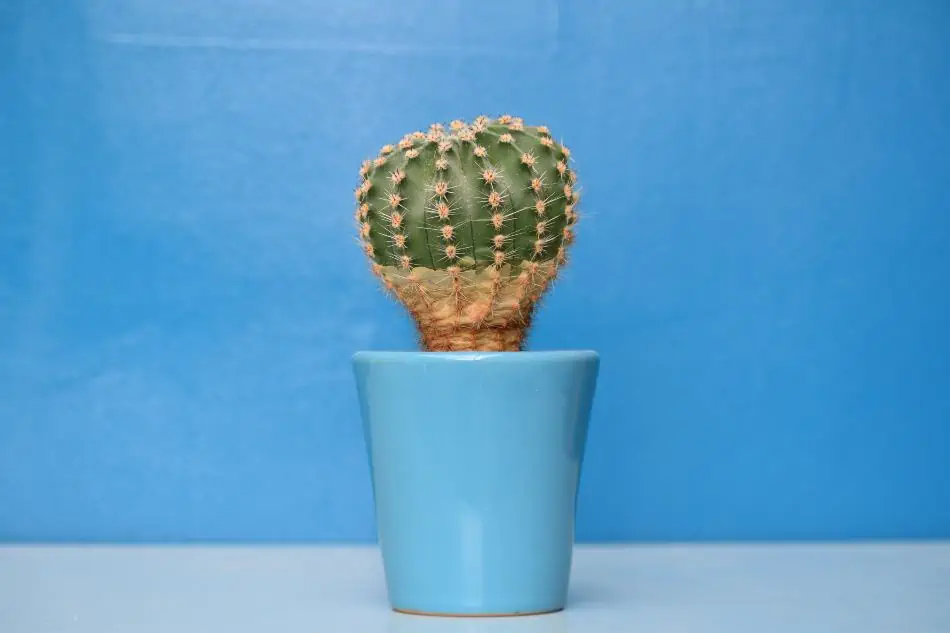
Besides knowing what type of cactus you want to grow, you also ought to consider where to plant your cactus. You might either prefer to pot your plants or plant them on the ground, depending on the look you’re going for.

It’s also important to consider whether you’d like to grow your plant from scratch or would just prefer to buy a potted seedling. Sourcing for a seedling that’s already growing might be easier than growing your plant from a seed. However, the latter might give you a first-hand experience on how to care for your plant from start to finish. 

If you buy a cactus from your local plant store, all you’ll need to do is dig a hole to plant your cactus. If you want to grow your cactus form a seed, you’ll need to get your seeds by cutting them out from the pod. 

Growing desert cactus

Desert cactus is a hardy and will survive all year round, in your outdoors, even during winter. Don’t let some varieties of the cacti like the prickly bear fool you when they flop to the ground during winter. The plant will surprise you by jumping back to life in spring and summer. 

A cholla cactus bearing fruits.
Desert cactus has spines and can withstand direct sunlight for hours. 

Watering needs

Do not kill your desert plants with kindness by overwatering. Cactus is a succulent that stores water in its stems, making the plant to look plump. 

Too much water might be misleading at first because it may make the lump appear plump and healthy. However, your cacti roots will suffer from overwatering. 

Only water your plants when the top part of your soil begins to feel dry. One way to check your soil is to put at least two inches of your fingers in the soil. If the soil feels dry, then you need to water your plant.

You can also lift your potted plant to check if it needs watering. If it feels light, then your plant needs watering. To use this method, you’ll need to check the weight of your plant after fully watering it, then do the same after a week or two, to notice the difference. 

Another way you check your soil is to use a moisture measuring device. The device will accurately measure your soil’s watering needs letting you know if it’s too dry or still too wet.

Choose the right container

Container choice may not sound like a big deal when growing cacti, but it can hugely affect your plant’s health. As opposed to using plastic containers which retain plenty of moisture, consider using the following materials;

  • Terracotta
  • Clay
  • Concrete

The above materials wick away any excess moisture, allowing your plants to thrive. If you don’t have access to the above materials, ensure that your pot has plenty of drainage holes.

As a rule of thumb, ensure that water completely runs through the holes every time you water. It may seem like your plant will remain with no water but your soil mix will ensure that there’s still some water left for your plant to absorb. 

If you can’t afford to buy pots at the moment, planting your cacti on your ground will do. Growing your plants on the ground is also suitable if you want to use the plants as a fence.

The best way to plant cacti on the ground is to plant it on a raised bed, rather than level ground. Planting the plants on a bed will help with drainage, especially if it happens to rain for a few days in a row. 

Else, grow your plants in containers if you live in an area that receives lots of rain throughout the year.

The obvious advantage of using containers is that you’ll be able to move your plants to a dry area to save them from overwatering during the rainy season. We’ll cover the dangers of overwatering, under the “watering needs section” below.

Cactus plants outside in the pot.
The above materials wick away any excess moisture, allowing your plants to thrive.

Soil type

Proper drainage is an important part of growing your plant. Soils that hold water for long can contribute to root rot. You might not have the right soil type to suit cactus growth in your area, but you can create it right in your garden.

Bear in mind that good cactus-growing soil should have a mix of both organic and non-organic material. Non-organic materials help with drainage while the organic materials help provide nutrients for your plants.

Cactus soil and requirements.
Soils that hold water for long can contribute to root rot.

You’ll need the following non-organic ingredients to help create holes in your soil, for it to drain properly;

  • Coarse sand
  • Turface
  • Pumice
  • Perlite

The following organic ingredients provide the perfect nutrient-rich soil and retain moisture to grow healthy cactus;

  • Coconut coir/shredded coconut
  • Bark
  • Peat moss

Organic cactus soils are available for you if you don’t have the time to experiment with different soil compositions. These soils are available in many shops that sell cacti. 

Lighting

Desert cactus loves light. Therefore, place your plant in an area with lots of sunshine. Focus on getting at least a minimum of 6 hours and a maximum of 8 hours of sunshine for your cactus daily. 

The beauty about growing cacti outdoors is that you don’t need to place them on your windowpane for sunlight. Window panes tend to amplify the strength of light which might end up burning your cactus. 

Move your plants to a shady area once the sun becomes too hot. 

Too much sunlight might discolor your plant. 

Temperatures

Desert cactus has adapted to dry climate, hence can do well in most dry areas. A temperature of about 75 degrees Fahrenheit will do.

When temperatures dip, such as during winter, avoid watering your plants too much as there’s already enough humidity in the air. 

Growing forest cactus

Soil requirements

Forest cactus survives best in humid areas. Therefore, choose soil that retains a little bit of moisture compared to that of desert cactus soil mix. 

The following soil proportions will work best for your forest cactus;

  • One part of sponge rock/perlite
  • Three parts of potting soil
  • One and a half tablespoons of orchid bark

Watering needs

Forest cactus loves water. Unlike desert cactus which require you to only water them when the soil is completely dry don’t wait for the soil to become too dry.

However, you should be careful not to overwater your plants because the results will be a cactus with rotting roots. Always check the soil and ensure that it’s moist but never wet.

Small cactus in a pot with a water container beside.
Be careful not to overwater your plants because the results will be a cactus with rotting roots.

 Another important thing to note about watering is to water your plants according to the season. During winter, water your plants once every two weeks. During summer and spring, water your plants every few days.  

If you’re growing your plant from a cutting rather than buying a young cactus plant ensure that you don’t water the cutting. Only water the cutting once it starts to root, otherwise it will rot.

Lighting requirements

Forest cactus love filtered lighting. To ensure that your plants get the right amount of lighting, it’s best to grow them in hanging containers. 

If your plants are growing under a tree, put up a shade made of lath or cloth. The materials will filter out the light to prevent sunburns, and promote blooming.  

Do not make the mistake of moving your cacti indoors during winter, then putting them directly under the sun when summer returns. Your plants require time to adjust. Start by placing them under a shade, and then slowly start exposing them to sunshine using an incremental approach.

Initially, place the plant under direct sunlight for about an hour, then moving it to shade, the first few days. Proceed to place it under the sun for two hours the next few days and so on. 

Cactus plant exposed to sunlight.
The general idea here is to avoid shocking your plant with extreme heat as this might eventually kill the plant

Temperatures

If you live in a tropical area, you won’t need to worry too much about temperature requirements for your cactus. This plant is a native of tropical areas where temperatures remain the same all year round.

 If temperatures in your area dip below 10 degrees centigrade move your plants to a warmer area. Your house could be an ideal location until temperatures return to normal. 

Alternatively, construct a shed that you can move your plants over the winter. A shed will ensure that you don’t bring plant bugs to your home. 

Fertilizing needs

Forest cactus gets a lot of nutrients from rotting leaves in the forest. Visit your local plant shop, and buy cactus fertilizer. Use this fertilizer every time you water your plants to promote absorption by the roots. 

You can also try using cow compost. Be careful to use only properly composted manure. Stay away from compost that smells as this is an indicator that it’s not ready for use. 

Container choice

Forest cacti require containers that can seal in the moisture for a longer period. A good choice for material for your container here is plastic. However, ensure that your container has proper drainage to keep the soil moist, but not waterlogged. 

A cholla cactus in a pot.
A good choice for material for your container here is plastic.

Common problems that you may encounter when growing outdoor cactus and how to fix them

Overwatering issues

The easiest way to kill your cacti is to overwater them. Here are the dangers of overwatering your plants. 

  • Your plants won’t be able to properly absorb nutrients because water will constantly drain the nutrients down the soil.
  • Your soil will have excess moisture promoting root rot
  • Your plant will attract plenty of garden pests looking to quench their thirst

The following signs will help you know that you’re overwatering your plants;

  • At first, the plants may appear plump, and then start wilting
  • Soft squishy stems
  • Yellowing of the plant
  • Formation of bumps and blisters that leave permanent marks

Like with indoor plants ensure that you only water your cacti when the top two inches of your soil is dry.

Rotting roots

Remove the plant from the soil, and scrap off the rot with a blunt object. Ensure that you change the soil before replanting as the old soil will contain some of the fungi or bacterium that caused the roots to rot. 

A person holding a cactus freshly picked from the ground.
Always check the soil and ensure that it’s moist but never wet.

Breakage or scarring from hail

Protect your plants with a cardboard box whenever there’s hail in your area. If you have potted plants, it’s easier to move them to a sheltered place until the climate regulates to normal. 

Stunted growth

Every plant needs re-potting every few years, as it grows in size. As your plant continues to grow, it requires more room for expansion and a smaller container will limit growth. 

Another reason to repot your plants is due to nutrient deficiency. Every time you water your cacti, the water washes out the nutrients.

Repot your plants annually or every two years. The time frame is usually when the plants show significant growth. 

How to re-pot your plants

  • Gently pull out your cactus from the soil. The good news here is that cactus has shallow roots; hence you won’t need to yank it out of the soil, which can cause damage.
  • To prevent further damage, cover your plant with a newspaper before pulling it out
  • Pull out your plant from the part of the stem closest to the soil to prevent injury from spines
  • Gently hit the root ball against a hard surface such as a wall to remove excess soil, and also, to make it easier for you to inspect the roots
  • If the roots show any signs of rotting scrap off the rotting parts before re-planting  
  • Ensure that you change the soil, and mix it according to your plant’s nutrient and soil requirements. 

Broken stems

Broken stems can attract pathogens and if left unchecked can kill a whole cactus plant. If your stems are showing signs of disease, cut them off right from the point of infection using shears. Ensure that you don’t leave any infected parts out. 

A pencil cactus in a white pot.
Broken stems can attract pathogens and if left unchecked can kill a whole cactus plant.

Make sure that you disinfect your equipment right after, to discourage the spread of disease. 

Dealing with bugs and other critters

Snails, scale insects, mealybugs and spider mites love cactus. While it’s easy to pull off snails some insects like scales insects and spiders require a little more work.

Here’s how to identify the different critters. 

Mealybugs have a cottony, white and waxy appearance and are usually in clusters. These insects like to attach themselves in hidden joints and the underside of leaves.

Spiders

The first sign of a spider infestation is the appearance of spider webs all over your plant. 

Scale insects

Scale insects are also cottony but have dome-shaped shells. You can find these insects on the stems of your cactus plants

Bug removal

  • Dip a cotton bud in alcohol then use it to remove the insects. Alternatively, make an alcohol-water solution in the ratio of 1:3. Spray the solution all over your plant.  
  • Buy insecticidal soap spray from your local plant shop. Use the spray sparingly as too much might damage your cactus
  • Use imidacloprid, acephate, pyrethrins and neem insecticides for bugs that may be difficult to spot or control. 
  • Remember to separate your infected plants from the healthy ones to prevent the bugs from spreading. 

In conclusion

Cactus plants can help you transform your outdoors into a beautiful and attractive space. Both forest and desert cactus can thrive outdoors if you’re keen on their lighting, soil temperature, and watering requirements.