Is Cactus A Succulent?

Cactus is a popular desert plant that has recently gained much prominence in homes. Apart from the cactus, there are succulents. In most cases, these two terms are used interchangeably, and this begs the question, are cactus succulents? To better understand this, it is only fair we understand the definition of a succulent. A succulent is any plant with the ability to store water in its juicy stems, leaves or roots during plenty to be used in time of drought.

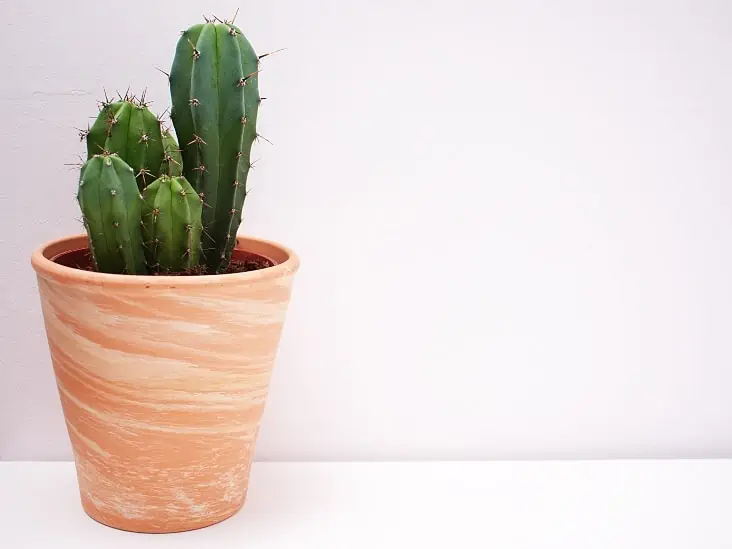
So, is cactus a succulent? By virtue of its physical features, the cactus is a succulent. However, the word cactus is used to denote its botanical family (Cactaceae). A succulent is a broader group that includes a number of other botanical families. So simply put, all cacti are succulents, but not all succulents are cacti.

This article will work to demystify the difference between cactus and succulents. It will be looking at the differences and similarities that abound between these plants.

Understanding The Difference

Cactus is derived from the word Kaktos which essentially means ‘spiny plant’. Later, the name Cactaceae was coined to identify a group of plants that exhibited peculiar traits like storing large amounts of water in their stem, hairy or prickly coverings and limited or no leaves.

The major difference between succulents and cacti is that a succulent is a broad group of families, which includes Cactaceae.

One can easily identify cacti, albeit with rare exceptions, from their leave-less appearance. This is a result of their struggle to thrive under harsh climatic conditions. Their stems are modified into pads, cylinders and joints that help store water in times of drought. The spikes and bristles come in handy for protection against herbivores. This is one of the adaptations for survival in the wild. Most of them feature brightly colored flowers, and some produce edible fruits.

It’s all in the leafs

While most succulents feature notable leaves, cacti do not have any. However, during the seedling stage, cacti have leaves, and some will sprout on new growth, albeit for a short time. With time, they shade these leaves to help avoid water loss through evaporation.  Most cacti will change shape in the course of their growth as they adjust to the prevailing conditions. They also feature accordion-like ribs that expand to accommodate more water without bursting and will contract without losing shape as the plant uses up the water.
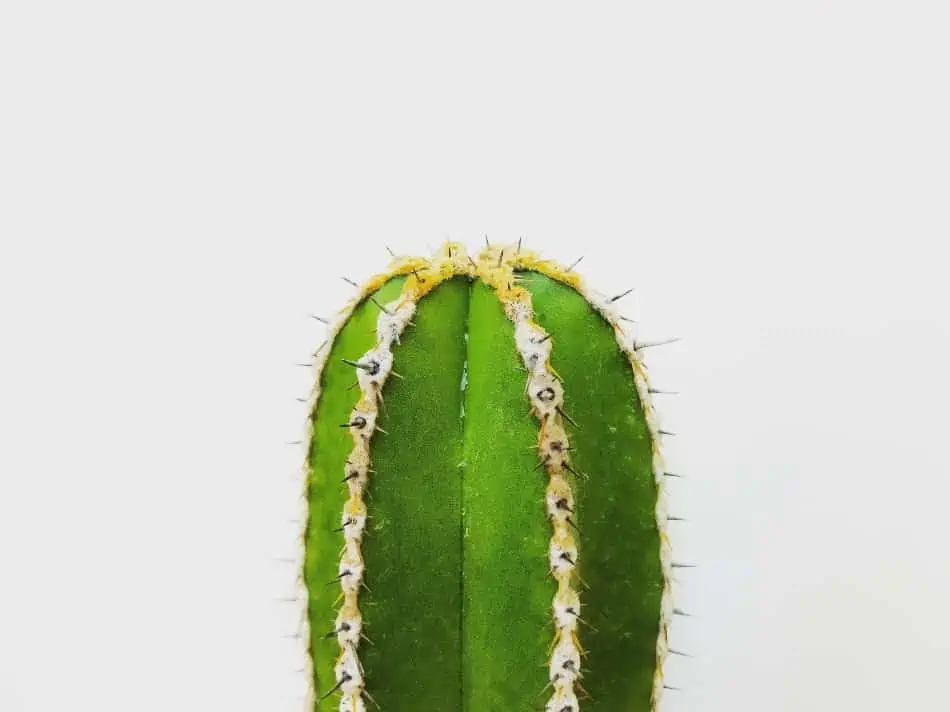
While succulents have plumpy leaves, cacti feature sharp spines.

On the other hand, the evolution of succulents like hawthorias, aloes, echeveria and drassula happened under less severe conditions compared to cacti. Most succulents have leaves, but these are also adapted to dry climatic conditions. Their leaves would become flattened gradually by water-storing tissues. These leaves are covered with horny or waxy materials that help reduce water loss through evaporation.

Variety of climates

Most succulents can be found in desert and semi-desert areas, especially in the warmer parts of the world like Africa and Mexico. However, others like sempervivums and sedums thrive in colder regions and can be found in rocky slopes.

Most deserts of the world are home to succulents, but not all succulents are desert plants. A number of them exist in forests, mountains and near rivers, seas and lakes. For instance, in the semi-arid regions of America, Africa and Asia, most succulents thrive, but they can also be found in rain forests. The following are some of the notable succulents and their native regions:

  • Aeonium – Africa, Madeira and Canary Islands
  • Agave – The Americas
  • Cotyledon – Africa
  • Aloe- Africa, Atlantic Islands, the Mediterranean
  • Crassula – Africa
  • Dudleya – Mexico, coastal  California
  • Gasteria – South Africa
  • Echeveria –  the Amricas
  • Faucaria – South Africa
  • Kalanchoe – America, Africa and Southeast Asia
  • Sempervivum – Southern and Central Europe, North Africa

Cacti are believed to have evolved over 30 million years ago in North and South America. This explains why most cacti species are native to these regions, and it stretches from western Canada to Patagonia. On the other hand, succulents are native to every continent apart from Antarctica. The adaptability of these plants is unmatched. In fact, they can sometimes be found as epiphytes that grow as parasites to other plants.

Taking Care Of Succulents

Succulents have been known to make excellent houseplants. This is especially so considering the popularity that cacti have gained in the last few years as both garden and indoor plants. With the right propagation and potting according to their variety and family, succulents will need little attention. As long as they have access to enough sunlight, they can thrive even without frequent watering regimes.

This said, it is important to appreciate that each succulent variety has its specific care tips. However, the rule of thumb is always to ensure you have the right soil mix for your succulent. Talk to your botanist about your succulent and should be in a position to advise you on the best soil mix for your plant. Nevertheless, always ensure the soil mix is dry enough before watering.  This will help reduce cases of root rot that can be detrimental to the life of your succulent.

Water and lighting needs

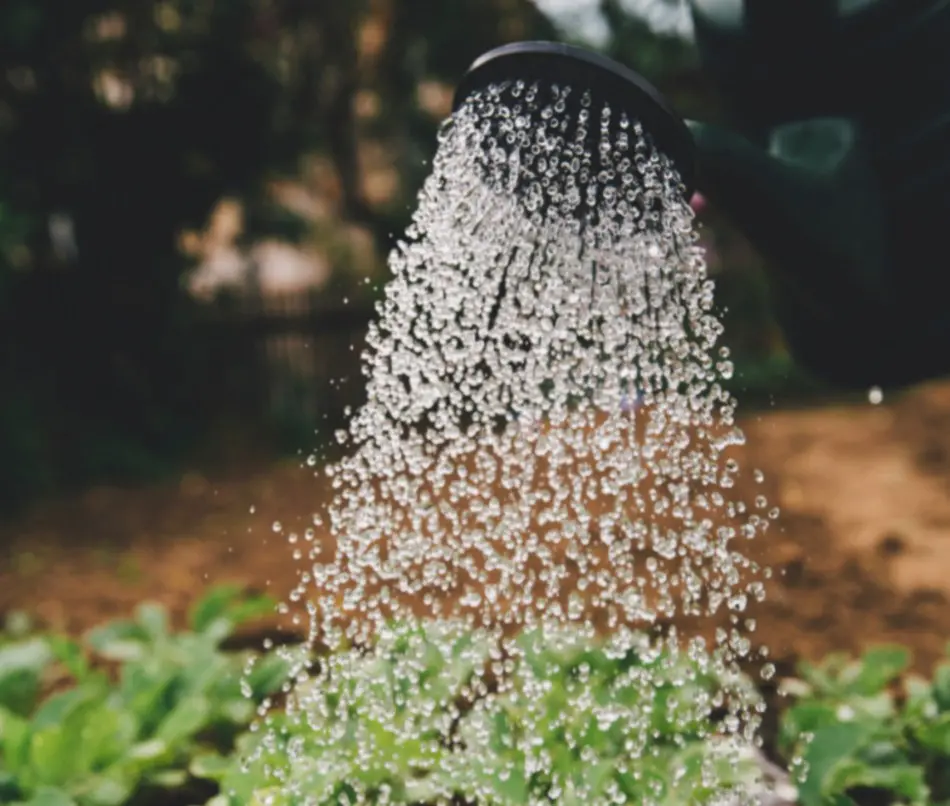
Depending on the humidity, drainage and temperatures in place, watering once a week is ideal for most succulents. Always be on the lookout for signs of over-watering. These may include leaves looking mushy or soggy. In other instances, the leaves may change color.
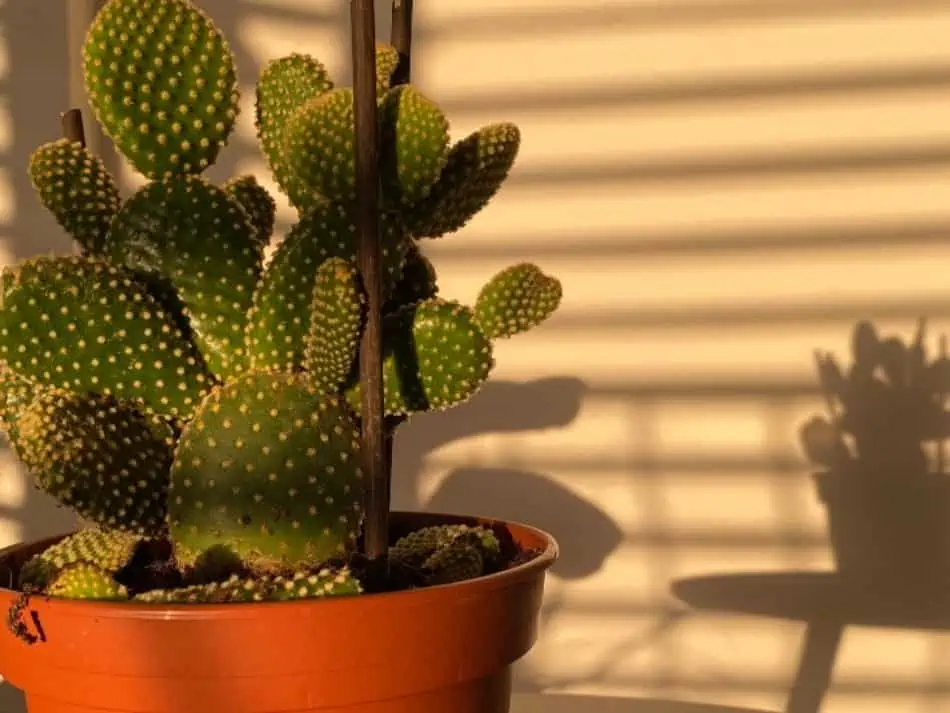
The majority of succulents love bright light, but you should avoid placing them under direct sunlight.

Most succulents thrive best under a bright light. However, you do not necessarily have to expose your succulent to direct sunlight. Placing it by the window will do just fine. You may see the need to move them around just to see how they adapt to the various conditions. In cases where getting sunlight is a challenge, you can opt for grow lights to help offer the much-needed light for healthy growth. Some notable signs of light deficiency in succulents include leaves stretching out and pale flesh.

Propagating Succulents

Succulent can be a source of joy when grown indoors. As such, you want to have as many as possible. Luckily propagation of succulents is simple. Depending on your variety, succulents can be propagated by seeds or vegetatively.

You can propagate succulents from seeds or through vegetative propagation.

Propagating succulents from seeds can only be possible with successful pollination. While in the wilt, this would be done by wind insects and birds. However, when grown indoors, you may need to practice cross-pollination by hand to increase your chances of getting healthy seeds.

On the other hand, vegetarian propagation can be done by using cuttings, pads or offshoots of the parent plant. These would then be replanted by spurring rooting in separate containers. These cuttings would, however, require a healing period called callousing before transplanting. This helps increase the chances of rooting by avoiding the risk of rotting.

Common Succulents You Can Plant Indoors

Apart from cacti, there are multiple other succulents that can be grown indoors. The type of succulent to go for will depend on the climatic conditions and overall home décor of your indoors. Hereby some common indoor succulents:

  • Aloe Vera – This is a common succulent that can sometimes be confused for a cactus, thanks to its appearance. Apart from improving your home décor, aloe vera has been used from time immemorial to heal burns and relieve pain.
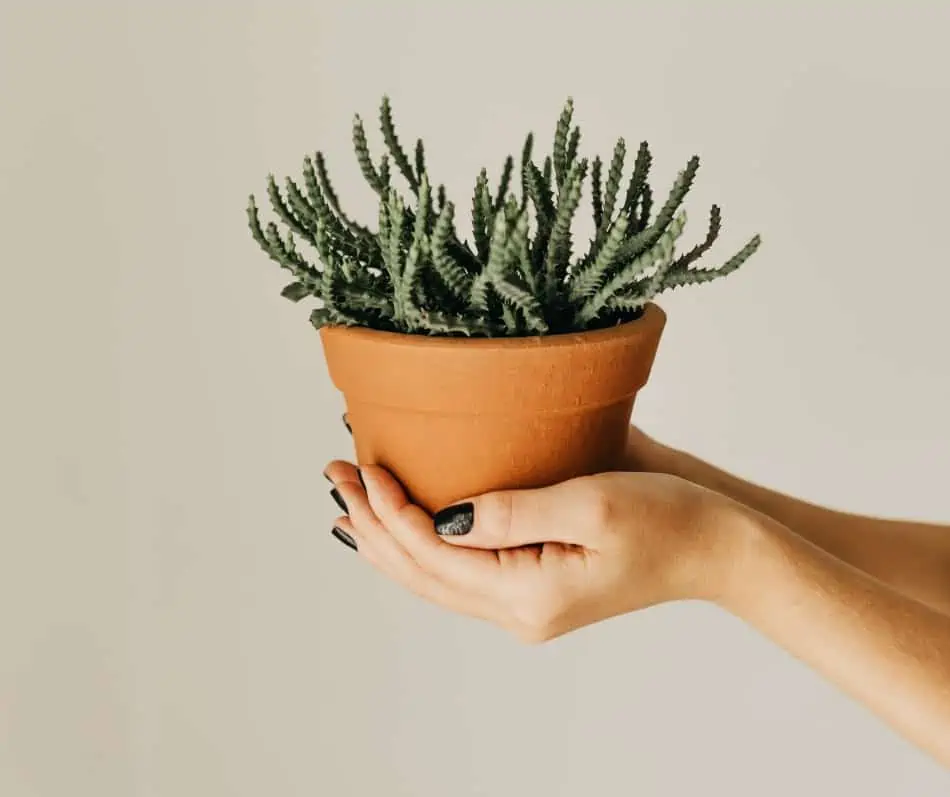
  • Burrows Tail Sedium – This succulent thrives best when grown in hanging baskets. It works perfectly with medium to high light.
  • Panda Plant  – This is a type of kalanchoe and is most popular for its soft, fuzzy leaves that help complement home décor.
  • Ponytail Palm – Often confused for a palm tree, this succulent stands out with its bulbous trunk that helps store water.  This is most ideal for busy individuals or those who travel frequently.
  • Snake Plant – This extremely hardy succulent is resistant and can handle a lot of abuse. Water sparingly with breaks in between to allow the soil to dry out.
  • Crown of thorn – This thorny succulent has gained much prominence thanks to its unique shape. Water the plant as soon as one inch of the soil feels dry. Too much dry soil, and you risk losing its leaves and flowers.
  • Pincushion Cactus –  Its name notwithstanding, the Pincushion cactus is not a true cactus but falls under general succulents. It is part of a group of around 200 ball-shaped succulents. It thieves best under extremely high light.

Cacti, just like the rest of succulents, may not need much attention, but following the common care tips will help improve their health.  Most succulents are slow-growing and will thus need the patience to reach maturity.  When grown at home, it is important to understand its ecological needs. 

While most succulents would thrive in the deserts, others do best in cold conditions. With this in mind, it becomes much easier to determine the best conditions even when grown at home. Unlike cacti, most other succulents have leaves and would make their food through photosynthesis, just like any other regular plant. As such, exposure to sunlight is vital for their survival.

What Animals Depend On Cacti Plants?

Cactus plants have many benefits for both humans and animals. Some cacti have edible leaves, backs, and fruits. Others act as a source of water in arid regions; hence, helps many desert animals to survive.

Cactus plants such as prickly pear are food for various bird species, mammals, and insects. Many birds, lizards, mammals, insects, and bats rely on the flowers, fruits, and flesh of saguaro to survive in the desert. Some birds of prey and other ground animals make their nests in cactus.

There are different ways cactuses help various kinds of animals. Whether it’s for food, shelter or a source of water, cactuses are essential for many animals’ survival. Here is a list of different animals that depend on cactus and how they do so.

Camels

Camels are among the animals that depend on cactus. These animals eat Prickly Pear cactus’s pads and spines. You must be wondering how they manage to eat this cactus with sharp spines. Well, it’s all thanks to their hard palate on their mouths. They teed grind the cactus against the plate. They chew the food in a rotating manner and redistribute pressure from the cactus in the mouth. Their papillae slide the cactus needles down on their throat without poking them.

Although prickly pear cactus features sharp spines, camels are capable of eating not only the cactus pads but spines as well.

With this chewing technique, the sharp spines of prickly pear cactus don’t prickle them when they ingest. Well, you cannot deny that the sharp spines hurt the camels while eating this cactus. However, they choose to enjoy the flesh beneath these spines and endure the discomfort that comes with it. After all, they only eat a few times because they’re capable of preserving food in their body for a long time.

Desert Birds like Gila Woodpecker

For several desert birds, cactus is not only a source of food but a good shelter. These birds use the inside of the cactus plants to make themselves comfortable homes. Saguaro cactus makes a perfect host for most of these birds. These birds are the Gila woodpecker which excavates their nests on the saguaro’s pulpy flesh.

Desert birds like Gila Woodpecker typically make nests in the Saguaro cactus.

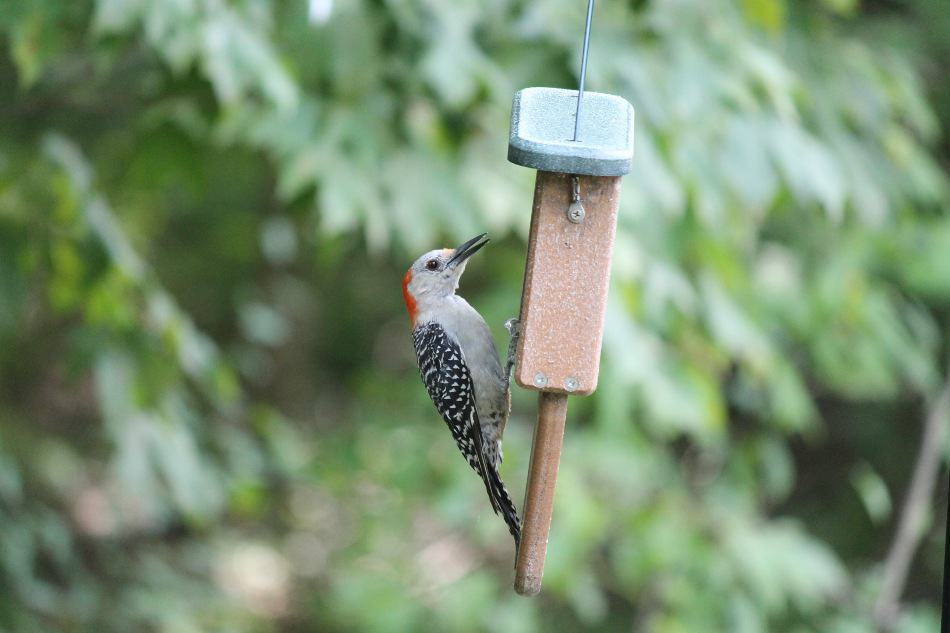
Gila woodpecker is a bird found in the Sonoran Desert. Like the name, this bird pecks the wood of the saguaro cactus tree to make its nest. You’ll identify these birds with their brown feathers and black and white marks on the wings. The makes have some red patch on top of their heads.

The good thing about these birds is that they only make holes on the outside layer of the cactus, allowing the plant to heal and continue growing normally. They only cause superficial damage that will not kill the plant. They create a pocket of scar tissue that acts as their home. Sometimes the Native Americans collect this scar tissue to use for carrying water.

Gilded Flicker Birds

Another desert bird species that dwells inside the saguaro cactus is the gilded flicker. The bird is a common one in the Sonoran desert and has a healthy population. Its wings are about 11 inches long and 19 inches wide. You’ll identify this bird with its brown and has some red and black marks. The non-dessert species of this bird not only live in cactus but also eat the fruit.

The bird hammers saguaro cactus through to the center. Their holes are so deep that above them, you can see the helpless cactus leaning over sharply. The cactus may even start drooping because the hole makes it lose its structural integrity. These birds can abandon the cavities, and elf owls, purple martins, screech owls, sparrows, and finches take over the homes.

The Western Screech Owl

This owl is another desert animal that lives inside the saguaro cactus. The owl lives in the holes abandoned by birds or make their nests in the cactus. This owl has brown and white feathers. It has a wingspan of 21 to 22 inches and large eyes. The western screech owl is a nocturnal animal. This means it comes out at night and rests in its nest during the day. It’s also a territorial animal that can attack other animals and humans. It doesn’t eat cactus. It depends on small birds, rodents, and insects for survival.

The Western Screech Owl builds a nest and lives inside the Saguaro cactus.

Bats

Bats not only use the holes left by other birds for their shelter. They also eat nectar and pollen from saguaro cactus. Bats such as the Mexican Long-tongued and Lesser long-nosed pollinate the saguaro. The bats, mammals, and other bird species eat the ripening fruits, which also act as their moisture source.

Collard Peccary

Collard peccary or javelina are also mammals that live in the desert and depend on cactus and other plants to survive.  The peccaries almost look like pigs with their sharp spears. They’re smaller in size as compared to pigs with almost invisible and tiny tails. Their small tails have some scent which they use to find their family members and mark their territory.

The animals also have sharp tusks under their snouts that they use to dig roots of the cacti to find food. They also get their water from the juicy cactus pads. They also dig up other plants to eat their roots. They’re not shy and can even visit homes in search of food in moist plants.

Harris’s Antelope Squirrels

This is another group of desert animals that eat cactus seeds and fruits to survive. You’ll see them dashing out often in search of food with their fluffy tails held at their backs. They also dig underground burrows, which are mostly under prickly pear cactus and other shrubs.

You’ll see these animals jumping on top of spiny barrel cactus to get the juicy cactus fruit for the meal of the day. The funny thing is that they’re very careful on top of the spiny cactus that they never get poked. When it’s too hot, these wonderful squirrels drop their bellies and spread their legs to cool off in shady soil when it gets too hot.

Woodrat

Most cacti plants from those prickly spines to scare away predators. These spines are everywhere, starting from the stems, leaves to the fruits. The spines force most hungry animals to stay away or risk being poked and wounded.

But this is not the same case with the white-throated woodrat. The rodent that mostly lives in the dessert is not scared of the spines. In fact, to them, these thorns seem like an invitation for a feast. It even looks like these animals will prefer cacti with thorns to the ones without.

Apart from collecting the fruits from these spiny cacti, like the prickly pear cactus, they also collect the spines to create their defense. The rodents use the cacti spines to surround their nests, so anyone who dares to pay them a visit will get a sharp welcome. This strategy has protected these rats from predators such as snakes.

Jackrabbits

This is another fun to watch desert mammal that the cacti plants help to survive. They have very long ears that help them sense danger from far away and cool their body temperatures in the hot desert climates. Their ears and short tails have black fur that got them the name jackrabbits.

Despite the name rabbits, these mammals are in the hare’s family. They move about in open and flat areas, searching for food. The animals depend on cacti, leaves, shrubs, and grass for survival. Jackrabbits eat the flesh of young saguaro to get the moisture, especially when they run out of water completely.

The Coyote

This animal is a dog-like animal that you won’t believe can eat cactus since they look more like carnivorous animals. However, they’re omnivores that eat anything from plants to other small animals. The coyote can survive on anything from fruits of cacti, mesquite beans to dead animals. The coyote survives on prickly pear cactus, especially the fruits.

They also eat all kinds of rodents, including squirrels, woodrats, and rabbits. They have a variety of food to eat, making it easy for them to survive in the desert.

Although the Coyote eats other animals, it can also survive on the prickly pear cactus and its fruits.

The Kangaroo Rat

This is another exciting animal that you’ll come across in the desert and survive on cacti plants. You’ll identify these rodents with their long tails of about 8 to 14 inches.  They also have kangaroo-like feet that give them the name. They resemble kangaroos in many ways, including using their long tails for balance and having pouches, not on the stomach.

They use the pouches to carry seeds they collect from plants like cactus to their burrows. They also eat fresh pads from different species of cactus. The rats join the long list of animals that depend on prickly pear cactus for food.

Summary

Looking at the cactus plants, especially the prickly pear cactus, you’ll think that no one will dare eat them. It seems like both animals and humans will do anything to reach the juicy fruits that these cacti produce. Cactus fruits make a good source of food, and some Native Americans use them for various culinary dishes. Now what humans can eat comfortably, animals will not spare.

But animals don’t only depend on cacti plants for food. Others use them as their homes by building nests on them. Others like the woodrat collect the spines to use as a defense against predators such as snakes. The cacti plants are indeed helpful to many desert animals.

Which Cactus Can You Drink Water From?

Sometimes, life can throw tricky situations your way, and you must learn how to deal with them. In most cases, you won’t know a survival situation until you are faced with one. There have been many reported cases of individuals getting lost or injured on a day hike in the desert.  Being stuck in the desert means that your water supply can get depleted quite fast, and you need to find means of staying hydrated. But the big question is, where do you find water in the desert? Can you drink water from a cactus? Let us find out.

So, which cactus can you drink from?  Typically, cactus is not a safe substitute for portable water. Drinking cactus water, especially on an empty stomach, can cause severe diarrhea and vomiting, leading to more dehydration.  However, in extreme situations, you can always have a few sips from the fishhook barrel cactus.  This is the only cactus that is safe to drink water from but make sure you ingest only small amounts of the water. 

In this post, we cover everything you need to know about drinking water from a cactus and whether it is safe to do so.  Without further ado, let us dive in and get started.

Is Cactus Water Safe to Drink?

You may have heard or read that you can always get water from a cactus plant if you are ever lost in a desert and become dehydrated. It sounds like a nice survival tip but is it that simple?  

The truth is that a cactus plant is not a spine-covered basin of freshwater.  Since we are talking about a desert, we can all agree that water is a big treasure and most cacti plants know how to protect their treasure from predators.

No! We are not talking about the spines in this case. We are talking about the fleshy stem of the succulent. The fleshy stem of cacti plants is usually protected by acids and alkaloids, which can be quite harmful.

In some movies, you might have watched one of the actors cut a barrel cactus, dip his/her hand into the fleshy stem and bring out a hand full of water to drink. Most of us don’t know that the fluid that comes out isn’t exactly water.

It is a noxious jelly-like fluid that is still toxic to human beings.  Remember that when you are already exhausted and dehydrated, your kidneys are weak. Therefore, if you ingest the liquid, your kidneys will be forced to work harder to break it down, which might put you in trouble.

Although cacti can store large amounts of water, the fluid is not always fresh and safe for human consumption.

Another significant problem of ingesting the fluid is that it causes severe diarrhea, vomiting and can even result in temporary paralysis.  You don’t want to experience any of these symptoms while in the middle of a desert.

But that doesn’t mean you cannot drink water from cactus completely. In extreme situations, a fishhook barrel cactus can come in handy. Many individuals have used this cactus as a source of emergency water, and only a few experienced side effects. 

The only thing you need to do is to avoid drinking the cactus water on an empty stomach.

Which Cactus Is Safe to Drink Water From?

As mentioned early, the only cactus you can drink water from is the fishhook barrel cactus.  Still, the cactus water should be ingested in small quantities and in extreme situations only. Plant experts say that the fishhook barrel cactus is the least problematic of the extensive cacti family when used as a water source in the desert.

But, there is still a slight concern about risking your health. In situations where you are extremely dehydrated, you should consider drinking small amounts of water from this cactus to soothe your thirst and hope you don’t experience the side effects.

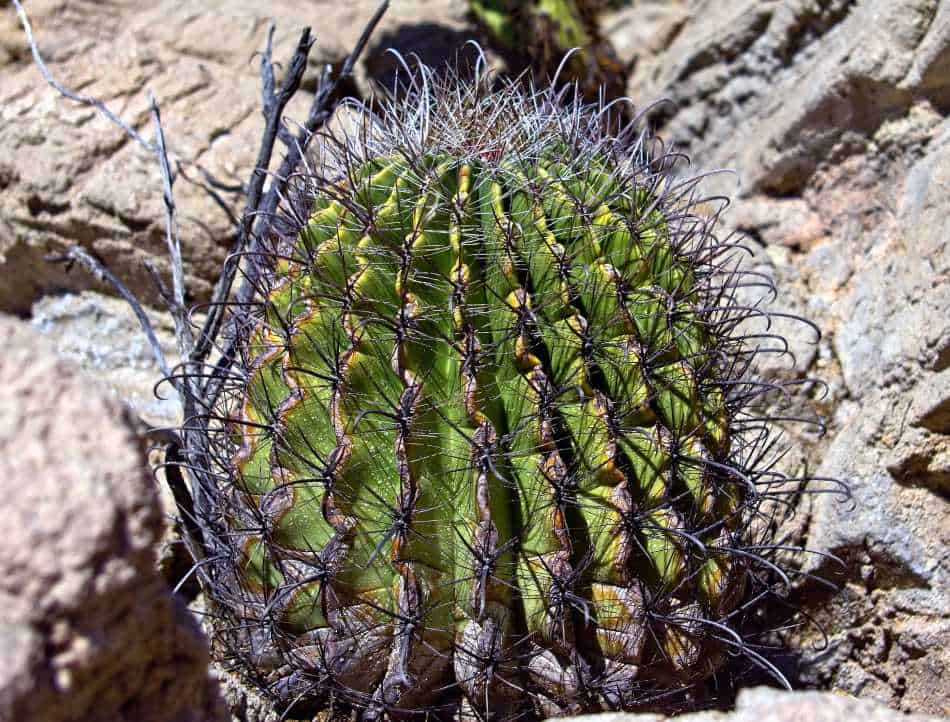
Fishhook Barrel Cactus is the only cactus plant that you can drink water from in extreme situations.

Cactus water is typically acidic and may also contain alkaloids. Like any other ingested substance, your body must digest it, which requires it to expel more energy than you would gain from the water. As such, you may experience slight body aches, joint pains, vomiting, and diarrhea after drinking the water.

In most cases, it is upon you to decide whether or not to risk depending on your situation. Will you risk dehydration or becoming sick?  You have to make the right decision that you won’t regret later.

How Do Cacti Plants Store Water?

Most people think that these succulents have long roots that grow deep into the ground in search of water.

On the contrary, cacti plants usually have a relatively shallow root system. They are only a few inches below the ground surface, and some of them even pop out of the ground. The roots might not even be vertical. In fact, almost all cacti plants usually develop a horizontal root system.

Cacti plants absorb water through their several-feet-long roots.

The roots can be several feet long and are always ready to absorb water from the light showers experienced in deserts. Whenever it rains, the roots absorb as much water as they can since they are highly specialized to absorb water pretty quickly.

When the short rain season is over, most of the roots dry and break off from the plant. This is done to help preserve the stored water in the plant. During the rainy season, the extensive root system absorbs too much water until the plant becomes more hydrated than the soil.

Is Commercial Cactus Water Still Harmful?

There is a big difference between the water you acquire from a cactus plant in its natural environment and what is sold commercially.  Commercially sold cactus water has been refined and evaluated to ensure it is safe for human consumption.

Cactus water is the latest beverage drink in the market alongside other plant-based drinks such as aloe vera juice and coconut water.

Commercially available cactus water is made by squeezing juice from the fruit of the prickly pear. That is why the commercially available cactus water is pink and not clear.

The water is naturally low in sugar and calories but rich in health-boosting nutrients and powerful antioxidants. It is often marketed to athletes since it contains a significant amount of electrolytes that aid in hydration.

There are several cactus water brands in the market, and you can still make your own using the prickly pear fruit and a few common kitchen items.

However, you still need to be cautious when drinking the commercial cactus water. Since it is manufactured from prickly pear fruit, it can have a laxative effect. It can also cause gastrointestinal problems and diarrhea in some individuals.

Some cactus water beverages also contain added sugar, and excess sugar in your diet can lead to heart disease, type 2 diabetes, and weight gain.

Can Desert Cactus Be Used to Purify Water?

Without getting off-topic, we thought this is something interesting that our readers might want to know. After all, we are still talking about cacti plants and water.

Extensive research has been conducted in regards to purifying drinking water using cactus mucilage. This is a process that is commonly practiced in Latin America using the prickly pear.

The process usually starts with boiling the cactus pads that are also edible. The liquid water gel left behind after boiling the pads will then be poured into the drinking water supply.

Within five to ten minutes, the contaminants present in the water automatically fall to the bottom of the container, and the topwater is more purified for drinking. The results can even be better if you leave the cactus mucilage in the container for at least 36 hours.

Always Be Careful When Handling Cacti Plants

When handling a cactus plant, you must be careful with the spines. The spines are a defensive mechanism that these succulents use to protect themselves from potential predators.

To avoid severe injuries and skin irritation caused by spines, handle cacti plants with extreme care.

Cacti spines can easily hook themselves onto your skin, causing severe injuries. In some cases, you will need tweezers to get rid of them. If you don’t have tweezers, you may be forced to wait for a few days before they can start coming out on their own.

During this time, you should be careful with the wound so that it doesn’t catch other infections and make things worse for you. Keep it clean and avoid touching it from time to time. You should also consider covering it with a clean piece of cloth or bandage.

Summary

When going hiking or exploring outdoors, it is always critical to carry enough water. You need to carry even more water when you are going to desert places where temperatures can easily get past 120oF.

Should you be in a desert and something happens such that you run out of water, you still need to find a way of surviving. In such desperate times, drinking cactus water might sound like a good idea.

Don’t make that mistake because the results can be catastrophic. Typically, the short relief you will experience may be followed by pain, weakness, vomiting, diarrhea, and other illness making things worse.

Your best option in such a case would be to consume the cactus fruit even though it might not be enough to end your thirst. If you must drink water, you should only consider sipping small amounts from the fishhook barrel cactus since it is the only safe cactus you can drink water from.

15 Tall Cactus Plants With Names

Cactus plants are known to be many homeowners’ favorite plants because of the statement they create. And not only that, these are plants that are easy to plant and care for and can thrive almost everywhere. They come in various personalities, with others tall, short, and others growing in clusters.

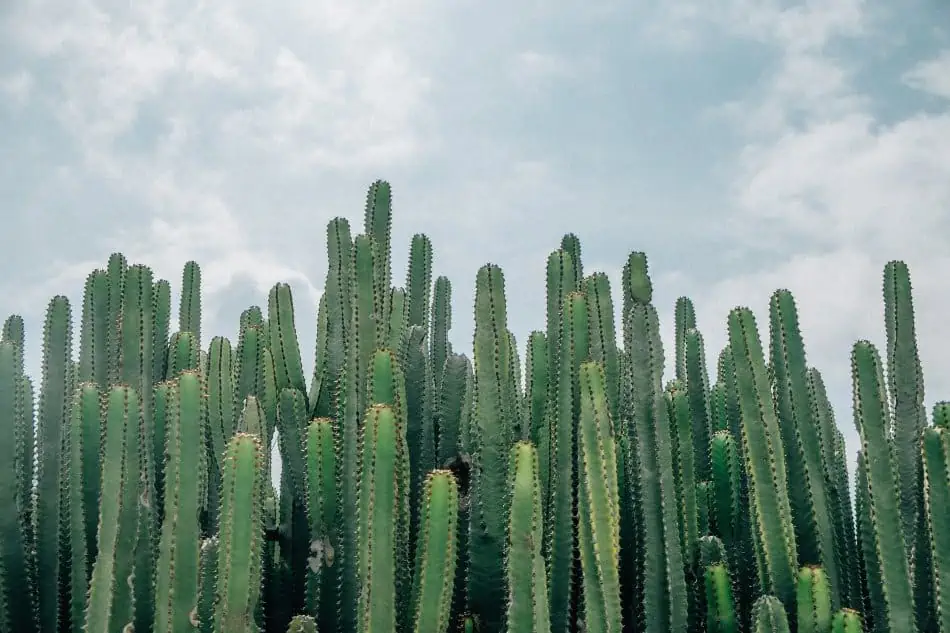
Tall cactus creates that bold and trendy look perfect for giving your home an incredible look. If you provide them with enough sunlight, you’ll be amazed at how tall your cactus plants can grow. The tallest cactus plants range from 15 feet to over 60 feet. The likes of saguaro, Mexican fence posts, and orchid cactus are among the tallest you can find at home and in the desert.

Well, if you love your plants standing tall and bold, you’re going to have to be picky with your cactus choice. Not all of them grow tall, no matter how much you care for them. Here is a list of 15 tall cactus plants with names that you should look for.

1.    Mexican Fence Post (Lemaireocereus marginatus)

Just the word fence post is enough to tell you that the Mexican fence post is a tall plant. If you start by growing this plant indoors, it will grow up to 8 feet tall. After reaching the height,  you can now move it outdoors to continue its growth without any interference. In outdoor temperatures, Mexican fence posts can grow tall and bold up 20 feet tall at maturity.

A mature Mexican Fence Post Cactus.
Mature Mexican Fence Post cactus reaches 20 feet in height if grown outdoors.

The plant grows in columnar form, producing some bright white margins that define its beauty. It would be fun to grow this plant from scratch and see it grow to maturity. You can then give yourself a part in the back for being an incredible gardener.

2.    Mexican Giant Cardon Cactus (Pachycereus pringlei)

It looks like the universe blessed Mexico with some of the tallest cactuses on the planet. The Mexican giant cardon makes one of the tallest cacti you can plant in your home garden. Thanks to its upright growth, the cactus got its name because many people use it as fence posts. This cactus can grow up to 63 feet tall and 39 inches. The unique look of this plant also makes it a perfect indoor plant. It’s a pretty easy plant to care for.

Despite being the tallest plant, it’s a slow-growing cactus and will take a long time before reaching its maturity. Just make sure you expose it to desert-like conditions, and no matter how long it takes, it won’t disappoint.

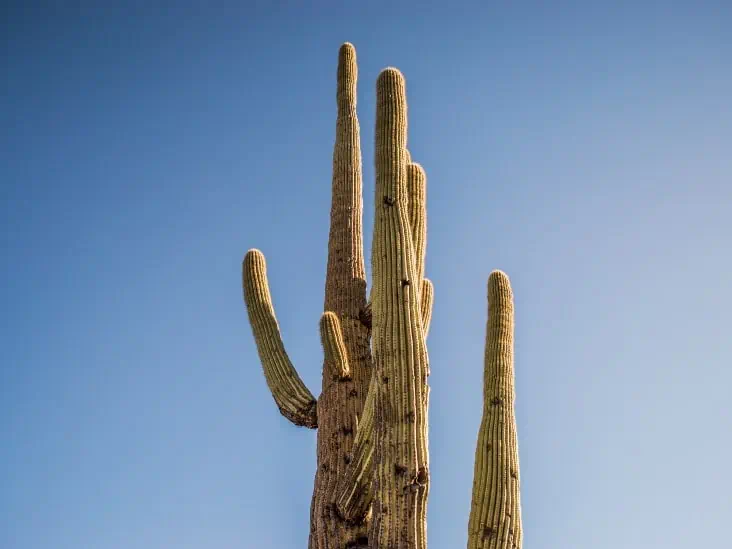
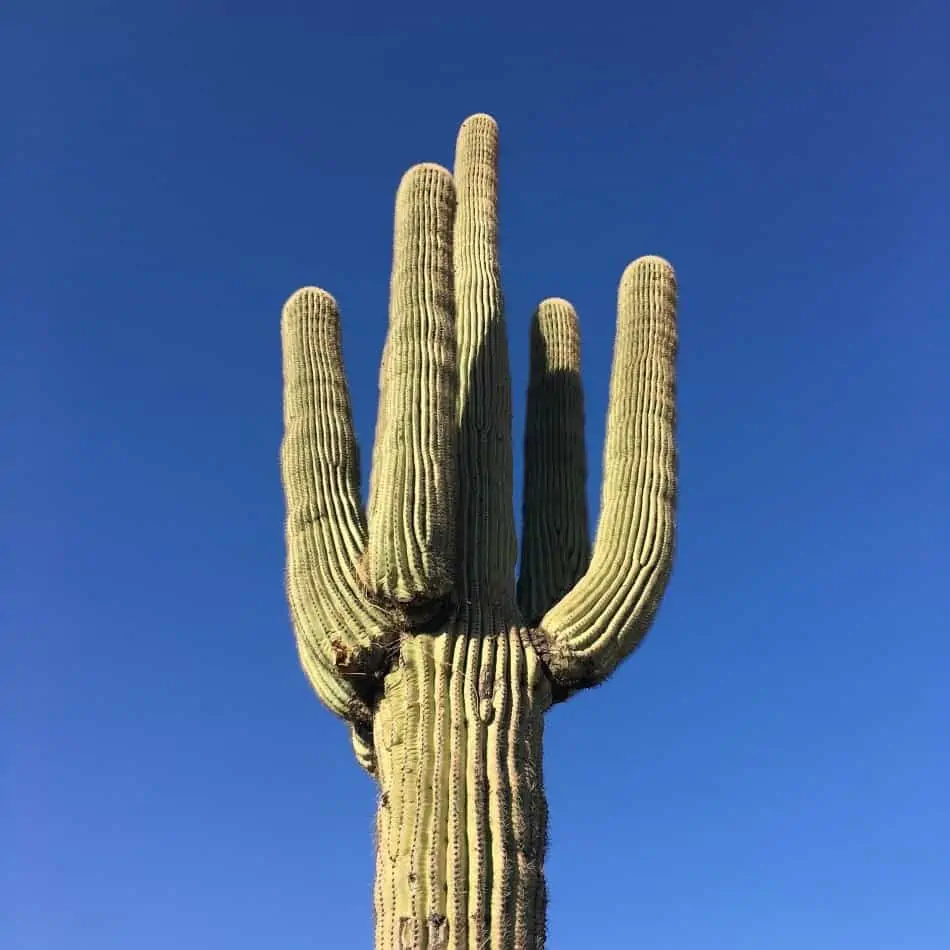
3.    Saguaro Cactus (Carnegiea gigantea)

Saguaro won’t miss the list of some of the tallest cactuses in the world. See it in the desert, which is its natural habitat, and you’ll be thrilled at how tall and huge it can get. This plant works well when exposed to full sun. It takes years to reach its full maturity, say about 200 years. When it’s fully matured, the cactus can take up to 40-60 feet tall.

A huge Saguaro Cactus.
It takes around 200 years for Saguaro Cactus to reach maturity and grow up to 40-60 feet tall.

You’ll easily identify saguaro even if you see it in the desert, thanks to its classic cactus appearance. The tall central body also forms arms. It also forms some sharp hard spines that you should be careful of. Saguaro also produces some white flowers, which later turn into red edible fruits. Saguaro fruits are very fleshy and sweet.

4.    San Pedro Cactus (Echinopsis pachanoi)

San Pedro Cactus is another fairly tall cactus plant to grow at home. It’s a rather easy plant to grow indoors, and it grows so fast in mild climates. This plant is drought tolerant and is perfect for xeriscaping.  San Pedro cactus is native to Andean slopes and will do well when grown in almost the same climates. The plant grows up to 20 feet tall under favorable climates. If you’re growing it at home, make sure it gets well-drained soils and full sun.

You’ll identify San Pedro with its multi-stemmed columnar look that forms small trees with several branches. The stem color is pale green to blue-green at its young age but turns dark green when it reaches its maturity. It blooms in large white flowers that form a trumpet shape. You’ll love the beautiful flowers for their sweet fragrance. The flowers dry into fruits.

5.    Blue Myrtle Cactus (Myrtillocactus geometrizans)

Blue Myrtle cactus is a very fast-growing one that looks like a tree as it ages. The cactus can grow up to 16 feet tall. Even at maturity, this cactus still looks shrubby and as beautiful as a young plant. This cactus produces bluish-grey stems that grow in candelabra-like style. At maturity, blue myrtle cactus might produce white flowers and dark purple ones in spring.

The cactus can remain without any branches for a long time, but once it matures, you’ll start noticing several branches. Mature ones form dense green stems which grow closely together and are highly branched. It will form a crown that spreads up to 12 feet in width when it grows in its natural habitat. If you don’t want this cactus to grow too tall and huge, you can control it in a small container indoors.

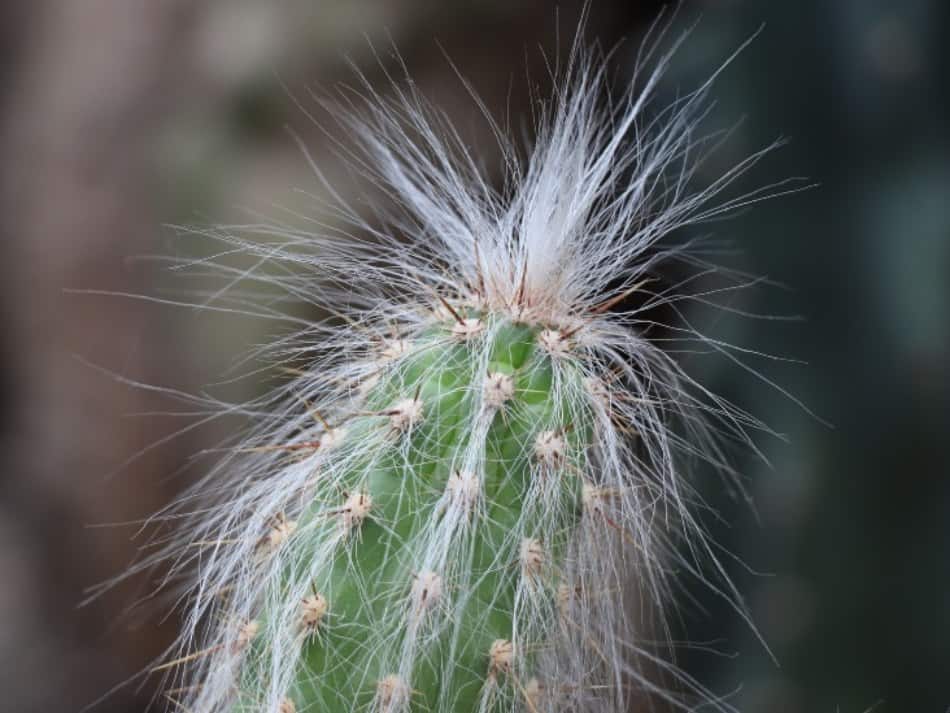
6.    Old Man Cactus (Cephalocereus senilis)

Old man cactus will not only wow you with its beauty, but its height is also mesmerizing.  The beautiful plant grows covered with silky white hair that gives it its beauty and the name. It also has other names such as Old Man of the Andes and hairy cactus, which also describe its appearance. The cactus plant does well in high altitudes and can grow to 6 feet while indoors and up to 49 feet when you take it outdoors.

A Old Man cactus with silky white hair.
The Old Man Cactus with silky white hair can reach 49 feet in height when grown outdoors.

The stems of this cactus produce beautiful blooms at night as soon as it reaches a height of 20 feet. If it gets some drought-tolerant gardens, you’ll get the old man cactus to grow in beautiful clusters that you can use to decorate the sides of your entryway. Give it lots of sunlight, and it will reward you with long and thick white hairs that cover the entire plant as it grows.

7. Armatocereus Oligogonus

This is another tall variety of tree-like cactus native to South America. The tall cactus grows up to 40 feet when mature and forms distinct features such as segmented stems. It also forms tough spines, which earned it the Latin name ‘Armed Cereus.’ Others have no spines, while others have very little. Apart from the spines, you’ll also notice this cactus with its grey to blue-looking stems.

Like other beautiful cactuses you plant at home, Armatocereus will adorn your garden with beautiful red flowers. You have to be careful when picking the flowers because they’re also armed with some sharp spines. The cactus also produces red or green fruits that have spines at first but later lose them when ripe.

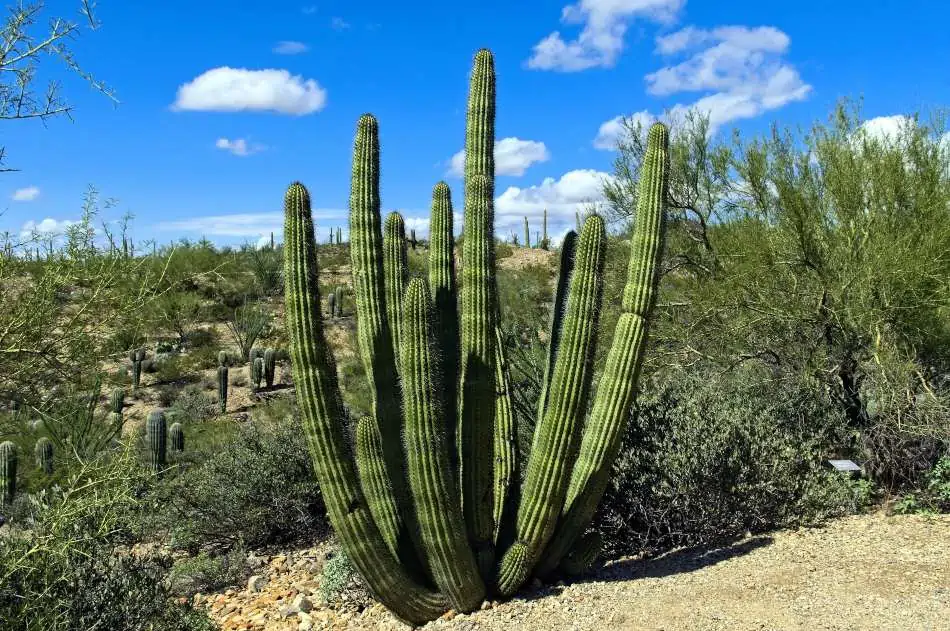
8.    Organ Pipe Cactus (Stenocereus thurberi)

Organ pipe cactus is another tall cactus we can never miss on the list. After saguaro, this is the second-largest cactus grown in the U.S.  Its trunk can go up to 6 inches in diameter. It doesn’t grow into a single stem-like saguaro but will form several branches from the ground level. This tall cactus is also edible as it produces pulp jelly that can also be fermented. Native Americans have used organ pipe cactus as their food source for several years.

Organ Pipe cactus is the second-largest cactus in the US after Saguaro cactus.

Its green to the gray stem can grow up to 26 feet under favorable conditions. It also grows some brown spines that densely cover the spines. This plant falls into the category of night-blooming cactus that form pinking-red, funnel-shaped flowers. It also forms large, round fruits that are edible when ripe.

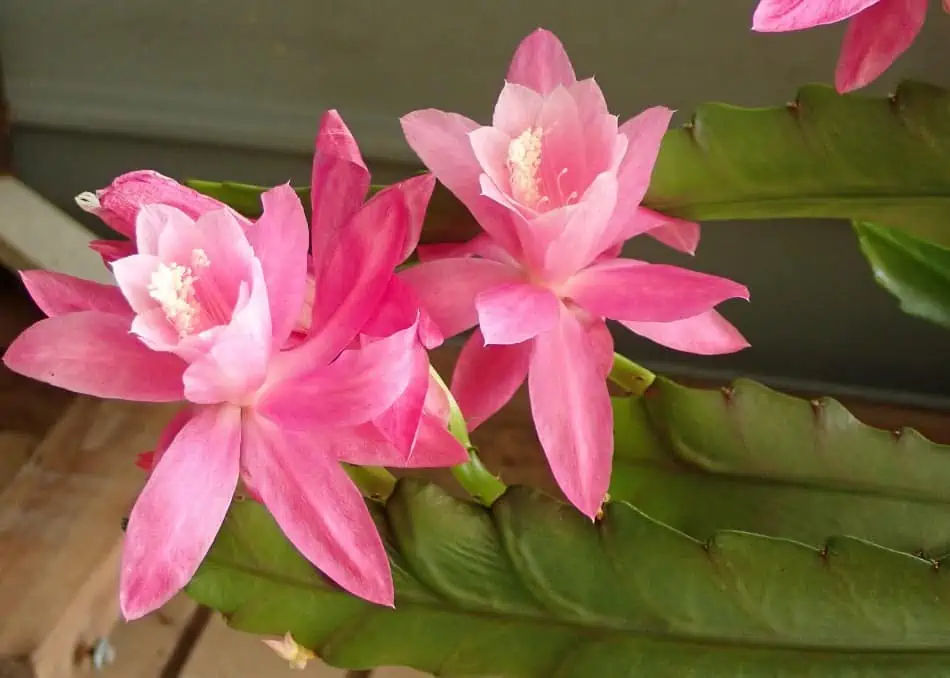
9.    Orchid Cactus (Epiphyllum hybrids or phyllotactic)

The orchid cactus is the tall plant on our list as it grows up to 30 feet in full maturity. The plant is mostly found in tropical rain forests and can still do well in different areas as long as you mimic its natural habitat. Don’t let the height scare you if you love indoor plants. Orchid cactus still makes a wonderful indoor plant that you can grow in hanging baskets until it’s too large to fit indoors.

A flowering Orchid Cactus.
Orchid Cactus is a tropical rain forest plant that produces pint, white, red, yellow, or orange flowers in late spring or summer.

Give this plant some bright light but not direct sunlight. Be prepared to see some pink, white, red, yellow, orange blooms in late spring into summer if you give it the best conditions. The plant got its name from these big, cup-shaped blooms. You’ll notice waves of blooms in mature plants that open several weeks during the plants blooming circle.

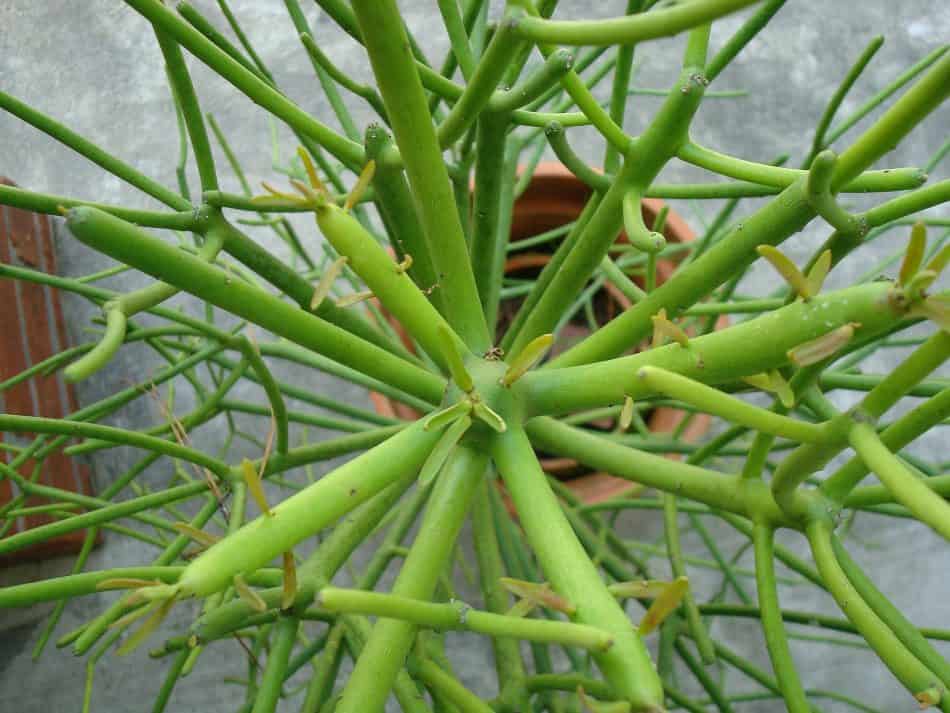
10.   Pencil Cactus (Euphorbia tirucalli)

Pencil cactus is another beautiful plant that grows up to 6 feet indoors and 30 feet outdoors. The plant is native to India and Africa. You can use pencil cactus as a houseplant and maintain its height up to the ceiling height. It grows in a slender and toothed look with foliage which is not easily noticeable. Its branches can only grow to a diameter of a pencil; hence, the name.

A top view of a Pencil cactus.
Native to India and Africa, Pencil Cactus can reach 30 feet in height if grown outdoors at temperatures around 25 degrees.

If you grow it at temperatures of 25 degrees, pencil cactus will be sure to reward your efforts. Another name for pencil cactus is milkbush. It got this name from its cloudy sap, which can be toxic to some people and pets. Be careful with it if you plant it indoors.

New plants have some tinged pink and tiny leaves, which will disappear with age. The plant is perfect for your home garden as it grows well with very minimal care.

11.   Eve Needle Cactus

Eve Needle is another fairly large cactus you can find in the desert. The cactus is a maintenance-free plant that you only need to give lots of sunlight, and it will be good to go. The cactus plant can grow up to 13 feet tall in its native habitat and 5 feet tall indoor environments. The cactus takes a tree-like form as it matures.

The beautiful cactus has deep green stems which can grow up to 3 inches in diameter. They grow covered in tubercles along with the upper parts of the stem.  The tubercles are sharply pointed and appear semi-cylindrical. This is where the plant derives its name from. South Americans eat the leaves of the Eve’s Needle cactus. They also produce pretty flowers which are red in color and form a cup shape. You’ll see the blooms around spring and summer.

12.  Senita Cactus

At a glance, you won’t think senita is a cactus due to its unusual shape. It grows into a smooth and silky surface, making it one of the most attractive cactus collection plants. Senita is a perfect indoor cactus, thanks to its slow growth rate. It can grow up to 6 feet tall in a container and up to 15 feet tall when you take it outdoors.

The beautiful plant forms some clumps when it branches near the base. There are some short spines in the stem. New senita grow appears in a purple tint which takes a powdery light green color as it matures. The frost tolerant plant can survive well in areas that receive long winters.

13.   Totem Pole Cactus (Pachycereus schottii Monstrosus)

Totem pole cactus takes years to reach its full potential, which is around 12 feet tall. Despite the slow growth, it’s one of the easiest cactus plants to grow. Although it’s not so many feet tall like the saguaro and the others, its upright growth qualifies it to be in this list of the tallest cactus plants. Its short trunk at the base forms tall stems with smooth skin and medium green color. It also features areolas with small bumps, which give it an appearance of many faces.

Mature totem pole cactus have hair-like sharp grey bristles on the tips of the stems. The plant doesn’t get bothered by insects and is immune to diseases. All you have to do is avoid overwatering it, and it will serve you perfectly. It grows pretty well in both indoor and outdoor environments.

14.   Candelabra Cactus (Euphorbia lactea compacta)

Candelabra cactus is a tree-like plant that grows up to 15 feet tall in its natural habitats and 10 feet in pots. It’s one of the best cacti to grow indoors, thanks to its form of growth and beauty. The beautiful tall plant is native to coastal and inland South Africa in dry and rocky habitats. The plant forms a stem with distinctive ridges with rows of the spine. It also blooms in some yellow-green flowers with vertical ribs.

Due to its form of growth, Candelabra cactus is among the best large cactus species to grow indoors.

The euphorbia family cactus has a milky sap that oozes when you cut the stem. It looks like a saguaro cactus with upright stems and branches. Its stems resemble dragon bones. They have thick, three-side branches with paired spines running down the ridges. They also have milky green lines on the three flat faces. Some branches also have some spoon-shaped leaves.

15.   Peruvian Apple Cactus (Cereus peruvianus)

Don’t associate this cactus with the Peruvian forests because of its name. Peruvian Apple cactus is native to Brazil and Uruguay. This incredible plant can grow up to 20 feet tall in the right outdoor conditions. Thanks to its size, it has also earned the nickname of hedge cactus or giant club cactus.

Don’t let the height scare you. Peruvian apple cactus can also grow pretty well indoors. But you must prepare yourself to prune it once it outgrows the container. Unlike other cacti, this plant grows very quickly and can acquire up to four feet in a single year. You should not leave it unchecked for long if it’s indoors.

If you love blooms, this cactus will not disappoint as it will adorn your garden with beautiful flowers during summer.  The stunning flowers bloom in shades of yellow, pink, and white. However, the Peruvian Apple cactus only blooms one night in a year; hence its flowers are very short-lived. If you get to fertilize it on time as it blooms, it might reward you with some fruits.

Summary

Just because a cactus plant grows tall doesn’t mean it’s only suitable for the desert. There are many tall cactus varieties that you can grow both indoors and outdoors. A good rule of thumb is to grow them indoors then take them out once they’re too tall to fit in the confines of a room. You’ll love growing them outdoors as a décor for your yard or even a fence post.

The good thing about these cactus varieties is that they’re very easy to maintain and care for. Some of them can do so well even if you don’t water and fertilize. Others grow so fast that within a short time, they’ll give you a beautiful-looking garden. Find yours in the list above and join many gardeners who’re already enjoying the beauty of cacti plants.

What Are The Benefits Of Having A Cactus?

Everyone can see and appreciate the fact that cacti plants are beautiful and make an incredible home décor. But that is not all succulents are good for.  Cactus is also a staple in many parts of Latin America. Some of the cacti species that grow throughout Latin America are edible, and many people love their fruits and nopales. There are also other benefits of having a cactus in your home.

So, what are the benefits of having a cactus?  Cacti plants play a critical role in our day-to-day lives. They improve air quality, offer lots of medicinal uses, and can also increase your concentration.  Some cacti species produce fruits that make for a tasty snack, while others can increase your productivity.  Having these succulents on your office desk can lower your stress levels. Cactus plant owners also say that they enjoy a lot of satisfaction and peace of mind whenever they are involved in taking care of these succulents.

In this post, we focus on some of the top benefits of having a cactus in your home garden or indoors. Read on to find out everything you need to know.

1. Cacti Plants Improve Air Quality

Some cacti species are particularly good at removing toxins from the air. You can still benefit from growing a cactus plant indoors because it improves the air quality.

All cacti plants have tiny spores on their stems that allow them to absorb gases from the atmosphere. Some of the gases that these plants absorb, such as ammonia and benzene, are harmful for human beings if inhaled.

So, it is time to ditch that large and electricity-intensive air purifier and get a few cacti plants.

These succulents also humidify the air, which plays a critical role in improving your indoor air quality even more. They release water vapor into the atmosphere through the numerous pores on their stems during photosynthesis. This helps to put extra moisture into your indoor air preventing it from getting too dry.

Keep in mind that dry indoor air can cause a wide range of unpleasant symptoms such as dry skin and sore throat that nobody wants to experience.

2. Low Maintenance

Cacti plants tend to be low-maintenance compared to other indoor plants. In the natural environment, they usually survive for several months with little or no water at all. Therefore, they are well adapted to surviving long periods without maintenance.

As a plant owner, you are only required to water your cactus when the potting mix dries.  In fact, some cacti species can survive the entire winter season without water.

Cacti are low-maintenance plants that require watering once a week or even less often.

Even the most thirsty cacti plants may only need to be watered once a week. The low water needs can be highly beneficial in regions where water is scarce or too expensive.

You also don’t need to feed your cacti plants regularly. In fact, plant experts recommend feeding your cactus only during the growing season. No need to apply fertilizer during winter or fall because the plants go into dormancy.

3. Having Cacti Plants in Your Home Helps to Keep the Environment in Your Head

This is particularly true if you use these succulents as an office plant. In addition to improving your productivity, cacti plants will continuously remind you about the need to take care of the environment and protect plants.

Tending to a tiny and colorful cactus plant every day will make you happy and remind you of the critical role plants play in the natural ecosystem. It may make you more aware of other ways to help the environment, such as using less paper, conserving energy, or recycling.

Having a cactus at home will influence the way you think about the environment and teach you how to take care of it.

If everyone develops the mindset of caring for our environment, it can make a huge difference in the long run. 

With the increase of harmful emissions to the atmosphere and the looming danger of global warming, there is an increasing need for more people to take up the responsibility of caring for plants. You can play your small part by taking care of that cactus.

4. Longevity

Cacti plants tend to be long-lived succulents. Therefore, you won’t have to replace them often.  Generally, a typical desert cactus’s lifespan ranges from ten years to more than 200 years, depending on the cacti species.

Outdoor species tend to live longer than their indoor counterparts because the outdoor conditions are perfect for their survival.  However, with the right conditions and ideal care, an indoor cactus can still survive for many years.
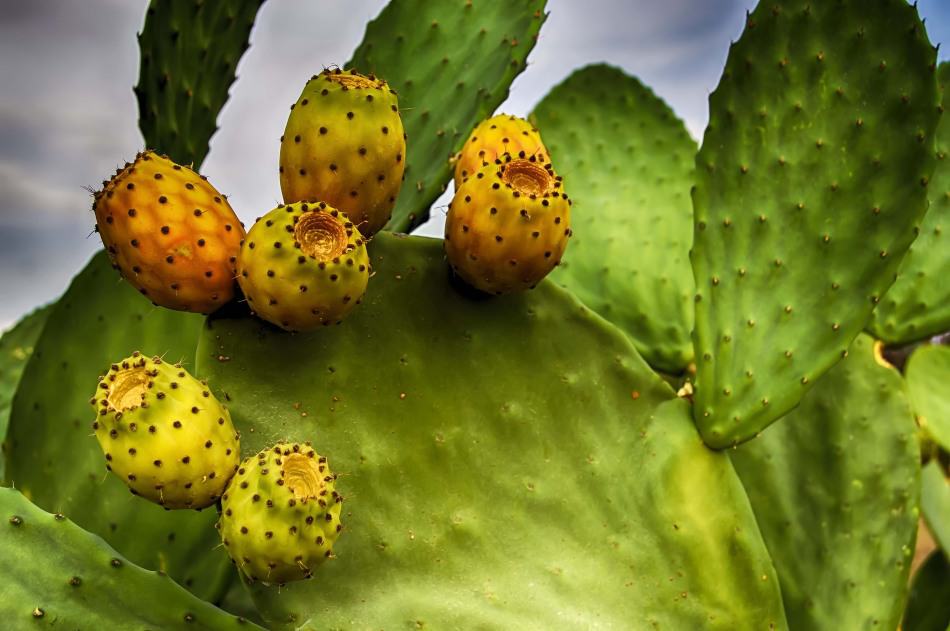
The Saguaro cactus remains the longest living cactus species. It is native to Arizona and Mexico and can survive for up to 200 years. A fully grown Saguaro can reach a height of up to 50 feet. However, as the plant grows older, it becomes more susceptible to diseases and infections.

The Saguaro Cactus is the longest living cactus species that can last up to 200 years.

Cacti plants live long because they are adapted to surviving in a harsh environment. Therefore, when they are brought into the friendly home environment, they can relax and live comfortably.

To get the best out of your cactus plant, make sure you water it properly and expose it to sufficient light so that it can survive for many years.

5. Cacti Plants Offer Medicinal Benefits

Most cacti plants are known for their nutrients and medicinal value.  The cactus fruit and pads contain powerful antioxidants that can help fight a wide range of infections and ease symptoms of different diseases.

Some of the health benefits of cacti plants include:

a. Eases hangovers

Cactus fruit juice contains vitamins C, E, A, calcium, and much more. These nutrients play a critical role in managing inflammation in your body. In fact, scientific research has proved that taking cactus extract after drinking at least five alcoholic drinks resulted in significantly fewer hangover symptoms such as dry mouth, vomiting, and nausea.

The cactus juice extract also plays a critical role in reducing inflammation in the body, often linked to increased alcohol intake.

b. Soothes joint inflammations

Cactus juice usually inhabits leukocyte migration in your body. Leukocyte is a chemical substance that acts as a catalyst in the development of a wide range of inflammatory diseases.

The juice contains vitamins A, B2, and C, which are great for rheumatoid arthritis patients.

The potent anti-inflammatory properties of cactus juice can also play a critical role in relieving joint pain and soothing joint inflammation. It also eases the stiffness and severe soreness that usually accompany rheumatoid arthritis.

c. Controls blood sugar levels

High blood pressure can be a symptom of a wide range of illnesses such as stroke, diabetes, and heart disease. A study conducted in Mexico revealed that individuals who included at least one piece of a cactus pad in their daily diet record a significant decrease in their blood sugar over time.

Since cactus fruit and pads can lower blood sugar levels, they are ideal products for those diagnoses with diabetes.

Scientific experts and doctors suggest that consuming cactus fruit or pads can be an effective and low-cost way to lower blood sugar for individuals diagnosed with diabetes. 

Fortunately, you don’t have to spend money on fruits and pads if you have cacti plants in your home garden.

d. Boosts immunity

Regular consumption of cactus fruit or cactus juice plays a critical role in eliminating deadly viruses in your body, strengthening your body’s immune system.  Cactus fruit/ juice contain high levels of phytochemicals that inhibit tumor growth and increase immune response in the body.

The fruit is also an excellent source of Vitamin C, which is a powerful immune booster. Regular doses of vitamin C boost the production of white blood cells that make your body less susceptible to diseases.

It also helps your body fight off viruses and other disease-causing microorganisms quite effectively.

e. Improves the health of your gut

The juice aids in the growth of good bacteria needed in the gut area. Since cactus juice is a natural detoxifying agent, it can be used to treat diverticular colitis. Also, the laxative properties of the juice make it an excellent natural remedy for constipation.

The juice’s anti-inflammatory properties play a critical role in easing the inflammation that may develop in your urethra or bladder, especially if you are diagnosed with urinary bladder infections or gallstones.

f. Natural antidote for skin disorders

Cactus juice is a powerful natural remedy for skin disorders like acne, wounds, and insect bites. The antioxidants present in cactus juice can reduce the inflammation caused by these skin conditions.

A study conducted on rabbits revealed that topical application of cactus juice helped reduce signs of redness, swelling, and pain associated with an insect bite.

The topical application can also help reduce acne breakouts and give you clear, healthy-looking skin. Cactus juice is known to be an effective natural remedy for skin disorders due to its antibacterial properties.

g. Prevents onset of cancer

A study conducted in Mexico revealed that cactus juice contains powerful antioxidants, which can help to reduce oxidative stress and prevent the onset of cancer.

The cactus plant extract contains powerful antioxidants such as vitamins A, E, and C, flavonoids, phenols, and other substances. These nutrients play a critical role in reducing the risk of cancer by reducing the damage to cells caused by free radicals.

Cactus juice can also reduce inflammation in your body and repairs damaged tissues, which further helps to prevent cancer. Regular consumption of cactus juice is a great way to prevent the onset of cancer and other diseases.

6. Cacti Plants Have a Relatively Slow Growth Rate

Most cacti species tend to grow slowly compared to other plants, making them an excellent option for individuals who don’t want their indoor plants to change significantly over a short period.

Most homes have limited space for plants. Therefore, fast-growing plants can easily become a nuisance if they outgrow their designated spaces and start encroaching into pathways or corridors.

Fast-growing plants are also tiresome to look after because they usually need regular pruning and repotting.

A typical cactus plant may grow less than an inch in height in a full year. Many cacti varieties also tend to grow upwards, meaning branches and leaves/spines won’t encroach into your living spaces.

7. Enhancing Your Memory

Psychology research conducted by the University of Michigan in the U.S. outlined the numerous benefits one enjoys when interacting with nature. One of the benefits is improved memory.

Cacti plants are particularly beneficial in improving memory since they don’t require much care.

When you frequently engage with your cactus plant, such as watering it or pruning its branches, your brain will actively work and remember various tasks. This helps to improve both short-term and long-term memory.

These plants also have a calming effect on the mind since they don’t require much care and attention.

Therefore, you can spend some time admiring them or simply meditating in their presence without feeling guilty about being unproductive.

By reducing stress levels, cacti plants make it easy for your brain to focus and remember things easily.

8. Sense of Responsibility

Taking care of your cactus plant gives you a sense of responsibility. You will have to ensure that its needs are met, such as providing the right amount of water and sunlight, protecting it from pests and diseases, etc.

By learning how to take care of a cactus plant in the best manner possible, you are teaching yourself valuable lessons about responsibility. This equips you with the skills needed to take on other tasks or responsibilities in life.

Plus, by taking care of something, such as a cactus plant, you experience the joy of watching it grow and develop over time. Knowing that you have created something beautiful can be a great way to boost your self-esteem.

Summary

Now that you know the benefits of having cacti plants in your home, we hope you will acquire a few and start experiencing the magic. To continue enhancing your knowledge on cacti plants, take a look at some of our other posts and subscribe to our email list.

Happy planting!

5 Warning Signs For Cactus Root Rot

Cacti are plants that take a very long time to grow. Sometimes you may think your plant is dead when it’s perfectly healthy. But there are times when the cactus is just portraying stunted growth as an indication of trouble. You may think it’s a normal slow growth when your cactus is rotting.

Root rot is one of the most common cactus problems that every gardener should look for. It’s many gardeners’ nightmare. Many things can cause your precious cactus plant to rot. One of those problems includes giving your plant too much water, especially during the cold seasons. Other causes of root rot include attacks by diseases, pests, and pathogens.

If you discover root rot issues early enough, you might be able to save your precious cactus from dying. But since the problem occurs underground, you might not see it until it affects the entire plant. Well, there are signs you can discover early enough, but there are those that you only see when the plant is already too affected. This article will look at various signs of root rot in your cactus and what you can do to save it.

1.  Change in Color

Sometimes root rot in the cactus may not be visible on the root itself but the upper parts. Many cactus plants begin to change their color when they’re disturbed. If you know the natural color of your precious plant, you’ll easily identify when it starts to take a weird color.

Some color changes may be a sign of happy cactus, so you must do your research. A reddish cactus means it’s getting a good amount of sunlight. The color change is also common in an older cactus. If your cactus is old enough, you might notice some brown patches on the stem going upwards. As the cactus continues growing older, the brown patches turn gray.

Root rot might make your cactus plant change the color from green to brown or yellow.

However, if your cactus plant starts taking a brown or yellow color, it will probably have a deep rooted problem. Some cactuses may also take a darker shade or just turn black. When you notice a sudden color change on the leaves or the stem of your cactus, you might have overwatered your plant, and the roots have had enough.

You can still save a cactus from this kind of root rot, especially if you notice that the source of trouble is overwatering. Make sure you adjust your watering routine before things fall apart. You can also consider removing the discolored areas so they don’t spread all over and cover the entire plant.

2.  A Bad Smell

If you uproot a healthy cactus, you’ll notice a very comforting earthly smell. This would be the smell of the soil that the cactus was sitting on and not the smell of the roots. But not always will you uproot your cactus and get greeted with that beautiful smell. A rotting cactus will not smell nice at all.

If you get some strong odor that you can’t stand instead of the early smell, you should know that there’s a problem. And that problem may not involve removing the cactus and planting somewhere else. The problem of a smelly root involved finding the virus behind the problem and killing it.

As the rot continues to spread in the plant, the smell also becomes stronger each passing day. Sometimes the root that is rotten to the extent of emitting a foul odor is already dead. There’s nothing much you can do to save it. The best solution is to throw it away, so the disease doesn’t spread to other healthy plants.

3.  A Shaky Plant

A disturbed root may not be strong enough to hold the entire cactus plant. If a disease or fungi attacks your cactus, some of the roots may begin to fall off. The root may not have the strength to go deeper. Your plant will start getting weaker and shaky.

Root rot makes your cactus plant weak and it might no longer be able to stay in place.

If you try pulling off a shaky plant, it will easily come off. You won’t need to apply the slightest amount of force. The wobbliness of the plant is also characterized by loss of turgidity and firmness of the leaves and stem of the plant. Unfortunately, by the time you notice these symptoms in your plant, its roots would have been damaged beyond repair.

4.  Soft Segments in the Plant

Another sign of a rotting cactus involves soft and swollen plants. You can easily break off the soft parts without applying any force. Try pulling the spine off the plant to see if it comes out without any struggle. That should be a sign of a problematic root and a dying cactus. You’ll also notice several soft spots in the flesh of the plant.

If the spines of your cactus plant come out easily, it might be experiencing root rot.

Another instance of a rotting cactus is some cockiness and discoloration around the soft spots.  The center of the plant can portray some wetness and mushiness. Sometimes the softness of some parts of the plant may not be rot but a mechanical injury to the stems. But if you’re certain it’s root rot, you need to deal with it immediately. This way, you’ll stop it from spreading to the rest of the plant and killing it.

5.  Severe Wilting and Drooping

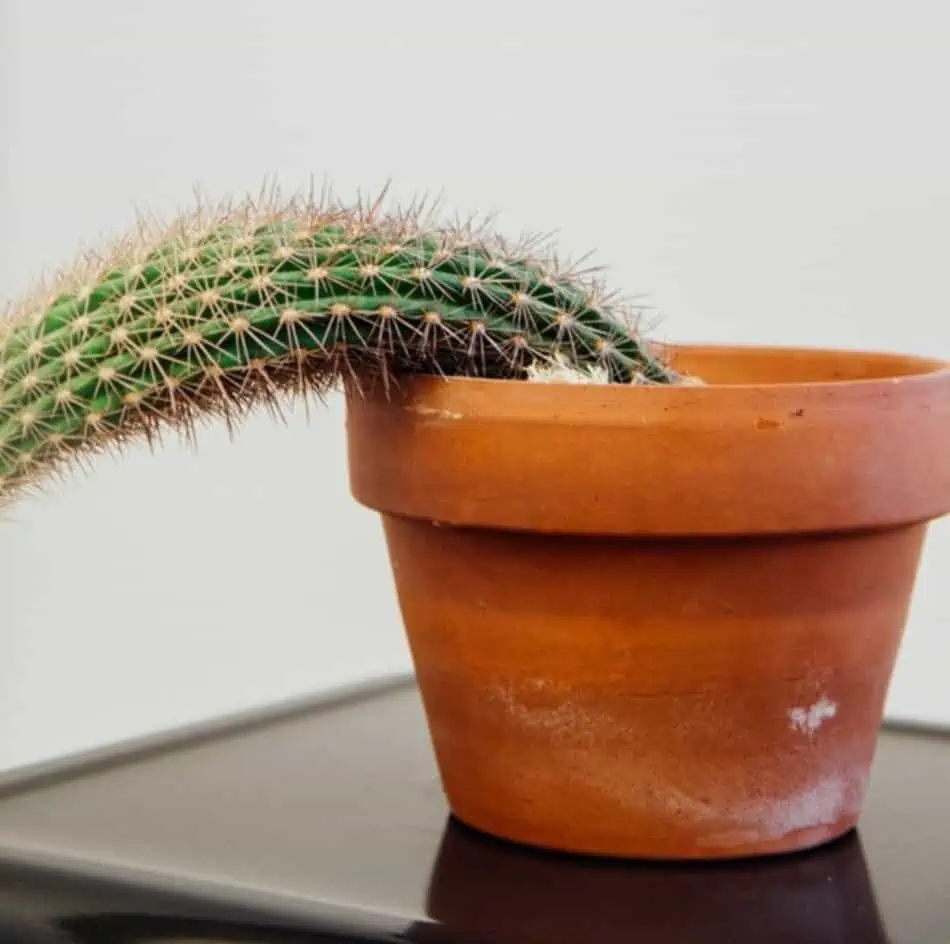
A rotting cactus will start to droop and will portray stunted growth. The cactus portrays some wrinkly appearance on the leaves. The stems will appear droop. This happens because the roots become weaker and weaker every day.

The first reaction that many people undertake to save a wilting cactus is watering. But sometimes too much water can be the cause of the problem. So, if you add more water, you’ll make the situation even worse.

The best way to save the situation may involve transferring your plant to a new container and adjusting your watering schedule. Make sure you choose the right soil when you decide to re-pot your plant here are our recommended ones. And remember not to overwater. Too much water is the main cause of root rot in the cactus. Pay attention to the kind of soil you give it, and only water when you see that the soil is completely dry.

Cactus Root Rot Questions

How do healthy roots look?

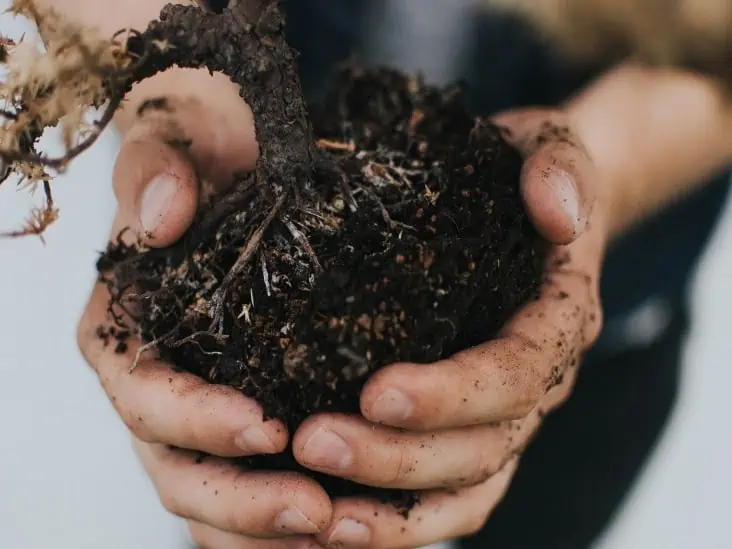
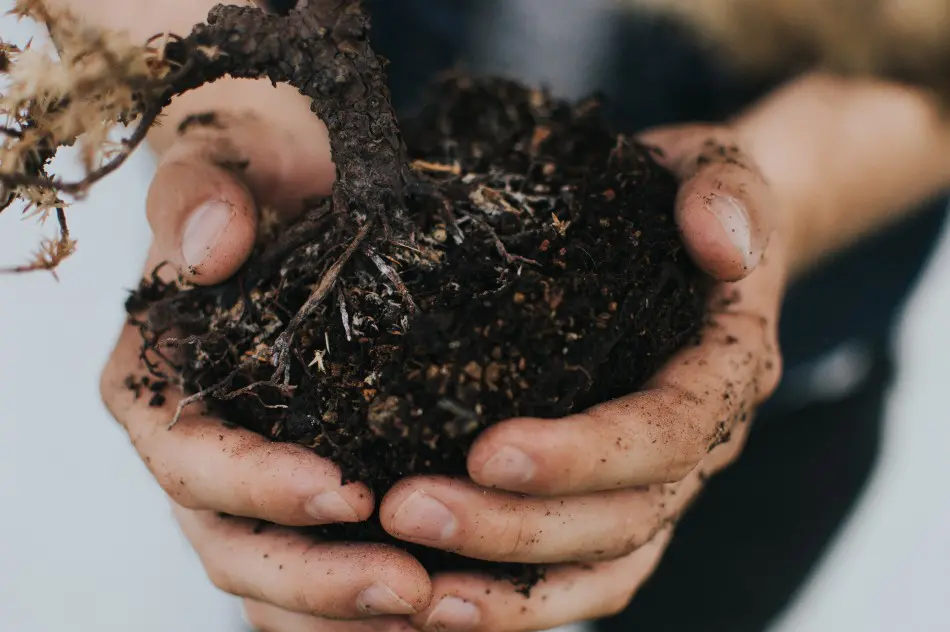
One way to find out if your roots are rotting is to start by knowing how healthy roots look like. You should not mistake healthy roots for rotting ones. Healthy roots are yellowish-white with white fuzzy layers on the surface. The layers are either hair that the plants use to absorb water or mycorrhizal fungi that help the plant absorb nutrients.

If you happen to uproot a cactus with healthy roots, you’ll notice they have an earthly smell. Rotting roots emit a foul odor. Now that you know how to tell healthy roots from rotting ones, you can now understand how to better care for your plants. You’ll also know how to identify problems before they kill your plants.

Can cactus recover from root rot?

Depending on the magnitude of the rot and how early you identify it, your cactus can recover. But this will only happen if you get rid of the things that cause the rot in the first place. You should avoid overwatering if that’s what’s causing the cactus to rot. If it’s a disease, you should look for an appropriate way to eliminate the infection. You should also remove the parts that show signs of rot by doing drastic surgery.

How do you know if you’re overwatering your cactus?

Most cactus plants originated from the deserts. You have to give them desert-like conditions for them to thrive. However, many people don’t understand this and give their plants too much water than they need. You might think you’re doing your plants justice by giving them enough water when you’re just causing them more damage.

Overwatering is one of the most common causes of the root rot of a cactus plant.

An overwatered cactus may start to rot from the roots. You’ll see this in the change of color of your leaves and stem. The leaves and the stems will turn either brown or black.   

One way to refuse the temptation of overwatering your plant is to grow them indoors. Once indoors, you should not water often. The best thing to do is hold water for two or more days until the soil dries out. Cactus has their own water reserve, and they won’t die even if you hold water for a week.

Summary

If you’re an experienced gardener, you must know that cacti are one of the easiest plants to care for. They don’t need much care and can survive well without too much water. But these plants are not immune to diseases and fungi attacks. They develop problems that get into the roots and cause rot.

Usually, there’s very little you can do to save rotting cactus roots. But you shouldn’t lose hope because there are also several ways to save a cactus that’s affected by root rot. One way is to cut off the rotting part, change the soil (Here are our recommended ones), or adjust your watering schedule. Another way is to destroy the plant so that the rotting doesn’t spread to nearby plants.

How Do You Know If A Cactus Is Rotting?

Cacti are slow-growing plants, and it can take years before you notice any signs of life. Sometimes they may stay dormant for a long time, that you even start doubting your gardening skills. Start wondering whether you’re doing the right thing. Am I watering correctly? Do they need more sunlight? Is the soil the correct type?

While sometimes your cactus might show you signs of life after years of torturing your brain, other times you’ll have to deal with the shock of your life. A rotting cactus!

Rot is a common cactus problem that can affect the roots, the crown, the tip, and the leaves. Common causes of rot in cactus include overwatering, high humidity, wound, insect infestation, among other issues. The causes of the rot may vary from one cactus to another, but the signs will look the same. Other signs may be difficult to detect, especially root rot, but others can be quite obvious.

How do you know if the cactus is rotting? The telltale signs of a rotting cactus include;

  •  Change in color
  • Softening and mugginess
  • Producing foul smell
  •  Weak roots
  • Drooping leaves
  • Black sports

Let’s have a look at the detailed description of these problems, their cause, and how far they can go to affect your precious cactus. Read through to the end as you might save your cactus from rotting before it dies.

Change in Color

While not all change in your precious cactus plant is bad, an older cactus is likely to develop some brown patches or change its color. You’ll notice such changes at the base of the stem creeping upwards. You might also notice the patches turning gray over time. There’s no cause for alarm if this is the problem.

But if you notice your entire cactus turning yellow to brown, it could be your worst fear. A rotting cactus! The specific parts that will show the color change depending on the source of the problem. Cacti don’t only rot from the roots. The rot might also start from the stem. You might notice the rot easily when it occurs on the base of the soil or the stem segments. You might also see the cactus turning brown from the top, which is no doubt a tip rot.

If your cactus is turning yellow or brown, it might be the sign that the plant is rotting.

As soon as you notice that any part of your cactus plant shows rotting signs, you need to act fast to save it. This sign of rot doesn’t mean that your cactus is dead, as you can still save it. Act quickly, so the color change doesn’t spread all over the plant and end up killing it. If it’s rotting from the tip, the simple solution might be to prune it and allow it to start growing afresh.

The Cactus Is Softening

There are many reasons why your cactus may go soft, and one of the reasons can be your dreaded fear, a rotting cactus. Your cactus may start going soft if you expose it to improper ambient conditions, too much watering or diseases attack it. You’ll likely notice soft spots in the flesh. The rotting spot may discolor and become corky with a mushy and wet center.

Overwatering might make your cactus softer, which another sign that your plant is rotting.

A potted cactus will generally require good drainage soil to stay healthy. You must also know that cactus require minimal moisture to thrive, whether indoors or outdoors. The absence of well-drained soil and too much watering can cause softness in your precious plant. Other causes of this softness may be a bacterial attack, insect damage, or physical injury.

If you notice these soft spots near the base, you’d be dealing with root rot. The first culprit to root rot is excess watering in humid conditions. A stem rot might also cause the softness of your cactus. If your cactus is rotting from the stem, the culprit might be a fungal infection. It’s not easy to save a cactus plant that’s already softening as it will start seeping liquid and falling off.

Your Cactus Smells

Cactuses don’t smell bad. In fact, some produce very sweet-scented flowers. If you can sniff some foul smell, then something is wrong. A smell is not a good sign but an indication that a huge part of your precious plant is completely rotten. Anything rotten is likely to smell.

The foul smell can sometimes be a result of a condition called Erwinia soft rot. The Erwinia bacteria attack the plant through natural openings and wounds. The rot can spread very fast in humid and wet weather. It can affect any part of the cactus, including the roots and the crown. The soft rot first appears as watering looking scabs. After some time, the plant tissues start turning brown to black. Your cactus will start emitting a foul-smelling seepage from the rotten area.

If this is the case, then you must know that the cactus is already dead. All you have to do is to dispose of. It’s also worth noting that this kind of rot can spread to other cacti and succulents in your garden. Be careful on how you handle and dispose of the dead plant to contain the spread.

Weak Cactus Roots

Once you’ve planted your cactus, you expect the roots to go deep in the soil and support the plant. But rotting can still find the roots deep inside the soil and destroy them. You’ll notice your cactus has no good roots if it appears like it wants to fall off from the pot. A plant that appears loose in the soil is stressed. There could be something serious ailing the cactus. Finding this out early enough can help save it.

If you have noticed that your cactus roots are getting weaker, the plant might be rotting because of overwatering.

If you’ve been overwatering your plant, the chances are that the roots will rot. Many cactuses need airy and well-drained soil. The potting should never be wet or waterlogged for too long because this will damage the roots. Most root rots happen in winter because the cactus might not withstand the low freezing temperatures. If you happen to water it at this time, you’ll worsen the situation causing the plant to rot.

Many desert cactuses are more exposed to root rot if grown indoors. This is because they’re used to dry conditions, which you might not maintain in your house garden. If you plant your cactus indoors and now plan to take it out, do it gradually. A sudden change in temperature conditions may affect the roots causing them to rot.

Drooping Leaves

You don’t need anyone to tell you that your cactus is stressed when you can already see the sign on the leaves. Well, you won’t notice any change in the leaves during the early stages of rotting. The only time the plant will give you an obvious sign of unhealthiness on the leaves is when the problem has already escalated. The leaves might remain vibrant and beautiful while the root is already dying.

A healthy cactus has its leaves standing strong with vigor. But when the leaves are pointed downwards or sagging, you have something to worry about. Maybe it has some disease attaching it from the roots or the stem, and you can’t see it yet. This can also be a sign of underwatering or overwatering your cactus.

Underwatered cactus showcases wrinkly appearance with droop branches, but it’s not a sign of rot. The plant is wilting and will go back to its happy self once you water it. Overwatered cactus will get soft and droopy. With time, the moisture content in the soil becomes too much for it to bear, and it begins to rot. When the rot is in its final stages, the leaves might also feel squishy and soft. At this stage, it would be too late to save your lovely cactus.

Black Spots

Black spots in your cactus are not ornaments; hence you cannot take them for granted. You’ll mostly notice these spots in saguaro and prickly pears than any other cactus, and they can be a disaster. These spots indicate a dry rot usually caused by lack of enough water, sunlight, fertilization, and high humidity. Other times, black spots form due to damage by living organisms like fungi, pests, and bacteria. All these factors slowly damage the roots of the cactus plant, causing them to rot.

Typically, cacti with black spots cannot be saved. It is better to get rid of the plant to save others from the infection.

Unfortunately, it’s not easy to cure your cactus of this rot. The best thing to do is get rid of the plant entirely to protect others from the infection. If you can only see the black spots in some parts of the cactus, cut out the damaged section. Ensure the remaining section receives sparing watering, so the problem doesn’t recur.

Bottom Line

Cactus is an easy plant to grow and take care of. But this doesn’t mean they’re immune to diseases and harsh conditions. Things that look like a good remedy for your plant, such as water, can turn out to be the biggest poison if not used well. Don’t underwater or overwater your plant.

Some cactuses are very resilient and can recover from problems no matter how severe they look. But this depends on how early you realize there’s a problem. Others won’t recover even if you identify the problem early enough. You should do all it takes to ensure your cactus is not exposed to any conditions that can cause the rotting.

What Is So Special About Cactus Plants?

Ever wondered why a cactus plant is highly referred both in its natural habitat and at home? Well, this prickly plant has remained a wonder to both man and animals, thanks to its unique features.  Any animal or human who has come in contact or seen a cactus will attest that no other plant comes close to it in terms of its uniqueness. It goes against the norm expected for most plants, and this has made it stand out.

So, what is so special about cactus plants? Apart from being one of the longest living plants on earth, it is also one of the most resilient and can withstand the harshest climatic conditions. The plant also grows in unique shapes and sizes seldom seen in conventional plants. They are also nocturnal and display unique growth patterns.

This article will be looking at some of the most notable features that make this plant uniquely special. It will look at how this prickly plant is wired differently, and factors that make it stand out in its growth pattern.

They are nocturnal

 While each plant is wired differently, most of them are known to be active during the day. This is especially so in terms of their ability to take up nutrients and make food. During the day, the sun provides the best environment and conditions for photosynthesis, thus keeping most plants active. However, cacti seem to take a different route since they work best at night.  Unlike most plants that open their stomata during the day, cacti have their pores open at night.  This is an adaptation meant to help avoid water loss that would otherwise happen during the day when the sun is up.

During the night, temperatures are low. This is coupled with the calm breeze that helps them retain as much water as possible.

To avoid water loss, cacti plants open their stomata at night.

They are stem succulents

By virtue of being part of the succulent family, cacti are known to store water within its system. Unlike other succulents that store its water in the leaves, cacti do not have leaves and will let its stems take up this role. The huge, thick stem help function as a water storage ‘tank’.  This explains why most cactus, have huge, round stems. During the dry season, this plant uses up the water already stored in its stems awaiting the little rains that come by occasionally in the deserts.

Unique growth patterns

Cactus is known to display some of the most bizarre growth patterns in the plant kingdom. This may range from its size to shape and texture. Some varieties like the arborescent cacti would take up the shape of the normal tree but will have a single huge trunk coupled by several branches. Then there are the columnar cacti that grow in cylindrical shapes. Depending on the variety, its stems may or may not have branches.

These prickly plants have it all from the massive-shaped cactus like the Saguaro to the smallest varieties like the moon cactus. Each cactus species has a unique growth pattern based on its adaptation and environment.  Some species like the barrel cactus grow into huge cylindrical shapes while others like the pencil cactus depict the smallest of stems, you can almost mistake them for some type of grass. This huge contrast is what makes cactus stand out from the rest.

Depending on the species, cactus plants can grow as tiny as Moon Cactus and as large as Saguaro Cactus.

They are drought resistant

This may be rather obvious, but at the same time, it is a feature you would not find in most plants. Most cactus species are adapted for the deserts. As such, they have developed unique features and characteristics that help them adapt to this environment. Not many plants would survive in the desert, considering the fact that little rains and lack of enough nutrients may be detrimental to plant survival. However, cacti have mastered the art of thriving on such harsh environments thanks to its unique adaptations like succulent stems, lack of leaves and shallow root systems.
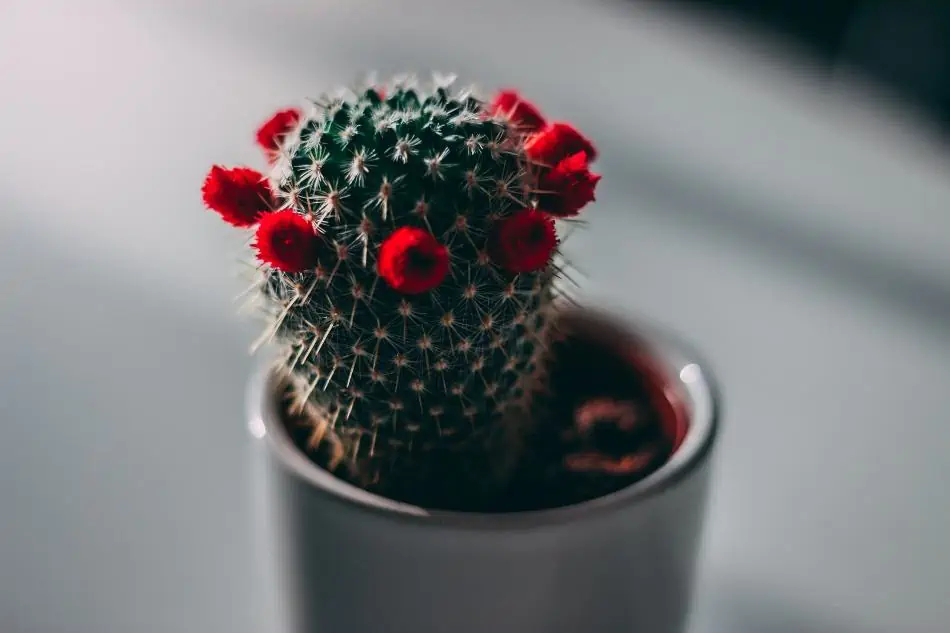
They can flower any time

Unlike other plants that have specific blooming seasons, most cacti species do not follow this trend. Their flowering will depend on the weather conditions and availability of food. As such, they tend to flower when they are ‘happy’. This is characterized by enough water and nutrients in the soil.

Usually, some cactus species that rarely flower in their natural habitats would bloom better when grown at home, thanks to close monitoring, water availability, and the right fertilizer. While some would follow up this flowering with some fruits, others would simply fade out awaiting the next appropriate season to bloom again.

Cacti plants are especially loved for their unique and colorful flowers that they produce throughout the year.

Unique skin surface

It is always easy to spot a cactus plant by simply looking at its skin surface. Most cactus plants have a characteristic shiny, waxy skin that helps them survive through the harsh conditions in the desert. In most cases, the outer part of the stem is ribbed. These ribs come in handy to help the plant stretch out and accommodate as much water as possible without the risk of bursting. While the ribs also help in offering shade to the plant’s skin, the shiny waxy skin, on the other hand, comes in handy to help reduce the evaporation rate of the plant.

Multipurpose  spines

Most plants have spines, alright, but for the cactus, its spines stand out, thanks to its functions and positioning.  In most cases, the spines would grow all over the plant’s stem. Apart from offering some aesthetics to the plant, the spines have other special functions in terms of helping the plant survive harsh environmental conditions. Mostly, the spines take the place of leaves and thus help reduce water loss that would otherwise happen through the stomata.

The main purpose of cactus spines is to help the plant survive in harsh conditions and protect it from predators.

On the other hand, these prickly features on the cactus act as a defence mechanism against attack from herbivores. During the dry season, the cactus will be the only green plant remaining. This makes it the main target for herbivores looking for food. With these spines, the plant deters such animals from devouring them. In some cactus species, the spines help collect and direct the little rainwater into the roots. Others have huge spines that also help offer shade to the plants’ skin to avoid unnecessary water loss.

Complex root system

Roots are meant to help a plant tap nutrients from the soil while offering support. Unlike other plants that have extensively deep roots, the cactus depicts a shallow root system. This is a special adaptation meant to help collect as much rainwater as possible. The desert experiences occasional rains, and when it does rain, it comes in small portions that may not seep deep into the soil.

With the shallow roots, it becomes much easier for the cactus to take advantage and use up as much water as possible. These roots would grow exponentially during such wet conditions to help the plant take up as much water as possible. When it dries up, the extra roots will break off from the main root system to help conserve as much water as possible.

Areoles

Areoles are small raised structures visible on the stems of most cactus species. These have become a distinguishing trait for the cactus family as you would not find these in any other plant. Cactus spines originate from its areoles. They are usually oval-shaped or circular and would be covered by sharp spikes or small hairs.

Extensive lifetimes

Cactus is one of the few plant species that have been documented to live for hundreds of years. This may result from their slow growth, but most importantly, their adaptations that help them survive and thrive even in the harshest of conditions. Some species like the Saguaro have been documented to live for well over 200 years.

They use ants as an additional defence mechanism

A cactus’ first line of defence against herbivores is the spines. However, these may not always be effective since there are other predators like mealybugs and other harmful insects and pest that may be destructive to the cactus. As such, most cactus species employ other forms of defence to help them survive the harsh environment. One of these is the ability to attract ants within its vicinity to help deter small animals and harmful insects from feeding on it. It does so by producing nectar and other attractive juices for ants. In their bid to quench their thirst, the ants will flock to the plant thus acting as additional bodyguards to the cactus.

If you are a cactus enthusiast, you will agree that these prickly plants never cease to amaze. With their hundreds of species and respective uniqueness, you would be spoilt for choice on what to go for. Its exotic-looking features are enough to keep you glued to this special family of plants.

What Is The Classification Of Cactus?

Every living organism can be classified into different scientific groups it belongs to depending on its physical characteristics. The highest category is the kingdom while the lowest classification is the species. As you move from the top (kingdom) to the bottom (species) of the classification tree, the characteristics of the organism become more specific and defined. 

So, what is the classification of cactus? Cacti belong to Kingdom Plantae, Phylum Tracheophyta, Division Anthophyta, and Class Magnoliopsida.  These succulents belong to Subclass Caryophyllidae, Order Caryophyllales and Family Cactaceae. There are approximately 150 genera in the entire Cactaceae family, but they are generally divided into three subgroups: Opunitieae, Pereskieae, and Cactoidea. There are over 2000 different cacti species that fall into two main categories, namely Opuntias and Cactoids.

In this article, we cover everything you need to know about the classification of the cactus plant. We shall also highlight some of the critical features of a cactus plant and how these succulents interact with human beings. So, let us get started.

Understanding Cactus Etymology

The word cactus is derived from the Greek word Kaktos which means a spiny thistle, possibly the cardoon. The Greek term was modified to cactus in 1753.

Although cactus is a common term, there is some dispute over the word’s proper plural form. If we stick to the original Greek word (Kaktos), the correct plural in English would be “cactoi” or “cactuses.”

However, as a word in Botanical Latin, distinct from Classical Latin, the term cactus is forced to follow the standard Latin rules for pluralization to become “cacti.” In fact, “cacti” has become the standard pluralization for cactus in English.

Regardless, the term “cactus” is commonly used as both singular and plural in many parts of the world and is cited as both singular and plural by the Random House Unabridged Dictionary.

What Are the Main Elements of a cactus Plant Used in Its Classification?

Every living organism has its unique features that usually play a critical role in its classification. Here are the main features of a cactus plant that determine its classification:

1. Stem

Cacti plants have succulent stems that store water. The stem can be smooth or covered with small bumps known as tubercles. Other stems can be ribbed in shape. The ribs become more visible when the cactus is short of water but invisible when the plant has stored plenty of water.

The stems of cacti plants are mostly some shade of green because they contain chlorophyll, which is needed during photosynthesis.

They also have stomata that open and close at different times of the day to allow the passage of gases. Some cacti plants have waxy stems.

2. Leaves

Most cacti plants don’t have real leaves. It is one of the features that help them survive in deserts. Instead of leaves, they have spines that protect them from predators.

The stems are modified to perform photosynthesis. However, some cacti species have tree-like leaves, which may be short-lived or permanent. It all depends on where the cactus grows naturally.

Although most cacti do not have actual leaves, some species might steel feature tree-like leaves.

3. Areoles

Areoles are fur-like areas on the stem of the cactus plant from which flowers and spines grow. Areoles may be oval, circular, separate, or entirely separate but still connected to each other.

The multicellular hairs of the areoles give them a brownish or yellowish woolly/fur-like appearance. They produce spines and flowers in most cacti species and then become inactive after that.

4. Roots

Most cacti plants have fine roots that spread out around the base of the succulent to absorb water.  Most of them grow shallow roots that are only a few inches below the ground surface. However, some species have a taproot that is much larger than the body to support the taller column-like cactus.

 Tree climbers (a special type of cacti plants) usually have unique roots produced along the stem whenever the cactus comes across something that it can cling or root onto.

5. Flowers

Cacti flowers differ from species to species.  The flowers can either grow in clusters or as single blooms. Their colors range from white to red, yellow, and magenta. 

Some cacti species bloom in spring, while others bloom in summer.

Various cacti species produce different colored flowers, typically in spring or summer.

6. Spines

You need to keep in mind that cactus spines aren’t thorns. Spines are modified leaves, while thorns are mostly modified branches. Spines grow from the areoles and are still present even in cacti species with leaves.

Some cacti species, especially the tree-living ones, only grow spines when they are still young. Cacti spines differ in thickness and may appear bristle-like or hair-like. They can be curved, hooked, or straight.

Some cacti species have minute spines that shed quite easily and can cause severe pain and irritation when they penetrate your skin.

Cacti spines and thorns can cause severe pain and skin irritation.

The Six Classifications of a Cactus

Below are the six classifications of a typical cactus plant:

1. Kingdom

Kingdom is the highest classification group. We only have two Kingdoms, namely Plantae and Animalia.  Since cactus is a plant, it automatically becomes a member of the Kingdom Plantae. On the other hand, all animals are members of Kingdom Animalia.

2. Phylum and Division

Cacti plants belong to the Phylum Tracheophyta because they are vascular plants. These succulents belong to the Division Anthophyta because they are flowering plants. The other name for flowering plants is angiosperms.

3. Class and Subclass

These desert plants are part of the Class Magnoliopsida and Subclass Caryophyllidae. They belong to Class Magnoliopsida because they are dicots.  All plants categorized in Class Magnoliopsida and subclass Caryophyllidae are insect-pollinated, and their seeds have two cotyledons.

4. Order and Family

Cacti plants belong to the Order Caryophyllales and the Family Cactaceae. Caryophyllales is a relatively large group of approximately 26 families of flowering plants with over 12,500 different species.

This includes the succulent plant families Cactaceae (cacti), Aizoaceae, Portulacaceae( Purslanes), Didieraceae and the carnivorous plant families Nepenthes and Droseraceae.

Order Caryophyllales also features essential horticultural and agricultural crops such as bougainvillea, Caryophyllaceae, spinach, rhubarb, and beet.

5. Genus

There are over 150 genera in the extensive Cactaceae family. The different genera are further classified into three tribes or subgroups: Opunitieae, Pereskieae, and Cactoidea.

Almost all cacti plants fall into the Cactoidea subgroup. Two genera, namely the Maihueniahe Persicae and Pereskia, make up the subgroup.

Cacti plants in these genera mainly have woody stems and semi-deciduous leaves. Their areolas are also wolly and spiny at the leaf axils.  These cacti plants produce flowers and fleshy fruits.

The Opunitieae mainly comprises the prickly pear varieties, including Pterocactus, Tacinga, Quiabentia, and Pereskiopsis.  These cacti varieties usually have fleshy branches, and their areolas have fine hairs. Their fruits are seedy, and the leaves are cylindrical or flat.

6. Species

There are over 2000 different cacti species that fall into two main groups, namely Opuntias and Cactoids.

The common features to both categories include fleshy stems modified to perform photosynthesis, small absent leaves and flowers with ovaries buried in a receptacle. Cacti plants in both categories also possess areoles and develop shallow roots.

The other cacti species that don’t belong to the two categories mentioned above fall in any of the two remaining categories: Pereskia and Maihuenia.

Mature cacti plants that fall in any of these species usually have woody barks that highly resemble trees. They also have true leaves that perform photosynthesis, and their flower ovaries are not sunken in a receptacle.

Those that fall into the Maihuenia category tend to have small globular bodies with tiny leaves at the top. However, some members of this group look like normal trees.

Cacti Plants and Humans

Human beings have been growing cacti plants as houseplants for many years. Some people use cacti fruits and nopales as food and herbal medicine.

The prickly pear is one of the commonly cultivated cacti. Both its stems and fruits are edible in many parts of the world. The cactus is native to Mexico and the southwestern parts of the United States, where it is highly cherished and used for food and medicinal use.

The prickly pear juice is used to relieve skin rashes and wound pains. In Africa and parts of Australia, the prickly pear is used as cattle food and a natural thorn fence to protect cattle from predators and thieves.

Prickly pear is one of the most popular cactus plants producing edible fruit and pads.

Other cacti species have also been useful to human beings. For instance, the giant Saguaro Cactus bears edible fruit while the Peyote produces a juice with a hallucinogenic effect mostly used in Native American religious ceremonies.

Final Thoughts

Cactus is a flowering plant with over 150 genera and approximately 2,000 species. Classification of cactus, just like any other living organism, depends on its physical traits.

Although most of these succulents are native to North and South America, we have a few species spread worldwide. Mexico remains the leading country with the highest number of cacti species.

While some cactus species inhabit tropical and subtropical areas, most of them grow in deserts and are well adapted to surviving in the harsh environment.

Do Cacti Plants Die After Flowering?

If you are a plant lover and have a few cacti plants in your outdoor garden or indoor spaces, you already know that these succulents are unique.  While most of them grow slowly, they tend to bloom when the right time comes, and the conditions are right. In fact, many gardeners get a lot of satisfaction from seeing their cacti plants flower.  It is always a validation that they are happy and doing well. But what happens after cacti plants flower? Do they die? We shall find out shortly.

So do cacti plants die after flowering?  The simple answer is “no.”  Most cacti plants do not die after blooming, although some do.  It depends on the cacti species you have in your home and how you take care of it during the blooming season.  If you do everything right and your cactus plant still dies after blooming, it could be a monocarpic species. When a cactus plant dies after blooming, it is commonly referred to as the “bloom of death.”

This post covers everything you need to know about the bloom of death and whether cacti plants experience this phenomenon. We shall also highlight some of the things you need to do to take care of your cactus during and after the flowering season. So, let us get started.

Why Do Cacti Plants Flower

The truth is that a majority of cacti species do flower. Some species such as the Christmas cactus start flowering early, while others such as the Saguaro won’t start blooming until they are 30 years old.

With over 2,000 species in the cactus family, diversity also reigns on the size of flowers they produce. While some cactuses produce relatively smaller and inconspicuous flowers, others produce large and bold flowers that provide a magical floral display.

It is the flowers and the magical show that they put on which distinguishes cacti plants from other succulents. However, one thing you must remember is that these succulents only bloom during seasons of active growth.

The majority of cactus species produce colorful flowers during specific blooming seasons.

But what does a flowering cactus mean? Like all plants, cactuses bloom to attract pollinators. It is one of their natural ways of surviving in the relatively harsh environment to ensure the production of the next generation.

But how do they do this? It is quite simple. They produce seeds within the flowers, which later on fall to the ground and germinate. Flowers contain the primary reproductive parts for most plants. The flowers are mostly brightly colored to attract birds, butterflies, and bees for pollination.

In the wild, these plants mostly rely on birds and insects for pollination to reproduce.  However, if grown at home, you can use a standard paintbrush to facilitate cross pollination. The goal is still the same- to produce seeds.  You can then harvest the seeds and germinate them to produce new plants.

Most cacti plant gardeners use this approach to expand their plant collection. However, there are still other ways of reproducing cacti plants, such as stem propagation.

When Do Cacti Plants Flower?

Most cacti species flower at some point in their growth cycle. However, there is no definitive answer to this question since the flowering time for cacti plants can vary greatly.

Some cacti species will flower early during their growth cycle, while others won’t flower until they are much older.

For example, the Christmas cactus usually flowers within 2-3 years from seed, while the Saguaro cactus can take up to 30 years before it produces its first bloom.

The main flowering season for most cacti is spring. However, some species, such as the Christmas cactus, can flower during other seasons, such as winter. In general, the blooming season for cacti is mostly determined by the type of cactus plant and the climate conditions in its natural habitat.

For example, cacti plants that originate from tropical regions, such as the Christmas cactus, are more likely to flower all year round than those from desert regions with a shorter blooming season.

Do Cacti Plants Die After Flowering?

As mentioned earlier, most cacti species don’t die after blooming, although we have a few species that do. Plants that die after flowering are known as monocarpic, and it is a natural phenomenon that you can’t avoid. If your cactus dies after blooming, then it is known as the “bloom of death.”

One way to tell if your cactus is monocarpic is by the way it blooms.  If the flowers tend to come out from the center of the plant and the entire plant transforms into a flower stalk, there is a high probability that it is monocarpic. Typically, the flowers should grow from the sides of the cactus.

If your cactus produces flowers on the sides, it can be the sign that the plant is NOT monocarpic.

There is nothing you can do once you realize your cactus is monocarpic. Nothing can stop the process because it is natural. All you have to do is enjoy the floral display while it lasts and be prepared to say goodbye to your plant.
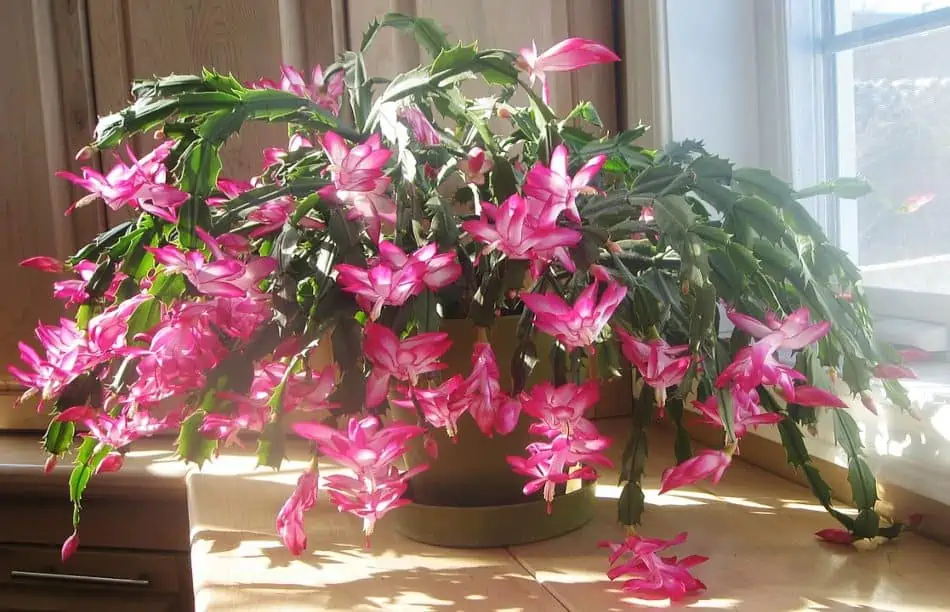
Although it may sound tragic, you will be surprised to learn that most monocarpic plants don’t die in vain.  Most of them are great producers and tend to produce plenty of pups just before they flower and die. 

In most cases, the pups will continue living and transform into beautiful plants. Only the mother plant dies after a massive blooming.

How Do I Care for a Blooming Cactus?

In most cases, you don’t need to provide a flowering cactus with any special treatment. In fact, blooming is a sign that the plant is meeting all of its needs just as it is. The only thing you need to do is continue providing it with the normal daily care, and it will do the rest.

Some gardeners like to supply their cacti plants with extra nutrients during the flowering season to ensure that the plant receives all it wants to sustain the flowers.

If you must feed the plant during this time, make sure you administer the fertilizer at ¼ or ½ strength every two or three weeks. This is enough to provide the cactus with sufficient nutrients it needs during the blooming season.

However, you need to be careful with watering. If you overwater a cactus, it won’t achieve full bloom. If you overwater before the first flowers appear, the plant will only start shooting out what appears to be a bloom stalk, but it won’t bloom.

This is common with overwatered cacti. If you want to see the best of your cacti plants during the blooming season, it is necessary to provide enough water but don’t overwater.

How Do I Take Care of the Christmas Cactus After the Blooming Season?

The Christmas cactus is one of the most commonly grown cacti species in homes. Most people love it for its beautiful appearance and regular blooming. As long as you take good care of a Christmas cactus, it will always bloom around the holiday season.

Since a Christmas cactus blooms furiously, you need to know how to take care of it after the flowering season so that you don’t end up with a mess.

The first thing you need to do immediately after the blooming season is to prune your Christmas cactus to transform it into a full bushy plant so that it can flower better the next holiday season. 

The best time to prune your Christmas cactus is four to six weeks after it has stopped flowering.

Christmas Cactus produces gorgeous pinkish flowers right around the holiday season.

During the first 30 days after the blooming, consider keeping the soil slightly drier than usual. However, you should never prune your Christmas cactus after May. You can easily propagate this cactus species from stem tip cuttings.

Make sure you use at least three jointed segments from a healthy stem to achieve good results. Allow your cuttings to dry out for a couple of hours before you plant them in a pot to avoid rotting.

You should also avoid moving your Christmas cactus into a larger container. The cactus will typically grow better and produce more flowers when it is in a slightly smaller container.

If you must re-pot your cactus, wait until the blooming season is over. The best time to do the re-potting is in the spring.

How Long Do Cactus Blooms Last?

The answer to this question largely depends on the type of cactus. There are several types of cacti, and each one has a unique blooming period. Some cacti have flowers that only last for a day, while others can keep their flowers for months.

The length of time a cactus bloom lasts also depends on the environment and how you take care of the plant.

For instance, if you live in an area with high humidity, your cactus bloom is likely to last shorter than in a drier climate.

The same goes for how you take care of the plant. If you overwater your cactus, the flowers will most likely rot and fall off sooner than if you kept the plant healthy and hydrated.

In general, cactus blooms usually last anywhere from a few days to several weeks. However, some types of cacti can keep their flowers for months.

A Saguaro cactus flower only stays open for one night, while other species’ blooms may last much longer—a week or more in some cases. The duration of a cactus bloom also varies depending on the age of the plant. Younger plants tend to have shorter-lived blooms than older plants.

Should I Deadhead My Cactus Blooms?

In most cases, deadheading cactus blooms isn’t necessary because the blooms tend to fall off automatically when they dry.

Getting rid of the spent cactus blooms is relatively easier in such a situation. All you have to do is pick them up from the ground where they have fallen and dispose of them appropriately.

However, you need to be careful when picking the blooms because you may come into contact with the dreaded spines that can pierce through your skin, causing severe injuries.

Typically, there is no need to deadhead your cactus blooms since they easily fall off when they are dry.

In some cases, the faded blooms will cling to the cactus and start rotting when it rains or when you water the plant. With careful observation, you will know which blooms have clung to the plant for deadheading. In this situation, it is best to remove the stalks as soon as the bloom starts to fade away.

Look for seeds that may reproduce before you get rid of the blooms. If you know the exact names of the cacti species in your garden, look them up to see if they usually produce viable seeds inside the flowers. 

In some cases, you may be forced to leave the seeds inside the flower for them to mature before planting.

Should I Water My Cactus When It Is Blooming?

It is crucial to water your cactus when it is in bloom to ensure that the blooms last longer. The extra moisture will also help the plant produce more flowers.

It is best to use lukewarm water when watering your cactus during the blooming season. You can water the plant at the base or use a misting can to avoid damaging the blooms.

Avoid getting water on the flowers as much as possible because this can cause them to rot. Water the plant in the morning so the leaves have time to dry before nightfall.

It is also important to fertilize your cactus when it is in bloom. Use a fertilizer that is high in phosphorus to encourage blooming. You can either apply the fertilizer directly to the soil or mix it with the water when you water the plant.

How often you need to fertilize your cactus depends on the fertilizer you use. Follow the instructions on the package for best results.

Final Thoughts

Cacti are great plants to have in your home. While there are different cacti varieties, most of them bloom at one stage in their lives. As long as you provide your cactus with the right conditions, you can be sure to witness a beautiful floral display when the right time comes.

Although most cacti species don’t die after flowering, a few of them do. Cacti plants that die after flowering are known as monocarpic, and there is nothing you can do about it.  Fortunately, the monocarpic cacti species usually leave behind plenty of pups that mature into new plants.

Your primary responsibility as a gardener is to keep doing what you are supposed to do, and your cactus will reward you with plenty of blooms when the right time comes.