10 Things You Should Know Before Buying A Cactus

Cactus owners are a devoted bunch. Their plants may not be as cute as kittens or puppies, but they know that their prickly green friends need just the right care to grow and thrive. Unfortunately, some of them make costly mistakes when it comes to caring for cacti. It’s important to learn from their mistakes, so you don’t end up killing your plant!

So, what are some of the things you need to know before purchasing a cactus? Well, you need to know that most of them are sold as seedlings, they need special care to survive at home, most of them are prone to bacterial infection, different species have different needs, and they can be grown in many different ways.

In this post, we discuss some of the critical things you need to know before buying a cactus.

1. Mostly Sold as Seedlings

In garden centers and nurseries, they are usually found in small pots or plastic tubs containing a soil substrate that has been specifically designed to meet their needs.

Cactus plants are typically sold as seedlings and come in a container with a suitable soil substrate.

This substrate contains a base of fine-grained materials, such as pumice stone, that retain water for prolonged periods.

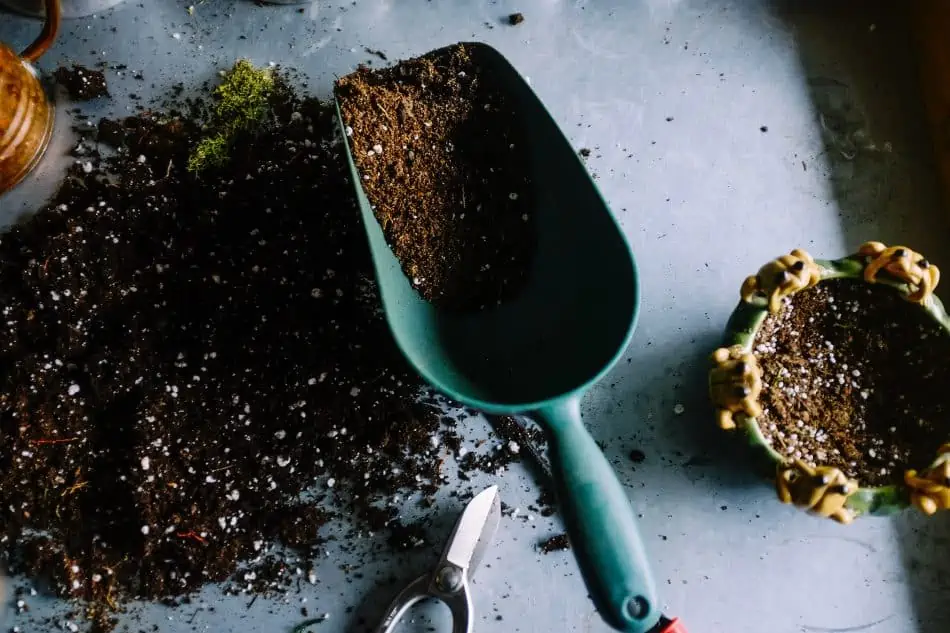
The soil substrate also needs to be light enough to enable it to hold on to the water and allow air pockets between each grain in which roots can develop.

2. Their Spines Aren’t Too Dangerous As Most People Believe

Although their spines make them look as if they’re covered in thorns or needles, not all cacti are uncomfortable to touch.

In fact, this characteristic depends more on the type of spines than it does on whether or not the cactus is thorny.

Cacti generally have two types of spines: short and thick, known as glochids, usually arranged in clusters on the lower third of their stems, and longer and thinner spines, which are called sharp or hard spines.

The shorter, thicker ones are usually brown or grey and soft. On the other hand, sharp spines tend to be white or light and can be up to 8cm long.
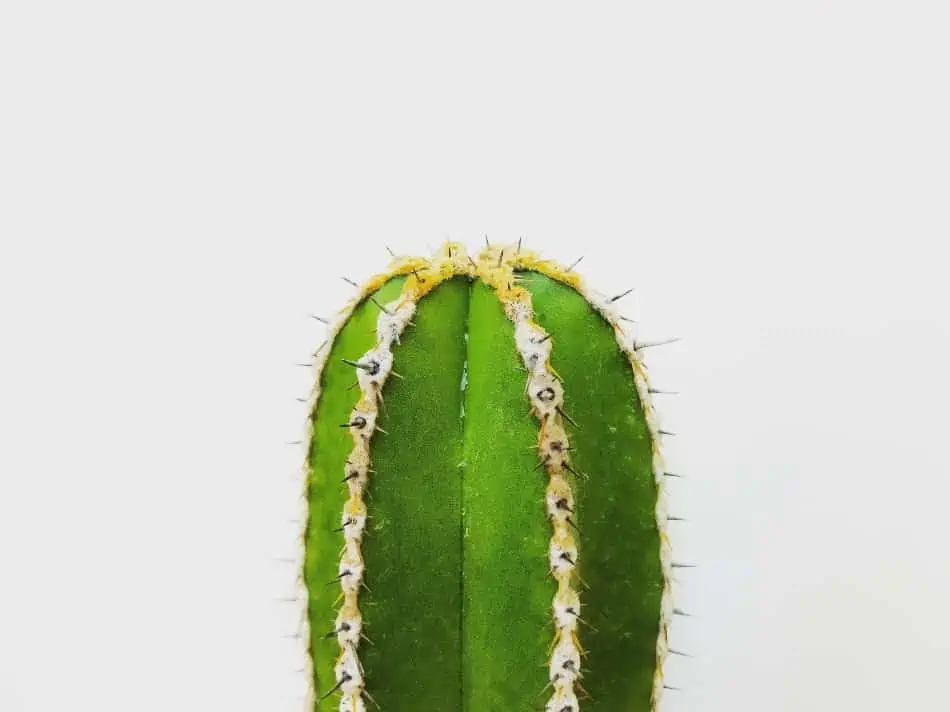
In fact, cacti with long and sharp spines are quite dangerous and should be handled with care.

The majority of cacti have both types of spines. The degree of discomfort they cause varies depending on several factors but is generally correlated with the size and position of each spine.

The spines on the bottom third of the plant are usually longer and more numerous, making it harder to touch them without getting hurt.

Cacti with long, sharp spines tend to be considered among the most dangerous, but there are a few species that have very thick glochids that they only use as a defense against herbivores.

3. Need Special Care to Survive at Home

The most common care mistake that gardeners make is overwatering, which can cause the plant to rot. Too much water in winter leads to the plant’s roots becoming damaged and its leaves drooping or shedding completely, while excess humidity causes their stem tissues to turn brown.

Another mistake that people make is moving them from a brighter environment to a darker one, from a cooler area to a warmer environment or from outdoors to indoors. These sudden changes can cause the plant’s roots to dry out and its skin to deteriorate.

Cacti also need fertilization to produce new stem tissue, but most people do not realize that this should be done every two weeks rather than once a month.

Cacti are not too difficult to grow, and they can be very rewarding, especially because they can flower without being treated with hormones or other growth stimulants.

However, you can easily become overwhelmed by how large these plants can grow if given good care. Cacti will grow from seeds and cuttings.

4. Different Cacti Species Have Different Needs

The most important characteristic to take into account is the origin of each species, as there are cacti that live in tropical forests or mountainous areas, some of which need temperatures below 10°C while others can survive daytime temperatures over 30°C, and some can live in completely dry environments.

Some cacti have very adaptable natures and can survive for long periods without water, but they are still plants and need water to thrive.

Allowing them to go without water will just make it more difficult for the plant’s dormant tissues to survive.

5. Cacti Plants Are Prone to Bacteria Infection

The part of a cactus that is most easily infected by bacteria or other microorganisms is its stem, and this also tends to be the part where infections develop.

If left untreated, the infection can quickly spread from the roots to the leaves and stems of these plants via their vascular system.

This can happen for several reasons: keeping them in a damp environment, over-fertilizing them, or simply because the skin has been injured.

The majority of infections are caused by fungi and tend to be treatable with fungicides. However, some bacteria such as pseudomonas can lead to more serious diseases in which the plant’s fabric is destroyed.

Cacti are highly resistant plants that can survive for many years, but they are not immortal organisms.

As with all living things, keeping them in good health means recognizing when something is wrong and knowing what to do about it.

6. Some Cacti Species Do Better Indoors

Some cactus species are more suited to living indoors than others.

Those that come from cold regions should not be left outside because they will need a heated environment to survive the winter months, especially if they are exposed to lower temperatures or raindrops.
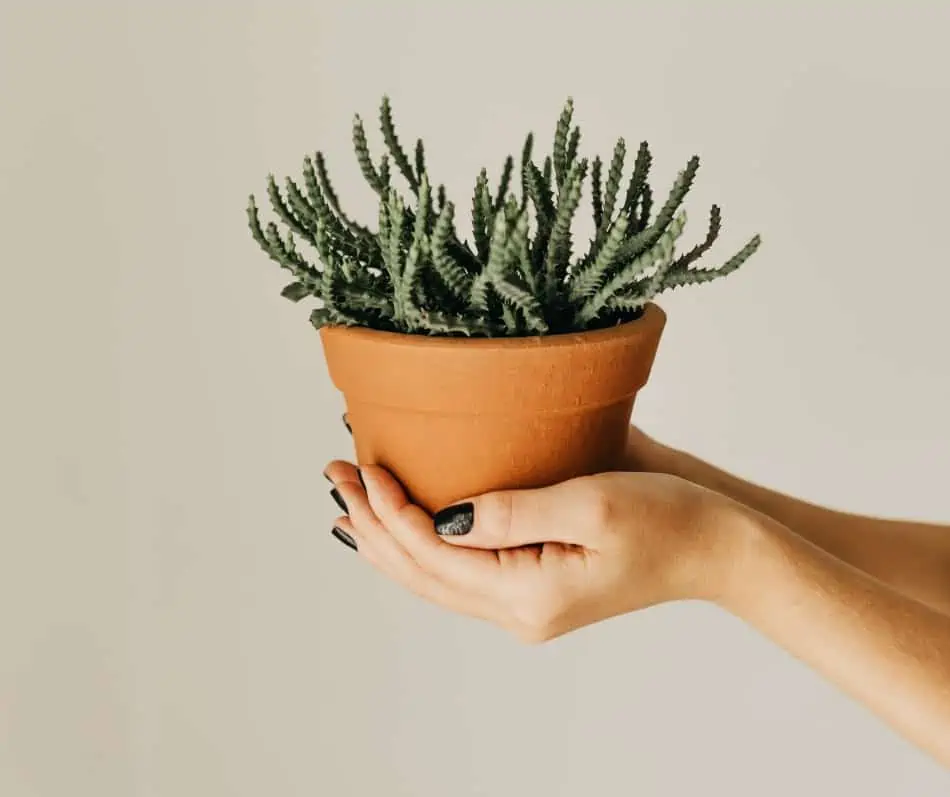
Although most cacti are native to deserts and outdoor settings, some cactus species prefer being grown indoors.

To grow a cactus plant indoors, you will need to find a suitable place for it. These plants like bright sunlight, but they need to be protected from direct sunlight, wind and the morning dew.

They are also sensitive to changes in temperature or humidity levels which is why most of them grow best when kept near an air conditioning vent, next to a stove or near a balcony railing that faces the sun.

7. Cacti Live For a Long Time

Some cacti can live for more than a hundred years. Many of them usually slide into hibernation mode when they are not receiving enough light or water, which helps them survive drought conditions and extremely hot weather.
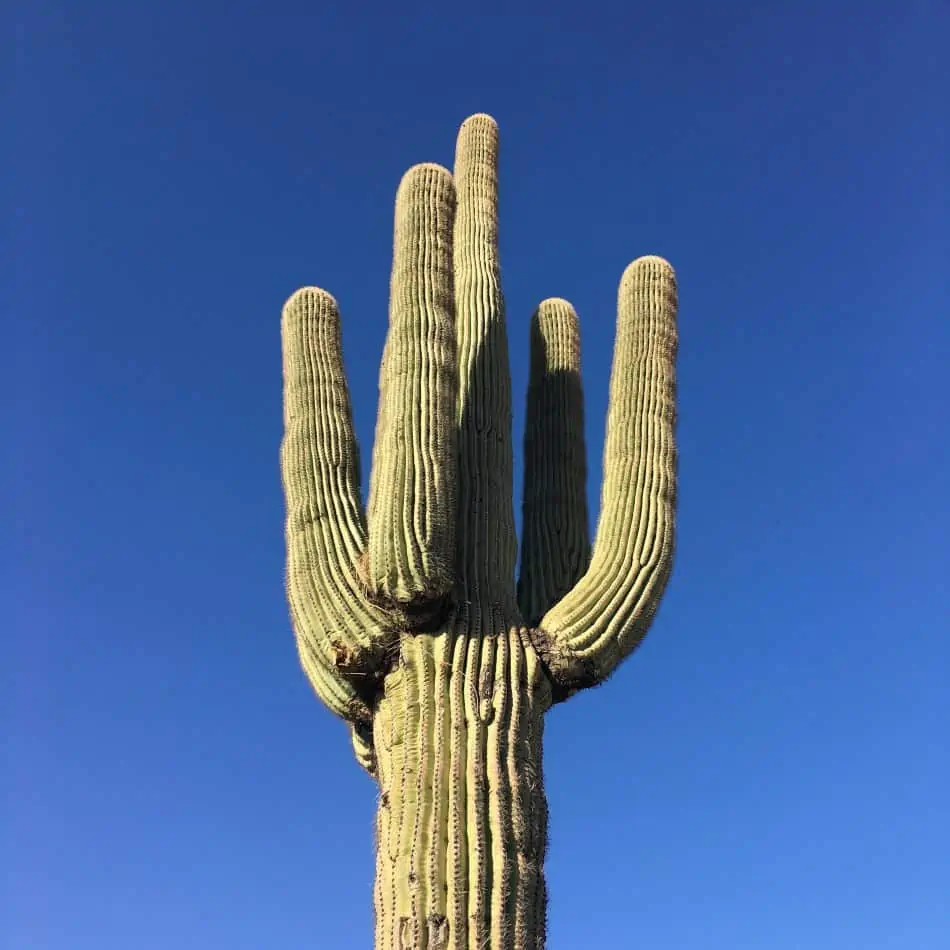
Some cacti, including the Saguaro, can live for hundreds of years.

On average, a cactus plant will live for 80 years. The Saguaro cactus is one of the most well-known cacti, and it lives for around 200 years.

However, domesticated cacti plants tend to be short-lived than those in the wild because most gardeners fail to provide their plants with optimum growing conditions.

8. Cacti Should Always Be Planted In a Good Quality Soil

Cacti need good quality soils to survive and thrive, but the type of soil they will grow best in depends on the species.

The soil used to grow cacti should be light and porous, with a PH level of between 5.5 and 6.5. If the soil you choose has a very high clay content or is too heavy, it will not allow water to filter down to the plant’s roots, and it could also disrupt your cactus’ internal PH levels.

Cacti will need holes in their plant pots to allow excess water or air to exit. This means that you should avoid using peat-based composts because the plants won’t be able to breathe properly, increasing the risk of fungal growth.

9. Cacti Can Be Grown In Many Different Ways

There are three main ways to grow cacti and other succulent plants: in pots, as bonsai or simply planted directly into the ground.

Each method has its own advantages and disadvantages, but they all have one thing in common: the soil used must be porous with good drainage qualities.

Growing cacti outdoors gives them the space they need to develop and spread out their branches.

However, this means that they are exposed to all kinds of weather, which can put pressure on them. This method also requires patience and hard work because your plant needs to be properly maintained.

If you choose to grow your cactus in a pot, make sure the pot’s volume is commensurate with the size of the plant. Just like people, cacti require plenty of rest, so make sure you water them well and don’t keep them in their pots for too many years.

Bonsai cacti are pruned to look like trees, which requires detailed knowledge about how much sun they need and how much water they should receive.

10. They Are Many Different Species of Cacti

Cacti plants belong to the Cactus family, and there are over 2,400 different species. They differ in size, shape and color. There are also some amazing hybrids created by crossing two or more different species together.

These plants are native to warm regions of North America, Mexico, South America and Africa.

There is an amazing array of cacti species, and these fun plants are easy to grow and a great option for anyone who wants to get into the gardening game!

FAQs About Cacti

Besides the ten facts mentioned above, we have also answered some of the frequently asked questions about cacti plants:

Do I Need to Water Cacti?

We are all aware that most cacti species are adapted to growing in dry areas. These plants are known for their extraordinary water storage capabilities. In fact, a cactus plant can survive for several months without water.

However, cacti need regular watering to thrive, especially during the growing season. Consider watering your cactus once or twice a week, depending on the species you have and your area’s climate.

Just be careful not to overwater or underwater it. Overwatering can cause root rot while underwatering can lead to wilting and eventual death of the plant.

Should I Fertilize My Cactus?

Cacti don’t need a lot of fertilizer to stay healthy because they are adapted to growing in nutrient-poor soils. For this reason, you should only fertilize your cactus when necessary.

Organic fertilizer can be applied once or twice a year during the growing season, but make sure you dilute it to half its strength before using it.

Alternatively, use slow-release fertilizer tablets explicitly designed for cacti plants.

What Temperature Do Cacti Need?

Most cactus plants will grow best in temperatures between 65°F and 80°F (18°C-27°C). If possible, try to avoid sudden temperature changes since they can cause stress to the plant.

Also, remember that cacti need protection from frost if you live in an area with cold winters. If the temperature drops below 50°F (10°C), move your cactus indoors to provide it with enough warmth and protection.

Is Cactus a Type of Succulent?

This is perhaps the most common question among people interested in cacti plants.

The answer is yes, cactus is a type of succulent plant. All succulents are adapted to surviving in dry conditions, which makes them the perfect choice for people living in arid and semi-arid climates.

In addition to cacti, there are many other types of succulents that you can grow, such as aloe vera, jade plants, and echeverias.

Is Cactus Edible?

You may think this is a strange question, but it is not. There are a few varieties of cacti fruits and pads that are consumed as food.

Prickly pear, for instance, is one of the most popular edible cacti, and it’s used to make salads, jams, jellies, and even tequila!

Don’t try to eat any cactus plant without knowing it is safe and edible. If in doubt, consult an expert before consuming any type of cactus fruit.

Summary

Cacti are one of the most fascinating plants on earth.

They can live for more than a hundred years and go into hibernation mode when they are not receiving enough light or water, which helps them survive drought conditions and extremely hot weather.

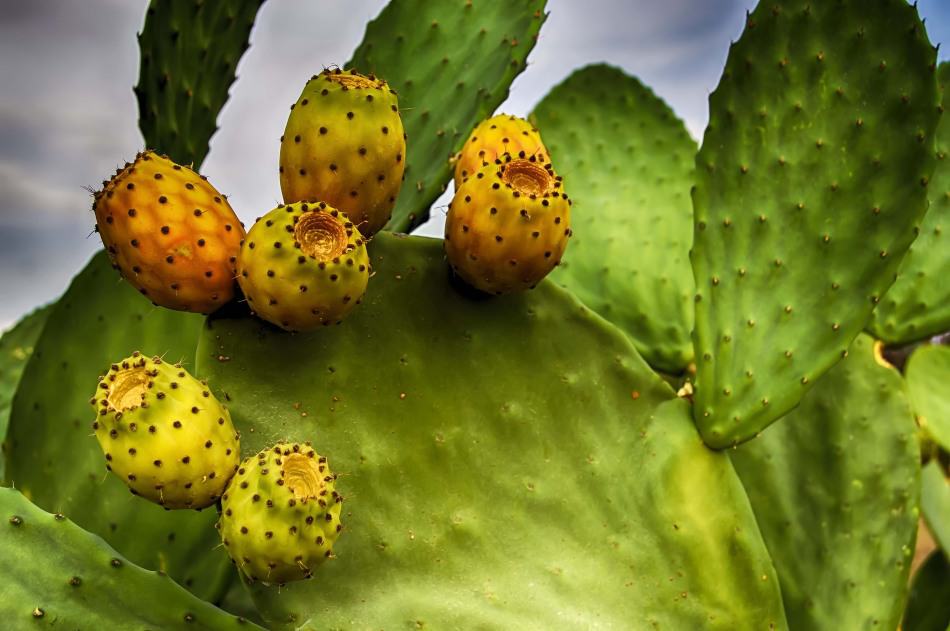
11 Amazing Facts About Cactus Pear

The prickly pear is one of the most popular members of the cacti species. Thanks to the huge awareness of cacti, it has become a household name in many parts of the world.

The prickly pear has become so established in different parts of the world, including areas where it is not native.

In fact, it is so widespread that its original, natural habitat is still unknown. Some people believe it originated in Mexico, while others argue that it is native to California.

Whatever you believe, there are a lot of things to learn about the prickly cactus. From its delicious fruit to its blooms and flowers, the cactus provides you with a good learning experience.

In this post, we discuss some of the exciting facts about the cactus pear and what makes it unique. Read on to discover more.

1. The Prickly Pear Was Introduced In Europe by Christopher Columbus

There was a time when most parts of the world didn’t know about the existence of the prickly pear. However, things started to change when explorers to the new world began returning with the unusual plant specimens.  Many of them didn’t know if it would survive outside its natural habitat, but they had to try.

Although cacti were a familiar sight to many Americans and some parts of South America, the first cactus seen in Europe was a prickly pear specimen gifted to Queen Isabella of Spain by Christopher Columbus.

Prickly pear is a fruit-bearing cactus that can be found all across the globe.

Today, these succulents are all over the world. Most of them are found in the United States, including the Caribbean Islands and Galapagos Islands. Some of them can still be found in Old World areas too.

The prickly pear remains one of the most vital members of the wildlife community. Various parts of the plant provide food for iguanas, peccaries, deer, rabbits, tortoises, and many other bird species. They also provide shelter for reptiles, birds, rodents, and cactus wrens.

2. Desert Beauties

When the prickly pears blossom, it is always a scene to savor. The flowers vary in color and size and form exciting patterns.  The colors range from pink to yellow, magenta, red, or orange. Some of the blooms are large, while others are relatively small.

When several of these succulents are seen together during the flowering season, the site is indescribable.  The vibrant colors of their blooms illuminate the desert, giving it life. Bees and hummingbirds usually dance around the flowers for the nectar.

The plant is also home to desert wildlife running away from predators. Reptiles, rodents, quails, and different types of birds can all be found around the prickly pear. Therefore, it is good to be cautious when you are around them, especially in the desert.

When human beings don’t pluck the fruit, it is eaten by squirrels, peccaries, beetles, tortoises, jackrabbits, and iguanas.  The paddle is also edible, but you need to be careful with the spines. Take time to remove them and prepare your fruit appropriately before eating.

The cactus pear fruit is also popular for its natural cochineal dye. The dye is mainly used in our everyday products, such as cosmetics, pharmaceuticals, and textiles. Some of it is even used in waterproof paint for our homes.

Outside of the gorgeous flowers, the prickly pear still plays a critical role in the desert and human ecosystem.

3. Unique Identifying Features

The prickly pear is perhaps a unique cactus in the cacti family. The cactus can easily be identified thanks to its broad, flat, and green pads. The pads are covered with white spines that are approximately three inches long. The spines can be curved or straight.

The plant is also covered with tiny, barbed hairs referred to as glochids. You will notice groups of up to six spines emerging from common center areas known as the areoles. These areas are scattered all over each pad.

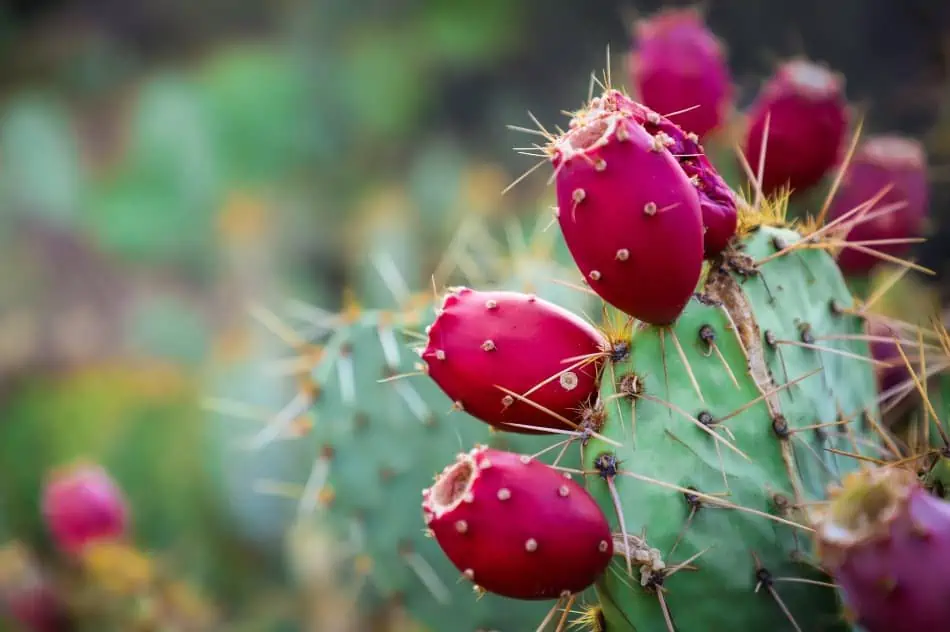
The flowering usually starts around May or June. And the fruits usually ripen around July. You will know that the fruit is ripe if it has turned to a bright red color.

The red fruit is also known as “tuna” and offers a wide range of health benefits. It has anti-inflammatory properties and can help you lose weight. It also improves your immune system and alleviates ulcers. 

4. The Spines Serve More Than One Function

As mentioned earlier, a prickly pear’s pad is covered with thorn-like structures known as spines.  While most of us think that these spines are only used for protection, the truth is that they serve more than one function.

Besides protection, they are also used for sun protection, drinking straw, and coats.  They reflect sunlight hence protecting the cactus plant from sunburn. They also keep out the cold on frosty nights.

Prickly pear spines protect the cactus from animals, sun, and enable the plant to absorb water.

Clouds of mist usually condense on the spines forming water which the cactus then absorbs. That is why they are sometimes referred to as “drinking straw.”

When animals pass near the plant, they get caught in the fur and fall far away, propagating into new plants.  This helps to ensure the plant doesn’t become extinct.

The prickly pear is also considered “musical” because its spines were traditionally used as gramophone needles. Don’t be surprised because they did the job pretty well.

5. They Are Intoxicating

Native Americans that interacted with the prickly pear extensively discovered that the plant was somehow intoxicating. Some of them chewed the plants raw, believing that it will take them closer to the gods.

They usually combined the prickly pear with the peyote cactus native to many parts of North America.  The peyote cactus contains mescaline that can be intoxicating when it reaches the human body.

Louis Lewin first examined the peyote cactus in 1888 and was able to extract anhalonin from it.  However, in 1896, Arthur Heffter conducted another experiment on the plant and extracted pure mescaline from it.

A few years later, Ernest Spath achieved a total synthesis that laid a solid foundation for the synthetic production of the intoxicant from peyote and prickly pear cacti. Mescaline is a powerful intoxicant that is illegal in many countries.

It has also been declared illegal worldwide by the United Nations Convention. In the United States, if you are found to be in possession of mescaline, you may be jailed for up to five years.

6. They Photosynthesize

Most of us know that every plant and animal requires food to survive. Plants usually make their own food through the process of photosynthesis.

During the day, their stomata open to absorb carbon dioxide that is used in the process of photosynthesis. However, this process uses a lot of water and would not be ideal for desert plants such as prickly pear.

So, how does the cactus survive?  Well, instead of opening the stomata during the day, prickly pear and other desert plants experience reverse opening and closing of the stomata.

It means that their stomata remain closed during the day to avoid losing a lot of water due to evaporation but opens during the night. During this time, the evaporation isn’t as high as during the day.

But since the plant cannot photosynthesize during the night due to lack of sunlight, the absorbed carbon dioxide is usually stored in the form of an acid.  During the day, the acid breaks down, releasing carbon dioxide into the plant cells to facilitate photosynthesis.

This way, photosynthesis saves up to 90% of water consumption. The only downside of this process is that it requires more energy than the normal photosynthesis process, but the prickly pear has learned how to handle it pretty well.

7. The Cactus Pear Is Both a Fruit and Vegetable

As mentioned earlier, the cactus pear fruit is also known as “tuna.” It is entirely edible and offers a wide range of health benefits.

Before you eat it, you need to ensure it is ripe and take time to get rid of any visible barbed spines that may get lodged in your throat.  However, that isn’t the only edible part of the cactus.

Both fruits and pads of a prickly pear are totally edible.

The green pads are also edible, and many people consider them a vegetable. Most people harvest them in late spring and early summer and dice them into their meals.

Many Mexican cuisines use the pads or fruit as an ingredient, and the culture is slowly being accepted in other parts of the world.

Most people who grew up in parts of South America must have eaten “nopalitos,” a term coined from the Spanish word nopal, meaning the cactus.

8. The Prickly Pear Pharmacy

Native Americans discovered much more than a food source in the prickly pear. Besides the nutritious element, the early inhabitants who loved the cactus also found a verifiable pharmacy in the plant.

The prickly pear has been used to treat cuts and bruises, stomach upsets, cold symptoms, constipation, inflammation, and even diabetes.

Prickly pear can be used as a treatment for diabetes.

If you or your loved one is suffering from a cold, simply heat the pad and place it on your chest to relieve the congestion. It won’t be long before you start feeling well.

9. They Are Great Cold-Hardy Plants

The prickly pear has adapted to handle extreme droughts, high heat, and cold temperatures. However, it can withstand temperatures as low as -20°F and still survive.

The cactus may look fragile on the outside, but it is quite a tough plant in its natural habitat. In fact, they are often seen thriving in areas where other plants won’t survive.

But it is always good to take proper care of your prickly pear during winter to avoid freezing and other cold-related issues.

Prickly pear plants can also be used as a natural windbreak to protect your home from strong winds during winter.

10. It Doesn’t Have True Leaves

The prickly pear has flat, green parts that resemble leaves. However, these parts are not true leaves. They are known as pads and serve as modified branches. These branches serve several functions, including water storage, photosynthesis, and defense against animals.

The pads are usually covered with white spines that protect the plant from predators. They also provide shade to other plants.

The spiny pads also store energy in the form of glucose for the cactus during periods of drought or intense heat.

The leaves of prickly pears are modified spines as well. They usually produce small, yellow flowers that appear at the top of the plant in summer.

The fruits have leathery skin and are edible. They can be eaten raw or cooked. The cactus pear fruit is a popular ingredient for making jams and jellies.

11. Prickly Pear Seed Oil Has Many Benefits

Prickly pear produces edible fruits that have seeds. In most cases, the seeds are discarded as waste. However, they possess unique properties that make them beneficial to humans.

The oil extracted from prickly pear seeds is gaining popularity due to its numerous health benefits.

It consists of essential fatty acids like oleic and linoleic acids, which can help reduce inflammation and preserve skin moisture. Other compounds in the oil include vitamin E, squalene, and phytosterols.

The oil can help reduce the appearance of wrinkles, fine lines, and other signs of aging. It also has antioxidant properties that may help protect skin from damage caused by sun exposure and pollution.

Furthermore, it can be used to nourish dry hair and scalp and treat skin conditions like eczema.

The oil from prickly pear seeds is also gaining traction as a food supplement because of its anti-aging properties.

It can help you maintain healthy cells and reduce the risk of degenerative diseases such as cancer, heart disease, diabetes, and Alzheimer’s.

Final Thoughts

That is it about some of the exciting facts about the prickly pear, and we hope you enjoyed reading this post. 

So, what are you doing next? Grabbing your car keys and heading to your local nursery to find yourself a prickly pear? Go on and let us know if you like it.

Can An Overwatered Succulent Be Saved?

Succulents are adapted to arid climates and require little water. Somehow you find you’ve overwatered yours, now what?!

Succulents do not require very much water to survive. But when a succulent is overwatered, it can still be saved. There are several advised methods for drying out an overwatered plant.

Continuing, we’ll cover some tips for drying out that soggy succulent. We will also go over some indicators for identifying an overwatered plant and advice for preventing overwatering.

How Do You Treat an Overwatered Succulent?

When your succulent is showing signs that it has had too much water, there are commonly used techniques for drying it out and preventing further damage or death to the plant.

Change the Soil

This is pretty straightforward. Instead of waiting for the soil to dry and the plant sitting in it, soaking up more water. Just remove the plant and replace its soil with some fresh, dry soil. If you are going to pull the plant out of its pot anyway, it might be a good idea to try the following technique listed.

If you have noticed that your succulent soil is too wet, change it as soon as possible to protect your plant from dying.

Remove succulent from its soil and lay it out to dry

If you have removed your plant from its pot, it may not be a bad idea to leave it out for a short while. Don’t worry; it can survive several days out of a pot. The roots will dry a bit, and this will also allow the succulent to process some of the excess water it is holding. After you carefully dig them up, brush them off a bit and lay your plants out. Do not put them in direct sunlight. Once the excess water has dried up, you can repot them.

Keep out of direct sunlight. 

Too much direct sunlight will put stress on the plant. Although it may seem counterintuitive, putting the succulent in the sunniest part of your house won’t help the plant dry out in a good way. In addition to the plant having excess water to deal with, it will have to deal with processing intense sunlight. However, Plenty of indirect daylight is always good.

Protect your succulent from prolonged exposure to direct sunlight to prevent it from stressing.

Signs You Have Overwatered Your Succulent

Because these plants thrive in dry conditions, as you would find in a desert, they have a very distinct look. This can make it easier to identify overwatering; in fact, the first two of these signs can be as easy as asking, “does this look like something that grows or belongs in a desert?”

Overwatering succulents leads to excessively wet soil, bloated leaves, and rotting.

Soil is Too Wet

The first thing to look at is your soil. Your solid should be very dry. If you probe the soil with a chopstick or finger and it is coming back wet or muddy, that is not ideal. Mud is not a common thing to find in the desert, and your succulent did not evolve to thrive in the mud. 

Leaves Appear to be Bloated With Water

As with other desert dwelling organisms, succulents are great at storing water to survive long periods without hydration. They are so efficient at storing water that they will soak up and hold onto too much. This will be indicated by 2 signs in their leaves:

  • The plant’s leaves will begin to change color. Sometimes it will be an unnatural color change. Sometimes it will look as if their natural color was being diluted by excess water. Think of a green water balloon that becomes less green as it is filled and expands. 
  • The plant’s leaves will feel softer than usual and somewhat spongy.

These signs can show from a mistake as innocent as the plant being left out in the rain. Consistent overwatering or a long period without correcting the issue can lead to a more severe problem.

The Succulent is Rotting

Rotting is another, probably the most severe, indicator of overwatering the succulent. This will happen from repeated overwatering or excess water sitting in the pot for too long.  Rotting will be evident if it is above the soil. In the same way, an apple gets discolored, shriveled and maybe even somewhat gooey. Rotting will also cause the plant’s leaves to fall out at some point. It will kill your plant if left untreated.

How to Prevent Overwatering a Succulent

We’ll start with the type of pot you use since that is the foundation of your succulent’s growth. Only use pots with drain holes and soil that drains easily. By preventing water from pooling at the bottom of the pot we already eliminate a large risk of overwatering and especially root rot.

Creating a proper watering schedule and using adequate pots for your succulents will protect them from overwatering.

As for soil, these plants excel in sandier mediums, potting soil can be mixed with pumice or perlite, or you can buy special premixed cactus soils, but your standard run-of-the-mill dirt won’t do, unless maybe you live in the desert.

Re-evaluate your watering schedule and be more methodical with your watering. Don’t “guesstimate” or eyeball it, especially don’t put it in the sink with the faucet on and get distracted. It is much easier and more practical to know, for example, that “this plant requires X amount of water every X number of weeks during X season.” Also, remember, this plant thrives in the desert. If the soil is even a little bit damp, the succulent doesn’t need any more water.

Signs of Rotting in Succulents

As mentioned previously, overwatering can lead to a succulent rotting. There are multiple parts of your succulent that can rot. Each part of the plant will show different signs of rot. Typically the rotting works its way up the plant, starting from the roots.

  • The roots of the plant are generally where rotting will start. If you discover rotting early enough, you will find it here and it will be indicated by the roots being abnormally black and unhealthy looking.
  • If the rotting progresses it will begin to move up the stem from the roots. The stem of the succulent will start to become discolored and the plant will begin to look saggy or “melting.”
  • As the rotting moves up the stem, it will also begin to diverge into the leaves. Again, this will show through dark discoloration and the leaves will begin to look like they’re losing their constitution or turning into a soft mass.

Can You Save a Rotting Succulent?

Rotting in your succulent makes it harder to salvage than an overwatered succulent. That’s why it is important to catch an overwatering early. However, if your plant is showing signs of rot, it can still be saved. Depending on which part of the plant is rotting, there are several methods for rescue. 

How to Treat Root Rot

In the early stages of root rot you may be able to dry the roots out just the same as if you had overwatered. Remove the plant from the soil and lay it out to dry for a couple of days. It may also be possible to prune rotten parts from the roots to prevent spread.

How to Treat Rotting Stem and Leaves

If the stem is rotting, the situation begins to get a little dire. The plant’s best chance of recovery is for you to clip it from the rot down. That clipping will include any or all parts of the:

  • Leaves
  • Stem
  • Roots

Find the part that is not yet affected by rotting and take that off of the rest of the succulent. After this, the process basically turns into cloning a new plant.

Saving your Succulent

Succulents are great for beginning gardeners or just as casual house plants. They are very hardy and are well adapted to harsh conditions. If you find that yours has been overwatered, just remember it isn’t necessarily the end of the plant. The succulent can recover as long as you take some simple steps to help dry it out and prevent overwatering in the future.

Why Is My Succulent Falling Over?

Since plants cannot talk, it is not easy to understand their physiology. Succulent falling over is undoubtedly unhealthy for a succulent and the cause behind this troublesome behavior requires some attention. A proper environment is necessary for the succulent to grow and have healthy leaves and roots. 

A succulent falling over could be attributed to a few causes. These causes include water level, light level, energy issues, temperature levels, and chemical damage. 

Continue reading to figure out the problem with your succulent. Once the root cause is realized, it is easy to restore the health of the plant. So if you notice that the succulent is falling over, do not sulk and continue on to diagnose the reason.

Diagnose Your Succulents Ailment

Since there are several reasons your succulent could be falling over, you will need to determine the true cause. Assess these points to figure out the reason for the succulent falling over:

  • Is the soil damp or compacted?
  • Is the soil prepared for the succulents?
  • Are there any holes in the pots?
  • Are the leaves shedding from above or below the plant?
  • Is it normal shedding or abnormal? 

Assessing and diagnosing can help in fixing the problem with the succulent. Assessing the soil dampness can give an idea about the watering and light needs. Assessing the direction of the succulent damage can enlighten you about its energy needs.

Looking at the position of the succulent damage can clue you in about temperature and light needs. If the plant is damaged abnormally, you might find that your succulent has suffered some type of chemical damage. 

Optimal Water Exposure for the Succulent 

When your succulent is not watered properly, it can become damaged and fall over. The proper way to water is to wait until the solid is almost dry and the leaves look a bit wrinkled. Water thoroughly after that until you can see water coming out of the drainage holes.

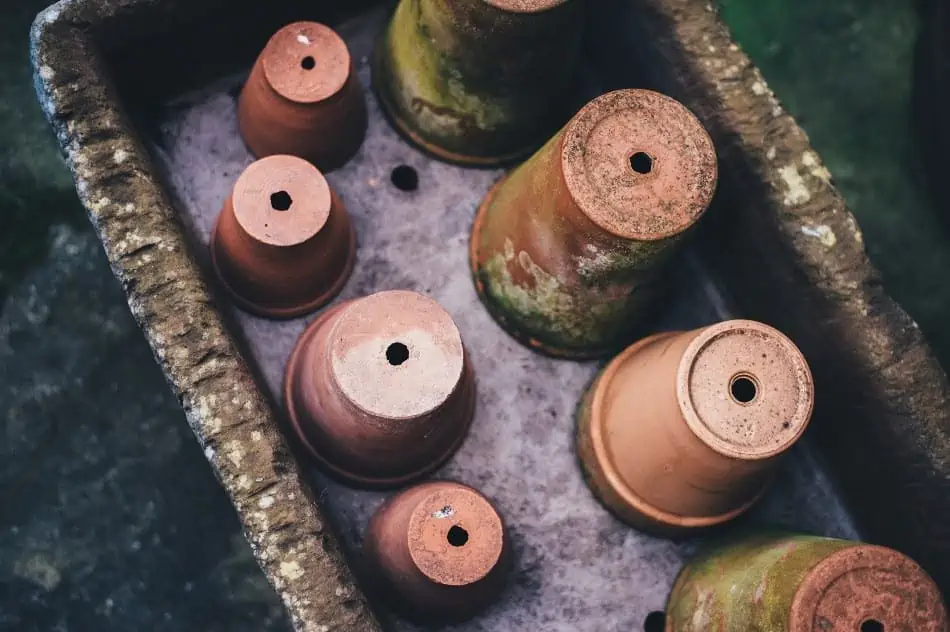
Clay pots with holes at the bottom.
Make sure you use a pot with drainage holes and water your succulents properly to prevent them from falling over.

It is important to use pots with drainage holes when growing succulents. Watering too frequently and watering in high amounts can swell their leaves and, consequently, cause harm. 

If the damage has occurred already, check if the stem is bad too. If so, cut off the rotted area and keep the healthy portion of the plant in a dry area. For a week, do not water the plant and the plant should revive to its original condition. 

Overwatering

Overwatering can seriously damage the succulent to the point of total plant death. The extra water swells up the cell walls leading to plant death and it is the number one cause of succulent death.

Water only when the soil appears dry to touch, which would be about once every week or so. 

A person arranging his/her plant.
Do not water your succulents unless the soil is dry to touch.

Underwatering

An underwatered succulent can be diagnosed by its soft and wrinkled leaves. Leaves will appear weak and wilted, but a change in color is not seen like seen in overwatered leaves.

If leaves do not fall off from touching, the plant can still be brought to its original condition. If the damage is too severe, the plant will die and no amount of watering the plant would help at this point. 

As long as the succulent was not severely underwatered, salvage it by:

  • Increasing the watering frequency slowly to revive the plant.
  • Only making gradual changes as drastic changes can hurt the plant. 
  • Watering from the bottom as not to exert too much pressure. 

These fixes will likely perk your succulent back up so it is no longer leaning over.

Optimal Sunlight Exposure for the Succulent

If succulents are not exposed to enough light, they can turn yellow and straggly as they reach for a light source. As they reach, they will fall over and stay that way. If the lighting is not fixed then the new leaves will grow smaller. Succulents need lots of sun all year long and can die if kept in no light for a long time. 

A plant exposed to sunlight.
As succulents require plenty of sunlight, make sure you place them in a well-lit area.

To fix this issue, gradually expose the succulent to sunlight or artificial light. Start with three hours daily and slowly increase it up to six hours of sunlight or 12 hours of artificial light per day. Overexposure to sunlight can give sunburn and so it is necessary to find the proper level. 

Optimal Temperature for the Succulent

If a succulent is new and has not acclimated, exposure to hot temperatures from outside can damage it. Even though most succulents grow in naturally harsh habitats, too much heat is not healthy. If succulents are exposed to extended periods of heat, they can become damaged when stressed by drought or heat. Thus, keeping succulents in the shade when temperatures rise will be beneficial. 

If the succulent looks fallen over or wilted, either place a shade cloth over it or move it to a shaded region. Keeping the plant in a den or a patio with some form of shading can help in controlling the heat. Under a roof or inside a shielded net can also be appropriate. 

Plant near the wondow exposed to indirect sunlight.
If your succulent starts to fall over or wilt, place it in a shaded area.

Just like too much heat, most succulents cannot bear the extreme cold. If exposed to freezing temperatures for too long, the cells inside their leaves can freeze. If your succulent has frozen in the winter, its leaves will feel mushy and look either brown or black. 

During winter times, make the following changes:

  • Move the plant to an enclosed location that does not vary in temperature too much.
  • Relocating from outdoors to a garage is a good choice, however from outdoors to completely indoors is too much of a change. 
  • Do not water the succulent at all if you need to keep your succulent outdoors during winter.

Watering can freeze the soil causing damage to the roots, thus eliminating any chance of survival. The plant should be kept dry only.

Optimal Energy for the Succulent 

If your succulent is leaned over, you may also notice that the leaves at the bottom of the plant appear brown mainly due to being covered by leaves higher up. Before shedding the leaves, plants take as much energy as possible from them. 

This is not a reason to be alarmed if it only happens occasionally as this is a natural phenomenon. This is completely normal and can be overlooked, however, if it is of concern then simply pick out the brown leaves slowly.  

Chemical Damage Causing Succulent to Fall Over

Using chemicals without properly following package directions can harm the plant. Likewise, too much fertilizer can also be harmful and stunt growth. Improper use can damage the root and cause the succulent leaves to discolor. Eventually, the plant could burn or fall over. 

  • Most over-fertilized plants can be fixed by removing any fertilizer from the plant and soil that can be seen.
  • Allow some water to run through the roots to wash the remaining fertilizer.
  • Then, remove the damaged foliage and do not give any fertilizer for about a month. 

Lack of nutrients can make leaves turn yellow. Overwatering can wash away necessary nutrients often found in potting soil. You will have to add back these nutrients through the use of fertilizer or through replanting your succulent in a new pot of soil.

A bear plant exposed to sunlight.
Keeping succulents in the shade when temperatures rise will be beneficial. 

You should only use well-balanced fertilizer on your succulents that is designed specifically for cacti or succulents. Succulents do not actually require much fertilizer, so you do not have to use a great deal. When using fertilizer with succulents, dilute the recommended amount by half.

Conclusion

A succulent can be salvaged through proper care and maintenance. Do not let the fallen succulent leaves scare you as they can regenerate. First diagnose the cause of the succulent tipping over to make the appropriate changes in levels of water, light, temperature, or chemicals. Next, figure out which one of the above problems caused your succulent to fall over and make adjustments over time that are not sudden.

Are Succulents Poisonous to Dogs? Everything You Need To Know

Disclaimer: The author is not a medical doctor or veterinarian. The information presented is purely to share our experience and for entertainment purposes. As always, check with a doctor and/or veterinarian before making any health or nutrition decisions and consult with a doctor and/or veterinarian regarding any question or problem that you have. The author and blog disclaim liability for any damage, mishap, or injury that may occur from engaging in any activities or ideas from this site.

Whether you are a dog owner who loves succulents, or you are a succulent extraordinaire who loves dogs, one day you will ask yourself if succulents are poisonous to dogs?

Some types of succulents are poisonous to dogs and if ingested, they may cause vomiting, diarrhea, seizures, and in rare cases, death. If you know the difference between the toxic and non-toxic plants, you can easily enjoy their therapeutic benefits, while keeping your four-legged friends safe.

Keep reading to learn more about succulents, which ones are toxic to dogs, and what you should keep in mind if you have a dog and a succulent in your house.

Succulents Poisonous to Dogs

Succulents are low maintenance plants that are an attractive home décor option. They are also believed to purify the air, improve humidity, and increase oxygen levels in the house. But sometimes accidents can quickly ruin what they were meant to do. 

So, first things first, let us talk about the plants that can harm your dog, what they look like and what signs of poisoning you should watch for.

PlantScientific NameDescriptionSymptoms
AloeAloe VeraShort-stemmed with thick, greenish, fleshy leavesVomiting, lethargy, diarrhea, red urine
String of PearlsSenecio RowleyanusPea like leavesDrooling, diarrhea, vomiting, and lethargy, skin irritation, and dermatitis
Jade PlantCrassula OvataSmooth, shiny, thick, and fleshy leavesIncoordination, vomiting, lethargy, and even depression
Snake Plant Sansevieria TrifasciataSwordlike leaves with vibrant yellow edgesVomiting, nausea, and diarrhea
SpurgeEuphorbia spp.Leaf bracts of yellow, red, purpleVomiting and irritation of the mouth and the stomach
KalanchoesKalanchoe blossfeldianaBlooming in pink, red, yellowAbdominal pain, lethargy, salivation increase, diarrhea, vomiting, irregular heartbeats, severe weakness, labored breathing, death
Sago PalmCycas RevolutaPalm tree like leavesVomiting, thirst, and liver failure
Pencil CactusEuphorbia TirucalliTall with thick white sapVomiting
Panda PlantPhilodendron BipennfoliumFuzzy, mossy leavesDifficult swallowing, mouth irritation, and vomiting
Kalanchoe DelagoensisMother of MillionsCreeping tendrils that brunch together on a single stemDiarrhea, abnormal heart rhythm, vomiting, death
Silver Jade PlantCrassula ArborescensSilvery green leaves with red edgesVomiting and nausea
Kalanchoe DaigremontianaMother of ThousandsBig green leaves ending with baby plantlets on the edgesVomiting, collapse, diarrhea, abnormal heart rate, tremors, and seizures

For more information visit ASPCA Animal Poison Control Center and Pet Poison Helpline for a database of toxic and non-toxic plants.

Things to Know About Succulents and Dogs

Sometimes (unfortunately), things go backwards. Your dog would eat a succulent, and you may not even know that he did, let alone its name. It could be a plant that your dog triumphantly ate on a walk, or your spouse decided to water your aloe plant and left it in your dog’s reach. Let us talk about these unexpected scenarios and how you can be prepared for them. 

Why would your dog eat succulents anyway?

Dogs will be dogs. They would eat succulents for the same reason they would roll in the mud or eat:

  • A box of pudding
  • A $100 bill
  • An umbrella 
  • Another dog’s poop.
Dogs are attracted to various succulents due to their physical appearance, smell, and taste.

However, it is not uncommon that dogs would be attracted to succulents because of their smell, taste, and texture. Often, they would have an upset stomach, and to get rid of the discomfort, your fido friends would eat plants to induce a bowel movement or throw up. Sometimes dogs are deficient in certain nutrients and look for uncommon (in people’s view) foods to supply those.

Toxic and Non-Toxic Succulents

Now that you know that some succulents are toxic, you may decide that you do not want them at home if they are jeopardizing the health and life of your dog. If you are still looking for a natural succulent in your home, but don’t want to worry that it can hurt your dog, here are some beautiful options that will still brighten your home and purify the air without the toxicity.

To replace your Aloe Vera, that is harmful to dogs, when ingested, choose another succulent with long spiky triangular leaves like Haworthia. The look is similar, but the latter would not hurt your dog.

Ha
Haworthia is a succulent that looks like Aloe Vera, but it is not harmful for dogs.

If you want to replace String of Pearls, which is toxic to dogs, try Burro’s Tail. It has lush green leaves that are just a little bigger than the pea-looking leaves of String of Pearls.

If you like colorful succulents like Kalanchoe, substitute them for a vivid Sempervivum Red Lion. 

Signs of Succulent Poisoning in Dogs

If your dog swallowed one of the succulents on the toxic list, you should watch for the following signs:

  • Vomiting
  • Diarrhea 
  • Weakness 
  • Labored breathing
  • Lethargy
  • Tremors
  • Seizures

If your dog eats a succulent and gets sick, keep these tips in mind:

  • Take your pet away from the plant
  • Check if your pet is breathing normally 
  • Take a sample of the succulent
  • Take notes of symptoms in your dog to report to the vet 
  • Do NOT try to feed your dog
  • Do NOT induce vomiting without talking to your veterinarian or Pet Poison Helpline 
  • Call for Help

You are a new pet owner, or you just have never encountered a situation like this? Here are a few suggestions for who to call:

  • Your Vet.  Your vet is prepared to give you advice on plant poisoning. She will also know your dog’s health history and will take that into consideration to prescribe the best plan to action. If you end up at the vet’s office, keep in mind that your dog’s adventurous taste may cost you between a few hundred and a few thousand dollars.
  • The American Society for the Prevention of Cruelty to Animals (ASPCA). You can contact the Poison Control Center at 888-426-4435 and describe the symptoms of your dog. ASPCA may be able to give you some tips on how to help your dog recover faster from plant poisoning.
  • Animal Poison Control Center. Call the Center at 855 764-7661. You may want to write the phone number and put it on the fridge, so you have it handy in case the unexpected happens.

Can My Dog Die if She Eats a Succulent?

Most often, poisonous plants cause reactions ranging from mild nausea to tiredness. If your dog eats a large quantity of a toxic succulent, this may lead to death, but that would be extremely rare. The chances are your dog will be fine in a couple hours. 

In rare cases, intesting large amounts of succulents might lead to fatal results in dogs.

Tips for Pet Owners who are Succulent Lovers 

Good news is that you do not need to give up your succulent or your dog because you have heard that these two may not be compatible. You can still have both if you stay informed.

Here are a few tips that would help you enjoy your plants, and keep your dog safe:

Know What Plant You Have

If you already have a succulent, but you do not know what it is, do some research. You can go to a nearby nursery and ask the staff or check out the garden literature in the nearest library, ask a neighbor who loves plants, or simply search the topic on the Internet. Be resourceful and proactive to gather as much information as possible. You will learn something new, that can help you take better care of both your household plants and your pets. 

As a dog owner, you should get detailed information about the toxicity of your succulents to protect your beloved pet.

Know What Plant You Buy

When you are buying a succulent, ask the shop assistant if it is poisonous to dogs. Most nurseries and flower shops would have that information handy and will gladly provide it to you. They want happy and returning customers after all.

Keep Toxic Plants Away from Dogs

 You want your plants in visible places, so you can enjoy them and take advantage of their health benefits. Most likely your dog will inhabit the same room where you have the plants. Try putting the succulents in higher and inaccessible for your pets places to prevent them from eating them.

Communicate with Others in the House that Succulents Poise Risks to Dogs 

Talk to your family about the harm of succulents to dogs and set rules on who and how to take care of the plants to minimize your dog’s exposure to them.

Summary

Taking care of your succulent and dog is not rocket science. You do not need to choose one or the other. Be informed, use common sense, and the chance of getting your dog poisoned will be minimal. If you are not willing to take the risk of harming your dog with a poisonous plant at home, investigate buying some artificial plants that look like succulents, and that should do the trick.

Are Succulent Plants Poisonous To Cats?

Disclaimer: The author is not a medical doctor or veterinarian. The information presented is purely to share our experience and for entertainment purposes. As always, check with a doctor and/or veterinarian before making any health or nutrition decisions and consult with a doctor and/or veterinarian regarding any question or problem that you have. The author and blog disclaim liability for any damage, mishap, or injury that may occur from engaging in any activities or ideas from this site.

Succulents are popular, low-maintenance houseplants that add greenery to any space.  Consuming too much of any plant is not recommended for cats, there are certain succulent plants that are more toxic than others.  Cat owners must know exactly what kind of succulents they have in their home.  

There are succulent plants that can cause severe upset to a cat’s gastrointestinal tract.  Some succulents may cause minor sickness, while others pose a host of serious issues for cats.  With many different types of succulents, you need to know if your succulents are toxic or non-toxic to your cat.

Some succulent plants are non-toxic to cats.  But with so many different types of succulents, which ones are poisonous to cats?  Read on to learn about popular succulents that are harmful to your cats and how to keep cats away from houseplants.  

Poisonous Succulent Plants to Keep Away from Cats

The list of poisonous plants is constantly increasing.  Below is a list of some popular succulent plants that are harmful to cats.  

Plant NameSymptoms
Aloe VeraVomiting, diarrhea, lethargy; saponins are toxic tremors, poor appetite, abdominal pain
KalanchoeAbnormal heart rhythm, vomiting, diarrhea
EuphorbiaSkin and eye irritation, gastrointestinal upset
JadeIncoordination, gastrointestinal upset

These are just a few succulent plants that are poisonous to your cat.  Know what kind of succulent you have and if its type is harmful to cats.  

Common Symptoms Cats May Display

There are certain symptoms that are commonly displayed in cats.  For example, the famous aloe vera succulent has saponin components that cause diarrhea, vomiting and makes them lethargic.  A stomach problem would be a sure sign your cat has consumed a harmful plant.  

Another symptom to look for would be irritation on their skin.   Watch for a change in their behavior, like constant scratching and licking.  If there are rashes, any visible discoloration in their skin would be a cause for concern. 

Keep Your Succulent Plants and Your Cat Safe

Your cat is naturally curious and may want to explore your succulent plants.  They may want to chew at the leaves or dig in the soil.  Make sure to check with your veterinarian during your cat’s check-up visits.  They may be allergic to certain types of succulents in your home.  

Since cats are naturally curious about the environment, they might chew succulents or dig the soil.

What To Do If Your Cat Ingests a Poisonous Succulent?

Cats are inquisitive and independent animals.  A pretty, succulent plant can be tempting for cats, and it is normal behavior for them to want to play or eat them.   While not all succulent plants are poisonous, cats still shouldn’t consume these.  

If your cat does ingest a poisonous succulent, you should contact your local veterinarian.  It is better to contact them as soon as you believe your cat has ingested one of these succulents.  If you are told to bring your cat to the veterinarian, it helps to also bring a piece of the plant and know the plant’s name for reference. 

If your cat ingests a poisonous succulent, contact the local vet right away.

A complete list of poisonous succulents and other plants can be found on ASPCA Animal Poison Control Center’s website. Taking your pet to the local veterinarian or contacting them first is the best thing you can do for your feline friend to ensure they receive proper care.

Non-Poisonous Succulent Plants to Cats

Succulent plants are popular due to their beauty and low maintenance. Luckily, some beautiful succulents are non-poisonous to cats.  Listed below are a few succulent plants that are cat-friendly and safe to have in your home.  

Zebra Haworthia is among the non-poisonous succulents to cats.

These plant options are easy to maintain, which is one of the reasons succulents are so popular.  Plants like opuntia succulents are prickly, which can be a natural deterrent for cats to stay away.  Cats may be tempted to play with these plants, but you won’t have to worry about it being fatal.  

Keeping Your Cat Away from Succulent Plants

Even if your succulents are non-poisonous to your cat, you may not want them to play with your plants.  There are ways to keep cats out of your plants but not compromise having your favorite succulents in your home.

Even if your succulents are not poisonous to cats, you should still keep your cat away from them to protect the plants.

Use a Safe Spray as Repellent 

While training your cat is a good option, making your plant undesirable to your cat can work as well.  Cats are not big fans of citrus.  They do not like the taste or smell, so spray your succulent with water and squeeze juice from:  

  • Lime
  • Lemon 
  • Orange

Another natural repellent is to mix your water with lavender or garlic to help deter them from nibbling on your succulent plants.  In addition to homemade repellents, many store brands can be used as a deterrent for cats.  Keeping them away from these succulent plants means your cat is staying safe.

Cover the Soil So Your Cat Can’t Dig

If you have a plant that has soil exposed, consider covering the soil with a breathable surface.  Using a breathable fabric, like burlap, and cover soil.  Spray with a natural citrus repellent. 

Place Succulent Plants Out of Your Cat’s Reach

As a cat owner, you may have to do some rearranging to your space to best accommodate your cat.  While cats tend to be excellent leapers, find out of reach places around your home to place those succulent plants.  

  • Hanging Plants – Decorate your home with hanging plants that will still give a touch of greenery but stays out of your cat’s reach.
  • Plant Terrariums – Display your succulents in a small or large terrarium.  Whatever the style, it will keep your succulents covered and inaccessible to your feline.
  • Wall Planters – Have beautiful succulent plants high out of reach of your cat to avoid any harm.  Your home will be well-decorated.  Most importantly, your cat will be safe from consuming any poisonous plants.
  • Wall Pallets – These are a unique display for your succulents that can be placed high up on your wall, inaccessible to your cat.

These different options should all be placed out of reach from your cat.  Hang your succulent plants high enough that your cat cannot reach them.  For the terrariums, make sure they are displayed in a location where your cat cannot knock them over.   

Make Sure Your Cat Litter is Well-Maintained

In addition to using repellents and ensuring you have non-poisonous succulent plants in your home, there are other factors that can help keep your cat away from your plants.  Start with maintaining a clean litter box.  Cats are known as clean pets and for this many cat owners appreciate owning one.  If the litter isn’t well-maintained, they may dig in the potting soil as if it was their new litter box.  

Have Litter Boxes Accessible for Your Cat

Make sure you not only have a clean litter box but a litter for as many cats as you may own.  To keep your cat from digging in plants, ensure they have easy access to litter boxes.  If you have 1 cat, then you should have 2 litters.  For however many cats you may have, make sure there is 1 more litter box for use.

Give Your Cat Their Own Plant

There are cat-friendly grass planters and other types of plants that are made just for cats.  A grass planter is a perfect distraction and will have your cat playing hours.  There are DIY planters, just make sure the type of plant is cat friendly.  Cat grass or an inside cat garden can provide hours of fun for your cat.   

There are some popular plant toys for cats:

  • Catnip
  • Scratching post
  • Cat tree

Making your home safe for your cat is important.  Providing a safe plant for your cat will distract them from getting into your favorite succulents.  

8 Unusual Types Of Succulents To Brighten Your Home

The popularity of succulent plants is a thrill that won’t lose steam any time soon. What with amateurs jumping on the bandwagon to try their hand in gardening? However, if your knowledge of succulents is limited, you will be surprised to note a rare group of succulents, some with unusual features. These don’t mature quite easily and may fail to grow roots or even propagate. In contrast to the popular indoor and outdoor plants like Burro’s Tail, Flaming Katy, Aeonium, and Agave that can thrive on neglect, some of the uncommon succulents require a little attention to thrive.

So what are the unusual types of succulents? There about sixty family plants that can be categorized as succulents. Unusual succulents are termed to thanks to their uniqueness in growth, size, shape and maturity.  The term rare succulents came about not because they are unavailable but because they were difficult to grow, propagate or even produce roots at a certain point. Some of the uncommon types of succulents include the following:

1.Pig’s Ear Plant( Cotyledon orbiculata)

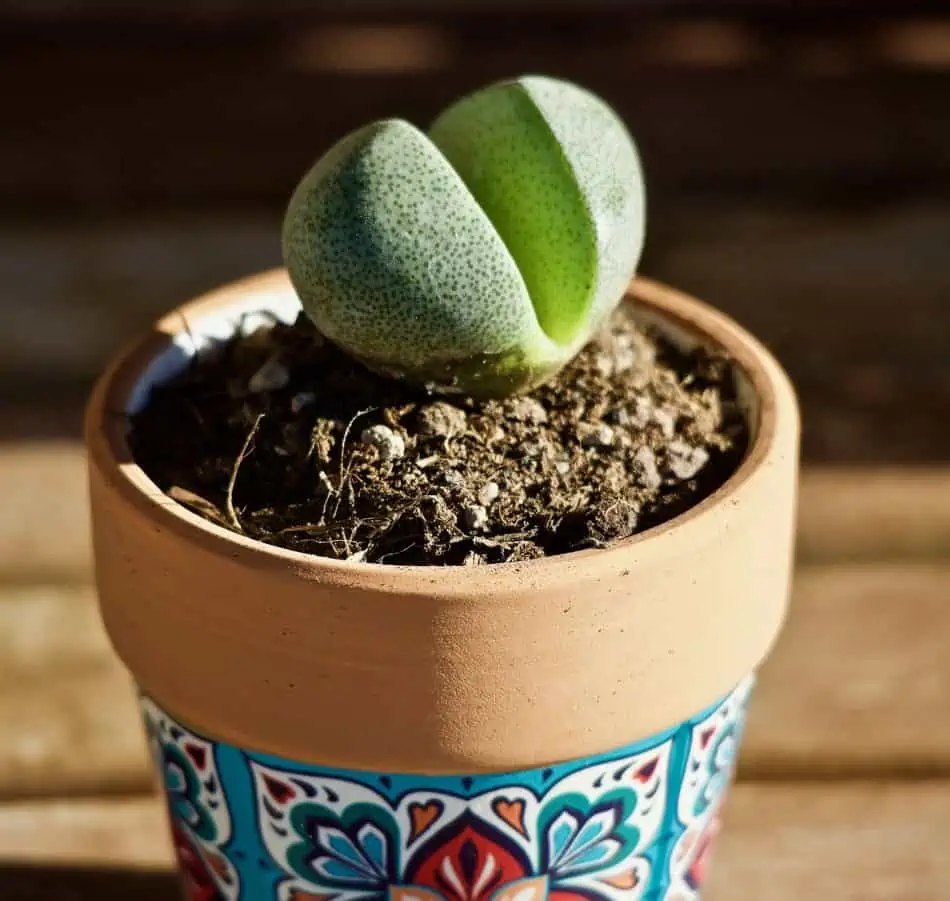
2. Plover Eggs

3. Aeonium haworthii ‘kiwi’

4. Graptoveria ‘Topsy Debbie’

5. Pebbled Tiger Jaws

6. Mexican Hens and Chicks

7. Baseball plant

8. Kalanchoe rhombopilosa

This article will take a look at each of these unusual types of succulents. It will also consider their characteristics, origins, and ideal conditions for growth.

1. Pig’s Ears Plant( Cotyledon orbiculata)

This plant, also called round-leafed navel-wort, is native to the Arabian Peninsula and South Africa. The name Pig’s Ears came about because its fleshy grey-green leaves resemble a swine’s ear. The plant can grow up to 4.3 feet or 1.3 meters in height. Its small and bell-shaped leaves are coated with a whitish substance that helps the succulent to reflect sunlight and conserve moisture. Depending on the variety, this succulent can have either orange-red or, in rare varieties, yellow leaves.

Pig’s Ears plant is a succulent with bell-shaped leaves that can grow up to 4.3 feet in height.

To care for Pig’s Ear, plant it in a dry space, whether indoors or in the garden. You can also put it on hanging baskets, pots, window baskets, and any suitable container. Even though it can do well in partial shades, a sunny location that mimics its natural habitat is ideal. Before watering your plant, ensure the soil is well-draining. Rotting is a common problem, not to mention that snails and slugs make the plant their favorite playground. If possible, use a snail trap or a slug bait to get rid of them.

2. Plover Eggs Plant

This succulent with pudgy silvery-green leaves dotted with purplish speckles is native to South Africa. Its scientific name is Adromischus cooperi from the family Crassulaceae, but the name Plover Egg Plant is used because the leaves have a mottled appearance. You can see the copper marks on the leaves against the green leaves. When mature, it stands at 4 inches or 10 centimeters tall, with delicate, sky-facing flowers on a slender stem. The  Plover Eggs Plant is known to be a slow-growing succulent.

The propagation of this succulent is possible either by seeds, leaves, or cuttings. If the species drops off its leaves, you can simply place it against the side of the container, and it will grow into a new plant. However, you can also cut the leaves using a camping knife. For planting purposes, fill the container with gritty sand before adding humus. The sand ensures that the water will drain. Every month, feed it with a cactus fertilizer for optimum growth.

3. Aeonium haworthii ‘kiwi’

This plant is also known as Kiwi Verde, Aeonium Kiwi, or simply Kiwi. Its origin is a mystery, and people believe it could be a hybrid of Aeonium haworthii from the Canary Islands. With yellow and green variegated and spoon-shaped leaves, this succulent is surely a beauty to look at when fully grown. The edges have a tinge of rose-red. Under the right conditions, it can grow to as high as 2 feet.

Aeonium Kiwi is a succulent with yellow and green spoon-shaped leaves that feature rose-red edges.

To grow it successfully, water it under excessively dry conditions only in well-drained soil, preferably every two to three weeks. The kiwi Verde can be propagated, but for you to achieve that, make sure you do so from healthy leaves only. Use a sharp knife or scissors to do so and let it callous for five days, if not a week, before planting.

4. Graptoveria ‘Topsy Debbie’

Another unique succulent is a hybrid of Topsy turvy and Debbie, all from the Crassulaceae family. The plant is also known as Lilac spoons because of its color. It has thick, spoon-shaped leaves in seamless rosettes. When mature, this plant can grow up to 15 centimeters tall and produces flowers in Spring.

If you plant it in a container, mix sand, grit, topsoil. Add humus for optimum growth. Besides, it needs the full sun, so when you plant it indoors, ensure you move it with the sun.  Shrivelled leaves or a finger that goes several inches into the soil means you need to water.

5. Pebbled Tiger Jaws

This succulent, native to South Africa, was named so because of its intimidating, fang-shaped leaves. It has also been named Shark jaws and Faucaria tuberculosis. Interestingly,  the Pebbled Tiger Jaws is quite harmless and soft to the touch despite the spikes. It is no wonder that the Royal Horticultural Society awarded it the Award of Garden Merit based on its performance in the United Kingdom.

The Pebbled Tiger Jaws is a succulent with triangle-shaped leaves that features yellow blooms when the weather is cool.

The Pebbled tiger jaws has fleshy leaves that are triangular and produce bright yellow flowers during cooler months. When fully grown, it stands to a height of 15 centimeters, or 6 inches tall.

6. Mexican Hens and Chicks

The fact that this succulent is native to Mexico has seen it attract such names as the Mexican gem, the Mexican snowball, and White Mexican rose. The term hens and chicks is used thanks to the mother plant that produces numerous tiny baby offsets that surround its base. It is a perennial evergreen succulent belonging to the genus echeveria and Crassulaceae family.

Mexican Hens and Chicks is an evergreen succulent with pale green and fleshy leaves.

Mexican Hens and Chicks grows up to 4 inches or 10 centimeters tall when mature. Its leaves are pale green and fleshy.  It has long pink stalks and flowers. The flowers with yellow tips appear during Spring and winter. To propagate the plant, you can use either the offsets, leaves, or stem cuttings. These are cut carefully using a sharp razor blade.

7. Baseball plant

If you were wondering about its name, the Baseball plant, also known as Euphorbia obesa, has a shape that resembles a ball. It grows wildly in arid regions in the Cape Province of South Africa.  The succulent has become popular as a houseplant since its discovery in the 1800s, for they have thanks to their unique shape and low maintenance requirements.

The Baseball plant can have a diameter of  6 to 15 centimeters. Its diameter usually depends on age.   When the green succulent is exposed to direct sunlight, either red or purple areas are visible.

You can grow the Baseball plant alone or choose to grow it together with other succulents. When doing so, avoid moving the plant because it easily gets stressed, leading to poor health. It is unnecessary to use fertilizer, but cactus food will be ideal when tempted to use it. Use it only once at the onset of growth.

8.  Kalanchoe Rhombopilosa

This darling of collectors is also named Pies of Heaven because the leaves have an almost triangular shape, just like a pie. It is native to Itampolo in southwest Madagascar. When fully grown, this succulent can stand to a height of 10 to 30 centimeters on its silvery stem.

The grey-green leaves are mottled and pinched at the edges. The Kalanchoe usually peaks during Spring and Autumn. However, they are dormant during summer. It is during Spring that the succulent is ideal for propagation. The flowers are usually small and greenish-yellow with red lines. As an ideal container succulent, the Pie requires more water during winter.

These unusual types of succulents are a great addition to any garden or home as they add both personality and distinction. Taking care of these succulents is a good way of expanding your knowledge on them as a whole as they are both fascinating and diverse. Getting an unusual succulent and caring it to maturity is a source of pride for any succulent enthusiast. While there are tens of other succulents with unique characteristics, these top the list, and it also helps that they can be grown indoors.

Here are The 15 Most Popular Succulents To Grow

Succulents are becoming more and more popular in gardens thanks to their ease of care and beauty. A single succulent in your indoor garden is enough to make a statement and adorn your house with beauty. For this reason, the list of succulent lovers is growing daily as the plants become more popular.

But not all succulents grow at home and are easy to care for. Besides, not all species are cute and colorful, so you must be picky about the ones you introduce to your home. There are common types of succulents that you’re likely to see in stores or find in a friend’s garden. Many of them are also easy to replant, require little watering and at least a few hours of sunshine.

There are a variety of succulents to introduce to your indoor garden. If you’re looking for the easiest succulents to care for and most popular, here are 15 of them.

1.  Burro’s Tail

Burro’s tail is also known as the donkey tail and is one of the easiest succulents to propagate, making it among the most popular. The houseplant grows pretty easily and is not too demanding when it comes to caring. The plant can grow up to four inches long with its beautiful tail-shaped appearance. If you want it to grow well, keep it in the confines of the four walls. Also, ensure you put it in a well-drained container and allow the stems to drape down the pot’s edges.

2.  Zebra Plant

Also known as Haworthia, you can never go wrong with the Zebra plant in your succulent collection. The plant will adorn your indoor garden with nothing but beauty from its spiky look. It has no thorns to scare you away, so you can grow it comfortably where there are children and pets.

Since Haworthia does not have any spines, it is considered as a kid-friendly succulent.

The Zebra plant gets its name from white tubercles that give it a striking look. The plant grows in low clumps, with its rosettes going up to 5 inches long. Make sure your plant receives at least 6 hours of daily sunlight for it to grow well.

3.  The Jade Plant

The Jade plant is commonly believed to bring good luck, financial success, and friendship in households where it grows. This has given it other nicknames like the Lucky plant, money tree, and friendship tree. It also makes a perfect gift for any occasion. Indeed, the plant has many characteristics that easily fix it in the list of the most popular succulents. Its beauty comes from the thick, broad green leaves. It also blooms in small white or pink flowers if you give it the right conditions.

4.  Echeveria

Echeveria is another popular indoor succulent that does well indoors with direct sunlight. Echeveria comes in different species, but they all require the same care needs to thrive. You need to plant it near the windows to get a lot of direct sunlight if you want it to grow well. Echeveria also requires minimal watering and the best time is when the soil dries completely. It will do well in a clay pot with good drainage.

Echeveria is a popular succulent that requires direct sunlight to thrive and grow healthy.

5.  Flaming Katy

Flaming Katy is a beautiful succulent plant that does best indoors as long as you give it clay pots with good drainage. The plants will also appreciate it if you give them well-lit areas. They need at least 10 hours of sunlight for them to adorn your beautiful indoor garden with their beautiful buds and flowers. With the right conditions, expect flaming Katy to reward you with buds of four petals that come in different colors. Their flowers can be golden, dark red, or white shades. You can use the plant on your desk or a centerpiece on your table.

6.  Moonstones

From the name alone, you automatically know that moonstones are the real gem. This succulent grows in bluish-green leaves that are sure to give your garden the beauty it deserves. The plant can adapt well in dry conditions thanks to its drought-tolerant nature. The moon-like leaves are capable of storing enough water for it to survive many months of drought. If you grow it in your garden, make sure you water it sparingly.  Watering twice in summer and once in winter is just enough for the plant.

7.  Aloe Vera

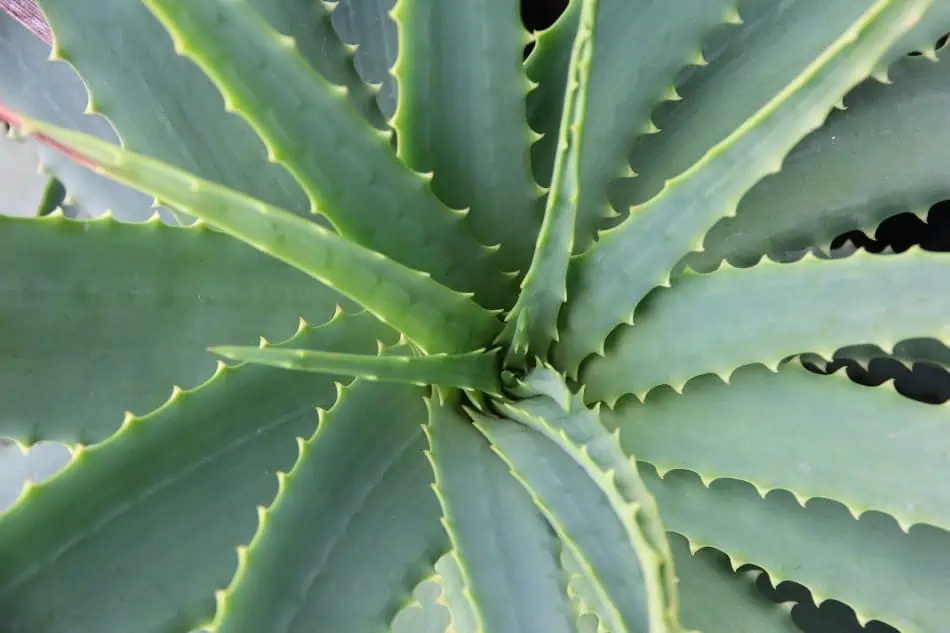
Aloe vera plant is not only famous for its beauty but also its medical benefits. The compounds of aloe vera are perfect for easing burns and scrapes. It’s used to make various skin lotions, ointments, and a host of other cosmetic products. Aloe vera is also a perfect decorative plant making it ideal for indoor planting. Its thick pointed leaves come in green-gray color. Some leaves come with spots of white.

Along with being a decorative succulent, Aloe Vera offers plenty of medical benefits.

8.  Snake Plant

The snake plant is another low maintenance succulent that can make a great companion for your home. The plant is unique in its own way because, unlike other succulents, it can do well placed under indirect sunlight. It also needs a bit more watering than other succulents, but you should go slow on watering during winter. This plant can grow pretty large over time, and you need to re-pot it before it outgrows its pot. The snake plant is a great therapeutic plant known for its air purification benefits.

9.  Hens and Chicks

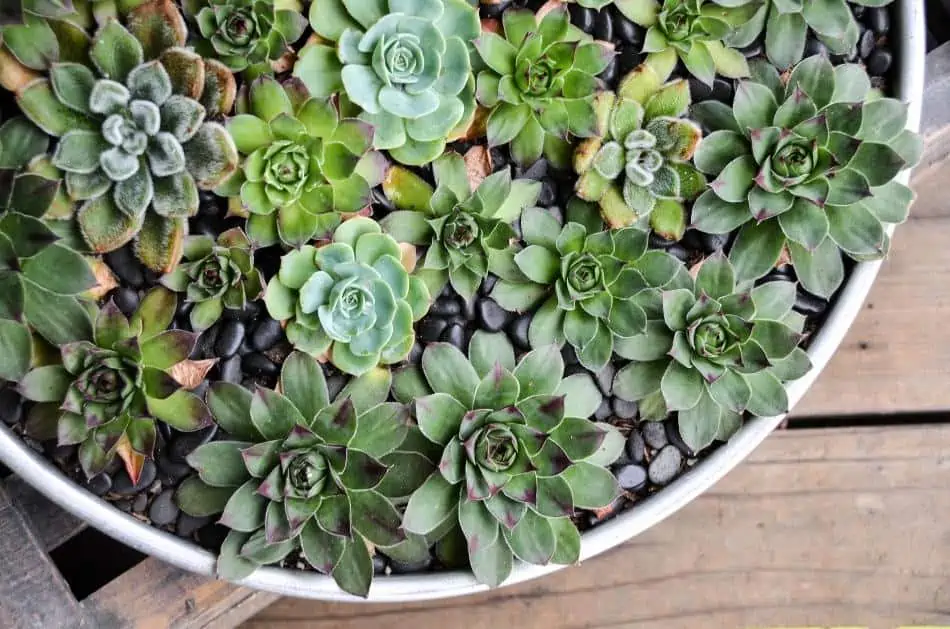
Hens and chicks are one of those succulents with unique growth abilities. The plant grows on the rooftops of old European cottages. They’re used to protect the roof slates from fire and lightning. This plant grows in clusters with thick fleshy leaves. You’ll notice them in clusters of compact rosettes with their thick leaves alternating from a central point.

Hens and chicks are available in different species that come in varying colors. The plants can tolerate cold temperatures and still reproduce without proper care.

10. Pinwheel Desert Rose

Pinwheel desert rose, which is popularly known as aeonium, is a beautiful succulent with unique characteristics. Something that differentiates this plant from other succulents is the fact that it doesn’t appreciate hot weather. It goes dormant when the weather gets above 80 degrees. It grows well if the temperatures remain at 65 to 75 degrees. The desert rose grows rapidly and quickly reaches 3 feet. They’re also easy to plant with regular potting soil needs. It also needs enough moisture to grow its shallow roots.

11. Stonecrop

Stonecrop is another unique succulent, just like moonstones. The unique plant grows in a variety of colors and can form pink, silver, green and blue shades. It’s also available in two different types, namely, tall sedums and creeping sedums. The tall sedums grow about three feet tall. They adorn your summer garden with pretty flower clusters. Creeping sedums are found on rock gardens, roofs, and walls. This is an outdoor succulent that is pretty easy to plant and care for.

12. Ball Cactus

Ball Cactus adorns every succulent garden with its unique shape. The cactus has a balloon shape and grows up to two feet tall. But your children won’t pick this balloon to play with because it’s not that friendly. The rounded body is protected with very sharp spines that keep away anyone that dares to mess with it. The beauty is not only in the shape of the ball shape but also in its small, yellow flowers that form clusters.

13. Saguaro Cactus

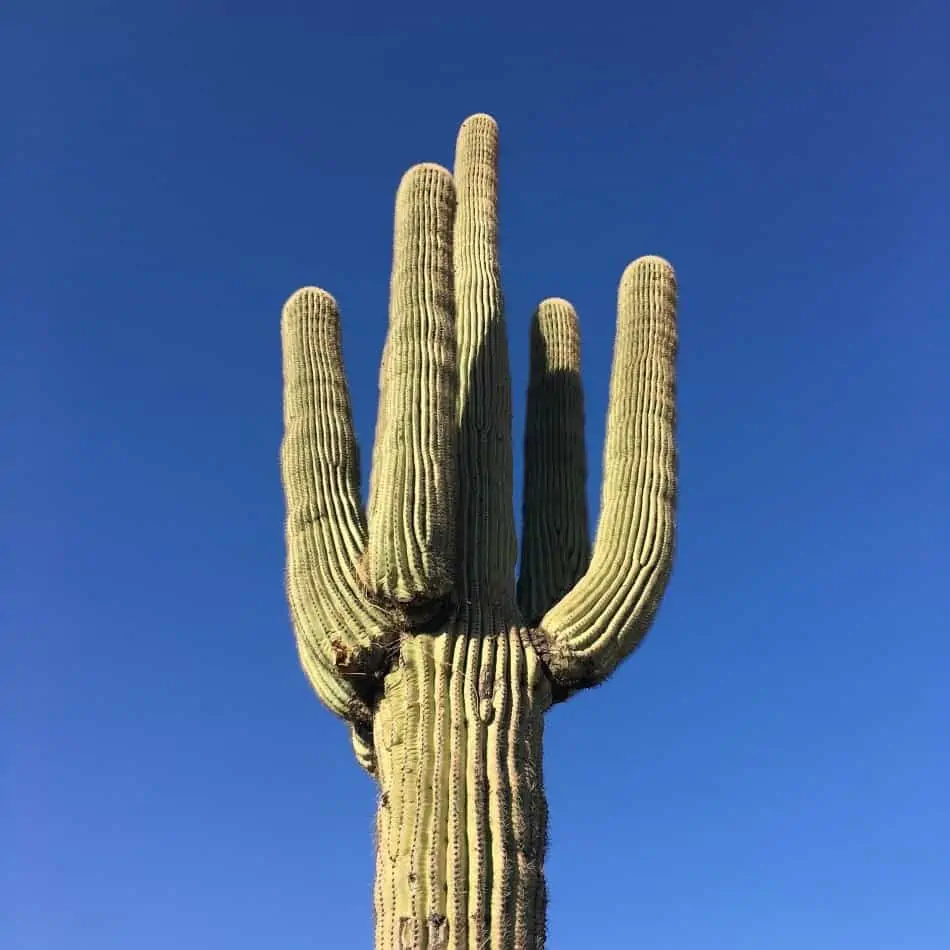
Saguaro is another popular succulent with the ability to thrive in very harsh climates and grow up to 40 feet tall. It grows thick main stem with others spouting out to look like arms. This plant is popular for its ease of care and drought tolerance nature, thus grows more than 150 years. The cactus can adorn your garden with beautiful white blooms. Its stunning flowers have given it the name wildflower of Arizona. It also produces edible fruits from its stem and arms.

Saguaro is a succulent that grows up to 40 feet tall and can withstand even the harshest conditions.

14. Kalanchoe

Another beautiful and popular plant in the cactus collection is the lovely kalanchoe. Kalanchoe needs a bright spot in your house where some indirect sunlight can hit it. However, it won’t appreciate direct sunlight as this will only cause burning. Kalanchoe also doesn’t like cool weather, so you should avoid drafty areas.

If you want kalanchoe to appreciate your gardening efforts, make sure the soil is dry between watering. When it’s time for kalanchoe’s watering, make sure you water deeply, so it drinks enough to go for days.

15. Pig’s Ear

Pig’s ear is succulent that grows in thick, oval leaves with red edges. It produces yellow and red flowers on top of the stems and droops down. You’ll mostly see the flowers of pig’s ear in autumn and summer. The pig’s ear is a perfect succulent for growing outdoors as it grows up to four feet high. The plant does well in dry areas like the rock beds, and you can also grow them in hanging baskets. Leave some space in between it and the next plant as it tends to occupy a large space.

Summary

That’s your list of the 15 most popular succulents to plant either indoors or outdoors, depending on the type. These succulents are easy to grow and require little maintenance. Choose your favorite one and see the beauty they can bring to your succulent garden.

Here Is How Desert Plants Adapted To The Desert

Apart from the intense heat, there are several things that desert plants have to endure. Other harsh things include global warming, erosion, dust, high winds, and attack by animals and humans. Despite the harsh conditions, desert plants are still the most durable as they can leave more than 200 years. If they can survive the harsh conditions, then even disease attacks will not bring them down.

Desert plants have to adapt to all the harsh conditions to survive. The plants adjust their leaves, stems, and roots to either store water or reduce water loss. They grow strong anchorage roots that ensure storms or wind don’t pull them off the ground. The plants keep away humans and animals by their sharp spines. These are just a few of the characteristics that these plants have devised to survive and thrive in harsh environments.

There are many excellent and unique ways that desert plants such as cacti adapt to the desert. This article provides some of those ways.

How Plants Find Water in the Desert

They say water is life, and many living things, including humans, animals, and plants, depend on survival. But we’ll know that water finding water in the desert is not easy. So, how do desert plants like cactus survive the prolonged lack of water periods?

Even though desert areas are always dry for the better part of the year, they also experience sporadic rains. The desert plants absorb as much water as they can when it rains. They have different ways of accumulating and storing water for long-term use.

Desert plants obtain and store water from sporadic rains, air condensation, or through their taproot system.

Some plants grow near river beds and extend their roots so deep to reach the water underground. These plants develop a kind of root called taproot that allows them to penetrate deep into the subsurface soil to find the needed moisture. These roots are capable of penetrating up to five feet into the ground.

Another way the desert plants get water to survive the extended dry seasons is through air condensation. When the air condenses, it forms dew which the cactus spines and hairs capture. They then direct the dew to the ground, where that moisture gets absorbed in the roots.

How Plants Limit Water Loss in the Desert

Because getting water in the desert is a big struggle for the plants, they don’t want to lose the little they get easily. Plants develop several adaptations to enable them to preserve water. One way these plants reduce water intake is through the reduced size of the leaves or completely no leaves.

Without the leaves, the plant won’t be losing water through transpiration. Transpiration involves the process in which plants circulate water through its body before it evaporates to the air. Plants find a way to reduce the transpiration process; hence, they don’t need to lose water or spend much energy.

To minimize water loss, desert plants have modified their leaf size and some plants do not have any leaves at all.

Most desert plants get inactive during the dry seasons. They don’t perform many activities that consume water, such as photosynthesis. They do not grow much or reproduce. The dormancy periods enable them to survive the rough months. In case they manage to produce seeds in the dry months, the seeds remain protected in the coat. When it starts to rain, the water dissolves the coating enabling the seeds to grow rapidly.

Some plants produce a wax coating on their leaves which prevents evaporation. This protects the plants from losing water either from the inside or the surface.

Instead of developing leaves, some plants such as cacti grow spines. These spines work in many different ways to prevent water loss. These include protecting the plant against predators looking for the stored water. Other functions of the spine involve shading the plant from extreme sun and trapping moisture near the plant.

Another way desert plants survive water scarcity is by losing their leaves. When it gets too hot, the plants shed their leaves to limit water loss. One good example is the Ocotillo plant that sheds off its leaves to preserve water. They regrow these leaves when the temperatures get more favorable.

Plants like the aloe have greying color that deflects heat to prevent water loss. The aloe plant also has types of leaves that store enough water for their survival.

Some cacti and succulent plants have thick and waxy outer skin, which protects them from water loss by sealing moisture.

Root System Modifications for Survival

Some desert plants like cactus adapt to the harsh climate through various root system modifications. Most cactus plants have their roots on the surface of the soil, meaning they don’t go too deep. The plants develop fibrous roots that spread meters away from the plant.

Desert plants have modified their roots so that they are spread across the soil surface and collect enough water to survive.

When it rains, the roots can gather enough water from different directions. They then store this water in the stem region. The amount of stored water depends on the size of the plant. For instance, the mature saguaro is capable of storing up to 1000 liters of water.

During the rainy seasons, plants with fibrous roots shoot out more roots to absorb and store as much water as possible. When drought season comes, the extra roots dry up and break from the plant to minimize water loss. Other plants have modified root systems meant for water and food storage. They store excess water when the stem is full.

Drought Avoidance Mechanism

Some plants will not develop mechanisms to survive the harsh desert conditions but will simply avoid it altogether. Such plants die during the dry periods and come up again when it begins to rain. These plants grow and mature in a single season. They focus on germinating and producing more seeds instead of preserving energy for drought survival. These plants are called the annuals.
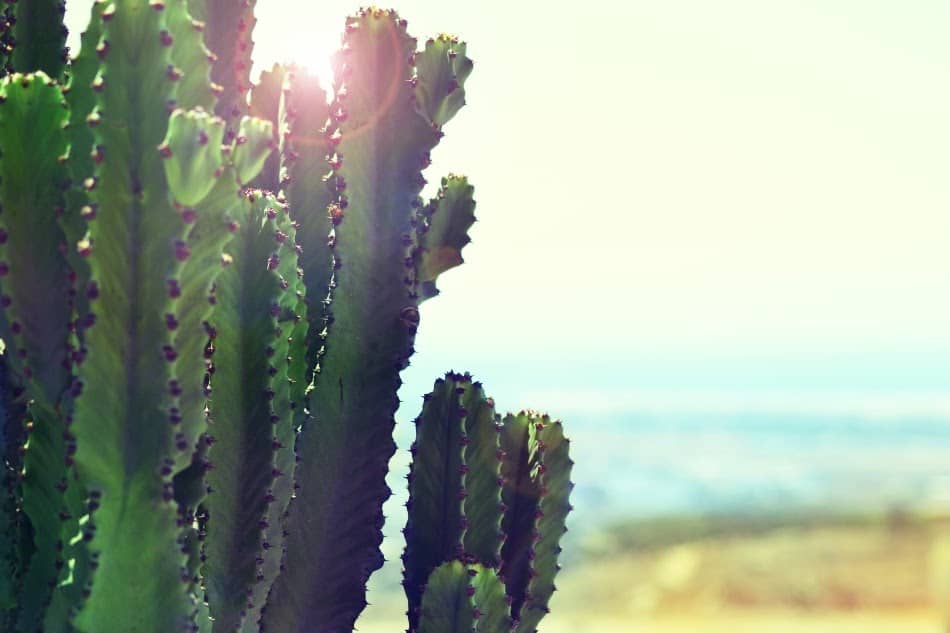
Some desert plants die during dry periods and come back to life whenever it rains.

Most plants found in deserts such as the Sonoran desert germinate in the fall or after the summer heat and cold winter months. They rely on the small rains during fall to wet the soil, which will be enough for the germinating seeds to produce their own seeds even with no more rain.

The drought-evasive plants are known to be the most successful desert survivors. Their seeds have no metabolism and are resistant to extreme temperatures. Such seeds only sprout in particular temperatures, rain, or seasons. Even when the conditions are favorable enough, not all the seeds of such plants germinate. Some remain dormant until they reach a certain age. For instance, bluebonnet seeds will not germinate until after ten years.

The Stomata Adaptation

Another common adaptation method of desert plants is stomata. These are small pores on the leaves and stem that help in regulating the exchange of gas. The stomata of desert plants are different from those of other plants. Many desert plants lack stomata or have very small ones. They’re also far apart and few.

The reason for the limited stomata in desert plants is to limit water loss. Others practice what is known as CAM photosynthesis, whereby the plant closes the stomata during the day to limit water loss. It only opens at night when it’s cooler, and no evaporation is taking place.

The Areoles in Cacti

Plants such as cacti survive in the desert through their unique structures called the areoles. You will notice these structures in hairy parts of the cacti where spines emerge. The areoles also produce flowers in some cacti. Some leafless cacti plants have their areoles on the raised areas of the stem. You’ll notice them in oval or circular shapes separated into two parts.

The areoles give rise to spines and glochids, which act as their self-defense. They provide a protecting function that shields the plant from attack by desert animals or even humans. The spines also provide protection from sun rays and other types of conditions that can cause injuries.

Growing Thick Cuticle

Other plants manage to survive through the seasons of harsh climates by developing thick cuticles. A cuticle is a thick and waxy out layer found in most succulent plants such as cacti. In some plants, the cuticles are so thick that you can easily scratch off the wax from the plant with your fingernails.

But how does the thick cuticle help such plants survive the harsh climates? The cuticle prevents the water stored in the plant from evaporating in the air. The cuticle also acts as a shield that protects the plant from attack by germs and microorganisms.

Summary

There are endless strategies that plants adapt to survive in the desert. While most of these plants are generally small, they have the capability of surviving where even the largest plants on earth won’t survive. They have different ways of getting water and protecting themselves from the harsh environment.

While the desert environment may seem hostile and incapable of sustaining life, these plants have proven that they can survive and thrive in such climates. Some plants even survive by reducing competition around them. Such plants produce some chemicals that deter other plants from growing near them and competing for scarce water and nutrients.

What Does Root Rot Look Like?

The worst nightmare of every gardener is to see the plants they’ve worked so hard to care for slowly dying. One of the most common causes of plant deaths is root rot. Sometimes root rot can attack so carefully that you only realize it after it has done too much damage. To save the plants, you have to identify root rot and treat it before it affects the entire root system. But how does root rot look like?

While rot mostly attacks the roots, its effects are usually noticeable on the plant’s upperparts. You might notice wilting stems, yellowing leaves, mushy stems, or wet potting mix. These signs are visible, and you don’t have to pull off your plant from the soil to inspect it for rotting. But if you notice any of these signs, you’ll have to consider un-potting the plant and checking the roots.

If you’re wondering what rotting roots look like after un-potting your plant, this article is for you. Let’s have a look at how to root rot looks like and what you can do about it. Here are answers to all the questions you might have concerning root rot.

What is Root Rot?

Root rot is a common condition that attacks plants from the roots causing them to decay and eventually die if not solved. Causes of root rot include fungi infection or lack of oxygen. Most of these causes occur from waterlogged soil, which causes the plant to suffocate.

If your cactus is dying, root rot might be one of the reasons.

The roots are the lifeblood of every plant, and if anything is not right, the whole plant suffers. Every plant needs oxygen for essential processes such as photosynthesis.  Lack of oxygen prevents the root cells from producing a key molecule that saves and transports energy in cells. With time, the roots will start dying and will not uptake essential nutrients.

What Does Root Rot Look Like?

While you’re likely to see signs of root rot on the stems or the leaves, sometimes that might not be the case.  To be sure that your plant is suffering from root rot, you might have to inspect the roots themselves. Here are some of the things you’re likely to come across when you encounter a rotting root.

  • Decaying Smell

A foul smell may not be a visible sign of root rot, but it’s an obvious sign that all is not well with the roots. A healthy plant usually has an earthly smell. But when you notice that you can’t stand the smell that comes from the roots when you un-pot your plant, that’s root rot. Your rotting plant may emit a rotting eggy odor.

  • Soft or Mushy Roots

A healthy plant has creamy white roots, which are very firm. If you notice that the roots are rather soft and mushy, it’s a good indication that you’re dealing with root rot. The softness and mushiness of the roots occur from excessively soggy soil. This causes the fungal spores to multiply rapidly, causing the healthy portions of the root to turn brown and become mushy.

  • Roots Detached from the Plant

Sometimes the roots may be too affected that they easily fall off from the plant when you touch them. It’s devastating to see the roots falling off the parent plant. This might be a sign that the rot has become so severe that there’s very little you can do to save the plant.

Root rot might cause the roots to separate from the cactus itself.

Other noticeable symptoms of root rot include;

  • Yellow leaves
  • Leaves falling off from the plant
  • Brown splotches on the leaves
  • Wilting stems or leaves
  • Unhealthy or malnourished plant
  • Black or brown roots
  • Stunted growth

What Do People Mistake Root Rot For?

When the roots start to rot and people see signs of a dying plant, the first thing that comes to mind is a lack of water or nutrients. Here are the two main things you’re likely to mistake root rot for.

  • Underwatering

Many people think that the plant is turning yellow or not growing as it should because it lacks enough water. Sometimes you might think your plant is underwatered when in the real sense, it’s overwatered. This can be confusing because the plant shows almost the same visual signs when underwatered or overwatered. An example of this is usually wilting leaves.

When you assume that your plant is wilting because it lacks enough water, the chances are that you’ll begin to water it. You’ll give the plant more water than it needs, which will further escalate the rotting problem. The plant will become waterlogged and suffocated. This will eventually cause its death.

Overwatering your cactus plant might lead to root rot.
  • Lack of Nutrients

Other people mistake signs of root rot for nutrient deficiency.  When the plant tends to have wet soil even with enough sunlight, and you can’t see signs of pests, the first thing that comes to mind is lack of nutrients.

Mistaking root rot for lack of nutrients gives rise to another bigger problem altogether. You’ll probably decide to give the plant a water-soluble fertilizer. And you’ll mix water, soil, and fertilizers; hence, end up overdosing the plant. You’ll add extra water on the soil that’s already waterlogged. This means you’ll wet the soil even further and escalate the rotting problem.
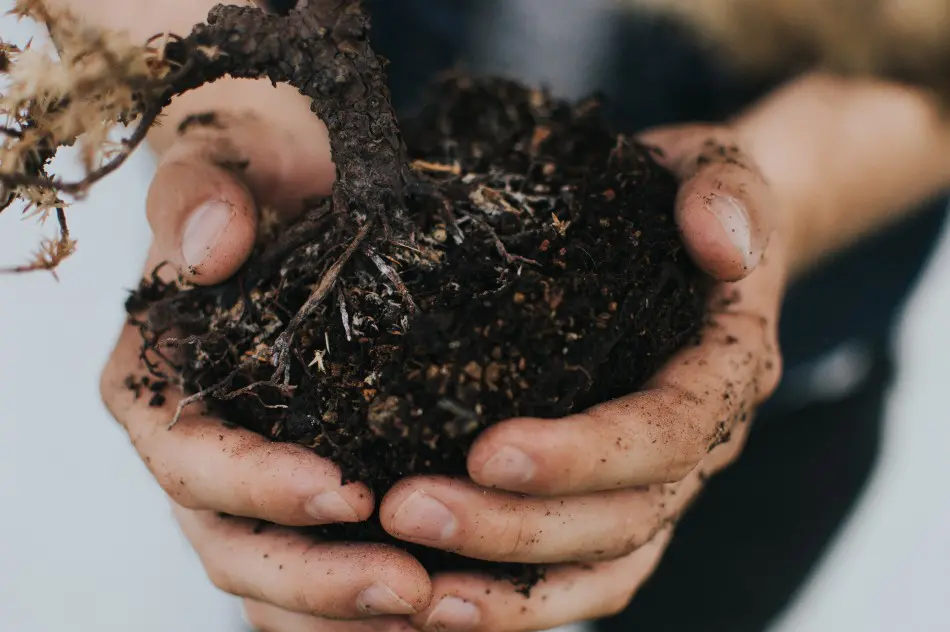
Causes of Root Rot

You’ll only save your plant if you know the problem and the cause. Here are common causes of root rot that you’ll likely come across.

  • Overwatering

One of the common causes of root rot is too much water. Plants have different water needs, and sometimes you might think it needs too much water when that’s not the problem. Plants like cactus need very little watering. Sometimes you may think you’re doing them good by watering when you’re destroying them.
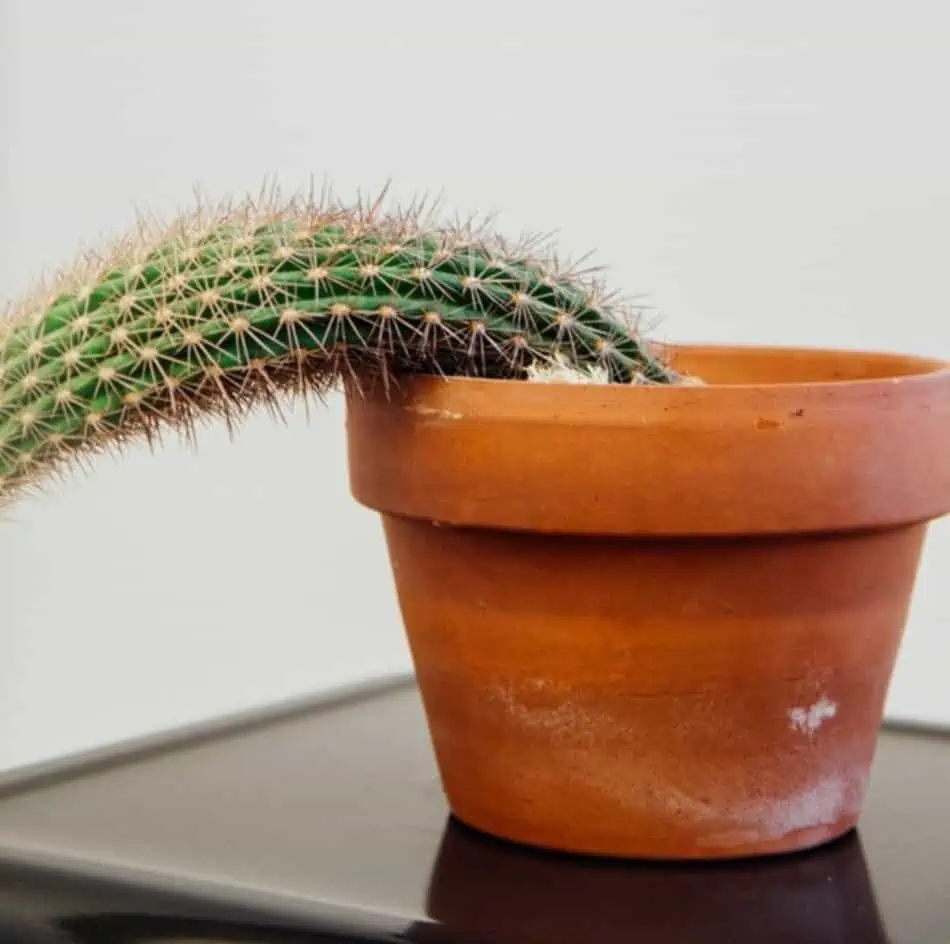
When the soil under your plants gets oversaturated, it will become a breeding ground for bacteria and fungi. Once you give fungi and bacteria some space to thrive, you won’t be able to prevent root rot.

  • Underwatering

If you think overwatering is the only problem, then you’re mistaken. Your plant can also suffer root rot when you don’t give it enough water. When you stop watering your plant, the roots will begin to shrink and shrivel because of the dry soil. When you finally realize that the roots are so dry and decide to flood them with water eventually, you’ll overwhelm the already fragile roots causing them to rot.

  • Poor Soil Drainage

Poor soil drainage is when the water you give your plant only remains on the surface. When your pot lacks drainage holes, water won’t escape, and you’ll end up with too moist soil. This means that your plant will suffocate due to the lack of oxygen, which will cause the roots to rot. You should consider adding rocks and pebbles to the bottom of the pot to increase drainage. You should also avoid pots that have no holes.

Ensure that your cactus pot features drainage holes to prevent your plant’s roots from rotting.
  • Oversized Pots

If you’re a gardener, you’ll always think that your plant needs enough room. But using too big a pot is the worst mistake that can ever make. A big pot is one of the causes of root rot. Excess soil around your plant is the biggest source of problems. Those empty spaces between the soils can cause waterlogging, which will eventually invite bacteria.

  • Planting Too Deep

Many plant species don’t appreciate it when you plant them too deep. If the roots were to go deep, the plants would rather do that by themselves as they grow. Other plants need to root along the stems, and that means when you bury them deep in the soil, you’ll be interfering with their growth. Ensure you check your plant’s growing specifications so you don’t lower its depth so much.

How to Deal with Root Rot

It’s devastating to see that the plants you’ve worked so hard to tend to begin to rot and eventually die. But you must know that not every root rot leads to death.  If you identify root rot early and the cause, chances are that you’ll be able to save your plant.

If you can still see some white and firm roots in your plant, the chances are that you can still save it. You can bring your plant back to health by replanting it with good and fresh soil. But you can only replant and save your plant if not all of it has turned mushy. If the entire plant is mushy, it will be too late to save it.

For replanting to be successful and for you to save the plant, you should be careful with this process.  Make sure you get rid of all the parts of the root that have become mushy and brown. Use a sharp pair of scissors to do this. After removing the damaged parts, replant the plant within a few hours. After the process, dispose of the rotten parts and sterilize the scissors so that the fungi don’t spread.

Summary

Identifying how to root rot looks like is the first step towards treating it. You should take immediate action when you notice that your plants are not growing as they should. The telltale signs of a sick plant include wilting stems and yellowing leaves.

Ensure you don’t overwater underwater or give it improper drainage to protect the roots from rot. Act quickly so the rotting won’t affect the plant too much to a point where you can’t save it anymore.  You don’t want to wait until it’s too late because this will mean losing all your hard work and precious plant.