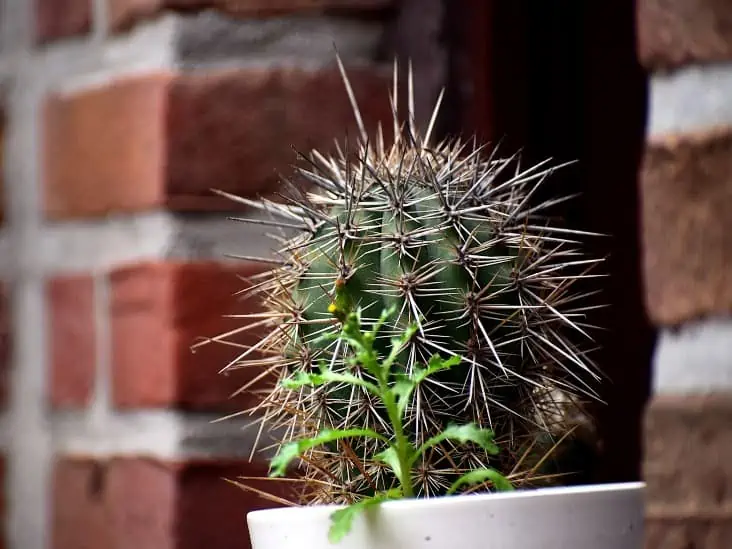
Can a Damaged Cactus Heal Itself?

Cactus is known to be one of the hardiest plants ever. They endure everything from extreme drought to being buried under the tumbling sands of a desert. Injuries and wounds are part of their daily life. Even those grown at home are not excepted from injuries and wounds. New research, however, has found that these plants have one more trick up their sleeve: self-healing.

Can A Damaged Cactus Heal Itself? Apart from the harsh conditions of the desert, cactus also receives wounds from animals, accidents, or routine care such as cuttings. The scars can be deep, on the shallow stem surface or in the roots. The good news is that cactus can heal these wounds on their own with amazing speed and effectiveness.

If you’re wondering if a cactus can really heal itself, the answer is yes. However, the actual process is fascinating. Here are things you should know about cactus self-healing.

How Can Cactus Heal Itself?

Cactus can seal off a cut almost instantly, thanks to a newly discovered mechanism. After a cactus is cut, it releases an acid that dissolves the tissues around the wound over a period of about 48 hours. Then, calcium carbonate crystals form in this area and harden, binding the wound.
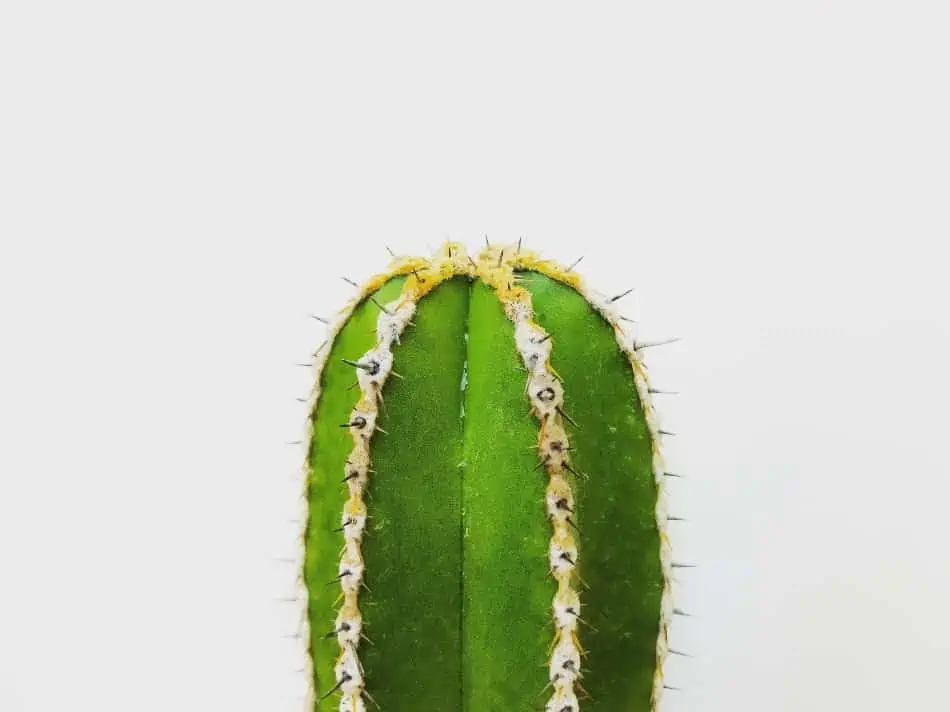
Cactus can heal itself by producing acid and forming calcium carbonate around the wound.

Normally, a plant can seal off wounds naturally because of its immune system. This is how it protects itself from various diseases and infections from outside elements such as animals or bacteria. The acid released by the cactus during self-healing creates this protective layer that prevents another infection from occurring after the wound heals.

The cut, therefore, heals with minimum scarring thanks to the body’s natural defense mechanism. This is why cactus can heal itself so quickly without any medical intervention.

Types of Cactus Wounds

There are different types of wounds that your plant is likely to receive. For instance, an accident may cause the plant to fall or tip over, which will leave a big gash on its body. Animals can also cause small cuts during routine foraging for food. Cacti are so difficult to cut that you needn’t worry about causing infections even if physical damage is done.

Here are the different kinds of wounds you’ll notice on your plant:

Shallow Surface Wounds

The shallow surface wounds result from knocks and bumps. Plants can handle this type of wound by themselves. How fast these wounds heal will depend on the season. They might take longer to heal during cold seasons than they would during the summer.

Deep Surface Wounds

These types of wounds are worse because they penetrate more deeply. They’re wounds resulting from harder impacts that could damage the cactus’s vascular system. With these kinds of injuries, there is a high risk of infection and failure to self-heal. Cacti often fail to heal if they suffer deep wounds or irreparable damage.

Smashed, Uprooted, or Broken Off Cacti

These kinds of wounds are the worse case scenarios for a plant that has been damaged by a strong impact. The likelihood of these types of wounds becoming infected is high, and it may take years for them to heal completely. If left unrepaired, the injury could also become necrotic.

Internal Wounds

Internal wounds are the types of injuries that occur when a cactus has been cut off at the stem. There is a very high risk for infection when this happens because it opens up the plant to invasion by pathogens.

Although plants have immune systems just like humans, they are not as effective in fighting infections. This is why internal wounds caused by cuttings should be treated immediately by a plant doctor.

Transplanting or Propagating Wounds

These types of wounds are common during transplanting or propagating plants. Cacti should be put in clean soil after these procedures to avoid infection. How you handle your plants during these processes will determine how easy they’ll heal. Ensure that the soil you put them in is sterilized and that your hands are clean before transplanting.

If you notice that some of the roots of your cactus have been cut off or torn apart during transplanting or propagating, you must tend to them immediately. Trim them off and surrounding them in clean soil.

If roots have been torn apart when transplanting your cactus, you should immediately trim them off.

Damaged Roots

If the roots of your cactus were damaged, they would not be able to self-heal. Damaged roots mostly happen as a result of digging near the plant. It is common to accidentally cut roots off when doing this. The best thing you can do for your cactus during this situation is to make sure that the damaged area remains dry and clean. You don’t want it to get infected by viruses or bacteria floating around in the soil.
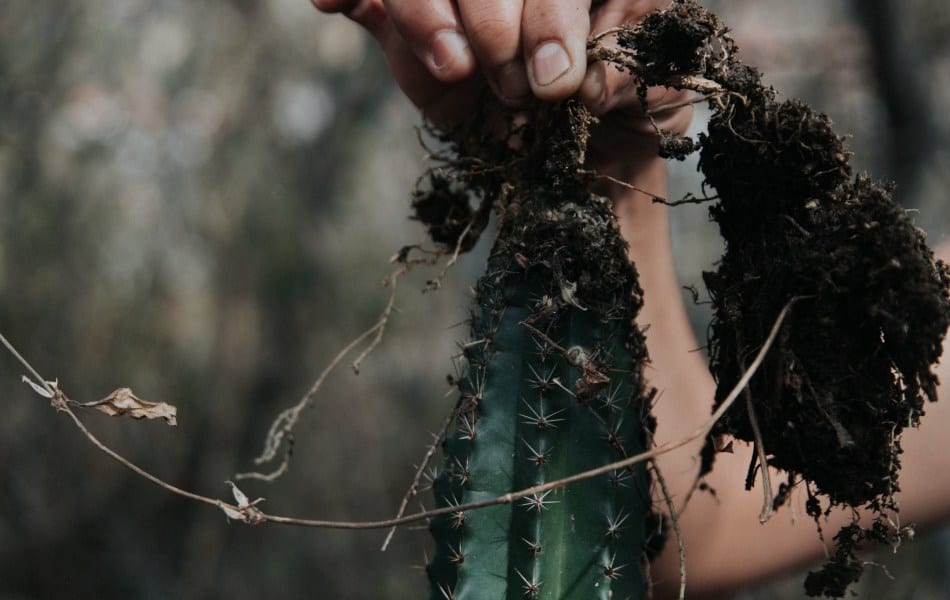
A cactus with damaged roots will not be able to heal itself, so you should clean the area and keep it dry.

What Should You Do if Your Cactus Gets Damaged?

Cactus normally heal their own wounds, but lab tests show that damaged cacti usually take longer to heal than regular ones. They take anywhere from 30 days to 2 years to completely recover.

If you want your cactus to heal faster, you can use a water bottle to spray it with clean water. This will help the plant recover by keeping the surrounding area moist while it’s healing. It is also recommended that you reproduce or propagate your damaged cacti as soon as possible to avoid infection.

Use a spray bottle and clean water to keep the area around the wound clean and moist.

Cactus that has internal wounds should be treated with a fungicide, then wrapped in plastic, and placed in a sunny location indoors. This will stop the infection from spreading and force the plant to focus its energy on healing itself rather than fighting off pathogens.

A cactus can handle physical damage without any help. However, if the wound is serious or you find that it’s taking too long to heal, then you should contact a cactus doctor immediately.

Treat your plants right away to avoid infections after the damage has been done. This will ensure that they heal faster and look just as beautiful as ever!

Tips To Protect Your Cactus from Wounds

  • Don’t keep your cactus in drafty areas. Setting them next to a window or an air conditioning unit can cause serious damage if it’s too cold or too close.
  • Keep the surrounding area around your cactus dry, especially during winter, to avoid rot.
  • Protect your plants from lawnmowers, pets, other animals, and children. They might cause your plant to fall over and collapse, which can lead to serious damages.
  • If you want to protect your cacti from physical damage in the future, you should buy a special case for them. This will put an end to worries about bumps and bruises while protecting your plants from harsh conditions such as extreme temperatures or moisture changes.

Related Questions

How long does it take for a cactus to heal?

It takes anywhere from 30 days to 2 years for a cactus to heal. But you can help your cactus heal faster by spraying it with clean water, keeping the surrounding area dry, and ensuring the temperature is comfortable.

What should you do if your cactus gets damaged?

If your cactus gets damaged, it is recommended that you treat the wound with fungicide and wrap it in plastic before putting it in a sun-filled room indoors. This will prevent further damage and help your cacti heal faster.

Why do cacti have to be treated?

Cacti should be treated immediately after damages are done to prevent infections. If it gets infected, it will take much longer to heal and might never look the same again. This is why you should always buy a case for your cactus if you want to prevent future injuries.

What is the best way to handle a cactus?

The best way to handle cacti with thorns is by using hands with gloves or tongs. This will make sure that you won’t hurt yourself while preventing damage to your plants. You should also avoid touching new buds or spines as they can easily detach from the plant and cause serious infections or injuries.

Can a dead cactus come back to life?

A dead cactus can’t come back to life because the root system was destroyed, but you can make it look new again by carefully replanting its head and covering it up with soil. This might take a while, though, depending on the condition of the plant.

Bottom Line

It’s indeed true that a cactus can heal itself from severe injuries, but it can take a while and might never look the same again. So instead of risking your plants and forcing them to heal on their own, you should treat their wounds immediately. You should also take measures to prevent injuries, such as buying a case for them so that you don’t have to worry about future injuries.

Remember, self-healing is only left for the cacti in the wild. As for the ones you have at home, it’s your responsibility to ensure they stay in good shape and look just as beautiful as ever.
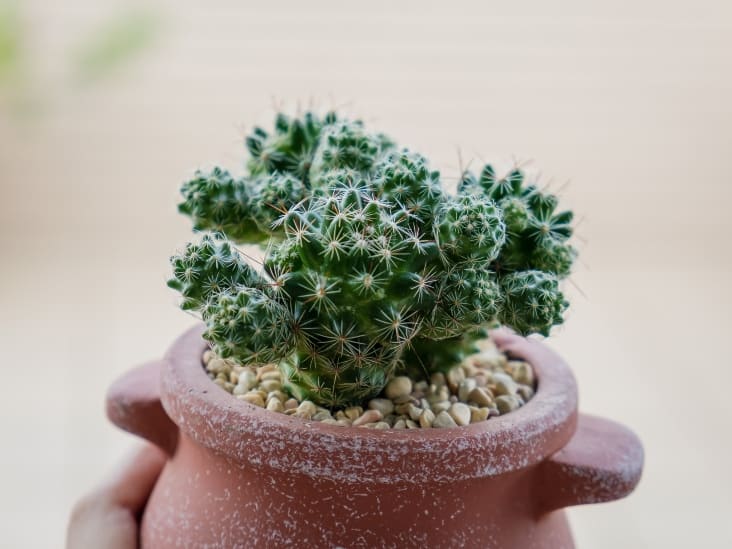
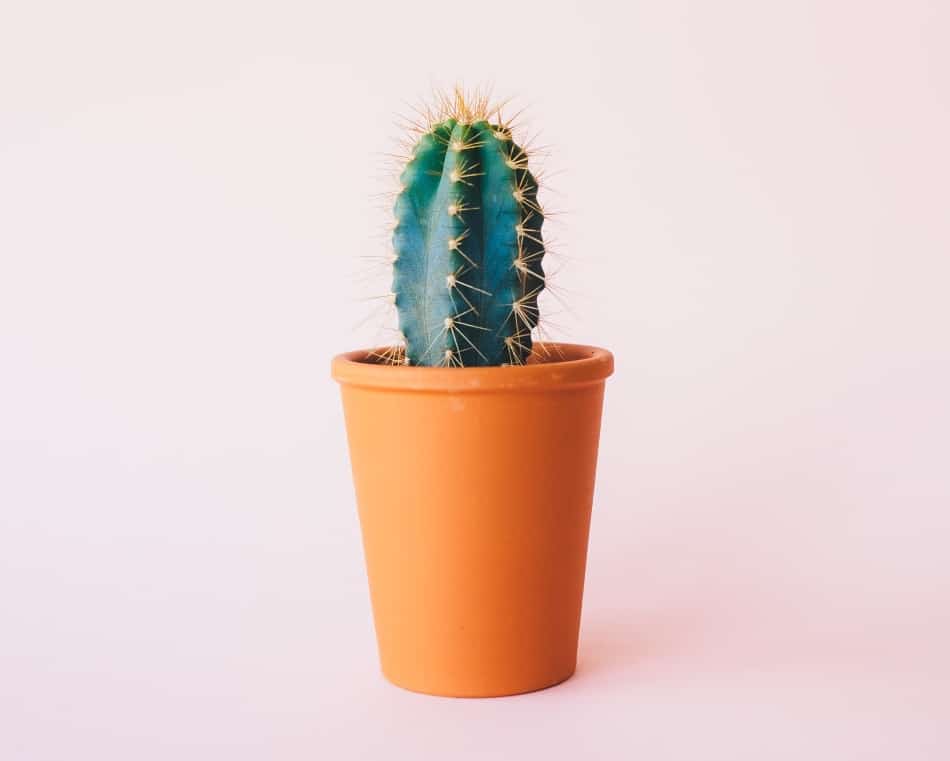
What Are Cactus Plants Made Of?

Most of us probably know a cactus as a thorny green plant that grows in the desert.  While that may be true, there is still much more to learn about these succulents and how they survive. Cacti plants have special features that allow them to adapt quite well to harsh environmental conditions. They usually store water in their stems, roots, and even leaves and live for up to one year without rain.

So, what are cacti made of? Almost all plants in the family Cactaceae have unique features that allow them to survive in relatively dry climates. Much of its body makes up the stem that stores and transports water to other parts of the plants. The plant has thorny spines designed to protect it, capture water, and regulate its temperature. It also has a relatively broad root system for maximum water absorption whenever it rains.  Some cacti plants have flowers and fruits.

Read on to find out everything you need to know about these amazing succulents.

How Does a Cactus Plant Look Like?

There are approximately 2000 different types of cacti species that come in different sizes, shapes, and even colors. While green is the most common cacti color, we have some that are brown-green or bluish.

Some cacti plants are round, while others are literally flat like a pancake.  Some are shaped like a starfish, while others are pretty long like snakes.

A cactus plant can be small or big depending on its species. In fact, the largest type of cactus can grow up to 66 feet tall and weigh up to 4600 pounds. That weight is an equivalent of a fully loaded truck!

Although most of us think that all cacti plants are ugly, the truth is quite different.  Most cacti species are covered in thorny spines, but most of them also grow big, beautiful flowers during specific times of the year.

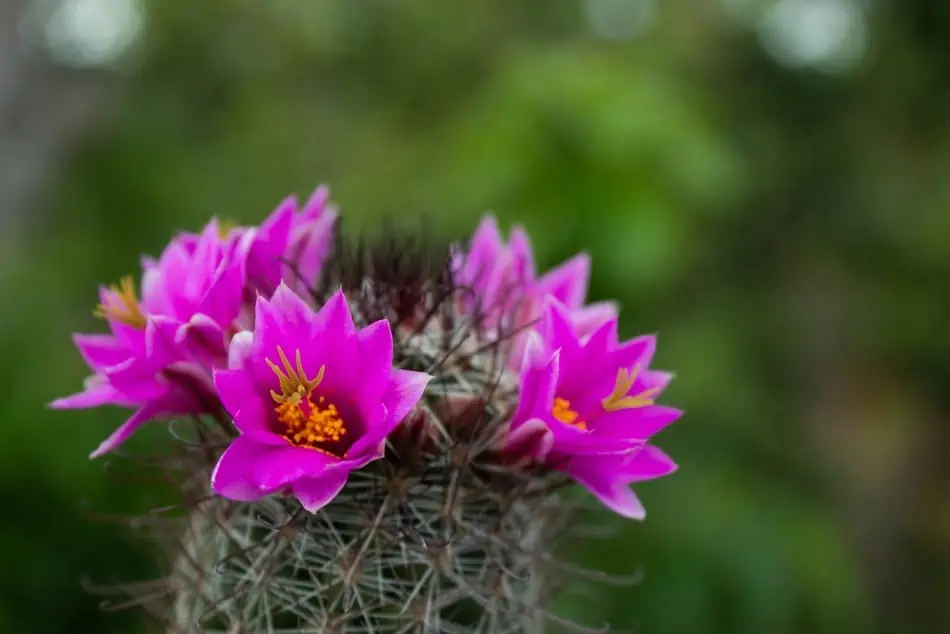
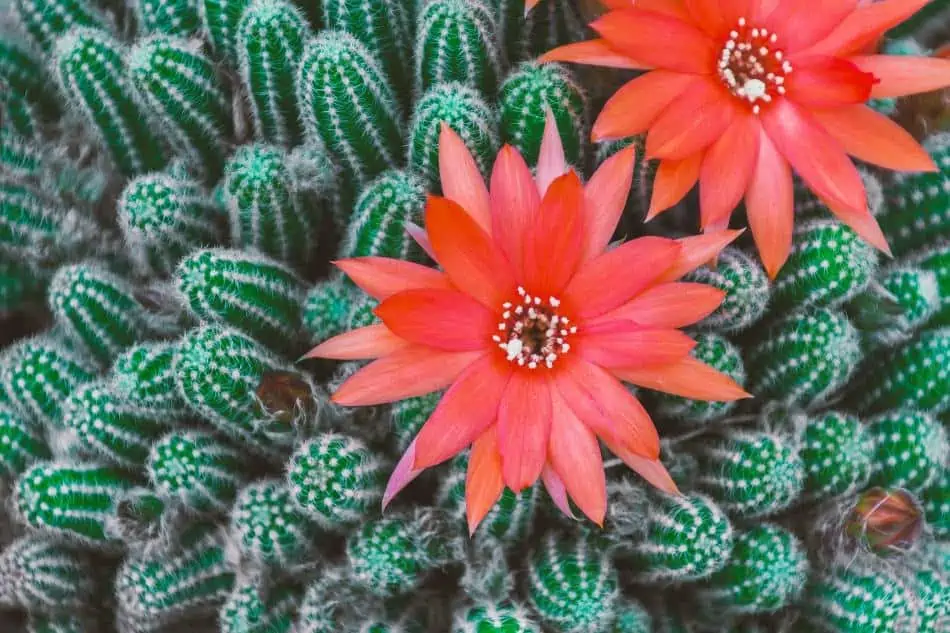
Cactus flowers can be blue, orange, yellow, white, or red. Some cacti plants bloom for only one day, while others put on the show for several weeks. Many of the flowers are nocturnal, meaning they only bloom at night.

The spikes on a cactus plant are known as spines and serve as leaves. These spines limit water loss through the process of evaporation, helping the plant survive in harsh climatic conditions. They also protect the plant from desert animals and birds.

What Makes Up a Cactus Plant?

Now that you understand how a cactus plant looks like, let us discuss some of the unique features of these succulents:

1. Corona

Corona is the highest part of a cactus plant. It is usually covered in spines and often has a purple tinge.

The corona is the most vulnerable part of the plant since it is where the flowers and fruits form, so it’s important to protect this area while gardening.

Corona connects directly to the plant’s vascular system and is responsible for transporting water to all parts of the cactus. It also supports photosynthesis and temperature regulation.

2. Stems

The leafless, spiny stem is a unique feature found on a majority of cacti plants. The stem is succulent, making it more adapted to storing water. Its surface may be smooth or covered with slight bumps known as tubercles.

The tubercles vary in size and are more prominent among cacti plants found in the genus Mammillaria. The stem may also be fluted or ribbed in shape.  The prominence of ribs usually depends on how much water the stem is storing.

Most cacti species are characterized by leafless stems that store water.
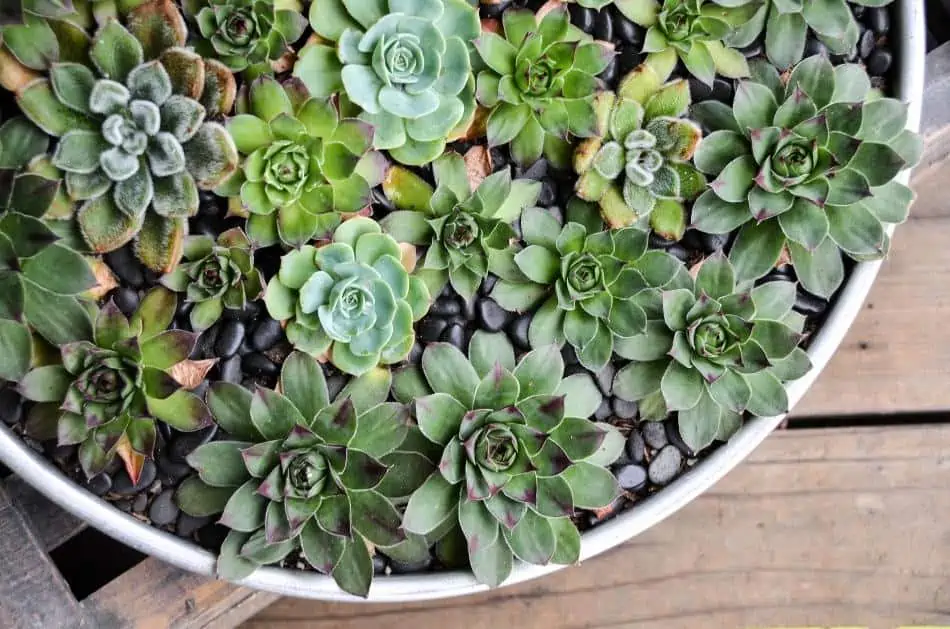
When the stem is full of water, the ribs are invisible since the stem is swollen. However, when the cactus plant is short of water, the stem shrinks and the ribs become more visible.

The stems of most cacti plants are green, brownish-green, or bluish since they contain chlorophyll used in the process of photosynthesis. They also have stomata that allow the passage of gases in and out of the plant. Some cacti stems are visibly waxy.

3. Ribs

Ribs are ridges found on cactus stems. Their primary function is to increase the surface area of the stem, allowing it to store more water during wet seasons and shrink when dry.

When there’s a lack of water, the ribs become very pronounced due to the shrinking of the stem tissues. The prominence of ribs also varies depending on how much water is stored in the stem.

Cactus plants with short ribs are more adapted to surviving in dry climates, while those with long ribs are more suitable for wetter climates. The number of ribs also varies between species and is usually used for identification.

4. Spines

Most cacti plants have thorny spikes modified into spines. The primary functions of the spines are to protect the plant, regulate its temperature, and store water.

The spines usually grow from the center and edges of the rounded areoles. The central spines capture rainwater and direct it towards the roots for absorption. They also keep desert animals at bay.

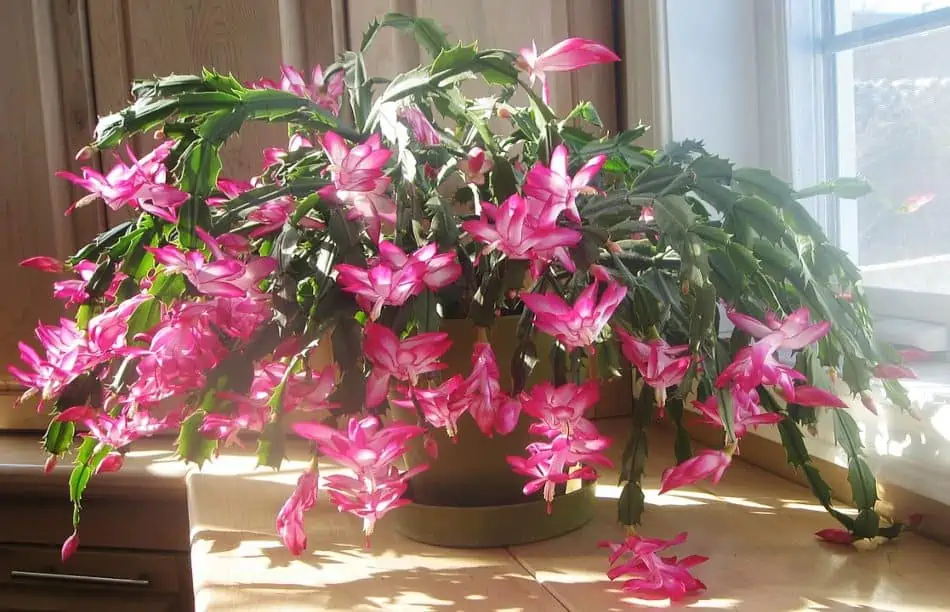
However, the relatively thin, white, and radial spines that originate from the outside of the areolas are specifically designed to reflect and absorb sunlight. Cacti species with few or no spines at all, such as the Christmas cactus, tend to produce toxic chemicals as their primary defense mechanism.

Spineless cacti, just like the Christmas Cactus, produce toxic chemicals to defend themselves.

The spines are also used for identification since they vary between color, size, number, hardness, and even shape. Most of them are straight or slightly curved and are usually described as needle-like, hair-like, or bristle-like, depending on their length and thickness.

Some cacti species have flattened spines, while others have hooked spines.  Members of Opuntioideae tend to have relatively short spines known as glochids. The spines are barbed along their length and can shed quite easily.

5. Areoles

Areoles are unique to cacti plants. They typically appear as hairy or woolly areas on parts of the stems where spines grow. Cacti flowers also grow from areoles.

In the genus Leuenbergeria, the areoles grow on the axis of leaves. In a leafless cactus plant, the areoles sprout on specific areas on the stem where the leaf bases would have been.

Areoles are basically specialized and condensed branches or shoots. In a normal shoot, the nodes bearing flowers or leaves would be separated by the length of the stem. However, in areoles, the nodes are pretty close to each other, forming one structure.

The areole may be stretched into a relatively oval or circular shape. In some cases, it will be separated into two parts that are visibly connected in some way.

The part near the top of the stem will generally produce spines, while the other one will produce spines.

In most cacti species, the areoles only produce new flowers and spines only for a few years before it becomes inactive. This is the reason why some cacti plants have a fixed number of spines, with the flowers only being formed from the ends of the stems.

6. Roots

Most cacti plants have a broad and shallow root system that is fully designed to ensure efficient water absorption whenever it rains. The roots are located close to the surface to absorb as much rainwater as possible.

Keep in mind that most deserts only experience light showers. Therefore, the rainwater cannot penetrate the deeper layers of soil.

The broad root system also protects these succulents from wind damage in the dry and loose desert soils.

The broad and shallow root systems of cactus plants protect the succulents from wind in dry soil.

During the rainy season, cacti plants develop a dense root system to facilitate maximum water absorption.  However, most of the roots are only temporary and die after the rainy season.

The large cacti species with a tall stem, such as the Saguaro, often develop a central taproot to provide further anchorage. The taproot also penetrates deep into the soil to access the water stored underground.

7. Flowers

Just like the spines, cacti flowers tend to vary greatly. The flower’s ovary is usually surrounded by a material derived from the stem tissue forming a unique structure known as pericarpel.

Different cacti species have different flowering seasons. For instance, most desert cacti species will flower during spring, but the Christmas cactus will bloom during winter (around Christmas time).

While some cactus species produce flowers in spring, others bloom in winter.

The flowers have many stamens but only one style, which may branch into more than one stigma. The stamens arise from all over the inner surface of the flower, although some cacti flowers produce stamens in more specific areas inside the floral tube.

The flower is usually radially symmetrical, but some cacti species produce bilaterally symmetrical flowers. As mentioned earlier, the flower colors vary significantly from red to pink, white, orange, and magenta.

8. Seeds and Fruits

When flowers are pollinated, they form fruits. Depending on the species, the fruit derived from a cacti flower will be either fleshy or dry.

The fleshy fruits may contain up to 2000 seeds each, while the dry ones have only a few hundred seeds. The seeds are very small and usually found embedded in the pulp of their mother plant’s fruits.

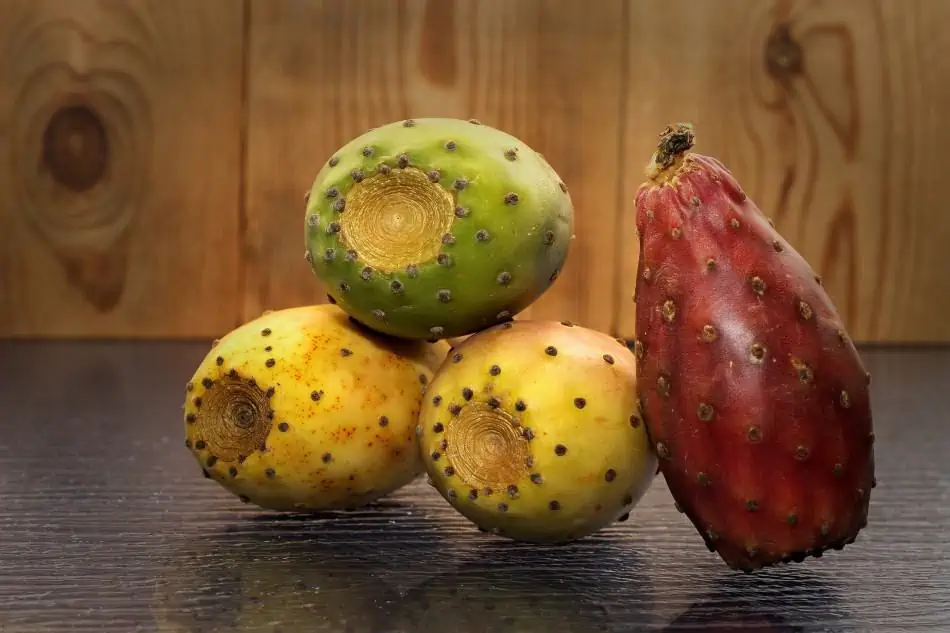
In some cacti species, the fruits may be edible. However, others are known to be toxic and should not be consumed without first consulting a professional. The prickly pear (Opuntia ficus-indica) is the most popular edible cacti fruit. 

It has a sweet taste and can be used in all sorts of dishes. Dried fruits are also used to make a type of sweet confectionery called cactus candy.

The Cactus Life Cycle

All cacti plants reproduce. A typical cactus flower will have male and female parts. The male part produces pollen, while the female part contains an egg.

Insects, birds, and bats are usually attracted to the flowers’ beautiful colors and sweet scent. While feeding, they transfer the pollen grains from the male part of the flower to the female part through pollination.

If the pollination is successful, the flower turns into a fruit. The cactus fruit is a flesh berry containing many seeds. When birds or insects feed on the fruit, the fleshy part is digested, but the seeds remain intact.

The seeds are then scattered far away from the main plant in the form of bird droppings. Wind and rain can also scatter the seeds.

A typical cactus plant produces up to one million seeds, but only one or two seeds live to become new plants. Some cacti species can reproduce without flowers and seeds.

For instance, both the cholla and prickly pear cacti species have relatively weak stem joints. When the stem breaks off from the main plant, it sometimes grows in the soil and develops into a new plant.

Most cacti plants are slow growers. Sometimes, it can take up to one or two years for them to grow into one inch. However, older plants tend to increase by three or four inches every year. These plants can live for up to 200 years.

Final Thought

Cacti plants are fascinating and highly adaptive succulents with many unique features that allow them to survive in harsh conditions.

From the structure of their stems and spines to their broad root system and showy flowers, they have a lot of interesting and useful features that make them stand out from other plants.  

They are also valuable food sources and can be used for medicinal purposes or garden decoration.

Is Succulent Soil the Same As Cactus Soil?

Cacti and succulents require a special type of soil mix, unlike conventional plants. As such, the soil should be able to hold water well without them turning mushy and retain oxygen. Cactus or succulent mix can often include many ingredients including bark, perlite, sand, loam topsoil, etc., but is succulent soil the same as cactus soil?

To better answer this, it is important to understand the difference between cacti and succulents. Cactus is a type of succulent, but not all succulents are cacti. The type of soil to go for really depends on what type of succulents you are growing. Succulents come in all shapes, sizes, and colors so it’s important to know the differences between them before deciding on a potting soil mix for your plants.

So, is succulent soil the same as cactus soil? Since cactus is a type of succulent, it is safe to say cactus and other succulents can thrive in the same soil type. All succulents, including cacti, require soil that is well-draining and high in organic matter. A common potting mix for succulents will include a combination of perlite, coarse sand, vermiculite, bark (pine or fir) all mixed together to create the perfect soil type for your plants.

A look at succulent soil structure and ingredients

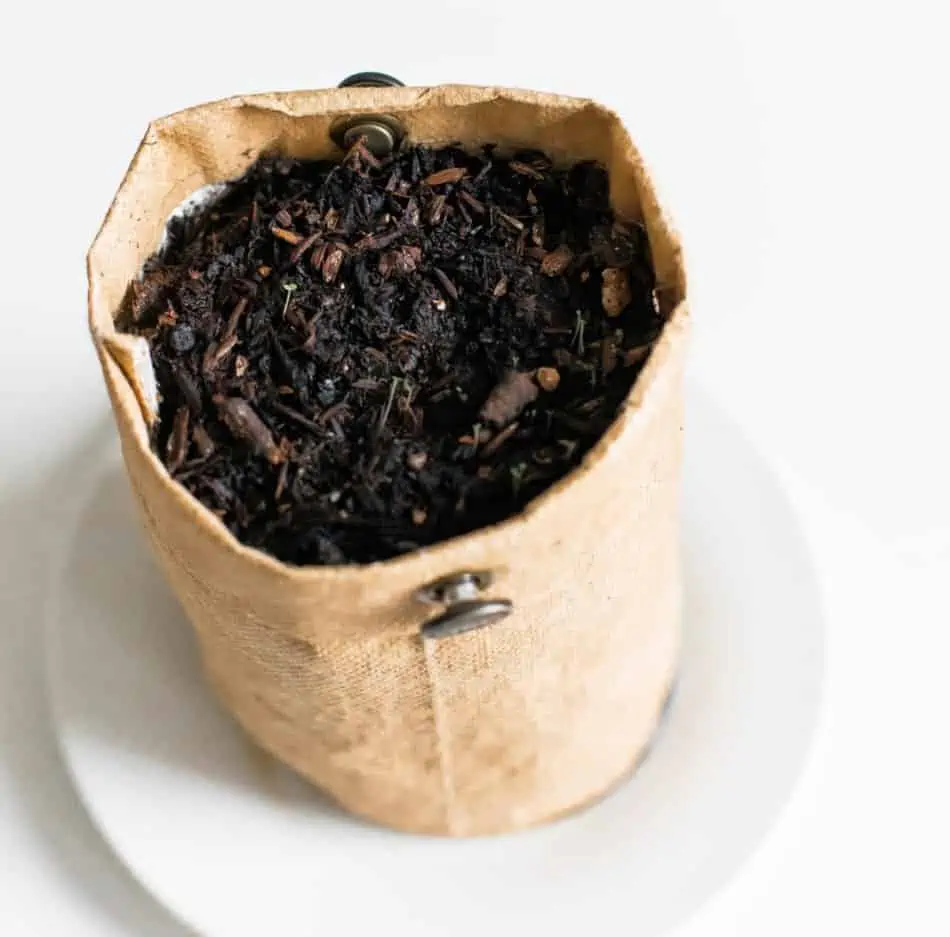
Succulent soil is a special mix of various ingredients that make up the perfect soil for your succulents.  Succulents typically require well-draining soil and are high in organic matter. A good soil mix for cacti and succulents should include the following ingredients:

  • Perlite
  • Coarse sand
  • Bark (pine or fir)

This mix of ingredients helps ensure that there is an adequate drainage process for the succulents. The soil should also be able to hold water well, but not retaining so much moisture in it as to cause root rot and bacteria. Furthermore, the mix should retain enough oxygen for your plants to breathe properly and have beneficial microorganisms in it that help break down organic matter into nutrition for your succulents.

Perlite helps add some aeration to the mix, while also adding drainage. The coarse sand helps provide general support for your succulents and adds more aeration. Bark (pine or fir), on the other hand, helps add additional organic matter to your soil as well as holding water longer than other materials like peat moss. The mixture of these ingredients creates a much healthier environment for your succulents to grow in.

How to make your own succulent soil mix at home

If you are a hands-on succulent enthusiast, then making your own soil mix can be a great idea. This is because you can customize it to your needs and preferences. But, before you start making mixes for succulents at home make sure that the soil mixes are not too dense or too wet as this will cause root rot in your plants. The following are steps you can take to make your own succulent soil mix at home:

Steps to make your succulent mix at home

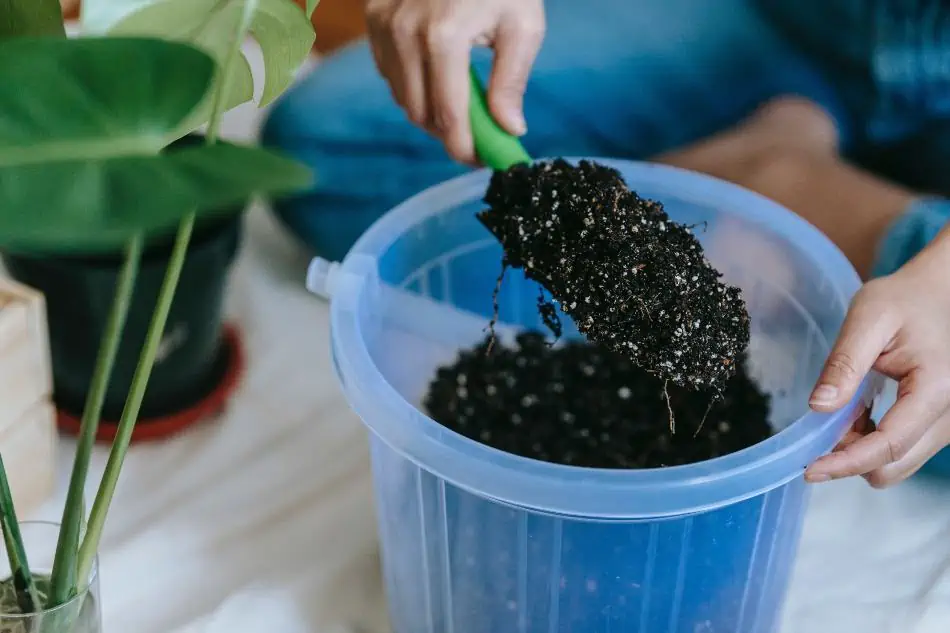
·          Combine equal parts of perlite, coarse sand, and vermiculite

·        Add a handful of potting soil to give your mix some nutrients. Potting soil is generally nutrient-rich so this will benefit the succulent plant in its early stages until it can acclimate itself to its environment.

·          Mix all ingredients together until they are well blended. Ensure that there is an even distribution of all the ingredients.

·        Make sure that your soil has some moisture but is not too wet as this will cause root rot and bacteria.

·        Store your mix in a dry place and water sparingly as too much watering will cause the soil to lose its texture.

The resulting soil mix from this process is a healthy mix that will help your succulents thrive. The soil should have enough drainage and aeration to allow for the plant’s roots to breathe, but also retain water over long periods of time so as not to cause root rot or bacteria build-up.

Homemade soil mix vs Commercial succulent mix

When it comes to succulent growth and care, the type of soil you go for can make all the difference. Succulent enthusiasts have the option to choose between making their own soil mix or opting for a ready-made commercial soil mix. We take a look at the pros and cons of each to help you make an informed decision.

As long as you choose the right type of soil, you can use both commercial and home-made succulent soil mix.

Commercial soil mix

Pros:

 Come in a variety of different types that cater to your specific needs.

They are readily available at most nurseries or plant shops nearby 

Commercial soil mixes are a good option if you don’t have the time or resources to make your own mix at home. Commercial mixes

Cons: 

Commercial soil mixes take away the personal touch when it comes down to caring for succulents as you can’t control what ingredients are going into them.

Homemade soil mix 

Pros: 

  • Allows you to create a succulent mix made up of the right ingredients that are most beneficial for your plants
  • Can be customized to suit specific soil needs more effectively
  • Allows you to get creative with ingredients and make one mix for all your succulents.
  • It is an affordable option

Cons: 

  • Succulent soil made at home can be bulky which may hinder the root growth of small plants such as sedum or echeveria.
  • The homemade version requires extra time, effort and resources that some people don’t have or want to invest in.

What do succulents requires from the soil?

Whether you are growing cacti or other types of succulents, the soil it is planted in plays a very important role. There are several factors that determine what kind of soil works best for succulents, and knowing these can help you choose which type to get your plants in.

Succulents benefit from well drained soil that doesn’t hold water

Succulents are plants whose main requirement is to store as much water in their leaves and roots as possible. This is why they require the perfect type of mix for drainage so that any excess moisture can be removed from it by evaporation. The best option would be a cactus or succulent mix that is rich in perlite which will allow for optimal drainage as well.

Succulents require well-draining soil to get read of excess water and avoid being too moist.

The soil should also have a good amount of aeration

Succulents require the right balance of water and oxygen to grow optimally. This means you need soil with just the right amount of texture and density so that it can retain moisture while also having enough aeration for the roots to breathe.

Taking care of this is important because if there’s not enough oxygen in your soil, it will suffocate and rot your plant’s root system which can lead to plant disease or even death.

Be sure that you have a nutritionally balanced mix

Succulents require nutrients from their soil in order to grow and stay healthy. This means that you have to decide between a soil mix that is made up of all organic components or one that has got some nutrients added into it. In the case of succulents, it would be best to go for packaged mixes as they often come with additional fertilizer which can help your plants get just the right amount of nutrients they need.

Nutritious soil mix will ensure that your succulents grow healthy.

Succulents can adapt to pure commercial mixes too

If you are looking for an easy option, succulent soil in its packaged form is also a good choice as it usually comes with the correct mix and ratio that’s best suited for your plant’s needs. This makes buying pre-packaged soils a good option if you want something that is ready to use and also provides your plants with all the nutrients they need.

What to look for when buying commercial soil mix for succulents

The soil mix you choose for your plants should be one that is easily available, affordable and has all the right components. If you are looking to buy commercial mixes then it will be good if they come with added fertilizer. This can help boost plant growth while also adding nutrients that may have been missing in other soils.

Use a succulent soil mix with added fertilizer to promote the healthy growth of your plant.

While cactus or desert soils can be used with other varieties too, they may not provide all the nutrients your plants need. This is why it’s important to look for a mix that has the perfect balance of sand, organic material and perlite so that you can ensure your succulents will grow well in it without being deficient in any nutrients they require.

Conclusion

As much as cacti may behave different features and characteristics from other succulents, there are a number of similarities that make the two similar. One of these is the type of soil needed for them to grow well. While there may be some differences, in the end choosing a soil mix with perlite and other components is important.

Whether you go for homemade or commercial mix, as long as it has these components, you’ll be able to ensure your succulents will grow well in them. Succulent plants are usually easy to take care of and with the right soil mix, you can help make sure they stay healthy for a longer period of time.

What Does It Mean When a Cactus Blooms?

Due to the harsh conditions of the cacti growth environment, it’s normal not to expect these plants to bloom. But to the surprise of many, cacti do bloom with beautiful flowers. These blooms are very distinctive, and most even have a strong scent that many find appealing. Some cacti only bloom once, while others have been known to show their petticoat multiple times in a year.

So what does it mean when a cactus blooms? People see it as a symbol of love, while others see it as an indication that the cactus is dying. Many believe that when a cactus blooms, it’s just beginning to show its age. Others see cactus blooms as a symbol of endurance because they endure all the hardship and still show their beauty.

If you’re curious about cactus blooms and want to know more about them, this guide is here for you. Here are some things you might not know about cactus blooms:

The Meaning of Cactus Blooms

As you can see, cactus blooms can mean different things. Let’s have a deeper look at some of them:

Old Age

For most people, cactus blooms are a symbol of age because these plants usually bloom once they’ve managed to grow at least six feet in height. This is based on the assumption that cacti can live up to 100 years or more. Many varieties won’t bloom until they reach their full maturity.

Cactus blooms often indicate the old age as these plants may not flower until their full maturity.

Love

People from Mexico are one of the cultures that associate cactus blooms with love. So much so that it’s not unusual to see cacti blooming in February and March, which is also their month of love. Many give credit to the main flower selling companies in Mexico, who purposefully plant and grow these plants near their shops, making them more visible. They believe that when a person sees a blooming cactus, it signifies that someone close to these people will get married soon.

Life Cycle

In the US, cactus blooms are seen as an indication of the life cycle. It starts when a person gets their first job and later in life they become parents. Later on in life, when their kids have grown and left home, the cactus blooms once more to signify the empty nest.

Dying/Death

People in some cultures associate cacti blooms with death. While it’s not common, there are still people who believe that when a cactus blooms, it means that it is dying or in its last days. This is based on the belief that cacti flowers are not genetically engineered to be so beautiful. Instead, these blooms are viewed as a way for the plants to say goodbye before they die.

Some cultures believe that cacti that bloom are slowly dying.

Good Care

If you give your cactus the care it deserves,  you’ll notice that it will start to grow flowers. Even if the blooms are not extremely big, your cactus will still look lovely. However, you should know of a few things first before you can expect to see your cacti bloom:

  • The flowering of a cactus can be very unpredictable, so do not expect them to bloom every year. 
  • They may not even bloom at all during your lifetime, so you should expect this and try not to let it affect how you treat them. 
  • As mentioned earlier, cacti grow best in poor conditions, and they tend to flourish more than usual if neglected.

Hanging Cactus Flowers

Some believe that the colorful blooms of cacti symbolize fragility and mortality. At the same time, others think of these cactus flowers as symbols of love and friendship since they only last for a short time.

The meaning of the word cactus is also important because it is derived from the Greek word “kaktos.” This refers to a certain type of thorny plant that has been used as decoration since ancient times. In fact, those who first saw cacti were exploring new lands and looking for edible plants.

How to Make Cactus to Bloom

Just like other plants, cacti can be forced to blossom or bloom through different methods. Some of these methods include:

The Ferber Method

This method involves withholding water and fertilizer from the plant for an extended time. Since cacti survive harsh conditions, they can easily adapt to this method of forcing them to blossom. Another benefit of using this method is that there’s no risk of harming or killing the cactus.

The Bending Method

This method is similar to the first one because it also withholds water and fertilizer from the cactus. The main difference of this method is that you bend the plant’s stem instead of withholding its resources. Since the plant can’t grow properly when its stem is bent, it forces it to blossom. 

The Flower Pot Method

This method involves moving the cactus to a pot and placing it in a spot with indirect sunlight and room temperature. You also need to make sure that the plant’s soil is moist but not soggy since too much water can kill it. After some time, you’ll see that the cactus will start to blossom.

Types of Cactus Flowers

There are many different types of cactus flowers, but only a few you can expect to see when growing your own cactus plant. Some of the most common types of cacti include:

Mammillaria – This type of cactus is also called nipple cacti because it has small tubercles that look like nipples.  These cacti grow almost anywhere and produce red, pink, or white flowers.

Echinopsis – Echinopsis is a type of cactus that can grow as tall as six feet and has beautiful blooms which come in different colors such as blue, purple, yellow, orange, and more. They may look like daisies, but they are actually cacti.

Trichocereus – Trichocereus is a type of cactus that looks like it has many spines, but actually, it’s just one plant growing as a multiple-stemmed plant (much like bamboo). These plants grow green or yellow flowers that last only for a day.

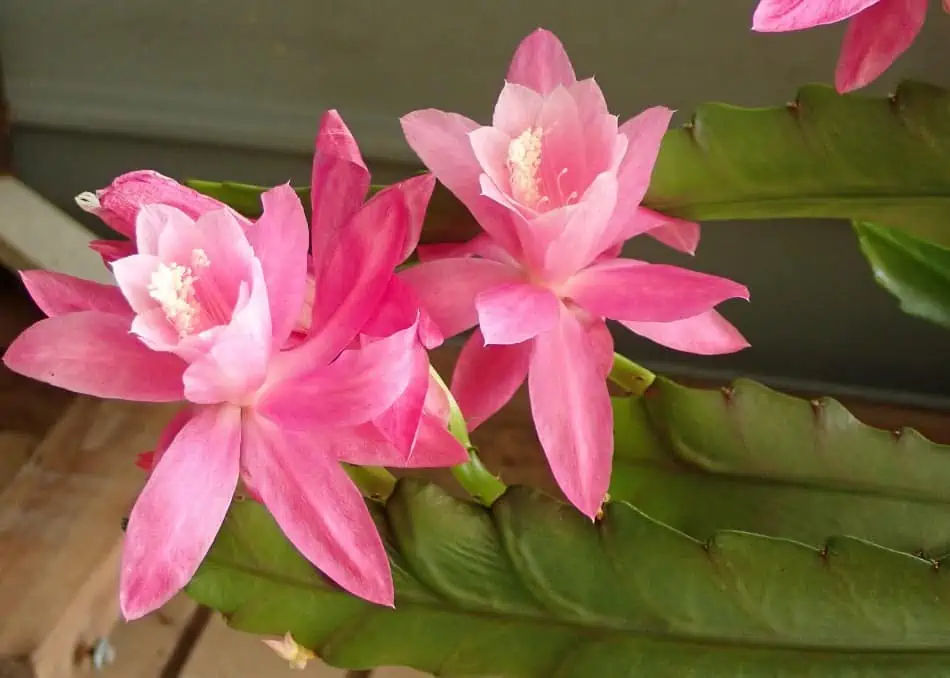
Epiphyllum – This type of cactus is also called epiphyllum because it has flowers that resemble little orchids. These flowers are usually white, red, pink, or lavender and grow in clusters on top of their stems. They look so unique that they have been a favorite among cactus collectors.

How Long Does It Take Cactus to Bloom?

Once you successfully force a cactus to bloom, it can take anywhere from 1 week to several months before the flowers begin to show. The amount of time also depends on the age and type of cacti you’re trying to force to blossom. Some types of cacti only need several days or weeks before they start blooming, while others take months before they finally show their colorful flowers. 

Some cacti only bloom once a year, while others are known to blossom several times a year. The blooming season for these plants is usually during the spring and summer seasons. But there are also certain varieties of cacti that only flower during fall and winter.

While some cacti produce flowers in just a couple of weeks, others may take months to bloom.

If you’re planning on forcing a cactus to bloom, then keep in mind that timing is important. You also might need to try different methods of forcing the cacti to blossom if your desired result doesn’t happen after some time. But if you do follow the proper steps and take the necessary precautions when trying to force a cactus to bloom, then you’re very likely to see beautiful flowers in no time.

How Long Do Cactus Flowers Last?

Some cacti flowers can last for several days before wilting. But some types of cacti have very short blooming periods lasting only for a few hours. Try looking up the different types of cacti you have to determine how long their flowers last, or maybe ask someone who knows about these plants if you’re unsure.

While some cacti flowers last for a couple of days, others may die in just a few hours.

If you want to see your cacti bloom, but can’t find them in nature, then try buying live cactus plants and growing them at home. It’s not difficult to grow these beautiful succulents, so give them a try and wait until they bloom. You’d be surprised by how many colors and types of cacti there are to choose from.

Summary

As you can see, cacti blooms can mean different things depending on where you live or what culture you come from. It’s essential to consider these different meanings and symbolism of the cactus flowers before deciding on what it means for you. This helps you better understand your cacti and how to properly care for them as well.

You can also try looking up information about when certain types of cacti will flower, depending on where you live. Please note that this method only works if you have a cactus located in your area and a similar climate as yours.

So, whatever reason cactus blooming may be, you can appreciate the sight of cactus blooms since these little wonders manage to survive the harsh conditions that lead many plants to die.

Can You Eat Raw Cactus?

Disclaimer: The author is not a medical doctor or veterinarian. The information presented is purely to share our experience and for entertainment purposes. As always, check with a doctor and/or veterinarian before making any health or nutrition decisions and consult with a doctor and/or veterinarian regarding any question or problem that you have. The author and blog disclaim liability for any damage, mishap, or injury that may occur from engaging in any activities or ideas from this site.

Cactus fruit has been eaten by the people of Mesoamerica for centuries. It is a delicious and refreshing treat, but the question on whether to eat raw or boiled depends on which type of cactus you’re eating. Raw cactus is not only good for your taste buds, but also provides you with some great health benefits. The majority of edible cacti are low in calories and high in water content. They also contain vitamin C, potassium, and fiber. Some types may provide more nutrients than others. However, be careful to avoid those that have any toxic compounds like cycads (which can cause photosensitivity) or cardiopulmonary poisons (which can lead to heart failure).

So, can you eat raw cactus? Yes, but make sure you’re eating the right type of cactus. There are hundreds of cactus species out here but only a few can be eaten raw. This could either be the fruits, pads or the stem. Some notable cactus species that can be eaten raw are the Lemaireocereus marginatus, Cereus repandus and Opuntia ficus-indica.

Edible cactus comes it two basic categories; those that can be eaten raw and those that need to be boiled. This article will focus on cactus varieties that can be eaten raw. It will also be looking at how best you can eat these cacti and the main edible parts for these plants.

What does raw cactus taste like?

Before tasking any cactus raw, it is important that you first determine that it is indeed an edible cacti. There are poisonous cacti out there, so you must be careful.

That said, the taste of raw cactus varies depending on the type, but since they’re all succulent plants with high water content, chances are you’ll get a good dose of refreshing flavor. Some people say it tastes like cucumbers while others compare its freshness to that of apples or tomatoes.

For instance, raw fruits of the Cereus repandus tastes like a sour grape while its shoots taste bitter and crunchy. The Leucaena retusa is also known to have an interesting flavor when eaten raw which can either be sweet or tart depending on your preference.

How to eat Raw Cactus

For edible cactus, there are several parts of the plant that you can eat depending on the species. In most cases, the fruit and pads of the cactus can be eaten fresh. For a selected few, however, the stem and the leaves also offer a great deal of nutrients to the diet.

Common Edible Parts in Cactus:

Fruits

Some common cactus variety whose fruits can be eaten include Cereus repandus, Leucaena retusa and Melocactus communis. For cereus repandus, its fruits are sweet when ripe, but sour in the beginning. Leucaena retusa also has an interesting taste which can be both sweet and tart depending on your liking. Meanwhile, Melocactus communis is often called “Nopal” by Mexicans where it becomes a staple ingredient in many dishes like tacos or salads because of its crunchy texture.

Leaves

The broadleaf cactus or prickly pear is the most popular edible plant in North America, but there are some other species that can provide you with great nutrients if consumed raw too. For instance, the nopales (a type of pad) of Opuntia ficus-indica tastes like green beans when they’re young and transforms into a fruit with the right amount of sweetness.

Stem

The stems are the most underrated parts of edible cacti but can actually provide you with some great benefits if eaten raw! For instance, nopales (a type of pad) from Opuntia ficus-indica tastes like green beans when they’re young and transforms into a fruit with the right amount of sweetness.

Pads

Some common edible cactus variety whose pads can be eaten include Opuntia stricta, Geohintonia standleyi, Leucaena leucocephala and Stenocereus eruca. For opuntia stricta, the pads have a sharp flavor when raw and turns sweet if cooked in boiling water for about 15 minutes. Geohintonia standleyi also has a sour taste which is often compared to green apples or cucumbers while Leucaena leucocephala tastes like green beans with a hint of sweetness. Finally, Stenocereus eruca is often compared to green peppers or cucumbers when eaten raw and has a slightly sour taste.

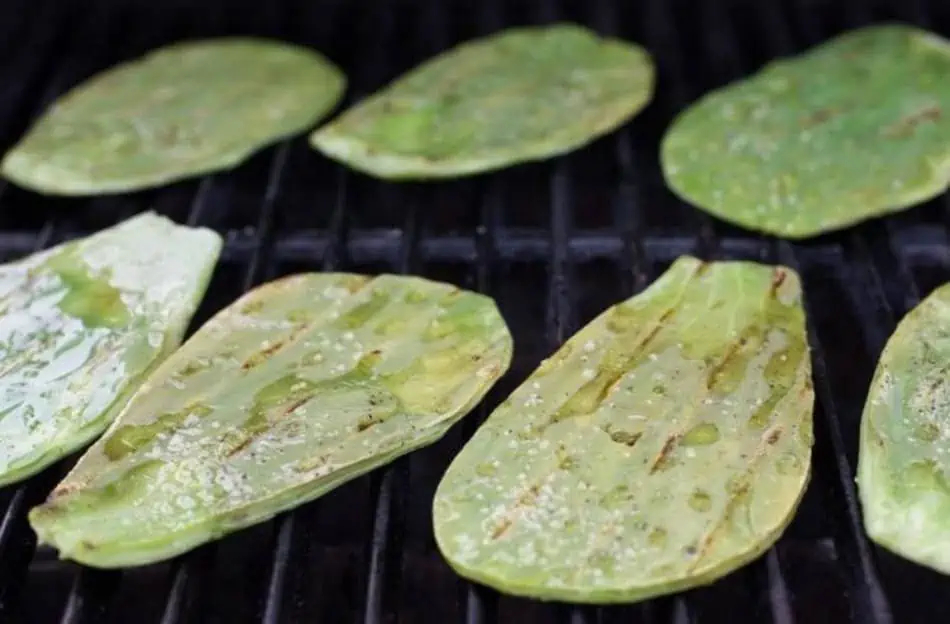
Raw cactus pads are full of nutrients and adding salt and lemon makes them even more delicious.

A cactus fruit is usually eaten without any preparation. Simply wash it and eat it as is. If you’re a little more daring, try removing the spines first before eating it raw.

Raw cactus pads are usually sliced into thin strips or cubes before being eaten. You can add some salt and lemon to make your cactus strips even tastier. If you want a side dish for dinner, cut some cubes and add it to your salad or sandwich.

If you’re looking for something crunchy that can be used as a snack on the go, then raw cactus stem is perfect for you! It’s similar in texture to cucumbers or zucchinis and is a great alternative to chips. Just make sure you peel the skin before eating it raw or else your mouth will get all prickly.

Common varieties of edible cactus species

Prickly Pear cactus

This cactus is often confused with the nopales because of its flat, rounded pads. The prickly pear is ideal for making salads and fruit juices while the pads are usually cooked in water until they soften before adding them to any dish.

Can prickly pear be eaten raw?

The fruit of the prickly pear can be eaten raw, but it’s a good idea to wash them thoroughly first before eating. The best way to eat the prickly pear fruit is when they’re ripe.

Prickly pear fruits can be eaten raw as long as you get rid of the spines and thoroughly wash them.

Cholla cactus

The cholla has small spines on its pads which are easily removable if you peel off the skin first before eating them raw. The best way to describe this type of edible cactus variety’s flavor is “a cross between cucumber and green pepper.” They have small fruits growing from their stems which are often compared to grapes in terms of size and color.

Can cholla cactus be eaten raw?

Yes, the stem of this type of edible cactus can actually be consumed without cooking it. Just make sure you peel off the skin before eating them to prevent any discomfort in your mouth caused by its spines.

Dragon fruit cactus

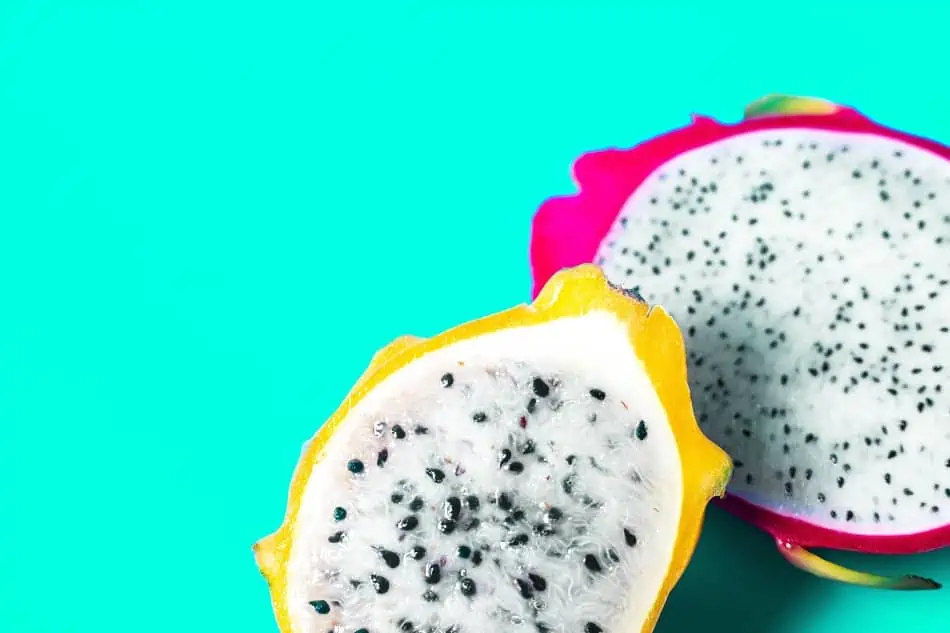
Dragon fruits are mostly grown for their flowers and fruits. Its fruit is known for its distinct red outside color and delicious white flesh inside which tastes like a combination of grapes, kiwi and pineapple.

Can dragon fruit cactus be eaten raw?

Yes, the green skin on the pads are actually completely edible even without any preparation at all. Just wash it thoroughly before eating it to get rid of any dirt or pesticides that may have been used on it.

You can eat the green skin on the dragon fruit cactus pads, but make sure you clean it first.

Barrel cactus

Another excellent type of edible cactus variety whose pads can be eaten raw is the barrel cactus, especially its younger stems which are covered in small spines. Most people compare their taste to green beans with a hint of nuttiness while others simply say that they are very crunchy.

Can barrel cactus be eaten raw?

Yes, this type of edible cactus can actually be enjoyed without cooking it first. Just make sure you wash its skin thoroughly to get rid of any dirt or pesticides before eating it.

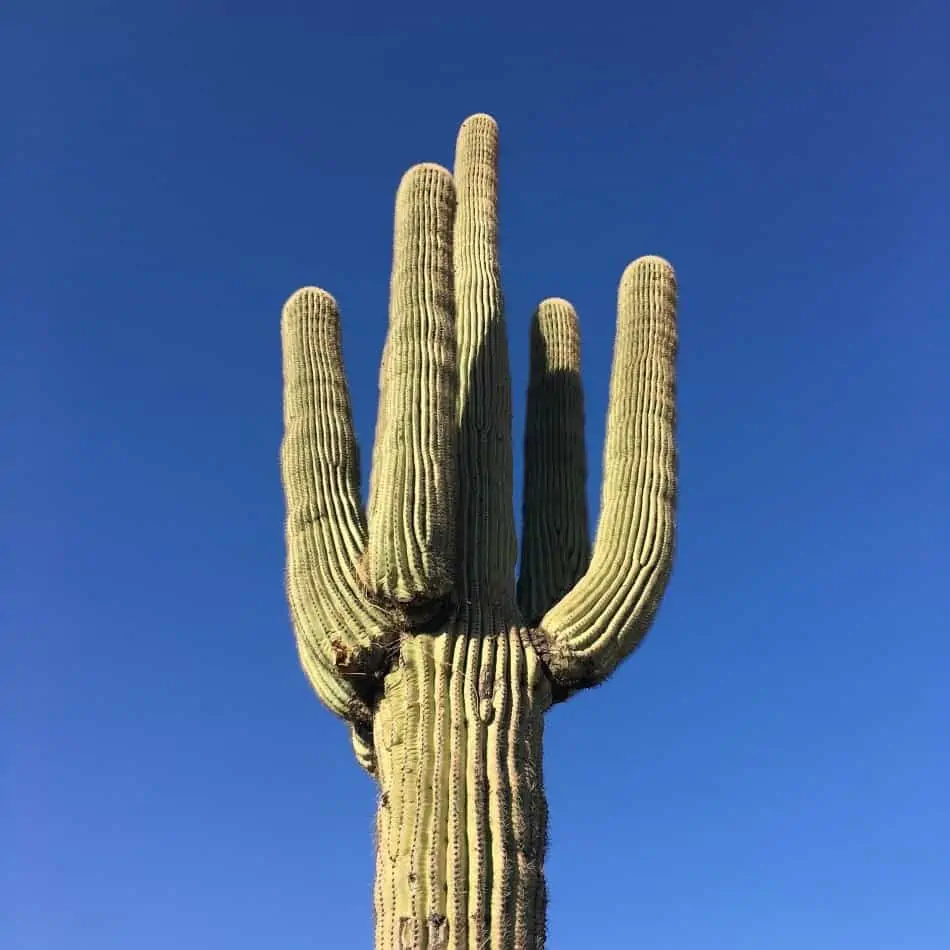
Saguaro Cactus

The saguaro cactus is a classic in many traditional Mexican dishes. The skin of the saguaro cactus can be eaten raw and it’s commonly used as a substitute for lettuce when making tacos or salads.

Can saguaros be eaten raw?

Yes, this type of edible cactus variety has small spines that are easily removable if you simply peel off its skin first. You can eat it raw or cook it into any dish you like.

The Saguaro cactus skin is often used in salads and tacos as an alternative to lettuce.

Peyote Cactus

The peyote cactus is known for having psychoactive properties and is one of the most important types of edible cactus variety. It’s actually a very popular type of psychedelic tea that has been used in traditional medicine for thousands of years.

Can peyote cactus be eaten raw?

The short answer is no, the long answer is that it’s dangerous to eat this type of edible cactus raw because they contain a very high concentration of mescaline which can be deadly when consumed without being cooked first. San Pedro Cactus.  This type of edible cactus is very popular among those who use it for its psychoactive properties.

San Pedro Cactus

 San Pedro cactus is one of the most popular types of edible cactus variety that are used for its psychoactive properties. Just like peyote, it’s dangerous to eat this type of edible cactus raw because they contain a high concentration of mescaline which can be deadly when consumed without being cooked first.

Can San Pedro cactus be eaten raw?

No, this type of edible cactus variety has psychoactive properties that are best when cooked first before being consumed. Eating them raw without cooking them will definitely cause some discomfort in your stomach area at the least while it could be fatal at the worst.

Conclusion

Eating raw cactus is an ancient practiced that has been passed on from generation to generation. While it’s fine to eat raw cactus variety like barrel and saguaro, the rest contain psychoactive properties that are best when cooked first before being eaten or they can be downright deadly if consumed without cooking them at all. This said, the varieties that can be eaten raw offers a lot of health benefits that can’t be found in other types of food so it’s no wonder why they have been a staple in the diets for people all over the world.

14 Ways Your Body Will Benefit From Eating Cactus

Disclaimer: The author is not a medical doctor or veterinarian. The information presented is purely to share our experience and for entertainment purposes. As always, check with a doctor and/or veterinarian before making any health or nutrition decisions and consult with a doctor and/or veterinarian regarding any question or problem that you have. The author and blog disclaim liability for any damage, mishap, or injury that may occur from engaging in any activities or ideas from this site.

What’s the first thing that comes to mind when you hear the word “cactus?” It’s probably spines, weird shapes and deserts. Surprisingly, all these aspects give cacti a bad reputation among food lovers. However, this prickly and unlikely food plant can be an excellent addition to your diet as it packs plenty of nutrients and vitamins.

So, how will your body benefit when you eat cactus? Preliminary evidence indicates that eating cactus can decrease the blood sugar level for individuals with type 2 diabetes. It has also been championed for lessening the unpleasant effects of hangovers thanks to its anti-inflammatory properties. Regular cactus consumption is a key source of soluble fiber known to reduce oxidation of fat which prevents atherosclerosis.

In this detailed guide, we take a closer look at why incorporating cactus in your diet can improve your health. We will still highlight research studies to support the benefits of cactus on improving the outcomes of different ailments.

1.    Cacti Has Anti-Inflammation Properties 

Cactus is popularly known for its anti-inflammatory effects on different parts of the body. This means that you can get relief from the symptoms associated with muscle strain, joint pain and arthritis.

Studies have shown that cacti consumption is linked to reduced inflammation markers, particularly the C-reactive protein(CPR). This is a protein your body produces whenever inflammation presents. Higher levels of CPR indicate different health conditions, from cancer to heart problems. Eating cactus can lower the serum CPR levels, which improves the health of individuals suffering from diseases relating to inflammation.

2.    Improves Your Digestion

Cactus is a rich source of dietary fiber known for adding bulk to bowel movements. This makes it easier to move contents through your digestive tract. The bulk is also known for stimulating peristaltic motion in your stomach, which reduces constipation and diarrhoea symptoms.

The fiber in the cactus still binds with the digestive bile, helping it leave the body as waste instead of redistributed.

3.    Manages Your Cholesterol Level

The cactus fruit and cactus pad are rich in fiber. Therefore, regular consumption means that your body will benefit from reduced cholesterol levels, blood pressure and body fat. You will also reduce the chances of contracting diseases such as coronary heart disease and stroke.

Eating cactus fruit will reduce cholesterol level and help you get rid of excess body fat.

4.     Features Anti-Cancer Properties

In a recent animal study conducted on mice, cactus showed that it could suppress tumors’ growth. It’s still unclear how cactus achieves the anti-cancer effects, but further research is underway to establish the potential active substances and underlying mechanisms. In a different study, the cactus oil seed showed high polyphenol levels, indicating anti-cancer properties.

The study also showed that cactus is a rich source of Gallic acid, exerting a cytotoxic against the tumor cells from prostate and lung cancer conditions.

5.    Cactus Boost Your Metabolism

Cactus is an excellent source of vitamins and minerals, including vitamin B6, niacin, riboflavin, thiamin that acts as co-enzymes critical for metabolic actions. The advantage of a healthy organ system is essential in promoting healthy muscle gain and losing weight.

6.    Protects Your Heart

There are different components of cactus that make it great for your heart health. First, its high level of fiber helps lower your body’s LDL levels (bad cholesterol in the body). Cactus also contains potassium which can reduce the stress on the cardiovascular system and relaxes the blood vessels.

The cactus plant also has a compound called betalains that can strengthen the endothelial walls of your blood vessels. This, in turn, reduces the chances of having a weak circulatory system.

7.    Managing Diabetes

High blood pressure is linked to different conditions, including heart diseases, stroke, and diabetes. Research shows that patients with type 2 diabetes can also benefit from decreased blood glucose levels. Incorporating cactus in your daily diet is crucial in lowering blood sugar, especially for those with diabetes.

Eating cactus can help you decrease blood sugar level and manage diabetes.

Cactus contains pectin, a unique dietary fiber that helps lower blood sugar by decreasing the absorption of sugar in the digestive tract and the stomach. As such, diabetes patients are advised to be cautious not to consume cacti excessively. This is especially the case if you are under medication or planning to go for an operation. It’s still important to seek advice from your healthcare provider when planning to change your dietary habits or take supplements.

8.    Help to Protect Your Liver

Regular consumption of cactus juice can significantly reduce the oxidative stress caused by your liver’s compounds. It also exerts hepatoprotective activities, which increase antioxidant activity that is key to eliminating free radicals. It even increases the antioxidant activities of such compounds.

9. Can Help Ease Stomach Ulcers

Eating cactus can help ease your stomach ulcers and treat a condition called ulcerative colitis, a disease characterized by ulcers or tiny open sores on the large intestines.

Study has also shown that cactus can reduce the growth of stomach ulcers in rats. This is primarily attributed to the powerful anti-inflammatory effect of the plant. However, there is currently no human study to prove this benefit. This is why more research needs to be conducted.

10. Great for Your Skin, Hair and Nails

The fruits from the cactus plant have seeds that are popularly known for the oil they produce. The oil’s color ranges from yellow to light green and comes with a nutty smell if you choose to cold press. The cactus seed oil is also non-comedogenic, which means that it won’t leave you feeling greasy and still doesn’t clog your pores.

The other outstanding feature of the oil is richness in vitamins E and linoleic acid. Remember, your body doesn’t produce Linoleic acid, but it’s essential in improving brain function. The seed oil can still improve the appearance of your scar tissue and still lessen sunburn and rosacea.

If your nails are dry and damaged, the chances are that you have nutrient deficiency. The great news is that cactus oil can moisturize your damaged nails because they contain linoleic acid, oleic acid, and palmitic acid. A combination of these acids and other nutrients such as vitamin c, magnesium, and iron ensures that you’ve got healthy nails.

11. Eases Your Hangover

If you’re looking for ways to ease your hangover, it is high time you thought about eating cactus. Cactus juice, for instance, is one of the safest natural remedies against dry mouth, dizziness, headache, among other symptoms. Notably, consuming cactus won’t prevent your hangover symptoms. Rather, it can reduce their severity to help you get back to your daily routine.

Cactus fruit juice can ease your hangover by reducing the strength of symptoms, including dizziness and headache.

Cactus has calcium, iron and vitamins A, C and E, which reduces inflammation in the body. Research has even established that you’ll have fewer hangover symptoms when you eat cactus after taking some alcoholic drinks. This is because it reduces the inflammation in the body, which is linked to alcohol consumption.

12. Great for Your Immune System

Eating cactus can help in boosting your immune system. Incorporating it into your daily routine will ensure that you’re less prone to illnesses, and your body will be tough enough to fight against disease-causing organisms.

The cactus fruit is also an excellent immune system booster thanks to its abundance in vitamin C, which is vital for your body’s growth. This includes better healing of wounds, repairing body tissues and cartilage, teeth and bone maintenance.

Vitamin C is also responsible for the increased production of white blood cells, which are crucial at eliminating diseases causing organisms.

13. Helps You out in Your Weight Loss Journey

A recent weight loss study on rats using cactus extract supplements showed that rats lost weight by 20%. One of the survey groups was provided diuretic hydrochlorothiazide at 10mg a day. The second was provided with cactus at 240mg a day for a week. The third group acted as the control. From the study, the cactus exerted an antioxidant effect and didn’t deplete minerals from the body.

Cactus fruit is among the best solutions for those trying to lose some extra weight.

The cactus fruit is also a rich source of fiber, which means that eating them reduces the chances of constant hunger pangs. Cactus also aids in the elimination of dietary fat by excreting it from the body.

14. Cactus Can Help to Reduce Dark Circles

If you have dark circles around your eyes, it’s probably time you considered incorporating cactus in your diet. The plant is rich in fatty acids, which can help to nourish and brighten your skin. This will help keep the area around your eyes much brighter.

Cactus is more than just an indoor decor plant around your home. It could turn out to be a lifesaver if you understand its health benefits. Today, there’re plenty of health-conscious individuals. This is attributed to the modern era diseases that have resulted in high mortality, including stroke, heart disease, diabetes and cancer. Traditionally, cactus plants were used as medicine in different parts of the world. Modern research has also shown that the plant packs plenty of active components and nutrients, helping manage diseases’ prevalence.

How Deep Do Cactus Roots Grow?

Cacti are succulent plants capable of surviving harsh and inhospitable climate conditions of the desert. They have different techniques of surviving the harsh climatic conditions, with one of them being the roots adaptation system. Cacti have different kinds of roots modified to help them get food and water to survive the desert.

Cacti roots are uniquely adapted to collect and store water for prolonged drought season survival. Some of their roots come covered with thick layers or hairy substances that prevent water loss. Others have tuberous roots that store water and food. Some cacti have fibrous root systems with connective tissues that spread far and wide to collect as much water as possible. Cacti, like saguaro, have taproots that go deep into the ground to collect to reach the moist soil.

Different cacti have different kinds of roots to aid their survival. This article looks at the different root systems of the cacti plants, how deep they go, and how they aid the survival of the plant.

Types of Cacti Roots and How they Aid Survival

Here are different kinds of roots found in cacti plants. Others go deep while others remain on the soil surface. Here are the root types and how they enable the plants to survive.

Taproots

Taproots are one of the most common roots found in succulent plants, such as cacti. Cacti send down their long solid roots deep in the ground soon after they germinate.  The roots are strong enough to provide a firm anchorage for the plant. Cacti grow in climates full of heavy wind and sometimes can experience hailstorms. Any of these conditions will not throw cactus off the ground, thanks to the strong anchorage provided by the taproots.

Saguaro is one of the cacti species that feature taproots.

The root not only provides anchorage but helps the plant to absorb moisture and nutrients from deep underground. The roots act as the backbone of the entire root system. The taproot is thicker and longer than all other roots and lasts throughout the plant’s lifespan. Examples of cacti with taproot systems include the saguaro and the Mexican cereus.  Other roots branch from the taproot as it continues to grow.

Fibrous Roots

Many cacti plants develop widespread roots that can go up to 15 feet far from the parent plant. The fibrous roots don’t go deep underground but remain on the surface for one main reason; water collection. These roots remain on the surface, so they collect water from the soil even with little rain.

One thing you must know about the desert is that it takes a long for it to experience rainfall, and when it does rain, it can be too little. The plants have realized this and devised their roots in a way that it can collect water even after just a drizzle.

When it rains, the cacti roots that were initially wrinkled rehydrates to start collecting water. When the rains are good enough, the fibrous roots increase their absorption mechanism by forming new lateral roots. The roots can form in less than two hours and get to work immediately to collect up to the last drop of water for the plant. When the rains stop, these lateral roots dry and fall off from the plant to minimize water loss.

The fibrous roots are adapted to quick water absorption. They cover a large part of the ground to guarantee the hydration process. If you want to grow plants that develop fibrous roots indoors, make sure you get them in wide pots.

Aerial Roots

While many cactus plants don’t have aerial roots, some do have such roots. You’ll mainly find these roots in epiphytic cacti plants, and they mostly grow in tree branches. Such cacti include the night-glooming cereus and the orchid cacti. You’ll see some fleshy origins arising from the sides of plant stems, mainly where the leaves originate from.

Orchid cactus is among the succulents with aerial roots.

The main reason for the growth of these roots is to help cacti plants get moisture from the humid atmosphere. They grow to support the cacti by getting water from the sky when the plant is not getting enough from the ground. The roots can also help to anchor climbing cacti on the stems or the rocks. These roots appear thick and fleshy, and sometimes you might not even realize they’re roots.

Lateral Roots

Cacti also develop lateral roots that tend to branch several times as the plant continues to grow. These types of roots are also known as adventitious roots. The roots enable the plants to absorb water and food easily. They also hold the plant in place to prevent it from being blown off the ground by heavy winds or soil erosion.

The roots branch from other roots that grow outwards. They sprout in all directions from the taproot or other primary cacti roots. Even when the lateral roots grow from the taproots, they remain shallow on the surface. Being on the surface allows them to absorb as much water as possible when it rains. They transport the water they collect to the body of the cacti or the taproot for storage.

Lateral roots tend to appear when it is raining and disappear when it is dry.

Lateral roots look thin, have a hair-like look, and grow in clusters. You’ll find such roots in saguaro cacti, where they spread 7 feet from the main root and don’t go below 4 feet underground. Unlike the primary cacti roots, lateral roots are generally short-lived. They only grow when it’s rainy and disappear when drought comes knocking.

Succulent roots

Apart from the stems, cacti plants also form roots that enable them to save water and food for future use. Some cacti examples that form succulent roots include the Arizona queen of the night. The cactus can form bigger roots that weigh between 5 to 60 pounds. The succulent roots mainly form as a result of the enlargement of some parts of the root. The parts that get enlarged include the xylem tissue or the secondary wood.

Common Cactus Plants Root Questions

Do Cacti Have Deep Roots?

Because of water scarcity, it’s only natural that some cacti will grow deep roots in search of water underground. But not all of them go deep. Other cacti have an extensive but shallow root system. Shallow cacti roots only go about 4 feet down. They can absorb as much water as possible even when it rains lightly. Various cacti species found in the Sonoran Desert go only 7 to 11 cm underground.

Should You Grow Cacti in Big Pots?

The size of the pot depends on the type of cactus you intend to plant. Most species have shallow roots and grow very slowly, so it’ll take time before the roots outgrow the pots. You generally don’t need a very large or deep pot to grow your young cactus.

You should never grow a cactus in a pot that is either too large or too tiny for your plant.

You should also take care not to choose a very tiny pot. If the pot is too small, it will leave no room for the roots to thrive. The pot will also restrict growth. If you choose a large container, there are high chances that you’ll overwater your plant. Always ensure you choose the right size of the pot for your cacti.

How Do Cactus Roots Differ from Other Plants?

Cactus roots are different from the roots of normal plants in many ways. The roots are specially modified to absorb and maintain water in various ways. The extensive and superficial roots are made in a way that they can absorb enough water. Even the light showers that don’t go deep into the soil reach these roots, and they can absorb them to benefit the plant.

The roots of cactus are also made in a way that they alter their characteristics with the rise or fall of water. When it rains, the dehydrated roots conduct water. The plant develops new rain roots which soak up excess water. During drought seasons, the rain roots shrivel and disappear. The extensive roots dehydrate to reduce water use.

Should You Prune Cactus

It reaches a time when you’ll need to change your cactus pot. When this happens, you’ll want to do it carefully without interfering with the roots. Many gardeners wonder whether it’s advisable to cut the long or dense root braids during repotting.

Roots act as the lifeblood of every plant. They’re the plant’s means of absorbing water, nutrients, and oxygen. Many cactus roots consist of shallow or deep roots. These roots also have a dense network of fine and hairy roots. All these help the plant absorb and transport water to the main plant.

Hairy roots in cacti are usually short-lived. They can last a few days or just hours. Many cacti shed off these roots and form them when necessary. If you want to intervene, you have to carefully consider the circumstances under which they shed the roots. These are the only roots that you can cut after very careful consideration. You should not attempt to prune taproots or main cactus roots. Understand that some cacti plants might not survive if you cut out a portion of their roots.

Summary

Cactus roots serve many purposes in the plant aside from providing anchorage. The plants depend on the roots to survive the long drought and thrive in harsh conditions. The roots help the plant absorb, transport, and store water.

Every cactus has its type of root that helps aid the water and nutrient absorption process. Some roots go deep underground while others remain on the shallow surface. Other cacti roots are permanent, while some dry off during the drought seasons. The different kinds of roots serve the same purpose in cacti no matter how they look or how long they last.

How Can Cactus Be Used As Wedding Decorations?

Cactus is an interesting plant. It may be synonymous with the desert but when grown at home, it can turn out to be a great source of decorations. Cactus can be used in weddings as favors, table centerpieces and corsages. Can’t decide on what to put in your wedding decorations? Cacti may be the answer you’ve been looking for. In the right setting, cactus decorations can be a stunning addition to any wedding.

So, how can cactus be used as wedding decorations? The spines and prickles of the cactus give them an interesting appearance that is perfect for any celebration. Cacti can be placed in flower arrangements or combined with other types of greenery to create a unique look. They can also be used as table centerpieces or incorporated into the backdrops at your ceremony or reception venue.

This piece will discuss five uses of cactus decoration that are sure to wow guests and make your wedding stand out from the rest! Here are 5 different ways you can use cactus decorations in weddings:

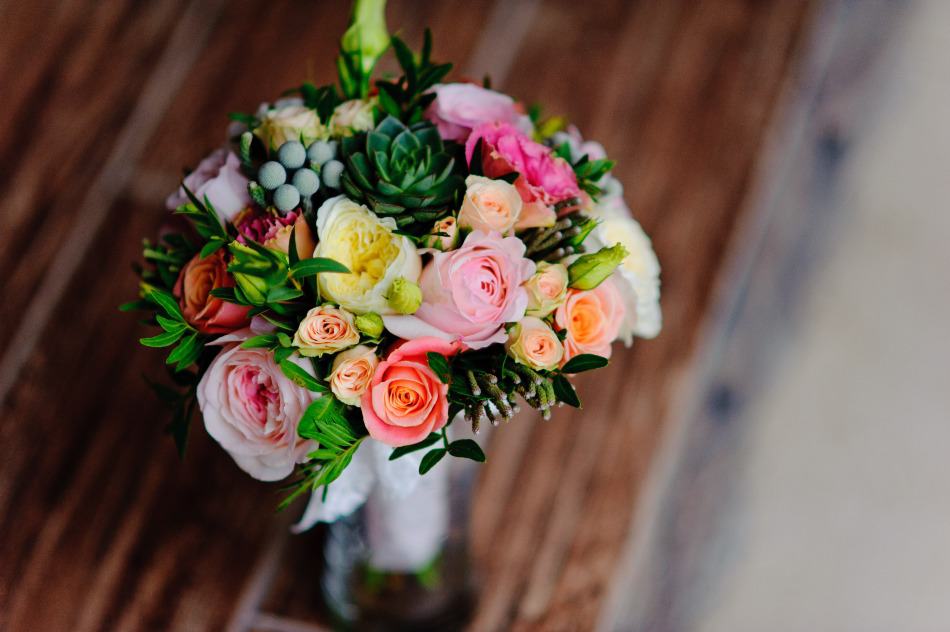
1) Combine cacti with flowers when making bouquets

Cacti can seamlessly blend with other flowers when creating a bouquet. This is perfect for those who don’t want to use flowers but still create an elegant and interesting arrangement.

Cacti will add some texture to your wedding bouquets.

In case of such arrangement, you can use a mixture of varieties, colours and shapes to create an interesting bouquet. Cacti are not only decorative but also add some texture that would otherwise be absent in the arrangement. This texture will sure be appreciated by your guests.

A great idea for those who are planning a wedding in the winter months is to use pine branches as an alternative to flowers, which will not be available at that time of year. This can complement any cacti arrangements you might have thought about using on your big day.

2) Use them in floral arrangements on tables

Floral arrangements on tables or working desks can be complemented with cacti. Cacti looks good on a table, especially if there is a mixture of varieties, colours and shapes. Including cactus in your table floral arrangement also adds a bit of texture. This is especially so if you’re in a humid climate and do not have flowers on hand.

Cacti can also be used with floral arrangements for your wedding tables.

When blending cacti with flowers for the table floral arrangements, however, make sure the flowers are smaller than the cacti. This will ensure that the flowers can be seen and the cacti will not overwhelm them. On the other hand, if the flowers are taller than the cacti, then a lot of them will need to be cut and trimmed.

3) Make the reception area appealing

Place small pots of succulents on each place setting at your reception for guests to enjoy during dinner.

Your reception area is the perfect time to highlight your cacti wedding style. Try using succulent plants that have spiky leaves or are fleshy and round on the dinner tables in front of each guest’s seat.

This is a great option for any climate, blooming year-round with minimal care needed. The best part? It doesn’t require watering or much maintenance. improve your reception area by adding a touch of cacti to your tables.

 Cactus plants are the perfect plant for any wedding reception area because they add another dimension without taking up too much space, and can stand alone as beautiful centerpieces or fill in around flowers on other tables. They also come in so many shapes and colors that you’re sure to find one that fits your wedding style.

-Use small pots of succulents on each place setting at your reception for guests to enjoy during dinner. By using small pots, your reception area will be more intimate and beautiful.

Some common cacti species you can use for your reception area include Cereus Cactus, Echinocereus Engelmanni, Echinocereus Fitchii, and Selenicereus Grandiflora.

4) Decorating the wedding cake

We all understand how cakes make a significant part of the wedding. You can add more detail to your cake by involving some cacti themes. You might even decorate the cake with succulents in place of greenery or flowers, which will also help you save money.

Cacti can add a touch of elegance to your wedding cake.

Place one on top of the cake with flowers cascading over it, or place them alongside dishes as a homage to the Southwest region where succulents are native plants. By doing so, your guests will be reminded of the beauty that can come from a harsh desert.

You can also use cactus in your wedding cake by placing a few around the base of the cake and on top. The cacti can symbolize growth, renewal, or just add an interesting shape to an otherwise traditional-looking cake!

5) Vases and Lanterns

Vases and Lanterns during weddings ceremonies is a popular trend. Not only will you have fresh flowers on your tables, but they also make for excellent decorations to tie in with the cacti theme.

Place the cacti in vases or lanterns and decorate the pathway or the aisle.

– Place one or two vases of live plants near the entrance – this will remind guests that it’s not just about being at a wedding, but celebrating new life and the beauty of nature.

– Place one or two lanterns along the pathway, to guide guests down the aisle and signify a new beginning for them as well!

– Hang cacti on trees during your outdoor ceremony – they can serve as an alternative when flowers are not in season!

Alternatively, you can place one in each vase on the sides of tables or put them around lanterns for an extra pop of color. This ensures that your guests are getting the full experience of a desert when they walk into your reception.

6) Creating a perfect centrepiece

Creating that perfect centerpiece for wedding decorating can be a challenge, but cacti offer a nature-inspired option.

Depending on the size of your budget and what you are looking for in terms of theme or color scheme, this is one way to add some life to an otherwise traditional centerpiece!

The best part about using these prickly friends as a centerpiece decoration at weddings is that they can be found year-round!

Various cactus species enable you to create a focal point at your wedding ceremony.

Create a centerpiece by placing smaller pots filled with various types of succulents and/or cacti around a larger pot or vase that is filled with fresh flowers. Cacti centerpieces are a great way to include a tough plant that is native to the Southwest region.

A succulent or cactus bouquet is your dreamy, romantic wedding table decor. With a variety of different colors and textures, they’ll make any space feel like you’re sitting in an oasis–a perfect representation for your celebration of love being found after navigating through life’s challenges.

7) Create clear arrangements using cacti

When creating table and seating arrangements, it can sometimes be difficult to find flowers that will stand up to the desert climate.

Cacti are great for this! They’re easy to come by and require less care than their flower-based counterparts, making them a perfect alternative when you don’t have time or resources available!

You can also use the cactus as an important element in more complex arrangements.

For example, you can use a variety of succulents and/or cacti as the base for your centerpiece. Then add pieces in layers to create depth or height depending on what it is that you are trying to achieve. Cacti will help give your arrangements an eclectic element too!

Alternatively, you can place cacti around your tables as place card holders, or use them in an arrangement where they serve as table numbers. This will differentiate each guest’s seat at the reception and ensure there are no mix-ups during dinner service.

8) Perfect Wall Decor

How you decorate your wedding wall decorations can be the difference between a room that is only “nice” and one that is truly stunning. Cacti are perfect for this because they add texture, depth, interest, and beauty to an otherwise boring plain wall.

Stick colorful cacti like the Christmas cactus to the walls of your venue and use them as wall décor. Cacti are a great plant for any exterior space because they require very little water, can withstand high temperatures, and provide plenty of color year-round.

Christmas cactus can be an ideal wall decoration for your wedding.

Common cactus species you can use for your wall decorating needs include prickly pear cactus, San Pedro cacti, and barrel or columnar variety. These are ideal because they can be placed upright or on their side and have a variety of shapes, sizes, and colors.

You can also use succulents for your wedding wall décor if you’re on a budget but want to add some green color without spending a lot of money.

9) Evoke curiosity through cactus tablescapes

Tablescapes at your wedding can be a great way to create an environment that both welcomes and intrigues your guests. Cacti are the perfect plant for this because they’re eye-catching while still being easy on décor costs.

Cactus tablescapes can include cactus topiaries or plants in pots as table centerpieces, tall candelabras strategically placed to block guests’ views of the buffet table, or even a spiky cactus centerpiece on each guest’s plate.

The key with these is that they should be subtle enough so as not to take away from your more traditional décors and flowers for the tablescape.

Use cactus tablescapes in order to evoke an outdoor setting at your reception. Tablescapes are a great way to create ambiance and add personality. This is in addition to the other, more traditional ways to do this such as the music you choose and your invitation design.

10) Use as aisle markers

If you are looking for the perfect aisle markers for your wedding, why not use a cactus?

A few more uses for cacti in weddings are aisle markers and table centerpieces. Cacti can be used as subtle décor to evoke an outdoor setting at the reception or even serve as table decorations by using them on top of plates. They also make great aisle markers. By using cacti as aisle markers, you will be surprised at how many people comment on your choice of flowers.

If you want to use a cactus as the centerpiece for each table, try placing them in decorative pots and then positioning them around two small candle holders. You can also place one larger pot of cacti at the entrance or along the aisle runner leading up to where the bride will walk down.

For these purposes, cacti are a versatile decoration that can add another element of the natural outdoors to your wedding. They work well in any setting and have an elegant appearance that is often missed due to their prickly exterior.

11) Make a statement at the reception meal service

Your reception meal service need not be boring. Use the cacti to decorate your buffet table by displaying them on the edge of each plate or in a grouping.

You can also use these plants as part of an edible centerpiece for each table, filling their pot with fresh flowers and then inserting slices of pineapple into the center. Cacti come in many shapes and sizes so you’ll be able to find a decor that will suit the style of your reception venue.

If you’re looking for something to make an impression on, try placing one large or several small cacti at each place setting. This will immediately catch the guests’ eyes and complement any centerpiece flowers. You can also use them as decoration on other tables near where food is being served.

12) Create an unforgettable first dance backdrop

Your guests won’t be able to take their eyes off you and your spouse as they saunter down the aisle to tie the knot if there is one massive cactus behind them, framing both parties in its prickly leaves. This cactus backdrop will also be a memorable keepsake for your guests. The best thing about using cacti for this dance backdrop is that they make a unique and organic decor statement.

If your ceremony will be outside, consider using cacti or succulents as decoration for the walkway to where you’ll say “I do.” A large line of them leading up to the altar can frame some beautiful photos in the background.

Place a large, potted cactus on the dance floor or any other area where guests will be congregating. It can serve as an interesting conversation piece among your guests while also providing some much-needed greenery because they thrive in bright spaces!

13) Creates perfect decor with a variety of containers

What is a cacti decor without an equally appealing container? Cacti can be displayed in all sorts of interesting containers like a vintage urn or an antique-looking vase. This will create a unique and memorable design for your wedding.

Do you have a lot of unused or unwanted materials lying around the house? This is perfect for creating cactus decorations that are both elegant and environmentally friendly! You can reuse wine bottles, tins cans, or anything else with a hole the size of a cactus.

Use unique containers for the cacti to make them look even more gorgeous.

Consider mixing up the types and colors of cacti for added interest. And, if you want to go really rustic but still need some height, consider turning old crates into plant stands!

 Place your floral arrangements on tables for guests to enjoy during dinner using interesting containers such as empty wine bottles, old pots, and mugs. Add in some succulents and/or cacti to give it the Southwest touch!

Alternatively, you can create unique favors by placing succulents and/or cacti in small jars with pens, candles or other small trinkets inside! This will make a thoughtful and useful gift.

Getting creative with Cactus

Use your imagination and come up with more ways to make these versatile plants a part of your special day! You will be surprised by how many creative ideas you can come up with. If you are looking to make your wedding stand out and have some fun; you can’t go wrong with a few cacti!

If it’s your first time working with cacti, start by picking a small one and see how much damage you do to yourself! Do not worry too much about any potential hazards because as long as the plants are handled correctly they pose no danger whatsoever but more benefits that you could ever imagine.

For a perfect decor however you may need to get help from a professional florist as these plants are not known for their beauty, but rather their uniqueness.

The best part about using cacti is that they can be hidden in any number of ways! They make excellent additions to flower arrangements and bouquets, or even a centerpiece on your table. You could also hide them behind the cake stand

Cacti can be used in different ways and are perfect for just about any occasion! Whether you are looking for something to make your wedding unique or you want a little bit of outdoorsy charm, try cacti! Cactus decorations can be placed around the venue in ways that will match with any theme. Whether it’s southwestern romanticism or rustic country chic, they’ll look perfect anywhere! Introduce a new dimension to your wedding with cacti. Get that outdoorsy charm into your wedding by using cactus decorations.

How Does a Cactus Get Water In The Desert?

Cactus plants surprise many people with their ability to survive and thrive in the world’s harshest climates. Cactus plants are mostly found in deserts where no one knows when it rained last and when it will rain next. We’ll know that plants need water to grow and thrive. But it’s amazing those cacti thrive without rain and can survive up to 200 years. How’s that possible?

Cacti have all kinds of adaptations that enable them to survive with minimal or no water. These plants have devised several ways to collect and store as much water as possible when it rains. They also have various ways to ensure they don’t waste the water they’ve collected. The water storage and preservation tactics start from their long and spread-out roots to the needle-like spines.

Cacti plants need water to survive, just like other plants. If you’re wondering how they get water despite their dry climates, read this article to learn some of their water retention and collection tactics.

Cactus Plants Modify Their Roots to Collect and Store Water

While the deserts are known to be dry and dusty, the areas also experience rains once in a while. Cactus plants have their roots a few inches below the ground to help them absorb as much water as possible. Their roots are shallow and widely spread to enable them to collect water even from light rains.

These plants also develop some temporary roots that absorb extra water during rainy days. These roots can spout from the cacti in just two hours whenever it rains. They get to work as soon as they sprout. When it stops raining, the temporary roots dry up and fall from the main roots to reduce water loss.

All the roots transport the water they’re able to absorb to the main plant for storage. Some large cacti plants, such as the saguaro cactus, can store up to 4200 pounds of water during the rainy seasons. They can survive with this water for the next couple of seasons until it rains again.

Other cacti plants grow very long roots called taproots. The roots go deep underground to get moisture from the soil so that the plant can survive the long drought. The taproot also ensures the plant gets firm anchorage, so the plant isn’t washed away by soil erosion or rainstorms. Cacti plants that develop the taproots include Mexican cereus and saguaro.

Cacti have modified roots, enabling them to absorb and store more water than other plants

Apart from the roots that help the cactus absorb water, some cacti also have succulent roots that store food and water. An example of such a cactus is the Arizona queen of the night or the Cereus greggii. These cacti plants have enlarged roots to serve the storage purpose. The roots of these plants can go up to 27 kilometers. The enlarged parts of these roots are called the xylem tissue.

Other cacti plants decrease their water loss by detaching themselves from the ground. This is because the plant sometimes has more moisture than the ground to extend that it risks losing water to the ground.

Cacti don’t have aerial or adventurous roots because these kinds of roots tend to encourage water loss.

Cactus Grow Spines Instead of Leaves to Minimize Water Loss

Cactus plants don’t develop leaves, or even if they do, the leaves are very tiny, and you’ll barely see them from a distance. Most cactus plants have spines instead of leaves. In most cacti, you’ll notice small bumps known as areoles. This is where the spines spout from.

But how do these plants carry out essential processes such as photosynthesis without the leaves? Cacti use their stems to conduct photosynthesis. Because of the plenty of sunshine in the desert, the stem of cacti plants has no trouble accessing the sunlight needed for photosynthesis.

Cacti plants minimize water loss by growing spines instead of leaves.

The reason why cacti spout spines instead of leaves is to avoid water loss through evaporation. The spines of the cactus also create a buffer that traps air. By trapping air, the plants restrict airflow, which in turn prevents them from losing water.

Another function of the spines in the cactus is providing shade that shields the plant from extreme sunlight, leading to water loss. The spines are densely populated in the plant that they provide enough shade that the plant needs.

Believe it or not, the spines of cacti also serve water collection purposes. Some deserts are so dry that they might not experience any rain for many seasons. But such deserts also experience heavy fog in the morning. Once this dew settles on the spines, it turns to water which then drops to the ground. The roots of the cacti then absorb this water to help in nourishing the parent plant.

The spines also deter animals that might come to steal the water already collected by the cacti. So, these spines are also a form of security detail for the plant.

Cactus Preserve Water for as Long as Possible

Because the rains are unpredictable in the desert, cacti don’t waste the little water they get. The plants have gotten good at water storage, which has worked so well for their desert survival. Their water storage techniques start right from their shape.

The cells of these plants develop a stiff outer layer known as a cell wall. The cell wall keeps the plant strong and prevents them from exploding when they’re full.

Since deserts are so dry and rains are unpredictable, cacti store water in their fleshy stems for as long as possible.

The plants have a very fleshy stem that gives them many volumes to store enough water collected during the rainy periods. Other cacti have their stems coated with a thick wax that they utilize for their waterproofing purposes. The wax keeps water inside the plant long enough.

Other cacti grow ridges and ribs on the stems. The ribs and stems allow the plant to expand to accommodate as much water as possible.

With so many ways of storing water, cacti plants can survive and thrive in the desert for many years without rain. Many plants will die with prolonged drought, but this will not happen with cacti. The plants are known to hold on to their water even after it dies. You’ll find the stem of dead cacti still filled with water even after getting cut from the main plant.

Cactus Plants Avoid Evaporation by Having Stomata on the Stem

Many plants have their stomata on the leaves, which encourage their carbon dioxide intake. These plants need carbon dioxide gas for food manufacturing. As the plant takes in carbon dioxide, it loses oxygen. This process also encourages a lot of moisture loss.

To avoid losing too much moisture and oxygen in the process, most cacti plants only carry out the photosynthesis process at night. This is the time when the temperatures are cooler, and the plants won’t lose moisture. They also open their stomata only at night to avoid losing too much water.

Cacti also have very small stomata, which are hidden deep into the tissues. They’re not exposed to the surface, as this will encourage water loss.

Cacti Know How to Keep Away Other Animals from Their Water

Because many cacti plants are good at water collection and storage, many desert animals also depend on their water for survival. But the cacti don’t give up their water so easily. They have their ways of deterring these animals from drinking their water.

Cacti use spines to protect their water reserve from desert animals.

One of the ways the plants deter desert animals from their water is through the use of spines. However, some very desperate animals are capable of going past the spines to quench their thirst.

Cactus Cortex Is Modified to Store Water

The cortex is yet another way that cacti use to store water. The cortex has two categories. The inner section is used for storing water, and the outer section for photosynthesis.

The outer layer also allows the plant to absorb carbon dioxide, which foresees the photosynthesis process.

The inner layer of the plant has several collapsible cells for water storage. It stores enough water, which keeps the plant healthy and hydrated all day, even in the driest months. These cells also portray fewer chloroplasts which are elastic and flexible. This allows the cell to expand and allows enough water absorption. The cell of the inner cortex walls is also thin and flexible, so they can easily fold to avoid water loss.

Summary

Cacti plants survive the harsh climate conditions in so many ways. They’re so used to their survival tactics that the plant won’t survive when you change the climate they’re used to. If you plan to plant some cacti in your garden, you have to mimic their growth conditions for them to survive. For instance, you should not give them too much water as they’ll lack where to store the excess and rot instead.

Some will rather collect dew than rainstorms. Allowing them to survive from the dew can sometimes prove fruitful than watering. Make sure you give them well-drained soil, so they never get soggy. If you cannot provide the environment almost the same as their natural habitats, you better not grow then as they’ll die on you.

Water Propagation for Succulents |Experts Guide

Perhaps you and a friend are hanging out in their kitchen, and you notice she has succulent plants growing in her windowsill. Some are growing in soil, while others are growing in water. You point this out to your friend, to which they explain how succulents can root in water.

Succulents can root in water. Propagating succulents in water can take six weeks or more to start growing out the roots, just as one would do when propagating their succulents in soil. However, the steps to propagate in water is a different process than in soil.

Keep reading to find out the different succulents that can root in water, how to propagate succulents in water and the supplies that you would need to do so. You can also learn if it is better to propagate your succulents in either soil or water, as well as the difference in propagating between the two. 

Succulents That Can Root In Water

While succulents can root in water, some specific types of succulents will respond better to this propagation method than others. Additionally, the maturity of the plant can also play a role in how it roots in water. Therefore, it is recommended that the succulents you obtain your cuttings from for water propagation are more mature, so they are, in turn, more tolerant.

Although succulents can root in water, some prefer rooting in soil.

According to Garden Kellogg Products, a couple of recommendations as to which succulents would have a better chance of successfully growing their roots in water include:

  • Aeonium
  • Crassula
  • Echeveria
  • Sempervivum
  • Spiderwort

Overall, it is okay to propagate any succulents of your choice. However, there are a few steps you must take to ensure they will not get root rot from absorbing too much water through their roots. Let us dive deeper into how to properly propagate succulents in the water below.

How to Propagate Succulents In Water

There is a process to propagating succulents in water that you must follow in order for them to successfully grow roots and become a healthy plant. Read on to find six steps on how to propagate your succulents in water. 

Gather the Essentials

There are a few things that you will need before you begin the water propagation process.

Before rooting your succulents, prepare the supplies you may need to make the propagation process more straightforward.

These are the supplies that you will need for propagating your succulents in water:

  • Water
  • Bowl
  • Plastic wrap
  • Toothpick
  • Succulent leaf cutting of choice (or cuttings, if you are planning on propagating multiple)

Now that you know what you need to continue with this project, let’s move on to putting everything together so your succulent cuttings can begin rooting in water.

Add Water and Plastic Wrap to the Bowl

Fill the bowl that you have chosen to use for this project about halfway with water. You do not want to fill it up completely, as the goal is to not have the succulents actually touching the water. After filling the bowl with water, wrap it with plastic wrap, making sure to cover the entirety of the bowl. 

Poke Sizable Holes Into the Plastic Wrap

Take the toothpick and create sizable holes for the number of succulents that you are wanting to propagate. Poke additional holes so as to not let the moisture of the water become so trapped within the bowl that your succulent cuttings become too wet. It is better to let the water within the bowl air out than to create condensation underneath the plastic wrap. 

Place The Succulent Cuttings Into the Holes

Once there are enough holes for the number of succulent cuttings you have selected, place each one in its respective hole(s). Make sure that you are not covering every single hole with a succulent, to prevent condensation buildup underneath the plastic wrap as stated in the previous step. 

Place the Bowl in Indirect Sunlighting

Now that your succulent cuttings are all in place, you can place them in indirect sunlight to begin the roots-growing process. It is important to make sure that the succulent is in indirect sunlight. If you are having a hard time doing this, then you could purchase a grow light, which is a good way to help your plants grow. 

An exceptional recommendation for a grow light for water propagating your succulent cuttings is the EZORKAS 9 Dimmable Levels Grow Light. This grow light allows you to adjust the light settings through nine levels to ensure your succulent cuttings get the amount of light they need to flourish

Change the Water Often

It is important to switch out the water in your bowl with fresh water consistently and when necessary to promote healthy growth, but this is something that you do not have to do on an everyday basis. 

On a week-by-week basis, you will start seeing results with your succulent cuttings as they begin growing their little roots. Around the six-week mark, you will start seeing longer roots growing out of your succulents. Once these roots are sufficient enough for growth, you can continue to grow your succulent in a planter with water only if it is your choice to do so.

Is It Better To Propagate Succulents In Water Or Soil?

Propagating in both soil and water has its pros and cons that would need to be heavily weighed. Both have their own completely different processes on how to propagate succulents, but they also have one major similarity. Let’s dive deeper into the difference between the two below.

Propagating In Soil

To propagate in the soil, you would have your succulents in indirect sunlight. 

The roots of your succulent would be absorbing nutrients and minerals found in the succulent soil as well when propagating in it, rather than just getting its nutrients from the water and sun. 

When propagating succulents in soil, avoid exposure to direct sunlight.

Succulent soil is different from potting soil; potting soil holds in water, but not moisture, while succulent soil does the opposite and drains the water but keeps the moisture.

Propagating in Water

The process for propagating succulent cuttings in water is mentioned above. You can see that they both need indirect sunlight, but there are still large differences in the forms of propagation.

There will eventually come a time when the roots of the succulents will inevitably touch the water in the bowl and start to form baby succulents within the leaves. The main source of nutrients and food it will get is just from the sun and water.

The Difference Between Water Roots And Soil Roots

Since propagating succulents through water and soil have a different processes, they also have some differences. 

A major difference between water roots and soil roots is that you are directly placing the succulents into the soil and watering them when needed as opposed to the water roots, which are constantly in water. Additionally, soil roots are thicker and are therefore stronger than water roots.

In fact, soil roots are thicker and stronger than water roots.

With water roots, to start the process, you are having to place the succulents an ½ inch from the water, but once their roots form, they will always be in the water. However, the succulent roots in soil are more layered and thicker than the water roots, so they are likely to become a lot stronger. 

Another difference is that with soil roots, you are not watering them every day. You must make sure that they are being watered as minimally as possible so as not to absorb too much water when the roots are first starting to grow. When the roots are starting to see growth, then start watering the roots consistently to make sure that they are not dried up. 

Saying that one way is better than the other would be untrue. In the end, it is all about preference and what you feel is more beneficial to your plants. Another option is that you can essentially do both. You can start by propagating your succulent in the water and after the first six weeks, you can transfer them over into a potted plant and continue propagating them in soil. 

Conclusion  

Now you know if succulents can root in water and the steps to propagate succulents in water. You also know the difference between water roots and soil roots and how, in the end, it is your preference on whether you would want to do one or the other since both ways can achieve the same result.