Pros And Cons Of Having A Cactus

Cactus plants are becoming more popular at home gardens than ever. Their vibrant nature and beauty have earned them a place not only at home but offices, shopping malls, and the streets. Many people love growing cactus indoors because of the life and happiness they bring to every home. But despite all the glam, growing cactus also has downsides that you must understand before introducing them to your home.

Cacti bring peace, calm, and beauty to every home. The plants bloom in flamboyant flowers that also make good gifts, especially on special occasions like Christmas and Easter. Many cactus varieties last very long and thrive with very minimal care. On the downside, cacti take a long time to bloom, need a strict watering schedule, and rot easily. The plants can spike to protect themselves; hence, dangerous for pets and children.

So, are you planning to introduce cacti to your home? You must take a deeper look at their pros and cons before making your decision. Read below to find out everything you need to know, both negative and positive, about cacti plants.

Pros of Cactus

If you’re planning to introduce a couple of cacti to your garden, you’ll be making a great decision. Here are the good things you should expect to get from them.

Over 2000 Species to Choose From

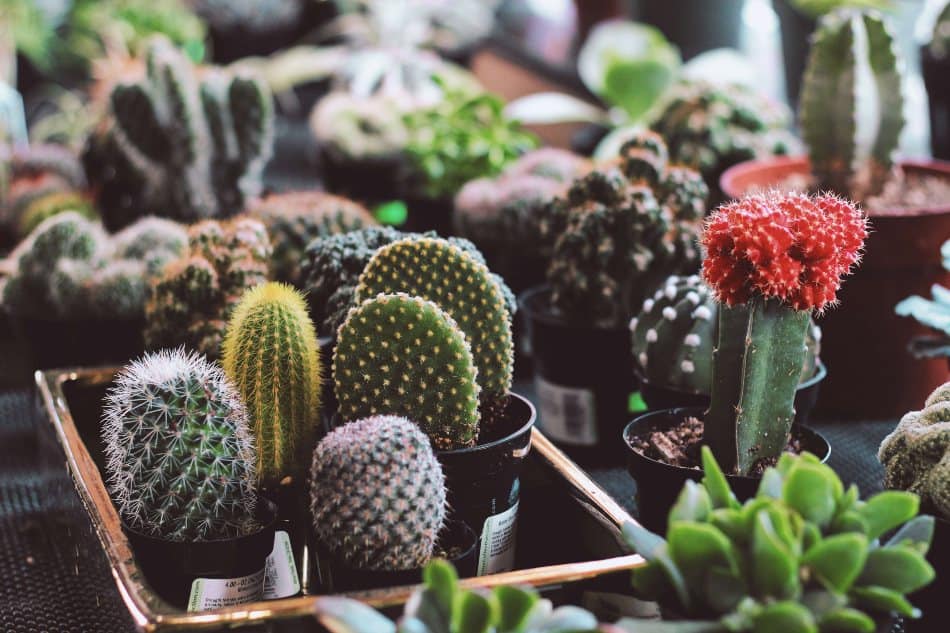
Cactus is available in over 2000 species all over the globe. This means you can never fail to find one that will suit your home garden. You can choose different sizes, shapes, and flower colors. You can start your collection of cacti and, in the process, discover the one that really suits you. Don’t worry if you have to go through a trial and error process.

The most common species sold in the market are Echinocactus, Opuntia, Ferocactus, Mammillaria, and Gymnocalycium. Consider starting with these first.
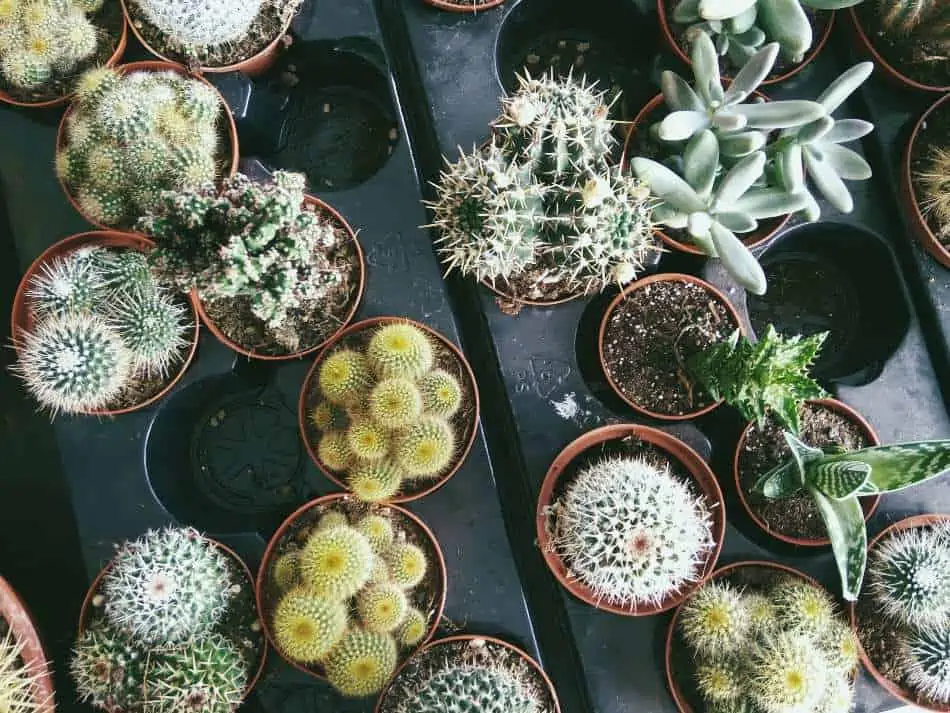
There are more than 2,000 cactus species, making it pretty easy to find the perfect cactus for your home.

Beautiful Blooms

Many people misunderstand cacti when it comes to appearance. Others only identify the plants as those rugged-looking, sticky plants with sharp spines. Well, some indeed look rugged; but there are many beautiful varieties in the world.

Cacti produce beautiful blooms that are sure to brighten every home. Many people love cacti for their showy flowers, which sometimes produce sweet-smelling fragrances. Almost every cactus species produces flowers as long as they get proper care in soil, fertilization, water, and light. While others may take a long time to produce their first blooms, once they do, you’ll no doubt love them.
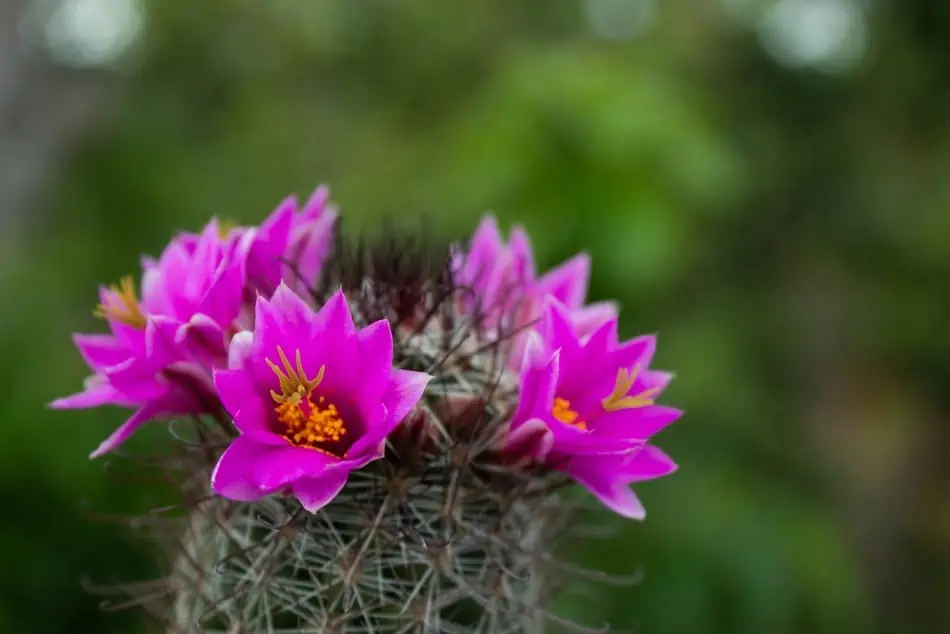
Cacti produce colorful flowers that make these gorgeous plants even more unique and precious.

Easy to Propagate

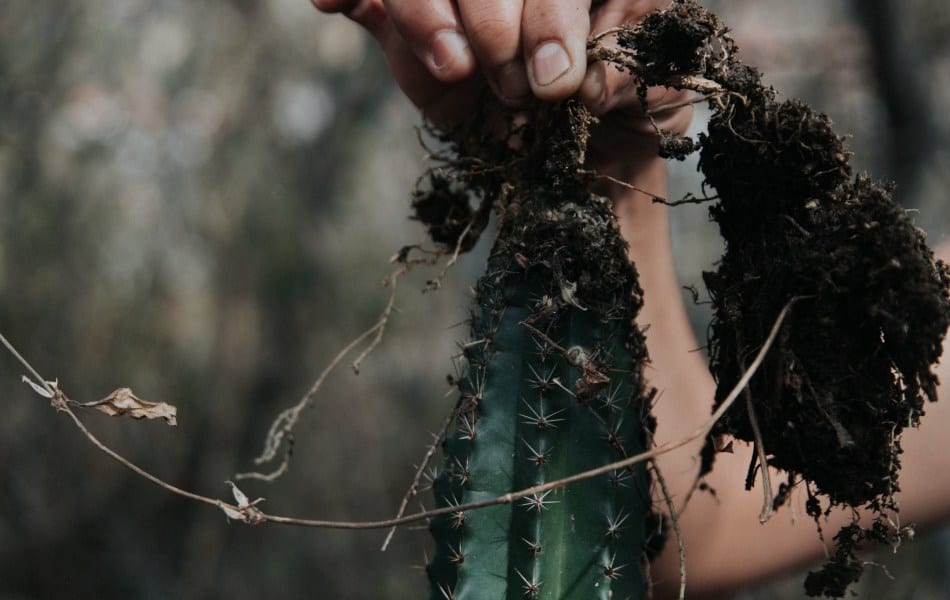
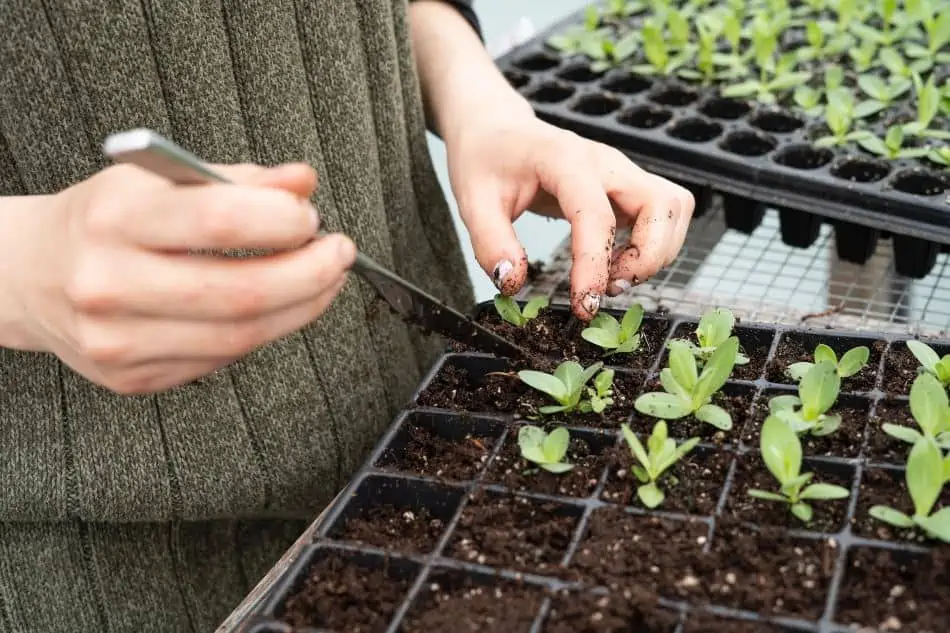
Cactus plants are super easy to propagate, and that might be the reason why they’re common in many homes. You can easily cut one from your friend’s garden and plant in yours.  You’ll have no trouble rooting your new cactus as long as you consider their natural growth condition.

If you prefer planting their seeds instead, you also like how easy the seeds germinate. These seeds are larger than most succulents and germinate easily.  You should take your time to learn how to plant specific cactus species from seeds or how to propagate, so you increase your success rate.

Low Maintenance

Cactus plants require very minimal maintenance. They can survive many months of neglect and are highly tolerant to drought and other conditions that may threaten other plants. These plants are naturally made to store water for a long time, so you don’t have to worry if you don’t get a chance to water them for several weeks.

If you’re traveling, you won’t have to bother hiring someone to take care of your plants because they’ll do just well. The plants come with modified leaves with a waxy coat to retain moisture for a very long time. They also have stems that can store excess water until they need to use it. Just a splash of water, some little light, and a bit of love can get your cactus to do so well.

Cacti are low-maintenance plants that do not require too much care.

Indoor Cactus Improve Air Quality

If you plant your cacti in your indoor garden, be sure that you’ll wake up every day feeling refreshed. Cacti are known to improve the air quality, which ensures you get a good night’s sleep. The plants are known for reducing radiation and bacteria. They absorb carbon dioxide in the air and release oxygen. This gives you a perfect night’s sleep, which also means you’ll wake up energetic and ready to tackle the day.

Cacti Have Therapeutic Benefits

Without even going to the scientific benefits, just seeing your plants grow well and the bloom is enough to give you happiness. You’ll develop a close relationship with your plants as you tend to them, and that’s therapy. Some gardeners even talk to their plants and believe that it’s a method to make them grow faster and better. Well, this won’t be further from the truth because when you speak, you release the carbon dioxide that plants need to carry out photosynthesis.

Growing a cactus at home will bring you pure happiness and joy.

But not only the plants benefit from that. Indoor cacti have a fantastic way of making you feel comfortable and relaxed.  You can use several cacti flowers as gifts to your loved ones and make them feel loved and cared for. An excellent example of cacti plants that serve this purpose is the Christmas cactus and Thanksgiving cactus.

Cacti Plants are Medicines

Several cacti species have great medicinal values. Many people from different regions use parts of the cactus for holistic treatment. The pulp and its juice work well for treating skin wounds, digestive problems, stomach swelling, and urinary tract infections.

Extract and supplements from prickly pear cactus treat several conditions like type 2 diabetes, diarrhea, high cholesterol, colitis, and prostate gland enlargement. The fiber and pectin in the cactus help lower blood sugar levels. The extracts help in insulin sensitivity and protect the liver from oxidation. These are but a few medical benefits.

Nutritional Values

If you thought cacti look ugly and you’d never use them, then you’re wrong. The chances are that you might have even eaten one of these species. For instance, prickly pear cactus is highly used in making juices, jellies, jams, candies, syrups, and alcoholic beverages. Some restaurants incorporate slices of cacti fruits as an appetizing component in their dishes.  There are those species with tender leaves and pads used in boiled or grilled vegetable dishes.
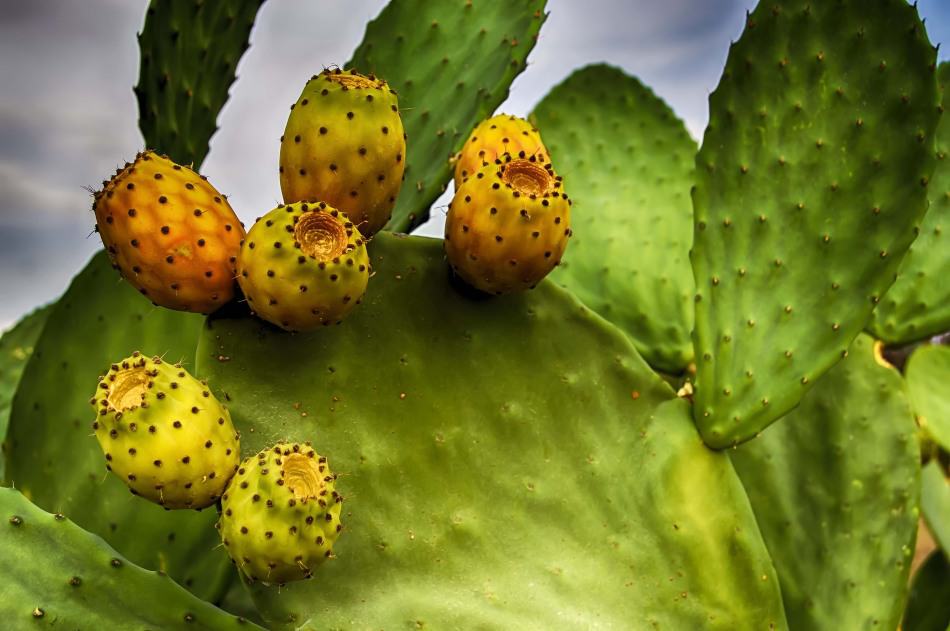
Prickly Pear is a fruit-bearing cactus that offers plenty of nutritional benefits.

Cactus is not only nutritional to humans but animals too. There are very many desert animals that depend on cacti for survival. A good example is Carmel that chew on the pads and fruits of cacti as their food. Other plants get their water from cactus during the hot months, thanks to the ability of these plants to store water in their trunks.  

Long Life

Another thing you’ll love about the cactus is their long lives. Many wild cactus plants are known to live for over a hundred years. The likes of saguaro are known to survive for more than 200 years in the wild.

For indoor cactus, expect them to survive for ten years or more. With these plants, you can rest assured that you won’t need to plant fresh ones from time to time. You have the opportunity to form that bond with your cactus plant as it’s going to be with you for several years.

Cactus Can Live Anywhere

Cactus gives you a perfect way to add a bit of greenery to both your indoor and outdoor space. These plants can do well inside your house in the living room, bathroom, or toilet. They can also grow perfectly in the garden, the veranda, fence, or your patio area. You can use them to create a unique garden, make a piece of art in your office, or introduce some touch of nature to your living room.

All you need to understand is their specific growth requirements, so you know where best to place them. For instance, those who require indirect lighting can thrive indoors where they only get a few hours of light per day. The species that need a lot of sunlight will do well outdoors where they’re not limited to the amount of light that gets to them.

Cons of Having Cactus at Home

Beyond the beauty and glam that comes with owning cacti, you must also know that they have their downsides. It’s worth noting these cons before proceeding to grow your cactus, so you’re well prepared to handle them.

Cactus Adapt to Heat But Not Cold

Cacti are known to be highly adaptive plants, but adaptation is only to heat and not cold. Many cacti species do not survive in low temperatures. Freeze damage can cause cosmetic injury to your plants. The injury mostly appears in yellow and black spots. You’ll first notice freeze injury by blackening the areas exposed to cold. They can become crisp, dry, and yellowish.

Although cacti can thrive in hot climates, they cannot really adapt to extremely cold environments.

But you don’t have to worry so much about this because your cacti will recover from the damage with time. That is if the cold is not that bad. You can also ensure your cacti don’t go through these problems by keeping them away from cold drafts or windowsills in the colder months of the year. You can also cover your cacti with a cotton sheet at night to protect them from freezing temperatures.

Sunburns

Even though cacti can withstand long summer months, intense heat is also not good for them. Many species that grow in greenhouses or are kept indoors can get burns when introduced to direct sunlight. Such cacti can turn yellow from sunburn. The epidermis of those cacti burns resulting in a permanent scar, but they can still recover.

If you have to introduce your indoor or greenhouse plants to direct sun, make sure you do it gradually. Also, plant your cacti in the same direction as they previously were.

They Can Rot Easily

Cactus have very strict requirements when it comes to water needs. Most of these plants don’t need too much water and can easily rot if you overwater them. If the soil is not permeable, the roots will rot. Just a simple wound on any part of the plant can also result in rot. Some common rot problems that might affect your plant are fungal or wilt issues.

Rotting cacti will display several symptoms: slow growth, discoloration, decline, visible rot, and death.

The plants also get attacked by fungi and other diseases as well that cause them to develop rot. Make sure you avoid all the problems that may cause rot. Avoid overwatering and make sure your cactus gets well-drained soil, so it doesn’t become water-logged.

Take Too Long to Bloom

Cactus blooms are beautiful, and everyone longs to see them. However, these plants don’t bloom easily and will take a long time before seeing your first flowers.  Cacti may take several years before they bloom, and only do it when you set the conditions right.  If you don’t give them the care they need, you might not even see the flowers.

Cacti are Spiky

Many cactus plants have spines that make them dangerous for gardeners.  Such cacti are extremely dangerous to prune or remove. You need to protect yourself when tending to these plants by wearing protective gloves.

But these spikes can also be an advantage. The spines act as the plant’s defense mechanism protecting them from harm. The spines can also be an advantage to the gardeners. You can plant such in your fence or below a window to discourage break-ins.
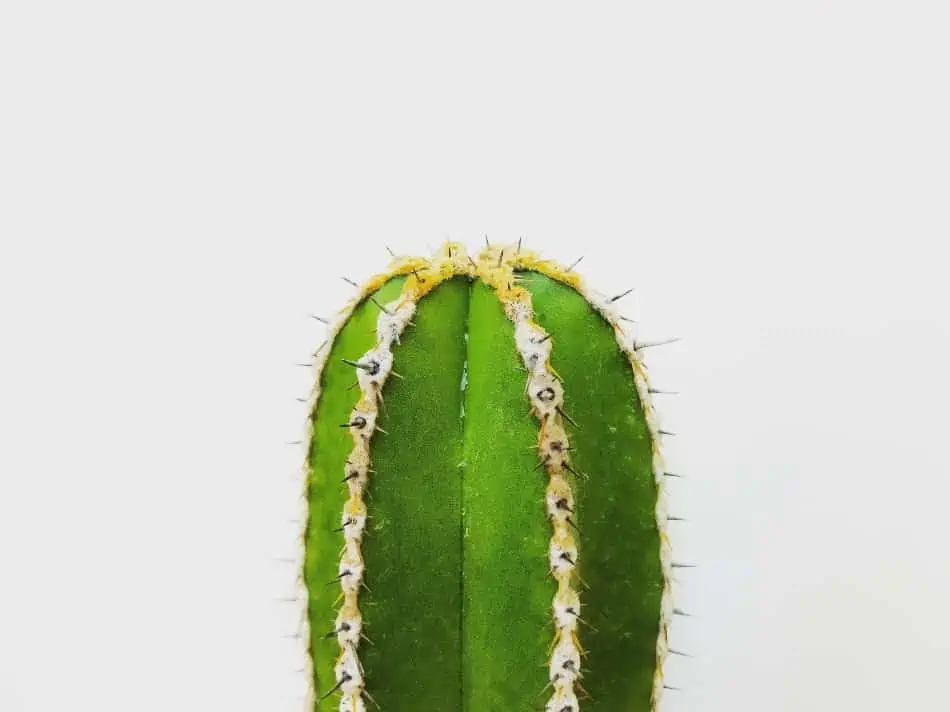
You should always wear gloves when handling cactus species with sharp spines.

Pest Attack

Like other plants, cactus also suffer from pest and animal attacks.  Bugs are easily attracted to freshly cut cacti and can interfere with their growth. But the good news is that you can use neem oil spray https://beachyspharmacy.com and other pesticides to keep the pets away from your plant. Some animals feed on cactus pads that you might want to keep away. Learn how to protect your precious outdoor plants from such attacks.

Cacti FAQ

Where can you place cactus at home?

There’s no doubt that cacti give positive energy at home. You probably want to place them where you want to see them all the time and feel the positive vibe. But you can’t just place your cactus anywhere because they need to get sunlight.

Another problem is that most cacti have spines, and you don’t want to get sprinkled every time you brush shoulders with them. Make sure you place your cactus where they can grow well without disturbance and get the desired light. You should also ensure you’re comfortable with the location of your plant. You don’t want the plant to get on your way.

Can cacti die?

Cacti plants are known to be slow-growing but can last very long. However, sometimes the owners think that their plants are just growing at a slower pace or dormant when they’re dying. So yes, cacti can die under different circumstances; one of them can be because of the sloppiness of the owners or the harsh climates. One of the common causes of cacti death is overwatering.

Can cactus make a good houseplant?

Many cacti are known to love the sun, but they can still do well indoors. If you know how to take care of indoor plants, you’ll love cacti as houseplants. You can use them in your living space or windowsills as good home décor. Indoor cacti are not so demanding in terms of light needs and will do well with indirect sunlight. Most of them don’t grow so quickly, so you won’t worry about them getting too big for your room.

Is it bad luck to keep cactus at home?

While this looks more like a misconception, Feng Shui followers don’t believe cacti are good for homes. According to these people, having cactus in your house can result in misfortune. They associate cacti with losses, stress, anxiety, and disease.

Cacti are known to retain a lot of liquid to aid their survival. This adaptability has made people believe that these plants show no symbol of abundance. However, if you’re not a Feng Shui follower, this is nothing but a misconception.

Summary: Should You Grow Cacti or Not?

Now that you know that cacti plants have their pros and cons, the ball is on your court. Before you go ahead to cultivate these precious plants you’ve admired for long, you must understand both their positive and negative sides.

Cactus make excellent plants to have in your home garden both indoors and outdoors, thanks to their undeniable beauty. The plants bring peace, fresh air, and calm to every home they touch. When they bloom, they make your home even brighter and livelier. To top it all up, cacti are pretty easy to tend for and won’t take all your time.

But despite all these, the plants come with their downsides, such as stringent watering needs. Cacti can rot easily if you expose them to too much moisture. Cacti also suffer from pests and fungi attacks. The plants can take a long time to bloom and grow pretty slowly. Know how to handle all these problems or cope with them before you introduce cactus to your home.

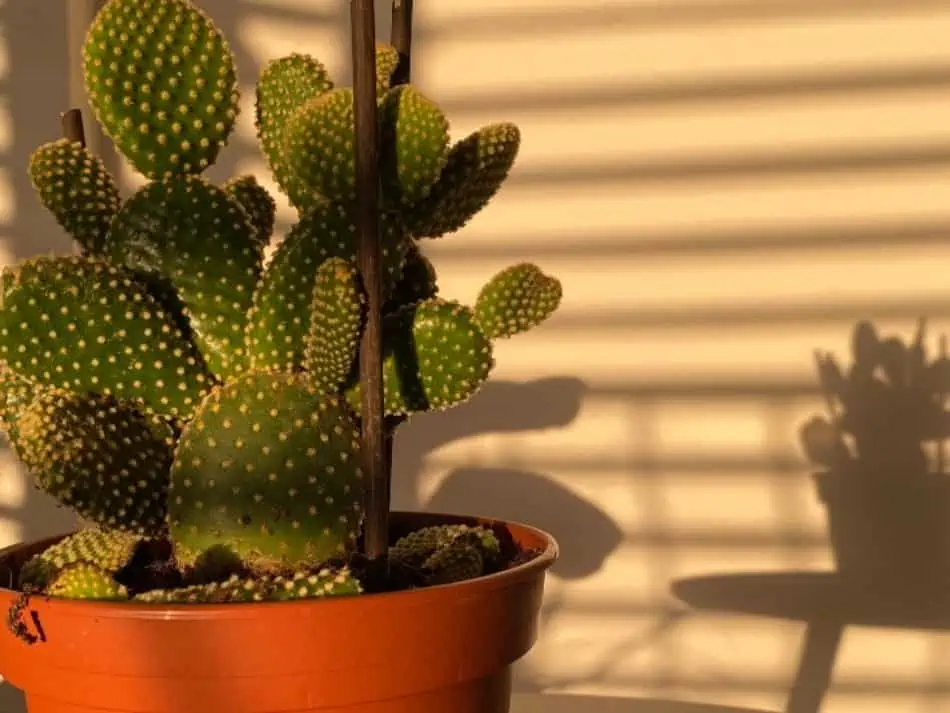
Why Is My Cactus Turning White?

Cactus can easily be grown at home and are a popular houseplant for those who enjoy gardening. However, they do not always stay green as they mature. Some cacti turn white due to distress, and it is your responsibility to figure out what is causing your plant to turn white and address it promptly.

So, why is my cactus turning white? Typically, your cactus will start turning white due to sunburn, overfeeding, pest infestation, corking, overwatering, or root rot. Your plant may also turn white because it isn’t receiving a sufficient amount of light.

In this blog post, we explore why your cactus might be turning white and what you can do about it!

1. Pest Infestation

One of the common reasons why your cactus is turning white is due to a pest infestation. Ants, mealybugs, and scale insects all love to eat the sap that is abundant in cacti plants.

They can turn white from being covered with these pests as their bodies excrete a waxy substance called honeydew which attracts more ants!

If you suspect your plant has an insect problem, it’s best to find a solution as quickly as possible.

The best way to start is by giving your cactus plant a good wash with water and then inspecting the undersides of the leaves for any signs of pests. If you see ants or other insects crawling around, use an insecticide that specifically targets them!

A critical factor to keep in mind is that cacti should be placed somewhere with plenty of sunlight and room to grow. If you don’t give your plant enough light or space, their leaves will turn white since a lot of darkness tends to attract more pests!

2. Sunburn

Your cactus may also start turning white from sunburn. Cacti are native to desert climates, and they need sun exposure just like other plants do to survive.

But some cacti species have a highly sensitive stem that may be highly susceptible to extremely high temperatures. So if it’s not given enough time in a shade or protection from the sunlight, the plant may start turning white!

If your cactus is exposed to excessive amounts of direct sunlight, it may turn white from a sunburn.

A good way of preventing this from happening is by giving your cactus a little shade during the hottest parts of the day.

You can do this by placing a piece of plywood or cardboard in front of it and then removing it at night when temperatures start to cool down!

It is crucial to understand the type of light your cactus plant loves and strive to provide it with the right exposure it requires to survive. Ensure it is not too little or too much.

3. Frost Burn

Just like sunburn, frost burn can also cause parts of your cactus to turn white.

Frost is a form of dehydration, and it occurs when an object’s temperature falls below freezing point, and its moisture freezes instantly! This will happen if you’re living in cold climates where frost is common during the winter months.

Unfortunately, the frost-burned areas of your cacti plant won’t return to normal even after the winter season is over. When you realize that your cactus is turning white due to frost burn, bring it indoors and place it on a window where it can still receive plenty of light.

If you keep your cacti in freezing conditions, they will get frost burns and the damage is irreversible.

But you need to ensure that it is not touching the window to avoid further damage. You can either leave the affected parts of the plant or remove them to allow new growth.

One way that may help prevent frosty burns on your cacti is by covering it with a transparent material such as a window screen or plastic sheeting. This will help the leaves stay warm and wet while also providing some protection from frost!

4. Low-Level Light

If you want your plant to grow healthy, green succulent stems and leaves, then it needs lots of light!

Cacti are best grown in a bright, sunny spot where they can receive as much sunlight as possible. If you don’t provide this to them, the leaves will start to turn white, and your plant may not grow properly!

You should aim for at least six hours of direct sun exposure per day if possible. This is perfect for any cacti that prefer a location with lots of sun and heat.

If you don’t have any windows or direct sunlight in your home, then there are some other options for providing the right amount of light that cacti require!

Fluorescent bulbs emit frequencies similar to natural daylight, which may help keep their leaves green (and they’re not too expensive either!).

5. Overfeeding

If you’re a novice cactus plant owner, then it is likely that you are overfeeding your cactus!

All plants need fertilizer or nutrients to thrive, and if they don’t receive enough of these nutrients, their leaves will turn white.

However, it is the opposite thing in cacti plants. Although these succulents require to be fed occasionally, overfeeding them causes unnecessary stress on the plant making some parts start turning white.

So if you can’t see any other signs of health problems on your cactus, then parts of it could be turning white as a result of too much fertilizer!

Giving your cacti too much fertilizer means that you are overfeeding them and they may turn white.

But don’t worry because there’s an easy way to help fix this problem; simply cut back the amount you’re feeding it and give it a little time to recover.

The plant should start turning green again in a few weeks and will return to its usual self!

Typically, you should only fertilize your cactus once per year. The best time to feed it is during springtime when it is undergrowth.

Avoid feeding it during winter because most cacti species go into dormancy during the cold months and don’t need a lot of nutrients.

6. Corking

If you notice your cactus plant turning white from its base and nearly halfway up the plant, then you could be experiencing corking!

Corking is a common problem that happens to many different types of plants. Corky areas are usually found on the base and outside edges of your plant, but they can be all over it in some cases.

This condition occurs when there’s insufficient airflow for the roots to get oxygen, so water builds up, and the corky areas start to form. It mostly happens if you cover your plant with soil or mulch that’s too thick and prevents air from reaching it.

Remember that a cactus plant affected by corking can look white, but it may also turn brown or pale grey.

The best way to know that your http://www.gulfportpharmacy.com plant is corking is by touching the affected areas and note how it feels. If it’s soft and wet, then this condition is likely to be corking.

7. New Growth

A cactus can also turn white due to the presence of new growth.

This is usually a sign that the plant is in distress or has experienced some injury, so it’s essential to take notice if you see it happening!

If there are no other symptoms on your cactus and some parts keep turning white but not browning, then they may be experiencing an issue with their roots and need to be repotted.

If the leaves turn white on a cactus that is not new, this may be an issue with overwatering or excess fertilizer. It’s important to take notice of any other symptoms as well before you try anything else!

8. Root Rot

If you have been overwatering your cactus or the potting mix has poor drainage, then your cactus may be suffering from root rot.

This condition is characterized by browning and rotting roots as well as a white or yellowish discoloration on the leaves, which will eventually turn them brown too!

If you have noticed that your plant has been having these symptoms for a while, then it’s time to repot into a fresh potting mix.

This should help provide the right amount of drainage your plant needs and prevent it from experiencing any further root rot problems!

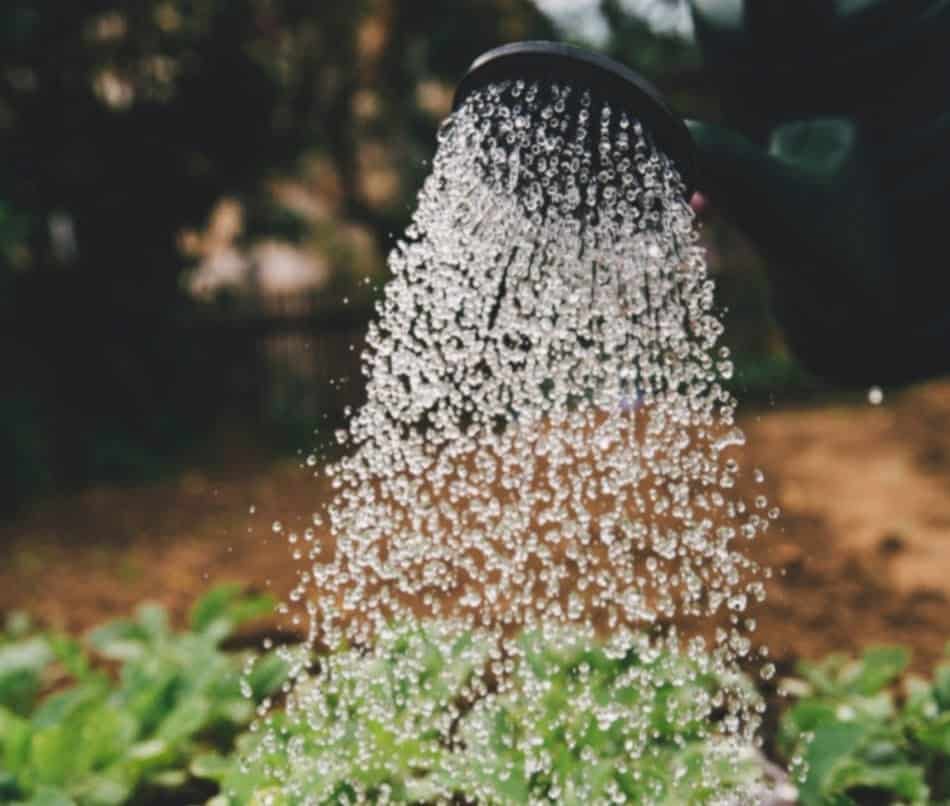
If you suspect the whitening is due to overwatering, the first thing you need to do is reduce the amount of water you’re giving it. You should only be watering your cactus when the top inch or two of soil feels dry to touch, not wet!

If your cactus has been turning white due to root rot, either reduce watering or repot the plant.

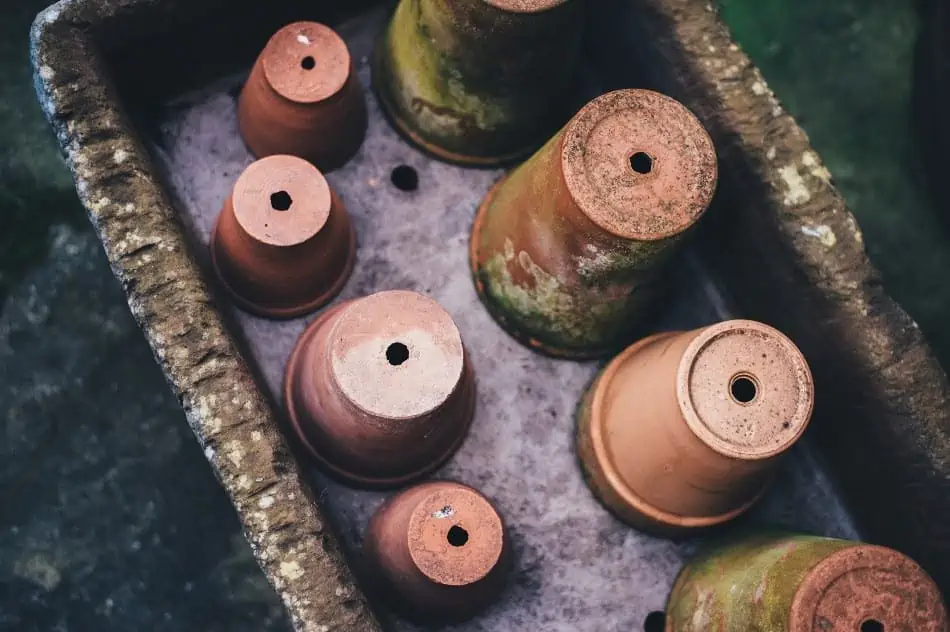
If things don’t change, then you should proceed to repot it in the new potting mix. Ensure the new potting mix has excellent drainage and also make sure that the pot has holes in the bottom to prevent water from accumulating.

The best time for repotting a cactus is during winter because they go into dormancy during this time, so their roots won’t be disturbed by the new soil or pot!

9. Underwatered

Another possibility is that your cactus is not getting enough water. Cacti are notoriously picky when it comes to watering, so it’s easy to overwater or underwater them.

If your cactus looks withered and its white spots are spreading, give it a good drink of water and see if that helps.

10. Too Much Water

It might seem counterintuitive, but too much water can also be just as harmful to a cactus as too little water.

If you think your cactus is getting too much water, try letting the soil dry out completely before watering it again. You may also want to consider switching to a different type of potting soil that drains better.

11. Fungal Infection

The other possibility is that your cactus has a fungal infection. This is probably the problem if the white spots on your cactus are fuzzy or have a mildew-like smell.

Don’t despair—there are fungicides available that can help clear up the infection. However, you’ll need to act quickly before the fungus has a chance to spread too far.

12. Disease or Pests

Unfortunately, sometimes the reason your cactus turns white has nothing to do with its environment and everything to do with disease or pests. If you suspect this might be the case, look closely at your cactus for any signs of pests or disease.

Some common diseases that affect cacti include root rot and powdery mildew. As for pests, mealybugs and aphids are two of the most common offenders.

If you do find evidence of disease or pests, don’t despair! There are plenty of products on the market that will help get rid of them. Just be sure to follow the directions carefully so that you don’t damage your cactus in the process.

Can I Save My Cactus?

Now that you know some of the most common reasons why cacti turn white, you might be wondering if there’s anything you can do to save your plant. The good news is that, in most cases, it is possible to reverse the damage and get your cactus back to its healthy self.

If your cactus is turning white due to overwatering, the first step is to cut back on watering. Allow the soil to dry out completely between watering sessions, and be sure to empty any water that collects in the saucer beneath the pot.

If underwatering is the problem, start by giving your cactus a good drink of water. If the roots are dry and shrunken, you may need to soak the plant in a water bowl for an hour or so before replanting it in fresh potting soil.

If your cactus has a fungal infection, the first step is to isolate it from any other plants. Next, treat the plant with a fungicide according to the manufacturer’s directions. Be sure to dispose of any infected leaves or stems and sterilize your gardening tools before using them on other plants.

Finally, if your cactus is turning white due to disease or pests, the best course of action is to contact a professional. They will diagnose the problem and recommend the best course of treatment.

The bottom line is to investigate the cause of the problem before taking any action. Once you know what’s causing the issue, you can take steps to fix it and get your cactus back to its healthy self.

Conclusion

Sometimes a cactus might turn white due to frost burn, low-level light exposure, or too much watering. These are all conditions that require care and attention in order for the cactus to thrive.

If you suspect your cactus is experiencing any of these problems, please contact your local plant expert for immediate assistance.

Furthermore, you must know how your cacti plants grow so you can properly care for them. With the right information about the diversity of problems that can occur, you’ll be able to identify and address them early.

Happy cactus growing!

Can A Cactus Die Without Sunlight?

The answer to whether cacti can die or survive without sunlight is either a yes or no. Some Cacti species can survive for short periods without sunlight. However, others need full sun and will not survive if you keep them in the dark place.

Because cacti plants have their natural habitats in the desert, they’re used to the harsh sunlight and will not survive if you deny them the light. Many species need exposure to lots of sunlight to grow well and even produce flowers. Some require at least four hours of direct sunlight to flourish. Others are known to need very low amounts of light to survive, but they still won’t survive with zero light. Not giving your cacti enough sunlight exposes them to infections and prevents them from blooming.

If you’re wondering about the light requirements of cacti and how you should expose various species to sunlight, this article is for you. Here is a comprehensive guide on cactus and its light requirements.

How Does Sunlight Help a Cactus Plant?

Sunlight is crucial in aiding plants to make their own food through photosynthesis. During photosynthesis, plants transform various chemicals into vital nutrients essential for growth.

This chemical conversion process serves as the nutritional foundation for the plant’s growth and flowering.

Whether you’re considering acquiring a Christmas cactus, prickly pear cactus, Easter cactus, or any desert cacti of your choice, it is crucial to ensure that your plant receives adequate sunlight.

Although succulent plants vary in shape and size, they require full or direct sunlight for at least six to eight hours per day to thrive.

If you cannot provide enough natural light indoors, consider investing in an artificial lighting system that will help your plants get the necessary amount of daily light exposure.

How Much Light do Cactus Need?

The light that your cactus needs to thrive is measured in duration since you cannot quantify light. Instead of asking how much light, you should ask the duration of the light that your plant needs.

Cacti need around 10-14 hours of sunlight each day. Well, this doesn’t include the cacti that love the shade because those will burn if exposed to light for that period.

Most cacti need 10-14 hours of sunlight daily.

Many cacti plants have devised techniques to help them get the amount of light they need.

Others have taken distinct shapes that help them minimize their exposure to the sun. Some types elongate their branches and tend to grow towards the direction of the sun.

Other cacti feature highly modified leaves that help them minimize evaporation as a result of sun exposure. Make sure such plants only get four to five hours of sunlight every day.

How Do You Know the Amount of Sunlight that Your Cacti Need?

Since you’re going to grow different species of cacti, it will be hard to know which one needs what amount of light. Well, most species love light exposure and will do pretty well under intense heat.

But too much of it can cause damage to even the hardiest plant out there. Cacti also suffer from sunburn damage which can cause scars or even kill them.

Don’t subject your precious plants to full sun exposure right away. The best cause of action is positioning your cactus under partial shade and slowly exposing them to more sun until they get used to it.

Consider getting them out in the morning sun, which is less intense, then gradually introduce them to the hotter afternoon sunlight.

You can also consider placing your young cacti under the shade of other plants before exposing them to direct sunlight.

Gradual exposure is vital to avoid sunburn and permanent scarring due to the intense heat.

Consider placing younger cacti in shade to protect them from direct sunlight.

Cactus plants that love shade are more susceptible to sunburn and scaring. Such cacti include Easter cactus and Mistletoe Cactus.

However, cacti plants come in blue, grey, and red plants highly covered with spines love direct sunlight exposure.

Cacti that are used to growing indoors will also suffer sunburn and damage when moved outdoors, where they’ll suddenly get sunlight exposure.

Whatever the plant you plan to move to more light, make sure you do it gradually, so you don’t stress your precious plants.

Don’t expose newly propagated cacti to the sun as they can also suffer damage. Allow them to mature and become strong enough to deal with the intense heat.

Monitor your plants carefully and find out which one will do well under direct sun and which one needs shade.

Do Cactus Need Bright and Direct Light?

Some cacti need bright and direct light, while others don’t.  Others prefer bright but indirect light. This means you shouldn’t expose them to full sun. Some hate direct light and can kill them if exposed.

While some cacti require bright and direct sunlight, others thrive under bright but indirect sunlight.

Rhipsalis, which falls under epiphytic cacti, cannot survive under bright and direct sunlight. They prefer shade and will do well under other trees or indoors.

Other species need bright light but can also do well with the part sun. Good examples of such include barrel-shaped cacti, chin cacti, and Mammillaria cactus genus.

Those cactus species prefer bright and direct sunlight but sometimes need to go without too much light. If you treat them for infections or repotting, make sure you shade them from direct sunlight.

Others also need time to transition for winter hence bright light will not do them any good.

Should You Give Your Cacti Artificial Light or Sunlight?

When it comes to cactus light requirements, both sunlight and artificial light do great work. But there are times when sunlight will do better than artificial light and vice versa. Let’s see how the two sources of light work.

Cactus Sunlight Needs

Natural light is usually the easiest to give you cactus plants because it’s easily available.

You don’t have to do anything to control this light apart from just placing your cactus on the windowsill. Your cactus will know how to harness this energy and use it for various chemical reactions.

Most cactus plants were naturally made to benefit from sunlight, and they’ll appreciate it if you generously expose them to it.

The plants have different adaptations that allow them to absorb only the light they need and protect themselves from excess heat.

Exposing such plants to direct sunlight will not hurt them because they know how to adapt.

Maximizing Sunlight for Indoor Cacti

There are plenty of indoor cacti that still need natural light to survive. You should put such plants on windowsills so they can harness the sunlight that they need.

The best way to ensure your cactus receives maximum sunlight; position them on the south-facing windowsill. This is where the sun heats most, and your cactus will receive maximum hours of sunlight.

But if you want your cacti to http://theshoalspharmacy.com/ receive the strongest sunlight, which doesn’t last too long, place them on the east-facing windows. This is where you’ll get the strong morning sun which weakens as the day progresses.

If your sunlight prefers partial shade, the north and west-facing window sills will do them justice.

Artificial Lights for Cactus

When there is no sunlight getting to your cactus, you’ll need artificial light to keep it going. This light is also important for the plants that can’t access the space on the windowsill.

If you live in places that experience strong winter, you might want to transfer your plants indoors, and that means offering them artificial light.

When propagating your cactus, they’ll also need artificial light. Direct sunlight from the sun can be too hot for them. They need low-intensity sunlight.

Unlike sunlight, artificial lights are not free of charge, and you must invest in them. Make sure you find the right bulb for your plants and pay for electricity bills. Well, you should not panic because the bulbs don’t consume too much energy and the costs are generally low.

When choosing your bulbs, don’t go for those that get too hot or emit very little light. Usually, fluorescent bulbs or LED grow lights will do you good. Avoid incandescent bulbs or mercury vapor.

75w of grow lights is enough for an area of 5-10 square feet of growing area. Fluorescent bulbs cover a wider area.

How Does Dormancy Affect Light Requirements?

Like many plants, cacti go through a period of dormancy. The dormant period usually occurs during winter when temperatures drop below freezing. This phase is characterized by a slow growth rate and decreased light requirements.

Cacti will require less light during this time than during the active growing season.

When exposed to too much light during dormancy, these plants can become sunburned or stressed, resulting in slowed growth or death.

Therefore, adjusting the amount of light your cactus receives during its dormant period is important.

Consider maintaining cool temperature and less light exposure during this time. Once spring arrives, gradually increase the plant’s exposure to sunlight to encourage healthy growth and flowering.

How Does Light Affect Flowering in Cacti Plants?

Light plays a pivotal role in influencing the flowering of cacti plants. The timing, duration, and intensity of light exposure directly impact the flowering process in these plants.

Short-day cacti typically require longer nights and shorter days to initiate flowering, while long-day cacti require shorter nights and longer days.

The changing light patterns of different seasons trigger the plants to bloom at specific times.

Protecting Your Cactus from Heatwaves

Cactus species react differently to weather changes, and excess heat might damage others while some may survive.

Either way, you need to ensure your cacti don’t suffer the excess heat, especially if you stay in areas that receive extreme heatwaves.

Heatwaves mostly happen in summer, last many weeks, and can kill plants. You need to tend to your plants in several ways to avoid this. Here’s how to do it.

Although cacti love sun, you still need to protect them from excess heat and sunlight.

Give Your Plants Some Shade

If you think that your region will suffer heatwaves in the coming weeks, you need to prepare for it.

You need to find some shelter for your young and fragile plants that might not tolerate the extreme weather.

If you have outdoor cactus, find them the shadier spots in the garden. For those species that do well indoors, take them inside to avoid heat.

You might not be able to move the tall and mature cacti, but don’t forget to check on them often. Buy shade clothes for those cactus plants in the bed.

Don’t Repot

This will not be the best time to repot your plants because the heat will burn them right away.

Even mature plants will undergo stress when you repot, and if you add intense heat to that, they won’t survive.

Wait for the heatwave to subside, and the temperatures dropped before you can repot.

Don’t Fertilize

While fertilizers are perfect for the growth of plants, not all the time is fertilization time. The best way to fertilize in spring, when many of them will be growing actively.

During a heatwave, your plants will be merely struggling to survive and will not grow. If you introduce new nutrients, you’ll only cause more damage than even that of a heatwave.

Summary

Cacti plants love light and will do well in areas that receive direct sunlight. Others don’t need direct light but will still need some form of light to survive.

Denying your precious plants the much-needed light will only mean destroying them.

Direct sunlight or heatwave is likely to cause sunburns or even kill your plants. So, whether you choose to give your plants sunlight or artificial light, make sure you do it carefully. Too much or too little light both cause damage to cactus plants.

How to Get Rid of Cactus Fungus?

Cacti are beautiful plants that make great additions to any home. However, they can be susceptible to various fungal infections that may kill them or significantly reduce their growth. 

While most people know how important it is to water cactus properly and keep the plant from getting too much sun, sometimes these steps aren’t enough to prevent an infection. You also need to be aware of the signs that indicate a fungal infection, such as black spots, discoloration, decay, etc.  

You should also know how to get rid of the cactus fungus if you discover it, such as transplanting and removing the infected parts. In extreme cases, you may need to use fungicides to get rid of fungi from your plants, and you should know the right type to use.

This article provides all the information you need about safe and effective ways for dealing with fungus on your cactus. It starts by explaining how to identify these fungi before you proceed to get rid of them. Let’s get started!

Cacti Fungus Symptoms

Before you learn how to eliminate fungi from your cacti, it’s important to be familiar with a few of them first. Knowing how these cacti look will help you get rid of them before they cause severe damage to your precious plants. Here are some common fungi infections and how they look.

Stem Rot

One of the more common fungal infections is corky stem rot, which most often infects prickly pears. This particular fungal infection produces dry, light-colored patches on the plant’s stem, which expand in time. These sections look discolored and may eventually cave in.

Stem rotting is especially common in prickly pear cacti.

Black Rot

This fungal infection is a type of canker disease that affects many different cacti species, including barrel-shaped cactus varieties. This fungal infection makes it difficult for the plant to grow any higher, which is why it’s called black rot. It causes large sections of cactus skin to become eroded and look coated in a black substance.

Soft Rot

Soft rot is a fungal infection that affects the area of the cactus between its spines. It often starts as a small, white spot that quickly spreads into an extensive area of decay. The infected flesh eventually turns brown and crumbles away to expose the main part of the plant underneath.

Cotton Root Rot

This kind of fungal infection affects the cacti’s roots. It usually appears as a thin layer of mold growing on the soil surrounding the plant, and it can eventually spread to infect other parts of the plant if left untreated for too long. If your cactus has a cotton root rot infection, you’ll notice its new growth is weaker, and the plant’s overall health seems to be declining.

Cotton rot is a fungal infection that attacks the roots of a cactus.

Stem Tip Blight

Another type of cacti fungus is called stem tip blight, which attacks one of the plant’s lower sections. It starts by causing damage to the structure of the plant and eventually rots it completely, especially when the infection spreads into other parts of the cactus.

Soil-based Fungi

The last type of fungus is soil-based, affecting different plants, including agave and aloe. They tend to grow in the soil around the plant (and not on its surface). It can be more difficult to notice, especially if you let your plants go unwatered for some time.

The main symptoms of a fungal infection are spots or patches that look discolored and have a slightly sunken appearance. If you see these marks on your cacti, you should carefully inspect the part of the plant they’re on to ensure that it isn’t just a different type of discoloration. Also, look at any other parts of the cactus to make sure other spots aren’t present, which would indicate a fungal infection.

How to Get Rid of Cactus Fungus

As previously mentioned, you may treat cacti fungal infections in different ways. Here are some ways to do so:

Use an Insecticide

If you notice that your cactus has a number of small insects crawling over it, then try spraying the plant with an insecticide to get rid of them. They can also help prevent more pests from infesting your cactus in the future.

Remove the Plant from Its Environment

Fungal infections often appear when the plant’s growing conditions aren’t ideal. One of the easiest ways to get rid of these types of infections is to change your cactus’s environment, so it doesn’t suffer from them anymore. For example, if your cactus has developed a fungal infection because you let its soil go dry for too long, then try watering more regularly instead. The same goes for other types of cactus fungus.

Remove the Infected Part

If your plant has a large fungal infection, you might need to get rid of the infected part entirely and be careful not to spread it into other parts of the plant. There are a few different ways to do so, including pruning or sharpening your cactus to remove the discolored area.

You can also use a sharp tool like a knife or razor blade to carefully scrape away the damaged sections of skin and expose the healthy part beneath. This is sometimes enough to get rid of all signs of fungal infection.

Use Fungicides

Fungicides are also a popular way to get rid of the cactus fungus, and there are many available for purchase. One of the most common types of fungicides is the Bordeaux mixture, which you can find at your local gardening store. Apply fungicide directly to the affected areas of your cactus to get rid of the spores and stop them from spreading any further.

Clean Your Pots

You can clean your plant pots specifically to prevent cactus fungus growth. Cleaning the leaves or soil in your pot regularly will help prevent fungal infection or remove small signs of these types of problems already present. This is especially important if you’re using a pot designed for cacti since these pots tend to hold onto moisture and could encourage fungal growth.

Always ensure the pots are clean before planting your cacti.

Avoid Placing the Cactus in Direct Sunlight

Finally, keeping your cactus in direct sunlight can also cause it to develop fungal infections. If you notice the plant beginning to decline in health or its surface is developing discolored or sunken spots, move it. It’s a good idea to move your plant into filtered light or shade until the condition clears up.

How to Prevent Fungi Infection

Cactus fungal infections often occur when the cactus is in a state of decline and can no longer fight off pests and pathogens. By taking care of your plant, however, you can avoid this problem.

To keep your cactus healthy, plant it in the correct soil. The soil should be coarse enough to allow good drainage but not compacted either. You should also avoid overwatering your plant.

Make sure your cactus soil offers enough drainage for the succulent to get rid of excess water.

Spend a few minutes each week or two to inspect the cactus for any signs of pests that are commonly attracted to these plants, like fungus gnats. If you notice any pests, then try removing them manually using an insecticidal soap or a pesticide.

https://www.viagrageneric.org/how-much-does-it-cost-for-one-viagra-pill/

Keep your cactus away from direct sunlight, especially if it’s suffering from a fungal infection. The plant will be able to fight off the fungus easier and quicker in more indirect light as opposed to direct sun.

Related Questions

How can I tell if my cactus has fungus growing on it?

If you notice that some plant parts look discolored or sunken in, then it might have a fungal infection. Other signs indicate the presence of fungus gnats, like small black flies flying around your cactus.

Can fungi infections kill my cactus?

The above types of infections can cause irreparable damage to your cactus. However, it should be fine as long as you quickly take care of the problem and don’t allow it to spread. Your plant might lose a few leaves or suffer from discolored areas on its surface, though, which would make it look unsightly.

How do I get rid of a fungus gnat infestation?

Try keeping your cactus plant in indirect sunlight and remove any affected soil or potting material the next time you water it. You might save small plants with a fungicide if necessary, but this is unlikely to work on large cacti. If all else fails, you can also try pruning your cactus and removing the affected parts.

How much water should I give my cacti?

Cacti, like other plants, require enough water but don’t like to be overwatered. Too much water can cause root rot in larger varieties. You’ll need to let the soil dry out slightly before watering it again and avoid watering heavily on the leaves.

Summary

The best way to prevent these types of diseases from harming your cacti is to keep an eye on their overall health. You should be sure that your plants get enough water; they’re getting the amount of sunlight they need and that no insects are bothering them. A lot can affect a cactus’s health, so maintaining it properly can help prevent fungal infections from developing as well.

Being able to identify different types of cactus fungus can help you get rid of them before they do too much damage and take the plant’s health down with them. We hope this article helped you learn how to identify a fungal infection and what you can do to prevent it from spreading.

This is Why Your Cactus Doesn’t Bloom

Cacti are exotic plants that brighten every home they’re planted in with their abundance and flamboyant flowers. Many gardeners plant cactus to enjoy their beautiful and sweet-smelling flowers. However, sometimes these striking plants may fail to bloom after many years of having them in your garden. But why won’t cacti bloom?

When your home cacti aren’t blooming, the issues can be lighting, watering, temperature, or soil. Another reason could be your cactus isn’t mature enough to bloom. Some cacti species take up to 50 years before you can see their first blooms. Others might be too old to continue blooming regardless of the care you give them.

So, if you’re wondering why your precious cactus isn’t blooming, this article may provide you with the answer. Here are the reasons your cactus isn’t blooming and what you can do about it.

Weak Root System

Many cacti species like to be root bound, and re-potting them without careful consideration can interfere with their growth. If you must re-pot your cactus, do it early enough, so you don’t interfere with its growth. Cacti with weak and unhealthy root systems will not flower. If you re-pot, your cactus will take time before their roots can strengthen in the soil, and until this happens, they won’t bloom.

Cacti with weak root systems should be repotted and they will still need some time to bloom.

When repotting, choose a container that’s large enough. It should be bigger than the current pot so it can comfortably accommodate the plant’s needs. Don’t forget to fill the new pot with good quality potting soil that will encourage flowering.

When planning to re-pot your cactus, don’t do it while the plant is still blooming or about to bloom. It’s essential to wait for the plant to finish blooming before transferring to another container.

Rest Period

Before cacti start flowering, they need a rest period. Know the types you have at home and their bloom periods, so you understand when they need to rest. When in their natural habitats, most cacti rest in hot summers. Such species mainly flower in autumn.

If you live in areas that experience cold winters, allow your cactus to rest during this period. The rest period is very crucial for cactus flowering. This is when they develop buds that become visible around 30 to 50 days before they can flower. If you deny them the rest, your cacti may have a difficult time blooming.

You’re Overwatering

One grave mistake that most cactus growers make is to give their plants too much water. While many cactus species love to drink once a week or twice, they can survive long periods without water, even in summer. These plants need a period of almost drought so they can be ready to start blooming.

Don’t worry; your cactus won’t die if you forget to water them for a month or so. The plants have various ways of storing water which they use during drought periods. However, don’t forget to water completely because the stored water can still run out.

Instead of overwatering your cacti, give the plants a period of drought for them to start flowering.

Like other plants, cacti still need water to thrive, though they have strict watering requirements.  There are periods when your plant will need constant watering and times when you need to water sparingly. If you want to see the beautiful blooms, you need to understand those seasons to water and withhold watering.

Too Young or Too Old

One of the common reasons why your cactus won’t bloom is because it’s not yet time. Many cactus species are not able to produce flowers for many decades. You should understand the type you have at home, so you know how long you’re going to wait. Some varieties may go for 50 to 100 years before producing their first blooms.

If your main aim for planting cacti is to see the blooms, you should choose ready-flowering indoor cactus types. The types that are likely to bloom fast enough are Parodia, Notocactus, Mammillaria, and Gymnocalycium.

If your cactus was already blooming, then it stops; the reason might be it reached its full maturity stage. An old cactus may not flower as often as it used to. Some stop blooming altogether. But you can still consider giving them special care to encourage blooming.

Your Cactus Is Not Healthy

Flowering means your cactus is healthy and happy. Cacti only bloom when you take good care of them and provide them with habitable conditions. At times, your plants might be experiencing several health conditions that discourage their blooming.

Root rots that are not yet visible or fungi attack can stop your plant from blooming. Sometimes your plants may not http://armodexperiment.com/ show any signs of distress; hence you might not realize they have health issues. Plants that are attacked by pests may also fail to bloom. Ensure you treat your cactus and get rid of all the pests attacking it so it has no trouble blooming.

No Fresh Air

Indoor cacti still need enough light and fresh air, especially during their active growing period. You can try leaving your plants outside to get fresh air until around October. The lower temperatures harden off plants and prepare them to flower. If your plants are too warm after summer, they might become too sensitive, and this will interfere with their blooming.

Not Enough Light

Your cactus needs plenty of light to bloom. You must ensure it receives plenty of light throughout the year. Even in winter, you should still ensure you place your cactus in the brightest locations of the house.

As cacti love sunlight, ensure your plant receives plenty of light during the day.

How you position your cactus towards the light will matter a lot when it comes to its flowering. Positioning is especially vital for indoor cactus placed on the windowsill. Ensure it gets enough light by positioning it properly. Consider turning your cactus from time to time, so it gets consistent light throughout its body. However, don’t turn your cactus too often, as too much movement might prevent it from flowering.

Don’t forget that some cacti species can’t stand intense heat from the sun. But they still need the light to thrive. You should ensure they get the required sunlight. You should protect them from sun damage by filtering the light. You can also consider using grow light, so your indoor plants get the needed light.

Using Wrong Fertilizers

It’s good to give your cactus a little bit of extra care by adding fertilizers. However, you must be careful when choosing your fertilizer type because a little too much or the wrong type can prevent your plant from blooming. Many fertilizer types are not suitable for cactus. Some can make the plants grow at a very fast pace and cause bacteria accumulation in the soil.

Using a fertilizer with wrong nutrient content will prevent your cacti from blooming.

Don’t give your cactus fertilizers that have high nitrogen content. Avoid manure as well. If you must give them fertilizers, consider those with high potash content. Don’t fertilize your cactus when you’ve just re-potted them. Don’t overfeed your cactus because this will interfere with their blooming.

FAQ

What can I do to make a cactus flower?

One of the things you can do to facilitate the flowering of your cactus is to give it enough water and light. Your cactus should get enough sunlight during its growth period and move it to a cooler place during dormancy.  Make sure your cactus is healthy and growing for it to flower. If your cactus is not growing, it means it’s unhealthy, and it definitely won’t flower.

When do cacti flower?

The flowering period for your cacti depends on the species. Some cacti may flower in late spring or summer. Others like holiday cacti flowers in winter. Regardless of the blooming period, don’t expect your cacti to bloom until it’s mature enough. Find out the type you have and give it the care it needs to blossom.

Do all cacti bloom?

Cacti are categorized under flowering plants, which mean all of them are capable of blooming. The only thing that makes a difference when blooming is the age and care you give your plant. You must find out the blooming requirements of the cacti species you have so you understand how to make them bloom.

What are the conditions that encourage blooming?

Cacti grow in containers in the USDA zone. All they need is proper care, and they’ll reward you with great blossoms. Make sure your cacti get at least four hours of sunlight, mostly morning hours. Water regularly during the growing seasons and allow the soil to dry between watering. Fertilize monthly, especially during spring growth towards the end of summer. Decrease watering in the winter dormancy period and ensure the temperatures remain at 50s.

Summary

Now that you know why your Christmas cactus is not blooming and what you can do about it, you must want to try it right away. But before you get too excited, remember that the reason why your cacti won’t flower might be because you’re the one who’s so impatient. You can’t just plant your cactus and expect to get results right away. As long as they’re growing, give your plants time, and they’ll bloom when the season is right.

14 Amazing Facts You Didn’t Know About Succulents

Succulents are some of the most popular house plants. Not only can they be adorable, but they are also extremely hardy. So what is it about these stunning plants that is making them fly off the garden section shelves?

These spectacular little plants are not only easy to care for, but they are also pretty cool looking! Whether you are looking to spruce up your office, or start your own home garden, there is a lot to learn about succulents. Keep reading to learn about 14 amazing facts you didn’t know about succulents that will surprise you and make you want to grab a few for yourself!

1. Succulents Come in a Variety of Colors 

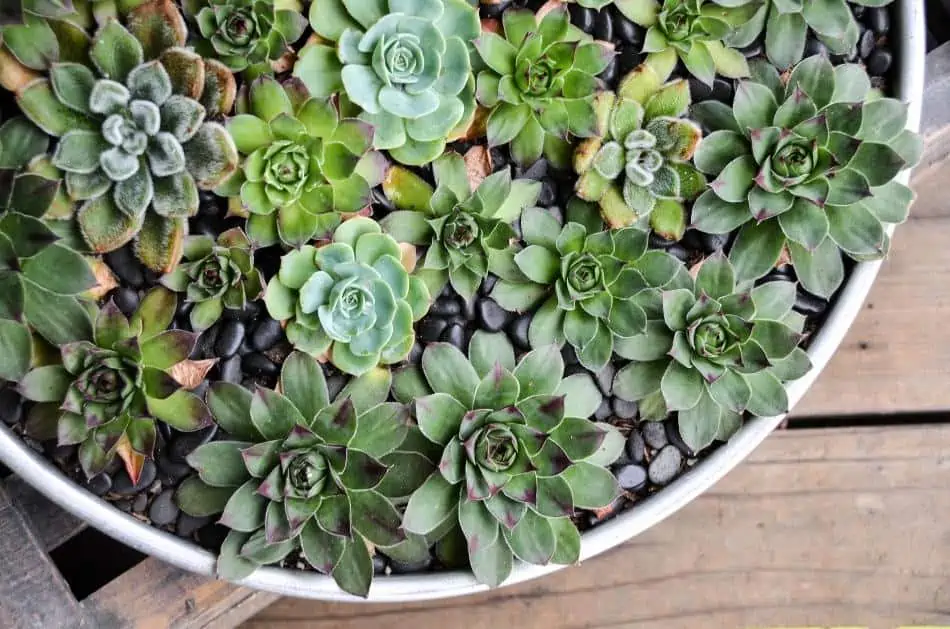
Succulents come in all shapes and sizes and colors. Not only can you find beautiful greens and flowering plants, but you can also find purple, pink and so many other colors! Whatever your home decor, there is a succulent that can brighten up any room. 

Because there are so many species and subspecies, it can be hard to narrow down exactly what you may want. Do you want a tall plant with bright green leaves? Or a short and stout plant with a purple hue? You can have them both and still have a succulent plant!

Succulents come in numerous colors, ranging from light green to vibrant pink and red.

Here are some succulent colors that are very popular and easy to find: 

  • Red
  • Green
  • Light Purple
  • Maroon
  • Pink Hues
  • Blue-green

Succulents can also change color based on a few different factors. The amount of sunlight the plants get can fade or change the color. Over- and under- watering can be a contributing factor as well. 

Temperature change can also impact the color of your plants. All of these factors together means that if you move your plant to a different place in your home or office, you could potentially change the color of your succulent.

2. Cacti and Aloe Are Succulents!

All cacti and aloe plants are considered succulents. That means that all 2,000 species of cactus are succulents and all 20 different aloe species. So when you put your aloe vera on your sunburns, you are using a succulent to help you heal.

Because cactus species are succulents, it is no surprise to learn that most species of succulents are generally found in dry, arid climates. So wherever you imagine cactus growing in the world, you are actually thinking about succulents.

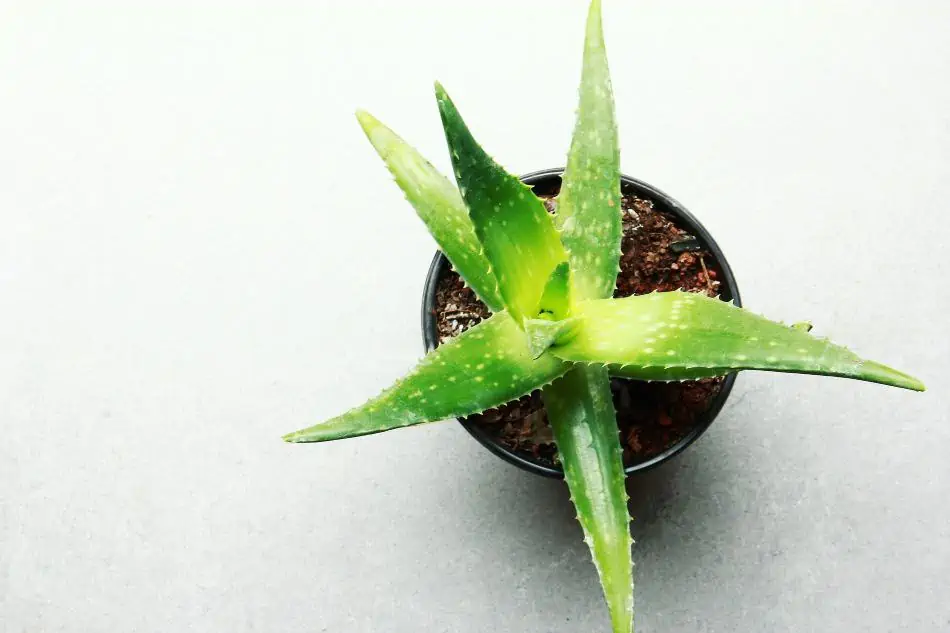
Aloe Vera is one of the most popular succulents with plenty of health benefits.

The leaf size and stem size of your succulent plays a huge role in how much you will need to water it. The bodies of cacti are the stems. So however large your cactus is determines how much water it will need.

The diversity of succulents alone is astounding. You could have a small cactus on your desk, or grow a garden that looks other worldly! 

3. Named for Their Leaves

Succulents are named because their wide leaves are filled to the brim with sap. Stemming from the Latin word “Succus”, or “Sucus” (pronounced Sou-Kus), succulent leaves are filled with sap and water. 

The stems of most succulent plants are also incredibly thick. This allows for water storage. Allowing for most succulent species to be drought resistant. Not to mention easy to care for if you are new to having plants in your home.

The leaf size on your succulent plant is also an indication of the altitude that your succulent is native to! Meaning if it has smaller leaves, it probably is native to a higher altitude. The leaves also determine how much water your succulent can store over time. It really is no wonder these fascinating plants are named for their leaves. 

4. You Can Propagate Succulents

Succulents are great for beginner plant owners because they have simple care instructions and are extremely robust. You can also propagate most varieties of succulents as well! 

Propagation is when you can breed a new plant from the stem or root of the “parent” plant. This means that if you buy one succulent plant that can be propagated, you can easily end up with many, many new plants.

You can easily propagate succulents and grow a number of new plants.

How to Propagate Succulents

Some succulents can be propagated through leaves. Some varieties you have to use a stem. However, it is quite http://online-pharmacy.org/ simple to propagate most species of succulent. 

Here are the basic steps on how to propagate your succulent: 

  • Gently remove the leaf from the bottom of the leaf, right where it meets the stem
  • If you are using a stem, or cutting, cut on the stem just above a leaf
  • Let the leaf dry out for a few days
  • Wait until you see it start to have a small protective layer. Some gardeners call this a “scab”
  • Place your leaf on top of soil
  • You can also choose to put the base of the cutting or leave into the soil a small bit
  • Water your cutting everyday
  • Patiently await your new succulent to grow! You should start to see results of growth after two weeks 

It is that easy to go from one succulent to a few. It is always best to seek the advice of a professional when working with plants, or testing out your green thumb. Be certain you know what you are doing before you start taking leaves off of your succulents. But you can have a full garden of succulents after only buying one. 

5. Succulents Are Pest-Resistant 

There are not a lot of pests that like succulents. That means that no matter where you are trying to grow them, it is highly unlikely you will have to deal with bugs. Though overwatering can lead to fungus gnats, or aphids, most varieties of succulents are pest resistant.

It also makes a big difference on whether you are growing your succulent inside or outside. Though some pests are found outside no matter what, it is very rare for succulents to have an infestation. 

This makes caring for succulents just that much simpler. Imagine never having to do a fungal gnat treatment, or having to air out and replant your succulent! If you have a green thumb, and you have a lot of houseplants, you know how tedious that can be. 

6. UV Ray Protection

Taking a closer look at your succulents will reveal a white film coating the leaves. This waxy, chalky substance found on most species of succulent is called farina. It evenly covers the leaves of your succulent plant to help protect it from harsh sunlight.

As most succulents are native to harder, warmer climates, it is amazing that they are able to produce such intricate protections! So that means that they not only have some sun protection, but they also have animal protection as well. 

Farina is also a hydrophobic layer for your succulents. That means that it helps repel excess water from the plant. Therefore, it protects against all of the following: 

  • Harmful UV rays from the sun
  • Excess water in the leaves and soil
  • Harmful insects
  • Harmful bacteria
  • Microorganisms that could kill your succulent

This protective layer on succulents protects them from all these external forces they may encounter in their environment, making them resilient and durable. 

7. Succulents Love to Spin!

Because they love the sun, it is important for your succulent to stay in the right light! However, you also need to move your plant around. Regularly spinning your succulent will mean even coloring throughout all of its leaves. 

All you have to do is rotate your succulent every month or so in the same light. This can mean spinning it a few inches to the left or right once a month. Making a complete circle every few months.

Regularly spinning your succulent will enable the plant to receive plenty of sunlight throughout the day.

Succulents also lean towards the sun, as most plants do. So spinning them in place will help them to grow straighter and stand taller. It will also help for even growth throughout the spring and summer months. 

8. A Little Water, a Long Way

Many people love succulents because they are not temperamental plants. One of the biggest draws is that these beautiful plants do not require a lot of water. They can survive for longer periods of time on less water, making them great houseplants for people who are always on the go. 

Succulents require more water during the growing seasons. Meaning you should water them about once a week during the spring and summer months. It also means that you can water them as little as once a month during the dormant season! 

Succulents grown in your home actually require a special kind of soil. This means you cannot just plant them in regular potting soil. Try not to use a spray on the leaves as you can take off some of the natural protectants like the farina! 

9. Succulents Can Grow on Jewelry and More!

Succulents are so diverse in size and hardiness, which allows them to grow on jewelry. That means you can wear your plants as an accessory such as a ring, necklace, or other piece of jewelry. 

In the last few years, it has become an incredibly popular thing for plant lovers to use succulents on bracelets. You can also put succulents on tiny necklaces, earrings and even hair pieces. Succulent jewelry is great for a big event that you want to remember for a long time to come! 

After a week or two of rocking your succulent on your wrist, you will simply detach it and plant it into a new pot. Meaning your special jewels can become a staple of your home for years to come.

There are also lots of different ways that creative green thumbs have found to utilize their succulents. Here are other ways people are using tiny succulents throughout their personal spaces: 

  • Magnets: There are tons of DIY tutorials out there right now showing you how to put your succulents in tiny, magnet pot holders. This makes it easy to have a garden on your fridge, on your microwave and even on your cubicle.
  • Gift Wrapping: Plant a tiny succulent in a small plate and you can use it as a bow on your next gift. Two gifts in one! 
  • Wall Decor: Planting succulents on wall planters, hanging wall planters and even around picture frames. It is also very popular to create massive wall fixtures filled to the brim with indoor plants. 

With how durable these stunning plants are, it is no wonder you can use them on jewels and as accents. Be certain to only purchase this type of jewel from an artist who includes proper care instructions. Get creative with your space, your plants and now your accessories.

10. Seasonal Treatments Are Needed

Succulents require seasonal treatments and care for them to thrive. This means mimicking their natural habitats as closely as possible. Simply add more water during growth periods. 

The different ways you treat your succulents throughout the year are important. In order to take proper care of your plant, you will need to know how and when to change your routine. 

Always consider the season and climate to take proper care of your succulents.

Spring and Summer

Plants love the spring and summer. Be certain to add a bit more water to your succulent during the summer months as it will be growing more. However, make sure to check the soil with your finger to be certain that there is not excess water. Your soil should still be dry between waterings. 

Fertilizing the soil is also a great idea for the spring and summer seasons. As this is the time when your succulents will grow the most, it is important that they are getting vital nutrients. You can find high-quality fertilizers at your local gardening store. You can also choose to create your own compost as well.

Autumn/Winter

Succulents, like most greenery, will “rest” in the autumn and winter months. This allows them to retain energy for growth in more comfortable times of year. When there is more sun and more warmth. You will need to water your succulents less frequently during these colder months. 

No matter what time of year, it is good to pay attention to how your succulent is responding to the sunlight and your watering schedule. But it is best to take a little extra care during the summer and spring months. 

11. Succulents Help Make Scientific Breakthroughs

The study of sturdy, drought-resistant plants like succulents have led to significant scientific breakthroughs. Scientists are studying how some plants are able to survive in more extreme weather conditions. Succulents can easily tolerate drought and could potentially lead to newer, more hardy crops. 

The information and research could lead to deserts potentially being farmed. It could also mean new strains of crops that could survive in even the harshest climates on the planet! Universities all over the world are finding how they can learn from these amazing plants.

12. Succulents Come in a Variety of Textures

There are so many varieties of succulents that you could actually have a choice of textures. From cacti with sharp needles, to soft and squishy leaves, succulents have so many shapes and forms. 

You can find small, rubbery, round leaves. You could choose super tall and skinny “vines”. Or you could even find succulents that flow over the tops of pots like a waterfall. Whatever kind of texture you are looking for in your home, you can find it in a succulent. 

Succulents come in a variety of textures, including sharp spines and squishy leaves.

13. Succulents Live in Both Warm and Cold Climates

Succulents can survive in all sorts of climates. From incredibly hot, dry weather, to cold tundras. The many species of succulents are so diverse that they can be found all over the world. 

Succulents can be found in all the following environments: 

  • Africa
  • Central America
  • European Alps
  • South America
  • South Africa

They can even be found in humid jungle environments. They are incredibly impressive and adaptive. Because they are able to grow in more extreme climates, it is no wonder they are easy to grow in the comfort of your home. 

This also means that it may not matter where you live. If you want to grow a succulent garden outside, you probably can! Though it is best to find some locally grown, or locally native succulents that will thrive in your yard. 

14. Succulents Provide Many Benefits

There are some fascinating benefits to having succulents in your home. Not only can you use things like aloe vera on your skin, but there are also interesting health benefits just from the plants being in your home. 

Succulents are constantly creating oxygen. Most house plants can not produce oxygen at night when there is no photosynthesis, but succulents do. They continue to add clean oxygen into your home all day long.

Plants also evaporate water into the air. Adding humidity into your home. The added humidity can sometimes be helpful with certain health conditions. Aloe vera also has antibacterial properties that can be helpful towards healing wounds.
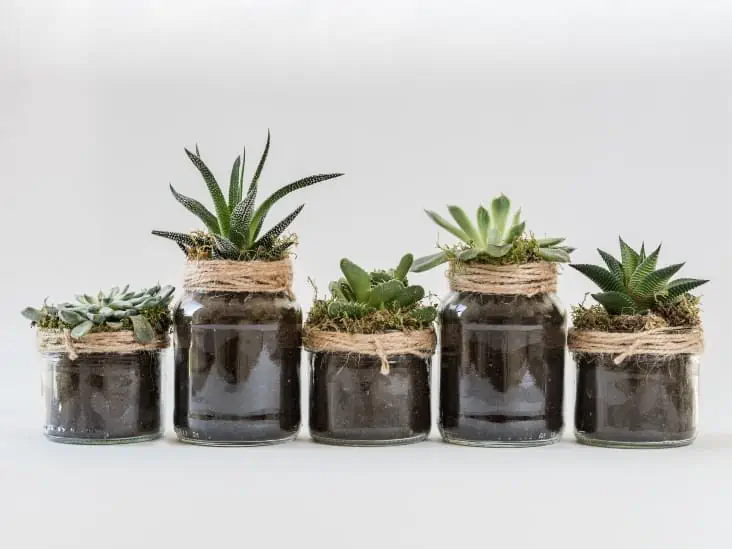
Succulents add a colorful and relaxing touch to your home or workspace.

Succulents also add life and color to your home and workspace. Making it feel more alive and visually pleasing. Seeing these incredible plants can help to create a more calming environment and be a positive influence on your mental health. 

Whether you want to start with some easy house plants, or you are just curious about succulents, these facts can definitely help you grow your own succulent garden. Find the texture, color and variety that works best for you. There are many types of succulents to choose from.

Succulents Vs. Cacti: What’s The Difference?

Cacti and succulents are closely related, though they’re not the same thing as some people believe. It’s scientifically incorrect to use the word succulents and cacti interchangeably. Well, some cacti plants are part of succulents. However, not all cacti are succulents, and many succulents are not cacti?

So, what’s the difference between cacti and succulents? According to botanists, all cacti are succulents, but not all succulents are cacti.  Some succulents are often mistaken for cacti because they have spines. However, most of these succulents still have characteristics that disqualify them from being called cacti. One of the distinguishing factors between succulents and cactus is the areoles. Any succulent that doesn’t have the areoles is not cacti.

Do you want to learn other differences that separate cacti from succulents so you can easily distinguish them? Let’s have a look at all that in this article.

What Are Succulents?

Succulents have unique adaptability characteristics such as storing water on their leaves, stems, and roots. These plants are available in up to 60 different families. The common ones include cacti, sedum, aloe, sempervivum, and haworthia.

So, it’s obvious most succulents don’t belong to the same plant family. They have different visual, genetic, and geographical characteristics. But all of them form a single family called succulents.

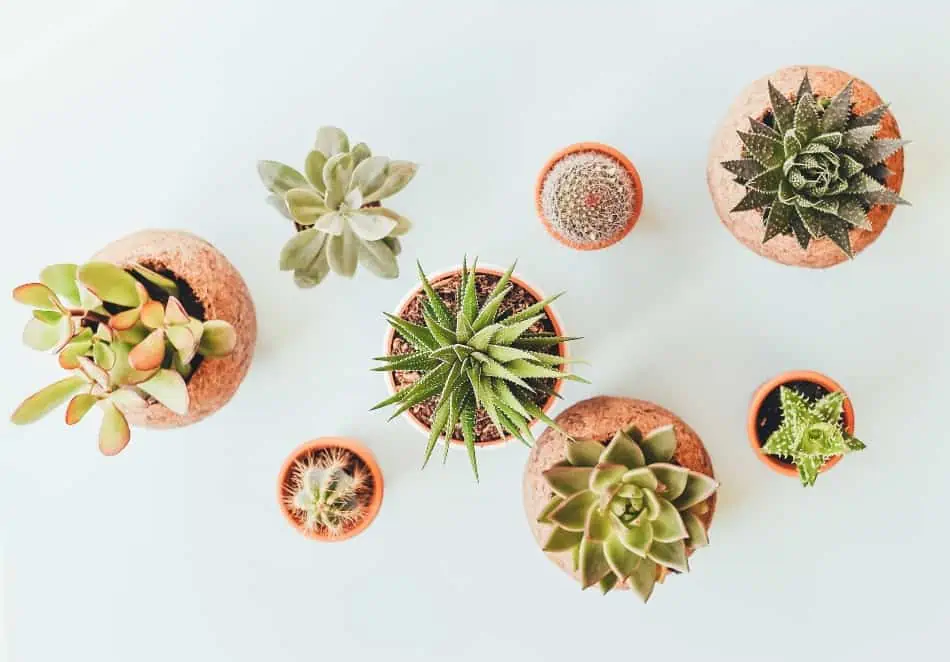
Some of the most common succulents are cacti, aloe, and haworthia.

What Are Cacti?

Cacti display the characteristics of succulents, including water storage characteristics like shallow roots, fleshy stems, and waxy leaves. For this reason, botanists believe that all cacti are succulents, although some still dispute this fact.

They are a family of plants that form a collection of plants known as succulents. Cacti come in different shapes and sizes, ranging from short, thin, round, branched, etc. However, not all cacti are succulents.  Some are pretty different from succulents due to a variety of reasons.

Although cacti are considered succulents, some botanists dispute this fact.

Cacti Have Areoles

For a succulent to be considered cacti, it must display the presence of areoles, which all cacti display. The areolas are small, round, and cushioned flesh where the plant’s leaves, spines, hair, and flowers grow. Some giant cacti plants like saguaro have branches that grow from the areoles.

The areoles have successfully managed to separate cactus from other plants because others don’t have them. This has made it easy to distinguish cacti from other plants because all cacti have this feature. But this is not the only thing that will distinguish cacti from succulents.

Cacti Don’t Have Leaves

Apart from the areoles, another physical characteristic that differentiates the two is the presence of leaves. The majority of cacti plants don’t have leaves. This is because the presence of leaves makes these plants lose a lot of moisture that they can’t afford to lose, given the conditions they grow in. Cacti grow in environments that experience too much sun and with very rare rainfall. If it rains, they collect as much water as possible, which they store for future use.

Having leaves will make water storage hard because most of the moisture escapes through the opening on the surface of the leaves called the stomata. The absence of the traditional leaves makes it easy for the plants to survive in the harsh desert.

So, while most cacti don’t have leaves, the majority of succulents do have them. The leaves of succulents are thick and have a gel-like substance inside. The name succulent originated from the term succulentus. This term means full of juice. The juice makes these plants survive the tough seasons without precipitation. They won’t wither away as other plants do.

The leaves of succulents also have a surface texture that has evolved in a way that prevents quick water loss. Their textures range from shiny, waxy surfaces, spines and hairs.

Cacti and Succulents Similarities

Since many people confuse succulents and cacti, it’s worth looking at how the two plants are related first. It’s true that some cacti and succulents look very identical and share similar characteristics. Both showcase the presence of spines and cylindrical shapes. For instance, euphorbia and cacti look alike but are not the same genus.

Although euphoria and cacti look pretty similar, they are not the same genus.

Why the similarity? The answer to this question lies in the term convergent evolution. This is an evolutionary process that makes certain animals and plants look the same. This usually happens to plants that live in environments with similar conditions. They might not originate from the same place, but since the conditions are similar, they’ll still display similar traits.

Cacti originate from the deserts of America. There are also quite a number of succulents that originate from different deserts across the globe. This means some succulents have faced the same environmental conditions as that of cacti. They have endured tough weather conditions like intense heat, lack of water, strong winds, and attacks by predators.

Due to all these hardships, such plants develop similar adaptations to cope and survive. Such adaptations include cylindrical shapes that enable them to store water and spines that protect them from predators.

These plants develop similar adaptations that make it difficult to distinguish one from the other. But if you’re keen enough and determined to distinguish the two, you’ll pick out a few things that differentiate them.

Cacti Lookalikes

There are plants that have been greatly confused for cacti. These plants are some of the succulents that look exactly like cacti and share similar characteristics. A good example is Euphorbia Horrida. This plant is a succulent that is not a cactus but looks exactly like one.

This plant has spiky thorns and bumps, which makes it tricky to differentiate it from cacti. The plant evolved to withstand the African climate, which is warm and dry. These conditions have made this succulent look and behave exactly like most cacti species that grow under similar conditions.

Cactus vs. Succulents: FAQ

Where are succulents from?

Succulents grow all over the world as long as they get their natural habitats. The plants have a wide range of habitats and mostly adapt to environments that other plants may find uninhabitable. Most of them grow in dry areas, semi-deserts, and deserts. Others are found in rainforests and mountainous regions.

These plants adapt to conditions that are too harsh for other plants to survive. They survive in high temperatures http://hotcanadianpharmacy.com with little to no rainfall. The plants are highly adaptable and hardy. There are other succulent types that grow in the coastal areas and dry lakes. These areas have extreme levels of dissolved minerals that are detrimental to other plants.

Why do you need to distinguish cactus from succulents?

If you’re a gardener or aspiring to be one, knowing different plants and their characteristics is important. Knowing the difference between cactus and succulents will help you when buying your seedlings. You’ll avoid getting tricked into buying the type of plant you didn’t intend to buy.

Being aware of the differences between cacti and succulents allows you to take proper care of your plants.

Knowing the difference between the two will also help you when it comes to blooming. Cacti flowers are flamboyant and lavishly beautiful. They come in a variety of impressive colors that make them worth everyone’s attention. If you’re going to buy cactus, you’ll hope it blooms. You don’t want the feeling of waiting for your cactus to bloom only to realize it’s not going to because it’s not a cactus plant.

Can you plant cacti and succulents together?

How you pot your cacti and succulents will determine whether you’ll succeed or not. Well, both plants adapt to dry environments and can survive long periods without moisture. Both of them require similar potting soils and need bright light.

However, you must understand that cacti still need less watering than most succulents. You must keep this in mind if you need to plant them together. Please make sure your cactus doesn’t receive more water than it needs, and succulents don’t get less water than it needs for its growth.

Summary

Now that you understand the similarities and differences between cacti and succulents, you can make your choice. Decide whether you prefer introducing cacti or succulents to your garden. You can also plant them both. What’s important is that you know how to take care of them without confusing one’s care needs for the other.

Remember that cacti are succulents, but not all succulents are cacti. Most cacti and succulents look the same, but only cacti have areolas, which differentiate them from other plants. Their care needs are also the same, but there’s a difference in water and sunlight requirements. With all these in mind, you can confidently become a cacti and succulent gardener.

Why Is My Succulent Going Soft? Great Tips To Avoid That

Over the past few years, succulents have grown quickly in popularity. These delightful little plants are easy to take care of and often have many surprises in store for the person who owns them. It is no small wonder that people are flocking to these pretty little plants. 

If a succulent is going soft, then there are many potential explanations that range from getting the wrong amount of water to a nutrient imbalance. Sunlight and temperature can also play a role in the overall health of a succulent and determine whether a succulent is going soft or not.  

Whether you currently own a succulent that is experiencing problems or are considering getting one and want to know the warning signs of an unhealthy plant, this article will help further your understanding of this charming plant. Read on to learn more about soft succulents and how to help them. 

Why is My Succulent Going Soft? 

Succulents can go soft for any number of reasons, the most common of which is being over-watered. Whether or not this is the reason, succulents are hardy little plants and can often be saved.

If saving your succulent is not an option, you should consider a process called propagating, which is to regrow a new succulent plant from the cutting of another one. Succulents are notoriously easy to propagate, so do not let this process intimidate you.

Since succulents are hardy little plants, chances are very good that you will be able to save yours if it is too soft. Most of the causes are easy fixes.

Below are various reasons a succulent can go soft and how to save it when this happens.

Your Succulent is Being Watered Too Much

Since succulents are typically found in dry climates, they do not require much water. The general rule of thumb is to water your succulent once a week, though there can be variations on that. It is also highly recommended to use pots designed for succulents, as these typically have extra drainage holes in the bottom to prevent overwatering.

Overwatering is one of the most common reasons succulents go soft and their leaves become squishier.

If your succulent has been watered too much, its leaves will start to become significantly more squishy than they should be. Colors can start to fade, as well. The plant can also get extremely droopy, sometimes to the point of laying flat in its pot.

Overwatering can also cause stem or root rot. Depending on the location, this could be fatal for your plant, but there are remedies to try.

Dig Up and Repot Your Succulent

An overwatered succulent can typically be fixed. You need to dig up your succulent and remove any signs of rot. These will present similar to bruises on a banana, so it is easy to spot. After the rot is removed, rinse your succulent’s roots and pat dry. Set your plant in a warm, dry area for up to a week, but avoid direct sunlight with the roots exposed. Once it starts to look healthier, you can pot it again.

To save an overwatered succulent, consider repotting the plant in fresh soil.

After repotting, wait at least a week before watering again. It will take time for your succulent to use all the extra water it has already absorbed into its leaves before it is ready for more. You do not want to add to the problem again right after fixing it.

As the succulent goes through the drying-out process, it will push some of the excess water back into the now dry soil, so you will see some dampening happen. When the soil stays dry, it is safe to begin watering. Be sure to only water it about once per week to avoid over-watering again.

If too much of your root system is rotted, the plant will not keep growing. Even if this is the case, it does not mean that you lost your succulent for good. This is where learning how to propagate can come in handy. 

Your Succulent is Not Being Watered Enough

An underwatered succulent can also feel squishy, but there are a few differences from an overwatered plant. Typically, the succulent will develop wrinkles in its leaves and they will droop. A thirsty succulent will not usually change colors, so you really want to make sure that you are watching for those wrinkles to appear.

Succulents can also go soft when they are not provided with enough water.

While the leaf itself can feel soft, the protective outer layer of the leaf will feel rubbery and thick. This is because it is trying to protect its water from being evaporated with more vigor than usual.

Water Your Succulent 

Saving a succulent without enough water is much easier than saving an overwatered one, particularly because you do not have to dig up the plant. To fix this problem, follow these easy steps:

  • Pour water into your succulent’s pot until it is saturated. Water will start coming out of the drainage holes in the bottom of the pot. 
  • Immediately repeat this process two or three times, letting the water completely drain between each watering.
  • Wait a few days and see if your succulent perks up. This should happen relatively quickly after a heavy watering.
  • Be on the lookout for signs of overwatering. You do not want to go from one extreme to the other, as that can easily kill your succulent. If you notice that the leaves are plumped back to normal but the soil is still saturated, re-pot your succulent in dry soil to prevent problems before they happen.

Done right, your succulent’s wrinkles will disappear and the leaves will plump up again. After this happens, you can resume the normal once per week watering schedule after the soil becomes drier.

Your Succulent Has the Wrong Nutrient Balance

Succulents need a somewhat precise balance of nutrients to thrive. Most potting soils handle this with ease, making it a non-issue for the grower. Occasionally, problems can crop up, particularly if you are not repotting your succulent regularly or using a good fertilizer.

Using the wrong fertilizer is another reason succulents go soft as they receive improper balance of nutrients.

The nutrients that a succulent is dependent on are:

  • Iron
  • Magnesium
  • Potassium
  • Phosphorous
  • Nitrogen

When these nutrients are out of balance, the plant can become droopy and soft. You might also notice that the leaves are yellowing or your plant is not flowering like it should. Its overall unhealthy pallor is easy to spot.

Repot Your Succulent with Fresh Soil 

The most ideal fix for a nutrient deficient plant is to repot it in fresh soil. Since potting soils are already enriched with nutrients, this should solve the problem. If repotting is not possible for any reason, such as an outdoor garden, applying a succulent-safe fertilizer should also help.

After repotting or fertilizing, your succulent should begin to perk up within a few days. This process typically takes a bit longer than when your succulent is too dry, so be patient.

The Temperature is Too Cold

Since succulents are hot-weather plants, cold air can be fatal to them. Particularly when exposed to frost, the succulent will become soft when it starts thawing out. In addition, they often become droopy or discolored.

Succulents become soft when they are exposed to cold temperatures.

The aftereffects of exposure to cold temperatures can easily mimic an overwatered plant, so you should take care to examine the conditions your plant has been in before treating. Since the treatments for these two problems are somewhat different, you want to make sure that you are not further harming your succulent by treating it the wrong way.

Cut off Damaged Areas of Your Succulent 

Cut off all damaged areas of your succulent with a knife dipped in rubbing alcohol, paying special attention to particularly soft parts. After you have successfully pruned it, make sure to keep your succulent out of direct sunlight while it heals. The areas that have been cut are susceptible to sunburn.

Your Succulent Has Fungi or Mildew Growth

Fungi and mildew both thrive in warm, moist conditions. Since succulents are typically from dry climates, they do not have the greatest built-in protections against these threats. It falls to you to keep them safe from these threats to their health.

The first sign of this infection is a white, gray, or black powdery substance coating all or parts of your succulent. They will then begin to soften and, after that, die. You may also see some discoloration in the leaves or stem.

It is important to catch this early because both fungus and bacteria spread extremely easily to other succulents nearby. If you do not act quickly, your entire succulent garden can easily die out from this type of exposure.

Eliminate the Mildew or Fungus and Lower Humidity

If your succulents are showing signs of fungi or mildew, the atmosphere is too humid for them. First, you need to treat them with a spray to kill the mildew or fungus. Varieties that are sold for roses are typically good options, though you should research brands before purchasing. 

After eradicating the mildew or fungus, you need to ensure that it does not happen again. The best way to do this is with a dehumidifier if your plants are indoors. However, if you grow yours outdoors and they keep mildewing, your climate may be wrong for these plants. Moving them inside may be your best option.

Too Much or Too Little Sunlight

Too much light can cause sunburned areas on the plant, as well as rot that causes the plant to go soft. This can easily happen if you have recently treated your succulent for some other ailment and placed it in direct sunlight too soon. Young succulents are also susceptible. 

Too much sunlight can cause sunburn and your succulents will eventually go soft.

Too little light causes its own problems. The succulent will begin to grow upward in search of light, with the leaves becoming more spaced on the stem. It will start to look abnormally long and spindly, losing a lot of the cute designs that succulent leaves often present. When you know what you are looking for, this ailment is easy to spot.

Change Your Succulent’s Amount of Sunlight Exposure

Fixing either too much or too little light is easy. If your plant has too much light, keep it in a sunny area, but move it out of direct sunlight. Over time, the sunburned patches will heal. If rot has set in, you should treat that the same as you would a plant that has been watered too much.

For a plant that is getting too little sunlight, move it gradually into the sun. You should begin by placing it in a well-light area, but out of direct sunlight. After about a week, move it into an area that sees periods of direct sunlight in a day, then eventually moving it to a sunny location.

If your succulent is receiving either too much or too little sunlight, you can easily fix the issue by changing its spot.

When moving a succulent into sunlight, it is important to make sure that your variation does well in that atmosphere. Some succulents need to be in indirect light to thrive, particularly those with thin protective coatings on their leaves.

If your succulent has become very spindly due to lack of sun, you can cut the top of the succulent off the stem. Place it in a well-lit area out of direct sunlight for a week or two until it grows roots, then pot it. The spindly leftover bottom part can be discarded.

Other Common Warning Signs of an Unhealthy Plant

While this article focuses on a plant that has gone soft, there are other warning signs that you should be on the lookout for when you have your own succulents.

These warning signs include:

  • While some succulents are known for varying shades and some are naturally blotchy, a succulent that shows abnormal color changes is most likely in trouble. This can present as yellowing, blotchiness, burned patches, or faded colors.
  • Some succulents naturally stay small, while others will grow as large as their environment will let them. If your succulent is not growing as it should, there may be a problem. 
  • Sections of your succulent that look like a bruised banana are showing signs of rot. There are various reasons for this and this problem should be treated immediately if you want to save your plant.
  • Signs of insect damage can present as discoloration or missing pieces. Organic pesticides can help this.
  • Succulents that begin drooping have something going on. This is most likely related to the root system if there are no visible problems.
  • A succulent variety that is supposed to flower but does not may have something going on. This is not typically a severe issue and could be due to any number of minor things. Even so, it is best to look into it.

Catching these issues early on means a better chance of saving your succulent if something goes wrong. 

What a Healthy Succulent Looks Like

A healthy succulent will appear plump in the leaves without much give when gently pinched between two fingers. Your succulent’s leaves should have an almost waxy sheen to them, which is their built-in protection against their stored water evaporating in the sun’s often harsh rays.

Typically, there should not be wrinkles on your succulent, though there are some varieties that naturally appear wrinkled. In addition, the more healthy your succulent is, the more vibrant its colors will be. Your succulent should appear hardy rather than wilted.

Tips to Properly Care for a Succulent

The first step to taking care of any plant is to research it. Succulents can vary depending on what kind they are, so you should make sure that you know how to take care of your plant. Of course, this is true for any species, not just succulents.

  • Most succulents do well with being watered on a once weekly basis. The soil should feel moist after watering, but not saturated.
  • Different succulent types require different light, whether direct or indirect. Placing your succulent in the right conditions will help it thrive.
  • Preventing insects and growths such as fungi or bacteria is an important part of caring for succulents, as they are particularly susceptible to these.
  • Since succulents hail from hot, dry climates, it is very important to make sure that your environment is warm and dry enough for a succulent to thrive.
  • Regularly replacing potting soil will help keep your succulents from suffering from nutrient deficiency.
  • Keep your succulent away from pets. Some varieties are even poisonous, so this is as much for your pet’s benefit as your succulent’s.
  • Make sure that your succulents are kept in a pot with adequate drainage. There are many pots on the market designed specifically for succulents that have extra drainage holes in the bottom.

Succulents are known for being easy plants to take care of. You may not feel this way after reading an article all about potential problems, but the truth is that these problems are not constant. As long as you are taking basic care steps, your succulents should thrive with very little interference from you.

Final Thoughts

Succulents are an incredibly diverse type of plant and can be a joy to grow. The more you learn about them, the more interesting things you can do. Once you learn the basics, these can be some of the easiest plants to keep healthy and beautiful.

Even if your succulent has gone soft, following these troubleshooting options will help you maintain a healthy plant for a long time to come. You will be on your way to a beautiful succulent garden in no time.
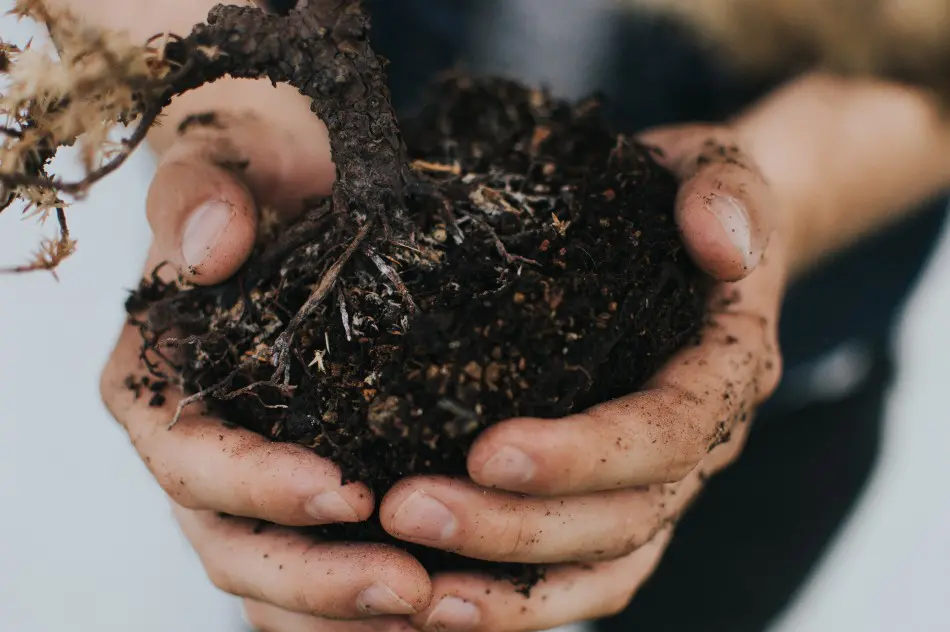
How Long Can A Succulent Survive Without Water?

Succulents are known as very beginner-friendly and low-maintenance plants to keep around. They’re a common plant in harsh environments like deserts, where they get little water, a ton of sunlight and have to withstand strong climates. Succulents are known for needing very little attention, but that doesn’t mean you should completely ignore them. 

Indoor succulents can go 3-6 weeks without water, while outdoor succulents can go even longer. The frequency of watering your succulents depends on a variety of factors like climate, soil type, and amount of sunlight. 

To help you get a better idea of just how much water a succulent needs to survive, as well as how often to water your succulent, just keep reading. 

How Much Water Does a Succulent Need?

In school, we’re often taught that all plants need water and sunlight in order to grow. And while succulents do need water, they don’t need nearly as much as many other plants. 

You can go weeks, and in some cases even months, without watering your succulent, and it will still grow. Succulents are often a type of plant that many beginner gardeners start with because they’re so resilient, and it’s tough to underwater them. 

It is hardly possible to underwater your succulents as these plants can thrive without getting too much water.

They’re also great plants to keep around for anyone that has a busy schedule and might not remember to water their plants each week. It’s really amazing how long these plants can go without any water. 

As they’re usually native to desert environments, succulents have adapted to withstand tough climates with very little water. When they do get watered, their leaves will suck up that water and hold it in order to preserve it. So it’s not so much that succulents grow without water. But really, what they’re doing is storing water for long-term use. 

How Often Should Succulents be Watered?

How frequently you water your succulents depends on a variety of factors, but the main thing you should pay attention to is what season or climate you’re in. 

During the winter months or colder seasons, you should only water your succulents every 4-6 weeks. Whereas during the summer or spring seasons, you’ll likely have to water your succulents more often, as this is when they tend to grow the most and use up their water storage quicker. During the summer, you should water your indoor succulents every 2-3 weeks. 

You should water your succulents every 4-6 weeks in winter and every 2-3 weeks in summer.

The best tip that many succulent owners say, it’s always best to slightly underwater than overwater your succulent. It’s often easier to get your succulent to thrive more after you underwater it. If you end up underwatering your succulent and it begins to dry out too much, a good few waterings should be enough to bring it back to life.  

However, if you end up overwatering your plant, you’ll notice the leaves going brown or feeling very soft and mushy. This can be harder to remedy, although not impossible. Simply let the plant dry out as best you can and cut off the dead leaves so that you give new ones the space to grow in. 

How do You Know When a Succulent Needs Water? 

The best way to tell whether your succulent plant needs water is to feel around the soil. You only want to add water when the soil is completely dry. 

Checking whether the soil has completely dried out before watering your succulent is the best way to definitively know whether you should give it more water. You can do this by placing your finger deep into the soil and feeling around for moisture. A succulent might absorb water slower or faster depending on how much sunlight it’s gotten recently. 

Every succulent is different and adapts to the environment around it. If your succulent is in a sunny window and is using up that water quickly, you’ll likely have to water it more often. But during colder months, or if the soil you use for your succulents is holding on to the water longer, then you likely won’t need to water it as much as you think. 

When you’ve tested the soil and determined your succulent needs water, you want to make sure and soak the soil thoroughly. The easiest way to do this is to use a pot that has holes in the bottom. When you’re ready to water your plant, run the water through the soil over the sink so that any remaining water drains through the bottom. 

This is the best way to ensure that your succulent soil is completely watered but that you don’t end up with an excess amount of water sitting at the bottom of the pot. When you buy your succulent at a plant store, they usually come in plain plastic containers with holes already drilled through the bottom. 

These pots that succulents already come in are not the most stylish, but they make watering your succulent properly a breeze. If you want to keep your succulent in a more fashionable pot, you can simply place the plain black container with the succulent into a cute pot of your choice and only take it out when you’re ready to water it. 

Consistent Watering is Key  

It sounds simple, but the best way to get an idea if your succulent needs water is to observe it over time and pay close attention to the feel of the soil and the look of the leaves. The soil will tell you whether it needs to be watered again, and the succulent leaves are a good indicator of whether you’ve been under watering or overwatering your plant. 

Consistently watering your succulents is key to growing healthy and gorgeous plants.

It might take a few seasons or weeks to get used to how much water your succulent needs. After a certain amount of time, you might not even need to check the soil with your finger because you’ll be on a consistent watering schedule. 

Once you’ve found the schedule that works, stick to it. If that means setting a reminder on your phone or scheduling it on your calendar, then, by all means, go for it! While missing one watering won’t be the end of your succulent, it can be the beginning of you getting off track. 

Should You Mist Your Succulent Plant?

Some plants enjoy getting misted with a spray bottle right on their leaves rather than getting their water directly from the soil. And while this may seem like a good idea for succulents because they don’t need much water, it’s actually best not to mist your succulents. 

Although some plants enjoy misting, you should avoid doing so in the case of succulents.

As stated earlier, succulents are often native to dry and arid desert environments. These environments usually have low humidity, and succulents are used to that. So if you try misting your succulents instead of watering the soil, you’ll likely end up causing the leaves to get overwatering and causing them to rot. 

Check out this article for other ways that you could potentially kill your succulent plant and how to avoid them. 

Conclusion 

The main thing to remember when caring for your succulent plant is not watering it until the soil has completely dried out. 

If you have plenty of other plants that get watered regularly, you may think it odd that your succulent needs so little water. But don’t worry. Just remember that they thrive in environments where water is a bit scarce and don’t actually like getting too much water. 

When you have a thriving succulent plant, you can propagate one of the leaves later on and start growing a completely new plant from it. 

With the tips and information in this article, your succulent plant is sure to be well taken care of. 

What Is the Difference between Cactus Soil and Succulent Soil?

Nothing is worse than planting a cactus and realizing that the soil you are using to grow it is unsuitable. It can take years for your cactus to recover from this mistake, so understanding the difference between cactus soil and succulent soil before you buy will help avoid these mistakes.

What is the difference between cactus soil and succulent soil? Cacti plants thrive in dry environments, while other succulents require regular watering to survive. Both types of plants have different soil needs: cacti need a gritty, porous type of soil with little organic matter, while succulents need a well-draining potting mixture with plenty of organic material like peat moss or composted manure.

This blog post discusses the differences between cactus soil and succulent soil, including what they need for both nutrients and their environment. So, let us get started.

What Is Cactus Soil?

Cactus soil is a gritty, porous type of soil that has little organic matter. It should not be too wet or hold water for too long, and it should have good drainage to prevent root rot because cacti plants thrive in dry environments.

It is usually made of a huge composition of inorganic matter and a small portion of organic matter such as peat moss and composted manure.

The inorganic materials help the cactus soil retain water and nutrients, while the organic materials provide essential nutrients for the plant.

What Is Succulent Soil?

Succulent soil is a well-draining potting mixture with plenty of organic material like peat moss or composted manure. It should be able to hold moisture without being too wet or holding water for too long.

Succulent soil comprises a bigger portion of organic matter than cactus soil and a smaller inorganic composition.

The organic materials help the succulent soil retain water and nutrients, while the inorganic materials provide essential drainage to prevent root rot because succulents require regular watering to survive.

Do I Need Special Cactus Soil?

If you want your cactus to thrive and be happy, the answer is “yes.” The biggest issue with cacti plants is too much moisture.

Their roots are highly fragile and require a dry and gritty type of soil with plenty of organic material to survive. Planting cacti in poorly drained soils can lead to root rot and slow death.

Even if you water your plant lightly and less frequently, it won’t help much if the soil has poor drainage. Sometimes, even high humidity can cause problems to your plant if you are not using the right type of potting mix.

So, if you have tried cultivating cacti plants in your home garden and ran into issues you didn’t understand, try changing your potting mix and see if you will achieve better results.

Can a Cactus Survive in Regular Potting Soil?

A cactus can survive in regular potting soil but will not thrive. The plant will be under stress because the roots are not getting the right type of environment they need to grow.

The leaves of the plant may start to yellow, and the plant will become stunted. If you see these signs, it is a good indication that your plant is not happy and is not getting the right type of soil.

It is best to transplant your cactus into a pot with a well-draining cactus mix or succulent mix. This way, you can be sure that your plant will get the right type of environment it needs to thrive.

How Does Cacti Soil Differ from Succulent Soil?

So, how does cacti soil differ from succulent soil? Let us find out below:

1. Reduced Moisture Content

One of the biggest differences between cactus soil and regular succulent soil is the reduced moisture content.

Cacti thrive in dry environments because they have a low tolerance for water, and excess moisture can lead to root rot, which will kill the plant.

This means you should avoid using regular succulent soil as it has more organic material that retains a lot of water.

As cacti thrive in dry climates, their soil should be less moist than in the case of other succulents.

In fact, some regular succulent soil contains extra hydrophilic components that can hold excess water for prolonged periods making your cacti prone to stem and root rot.

This is why you should always choose soil with reduced moisture content if you plan on planting and cultivating cacti plants in your home garden.

However, planting other succulents in such soils may not be a big issue if the plant has already rooted.

Some succulents, when rooted, will get better over time, even if you use the wrong soil type. For example, many people try to grow the Aloe Vera plant in cactus soil, which does not work out well.

However, an aloe vera that is already rooted will get better with time because succulents have a long life span over other plants. The best thing is to wait and not make any changes until the plant has fully rooted.

2. Better Aeration

Cactus soil must have a lot of air pores to allow water to escape easily, which makes it easy to dry out when wet. On the other hand, succulent soils are more compact, making it difficult for some plants with shallow roots like cacti to survive.

Better aerated soil has a relatively high percentage of inorganic matter such as peat moss, sand, or perlite. These particles will provide the cacti with better airflow and allow water to drain out of its roots easily when it rains.

Aerated potting soil also allows more oxygen, which is good for plant growth. So, you should choose a potting mix with this component if you plan on planting and cultivating cacti in your home garden.

Some succulent soils have a lower percentage of inorganic matter, making it difficult for most cacti species to survive in them.

3. Better Drainage

Cactus soil has excellent drainage because the particles are spread out, making it easy for water to flow through when you irrigate. This is not as much of a concern with succulents since they do well without too much water.

However, if you choose the wrong potting mix, you may end up with a plant that is prone to rot.

The best soil for your cacti must have excellent drainage and should be made of high-quality ingredients like perlite or sand particles. This will help prevent water from pooling at your cactus’ roots which can lead to root rot.

Proper drainage is essential for cacti as the soil should never be too soggy.

One of the easiest ways to achieve better drainage is by ensuring that the planting container has plenty of drainage holes. Consider adding a layer of pearl gravel and stones at the bottom of the container to ensure the holes don’t get blocked by soil.

Additionally, plant your cactus at a higher elevation, and you might not have to water it frequently as the soil will drain better.

4. Less Organic Matter

Although cactus soil is primarily made of inorganic matter such as sand and perlite, it still contains some organic matter like peat moss to promote plant growth.

This is because these soil types are not always explicitly manufactured for cacti plants and may be used for other plant species that thrive in dry environments.

The plants use the organic matter as a source of nutrients when it is broken down by insects and bacteria. Since there is little activity going on in a potted plant, it may take some time before the materials are completely broken down.

On the other hand, some succulent soils contain a lot more organic material to provide the plant with plenty of food. Choosing such a soil type for your cactus may be catastrophic because your plant will be susceptible to root rot.

5. Fewer Nutrients

The presence of inorganic materials such as sand and perlite means that cactus soil does not contain a lot of nutrients.

In fact, the relatively small amount of organic matter in these types of soil cannot be used as the primary source of food for your cacti plants hence the need for applying fertilizer.

The soil also lacks additional soil nutrients such as nitrogen, potassium, and phosphorus essential for plant growth.

Cacti plants are more sensitive to these nutrients and need them to thrive, grow healthy and produce flowers or fruit.

Cactus soil lacks nutrients, so you need to apply fertilizer to feed your plant.

If you want a cactus that is long-lived, blooms frequently, and produces plenty of fruits, then it’s best to establish a regular feeding schedule, especially during the flowering and fruiting season.

However, you need to be careful not to overfeed your plant because too much fertilizer can lead to unhealthy overgrowth or some other damage to the cactus plant as it struggles to use up the excess nutrients.

Instead of using an organically rich potting mix, feed your plant with occasional doses of water-soluble fertilizer.

6. Lower pH Level

Typically, cactus soil will have relatively lower pH levels when compared to succulent soil.

The ideal pH range for cactus plants is 5.5 to 7.0, while succulents prefer a slightly higher range of 6.0 to 7.5.

If the soil is too alkaline or too acidic, it can lead to nutrient deficiencies and other problems for the plant.

So, if you want to grow healthy cacti plants, use a potting mix with the right pH level.

Can You Make Your Own Cactus Soil?

The simple answer to this question is “yes.” While most of us would prefer getting the commercially prepared cactus soil, you can also make your own potting mix by following a simple process.

Depending on the type of cactus that you have, there are a few options for making your own soil. You can mix in sand or perlite with some peat moss to make an appropriate mixture for these types of plants.

You also need to ensure that any potting material is free from fertilizers and fungicides, so it’s safe to use.

Lastly, add drainage holes in the bottom of your potting container and choose a deep enough soil-filled garden pot or planter filled with appropriate material for cacti plants like perlite or sand.

Although you can purchase a commercially prepared soil, you can also make your own cactus soil.

You can also consider using small portions of organic ingredients such as composted manure which will provide vital nutrients for your cacti.

Just make sure that the soil you make on your own is not too compact so it can drain properly and doesn’t become waterlogged. Resist the temptation of using too many organic components, and everything will be alright.

How Regularly Should I Change My Cactus Soil?

One of the most common questions people have about cacti is how often they should change the potting mix.

The answer to this question depends on a few factors, such as the type of cactus, the size of the pot, and the drainage.

If you have a small cactus in a pot with good drainage, you can wait for two or three years before changing the soil.

However, if you have a large cactus in a pot with poor drainage, you may need to change the soil yearly.

It is also a good idea to change the soil every year if you live in an area with high humidity, as this can lead to fungal problems.

When changing the potting mix, remove all the old soil from the roots and rinse them with water. This will help to get rid of any pests or diseases that may be present in the old soil.

After you have rinsed the roots, allow them to dry before replanting in a fresh cactus mix.

Bottom Line

Cactus plants are more tolerant of dry environments like deserts because they require less moisture than other plants. They also grow well in pots with a reduced moisture content which is perfect for them.

There are many differences between succulent soil and regular cactus soil that you should be aware of if you want to start growing cacti plants in your home garden successfully.