7 Steps For The Perfect Succulents Garden

If you’ve walked through any trendy boutiques or cafés recently, their perfect succulent gardens may have caught your eye and left you wishing for one of your own. Succulents are the ideal houseplant for many, especially those of us without a green thumb. These water-storing plants are easy to care for and offer various textures and colors that can instantly spruce up a home. 

Effortless landscaping and adding life to your home décor doesn’t require expert gardening skills. Succulents are pretty simple to care for, making them a favorite for indoor containers and houseplant greenery. Read on for seven easy steps to creating your perfect succulents garden, with a few tips along the way. 

Decide if Your Succulent Garden Will be Indoor or Outdoor

How you design your succulent garden and the plants you chose to put in it are all going to depend on whether your garden will be kept inside or grown outdoors. While this may be a debatable topic among succulent enthusiasts, really, the best place to grow your succulents is the place that works best for your unique situation. 

Growing Succulents Indoors

There is no doubt that succulents grow well indoors. We’ve all seen the beautiful succulent walls in cafés and terrariums set up on windowsills and as centerpieces.

Building your garden inside is a simple and low-maintenance way to add a bit of greenery to your home. This will also protect your succulents from pests, extreme weather, and temperature fluctuations. 

However, keep in mind that succulents need to be in a well-lit area. While most people keep their succulents in a window, this isn’t necessarily a requirement if the lighting in your house is good. Soil also takes longer to dry out inside, making you keep an eye on the soil to prevent root rot. 
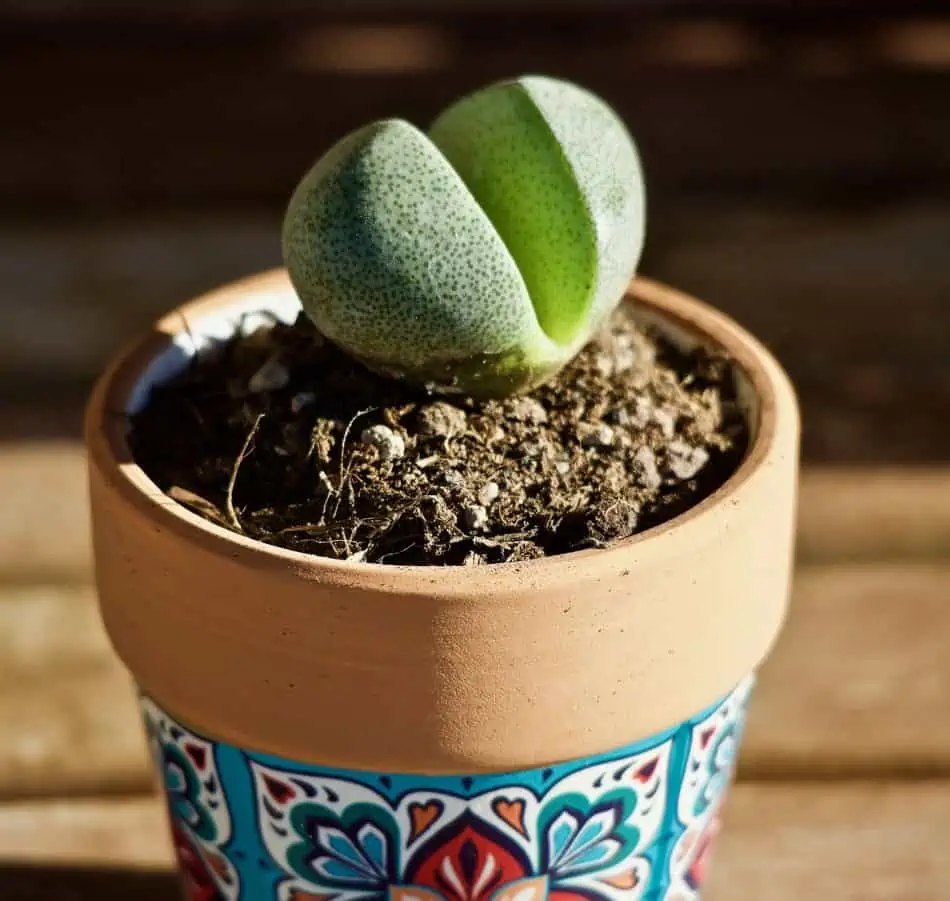
Make sure your succulents get plenty of sunlight when growing them indoors.

Growing Succulents Outside

Succulents are hardy little guys that have evolved to endure many of the harsh conditions that come with living outside. They do well in a range of climates, so if you’re hoping to plant your succulents outside, this is certainly an option. 

Always protect you succulents from extreme weather when growing them outdoors.

One of the primary dangers of keeping your plants outside is harm from extreme weather. Though they love sunlight, they aren’t necessarily a fan of extreme heat or cold. They are at risk of burning from prologued exposure in 90 degrees Fahrenheit temperatures, and since they have shallow roots, they are sensitive to freezes as well. 

The upside to growing outdoors is that you have a lot more space to work with. Finding light shouldn’t be as much of an issue as it is indoors since you aren’t confined to windowsill space. Really, the only thing limiting you here is the climate, so make sure to do your research before deciding where to put them. 

Check Your Plant Hardiness Zone

If you plan growing succulents outside, make sure to check your hardiness zone so you know which plants will be able to survive in the climate that you live in. Hardiness is determined by the plant’s ability to withstand certain conditions. Succulents typically survive in hardiness zones 3 through 9 and require very little maintenance.

Succulents are extremely diverse plants that can be found in different climates throughout the globe. Many of the most popular succulents tend to thrive in sunny climates and even do well in areas known to go through periods of drought. 

If you live in a chillier area, don’t fret. While your selection may be limited, there are plenty of succulents that thrive in colder climates where freezes are a possibility. Succulents that do well in zones 3, 4, and 5 include:

  • Stonecrops (Sedum spp.)
  • Hens and chicks (Sempervivum tectorum)
  • Dragon Blood (Sedum spurium)
  • Donkey’s Tail (Sedum morganianum) 
  • Golden Moss (Sedum de oro)

Pick Out a Good Spot for Your Succulent Garden

It’s a good idea to put thought into where exactly your succulents are going to be living. A cold basement with no windows probably isn’t the best place for your succulent garden. Outside on a sunny patio in Arizona isn’t going to work either if you’re planning to use plants that are more susceptible to being scorched.

Do some research on the plants you would like to include in your garden and figure out which conditions will work best. If you have limited space to choose from, take into consideration the lighting, temperature, and humidity in that space, then search for plants that will do well in those conditions. 

Always consider lighting, temperature, and humidity when selecting the spot for your succulents.

Look for a Well-Lit Location for your Succulents

Like all plants, succulents need light—and they want as much as they can possibly get. When picking out a spot for your succulent garden, look for an area with good lighting so that your plants can soak in the sun. 

Provide your succulents with plenty of sunlight and consider turning the pots every few days.

If your succulents don’t get adequate lighting, they will start to stretch to find the sun. While stretching won’t necessarily kill the plants, long periods without the proper lighting definitely will. Plus, this leggy look can ruin the aesthetic you are working so hard to create. 

If you have an area that gets good light from one direction, keep in mind that you may have to turn your pots every few days to keep your succulents from stretching out on one side. 

Gather Materials for Your Succulent Garden

Succulent gardens require little effort to maintain, and they are simple to start as well. To make sure everything moves smoothly while setting up your garden, it’s best to gather your materials beforehand. 

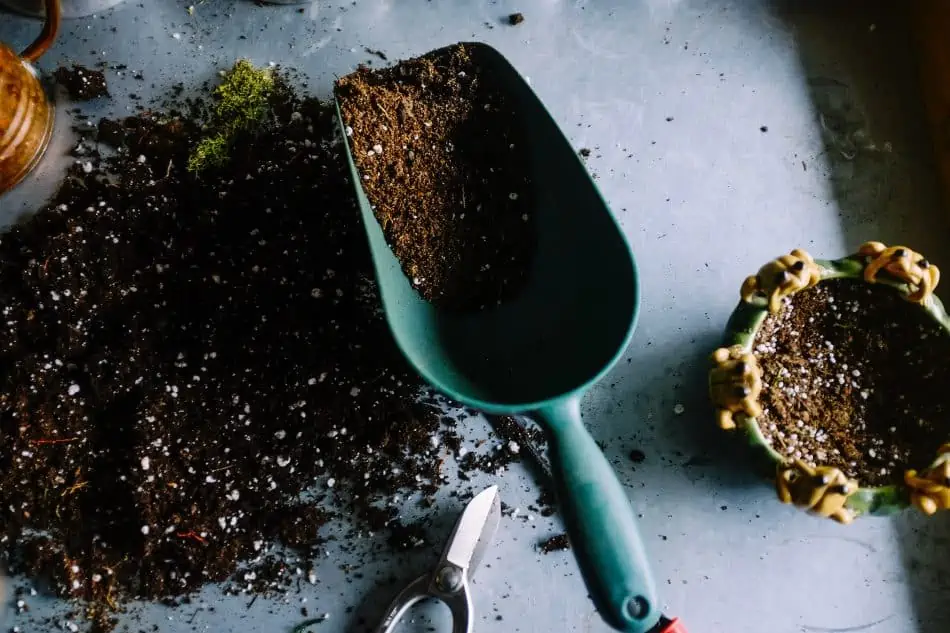
To create a succulent garden, you will need some pots, a shovel, a specific soil mix, gardening gloves, and decorative stones.

The materials you will need include:

  • Containers or a spot in your garden already prepared for planting
  • Succulents
  • A soil mix with good drainage (more on this below)
  • A trowel for transplanting
  • Gardening gloves
  • Non-organic top dressing (crushed rocks or pebbles)

Ensure Proper Soil Drainage

Succulent roots are sensitive to moisture and rot easily. Letting your succulents sit in moist or waterlogged soil is a surefire way to kill the plants, pouring all of your hard work down the drain.  

If you are planting your succulents in a container, make sure to find one that allows for good drainage. Pots without any drainage holes are possible to use, but they need to be closely monitored to make sure that the soil is drying out. 
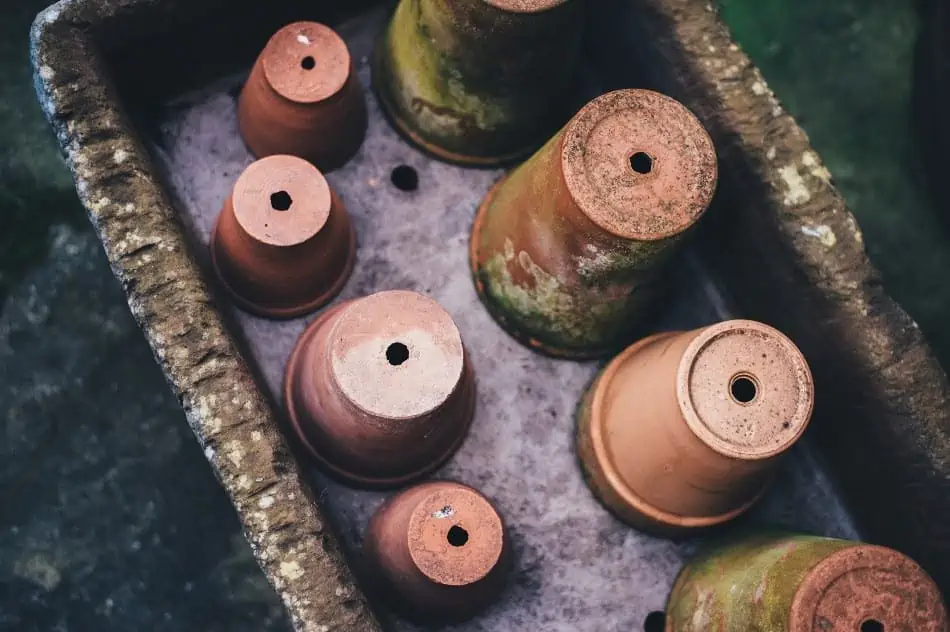
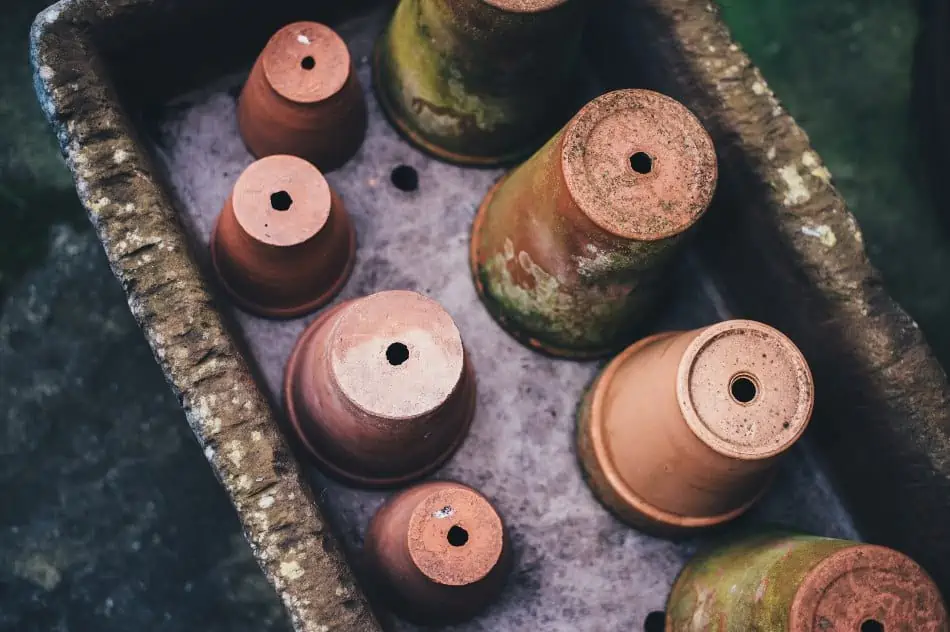
Use pots with sufficient drainage holes to ensure that your succulents easily get rid of excess water.

Since succulents have shallow roots, and shallow pot or container is all you need. Terracotta pots work well with succulents and cacti because they absorb moisture from the soil, whereas plastic and ceramic tend to let the moisture sit. 

If you are planting outdoors, check the soil conditions and drainage before planting. Dig down in the soil at least of foot deep and fill the hole with water. If there is still water in the hole after half an hour, your soil isn’t sufficiently porous. To fix this, just mix in about three inches worth of sand to add more texture to the soil and create better drainage.

It’s also a good idea to make sure your planting location isn’t at the bottom of a slope, so your succulents are sitting in a puddle of water when it rains. 

Find the Right Soil for your Succulents

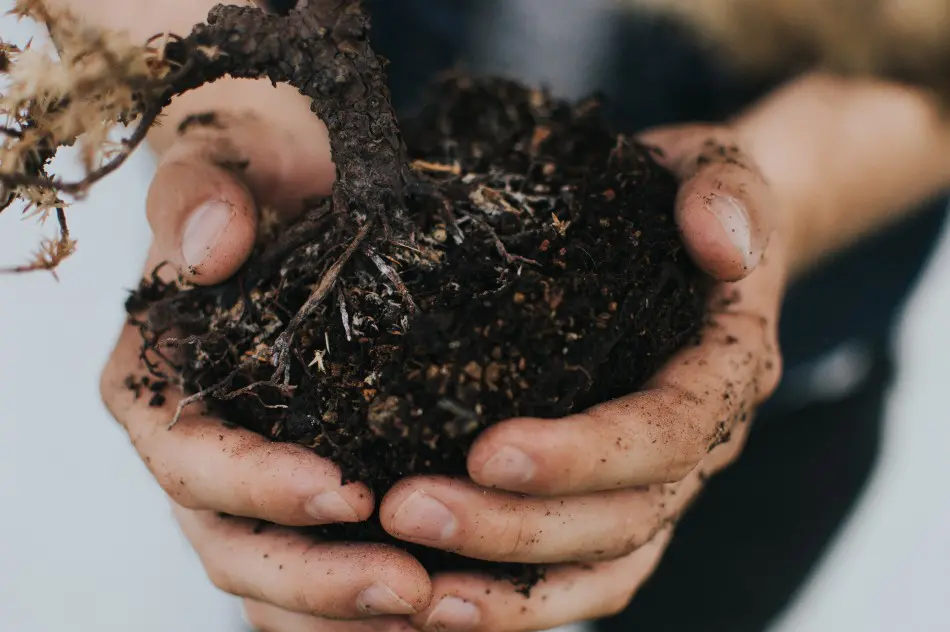
Succulents need well-draining soil to prevent root rot so that regular potting soil won’t do. They grow best in porous, sandy soil that is airy enough to let the water drain but is also able to support the plants physically.

Succulent and cactus soil can be found at most home and garden stores. Or, you can try mixing your own. To make your own, mix three parts of regular potting soil with two parts sand and one part perlite. 

It’s best to use coarse sand instead of fine sand to ensure fast drainage and avoid collecting sand from your garden or the beach—you never know what bacteria could be living in that sand, and you don’t want it to impact the health of your plants. 

Plan Out Your Succulent Arrangements 

This is probably the most exciting step for creating your perfect succulent garden. Start by arranging the plants in your garden or pot while they are still in their pots so that you can visualize the result. Play with a few different arrangements until you come up with one that you’re happy with. 

Once you’ve got your plants in place, you can begin transplanting them. 

If you’re having trouble deciding on a design, think about the aesthetic you are hoping to achieve and how it will fit in with the spot you’ve picked out. Think about the different design aspects such as color, texture, and movement so you can create a garden that is beautiful and unique. 

Choose your Colors Wisely

Succulents come in all sorts of colors, as do the many different pots we use. If you have a vibrant container, you may want to choose a contrasting complementary color so that both the plant and the pot stand out. 

Alternatively, you could choose colors within the same range. For example, if you have a blue planter, you may want to choose plants with hints of blue or cooler shades of green to tie it all together. 

Decide How Many Plants You Will Use

As a general rule, it’s best to work with an odd number of plants unless you are planning to fill every inch of your planting area. 

While even numbers create symmetry, odd numbers create interest. Most succulents already call attention to their symmetry and geometrics shapes all on their own. Using an odd number of plants in your design is more effective at capturing your gaze and forcing the eyes to move around the garden. 

Arrange Your Succulents to Create Movement

Speaking of movement, group plants with varying heights and sizes to create movement within your garden. Design that forces movement creates excitement and curiosity. This will keep your eyes moving from plant to plan. 

Sculpting the terrain is another way you can create interest within your garden. Flat land is boring. Creating well-placed mounds of dirt will give your eyes something to follow and create an aesthetically pleasing design. 

Incorporate Different Textures

Varying textures catching the eye and add depth to an area. They also affect how the plants interact with lights and shadows in space. 

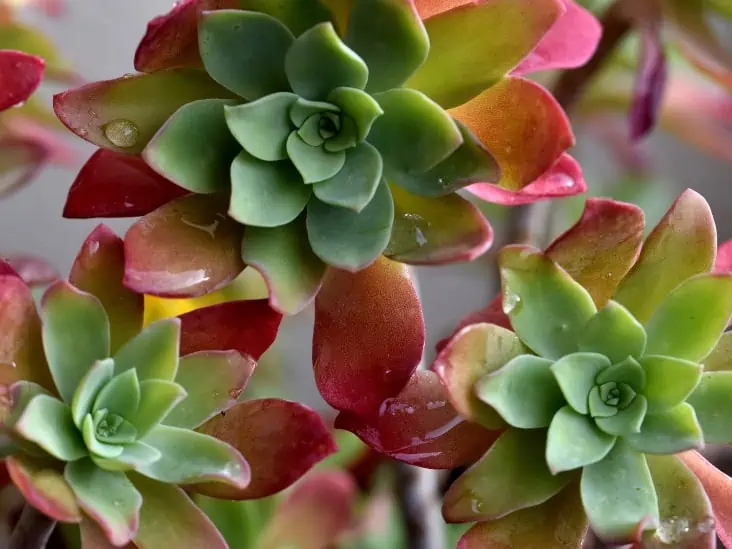
Succulents come in a variety of textures, from chunky and smooth to long and fuzzy. Choosing a combination of plants with contrasting textures can create a unique look that will surely make people stop and take notice. 

Don’t Forget the Top Dressing

Don’t leave your succulents sitting in bare soil. This may seem minor, but it can make a huge difference in your design and be beneficial to your plants. Adding a layer of gravel can give your garden a finished look, promote root growth, protect from erosion, discourage weed growth, and help hold in moisture. 

Avoid using an organic top dressing like mulch. These can be too water-retentive and eventually start to decompose, attracting mold and insects and giving your garden and an uneven appearance. 

Transplant Your Succulents

Transplanting succulents can be a bit tricky, depending on the plants you choose. The good news is, succulents are generally hardy. If a few roots tears or some leaves fall off during the process, succulents will typically recover well. 

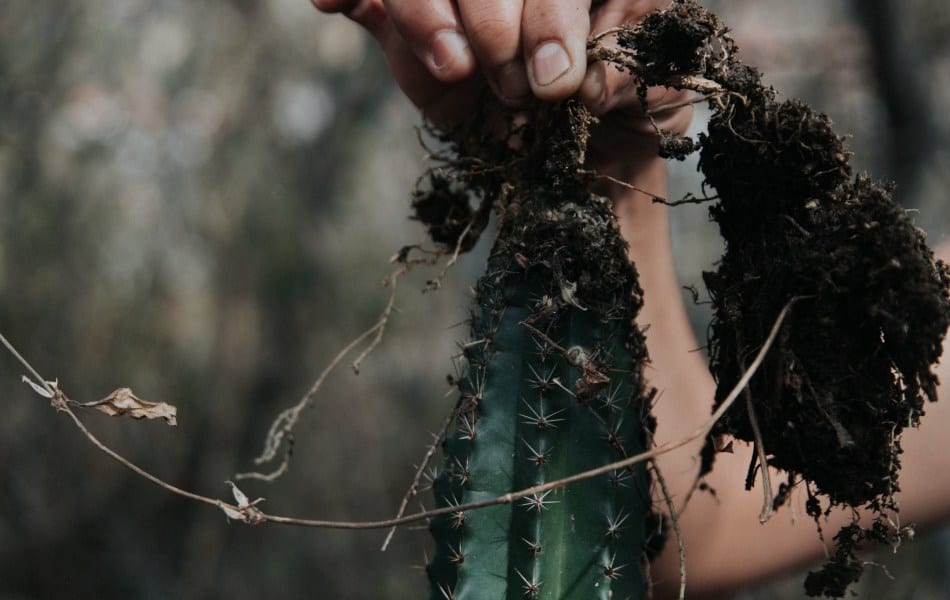
To transplant, firmly grab the succulent by the base of the stem and jiggle it slightly until it starts to loosen from the soil. Gently remove your succulent from the container it is currently in and light squeeze or tap the roots to remove the soil. You don’t have to remove every last bit but try to get off as much as possible without harming the roots. 

Next, fill a pot one-third of the way with your succulent soil mixture, or make a small hole in the dirt if you are planting outside. Plant your succulents at the same depth they were originally grown, then cover the goal with gravel. 

Give your plant a day or two to settle into their new home before watering them. This will allow any broken roots to heal. 

Do not water your succulents right after transplanting them into new containers.

Using Succulent Cuttings in your Garden

Many succulents grow in rosettes and are easy to divide into new plants by simply cutting the small rosettes off the tops of mature stems. The bare stem of the original plant will quickly sprout new stems and leaves, and the part you snipped off will sprout roots and become its very own plant. 

Here is a great video if you’d like to learn more about propagating succulents. 

If you plan on using cuttings in your succulent garden, make sure the ends have dried out before planting them in the new soil. If you plant cuttings before the end can callus, your plant may rot instead of propagating. 

Learn How to Properly Care for Your Succulents

While succulents are generally low-maintenance plants, they still require a bit of care to keep them thriving. It’s important to learn each plant’s needs so you can keep your succulents happy and healthy. 

Some succulents have more specific needs than others. To make sure they are getting the proper amount of water and light, it’s a good idea to do a bit of research on each species and pick succulents that have similar care needs. 

Care guides are a great place to start researching. You can also visit your local plant nursery and talk to someone to find out which plants to choose for your region. 

Tips to Properly Care for Your Succulents and Keep them Alive:

  • Make sure they get enough light. Most succulents prefer to get around six hours of sunlight per day. Newly planted succulents can scorch easily in direct sunlight, so introduce them gradually. 
  • Water according to the season. During the fall and water, succulents don’t require as much water since they aren’t in a period of growth. Test that the soil is dry with your finger to avoid overwatering. 
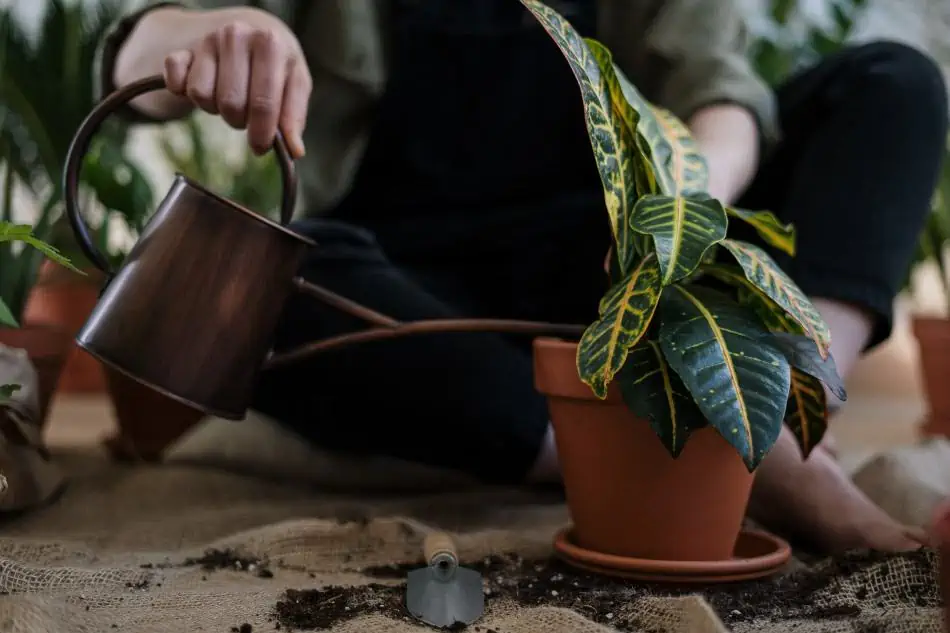
  • Water the soil directly. Avoid using a spray bottle to water your succulents, as this can cause the leave to mold. Instead, use a watering can or spout to water the soil directly. 
  • Keep your succulents clean. If your succulent garden is indoors, inevitably, your plants will start to collect dust on their surface. This can inhibit growth, so take time to wipe off the leaves and spines with a damp cloth.
  • Get rid of any bugs. Bugs like gnats and mealybugs and the most common pest problem for succulent owners. Since gnats are attracted to moisture, make sure to let your soil dry out between waterings. If your plant does become infested, move it any from other plants and spray it with a solution of 70% isopropyl alcohol to get rid of the bugs. 
  • Fertilize your succulents in the summer. Succulents don’t need much fertilizer, but giving them light feedings in the spring and summer will promote growth and keep them happy. Be careful not to overfertilize, as this can cause your succulents to grow too fast and become weak. 

Finishing Touches for your Perfect Succulent Garden

Now that you know the basics for creating your perfect succulent garden, don’t stop there. Get creative. Experiment with different color combinations and textures, and maybe even try propagating your plants. 

As most succulent enthusiasts will tell you, once you create a succulent garden, you usually don’t stop at one. The more you work with these little plants, the more confident you will become. You will soon be creating and maintaining gorgeous and unique succulent gardens that will add a nice touch to any home. 

What Type of Cactus Do I Have? Ways to Identify Your Cactus Type

Cactus is a unique plant alright, but then again they come in different shapes, sizes, heights, and colors. As such, it is important to differentiate the various types of cacti and what distinguishes them from one another. Cactus identification is not a hard job, if you know how to identify the different types that exist. It becomes even much easier if you get to understand what to look out for. Cacti, as a classification of succulent plants, are often found in dry and harsh environments. This is one of the most important characteristics to consider when identifying your cactus type. 

So, what are some of the ways to identify your cactus type? There are hundreds of different types of cactus out there but these common ones can be identified by their physical features, the climate they thrive in, or where you live if that’s not an option. Other noble factors you can use to identify your cacti type are the types of needles/spines, coloration, and natural habitat. Shape, color, height, flowering style and seeds also play an important role in the identification of a cactus plant type.

There is no sure way to know for certain what type of cactus you have without a visual inspection on your part. This article will be looking at the various physical factors to look out for when identifying a cactus type.

A look at the physical features

When telling apart one cactus from the other, the physical features are the best place to start. Some notable physical features you can look out for include:

-Leaves

-Color

-Shape

-Height

-Flowers

-Seeds

The Leaves

The leaves of the cactus plant are one key feature you may want to look into. Are your plants spiny or not? You can find out by looking at their leaves.  Spines on a leaf will be needle-like and sharp, while non-spiny types have soft edges. Some other helpful clues about your cacti plant would be the color and shape of its leaves.

If you are trying to identify what type of cactus you have, check if the plant has spines or smooth leaves.

The color of the leaves can be identified by looking at its photosynthetic pigments namely chlorophyll and carotenoids. Chlorophyll is responsible for absorbing light energy from the sun and storing it as chemical energy, while carotenoids are what give the plants their distinctive colors.

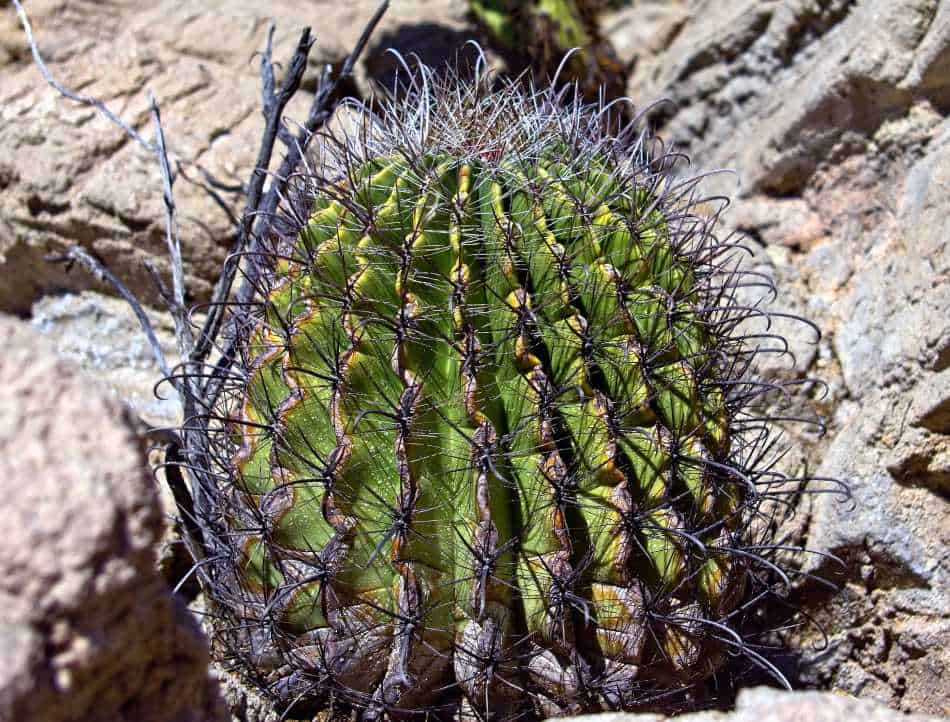
The shape of the leaves may also provide some clues about your cactus plant type. Plants with needle-like leaves and spines are typically more succulent, while flat leafed plants tend to be tougher in nature as they can withstand harsh environments better. For instance leaves from a saguaro cactus are flat, while the leaves of a barrel cactus grow in an upright position.

The various needle styles can also be used as an indicator of what type your cacti are, but like the shape and color this may not always give you accurate results. The more succulent and fleshy varieties will generally have needle-like spines, while the more tough and leafy varieties will generally be flat.

How high can they grow?

Height is another physical feature you might want to take into consideration when identifying your cactus type. Height and altitude can be used as a determining factor when identifying your plant type because plants that live at higher altitudes usually have longer roots than those. The tallest of all the succulents is the Saguaro Cactus, which can grow up to 50 feet tall without too much trouble. On the other hand there are small varieties like hedgehog and pereskia that will only reach a height of about six inches or so. Just a quick physical examination of your cactus’ height can help you determine what type of cactus plant it is.

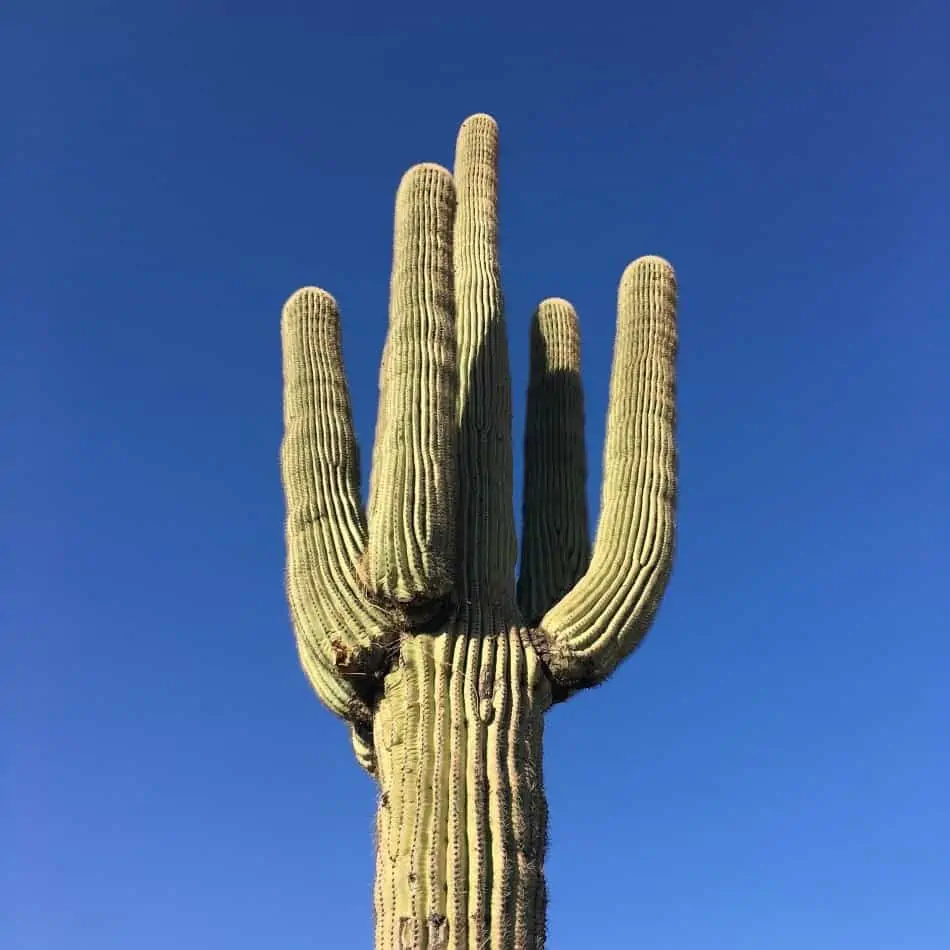
Saguaro is the tallest cactus that can grow up to 50ft tall.

Shape and coloration

The shape and coloring of a cacti can also be used to identify its type, especially if there are no spines or leaves to go by. Shape usually provides some clues about the plants’ climate requirements, which in turn might provide more insight about the plant’s type.

The color of a cactus can also serve as an indicator for its identity, but there are so many types to choose from that you may not be able to make an accurate guess just by looking at it.  A white-spined barrel cactus might have a green body while another spiny species might have a green-brown body. The yellowish color of the dwarf saguaro is a lot different from the brown spines on a barbed wire cactus, and so on.

If your cactus does not have spines, observe the shape of its leaves to identify the type.

As you can see there are many physical features to look out for that might give away what type of cactus plant your plants belong to. One tip is that if you find something about a particular species odd or unique, it’s worth taking a closer look because it might be what you’ve been looking for.

How are its flowering style and pattern?

Another physical feature is the flowering style, which will determine whether it is an epiphytic or terrestrial plant. Epiphytes are plants that grow in humid climates with little contact to soil and rely on other plants for nutrients whereas terrestrials have roots and need direct access to soil.

The flowering style of your cactus also tells you more about its type.

The pattern of a cactus’ flowers can also be an indicator for its type. The barrel and saguaro have radial patterns, while the hedgehog is another example of a plant that has radial patterns but they are more elongated. A columnar species like the cardon might show off vertical stripes or zig-zags in alternating colors.

If you have a columnar cactus with vertical stripes in alternating colors then it is most likely a cardon, while if your cactus has radial patterns and spines then it’s more than likely to be either the barrel or saguaro type.

 The coloration of the flowers also provides a clue for the type of cactus your plant belongs to, but this is not always an accurate indicator. For example a hedgehog may have yellow flowers or another species with red-topped flowers might be cardon.

What about the seeds?

Different cactus types produce different seeds that are suited to their environment. The Saguaro cactus, for example, will have fleshy and smaller seed pods while the hedgehog has much larger spiny fruit. Other types like the barrel cactus will have a more oval or spherical shape, while the cardon is known to produce seeds that are round and shiny.

Different cactus types produce contrasting seeds, enabling you to identify the species.

These different types of seed pods can provide clues about what type of cactus you may have in your garden. Perhaps you’ve had your plant for some time now and it’s not flowering or producing any flowers even after a long growth period? It may help a great deal to examine its seeds even before planting as they can offer some valuable information about the plant’s type. Different cactus types produce different seed pods, so if your cactus is not flowering or producing any flowers even after a long growth period then it may be because of its type and what kind of environmental conditions that type prefers.

Climate and Natural Habitat

The climatic conditions of the region and the natural habitat play a huge role in the type of cactus you have. Specific cactus types will grown in certain locations based on their natural habitat at various altitudes.

For instance, the Saguaro cactus can be found in Arizona, California and Mexico while the cardon will mainly grow in Bolivia. The barrel cacti are native to Southern Mexico and Guatemala but there are also varieties that grow as far north as Texas or even New York.

The low-lying, more succulent species like epiphytic pereskias and hedgehogs thrive best in humid climates with high humidity or rainfall levels where they can get their water from the air (epiphyte) whereas taller varieties that grow primarily on rock surfaces find it difficult to survive in these types of climates.

When determining your cactus type based on its natural habitat, it’s important to take note of the altitude level that it grows in. For example, a cactus found at lower elevations will have spines on its fruit whereas plants with less exposure to sunlight and more moisture tend to produce flowers instead (e.g., pereskias). This should help you identify your cactus type if it falls into the columnar category.

Why Is Cactus Type Identification And Classification Important?

There are several reasons why it’s important to identify which type of cactus you have. They include the following:

– Knowing the type may help you identify its natural habitat and climate. For instance, a cactus found at lower elevations will have spines on its fruit whereas plants with less exposure to sunlight and more moisture tend to produce flowers instead (e.g., pereskias).

– Determining your plant type may help you choose the best fertilizer and watering regime. As with any plant type, cacti also require specific nutrients and there are different fertilisers that cater to their various needs (e.g., sulphate of potash for spiny plants). Fertilizer needs vary depending on the plant type and what natural habitat it prefers.

You should determine the type of your cactus to provide it with the right fertilizer and perfect amount of water.

– You may be able to grow more varieties of cacti if you know their type. It’s not easy to find a certain variety of cactus in your area, but knowing its name will help you search for other nurseries that might have them or do some international seed trading.

– Once you know your cactus type, it’s easier to identify any pests or diseases that might be the culprit of its lack of flowers and blooming as well as how best to take care of them. Notably, some cactus types are more resistant to pests compared to others and as such require less attention from pesticide.

– Knowing your cactus type will help you understand which ones are going to thrive better in certain environments, or at least be more tolerant of them. For example, a barrel cactus may not produce flowers but it is still capable of living long periods with little water as opposed to the taller varieties that grow primarily on rock surfaces. It will also make identifying other members in a group on your property much easier if they all have spines versus flowers.

– Cactus identification may also be helpful if you’re looking for information on how to care or propagate your own species. It helps you indetify the best practices to meet your cacti’s needs. This will help reduce the amount of guesswork involved in caring for your cacti.

Most Common Cacti Types and Their Characteristics

Cactus is a unique succulent that comes in a number of species and types. While some are rare, others are pretty common and can be found in most locations worldwide. Here is a list of the most common cactus types and their characteristics:

– Barrel Cacti – These low-lying, more succulent species like epiphytic pereskias thrive best in humid climates with high humidity or rainfall levels where they can get their water from the air (epiphyte) whereas taller varieties that grow primarily on rock surfaces find it difficult to survive in these types of climates.

– Ball Cacti – These are the most common cactus type found and ideal for beginners because they’re easy and less fussy than other plant varieties, but still need at least some attention or else they will wither up.

– Cereus Cacti – These cactus types are the ones that bloom and produce flowers. They require a lot of light in order to thrive so they’re popular choices for indoor growers who can give them enough sunlight, but most people find it difficult to grow these indoors because they need high levels of humidity or else their flowers will wither up.

– Pincushion Cacti – These are the most commonly grown cactus and grows quickly so it’s a good choice for beginners. They require less attention than other types, but still need at least some care or else they will wither up.

– Succulent Cactus – These are the only type that can produce flowers even without being exposed to a lot of sunlight because their leaves store water which is what helps them bloom.

-Saguaro Cactus –  These cacti types are the ones that bloom and produce flowers. They require a lot of light in order to thrive so they’re popular choices for indoor growers who can give them enough sunlight, but most people find it difficult to grow these indoors because they need high levels of humidity or else their flowers will wither up.

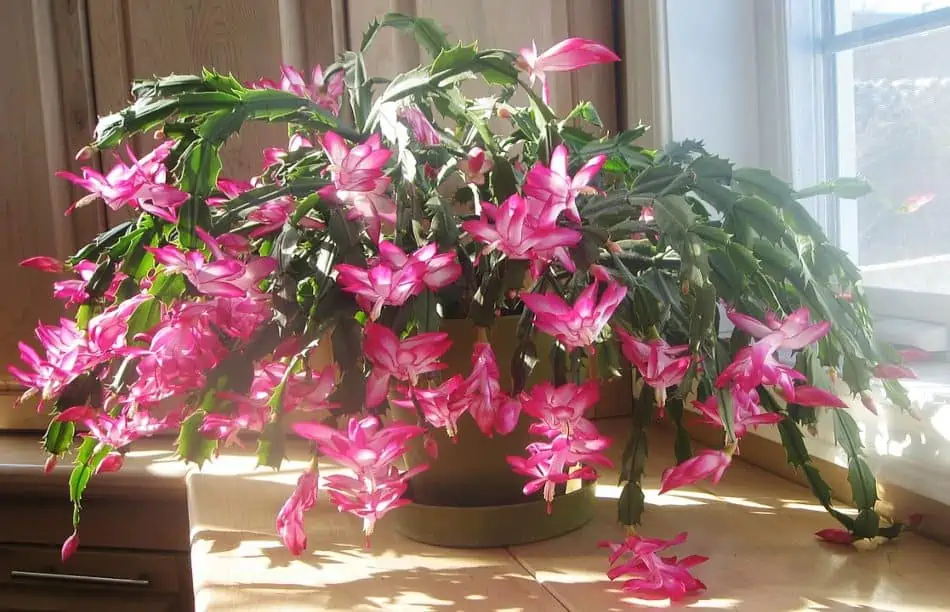
-Christmas Cacti –  These cacti types are the ones that bloom and produce flowers. They require a lot of light in order to thrive so they’re popular choices for indoor growers who can give them enough sunlight, but most people find it difficult to grow these indoors because they need high levels of humidity or else their flowers will wither up. A Christmas cactus gets its name from the fact that it blooms in December.

Christmas cactus requires plenty of sunlight to produce pinkish-red flowers.

How To Identify The Best Indoor Cactus Types

Cactus can be grown both in the outdoor garden and indoors. However, it can sometimes be a challenge trying to determine which type will thrive best indoors. There are many types of cacti and some don’t do well in the indoor environment while others need too much care to be considered ideal for beginners or those with a lack of time or space. To identify the best indoor cacti, consider the following factors:

– Light – The most common indoor cacti types are those that thrive in low levels of light.

– Water needs – While succulents can survive on less watering, they still require some level of care or else they will wither up and die.

– Soil type – Cactus cannot be grown with regular potting soil because it contains fertilizers, which can kill the plant. Instead, use a special cactus potting soil or mix your own with sand and gravel

– Climate – The best indoor cacti types are those that do not require humid climates to survive; these plants will wither up in such environments whereas succulents thrive there so they’re a good choice for indoor cacti types.

– Height – The taller variety of cactus tend to need more care than the shorter varieties; this is especially true if it’s being grown indoors where there are fewer natural light sources like in other climates so they won’t produce flowers or bloom without enough sunlight.

Cactus is a uniquely interesting plant that you can plant at home. However, this can only be possible if you understand the type that works best based on your environment. Your ability to tell apart from one cacti from the other will come in handy in this case. With the hundreds of species out there, it’s not always easy to identify the type that will thrive in your specific situation. Some types require more care than others and some don’t do well indoors at all. With these tips to consider before buying your cactus, it should be much easier to pick out the right one for your needs.
What Is the Difference between Cactus Soil and Succulent Soil?

Nothing is worse than planting a cactus and realizing that the soil you are using to grow it is unsuitable. It can take years for your cactus to recover from this mistake, so understanding the difference between cactus soil and succulent soil before you buy will help avoid these mistakes.

What is the difference between cactus soil and succulent soil? Cacti plants thrive in dry environments, while other succulents require regular watering to survive. Both types of plants have different soil needs: cacti need a gritty, porous type of soil with little organic matter, while succulents need a well-draining potting mixture with plenty of organic material like peat moss or composted manure.

This blog post discusses the differences between cactus soil and succulent soil, including what they need for both nutrients and their environment. So, let us get started.

What Is Cactus Soil?

Cactus soil is a gritty, porous type of soil that has little organic matter. It should not be too wet or hold water for too long, and it should have good drainage to prevent root rot because cacti plants thrive in dry environments.

It is usually made of a huge composition of inorganic matter and a small portion of organic matter such as peat moss and composted manure.

The inorganic materials help the cactus soil retain water and nutrients, while the organic materials provide essential nutrients for the plant.

What Is Succulent Soil?

Succulent soil is a well-draining potting mixture with plenty of organic material like peat moss or composted manure. It should be able to hold moisture without being too wet or holding water for too long.

Succulent soil comprises a bigger portion of organic matter than cactus soil and a smaller inorganic composition.

The organic materials help the succulent soil retain water and nutrients, while the inorganic materials provide essential drainage to prevent root rot because succulents require regular watering to survive.

Do I Need Special Cactus Soil?

If you want your cactus to thrive and be happy, the answer is “yes.” The biggest issue with cacti plants is too much moisture.

Their roots are highly fragile and require a dry and gritty type of soil with plenty of organic material to survive. Planting cacti in poorly drained soils can lead to root rot and slow death.

Even if you water your plant lightly and less frequently, it won’t help much if the soil has poor drainage. Sometimes, even high humidity can cause problems to your plant if you are not using the right type of potting mix.

So, if you have tried cultivating cacti plants in your home garden and ran into issues you didn’t understand, try changing your potting mix and see if you will achieve better results.

Can a Cactus Survive in Regular Potting Soil?

A cactus can survive in regular potting soil but will not thrive. The plant will be under stress because the roots are not getting the right type of environment they need to grow.

The leaves of the plant may start to yellow, and the plant will become stunted. If you see these signs, it is a good indication that your plant is not happy and is not getting the right type of soil.

It is best to transplant your cactus into a pot with a well-draining cactus mix or succulent mix. This way, you can be sure that your plant will get the right type of environment it needs to thrive.

How Does Cacti Soil Differ from Succulent Soil?

So, how does cacti soil differ from succulent soil? Let us find out below:

1. Reduced Moisture Content

One of the biggest differences between cactus soil and regular succulent soil is the reduced moisture content.

Cacti thrive in dry environments because they have a low tolerance for water, and excess moisture can lead to root rot, which will kill the plant.

This means you should avoid using regular succulent soil as it has more organic material that retains a lot of water.

As cacti thrive in dry climates, their soil should be less moist than in the case of other succulents.

In fact, some regular succulent soil contains extra hydrophilic components that can hold excess water for prolonged periods making your cacti prone to stem and root rot.

This is why you should always choose soil with reduced moisture content if you plan on planting and cultivating cacti plants in your home garden.

However, planting other succulents in such soils may not be a big issue if the plant has already rooted.

Some succulents, when rooted, will get better over time, even if you use the wrong soil type. For example, many people try to grow the Aloe Vera plant in cactus soil, which does not work out well.

However, an aloe vera that is already rooted will get better with time because succulents have a long life span over other plants. The best thing is to wait and not make any changes until the plant has fully rooted.

2. Better Aeration

Cactus soil must have a lot of air pores to allow water to escape easily, which makes it easy to dry out when wet. On the other hand, succulent soils are more compact, making it difficult for some plants with shallow roots like cacti to survive.

Better aerated soil has a relatively high percentage of inorganic matter such as peat moss, sand, or perlite. These particles will provide the cacti with better airflow and allow water to drain out of its roots easily when it rains.

Aerated potting soil also allows more oxygen, which is good for plant growth. So, you should choose a potting mix with this component if you plan on planting and cultivating cacti in your home garden.

Some succulent soils have a lower percentage of inorganic matter, making it difficult for most cacti species to survive in them.

3. Better Drainage

Cactus soil has excellent drainage because the particles are spread out, making it easy for water to flow through when you irrigate. This is not as much of a concern with succulents since they do well without too much water.

However, if you choose the wrong potting mix, you may end up with a plant that is prone to rot.

The best soil for your cacti must have excellent drainage and should be made of high-quality ingredients like perlite or sand particles. This will help prevent water from pooling at your cactus’ roots which can lead to root rot.

Proper drainage is essential for cacti as the soil should never be too soggy.

One of the easiest ways to achieve better drainage is by ensuring that the planting container has plenty of drainage holes. Consider adding a layer of pearl gravel and stones at the bottom of the container to ensure the holes don’t get blocked by soil.

Additionally, plant your cactus at a higher elevation, and you might not have to water it frequently as the soil will drain better.

4. Less Organic Matter

Although cactus soil is primarily made of inorganic matter such as sand and perlite, it still contains some organic matter like peat moss to promote plant growth.

This is because these soil types are not always explicitly manufactured for cacti plants and may be used for other plant species that thrive in dry environments.

The plants use the organic matter as a source of nutrients when it is broken down by insects and bacteria. Since there is little activity going on in a potted plant, it may take some time before the materials are completely broken down.

On the other hand, some succulent soils contain a lot more organic material to provide the plant with plenty of food. Choosing such a soil type for your cactus may be catastrophic because your plant will be susceptible to root rot.

5. Fewer Nutrients

The presence of inorganic materials such as sand and perlite means that cactus soil does not contain a lot of nutrients.

In fact, the relatively small amount of organic matter in these types of soil cannot be used as the primary source of food for your cacti plants hence the need for applying fertilizer.

The soil also lacks additional soil nutrients such as nitrogen, potassium, and phosphorus essential for plant growth.

Cacti plants are more sensitive to these nutrients and need them to thrive, grow healthy and produce flowers or fruit.

Cactus soil lacks nutrients, so you need to apply fertilizer to feed your plant.

If you want a cactus that is long-lived, blooms frequently, and produces plenty of fruits, then it’s best to establish a regular feeding schedule, especially during the flowering and fruiting season.

However, you need to be careful not to overfeed your plant because too much fertilizer can lead to unhealthy overgrowth or some other damage to the cactus plant as it struggles to use up the excess nutrients.

Instead of using an organically rich potting mix, feed your plant with occasional doses of water-soluble fertilizer.

6. Lower pH Level

Typically, cactus soil will have relatively lower pH levels when compared to succulent soil.

The ideal pH range for cactus plants is 5.5 to 7.0, while succulents prefer a slightly higher range of 6.0 to 7.5.

If the soil is too alkaline or too acidic, it can lead to nutrient deficiencies and other problems for the plant.

So, if you want to grow healthy cacti plants, use a potting mix with the right pH level.

Can You Make Your Own Cactus Soil?

The simple answer to this question is “yes.” While most of us would prefer getting the commercially prepared cactus soil, you can also make your own potting mix by following a simple process.

Depending on the type of cactus that you have, there are a few options for making your own soil. You can mix in sand or perlite with some peat moss to make an appropriate mixture for these types of plants.

You also need to ensure that any potting material is free from fertilizers and fungicides, so it’s safe to use.

Lastly, add drainage holes in the bottom of your potting container and choose a deep enough soil-filled garden pot or planter filled with appropriate material for cacti plants like perlite or sand.

Although you can purchase a commercially prepared soil, you can also make your own cactus soil.

You can also consider using small portions of organic ingredients such as composted manure which will provide vital nutrients for your cacti.

Just make sure that the soil you make on your own is not too compact so it can drain properly and doesn’t become waterlogged. Resist the temptation of using too many organic components, and everything will be alright.

How Regularly Should I Change My Cactus Soil?

One of the most common questions people have about cacti is how often they should change the potting mix.

The answer to this question depends on a few factors, such as the type of cactus, the size of the pot, and the drainage.

If you have a small cactus in a pot with good drainage, you can wait for two or three years before changing the soil.

However, if you have a large cactus in a pot with poor drainage, you may need to change the soil yearly.

It is also a good idea to change the soil every year if you live in an area with high humidity, as this can lead to fungal problems.

When changing the potting mix, remove all the old soil from the roots and rinse them with water. This will help to get rid of any pests or diseases that may be present in the old soil.

After you have rinsed the roots, allow them to dry before replanting in a fresh cactus mix.

Bottom Line

Cactus plants are more tolerant of dry environments like deserts because they require less moisture than other plants. They also grow well in pots with a reduced moisture content which is perfect for them.

There are many differences between succulent soil and regular cactus soil that you should be aware of if you want to start growing cacti plants in your home garden successfully.

How To Make Your Cactus Grow Faster?

Generally, cacti are known to be slow-growing, but with proper care, you could make them grow faster than they normally would.

The key to making a cactus grow fast is to give it slightly more light and water than usual. If you are lucky enough to have a greenhouse that has lots of sunlight for at least 8 hours each day, then your chances of growing a healthy and fast-growing cactus will improve tremendously. Use soft water for watering and fertilize it during the growing season. You should also allow it to go dormant during winter, allow proper air exchange, and repot your plant once in a while.

In this blog post, we shall discuss the main methods you can use to make your cactus grow faster. So, let us get started.

Why Do Cacti Plants Grow Slowly?

Before we dive deep into our discussion, it is essential to know why cactus plants generally grow slowly.

For most cacti species, growing slowly is a form of survival. Most of them are native to deserts, and in such habitats, there is not much water or food available for them.

So, to survive in the desert conditions, cacti have evolved with a method that helps them conserve water and food by growing slowly over time. This slows down their metabolism, making it difficult for animals to eat them.

They also lack true leaves and have fewer stomata, limiting their rate of sunlight and carbon dioxide absorption, making it difficult for them to manufacture a lot of food through photosynthesis.

Typically, cacti grow slowly in order to survive harsh conditions.

Typically, cacti plants prioritize survival overgrowth. So, if your cacti are growing slowly, there is nothing to worry about because you have not done anything wrong.

You just need to adapt the ways of caring for your plant to suit its needs and make it grow faster over time.

How to Make Your Cactus Grow Faster?

Now that you know why cacti grow slowly, it is crucial to know how to make yours grow faster. Here are some tips to get you started:

1. Provide Enough Sunlight during the Growth Season

Cacti naturally grow in hot and dry conditions. So, if you want your cactus to grow faster, then try providing the same conditions. You can do this by keeping it outside your house.

Most desert cacti require bright sunlight to survive. And when they are grown in dimly-lit conditions, their growth becomes slow.

So, if you want your cactus to grow faster and healthier, all you need is to keep it outside for most of the day. You can either place it on a window ledge or plant it in your garden.

However, you need to keep in mind that direct sunlight can damage the stem and pads of a cactus, causing them to wither. Thus, you have to make sure that the plant does not remain in direct sunlight for more than 4 hours.

Provide your cacti with plenty of sunlight by keeping them outdoors during warmer months.

After winter, introduce them to sunlight gradually. Do not place it in direct sunlight at first; rather, keep it under the canopy of trees.

But if you do not have space outside your house or garden, you can use artificial lights to provide the necessary amount of light for your cactus plant. In fact, this is a great way to grow cacti indoors during winter.

But bear in mind that you should not use full-spectrum lights as it is the main reason why most indoor plants look pale and unhealthy.

2. Allow Proper Air Exchange

Just like humans, cacti need oxygen to survive. But unlike us, they don’t breathe through lungs but rather through pores on their stems and spines.

These succulents hate humidity and wet soil because it causes fungal infections. Hence, they prefer to grow in hot and airy conditions.

So, if you want your cactus to grow faster than usual, make sure that the place you are keeping it has proper ventilation.  You can even use a fan for proper circulation of air around the plant.

During summer, feel free to leave your cactus outside for a few hours. But make sure that you take it inside before the sun goes down because night temperatures can be extremely low.

3. Use the Right Container

When potting a cactus plant, always choose a container that is at least three inches wider than the spherical spread of the plant’s root ball.

The idea here is to provide your plant with enough room to grow. While planting a cactus, make sure that its roots are not constricted.

Also, remember to re-pot your plant once every three years. This helps in making it grow faster because it provides room for new root growth.

It is recommended to repot your cacti once every 3 years.

A clay pot or terra cotta is always the best choice for planting cacti. You can also use plastic pots or wooden containers, but make sure they have a drainage hole at the bottom for proper drainage.

4. Plant It in Well-Draining Soil

Choosing the right potting mix/planting soil is absolutely critical to the health of your cactus.

If you pick soil that holds too much moisture, then the plant will end up rotting from the roots. So, make sure that the potting mix is well-draining.

You can check this by squeezing a small portion of it in your hand. If water comes out or if it feels soggy, then you need to change it.

A well-draining soil will also make your cactus grow faster because, under moist conditions, plants tend to develop root rot and/or stem rot.

You can use a sterilized potting mix for this purpose. But if you do not have enough time, then choose a bag of potting mix that only has organic materials.

You should also avoid using soils with compost.

5. Water Appropriately

Although cacti plants don’t love a lot of water, it doesn’t mean that they don’t need any moisture at all.

In fact, you have to water your cactus plant 2-3 times a week during summer. But remember that overwatering will only harm the plant, so you should avoid it as much as possible.

Although cacti plants do not require too much watered, they still need consistent watering to grow healthy.

Under-watering will cause your plant to wither. Therefore, the trick is finding the right balance and understanding when to water your cactus.

If you are using a potting mix with fine particles and good drainage, then the soil will dry out within 5-6 days after watering it. When this happens, think of watering your plant again.

6. Fertilize Appropriately

Although cacti plants don’t require regular fertilization, they need to be fed on a few occasions. If you want your plant to grow in spring and summer, then the best time for fertilizing would be when it starts growing (spring).

If you are using a potting mix with compost or if you have been underwatering your cactus, then it would definitely benefit from fertilizing. It will help your plant develop a sturdy root system, which is the most stable part of the plant.

Once in three years, you can use slow-release fertilizer to make your cactus grow faster and stronger. You can apply this once at the time of repotting because it lasts for an extended period.

Also, keep in mind that fertilizing a cactus plant before the beginning of fall is essential to ensure proper root growth.

7. Maintain Optimal Temperature

Cacti like moderate temperatures, so you need to keep them as close to the optimal temperature range as possible.

If the room is colder than 60 degrees Fahrenheit (15 Celsius), then you can put it by a sunny window during summer or keep it indoors under artificial lighting.

Keep in mind that cacti cannot tolerate freezing temperature, so if it is too extreme outside, move your cactus inside.

Also, if the room is hotter than 80 degrees Fahrenheit (27 Celsius), you need to keep it in a cooler area or provide artificial cooling means by putting it under a fan.

8. Use Soft Water to Water Your Cactus

Always water your cactus using soft water because it has a lower content of minerals that cacti plants are sensitive to.

If you constantly use hard water, the minerals accumulate in the soil, reaching sensitive levels that can cause root rot.

To avoid this, simply use soft water to water your cactus or change the soil every year if you use regular potting soil.

If your tap water is hard, you can use a regular filter to soften it before watering.

If you don’t have a filter, leave the water outside in an open container for at least two hours before watering. Also, you will need to repot your plant quite often if you use hard water to irrigate it.

9. Re-pot Once in a While

Repotting your plant once in a while is essential because it keeps your plant alive and promotes good health.

Consider repotting your cacti every three years. However, if you constantly use tap water for watering, you consider repotting every 12-18 months.

Once you re-pot, your plants will get new soil that helps their roots develop and grow healthy. They will also receive the fertilizer plus the necessary amount of water.

10. Allow Proper Air Exchange

Cacti need lots of air exchange to stay healthy and happy. Avoid high humidity, stagnant air, and sudden temperature fluctuations near radiators or air conditioners.

Instead, put them in bright locations where they can receive plenty of light from the sun, such as a balcony, windowsill, or even outside if it’s warm enough. Don’t trap cacti in a terrarium – they can’t survive the high humidity.

Move your cacti outdoors during summer if possible – the fresh air will help them grow! However, be aware of low nighttime temperatures; anything lower than 55°F could damage your plant.

Also, keep an eye on large temperature swings during the day – misting with hot water or watering early in the morning replicates morning dew and helps keep them comfortable. The optimum daytime temperature is between 80-86°F.

If you want to use cacti in a terrarium, make sure it’s only temporary – cacti struggle to absorb water through glass containers when there are no drainage holes or other materials like soil, rocks, or charcoal blocking their access to moisture.

11. Allow Your Cacti to Go Dormant During Winter

Cacti plants in their natural habitat usually become dormant during the summer months when water is lacking. During this time, they stop growing and focus on dealing with the extremely high temperatures and transpiration.

It’s crucial not to force your cactus to grow year-round to achieve fast growth. In fact, not allowing your cactus to go dormant during winter can lead to thinning and elongated growth.

If you are keeping a cactus at home and experience cold winters, it is essential to allow them to go through the winter dormancy period uninterrupted. This will help them avoid uneven growth and rapid depletion of essential nutrients.

Winter dormancy also helps promote flowering or budding of flowers if your cactus has started blooming.

To help your cacti experience a natural dormancy period, reduce the amount of sunlight they’re exposed to. As temperatures outside start dropping, gradually decrease how much water you give them.

However, do not stop watering your cacti completely. Doing so will result in them losing their roots and drying out, leading to stunted growth. Instead, lightly water your plants once every month or every six weeks – just check the soil before doing so.

During November all the way up until early March, make sure your cacti are kept in cool areas with temperatures ranging from 47-54 Degrees Fahrenheit.

The lower temperature range is critical since it helps prevent excessive water evaporation while promoting healthy, continued growth.

Conclusion

In conclusion, cactus plants are not as difficult to grow as they seem. They just need a little care and love. With a bit of effort and the right information, you can grow them yourself without any problems. 

 Ensure you provide your plant with enough sunlight, allow proper air exchange, and plant it in well-draining soil with the right container.

Consider watering it appropriately during the growing season and maintain optimal temperature for better results.

You can also fertilize once in a while but use soft water to avoid problems. With the right care, your cactus will grow to its full potential in no time.

This Is How Often You Need To Water Succulents

You saw an attractive succulent plant at the plant store and decided to purchase it. So, it is now in your home, and you are probably wondering how often you need to water it.

Don’t worry because you are not alone. Most succulent beginners are never sure of how often to water their plants.

The most important thing you need to realize about succulents is that they have unique water requirements compared to other indoor or outdoor plants.

While other plants require daily watering, succulents can go for relatively long periods without watering. Since they are adapted to growing in dry areas, these plants have thickened and fleshy leaves or stems that retain water for a long time.

As such, most of them don’t require frequent watering. However, there are also a few misconceptions about how often to water succulents that you need to be aware of to avoid problems.

In this post, we discuss everything you need to know about watering succulents.  Read on to learn how to keep your succulents healthy.

Do Succulents Need Water to Survive?

Just like any other plant, succulents need water to survive. But the big question is; how much water do they require?

Many gardeners have the misconception that succulents require only a small amount of water once in a while to survive. While it is true that some succulents are tough and can survive with a minimal amount of water, most of them won’t thrive in drought-like conditions.

Although succulents do not require too much water, most of them cannot survive in drought-like conditions.

During the growing phase, succulents usually require plenty of water. It means that regular watering is essential during this phase. 

Some succulents are summer growers, while others are winter growers. The summer growers are active during summer and dormant during winter, while winter growers become active during winter and slide into dormancy during summer.

To understand the ideal watering schedule for your succulents, you should first identify whether they are summer growers or winter growers. Some of the common summer growing succulents include:

  • Adenia.
  • Cissus.
  • Plumeria.
  • Titanopsis.
  • Dorstenia.
  • Sinningia.
  • Xerosicyos.
  • Euphorbia.
  • Agave
  • Echeveria.
  • Synadenium.

Some of the common winter growing succulents include:

  • Aloe.
  • Kalanchoe.
  • Avonia.
  • Bulbine.
  • Cetraria.
  • Othonna.
  • Senecio.
  • Cotyledon.
  • Sansevieria.
  • Sedum.
  • Bulbine.

If you don’t see your succulent among those mentioned above,  conduct a quick online search of its name, and within no time, you will know whether it is a summer or winter grower.

How Often Should You Water Succulents?

Generally, you need to water your succulents at least once a week during the growing phase. Some gardeners prefer watering more than this, but that will depend on a wide range of factors that we shall discuss in a moment.

When watering your succulents, ensure you thoroughly soak the plant until water starts to run out of the container’s drainage holes.

However, before you water your plants, you need to ensure that the soil is completely dry. You can confirm whether the soil is completely dry by sticking a stick into the soil. Wait for a few minutes before you pull it out.

If the stick is damp with soil particles stuck on it, the soil is not completely dry.  But if it comes out quite easily and is dry, then the potting mix is completely dry, and you can proceed to water your succulent.

You should only water your succulents when the soil is completely dry.

When your succulents enter the dormancy phase, you need to increase the interval between watering. During this time, be sure to provide your plants with enough water so that there are no signs of wilting.

This is a critical time you need to apply common sense and do what you believe is right for your succulents.

For instance, if you have summer growing succulents and keep them indoors on a window sill in a heated room during winter, you may be forced to water it slightly more than when you’d have left it outside.

Critical Factors That Affect How Often You Need to Water Succulents

Other than the general rule of thumb mentioned above, some factors determine how often you should water succulents. They include:

1. Season

As mentioned above, some succulents grow during summer while others grow during winter.

Typically, you will need to water your plants more during the active growing season since they absorb water from the soil at a relatively higher rate to make new leaves, stems, roots, and blooms.

During this time, consider watering them up to three times a week depending on conditions such as temperature and light. But you must always ensure that the soil is completely dry before watering.

During the dormant season, the growth stops, and you only need to water them once or twice for the entire season. When in dormancy, the plants rarely absorb water from the soil because almost nothing is happening.

Keep in mind that one of the easiest ways to kill your succulent is by overwatering it during the dormant season. This is the time to let your plant rest easy and sleep.

2. Amount of light

Succulents that get at least ten hours of full sunlight require more watering than those that get less light. Generally, outdoor succulents need more water than indoor succulents because they are exposed to more sunlight and tougher conditions.

Succulents that get 10+ hours of sunlight require to be watered more often than those that receive less light.

3. Humidity

Another factor that determines how often to water succulents is the amount of humidity. 

Succulents grown in high humidity and relatively cooler temperatures require less frequent watering than succulents grown in hot and dry climates because they retain moisture for more extended periods.

So, if you live in a relatively hotter region and you have to position your succulent pots on your patio in full sun, then you may be forced to water them frequently.

However, if you live in a relatively cooler region and your plants are indoors, you only need to water them once every two weeks.

4. Container size

The size of your container will also determine how often you should water your plants.

Typically, succulents grown in large containers require less frequent watering because the containers hold moisture for a long time.

Plants grown in small and shallow containers require frequent watering because the soil tends to dry out faster.

5. Size of your succulent

The size of your succulent also affects the watering frequency.

While larger succulents require less watering, smaller succulents should be watered more often.

Succulents with relatively thick leaves, stems, and bigger in size store more water than those with thinner leaves, stems, and smaller in size.

Therefore, the bigger succulents can sustain longer periods between watering sessions than smaller size succulents.

6. Soil Type

Your succulent watering routine should be determined by the soil type you use since the time it takes to dry out depends on its density.

The denser the soil, the slower it drains after watering, which can keep the roots moist for longer periods. To prevent root rot, you should reduce the frequency of watering.

In simple terms, soil density is determined by a mix of two main ingredients: organic and inorganic compounds.

If your soil has a higher proportion of organic compounds, it will be denser, and consequently, it will retain more water. Hence, you should water it less compared to well-drained soil.

7. Dormancy Time

Every succulent experiences a dormant phase annually. Understanding when your succulent will enter this dormant period is crucial because it will affect your watering routine.

Typically, watering should be reduced during dormancy to avoid overwatering, which can lead to irreversible damage.

It’s important to note that not all succulents enter dormancy at the same time. So, take time to find out when your succulent will likely go through this phase.

What Is the Right Way to Water Succulents?

Now that you know how often to water your succulents and the critical factors that affect the watering frequency, it is time to understand how to water them right.

Yes, there is a right and wrong way to water succulents. So, don’t be surprised.

Most succulents are desert natives, and there is one thing that makes them unique plants.  While most of us know that deserts don’t receive a lot of rainfall, we don’t know that when it rains, it pours.

Desert rainstorms are monsoons that allow plenty of water to come out of the skies when it is time. You need to try and replicate the same scenario when watering your plants.

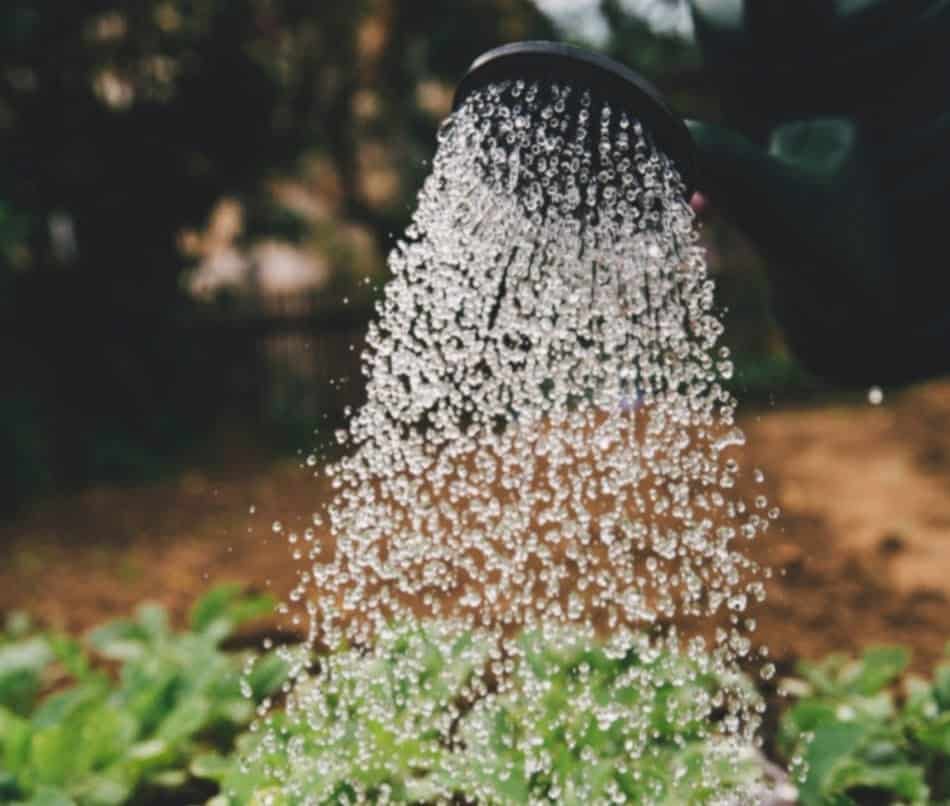
When watering your succulents, be sure to drench them. Pour water on them slowly, and don’t stop until you have plenty of it running out of the drainage holes at the bottom of the container.

Succulents usually require periodic but long and deep drinks that soak the soil to the bottom. So, when it is time to water your succulents, make sure you drench them.

Let the soil dry out completely and drench again and repeat the cycle. Follow this pattern, and you will have happy and healthy plants.

What Is the Best Type of Water for Succulents?

Besides the watering frequency, you also need to be careful with the type of water you use on your succulent plants. Rainwater is always the best choice, but it may not always be available.

If your tap water is so hard or highly alkaline, you need to find an alternative. Hard/alkaline water introduces a lot of minerals to your potting mix.

With time, the minerals build up, causing harm to your succulents in the long run. However, repotting annually with all fresh potting mix can help prevent a dangerous buildup of the unwanted minerals hence saving your plants.

You may also want to water your succulents with filtered, bottled water to avoid mineral buildup.

If it snows where you live, melt some snow during the winter months and store the water for use during the summer months.

Avoid Overwatering

Overwatering is the #1 killer of most succulents. Not in the sense that they get too much water, but instead, they get watered before the soil dries out completely.

When you don’t allow enough time between watering sessions, the potting mix is constantly damp, which can cause a lot of problems.

The most common issue related to overwatering is root rot and stem rot.

If you start to notice rotting stems on your succulents, it is most likely that you have been overwatering them, and the roots have already rotted as well.  Overwatering can also cause leaf cracks in succulents.

Underwatering Is Equally Bad

While overwatering is more dangerous than underwatering, you should also avoid underwatering your succulents.

Your succulents may dry out and wilt if you fail to water them for too long. The leaves become more transparent and start turning brown or yellowish.

Stems can also pucker when the plant is severely dehydrated. This can be fixed with one or two proper watering sessions.

Once you water your plant and the soil becomes saturated, it will revive and become healthy again within a few days.

However, if you wait too long to water, the plant may not recover. Therefore, keep an eye on your succulents and give them enough water when necessary.

Summary

Overall, succulents must be watered correctly and at the right frequency to stay healthy and thrive.

The amount of water needed by each succulent depends on the size of its container, climate conditions, light exposure, type of soil used, and other factors mentioned above.

Consider these factors before deciding how often to water your succulents. As long as you keep an eye on your succulents and only water them when necessary, you will have happy and healthy plants in your home.

Can Cactus Be Kept In The Bathroom?

It’s true most cacti live in the driest places and can withstand the intense sun. Despite this, there are those cacti that still need some moisture, especially in the driest months of the year. Such cacti can do well in the bathroom, where there’s plenty of moisture in the air.

But can cacti really thrive in the bathroom? Well, the answer to this depends on the species. Some species can thrive well in low and humid conditions, while others require drier climates. The ones that survive well in the bathroom absorb the excess moisture in the air and use them for their growth. Cacti plants such as snake plants, orchids, jade plants, mistletoe, and zebra plants can do well in the bathroom.

It’s not only the plants that will benefit from the moisture in the bathroom. A touch of greenery from precious cacti can also give a rather dull bathroom some life. Cactuses give your bathroom the beauty it deserves at a cheaper cost with less maintenance. They also purify the air and ensure you get a good supply of oxygen in the bathroom.

If you want to know how cacti survive in the bathroom and which types do well in such conditions, you’re in the right place. Read this article to the end to learn about that.

Can Cactus Do Well in the Bathroom?

Before you introduce your precious cactus in the bathroom, you need to know if they can survive there. Fast forward, everyone understands that cacti need lots of sunlight, and even those who prefer shade still need a few hours of sunlight. So, what happens to your precious cactus kept away in the confines of the bathroom that sometimes don’t even have a window?

Well, cacti are not the same, and not all of them need direct sunlight. There’s no denying that those cacti that can survive in the bathroom still need some light, and you need to find them an artificial light that you can’t get directly from the sun.

If you have decided to grow cacti in your bathroom, make sure you give the plants enough sunlight or artificial light.

Some cacti species can survive well in a humid environment because they can absorb excess water from the air. They absorb the water in the air and keep them for future use. These cacti can thrive well in the humid environment hence ideal for giving your bathroom some beautiful greenery. 

The cacti have different adaptation techniques that enable them to cope with low light conditions. But if your bathroom doesn’t get enough light, you can use artificial lighting to provide grow light to your bathroom cacti.

But even in humid conditions, don’t forget that these cacti still need moisture, and you should never forget to water them. Ensure you water your bathroom cacti from time to time whenever you feel that the soil is dry. If your bathroom has a window, this will be the ideal place to keep them.

Benefits of Keeping Cactus in the Bathroom

If you keep your cactus in the bathroom, it’s not only the plant that will benefit, but you’ll also share the benefits. Here are some of the advantages you get from growing your cactus in the bathroom.

Get a Touch of Greenery

The bathroom is a dull place but also deserves some makeover with a touch of nature. The striking appearance of your cactus plant is enough to give your bathroom the appeal that everyone will notice. If you get the perfect cacti for your bathroom, you’ll get decorative plants with colorful pots. To maintain their striking appearance, make sure they grow in ideal conditions by ensuring your pots get perfect drainage holes at the bottom.

Air Purification and Oxygen

The bathroom area is usually small and enclosed. This is likely to make them get damp and smelly. Having some plants there purifies the air, and there’s no better plant to do this than cacti. While purifying the air, your cacti will also provide the bathroom area with fresh oxygen that everyone needs while having a relaxing bath.

To ensure you receive enough oxygen, cacti use the carbon dioxide in the air for photosynthesis and give out fresh oxygen. So, if you’re craving for some fresh air supply in that small room, it will be a good idea to get some cacti in there.

You’ll Feel More Relaxed

After a long day of work or having some outdoor fun, you’ll feel so exhausted and drenched in sweat. The bathroom becomes the ultimate place to refresh. If your bathroom has some plants, you’ll feel much calmer and relaxed taking a refreshing bath. So, if you’re always looking forward to some refreshing moments in your bathroom, add some touch-ups to it by growing cacti in there.

Gorgeous cactus plants will make it much easier for you to refresh, relax, and feel happier while taking a shower or bath.

Drawbacks of Growing Cacti in the Bathroom

While cacti do great in the bathroom, growing them there also comes with some drawbacks. Here are some cons of growing cacti in the bathroom you should watch out for before you proceed.

The Cactus Can Grow to Big

Imagine taking a shower, but the plants you have in the bathroom keep scratching your back? Some cacti can grow so big that the small space in your bathroom might not accommodate them anymore. The feeling of the plants touching you can be unsettling. Unless you have enough space, some cacti plants might not be ideal for the bathroom, even if they can still thrive there.

As some cacti grow pretty big, not every cactus plant is suitable for small bathrooms.

You Might Forget to Water Them

Just because your plants are in the bathroom with plenty of moisture doesn’t mean you should neglect their need for some water. Many people make the mistake of thinking their plants get enough water from the atmosphere; hence, they don’t need watering. The plants require less frequent watering, but this doesn’t mean they can do without watering completely.

The Possibility of the Cactus Dying

Remember, your bathroom environment is not the natural habitat of your cacti, and the possibility of them dying there is high. Apart from high humidity, the bathroom is also exposed to various chemicals from your shower gels that might not be favorable to them. If you leave the bathroom window open, some may not like the drought.

How to Keep Your Plants in the Bathroom

If you’re going to put some plants in the bathroom, you’ll need to enjoy their beauty. This will depend on how you keep them in the bathroom in the first place. There are several ways to display your plants in your bathroom and enjoy the breathtaking view of nature.

The best and most common way of all of them is the use of hanging baskets placed near the bathroom window. Make sure it doesn’t get splashed with water. Another option is the bathtub tray to give the space a classy look. If your bathroom receives very low light, the window sill can be an excellent location for your cactus.

Cactus Plants That Grow in the Bathroom

There are plenty of cactus plants that can grow well in the bathroom as long as they get the care they need. Here are a few of those species to look for.

Snake Plant

Snake plant is also known as mother-in-law’s tongue. This plant is nearly impossible to kill, and you can find different varieties in almost all growing conditions. The plant can tolerate both low light and bright light conditions. The bathroom is another place you can put snake plants, and it thrives perfectly, as long as you get the correct species.

Orchid Cacti

This is another great plant that grows perfectly in humid conditions and will appreciate that environment in your bathroom. You’ll appreciate having an orchid in your bathroom as it keeps the place bright with its gorgeous flowers for several months. The plant grows in bark instead of soil and prefers damp growth material but not wet. Get different orchids to your bathroom, and make sure you introduce them to the bright, filtered light in your bathroom window.

Mistletoe

This is an epiphytic cacti species that comes with beautiful white and yellow flowers. This plant is used to getting minimal and indirect sunlight thanks to its natural habitats of the South America region. The plant can do pretty well in areas with high humidity; hence perfect for the bathroom. You can put it in hanging pots in the bathroom to display its beauty.

Jade Plant

Jade plant is another great plant that you can introduce to your bathroom, thanks to its long life. The plant is super easy to care for. Jade plants will prefer warm, dry conditions but can still thrive in the moist conditions of the bathroom. Remember to keep the soil around the jade plant moist.

Jade Plant is a long-lasting and low-maintenance cactus that can grow perfectly healthy in a bathroom.

Zebra Plant

This is another plant that prefers bright indirect sunlight and will not mind growing in the bathroom. Make sure you water it often if you want it to grow well. If treated well, the zebra plant will reward you with its beautifully striped foliage and breathtaking golden flowers. You can use it in the bathroom or just indoors generally.

Summary

Now you have your answer. If you love cacti and are wondering whether you can also treat your bathroom to some greenery, then the answer is yes. There are plenty of cacti that can thrive under the humid conditions of the bathroom. However, you have to be careful with the types you introduce because not all cacti appreciate such environments. Also, don’t forget to take care of your cacti, such as watering and giving them the needed sunlight to thrive.

This is How To Save A Rotting Succulent

Succulents are among the most popular house plants. They’re easy to grow and care for and they come in all shapes, sizes, and colors. They add interest and beauty both inside and outside your home. All that, but your Aloe Vera and Cactus plants are rotting – why?

There are measures you can take to save a rotting succulent and to prevent your succulent from rotting in the first place. With proper care, succulents can live a long and happy life. But once rot begins, you need to act fast to save them. 

Read on to learn what causes succulents to rot, how to save them once rot begins, and how to keep your succulents from rotting in the first place.

What Causes Succulents to Rot?

Succulents are made for arid regions with little rain and loosely compacted soil. To get through dry seasons, succulents store water in their leaves and stems. Given they are used to dry periods and soil that drains, two of the main reasons for succulent rot is too much water and poor drainage. 

Taking a closer look at reasons why succulents can rot can help in understanding how to save them. 

Too Much Water

Succulents will continue to try and store water in their leaves and stems, even if it’s not necessary. So, when you overwater them, their tissues will swell, become mushy, and finally burst from trying to hold all of the excess water. 

Overwatered succulents will have leaves and stems that become soft, turn dark, begin to droop, and then drop off. (If you were under-watering, the leaves would be brown and shriveled.) Watch for coloration changes as well— over-watering causes the leaves to yellow and become translucent.

Overwatering is one of the main reasons why succulents develop root rot.

Why does too much water cause these issues, particularly root rot? Like all plants, succulent roots pull both water and oxygen from in-between soil particles. When overwatered, air pockets in the soil are displaced. Then the roots become oxygen deprived. This in combination with too much water, leads to the collapse of root and plant structure, hence root rot.

Poor Drainage

Succulents are not used to sitting in water. If you’ve used regular potting soil, or the soil is too compacted, what might be good for another type of plant, can lead to rot in a succulent. Use a potting mix specifically designed for succulents (more on this shortly.)

Regular potting soil does not offer enough drainage for succulents to get rid of excess water.

Fungal or Bacterial Infections

Although rare in succulents, it’s possible that the soil, pot, or tools used to plant the succulent were contaminated with some sort of pathogen or fungus. And, back to water for a moment, both pathogens and fungi thrive on excessive moisture or dampness. 

Your best bet for this cause of root rot is to give your succulent a new home (pot) with succulent potting mix, sunshine, and water after two weeks.

Cold Weather

Not all succulents can tolerate the cold winter weather, especially if there are extremes in temperature. Large, outside succulents like certain types of cacti are cold-resistant, given they’re often found naturally in high-altitude deserts. For smaller varieties, bring them inside and use a grow light if more direct light and warmth is needed.

Typically, smaller cactus varieties cannot tolerate extremely cold temperatures.

How to Save a Rotting Succulent

The sooner you diagnose root rot, the better the chance of saving your succulent. In other words, there’s first aid and then there’s the 911 level of intervention. 

First Aid for a Rotting Succulent

The best early intervention is to stop watering your succulent for at least a week. Placing it in sunlight will help the soil dry out even more. If the top of the soil is completely dry after a week, then you can consider watering the succulent again.

If the main stem of the plant is still strong and the leaves appear only slightly damaged, you may be able to save the entire plant. 

To do this, remove any rotted leaves and let the roots dry completely before you repot the succulent. Then, sterilize the pot and prepare it with fresh, succulent-specific, soil mix. You’ll also want to wipe or dunk the roots with an anti-fungal solution before repotting as well.

Emergency Care for a Rotting Succulent

You still have options, even if the rotting has progressed beyond the first aid stage. Fortunately, succulents do propagate easily.

If there’s rot in the stem, but there are some viable leaves still on the plant, then you can take cuttings from the leaves and stems, let them dry, and then repot. It’s possible the planted cuttings will eventually root and a new plant will develop.

Many succulents produce “offsets,” or little succulents that sprout up around the base of an existing plant. If so, you can divide these little plants away from the parent. Next, allow the ends of these to “callus,” or harden a bit. As the callus forms, some of the succulent cells may form roots capable of regenerating the plant, so once planted, your succulent will have a fresh start.

The resource tessgarden.com gives step-by-step descriptions for dealing with succulent root rot— from initial diagnosis to specifics around transplanting.

How to Prevent Your Succulent From Rotting

There are three keys to preventing root rot in your succulent— whether you keep them inside, outside, or both. These keys are proper watering, the right kind of pot, and the correct soil mix.

Water Every Two Weeks

Water your succulents only when the soil has completely dried out. A reasonable watering schedule is once every two weeks. In the winter, outside succulents (and some inside ones) go dormant. So, you can cut your watering back significantly— perhaps even to once a month or less.

By the way, if you’re in the habit of misting your plants after watering them – skip misting the succulents. They don’t like it and misting can encourage rot. (The only time to mist is if you’re propagating new little succulent plants from calluses or cuttings.)

Use a Clay Pot

The best pot for succulents is a clay pot. The composition of clay means more air can get to the succulent – as opposed to plastic or similar which has no possibility of aeration. Most clay pots even come with a hole in the bottom for drainage, but double-check just to be sure.

Clay pots with drainage holes in the bottom are ideal containers for succulents.

Succulent Specific Potting Mix

Your best bet for soil is to buy a pre-mix specific to succulents. There are several good kinds of succulent potting mixes— including familiar names like Miracle-Gro and Bonsai Jack Succulent and Cactus Soil

Outside Succulents

A note on outside succulents like Agave or Cactus plants; These do best in areas where the rainfall is less than 25 inches a year. And like their inside succulent friends, they don’t like soggy soil. With outside succulents, you can cover all three keys to a healthy plant by remembering they do best in arid regions and when planted in coarse soil that drains well.

Resources for Saving Your Succulent

There are several great resources online to help you keep your succulent plants happy and healthy. In addition to online, there are also several books on how to care for and revive succulents who are under the weather. (Check out “Succulent Container Gardens” by Debra Lee Baldwin and “Essential Succulents: The Beginner’s Guide” by Ken Shelf.)

You Can Save Rotting Succulents

There’s hope! You can do it— succulents are hardy plants. If you follow the guidance and suggestions in this article, you can prevent root rot and enjoy your succulents for many years to come.
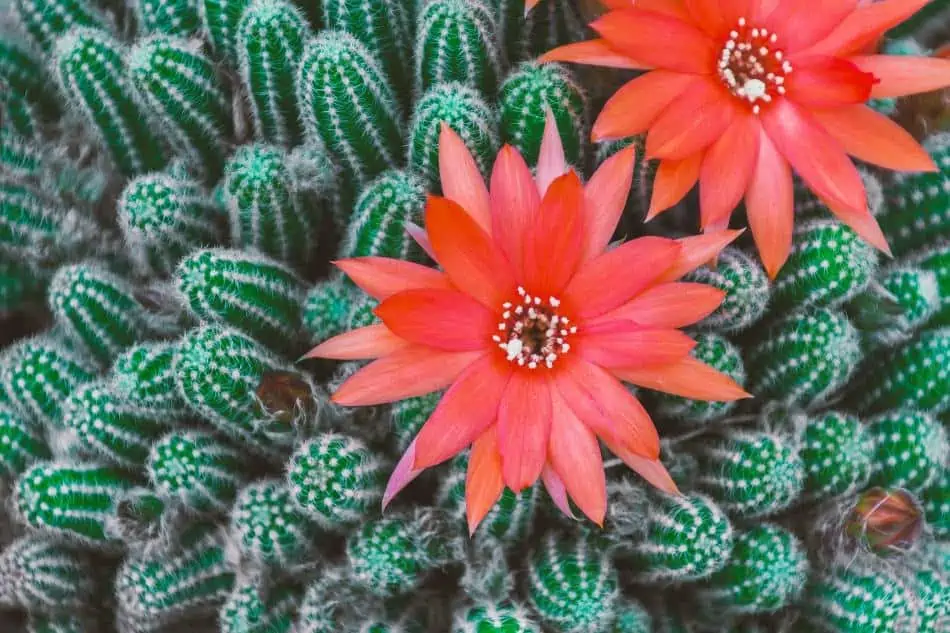
Where Do Most Cacti Grow Around The Globe?

When you hear the word cactus, the first place you associate the plant with is the desert. But do all cacti grow in the desert? Most cacti plants prefer the hot and dry climates of the desert and have devised many ways to thrive in harsh climates. However, not all cacti species grow in the desert.

Cacti grow all over the globe, and you’ll find many species in the desert, rainforests, outdoor gardens, windowsills, jungles, and mountainous regions. This only means that cacti can adapt to different habitats as long as they get the proper care.
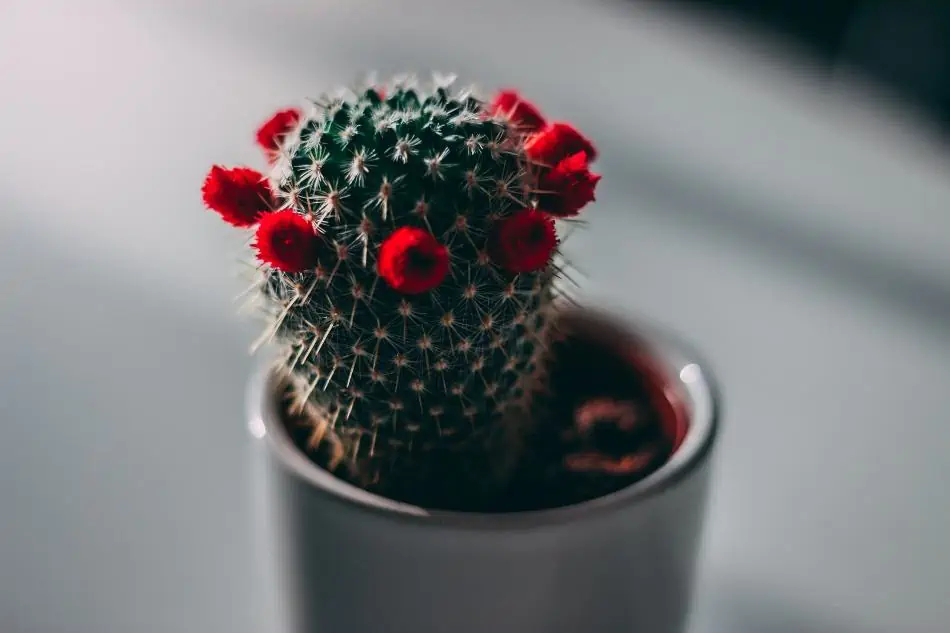
But if you want your cacti to thrive, you need to plant them in their right habitat or try your best to copy their natural growing needs. So, if you wish your cacti to thrive and gloom, you have to find out where your specific species grows. Here are some of the places where most cacti species grow.

The Desert

When you mention cacti to many people, the first thing that comes to their mind is the desert. Well, they are not wrong because the majority of cacti plants thrive in the desert. But don’t mistake this for the driest Saharan deserts where there’s no water at all. They still need some moisture and nutrients to thrive. Amazingly, cacti are the strongest plants in existence, thanks to their ability to thrive in harsh conditions.

As most cacti are from desert, they can withstand intense heat, scorching sun, and soil erosion.

You’ll mostly find cacti of different shapes and sizes in the arid regions of the world.  Many of them come in flat, rounded or cylindrical shapes. They are also shrubby and segmented. You can also find desert cacti in columnar shapes or tree-like giants like the saguaro.

The deserts are mainly characterized by intense heat, scorching sun, high winds, and soil erosion. Cacti that survive in such conditions thrive anyway because they have devised several ways to survive. Some of their survival tactics include the ability to store water for a long time. They also grow sharp spines that prickle any animal that dares to mess with them.

The Jungle

Cacti species that survive in the jungle are usually referred to as jungle cacti. These cacti are mostly found in jungle-like environments. They can also survive in other environments and are mostly know to grow on rocks, tree trunks, or tree branches. For this reason, they’re mostly called epiphytes. They get their nutrients from rotting leaves from the crevices.

These cacti don’t look like desert cacti; hence, many people mistake them for other plants. Jungle cacti species include Disocactus, Acanthocereus, Hattiora, Epiphyllum, and more. Even though they don’t look like cacti, you might not recognize them if you don’t know cacti; you must have probably come across such plants. The most common ones are Thanksgiving, Easter, and Christmas cacti.

Unlike other cacti species, jungle cacti require more water than other cacti. However, they still need less watering than other plants. The species cannot stand the harsh climates and luck spines, unlike other cacti. If you’re to grow any of these cacti, you have to give them different care than those of other cacti species.

Mountainous Regions

Some areas around the mountains experience harsh climatic conditions, with others hardly seeing any rainfall. Also, the soil near the mountains is usually eroded and rocky. For cactus, this is the perfect place to thrive. The kinds of cactus that grow in such areas can collect water from the snow. When snow falls into the spines of these cacti, they liquefy into the water, which then falls into the roots for absorption.

You’ll mostly identify mountain cactus with their woolly spines that usually act as their protection from harsh weather like frost and strong winds. Some also come with a waxy coating to protect them from the scorching sun that can result in water loss. You’ll mostly find the mountain ball cactus in such environments.

The Tropical Climate

The tropical regions experience high moisture content with an average temperature ranging between 20 to 25 degrees centigrade. The areas also experience regular rainfall. You must be wondering how cacti grow in such regions when they’re usually associated with dry areas. Well, cactus can thrive in tropical weather as long as there are a few conditions present.

Cacti that grow in tropical conditions should be potted in clay containers.

If you want your cactus to grow in the tropical weather, ensure you plant them in clay containers. Don’t go for plastic containers as they tend to retain water for a long time, making it too humid for cactus growth. Mix the soil with loam soil or compost to provide proper nutrition for the plant. Add coarse sand and gravel to allow the roots of the plant to breathe.

Give your plants some water once a week and ensure you don’t put them under direct sunlight. Beware of pests that are common in the tropical and can kill your plants.

Coastal Regions

Some cactus species have adapted to thrive in the coastal regions of the world. These regions are also characterized by harsh weather, salty water, and alkaline salt, making it difficult for other plants to survive. These places rarely receive rain, but the cacti in the regions are adapted to the climate and can live for a long time without rain.

The cacti plants that grow near the coastal regions have distinct characteristics that enable them to thrive. They mainly depend on a stream of cold air that moves through the land in the form of a fog. The coastal cactus gets their water from absorbing the moisture in the fog, which they store as much as possible to aid their growth.

Cactus Plant Adaptations That Enable Them to Live Anywhere

Cactus plants have different adaptations that enable them to survive anywhere in the world. They can survive odd climate patterns, extreme temperatures, and little rain. Among the plants found under the sun, cacti are very capable of adapting to any environment, and that’s why they’re available almost everywhere. Here are the specialized features that enable cacti to survive anywhere.

Spines

Cacti leaves are reduced to spines to enable them to limit water loss. Their spines not only help cacti avoid water loss but also guard them against desert herbivores that might want to eat the plants or drink their stored water.

Spines enable cacti to maintain water content and protect themselves from herbivores.

The spines of cacti are made of dead cells that don’t take up water. The spines trap air around the cactus plant, which helps protect them from water loss through evaporation and transpiration. The spines also provide shade for the plant against the scorching sun. They help lower the temperatures around the plant to limit water loss.

Specialized Root System

Cacti have their roots develop in a different way from other plants to enable them to survive in different regions. Some roots are shallow and widespread to absorb water from the little rains in the desert.

Cacti have developed roots in a way that they absorb as much water as possible.

When it rains consistently, some cacti can grow tiny roots to help absorb as much water as possible so they can store it for future use. As soon as it stops raining, the roots dry up quickly to prevent water loss. The root cells of cactus plants have high salt concentrations that enable them to absorb water at a high rate.

Short Growing Seasons and Long Dormancy Periods

Many cactus plants grow only in the short rainy seasons and remain dormant in the dry months. This adaptation ensures the plant only uses water for essential processes such as photosynthesis. As a result, they don’t develop new cells or tissues, so they don’t end up using all their stored water.

Waxy Stems and Spines

The stems and spines of cacti develop a thick layer of wax to prevent as much water loss as possible. The thick layer of wax can shrink and expand at any time. This adaptation enables the cactus to retain as much water as possible. They protect the plants from heat from the sun, which can lead to evaporation.

Unique Stems

The stems of most cacti plants are well adapted for water storage. The stems come in varied shapes, which contribute to enough water storage and retention. Some are spherical, while others come in cylindrical shapes, which bring a low surface area to volume ratio. This reduces the amount of water loss in the atmosphere and reduces the effects of heat from the sun.

Some cacti stems are capable of expanding and shrinking. They expand during the rainy season to enable them to store as much water as possible. When the rains stop, and they start using their stored water, they shrink. Such a cactus includes the rounded ball cactus.

Summary

Understanding the cactus growth regions and their various adaptations are essential if you want to introduce some to your garden. This will help you know how to better care for them and the conditions you must give them to thrive. You must also know how to differentiate cactus thriving from simply growing. If the climate doesn’t favor your plants, they’ll grow and not thrive enough to gloom and adorn your garden.

How To Know If Your Cactus Will Flower

Many people love to grow cacti in their homes, but if you want yours to flower, it can be a tricky process. The first thing you need to do is find out what type of cactus it is. There are over 2,000 different types of cacti and the flowering requirements vary with each one. It will take a keen eye to not only answer the question of what type of cactus it is but also determine if it will fower.

So, how do you know if your cactus will flower? The best way to know if your cactus will flower is to read the label. Most labels include a flowering time, which indicates when you should expect it to produce flowers.  If there is no information on the label and you’re not sure when your cactus will flower, it’s best to wait until the plant has been at least two years old before giving up hope.

This article will be looking at the best ways to make sure your cactus will flower. It will also look at steps to make you cactus flower.

How to make a cactus flower

Once you know which type your plant is, there are several ways to get it blooming again:

#1 – If your plant has not flowered for many years and the leaves have been dying off gradually over time then this may indicate that it needs more water than usual.

#2 – If your plant has flowered before then try moving pots around or changing its light exposure level, this might reactivate the plant’s natural response to produce blooms. Additionally, the plant can be given supplemental lighting to encourage blooming.

To make a cactus flower, water the plant more often, change its light exposure level, or use a new soil mix.

If none of those things work then you may need to try repotting the cactus in a new soil mix that is better suited for flowering plants (such as Cacti & Succulents). Make sure not to water your plant too much, and keep it in a dark place for about two weeks.

Alternative ways to determine if your cactus will flower

Other ways to determine if your cactus is a flowering cactusar is to look for a flower-like bud on the cactus and wait until it opens. Here, you will need patience, as it can take a few years for the plant to flower.

A cactus will usually start flowering when it is healthy and happy, not stressed out by too much water or light exposure. If your cactus has flowered before then try moving pots around or changing its light exposure level, this might reactivate the plant’s natural tendency to flower.

To determine the reason why your cactus is not producing any flowers, you should carefully observe and examine the plant.

It can also be determined by looking at the plant’s terminal spine or central rib — this sometimes has a white/pinkish coloration which may indicate that your plant will bloom soon! Once this is noted, you can start giving the plant appropriate care.

If you are still not sure, try to gauge the plant’s age. If it is between two and four years old, then there should be a good chance that you will see its first flower in the next year or so. However, if it is older than four years, then you should not expect to see any flowers for at least another year.

Also look for any signs of flowering on other plants from the same cacti species (this may help indicate if your own cactus will bloom in the future). By studying similar species of cacti, it is possible to get an idea of when they will flower.

My cactus is not flowering, what next?

There are several types of flowering cactii, which can be classified in a number of ways.

If the cactus is not blooming and you cannot tell why, then consult with a professional to determine if there may be an issue that needs addressing. There are many reasons for this lack of flowering: it could be due to insufficient light or water; diseases such as rot or rust; pests such as insects, mites or fungus.

Each of these can be dealt with by a professional in the appropriate manner. For example, if there is an issue due to insufficient light then you may need to change the location it sits in order for blooming to take place. If your cactus has been flowering and now doesn’t then again, consult a professional to determine the cause.

Insufficient light and water, rot, rust, and pest infestation are some of the common reasons why your cactus is not flowering.

However, there are cactus species that do not flower naturally and will only do so when they are pruned back. For example, the Mammillaria species of cactus is one that does not naturally flower and needs to be trimmed down in order for flowers to come out from its body. The plant may also need some protection from frost or other weather conditions if it resides outdoors near such an area.

Why do flowers matter in cactus?

Cactus flowers are important because they allow the plant to reproduce which is essential for its survival. The more cacti there are in existence, the less likely it will become endangered or extinct due to a lack of number in population size.

Additionally, different types of cactus species produce flowers with different colors and sizes that vary from just a few inches to over six feet in height.Flowers will come in various shapes like balls or columns that could be as wide as a foot or as tall as five inches.

Varieties of Flowers:

-Flower Colors are usually shades of cream, yellow, red, pink and purple

-Some flowers can have an onion shape or a sharp columnar appearance that shoot up high into the air

-Other plants will have stems with long spines on them

What does a cactus flower look like?

-Some have long spines while others are small, round balls

-Most flowering plants will grow out of the top or side of the plant but for some types it can actually be on one of their sides. For example, prickly pear blossoms are on the side of their stem

-The flowers will usually be a different color than the plant itself, while other plants can have both colors. For example, saguaro cactus has pink and white petals with green leaves

-Some flowers will be small and come in clusters while other plants have a single flower on them. Common cactus species with clustered flowers include prickly pear, hedgehog and organ pipe

-The flower will have petals that allow the flowers to open up while some types of cacti are more like a closed ball when they bloom. Common cactus with this tendency include a barrel, hedgehog and candelabra.

While some cactus species produce small and clustered flowers, others feature relatively single but large blooms.

-You can also look at the cacti’s flowers to see if they are open or closed when trying to determine how well it will flower

-The best way to know is by looking for buds on your plant before any sign of a bloom has appeared. If you have no buds, it’s unlikely that your cactus will bloom.

-Keep in mind that a lot of factors can contribute to the plant blooming including region and light exposure

-Cacti are very sensitive plants so they may not flower if you don’t care for them properly or provide enough water. You should also note things like temperature changes and the time of year.

-If your cactus is a type that blooms easily, like a barrel or hedgehog, then you can get an idea about whether it will bloom by looking at its flowering season

-Another way to tell if your plant will flower is to look for specific types of flowers and buds on the plants themselves.

-It is possible for a cactus to grow without blooming, which means that it might be able to flower in the future. In such cases, it is best to keep the plant healthy so that its chances of blooming are increased.

-The most simple way to find out if your cactus will flower is to wait until it does, and there’s no guarantee that waiting for flowering means you’ll get flowers

-Before planting a new cactus, take care in choosing one that will be easy to care for and is at the appropriate level of difficulty.

-If you’ve had your plant for a long time (more than one year), then it’s worth discussing with someone who has more knowledge about plants, such as an expert in cactus botany. This way, you will be able to know if your plant needs any special care in order to increase the chances of it flowering.

It is important to know whether or not your cactus plant will flower in order for you to take care of it properly. There are three ways that one can find out if their cactus will bloom- waiting until the moment occurs, maintaining a healthy lifestyle for the plant and doing some research beforehand before planting a new one. If you are interested in knowing whether or not your cactus will bloom, then you should do some research beforehand before planting a new one. If you’ve had your plant for more than six months and it is thriving, has no diseases and receives the appropriate amount of care, then there’s a good chance that it will flower soon!

How Do You Revive A Dying Succulent 6 Easy Steps

A dying succulent doesn’t have to be the end. Succulents are hardy, and even one that is dying can usually be saved. There are various techniques to saving this low-maintenance plant. The key is to identify what is wrong with the succulent and restore its good health.  

Just because succulents are low maintenance does not mean they still can not have issues. If you notice your succulent is showing signs of dying, there is no need to fear. Succulents are resilient plants and can almost always be revived. Read on to find out how you can save your succulent with these six easy steps. 

1. Identifying a Dying Succulent 

There are few tell-tale signs that your succulent may be starting to die off. Thankfully, they are straightforward problems to identify. 

  • Look for brown or decaying leaves.
  • Look for mushy, soggy, or almost transparent leaves. 
  • If the leaves fall off the plant with the slightest touch. 
  • Check the stem; sometimes, the leaves will look okay even though the stem is rotting.

Overwatering is going to be the most common cause of these types of symptoms. Your succulent is closer to a desert cactus than it is to a desert flower.   

That being said, sunspots or sunburns on your leaves may be a sign that your succulent is getting too much sun, or is being underwatered. If your succulent is getting direct sunlight, it may be necessary to relocate it inside. A simple pain of glass may be enough to shelter your succulent from harmful rays. 

2. Prune Your Dying Succulent

Before you do any moving or re-potting of your succulents, you will need to trim and remove any and all leaves that have gone bad. Again, look for any leaves that are discolored or have lost their durability. Succulent leaves should feel pretty solid and can usually handle a little roughing up and not fall off.  

3. Digging Out Your succulent 

You will want to be as gentle as possible, but it is time to dig out or cut your succulents. If your succulent has a sturdy-looking stem, but the leaves are dying and breaking off, you are going to want to dig it out. Be sure to protect as much of the roots as possible. If the leaves are dying, the roots should come out easy enough. 

Make sure you protect the roots when digging out a dying succulent.

Gently work a small shovel or spade around your succulent until you can easily remove it from its current pot. At this point, it is essential to clear the roots of all dirt fragments. You want clean, robust roots for the next step. Succulents planted in the ground outside will need this same step if their leaves have gone bad. 

4. Cutting Your Succulent 

If the leaves on your succulent seem to be healthy, but the stem looks rotten, then it is better to snip the plant. Follow the stem up past any rot until you find a nice healthy-looking spot and give it a snip. This is a good time for extra pruning. Take an extra close look at your stem to make sure all the dead leaves and rot are gone.  

5. Leave Her Out to Dry

Whether you snipped or dug out your succulent, you will need to find a place for it to dry out. Preferably indoors on mesh or a strainer. You are going to want to let your plant dry out completely. This should only take two to three days. 

After a few days, touch the roots yourself to make sure they are dried out. This is important again because overwatering is the most common reason for succulents to die off. Thoroughly dried out roots will reattach to dry soil easier. 

6. Time to Re-pot and Care for Your “New” Succulent! 

Once your snipped or uprooted succulent is dried out, it is time to re-pot. It is best to select a small temporary pot filled with completely dry soil to replant your succulent. You will leave the succulent in this temporary pot for around a month or until you can feel strong roots growing. 

Use a small temporary container when repotting your dying succulent.

You are going to want to find a dry place in your house with no access to sunlight while your succulent nurses itself back to life. A counter with no access to sunlight should be a fine place to put your plant.

When the roots are solid, you can feel free to relocate your succulent to the garden or the windowsill or back in the large pot with all the others. Just be sure not to overwater.  

How to Prevent your Succulent from Dying

If you can prevent your succulent from dying in the first place, you won’t need to worry about bringing it back. Keeping your succulent from dying can be done in a few ways:

  • Using a moister meter to make sure the succulent doesn’t dry out
  • Not overwatering the succulent
  • Make sure the soil is nutrient rich
  • Give you succulent enough space to grow
  • Keep the succulents warm

Purchase a Moisture Meter

This a crucial step, get yourself a moisture meter. You can purchase a moisture meter for five to fifteen dollars. Moisture issues will be live or die for your succulent, allowing your life to be made easy with a moisture meter. 

You are going to want to check multiple spots in your pot in the future. Several plants in the same pot can register different levels. You only want your meter to register one to three. As long as there is moisture present, you should be fine not to underwater. 

Overwatering Your Succulent

A common mistake people make when caring for succulents is overwatering. Succulents are part of the cactus family and don’t need much water to live. Make sure the soil is damp and never looks like mud after watering. Don’t use a mister. Succulents are desert plants and misting will change the humidity level around them. 

Overwatering can also result from improper drainage. Make sure your succulent is in a container with multiple holes on the bottom. 

Overwatering is one of the most common reasons why a succulent is dying.

Indoor succulents will require even less watering than outdoor. As a general rule do not water your succulent until the soil feels one hundred percent dry. Fourteen to twenty-one days is a good number to keep in mind. Especially if your succulent is in a place with little to no sun.

Outdoor succulents should be watered one to two times a week. Being outside they will have more direct sunlight and need to be watered more frequently then indoor succulants. If you’re in a climate that experiances a winter, only water one or twice during that season because the succulents go dormant in cold weather. 

Succulents Need Properly Mixed Soil

It is highly recomnded that you use potting soil for indoor plants only and that you add sand to the soil before planting. Coarse sand is your bet best for proper drainage. This will help ensure no overwatering. Keep in mind that certain potting soil will have added nutrients in them that can harm or burn Succulent roots. This another reason sand needs to be added.

Always use a soil mix that offers proper drainage for your succulents.

The proper ratio if using regular potting soil is two parts coarse sand, two parts potting soil, and one nd a half cups of perlit or pumice. When planting directly into the ground, use a similar mixture to add as top soil before planting your succulent.  

Use a Big Enough Container

Just because succulents can be small doesn’t mean you should cram several of them into a small pot. Each succulent should have several inches around them. Space allows the succulents to keep growing without getting into each other’s way or deprive them of nutrients in the soil.

Keep Your Succulents Warm

Succulents need to be kept warm year-round. Outdoor locations or areas of your home prone to drafts are not a good place to keep your succulent. Any location of your home with consistently warm temperatures is ideal.

Conclusion

Thanks to the hardness and versatility of succulent plants, they can most likely be saved and salvaged. It requires a few steps but nothing too complicated. Once your succulent is entirely replanted, use your moisture meter to ensure your plant will have a long, happy life. In the meantime, go save that plant!