10 Things You Should Know Before Buying A Cactus

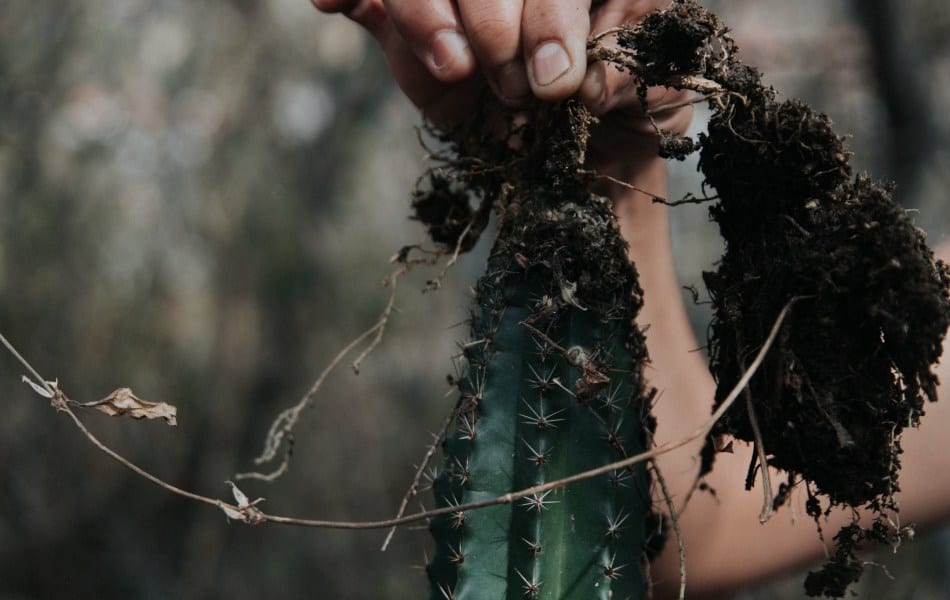
Cactus owners are a devoted bunch. Their plants may not be as cute as kittens or puppies, but they know that their prickly green friends need just the right care to grow and thrive. Unfortunately, some of them make costly mistakes when it comes to caring for cacti. It’s important to learn from their mistakes, so you don’t end up killing your plant!

So, what are some of the things you need to know before purchasing a cactus? Well, you need to know that most of them are sold as seedlings, they need special care to survive at home, most of them are prone to bacterial infection, different species have different needs, and they can be grown in many different ways.

In this post, we discuss some of the critical things you need to know before buying a cactus.

1. Mostly Sold as Seedlings

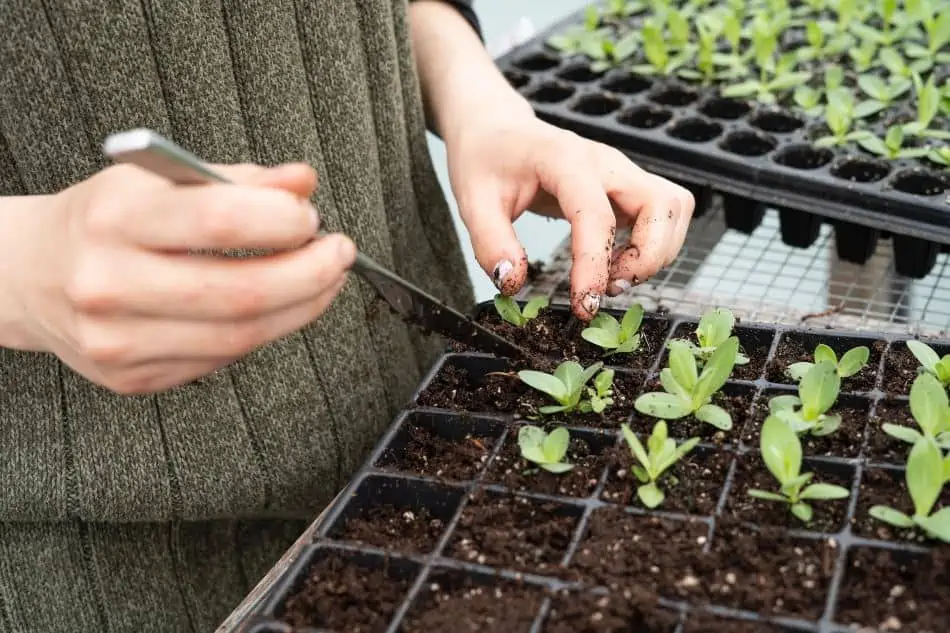
In garden centers and nurseries, they are usually found in small pots or plastic tubs containing a soil substrate that has been specifically designed to meet their needs.

Cactus plants are typically sold as seedlings and come in a container with a suitable soil substrate.

This substrate contains a base of fine-grained materials, such as pumice stone, that retain water for prolonged periods.

The soil substrate also needs to be light enough to enable it to hold on to the water and allow air pockets between each grain in which roots can develop.

2. Their Spines Aren’t Too Dangerous As Most People Believe

Although their spines make them look as if they’re covered in thorns or needles, not all cacti are uncomfortable to touch.

In fact, this characteristic depends more on the type of spines than it does on whether or not the cactus is thorny.

Cacti generally have two types of spines: short and thick, known as glochids, usually arranged in clusters on the lower third of their stems, and longer and thinner spines, which are called sharp or hard spines.

The shorter, thicker ones are usually brown or grey and soft. On the other hand, sharp spines tend to be white or light and can be up to 8cm long.
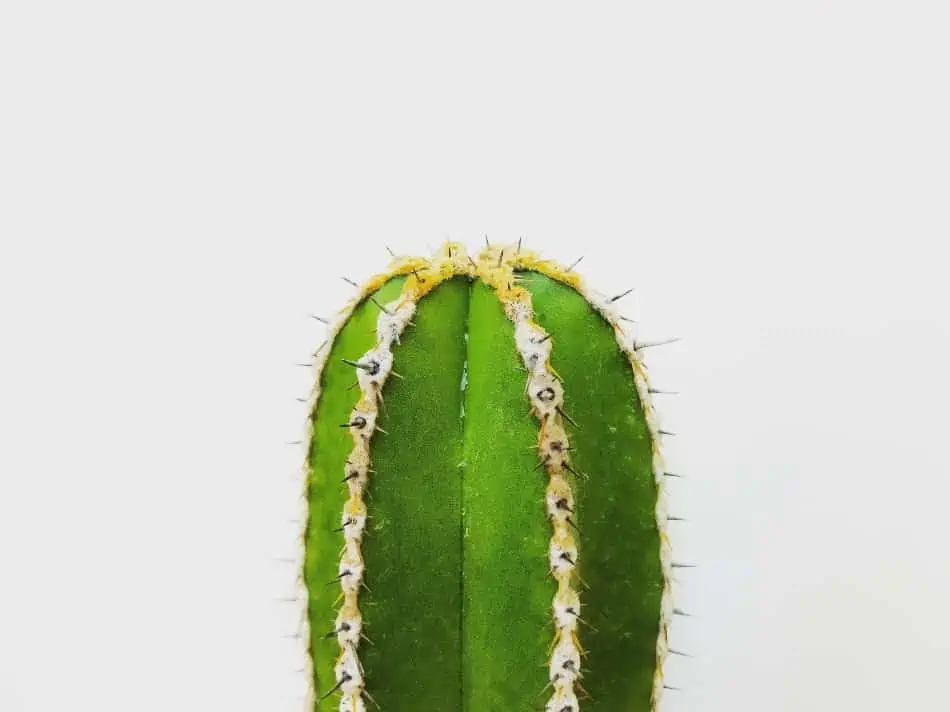
In fact, cacti with long and sharp spines are quite dangerous and should be handled with care.

The majority of cacti have both types of spines. The degree of discomfort they cause varies depending on several factors but is generally correlated with the size and position of each spine.

The spines on the bottom third of the plant are usually longer and more numerous, making it harder to touch them without getting hurt.

Cacti with long, sharp spines tend to be considered among the most dangerous, but there are a few species that have very thick glochids that they only use as a defense against herbivores.

3. Need Special Care to Survive at Home

The most common care mistake that gardeners make is overwatering, which can cause the plant to rot. Too much water in winter leads to the plant’s roots becoming damaged and its leaves drooping or shedding completely, while excess humidity causes their stem tissues to turn brown.

Another mistake that people make is moving them from a brighter environment to a darker one, from a cooler area to a warmer environment or from outdoors to indoors. These sudden changes can cause the plant’s roots to dry out and its skin to deteriorate.

Cacti also need fertilization to produce new stem tissue, but most people do not realize that this should be done every two weeks rather than once a month.

Cacti are not too difficult to grow, and they can be very rewarding, especially because they can flower without being treated with hormones or other growth stimulants.

However, you can easily become overwhelmed by how large these plants can grow if given good care. Cacti will grow from seeds and cuttings.

4. Different Cacti Species Have Different Needs

The most important characteristic to take into account is the origin of each species, as there are cacti that live in tropical forests or mountainous areas, some of which need temperatures below 10°C while others can survive daytime temperatures over 30°C, and some can live in completely dry environments.

Some cacti have very adaptable natures and can survive for long periods without water, but they are still plants and need water to thrive.

Allowing them to go without water will just make it more difficult for the plant’s dormant tissues to survive.

5. Cacti Plants Are Prone to Bacteria Infection

The part of a cactus that is most easily infected by bacteria or other microorganisms is its stem, and this also tends to be the part where infections develop.

If left untreated, the infection can quickly spread from the roots to the leaves and stems of these plants via their vascular system.

This can happen for several reasons: keeping them in a damp environment, over-fertilizing them, or simply because the skin has been injured.

The majority of infections are caused by fungi and tend to be treatable with fungicides. However, some bacteria such as pseudomonas can lead to more serious diseases in which the plant’s fabric is destroyed.

Cacti are highly resistant plants that can survive for many years, but they are not immortal organisms.

As with all living things, keeping them in good health means recognizing when something is wrong and knowing what to do about it.

6. Some Cacti Species Do Better Indoors

Some cactus species are more suited to living indoors than others.

Those that come from cold regions should not be left outside because they will need a heated environment to survive the winter months, especially if they are exposed to lower temperatures or raindrops.
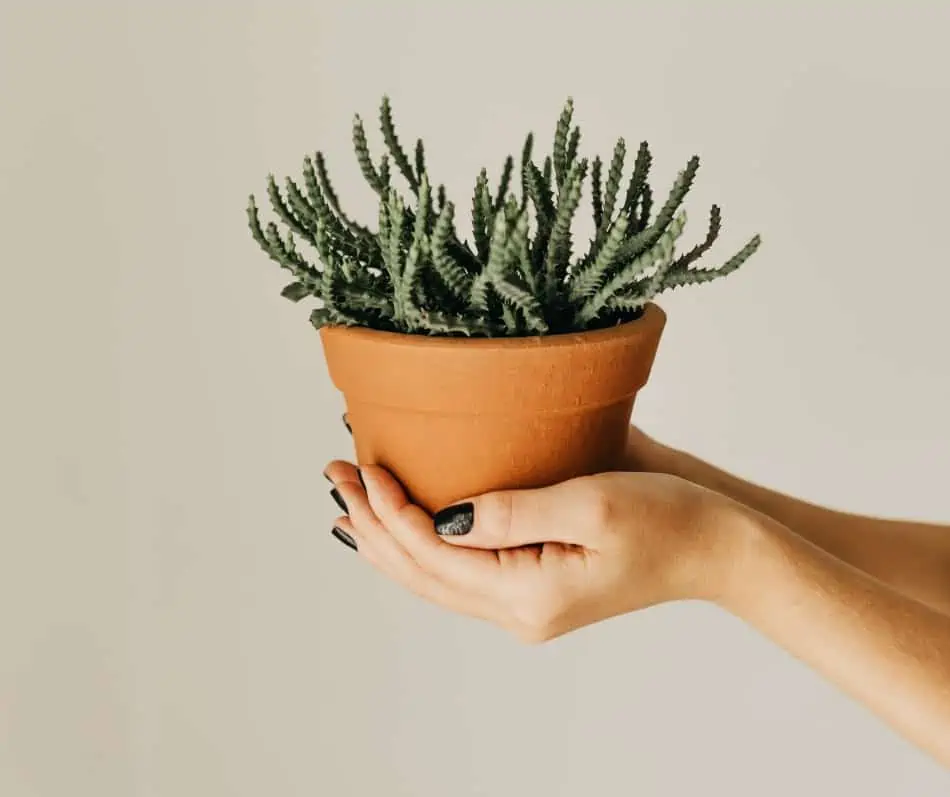
Although most cacti are native to deserts and outdoor settings, some cactus species prefer being grown indoors.

To grow a cactus plant indoors, you will need to find a suitable place for it. These plants like bright sunlight, but they need to be protected from direct sunlight, wind and the morning dew.

They are also sensitive to changes in temperature or humidity levels which is why most of them grow best when kept near an air conditioning vent, next to a stove or near a balcony railing that faces the sun.

7. Cacti Live For a Long Time

Some cacti can live for more than a hundred years. Many of them usually slide into hibernation mode when they are not receiving enough light or water, which helps them survive drought conditions and extremely hot weather.

Some cacti, including the Saguaro, can live for hundreds of years.

On average, a cactus plant will live for 80 years. The Saguaro cactus is one of the most well-known cacti, and it lives for around 200 years.

However, domesticated cacti plants tend to be short-lived than those in the wild because most gardeners fail to provide their plants with optimum growing conditions.

8. Cacti Should Always Be Planted In a Good Quality Soil

Cacti need good quality soils to survive and thrive, but the type of soil they will grow best in depends on the species.

The soil used to grow cacti should be light and porous, with a PH level of between 5.5 and 6.5. If the soil you choose has a very high clay content or is too heavy, it will not allow water to filter down to the plant’s roots, and it could also disrupt your cactus’ internal PH levels.

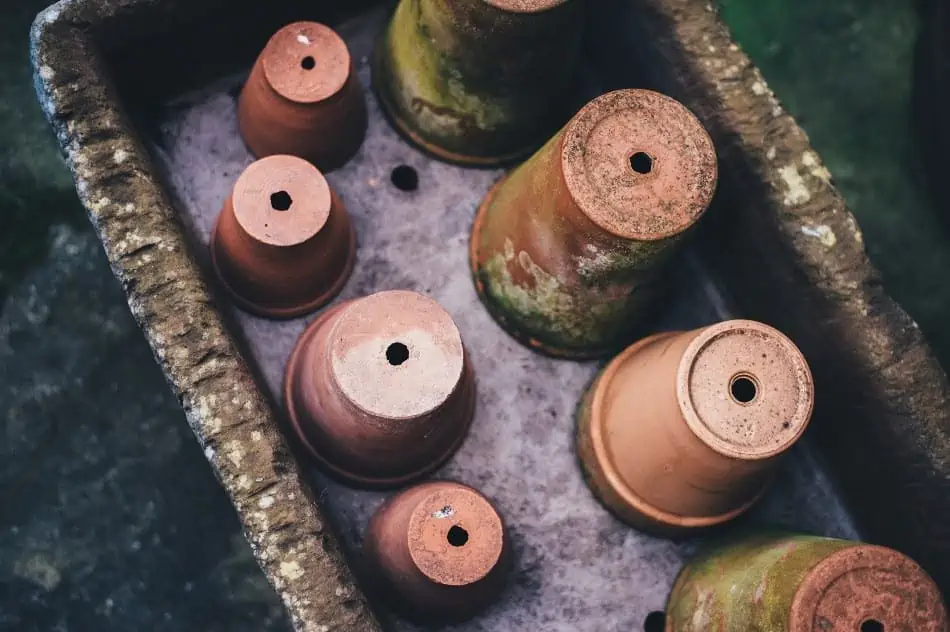
Cacti will need holes in their plant pots to allow excess water or air to exit. This means that you should avoid using peat-based composts because the plants won’t be able to breathe properly, increasing the risk of fungal growth.

9. Cacti Can Be Grown In Many Different Ways

There are three main ways to grow cacti and other succulent plants: in pots, as bonsai or simply planted directly into the ground.

Each method has its own advantages and disadvantages, but they all have one thing in common: the soil used must be porous with good drainage qualities.

Growing cacti outdoors gives them the space they need to develop and spread out their branches.

However, this means that they are exposed to all kinds of weather, which can put pressure on them. This method also requires patience and hard work because your plant needs to be properly maintained.

If you choose to grow your cactus in a pot, make sure the pot’s volume is commensurate with the size of the plant. Just like people, cacti require plenty of rest, so make sure you water them well and don’t keep them in their pots for too many years.

Bonsai cacti are pruned to look like trees, which requires detailed knowledge about how much sun they need and how much water they should receive.

10. They Are Many Different Species of Cacti

Cacti plants belong to the Cactus family, and there are over 2,400 different species. They differ in size, shape and color. There are also some amazing hybrids created by crossing two or more different species together.

These plants are native to warm regions of North America, Mexico, South America and Africa.

There is an amazing array of cacti species, and these fun plants are easy to grow and a great option for anyone who wants to get into the gardening game!

FAQs About Cacti

Besides the ten facts mentioned above, we have also answered some of the frequently asked questions about cacti plants:

Do I Need to Water Cacti?

We are all aware that most cacti species are adapted to growing in dry areas. These plants are known for their extraordinary water storage capabilities. In fact, a cactus plant can survive for several months without water.

However, cacti need regular watering to thrive, especially during the growing season. Consider watering your cactus once or twice a week, depending on the species you have and your area’s climate.

Just be careful not to overwater or underwater it. Overwatering can cause root rot while underwatering can lead to wilting and eventual death of the plant.

Should I Fertilize My Cactus?

Cacti don’t need a lot of fertilizer to stay healthy because they are adapted to growing in nutrient-poor soils. For this reason, you should only fertilize your cactus when necessary.

Organic fertilizer can be applied once or twice a year during the growing season, but make sure you dilute it to half its strength before using it.

Alternatively, use slow-release fertilizer tablets explicitly designed for cacti plants.

What Temperature Do Cacti Need?

Most cactus plants will grow best in temperatures between 65°F and 80°F (18°C-27°C). If possible, try to avoid sudden temperature changes since they can cause stress to the plant.

Also, remember that cacti need protection from frost if you live in an area with cold winters. If the temperature drops below 50°F (10°C), move your cactus indoors to provide it with enough warmth and protection.

Is Cactus a Type of Succulent?

This is perhaps the most common question among people interested in cacti plants.

The answer is yes, cactus is a type of succulent plant. All succulents are adapted to surviving in dry conditions, which makes them the perfect choice for people living in arid and semi-arid climates.

In addition to cacti, there are many other types of succulents that you can grow, such as aloe vera, jade plants, and echeverias.

Is Cactus Edible?

You may think this is a strange question, but it is not. There are a few varieties of cacti fruits and pads that are consumed as food.

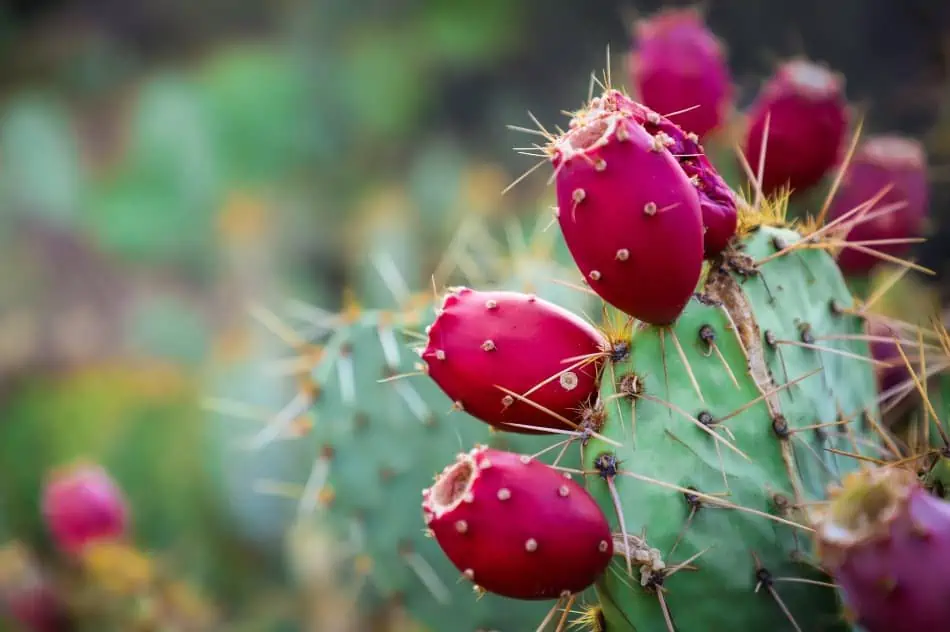
Prickly pear, for instance, is one of the most popular edible cacti, and it’s used to make salads, jams, jellies, and even tequila!

Don’t try to eat any cactus plant without knowing it is safe and edible. If in doubt, consult an expert before consuming any type of cactus fruit.

Summary

Cacti are one of the most fascinating plants on earth.

They can live for more than a hundred years and go into hibernation mode when they are not receiving enough light or water, which helps them survive drought conditions and extremely hot weather.
How To Know When A Succulent Needs Water

You are a plant lover who wants to add a successful succulent like a cactus or aloe vera to your garden. You go to your local nursery, buy a healthy-looking succulent and bring it home. However, you might start to wonder when you are supposed to water your succulent, and how you can know when your succulent is thirsty. 

Look at a succulent’s leaves and roots to tell if it needs water. Succulents are low maintenance when it comes to care and attention. Since succulents grow in dry climates, they only need to be watered once a week during the summer and once every two to three weeks during the remaining seasons.

The number one reason succulents die is from either overwatering or underwatering the plant. Succulents can store a significant amount of water in their stems, roots, and leaves. If you overwater succulents, the plant will drown. If you underwater succulents, the plant may die of parchment. Read on to learn about the things to look for so you can know when it is time to water your succulent plant.

Look at Your Succulent’s Leaves

The texture of a succulent leaf should be smooth. When the leaves start to wrinkle or appear to be shriveling up, it is time for you to water your plant. To smooth out the wrinkles, follow these steps.

  • Add water by first placing your finger about an inch deep into the soil.
  • If the soil feels completely dry, take a water dispensing device and apply water.
  • After you have watered the soil, your leaves should return to their smooth and flawless finish.

If you water the succulent and still find that your leaves are wrinkled, you may have placed the plant in an area with too much sun. The sun’s rays may be dehydrating the plant at a faster pace than it can absorb water. If the plant is in an indoor pot, simply move it a few inches away from the window so it can receive a reduction of radiation.

If your succulent leaves are not smooth, it means that the plant requires water.

In addition to having a smooth appearance, succulent leaves should also feel firm. If you can easily bend the leaves or they look weak, it is time for you to hydrate your plant. The leaves should feel strong and difficult to bend. If the leaves are still flexible after an hour of watering the plant, you can either move the plant away from the sun or add about three tablespoons worth of water.

What To Do If You See Burn Marks on Leaves

If your plant has been in too much sunlight, you will see burn marks on the leaves and the stem. Move the plant away from the sunlight and water the plant properly.

If you see burn marks and the plant does not replenish itself after a day or two of being out of direct sunlight, you can remove the succulent from its pot and place it in a cup of water for twenty-four hours. This procedure should rehydrate the plant and resurrect your healthy, strong succulent back to life.

Look for Aerial Roots on Your Succulent

You can think of aerial roots like spuds on a potato. Aerial roots are anything that grows on the root that is not supposed to be there. They often appear as pink or white hair-like substances growing on the stem. These roots grow to absorb water from the air if they are not getting enough hydration from the soil.

If you see an aerial root on your succulent, do not panic. It is normal for this to happen and it is your plant’s way of telling you that it is thirsty. By simply adding water to the plant and making sure it is not receiving too much UV radiation, the aerial roots will disappear within a week. Here are four things you can do to get rid of the aerial roots on your succulent plant:

  • Water your succulent plant once a week during the summertime and once every two weeks during fall, winter, and spring. If you live in a warmer climate like Texas, Arizona, or Florida, follow the summer guidelines throughout the year.
  • Do not remove the aerial roots. This is the plant’s way of surviving from water in the air and they will go away on their own once they are hydrated.
  • Aerial roots are more likely to appear during the succulent’s growing season. While once a week in the summer and once every two weeks for the rest of the year is a general rule of thumb, they may require more attention during their growing season, which is typically in the warmer months.
  • When the aerial roots dissipate, continue to practice proper watering techniques. You may need to water the plant twice a week if it is in an extremely dry climate, or once every two weeks if the climate you are in has a lot of moisture. It depends on your location and the plant’s individual needs.
If you notice that your succulents have aerial roots, water the plant and protect it from UV radiation.

Furthermore, the roots on a succulent should be light in color and firm in texture. The roots should not be flexible. If you can bend the roots or they have discoloration, your plant may be suffering from root rot. This is when the roots start to decay due to dehydration or overwatering. To get rid of root rot, remove the plant from the soil.

Then, clean off the soil from the roots and place the plant in a space that is out of direct sunlight. Let the plant dry and make sure there are no rotten roots, which will be brown or black in color. Let the plant sit for five days, and then replant the succulent in a new pot of fresh soil. After two days of the plant sitting in the new soil, water the succulent.

This should cure the root rot. Make sure you keep up with proper watering practices after replanting the roots to ensure the root rot does not occur again.

Use the Correct Watering Tool 

Avoid using spray bottles to water your succulent. While spray bottles work great for other types of indoor plants, they are not well suited to water succulents. 

While spray bottles work for other houseplants, they are not suitable for watering succulents.

You need to have a more concentrated water flow for the water to penetrate the roots of the succulent and the dispersion of liquid from the spray bottle is not powerful enough to evenly distribute among the roots of the plant. Water cans are preferable since they have a consistent flow.

  • The best way to water a succulent is by using a measuring cup and pouring a cup of water over the entire plant.
  • Allow the soil to dry completely, and then pour another cup of water over the plant.

This method will activate the plant’s root system, give it time to absorb the first cup, and prepare the plant to receive hydration from the second cup.

Use the Correct Pot and Soil

You need to use a pot with a draining hole. The hole prevents the succulent from drowning or rotting. A small pot with a single draining hole will be sufficient in containing your succulent.

Using the proper pot and soil mix is key to providing sufficient drainage for your succulents.

Additionally, you need to use the right soil. Most soils are too dense and hold too much water for your succulent to thrive in. Remember, succulents have evolved to contain enough water over an extended period. They do not need the support of the soil to hold more water since their storage units do this naturally.

Choose a soil that has visible particle sizes. A gritty mix is a great soil to use since it only holds water for a short period of time and has a small absorption rate. The gritty mix also dries out quickly, making it ideal for plants that are well-suited for dry climates.

Conclusion

Succulents are low-maintenance plants that do not require a lot of time or care. They have evolved to survive on little water and can go for long periods of time without water. Overwatering your succulents can damage them. However, a succulent’s leaves and roots will alert you when it is thirsty and needs to be rehydrated.

Sources:

9 Signs That You Need To Cut Your Succulent

Has your succulent been growing like crazy? What should you do if you notice signs of distress in your succulents? Being a plant parent is hard, interesting, and fun all in one, and that’s why I’m here.

There are nearly a dozen things that could go wrong with your innocent little plant! Before you start feeling overwhelmed, here are nine signs that you need to cut your succulent.

1. You Noticed Some of Your Succulent’s Leaves Are Dying 

So you noticed some of your succulent leaves are either looking discolored or wilted. There’s no need to panic, as this is a fairly easy fix. 

This could have happened for different reasons, including:

  • Overexposure to sunlight
  • Not enough water
  • Bugs!

Trying to narrow down the cause of the deaths can help make sure your plant stays healthy in the future. Maybe it needs to be moved to a shadier area or watered more often!

Removing dead succulent leaves is key to growing a healthy plant.

Regardless of the reason, if your plant’s leaves are dead, it is best to cut off the dead leaves. It’s important to remember that a few dying leaves are totally natural and expected with any succulent. Over time, some of the leaves die, and others will regrow and replace them. This is why if you notice some dead leaves, it’s totally okay to snip them off!

2. Your Succulent is Under Attack from Root Rot

Have you taken a look at your succulent’s roots lately? Maybe you noticed they look a bit darker than normal. That’s definitely not good. 

The typical reasoning for root rot is overwatering. You may not have even noticed you were doing it, and in that case, it may not be too late! If you catch root rot early, you can attempt transferring your plant into a new pot with fresh and dry soil. 

If your succulent roots are rotting, you should consider transferring the plant into another pot.

It’s important that you clean off any old and moist soil from the roots during the transfer as well. This will give your succulent the best fighting chance. 

Lucky for you, even if you didn’t catch it early, there is still hope! It is now time to behead your succulents and remove the rotted roots. Plant the “head” part of the plant in a fresh pot, and be careful with the water!

3. One of Your Succulent’s Stems Broke

If one of your succulent stems broke, it’s not the end of the world. Try figuring out the cause of the issue. Stems do just break off, and there is nothing that could have been done about it. Sometimes Mother Nature is involved, and oftentimes gravity plays a big part. 

If you have a stem depressingly drooping off of your succulent, cut that thing off! The coolest thing about a succulent is replanting it! If the stem is still alive, you will be able to replant it with some water and dirt. Slowly, roots will regrow over time. How cool is that?

4. Your Succulent Got Way Too Big

Often, succulents are used as decorative pieces on the interior of your home or on desktops. So what do I do if my succulent gets too big?

It will help to realize why the succulent grew too big as well. Is it in direct sunlight? Try moving it to a different spot, as too much sunlight or water could do this to the plant. If indoors, the plant may be moving and stretching itself out as well. 

If your succulent has grown too big, cut the plant and propagate the clippings to grow new succulents.

If your succulent has gotten too big over time, it is no worry at all to chop it back a bit. After pruning to your liking, you can even collect the clippings and regrow them into a whole new plant, given time! So don’t worry about it. Cut that plant, and make sure to save those leaves and clippings!

5. Your Succulent is Physically Damaged

Physical damage can come from several different factors, the biggest being… Bugs! If your succulent is getting physically damaged, it must be either from:

  • The wind
  • Wildlife
  • Pests 
  • Human interaction

Pests are the biggest contributor to physical damage on this list. Melee Bugs, Spider Mites, and Fungus Gnats are pests popularly attributed to a succulent plant. Mice, Voles, and Squirrels have also been known to go for these plants when in an outdoor setting as well.

If pests are on your succulent, try repotting it with fresh dirt and moving it to a different location. Spraying Vinegar, Bleach and Mint have all been said to work on solving these issues. Lucky for you, a broken stem is not the worst thing that could have happened.

6. Your Plant is Stressed, and so Are You

Is your plant stressed out? Stress comes in different shapes and sizes, as we all know, but there is no need for you to be stressed as you have come to the right place! Plants getting stressed are common and natural and often easily fixable. 

Stress can come from different sources for a plant, but most often, elevated stress has to do with the temperature of the plant. Make sure your succulent remains at an ideal temperature of 60-80 degrees Fahrenheit. Cold temperatures have been known to stress all sorts of plant life out, which is why it is important to keep it its ideal temperature.

Stress can also come from the environment. Messing with your succulent too much can be harmful. Too much touching and cutting and unnecessary bending will put additional stress on your plant. 

Stop messing with your succulents too much and make sure it stays in that temperature range, and your plant will be calm and relaxed.

7. Your Succulent is Elongated

Succulent’s being elongated is actually quite common. As most are kept indoors, they will yearn for light and try to stretch out to find some. This gives you an elongated and awkwardly tall succulent plant. 

You may have also noticed:

  • Lighter colored leaves
  • Smaller leaves than normal forming on the plant
  • The extra spacing between the leaves
  • Bending of the plant

These are sure signs that your succulent is elongated. As natural as it is for a plant to bend and look for a light source, not all of us are in love with how that appears. 

It’s absolutely okay to chop the head right off your elongated succulent. Behead the plant and start another one. Chop it down to a size of your choice and try to move the plant to an area where it can receive some more light, to avoid it happening again. 

8. Your Succulent Grew an Antenna and Looks Like an Alien

Are you staring at your succulent, wondering where in the world that long antenna-looking thing came from? You are definitely not alone. The antenna comes about for the same reasons as your plant being elongated. All it means is your plant has been working extra hard to try to reach sunlight. 

Plants, even indoor ones, need sunlight to survive. Without sunlight in a room, your succulent will bend and twist and reach as far as it can, attempting to get some bit of sunlight. Cut that antenna off, and yes, even that part will regrow a new plant too!

9. You Want a Free Succulent

If you want a free succulent, and you already have one (or knows someone who does), then you’re in luck! Beheading a succulent is totally natural, just like discussed earlier. The thing is, there doesn’t have to be anything wrong with the plant to behead it! 

Cutting your succulent enables you to propagate the plant and have a new baby succulent for free.

Maybe you just want a second succulent, or maybe you wish to give one to a friend. Maybe you’re growing an army of succulent plants and want thousands! Either way, all you need to do is behead your succulent. Beheading it or cutting off branches/leaves and placing them in fresh soil and water will result in a new baby succulent!

Whether you need to or want to, cutting your succulent is almost never the end of its life. Watching a succulent regrow many times over is a beautiful thing to watch, and the best part about the plant. 

5 Signs Your Succulent Needs Less Water

Succulent plants can be found everywhere and are extremely popular houseplants. One reason for this is that they are easy to take care of. They are a plant that doesn’t need much care to thrive and for novice houseplant owners, they are an excellent plant to start with. However, it is important to water them correctly to make sure they are healthy.

If you think you are overwatering your succulents, read on. We have five classic signs of overwatering that you should look for, what you can do to revive your plant after overwatering, and the correct method for watering succulents. Follow our tips and you should have a happy and healthy succulent.

What Happens when a Succulent is Overwatered

The internal structure of a succulent is made up of, just like every other living creature, a series of cells Succulents are native to dry climates and as such, they developed specialized cells that store water in the roots, leaves, and stem. During periods of low rain and drought, the plant can rely on these cells to provide the water that it needs to survive.

An overwatered succulent can be characterized by swollen cells as the plant has absorbed excess water.

As the plant uses the water in these cells, they are replenished by water in the ground. Since these plants have evolved to survive in dry climates, they use the water in the cells slowly, refilling whenever there is water in the soil to absorb. The cells are similar to water balloons and can expand significantly.

Succulents are used to an environment when waterings are rare. If you overwater your plant, it absorbs too much water. This causes the cells to swell up so much that they burst which damages the cell structure and can lead to rotting leaves and roots. It is important to monitor your plant for signs of overwatering.

Look at the Leaves for Signs of Overwatering

Like most plants, the first signs of overwatering are shown in the leaves. The leaves are where the photosynthesis process occurs. This is when the plant uses sunlight, water, and carbon dioxide to create energy, which it uses to grow. The leaves hold the cell-filled water, which combined with sunlight and absorbed carbon dioxide creates glucose.

If you overwater your succulents, the leaves will quickly show signs of burst water cells. If you are not sure if you are overwatering, keep an eye on the leaves.

The Leaves are Mushy

When the cells burst inside the leaves, it damages the internal structure. This results in soft and mushy leaves. A succulent that is not overwatered will have sturdy leaves that are firm to touch. The damaged leaves will also start to take on a translucent appearance.

Leaves Become Shriveled and Wrinkled

Another physical change your succulent will make if it is overwatered is leaves that are shriveled and wrinkled. Similar to when your fingertips become wrinkled in the bath; this is because the cells cannot absorb any more water. Shriveled leaves can also be a sign of underwatering, but in this case, the leaves will also be rubbery.

The Leaves Turn Black

When the succulent’s cells burst, they are no longer usable and the leaf is effectively dead. Like all plant matter, the dead leaves will start to rot and turn black. This process usually starts from the center of the plant. The rot will work its way up the stem and affect all the leaves. At this point, the succulent is probably past repair.

Some Plants have Burst and Split Leaves

While most succulents will have spongy leaves, some succulents will react to overwatering by bursting or splitting their leaves open. This is most likely to happen to succulents with plump leaves, like ice plants and lithops.

The Plant is Dropping Leaves

Another obvious sign of overwatering is when your succulent drops its leaves. They can drop on their own or from the slightest movement or touch. If a plant is underwatered, the plant will drop shriveled, brown leaves from the bottom of the plant. It is easy to tell the difference between the two scenarios.

How To Bring Your Succulent Back from Overwatering

Unlike under-watering, it can be hard to return a succulent to health after overwatering. This is because the internal structure of the plant is damaged. The burst cells will not be able to repair themselves. The easiest way to repair your succulent is to take leaves and cuttings to propagate a new plant.

To do this, you need to find out what plant you have. Some plants can propagate from cuttings while others will from leaves. To take a leaf, twist it off the stem. Make sure it is a clean twist and is either at the stem or with a little of the stem attached. To take a cutting, cut a piece off the succulent above the leaf on the stem.

If you have overwatered your succulent, you should consider propagating a new plant.

You will either plant the cutting in fresh soil or lay the leaves on top. In about two to three weeks, you will see new rosettes forming and you will have a new succulent to plant. Make sure to water it carefully and it should last a long time.

Prevent Overwatering in the First Place

To avoid the trouble of having to propagate a new succulent from your overwatered one, you should avoid overwatering to begin with. It is important to remember that these plants have evolved to live in dry climates and do not need much water to thrive. Unlike tropical plants, a little water can go a long way for succulents.

Water Your Succulent Infrequently

Succulents should only be watered when the soil is completely dried out. Depending on the humidity of your home, your succulents will probably need watering every 14 to 21 days. If you feel like this is too often, then you can adjust your watering schedule. Keep an eye for signs of underwatering, like brown or rubbery leaves and water then.

Water your succulents every 2-3 weeks, after the soil is completely dry.

Soak and Dry Your Succulent

The best way to water your succulent is to use the soak and dry method. This is when you soak the soil thoroughly and let it dry completely between waterings. When the soil is dry, the succulent will develop a strong root system that will help it absorb and store more water during the next soak cycle. Don’t use a spray bottle between waterings as that will hinder root development.

Use the Right Soil and Pot

For the soak and dry method to work efficiently, you want the soil to dry out relatively quickly, within two or three days. Having a pot with a drainage hole and well-draining soil will let the water pass through the pot quickly. There are special potting mixes for succulents that are great for creating the right soil environment for your succulents.

By using the soil and pot that offer adequate drainage, you will protect your succulents from overwatering.

Succulents live their best lives under benign neglect. It is better to underwater them than to overwater them since they can recover from too little water. When it comes to watering, you should always lean on the side of less frequent waterings than the other way around. These are desert plants, after all, and are designed to survive periods of drought.

Proper Care Leads To Happy Plants

The signs of overwatering are easy to spot, but unfortunately, your succulent may be past repair when you do notice them. Water your succulents less often and keep an eye on the leaves to know the health of your plant. Remember, it is always better to underwater than to overwater. Treat your succulent properly and it will thrive.

12 Cactus Garden Ideas To Spice Up Any Backyard

Does your backyard look plain and uninspiring? It may be time you did something about it. If you live in an arid or semi-arid region and wondering what can work for your backyard, we have good news; a cactus garden will do justice to your backyard. A cactus garden works best for those who may not have enough time to keep monitoring the progress of the plants. This said, however, creating a cactus garden can be easier said than done.  You may need more than just the desire and availability of the cactus plants. This is especially so when it comes to practical cactus garden ideas that will work best based on the design, size and overall outlook of your backyard.

So, what are the top cactus garden ideas that can spice up your backyard? Let’s face it; there are hundreds of ideas that you can go for when it comes to your backyard. However, the ultimate choice will boil down to your personality, size and shape of your backyard, climatic conditions of your region and the ultimate goal or purpose of your backyard garden.  Whether you are looking to do a mound, patch or colorful cactus garden get your design right. You may also see the need to do a blend of both succulents and cactus, adds some rocks for the borders or include a mix of both large and small cactus varieties.

This article will be looking at the various cactus garden ideas for your backyard. It will focus more on how you can achieve that ideal design that will speak boldly about your personality and creativity. This will also include details about each additional item for the garden and their importance.

1. Succulent cactus blend

A blend of cactus and other succulents on your backyard will create a sight to behold. For this idea, find succulents that can complement your small cactus plants on the garden. Preferably, these should be flowering succulents to help give your backyard that delightful look.

Add succulent cactus blend to your cactus garden, ideally those that produce gorgeous flowers.

2. A patch of cactus plants

Go for small, rounded cactus varieties and plant them in neat rows. Patches that stretch into the distance give your garden that desert look while maintaining the exotic appearance that your backyard needs.  You can complement these with some all cactus species by the sides.

3. Red garden cactus

For this idea, create a perfect symmetry using a number of cactus plants with varying shades. You will be surprised by the red shale that will surround the plants once they are fully matured. There are no specific cactus species for this design, but the idea is to find a perfect blend that will complement the overall look of your garden.

4. The aloe effect

Your backyard cactus garden cannot be complete without some aloe effect. Here, you can find one or multiple short cactus varieties for your garden.  You will then break up the monotony using some huge aloe-type plant. This can come in as the centerpiece of the garden. It will overshadow the cactus plants, thus creating an intriguing sight.

Aloe-type cacti can act as a focal point of your backyard cactus garden.

5. Arizona Garden

Arizona is known for its sandstone and tan coloration. Why not apply this effect on your backyard cactus garden? Here, you can create a rock garden by planting some cactus species adapted for the Rocky Mountains. This will create an inviting view, whether you are at the garden or by the window.

6. Go for the high heavens

If you have a bigger backyard, why not opt for the taller cactus varieties? Species like the giant saguaro can easily come in to give your backyard that towering, yet charming atmosphere. The contrast created between the green look against your wall’s color can be a sight to behold. You can then complement these tall species with some ‘grounded’ species for form a perfect ground cover for your garden.

7. The spiny look

Cacti are synonymous with spines. While this can be one of the most detested features by cactus handlers, you can make some lemonade out of this lemon. Find a variety of the spiny cactus that produces long spines. Usually, these spines come in different colors depending on the species in question. The glowing red, purple, black and brown spines jutting from these cacti create an angelic view that will certainly catch your attention. This works best for your backyard since the area may not be frequented by children and curious pets.

Add some spiny cactus species to your backyard garden and ensure the area is not visited by the kids or pets.

8. Rocky colors

Choose a cactus species of your liking and plant them in solitude, each spread out. You will then find small stones with different pastel colors and spread them just at the base of each plant. The color contrasts from the stones create an ideal carpet look for your garden. This will most likely work better by using cactus species that do not spread out too much when mature. Let your creativity kick in when designing this rocky outlook.

9. Potted and ground mix

If you do not have much space in your backyard, consider creating a garden with potted plants. This is especially so for the edges and borders of your garden. Plant some short cactus types on the ground in the middle of the garden. You can then create a fence-like border at the edges using potted plants. If you can find different colored plants for the potted plants, the better.

10. Recycled art garden

There is something wild about cactuses that make them ideal for rugged spaces. Your backyard may include other structures, tools and sometimes stalled machines. Why not improve this outlook by filling it up with some vibrant green life? One may opt for potted cactus types or larger cactus types like the Saguaro or barrel cactus. You will be surprised how your small urban yard will look spacious after all.

11. Lawn alternative

If you live in an arid area, you want to save water as much as possible. While using gravel as the ground cover is an option, you can make this look better by planting some grass cover. You can then add in some sparse plantings of your preferred cactus plant. This will create a water-wise meadow that anyone would be happy to look at.

12. Prickly pear galore

Prickly pear is one of the most popular cactus types for outdoor gardens. If you are looking to experience some edible delight at your backyard, then creating a prickly pear garden is your best bet. Once matured, you can enjoy its tasty fruits that can also be made into jelly. Its pads can also be added to tacos, salads and egg dishes once the spines are fully cleaned off. The fact that the prickly pear grows in clusters makes it ideal to create that forest feel for your backyard garden.

By adding prickly pear cactus to your garden, you will have some edible cactus fruits right in your backyard.

Considerations when creating a backyard garden

Even with the above ideas, you may fail at your bid to create that perfect backyard garden if you do not take some basic cactus care rules into consideration. The following tips will come in handy in this process:

Soil drainage and access to light

Too much or stagnant water can be detrimental to your cacti. Before delving into the planting process, ensure that your backyard has a good drainage. You may consider adding some soil on one end to make a slanting bed. Your soil should also contain enough sand as this is ideal in terms of drainage for your soil.

Depending on the type of cactus you hope to plant on your backyard, ensure that access to sunlight is possible, at least for a couple of hours every day. Remember, there are multiple cactus varieties available and you may need to seek advice from your local arborist regarding the growing conditions for your cactus.

Focus on the centers and edges

For a perfect backyard garden design, ensure that you choose an attractive border. Usually, your borders will stand out with rounded rocks, small colored stones or cement blocks. You may also see the need to place some large rocks as a centerpiece for your garden. Alternatively, using some huge cacti species like the barrel cactus or giant saguaro will do the trick.

Size of your backyard

The size of your backyard will determine the type, size and number of cacti you can use to create your garden. Some designs are meant to make your backyard look spacious despite its small outlook. You do not want to stuff your space too much and end up with a messy backyard.

Your backyard says a lot about your personality, and you do not want to gamble with its design. A cacti garden can be your ultimate savior if you understand how to do it right. Use the various types of cacti to create a perfect blend or size, texture, shades and color for your garden. These can help punctuate your space into a sight to behold.

15 Types Of Succulents That Are Easy To Care

When it comes to succulents, you always know they’re the easiest to plant and care for. These plants can survive pretty well anywhere. They’re used to enduring harsh climatic conditions with little to no moisture. These are the types of plants you plant in your house, water once in a while, and let them fend for themselves.

However, not all succulents are easy to care for and can survive neglect. Others require very strict watering, while others need them to fertilize often. If you’re looking for specific succulents that will give you a very easy time caring, you have to pick carefully. You need succulents that won’t be demanding in terms of watering, sunlight, or fertilizer. You also need those that can resist pests, rot, and won’t die easily.

Finding the kinds of cactus that will give you an easy time is not hard. Take a look at this list of 15 succulents that are pretty easy to care for.

1.  Paddle Plant

Also known as Kalanchoe tetraphylla, the paddle plant makes it our top list of the easiest succulents to grow. The plant doesn’t give you a hard time keeping in your indoor garden because it will call for very little attention. You only have to water it when you notice that the soil on top is dry. It needs bright light but doesn’t expose it to direct or hot sunlight if you want to maintain its red edges.

2.  Aloe Vera

You can never go wrong with the Aloe Vera plant either in your indoor or outdoor garden. It’s a great plant to start with if you’re a beginner gardener because you don’t need a manual full of instructions to care for it. Make sure the soil dries out between watering for your aloe vera to grow healthy. Ensure it receives direct sunlight for a couple of hours every day. You can only re-pot it once you notice the roots pushing out of the pot.

Since aloe vera does not require too much care, it is an excellent succulent for beginners.

3.  Agave

Agave is a quick-growing succulent that adorns your garden with beautiful blooms in their season. You don’t want to break your back, caring for it to reward you with beauty. It’s another one which will give you the easiest time to care for. The agave plant has its smaller varieties suitable for indoor growing with bright light next to the window.

4.  Jade Plant

Jade plant is a very popular succulent in indoor gardens, all thanks to its easy-to-care nature.  The plant is available in different varieties, which all do well with very little care. Whether you buy the tiny baby plant or go for the mature ones, be assured that they’ll thrive in your garden. 

Just make sure they receive good drainage soil with lots of sunlight. Have the soil dry completely between watering but give it plenty of water when you decide to do so. It needs good soaking during watering and not just a few sips.

5.  Dasylirion

This is another attractive succulent plant that requires very little input from your side to adorn your garden. This plant resembles palm, and many people don’t even realize they’re succulents, but they are.  They’ll give your garden their southwestern look with their green, blue-green, or greying leaves. The leaves are small and sharp, and they have somehow woody stems.

If you love this stunning appearance, make sure this succulent receives some water to grow. But you’re assured that they can still do well in desert gardens thanks to their drought-tolerant nature. Plant them in containers if you want them to adorn your garden with their attractiveness.

6.  String of Pearls

If you thought those plants that hang on baskets are complicated to grow, then you’re wrong. Try a string of pearls and enjoy the beauty of hanging plants without straining yourself. You have to give your precious plant bright light and enjoy that direct afternoon sun. You should also go slowly on watering because it doesn’t need a lot of it. Water string of pearls moderately in warm climates and bright light and enjoy the beauty.

You can easily grow a healthy String of Pearls if you give the succulent plenty of sunlight.

7.  Lithops

Lithops look like stones, and someone won’t even notice they’re plants until they bloom. These plants are one of the easiest succulents to use in adorning your indoor garden. They provide you with lots of colors and designs. If you want these plants to bloom, give them enough sunlight. They need well-drained soil with little watering. They grow dormant in winter, and you should refrain from watering during this period.

Lithops are stone-like succulents that can bloom if you give them enough sunlight.

8.  Haworthia

This is a great succulent that produces a clear gel similar to that of aloe vera. Haworthia adorns your garden with plenty of colors ranging from brown to green. They also come in various types and sizes to choose from. Haworthia will do well in your garden if you give them good shade and mild winter climates. The plant is easy to maintain and resistant to pests. Don’t expose them to too much moisture, as this can cause rot and end up killing your precious plant.

Although Haworthia is resistant to pests, moisture can cause root rot and kill the plant.

9.  Burro’s Tail

This plant is also known as Sedum Donkey’s Tail, thanks to its fleshy and cute appearance. It’s a perfect plant to grow in hanging baskets. The plant has a unique ability to survive in any soil type. It’s resistant to pests and many diseases. It’s a friendly succulent to grow even in households with pets because it’s non-toxic. Grow Burro’s Tail either indoors or outdoors, and you’ll love it.

10. Snake Plant

If the term snake doesn’t scare you, then the snake plant should be one of the plants to grow in your garden. Gardeners love this succulent for its easy care and beauty. The plant adorns your garden with its glossy, long, and flat leaves, which have a dark green color. Apart from the beauty, the snake plant is also known to provide your garden with some good air purification. Be careful with this plant where there are pets because the leaves can be toxic.

11. Echeveria

The beautiful succulent is one of the most popular plants in gardens thanks to their easy care. The plant grows beautiful rosettes which come in a variety of colors and pastels. You don’t need to give your Echeveria too much water because this will only cause them to rot. Plant them in a container with good drainage soil. Water if you notice that the soil has completely dried out.

12. Tiger Jaws

Tiger jaws got their name from their leaves that form what looks like tiger jaws with pointy teeth. The appearance makes a great part of this plant’s beauty. It’s one of the easiest succulents that you can introduce to your garden. Make sure you grow this plant near the window area where it can benefit from the direct sunlight. 

At least four hours of direct sun is enough to make this amazing plant adorn your garden with stunning yellow flowers. Grow it in a container with good drainage holes and only water when the soil is completely dried out.

13. Hens-and-Chicks

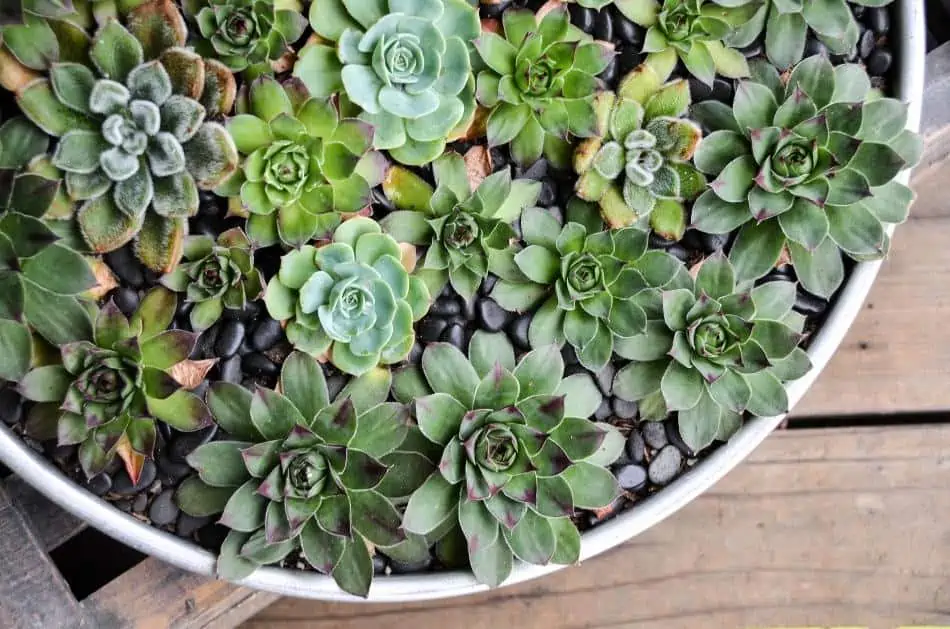
This is another low care succulent species that grow in spirals or rosettes. The plants have pointed leaves that are green in color and marked with red, blue, or purple colors. The plants come in two main varieties; the Echeveria Elegans and sempervivum tectorum. Both varieties grow pretty well either indoors or outdoors and require little maintenance.

14. Golden Barrel Cactus

You cannot mention low-maintenance succulents and leave cactus species out. In this case, the golden barrel cactus is a perfect representation of the cactus succulent varieties that are easy to grow and care for. The ‘mother-in-law’s cushion’ is a drought-tolerant plant that is beginner gardener friendly.

Grow this plant indoors but don’t forget to ensure it receives enough sunlight.  Water it when you notice the soil drying out. The plant is also one of the fastest-growing cactus varieties that you should re-pot while still young. Well, it won’t take over your home by growing into a giant barrel because its growth rate slows down as it ages.

15. Pincushion Cactus

Still, on cactus, the pincushion is another succulent cactus type that can give you a very easy time to grow and care for. The pretty-looking cactus got its name from its sharp needles that can prickly your skin if you don’t handle them well. It’s not a very family friendly-plant because of the spikes. Keep it away from homes with children and pets.

If you give your pincushion lots of sunlight, the rest of the care will be very easy. Water only when the soil is dry. Give it a period of no watering during the cold months, so it goes into the dormancy stage. If you follow these simple care tips, the pincushion cactus will indeed reward you with beautiful blooms.

Summary

If you’re beginning your gardening journey and don’t know much about succulents, these low-key plants are the ones to start with. The plants are very easy to grow and care for and will easily jumpstart your journey to becoming an excellent gardener. Ensure you learn the care needs for these plants and enjoy the beauty they add to your garden.

How To Care For Succulent Plants Indoors And Outdoors?

Succulents are both exotic and eye-catching. They have become popular in offices, rocky gardens, and homes for a good reason. You may have heard the myth that to grow them, one needs a green thumb. Perhaps that is true, but then it depends on how you interpret it. If you have been gifted a succulent and worry about caring for it or have seen neighbors nicely display theirs on the windowsill and want to own one, it may be time to learn how to grow and care for the same. With succulents, recreating their wild habitat in your garden or house is the first step. For one, they are drought-smart and thus almost super easy to look after as long as you get the basic requirements for each plant right.

So how do you care for succulent plants indoors and outdoors? Succulents are drought resistant and you may not need to do much to keep them alive. As long as they have been properly propagated, watered sparingly and given the right amounts of NPK fertilizer, you should be good to go. Succulents thrive in a good mix of well, draining soil and needs moderate lighting and fairly warm temperatures.

The article will look at the various factors that come in handy when caring for succulents indoors and outdoors. It will look at the importance of each of these factors and how best to achieve success while at it.

1. Light needs

You may wonder whether succulents do better indoors or outdoors. Since their natural habitat is out in the open, they will do well outdoors in full light. However, they can also thrive indoors as long as they can access sunlight for a couple of hours a day. That said, hardy succulents can thrive in just about any climate, as long as you repot them at the right time. Succulents have an antifreeze mechanism that makes them go dormant as soon as temperatures plunge. Some succulents known to tolerate the full sun include Cacti, Agave, Jade Plant, and Aeoniums.

If you repot your succulents at the right time, they can grow healthy in literally every climate.

When growing succulents indoors, go for those that tolerate low-light. The Snake plant, Ponytail, Mistletoe cactus, and Aloe vera are examples of such succulents. Nevertheless, indoor succulents can be placed outdoors whenever the weather permits, while outdoor ones can be shielded from the full sun to avoid direct contact with sunlight.

2. Temperature

You may be tempted to assume that because succulents grow in the hot wild, all of them tolerate extreme heat during the summer. Nothing could be further from the truth. Admittedly, a succulent like the cactus grows in the desert, but that isn’t the case with all succulents. Most succulents prefer temperatures of between 60 to 90 degrees Fahrenheit; anything more and both leaves and roots get damaged permanently. Some of the succulents that tolerate extreme heat include Whale’s tongue agave, Black rose, Pachyphytum fittkaui, and Blue Senecio.

Temperatures below 60 and above 90 degrees Fahrenheit can damage the succulent roots.

Sometimes, when the weather plummets to below zero, very few succulents will survive. Among the few hardy succulent that can survive such extremes include Thompson’s yucca, Parry’s agave, Hardy serum, and Hardy opuntia. As such, growing them in moveable pots is the wisest thing to do.

3. Propagation

When it comes to succulents, propagation is an easier and inexpensive way of acquiring new plants from what you already have. The fact that you can grow a new plant from a parent plant is the greatest feeling for a gardener.

You can propagate and grow new succulents by rooting their leaves, stems, offsets, or seeds.

Depending on the species, succulents can be propagated by leaf, stem, offset cuttings and seeds.  Propagating by leaf or offset cutting is the most popular as it takes only about two weeks to root. The longest method to propagate is using seeds as it can take between 3 weeks to 12 months for the plant to germinate, depending on the succulent species.

Rooting in soil vs rooting in water

Whereas propagating via a soil medium is the easiest way to encourage rooting, this method can sometimes lead to pathogens and fungus attacking the cuttings, which eventually causes the succulent to rot. To avoid this, you may consider using water as a rooting medium. Some gardeners find it problematic rooting their succulents using the soil and would rather opt to use water. However, not all succulents take to rooting in water. Some common succulents that easily root in water include Jades, Sempervivums, and Echeverias.

Water rooting steps

1. Cut a stem or a leaf and allow it to callus

2. Place the stem or leaf in distilled, purified or plain tap water

Let the end of the leaf or stem touch the water or be just above the water.

3. Place it outside in a bright area but out of direct sunlight.

4. Once rooted, remove the cuttings and let them dry before planting in the soil.

4. Watering

Unless you have been living under a rock, you must have heard the saying that too much of anything is poisonous. Unfortunately, this saying appears to be ignored by many beginner gardeners. For whatever reason, you may forget that these plants are native to dry areas and thus have a love-hate relationship with water. Too much or too little of the same can be detrimental to the growth and overall health of the plant. So, how frequently should you water my indoor and outdoor succulent plants?

To answer that question, we need to take a keen interest in how succulents use water. For the stems, leaves, and roots to grow and to bloom, succulents will use water. However, their tissues, leaves, and stems have water storage capacities for their survival. So, whenever we talk of watering succulents, the rule of thumb has always been; ‘less is more’. Generally, it would help if you watered a succulent only when about one inch of the soil feels dry.

You should only water your succulents when the top of the soil feels dry.

We can talk of sticking to a watering schedule, but considering the different factors, including species, light and temperature needs, it’s not practical to have a one-size-fits-all watering timetable.

Talking of watering, how will you determine whether you are overwatering or underwatering your indoor or outdoor succulents? Most succulent gardeners get overwhelmed when striking a balance between an underwatered and an overwatered succulent. Let’s take a look at the telltale signs:

Overwatered succulent

An overwatered succulent will appear as follows:

a.         The leaves will be soft, mushy, and squishy when touched.

b.         The color of the leaves will appear lighter than normal, almost translucent.

c.         Leaves fall off easily and may appear blackish from the center of the plant.

To rescue an overwatered succulent is easy. First, gently remove it from the container or soil. You can then take away excess soil from the roots and remove any dead or rotten roots and leaves. Air it outside to dry but away from direct sunlight for up to 3 days. Finally, you can either plant it in a new container or move it to a new location in the garden.

Underwatered succulent

Succulents generally thrive on neglect, but some species cannot withstand an extreme water shortage in the roots. Underwatering may happen either because you are neglectful or have a busy schedule. An underwatered succulent plant will appear as follows:

1.         The growth will be too slow for a succulent.

2.         The leaves lose their firmness and become brownish with dry edges.

3.         Dry leaves will be seen from the bottom of the plant, going up.

4.         The leaves may wilt off and eventually dry up

An underwatered plant, however, is not a lost cause. To save it, you use water generously. Assuming it has been starved of water for a long time, pour water on the base of the plant until you notice some come out of the drainage holes. Otherwise, if the condition is not that dire, you may rejuvenate the underwatered succulent by misting or spraying the foliage with water. The plant should recover away from direct wind or sunshine.

5. Fertilizing

Just because succulents are hardy plants growing out in the wild doesn’t mean that they don’t need fertilizing. Succulents need fertilizer for better, faster growth. Fertilizer also comes in handy to help the plant bloom and produce brighter, larger flowers at the right season.

Among the most favored fertilizers by succulent growers are manure tea, fish emulsion, and balanced fertilizers. You may use it depending on the succulent species for industrial fertilizers, but there is a word of caution. These need to have the right balance of NPK where phosphorous is higher than nitrogen. Usually, you will need to dilute the fertilizer in half before use. After all, you don’t want to burn your beautiful succulents while trying to boost them.

Here are some widely used fertilizers for your indoor and outdoor succulents.

Manure tea, fish emulsion, and balanced fertilizers are among the best options for succulents.

Authentic Haven Brand Manure Tea

This is a cup of tea made specifically for your plants, so don’t be tempted to take a sip. It comes balanced from the factory. Insert the teabag in 1 to 5 gallons of water depending on your succulent species and let it stay for 24 hours. It will turn brownish. Once you are done steeping, pour the brownish water in a container and generously water your plant.

What if you don’t want to purchase a commercial teabag? Well, making your own is as simple as it can get.

How to make manure tea at home

For this purpose, use manure from a goat, cow or poultry but not a carnivore as their stool contains harmful pathogens.

1.         Fill a bucket two-thirds way up

2.         Add your manure so that it fills the bucket

3.         Stir it twice in that day and let it sit there for forty-eight hours

4.         Once the solid has settled, pour the, now brownish, liquid into a different bucket.

Make sure you dilute it to the color of weak tea before applying it to your succulents.

GrowBetter Organic Cactus and Succulent Fertilizer

The beauty of this fertilizer is that it’s odorless. What’s more, quite a number of succulents can benefit from its use. Notably, Yucca, Saguaros, Aloe, and Dragon fruit are just a few of such succulents. This slow-release fertilizer will leave your succulents well-nourished for up to two months per every application. It leaves the roots healthy and is ideal for both indoor and outdoor succulents. They have been hailed for making the leaves fuller and leading to large, bright blooms

Dr Earth Premium Gold Pure & Natural Fertilizer

If your succulents have ever had the problem with leaves turning pale or yellow, it means they lack nitrogen. This fertilizer has balanced amounts of potassium, phosphorus, and nitrogen that will solve the problem. The potassium will help keep diseases at bay, while the phosphorus will give your plant healthy roots and help flowers bloom.

One teaspoon of this fertilizer mixed with a gallon of water is all that you need.

Miracle-Gro Succulent Plant Food

This succulent fertilizer comes in liquid form, so it’s easier to seep into the soil and get absorbed by the roots. It can be used with popular succulents, all cacti, Jade, and Aloe. You can either apply it to the soil directly or mix it with water every fortnight.

Organic worms

Worms eat dead leaves, roots, and grass and, thereafter, release castings. The castings are full of phosphorus, nitrogen, potassium, and calcium that help boost your succulents’ overall health. If that isn’t enough, they improve soil structure which helps in water infiltration. With that in mind, how do you attract worms into your garden?

Once you leave your garden undisturbed, with compost manure and enough mulch around your succulents, worms will find a haven. You may then pick a few worms and place them in your planters for them to naturally fertilize the soil.

6. Containers or Planters

When planting succulent at home, containers and planters come in handy. These decorative containers in different shapes, colors, and sizes add to the overall ambience of your garden and home. In gardening, containers are pots and planters, terms that are used interchangeably. When it comes to containers, they can go anywhere, whether it is a flight of stairs, window sills, or even walkways. That said, how do you choose the correct planter?

When selecting a container for your succulents, pay attention to drainage holes, its design, and the material it is made of.

A good planter should be of good drainage, design, and material. Let’s consider each in detail.

1.      Drainage

A pot without proper drainage will cause water clogging and eventually lead to the rotting of succulent roots. As such, a container with holes at the bottom is highly recommended. So, no matter how beautiful a container looks, if it doesn’t have perforations, your succulent will be as good as dead on arrival.

2.      Design

The design matters a lot to you as much as it does to the succulent in your pot. For one, an attractive container adds to the decor of your home and garden. Notably, different designs are fit for different succulents based on their size and growth pattern.  While spillers, for example, would do well on hanging planters, low-growing succulents won’t look good in tall pots but rather in short ones. On the same note, Aloe, which grows upright, fits perfectly in a tall container.

3.      Material

Go for pots with breathable material when growing succulents. These will allow for much-needed aeration of your plants. The much-praised ceramic and terracotta-made pots are a few examples. If you are neglectful, busy or travel a lot, using plastic materials is recommended because the water doesn’t easily evaporate from the container. Still, on the material, consider its weight. Will you be able to move them on a whim when need be? For example, when the weather has suddenly changed, and you want to protect your plants from the elements; you should be in a position to relocate your succulent much easily.

7. Soil

Soil is a vital component in the growth of a succulent and any plant for that matter. It is paramount as all succulents will eventually end up in the soil. So, how does it affect the growth of your succulent, and how can you ensure you get it right for your indoor and outdoor succulents to thrive?

Whether you are planting your succulents indoors or outdoors, make sure the soil is well draining.

As a gardener, you probably use conventional potting soil for your plants. This is readily available, and you might be tempted to use it when planting succulents. The problem here is that the conventional potting soil is made to hold water; a feat that can be detrimental to the survival of your succulent.

In this regard, you need good draining soil whether you are planting your succulent in a garden or container. So, what constitutes a good soil mix? Most gardeners prefer coarse sand placed on top of the potting soil. While this can help drain water, the soil is meant to do more than just draining water. They need to support the plant physically, hold moisture and nutrients.

To achieve that, you may consider making your succulent soil mix at home.

How to prepare the right succulent potting soil

You will need garden soil, coarse sand, and perlite. The perlite is meant to aerate the soil and also helps in drainage, just like the coarse sand.

To achieve the desired results, mix the sand, soil, and perlite in the ratio of 3:3:1, which translates to 3 cups of sand, 3 cups of soil, and 1 cup of perlite. With that mixture, you need not worry about your succulents rotting because of poorly drained soils.

From the above, it is clear that succulents need care even with the fact that in their natural habitat, they flourish on neglect. However, caring for succulent plants doesn’t mean spending lots of cash, you may consider using the simple, home-grown strategies to reduce the costs involved drastically. It may be a challenge the first time, but once you get the drift, it becomes a walk in the park henceforth. Give your succulents the right care, and you will reap strong, healthy and brighter plants, both in your outdoor garden and indoors.

Can You Cut Off A Piece Of Succulent And Plant It?

Succulents are a resilient breed of plants, so much so that you can actually plant a piece of it, and it will grow into a new plant. Regenerating something new from a decapitated limb may sound like a horror movie or the plot for Netflix’s upcoming sci-fi thriller, but it’s actually real life. Even if you cut off one of their branches, they will find a way to continue living. 

Yes, you can cut off, or prune, a piece of a succulent and replant it. And with the proper living conditions, the pruned piece of succulent will take to its new home and grown into a full-fledged succulent.  

Keep on reading if you’re interested in learning about pruning succulents. Once you master the process, it’s like growing multiple plants for the price of one! 

Propagating a New Succulent 

The process of pruning a piece of a succulent and using it to grow a new plant is called propagation. If done correctly, propagating can allow you to grow multiple succulents from a single succulent. 

Performing a clean cutting is important for successful propagation. Using scissors or pruning shears will help you get the cut that you need. But you can also experiment with this process by using your hands and pinching off pieces of your succulent. 

A huge number of succulent on pot.
A single leaf of your succulent should be enough to propagate the plant.

Depending on what type of succulent you are working with, removing a single leaf is good enough. Whether you are utilizing shears or just your hand, aim to remove a leaf of your succulent as close to the stem as possible.  

If your succulent is larger and has multiple stems or branches, you may be able to cut off the top of a certain section or an individual offshoot. 

Drying Out the New Cutting

Once you’ve removed a series of leaves, stems, or offshoots, you will want to let the cuttings dry out. Depending on the amount of sunlight and heat, your cuttings will need to dry out for 1 to 3 days to scab over. 

A person reportting the small succulent and cactus plants.
You should let the cuttings dry before you plant them.

Your cuttings should shrivel up just sightly. If the fresh cuttings do not have time to dry out, they’ll absorb too much water the first time you hydrate and drown or eventually develop root rot. 

Watering the New Cutting

The cutting you pruned should be placed on top of the soil. Refrain from actually planting one end of the cutting into the soil. Once your cuttings have dried out sufficiently, it’s time to start watering them. 

Watering the plant.
You should slightly water newly propagated cuttings every day.

Full-grown succulents do not need to be water every day. However, newly propagated cuttings do require a light watering every day. When the soil is dry, water the cutting. Using a spray bottle is a popular tool for watering, especially during the early stages. 

Eventually, your cutting will take to its new environment and begin to set roots! 

Ideal Living Conditions for Propagating Succulents 

In order for your new succulent to thrive, you will want to create the ideal living conditions for it. 

Above, we talked about the watering needs during the propagation process. But there are a few other things to consider moving forward. 

  • Soil type: First off, succulents require well-draining soil. Using a pre-made cactus potting mix will ensure that your growing medium is ideal for your succulent. To encourage draining, you might consider lining the bottom of your container with gravel or pebbles.
  • Sunlight requirements: In general, succulents enjoy a lot of sunlight. Ideally, around 6 hours of sunlight per day. However, be careful. Freshly propagated cuttings should not be placed in direct sunlight. 
  • Watering needs: Succulents’ watering needs are considered to be pretty low maintenance. Depending on the size of your container, the soil, and your local climate, you should only be watering your succulent one time every 1 to 2 weeks. 
  • Fertilizing: Succulents are hardy little plants that are easy to grow if you take care of their basic water, soil, and sunlight necessities. However, you may want to incorporate fertilizer to encourage faster growth. 

Maintaining Your Succulents After Planting from a Cutting

Succulents are popular because they are low maintenance. For the most part, if you water them correctly and plant them in high-quality soil with plenty of indirect sunlight, they will grow happily. However, there are a few maintenance items to consider in order for your succulents to be the happiest they can be. 

A person holding the small pot with succulent.
Although succulents are low-maintenance plants, you still need to provide water, give enough sunlight, and prune them.

Pruning your succulent is not just something you can do to propagate more succulents. In fact, pruning is also important for removing dead and dried-up leaves and encouraging new growth. 

Dried-up leaves should not cause alarm. It’s just part of the life cycle. We recommend you prune your succulents sometime in the Springtime. 

Cleaning your Succulents

Maintaining your succulents may also involve cleaning and dusting. Dust and other debris can build up on your succulents. This can take away from their vibrant colors, affecting their aesthetic appeal, and may even encourage pests or diseases to grow.

You can wash your succulents with a damp ramp. Or use a spray bottle to wet them before removing any dirt or dust. If your succulents are outside, you may need to remove extra debris like sticks and leaves. 

Preventing & Treating Pests and Disease

No matter how well we take care of our plants, sometimes Mother Nature gets the best of us. If you grow succulents long enough, you may eventually encounter some pests or diseases on your plants. 

The best thing you can do is prevent the pests and diseases from establishing themselves in the first place. There are a few simple things you can do to prevent pests and disease:

  • Encourage airflow: airflow is important for succulents. If indoors, avoid positioning your succulents in a closed room with little airflow. 
  • Check your plants often: if you examine your succulents regularly, you can stay ahead of any pests or disease. If they do develop, you’ll be able to spot them before the infestation gets bad.
  • Wash your succulents: washing your succulents regularly with water or a diluted alcohol solution will help prevent pests and disease. You can also use neem oil for extra preventative power. 
  • Don’t overwater: Or, underwater for that matter. These two things can’t be mentioned enough. There’s a rumor out there that succulents don’t need water- they do! But they don’t need a ton. Just a weekly misting is usually enough.

Treating Pests and Disease

If pests or diseases do take hold of your plants, you will have to start a treatment plan to get rid of the infestation. The first thing will be to separate the struggling succulent from other plants to prevent whatever it is from spreading. 

Spraying the leaves with neem oil is the preferred method. If the infestation is particularly bad, then you can also soak the soil with neem oil. Using a diluted solution of rubbing alcohol and water can also kill some types of bacteria. 

A mealy bug on a leaf.
If the infestation is particularly bad, then you can also soak the soil with neem oil.

Depending on the problem, you may also consider using a pesticide or herbicide. If you do choose to incorporate chemicals, make sure to follow the directions. If your plant is indoors, ensure that the product is approved for indoor use. 

And if you have small pets or children, using an organic and biodegradable product will keep all parties involved much safer. 

Summary

Succulents are amazing plants. They are easy to grow and relatively low maintenance. Better yet, if you properly prune them, you can propagate entirely new plants from the cuttings. 

Just follow the recommended guidance from above, and you’ll be propagating and growing new succulents in no time. 

How To Choose The Right Pot For Your Succulents?

Collecting succulents has become a popular pastime but, how do you choose the right pot for your succulents? With a few considerations, such as lighting, sizing, and drainage, there are endless possibilities to explore the perfect home for your succulents where they can thrive happily and healthily.  

Continue reading below to gather the facts before beginning your fairy garden. Not all pots are made the same and you want to avoid choosing a pot solely because it looks cute. Making an informed decision when choosing the right pot for your baby greens will save you time and money in the long run.

Measure What Size Pot You Need For Your Succulent

First off, making certain you find the right size home for your succulent is essential to providing the highest quality of life. It is vital to provide the plant with adequate room to grow. For reference, if your plant is 5 inches in diameter, aim for a pot of 5.5”.

Choosing the right width and depth of a pot ensures the succulents get proper nourishment. A pot that is too large can retain an abundance of moisture which will cause the succulent to rot. While a pot that is too small can hinder the healthy growth of the roots.

Pot Sizing for Clusters Of Succulents

If you are potting a cluster of succulents, there are a few things to keep in mind.

  • Make sure each green has ample room to grow properly
  • Keep an eye out to ensure each plant gets enough lighting
  • If any of the succulents seem crowded, be prepared to re-pot them as soon as possible
If you have decided to plant a cluster of succulents, pick a pot that is large enough to fit the plants.

Planting multiple succulents in one container can be tricky, so if you do decide to go this route, make sure you choose a pot large enough for the buds to grow into. 

Drainage and Airflow Are Important When Choosing A Pot

Although succulents are regarded as nearly effortless, they do have basic survival needs. 

Proper Drainage Is Essential

Succulents retain more water in their leaves and stems than other plants. Because of this, they require proper drainage from their pots. It allows the soil to dry faster, preventing the rotting of the roots. 

Pots that offer proper drainage will protect your succulents from root rot.

Adequate Airflow Is Necessary 

Plants need airflow to breathe and make food. Succulents are no exception to this rule. Choosing a pot that provides generous airflow will lead to overall healthier succulents. 

Make sure to keep these necessities in the back of your mind while choosing the right pot for your succulents. 

Pros and Cons Of Popular Pots

There is an abundance of readily available pots to choose from for your succulents. Each material has its advantages and disadvantages. 

Clay Pots Are Ideal Material

Clay pots, like ceramic or terracotta pots, are a great option for succulents, particularly in more tropical climates. They are very porous which helps in avoiding rotting roots. The material soaks up some moisture from the soil, and are great for indoor or outdoor succulents. 

Clay pots are common enough where you can find them quite affordably at a local home and garden store.

The downside to clay pots is, they may not be as aesthetically pleasing as some of the inspirational arrangements you find online and are typically a neutral orange-ish color. Keep in mind that they are also fragile and typically have only one or two drainage holes.

You can find more attractively colored clay pots that have been glazed over. If you go that route, keep in mind that the glaze does slightly alter the porousness of the pot which can decrease the amount of moisture it would soak up. 

Plastic Pots Can Be Fun

Plastic pots are another prevalent choice for succulent pots. Unlike clay, you can find plastic pots in a large array of 

  • Sizes 
  • Colors
  • Shapes

These give the ability for a more personalized arrangement. They are also quite affordable and easily found at a local store. 

Plastic pots typically have good drainage, but pliable enough to drill into to create more holes, if necessary. Their lightweight material makes them a safer option for an area with small children or pets because they are not as breakable as clay.

The downside to plastic pots is they heat and cool easily. The material makes it easier for your succulents to burn or freeze. If you choose plastic pots, it is recommended to keep them indoors to keep an eye on the temperature.

Wood Pots Are Eye-Catching

Their unique style has enhanced the popularity of wooden pots and planters. They are a natural and sturdier material and do their best in full, direct sunlight. 

They also come in endless varieties of 

  • Stains 
  • Shapes
  • Sizes

They are conversation pieces. 

Although beautiful, wood pots can split or rot out at the base if not kept in proper sunlight. This is simply because wood is a natural, porous material that pools moisture too easily. If you think about trees, which normally rot, this should be expected if choosing a wood pot or planter. Just keep an eye out, checking the integrity of the pot every so often. 

Since wood is an organic substance, acknowledge the possibility of some pests nestling into this kind of pot. 

Choosing an Uncommon Type Of Pot

These are only a few of the endless other options, besides the usual suspects, to consider when choosing the right pot for your succulents.

Metal Pots Are Decorative

An unexpected type of pot used is metal. While they add intriguing and undeniable style, metal pots can overheat very quickly and eventually rust, causing irreparable damage to your succulents. It is recommended to only use a metal pot as a temporary home.

Although metal pots look stunnig, they should be used only temporarily.

Glass Pots Add Pleasing Aesthetic

If you choose to go with a glass pot for your succulents, you will want to remember there are sufficient drainage and airflow concerns.

You will most likely have to drill extra holes for drainage as these pots will probably be custom-made. Also, take care to choose one with a larger opening than you would get with another pot made from different materials. This is because your soil needs plenty of airflow, and the quality of airflow with glass is almost nonexistent. 

Hanging Baskets Add Style To Small Spaces

Hanging baskets are most common when growing a succulent such as a string of pearls because they grow big enough to see in the baskets. They make beautiful accents to small spaces, like a deck or porch. 

Hanging baskets are especially suitable for succulents like the String of Pearls.

Hanging baskets are one of the eco-friendlier options out there. You can easily find one made from 

  • Organic Products
  • Recycled Products
  • Recyclable Products

They may not be a great choice for smaller succulents, as they will be strung up and nearly impossible to see. Also, if choosing this type of pot, it needs to be kept away from high wind spaces because they can dry up quickly. 

Choosing The Right Pot For Your Succulents

When you choose the right pot for your succulents, it will ultimately be the pot that works best for your 

  • Space
  • Aesthetic
  • Budget
  • Environment

If you have a home with young children and pets, your perfect pot is most likely not made of clay.

On the other hand, if you are looking for an entirely unique pot, the good news is you can make almost anything into a customized succulent pot. Just remember to create proper drainage, have a large enough opening to promote healthy airflow if the material is not porous enough, and make the pot large enough for the plant to grow strong. 

Why My Succulents Turning Brown?

Succulents- they’re resilient, they’re low maintenance, but they’re also known to turn brown. You’ve made sure to not over or underwater. You have good soil and optimum growing conditions, but what could be making those succulents of yours brown?

Why My Succulents Turning Brown? There are multiple things that could turn your succulents brown. They could be getting too much sun, or the browning might result from a pest infestation. Browning succulents are also an indicator of root rot. Some of these have better chances for revival than others do. 

We all want to see our succulents beautiful and flourishing; fortunately, there are things you can do to bring your beloved succulents back to their beautiful aesthetic that we love them for. We’ll cover what you can do to try to fix any of these issues and how to prevent them from happening in the future.

What Causes Succulents to Turn Brown?

There are many factors that can make your succulent start to turn brown. The most common issues that cause succulents to turn brown are:

With early detection and some extra care, you should be able to revive your plant from almost all of these.

Sunburn

Yes, even these resilient little plants can get sunburnt! It is common for these plants to start sunburn once temps start to get over 104 degrees Fahrenheit. It can also happen if you don’t properly acclimate a succulent to the level of light and heat you introduce it to.

Sunburn is one of the most common reasons why your succulent is turning brown.

What Does Sunburn Look Like on a Succulent?

There are a few telltale signs that let you know your succulent is suffering from a sunburn, beyond the browning:

  • Brown and dark spots
  • The plant is soft and mushy
  • Plant may collapse

Even though we think of cacti as made for the heat and dry climate, they still aren’t invincible.

How Can You Prevent Sunburn on Succulents?

You can do a few things to prevent your precious succulents from getting sunburnt. These things include:

  • If they are in pots, move them to a shadier area.
  • You could buy a shade cloth to block out some of the suns.
  • Allow more time for the plants to acclimate.

Acclimation will be important, especially if you’re moving a succulent into any drastic temperature change. We may not have sunscreen for our succulents yet, but we can do what we could to at least make their lives easier.

Frost

Frost will damage succulents similarly to sunburn. They can turn brown and end up collapsing. How can you prevent frost damage?

  • Bring them inside if possible
  • Buy a frost cover to cover them with
  • Keep away from windows during extra cold periods
Just as sunburn, frost can damage your succulents and the plants will gradually change their color to brown.

Succulents are quite resilient and can withstand high temperatures and really low temperatures, but like everything could only take so much.

Pests

Pests are just as gross as you’d expect. And your succulents don’t like them any more than you do. There are many pests that will mess with your succulents. These pests include:

  • Aphids
  • Mealybugs
  • Slugs 
  • Grasshoppers
  • Mice 
  • Birds 
  • Deer

There is a wide variety of pests that will come and mess with your succulents. Only a few are really common, though. Aphids and mealybugs are the most common suspects when it comes to succulent pests. 

If your succulent is not as green as it used to be, you should check if pests have damaged the plant.

Aphids are small insects that are green, black, brown, or orange. Mealybugs are small white bugs that look kind of like cotton. Aphids and mealybugs bite into the plant, and they suck sap and other juices out. They excrete those saps and juices out as something called “honeydew,” and that can grow into mold.

Getting Rid of Pests 

To get rid of aphids and mealybugs, you can do a couple of things:

  • A solution of 5% Neem oil, 95% water, and a few drops of dish soap
  • Use 70% isopropyl alcohol
  • Try an over the counter succulent pest spray

Use these substances with caution! They can kill the bad bugs, but they could also kill the plant too if you’re not careful. You could either apply this as a spray bottle or with a q tip. Make sure to clean off dead bugs, and after a few hours, rinse off any oils or alcohol you use. 

You’re going to want to quarantine those sick succulents of yours, so they don’t get any of your other plants sick. Make sure to keep an extra good eye on them for a few weeks. After the first week, give them another spray and a rinse, and then keep a good eye on them for another couple of weeks.

Over or Underwatering

Overwatering tends to be more of a problem than underwatering does, but we don’t want to do either of them. Overwatering will make your plant start to get soft and rot. Underwatering will make your plant dry and shrivel up.

To prevent your succulents from turning brown, you should only water them when the soil is dry.

How Often Should You Water Succulents?

There’s no specific amount of time you should wait to water your succulents, but a general rule of thumb is to wait until the soil is completely dry before you water again. This could be a few days to a few weeks, depending on climate and location. 

Signs of Overwatering

There are a few signs of overwatering. These signs could be:

  • During the early stage will be yellow
  • Leaves feel soft and mushy
  • A light touch could knock a leaf off
  • When severe can look brown or black

Just like a lot of these problems, early detection is the key. Once you reach severe overwatering, it could be too late to save that succulent.

How to Revive from Overwatering 

Thankfully, overwater succulents are one of the few things that they can recover from. Some things you could do to revive from overwatering are:

  • If possible, let the soil dry out 
  • After drying, change soil if the soil has bad aeration 
  • If damaged down to the stem, then cut what’s good and replant it

Soil can be a cause for issues because if it doesn’t have the proper aeration, then it could hold too much water. You want that soil to be nice and airy and be able to dry out well.

In addition to browning, there are other side effects from overwatering your succulents. Other issues overwatering can cause are:

  • Fungus infections
  • Water worts
  • Rot

Overwatering could cause a whole bunch of issues that you really don’t want to deal with. It’s important to let your soil completely dry out before you water again.

Signs of Underwatering 

Underwatering isn’t as common as overwatering, but you’ll notice underwatering if the top parts of the leaves start to dry up. Dried-up dead leaves on the bottom aren’t necessarily a bad thing, but once it gets to the top, that is an indication of an issue. 

How to Recover from Underwatering

I’m sure we could all guess this. You just need to make sure to give it a couple of waterings as you normally would, and it should start to perk back up. If the shriveling is severe, though, then your succulent could likely be past the point of revival.

Final Thoughts: So What Are Those Brown Spots On Your Succulents?

It could be many things, pests, too much sun, too much cold, over or underwatering, lack of care when handling, that is for you to judge off of this list we provided you.

 A lot of this can be taken care of with early detection or early action, but unfortunately, sometimes it can be a little too late to act, and you might have to restart with your sweet succulents. 

Hopefully, this can help you get out of a situation or prevent you from getting back into it in the future.