Amazing Facts You Didn’t Know About the Golden Barrel Cactus

The golden barrel cactus (Echinocactus grusonii) is a type of cactus native to Mexico. It is also known as the ‘mother-in-law’s cushion’ because of its spiky appearance. The cactus can grow to about three feet tall and five feet wide. It is usually covered in thick, yellow spines. The golden barrel cactus is a relatively popular succulent for both gardens and homes since it is relatively easy to care for.

So, what are some of the amazing facts about the golden barrel cactus? Perhaps, the fascinating thing about this cactus is that it can live for up to 200 years! That means that if you take good care of your golden barrel cactus, it could potentially outlive you.

The golden barrel cactus is native to Mexico and gets its name from its spherical shape and yellow color. The cactus grows in dry, desert climates and can reach up to three feet high. It typically blooms between April and May with yellow, red, or orange flowers. This succulent is not only an interesting plant to look at, but it is also relatively easy to care for.

This blog post highlights the top ten facts about the golden barrel cactus. Read on to learn more about this remarkable succulent!

Golden Barrel Cactus: A Brief Overview

Before we dive into the facts, let’s take a quick overview of the golden barrel cactus. As we briefly mentioned before, this cactus is native to Mexico. It gets its name from its spherical shape and yellow color.

The cactus belongs to the cactus family, one of the most prominent families of flowering plants. There are over 1,500 different species of cactus! Specifically, it belongs to the genus Echinocactus, which contains about 30 other cactus species.

Golden barrel cactus is quite a popular succulent in the world. It stores plenty of water in its leaves and stems, which is crucial to its survival in harsh environments.

A golden barrel cactus flowering.
Golden barrel cactus flowers between April and May, with yellow, red, or orange flowers.

It is often used as an ornamental plant in gardens or homes since it is easy to care for. The cactus typically grows to about three feet high and five feet wide. It flowers between April and May, with yellow, red, or orange flowers.

Some people believe that having the golden barrel cactus in their home will bring them good luck. It is also known as the mother-in-law’s cushion because of its spiky appearance.

13 Fascinating Facts About Golden Barrel Cactus

Now that we have a brief overview of this plant let us highlight some amazing facts you didn’t know about this cactus. We break down each of the ten facts below.

1. Native to Mexico

The golden barrel cactus is native to Mexico. It is mainly found in the desert regions of northern Mexico, such as Coahuila, Nuevo Leon, and Tamaulipas. The cactus grows at elevations of up to 4,000 feet above sea level.

It is one of the most popular cacti in cultivation and is often used as an ornamental plant in gardens and homes. The golden barrel cactus gets its name from its spherical shape and yellow color.

2. Beautiful Appearance

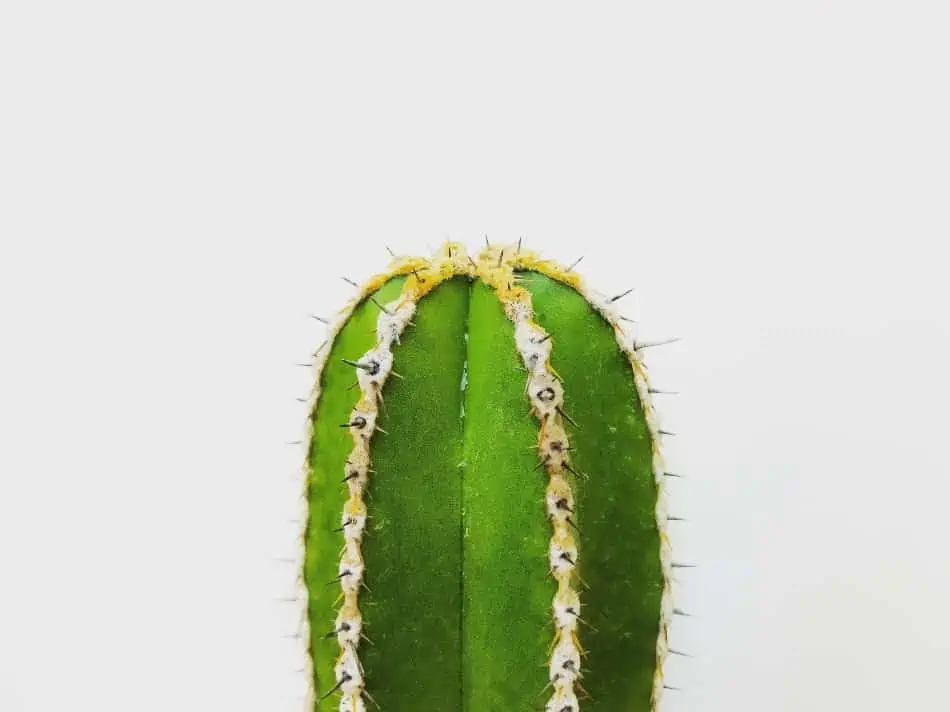
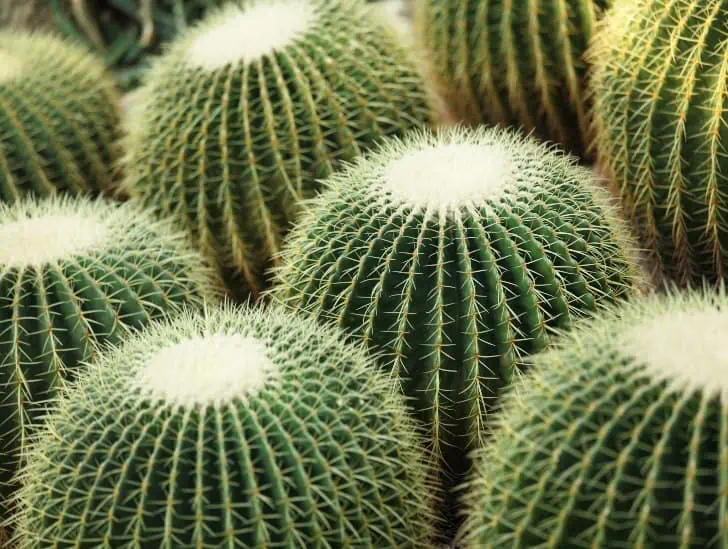
The golden barrel cactus is a large, spherical succulent that can grow up to three feet tall and five feet wide. It is usually covered in thick, yellow spines. The cactus has a thick, fleshy stem that is green in color.
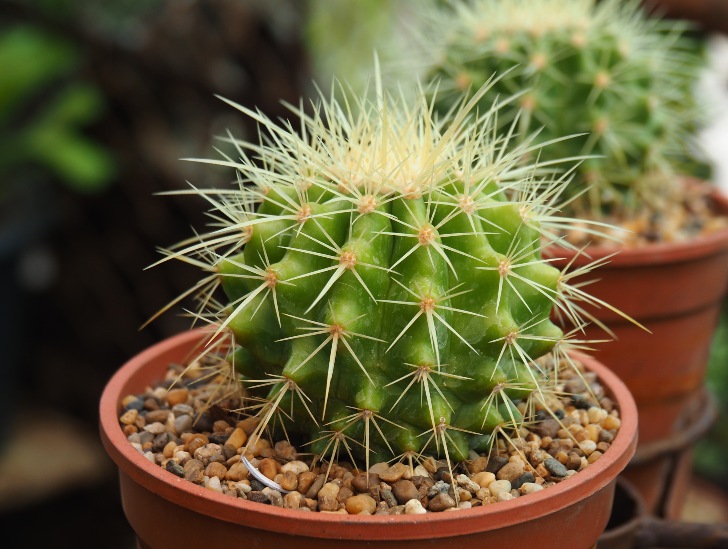
Golden barrel cactus in pot.
It has deep roots that help it to access water underground.

The golden barrel cactus typically blooms between April and May with yellow, red, or orange flowers.

The cactus is adapted to survive in dry, desert climates. It has deep roots that help it to access water underground. The cactus also can store water in its fleshy stem, which helps it to survive periods of drought.

3. Easy to Care for and Grow at Home

The golden barrel cactus is a relatively easy plant to care for. It prefers full sun and well-draining soil. The cactus should be watered about once a week, allowing the potting mix to dry out between watering sessions.

The cactus can be fertilized with a cactus fertilizer about once a month during the growing season.

The golden barrel cactus is susceptible to fungal diseases if it is overwatered. If your cactus develops brown spots on its stems or leaves, it likely has a fungal disease.

Treatment involves removing the affected parts and increasing the amount of airflow around the cactus.

4. Need Full Sun to Thrive

Golden barrel cacti need full sun to partial shade to thrive. They should be placed in an area of your home or garden that receives at least six hours of direct sunlight per day.

If you live in an area that experiences hot summers, consider providing some afternoon shade for your cactus.
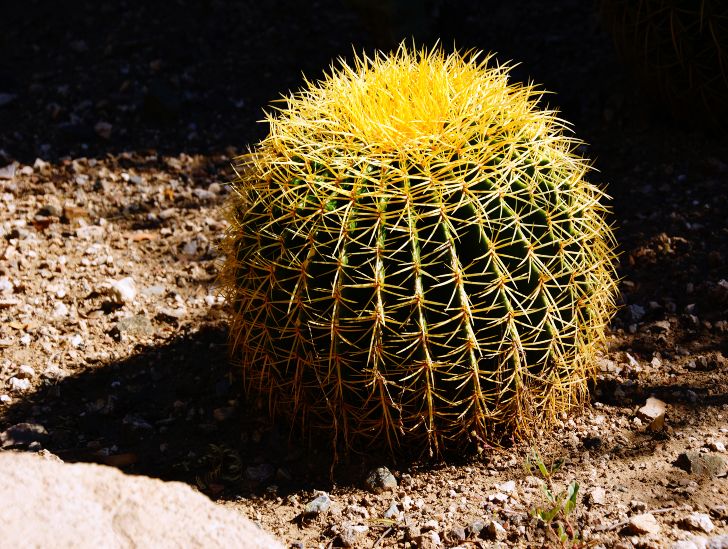
A golden barrel cactus exposed to sunlight.
They should be placed in an area of your home or garden that receives at least six hours of direct sunlight per day.

The cactus can be grown outdoors in USDA hardiness zones nine through 11. If you live in a climate too cold for the cactus to survive outdoors, it can be grown indoors as a houseplant.

5. Slow-Growing Plant

The golden barrel cactus is a slow-growing plant. It typically only grows about one inch per year. However, the cactus can reach its full size in just a few years if grown in ideal conditions.

If you are patient, you can allow your cactus to grow to its full size before transplanting it to a larger pot.

Fortunately, there are a few things that you can do to encourage faster growth. One is to water your cactus with a diluted fertilizer solution about once a month during the growing season.

You can also increase the amount of light your cactus receives by moving it to a sunny spot or using grow lights.

6. Excellent Container Plant for Patios, Decks, and Other Outdoor Areas

Golden barrel cacti make excellent container plants for patios, decks, and other outdoor areas when they mature. They can also be used as accent plants or focal points in gardens.

The cactus can be transplanted into a larger pot as it grows. Be sure to use a pot with plenty of drainage holes to prevent the roots from sitting in water for too long.

7. Highly Susceptible to Pests

This cactus is highly susceptible to mealybugs and scale insects. These pests can be controlled with insecticidal soap or neem oil.

If your cactus is infested with mealybugs, you will likely see white, cottony masses on the stems and leaves of the plant. Scale insects appear as small, brown bumps on the stem of the cactus.

8. Susceptible to Overwintering

The golden barrel cactus is not frost-tolerant and should be brought indoors during winter.

The cactus should be placed in a sunny spot, and the temperature should be kept above 50 degrees Fahrenheit.
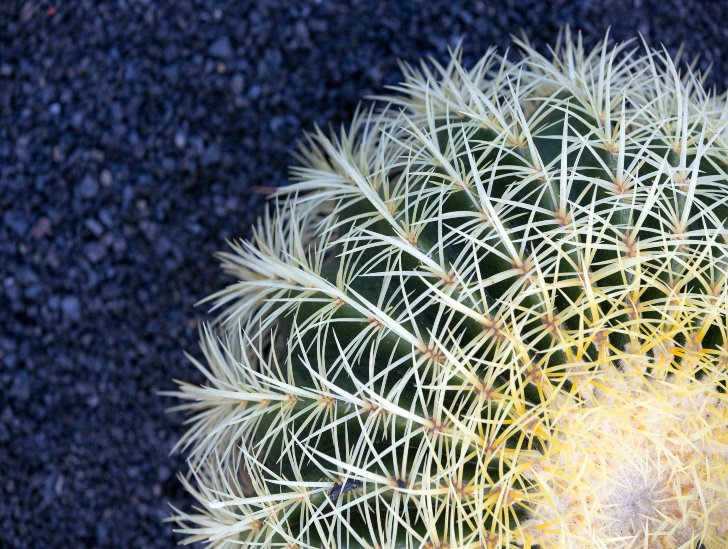
A topview of a golden barrel cactus.
The golden barrel cactus is not frost-tolerant.

The cactus should be watered about once every two weeks during the winter, allowing the soil to dry out completely between waterings.

9. An Interesting Addition to Your Home

This succulent is a beautiful and fascinating plant that is relatively easy to care for. A golden barrel cactus is an excellent option if you are looking for a plant that can add some color and interest to your home.

10. Easily Suffers Root Rot

Root rot is one of the most common problems with the golden barrel cactus. Typically, root rot happens when the plant is overwatered and the roots start to rot.

Signs of root rot include yellowing leaves, wilting, and stunted growth. If you think your cactus has root rot, it is essential to stop watering it and allow the soil to dry out completely.

You can then repot the plant in fresh, well-draining soil.

11. One of the Most Iconic Cacti

The golden barrel cactus is an iconic plant featured in many movies and TV shows. It is also a popular choice for gardens and homes.

A golden barrel cactus is a great option if you are looking for a plant that is easy to care for and can add some interest to your space.

When you take good care of this plant, you can be rewarded with beautiful blooms, adding more color and life to your home.

12. Endangered Species

The succulent is considered an endangered species in its native habitat due to illegal collecting and habitat loss.

A person replanting the golden barrel cactus.
Help conserve this species by planting one in your garden or home.

The cactus is protected by Mexican law, and it is illegal to remove it from the wild. To grow this plant, you must purchase it from a reputable dealer.

Help conserve this species by planting one in your garden or home. You can also help by donating to organizations that are working to protect the natural habitat of the golden barrel cactus.

13. Golden Barrel Cactus Fruit Is Edible

Its fruit is edible and has a sweet taste. The fruit can be eaten raw or cooked. It can also be made into jelly or jam.

If you want to harvest the fruit, it is best to wait until the cactus is ten years old. The fruit is typically ripe in the summer months.

To harvest the fruit, cut it from the cactus with a sharp knife. Be sure to wear gloves to protect your hands from the spines.

Wrapping Up

The golden barrel cactus is a beautiful plant that makes a great addition to any garden or landscape!

The succulent is low maintenance and relatively easy to care for; you only need to give it plenty of sunlight and well-drained soil!

Did you know all of these fascinating facts about the golden barrel cactus? Share this article with your gardening friends so they can learn more about this unique plant!
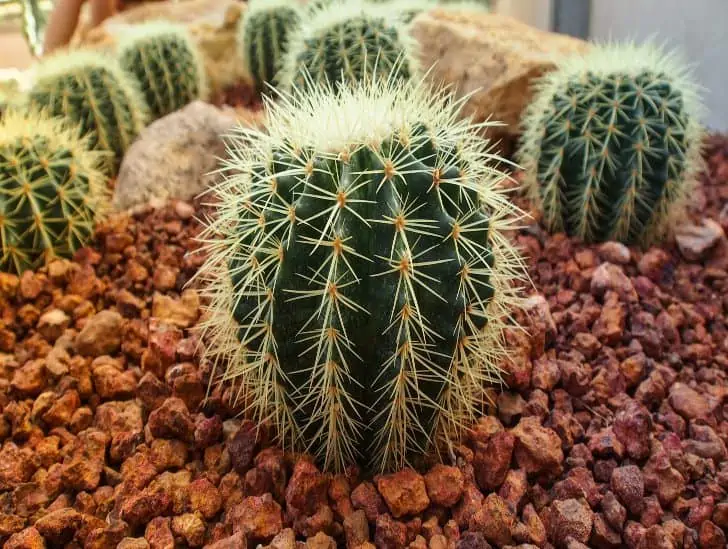
What Is the Main Habitat of Golden Barrel Cactus?

The golden barrel cactus is one of the most amazing succulents you can easily grow in your home. The cactus has a unique appearance, with a large rounded body covered in long, golden spines. It gets its name from the fact that it often has a reddish hue to its skin. However, the succulent only grows in a few specific areas.

So, what is the main habitat of the golden barrel cactus? This cactus is a native of the Chihuahuan Desert in Mexico. It is also found in the southwestern United States, mostly in Arizona and New Mexico. It grows best in well-drained, sandy soil and full sun. It is a slow grower but can reach up to five feet high. The Golden Barrel cactus has a thick, rounded stem covered with spines. The branches are also spiny, and the leaves are small and round. The flowers are yellow or orange and bloom in the spring.

So, are you looking to learn more about the golden barrel cactus and its main habitat? Well, you’ve come to the right place! This article will discuss everything there is to know about this amazing succulent.

What Is the Main Habitat of Golden Barrel Cactus?

The golden barrel cactus is mainly found in the desert regions of North America. In the United States, it is primarily found in Arizona. It can also be found in the deserts of Mexico and New Mexico. The golden barrel cactus grows best in sandy soil that has good drainage. It also requires full sunlight to thrive.

Golden Barrel Cactus Outdoor.
This cactus is a native of the Chihuahuan Desert in Mexico.

Some people believe that the succulent is a native of the Chihuahuan Desert in Mexico. Others claim that the plant originally came from the southwestern United States. It is believed that the cactus was introduced to Mexico by Spanish explorers in the 16th century.

Since then, the cactus has spread to other parts of the world. It can now be found in Australia, India, and South Africa.

What Are the Distinguishing Features of a Natural Golden Barrel Cactus Habitat?

Typically, a natural golden barrel cactus habitat will have sandy soil with good drainage. The area will also receive plenty of direct sunlight.

The cactus itself is covered in spines to help protect it from predators. The plant also has a thick, rounded stem to store as much water as possible every time it rains.

While these conditions can be found in different parts of the world, they are most commonly found in the Chihuahuan Desert.

The desert is located in Mexico and covers parts of the states of Coahuila, Durango, Nuevo León, and Tamaulipas. It is also found in the southwestern United States in Arizona and New Mexico.

A Golden Barrel Cactus Natural Habitat
A natural golden barrel cactus habitat will have sandy soil with good drainage.

The desert is known for its hot, dry climate. It can get very windy, and the temperatures can reach up to 120 degrees Fahrenheit. The region receives about 10mm of rainfall per year.

Despite these harsh conditions, the Chihuahuan Desert is home to various plants and animals. These include the golden barrel cactus, the roadrunner, and the javelina.

Can a Barrel Cactus Survive in Other Climates?

Being a desert plant, the barrel cactus is adapted to hot and dry conditions. However, it can also survive in other climates as long as it is provided with the right care.

If you live in a region that experiences cold winters, it is best to grow the plant indoors. This will protect it from freezing temperatures.

When growing the golden barrel cactus indoors, place it in a sunny spot. You can also supplement artificial light with artificial grow lights. The cactus should be watered sparingly and only when the soil feels dry to touch.

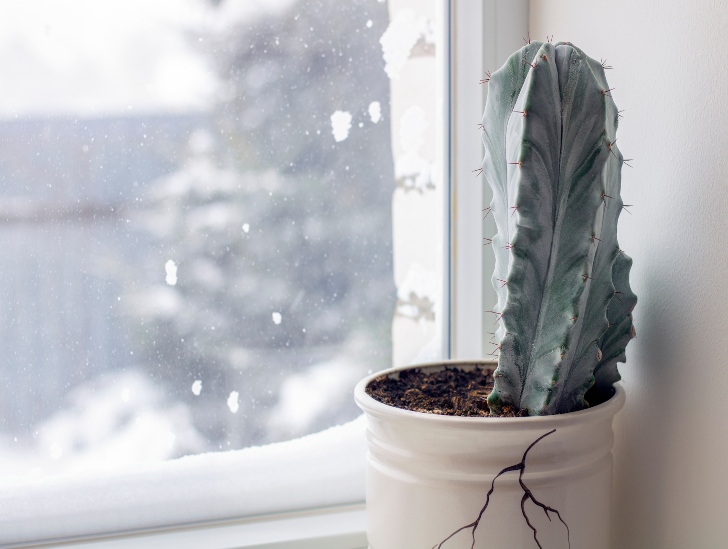
Cactus pot near the window with snow outside.
It is best to grow the plant indoors. This will protect it from freezing temperatures.

In the summer, you can water it more frequently, but make sure to drain any excess water from the pot because it doesn’t like being waterlogged.

The barrel cactus can also be grown in outdoor gardens. If you live in a hot and dry climate, this is the ideal way to grow the plant. Just make sure to choose a spot that receives full sun.

The cactus will also need well-drained soil to thrive. When watering the plant, do so sparingly, and only when the potting mix is completely dry.

Overwatering is one of the most common mistakes made when caring for barrel cacti. Too much water can lead to root rot, killing the plant.

If you live in a region with high humidity, it is best to grow the plant in a pot so that you can control its watering schedule.

What Does the Golden Barrel Cactus Look Like?

The golden barrel cactus is not actually gold in color despite its name. The name likely comes from the cactus having a globe-shaped stem with a tint of green and gold colors. Its trunk is covered in spines, which can be quite sharp. The modified leaves of the plant are also spiny, small, and round.

Over time, the cylindrical cactus takes on an oblong shape leaning to the southwest so that the spines can help protect the succulent from the scorching desert sun. In fact, some desert travelers use the golden barrel cactus as a compass to help them find their way.

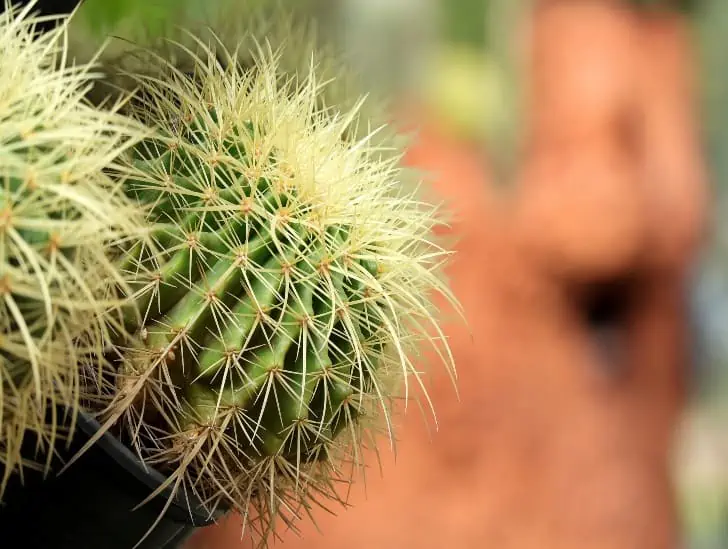
Closeup image of a golden barrel cactus.
They are large, trumpet-shaped, and have a deep yellow color.

The flowers of the cactus are also quite distinctive. They are large, trumpet-shaped, and have a deep yellow color. The flowers usually form at the tip of the plant and wither after a few days.

How Does the Golden Barrel Cactus Survive in the Desert?

One of the most amazing things about the golden barrel cactus is how it survives in the desert. Despite being in an environment so hostile to life, this cactus manages to thrive!

One way the golden barrel cactus survives is by storing water in its thick trunk. This water can help the plant survive for long periods without rainfall. It also has deep roots that can reach underground sources of water.

The golden barrel cactus is also adapted to the hot desert climate in several other ways. For example, the spines on the plant help to reflect sunlight and heat away from the body of the cactus. This helps to keep it cool during the day.

Additionally, the cactus flowers bloom at night when it is cooler outside. The primary objective is to minimize water loss and keep the plant hydrated.

What Are the Benefits of Having a Golden Barrel Cactus in Your Home?

Like other succulents, the golden barrel cactus is a popular plant to have in the home. This is because it is relatively low-maintenance and can thrive in various conditions.

Some people believe that having succulents in the home can help to purify the air. Additionally, the Golden Barrel cactus is known to be an excellent source of oxygen.

In some parts of the world, the succulent is believed to carry good luck depending on where you position it in the home. For example, it is said to bring good luck if you place it on the east side of the house.

Top View image of a golden barrel cactus.
The Golden Barrel cactus is known to be an excellent source of oxygen.

Furthermore, the golden barrel cactus can be used in a desert terrarium or as part of a cactus garden. It is also a popular plant to give as a gift.

Generally, if you are looking for a plant that is both beautiful and beneficial in many ways, the golden barrel cactus may be the perfect option for you!

Where Can I Buy a Golden Barrel Cactus?

If you’re interested in purchasing a Golden Barrel cactus, you can find them for sale online or at your local nursery or gardening store. Do your research to ensure that you are getting a healthy plant.

It’s important to note that the golden barrel cactus is considered a threatened species in its natural habitat. As such, it is important to only purchase plants that have been cultivated.

Buying wild-caught plants puts unnecessary stress on the population and is detrimental to the species as a whole.

How Do I Propagate a Barrel Cactus?

One of the best things about barrel cacti is that they are easy to propagate.

To propagate a barrel cactus, you can simply take a cutting from an existing plant and root it in soil. The easiest way to do this is by using rooting hormone powder.

Once you have taken the cutting, dipped it in the rooting hormone powder, and placed it in well-draining soil, all you need to do is wait.

It will take a few weeks for the cutting to develop roots. Once it has rooted, you can transplant it into its own pot.

When Is the Best Time to Plant a Golden Barrel Cactus?

The golden barrel cactus is a hardy plant and can be planted in most climates. However, the best time to grow it is during the spring or summer months when the weather is warm.

Ensure to water your cactus regularly, especially during its first year of growth. Once it becomes established, you can water it less frequently.

Give your plant some time to adapt to its new home before you start to fertilize it. Over-fertilizing can be harmful to a cactus.

Summary

Now that you know all about the golden barrel cactus and its main habitat, you can start your own succulent collection! These plants are relatively easy to care for and make a beautiful addition to any home. So, what are you waiting for? Get out there and get started!

Where Is the Best Place to Buy Cactus?

The truth is that many people love cactus for numerous reasons.  While some have been in the love affair for quite a long time, others are just starting and are still newbies in the cactus world.  Newbie or not, we can all agree that cacti are easy-to-love succulents because they are hardy and relatively low maintenance. But with so many different options available on the market today and so many online succulent stores, choosing the perfect place to buy cactus can be pretty challenging.

So, where is the best place to buy cactus? You can easily purchase your cactus from a wide range of different retailers, both online and offline.  Some of the major online succulent stores that sell cactus include succulent box, fairy blooms, the succulent source, planet desert, bloomscape, succulent market, harddy, and so on.

This blog post discusses the different places where you can buy the best cactus to start growing your collection. Read on to learn more.

1. Leaf and Clay

Leaf and Clay is an online succulent shop that opened in early 2016. It offers a wide range of succulents, including but not limited to cacti, air plants, Echeveria, Aloe Vera, and so on.

Besides the succulents, they also sell crafty succulent pots and containers, subscription boxes, and potting mix.  The cost of cacti plants from this online shop starts at $4, while cacti boxes start at $36. The box usually contains six pieces.

For other types of succulents, a box starts at $45 but contains at least six rare pieces of succulent plants. During shipping, the plants are packaged individually.

4 different types of succulent
Different types of succulent perfect for your home

They are only shipped with bare rooting, but the packaging is so good to help them withstand transportation.  Leaf and Clay only ship their succulents within the United States and its territories.

The shipping fee starts at $30, while free shipping is offered for orders above $75.  If you receive your order and are unhappy with it, you can’t return it unless it is non-perishable items such as potting mix or containers.

The product you want to return must be intact and unopened for up to 30 days after the delivery date. With returns, it is the buyer who shoulders the postage cost.

2. Planet Desert

Planet Desert boasts a remarkable collection of succulents, including different cacti species that you can purchase. Generally, the online retailer has approximately 280 different types of succulents and over 300 different cacti species. Therefore, it is relatively safe to say that they have everything for everyone.

Other than plants, they also have gift cards, a rewards program for their loyal customers, cuttings, succulent soil, top dressing, amendments, DIY projects, and so much more.

The website is a paradise for every avid gardener who wants to expand their plant collection. They have almost everything you need in different varieties.

Each plant sold on their website has a detailed description, and you will find all the valuable information you need on growing and caring for the plant. The plant’s description will include everything from its watering requirements, sunlight requirements, temperature, fertilization, and what its flowers look like.

three cactus with a pink background
Check out plant desert for their wide variety of cacti species

Before visiting their website, ensure you have plenty of time because you will easily drown in the descriptions provided to learn more about the succulents on sale.

One of the best things about Planet Desert is that it doesn’t matter whether you are a seasoned gardener or a newbie; you will always find something that suits your needs.

Right from low-maintenance cacti to slow-growing Kanachoe, this online succulent shop appeals to almost everyone.

The business offers excellent customer service since it is a family-run business, and you will find great reviews from past customers. Most customers rave about the prompt response time, useful assistance, and the overall great purchase experience.

3. Bloomscape

Bloomscape is another excellent place to buy cactus online. This direct-to-consumer company focuses on making the plant parent process as easy and seamless as possible.

For each mature and ready-to-go plant they sell, they ensure it comes with a bunch of tips for success. So, you will receive credible tips on how to water your plant, the amount of light exposure required, and when to fertilize it.

Many people trust them, considering that they have been managing greenhouse-grown plants for more than five decades. They know a thing or two about what it takes to make succulents, especially cactus, thrive.

When it comes to cactus selection, they have an entire catalog of unique and beautiful-looking cacti plants that will appeal to your indoor or outdoor environment. For instance, their prickly pear cactus looks like what a retro cactus should look like.

4. Succulent Market

Succulent Market describes itself as a “third-generation cactus and succulent farm.” They have been in the business of propagating, growing, and selling succulents for more than five decades.

The family behind the online business primarily sells cacti and other succulents in wholesale. It was not until a few years ago that they started selling their succulents online.

Something unique about this company is that they are the only online succulent retailer that sells larger 4-inch succulents by variety. Their collection boost over 100 different types of cactus and other succulents for sale.

different types of succulents
Visit Succulent Market if you are keen to own 4-inch succulents for they are the only online succulent seller for that

They also have succulent cuttings available for sale, and the various cactus species on sale are offered in varying packs.

They offer free shipping on all orders above $65, and all orders are usually shipped on Mondays, Tuesdays, and Wednesdays.  However, shipping is only within the United States, and all plants are shipped in pots and appropriate soil.

They offer premium quality succulents at reasonable and affordable prices. They also have a superb selection of cacti cuttings and friendly customer service.

5. Mountain Crest Garden

One of the most popular and reliable online succulent retailer shops is Mountain Crest Gardens. The family-owned and run plant nursery is located in Scott Valley, California, and has been in operation since 1995. The business has been an online catalog of succulents since 2001.

The business now boasts over 700 varieties of succulents you can choose from and continues to add new types to its online catalog every month.

They have an average rating of 4.8/5 with more than 31,000 reviews, showing how popular it is among gardeners. They ship products to all U.S states and territories. Free shipping is available except to Alaska, Hawaii, Guam, and other U.S territories.

Does Cactus Need Direct Sunlight?
Looking for a shop that has 700 varieties of succulents? Head on to Mountain Crest Garden’s website

All orders are usually shipped between Monday and Wednesday and delivered from Thursday to Saturday. The company packs all shipments by hand in highly recyclable crinkle paper, boxes, and biodegradable packing peanuts.

The succulents are shipped when they are fully rooted in two-inch plastic containers. The company offers a 14-day quality guarantee that covers all plants without roots, diseases, root rot, pest infestation, broken stems, missing leaves, visible damage to pots/containers, and incorrect or missing plant products.

If you are not satisfied with what was delivered, you can choose to receive a store credit plus an additional 10% refund or a replacement plant if it is available. 

6. Harddy

Harddy is a chain of plant nurseries located in California, but all orders and shipments are usually facilitated by their registered and licensed online store known as Harddy.

Harddy is listed as one of the largest online plant nurseries in the United States, with superb customer service and a reasonable price range. You will find more than 300 different varieties of succulents here, growing pots, potting mix, succulent boxes, gift cards, and uprooted succulent cuttings.

The price for their various succulents is reasonable, with five healthy cuttings selling at $8 only. Gift boxes are priced between $30 and $70, while Rosette succulents range between $14 and $20 for four pieces.

Shipping of purchased products is done every Monday, Wednesday, and Friday, but expedited shipping can be considered upon request. Keep in mind that expedited shipping may attract additional costs. However, the shipping fee is usually waived for bulk orders.

one of the important things when potting -- potting mix
For potting mix and other gardening essentials, Harddy is the way to go

Products are only shipped within the United States, and all returns must be filed to the USPS within 24 hours of delivery.  Every package they ship is insured with $50. Refund policies don’t apply to broken or damaged packages in transit and those that were not fully wrapped in heat packs.

Their succulents are greenhouse-grown, and all of their common varieties adhere to the national standard prices. Succulents are shipped in pots and soil, and customers enjoy up to a 10% discount on all bulk orders.

One of the reasons you should consider buying cactus from Hardy is that they offer a wide selection of cactus collections and have one of the best customer services. Most importantly, they help local nurseries to thrive by sourcing some of their products from there.

7. The Succulent Source

The Succulent Source is one of the best places to buy multiple succulents at the same time. This family-owned online shop sells succulents, cacti, and other exotic plants. They are based in San Diego, California and have been in business since 2004.

The Succulent Source has a wide variety of succulents for sale, such as Echeveria, Agave, Haworthias, Aloe Vera and more.

Prices range from $6 to $40 depending on the size and type of succulent. They offer free shipping for orders over $75, and every order comes with detailed care instructions.

The Succulent Source also provides excellent customer service, ensuring customers have a positive experience when shopping. They have a 100% satisfaction guarantee and offer refunds or replacements if you are unsatisfied with your purchase.

They also have great discounts and deals, so it’s worth checking out their website for the best offers before purchasing.

8. Local Nurseries

If you would like to shop locally, we’d advise you to find a local plant nursery and see if they stock succulents. Luckily, many local nurseries specialize in succulents, cacti and other exotic plants.

Shopping locally ensures you get fresh plants without signs of pests or disease. The prices at local nurseries are usually slightly higher than those found online, but you can be sure that the plants have been personally selected by someone who knows what they’re doing.

Many nurseries also offer expert advice and tips on how to properly care for the succulents you purchase.

9. Amazon

Although the live succulent assortment on Amazon is not so extensive, you can still find a variety of succulent options for sale. There are even artificial succulents in case you want a plant that does not require any care.

The prices on Amazon range from $7 to $35 depending on the type and size of the succulent. Shipping is mostly free if you’re an Amazon Prime member but may incur additional charges for large or heavy items.

All orders come with detailed instructions on the best way to care for your succulent, and Amazon has a generous return policy in case you are not satisfied with your purchase.

However, it’s important to note that live plants cannot be returned due to health and safety regulations.

Summary

All of the cactus stores mentioned in this guide have several things in common; they have a wide range of cactus species, sell much more than just cacti plants, have good customer service, reputable shipping, and prices are reasonable.

Most of them are also community rooted and strive to provide gardeners with valuable tips that set them up for success. They know what to do to make their customers happy. So, feel free to purchase your cactus plant from any of the mentioned stores.

Ultimate Guide: How to Care for Schlumbergera truncata Plant

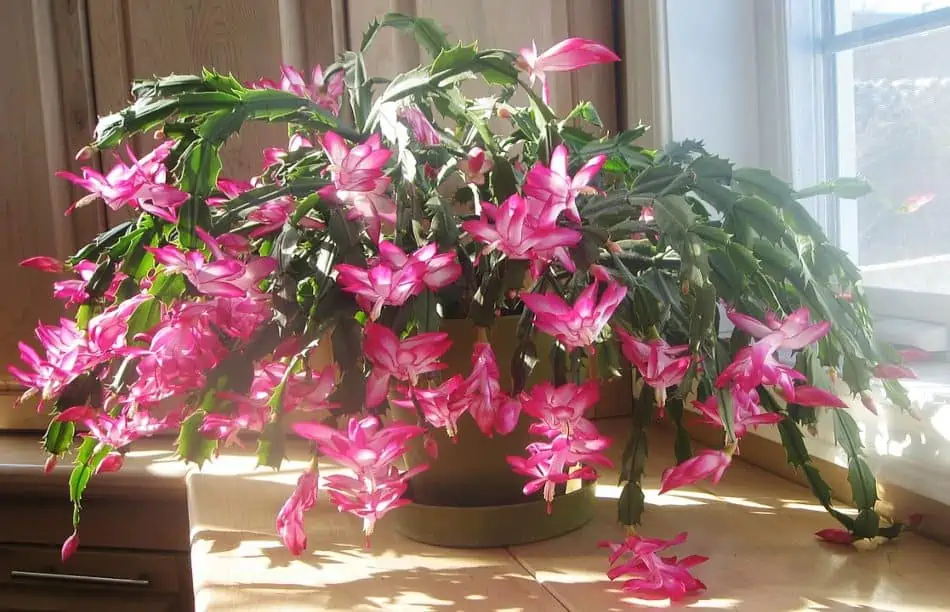
The Schlumbergera truncata or Thanksgiving cactus is one of the most well-known houseplants, and for a good reason. They produce brilliant, tubular blooms in lilac or pink colors when they bloom. 

Their lovely flowers, long blooming period, and low maintenance requirements make them a great plant to have at home. I’m guessing that someone in your family has a Thanksgiving plant!

This Schlumbergera plant has three main varieties: 

  • Thanksgiving cactus
  • Christmas cactus
  • Easter cactus 

Magically, all of them bloom nearing their respective holidays. 

How Do You Look After the Schlumbergera truncata Plant?

The Schlumbergera truncata is a lovely, winter-flowering houseplant with gorgeous flowers that flourish for a long time.

Pro Tip: Unlike other cacti, Schlumbergera truncata and its relatives do not grow in hot, dry places such as deserts or plains. These epiphytic succulents are native to Brazil’s tropical rainforests, where they thrive on other trees’ branches and absorb the high humidity, indirect sunlight, and warm temperatures.

The plant is easy to maintain and look after. Read on to find out some care tips for growing Schlumbergera truncata:

Planting Schlumbergera truncata: Potting

Select a pot with a drainage hole in the bottom when choosing one for a Thanksgiving cactus. This prevents the soil from becoming too wet when watering.

For the soil type, Thanksgiving cactus thrive in soil mixes designed for succulents or cacti. However, the essential thing is that your potting soil drains well.

When your Thanksgiving cactus thrives, keep the plants in a location with bright, indirect light. A well-lit bathroom or an east-facing window are both ideal places. When you expose the plant to direct sunlight, it might damage its delicate leaves.

Schlumbergera truncata in a pot.
Select a pot with a drainage hole in the bottom.

For temperature conditions, the plant prefers a daytime temperature of up to 70°F and an evening temperature of 60-65°F mimicking the tropical conditions.

Thanksgiving cactus prefer high humidity levels; because of this, your kitchen or bathroom creates an ideal spot for the plant. If you live in a high humid environment, you can have it anywhere in your home. Likewise, if you keep it in a dry atmosphere, you may put a tray of pebbles with water inside the planter to increase humidity levels.

During summer, place Thanksgiving cactus in an unheated porch or garden with a shade until the temperature falls below 50°F. Always remember to keep them away from direct sunlight.

How to Water Schlumbergera truncata

Because they are native to tropical and subtropical forests, Schlumbergera truncata are more thirsty than other cacti and other succulents. Make sure to give this plant enough water when the top inch of soil becomes dry. This plant cannot withstand low moisture or dry soil; it will die.

Take into account the season, weather, and environment when watering your Thanksgiving cactus. Water it every two to three days if you keep it outside in a hot, dry environment.

A irrigation system.
Water it every two to three days if you keep it outside in a hot, dry environment.

In a cool and humid climate, such as indoors, the Schlumbergera thrives on a once-weekly watering. During the fall and early winter months, reduce your watering to encourage bloom.

The Thanksgiving cactus is very susceptible to over-watering. The plant can get fungal rot disease if the soil is too wet, causing its leaves to fall off.

To prevent overwatering while still ensuring that the plant gets enough moisture, set up a tray of water near it or use a spray bottle to mist your cactus regularly.

What is The Right Soil for Schlumbergera truncata?

Remember, you need to prepare and have the soil that represents Schlumbergera’s natural environment, and Schlumbergera grows in tree crevices with decaying matter all around it. Hence it prefers acidic soil.

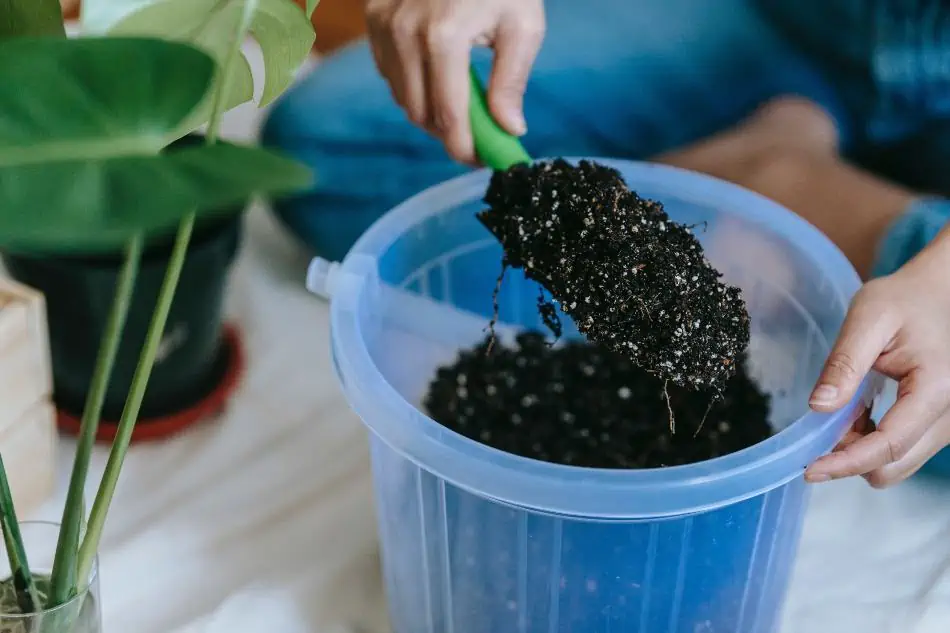
A soil being transferred on the container.
Schlumbergera prefers acidic soil.

Schlumbergera truncata prefers rich, porous soil mixed with plenty of organic matter. A good option is soil designed for citrus trees and cacti.

How to Fertilize Schlumbergera truncata?

When the flower buds start to form, use a succulent plant food according to the directions on the label to promote robust growth and produce many flowers.

Fertilize twice a month during the bloom season, then wait to add fertilizer again until the plant starts actively growing in the spring.

How to Get Your Schlumbergera truncata to Bloom

Thanksgiving cactus blooms in cooler temperatures and extended darkness periods. If your schlumbergera is not blooming, it might be in a high temperature surrounding or receiving too much light. 

A flower pot.
It blooms in cooler temperatures.

Here are some pro tips to have your Thanksgiving cacti bloom:

  • To trigger blooming, expose it to prolonged darkness of at least 14 hours and less exposure to light between 8 to 10 hours for at least five weeks. If you have solid interior lighting at night, you’ll need to cover your cactus or relocate it to a location with less or no light.
  • When the flower buds develop, they are most likely to flourish at 50 and 60°F.
  • You may start the budding process earlier by exposing the plant to temperatures of around 45°F for several nights in a row.
  • Ensure to water the plant regularly throughout its blooming process. If the plant becomes overly dry, it may drop its buds.

Don’t worry if the cactus sheds its buds one winter: it should flourish the next season!

How to Propagate Schlumbergera truncata

Thanksgiving cactus is easy to grow, and the best part is that you may give them to your family as Christmas or Thanksgiving presents. You can propagate Schlumbergera cactus from cuttings or seeds.

To begin the propagation process from cuttings, use a pruning shear to make a small Y-shaped cutting from the mother plant stem. Ensure you take two to four joint Schlumbergera pieces and are healthy.

To prevent excessive moisture build-up and root rot, allow the cuttings to rest and dry for at most 12 hours. Once the cuttings are completely dry, place them in a container with well-draining soil (cactus and succulent soil mix).

Place the freshly potted cuttings in a well-lit place with indirect light, and they will start rooting. You should water the potting sparingly until the plant has grown and acclimated to the new environment. 

A plant in the pot is wrapped in a paper.
It can survive in the same pot for several years without repotting.

The first indication that the cuttings have settled in their new environment is when new growth emerges at the tips of their leaves.

Don’t worry if your plant droops a bit in the beginning. This condition is entirely normal, and the plant will usually look better as it adapts to its new surroundings.

Pro Tip: Thanksgiving cactus does not require as much repotting over time as other cacti, and it can survive in the same pot for several years without repotting. Although, you should repot it every year or once in two years to offer more nutrients promoting healthy growth.

Common Pests and Disease Affecting Schlumbergera truncata

Mealybugs: this plant may be susceptible to pests, especially mealybugs, and, if over-watered, root rot. If you notice any diseases on its leaves, prune the damaged leaves and repot the plant onto clean soil.

Blossom drop: If your Thanksgiving cactus is under any type of stress, it will most likely shed its blooms. This may be due to the amount of light or a rapid temperature change. Also, make sure your soil isn’t overly dry while the buds are developing.

Shriveling: The stems can shrill as a result of the plant being subjected to extreme heat and direct sunshine. However, root deterioration owing to over or under watering is the leading cause.

Non-flowering: Non-flowering might be due to the day length not shortening or/and temperatures not dropping below 60°F, as in the case of fall. For example, if a plant is near an artificial light source after dark and the temperature does not drop below 60°F.

Things to Note About Thanksgiving Cactus

Toxicity of Schlumbergera truncata: The plant is considered a low-toxicity option. Vomiting and diarrhea have been reported in dogs who consume significant amounts of the plant. When ingested in small amounts, there are usually low levels of toxicity.

Is Schlumbergera truncata a house plant? The Thanksgiving cactus is typically kept as a houseplant. In the hotter climates, such as those with temperatures more than 70°F, you can grow it outside in partial shade year-round. 

Where to buy Schlumbergera truncata plant: The Thanksgiving plant is available in many gardening stores and nurseries starting in the fall. This plant makes an ideal present to gardeners, and hence during holidays, it might be the right time to make a purchase.

Bottom Line

The Schlumbergera truncata is a low-maintenance plant with lovely blooms. When situated correctly in an area with plenty of indirect light, extended hours of darkness, and enough moisture, this versatile plant will amaze you with new blooming cycles throughout the year.

You may take cuttings from a healthy, robust Schlumbergera truncata and transplant them into attractive pots to offer as gifts. Everyone will be pleasantly surprised, especially when they learn that you grew the plants yourself.

Low Care Plants For The Perfect Indoor Cactus Garden

Creating a perfect indoor cactus garden is easier said than done. Ensuring that your cactus garden remains vibrant irrespective of the season is a perfect way to brighten your spirit. Most succulents and cacti are great indoor plants for your cactus garden because they require minimal maintenance to create that perfect display that your guests will love.

Unlike other plants, you will not need to water, feed or prune them regularly.  Nevertheless, elements such as changing temperatures, poor exposure to sunlight and dry air make it challenging for some succulents and cacti to thrive.

So, what are the best low-care plants for your indoor cactus garden? Most cacti and other succulents stand out as the best low-care plants for your cactus garden. Their unique water storing ability and tolerance to dry conditions make them ideal for a low-care plant. This includes low care cacti like saguaro cactus, Star cactus, Bunny ears Cactus, San Pedro cactus, barrel cactus, cholla cactus. Others include tolerant succulent species like hens and chicks, Burro’s tail, African milk tree and bishop’s cap.

This article looks at the ideal plants for your cactus garden. It will discuss different types of plants that will thrive with low care and spell out the unique features that make them stand out as low care plants.

Saguaro cactus

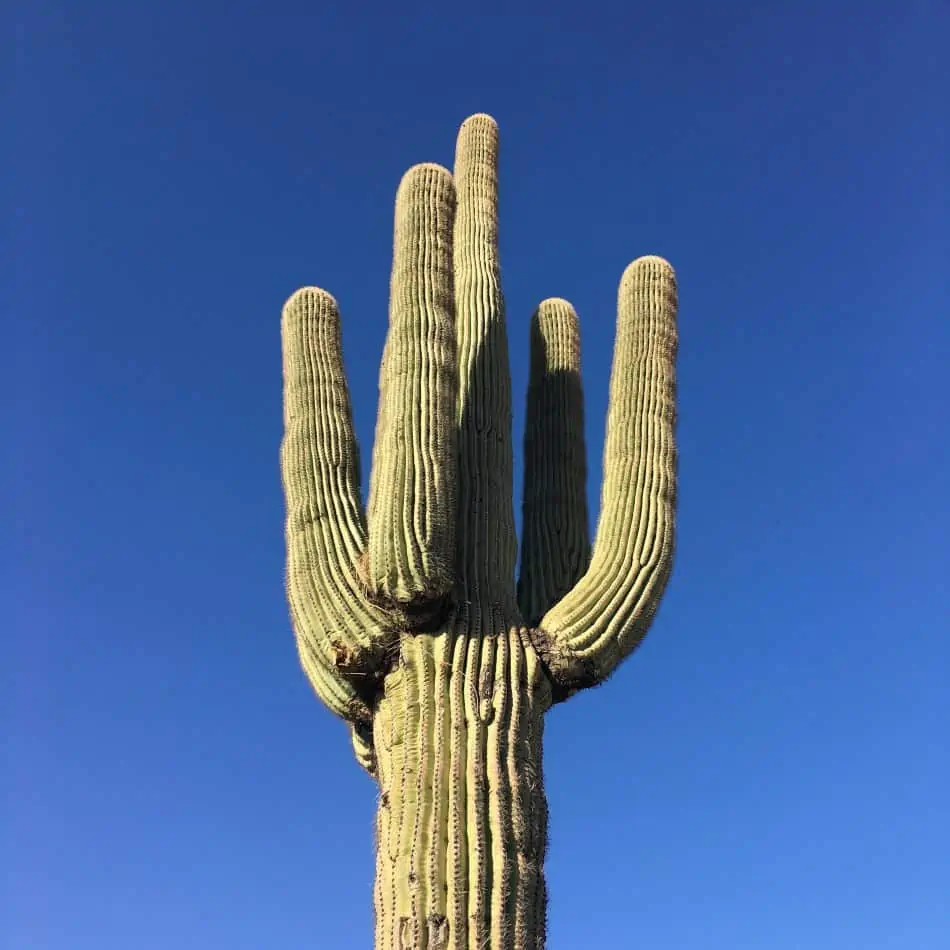
The saguaro cactus is probably the first plant that comes to mind when you think of a low care plant. Saguaro cactus can live in a pot for 150 years without moving it outdoors but much longer in the wilderness. The plant is a slow grower and establishes strong roots making it a perfect houseplant.

On average, saguaro cactus roots can go up to 4 inches deep when potted. A Saguaro cactus can take up to 10 years to get to 1.4 inches in height. It may take another 60 years before the plant grows up to 10 feet tall. At this point, it can start producing arms. Some saguaro cactus may only produce one arm, while others can produce a dozen of them.

A mature Saguaro Cactus.
Saguaro is a low-maintenance cactus that takes up to 10 years to reach 1.4 inches in height.

Flowering in the saguaro cactus occurs between May and June. It produces white, bright flowers, about four inches wide. Saguaro flowers have pretty yellow stamens and emit a sweet scent.

Star Cactus

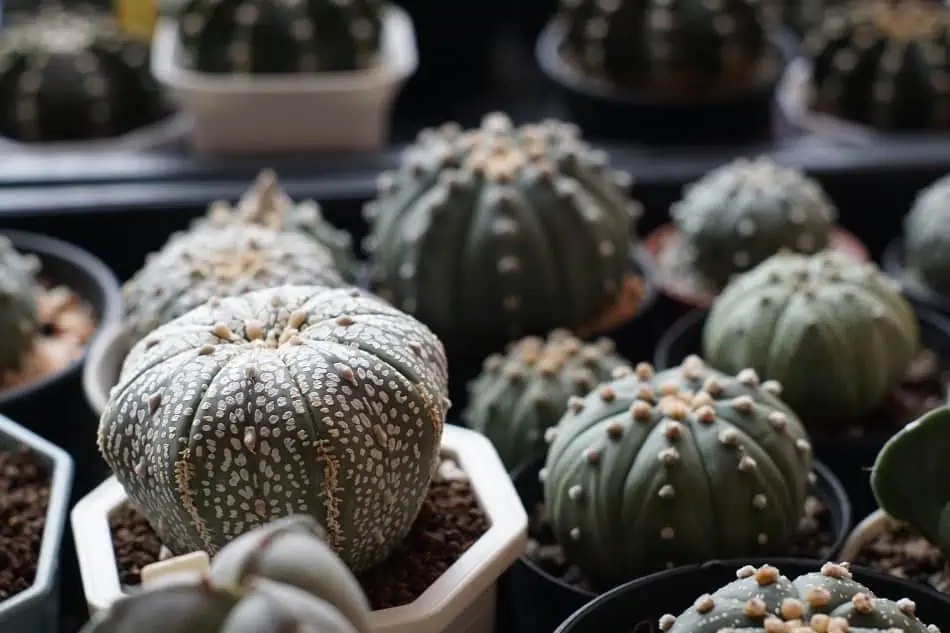
The star cactus is popularly known as the sand dollar plant. Notably, the star cactus looks like a star when mature, thus the name. It features a round shape, divided into star-like slices and only grows two inches tall. Star cactus is usually green, but some varieties may have brown patches. 

This cactus develops pretty spine pads that are completely covered with white scales and dots. During spring, the star cactus produces bright, yellow flowers. Even with minimal care, this plant will reward you with big pretty flowers. These flowers develop into reddish or gray woolly berries, covered with small dots.

Star cactus in a pot.
Star cactus is a round-shaped succulent with star-like slices and bright yellow blooms.

Star cactus is not cold-resistant but can still survive in a temperature range of 20-25 degrees Fahrenheit. During winter, this plant thrives in significantly low temperatures. So, as much as the plant thrives best in higher temperatures, you do not need to care for your plant differently during winter.

Bunny ears cactus

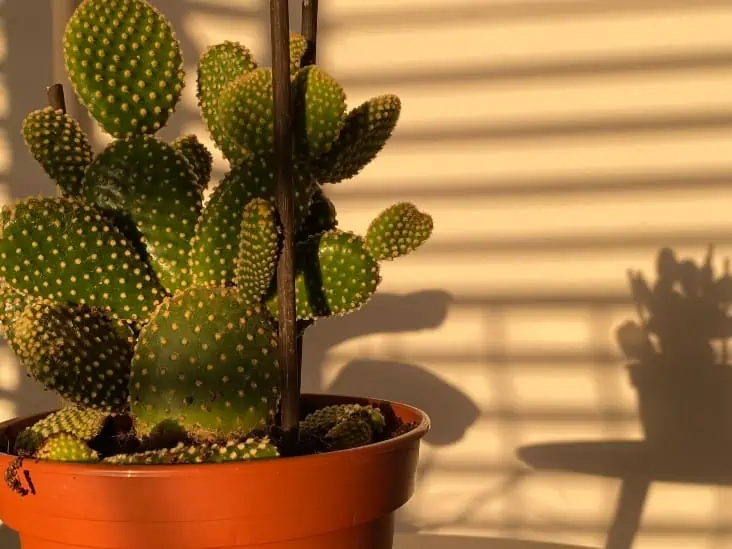
This tolerant desert cactus, also called angel’s wings, is a perfect cactus for beginners or busy gardeners. Notably, this plant has no leaves or stems. Instead, it has green oval-shaped pads resembling rabbit ears and is covered with tiny bristles. This is an ideal low-maintenance plant yet still attractive for your home decor.

A Bunny ear cactus,
Bunny Ears cactus is an excellent plant for beginners since it does not require much care.

Bunny ears cactus grows approximately 6 feet in width and 4 feet in height, but some may grow taller. If you are lucky enough, this plant may produce bright, yellow flowers, 2 inches wide, during summer. After blooming, the flowers turn into red or purple-colored fruits.

San Pedro cactus

Originally found in Peru, the San Pedro cactus is a fast-growing species that is quite popular for its value in traditional medicines and religious ceremonies. Some believe that the plant brings healing and promotes radical introspection in a religious context.

While growing this succulent in your garden as an ornamental plant is safe, consuming its by-product (mescaline) remains illegal in some countries like the US. The cactus is relatively poisonous, so you should keep it at a safe distance from your pets and children.

San Pedro grows up to 6 feet in width and 18 feet in height.  The individual stems of the San Pedro cactus are green but turn to blue-green with age. Each stem has five ribs measuring approximately 2 to 6 inches tall.  During winter, this cactus produces yellow flowers that measure around 8 inches in diameter.

The plant requires minimal water to survive, but it still needs some attention and love, especially during summer. For better results, place it in a well-lit area to ensure it gets enough sunlight. If you need to reproduce the plant, you can propagate it once the stem is 4 meters tall.

Barrel Cactus

The barrel Cactus is popularly known for its fascinating color and cute cylindrical shape that beautifies any space. Growing up to 6 feet in width and four feet in height, this resilient cactus adapts well in warm climate conditions. Wild barrel cactus plants can grow up to 10 feet.

A top view of a golden cactus barrel.
This architectural beauty remains an endangered species.

Barrel cactus produces flowers with reddish-orange petals located at the top of the cactus. Although the plant’s fruits and flowers may not be considered edible, the pulp of the stem is widely used for making candy. The taste of the pulp varies depending on the species. As a result, this architectural beauty remains an endangered species.

Cholla Cactus

Popularly known as jumping chollas, this plant is found in the Northern Mexico dessert. Different species of this plant have a wide variety of shapes, including creepers, shrubs or trees.

The most common and standout feature in the cholla cactus is the nasty spines. Cholla cactus has sharp spines covered by a sheath which makes them quite glamorous. That said, the spines can cling onto fur, so place your plant away from your curious pets’ or kids’ reach.

A flowering cholla cactus.
Cholla is resistant to pests but may get infested once in a while.

The cholla cactus thrives best when placed in a plastic or clay pot. These pots are ideal for such cactus species because they get rid of excess moisture. Remember to repot your plant at least once a year. Cholla is resistant to pests but may get infested once in a while. So be sure to spray them using Pad or Stem Spray Method whenever such pest attack signs abound.

Hens and Chicks Plant

The hens and chicks plant belongs to the family of succulent plants and produces flesh, thick and evergreen leaves. Generally, this plant is relatively tiny and has a beautiful round shape, making it perfect for interior home décor. 

You can find this cute plant in multiple colors, from purple to dark green. Hens and chicks leaves are rounded and covered with downy hairs. Leaves change color depending on the climate or exposure to the sun.

A hens and chicks plant.
Hens and Chicks Plant features fleshy evergreen leaves and can be found in a couple of colors.

Mother plant referred to hen grows in every direction to produce ‘chicks’ under it in the form of offsets.  Eventually, each chick matures and becomes an independent plant. Give new plants enough water, and once they develop a strong root system, you can water them once a month. 

After it matures, the offset separates itself from the hen, but you will need to cut it off in some cases. Breaking away from the offset from the mother is beneficial since much energy and nutrients are used to support the chick.

African milk tree

Originally from Africa, the African milk tree produces tiny yellow and white flowers and emits a white liquid when broken or cut. Some countries like India mix the liquid with mud and use the mixture to sharpen axes and knives. However, the liquid is not safe for consumption and may even cause skin and eye irritation. As such, keep the plant away from pets and children. 

When grown indoors, the African milk tree can grow up to 5 meters tall. This cactus is slow-growing, so you will not need to repot it frequently. You will also need to be patient before seeing the plant flower, as it equally takes time to get to this stage. Generally, flowering occurs once the plants reach 30, 60, and sometimes 70 years old. In some cases, the plant never blooms altogether, especially in a controlled environment.

The African milk tree is a resilient and bright light plant that requires minimal care. So, it is ideal if you have a super busy schedule or travel a lot but still desire to find a relaxing and stunning view when you get home. The plant adapts perfectly to indoor spaces and can survive in any environment.

Bishop’s cap

Known for its unique shape, the bishop’s cap is a must-have desert plant for any garden enthusiast, thanks to its vibrant and easy-going style. At a young age, the plant has a spherical shape, but it resembles a Bishop’s miter as it grows taller.

An adult Bishop’s cap is star-shaped and has five ribs with tiny white dots. The number of ribs might vary depending on the climate. Notably, this plant can grow up to 8 inches in diameter and about 3 feet in height.

This resilient succulent grows slowly and takes its time to produce flowers. Beautiful yellow flowers begin to appear at the top of the plant once it matures. During spring, the flowers develop a reddish-orange color at the center. 

For better results, expose the plant to at least seven hours of indirect light daily. You can use a piece of sheet cloth to protect the plant from direct sunlight. Additionally, it has a small root system making it ideal for small pots.

These low care plants will give your indoor garden beautiful greenery look all year round. They are amazing and excellent displays for any indoor space. The only thing most of these plants need is enough water and sunlight.

Here Is Why your Christmas Cactus Doesn’t Bloom

Cacti are unique plants, and they flower too. In fact, there is nothing more beautiful and mesmerizing about springtime than seeing your succulent Bloom. While flowering may not be the primary goal for most gardeners, it is still something you can’t afford to ignore, especially if you have a Christmas cactus. But sometimes, your Christmas cactus may fail to bloom for various reasons.

So, why is my Christmas cactus not blooming? If your Christmas cactus plant isn’t blooming, it may be due to temperature, light, soil, or watering issues. For your cactus to bloom, it requires an almost perfect balance between temperature, lighting, and care. If you overwater, provide too much light, wrong temperature, or repot at the wrong time, then it can be challenging to get your cactus to bloom.

This blog post discusses some of the reasons why your cactus may fail to bloom. So, let us get started.

When Does the Christmas Cactus Bloom?

Before we discuss some of the reasons why your succulent isn’t blooming, it is good to understand when the plant typically blooms. Sometimes, you may be stressed over your Christmas cactus failing to bloom when it is not the flowering season.

Unlike the desert cacti, the Christmas cactus is native to tropical rainforests and requires regular watering and proper care to remain healthy in preparation for blooming. Flowers usually form at the end of the stems. Therefore, the more stems your plant has, the more flowers it will produce.

Typically, these cacti bloom around the Christmas period hence the name Christmas cactus.  However, it is good to note that the term “Christmas cactus” has become generic to three different types of cacti in the same family.

As the name suggests, Christmas cacti flower around the Christmas period.

What most people think of as “Christmas Cactus” may be a Thanksgiving cactus, Easter cactus, or the actual Christmas cactus.

The difference between the three is actually the time of blooming. Is it blooming in November, December, or late/early spring? That will always tell you the type of holiday cactus you have in your home.

A true Christmas cactus will always bloom around Christmas time.

Why Is My Christmas Cactus Not Blooming?

Now that you know when your Christmas cactus should be blooming, you should be worried if you don’t see the flowers at the right time. Here are some of the top reasons why your cactus may fail to bloom:

1. Overwatering

One of the top reasons why your cactus may fail to bloom is overwatering. Although a Christmas cactus requires frequent watering during the other times of the year, it requires less water right before the blooming season.

Like any other cacti species, overwatering your Christmas cactus will encourage bugs and may even cause root rot, preventing your plant from blooming.

Generally, water your Christmas cactus only when the top inch of the potting mix is completely dry. It is quite difficult to advise you on the exact number of times you should water your plant because living conditions and your area’s climate need to be considered.

Overwatering your Christmas cactus will lead to root rot, preventing the plant from flowering.

If you grow your cactus outdoors in a relatively hot and dry environment, then you should consider watering it every three to four days. However, if your cactus grows indoors in a relatively cool room, it may only require watering once every week.

However, you must water much less from October to force your cactus to bloom. During this time, you can even get away with completely dry soil and watering just once per month.  You can start http://getzonedup.com/ watering regularly again after the flowers have bloomed.

2. Too Much Light

Another reason why your Christmas cactus may fail to bloom is because you are exposing it to too much light. While desert cacti love a lot of sunlight and should get at least four hours of direct sunlight every day, a Christmas cactus is a tropical plant native to the tropical rainforest and doesn’t need direct sunlight to thrive.

In fact, exposing a Christmas cactus to too much light can result in stunted growth and sunburn on the leaves. If you start to notice your Christmas cactus turning purple and wilting, then it could be a sign of too much light.

If you are growing the cactus indoors, it is recommended you place it on a north-facing window. To encourage blooming, you have to ensure that your succulent gets at least 12 hours of total darkness every day.

Keep in mind that artificial lighting can easily break the cycle. Therefore, the best way to avoid this is by placing your Christmas cactus in a room that inst used in the evening.

You should start preparing your Christmas cactus for blooming in late September and early October. Ensure the plant is positioned in a dark room where it can receive at least 12 hours of total darkness, and you will start to notice new buds after three or four weeks.

When the buds start to form, you should consider moving your plant to a nice display area but make sure it still receives plenty of darkness.

3. Wrong Temperature

What is the first thing that hits your mind when you visualize a cactus? A thorny plant that has adapted to the hot desert temperatures, right?  Well, this may be correct most of the time, but not all the time.

While most cacti species require a lot of direct sunlight to survive and thrive, the Christmas cactus requires a significant drop in temperature for it to bloom. Therefore, the right time to move it to a relatively cooler area is late September or early October.

If you have your Christmas cactus in a south-facing window, try to move it to a north-facing window where it is more likely to receive less light.

This will allow the flower buds to set in quite nicely and strongly. The ideal temperature is around 55oF. Sometimes, you may notice buds start dropping off if the plant is exposed to temperatures beyond 90oF.

However, you should be careful not to expose your Christmas cactus to frost and extremely cold weather. Keep in mind that you are dealing with a tropical plant, and it will only do best in relatively warm temperatures and moderate moisture levels.

4. Repotting at the Wrong Time

Your Christmas cactus may also fail to bloom because you repotted it at the wrong time.  Tropical cacti love to be root-bound, and you should only think about repotting when your plant is at least three years old.

After that, you have to wait until the roots start growing through the drainage holes in your plant container to repot.

Only repot your Christmas cactus is the plant is at least 3 years old.

Typically, a Christmas cactus will comfortably bloom in the same pot for several years. So, don’t rush to repot your plant thinking that you will help it to bloom. On the contrary, this will only cause damage and make you miss the spectacular view of your succulent when it is blooming.

If you must repot your plant, you should consider doing so after the blooming season is over and the flowers have wilted.

When repotting, there are many things to consider, from pot size, timing, and soil type. But the most important thing you need to remember is that if your cactus is still too young, you don’t need to think about repotting at all.

5. It Is Not a Christmas Cactus

Lastly, your Christmas cactus may fail to bloom because it is not a Christmas cactus after all. If you have done everything right and you still can’t see the blooms during the flowering season, then you may be having something different that looks like a Christmas cactus.

As mentioned earlier, there are actually two other variations of the holiday cactus that look similar to the Christmas cactus; Easter cactus and Thanksgiving cactus.

Your “Christmas cactus” may actually be an Easter cactus and this is why the succulent is not producing flowers around the Christmas period.

Besides the time of blooming, the other difference between the three can be found in the shape of their leaves. If your plant is a true Christmas cactus, then it should have tear-dropped or scalloped leaves.

The Easter cactus has leaves with rounded edges, while the Thanksgiving cactus usually has pointed or claw-shaped projections on its leaves.  Take time to inspect your plant’s leaves, and it can help you understand if it is a true Christmas cactus or not.

6. Overfertilization

Like most succulents, your Christmas cactus thrives with a little help in the nutritional department.

You should feed it with a balanced liquid fertilizer every month or two, especially during the active growing season.

Consider using a balance of 20-20-20 fertilizer for your plant and ensure the cactus is not exposed to too high concentrations. Otherwise, you will end up burning the roots, preventing bloom formation.

However, feeding your Christmas cactus too much can prevent blooming. You’re mistaken if you think giving your plant more nutrients will make it bloom better.

Generally, avoid fertilizing your Christmas cactus during winter when you should be lowering the water and fertilizer intake.

If you think you have overfed your cactus, flush out the excess nutrients with a few extra watering sessions. This should help get rid of the harmful salts and encourage blooming.

You should stop applying fertilizer to your Christmas cactus during the blooming season (from October to December). This will allow it to focus on flowering instead of producing new leaves and stems.

7. Root Rot and Stem Rot

Stem and root rot are fungi infections that affect your plant’s health and can prevent it from blooming.

Root rot is caused by overwatering, while stem rot is usually caused by too much humidity or high temperatures.

If you think your cactus has root or stem rot, you should immediately reduce watering and check for signs of black spots on the stems or roots.

You can also replant it in a new pot with cactus-friendly soil and make sure the drainage is optimal.

Be aware that treating root and stem rot can take several weeks, and you should be patient if your Christmas cactus doesn’t bloom during the season.

8. Bud Drop

Bud drop occurs when the plant produces buds, but instead of flowering, the buds drop off. It is normal for a Christmas cactus to drop some buds as it is a normal part of the growth process.

However, excessive bud drop can indicate an underlying issue with your plant that needs to be addressed.

There are several reasons why Christmas cacti experience bud drop, ranging from drought stress and low temperatures to disruption in its dark period.

To help prevent this problem, ensure you provide the right lighting, water, and fertilizer.

You should also ensure your Christmas cactus is planted in quality potting soil that drains quickly and is not too dense.

Furthermore, keep the temperature consistently above 55 degrees Fahrenheit (12°C) to prevent bud drop.

Finally, water your cactus only when the soil is dry and expose it to 12 hours of darkness daily.

Will My Christmas Cactus Die After Flowering?

The short answer is “no.” Although some succulents are monocarpic, meaning they die after they flower, Christmas cacti don’t fall into that category.

Typically, a Christmas cactus will bloom and go into dormancy a few weeks after the flowering season is over. It means that the plant has developed survival mechanisms that help it to bloom without any issues.

Unlike regular flowering succulents, monocarpic succulents usually go for many years without flowering.

By the time they flower, they will have produced sufficient offshoots that can be replanted as new plants before the mother plant blooms and dies.

Summary

The Christmas cactus is a beautiful plant to have in your home since it can be grown indoors or outdoors. With the right care and attention, you can help your plant bloom quite magnificently during the holiday season.

However, if your plant fails to bloom, it could be due to overwatering, too much light, wrong temperature, or you could have repotted it at the wrong time. 

Find out what you may have done inappropriately; correct the mistake, and your Christmas cactus will be ready to shoot the blooms when the next flowering season arrives.

How To Care For Cholla Cactus (Jumping Cactus)?

Having plants throughout your house or apartment can add a nice, homey touch, but most require a bit more attention. So if you find yourself constantly on the go, traditional flowers and plants might not live as long without the proper care they require. However, if you want a little piece of the southwest, having a cactus could solve your problem of wanting a plant and does not demand as much time and attention from you. 

Not many people have a cactus sitting on their windowsill or anywhere in their house for that matter, so it can add a nice touch of something different to your overall environment and ambiance. Although there are specific needs that a cholla cactus has, it is not as time consuming as most plants once things get rolling. Continue reading to learn how to properly grow and take care of your cholla cactus!

How to Properly Care for a Cholla Cactus

The key to a successful and healthy cholla cactus is making sure there is a good foundation and the basic starting requirements are met. Like most things, a good start will yield a fruitful future for your new home plant. Overall they have fairly low maintenance, and with the proper little care that they do need, you can expect to have a big, beautiful cactus.

Container and Soil

When most people plant flowers, they just want a clay pot or some type of flower bed that looks nice and is aesthetically pleasing with the rest of their landscape and interior of their home or apartment. With growing and caring for a cholla cactus however, you will want to get a container or pot that has a little more purposeful function.

As a viable container for your cactus, you will want to purchase a well draining base so any excess water leaks out. Sitting water is not good for a cactus, and will actually start to rot if it is immersed in water for too long. As can be expected for most cacti species, a little bit of water can go a long way. Once your cactus has been properly started, it will only need roughly one inch of water per month to survive and continue its process of photosynthesis.

Get well-draining pots for your cholla cactus to prevent its roots from rotting.

In terms of getting the proper soil for your cactus, it is best to have a desert like and dry soil, but it would not hurt if it also contained some amount of fertilization to it as well. When first starting out, it is recommended that you loosen up about 8 inches of soil at the time of planting your cactus, and you can add extra grit and sand to increase its porosity. 

Having about 30% of the soil be sand will help reduce the chance of rot and will allow the roots to dry. Planting a cactus in a deeper and wider base of soil will ensure that the roots of the plant are surrounded and packed well.

It may seem like a daunting task to simply start planting and taking care of a cactus, but if you treat it well at the very beginning and take the time to start it properly, it will undoubtedly grow in abundance.

Sunlight and Temperature

With a cholla cactus, it is going to be best to have it in direct sunlight the majority of the time, and in a warmer climate. Your new pet cactus will not do well in a wintery climate, so make sure that if it does experience colder weather, it is a very short period of time. The coldest temperature that a cactus can survive is about 5 degrees fahrenheit (-15 degrees celsius), but it will not last in longer durations of time. 

Cholla cactus loves direct sunlight and thrives in warm climates.

Indoor Sun

If becoming more of a domestic plant where it will be indoors most of the time, it is best to place your cholla cactus in southeast or south-facing windows. Doing this will ensure that your new cholla plant will receive enough sunlight to grow properly. If you do not get as much sunlight that is needed, then you can resort to artificial light as well and that will suffice just fine.

Outdoor Sun

Now, if you happen to be quite the green thumb and have a garden or landscape where you have a plethora of diverse plants, a cholla cactus might fit just nicely, particularly if you live in more of a desert-like climate.

If you plan to plant them outdoors, then you will need to place them in a spot where your cacti will receive at least 6 hours of natural sunlight per day. So if you have a larger backyard or areas around your property that offer open and direct sunlight without too much coverage, then that would be the perfect spot to plant your cactus to give it the best chance at survival.

They are relatively low maintenance, but the cholla cactus family might not seem like it. They are picky about sunlight. Too little and it will die, and if there is too much water, it will die. Other than that, they are very easy to take care of and maintain. 

Water

As mentioned before, the cholla cactus does not need a ton of water. When you first plant your cactus is probably the time that it will drink up the most, but afterwards very little is needed. If you accidentally pour too much water up front, the container fit to drain properly will take care of the excess to ensure the cactus does not rot.

Cholla cactus needs just a little bit of water to grow healthy and gorgeous.

Keep an eye on things, but each month your cholla cactus will likely need about an inch or so of water to keep it alive and well. It is funny to think about watering a cactus because we get so accustomed to the fact that they need and thrive in the desert. Even so, a cholla cactus needs a little bit of water here and there in order to keep its natural processes as a plant like photosynthesis to continue living. Since they thrive in the dry and desert climate, it is important to still try to recreate their natural habitat to ensure they grow properly.

Cactus Pruning and Trimming

So if you do not want your cactus growing to be the full 10 or more feet, you might be wondering what you can do to keep it within reasonable limits so it stays a domestic plant. It would not be very enjoyable if you added a great looking cactus to your place and then all of a sudden have to get rid of it because it got too big. Although, there could be worse things to own that can grow too big (some people have pet sharks). 

Timing

In terms of when to prune your cactus, that kind of depends on how big you want it to be or not to be. If you have the space and want it to grow a little bigger, becoming a more focal point in a given room, then you can probably let it go longer without a trim. If you are keeping it as some windowsill decor, then you will want to keep an eye on it and be sure to trim it when it starts to get too big in any regard. You do not want your new cactus falling off the windowsill.

You should trim your cholla cactus once it gets too big for the area.

With trimming and pruning, there are tools that you can use to trim and prune plants as well as your cholla cactus. Since a cactus has sharp spines and can really leave a mark, it is best to wear gloves and be very careful while treating your plant. Depending on the size of your cactus will determine the size of your tools and how aggressive you need to be with the caretaking of it. However, once you finally get started, it will become easier and not feel like much of a burden at all. In fact, it might even be meditative and soothing to do so.

Neglect goes a long way with a cholla cactus, but if you want to keep it domesticated, then you will have to take upon a little more responsibility. You probably were never thinking you would be one to prune and trim your plants, that is for movies and tv shows. But, it is a lot more common practice to keep exotic plants in a domestic setting. Doing so just takes a bit more learning and taking care of. 

Overall, the time commitment is still extremely low, and could even be a nice introduction to see if you want to get a live pet such as a dog or cat down the road.

What to Do With Pruned Off Cactus Parts

Once you cut some of the limbs and parts of your cactus, you might be wondering what to do with them. Can you just throw them in the trash? Is there a special way to dispose of cactus parts? 

With certain parts of the cactus (like the pads or offsets), they can and will become brand new plants if laid on top of good soil. This means that you will want to be wary about not just throwing away parts of the cactus randomly. If you are cutting stems and trunks, then you should let them sit for a few days so they can callus at their ends. 

You can use the pads and offsets of your cholla cactus to propagate the plant and grow new cacti.

When you are dealing with dead flower stalks and leaves, you can treat those as traditional compost. For the most part, you can throw your trimmed and pruned cactus parts in the trash, but you will want to make sure that you use multiple trash bags, and it might not be a bad idea to use the heavy duty ones as well. You do not want yourself or a family member taking the trash out and then all of a sudden getting scratched by the leftover cactus parts. 

Trimming and pruning your cactus does not take much time, and can be done fairly infrequently. Since the cholla cactus has such a long life span (30 years), you do not have to worry about cutting it down too frequently because it will grow at a much slower rate. Doing so will also take a lot less time than you might be anticipating. Invest in the proper tools and you will be able to take care of your new plant to the best of your abilities and not risk it getting too out of control.

Background of the Cholla Cactus

The cholla, or jumping, cactus is a common (part of the genus family) species of cactus that is originally found in northern Mexico and the southwestern part of the United States. The cholla cactus serves as a source of food, water and safe haven for an array of different animals. It is considered one of the largest and most beautiful species of cactus in the desert.

Life Span and Size 

An interesting fact about the cholla cactus is the fact that it is a different shape than most other cacti species. Where most cacti within the same family of species have flattened stems, the cholla will appear to have more tubular ones. The entire plant itself can take the shape and form of a shrub, tree or creeper. 

So, if you find yourself shopping for a cactus or hiking through the desert in the southwest, you can tell similar looking plants apart by looking at the size and shape of the overall plant as well as the stems.

Cholla cactus grows up to 15 feet in height and can live for around 30 years.

In terms of size, the cholla cactus has quite a vast range for how large it can grow up to, which is anywhere between 7 and 15 feet. It is also not out of the ordinary for a cholla cactus to live for as long as up to 30 years! With the proper room and care, a cholla cactus can grow to be the true size of larger trees, so you want to be careful which ones you buy and how you grow it if you plan on having one inside your house or apartment.

Unless you live by them or have been around them much before, we often do not think of a cactus growing to be so big. Even though we see them at southwestern restaurants and act as good decor, they can grow into massive plants.

Protector for Other Wildlife

The cholla cactus has been given the nickname the “jumping cactus” because of its protective nature of easily detaching from the main root of the tree and latching quickly onto an animal (whether that be wild or other humans) as a response of its defense mechanism. It does not literally just jump off, but rather detaches with the faintest and lightest of brushes against it. Since it does not have many other capabilities, that is its best chance at deterring predators.

Cholla cactus features blooms and fruits that are edible to desert wildlife.

If you happen to pick up one of these spines from a cactus, it has been recommended to use a larger tooth comb to help get them off clothes and skin. Outside of this, not only does it protect itself, but the cholla cactus can act as a safe haven for other animals such as birds. The spines are just wide enough that they can land without hurting themselves and set up camp until their predators have gone away.

The cholla cactus also blooms in the spring and summer months, providing flowers and fruits. This particular fruit is edible to desert wildlife life like bighorn sheep and deer. The cholla cactus is a surprising plant and can offer various benefits to other surrounding animals within its given region.

In Review

If you are interested in a little different type of decor, live in the southwest region, or just enjoy different plants, a cholla might be the next best thing to implement into your home or apartment. Although they can grow to be massive trees, if you take care of your cholla cactus just right, it can be a great domestic addition to your overall ambiance.

Remember the following steps to properly care for your cholla cactus: 

  • Use a container or pot that has holes so it can adequately drain any excess water
  • Plant in at least 8 inches of soil mixed with a little bit of sand 
  • Prune and trim to the size of your liking, and change out the pot if necessary
  • Place in an area that your cactus can receive at least 6 hours of direct sunlight per day
  • Hydrate your cactus with about 1 inch of water per month

Taking care of a cholla cactus does not take much work, making it easy for you to add a good looking plant to your lively collection. Having a cactus says a little something different because they are fun, have a little novelty aspect to them even, and can be just what your windowsill needs to add that little something extra to the room. 

What Type of Cactus Do I Have? Ways to Identify Your Cactus Type

Cactus is a unique plant alright, but then again they come in different shapes, sizes, heights, and colors. As such, it is important to differentiate the various types of cacti and what distinguishes them from one another. Cactus identification is not a hard job, if you know how to identify the different types that exist. It becomes even much easier if you get to understand what to look out for. Cacti, as a classification of succulent plants, are often found in dry and harsh environments. This is one of the most important characteristics to consider when identifying your cactus type. 

So, what are some of the ways to identify your cactus type? There are hundreds of different types of cactus out there but these common ones can be identified by their physical features, the climate they thrive in, or where you live if that’s not an option. Other noble factors you can use to identify your cacti type are the types of needles/spines, coloration, and natural habitat. Shape, color, height, flowering style and seeds also play an important role in the identification of a cactus plant type.

There is no sure way to know for certain what type of cactus you have without a visual inspection on your part. This article will be looking at the various physical factors to look out for when identifying a cactus type.

A look at the physical features

When telling apart one cactus from the other, the physical features are the best place to start. Some notable physical features you can look out for include:

-Leaves

-Color

-Shape

-Height

-Flowers

-Seeds

The Leaves

The leaves of the cactus plant are one key feature you may want to look into. Are your plants spiny or not? You can find out by looking at their leaves.  Spines on a leaf will be needle-like and sharp, while non-spiny types have soft edges. Some other helpful clues about your cacti plant would be the color and shape of its leaves.

If you are trying to identify what type of cactus you have, check if the plant has spines or smooth leaves.

The color of the leaves can be identified by looking at its photosynthetic pigments namely chlorophyll and carotenoids. Chlorophyll is responsible for absorbing light energy from the sun and storing it as chemical energy, while carotenoids are what give the plants their distinctive colors.

The shape of the leaves may also provide some clues about your cactus plant type. Plants with needle-like leaves and spines are typically more succulent, while flat leafed plants tend to be tougher in nature as they can withstand harsh environments better. For instance leaves from a saguaro cactus are flat, while the leaves of a barrel cactus grow in an upright position.

The various needle styles can also be used as an indicator of what type your cacti are, but like the shape and color this may not always give you accurate results. The more succulent and fleshy varieties will generally have needle-like spines, while the more tough and leafy varieties will generally be flat.

How high can they grow?

Height is another physical feature you might want to take into consideration when identifying your cactus type. Height and altitude can be used as a determining factor when identifying your plant type because plants that live at higher altitudes usually have longer roots than those. The tallest of all the succulents is the Saguaro Cactus, which can grow up to 50 feet tall without too much trouble. On the other hand there are small varieties like hedgehog and pereskia that will only reach a height of about six inches or so. Just a quick physical examination of your cactus’ height can help you determine what type of cactus plant it is.

Saguaro is the tallest cactus that can grow up to 50ft tall.

Shape and coloration

The shape and coloring of a cacti can also be used to identify its type, especially if there are no spines or leaves to go by. Shape usually provides some clues about the plants’ climate requirements, which in turn might provide more insight about the plant’s type.

The color of a cactus can also serve as an indicator for its identity, but there are so many types to choose from that you may not be able to make an accurate guess just by looking at it.  A white-spined barrel cactus might have a green body while another spiny species might have a green-brown body. The yellowish color of the dwarf saguaro is a lot different from the brown spines on a barbed wire cactus, and so on.

If your cactus does not have spines, observe the shape of its leaves to identify the type.

As you can see there are many physical features to look out for that might give away what type of cactus plant your plants belong to. One tip is that if you find something about a particular species odd or unique, it’s worth taking a closer look because it might be what you’ve been looking for.

How are its flowering style and pattern?

Another physical feature is the flowering style, which will determine whether it is an epiphytic or terrestrial plant. Epiphytes are plants that grow in humid climates with little contact to soil and rely on other plants for nutrients whereas terrestrials have roots and need direct access to soil.

The flowering style of your cactus also tells you more about its type.

The pattern of a cactus’ flowers can also be an indicator for its type. The barrel and saguaro have radial patterns, while the hedgehog is another example of a plant that has radial patterns but they are more elongated. A columnar species like the cardon might show off vertical stripes or zig-zags in alternating colors.

If you have a columnar cactus with vertical stripes in alternating colors then it is most likely a cardon, while if your cactus has radial patterns and spines then it’s more than likely to be either the barrel or saguaro type.

 The coloration of the flowers also provides a clue for the type of cactus your plant belongs to, but this is not always an accurate indicator. For example a hedgehog may have yellow flowers or another species with red-topped flowers might be cardon.

What about the seeds?

Different cactus types produce different seeds that are suited to their environment. The Saguaro cactus, for example, will have fleshy and smaller seed pods while the hedgehog has much larger spiny fruit. Other types like the barrel cactus will have a more oval or spherical shape, while the cardon is known to produce seeds that are round and shiny.

Different cactus types produce contrasting seeds, enabling you to identify the species.

These different types of seed pods can provide clues about what type of cactus you may have in your garden. Perhaps you’ve had your plant for some time now and it’s not flowering or producing any flowers even after a long growth period? It may help a great deal to examine its seeds even before planting as they can offer some valuable information about the plant’s type. Different cactus types produce different seed pods, so if your cactus is not flowering or producing any flowers even after a long growth period then it may be because of its type and what kind of environmental conditions that type prefers.

Climate and Natural Habitat

The climatic conditions of the region and the natural habitat play a huge role in the type of cactus you have. Specific cactus types will grown in certain locations based on their natural habitat at various altitudes.

For instance, the Saguaro cactus can be found in Arizona, California and Mexico while the cardon will mainly grow in Bolivia. The barrel cacti are native to Southern Mexico and Guatemala but there are also varieties that grow as far north as Texas or even New York.

The low-lying, more succulent species like epiphytic pereskias and hedgehogs thrive best in humid climates with high humidity or rainfall levels where they can get their water from the air (epiphyte) whereas taller varieties that grow primarily on rock surfaces find it difficult to survive in these types of climates.

When determining your cactus type based on its natural habitat, it’s important to take note of the altitude level that it grows in. For example, a cactus found at lower elevations will have spines on its fruit whereas plants with less exposure to sunlight and more moisture tend to produce flowers instead (e.g., pereskias). This should help you identify your cactus type if it falls into the columnar category.

Why Is Cactus Type Identification And Classification Important?

There are several reasons why it’s important to identify which type of cactus you have. They include the following:

– Knowing the type may help you identify its natural habitat and climate. For instance, a cactus found at lower elevations will have spines on its fruit whereas plants with less exposure to sunlight and more moisture tend to produce flowers instead (e.g., pereskias).

– Determining your plant type may help you choose the best fertilizer and watering regime. As with any plant type, cacti also require specific nutrients and there are different fertilisers that cater to their various needs (e.g., sulphate of potash for spiny plants). Fertilizer needs vary depending on the plant type and what natural habitat it prefers.

You should determine the type of your cactus to provide it with the right fertilizer and perfect amount of water.

– You may be able to grow more varieties of cacti if you know their type. It’s not easy to find a certain variety of cactus in your area, but knowing its name will help you search for other nurseries that might have them or do some international seed trading.

– Once you know your cactus type, it’s easier to identify any pests or diseases that might be the culprit of its lack of flowers and blooming as well as how best to take care of them. Notably, some cactus types are more resistant to pests compared to others and as such require less attention from pesticide.

– Knowing your cactus type will help you understand which ones are going to thrive better in certain environments, or at least be more tolerant of them. For example, a barrel cactus may not produce flowers but it is still capable of living long periods with little water as opposed to the taller varieties that grow primarily on rock surfaces. It will also make identifying other members in a group on your property much easier if they all have spines versus flowers.

– Cactus identification may also be helpful if you’re looking for information on how to care or propagate your own species. It helps you indetify the best practices to meet your cacti’s needs. This will help reduce the amount of guesswork involved in caring for your cacti.

Most Common Cacti Types and Their Characteristics

Cactus is a unique succulent that comes in a number of species and types. While some are rare, others are pretty common and can be found in most locations worldwide. Here is a list of the most common cactus types and their characteristics:

– Barrel Cacti – These low-lying, more succulent species like epiphytic pereskias thrive best in humid climates with high humidity or rainfall levels where they can get their water from the air (epiphyte) whereas taller varieties that grow primarily on rock surfaces find it difficult to survive in these types of climates.

– Ball Cacti – These are the most common cactus type found and ideal for beginners because they’re easy and less fussy than other plant varieties, but still need at least some attention or else they will wither up.

– Cereus Cacti – These cactus types are the ones that bloom and produce flowers. They require a lot of light in order to thrive so they’re popular choices for indoor growers who can give them enough sunlight, but most people find it difficult to grow these indoors because they need high levels of humidity or else their flowers will wither up.

– Pincushion Cacti – These are the most commonly grown cactus and grows quickly so it’s a good choice for beginners. They require less attention than other types, but still need at least some care or else they will wither up.

– Succulent Cactus – These are the only type that can produce flowers even without being exposed to a lot of sunlight because their leaves store water which is what helps them bloom.

-Saguaro Cactus –  These cacti types are the ones that bloom and produce flowers. They require a lot of light in order to thrive so they’re popular choices for indoor growers who can give them enough sunlight, but most people find it difficult to grow these indoors because they need high levels of humidity or else their flowers will wither up.

-Christmas Cacti –  These cacti types are the ones that bloom and produce flowers. They require a lot of light in order to thrive so they’re popular choices for indoor growers who can give them enough sunlight, but most people find it difficult to grow these indoors because they need high levels of humidity or else their flowers will wither up. A Christmas cactus gets its name from the fact that it blooms in December.

Christmas cactus requires plenty of sunlight to produce pinkish-red flowers.

How To Identify The Best Indoor Cactus Types

Cactus can be grown both in the outdoor garden and indoors. However, it can sometimes be a challenge trying to determine which type will thrive best indoors. There are many types of cacti and some don’t do well in the indoor environment while others need too much care to be considered ideal for beginners or those with a lack of time or space. To identify the best indoor cacti, consider the following factors:

– Light – The most common indoor cacti types are those that thrive in low levels of light.

– Water needs – While succulents can survive on less watering, they still require some level of care or else they will wither up and die.

– Soil type – Cactus cannot be grown with regular potting soil because it contains fertilizers, which can kill the plant. Instead, use a special cactus potting soil or mix your own with sand and gravel

– Climate – The best indoor cacti types are those that do not require humid climates to survive; these plants will wither up in such environments whereas succulents thrive there so they’re a good choice for indoor cacti types.

– Height – The taller variety of cactus tend to need more care than the shorter varieties; this is especially true if it’s being grown indoors where there are fewer natural light sources like in other climates so they won’t produce flowers or bloom without enough sunlight.

Cactus is a uniquely interesting plant that you can plant at home. However, this can only be possible if you understand the type that works best based on your environment. Your ability to tell apart from one cacti from the other will come in handy in this case. With the hundreds of species out there, it’s not always easy to identify the type that will thrive in your specific situation. Some types require more care than others and some don’t do well indoors at all. With these tips to consider before buying your cactus, it should be much easier to pick out the right one for your needs.

10 Low Care Plants For The Perfect Indoor Cactus Garden

An indoor cactus garden can be one of the best aspects to improve your indoor decor but this can only be possible if you have the right plants. If you are looking for some plants to include in your indoor cactus garden then this blog post is perfect for you. Let’s go through the ten best succulents that can be included in an indoor cactus garden.

Ideal plants for an indoor cactus garden should be low maintenance and easy to take care of. They should also be easy to maintain indoors in terms of watering. Some notable indoor plants for your indoor garden include alove vera, Jade plant, Bromeliads, Agave, Orchid and a majority of cactus species like moon cactus, old lady cactus and Bishop’s cap.

This article will be looking at the most ideal plants you can include in your indoor cactus garden. It will look at their characteristic and care practices and how best to blend with other plants.

1. Bromeliads

Bromeliads make ideal indoor plants because they are simple to maintain and can thrive in a variety of conditions. They grow well indoors when you provide them with indirect light, making it an easy addition for the garden as they will not need much care.

Bromeliads are ideal houseplants since they low-maintenance and can grow perfectly healthy in a variety of climates.

Bromeliads come in many forms which includes some being tall while others may be compact or cascading (Dudleya). They thrive best with moist soil and can be trimmed to fit the space you have available. Bromeliads can make good companions for cactus because they also like the same conditions.

Bromeliads are simple to maintain and thrive in a variety of conditions. When watering, just make sure to allow the soil surface to dry before adding more water.

2. Old Lady Cactus

The Old lady cactus is a unique plant that can be great for the flower garden and is often called “old woman” cactus. The name comes from its distinctive look, resembling an elderly woman with a shawl on her arm. The Old Lady cactus is also stingless and can be planted in the ground or in containers that are well drained. This also make it safe to plant in pots with children and pets.

The Old Lady Cactus is especially beautiful when it features gorgeous flowers.

One of the major benefits is that it looks great when in bloom. The flowers are a bright, vibrant orange color. This plant also makes an excellent choice for those looking to add some greenery to their indoors. Its growth pattern is relatively slow, making it an excellent candidate for those looking to add a green touch to their indoors without worrying about rapid growth.

When grown with other indoor plants, the old lady cactus also makes a great companion. The colors will look amazing when in bloom with other plants that have similar bright and vibrant petals.

The Old Lady cactus prefers soil that is well drained and a warm to hot temperature range. It also prefers direct sunlight for the best blooms.

The Old Lady cactus has been known by many names throughout history, including: lace plant or bird nest plants. This name came from its intricate but delicate growth pattern that resembles an old lady’s dress with her skirt.

3. Agave 

Agave is a drought resistant plant that has a tall, thick and woody stalks. It provides additional height to any design as well as stunning leaf cluster at the top. Agave is one of the most popular additions to a cactus garden due to its high tolerance for hot temperatures and arid environment.

Some other notable features of the Agave include the unique, fleshy leaves that have a blade-like shape and are capable of reaching up to 12 feet in height.

The Agave is not only known for its beautiful leaf clusters but also its hardiness. It can be grown outside as well because it doesn’t require too much water or fertilizer which makes them perfect for people who don’t have enough time or patience to care for their plants.

When grown indoors Agave can have the same height and width but it doesn’t have quite as many leaves.

The Agave is also known to be a great candidate for people who are looking to remove thorns from their cactus garden because not only do they not inflict pain when touched, they also don’t possess any spines at all!

4. Aloe Vera 

The Aloe Vera is a succulent that is known for its medicinal benefits.The Aloe Vera has long and slender leaves, each with a point at the end- making them perfect for poking into open wounds or skin abrasions to soothe pain and promote healing. The plant also contains two clear gel like substances called aloins which can be extracted from cuts.

Aloe vera works best when grown indoors because they require less sun than other succulents. They are excellent for those who need to take a break from watering. Apart from this, they help improve skin conditions like acne, psoriasis and eczema. This means you will not need to go far when trying to find a plant that can help with your skin condition!

Aloe vera is a spineless succulent appreciated for its exceptional beauty and medical benefits.

Unlike other succulents, they do not have harmful spines and can be placed in areas where you have children or pets who might not always behave.

When planted with other indoor plants, the Aloe Vera will ensure the plants get enough sunlight, while they in turn will help with Aloe Vera’s water needs.

The best type of soil for Aloe vera is a light and porous mix that allows plenty of air circulation to prevent rot from setting in. You can also choose to put your plant on top of rocks or stones to replicate the conditions in the desert.

5. Orchid 

Orchid is a perfect indoor plant for those people who have a hard time remembering to water their plants.

They are native to places where rain is scarce or completely absent, so they can go without being watered for weeks at a time!  

The plant also has an interesting history as it was once used in China and Japan by royalty which meant that all orchids were reserved for the most royal in society.

If you often forget to water your plants, Orchids are ideal options for you as they can withstand dry climates.

Orchids prefer to grow in bright light, but an east window is fine too if the other conditions aren’t met.   The orchid also likes to have some potting material below it’s roots and should only need watering every three weeks.

When grown in an indoor garden, orchids are usually placed in pots or containers so they can be brought outside during the summer months.

The plant should also have a cool basement, garage, and/or attic to spend time over winter if you live somewhere that frost is possible year round.  

Orchids prefer temperatures from 40-55 degrees Fahrenheit (with 50 being best). When watering, ensure that the water is not too cold or hot.

The best windows for your house are those that have a lot of sunlight coming in through them, but only if you can control the temperature as well.

If this isn’t possible, then keep the plant near an east window with plenty of indirect natural light to supplement it’s needs.  

6. Ficus tree

Ficus tree is a large tree that is typically grown as an indoor plant.

Ficus tree, like most plants in this list, needs at least six hours of sun a day and just a little water from time to time. When grown in an indoor garden, this plant can survive in temperatures of up to 80 degrees.

For indoor planting, a good rule of thumb is to use soil that has been sterilized with boiling water or bleach (a teaspoon per gallon) and mix it 50/50 with sterile potting compost before using.    Do not forget the humidity tray!

Ficus tree prefers to be watered regularly with a watering can, as it does not like to have wet feet. The tree also does well in the presence of other plants from this list! It complements other house plants like Mrs. McGregor’s cactus and the living room palm tree, as well as other flowering plants like Begonia or any kind of Poinsettia plant.
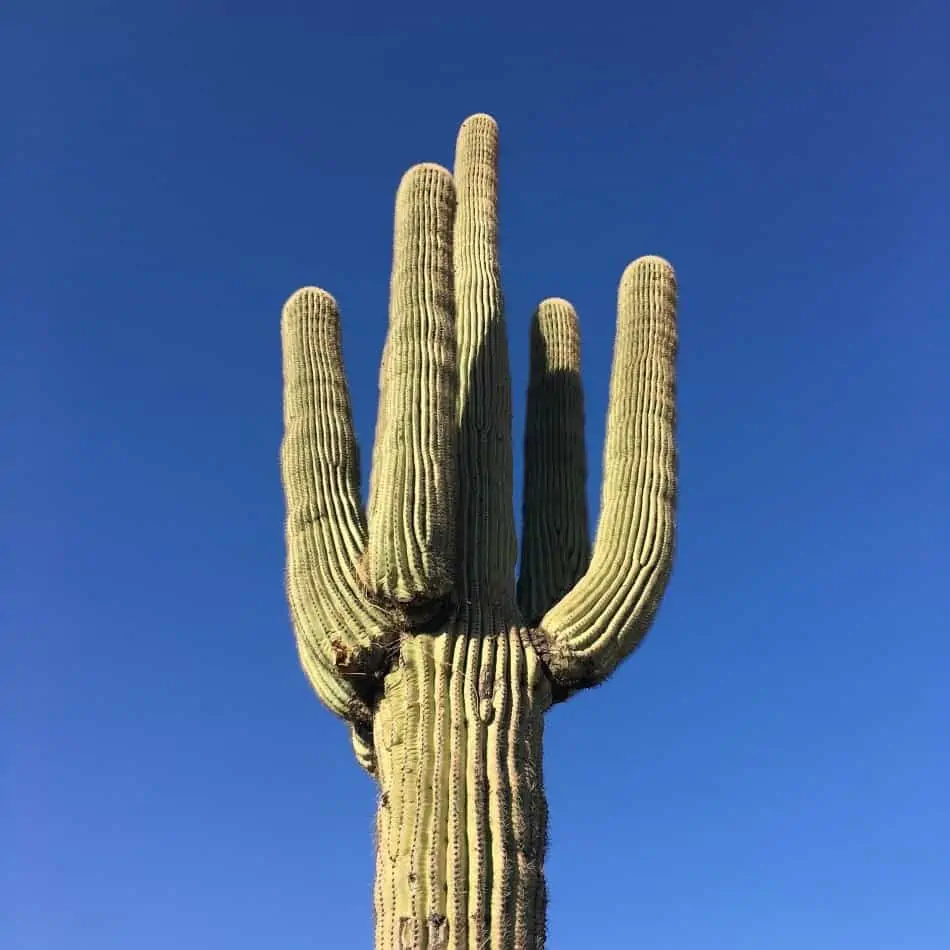
While in the indoor garden, position the Ficus tree in a sunny area to enjoy its green leaves and the airy look of its branches.

7. Blue Columnar Cactus

The Blue Columnar is a type of cactus that starts to grow its stem directly from the ground, forming a narrow, round-edged column. It is usually found in shades of blue and green with some red on it.

The Blue Columnar Cacti are very easy plants to maintain indoors because they do not need too much water or light. These conditions will work best especially when planted in a pot with sand.

As it is also easily recognized by its round and cylindrical shape, the Blue Columnar cactus can easily turn your indoors into a modern and contemporary space. However, ensure that you give this plant enough light and water when in its initial growth stages.

The Blue Columnar Cactus will grow in pots, hanging baskets or as a free-standing succulent. The cacti have few spines to protect them from predators because they are not juicy like other types of plants so do not worry about your pets eating them.

8. Moon Cactus

The moon cactus is a unique looking succulent with its distinctive shape and moon-like colors. Moon cacti are not only attractive, but they are also low maintenance as well. This plant is a perfect addition to your indoor garden because of the vibrant yellows and oranges that it displays in sunlight.

Moon cacti come in a variety of vibrant colors and do not require much care.

The moon cactus prefers dry soil that can be watered every two or three weeks. The moon cactus stands out with its unique look and is a great addition to your indoor cactus garden.

When potting the moon cactus, make sure to provide a well-draining potting mix and avoid using soil that is too wet. For better results, use a succulent potting mix.

The moon cactus will do best when grown in bright, indirect light and needs to be watered sparingly throughout the year. The moon cactus is an easy addition to your indoor garden because they are low-maintenance plants that can withstand temperatures below 40 degrees Fahrenheit without any harm coming their way.

9. Burro’s Tail

The Burro’s Tail is an indoor plant that is perfect for those with a brown thumb. The Burro’s Tail requires little water and can be placed in any room of the house, including bedrooms

The Burro’s tail prefers bright, indirect light which will help it grow to its full potential. Although this plant does need some sun exposure, too much sunlight may cause leaf scorch or kill the plant altogether.

When grown in an indoor garden, it blends with most plants especially those in hanging baskets. The Burro’s tail is perfect for beginners because it is hard to kill. Only make sure that you keep it away from drafts and cold air vents.

When potting the Burro’s tail, consider its growth pattern because it grows in a hanging pattern. If you are planting the Burro’s tail by the verandah or balcony, place it in a sheltered location with partial sun exposure.

10. Bishop’s Cap

Bishop’s cap cactus is a single-stemmed succulent that grows in a symmetrical triangular shape. This plant is ideal for gardens or pots because it doesn’t grow very tall and can be placed anywhere without taking up too much space

The Bishop’s cap cactus prefers to live in dry soil so never let the potting mix get soggy. It also thrives on sunlight but make sure not to get the plant too hot.

Bishop’s cap cactus can grow to a height of about 12 inches and can be planted in a pot or garden zone. When grown with other indoor plants, ensure you have enough space for this succulent to thrive.

Considering its small size, Bishop’s cap will fully blend in with your other plants and won’t overwhelm the arrangement.

The Bishop’s cap cactus is a great addition to any indoor garden or potted plant because it can grow in different shapes, sizes, colors and even in partial sun exposure. It only takes about three years for this succulent to fully mature which makes these ideal for beginners who are just starting their indoor gardening.

If grown indoors, this type of cactus only needs watering once every few weeks because it can store water for up to six months.

Considerations when creating an indoor cactus garden

1. Positioning

Choose a sunny spot for your cactus garden. This ensures that you will keep the plants healthy and happy.

Always choose a sunny spot when growing succulents indoors.

Outdoor gardens can get lots of sun exposure, but indoor cactus gardens need to be placed in a place that gets direct sunlight for six hours or more each day.

In order to make sure your succulents are getting enough light they should not have any obstructions on their leaves either.

2. Soil Moisture

Make sure the soil is well-drained and has good drainage. Indoor plants can be forgotten easily when it comes to watering and so you may need to create a watering schedule. However, avoid excessive water, as this can rot the roots.

Some succulents like to be watered once a week or more often than others. The rule of thumb is that if your soil feels dry then it needs water. 

Some plants need a little protection for their root system. For example, aloe vera needs to be planted in pots that have holes on the sides so it can get the water and nutrients it needs without being squeezed close against other objects.

3. Ideal Potting Mix

Use potting mix that provides adequate moisture and nutrients to the plants. This will keep them go for longer without watering.

Using a proper potting mix is key to growing healthy and gorgeous succulents at home.

Use potting mix that contains loam, sand and peat moss or compost mixed in equal amounts to create a light mixture for your succulents.

Since they are so small the pots do not have to be too big either! You can use something like an egg carton with its divots around each hole. 
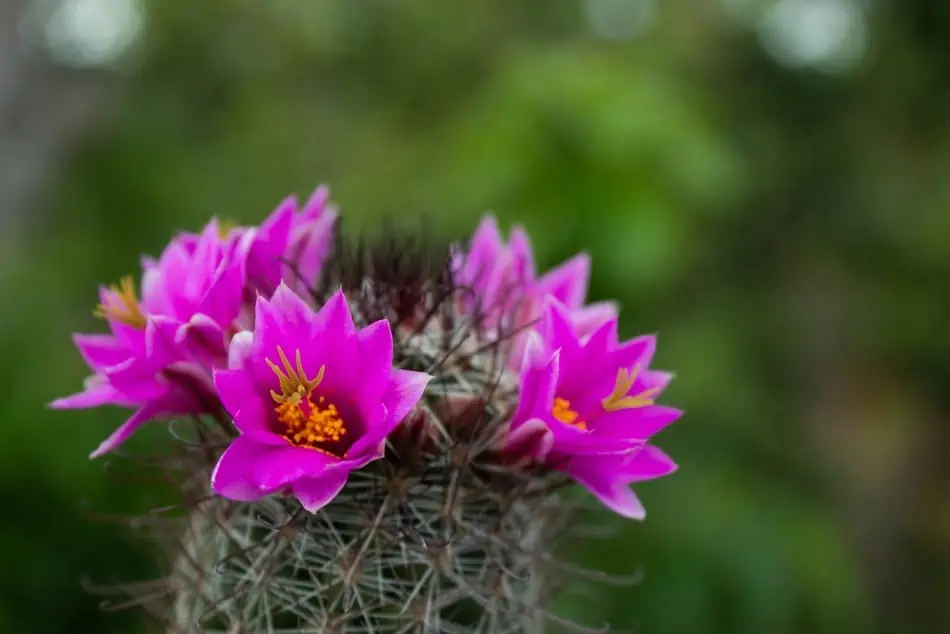
4. Mulching

Contrary to popular belief, indoor plants can grow weeds. Add mulch or pebbles around the base of the plants to keep weeds away from them.

5. Constant Attention

Keep an eye on your plants and make any necessary adjustments as needed. This may be in terms of access to sunlight or simply redesigning your indoor garden.

Indoor plants are also susceptible to disturbance by children and pets, so you may need to keep moving your plants to a new location in case you feel the current location is not idea.

Managing an indoor garden can be a hassle but it can be worth it in the long run. You can grow succulents indoors without too much difficulty and you don’t have to be an expert gardener in order to take care of them properly!

There are many different types of succulents that allow for a variety of arrangements and can make your garden pop. Just make sure, you have the right combinations to ensure your indoor garden no only pops out but also remains intact much longer. The rule of thumb for an indoor cactus garden is that you should include at least one plant from each of the following groups: Small cactus, Aloe and flowering plants.

Health Benefits Of Cactus Tuna Fruit

Disclaimer: The author is not a medical doctor or veterinarian. The information presented is purely to share our experience and for entertainment purposes. As always, check with a doctor and/or veterinarian before making any health or nutrition decisions and consult with a doctor and/or veterinarian regarding any question or problem that you have. The author and blog disclaim liability for any damage, mishap, or injury that may occur from engaging in any activities or ideas from this site.

Whether you want to call it the prickly glochids or the nopal, we can’t deny the fact that the tuna fruit is highly nutritious.

The fruit grows on the relatively large, flat green stems of the Opuntia cactus, mainly found in Latin America and the Caribbean. It is also popular in Mexico.

It naturally grows green before transitioning to pink or reddish-purple upon maturity. The fruit is considered a superfood thanks to its highly nutritious value.

In fact, a significant number of Mexican cuisines incorporate the native fruit in their recipes. It boasts a naturally sweet flavor and can be used in different desserts. It is generally low in sugars and calories, making it ideal for low-carb and ketogenic diets.

It is rich in phytochemicals and antioxidants, which help fight inflammation and keep your immune system quite strong.

Still not convinced to try out the tuna fruit? Read on to discover more health benefits of the fruit.

What Is Tuna Fruit

Before we dive deep into discussing the health benefits of the tuna fruit, let us first understand what we are talking about.

Tuna fruit is one of the most critical ingredients in Mexican cuisine. The fruit has lots of different names, including the cactus fruit, cactus ficus-indica, nopal, Opuntia, Barbary fig, and prickly pear.

It grows from the nopal cactus that is mainly found in hot and dry areas.  There are more than 200 different varieties of the Nopal cactus fruit. Some have pink flesh, while others have yellow or white flesh.

A Prickly Pear Cactus.
Prickly Pear cactus features edible fruits and pads that serve as healthy and nutritious additions to various dishes.

The fruit isn’t the only edible part of the nopal cactus. The softy pads known as nopales can also be eaten raw or used in a wide range of savory dishes. The fruits also serve as a healthy addition to salads, scrambled eggs, stews, lasagna, and soups.

Tuna is widely recognized in the medical community as one of the healthiest fruits. In a 2014 review featured in the Molecules Journal, the fruit is highly rich in phytochemicals with antioxidant and neuroprotective effects.

Researchers also believe that the fruit has special chemical elements that protect the human body against germs and bacteria, supports liver health, and fights inflammation.  A single serving of the fruit may lower one’s blood sugar levels by up to 48%.

How to Prepare the Tuna Fruit for Consumption

Before consuming tuna fruit, it is essential to prepare it properly. It’s best to pick one with pink or reddish-purple skin because they are the ripe ones.

Begin by cutting off the top and bottom parts of the fruit before slicing it in half lengthwise. Scoop out the seeds from both halves with a spoon and discard them.

If you’d like to get rid of the spines, slice off a thin layer from both halves and discard it. Lastly, cut the fruit into cubes and enjoy it raw or cook with your favorite recipes. You can also blend it in smoothies or make juice out of it.

Be careful with the spines since some varieties are rigid and can cause irritation. It is, therefore, wise to wear gloves while handling the tuna fruit.

Remember to wash the fruit under running water before consuming it. This will help remove any pesticide residue or dirt that may be on its surface.

What Are the Health Benefits of the Tuna Fruit?

 The tuna fruit is typically considered a superfood, thanks to the many health benefits it offers. It is nutrient-rich and has good benefits for your body. Below are some of the health benefits you get by eating tuna fruit:

1. Aids Digestion

Tuna fruits are highly fibrous and contain a significant amount of dietary fiber. Dietary fiber is a critical element in the digestive process because it adds bulk to the bowel movements making it easier to pass through the relatively smooth muscles of the digestive tract.

It is also responsible for stimulating peristaltic motion to move the bowels along the digestive tract, alleviating symptoms of constipation and diarrhea.  

The excess fiber in your body can also play a critical role in reducing the amount of cholesterol hence protecting your heart health as well.

2. Potential Role in Weight Control

The truth is that obesity is a global pandemic that needs to be managed at the earliest. You don’t have to wait until your situation worsens, forcing you to resort to extreme measures such as surgery and harmful medications.

A simple solution to obesity could be consuming a lot of food with plenty of dietary fiber. Tuna fruit not only satisfies your craving for sweet foods but also brings you closer to your weight loss goals.

A slim body of a woman.
Studies have shown that tuna fruit is an excellent supplement for those who are trying to lose some weight.

A 2015 study published in the Journal of Nutrition established that cactus fruit consumption could cause a significant reduction in body fat, blood pressure, and cholesterol levels.  The study further shows that the fruit not only promotes fat/cholesterol loss but also keeps your heart healthy.

Another study published in the BioMed Research International confirmed the beneficial effects of reduced cholesterol levels. High amounts of cholesterol and heart diseases are highly connected.

The Current Therapeutic Research Journal published conclusive results of a clinical trial that assessed the effects of cactus fruit on body weight and body mass index.

According to the researchers, the high amount of dietary fiber in the fruit binds to the dietary fat reducing its absorption, which leads to significant weight loss.

The dietary fiber also suppresses your appetite and increases satiety, making it relatively easy to cut calories and stick to a healthy diet.

3. Regulates Blood Sugar Level

Tuna fruit is highly touted for its hypoglycemic activity. It means that eating it or even its extract can lower your blood sugar levels and maintain normal blood sugar levels.

Different studies on both the anti-diabetic and diabetic rats have shown great success when tuna fruit is used to lower blood sugar levels.

A sugar and blood sugar level checker.
Tuna fruit can lower and regulate your blood sugar levels.

The regulation is usually achieved by decreasing the intestinal absorption of glucose. The fruit’s dietary fiber and pectin content aid in the process.

Once the blood sugar levels are brought back to normal, type II diabetes can be managed quite easily.

4. Improved Heart Health

Tuna fruit consists of several dietary elements that are good for overall heart health. The levels of dietary fiber in the fruit play a critical role in lowering the levels of “bad cholesterol” in your body.

It contains sufficient amounts of potassium that can lower blood pressure by decreasing the stress on your cardiovascular system hence relaxing the blood vessels.

The fruit also contains betalains that help strengthen the endothelial walls of blood vessels, decreasing the weakening or damage to the entire system.

Lowering the blood pressure, reducing cholesterol, and strengthening blood vessels help prevent strokes, coronary heart disease, and atherosclerosis.

5. Protects Against Inflammation

This fruit is also highly valued for its anti-inflammatory properties. Keep in mind that chronic inflammation is a major contributing factor to Crohn’s disease, arthritis, diabetes, allergies, and heart disease.

It also contributes to fatigue, depression, recurrent infections, and chronic pain. Although there is a treatment for chronic inflammation, most drugs have severe side effects that may still affect your health in the long run.

Therefore, before you pop those pills in the hope they will heal your chronic inflammation, consider changing your diet. Replacing your daily snacks with tuna fruit is a good start.

A female in pain.
These nutrients are responsible for improving your body immunity and offsetting the harmful effects of inflammation.

In a 2018 study published in the Food & Nutrition Research Journal, cactus fruit may help reduce inflammation.

In one of the studies, individuals who consumed tuna fruit at least twice per day reported experiencing a major reduction in their inflammation. Their antioxidant levels also reduced dramatically.

Scientists attributed the results to the antioxidants and vitamins that occur naturally in tuna fruit. Kaempferol, beta-carotene, and betanin are some of the antioxidants found in cactus fruits.

These nutrients are responsible for improving your body immunity, offsetting the harmful effects of inflammation, and boosting your antioxidant intake.

6. Helps to Build Strong Bones and Teeth

Calcium is an essential part of the human diet, and tuna fruit contains a significant amount of the nutrient in every serving.

Calcium plays a critical role in the creation of bone tissue. In fact, 99% of all the calcium in the human body is found in bones and teeth.

By ensuring you have sufficient calcium intake from your daily diet, you can avoid experiencing a wide range of dental issues and age-related bone disorders such as osteoporosis.

7. Gets Rid of Hangover

Are you wondering how you can recover from a hangover? Reach out for a cup of tuna fruit juice and wait for the results.

The juice is widely regarded as a safe and natural remedy for dizziness, dry mouth, headaches, and a wide range of other hangover symptoms. In fact, tuna fruit juice is one of the few hangover relievers backed by science.

A person in pain.
Tuna fruit is a natural remedy for dizziness, headache, and other hangover symptoms.

While tuna fruit juice doesn’t cure hangover symptoms, it can reduce their severity and make you feel much better. It contains essential nutrients that lower inflammatory markers in your bloodstream, which helps alleviate the side effects of alcohol consumption.

Therefore, if you plan a night out and fancy consuming alcohol while avoiding the hangover that comes with it, drink a glass or two of tuna fruit juice before you step out.

The glass of juice will help you cut the risk of a severe hangover by almost half. However, you need to keep in mind that alcohol consumption is generally unhealthy. Therefore, if you drink, make sure you drink responsibly.

8. Improves Sleep

Lastly, tuna fruit can also help you sleep better. The cactus fruit contains magnesium, an essential mineral that stimulates sleep feelings for individuals suffering from insomnia, restlessness, or long-lasting anxiety.

The fruit stimulates the release of serotonin, resulting in increased levels of melatonin levels. It also provides a sedative effect decreasing nerve function and calming your body.

A combination of all these factors helps you to fall asleep.

9. Glowing Skin and Shiny

Eating tuna fruit has a way of making your skin glow and look healthy. The fruit contains essential vitamins and minerals such as vitamins A, E, and C, which are necessary for healthy skin.

It also contains antioxidants that help eliminate free radicals from the body and protect your skin from damage.

The abundant presence of fatty acids like linoleic acid helps to keep your skin hydrated and soft, making it look younger and healthier. Moreover, the fruit contains vitamins B1 and B2 that aids in cell renewal and growth.

Tuna fruit also helps to fight skin inflammation due to its anti-inflammatory properties. It is an excellent remedy for people suffering from eczema or dermatitis as it reduces redness and irritation. The presence of zinc and copper minerals adds an extra shine to your skin.

10.Promotes Good Liver Health

Tuna and prickly pear fruits are historically used to treat liver problems, and some modern studies have backed up the traditional wisdom.

A 2018 study published in the Journal of Molecular Medicine Reports tested the effects of tuna fruit on liver health.

The researchers found that consuming tuna fruit helped reduce oxidative stress and improve liver function, especially for people with non-alcoholic fatty liver diseases (NAFLD).

It also helps to reduce triglyceride levels and liver inflammation. Thus, a regular tuna fruit intake can help keep your liver healthy and functioning optimally.

Final Thought

So, have you had a chance to try the tuna fruit or its juice? Have you eaten one of those delicious Mexican dishes prepared with tuna fruit as one of the ingredients? Were they tasty? Did you love eating them?