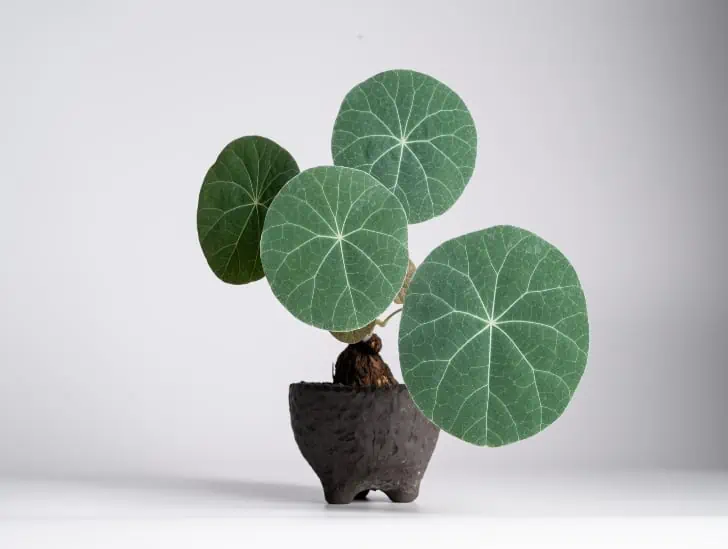
What Are the Common Types of Caudex Plants?

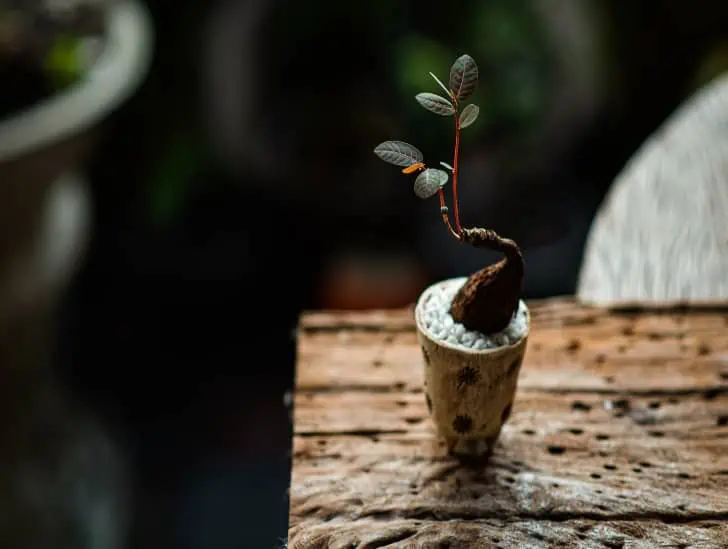
A caudex plant.

If you are an ardent succulent lover, you must have encountered a caudex plant and wondered what it was. The swollen trunk is the main giveaway. Also known as caudiform plants, caudex succulents are popular, even though the overall concept of this plant remains unclear. Most succulents in this category also have exciting names making them unique. They make great indoor decorative plants since they have an attractive appearance. Although most caudex varieties are succulents, we also have caudex trees, vines, and bonsai.

So, what are some of the common types of caudex plants? The best-known type of caudex plant is probably Stephania erecta. Also known as the “potato plant,” this plant has a tuber resembling a potato. The tuber is deliberately potted above the ground level to contrast beautifully. The other common types of caudex plant include the beaucarnea ponytail palm, known for its prolific green foliage; the Madagascar palm tree, known for its tall, thin leaves; the Euphorbia stellata; Rock fig caudex plant; and Begonia partita caudex plant.

This blog post discusses some common types of caudex plants and their unique characteristics. Read on to find out everything you need to know.

What Are Caudex Plants?

Before we dive into the common types of caudex plants, it’s crucial to understand what a caudex plant is.

The term caudex is Latin, meaning “tree trunk” in English. So, in Latin, it is used to refer to the axis of a woody plant, such as the palm tree. These plants are usually classified as Pachycauls, meaning “thick stem.”

Caudex plants are known for their characteristic swollen stem or trunk. This stem/trunk helps to store water during dry periods, making them drought tolerant and drought resilient. The swollen stem also makes them aesthetically pleasing when grown in pots or other containers.

A stephania Caudex plant.
Caudex plants are known for their characteristic swollen stem or trunk.

The caudex stem and roots are never below the ground. Some people call them “fat plants” thanks to their unique appearance.

One of the reasons the roots stay above the ground is to help the plant withstand a rough period before it starts growing swiftly when the weather conditions improve.

The stem stores enough water and nutrients to nourish it through prolonged drought spells.

These plants feature a substantial center storage space and are highly delicate. Their leaves will only be present when the weather conditions are favorable.

So, don’t be worried if your caudex plant sheds its leaves for several months in a year.

These plants are slow growing but great for indoor and outdoor decorative purposes. They also make great gifts since they can serve as a living reminder of special moments shared by two people.

Common Types of Caudex Plants

Now that we have discussed what caudex plants are all about let’s get into the common types of caudex plants.

Beaucarnea Ponytail Palm

The Beaucarnea ponytail palm is also known as the “Elephant Foot plant” and is one of the most popular caudex plants in the world.

It is famous for its evergreen foliage and large trunk. The leaves are ponytail-like and curled hence the name “ponytail palm.”

This succulent plant adds a touch of the tropics to every room in your house. If you want to add a lovely caudex plant to your home without investing much effort in caring for it, the Beaucarnea ponytail palm is the best option.
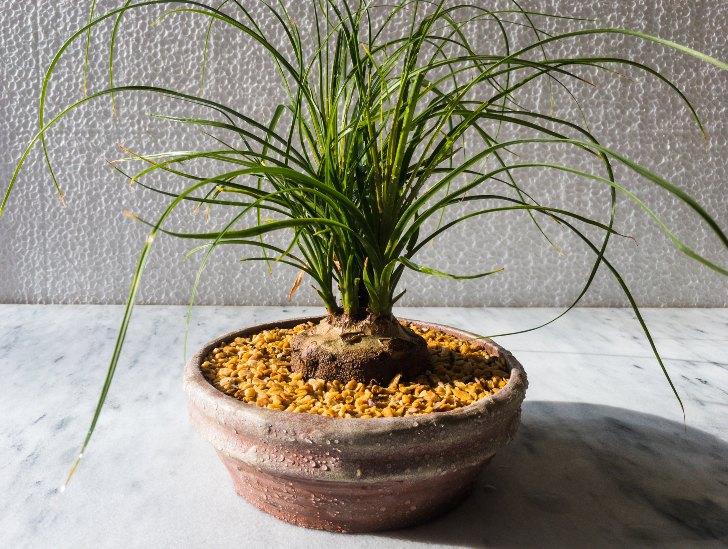
A Beaucarnea Ponytail Palm exposed to sunlight.
It is famous for its evergreen foliage and large trunk.

It can be grown as a bonsai and requires less light and water than other palm trees.

Unfortunately, the Beaucarnea ponytail palm rarely blooms indoors, but it can produce beautiful flower stalks when grown outdoors. Clusters of yellow flowers will emerge from the leaves in the summer if the conditions are right.

The Beaucarnea ponytail palm can reach up to 16 feet when grown outdoors but rarely goes beyond seven feet when grown indoors.

The plant thrives in relatively strong light since it is classified as a desert plant. However, it can endure moderate shade but will need to grow faster.

Since the root system of a Beaucarnea ponytail palm is similar to that of a cactus, you don’t need to water it frequently.

Generally, consider watering it every two weeks, although you can cut it to weekly if exposed to direct sunlight.

Plant it in specialized palm soil and apply fertilizer in spring and summer. Use a liquid cactus fertilizer every two to four weeks. Cut down the fertilization frequency to once every month during the off-season.

Stephania erecta

Also known as the “Potato Plant,” this plant has a tuber resembling a potato. The tuber is deliberately potted above the ground level to contrast beautifully. It features long, thin stems, fleshy oval leaves, and a single tuber.

The Stephania erecta is native to Central America and is also grown as an ornamental plant in some parts of the world.

It requires little care and maintenance since it can survive without water for long periods.

Therefore, you don’t have to worry about watering your plant regularly. The soil should, however, be kept slightly moist.

A Stephania erecta exposed to sunlight.
The tuber is deliberately potted above the ground level to contrast beautifully.

The Stephania erecta is a great fit for indoor and outdoor environments since it doesn’t require direct sunlight. It does, however, need plenty of indirect sunlight to grow healthy.

You can also put your plant in a shady spot outdoors or place it near but not directly in front of a south-facing window indoors.

The Stephania erecta should be planted in light, well-drained soil mixed with some organic matter.

You should also use fertilizer during the growing season but reduce the frequency of application once the active growth slows down.

This plant doesn’t need any pruning or trimming and can be grown in containers of almost any size.

The Stephania erecta is an excellent choice if you want something different and unique to add to your home. It has an intriguing shape and can quickly draw attention with its eye-catching appearance.

The plant is also easy to care for and doesn’t require much maintenance, making it an excellent option for novice gardeners.

Madagascar Palm Caudex Plant

The Madagascar palm caudex plant is another classic caudex plant that makes a beautiful home decoration plant.

The most outstanding feature of the plant is its tall, thin, tapering leaves that envelop its stem. This plant produces beautiful flowers resembling frangipani blossoms.

The Madagascar palm tree can easily be recognized by its spear-shaped, dark green leaves and its single, strong trunk that may contain thorns.

The trunk is always grey. The plant produces tiny flowers every spring, but they may last up to the beginning of summer. The flowers are mostly white but can also be red, pink, or yellow.

A Madagascar Palm Caudex Plant exposed to sunlight.
The Madagascar palm tree can easily be recognized by its spear-shaped.

When grown outdoors, the Madagascar palm tree can grow up to 24 feet tall with an array of spiral leaves at its top. However, it only goes up six feet tall when cultivated indoors.

This caudex plant may take up to a decade to reach maturity. It thrives in full sun, although it can tolerate partial shade.

It is highly sensitive to excessive water. Therefore, you must let the soil dry out completely between watering sessions.

It generally prefers well-drained soil with a pH of between 6 and 7.8. Feel free to apply fertilizer on your Madagascar palm at the start of summer and spring. Be sure to use liquid fertilizer for better results.

Rock Fig Caudex Plant

The rock fig caudex plant is known for its dense roots and stems that extend above the ground.

It features a short, thick trunk with long branches branching in different directions. The plant produces small, clustered green leaves with white veins running through them.

This caudex plant can be grown outdoors and indoors since it is easy to care for. When placed outdoors, it prefers full sun and well-drained soil.

Planting the rock fig in a pot with plenty of drainage holes is good since it is highly susceptible to root rot.

Rock fig plant in a rocky area.
This caudex plant can be grown outdoors and indoors since it is easy to care for.

Outdoors, the rock fig can grow up to five feet high, while indoors, it won’t exceed four feet tall. Therefore, choose a large pot for the plant’s root system.

To keep your rock fig caudex healthy, it needs regular watering in its growing season (spring and summer).

You can water it twice weekly, but let the soil dry completely between watering sessions. During the winter months, reduce watering as the plant takes a rest.

It would be best to fertilize your rock fig caudex once or twice a month during the active growing season.

Use a balanced fertilizer and dilute it with water before applying it to the soil. The rock fig won’t require pruning since its natural shape is impressive.

Final Thoughts

Caudex plants are great for the home decoration since they add an exotic look to any space.

Many different caudex plants exist, such as the Stephania erecta, Madagascar Palm tree, and Rock Fig Caudex plant.

All these plants require relatively similar care but have unique features that make them stand out.

With the proper care and attention, you can create a beautiful living piece of art from these beautiful plants.

So why not try it and bring some natural beauty into your home? Good luck!

Gasteria Flow 101: Tips for Growing and Maintaining

Native to the Eastern parts of South Africa, Gasteria Flow is a unique and rare species of flowering succulent. It is also known as “Little Warty” due to its peculiar growth patterns. Gasteria Flow has thick green, waxy leaves that form a rosette shape and protrude outwards from the main stem in a fan-like shape. The leaves are mottled with bright white spots or stripes and are often covered in bumps, giving them a warty appearance. As the plant matures, it can produce long, graceful flowers on long thin stalks that resemble small bells with a pointed tip.

So, what facts do you need to know about Gasteria Flow? It is less popular than other succulents due to its slow growth rate and relatively high price tag. However, Gasteria Flow is an excellent choice for those looking for a unique and unusual houseplant that can tolerate some neglect. It prefers bright indirect sunlight and infrequent watering for the best results. Cultivated Gasteria flow is unlikely to bear flowers, but you may be lucky if you do everything right. It can grow to six feet tall and survive outdoors in USDA hardiness zones three through eight.

This blog post discusses everything you need to know about Gasteria Flow succulent. Read on to learn more.

Gasteria Flow: Description & Appearance

Gasteria Flow is a rare perennial succulent in the Asphodelaceae family. It features hard, dark green, and tongue-shaped leaves resembling succulents such as haworthia and aloe vera.

It is often mistaken for a Haworthia due to its similar appearance. The leaves are mottled with white spots or stripes, giving them an interesting texture and pattern.

A gasteria flow plant in a white pot.
It features hard, dark green, and tongue-shaped leaves.

Gasteria Flow can occasionally produce nectar-filled tubular pink, green, or orange flowers. However, young Gasteria Flow plants will bloom once they mature.

The succulent derives its name from the Latin term “gaster,” meaning “stomach.” This drought-tolerant succulent has a relatively slow growth rate and prefers slightly warm and dry climate conditions to thrive.

Gasteria Flow: Classification

As mentioned earlier, Gasteria Flow belongs to the Asphodelaceae family, and its scientific name is Gasteria fasciata. It belongs to the genus Gasteria, consisting of around 50 plant species native to Southern Africa.

The species is further divided into two varieties or subspecies: Gasteria fasciata var. fasciata and Gasteria fasciata var. poellnitziana.

The former variety features gray-green leaves with bright white spots, while the latter has green-gray leaves with a velvety texture and white stripes.

The succulent was first discovered in 1803 by botanist Johannes Burchell. Today, Gasteria Flow is widely grown as a decorative houseplant due to its attractive leaves and low maintenance.

Its common names include cow tongue, ox tongue, or lawyer’s tongue.

Gasteria Flow: Distribution and Habitat

Gasteria Flow is native to eastern parts of South Africa, particularly the Eastern Cape Province. It is often found growing on rocky slopes and hillsides in the Succulent Karoo Biome of South Africa.

However, it is now widely cultivated as a houseplant and can be found in most nurseries or online stores.

A little warty plant in a tray.
It is often found growing on rocky slopes and hillsides in the Succulent Karoo Biome of South Africa.

Pay close attention to the suitability of the climate and soil before investing in this succulent for your home, especially if you live outside Africa.

Gasteria Flow: Size and Growth Rate

Gasteria Flow is generally a slow-growing succulent. It can reach about 6-20 inches, depending on how well you care for it.

The succulent leaves are flat, stiff, and thick, with a rough texture covered in wax. The leaves resemble the shape of a tongue, explaining why it has many tongue-themed names.

The leaves can grow to be a foot long. The leaves usually grow in opposing pairs on young Gasteria Flow plants but change to a spiral formation as the plant matures. Mature plants grow clumps of rosettes that may reach a foot in diameter.

Gasteria Flow and Aloe/Haworthia: Similarities and Differences

Gasteria Flow resembles aloe and haworthia plants. Many confuse it for an aloe because it was initially included in the same genus as other aloe plants.

However, botanists realized there is a massive difference between these plants regarding leaf formation and configuration.

Generally, aloe plant leaves grow in a rosette formation, while Gasteria Flow leaves grow in opposing pairs or a loose spiral formation.

Young Gasteria plant leaves usually display opposing pairs of leaf formation that turn into a spiral formation as the plant matures.

A haworthia plants.
Gasteria Flow resembles aloe and haworthia plants.

Aloe plant leaves are relatively smooth, while Gasteria leaves are marked with white tubercle warts or bumps. They also have a relatively rough texture.

The flowers produced by these succulents also display massive distinctions. Gasteria Flow plant flowers grow in small clusters on one end of a relatively long stem, while aloe flowers tend to grow along the length of the flower stalk.

Gasteria flowers are tubular with inflated bases, while aloe flowers adopt a slim silhouette appearance. In fact, the names of these succulents are inspired by the shape of the flowers they produce.

Although Gasteria Flow is no longer in the same genus as aloe plants, the two succulents are similar in many ways.

For instance, these succulents belong to the same family and are native to South Africa. They also belong to one tribe, along with Bulbine, Poellnitzia, Astroloba, and Chortolirion.

Gasteria Flow: Care Guide

Gasteria Flow is easy to care for and can thrive indoors, even in low light conditions. It’s ideal for those who want a unique succulent requiring little attention or effort.

When caring for Gasteria Flow, use a lightweight soil mix and pot with enough drainage holes. This plant requires regular watering but allows the soil to dry out between watering sessions completely.

Gasteria Flow prefers bright indirect sunlight or partial shade exposure and requires temperatures between 65-85°F.

A little warty plant in pot.
It’s ideal for those who want a unique succulent requiring little attention or effort.

Feed your Gasteria Flow plants with a balanced liquid fertilizer once every two weeks during the growing season and reduce feeding during winter.

The succulent prefers normal indoor humidity levels and doesn’t need to be misted for humidity.

Low humidity is not a significant problem for these succulents, but you may experience issues with the plant in highly humid environments.

Combined with overwatering, excessively high humidity levels can easily trigger root rot and fungal infections.

The succulent can survive in the same pot for many years without issues. However, you should consider repotting your Gasteria Flow if you notice a significant decline in its growth rate.

The best time to repot your plant is in summer or spring since the warm conditions will compensate for any watering mistakes you might commit.

Ensure you repot the plant in a relatively shallow container with plenty of drainage holes. Also, repot the succulent with a well-draining soil mix, and remember to water it once you are done repotting.

Gasteria Flow is not known to be affected by pests or diseases, but you must watch out for signs of mealybugs, spider mites, scale insects, and root rot in case of overwatering.

To prevent any infestation or infection, regularly inspect your succulent for signs of pests and diseases and clean it with a damp cloth if needed. Pruning is only necessary if you want to maintain its size or shape.

Gasteria Flow: Flowering and Propagation

Gasteria Flow is a flowering succulent that produces small tubular flowers with inflated bases. The flowers can be pink or orange, usually in summer, particularly after rainy periods.

The Gasteria Flow plants primarily propagate through the offset method rather than seeds. You may need to repot your succulent to separate the offsets from the mother plant.

The offset should root within a month, and you can then repot it in a shallow pot with a well-draining soil mix.

Place the new plants in bright indirect sunlight and ensure you water them regularly but allow the soil to dry out before watering again.

Gasteria Flow: Toxicity

The succulent is classified as poisonous and should not be consumed. It contains saponin, which can cause gastrointestinal problems in humans and animals.

Accidental consumption of any part of the succulent may cause nausea, a loss of appetite, and vomiting.

Accidental consumption of Gasteria Flow must be dealt with promptly to avoid catastrophic outcomes.

It is also important to note that the leaves of Gasteria Flow may be covered with minute spines. So, keep it away from children or pets. If ingested, contact your veterinarian immediately for medical attention.

Buying Gasteria Flow

Remember that Gasteria can easily be crossed with Haworthias and aloe plants to produce hybrids. So, make sure you know what you are buying before purchasing.

A top view of a little warty plant.
The original succulent is readily available in the market.

Fortunately, the original succulent is readily available in the market, and you can find it in most nurseries or online stores.

The succulent usually comes with a colorful label, but if you need clarification on its identity, compare it with authentic Gasteria Flow images.

When buying the succulent, look for signs of pests or diseases, such as brown spots, wilting leaves, and webbing on the foliage.

If you encounter these problems, avoid that particular plant because it may also spread to other healthy plants in your collection.

Finally, ensure you buy a succulent with healthy foliage and roots. It should not be dry or underwatered. Otherwise, it may take a long time to recover from any damage.

The Bottom Line

Gasteria Flow is a unique, eye-catching succulent perfect for adding texture and color to any garden or indoor space.

Its robust care requirements make it an ideal choice for those who want to maintain a low-maintenance plant.

Whether you grow it indoors or outdoors, Gasteria Flow will be an attractive addition to your home.

Caudex Bonsai: How to Keep Them Healthy

A litlle caudex bonsai.

Caudex bonsai is a relatively small genus of bonsai plants known for their thick and gnarled trunks. Most caudex bonsai plants are native to the Mediterranean, Africa, and Asia. These low-maintenance plants can be grown indoors or outdoors as a focal point in any garden. They can grow up to five feet tall in a regular pot. These plants have many qualities that make them an exciting addition to your plant collection. However, you must be careful with their care and provide the appropriate environment to ensure they thrive.

So, how do you care for caudex bonsai plants? First, these plants need plenty of sunlight. They should be placed in an area with lots of natural light or near a window to receive at least six hours of sunlight daily. However, direct sunlight should be avoided since it can cause severe sunburn. These plants can survive with little or no water since they are adapted to growing in desert areas. You should only water your caudex bonsai plant once a week. The plants require fertilizer to be applied steadily in relatively low dosages. Consider using water-soluble fertilizer and only apply it once a month. Caudex bonsai plants need regular pruning and trimming to maintain their shape.

This blog post discusses everything you need to know about caudex bonsai care and how to keep your plant happy. Read on to learn more.

Ideal Placement

If you live in an area with a relatively warm climate, you can grow your caudex bonsai plants outdoors throughout the year. These plants love heat and have no problem staying outdoors, even on hot afternoons.

However, if you live in a temperate climate, you should consider growing them in your backyard from spring through fall and provide them with some shade on the hottest days.

A caudex bonsai plant in a pot.
These plants love heat and have no problem staying outdoors, even on hot afternoons.

Remember that the ideal temperature for these succulents is 40 degrees Fahrenheit at night to 90 degrees Fahrenheit during the day. Anything below 40 degrees Fahrenheit can lead to irreversible damage.

Therefore, you should consider bringing them indoors when temperatures start dropping massively. But treat them for insects and other pests before you get them indoors.

Once indoors, these plants will need much light to survive the cold weather. Consider positioning them on a south-facing window where they can enjoy some sunlight.

If sunlight is insufficient, consider growing them under artificial grow lights. Don’t worry if your plant sheds leaves over the cold season. This is normal if you don’t live in a typical tropical climate.

When you take your caudex bonsai plant outdoors after winter, ensure you do it progressively, allowing the plant to adjust to the sunlight outside slowly.

That way, your plant won’t suffer sudden shock due to overexposure to intense sunlight.

Watering Requirements

Caudex bonsai plants are drought-tolerant and can survive long periods without water. But they still need some regular watering to stay healthy.

Water them every 10-14 days by allowing the soil to drain entirely between watering sessions. You may need to water them more often if you live in hot regions.

You can tell if your plant needs water when its leaves turn brown and feel crunchy.

If you live in an area with much rainfall, consider raising the pot off the ground so the excess water won’t damage your plants’ roots. Also, avoid splashing the leaves with water since it can cause rot.

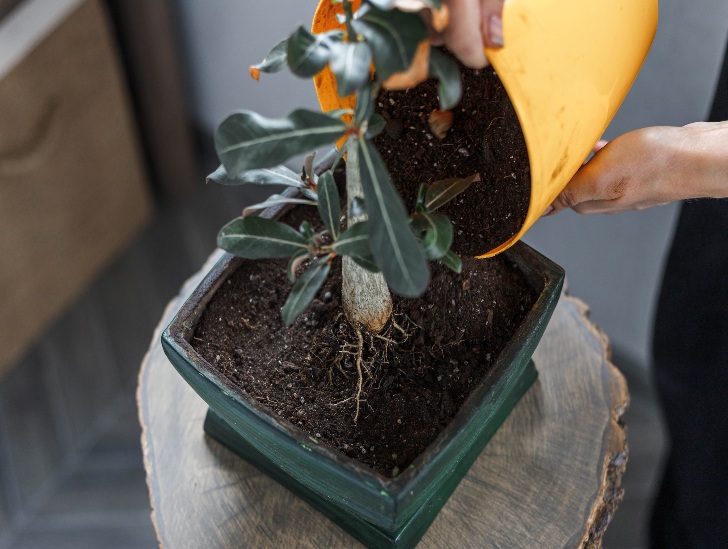
A person watering the bonsai.
Avoid watering in the afternoon when the sun is at its peak.

The best time to water your caudex bonsai plants is in the morning or after work. The goal is to avoid wetting them at night since they require full sun exposure to stay healthy.

If you cannot water them early in the morning, consider watering in the evening when the evaporation rate is relatively low. Avoid watering in the afternoon when the sun is at its peak.

You must also use a suitable watering method to achieve better results.

Water at the base of the plant using a thin stream of water instead of overhead watering since it can lead to leaf-spotting and other issues.

Light and Temperature Requirements

As mentioned earlier, keeping your caudex bonsai plants outdoors all year long if you live in a tropical climate.

Otherwise, you must bring it indoors when the cold season kicks in and back outdoors during the active growing season (spring and summer).

These plants usually prefer morning sun and afternoon shade. Your plant will be okay if the nighttime temperatures don’t drop 40 degrees Fahrenheit below.

Consider positioning your plant on a south-facing window when you bring it indoors.

Avoid placing it near a chilly north-facing window because the results could be catastrophic. Position it on a west or east-facing window if you don’t have a south-facing one.

Consider using artificial grow lights if you live in an area that doesn’t receive plenty of sunlight.

However, you must be careful when choosing these lights because some emit excess light that may overheat your plants.

If you need help with this, consider consulting a professional who can recommend the proper lighting setup for your particular bonsai plant.

Doing so will help ensure that your caudex bonsai plants receive enough light during winter and stay healthy all year round.

Fertilization Requirements

Like other succulents, caudex bonsai plants don’t require much fertilization. Feeding your plants with a balanced fertilizer every three months should be enough to keep them in good shape.

A 10-10-10 fertilizer works well for these plants, but you can also use an organic fertilizer such as fish emulsion.

A caudex bonsai soil.
Avoid using too much fertilizer.

Dilute the solution to half the recommended strength before pouring it around the base of your plant when fertilizing.

Avoid using too much fertilizer since it can cause your plants to become over-fertilized, which is never good.

Pruning and Trimming

Caudex bonsai plants need regular pruning and trimming to maintain their shape and form. Prune every two months or so, depending on the size of your plant.

Use sharp shears or scissors when pruning since dull ones can damage the branches severely. You can also use thinning shears to reduce the size of your bonsai plant’s canopy and give it a more compact shape.

Be sure to remove the dead or spotted leaves as soon as you spot them since they can cause massive problems.

Potting and Repotting

Consider repotting your caudex bonsai plants every two or three years. The best time to repot your plant is late spring or mid-summer when the plant is actively growing.

Wait until the potting mix is completely dry before you repot your caudex bonsai plant. Gently remove it from the pot along with some soil around its roots.

A caudex bonsai repotting.
You should consider choosing a pot about two-thirds as wide as the height of your plant.

Carefully rinse the soil off the plant’s roots, then prune them. To do this, remove about one-quarter of them from the sides and bottom of the plant.

These plants tend to thrive in relatively shallow pots. So, you should consider choosing a pot about two-thirds as wide as the height of your plant.

For instance, a four-inches wide and four inches deep pot should be enough if your bonsai is six inches tall.

Once you have selected the correct pot size for repotting, fill it with a high-quality succulent soil mix. Leave about an inch or two of space between the top of the soil mix and the pot’s rim.

Finally, water your plant thoroughly after repotting it, and place it in a sunny area. Doing so will help your caudex bonsai plants thrive in their new homes.

Propagation

Most caudex bonsai plants can be propagated through seed germination or stem cuttings. Before you begin, select a healthy plant showing no disease or damage.

If you are propagating through seed germination, keep the soil moist but not soggy at all times and place the seeds in a warm area that receives plenty of sunlight.

If you are propagating through stem cuttings, look for a healthy stem and ensure it’s free of disease or pests.

Carefully snip off the stem’s top part with clean scissors, then place it in moist soil. Keep the cutting in an area with direct sunlight and wait for new leaves to grow.

Pests and Diseases

Caudex bonsai plants are generally healthy succulents that rarely suffer from pests or diseases. However, it’s still important to be vigilant and inspect your plants regularly for any signs of illness.

If you spot pests such as mealybugs or scale insects, treat them immediately with an insecticidal soap spray.

If the problem persists despite treatment, consider repotting your caudex bonsai plant and replacing the soil with a fresh mix.

It’s still important to be vigilant and inspect your plants regularly for any signs of illness.

If you notice any fungal or bacterial diseases, immediately prune out the affected areas and treat the plant with a fungicide or bactericide.

Doing so will help ensure your caudex bonsai plants remain healthy for years.

You can also use neem oil to control pests and diseases naturally. Neem oil is a natural insecticide that can be safely used on caudex bonsai plants without damaging them.

Final Thoughts

Caudex bonsai plants are an exciting and unique addition to any succulent garden. They require minimal care and attention since they’re pretty hardy.

With the proper lighting, fertilization, pruning, potting, and propagation practices, you can be sure that your caudex bonsai plants will thrive and stay healthy for many years.

Agave vs. Aloe: The Great Succulent Debate

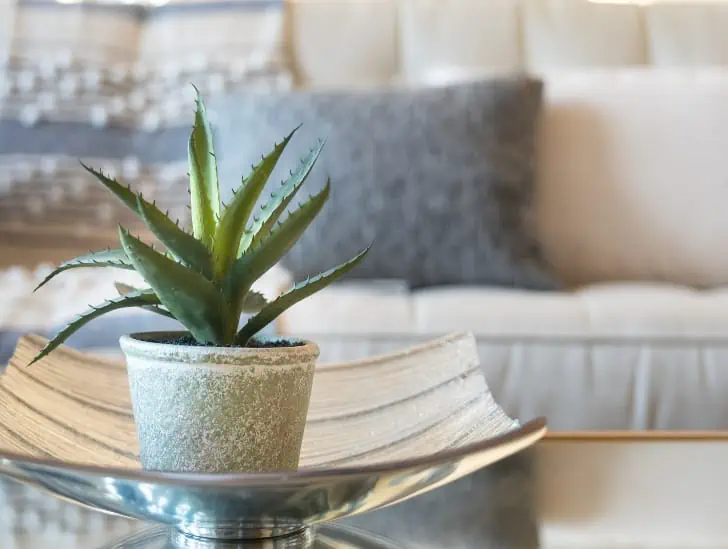
A aloe vera indoors.

Agave and aloe are two of the most common succulents in the world. These plants are similar in many ways, making it hard for a common individual to spot the difference between them. In fact, most of the time, you will encounter them in big-box stores or home-improvement garden centers with inappropriate or no labels. You may buy what you didn’t intend if you can’t tell them apart.

So, what is the difference between agave and aloe plants? Agave plants tend to be larger and more upright than aloe plants, with long fleshy leaves that grow in a rosette pattern. The agave plant also has sharp spines along its edges, which makes it difficult to handle. Aloe plants usually have short, upright leaves, often spotted or striped with white bands or dots. Most don’t have spines, and their edges are rounder than agaves. Agave blooms more frequently than aloe, producing a tall stalk of flowers at the end of its life cycle when it is between five and twenty years old.

This blog post highlights the key differences between aloe and agave plants. Read on to find out everything you need to know.

Aloe & Agave Plants: Are They Distantly Related?

Although agave and aloe plants are quite different in many ways, as discussed below, it is good to mention that they were once related during prehistoric times.

Although they still look similar in many ways, these succulents come from different parts of the world today.

Most aloe plants come from Madagascar, although they have spread throughout the Mediterranean region. As the plant spread away from its native region, different varieties developed.

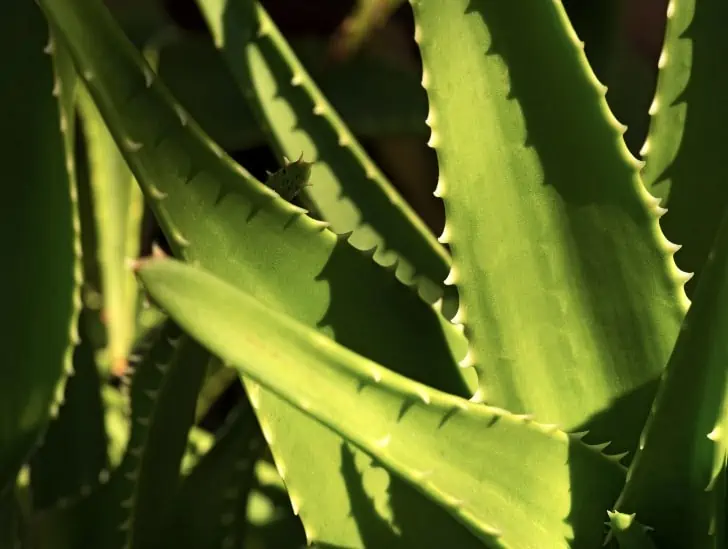
Aloe vera plant exposed to sunlight.
They can survive in any part of the world as long as you provide them with proper care.

Today, many forms of aloe plants thrive in relatively cooler winters, while others do well in tropical climates.

Agave originates from parts of Mexico and Central America. Most agaves are drought tolerant.

As the plant spread away from its native region, different varieties developed. Present-day agave plants have solid green leaves with varying stripes and bands of white.

Both agave and aloe plants thrive in relatively dry and sunny climates, although they can survive in any part of the world as long as you provide them with proper care. They love light, airy, and well-draining potting mix.

Differences Between Aloe & Agave Plants

Even though these succulents share many similarities, they differ in many ways. Here are some of the key differences between aloe and agave plants:

Agave vs. Aloe: Origin and Family

Both succulents are adapted to growing in arid, semi-tropical, and tropical climates. However, they are native to different parts of the world even if they share general growing conditions.

Agave plants are native to Mexico and Central America’s tropical and relatively hot regions. They are also found in parts of the Southwestern United States.

On the other hand, most aloe plants are native to Madagascar in Africa. However, it is quite impossible to dispute the assumption that these plants may have a different origin, given their ease of propagation and ability to adapt to different climates.

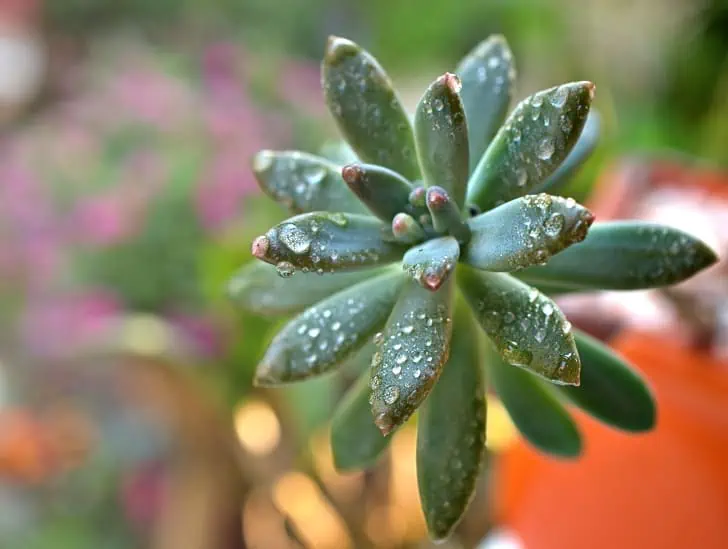
Agave with water droplets.
Agave belongs to the Asparagaceae family, while aloe belongs to the Xanthorrhoeaceae family.

Aloe plants can survive in almost every climate in the world.

For instance, the aloe vera plant has a massive travel history, including the Spanish explorers’ journey to South America and parts of the Caribbean.

The succulent’s medicinal use is referenced in India, China, Greek, Rome, and other parts of the world, even as the succulent continues to journey across the world.

All agave plants belong to Agave spp. Genus, while aloe plants are members of the Aloe spp. Genus.

Although both plants are classified as succulents, agave belongs to the Asparagaceae family, while aloe belongs to the Xanthorrhoeaceae family.

Agave vs. Aloe: Size & Appearance

The size and appearance of agave and aloe plants are quite different. Agave plants tend to be larger, with a rosette of leaves that can grow up to five feet in diameter.

The plant is also armed with sharp spines along its edges, which makes it difficult to handle.

Aloe plants usually have short, upright leaves often spotted with white warts. They grow to about one foot in height and are much easier to handle than agave plants.

Agave vs. Aloe: Flowering

Agave and aloe plants have quite different flowering habits, even though the flowers look alike. The key difference is in their blooming frequency.

Both succulents produce flowers on their long stalks that grow from the middle of the plant. The stalks can be of different lengths depending on the exact plant species.

However, all flowers appear in red, orange, or yellow shades.

Aloes are frequent bloomers since they are polycarpic. Typically, they produce flowers yearly during spring or summer (between December and May). The flowers are bell-shaped or tubular.

A blooming aloe vera plant.
Both succulents produce flowers on their long stalks that grow from the middle of the plant.

On the other hand, agaves are naturally monocarpic. It means that they only bloom once in their lifetime.

A typical agave plant will bloom once it is at least ten years old. Once the plant blooms, the flower is pollinated, producing seeds. The succulent dies after that.

Agave vs. Aloe: Growing Period

Agave and aloe plants also differ in their growing periods. Most agave plants tend to grow during the warm period and go dormant when the cold season kicks in.

Don’t feed your agave plant during the dormancy period to prevent potential stem or root rot.

These plants also require minimal watering during this period. Focus on giving them what is important, and don’t sweat too much over them.

Unlike agave plants, aloes grow throughout the year since they are hardy. They require regular watering throughout the growing season, but you can reduce the watering frequency when the plant enters winter or dormancy.

It will continue growing in any climate if you keep providing your aloe with what it needs.

Agave vs. Aloe: Lifespan

The lifespan of the two succulents is also quite different, with agave plants having a much longer life span than aloe plants.

Agave plants can live for as long as twenty years, while aloe plants usually only live up to five to ten years.

Agave vs. Aloe: Care & Maintenance

On care and maintenance, agave and aloe plants require similar growing conditions, but the watering requirements of each differ slightly.

Agave plants need less water than aloe plants, and they should be watered only once in three weeks. Depending on the season, aloe plants should be watered every week or two.

Repotting an aloe vera plant.
Only consider pruning your aloe plant after the flowering season to remove dead flower stalks and avoid overcrowding.

Both succulents will thrive outdoors when exposed to full sun and should be brought indoors during winter.

They grow as perennials in consistently warm areas. The desired temperature range for these plants is between 60 degrees Fahrenheit and 85 degrees Fahrenheit.

Although both are relatively heavy feeders, aloe plants need more fertilizer than agave to thrive.

Consider applying an all-purpose fertilizer to your outdoor plants in spring or early summer. Feed your indoor plants monthly with half-strength fertilizer. Water-soluble fertilizer is the perfect option.

Both of them have relatively low pruning needs. Only consider pruning your aloe plant after the flowering season to remove dead flower stalks and avoid overcrowding.

Pruning your agave plant helps reduce the potential risk of pests and increases better air circulation.

Agave vs. Aloe: Uses

Both succulents provide great drought-tolerant landscape design options with many species and cultivars available for gardening.

They form a great pairing with relatively similar care requirements. Use them to create a wonderful water-wise border that looks good year-round.

However, aloe plants also have many uses that agave plants do not. Aloe gel is a well-known natural remedy for minor burns and skin irritations, while the plant’s juice has laxative effects.

In fact, the famous aloe vera plant is a species of aloe that has been used for hundreds of years to treat different ailments. It has been listed in pharmacopeias for more than two millennia.

Agave plants can also be used in creating outdoor walkways or patios thanks to their low-maintenance nature; creating beautiful borders and hedges; and making agave syrup, a great dessert sweetener.

Agaves can be made into tequila or used in syrups and other sweetener products.

Mexico’s traditional tequila, mezcal, and spirits are made from the wonderful agave plant. Tequila is expertly crafted from the blue agave plant.

What Is a False Aloe?

In some parts of the southeastern United States, you may come across a plant commonly known as the false aloe.

It is a species of yucca that has been mistakenly identified as an aloe plant, and it should not be confused with true aloe plants.

The false aloe resembles an agave plant in some ways but has no medicinal properties found in true aloes and agaves.

A false aloe plant.
It is a species of yucca that has been mistakenly identified as an aloe plant.

The false aloe is a hardy plant often grown as an ornamental in landscapes, but it should not be confused with the true aloe used for medicinal purposes.

As such, it is more challenging to care for and maintain than true aloe plants. It needs more water than agave and prefers acidic soil.

It does not flower as often as other succulents, and its leaves are much more rigid than aloes or agaves.

Summary

Agave and aloe plants are two wonderful succulents that have unique characteristics.

They both make great additions to any garden or landscape but differ in some aspects, such as flowering habits, lifespan, growing period, and water needs. You can choose the right one for your situation after careful consideration.

Succulent Showdown: Mother of Millions vs. Mother of Thousands

Mother of millions and Mother of thousands are probably the most commonly confused succulents worldwide. The confusion is understandable since both plant names start with “Mother of” and end with different numbers. You might even think the “thousand” is the “million’s” baby because of their striking resemblance. Furthermore, both of them are grown as decorative indoor plants. However, these succulents have significant differences that can help you tell them apart.

So, what are some key differences between Mother of millions and Mother of thousands? The Mother of millions (Kalanchoe daigremontiana) is a small succulent with a rosette shape and trailing stems. Leaves are oval-shaped, gray-green in color, and have tiny hairs along the margins. When mature, this succulent produces pink flowers on upright spikes. On the other hand, the Mother of thousands (Kalanchoe tubiflora) is a relatively larger succulent with rosette-like leaves that are much thicker than those of the Mother of millions. Leaves are dense and have distinct scalloped margins. This succulent only flowers occasionally.

This blog post discusses key differences between the Mother of millions and the Mother of thousands. Read on to find out everything you need to know.

Mother of Thousands: Overview

The Mother of thousands succulent, also known as the alligator or Mexican hat plant is native to Madagascar.

This succulent is beautiful and unusual, with relatively large leaves forming baby plantlets along the edges. Interestingly, the young plants usually fall from the mother plant and take root where they land.

The Mother of thousands is a relatively rapid grower that is considered invasive. When the plantlets fall from the mother plant and take root, they can be pretty hard to eliminate since they can tolerate even the harshest weather conditions.

Mother of thousands exposed to sunlight.
The Mother of thousands is a relatively rapid grower that is considered invasive.

The leaves of this succulent tend to produce more plantlets when it feels damaged, threatened, or when death is imminent.

The mass production of plantlets is an instinctive survival mechanism to ensure the species does not become extinct.

The Mother of thousands blooms frequently and produces greenish-white flowers with purple spots. The plants can reach up to two feet tall and wide when fully grown.

Mother of Millions: Overview

The Mother of millions succulent is also native to Madagascar and belongs to the Crassulaceae family. The plant gets its common name from its ability to reproduce and spread itself rapidly by producing small plantlets along the edges of its leaves.

The leaves of this succulent are oval-shaped and gray-green. When mature, the Mother of millions produces pink flowers on upright spikes. It is a relatively small plant that can reach up to two feet tall and wide when fully grown.

Mother of million plants.
The leaves of this succulent are oval-shaped and gray-green.

The Mother of millions is drought tolerant, highly adaptable to different environments, and considered invasive.

However, the same qualities that make it a nuisance to some make it highly desirable to others. It is relatively easy to care for a Mother of millions plant and propagate it effortlessly.

Understanding the Differences Between Mother of Millions and Mother of Thousands

Now that you have a better understanding of the two succulents let’s discuss some of the key differences that set them apart:

Nomenclature

The Mother of thousands (Kalanchoe tubiflora) is also known as the alligator or Mexican hat plant. In contrast, the Mother of millions (Kalanchoe daigremontiana) is sometimes called the devil’s backbone.

The Mother of thousands is generally larger than their “cousin,” with thick leaves with distinctly scalloped margins.

On the other hand, the Mother of millions has thinner and smaller leaves with soft hairs along the edges.

Habitat & Adaptability

Both succulents are native to Madagascar, but they thrive in different environments. The Mother of thousands is adapted to dry, hot climates, while the Mother of millions prefers slightly cooler, humid climates with more moisture.

Leaf Structure

The most significant difference between the mother of millions and the Mother of thousands is their leaves’ shape.

The Mother of thousands has tear-shaped leaves that are relatively wide. These leaves grow in pairs and usually develop on the opposite sides of the stalk.

The next pair of leaves rotates at an approximately 90-degree angle allowing all leaves to get enough sunlight.

Mother of thousands exposed to sunlight.
Each leaf can have up to four plantlets. The leaves are also thin and flexible.

The leaves of a Mother of thousands plant have little ridges at the edges where young plantlets emerge. Therefore, it is not unusual to find a healthy leaf of this succulent having a complete set of young plantlets.

On the other hand, the Mother of millions plant features slender leaves that all grow in the same place along the stem (nodes).

There is nothing like what the Mother of thousands usually does regarding alternation. In this case, plantlets grow from the tips of the leaves. Each leaf can have up to four plantlets. The leaves are also thin and flexible.

Growth Habit

The Mother of thousands grows in an upright position that gets wider as it matures. The plant produces many baby plants along the edges and has relatively large leaves, making it look full and lush.

On the other hand, the Mother of millions has thin, delicate stems that usually trail downwards.

The leaves of this succulent are also relatively small, and delicate compared to the Mother of thousands. It is a fast grower and can easily fill an entire pot if left unchecked.

Appearance of Flowers

The Mother of thousands usually blooms, frequently producing beautiful pink-grey flowers in bunches, creating an incredible sight. Flowering mostly happens during spring or early summer.

Mother of millions also produces beautiful orange-red blooms on one of the stems. The flowers are usually elongated and face downwards. However, blooming only happens during winter.

Blooming mother of thousands plant.
Mother of millions also produces beautiful orange-red blooms on one of the stems.

Sometimes, the two succulents’ flowers are confused, but it is easy to tell them apart.

One thing you must keep in mind is that both plants don’t flower frequently. But when they do, the flowers are pretty stunning.

Hardiness

Although both succulents are relatively easy to maintain, the Mother of thousands is slightly hardier than the Mother of millions. It can tolerate temperatures as low as 10°C (50°F).

The Mother of millions, on the other hand, does not like temperatures below 15°C (59°F). This means that outside cultivation should be restricted to warmer climates.

Furthermore, the Mother of thousands is more drought tolerant than the Mother of millions, so it needs less water. The latter should be watered regularly to keep it healthy and green.

Propagation

Even though Mother of thousands produces stunning flowers, it doesn’t have seeds. Therefore, you cannot propagate it through seed germination. The succulents can only be propagated through the plantlets that form along the leaf edges.

A young Mother of thousands plant usually has bulbils along its leaf edges which develop into plantlets. When the plantlets shed off and fall on the ground, they rapidly grow into new plants.

On the other hand, the Mother of millions produces viable seeds during the flowering season. It means that you can propagate it through seed germination or plantlets. Natural propagation through baby plants happens in the same way as Mother of Thousands.

However, it would be best to do some things for seed germination.

First, collect fresh seeds and then store them in a paper bag in a cool place until the germination process starts. Then, soak them in warm water for 24 hours before sowing the seeds.

Finally, sow the seeds into the soil and keep them moist until germination occurs.

Workability

The Mother of thousands succulent is generally good for beginners since it is relatively easy to care for and doesn’t need too much attention. It does well in dry and moist climates as long as it has plenty of sunlight.

The Mother of millions, however, requires more attention since it tends to be a bit delicate. Therefore, extra care must be taken when watering the plant. Also, it needs proper air circulation to avoid diseases.

The succulents are also great for landscaping since they bring a unique look to the garden.

The Mother of thousands has a fuller look, while the Mother of millions is more delicate and can be used in hanging baskets or other decorative containers.

Toxicity

Both plants are toxic to dogs, cats, birds, and humans. All kalanchoes are considered toxic to pets and human beings.

They contain cardiac toxins like bufadienolide and can cause vomiting, nausea, skin irritation, and other health problems.

Therefore, always keep the plants away from your pets and children. If ingested accidentally, consult your doctor immediately for further medical advice.

Common Problems

Even though these succulents are known to be hardy, they can still succumb to certain pests and diseases. Common problems include root rot, mealybugs, aphids, scale insects, and powdery mildew.

Mother of millions planted outdoorsand exposed to minimal sunlight.
Also, avoiding overwatering and keeping them away from direct sunlight is important.

To prevent these issues, keeping the plants in an appropriate environment with proper drainage and good air circulation is essential. Also, avoiding overwatering and keeping them away from direct sunlight is important.

Final Thoughts

The differences between the Mother of millions and thousands are quite subtle. While both succulents are easy to care for, each has unique characteristics that make it stand out. Depending on your preference, you can choose whichever one appeals to you more.

Which Aloes Are Best for Your Garden?

What comes to your mind when you hear the term “aloe”? I bet you think of “aloe vera,” right? But did you know that aloe is a vast genus of succulent plants consisting of more than 500 species? These plants are known for their medicinal properties, beauty, exotic personality, and long-lasting blooms. The shape of different aloe plants is relatively similar even though there are distinguishable features in their leaf shape, flower color, and plant size.

So, what are some of the best aloes for your garden? Some of the best aloe species include aloe vera, aloe ferox, aloe aristata, aloe arborescens, and aloe marlothii. Aloe vera is the most popular of all the aloes because it has a wide range of medicinal uses and is also used in many beauty products. Aloe ferox is known as bitter or cape aloes and is native to South Africa. It has laxative properties and is often used in traditional African medicine.

This blog post thoroughly explores some of the best aloe species for your garden. Read on to find out everything you need to know.

Identifying Different Types of Aloe Plants

The aloe genus features approximately 560 different aloe species. The durability and beauty of aloe plants make them ideal for diverse climates.

The succulent can thrive in almost every location if you provide the right growing conditions. In fact, aloe is usually considered an invasive succulent species since it blooms anywhere.

While most aloe plants have relatively thick, fleshy, and pointed leaves, the exact shapes and sizes of the leaves vary based on the species.

Aloe vera plant on outdoors.
Most of them have juicy flesh that is quite distinctive, depending on the aloe species.

Moreover, they come in various colors ranging from grayish-green to dark green. The plant size varies significantly, too, depending on the species.

Some species have tongue-shaped leaves arranged in a rosette, while others have leaves clustered together in a stemless form.

The leaves might have a soft and rubbery texture since they are made of rubber material. Most of them have juicy flesh that is quite distinctive, depending on the aloe species.

Which Aloes Are Best for Your Garden?

Now that you know the basics of aloe plants, let’s explore some of the best species for your garden. Here are some of our top picks to consider:

Aloe Vera

It makes sense to start with the most popular aloe species; aloe vera. We all know about aloe vera, which we must have encountered at one point.

We find it in medicines, drinks, cosmetics, and even toilet paper! It is almost everywhere, but most of us only know the image of its thick green leaves.
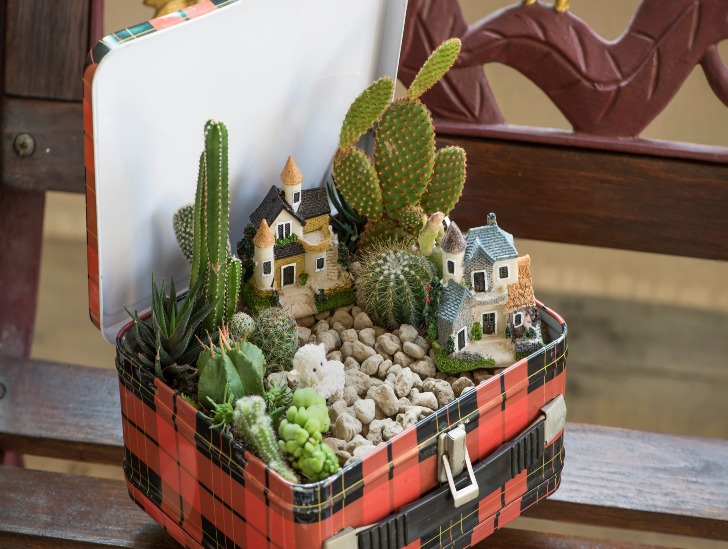
Aloe vera has striking features that make it stand out from the other aloe species. Its thick leaves form large “shrubs,” which look great in predominantly Mediterranean and tropical outdoor gardens.

Aloe vera exposed to sunlight.
It is suitable for indoor spaces but prefers outdoor gardens where it can grow to its full potential.

This succulent has incredibly massive blooms and can survive on rocks, slopes, and even terraces.

The color of its flowers ranges from yellow to red via orange. Some even produce flowers of two different colors on the same plant. The blooms usually last several months, especially in relatively warm and dry weather.

Aloe vera grows to about three feet tall and 100 meters wide. It can even reach up to five feet tall in some cases. It is suitable for indoor spaces but prefers outdoor gardens where it can grow to its full potential.

The succulent usually flowers in summer, but it can bloom all year round depending on the climatic conditions.

It can grow healthy and strong leaves when given sufficient nutrients. Consider using a high-quality, green plant fertilizer to achieve the best results.

Aloe Ferox

Aloe ferox is a species native to South Africa with thick grey-green leaves. Its leaves are covered in white spines, which adds an extra layer of protection and makes the plant look stunningly unique.

This aloe grows up to five feet tall and produces orange-red flowers in the winter, making it an excellent choice for gardens in all seasons.

Aloe ferox blooming.
The succulent can tolerate drought but will not thrive in waterlogged soils.

Aloe ferox also has a wide range of medicinal uses and is often used in traditional African medicine. It has laxative properties, so you should be careful when using it to treat ailments.

The aloe ferox prefers full sun and well-drained soil, with plenty of organic matter added to help retain moisture.

The succulent can tolerate drought but will not thrive in waterlogged soils, so paying attention to drainage when planting aloe ferox in your garden is essential.

Aloe Arborescens

Aloe arborescens are commonly referred to as the Krantz aloe. It is also called the candelabra aloe in some parts of the world thanks to its candelabra-shaped leaves/branches emerging from its woody trunk.

This aloe is one of the few tree-like aloe species that can grow up to two meters tall. It usually forms several pseudo trunks with small leaves that form a rosette at its end.

This aloe usually forms a stem from each leaf rosette, from which beautiful and scent-filled flowers emerge.

The Aloe arborescens are less popular than the aloe vera, but it is one of the most beautiful aloe species you will come across.

And if you keep your aloe arborescens long enough and provide it with the right growing conditions, it will produce numerous side shoots that make it relatively easy to propagate the plant.

This aloe is highly tolerant to short periods of frost and has excellent healing properties. You can apply it to your skin to alleviate itching or burning sensations.

However, medical experts warn against consuming it without proper processing since it can be toxic.

This aloe species is a great decorative addition to Mediterranean gardens and makes a beautiful bonsai.

The most common variety of the Krantz aloe is the “miller aloe,” characterized by its striking, bright orange/red flowers.

Aloe Variegata

The Aloe variegata is a rare and unusual aloe species with beautiful patterns on its pale green leaves. This succulent plant is native to South Africa and can grow up to one meter tall and wide.

Its foliage is characterized by yellowish-white stripes running from the bottom to the top of each leaf, making it look unique compared to other aloe species.

Aloe Variegata in a pot.
This succulent plant is native to South Africa and can grow up to one meter tall and wide.

The Aloe variegata is easy to grow and makes a great addition to the garden or indoors.

Its flowers are yellow-green, with each flower producing several seeds. The Aloe variegata prefers well-drained soil and full sun exposure for good growth and blooming.

It is drought-tolerant and can thrive in a wide range of soil types. The Aloe variegata is ideal for rock gardens or as an ornamental plant in containers and should be planted where it will receive plenty of natural light to help it reach its full potential.

With proper care, this aloe species can live up to 25 years and provide you with lovely, unique foliage for many years.

Spiral Aloe

The scientific name of spiral aloe is Aloe Polyphylla. The succulent is native to the mountains of Lesotho in the Southern parts of Africa and is famous for its unique rosette shape.

The leaves of the spiral aloe are thick, fleshy, and rigid, with sharp edges that form a perfect spiral pattern as the plant grows.

The colors range from light to dark green depending on how much light exposure it gets and can sometimes have a reddish hue on the edges.

The succulents usually resemble short Roman swords and are slightly curved with thick leaves. The flowers form on their long stems, usually orange, red, or yellow.

The spiral aloe is easy to care for if it receives enough light and water. It also needs well-drained soil so that it doesn’t suffer from root rot. It can tolerate some frost but cannot withstand temperatures below 20 degrees Fahrenheit.

If you’re looking for a great aloe to add to your collection, then the spiral aloe is a great choice. With its unique shape and striking colors, this aloe species will undoubtedly be a conversation starter in any garden.

Aloe Aristata

The aloe aristata is also known as the guinea-fowl aloe or lace aloe. The plant is distinctly spherical and has tightly packed leaves that form an almost flat top. The aloe aristata is native to South Africa and can grow up to 30 cm tall.

Its foliage resembles a lattice of tight ropes, hence the name lace aloe. It’s also characterized by white spots on its dark green leaves.

Aloe Aristata in a pot.
It is well-suited for container planting or as an ornamental addition to your garden.

This plant produces small yellow flowers in the summer and likes full sun exposure to reach its full potential.

The aloe aristata is well-suited for container planting or as an ornamental addition to your garden. It needs a well-draining potting mix and can tolerate short periods of drought.

Unfortunately, lace aloe is highly toxic and has no health benefits. Therefore, you must keep it away from children and pets.

Summary

Aloes are a great addition to every garden. From the ever-popular aloe vera to spiral aloe, there’s undoubtedly one out there that is perfect for your space.

As with any garden addition, research and ensure each plant will thrive in your climate before purchasing.

With the right plan and patience, you’ll have a beautiful array of aloe plants blooming in your garden.

Keep Your Open Terrarium Healthy: A Beginner’s Guide

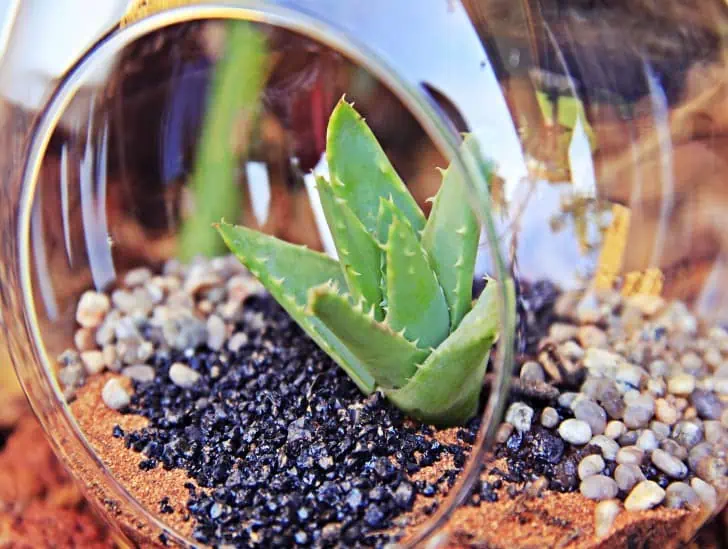
A close round terrarium with succulent.

Open terrariums are pretty trendy, and it is for a good reason. They are relatively easy to create and add beauty to our indoor spaces. Besides, they come in many forms and are more functional than closed terrariums. However, their unique care requirements must be fulfilled for them to thrive. If you treat your open terrarium casually, you will cause irreversible damage to your plants. Take time to understand your plant requirements and stick to a regular care routine to ensure your open terrarium remains healthy and beautiful.

So, what are some of the general care requirements for an open terrarium? Open terrariums usually require careful watering and close monitoring of the moisture level. Excessive moisture can lead to root rot and other diseases. On the other hand, too little moisture can cause the plants to wilt and die. Routine maintenance includes debris removal, pruning, pest treatment, fertilization, keeping the glass and interior clean, and provision of adequate lighting. However, everything starts with choosing the right plants for your open terrarium.

This blog post outlines the general tips for caring for open terrariums. Read on to find out everything you need to know.

What Is an Open Terrarium?

Before we dive deep into discussing the routine maintenance tasks for an open terrarium, it is good to provide a general overview of an open terrarium.

The term “terrarium” is generally used to refer to a closed container of moisture-loving plants. However, not all moisture-loving plants thrive in closed containers. When the plants are put in an open container, it creates an open terrarium.

Open terrariums are carefully designed to provide sufficient airflow, light, and enough moisture for the plants.

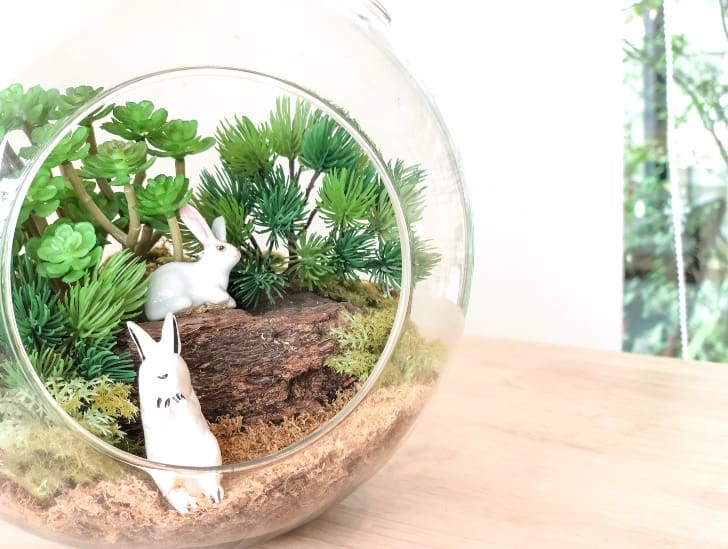
Small plant at an open terrarium.
These terrariums are great for anyone who desires a natural green space indoors.

Open terrariums are often designed to maximize drainage, which is vital for water-loving plants. The containers may be glass bowls or jars with open tops that allow light and air to enter.

These terrariums are great for anyone who desires a natural green space indoors but needs more time for extensive maintenance of the plants. Open terrariums are meant explicitly for plants that don’t need much humidity to thrive.

They are an excellent way for people to get started with terrariums since they don’t have to deal with many factors that can easily take down a terrarium.

Open terrariums are more versatile in home decor and have given rise to geometric and air plant terrariums.

Taking Care of an Open Terrarium

Now that you understand what a terrarium is better let’s look at the general tips for taking care of these terrariums.

1. Everything Starts with Selecting the Right Plants

Choosing the right plant type is very important for any open terrarium. Consider light availability, humidity, soil requirements, and water needs.

For instance, succulents and cacti don’t require much moisture and are perfect for open terrariums since they can tolerate the drier air in these setups.

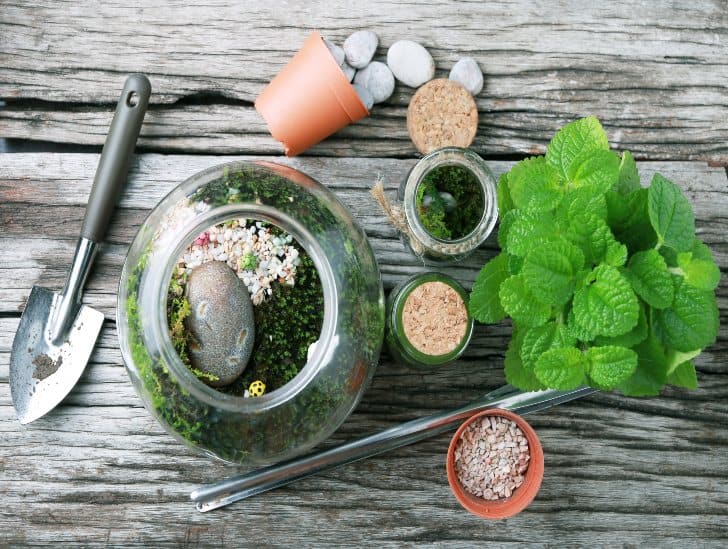
Tools for an open terrarium.
Choosing the right plant type is very important for any open terrarium.

On the other hand, tropical plants may need to do better since they need high humidity levels to thrive.

Be sure to research your preferred plants beforehand to determine their needs and if they will thrive in your terrarium’s environment.

2. Terrarium Positioning (Lighting)

One of the most important things you must do to protect your open terrarium is always to have it in the right spot. In this case, the right place is part of your room that receives the right amount of light at the right time.

The plants in your terrarium depend on the light provided for photosynthesis. Failure to provide adequate lighting can lead to slow growth and unhealthy plants.

However, it would be best if you were careful not to expose your terrarium to excessive direct sunlight since it can cause irreversible sunburn.

The sweet spot is what we refer to as the bright/indirect light. In this case, you are trying to mimic the idea of dappled light in a typical rainforest where only a few filtered sun rays shine through to the bottom of the forest where most of these plants grow.

Generally, a well-lit south or east-facing window sill or a brightly lit room is all it takes to keep your open terrarium happy and healthy.

Feel free to use artificial grow lights as supplementary lights if you cannot find a perfect spot for your open terrarium in your home.

3. Monitor the Moisture Level Carefully

One of the benefits of open terrariums is that they allow excess moisture to evaporate quickly, reducing the risk of root rot and other diseases.

However, this also means you must carefully monitor the moisture levels in your open terrarium.

This can be done by feeling the soil with your fingers or inspecting the leaves of your plants to see if they are dry or wet.

Generally, you should ensure the soil is moist but not soggy. If it feels too damp, reduce the watering frequency until it starts drying out again.

Open terrariums also need occasional misting. You can spray the plants with a gentle water spray to keep them hydrated.

Be sure to use clean, distilled water for your terrarium since tap water can contain chlorine or other chemicals that may be harmful to your plants.

4. Be Careful with Watering

Since open terrariums don’t have a natural water cycle, you must ensure everything is balanced.

Typically, the watering requirements and methods will vary greatly depending on the type of plants you have in your terrarium.

If your terrarium is dominated by succulents, cacti, and other plants that thrive in arid conditions, consider watering them every two or three weeks.

A person watering the plant in the terrarium.
Always do a finger test on the soil or check for signs of wilting before deciding whether or not to water your terrarium.

On the other hand, tropical plants need to be watered more regularly.

When in doubt, always do a finger test on the soil or check for signs of wilting before deciding whether or not to water your terrarium. Overwatering can cause root rot and other health problems in your plants.

5. Regularly Clean Your Terrarium’s Glass Container

Most open terrariums are made of a glass container to allow as much light as possible to get through to the plants. Unfortunately, glass containers are susceptible to dirt and may need regular cleaning.

First, remove the plants and soil from the glass container to clean your terrarium.

Then use a soft cloth or a paper towel to gently scrub away any dirt or dust on the surface of the glass. Rinse it with distilled water and let it dry before re-planting your terrarium.

6. Pruning

Open terrariums containing vines and other houseplants tend to outgrow the glass container quickly.

To prevent this, you should consider pruning your plants regularly to keep them from taking over the terrarium and crowding out other plants.

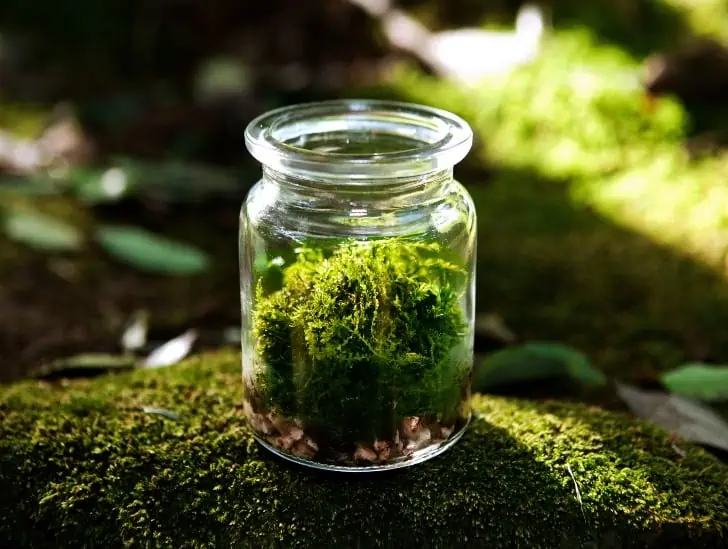
A open terrarium outdoor exposed to sunlight.
The best time to prune is late winter or early spring.

Trim back any dead leaves or branches with sharp scissors or garden shears. Also, make sure not to prune too much since it can stunt the growth of your plants.

However, be easy with pruning. Some intentional spillover can look good; you don’t have to trim it. Use logic to figure out what to prune and leave for decoration.

The best time to prune is late winter or early spring. This will allow your terrarium to get a head start on the growing season with healthy, strong plants.

7. Pests and Diseases

Open terrariums are naturally susceptible to pests, bugs, and infestations since they are open to the environment. Gnats and mealybugs are some of the most common pests that attack open terrariums.

To prevent these pests from taking over your terrarium, inspect your terrarium regularly and look out for any signs of infection or infestation.

If you spot one, isolate the affected plant immediately and carefully remove all infected leaves and debris.

If the problem persists, consider spraying some pesticide on the affected plants. Use an organic pest control product to avoid causing harm to your plants or introducing toxins into your terrarium.

8. Remove Mold as Soon as You Spot It

If you notice signs of some fluffy, white substance on one of your plant’s leaves, know it is mold, and you must act quickly to save your terrarium.

While it is normal for mold to develop in closed terrariums due to condensation, it is an unwelcome sight in open terrariums.

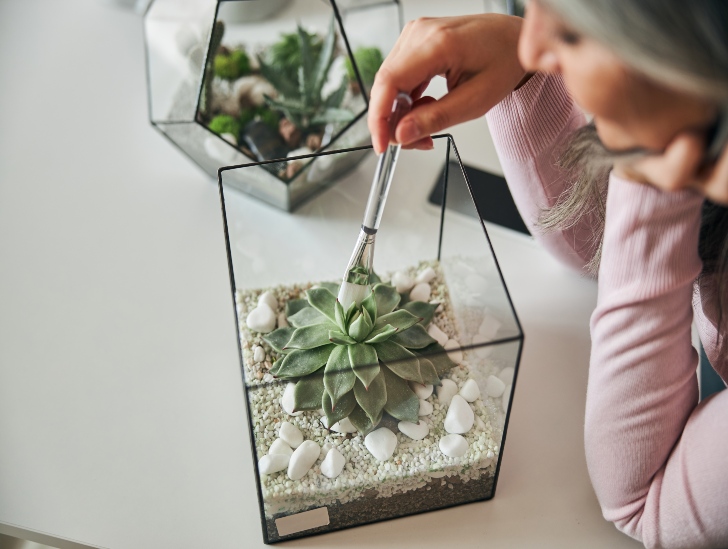
A woman brushing the plant in the terrarium.
Try to keep the humidity levels low in your terrarium.

To remove the mold, first, use a damp cloth or paper towel to wipe away any visible growth gently.

If that doesn’t work, spray some diluted rubbing alcohol on the affected area and let it sit for 15 minutes before wiping it off with a dry cloth.

As a preventative measure, try to keep the humidity levels low in your terrarium and avoid any unnecessary water splashes when watering your plants. If you do that, mold will not grow in your open terrarium.

Final Thoughts

Open terrariums can be an exciting way to bring a bit of nature into your home. However, it is crucial to understand the basics of open terrarium care before starting one.

Be sure to take the time to research and learn about the needs of each plant in your terrarium before you begin so that you can give them the best care possible.

With proper maintenance and attention, your terrarium will add joy and beauty to your home for many years.

Seven Ways to Make Money with Succulents

A woman gardener succulent in a terracotta pot.

Who doesn’t love decorative succulents in their home? If you are lucky to have a suitable climate in your region, you can have a succulent garden because these plants are excellent for landscaping and other garden options. Even more interesting is that they are easy to maintain and live for many years. However, did you know that growing succulents can also be one of your income-generating activities? There is money in growing succulents that can explore.

So, what are the seven ways to make money with succulents? You can start selling succulents online or plant succulent cuttings and sell the well-rooted young plants at a slightly higher price than conventional cuttings. You can publish a blog or YouTube channel about succulents, teach courses at your local schools on how to grow succulents, or create and sell gift baskets that feature succulents. Some people also make money selling beautiful succulent arrangements, while others offer succulent growing and landscaping services.

This blog post outlines the top seven ways to make money with succulents. Read on to find out everything you need to know.

1. Sell Succulents at Your Local Farmers’ Market

Charity begins at home. If you want to start growing succulents for a profit, why not start selling them at your local farmers’ market? Farmers’ markets are the perfect place to sell succulents because they attract customers who care about locally grown plants and are willing to pay top dollar.

Although succulent plants make great indoor plants, only some people are patient enough to watch them grow from raw cuttings or seeds.

So, you can do the hard work and sell mature plants to people who don’t want to go through the ‘waiting phase.”

A kid with 3 succulent on hand.
Farmers’ markets are the perfect place to sell succulents.

Since they make great houseplants, succulents are always in demand year-round. It means you can sell your succulents and even different succulent creations at your local farmers’ market anytime.

 Consider running a dedicated succulent booth or selling along other plants such as ferns and moss.

So, can you profit from selling succulents at your local farmers’ market? We bet you can. You can add value to your hassle by arranging succulent boxes and pots to make them attractive to potential customers.

You can even source and use beautiful boxes, planters, pots, and terrariums to make the packaging look great.

2. Plant Succulent Cuttings and Sell Rooted Plants at a Higher Price

One of the most common succulent propagation methods is replanting cuttings to grow new plants. People purchase succulents as raw cuttings, wait for them to form roots, and eventually mature.

However, the waiting period between the initial rooting and when the cutting becomes a young plant can be long, depending on the succulent you are growing.

That’s why most people prefer selling raw cuttings to those who want to start their garden. Those who sell cuttings only promise that the cuttings will root well and become young plants in no time.

Unfortunately, there is no guarantee that their promise will be fulfilled because it takes much work to root a succulent cutting successfully.

You can take the guesswork and hassle out of this process by offering people succulent plants that have already rooted and begun to grow.

Lucky for you, this comes with a higher price tag. Typically, stable and well-rooted succulents fetch more money than normal cuttings.

So, if you intend to earn money by planting and selling rooted succulent plants, you must be smart when shopping for your plants.

Consider mature succulents with many offsets or branches to make your work easier. That way, you can easily double or even triple your profits.

In some parts of the world, a small port of succulents costs as much as $15, while cuttings can only earn you up to $5.

So, the additional two months for rooting and taking care of the cutting as it grows into a young plant can earn you three times as much. Generally, the bigger and more beautiful the succulent, the higher the price tag.

You can also create a subscription program where customers pay you monthly for receiving succulent cuttings and plants.

3. Create Succulent Arrangements and Sell Them for a Profit

The ability to make succulent arrangements is one of the most creative ways to make money with succulents.

This involves taking your time, making unique potting soil mixtures, and carefully placing different types of succulent plants in attractive pots or planters.

You can either buy pre-made containers or create your custom succulent arrangements. The secret to making profits is keeping the cost of acquiring the materials and your time invested low.

You can also offer these arrangements as gifts or favors during special occasions such as weddings, birthdays, anniversaries, and more.

A succulent box arrangement.
You can either buy pre-made containers or create your custom succulent arrangements.

You can create a website that showcases some of your best succulent arrangements and offer them for sale.

Creating attractive online images or videos of your succulent arrangements is also a great way to attract customers.

You can even offer subscription services where you will deliver fresh plants in custom planters once every month.

This will help you get regular orders from loyal customers and make more profits in the long run.

4. Sell Succulents Online

Whatever you create to sell at your local farmers’ market can be sold online. One of the best places to sell succulents online is Etsy since it allows you to own a shop.

Etsy takes care of all the hard stuff on your behalf. They accept payments, provide well-designed pages, and handle sales tax and target audiences.

Setting up a simple shop on Etsy is relatively easy and only takes a few minutes to complete. Another great thing about the site is that it only attracts people looking to purchase.

But there are other online platforms to sell your succulents. You can also sell them on Facebook, other social media sites, and eBay.

An important thing to consider when selling succulents online is that you must carefully package your products to arrive safely at their destination.

Packaging can cost quite a bit of money. Therefore, you’ll need to factor this cost into the price of each item you sell.

A woman selling succulent online.
There are other online platforms to sell your succulents.

Furthermore, ensure you include shipping fees in the price of each product you offer online. You can offer discounts for bulk orders to attract more customers and increase profits.

Remember to focus on marketing your succulents online as well. This is essential for gaining visibility and making money off your products.

You can run ads on social media, create attractive videos showcasing your succulents and share them with the right audience.

5. Start Your Succulent Website

Starting your succulent website like this one may be complicated, but it is one of the most profitable ways to make money with succulents.

You can use this platform to offer advice and tips, sell subscriptions, and feature different succulents you are passionate about.

You could even create a store section where your customers can purchase their favorite succulents right from the comfort of their homes.

The right content and marketing strategy could be a great way to earn additional income.

To make things easier for you, plenty of website-building platforms like WordPress help you create a professional-looking website in no time. You can also join affiliate programs that offer commissions on each sale from your website.

6. Start a Succulent Delivery Service

You can start your succulent delivery service by accessing large quantities of beautiful succulents. Depending on the customer’s requirements, you can deliver succulents in bulk or individually.

You can also offer subscriptions where customers will be charged monthly for their succulent orders.

This is the perfect option if you have a large volume of clients and want to automate the process of delivering succulents.

plant in a box.
You can deliver succulents in bulk or individually.

Consider creating special packages for holidays, birthdays, and other special occasions. You can also include extra items such as potting soil, fertilizer, and other decorative products for an additional charge.

7. Teach Local Courses on How to Grow Succulents

Lastly, you can also make money by teaching courses on how to grow succulents. This option is perfect if you love sharing your knowledge and are passionate about succulents.

You can teach classes at local nurseries and farmers’ markets or start an online course. You can offer advice on different techniques for caring for succulents and highlight the tools needed.

A woman teaching the girl about plants.
You can also make money by teaching courses on how to grow succulents.

You can also focus on choosing the right succulent based on the customer’s needs and preferences. Teaching is a great way to make an income while sharing your passion and knowledge with others.

Summary

The tips mentioned above can help you start making money with succulents. Choose between selling rooted plants, creating beautiful arrangements, or offering them as gifts or favors.

With a bit of creativity and effort, you can create great income opportunities by growing succulent plants.

So, why wait? Start your journey to earning money with succulents today!

What Is the Best Water pH for Succulents?

Succulent rain water.

Succulents are loved for their hardy nature and ease of care. While they tolerate diverse conditions, proper watering is essential to their survival. The easiest way to kill a succulent is failure to water it properly. Watering goes beyond correct timing and watering method. You also need to pay attention to the water’s pH level. Using the wrong type of water may cause problems.

So, what is the best water pH for succulents? The ideal water pH for succulents is between 5.5 and 7.5 on the pH scale. Anywhere within this range will ensure your plant has access to the essential nutrients needed to survive and thrive. It’s important to note that different types of succulents may have specific preferences for pH levels. For example, cacti prefer slightly more acidic water, while other succulent varieties are happy with water pH closer to neutral. Consider using distilled or rainwater when watering your succulents since it is usually close to the ideal pH range. If you are using tap water, you should test the pH first to ensure it is within the desired range.

This blog post discusses everything you need to know about the ideal water pH for succulents. Read on to learn more.

Understanding Water pH Levels

Before we dive into the ideal pH range for succulent plants, let’s first understand what pH levels are and why they’re essential.

The pH level of water is a measure of its acidity or alkalinity on a scale of 1 to 14. A value of 7 indicates neutral pH; lower figures indicate increasing acidity, while higher figures indicate increasing alkalinity.

Understanding pH levels is crucial because overly acidic or alkaline water can cause plant issues.

Too acidic water can leach essential nutrients from the soil and prevent their uptake by the roots, while too alkaline water may contain toxic salts to the plant.

Keeping the pH level within the ideal range ensures that your succulent has access to all the essential nutrients it needs while avoiding potential issues caused by incorrect water pH levels.

How To Test Water pH

Testing the pH level of your water is a simple process and can be done in two ways: with test strips or a pH testing meter.

Test strips are the quickest and least expensive way to test water pH levels, but they are less accurate than a digital tester.

pH meters are more precise and can accurately read the water’s pH level. However, they can be costly and require calibration so test strips may be a better option for the average gardener.

A water Ph stick checker.
Testing the pH level of your water is a simple process.

Once you have tested and recorded your water’s pH level, you can adjust it as needed. To increase alkalinity, add baking soda to the water.

For acidity, use white vinegar or lemon juice. Remember to test the water again after making adjustments to ensure it is within the ideal range for succulents.

What Is the Best Water pH for Succulents?

The best water pH for most succulents is anything between 5.5 and 6.6. The pH figures within this range are classified as “slightly acidic.“

A alkaline ionized water.
Urban water usually tends to be slightly alkaline, with a pH above 7.

Since Water pH is critical in nutrient uptake, you must ensure that your succulents get the right amount of essential nutrients.

Keeping the water pH level within this range will ensure your plants get all the nutrients they need to stay healthy and thrive.

Residential and urban water usually tends to be slightly alkaline, with a pH above 7.

It means you must modify it slightly before watering your succulents. The best way to acidify the water is by adding two tablespoons of vinegar per gallon.

However, rainwater is naturally slightly acidic, making it the best option for watering succulents.

Some essential minerals that can be accessed in slightly acidic water and soil include phosphorus, sulfur, magnesium, manganese, iron, and calcium.

Can I Use Slightly Alkaline Water on My Succulents?

Alkaline water usually has higher pH levels (more than seven on the pH scale). Many people believe that drinking alkaline water is suitable for their health even though no research has confirmed it.

However, just because alkaline water is considered beneficial to humans doesn’t mean it is also helpful to plants.

Alkaline water helps increase soil alkalinity; hence, few plants can survive and thrive in such conditions. Only plants that love alkaline soil instead of slightly acidic soil will thrive under such conditions.

A person watering a bonsai.
It is not ideal to use alkaline water on succulent plants.

Some alkaline soil-loving plants include barberry, calendula, lavender, and clematis. However, succulents don’t love such soil. Instead, they love slightly acidic pH, with the sweet spot being 6.

If you start and keep using alkaline water on your succulents, the soil will slowly turn alkaline, affecting your plants’ growth. Therefore, it is not ideal to use alkaline water on succulent plants.

How Does Alkaline Water Affect Succulents?

Some of the common side effects of prolonged use of alkaline water on succulent plants include:

  • The soil will slowly turn alkaline: All succulent plants can only thrive in slightly acidic conditions. While most are highly adaptive, they may struggle to grow under alkaline conditions. A succulent growing in alkaline conditions is more susceptible to death than one growing in slightly acidic conditions.
  • Nutrient deficiencies: Alkaline water makes it difficult for succulents to absorb elements such as iron, magnesium, and zinc from the soil. As a result, these minerals will not be available to the plants, and they will slowly start showing signs of nutrient deficiencies.
  • Root development is affected: Roots are the most critical organs of every plant. They help anchor the plant and absorb water, oxygen, and nutrients. However, the development of succulent roots is significantly affected when grown in alkaline conditions. The roots become weak and unable to perform their functions well.
  • Affected plant growth: In general, alkaline water retards plant growth. Not only will your succulents grow at a slower rate, but they will also be stunted.
  • Pest and disease problems: Since alkaline water retards plant growth, it makes them susceptible to pests and diseases. Pests and diseases attack weak and slow-growing plants more readily.

What Should I Do If I Have Been Watering My Succulent and Have No Idea If the Water Is Alkaline or Acidic?

The best way to determine if you have been watering your succulents with acidic or alkaline water is to check the soil pH.

Take a small shovel and carefully dig one or two inches of potting mix. Use the sample with a pH meter or soil tester kit to test for the pH level.

A soil ph meter
The best way to determine if you have been watering your succulents with acidic or alkaline water is to check the soil pH.

If the readings are between 5 and 6, the water is slightly acidic, while readings of 7 and above indicate that the water you have been using is alkaline.

If it’s alkaline, stop using it immediately and find an alternative water source for your succulent plants.

What Is the Best Type of Water for Succulent Plants?

Rainwater is absolutely the best type of water to use. It is naturally acidic, allowing plant roots to absorb essential nutrients better and faster.

It also helps the soil release essential micronutrients such as copper, iron, and manganese, critical to plant growth.

The process also helps remove unwanted toxins and chemicals from the soil, essential to plant growth.

The only disadvantage of rainwater is that it is only sometimes available. You must collect and store enough of it during the rainy season for use at a later time. However, harvesting rainwater is prohibited in some states.

Water container with water.
You must collect and store enough of it during the rainy season for use at a later time.

So, what can you do if you don’t have rainwater? The next best water is distilled water, free from toxic chemicals and additives such as fluoride and chlorine. Distilled water is also slightly acidic, making it ideal for succulent plants.

Lastly, if you can’t get rainwater or distilled water, use bottled spring water as a last resort. Spring water has the proper pH balance and contains essential nutrients to help your succulents grow healthy.

However, it’s essential to check the label of the water before using it to ensure that it doesn’t contain any added chemicals or minerals.

Avoid tap water since it contains high levels of chlorine and other chemicals that can be toxic to succulent plants. It also has a neutral pH balance which can disturb the soil acidity needed for healthy growth.

The Bottom Line

The water pH is just as important as the timing and method of watering your succulents. The ideal water pH for succulents is between 5.5 and 7.5 on the pH scale.

Test the water using test strips or a digital tester to ensure you don’t over-alkalize the soil. Rainwater is the best type of water for succulent plants, but if that’s unavailable, then distilled or bottled spring water will also work.

Avoid tap water since it contains too many unsafe chemicals for your succulents. With a suitable water pH and proper care, your succulents will flourish.

Happy gardening!

Succulent SOS: How to Bring Your Plant Back to Health

Nothing feels worse than going to check up on your beloved succulent plant only to discover that it is dying. The feeling is even more painful if the plant seemed fine the last time you checked it. Unfortunately, it can take a couple of days or weeks for succulent plants to show signs of stress which could easily lead to death. If you catch the decline in time, there is still hope for your succulent plant if you act quickly.

So, how can you revive a succulent plant? The first thing you need to do is establish the cause of the decline. Are the leaves getting mushy? Is it getting too much or too little sunlight? Is it overwatered or underwatered? Knowing why the succulent is dying will help you take steps to revive it. Once you have identified the cause, you can rejuvenate your succulent plant. For example, if your succulent gets too much sunlight, move it to a spot with more shade. If it’s being overwatered, repot the plant in dry soil and stop watering until completely dry. If it looks limp or lifeless, give it deep watering, and it will be fine.

This blog post discusses the different ways of reviving a dying succulent plant. Read on to find out everything you need to know.

Reasons Your Succulent May Be Dying and How to Revive It

The first step to reviving a dying succulent plant is figuring out what is ailing the plant.

Typically, succulent plants die when forced to live in conditions significantly contrary to the conditions in their natural habitats.

A minuature succulent.
If overwatering continues, parts of the succulent such as the stem and leaves will turn black or brown.

To save a dying succulent, you must try to recreate the conditions found in its native environment. Here are some of the most common reasons succulents die and how you can revive your plant:

1. Overwatering

One of the most common causes of succulent death is overwatering. Succulents are drought-loving plants that prefer less water compared to other houseplants.

If you put your succulents on the same watering schedule as your other non-succulent houseplants, your succulents will likely be getting excessive water.

Besides too much water, overwatering can also be due to poor soil quality and using a pot without enough drainage holes.

If the potting mix doesn’t drain well and fast enough, you risk your succulents sitting in water for too long which can lead to root rot.

The type of pot you use plays a critical role in ensuring that your succulent plants won’t get overwatered. It promotes air circulation that helps the soil to dry faster.

Succulent plants with densely packed or compacted roots may also suffer from overwatering issues because the dense roots may block the container’s drainage holes, causing an excessive buildup of unwanted moisture in the soil.

Watering a plant.
If overwatering continues, parts of the succulent such as the stem and leaves will turn black or brown.

Some early signs of overwatering are discoloration and a massive change in the leaf’s form. The plant’s leaves may turn pale or yellow from the bottom.

The next thing that happens is that the leaves will start dropping quickly. A slight sway or touch will get them off the plant.

If overwatering continues, parts of the succulent such as the stem and leaves will turn black or brown. Unfortunately, you may not be able to save your succulent if it reaches this point.

Change of color only begins if your succulent is rotting or has developed a severe fungal disease caused by too much water.

How to Revive an Overwatered Succulent

The best way to revive an overwatered succulent is to remove it from the growing container and let its leaves and roots dry. However, it would be best if you remembered that not all overwatered succulents could be revived.

Carefully remove your succulent from the growing container and shake off any excess soil. Rinse off the roots with tepid water and remove all the debris.

Please leave it in a warm and dry place for at least 4 to 6 hours to recover from the shock of being moved.

Once dried, put your succulent in fresh potting mix and repot it. Ensure the pot has enough drainage holes so that excess water will drain out effectively.

Reduce watering frequency to once a month during winter and twice a month in summer during recovery. After about two months, you can resume your regular watering schedule for succulent plants.

2. Underwatering

Since most cacti species are drought-tolerant, many gardeners mistakenly believe that they don’t need to water them.

However, even the hardest succulents need some water during their growth cycle. Otherwise, they will start wilting and slowly wither away until they die entirely if you don’t water them.

Knowing the difference between a healthy look and an unhealthy one is essential since it can help determine when your plants need more water.

An underwatered succulent usually looks dry and shriveled. The leaves of your plants may also start turning yellow or brown as an indication that they need to be watered.

How to Revive an Underwatered Succulent

To revive an underwatered succulent, water it deeply and let the excess water drain completely. Wait to water your plant again until the soil is dry to prevent overwatering.

A person watering a rosemary in a pot,
Many gardeners mistakenly believe that they don’t need to water them.

Consider soaking the roots of your succulent in water for about 20 minutes before planting it in fresh potting mix. This will help rehydrate the plant and give it a fresh start.

Once you’ve repotted your succulent, water it once every one to two weeks depending on the season.

Ensure the soil is thoroughly wet or soaked before draining the excess water. You can also mist your plants occasionally to help them retain moisture if needed.

Resume the regular watering schedule based on the plant’s requirements once it shows signs of revival.

3. Too Much Sunlight

Succulents exposed to too much sunlight may also suffer and eventually die. Too much direct sunlight can cause the leaves of succulents to burn, leading to water loss and dehydration, ultimately killing the plant.

The symptoms of a succulent getting too much Sun include yellow patches on the leaves, discoloration, and wrinkled or brittle leaves.

How to Revive a Succulent That Has Been Exposed to Too Much Sunlight

If your succulent has been exposed to too much sunlight, you can move it to a shadier spot with indirect light. Also, ensure the plant does not get direct sunlight for more than 4 hours daily.

String of pearls in a pot exposed to sunlight.
Succulents exposed to too much sunlight may also suffer and eventually die.

You can also wrap your succulent in a wet cloth or newspaper to protect it from the Sun and to help retain moisture.

Water your plant only when the soil is completely dry so you don’t risk overwatering it. You may need to reduce watering frequency during the recovery period.

Once your succulent has recovered, you can move it back to a spot with more sunlight and follow its regular watering requirements. Ensure it only gets exposed to four hours of direct sunlight per day.

4. Pest Problems

Some succulents are prone to pest problems. Common pests that may attack your succulent plant include fungus gnats, mealybugs, scale, and spider mites.

Mealybug on a plant.
Mealybugs are the most common succulent pest.

These pests usually feed on the sap of your succulent and can weaken it, leading to death in extreme cases.

The symptoms of pest infestation include discoloration, wilting, and yellowing of leaves. The pests may leave a sticky substance behind, which indicates that you have a problem.

Mealybugs are the most common succulent pest that usually appears as tiny, cottony pests on your plant.

Depending on the species, they are brown, gray, or white. Mealybugs produce a sticky substance that may attract ants to your plant.

Spider mats usually create a web-like structure on your succulent. They feed on your plant leaves, leaving behind yellow or white speckles called stippling.

Scales are small grey or brown oval-shaped bugs attached to your plant’s leaves and stem. They feed on the sap of your succulent, leading to discoloration or wilting.

How to Revive Your Succulent from Pest Problems

The best way to get rid of pests attacking your succulent is by using natural pest control methods such as neem oil, rubbing alcohol, or insecticidal soap sprays.

You should also inspect the plant regularly and remove any visible pests with a cotton swab dipped in rubbing alcohol.

Moreover, you should ensure your succulents are not overcrowded and receive enough air circulation.

You can also try adding some companion plants to help attract beneficial insects, such as ladybugs or predatory mites which prey on pests.

Lastly, ensure that the soil of your succulent has good drainage and is not too moist so that you don’t risk mold formation or mildew. This can attract more pests and make it difficult for your succulent to recover.

Summary

Succulents are some of the hardiest plants but still require care and attention to keep them alive and healthy.

Pay close attention to your succulent’s needs and ensure it is not getting too much or too little sunlight, water, or space.

Furthermore, inspect your succulent for pests regularly and take steps to eliminate them.

With some patience and care, your succulent should be able to recover from any issues before long!