Ultimate Guide: How to Care For Agave Plant?

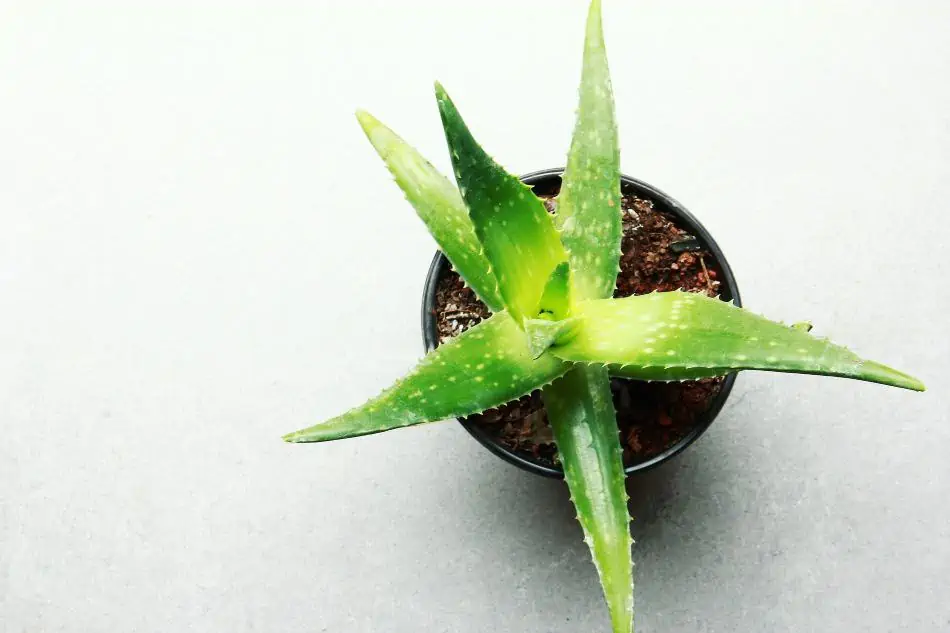
An agave plant is a great addition to any garden. They are easy-to-care plants that will provide you with many years of beauty and enjoyment. However, you should know how to care for an agave plant to reach its full potential.

We will cover everything from how to plant your agave plant through the various ways you can maintain it once it’s fully grown.

You can get an agave pup or seed from a local plant store or your friend. Before planting your agave, it’s important to note that they should only be planted when they are at least 15 centimeters in height.

Also, here are some key tips to note for excellent caring of your agave plant.

Soil Type

Agave plants tolerate any soil but prefer soil that is rich in nutrients. A good mix to use for your agave plant would be a mixture of sand, potting soil, and compost, with at least 50% being organic material.

The soil should also be acidic or alkaline as agave plants prefer a pH level between six and seven. You can test your soil before planting to ensure that it is acidic or alkaline using a PH testing kit from your local gardening store.
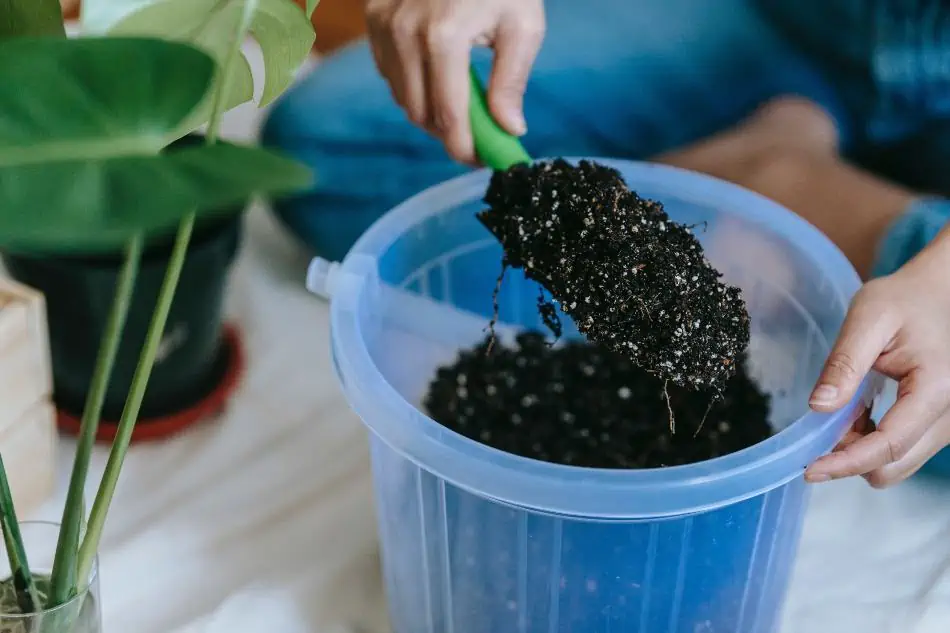
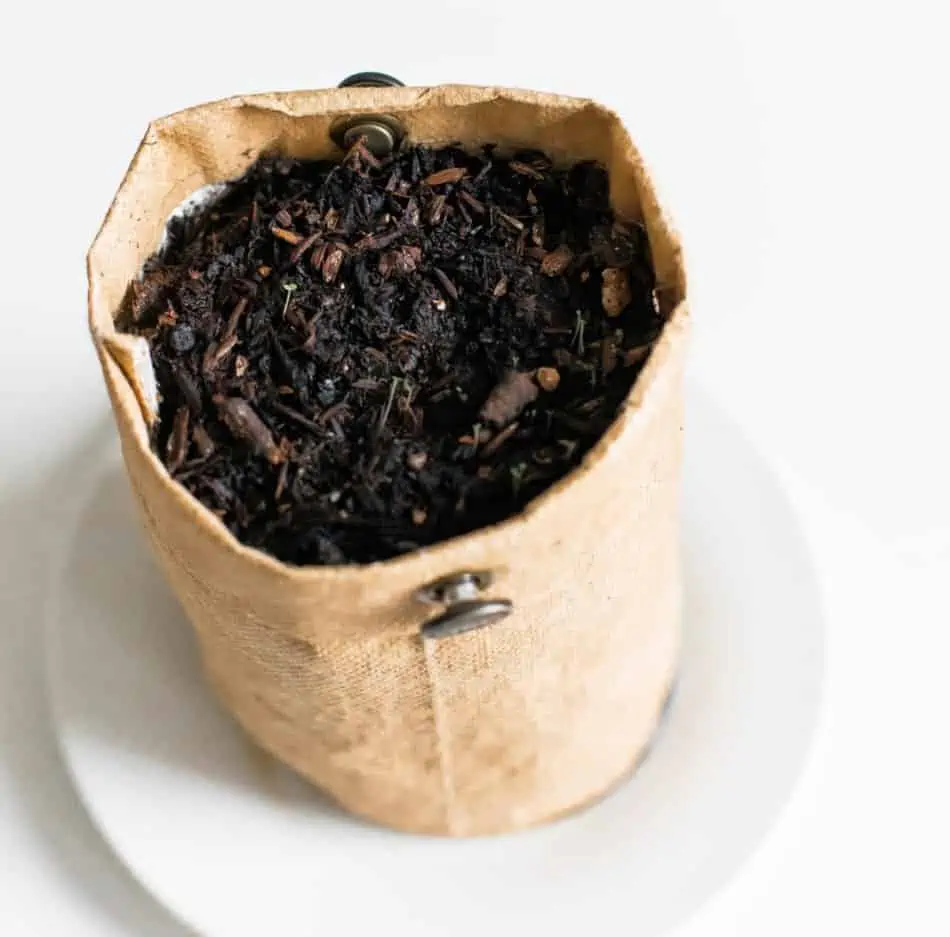
The ideal soil for an Agave Plant should consist of sand, potting soil, and compost.

Water

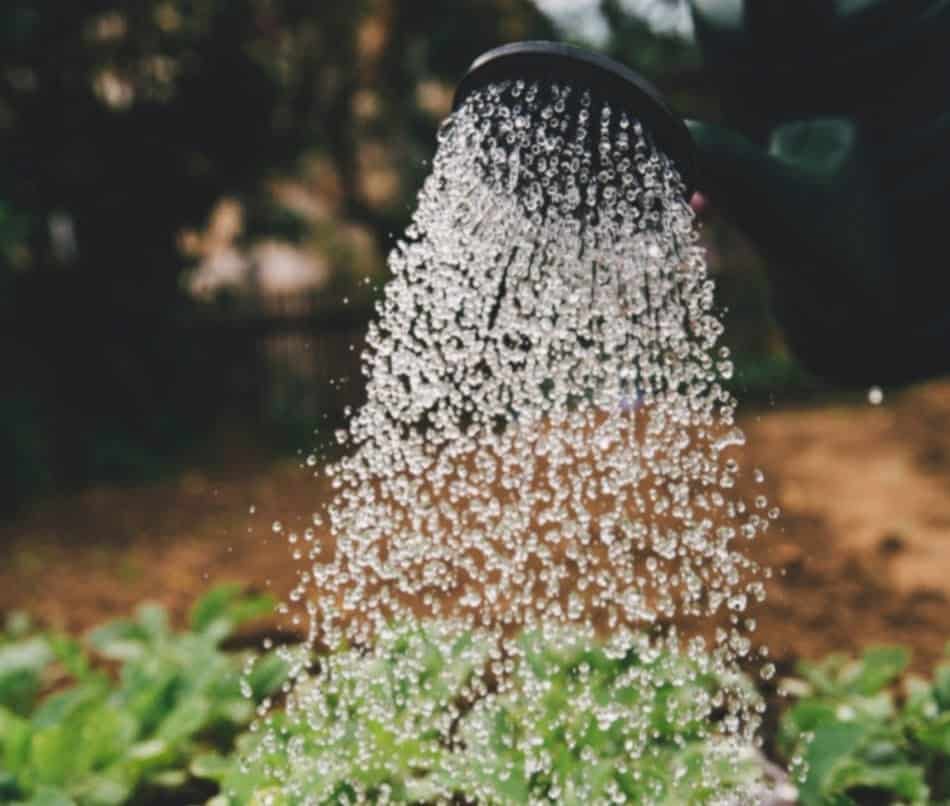
It’s important not to overwater the plant when you first begin caring for it but not let it dry out. Once you have planted your agave plant, give the surrounding area a good soaking with lukewarm temperature water.

Always allow the soil to dry before watering again slowly. To test if your agave needs water, simply dig your finger into the soil to see how moist it is. If you feel that there’s moisture down below, then the chances are that your agave does not require any more watering.

Fertilizer

Once established, an agave plant will only need fertilizer once per year during its growing season, from early spring through autumn.

When applying fertilizer, use a standard fertilizer rich in potassium. Alternatively, you can use compost tea which will provide your plant with many essential nutrients and minerals.

You should fertilize your Agave every year during its growing season.

Light

A four to six hours of sunlight exposure is good for your agave, but it’s important to note that they do not like too much sunlight. 

If you live in a location where the sun shines brightly for most of the day, then make sure your agave plant is protected from harsh rays. You can either plant them under an overhang or move them into a partial shade.

Temperature and Humidity

Most agave plants can survive frost, but it’s important to note that the temperature should never drop below -15 degrees Celsius. If you are planting your agave during autumn or winter, be sure to protect it from frost using a cold frame.

Since most of us do not live in dry climates, humidity is an extremely important factor to consider when caring for an agave plant. Humidity is particularly important during the early stages of growth as this will ensure that your plant develops properly without any issues or deformities.

If you cannot provide enough humidity for your agave, it’s possible to use a humidifier indoors until spring arrives and conditions outdoors become more favorable.

Propagating Agave

Fully grown agave plants produce pups which are baby agave plants that can be removed once they become big enough. This is an inexpensive and easy method to add new plants while at the same time preventing the parent plant from becoming clogged with tiny ones.

Lastly, only remove the pups when the parent plant has started to die back or looks visibly unhealthy.
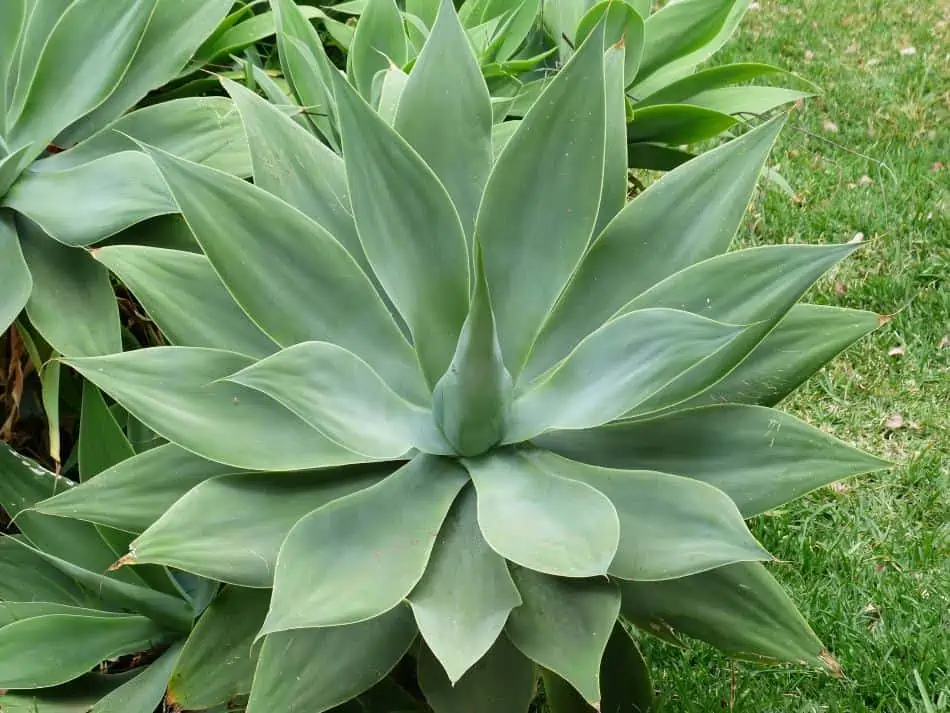
Propagating an Agave Plant from its pups is the easiest way to grow a new plant.

Step 1: You should only take a pup from the agave plant when it is at least 10 centimeters in size. You can use your finger to check the size of the pup if you’re not sure.

Step 2: Remove any leaves from beneath where you want to take the pup from.

Step 3: Gently bend down on either side where you want to take a pup and gently clasp the top portion.

Step 4: Lift both hands, which will cause a section of the plant to be completely uprooted with the pup at its base.

Step 5: Cut about an inch off from where you have removed the section of the plant that had been uprooted with a sharp knife.

This is also another way you can get new plants.

How to Grow Agave From Seed

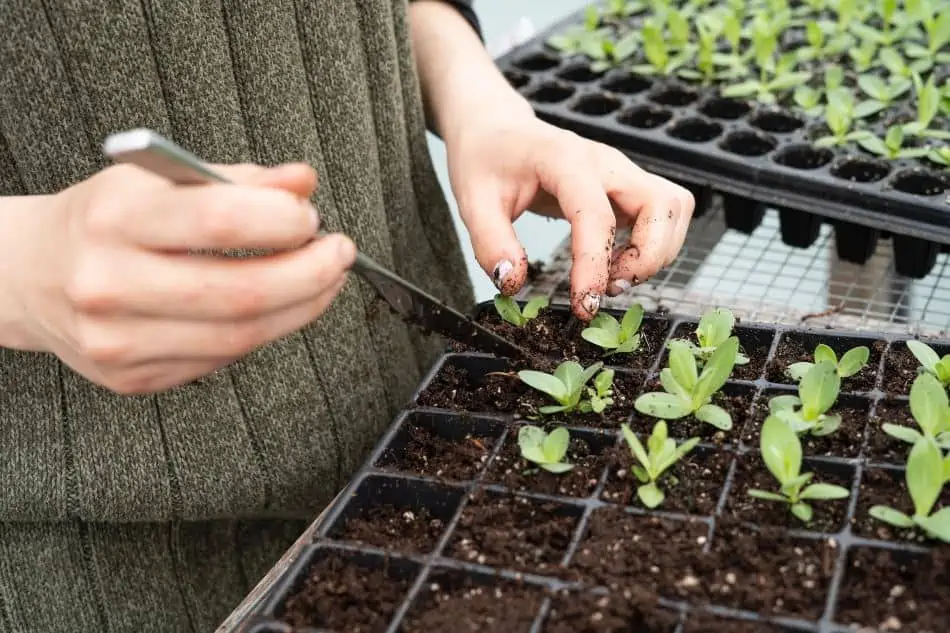
Agaves are one of the most common succulents kept as house plants. It’s simple to grow agave from seed. You should use a seed-starting mix for a small pot with drainage holes filled halfway with it.

After that, scatter the agave seeds on top. It is important to find out whether you agave species seeds need light to germinate. If they do, do not cover the seeds. Gently moisten the soil before covering the container with plastic wrap.
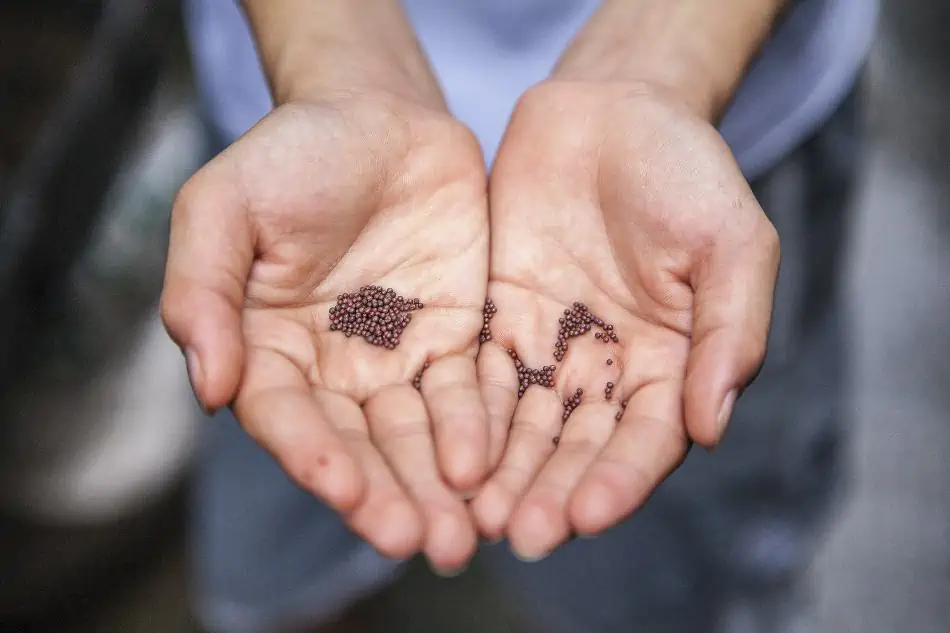
When growing an Agave Plant from seeds, use a seed-starting potting mix and a container with drainage holes.

Keep the container in an area with lots of sunshine and above 20 degrees Celsius. You should have seedlings after a few weeks of sprouting and at this point, remove the plastic wrap.

Potting and Repotting Agave

Potting and repotting an agave is easy. First, find a pot that is just slightly larger than the size of the existing plant. This will make it easier to water and feed your plant while giving it room to grow.

Once you have found a pot for your plant, fill it with potting soil mix. The next step would be to take out any pups from the agave plant before you pot it up in its new home.

Now, replant any pups back into the ground in their original location while making sure they are deep enough to allow them to create roots. Lastly, move your agave to its new home to continue growing. 

Depending on the soil type, it is good to always pot and repot your agave plant after one or two years to allow room for growth.

How Much Watering and Feeding is Enough for Agave

For the first year of growth, you will want to ensure that your plant is kept moist at all times. Afterward, ensure it only gets water during dry spells, as overwatering can cause root rot or fungal infections.

Watering and Feeding Young Agave Plants

When it comes to young agave plants, the moisture level in the soil directly impacts their chance of survival. So make sure they are kept moist at all times. 

Again, when watering these seedlings during dry spells, water them sparingly as overwatering may cause root rot.

Watering and Feeding Older Agave Plants

Once agaves start flowering in late spring, you should stop feeding your plant anything until winter is over. The process of photosynthesis will use up most of the stored energy that your agave has built up. This means it will need to get fed during this period.

How to Care for Agave Plant in Pots

Agave plants in pots require more care than those that are planted in the ground. If you live in an area where it snows, make sure you protect your agave plant. You can cover it with a blanket during winter and add some mulch around its base to help insulate it from frost.

When caring for agave plants grown indoors or outdoors on patios, balconies, decks, or rooftops, always remember to consider that they do not like too much water. 

You should also avoid fertilizing the plant when it is in full sunlight. This may cause skin irritation or sunburns on your agave plant leaves.

Note the Common Problems With Agave Plant

Like any other plant, the agave plant also suffers from pests and other plant problems. Take a look at some:

Overwatering

The most common problem with agave plants is root rot which can be caused by overwatering. Always make sure its roots are kept dry, and its soil is not soggy. 

Overwatering also makes agave plant leaves turn yellow and wilt. Suppose your plant continues to wilt even after taking care of overwatering. It most likely may be suffering from root rot or fungal infections, which requires you to repot or transfer the agave in a clean potting mix.

Pests

Another common issue is the presence of mealybugs on your plant’s leaves, stems, and buds. These insects leave a sticky residue that causes infection if not carefully removed from the plant.

Whiteflies are another pest you may find on your agave plant, which will leave small yellowish spots on your plant’s leaves.

Easily Maintain Your Agave Plant

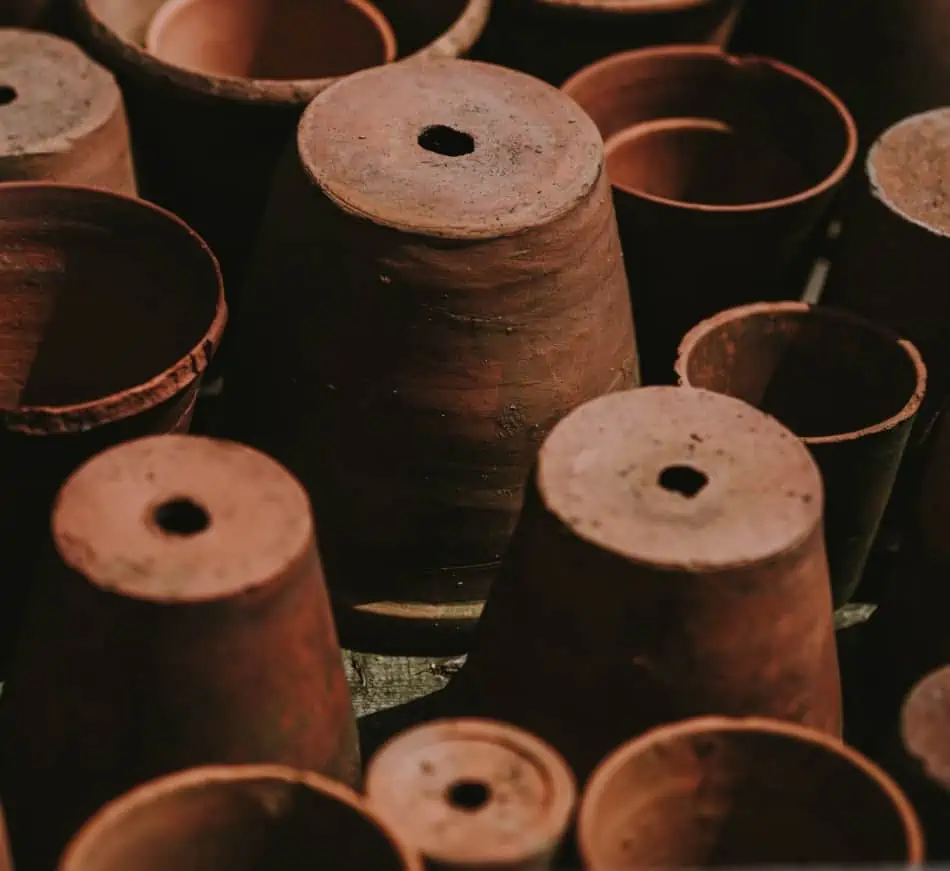
Agaves are not only easy to care for but also very rewarding once they reach maturity! When planting your agave plant, be sure to place it in a wide enough pot and deep enough for the roots if not planting it in your garden. Avoid using clay pots as they will dry out quickly and need more frequent watering. 

Keep an eye on where you live because if you have different plants together with agave, some plants can’t tolerate cold weather or hot sun exposure very well! If you’re looking for tips on how to care for an agave plant from start to finish, we’ve got what you need right here!


Pros and Cons of Having a Succulent

Growing succulents at home is a fun and interesting way to spice up your home or garden. They not only look good but also require very little maintenance. But because succulents are a popular choice, there must be some reason behind their popularity. 

While these advantages of having a succulent outweigh the disadvantages, there is no denying that some downsides do exist. As such, it would be only fair to take an objective look at both sides of the coin before committing to a lifelong relationship with succulents.

So, what are some of the pros and cons of having a succulent? Succulents make your home look more attractive and interesting. This is all thanks to their low maintenance requirements and the interesting shapes that they take. They can be used in pots, planters or beds to create an aesthetic appeal that will catch the attention of everyone who visits your home.

On the flipside, succulents can be a little tricky to grow indoors, especially if you live in colder climates. Another disadvantage of succulents is their slow growth rate. While some species do exhibit fast shoot and flower rates, they still take much longer than other types of plants. 

While succulents are a great addition to your home garden, they also come with their fair share of challenges. This article will look at both sides of the coin, helping you to decide whether or not you will want to grow succulents in your garden.

Pros of Having a Succulent at Home

1.     Improves air quality

Succulents have the ability to cleanse your home of pollutants and other harmful gasses as they help the air become fresher. They are excellent at absorbing carbon dioxide and releasing oxygen back into the atmosphere. The process is known as photosynthesis, where plant cells use sunlight as an energy source to turn water and carbon dioxide into simple sugars.

Succulents are also capable of filtering out toxins, dust and pollen to provide clean air to breathe. This is especially beneficial for people who suffer from allergies or other respiratory ailments. Breathing in fresh oxygen will help you feel more energetic and lively throughout the day.

The next time you feel like something is not right with the temperature in your home, don’t simply rely on your air conditioner to resolve the problem. Instead, try adding some indoor plants to create a healthier living environment. Just a small number of indoor plants can make a huge difference in absorbing harmful chemicals in the air such as carbon monoxide, formaldehyde and other toxins. What makes succulents ideal for this purpose is that they don’t require much effort or maintenance.

2.     Medicinal properties

With the growing popularity of alternative medicines that are both safe and inexpensive, succulents are becoming very popular in this segment of the health industry. Succulent plants are widely used to provide relief from pain, anxiety, nausea, muscle spasms and even conditions like tuberculosis.

Succulents were first used by ancient Egyptians as a remedy for minor health issues such as fungal diseases, digestive problems and even earache. Modern-day succulents can be used to treat colds, sore throat, acne and other conditions when taken in the form of teas or even creams and lotions.

Succulents can boost your metabolism and help you lose weight more effectively.

Succulents also help in conditions like obesity as they are effective in weight loss. They do this by boosting the metabolism and reducing appetite by increasing the amount of good bacteria in your gut.

Even if you don’t have any ailments now, it’s still a good idea to add succulents into your home because you never know when one might strike. If you have respiratory issues, succulents can be the perfect solution to improve your breathing and overall health.

3.     Drought-resistant

There is no doubt that drought has become a huge problem all over the world today. With some regions being affected by searing temperatures that reach as high as 50 degrees Celsius, it is a blessing that succulents don’t require much water to survive.

The good news is that they are able to store enough water in their leaves and stems so they can still thrive even without access to water for months on end. If you live in areas where there is a lack of rain, succulents are the ideal plants to grow in your home.

Succulents are drought-resistant as they store plenty of water in their leaves and stems.

Unlike your conventional home plants, succulents only need to be watered once every few weeks. If you overwater your succulents, however, it can lead to root rot or even yellow leaves if the water remains stagnant in the pot for too long a time. Always check which kind of lighting and temperature that your particular succulent needs prior to purchasing them to ensure that they will thrive well indoors.

4.     Easy to multiply

Succulents are a very simple and fun plant to propagate, sometimes even making it more interesting than simply buying them from a nursery. Succulents can easily reproduce by forming offshoots or also known as “pups”. In fact, keeping plants on their own roots can be difficult compared to a few cuttings.

Propagation can be a challenge for most house plants, but not with succulents. You can easily cut the leaves and/or roots of your succulent to ensure that you have new plants.

Succulents can be easily propagated through their leaves and/or roots.

If you are looking for a unique way to celebrate life and your love, succulents are the ideal plants as they offer high-quality cuttings. You can easily grow several new succulents from just one cutting. All you have to do is take three or four-leaf sections with some roots attached and place them on a cut surface of a healthy stem.

5.     Improves your concentration

You might not be aware that succulents can actually help you become more focused and attentive at work when placed in areas where high-level thinking is needed. How this works is by the plant’s ability to raise serotonin levels found in most parts of our bodies. This is because of the bright colors and forms of succulents. Colors like red, yellow and orange exude a high amount of energy that encourages you to concentrate more on your work.

Succulent plants can be placed in an office desk or even at home near your study table to help stop any distractions from occurring while you work. This action is called is called “biophotons” where the plants produce specific wavelengths of light. This way, succulents actually improve your brain power to allow you to focus more while working instead of being easily distracted by other things. Succulents are also known for their ability to increase creativity and also instill a sense of positivity to your environment.

6.     Can be edible

One of the biggest reasons to have succulents is for culinary purposes. The leaves and sweet roots of the plants are full of water, making them a good addition to your diet. The major compounds found in the leaves contain fiber, vitamins A and C as well as essential oils that our body needs. Of course before eating them, make sure that they haven’t been treated with pesticides or other chemicals.

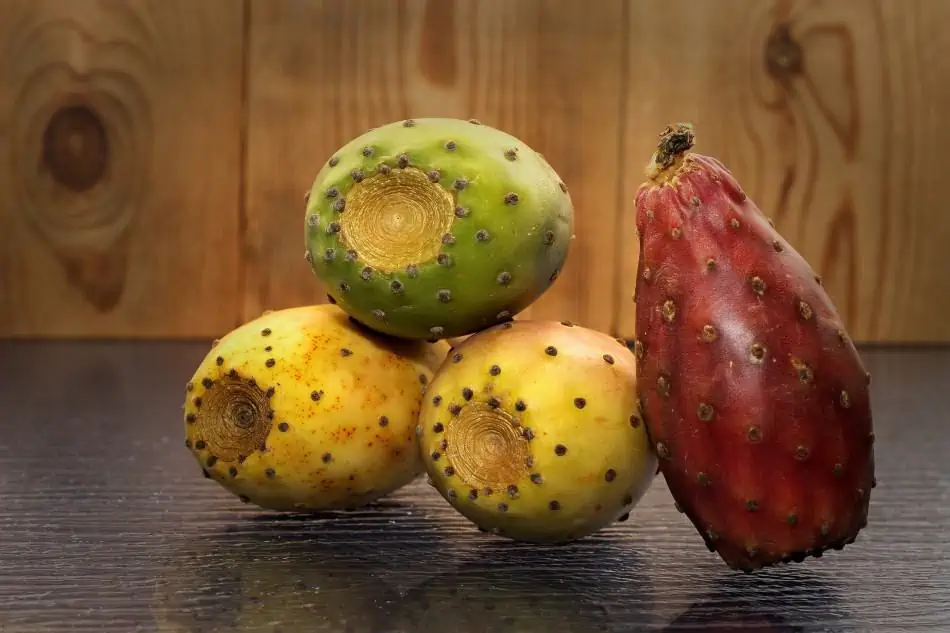
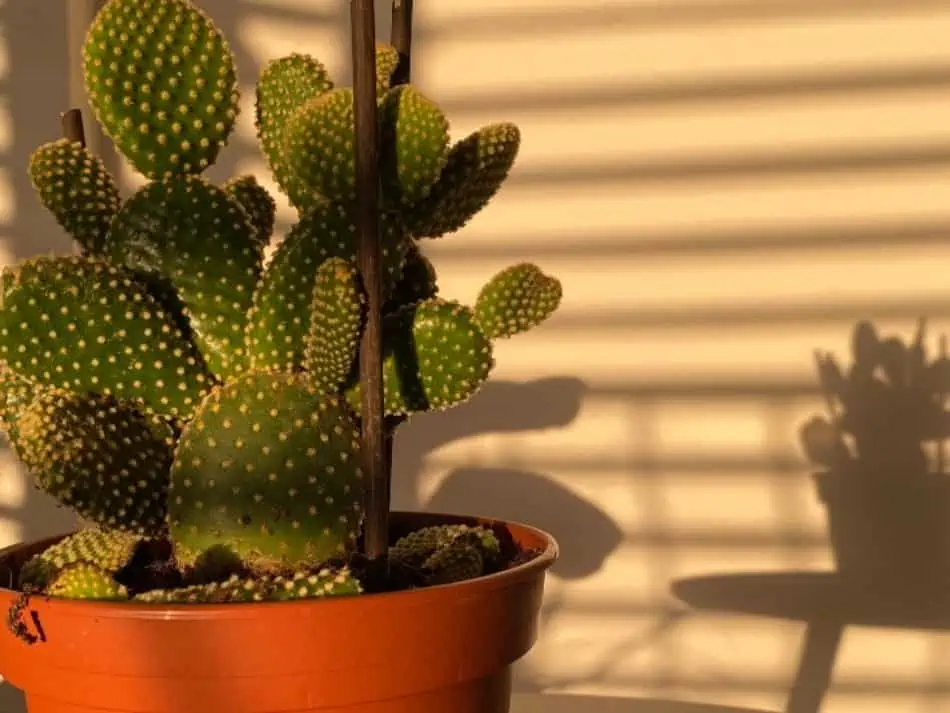
Edible cacti, such as Prickly Pear, offer numerous health benefits and can complement your diet.

However, it should be noted that not all succulents are edible. Find out which of your succulent plants are edible before eating them. Some of the notable edible succulents include the Jade plant, Aloe Vera and some Agaves. There are also edible cactus species like the Mexican Opuntia and Mediterranean set Spineless Prickly Pear.

Cons of Having Succulents At Home

They can rot easily

Another risk of succulents in the home is that they can easily get affected by fungus and rot. This is because succulents require very little water to survive, especially when compared to other plants. When you overwater your succulents, this means there will be too much moisture in the pot or soil which leads to damping off. To avoid this, make sure that your plants are watered regularly in small amounts.

Overwatering your succulents may lead to fungus or rot.

If you notice there is a brown patch on the succulent leaves, this could also be due to overwatering. Watch out for signs of root rot as well, which can also become quite an issue when dealing with succulents.

Succulents, especially when they are not watered well, could become dehydrated easily. There is a sign for this as the leaves turn a pale lime green shade and begin to fall off from their stems.

They are slow growing

When you get succulents, they tend to grow very slowly which means that it might take almost half a year before it reaches its full maturity. Succulents are very easy to grow as they require no fertilizers and are relatively free of diseases.

This is why you should not expect your succulents to reach the desired height and size in just a short span of time, especially if you want them to live for many years. They might be slow growing but they are sure to live for many years. The ultimate goal of having succulents is so that you can use them as a houseplant and not just ornamental in your garden.

Can be harmful to pets and children

The sharp spines found on the leaves could be very harmful if handled without care, especially by children and pets. The spines can be more than harmful to the skin as they can also scratch and scar it, causing an uncomfortable sensation when touched.

Succulents are not like other plants that can grow indoors or outdoors in our homes because of their tendency to attract pests. They have a high insect attracting property that even mosquitoes find them irresistible. These pests are more than just a nuisance as they can also carry diseases that could be transmitted to your pets especially if you have any in the house.

Needs a spacious location

One of the reasons why you should only grow succulents outdoors is because of their tendency to attract diseases. If you put them somewhere with people and animals, they may be exposed and get infected.

Succulents need a spacious location because they can grow very big over time, especially when planted in the ground. Because of this, make sure that you are not growing them too much near small children or pets so that they will not accidentally hurt themselves.

Some bring bad feng shui

Some people don’t like the idea of having succulents because they believe it brings bad luck or feng shui, especially when added to a crowded space. It is believed that they attract negative energy and loose money out of your bank account. However, this belief may only be applicable to those who have a weak constitution. The idea of bad feng shui may be just to encourage homeowners to get rid of succulents in order for them to sell their products.

Some people believe that succulents planted in crowded places can bring bad luck and feng shui.

Can be toxic

Some succulents are actually toxic especially if you ingest them or even touch the sap from their leaves. Take note that not all succulents are edible, so make sure to take care of which ones you grow in your garden or house. You can still enjoy the beauty of succulent plants without giving yourself a hard time.

If you eat succulents that are immature or have been exposed to harmful chemicals, there can be adverse side effects such as nausea and diarrhea. This could lead to dehydration and problems with your stomach. Children and pets are the most at risk when it comes to succulents because of their tendency to taste everything they touch. It is your responsibility as a parent or pet owner to make sure that they will not get into contact with these succulents unless you want them to be in trouble.

How to Get the Best Out Of Succulents

Even with its pros and cons alike, there is no denying the succulents are getting popular by the day. As such, there are better ways you can make your succulents work for you despite the challenges that come with the same. For better interaction with your succulents, you need to have an idea of how they grow and their requirements.

1. Keep them grounded whenever possible

Letting them live in the ground is better compared to keeping them as container plants. First of all, they will be exposed to more sunlight which will help with their photosynthesis.

Also, planting them in the ground will help you have better control over their growth. Once they grow bigger than what you expected, it is easy to move them and replant them somewhere else without having to dig up the entire plant from its roots.

2. Exposure to sunlight 

Succulents need a lot of sunlight and do not like being exposed to low levels of sunlight. They could turn yellowish if they are somewhat shaded by something such as a tree.

If you want your succulents to be healthy, the best time to water them is during daybreak or late in the afternoon when they have been exposed enough to sunlight. You should also water them when the soil is dry.

To grow a healthy succulent, the plant should receive plenty of sunlight during the day.

3. Getting rid of pests

Pests on succulents canbe a nuisance especially if you have a large succulent collection. Once your succulents get infested with parasites, it would be a good idea to use natural methods first before resorting to chemical pesticides. You could for instance, carefully remove the infected leaves and apply insecticidal soap to avoid further spreading of these pests.

4. Use a cactus potting mix

The use of this type of soil is very helpful for your succulents because it contains all the nutrients and water retention they need to grow healthy. There are different types you can choose from such as the ones made up of gravel or sand. Cactus potting mixes also improve your succulents’ drainage since it is well-aerated enough. A good soil mix should look like soil from your backyard with an addition of gravel or sand. Mix the organic and inorganic parts properly until you get a thick slurry that is free from clumps.

5. Be careful with overwatering

Succulents can easily get contaminated so make sure to water them when the soil is dry and not too much such that their roots could rot. Proper watering is often neglected by succulent owners, so if you’d like to take care of your plants the right way, try doing it more and more so that they would not get into trouble.

Also, avoid using fresh water in watering your succulents because they have different water requirements. If you want to be sure, use rain runoff or distilled water in order for them to thrive.

Conclusion

Succulents can be a blessing and a curse at the same time. There is no denying that they come with huge benefits to your garden and home. On the other hand, they can be potentially dangerous to animals and humans alike unless you know how to take care of them well without any accidents happening to anyone.

By mastering the art of properly looking after your succulents, you stand a much better chance at succeeding in your attempts. Take your succulent growing journey a notch higher by following expert advice from experienced arborists around you or better still, try implementing the tips mentioned above. This will be a major step forward in growing succulents like a pro.

This Is The Best Place To Put Your Succulent In The House

Succulents are amazing plants that can help bring in the much-desired ambiance to a home. However, this can only be possible by not only choosing the right succulents but also understanding the best position for your succulent at home.

The best position for your succulent in the house will be dependent on a number of factors. These may include the size of the plant, amount of light needed and its growth pattern. You want to ensure that your plant serves its purpose by complementing the overall décor of your room.

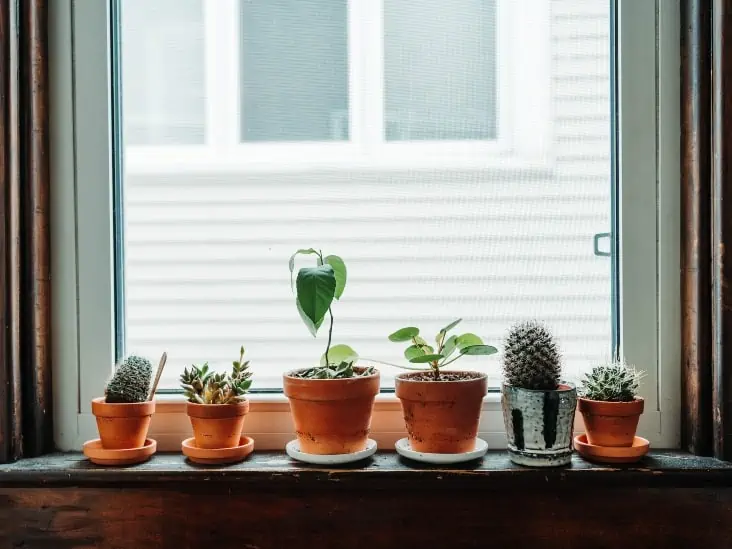
So, where should your succulent sit in the house? In most cases, succulents are positioned by the window where enough sunlight can be achieved. This is especially so for succulents that need good lighting. Placing a succulent in a Southeast facing window helps it tap maximum light within the day. However, succulents can also be positioned by the entrance, balcony or anywhere within the house by providing grow lights as complementary light sources.

Positioning succulents by the window

One of the greatest characteristics of most succulents is their constant need for light. When grown indoors, the best place for these desert plants to sit would be by the window. Ensure that you place your succulent in a southeast-facing window as this is the best position for access to natural sunlight. I

n cases where a southeast-facing window is not available, find the ideal window where the succulents will get access to sunlight for at least 6 hours a day.

As succulents require plenty of sunlight, you should always try to position them by the window.

East or south-facing windows are ideal sources of light for your succulents because they filter in just the right amount of light for the survival of your succulents. Through these, your plants will receive indirect bright sunlight all through the day.

In cases where there is little space by the window, you may consider using a table attached to the window. This will provide enough space for a couple of plants within the same window space.

Common succulents to grow by the window

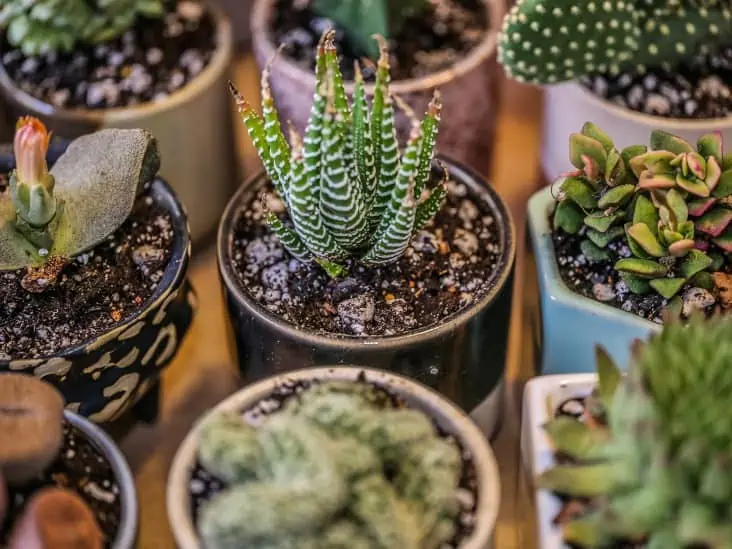
Zebra cactus – This is a small, zebra-like succulent native to Africa. Considering that it takes a small space, the succulent thrives best when placed by the window. Use a small, shallow pot since its roots do not grow deep into the soil. Take care not to expose it to direct sunlight as it may easily wither and eventually die off.

Aloe Vera – This medicinal plant that has been used to treat sunburns and other conditions for centuries works best when paced by the window thanks to its love for maximum sunlight. Considering its prickly nature, however, ensure that your windows are high enough and out of reach for children and pets.

Crown of Thorns – Otherwise known as Euphorbia Milii, this little flowering succulent is native to Madagascar, and its blooms can last all year long provided it gets enough sunlight. Placing it by the window helps it tap this light source while ensuring that it gets your attention on matters of watering and fertilization.

Placing your succulents on the balcony

In most cases, you may realize that your balcony has enough space to do a bit of gardening. As such, succulents will be the best fit to thrive here. Planting your succulents by the balcony will not only help it achieve sufficient light but also improve the overall outlook of your balcony and the house as a whole.

When growing succulents on the balcony, they are exposed to sufficient sunlight.

When planting succulents by the balcony, ensure that they are out of reach from children and playful pets. These could easily destroy the plants and hinder their growth pattern and speed. The balcony offers a safe space for large succulents that may not fit by the window as this would usually be a spacious area of your house. To access light, ensure that your balcony has access to sunlight for at least 6 hours a day.

Common succulent to plant by the balcony

Christmas cactus – The Christmas cactus portrays a unique growth pattern that your balcony can best accommodate. With time, it spreads out and produces attractive flowers, especially during the holidays.

Ponytail Palm – Being among the large succulent category, the ponytail palm is ideal for your balcony. Otherwise known as the Elephant foot palm, this succulent features a swollen stem base where it stores its water during dry periods. This means the plant can easily thrive even under neglect.

Kalanchoe blossfeldiana – This is one of the best flowering plants you can get for your balcony. It thrives best in warmer climates and comes in a variety of colors. For better blooming, ensure the succulent gets at least 6 hours of sunlight.

Positioning succulents by the entrance

As they say, first impressions last. If you believe succulents should make a statement about your home, then you may want to position them near the entrance of your house. Here, they become more noticeable, especially for visitors.  This would work best for flowering succulents as they can be used to complement other flowering plants by the entrance.

Even so, always ensure that your house’s entrance area has enough light access. In cases where access to light is limited, you may consider moving your succulent to a good light source for a couple of hours every day.

Growing succulents in the living room

Your living room is one of the most important spaces in your home, and it deserves some love. So why not bring in a little piece of nature to the heart of your home by using succulents? Succulents will effortlessly add beauty to your living space, thanks to their unique growth patterns and tolerance to neglect.

For this space, you can grow small-sized succulents to help maximize the little space available. Being the heart of the home, your family and visitors will appreciate the sight of such plants within the room. Growing succulents in the living room also help offer them enough attention in terms of watering, fertilization and access to enough light.

To maximize the space in your living room, consider growing smaller succulents.

Growing succulents in hanging pots

Succulents grown in hanging pots can be placed anywhere in the house as long as they get access to enough sunlight. This is especially so in cases where you have limited space within your house. However, it is important to note that growing succulents in hanging pots or baskets depends on the plant’s growth pattern. 

The String of Pearls is one of the most beautiful succulents that can be grown in a hanging basket.

Some of the common succulents you can grow on hanging baskets include:

String of bananas – This indoor succulent stands out with its banana-like leaves and long tendrils. Regular pruning is, however, advisable to keep prevent it from overgrowing.

String of Pearls – This is an exceptional houseplant that thrives best in hanging baskets by the entrance or in the living room. Always ensure it gets access to enough light.

Burro’s tail – This succulent native to Mexico stands out with its fat trailing stem. Its pretty gray-green or gray-blue leaves can grow to 2 feet.

For hanging baskets, you need succulents with shallow rooting systems. However, you can always repot your plants in cases where you notice they have outgrown the pot.

Growing succulents with grow lights

Grow light is an artificial source of light that helps replace the need for sunlight. With this, you can position your succulents anywhere within the house without worrying about light sources. Grow lights also come in handy during the winter season when sunlight is hard to come by.

Currently, there are various types of grown lights, thanks to technology. Some of the common types include fluorescent grown lights, light-emitting diodes and high-intensity discharge and metal halide.

After picking your preferred type of grow light, find an ideal space in your house where you can install the lights and position your plants accordingly. While at it, ensure that there is a reasonable distance between your light source and the plant. Too far and the plant may suffer from insufficient light, too close and you risk burning your succulent.

Succulents are interesting plants, both in their natural environment and indoors. This is especially considering their drought resistance and adaptation to arid areas. When growing succulents at home, it is important to ensure that you replicate their natural environment as much as possible.

This is especially so in regards to access to sunlight or light in general. Other conditions that need to be taken into consideration include soil and watering. Based on these, it is important that you take time to identify ideal positions for your succulents in the house.

These ensure that they are not only noticeable easily but also make it more convenient to tend to them. With the right positioning, your succulents will thrive and give you that pealing look that compliments your overall home décor. 

Water Propagation for Succulents |Experts Guide

Perhaps you and a friend are hanging out in their kitchen, and you notice she has succulent plants growing in her windowsill. Some are growing in soil, while others are growing in water. You point this out to your friend, to which they explain how succulents can root in water.

Succulents can root in water. Propagating succulents in water can take six weeks or more to start growing out the roots, just as one would do when propagating their succulents in soil. However, the steps to propagate in water is a different process than in soil.

Keep reading to find out the different succulents that can root in water, how to propagate succulents in water and the supplies that you would need to do so. You can also learn if it is better to propagate your succulents in either soil or water, as well as the difference in propagating between the two. 

Succulents That Can Root In Water

While succulents can root in water, some specific types of succulents will respond better to this propagation method than others. Additionally, the maturity of the plant can also play a role in how it roots in water. Therefore, it is recommended that the succulents you obtain your cuttings from for water propagation are more mature, so they are, in turn, more tolerant.

Although succulents can root in water, some prefer rooting in soil.

According to Garden Kellogg Products, a couple of recommendations as to which succulents would have a better chance of successfully growing their roots in water include:

  • Aeonium
  • Crassula
  • Echeveria
  • Sempervivum
  • Spiderwort

Overall, it is okay to propagate any succulents of your choice. However, there are a few steps you must take to ensure they will not get root rot from absorbing too much water through their roots. Let us dive deeper into how to properly propagate succulents in the water below.

How to Propagate Succulents In Water

There is a process to propagating succulents in water that you must follow in order for them to successfully grow roots and become a healthy plant. Read on to find six steps on how to propagate your succulents in water. 

Gather the Essentials

There are a few things that you will need before you begin the water propagation process.

Before rooting your succulents, prepare the supplies you may need to make the propagation process more straightforward.

These are the supplies that you will need for propagating your succulents in water:

  • Water
  • Bowl
  • Plastic wrap
  • Toothpick
  • Succulent leaf cutting of choice (or cuttings, if you are planning on propagating multiple)

Now that you know what you need to continue with this project, let’s move on to putting everything together so your succulent cuttings can begin rooting in water.

Add Water and Plastic Wrap to the Bowl

Fill the bowl that you have chosen to use for this project about halfway with water. You do not want to fill it up completely, as the goal is to not have the succulents actually touching the water. After filling the bowl with water, wrap it with plastic wrap, making sure to cover the entirety of the bowl. 

Poke Sizable Holes Into the Plastic Wrap

Take the toothpick and create sizable holes for the number of succulents that you are wanting to propagate. Poke additional holes so as to not let the moisture of the water become so trapped within the bowl that your succulent cuttings become too wet. It is better to let the water within the bowl air out than to create condensation underneath the plastic wrap. 

Place The Succulent Cuttings Into the Holes

Once there are enough holes for the number of succulent cuttings you have selected, place each one in its respective hole(s). Make sure that you are not covering every single hole with a succulent, to prevent condensation buildup underneath the plastic wrap as stated in the previous step. 

Place the Bowl in Indirect Sunlighting

Now that your succulent cuttings are all in place, you can place them in indirect sunlight to begin the roots-growing process. It is important to make sure that the succulent is in indirect sunlight. If you are having a hard time doing this, then you could purchase a grow light, which is a good way to help your plants grow. 

An exceptional recommendation for a grow light for water propagating your succulent cuttings is the EZORKAS 9 Dimmable Levels Grow Light. This grow light allows you to adjust the light settings through nine levels to ensure your succulent cuttings get the amount of light they need to flourish

Change the Water Often

It is important to switch out the water in your bowl with fresh water consistently and when necessary to promote healthy growth, but this is something that you do not have to do on an everyday basis. 

On a week-by-week basis, you will start seeing results with your succulent cuttings as they begin growing their little roots. Around the six-week mark, you will start seeing longer roots growing out of your succulents. Once these roots are sufficient enough for growth, you can continue to grow your succulent in a planter with water only if it is your choice to do so.

Is It Better To Propagate Succulents In Water Or Soil?

Propagating in both soil and water has its pros and cons that would need to be heavily weighed. Both have their own completely different processes on how to propagate succulents, but they also have one major similarity. Let’s dive deeper into the difference between the two below.

Propagating In Soil

To propagate in the soil, you would have your succulents in indirect sunlight. 

The roots of your succulent would be absorbing nutrients and minerals found in the succulent soil as well when propagating in it, rather than just getting its nutrients from the water and sun. 

When propagating succulents in soil, avoid exposure to direct sunlight.

Succulent soil is different from potting soil; potting soil holds in water, but not moisture, while succulent soil does the opposite and drains the water but keeps the moisture.

Propagating in Water

The process for propagating succulent cuttings in water is mentioned above. You can see that they both need indirect sunlight, but there are still large differences in the forms of propagation.

There will eventually come a time when the roots of the succulents will inevitably touch the water in the bowl and start to form baby succulents within the leaves. The main source of nutrients and food it will get is just from the sun and water.

The Difference Between Water Roots And Soil Roots

Since propagating succulents through water and soil have a different processes, they also have some differences. 

A major difference between water roots and soil roots is that you are directly placing the succulents into the soil and watering them when needed as opposed to the water roots, which are constantly in water. Additionally, soil roots are thicker and are therefore stronger than water roots.

In fact, soil roots are thicker and stronger than water roots.

With water roots, to start the process, you are having to place the succulents an ½ inch from the water, but once their roots form, they will always be in the water. However, the succulent roots in soil are more layered and thicker than the water roots, so they are likely to become a lot stronger. 

Another difference is that with soil roots, you are not watering them every day. You must make sure that they are being watered as minimally as possible so as not to absorb too much water when the roots are first starting to grow. When the roots are starting to see growth, then start watering the roots consistently to make sure that they are not dried up. 

Saying that one way is better than the other would be untrue. In the end, it is all about preference and what you feel is more beneficial to your plants. Another option is that you can essentially do both. You can start by propagating your succulent in the water and after the first six weeks, you can transfer them over into a potted plant and continue propagating them in soil. 

Conclusion  

Now you know if succulents can root in water and the steps to propagate succulents in water. You also know the difference between water roots and soil roots and how, in the end, it is your preference on whether you would want to do one or the other since both ways can achieve the same result. 

What to Do If Cactus Is Dying From the Bottom?

Is your cactus dying from the roots? Has it started to grow horizontally or have leaves that are dried and falling off at random? It could be dying from the bottom. Noticing that your cactus is dying from the roots is one of the dreaded moments of all cactus gardeners. Luckily, there’s still time to save it if you act fast.

For some reason, cacti can die from the bottom moving towards the upper part. They don’t just dry out; they literally wither away like their roots are rotting. Some of the causes of this slow death could be overwatering, poor soil drainage, or disease and pest attack. Some of the ways to save a cactus that’s dying from the bottom is to control watering, fertilize, re-pot, and remove the rotting parts.

This article will look at the possible causes of your cactus dying from the bottom and help you figure out what to do in each situation.

Reasons Cacti is Dying from the Bottom

Below are some of the common reasons why cacti are dying from the bottom up.

Overwatering

Overwatering is one of the most common reasons for your cactus to die at the roots. Cacti usually store water in their stems, and they can shrivel up like prunes if they dry out too much. However, there’s another reason why these cacti look like prunes.

Overwatering causes the roots to rot, which then eventually kills off the plant. With overwatering, water can collect in one area and become stagnant. The roots will eventually start growing horizontally through this standing water and become soggy, which leads to decay. It’s best to bury your cactus in gravel so that the water can drain.

If your cactus is dying at the roots, the chances are high that you have been overwatering your plant.

Disease Attack

If your cactus is houseplants, they may be infected with root rot. Since the infection originates at the roots, you won’t be able to tell that anything’s wrong right away. The leaves will wilt for no reason, and while it looks like your plant has died from lack of water, it has a slow-moving disease.

If your cactus is outdoors, the culprit may be a fungal disease. This causes the roots to become overly soft and mushy because they’re rotting away. The best way to prevent this type of infection from taking hold is to keep your cactus as dry as possible, especially during rainy seasons.

Insect and Pests Attack

There are probably thousands of different types of pests that love to feed on cacti. The main ones are mealy root bugs.  These aren’t actually insects; they’re a type of scale that feeds on the roots and stems of your cactus instead of sucking away their sap. It looks like white cottony balls around your cactus, and brown or black spots usually accompany it on the stems.

Moreover, some types of slugs and snails also love to chomp down on cacti. These guys can do a lot of damage, especially if the plant is outdoors.

Poor Drainage

If your cactus is placed in a container with tiny drainage holes, then it’s going to stay wet longer than it should. This can cause the roots to rot and lead to death from the bottom up.

You’ll notice that when you water your cactus, some of the excess water stays at the bottom of the container rather than draining away. If you see a water ring at the bottom of your container after watering, then it’s time to re-pot your cactus and use a pot with better drainage.

Using containers with no holes at the bottom will lead to insufficient drainage and cacti may die from the bottom.

How to Save a Cactus Dying From the Bottom

As long as your cactus is not dead, you can still save it. There are many ways to start saving your cactus, including the most basic and best practice.

Repotting

You can sometimes save dying cacti by re-potting them into healthier soil. Make sure that you use a new potting mix that should contain no organic matter whatsoever. You don’t want any bacteria or disease spreading to the roots.

When you re-pot your plant, https://transparentpharmacy.net make sure that the container or hole is fairly large so that water can drain away easily. You should also ensure there are good drainage holes in the bottom of your pot to prevent sogginess.

Repotting is one of the best ways to save a cactus that is dying at the roots.

Fertilize Your Cactus Correctly

It’s best to use a cactus fertilizer for desert plants, as these fertilizers are more balanced. You can also spray organic copper foliar spray on your plant once every two weeks. This will help fix the problem by feeding your plant and reducing the number of insects attracted. Also, make sure that you don’t give an overdose of fertilizer, especially if you’re going to water your cactus with rainwater.

Get Rid of Pests and Slugs

If you find white cottony balls around your plant which look a bit like lint, then it means that you have root mealy bugs. Not only are they unsightly, but they also cause damage to your cactus. To get rid of them, use a cloth or cotton ball soaked in rubbing alcohol and wipe away the pest’s eggs as well as any other visible evidence you can find.

Stop Overwatering Your Cactus

This is an obvious tip, but it’s best that I state it here nonetheless. Don’t over-water your cactus. It’s true that during dry periods, cacti will need to be watered more, but the truth is that too much water can lead to root rot and other problems. Hold watering during the cold months, and when you water your plant, ensure that the soil is completely dry before watering it again.

Clean Your Cactus

Not only does this look good, but it can also help prevent pests from taking hold of your plant. Simply use a cotton swab dipped in alcohol to wipe away any grime. You can use a very small amount of dish soap and water to scrub away any bugs attached to your cactus for outdoor plants.

Remove the Rotting Parts

If your cactus is too far gone, you need to remove the dead parts of the plant. You can either cut them off using sharp scissors or simply pull out any soft areas using a clean, dry cloth. Cutting the rotting parts out will allow the healthy tissue to grow around its edges. As long as you’re careful when doing so, you won’t damage the rest of your plant.

Adjust Sunlight and Temperature

One of the best ways to help your cactus recover is to adjust the lighting and temperature it receives. You should place the plant in a spot that gets plenty of sunlight, but not too much at once. During winter, consider setting up a grow light to give your cactus an artificial source of UV rays. Also, try to adjust the temperature so that it’s somewhere between 50ºF and 80ºF.

Make sure your cactus receives plenty of sunlight to prevent it from dying at the roots.

Frequently Asked Questions

Can you save a dying cactus?

If your cactus is dying from the bottom, you can save it. The key to saving your plant is replanting your cactus and taking care of it until it regains its vitality. If done correctly, your cactus should come back in about two weeks or less.

Should I water a dying cactus?

You may still be able to save a dying cactus by watering it. But before you do, make sure that the soil isn’t too wet and that your cactus gets a lot of sunlight.

If you’re not going to be spending time with your cactus for a while, consider placing it in an area with lots of sunlight but no rain. This will ensure that water doesn’t get into its soil and kill it.

Should I fertilize a dying cactus?

If you’re going to water your cactus after noticing that it’s starting to die, wait at least two weeks before giving your plant any nutrients. This will give the roots time to recover from whatever killed them in the first place so that they can absorb nutrition from the fertilizer.

What can I do with a dead cactus?

If your cactus is too far gone to recover, then there are two options you can consider. If you have a green thumb, you can try to take cuttings from the healthy parts of the plant and, if successful, use them to create an entirely new one. You could also dig up the roots and place them in a pot.

Summary

Cacti can survive in a variety of environments. But they can also die easily in the wrong ones. Cacti are resilient plants and, as long as you’re careful to adjust their needs as it grows over time, your cactus will live happily for years without much intervention from you.

But when your cactus does start to decline in health, there are plenty of things you can do to help revive it and keep it alive. These things include ensuring that your cactus is planted in the right environment, watering it at the appropriate times, and removing dead parts of the plant. As long as you’re careful and attentive to detail, you won’t be able to go wrong when taking care of a cactus.

This Is How To Care For String Of Hearts

If you enjoy having plants in your home, you might have come across a ceropegia plant, also known as string of hearts. These plants are known for the shape of their leaves- small hearts all connected by a vine that drapes over its pot. They are beautiful to look at and although they require some special care, it is clear that they are worth it. 

It is important to know how to care for your plants so that they can live long, healthy lives and provide your home with clean air and a beautiful ambiance. Learn how to care for this delightfully poetic plant with just a few simple steps! Soon your string of hearts will be well taken care of. 
What Kind of Plant Is a String of Hearts?

String of hearts is part of the succulent family. This one very small detail is incredibly important so that you know exactly how to care for a string of hearts. 

Succulents are known for their durability and love for hot weather. They tend to live in hot climates, surviving with very little water. They are great indoor plants if you are looking for something to spice up your kitchen or living room. 

The string of Hearts plant features heart-shaped leaves that are connected to each by draping vines.

These cute little plants will make a great addition anywhere you put them, as long as there is enough sunlight for them to eat up. Succulents are very popular right now, so finding a string of hearts for a cheaper price may be difficult, but do not worry because these pretty plants propagate very easily! 

Know Where to Place Your String of Hearts

String of hearts is known for its trailing way of growing. They are almost vine-like, growing downwards or trailing off the older they get. For a beautiful effect, place your indoor string of hearts by a window, or in a hanging pot somewhere high up. That way, the more they grow, the more space they take up. 

When growing a string of hearts indoors, place them near the window or in a hanging pot higher up.

A string of hearts draped by a window is lovely imagery. If your string of hearts is an outdoor plant and part of your garden, try draping them against a garden wall. If you do not have a garden wall, the best place to put them is in a hanging pot where the vines can trickle down beneath the pot as the plant gets older. 

Water Your String of Hearts 

Similar to its succulent family members, the string of hearts does not need a lot of water. 

Before watering your string of hearts:

  • Check the moisture level of the soil
  • Remember the last time you watered them
  • See if your plant looks healthy 
Water your string of hearts only when the soil is dry to avoid overwatering the plant.

It is a common tip with succulents to check the water level of the soil before watering. Too much water can harm your string of hearts, so be careful and make sure to check the moisture of the soil. If the soil beneath your finger feels slightly moist, then it is best to wait a couple of days before watering. With these plants, it is better to give them less water than to overwater. 

String of hearts prefers a drought period in between waterings. This means that you should wait until the water is almost completely dry before watering for a second time. This plant is prone to root rot from overwatering, which can potentially kill it. 

If you fear that you are underwatering your plant, just look at the leaves. If the usually plump and healthy leaves look a bit wilted and lackluster (and if the soil is extremely dry) then it is time to water! 

What Does an Overwatered Plant Look Like?

If you are overwatering your string of hearts, your plant could die of root rot. This is something that succulents deal with frequently when they are overwatered. 

An overwatered string of hearts can have:

  • Wilted leaves
  • Yellow leaves 
  •  Edema 

All of these symptoms can be a sign that your plant is overwatered but also that it might have root rot. Root rot is when too much moisture from excess watering seeps into the roots. Essentially, the roots of your plant drown because of too much water and because they do not have access to enough air. 

All the moisture in the roots will allow for the growth of fungus, mold, and other bacteria that will rot the roots and kill the plant. 

If your plant has yellow leaves it typically means that your plant has an iron deficiency, caused by too much watering. Wilted leaves mean that the leaves are beginning to fall off, which is never a good sign. 

Edema is also caused by overwatering your plants. This is when there are water droplets or spots between or on the leaves. Eventually, these moist spots turn brown and black, eating up at the plant. When a plant gets overwatered it needs to be purged of the extra water within it. 

How to Save an Overwatered String of Hearts

To save your withered string of hearts, there are a few options. You can either re-pot your plant to a new pot or propagate from what is left of the plant. 

If your plant suffered lots of root damage, then it is best for you to propagate it. If there has not been too much damage to your plant, then you can simply re-pot your string of hearts to a new location and remember to keep watering your plant to a minimum! It is better for your string of hearts to go through a drought than a flood of water.  

Sunlight and Temperature

String of hearts require lots of sunlight and a hot temperature, due to them being part of the succulent family. While they do not require direct sunlight, it will be a good idea to keep them in a well-lit room or by a west-facing window, where the sun will hit them at some point of the day. 

To save an overwatered string of hearts, provide the plant with sufficient sunlight.

String of hearts require:

  • About 80-85 degrees in temperature 
  • Sunlight but not direct
  • About 60 degrees in the winter 

These plants love the heat, so 80-85 degree weather is perfect for them during the summer months. In the winter 60 degrees should be good enough for them to survive. If you live in a warmer environment, then a string of hearts can be grown outside and will probably survive. If you live in a colder environment, however, it is important that you keep your plants inside to protect them from the cold. 

Sunlight is great for these plants but direct sunlight is something that they simply can not tolerate. To tell if your plants are getting too much sunlight is to check the leaves. If your plant needs more light, the leaves will appear pale and with less marbling than usual. Healthy strings of hearts have a gorgeous marbling effect going throughout their leaves. 

Make sure that your plant’s leaves are not scorched, as this is another sign of having too much direct sunlight. This does not mean you should move them to a place with low light. Not enough sunlight will kill your string of hearts. 

Fertilize Your String of Hearts

Plants need fertilizer to absorb vitamins and minerals so that they can be healthy and happy. Some plants need more fertilizer than others. As for the string of hearts, when it comes to fertilizer it is pretty simple:

  • Half diluted 
  • Relatively infrequent 
  • None during the winter months 

What makes this plant so easy to take care of is its lack of fertilizer usage. Some plants need a lot of assistance with fertilizer and plant food and vitamins that it has to become a regular routine. For example, orchids have to be fed plant food and fertilizer almost every other week in order to be healthy. 

The string of hearts requires half-diluted fertilizer only once in a while and no fertilization during winter.

Luckily for you, the string of hearts is not that needy. The only fertilizer you will need is half diluted, meaning that the fertilizer is diluted with water and is not nearly as potent as other fertilizers. This means that you can have one portion of fertilizer for a long time without having to buy more, which saves you some money. 

You have to fertilize these plants about once a month during the summer months, but it is not set in stone. If you skip a http://www.rustburgpharmacy.com month or two your plant will not really mind as it is pretty self-sufficient. During the winter, string of hearts enters their dormant period where they do not really grow or need much care. 

Fertilizing your string of hearts can also cause it to flower, which is one of the best parts of owning a plant. The flowers that string of hearts give out are a very pretty magenta pink color, and if you fertilize the right amount (a small portion) then the flowers will bloom and thrive. Be careful not to add too much fertilizer, as this could harm the plant and cause it not to flower. 

Know How to Repot Your String of Hearts

Most house plants at one point or another need to be repotted in order to have their space for their roots to grow. With a string of hearts, it will not happen often, as they are not very large or exceedingly fast-growing. 

You should repot:

  • Every year to year and a half for plants in a small pot
  • Every two years to two years and a half for plants in larger pots 
  • If you notice that your plant is suffering
Since the string of heart is not a large succulent, you may not need to repot the plant.

If you have a small desktop or kitchen counter string of hearts, then you will not need to worry about repotting until a year and a couple of months have passed by. If you wish for your plant to grow larger, then repot gently to a new pot that is not much bigger than the previous pot. Getting a pot that is much bigger than the previous will most likely drown the roots. 

If you wish to keep your plant the same size, then transfer it into the same pot or a different pot of the same size, but make sure to trim the roots a bit. This will cause it to have to regrow until it eventually maintains its small shape that is molder to the small pot it resides in. 

If you have a bigger pot for your string of hearts, then you will need to repot your plant every two to two and a half years. When repotting, make sure to do it during the summer months, when your plant is at its healthiest. The winter months are the plant’s time to rest. 

If you notice that your plant has some rot root issues or is perhaps looking a little more dull than usual, it is time to repot the plant. Plants need space to grow, and if the roots are infected with fungus or bacteria, cutting out the infected parts and repotting the plant to a new location may be the best bet for saving its life. 

Know How to Propagate Your String of Hearts

When a plant is propagated, it begins its first steps in reproducing and breeding. If you are looking to have more than one string of hearts in your home, or want to give one out as a gift to a friend, then you need to know the correct way to propagate this plant. 

There are three methods of propagation for a string of heart plants. They include:

  • Water 
  • Soil 
  • Tuber 

The great part about string of hearts is that they are mostly very easy to propagate, and with a few different methods, you should be able to have more than one string of hearts in no time. 

You can easily propagate the string of hearts in water, soil, or tuber.

Water Propagation 

The water method of propagation is fairly simple and probably the most popular method to use because of how easy it is. The first step is to find a piece of vine from your string of hearts that you would like to use to propagate with. With a pair of gardening scissors, carefully cut a piece of vine off from the plant and transfer it to a vase of water. 

After a few days or weeks, the plant should begin to sprout roots. Make sure to propagate during the right time of the year. For a string of hearts, this means the summer months, when they are at their strongest and most healthy. The summer is also a perfect season because of the ample sunlight and hot temperature. 

The summer sun and heat will speed up the root growing process and in turn, speed up propagation. In this environment, roots should appear in a few days. 

Soil Propagation

The soil propagation method is also relatively simple as your string of hearts will make sure to help you.  

In order for this method to work, you will need some soil in its own separate pot, water, and the right amount of light. 

Simply find a part of the plant that has a leaf and a vine. With gardening scissors, cut off the perfect piece of vine. Make sure that the side of the vine that you are planting in the soil does not have any leaves. If it does, just remove these excess leaves and plant the vine into the soil. 

Make sure to water the area. Water is especially important during propagation. For best results, water about once a week, so that the soil is consistently semi-moist. Make sure to place your propagated plant in the perfect amount of sunlight. Make sure the area is not a place with blazing direct sunlight, as that will be too harsh. 

It is also important to note that the area needs to have plenty of fresh air. Air is very important for new roots to form and grow into healthy adult roots. 

Tuber Propagation

As your plant becomes bigger and healthier, you will begin to notice small nodes or nodules on the plant between the leaves. These are part of the propagation process and will help you tremendously. They are known as tubers. 

When you cut your vine to begin propagation, make sure to cut a piece that has these nodules on it. In a separate pot of dirt, plant the vine and the end with the nodules into the soil. This is mandatory for your plant to sprout roots. 

String of hearts are so easy to propagate because of these nodules. Naturally, these plants will propagate if you let the plant grow and fall into a layer of dirt below it. If the nodules get buried in the dirt, they will sprout roots with enough luck and care. 

If you plan on using this method, take the part of the plant with the tuber and without separating it from the mother plant, dig it into the soil of the pot and wait until it sprouts a root. Once a root sprouts, you may cut it from the mother plant and move it to its own separate pot where it will grow.

If you have never propagated plants before, a string of hearts will make for an excellent place to start. Make sure to water the soil and that it is placed in enough sunshine.

Experts Guide: How To Fertilize Succulents

Succulents are different from other plants in a lot of ways. They don’t need as much water, and they can do well in various conditions. But that doesn’t mean they don’t need fertilizer or that you don’t need to know how to fertilize your succulents.

Whether you’re new to succulents or gardening in general, you should consider how to fertilize the plants. That way, they can grow, and you can enjoy them for a long time. Read on to learn how you should take care of succulents.

What to Use as Fertilizer

Before you can learn how to fertilize succulents, you should know what to use as your fertilizer of choice. While you can use the same fertilizer as you would for other plants, that isn’t your only option.

To ensure your succulents are growing perfectly healthy, use a specific fertilizer for them.

Sometimes, you may want to use a fertilizer specifically for succulents. That way, it can work with the plants and help them grow. A more general fertilizer can work well for other plants, but you should consider investing in fertilizer specifically for your succulents.

Tea

Manure tea is a kind of fertilizer that works great for succulents. As the name suggests, it’s very similar to manure or compost. However, you don’t have to worry about the smell or mess, and you don’t have to spend time producing it.

Manure tea is a natural fertilizer and is an ideal option for those who avoid chemicals.

You can buy manure tea in tea bags that are ready for you to prepare for fertilization. That way, you can keep them in your home or garden shed. It’s a great option for beginners and advanced gardeners.

Tea is a natural fertilizer, so it’s also fantastic if you don’t want to use chemicals. Whether you or someone you live with is sensitive to chemicals, manure tea might be worth it. Then, you can live comfortably, and so can your succulents.

Commercial

If you don’t want to use manure tea, you can use a commercial granular fertilizer that you might find at a garden shop. This is a good choice if you have other plants to fertilize and you want to minimize your equipment and maximize your budget.

A granular fertilizer is great for succulents you plant in the ground. The brand doesn’t matter, but make sure you choose a fertilizer with an equal ratio of:

  • K/potassium
  • N/nitrogen
  • P/phosphorus

You can look for a fertilizer near you or online, so you can get something that meets the needs of all of your plants. But even if you only have succulents, commercial fertilizers are an excellent option.

Nothing

It may sound ridiculous to say nothing, but some succulents don’t need any special fertilizer. Before you add anything to your succulents, consider how they look now and how you want them to look in the future.

Always check the appearance of your succulents and add a fertilizer only when it is needed.

Adding fertilizer can improve the plant’s appearance, but it can change it for the worse as well. If you like how it looks right now, you might want to hold off on adding any fertilizer.

You can always add more later, but it’s hard to take it back after you put something in the soil. So think carefully about both manure tea and commercial fertilizers. Then, you can make sure one of them is the best option for you and your garden.

When to Fertilize Succulents

Next, you should know when you should add fertilizer if you decide that’s what’s best for your succulents. Regardless of the species you have, there are a couple of times where adding fertilizer is a good idea.

In the spring, you should wait until temperatures are consistently above 60℉ (15.5 ℃) during the day. That way, the environment will be warm enough for the fertilizer to support the plants as they grow.

Later in the year, you can add more fertilizer during the fall. However, you should do so before a rainstorm, so the rain can help water the plants after the fertilizer. The rain can help dilute the fertilizer, so it won’t hurt your succulents.

Ideally, you’d start with only using fertilizer once in the spring and once in the fall. However, you can add fertilizer more if you want to stimulate even more growth. Growers will fertilize their succulents throughout the year to keep them looking good.

How to Fertilize Succulents

Now, you can learn how to fertilize succulents so that you can give them the best chance at thriving. This process involves everything from providing the right growth environment to setting the right schedule for adding fertilizer.

If you’ve used fertilizer on other plants, that can help here. However, the process is a bit different with succulents. Even if you’re new to gardening overall, the steps are easy enough to learn and follow.

Here’s how you can fertilize your succulents so that they look good and are healthy.

Ensure Access to Sunlight

Your succulents should have access to sunlight for at least four to six hours each day. That sunlight should be indirect so that light gets through but not too much. However, more sunlight is better than less, so feel free to put your succulents somewhere with more light throughout the day.

Make sure you provide your succulents with plenty of sunlight after fertilizing them.

One of the problems with fertilizing succulents that don’t get enough light is irregular growth. After you add the fertilizer, the plant will start to grow fast. But it will grow in the direction toward the light.

While that can provide a unique look, it may not be the shape or appearance you want. In that case, you should make sure your succulent can either get enough light or grow a bit more slowly. If you don’t have much sunlight, consider holding off on using fertilizer.

Prepare the Fertilizer

When you decide to use manure tea, you need to spend some time preparing it. Like any other form of tea, it needs to steep in water before use. Here’s how to prepare manure tea:

  1. Take a tea bag out of the package but leave the tea in the bag.
  2. Place the tea bag in a big bucket (5 gallons).
  3. Fill the bucket with one to five gallons of water.
  4. Cover the top with a lid.
  5. Let the water and tea bag sit for two or three days.
  6. Check on the water and remove the tea bag.

If you want to make the last step easier, you can tape the string on the tea bag near the top of the bucket. That way, you won’t have to reach for it at the bottom.

When using other types of fertilizer, you won’t have as much preparation. But you should still make sure you have what you need and that you portion it out. That way, you don’t use too much fertilizer on your succulents.

Fill Your Watering Can

After your fertilizer is ready to go, you can set it aside and fill up a watering can. Consider how many succulents and plants in https://www.bernardspharmacy.com general you have to water. Of course, you can also use water directly from the hose if it’s close enough.

Then, you can add enough water to complete your plant-watering routine. While you won’t fertilize your succulents every day, you can incorporate this step into watering all of your other plants.

Water Your Succulents

Now, you can go through each of your succulents and water them. Try to add just enough water to moisten the soil but not drown the plants. This is particularly important when using manure tea.

Always water your succulents after fertilizing them to dilute the fertilizer a bit and make your plant grow even faster.

Adding water alone will keep the fertilizer from being too harsh on the succulents. Plus, it gives you an excuse to add plain water to help your plants grow. If you have plants other than succulents, you can water those now with the plain water.

Then, you can follow up the plain water with your fertilizer. If you use manure tea, you can pour some of the water from your bucket and add that. When using granular or commercial fertilizer, follow the directions and then use half of the dose to keep from “burning” the succulents.

Wait a While

After you finish watering and fertilizing your succulents, you can go about the rest of your day or week. Now, you need to decide if you want to fertilize them again the next time you water them or if you want to wait longer.

Fertilize With Each WaterWait Until the Next Season
Faster growthSlow growth
Soft plantsHard plants
Easy to rememberSave on fertilizer

Consider the pros and cons of each fertilizing schedule. If you want your succulents to get really big, adding fertilizer more often is great. However, it can be a bit too much if you keep your succulents in a terrarium or small pots.

Succulents in the ground may benefit from more fertilizer since they have room to grow. But if you live in an apartment or small house without much space, don’t be afraid to wait.

Benefits of Fertilizing Succulents

As you learn how to fertilize succulents, you may wonder why you should. Like any other plant, succulents can benefit from the nutrients in fertilizers.

Whether you have a small or big garden, you can use fertilizer to keep your plants in good shape so that they can grow. The right fertilizer can also help with the appearance of the plants, which is great if you want a visually appealing garden.

Either way, consider a few of the major benefits of fertilizing your succulents.

Promote Growth

Of course, the most apparent benefit is that you’ll notice your succulents get bigger more quickly. If you want to have a garden full of them, adding fertilizer is a no-brainer. Even if you keep them in pots, you may want to fertilize your succulents to fill out the pot.

The most evident benefit of fertilizing succulents is that the plants start growing even faster.

As you add more fertilizer, the plants can continue to grow and mature. You won’t have to wait as long for them to reach the size you want.

Whether you want to set a world record or simply enjoy the succulents from across the yard, you may want to add fertilizer each time you water the plants. Even adding it every month or so can provide more benefits than a few times a year.

Maintain Shape

Adding fertilizer can either help the shape or hurt it, but the right fertilizer and growth environment is great for your succulents. Not using enough fertilizer may keep the succulents from growing well, so they might look bad, even if they’re healthy.

Of course, you don’t want to add too much fertilizer, especially if your plants don’t get enough indirect light. But as long as they do get four or more hours of sun a day, you can add fertilizer to help your succulents keep a good shape as they grow.

Preserve Color

As your succulents grow, fertilizer can also help keep them a healthy color. While it can be cool to see changing colors, you may or may not want that. If you want to keep all of your succulents the same color, make sure you add fertilizer.

The nutrients will help keep your plants healthy, so they won’t die as easily. Sometimes with plants, changing colors signals that the plant isn’t doing well. Luckily, you can preempt that by fertilizing your succulents on a regular schedule.

Risks of Fertilizing Succulents

While there are many benefits to fertilizing succulents, doing so doesn’t come without risks. If you’re fairly happy with how your succulents look, you might not want to fertilize them and risk changing the color or size.

Fortunately, you can fertilize some of your succulents and not others. Then, you can see if you like the results and if it’s worth risking the rest of your garden.

Also, some of the risks come from using too much fertilizer. So don’t be afraid to start slow if you want to avoid the following.

Too Much Growth

Fertilizer can make your succulents grow, which may be what you want, but it might not. If you start adding fertilizer without a strategy, the plants could grow too big for their pots, or they could take up too much space on the ground.

As mentioned, when you add too much fertilizer to inside plants, they might grow in an odd shape. They’ll want to grow toward the light if they don’t get enough exposure. Sure, that could give you a cool design, but it can look odd.

Consider how much you want the succulents to grow and how fast. They can still grow if you only use fertilizer a few times a year.

Soft Plants

Soft and hard plants, in terms of a nursery, come down to personal preference. Because of that, this may be a con or a pro, depending on what you want. If you don’t want soft plants, you should avoid fertilizing your succulents too often.

Hard plants are more tough, so they can withstand more. If you want to keep your succulents outside, you might want to keep them on the tougher side. That’s even more important if your succulents will be in a garden rather than pots.

But if you don’t care as much about that, feel free to add more fertilizer. Think about how you want your plants to grow to help decide if this risk is worth taking.

How Do You Choose the Right Fertilizer?

To choose the right fertilizer for your succulents, consider what they are and where they are. For example, granular fertilizers are generally the better choice for gardens. When using granular fertilizers, make sure you spread them lightly and all over the garden, then water the plants.

If your succulents are in pots, you may want to use manure tea or another liquid. Keep the fertilizer to half of the normal dose so that you don’t overdo it. If the plants don’t grow quickly enough, you can add more each time.

Does Your Soil Matter?

Your soil can have an effect on how to fertilizer your succulents. If your soil already has a bunch of nutrients, you may not need to fertilize the plants as often. When you do fertilize them, you can use less fertilizer.

On the other hand, if the soil is pretty basic and doesn’t contain any nutrients, you may need to add more fertilizer. Or you might want to increase the frequency of using something. That way, your succulents have plenty of nutrients to thrive.

Always consider the type of your succulent soil before adding a fertilizer.

What Are Some Common Types of Succulents?

Before you start fertilizing succulents, make sure you know that the plant in question falls into that category. That way, you don’t use the wrong product on it. Here are some common types of succulents you should know.

  • Aeonium
  • Agave
  • Aloe
  • Echeveria
  • Kalanchoe
  • Opuntia
  • Senecio

You can find tons of other succulents, so this list isn’t complete. Be sure to learn how to fertilize succulents when you get any type of the plant.

Final Thoughts

Knowing how to fertilize succulents is vital, whether you plan to do it once a year or once a month. Make sure you choose the right type of fertilizer, prepare it well, and add it to your gardening routine. Then, you can see the growth that you want from your succulents.

Caring for Succulents in Winter – Complete Guide

If you are used to working with succulents, you know they take time and patience. They have different seasons when they flourish and when they are dormant. Caring for succulents in the winter is a worthwhile pastime.

When caring for succulents in winter, take precautions regarding the plant and the possibility of it freezing. You should bring Soft Succulents inside, and Hardy succulents can remain outside if you live in the proper planting zone. The plants also need water and nutrition during this time.

If you are interested in raising succulents or are a seasoned grower, continue reading for facts regarding the care and feeding of succulents in winter.

What Temperature is too Cold for Succulents?

The temperature your succulent can tolerate depends upon what type of plant you have. Hardy succulents can withstand -30 degrees Fahrenheit, and their bodies will close slightly and turn from green to red. The soft succulents will tolerate anything over 32 degrees Fahrenheit.

Although some succulents can withstand -32 degrees Fahrenheit, they thrive at temperatures 40 degrees and higher.

However, they thrive at 40 degrees and up. When the temperature falls below 32 degrees Fahrenheit, the leaves which store the water will freeze and rot the plant.

The cold temperatures can affect the plants, and they can go dormant. However, if temperatures fall between 40 and 50 degrees, the succulents change into magnificent colors. If temperatures fall below 32 degrees, you should bring plants inside.

Winter Dormancy Explained

Winter dormant soft succulents cease growth during this season to survive the harsh weather. These plants tend to grow faster during the summer. They typically respond to the rain and more tolerable weather.

Succulents come in three categories. These include:

  • Winter growing
  • Partially dormant
  • Fully dormant 

Dormancy is a process that is essential to plant survival. As the days shorten, plants begin to slow their growth, and dormancy begins in each succulent. Fully dormant succulents will die back entirely above ground. Their root systems live on, and new growth occurs each spring.

Partial Dormancy During Winter 

Partial dormancy is expected in the winter. This inactivity means that they do not change significantly in appearance, and they do not grow too much. Partially dormant succulents do not require as much water. They also do not require fertilizer. They need good drainage so the roots will not rot. 

See below for examples of Partial dormancy succulents.

Agave

The main visual characteristic of agave is its sizeable rosettes of firm, plump leaves. Dormancy occurs in the winter, and the plant will begin to grow again in the spring when the temperature goes above 40 degrees.   It is used for sweetener, and it is also used to make tequila.

Mammillaria

This plant is one of the largest plants in the cactus family. A native to Mexico and the United States, they contain sharp spines and delicate flowers. Their common name is called “pincushion cactus.” Also, winter dormant, it will come back in the spring at 40 degrees or above.

Mammillaria is a winter dormant plant that comes back in the spring when the temperature is above 40 degrees Fahrenheit.

Echeveria

A popular succulent found in gardens and floral arrangements is Echeveria. The leaves come in various colors, including pink, purple, blue, peach, and rainbow. This plant is winter dormant at below 40 degrees. When the temperature rises in the spring, you will see new growth.

Echeveria is a popular winter dormant succulent that continues to grow once the temperature rises in spring.

Winter Growing Succulents

Other types of succulents are called winter growing. The shorter days and cooler temperatures allow for these plants to grow. During their summer dormancy, they need water so that their roots stay cool in the summer heat. There is no change in appearance, and if indoors, they never go dormant. 

See below for examples of winter growing succulents.

Aloe 

Aloe is a familiar succulent plant for the home gardener. The sap inside the leaves is used for burn treatment and in ultrasound gel.  The leaves are spear-shaped with white dots, and they grow both inside and outside. They are summer dormant and do well at 25 – 40 degrees.

Aloe vera is a summer dormant succulent that grows perfectly healthy at 25-40 degrees Fahrenheit.

Avonia

Avonia is a perennial evergreen that grows well in temperatures of 30 to 40 degrees. It resembles a dragon and produces flowers that can be pink, white, or yellow. It does not need much water and is drought tolerant. 

Crassula

The Crassula plant has many variants; you could use it as a ground cover or grow ten feet tall. This plant grows well in 25 to 40-degree temperatures. They require good draining soil and do well in dry areas.

Winter dormant succulents include cactus plants, air plants, and others. Winter dormant means that the plant takes a rest from growing during this season. As you can see, whether your plant sleeps in summer or winter, succulents are easy to care for and are easy on the eyes.

Fully Dormant Succulents

Some succulents go into a deep dormancy, and they die off above the ground. They resemble deciduous trees in that they lose their leaves. Some disappear above ground, and only the roots remain. See below for examples:

Sedum spurium

This plant is a perennial, which means it comes back to life yearly. It loses its leaves like a deciduous tree, and all that is left are the bare stems. The plant “dies off” in late fall and winter and returns in late spring to early summer.

Sedum Kamtschaticum

This succulent is also a perennial that actually disintegrates above the ground, and you will not see it.  This deep dormancy occurs from November through March, and the plant will regrow in April.

Orostachys Spinosa

This succulent also degenerates above ground. It is very hardy and can survive – 30 degrees. This plant is a small, slow-growing succulent that is very rare. It can survive at -40 degrees and is from Mongolia.

Fully dormant succulents are very cold hardy. You will not see them during the winter because they are in a deep sleep beneath the ground. They are dormant between November and March, and like all perennials, no care is needed.

Why Succulents go Dormant

Dormancy is nature’s way of allowing plants to take a break and rest.  During this time, they do not grow, and they are protected from their surroundings. For succulents, the dormant period is brought on by a decrease or increase in temperature.

If plants could grow in the winter, the water in the trunk stems and leaves would freeze. This process would cause a lot of damage to the plant. Winter also does not provide enough sunlight for the plants to use. 

Succulents take a break and stop growing during their dormancy months.

When the soil is frozen, the water is insufficient. This freezing renders it difficult for plants to get much water during this dark, cold time of year. Dormancy gives plants a fresh start by resting and growing again when the weather is warm.

When the temperature is hot in the summer, some succulents go dormant to cope with the increase in heat. Again, the plant will emerge from dormancy when the temperature decreases. 

Can Succulents Survive Inside?

Succulents can survive inside and outside, and they need dry indoor air to make it through the winter. Their fleshy leaves are puffy and filled with water, and these robust leaves can survive in a dry environment.  

Many succulents resemble an artichoke with thick leaves. Remember, do not give them too much water or direct sunlight. The light is good but should be filtered, or you could use a grow light.

Because of their brilliant colors, they can be very decorative. The colors of these plants can be surprising. They can produce:

  • pink
  • blue
  • yellow
  • Burgundy
  • Orange

These colors can be dynamic in that they can go slightly lighter or shades darker.

When grown indoors or outdoors, many succulents feature bright and vibrant colors.

If you have a soft succulent outside and it is winter, you must bring them indoors. Soft succulents are sensitive to freezing weather. The ice and snow are hazardous for these types of succulents. Fortunately, many succulents will thrive indoors.

The Jade likes full or partial sun, and it can live outside in 30 to 50-degree temperatures. It is mainly seen indoors where the http://www.buyxanax.org/ environment is more steady. It has fleshy oval-shaped leaves and is dark green.

Burro’s Tail looks like an animal tail with short cylindrical leaves with points on the end. It is grown as a house plant or outside if above 40 degrees. It does not like overwatering, so keep the soil on the dry side.

Flaming Katy is related to the Jade plant and will produce beautiful salmon-colored flowers. They do not stay very long, but with patience, the plant will bloom for you again. The plant is poisonous to humans and cats, so you may want to keep it out of reach. They like bright light and little water.

How to Keep Your Succulents Healthy Inside During Winter

It takes knowledge to grow succulents indoors during the winter successfully. Many people inadvertently kill their succulents due to overwatering. There is no prescribed amount of water for your plant. The soil should be moist, not saturated, and you should only water when the soil is dry.

If you look at the plant and see specific symptoms, you will know that you have overwatered.

  • Leaves turning brown
  • Leaves falling off
  • Plant looking pruney, like your fingers when you stay in the tub too long
  • Edema in the leaves

You need to accommodate their dormancy periods. This lack of growth means the plant is dormant, so do not keep watering. Here are some tips.

Create a Seasonal Calendar

You need to know when winter begins for succulents. Winter begins mid to late fall for succulents when the days shorten and the trees lose their leaves. This period is the time to bring your soft succulents inside. Always bring them indoors before the first frost.

Give Your Plants Plenty of Light

Place your plants where they will catch the light, not direct but filtered. Rotate your plants so they get even light. When the weather turns freezing, move them away from the window to maintain warmth for them. 

Fluorescent bulbs will help succulents grow. The color of light needs to be in the visible color spectrum. The lights need to be about 6 to 12 inches away from the plants.

Group Your Plants According to Their Schedule

Try to group your plants according to the light and water needed. Different plant species have different needs, and it will be easier to keep the watering and feeding schedule straight. 

For example, the Jade is a species of the genus Crassula. The Jade is mainly grown indoors but can survive in 30 to 50-degree weather. The plant can take the full or partial sun and if inside, should be rotated to grow straight—water when the ground feels dry.  

Mother-In-Laws tongue is a species of the genus Sansevieria trifasciata is a hardy evergreen perennial plant. It is a great houseplant. You should water around the edges of the container, not on the leaves. This plant likes temperatures above 60 degrees.

Cut Down on Watering and Stop Feeding

You must cut back on the watering for cacti because they can get root rot with too much water. Even though cacti and succulents are related, all cacti are succulents; however, not all succulents are cacti.

During their winter, which is September to March, they do not flower.  They should not be fertilized and only water when dry. 

Winter is a tricky time for succulents. They require adequate amounts of water to keep them healthy. You want to water your winter plants when the soil is entirely dry. You should space out the watering to about once a week or once every two weeks. 

You will know when your succulents get thirsty because the soil will be dry. Also, if the plant leaves look shriveled, that is a good indicator that your plant needs water. 

The actual test to tell when your plant needs water, find a free area of soil.  Put your finger into the dirt up to the first knuckle. If the soil feels moist, wait a couple of days and check again. However, if the soil is dry, it is time to water.

Succulents should not be fertilized because their growth is slowed, and the food can stress them and burn the roots. 

Prepare the Pot for Inside

Before you bring your succulents inside, you need to make sure your pot is set up. You should clean the pot and make sure it is free of dirt, leaves, or cobwebs. It is important to remove dead leaves so that your pot does not become infected by bacteria or fungus. 

Without cleaning, you could also bring pest eggs into your home, and they could hatch. Hence, you could have spiders inside that belong outside.

Watch Out for Insects

Mealybugs and armored scale bugs love to come inside where it is dry and warm. They like to feast on succulents and will make their home in them. Use 70% rubbing alcohol in a spray bottle and lightly mist the plant. A kitchen sink or stationary tub is a good place for this.

Pretty up the Pot

When your succulent is in the process of growing, it will shed leaves. You should make sure that your plant is pruned and kept looking polished. This cutback is what you need to be mindful of before bringing your succulents in for the winter. Removing the dead leaves will prevent rotting.

What Happens in the Spring

Do not hesitate to move your plants back outside—these plants like the sunlight, heat, and air movement. You have to do this slowly, beginning over two weeks.  Put them in the shade and gradually move them into the sun. They can get sunburned if placed in direct sunlight too quickly.

Taking care of your succulents during winter can be a challenge, but know how to take care of them will keep your plant alive and thriving. If you follow these simple tips, you will have a beautiful succulent to admire by the time spring arrives.

Once spring comes and the temperature rises, you can put your succulents back outdoors.

Are Succulents Hardy?

Most succulents like to be in warmer climates. The winter-hardy ones are a bit of a rarity. The hardy ones belong to specific families. This plant type includes but is not limited to:

  • Sempervivums 
  • Sedums 
  • Yucca 
  • Lewisias 

These hardy succulents can withstand brutally cold temperatures. As long as they are kept within their temperature range, they should continue to flourish. They tend to be larger, which helps them to survive colder climates.  See the table below:

BOTANICAL NAMECOMMON NAMEPLANT SIZETEMPERATUREPLANTING ZONE
Sempervivum TectorumHens and Chicks2-foot width20 – (40) degrees3 – 8
Sedum spathulifoliumBroadleaf Stonecrop2 inches ground cover5 – 10 degrees7
Hesperaloe ParvifloraRed Yucca2 – 3 feet10 – 20 degrees8
Siskiyou LewisiaLewisia Cotyledon12 inches20 – (40) degrees3 – 8

Do not be intimidated to work with succulents during the winter.  Let the chart be your guide if you live in colder climates. Choosing the succulent for your planting zone will help ensure successful growing. 

See below winter succulents that you should consider:

  • Hens and Chicks
  • Sempervivum Red Lion
  • Sempervivum Mahogany
  • Sempervivum Calcareum 
  • Sempervivum Cobweb
  • Sedum Dasyphyllum Major
  • Dragon’s Blood Sedum

Sempervivum and Sedum both have a broad spectrum of different succulents that are fun and unique. These are all plants that prosper when the temperature drops. They require proper care and attention for the winter. 

Frost Damage to Winter Succulents

If your succulents are put into temperatures that they cannot handle, frost damage is always possible. In zones 8 or 9, temperatures only drop below freezing for one or two nights. This situation is when you introduce the succulent to a “frost cloth.” Frost damage takes a couple of days to become apparent. 

A frost cloth does not inhibit air from getting to the plant. However, it protects the leaves from frost. It also gives a layer of protection, retaining warmer temperatures between the plant and the outside air. It provides protection as low as 20 degrees.

Amazon sells frost covers for plants, and they cost about $25.00. This is a worthwhile purchase to protect your succulents. Because succulents are water-bearing plants, they can freeze, and the leaves can rupture. This damage only happens if they are exposed to below freezing for several days.

Conclusion

If you have outdoor succulents, it is important to know how to care for them year-round. If you have a dormant winter plant, you cut back on the water to not freeze. You can transition plants indoors for the winter, and then they will not go into dormancy, and you would take care of them as usual. 

How Do You Water Succulents From The Bottom?

Plants are a great hobby to have in your home. It is not only a soothing hobby to be interested in, it also has been proven to make your home a better place. For beginners, succulents are the best choice and watering from the bottom is one of the best methods to use for them.

Watering your plant from the bottom up can be a simple process but there are a lot of things to consider when you are using this method. You will want to know the best route that will keep your plant healthy and avoid root rot.

You will be surprised how effective watering from the bottom up can be and it will take little to no time from your day. All you need is a few things and you can begin this process.

How To Water Succulents From The Bottom

If your succulent still resides within the thin plastic pot, this is good. This will be easier for you to water the succulent from the bottom up. If your plant is in a regular pot, check to see if there is a hole at the bottom. You will need to have a way for the water to access the roots that isn’t via the top.

What You Will Need

Once you have your succulent in a pot where water can access from the bottom up, you are good to go to begin the process. Here are a few things you may need to complete this process:

  • Wide tub or basin or container to set the pots in.
  • A towel
  • Water
  • Timer of some sort

Gather all these things and your plants. Once you have done this, you can begin the process of watering your precious succulents.

Watering succulents from the bottom can be as easy as pie when you have all the materials prepared.

Steps To Watering Your Succulent

You have everything gathered, now it is time for you to nourish your little greens of life. Here is what you need to do.

  • If you haven’t already, remove the inner pot from your decorative pot.
  • Lay a towel out.
  • Grab the basin and fill it with water, about two inches deep (just enough to cover the base of the pots).
  • Set your succulents into the basin.
  • Let the succulents soak up the water for about 15 minutes (larger pots and plants may need a little more time).
  • Check the topsoil to see if it is moist. If it is, you can remove the plant from the water basin.
  • Pull the plant from the water and set it on the towel to dry.
  • Let the plant dry for about 5 minutes.
  • Place succulents back into the decorative pot.
  • Make sure your succulents have enough sunlight.
If the top of the soil is already moist, you can remove the succulent from the water basin.

This is an easy process, and you don’t have to keep an eye on the plants. There is an alternative to this method if you would like to not worry about air drying and placing the succulents back into their original pots.

Alternative Method

For this, you will need to have an inner lined pot that has holes to give water access to your succulent roots and soil. Then you will need a larger pot that can house your plant along with the inner lining.

Fill the bottom of the larger pot with about an inch of water. You don’t want to add too much water as it could overwater your succulent. Succulents don’t need a lot of water like other plants because they house water within their leaves.

Place the inner pot and plant into the larger one, and the roots will soak up the water as time continues forward. You won’t need to water your plant for a while with this method, and it will prevent root rot.

You can also water your succulents from the bottom if your succulent containers have drainage holes.

Try not to waterlog your succulents, though. They need fast-draining soil and shouldn’t sit in water for long periods. Just give enough water that doesn’t soak the entirety of the roots. This is how you can get root rot.

When Should You Use This Method

You don’t necessarily need a reason to use this method. This method is great for ensuring all the soil has water and not just the top layer, but there are moments where this method works best for a plant.

Here is when you should use this method over watering from the top:

  • When the plant is root-bound.
  • When the soil is extremely dry.
  • When the soil becomes hydrophobic.
  • To avoid damaging farina.
  • To prevent bacteria from growing on the leaves.
  • To prevent fungus from growing on the leaves.

How Often Should You Water Succulents

Succulents aren’t like other plants because they can last longer without water compared to other plants. To decide when you should water your plants, you have to consider the size of the pot.

If the pot your succulent is in is larger than the plant itself, you won’t have to water it as often. If the pot is a little smaller, you will need to water it more often. Also, take into consideration how much soil is in http://www.canadianpharmacy365.net the inner lining. The less the soil, the more frequently you have to water.

The size of the pot should be considered when determining how often to water the succulents.

You also need to take the environment into play as well. In a dryer atmosphere like the West Coast, you will need to water the plants more often, while in a more humid environment, you don’t have to water as often.

You should water these plants for about 1 to 2 weeks. A good rule of thumb is to put your finger into the soil. If the soil has moisture, your succulent is still all right, but you should probably water it if there is no moisture.

Why Water From The Bottom Up

Watering from the bottom up can help with many aspects of the plant. Here are the many reasons this method benefits  your plant:

  • Helps build stronger roots.
  • Prevents fungus and bacteria growth on the soil’s surface.
  • Avoids damaging the plant.
  • Reduces the chances of root rot.
  • More efficient watering.

If you have trouble with the amount of water to give your succulents, this process is a great way to feed them. You will find that it is more efficient with less chance of negative outcomes.

Signs Of Overwatering

Succulents can easily be overwatered. Often a rookie mistake with succulents is overwatering the plants. There are many signs you can look out for, like the following:

  • Wilting leaves
  • Discolored leaves
  • Leaves may become translucent, soft, and squishy.
  • Leaves are falling off.
  • Shrunken, shriveled plant.

If you notice a change in your plant’s leaves and color for the worse, then you may be overwatering your plant. Check the roots for any signs of root rot. If there is root rot, you will need to cut the diseased roots to further damage your plant.

Signs Of A Healthy Succulent

Your plant will always tell you when it needs something. When your plant is naturally thriving, it will show you this. Here are some signs to look for when your plant is doing well:

  • Papery brown leaves (it just needs thinning).
  • The color is vibrant.
  • Leaves aren’t drooping or becoming squishy.
  • Your plant is getting too big for its pot.

Pay close attention to your plant. It will tell you when it needs water and when it has too much water. If your plant is changing in any way, it is trying to tell you something.

Outro

Succulents are a wonderful plant to damage your plant further due to their easy nature and little to no upkeep. Watering them from the bottom up is a great way to make taking care of them even simpler. There are many benefits to this process, and you won’t want to go back to the traditional method.

Why Is My Succulent Going Soft? Great Tips To Avoid That

Over the past few years, succulents have grown quickly in popularity. These delightful little plants are easy to take care of and often have many surprises in store for the person who owns them. It is no small wonder that people are flocking to these pretty little plants. 

If a succulent is going soft, then there are many potential explanations that range from getting the wrong amount of water to a nutrient imbalance. Sunlight and temperature can also play a role in the overall health of a succulent and determine whether a succulent is going soft or not.  

Whether you currently own a succulent that is experiencing problems or are considering getting one and want to know the warning signs of an unhealthy plant, this article will help further your understanding of this charming plant. Read on to learn more about soft succulents and how to help them. 

Why is My Succulent Going Soft? 

Succulents can go soft for any number of reasons, the most common of which is being over-watered. Whether or not this is the reason, succulents are hardy little plants and can often be saved.

If saving your succulent is not an option, you should consider a process called propagating, which is to regrow a new succulent plant from the cutting of another one. Succulents are notoriously easy to propagate, so do not let this process intimidate you.

Since succulents are hardy little plants, chances are very good that you will be able to save yours if it is too soft. Most of the causes are easy fixes.

Below are various reasons a succulent can go soft and how to save it when this happens.

Your Succulent is Being Watered Too Much

Since succulents are typically found in dry climates, they do not require much water. The general rule of thumb is to water your succulent once a week, though there can be variations on that. It is also highly recommended to use pots designed for succulents, as these typically have extra drainage holes in the bottom to prevent overwatering.

Overwatering is one of the most common reasons succulents go soft and their leaves become squishier.

If your succulent has been watered too much, its leaves will start to become significantly more squishy than they should be. Colors can start to fade, as well. The plant can also get extremely droopy, sometimes to the point of laying flat in its pot.

Overwatering can also cause stem or root rot. Depending on the location, this could be fatal for your plant, but there are remedies to try.

Dig Up and Repot Your Succulent

An overwatered succulent can typically be fixed. You need to dig up your succulent and remove any signs of rot. These will present similar to bruises on a banana, so it is easy to spot. After the rot is removed, rinse your succulent’s roots and pat dry. Set your plant in a warm, dry area for up to a week, but avoid direct sunlight with the roots exposed. Once it starts to look healthier, you can pot it again.

To save an overwatered succulent, consider repotting the plant in fresh soil.

After repotting, wait at least a week before watering again. It will take time for your succulent to use all the extra water it has already absorbed into its leaves before it is ready for more. You do not want to add to the problem again right after fixing it.

As the succulent goes through the drying-out process, it will push some of the excess water back into the now dry soil, so you will see some dampening happen. When the soil stays dry, it is safe to begin watering. Be sure to only water it about once per week to avoid over-watering again.

If too much of your root system is rotted, the plant will not keep growing. Even if this is the case, it does not mean that you lost your succulent for good. This is where learning how to propagate can come in handy. 

Your Succulent is Not Being Watered Enough

An underwatered succulent can also feel squishy, but there are a few differences from an overwatered plant. Typically, the succulent will develop wrinkles in its leaves and they will droop. A thirsty succulent will not usually change colors, so you really want to make sure that you are watching for those wrinkles to appear.

Succulents can also go soft when they are not provided with enough water.

While the leaf itself can feel soft, the protective outer layer of the leaf will feel rubbery and thick. This is because it is trying to protect its water from being evaporated with more vigor than usual.

Water Your Succulent 

Saving a succulent without enough water is much easier than saving an overwatered one, particularly because you do not have to dig up the plant. To fix this problem, follow these easy steps:

  • Pour water into your succulent’s pot until it is saturated. Water will start coming out of the drainage holes in the bottom of the pot. 
  • Immediately repeat this process two or three times, letting the water completely drain between each watering.
  • Wait a few days and see if your succulent perks up. This should happen relatively quickly after a heavy watering.
  • Be on the lookout for signs of overwatering. You do not want to go from one extreme to the other, as that can easily kill your succulent. If you notice that the leaves are plumped back to normal but the soil is still saturated, re-pot your succulent in dry soil to prevent problems before they happen.

Done right, your succulent’s wrinkles will disappear and the leaves will plump up again. After this happens, you can resume the normal once per week watering schedule after the soil becomes drier.

Your Succulent Has the Wrong Nutrient Balance

Succulents need a somewhat precise balance of nutrients to thrive. Most potting soils handle this with ease, making it a non-issue for the grower. Occasionally, problems can crop up, particularly if you are not repotting your succulent regularly or using a good fertilizer.

Using the wrong fertilizer is another reason succulents go soft as they receive improper balance of nutrients.

The nutrients that a succulent is dependent on are:

  • Iron
  • Magnesium
  • Potassium
  • Phosphorous
  • Nitrogen

When these nutrients are out of balance, the plant can become droopy and soft. You might also notice that the leaves are yellowing or your plant is not flowering like it should. Its overall unhealthy pallor is easy to spot.

Repot Your Succulent with Fresh Soil 

The most ideal fix for a nutrient deficient plant is to repot it in fresh soil. Since potting soils are already enriched with nutrients, this should solve the problem. If repotting is not possible for any reason, such as an outdoor garden, applying a succulent-safe fertilizer should also help.

After repotting or fertilizing, your succulent should begin to perk up within a few days. This process typically takes a bit longer than when your succulent is too dry, so be patient.

The Temperature is Too Cold

Since succulents are hot-weather plants, cold air can be fatal to them. Particularly when exposed to frost, the succulent will become soft when it starts thawing out. In addition, they often become droopy or discolored.

Succulents become soft when they are exposed to cold temperatures.

The aftereffects of exposure to cold temperatures can easily mimic an overwatered plant, so you should take care to examine the conditions your plant has been in before treating. Since the treatments for these two problems are somewhat different, you want to make sure that you are not further harming your succulent by treating it the wrong way.

Cut off Damaged Areas of Your Succulent 

Cut off all damaged areas of your succulent with a knife dipped in rubbing alcohol, paying special attention to particularly soft parts. After you have successfully pruned it, make sure to keep your succulent out of direct sunlight while it heals. The areas that have been cut are susceptible to sunburn.

Your Succulent Has Fungi or Mildew Growth

Fungi and mildew both thrive in warm, moist conditions. Since succulents are typically from dry climates, they do not have the greatest built-in protections against these threats. It falls to you to keep them safe from these threats to their health.

The first sign of this infection is a white, gray, or black powdery substance coating all or parts of your succulent. They will then begin to soften and, after that, die. You may also see some discoloration in the leaves or stem.

It is important to catch this early because both fungus and bacteria spread extremely easily to other succulents nearby. If you do not act quickly, your entire succulent garden can easily die out from this type of exposure.

Eliminate the Mildew or Fungus and Lower Humidity

If your succulents are showing signs of fungi or mildew, the atmosphere is too humid for them. First, you need to treat them with a spray to kill the mildew or fungus. Varieties that are sold for roses are typically good options, though you should research brands before purchasing. 

After eradicating the mildew or fungus, you need to ensure that it does not happen again. The best way to do this is with a dehumidifier if your plants are indoors. However, if you grow yours outdoors and they keep mildewing, your climate may be wrong for these plants. Moving them inside may be your best option.

Too Much or Too Little Sunlight

Too much light can cause sunburned areas on the plant, as well as rot that causes the plant to go soft. This can easily happen if you have recently treated your succulent for some other ailment and placed it in direct sunlight too soon. Young succulents are also susceptible. 

Too much sunlight can cause sunburn and your succulents will eventually go soft.

Too little light causes its own problems. The succulent will begin to grow upward in search of light, with the leaves becoming more spaced on the stem. It will start to look abnormally long and spindly, losing a lot of the cute designs that succulent leaves often present. When you know what you are looking for, this ailment is easy to spot.

Change Your Succulent’s Amount of Sunlight Exposure

Fixing either too much or too little light is easy. If your plant has too much light, keep it in a sunny area, but move it out of direct sunlight. Over time, the sunburned patches will heal. If rot has set in, you should treat that the same as you would a plant that has been watered too much.

For a plant that is getting too little sunlight, move it gradually into the sun. You should begin by placing it in a well-light area, but out of direct sunlight. After about a week, move it into an area that sees periods of direct sunlight in a day, then eventually moving it to a sunny location.

If your succulent is receiving either too much or too little sunlight, you can easily fix the issue by changing its spot.

When moving a succulent into sunlight, it is important to make sure that your variation does well in that atmosphere. Some succulents need to be in indirect light to thrive, particularly those with thin protective coatings on their leaves.

If your succulent has become very spindly due to lack of sun, you can cut the top of the succulent off the stem. Place it in a well-lit area out of direct sunlight for a week or two until it grows roots, then pot it. The spindly leftover bottom part can be discarded.

Other Common Warning Signs of an Unhealthy Plant

While this article focuses on a plant that has gone soft, there are other warning signs that you should be on the lookout for when you have your own succulents.

These warning signs include:

  • While some succulents are known for varying shades and some are naturally blotchy, a succulent that shows abnormal color changes is most likely in trouble. This can present as yellowing, blotchiness, burned patches, or faded colors.
  • Some succulents naturally stay small, while others will grow as large as their environment will let them. If your succulent is not growing as it should, there may be a problem. 
  • Sections of your succulent that look like a bruised banana are showing signs of rot. There are various reasons for this and this problem should be treated immediately if you want to save your plant.
  • Signs of insect damage can present as discoloration or missing pieces. Organic pesticides can help this.
  • Succulents that begin drooping have something going on. This is most likely related to the root system if there are no visible problems.
  • A succulent variety that is supposed to flower but does not may have something going on. This is not typically a severe issue and could be due to any number of minor things. Even so, it is best to look into it.

Catching these issues early on means a better chance of saving your succulent if something goes wrong. 

What a Healthy Succulent Looks Like

A healthy succulent will appear plump in the leaves without much give when gently pinched between two fingers. Your succulent’s leaves should have an almost waxy sheen to them, which is their built-in protection against their stored water evaporating in the sun’s often harsh rays.

Typically, there should not be wrinkles on your succulent, though there are some varieties that naturally appear wrinkled. In addition, the more healthy your succulent is, the more vibrant its colors will be. Your succulent should appear hardy rather than wilted.

Tips to Properly Care for a Succulent

The first step to taking care of any plant is to research it. Succulents can vary depending on what kind they are, so you should make sure that you know how to take care of your plant. Of course, this is true for any species, not just succulents.

  • Most succulents do well with being watered on a once weekly basis. The soil should feel moist after watering, but not saturated.
  • Different succulent types require different light, whether direct or indirect. Placing your succulent in the right conditions will help it thrive.
  • Preventing insects and growths such as fungi or bacteria is an important part of caring for succulents, as they are particularly susceptible to these.
  • Since succulents hail from hot, dry climates, it is very important to make sure that your environment is warm and dry enough for a succulent to thrive.
  • Regularly replacing potting soil will help keep your succulents from suffering from nutrient deficiency.
  • Keep your succulent away from pets. Some varieties are even poisonous, so this is as much for your pet’s benefit as your succulent’s.
  • Make sure that your succulents are kept in a pot with adequate drainage. There are many pots on the market designed specifically for succulents that have extra drainage holes in the bottom.

Succulents are known for being easy plants to take care of. You may not feel this way after reading an article all about potential problems, but the truth is that these problems are not constant. As long as you are taking basic care steps, your succulents should thrive with very little interference from you.

Final Thoughts

Succulents are an incredibly diverse type of plant and can be a joy to grow. The more you learn about them, the more interesting things you can do. Once you learn the basics, these can be some of the easiest plants to keep healthy and beautiful.

Even if your succulent has gone soft, following these troubleshooting options will help you maintain a healthy plant for a long time to come. You will be on your way to a beautiful succulent garden in no time.