How To Clean A Cactus Fruit?

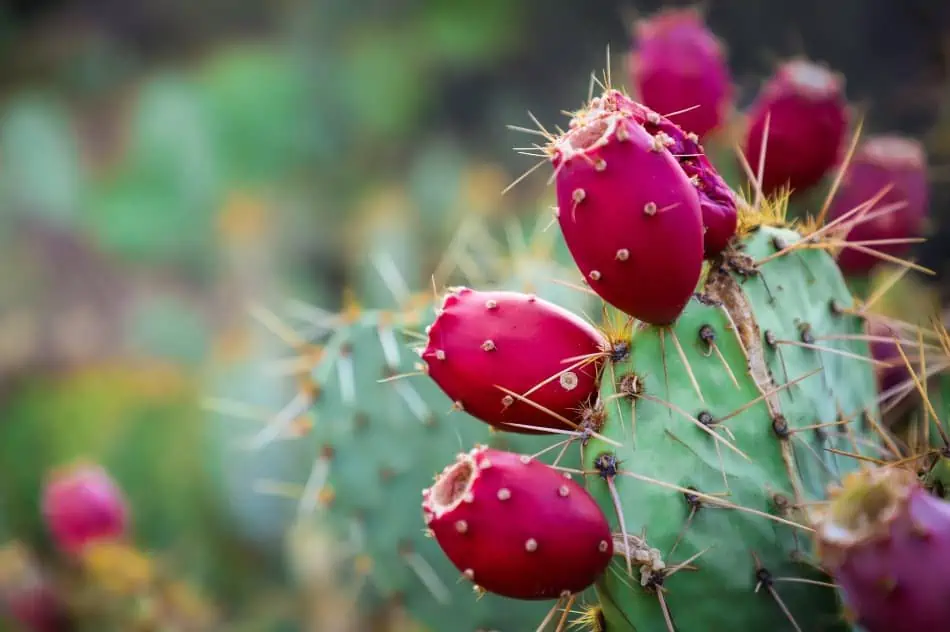
Prickly pear cactus fruit ripe

Disclaimer: The author is not a medical doctor or veterinarian. The information presented is purely to share our experience and for entertainment purposes. As always, check with a doctor and/or veterinarian before making any health or nutrition decisions and consult with a doctor and/or veterinarian regarding any question or problem that you have. The author and blog disclaim liability for any damage, mishap, or injury that may occur from engaging in any activities or ideas from this site.

Cacti are generally considered hostile and unfriendly plants, which is quite understandable. Most cacti species are covered with dangerous spines and grow in hostile desert climates. But did you know that these desert plants can also be your best friend? Cacti plants produce delicious fruits that are full of healthy nutrients. The moment you get past the thorny skin of the fruit, you find a soft, fleshy, delicious, and nutritious heart. Even the pads of these plants are edible.

So, here is how to clean a cactus fruit.  The most important thing you need to do while cleaning cactus fruit is to be careful with the tiny glochids that can easily penetrate your skin. Wear rubber gloves and hold the fruit with one hand, scrub it hard with the brush to get rid of the glochids then rinse it under running water to get rid of any dirt before you peel off the skin.

In addition, You will need the right tools to get the job done. They include a scrub brush, fork, sharp knife/potato peeler, rubber gloves, and a container. That is a simple way to get the fruit ready to use in your recipes. However, there are lots of other things you need to do while cleaning and preparing your cactus fruit. We cover the detailed steps below.

The Simple and Quick Way of Preparing and Cleaning Cactus Fruits

One thing you need to keep in mind while preparing your cactus fruit is that it is covered in tiny needles referred to as glochids. These tiny spines are so thin that you may not even feel them when they penetrate your skin.

But, the problem is that they sting so hard when you touch the area of the skin where they have penetrated, and it is difficult to get them out. They are also almost invisible, so; you can unknowingly prick yourself.

How To Clean A Cactus Fruit
Cactus fruits with a bunch of spines (glochids) that need to be carefully removed to prevent skin irritation

However, that shouldn’t stop you from enjoying the delicious cactus fruit. The steps outlined below will guide you on how to clean and peel cactus fruits and how to dispose of the tiny spines properly.

  1. The first thing you need to do is carefully poke your fruit with a fork to pick it up. Only prick the fruit once and leave the fork where it is. Keep in mind that every time you stick a fork in, the inner flesh gets broken, which makes it harder to peel off the skin.
  2. Hold the fork and rotate the cactus fruit under running tap water for a few minutes. The force and pressure of the water knock off some glochids making your work easier.  Be sure to empty the sink of all dishes so that the tiny spines go right down the drain and not onto anything that someone may touch later on.
  3. Once the running tap water has knocked off the loose spines, scrub the skin of the fruit with a nylon-bristle brush to get rid of all the remaining glochids. Make sure you do this over a container, newspaper, or trash can so that you can easily gather and properly discard the spines. Make sure you are wearing rubber gloves while completing this step.
  4. Carefully hold the cactus fruit on a plate or any other container with the fork and chop off one end. Rotate the fruit, and without taking the fork out, chop off the other end as well. There is always an indentation in the bottom of the fruit, make sure you find it and cut it off as well.
A cactus fruit.
Clean and prepared cactus fruits without any spines

Removing the skin

After cleaning the fruit and getting rid of the glochids, the next thing you need to do is peel off the skin to expose the delicious flesh.  We have to remind you that you don’t need to get out the fork even after cleaning the fruit because you still need it while peeling off the skin.

Follow these steps to peel off the skin:

  1. Make a slit down on one side of the skin. Do it carefully to avoid cutting into the inner pulp of the fruit.
  2. Carefully stick the kitchen knife between the skin and the inner pulp on the opposite side of the fork to separate them.
  3. Continue peeling off the skin from the pulp on the first side. You will find this process to be a lot easier if the cactus fruit was fully ripe. If it was not ripe, the skin might not peel off easily, and if it was overripe, the pulp will not hold together well, making it harder to peel the skin off.
  4. Carefully move the fork over to separate the skin from the inner pulp with the knife now positioned on the second side.  Carefully remove the whole piece of the inner flesh from the remaining bit of the skin with the fork. You can also do it with your fingers since the skin doesn’t have any glochids.

PS: It is good to mention that cactus fruits contain small, hard seeds that you cannot bite through, but you can swallow them if you prefer. Alternatively, chew on the fruit plus the seeds and spit the seeds out. You can also use a strainer or juicer to remove the tiny seeds from your fruit.
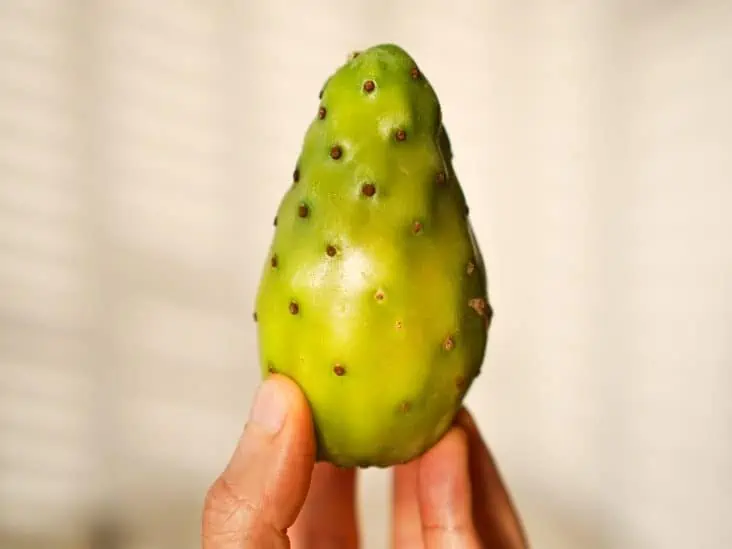
A green cactus fruit.
A cactus fruit with no spines but the skin that needs to be peeled off before enjoying it

Are Cactus Fruits Spines Poisonous?

Spines occurring on the surface of cactus fruits are usually referred to as glochids. However, we have chosen to refer to them as cactus fruit spines to avoid confusion. 

While you may have done your best to avoid them while cleaning and preparing your fruit, one or two of them can still find their way into your skin. So, apart from the obvious fractured skin and the irritation, you may be wondering if they are poisonous.

Well, the simple answer to the question is no. However, depending on the type of cacti glochids that pierced through your skin, the effects could be far-reaching than you can imagine.

Glochids lodged into your skin can cause varying degrees of severity from minor wounds that may heal with time to opening avenues to other serious infections, especially when they are left in the skin for a long time. 

Glochids are common on the prickly pear from the Opuntia genus and occur in clusters on the surface of the fruit. Their impact is usually inverse to their size. While they may be small in size, they can cause severe irritation and extensive damage on your skin thanks to their sheer numbers and barbed shafts.

Peeled cactus fruit.
Spines occurring on the surface of cactus fruits are usually referred to as glochids.

In fact, a simple mistake, such as forgetting to wear rubber gloves while handling a prickly pear, could mean hundreds of glochids getting clamped into your skin!

Dealing with Glochids: How to Pull Them Out

Most cactus fruits will have glochids on their skin. The worst thing you can experience while preparing your fruit is suffering from glochids piercing. These little spines grip onto your muscle fibers tightly, making it almost impossible to pull them out.

The irritation that accompanies the piercing is devastating.  In fact, the spines are described as “barbs” for a good reason; they are closely similar to how a barbed wire functions.

cactus fruit with spines
Cactus fruits with spines, which can cause severe injuries if they pierce through your skin

Take the following precautions when glochids get stuck into your skin:

  • Never try to pull them out with your teeth: While you might succeed in getting a few of them out, they may end up in worse places such as your throat, gums, and tongue.
  • Avoid scratching the areas where glochids have stuck. This might be a gut reaction, but for your safety, try to resist the temptation as much as possible. Scratching the affected areas will affect you in two ways.

First, you will drive the glochids further into the skin. Secondly, scratching can easily spread the little spines to lots of other parts, making it difficult to get rid of them.

So, how can you pull the glochids out? Follow these simple steps to get the tiny spines out of your skin:

  1. Using a nylon pair of pantyhose, gently brush the glochids off. Make sure the hand you are using is clad in a strong pair of rubber or gardening gloves to avoid further trouble.
  2. Apply a significant amount of rubber cement on the affected area using a piece of cotton. Allow the rubber cement some time to dry and carefully pull up its edges. The cement should peel off with some glochids. Repeat this process several times to remove as many glochids as possible.

If you cannot remove the glochids using any of these methods, be sure to book an appointment with a professional for further assistance. Keep in mind that although glochids are not poisonous, leaving them inside your skin for too long can cause a wide range of infections from other sources.

Are Glochids the Same as Spine?

From the explanation above, glochids are not the same as spines. “Spine” is a general term used to describe any sharp structure or projection extending from an object.

In contrast, glochids refer to modified small spines with a single point and backward-facing barbs (hooks). These features make it easier for them to attach to skin and clothing more firmly.

Glochids arise from the epidermis of cacti, and in many cases, they are found in clusters either on the stem or surface of a cactus fruit.

The size of glochids varies depending on the type of plant; some species can have larger ones that measure up to 3mm, while others may have even smaller ones.

The main difference between glochids and spines is that the former has a sharp point at its end, making it easier for them to get stuck to the skin.

Spines, on the other hand, are wider and less likely to cause irritation because of their blunt ends. Therefore, you should take extra precautions when handling cactus fruits with glochids.

What Are Some of the Health Benefits of Eating Cactus Fruits?

In addition to their delicious taste and texture, cactus fruits are also packed with numerous health benefits.

The content of minerals such as calcium, iron, magnesium, phosphorus, zinc, copper, and vitamins A, B1 (thiamine), B2 (riboflavin), and B3 (niacin) make them an excellent source of dietary nutrition.

The high antioxidant content in cactus fruits may also help reduce the risk of chronic illnesses such as cancer, heart disease, and stroke by reducing inflammation and oxidative stress. Cactus fruit may also improve insulin sensitivity, thereby helping to manage diabetes.

Moreover, these fruits have a low glycemic index which helps maintain blood sugar levels and control appetite.

This makes them an excellent snack for those trying to control their weight. The high dietary fiber content in cactus fruits also supports digestion, relieves constipation, and decreases bad cholesterol levels in the body.

Cactus fruit is also packed with electrolytes such as sodium, potassium, magnesium, and calcium, essential for maintaining healthy muscle and nerve function.

They contain the essential fatty acid linoleic acid, which helps to maintain healthy skin, hair, and nails.

Summary

While cactus fruits are sweet and nutritious, you must know how to clean them properly before eating them. A slight mistake during cleaning can be costly since it can leave you with glochids lodged in your skin.

Be sure to pin this post and share it with your friends so that they can also learn how to clean these wild fruits properly.

If you have got any questions or suggestions, be sure to leave them in the comments section below. We always love hearing from cacti lovers all over the world.

Which Cactus Is Best To Grow Indoor With Low Light?

Cacti plants are an exceptionally resilient group of plants, and just as much as they are resilient, they are diverse! Usually recognized for their ability to sustain life on little water and in harsh desert environments, you may be surprised what other conditions some cacti can thrive in.

Which cactus is best to grow indoor with low light? The answer is not just one cactus, but quite a few varieties can live and grow in dim, partial, or indirect light, including the scarlet ball cactus, crown cactus, zebra cactus, and Christmas cactus.

While everyone is most familiar with the cacti that thrive in blindly bright, scorching hot desert environments, other varieties survive quite well in different conditions. You may be pleasantly surprised by how many options of cacti you have if you are looking to spruce up your apartment, office space, or any other dimly lit room.

This article will go over the four best cacti to grow indoor and in spaces with low or limited light.

4 of the Best Types of Cacti for Indoor with Low Light:

1. Scarlet Ball Cactus (Parodia Haselbergii)

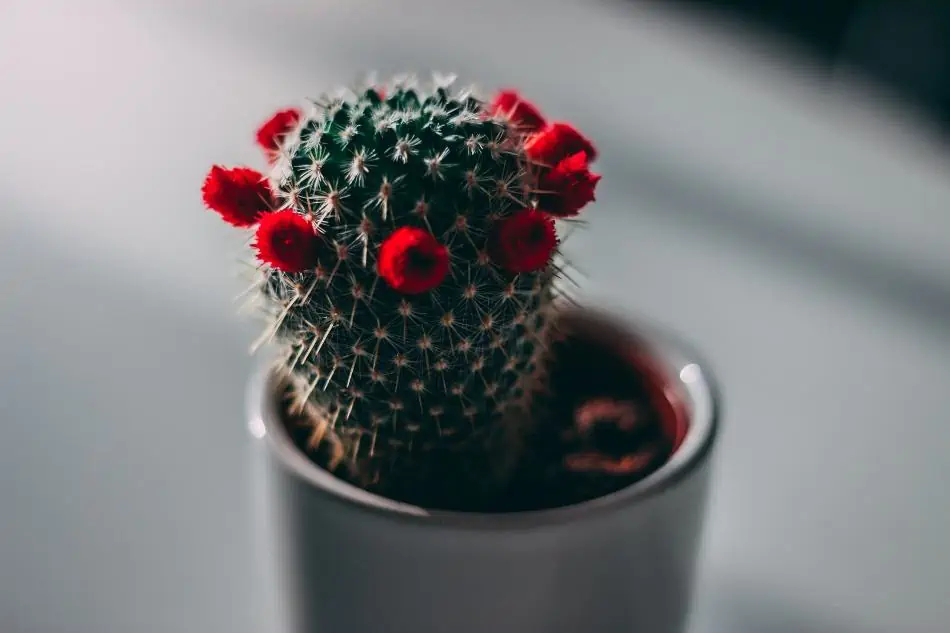
This cactus is a small, round looking cactus with many fine, straight spines. They may bloom red or yellow flowers on the crown of the plant. These cacti are recognized as an easy to care for variety and are great as a starter for anyone new to caring for cacti!

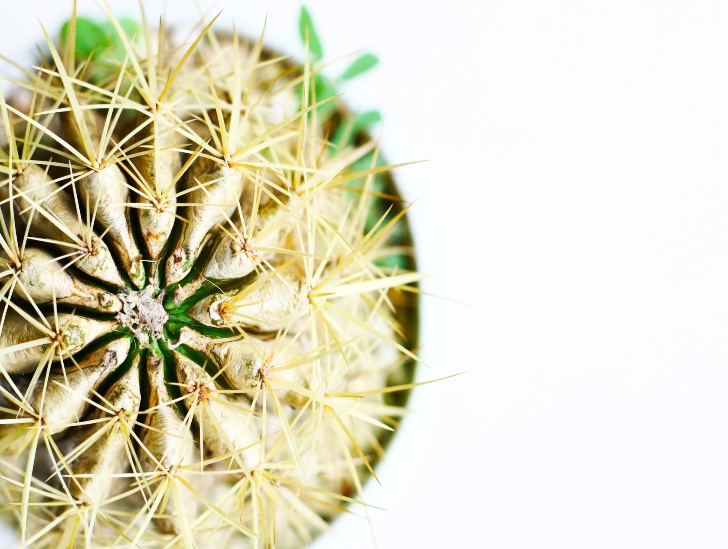
A top view of Scarlet Ball Cactus.
Scarlet Ball Cactus (Parodia Haselbergii)

The scarlet ball cactus is native to South America, where they live in a moister environment than more cacti. While overwatering is still harmful and should be carefully avoided, they can handle more moisture than other cacti while you play around and find the perfect watering practices.

These cacti do not do well in a lot of direct sun. They can handle direct sunlight in the morning and later in the day but can be harmed by the direct sun during the hottest hours of the day. A low-lit environment is just fine for these little guys.

2.  Crown Cactus (Rebutia)

The crown cactus is native to South America, and in the wild, they grow in clusters on mountains. Among the clusters of crown cacti, their flowers will bloom from the base between individual cacti.

While this cactus is best if it receives some bright light, it can grow and live in a range of conditions, including indoors and with low light. This cactus needs very little water, yes, even for a cactus. The soil should dry out almost entirely before you go to water it again. This cactus is another great one for cacti newbies because it is very resilient and adaptive. So, poor lighting, irregularly water, and so on are not optimal but will not cause substantial harm to this cactus as fast as other, more sensitive cacti.

A crown cactus flowering.
Crown Cactus (Rebutia)

3. Zebra Cactus (Haworthia Attenuata)

The zebra cactus looks a bit more like other succulent varieties but is a beautiful cactus that can sustain itself in low light. The zebra cactus grows tapered, dark green leaves (think similar to the shape of an aloe vera plant) with white horizontal stripes and spikes along the edges.

This cactus benefits from some full sun but turns red when sun exposure is excessive and often benefits from a decent amount of shade or survives just fine indoors with low light. When you water the zebra plant, you will want to get water throughout all the soil, but make sure it thoroughly dries out before watering again. The easy care and small size of these plants make them a popular indoor cactus choice.

4. Christmas Cactus (Schlumbergera Bridgesii)

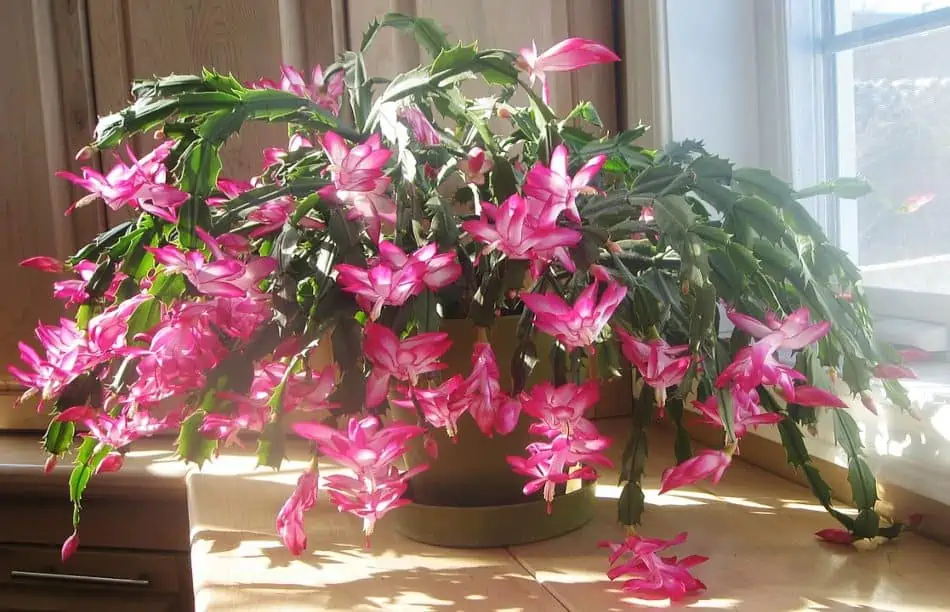
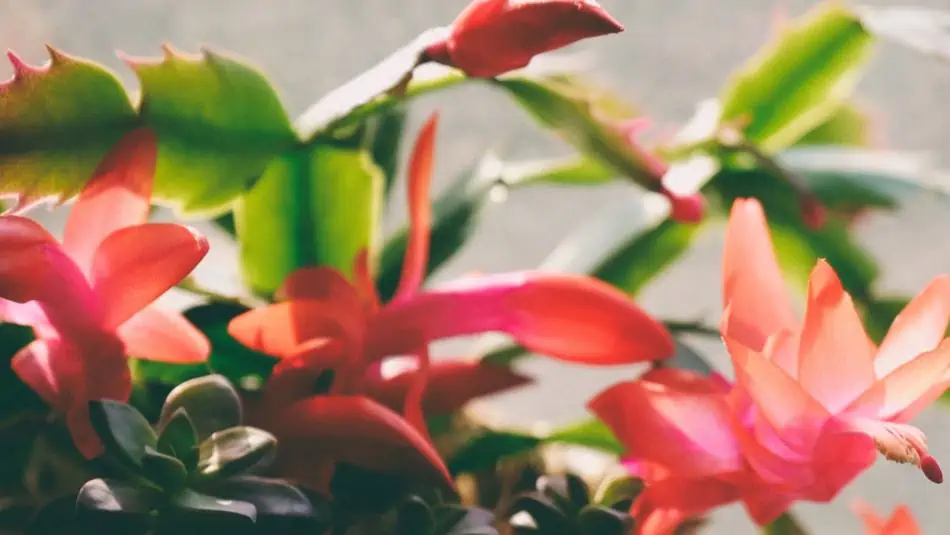
Christmas cacti are quite the unique cactus variety. They have flat, spikey leaves that hang over and bright flowers that bloom around the holiday season, hence the name Christmas cactus.

These plants need long nights or periods out of light, at about 14 hours long to trigger blooming. This makes them a great houseplant, as they do well away from direct sun an add bright color wherever you place them.

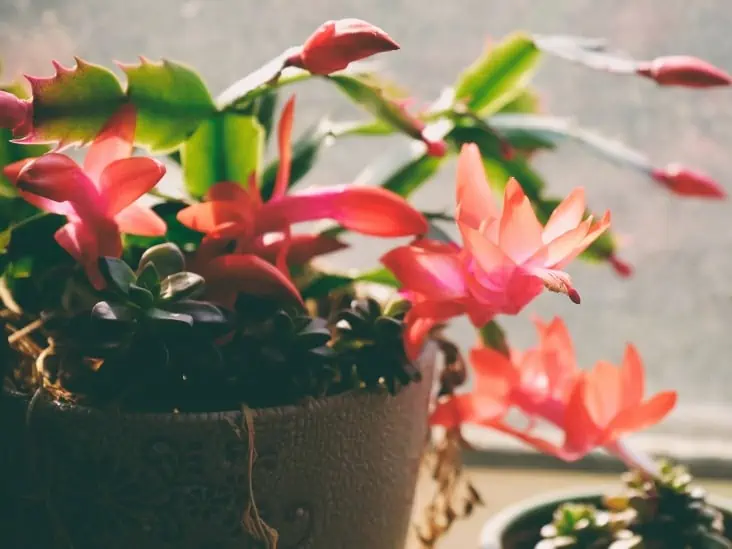
A christmas cactus blooming.
Christmas Cactus (Schlumbergera Bridgesii)

The Christmas cactus can be fidgety to care for with the amount of light and temperature affecting how flowers bloom. Many Christmas cactus owner may also prune their plant in early summer to encourage more flowers as well.

This cactus takes a considerable amount of water, needing to be watered completely through the soil whenever the top of the soil is dry to the touch. This cactus is a good choice for someone who has experience caring for cacti or is willing to research and learn precisely how to care for it.

How To Take the Best Care of Cacti Indoors or In Low Light:

There are a few adjustments you should make that will help ensure a cactus has a safe, supportive environment to grow and survive in even without the most optimal amount of light.

1. Use a well-draining soil

Cacti are not meant to sit in wet soil for long periods of time. Combining poor lighting and overly wet soil can create quite harmful conditions for the plant. Soil that is heavy or very dense will trap moisture, and the plant will not take up immediately.

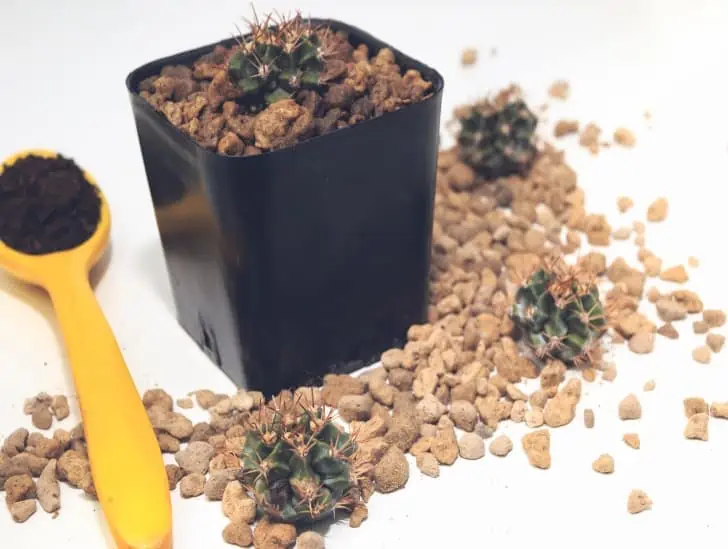
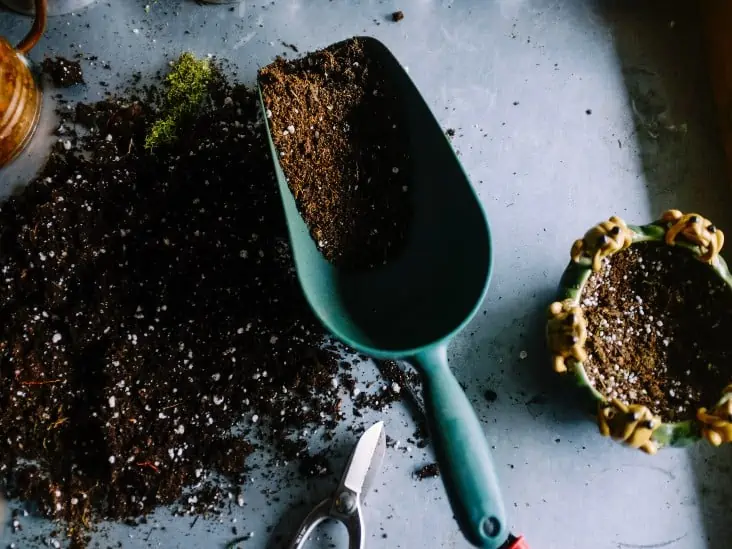
Cactus soil and equipments.
Combining poor lighting and overly wet soil can create quite harmful conditions for the plant.

To avoid your cactus sitting in wet soil, you will want to pot it in a cactus mix. Look for the ingredient perlite which improves aeration and keeps the soil loose and prevents it from becoming compact to allow for drainage.

2. Be very careful not to overwater

An indoor cactus, especially one kept in low light, will need far less water than other house plants or any cacti you have grown outside. Overwatering will likely kill the cactus, and low light conditions make the plant even more vulnerable and sensitive to any adverse effects.

When watering, consider if misting or watering is better for the cactus you have. Water at the base of the cactus, so water reaches the roots and can be absorbed. You will want the water to reach the roots of the plant, but you do not have to add so much water that it drips from the pot. Generally, you should repeat watering when the top inch of soil in your pot is dried out.

3. Use a pot that allows excess water to drain out

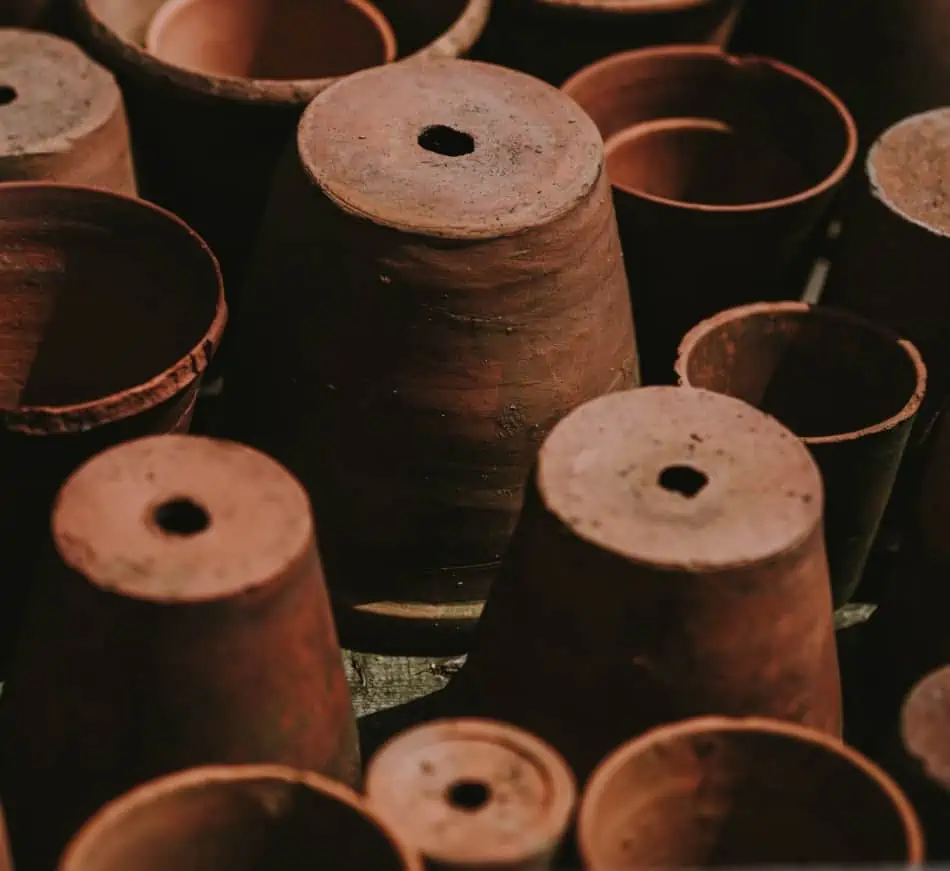
Root rot describes damaged roots that are beginning to prune and no longer take up water. This is a common problem for cacti that can be caused by pests, pathogens, or overly wet soil. The last two suggestions will reduce the chances of this as well, but a pot with drainage holes will help significantly by letting out excess water and allowing aeration in the deepest part of the pot. In low light, indoor environments, this is especially important to make up for the drying effect of sunlight.

A pot with drainage hole.
Pot with drainage holes will let out excess water and allow aeration in the deepest part of the pot

Growing Your Cactus Indoors with Low Light

If you love cacti, but do not have the most optimal environment, there is no need to feel defeated!

As you can see, cacti as a group share core characteristics, but individually, each has unique care needs. Your responsibility is to make the most of the environment for your plant by allowing what light you can, using good soil, watering responsibly, and so on. If you follow these guidelines, your cacti will thank you by growing vibrantly in your space.

If you make an informed choice as to what cactus to keep indoors- minding that it is suited for the environment and aware of how to best care for it, you can brighten up any space with these intriguing little plants!

How To Care For A Cactus In The Summer?

There is a general idea that cacti are low maintenance plants that don’t need much care or attention to thrive.  After all, don’t they naturally live in the desert?  Completely reliant on whatever water, temperature, and amount of sunlight nature decides to give.  But they aren’t as low maintenance as some novice gardeners think.

How to Care for a Cactus in the Summer? Caring for a cactus during the summer months will really depend on the type of cactus you have.  While late spring/summer is the main growing season for most types of cactus, they need consistent care to thrive. The correct watering, temperature, and amount of sunlight are imperative.

Knowing the types of cacti that are the best for indoor and outdoor growing along with the best way to care for them will set you up for cactus care success no matter how new you are to gardening.  This knowledge will also help you choose the cactus that is best for your space and commitment level.

How Many Types of Cactus Are There?

There are hundreds of cacti species in the world, if not thousands.  There is no way for us to cover every single kind of cactus and the care they need to thrive in your garden or indoor space. 

However, there are two main types of cactus that have species within those types.  These are some of the most recognizable cacti, and even novices will have heard of at least some of these. The two types that we are going to talk about do naturally grow in different areas of the world.
This means that if you have them both in your house, you will need to pay attention to temperature and humidity needs. They will also likely need to be placed in different areas of your house due to lighting needs.

Desert Cacti

The single most recognizable cactus to almost everyone is the desert cactus. This type of cactus is usually what comes to mind when the cactus subject is brought up.  Because of this type of cactus, some people think that a cactus can survive in someone’s home and garden with no care.

Cactus in a clay pot.
Desert cacti

These cacti grow in the very typical shapes of paddles or mostly round shapes.  They are also known for having spines.  If you grab onto a desert cactus for any reason you are likely to have a very painful experience due to the spines.

Contrary to popular belief, these cacti do need a fair amount of specific care, especially during the main growing season. 

Forest Cacti

This type of cacti could not be more different from the desert cacti.  This species grows in tropical climates, has beautiful vibrant blooms, and rarely has spines. Something else that makes this species different from their cousins is the fact they grow in mostly shaded areas.

A forest cacti.
Forest cacti

Directly sunlight is not something that is usually good for a forest cactus because they don’t commonly get it in nature. This does not make them good candidates for an outdoor garden for most North American Climates.  There are some expectations, but few areas have the plant’s ideal environment.

Summer Cactus Care

Late spring and early summer tend to be the height of the cacti growing season for both types.  That means that care cannot be lacking during this time.  Care is important during the latent season as well, but if the growth season is neglected, your cacti won’t thrive.

There are three main aspects of summer cactus care.  Understanding what to do for your specific type of cactus and why it is important is imperative to the care and keeping of this kind of plant. 

If you are diligent in your care, after a few years of careful cultivation, your cactus species will likely produce beautiful blooms during the typical blooming season. That is a wonderful reward for a job well done.

Watering

How you water during the summer growing months will vary depending on what type of cactus you have.

  • Desert Cacti – need to be watered during the peak growing season, but the watering will be conservative in relation to other types of house or garden plants.  Summer watering will only occur if the soil is dry to the touch. Do not overdo it, or the roots will end up rotting. This is different from the winter latent months when you will almost never water the cactus unless it starts to shrivel.
  • Forest Cacti – are different from the desert cacti in that during the summer growing months you will be watering it like a normal houseplant.  That means you will water daily but pay attention and don’t overwater.  Their roots could rot as well, but since they are a tropical species you have more leeway.  However, watering in the winter is similar to the desert cactus.
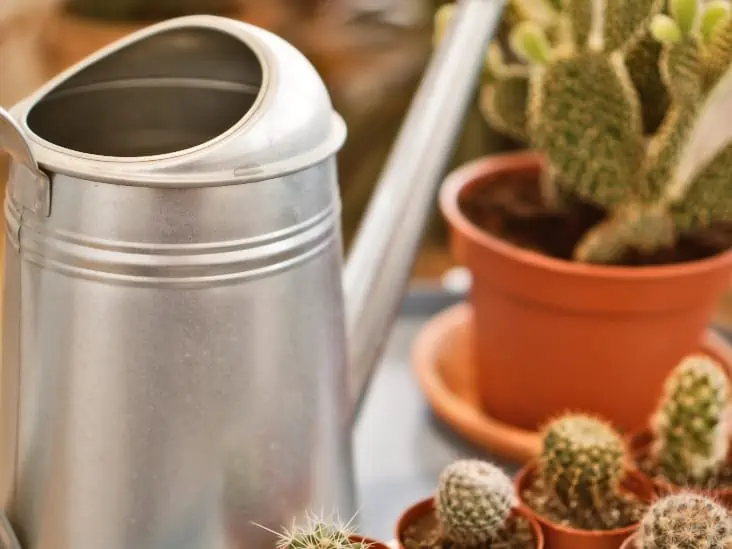
A watercan with cactus soil beside.
How you water during the summer will vary depending on what type of cactus you have

Sunlight

If the way you need to water in the summer is any indication of how different these types of cacti are, then you may already suspect that sunlight needs will be different as well. If that is what you thought then you would be right.

A desert cactus, of course, can handle the heat and direct sunlight, however, because they are house or garden plants and do not live in the natural environment, they may be scorched by too much direct sunlight during the summer months. This will also depend on your climate.  However, direct and strong sunlight is very good for this type of cactus in the wintertime.

Santa rita cactus exposed to sunlight.
This will depend on your climate.

Forest Cacti love bright sunlight but do not tolerate direct sunlight.  They really want to mimic the light they would get in a tropical forest. Forest cactus like to be outside during the summertime, but make sure the temperature and lighting are good for them.

Soil Type

Each of these types of cacti also needs different kinds of potting soil.  This makes sense when you think about the different environments they naturally occur in.

The desert cactus needs a special fast-draining desert cacti potting mix. This mix can usually be found in your local gardening store, but if it isn’t, then you can make a DIY alternative that will work just fine.

The DIY desert soil mix is made by mixing a regular potting soil with perlite.  This agent increases the ability of the soil to drain and aerate, which is what desert cacti need to thrive in the soil.

Forest cacti are less complicated when it comes to soil choices.  This type of cacti does well in regular potting soil. The only thing you need to know is that they will need to be repotted at the beginning of the main growing time.

A gravel with soil.
Each of these types of cacti needs different kinds of potting soil because of the different environments they naturally occur in

9 Best Cacti for Home and Garden

With so many species of cacti, it is important to know that not all of them are good for you to keep in your home garden or as indoor plants. There are species that are wonderful to keep indoor and will brighten your home and your day as well as outdoor types that will spruce up your garden.

Indoor

Indoor plants really brighten up your space and add color to your home. Cacti can also add a splash of uniqueness to any room. There are five species that we love as house plants, and they do very well.

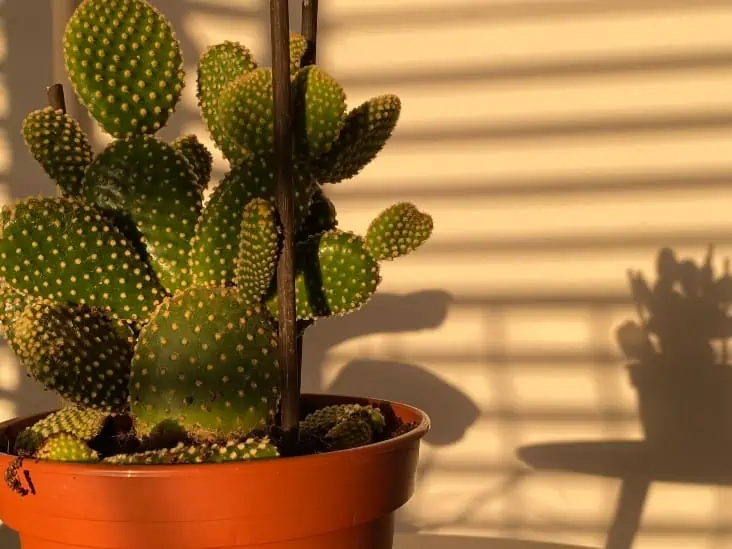
  • Bunny Ears This cactus species has such a cute name that it should be in every house.  Based on the name it is easy to imagine what this cactus looks like.  It has two pads that rise up separately and look like a pair of rabbit ears. The bunny ears cactus is a desert type, which means it does have spines.  It is also a moderately sized cactus only growing to two or three feet in height.
  • Old Lady Cactus is another desert type and should only be watered every other week.  These cacti do typically bloom if they have optimal care.  The name “old lady” comes from the fact that this cactus looks like a pincushion.  It does have spines, so care should be taken when handling.
  • Easter Cactus is one of the more recognizable and well-known house cacti.  This is a forest cactus that is native to Brazil.  It gets its name from when it blooms.  You will typically see beautiful blooms in a well cultivated Easter cactus in late winter or early spring.  Basically, around Easter.
  • Christmas Cactus, also a forest cactus that is well known as a popular house plant and gift, blooms only once a year.  This is similar to its cousin the Easter cactus, but the time of year is different. The time of year you will see blooms on this beautiful tropical cactus is given away in its name.  Like a wonderful Christmas gift, it blooms with a beautiful red flower in late winter.  The name also came from the fact that it is often given as a Christmas or holiday gift.
  • Moon Cactus is a desert cactus from South America, mainly Argentina, and can vary in not only the shape it takes but also the color and size.  These are wonderful house plants that enjoy sitting on a windowsill and will add color and personality to any room.  They do have spines, so you will need to be careful when you are tending to it. The name was given because the most common shape the top takes is round, like the moon.
A christmas cactus.
Christmas Cactus is well known as a popular house plant, blooms only once a year

Outdoor

The Cacti species that thrive indoors will not typically do as well outside depending on the climate.  But there are species that thrive outside.  Depending on what your climate is like, you may need to bring them in sometimes unless they are too big. They may require being covered in colder weather if you can’t bring them in.

Cacti in your outdoor garden are beautiful and will add charm and character to your landscape.  Just make sure they are not somewhere small children can fall into them, especially if they are desert cacti.

  • Crab Cactus (Thanksgiving Cactus) is not suited for areas that have frost in the winter times but does like cooler weather during the winter months.  This cactus has a few names, but the most common name is taken from the holiday during which it blooms. Even though the first blooms typically appear around the Thanksgiving holiday, if it does not encounter frost, it will continue to bloom all winter.
  • Prickly Pear is known by name and usually by sight because of its recognizable shape. This a great cactus to use for landscaping if you live in a dry climate that tends to get droughts regularly.  However, just know that it does shed.  This could be a deal-breaker for some gardeners.  They do get very pretty blooms though and do have a few variations.
  • Cholla Cactus is native to the United States and is typically found in the southwest region. This cactus species has more than 20 variations and also have very sharp spines.  If you live in a region that is cooler and tends to get a lot of rain, then this cactus is not for you.  While it doesn’t need much water, it does need a large amount of light.  They do have unique bloom colors.  You will see them in bright green and orange.
  • Queen of the Night is enticing mostly because it has a very appealing name.  This is a forest type cactus that is found naturally in the forests of Brazil. They actually grow directly on trees and produce large, beautiful white blooms. The name of this particular cacti species comes from its tendency to bloom during the night. If you want to see the bloom then you will have to wait up late at night because the flowers wilt before the sun comes up.  The queen of the night is a perennial type plant that does come back year after year.  It can grow to a height of ten feet and is not only a cactus but a succulent as well.
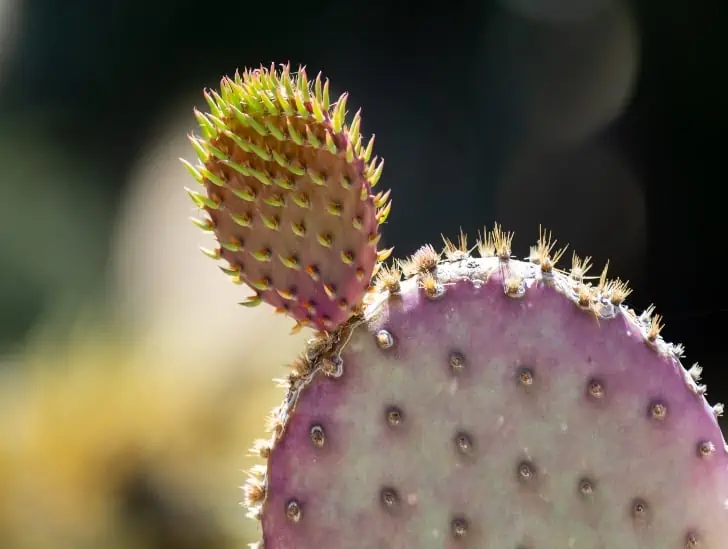
A prickly pear cactus.
Prickly Pear is a great cactus to use for landscaping if you live in a dry climate that tends to get droughts regularly

Should I Get a Cactus?

Armed with all of this knowledge about cacti and how to care for them in the summer growing season, you may be wondering if you should get a cactus and test your knowledge. Cacti are a great addition to any home or outdoor garden and can definitely add some personality. But they aren’t for everyone.

While it is true that cacti are trendy right now for a few reasons, that isn’t a good reason to embark on cacti gardening.  One of the reasons they are trending right now is because they are a succulent.  Where can you go right now and not see or hear about succulents?  They are on fire.  But that doesn’t mean you should get one.

A cholla cactus.
Cacti are a great addition to any home or outdoor garden and can definitely add some personality.

Where You Live

One thing you need to evaluate is where you live.  If you are looking to get an outdoor cactus but live in a cold northern climate, then it isn’t a good idea.  If you are hooked on the idea of a cactus, then you may look into a variety that thrives in cooler climates or indoors like the Christmas cactus.

Commitment Level

The next thing to think about is how committed you are to the care of a cactus.  While they really are pretty simple to care for and cultivate, they do require special care at certain times. If you aren’t ready or willing to offer the seasonal summertime care and the care needed during latent times, then you may not be ready for a cactus.

Even though cacti can go long periods of time during the winter months with no water, you can’t completely ignore them.  They still need a good amount of light, and you need to pay attention to the dryness of the soil, so you know when and how much to water.

Being committed to anything living that is in your care is the most important aspect of gardening, whether it is a vegetable garden or a house plant. Without a full level of commitment, the plants will not thrive, and you will miss out on the beauty the cacti, or any plants, have to offer.

A small cactus flowering.
Cacti are a great addition to any home or outdoor garden and can definitely add some personality

Why You Want a Cactus

Plants are not pets, but they are living things that shouldn’t just be left to shrivel up and die because they are no longer trendy.  Examining the motivation behind purchasing any species of cactus should be examined. 

If you are getting a cactus because it is the “in” thing to do right now or because they are popular but don’t really care to find out how to care for them, then it isn’t the right plant for you.

But if you are willing to learn how to cultivate these unique and spunky plants, then you will be rewarded with a beautiful and healthy plant that yields blooms in its season. All cacti bloom at one point or another, but only if they have all that they need during the year and especially during the summer when they grow the most. 


Is Cactus A Good Indoor Plant?

Unlike most green-leafed and flowering indoor plants, cacti are incredibly hardy and don’t require an abundance of care, water, or climate control. As long as their basic needs are met, cacti can thrive just about anywhere you place them.

So, is cactus a good indoor plant? As a general rule of thumb, yes. Cacti love dry conditions and warm, comfortable temperatures typically found in the home. They also won’t need to be watered often or pruned. Though, some species will do better indoors than others because of their size and sunlight requirements.

In this article, we’ll be discussing the best cactus plants to have indoors and how to care for them to help them thrive.

The Best Kinds of Cactus to Have Indoors

Cacti are increasingly popular plants because of their large variety of appearances. These plants come in different shapes, textures, colors, floral features, and sizes — with some species, like the Saguaro cactus, reaching heights of 40 or more feet. With that in mind, it’s crucial to choose a cactus species that is better suited for indoor growth.

Here are our favorites:

1. Old Lady Cactus

Adorned with long white hairs, the Old Lady Cactus might just remind you of your grandmother’s hair or that rugged cardigan she likes to wear.

This lovely indoor cactus blooms a ring of pink or purple flowers on the top of the plant during the spring and would look beautiful sitting on a window sill or near a sliding glass door. It also has large spines that poke through the white fluff.

A old lady cactus.
Old Lady cactus

Old Lady Cactus Care:

  • Place in full sun (around 6 to 8 hours daily to keep hairs looking healthy)
  • Water once every other week or once a month during the winter
  • Plant in sandy, well-drained soil

Consistent sunlight exposure is key to growing a healthy Old Lady Cactus, so if you don’t have an area in your home that receives sufficient light, you may want to consider a grow light to supplement the hours your cactus isn’t getting sun.

2. Christmas Cactus

With a large number of plants going dormant during the winter, the colder months can become drab and gray. That’s where the Christmas Cactus comes in. This gorgeous indoor cactus generally blooms bright red flowers at the end of each branch but can also clothe itself in flowers of white, purple, yellow, or pink.

What’s great about the Christmas Cactus is that it requires less light than other species, meaning you can place it virtually anywhere in your home without the worry of needing consistent light.

A christmas cactus.
Christmas Cactus

Christmas Cactus Care:

  • Water your Christmas Cactus once a month.
  • Place in an area that receives 4 to 6 hours of sunlight each day. 4 hours each day will still lead to blooms, however, 5-6 hours per day will result in more colorful, fuller flowers.
  • Plant in well-drained soil, preferably sandy. You could even supplement a third of your regular potting mix with sand.

Avoid overwatering. Christmas Cactus are prone to root rot and will only need to be watered once every 3 or 4 weeks. These plants do best in average home temperatures of 65 to 70 degrees Fahrenheit.

3. Bunny Ears Cactus

As cute as its name entails, the Bunny Ears Cactus is a slow-growing cactus that’s perfectly suited for an indoor environment. Rather than cover itself in long, pointy spines, this cactus is coated in small groups of off-white prickles resembling fuzz. It grows between 2 and 3 feet tall and up to 5 feet wide on average, making it great for sunrooms or placement next to large windows.

Does Cactus Need Direct Sunlight?
 Bunny Ears Cactus

Bunny Ears Cactus Care:

  • Bunny Ears Cactus should be watered once a month or every three weeks, depending on sun exposure and indoor temperature.
  • This cactus should have access to partial sunlight — about 4 to 6 hours of direct exposure daily.
  • As with all cacti, plant in well-drained, preferably sandy soil.

With adequate sunlight, the Bunny Ears Cactus will bud in late spring and begin sprouting purple fruit and white flowers in early summer.

4. Star Cactus

A native Texas cactus, the Star Cactus is both interesting to look at and petite, making it a perfect choice for an indoor garden display. This is an adorable rounded cactus with 8 sections, each lined with white prickly dots. The Start Cactus will only reach a width of about 6 inches at most, so it can be placed practically anywhere in the home.

Star Cactus Care:

  • Water your Star Cactus once a month — no more and no less. Excess water could lead to root rot.
  • This cactus requires adequate sunlight, around 6 to 8 hours daily, to be the healthiest.
  • Soil should be rich in nutrients and allow for proper water drainage. Slightly sandy soil is preferable.

In the center of the cactus, a bright yellow flower blooms in the spring from March to May. The center of the flowers are generally orange and reach diameters of 3 to 5 inches across.

A star cactus.
Star cactus

5. Moon Cactus

One of the more interesting indoor cactus options, the Moon Cactus is a popular choice for homes because of their bright coloring and unique shapes. They have a moon-shaped crown sitting atop a central green stem that commonly comes in shades of pink, orange, and yellow. They’re also quite petite, only growing a few inches tall and 8 or so inches in diameter at the fullest part of their body.

Moon Cactus Care:

  • Moon cactus requires watering once every three or four weeks.
  • Exposure to direct sunlight for four hours per day is all that’s needed to keep this cactus healthy.
  • The soil should be rich and sandy and able to drain well. Fertilizer is also occasionally recommended for these cactus plants.

Moon Cactus is two cactus plants grafted together. Because the colorful part of the Moon Cactus isn’t able to survive well on its own, the lower portion allows it to have a prolonged life. The downside to Moon Cactus is that they don’t have as long of a lifespan as other species. While other cacti may live for multiple decades, Moon Cactus may only survive for a single decade or less.

A moon cactus.
Moon cactus

General Cactus Care

To keep your cactus happy and healthy, there are few general care tips to keep in mind, such as:

  • Ensuring the plant is draining water well. One of the biggest killers of cacti is overwatering and water-retention. The majority of cacti will only need to be watered once a month. Be sure that the soil allows for proper water drainage, as pooled water will result in root rot.
  • Keeping the temperature consistent and warm. An indoor temperature of between 65 and 70 degrees is perfect for all cacti. Temperatures that are too cold will kill a cactus, and so will moisture, so your home should also have dry air.
  • Giving your cactus adequate sunlight. Keeping your cactus in a window sill or near a glass door is your best bet. Sufficient sunlight is necessary, but too much can fry your cactus. If your plant requires partial light, be sure to move it to a shaded area after it’s had its fill of sun.
  • Fertilizing every other time you water. Adding a 10-10-10 fertilizer to your cactus will result in a more robust plant and brighter colors.

Overall, cacti are set-and-forget plants that don’t demand an abundance of care. Just as long as they receive enough light and watering now and again, they’ll be good to go year after year.

Final Thoughts

When it comes to cacti, there are a few varieties that do better indoors than others. Star Cactus and Moon Cactus are two of the most common indoor cacti because of their unique appearances, small size, and vibrant coloring. Keep in mind that less is more when cacti are in question—only water when necessary and place them in a window that receives consistent sunlight.

5 Common Mistakes In Cactus Care

Cacti are popular plants to grow at home (both indoors and outdoors) because they require very little maintenance and are among the coolest looking plant varieties. Because of their unique needs compared to most plants you keep in a garden, there are specific guidelines that need to be followed for care. Many misinformed care strategies may hurt the plants.

These are five common mistakes in cactus care:

  1. Caring for all cacti the same way
  2. Overwatering and Underwatering
  3. Using small containers and bad soil conditions
  4. Offering too little sunlight or scorching them
  5. Using pesticides incorrectly

Many things in life need to be done in moderation. This is particularly true when caring for cacti as our common mistakes show that too much or too little of something can be equally damaging to the plant. We will cover the common mistakes that arise in cactus care and what you should be doing to make sure that your cacti are appropriately cared for.

Common Mistakes in Cactus Care

Cacti can be very easy to care for when done so correctly, but it can also be challenging as they are very different from plants that we are familiar with. They are native to the Western Hemisphere, often being found in arid environments where drought is frequent. However, there is variation in the environments they are found in, with some being drier and more intense than others.

Sunburned golden barrel cactus.
A common misconception is that cacti should be left in full sun all day since they are naturally in the desert.

Cacti have become a popular plant species to grow and take care of at home, providing that care mimics their growth and survival in the wild. The following are five common mistakes in cactus care and how you can modify these mistakes to care for your cactus plants best.

1. Caring for All Cacti the Same Way

Cacti are not only unique from other plants, but they are incredibly unique among each other. There are upwards of 2,000 species found throughout North and South America, all in varying weather and living conditions. Because they are naturally found in different climates, soil conditions, and environments, certain species are best suited for some areas over others.

Cacti all share a common survival strategy to preserve water, but the conditions in which they do it can be quite different. The first common mistake in cactus care is treating all cacti as if they are the same. While there are general cactus care guidelines we will point out throughout this article, not every recommendation will suit all species the same.

To best care for your cactus plants and promote the growth of a healthy plant, you should be looking at specific care protocol for your individual plant types. This will ensure that you are mimicking the conditions that each species would be exposed to in their natural environment. Some species of cacti are easier to care for than others.

For example, the Mammillaria genus of cacti likes to stay dry compared to others in the cacti family (Cactaceae). This means that they will need to be watered significantly less than other cacti for ideal growing conditions. Referring to individual species for best-growing conditions will ensure that the plant can thrive.

Cactus in a clay pot outside.
The first common mistake in cactus care is treating all cacti as if they are the same

There are certain species of cacti that are better suited for home growth than others. Here are some of the easiest ones to grow (listed by genus and offering many species within each):

  • Opuntia: Referred to as prickly pear, Opuntia needs bright light as young plants and full sun as adults. They withstand high temperatures and dry environments. Seedlings should be consistently moist, but adult plants are very drought tough. They can completely dry out between watering but need to be soaked.
  • Echinopsis: The Echinopsis genus is characterized by bulbous cacti. They like intense light, need thorough watering when their soil is dry, require good drainage, and do well with fertilizer. 
  • Mammillaria: These need less sunlight than many other species, do not want lots of water and need fast-draining soil.
  • Rebutia: Different species of Rebutia will require varying sun conditions, and most do not want high temperatures. They need their soil to dry before re-watering.
  • Parodia: Keep Parodia away from excessive direct sunlight and shade them during the hottest parts of the day. Their soil should remain moist, so regular watering is required.
  • Ferocactus: These are often barrel-shaped cacti that appreciate direct sunlight, well-drained soil, and limited water. Only rainfall is required to water Ferocactus unless drought occurs.
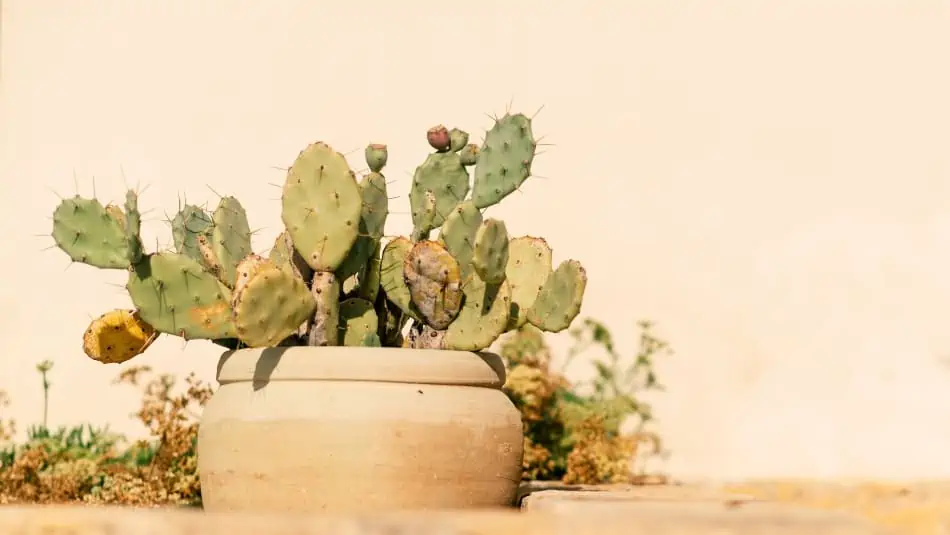
A prickly pear cactus in a pot exposed to sunlight.
They withstand high temperatures and dry environments.

If you are considering cacti to grow at home, these are among the easiest to grow successfully. A wide range of species falls under each genus, giving you plenty of cactus aesthetics to choose from.

2. Overwatering and Underwatering

One of the coolest features about cacti, which are considered succulents, is their ability to store water. Most cacti store water in their stems and thrive in environments will little access to water. When caring for cactus plants at home, there is typically always access to water, which can be good and bad. While we water most of our plants every day, cacti are not suited for it.

Two common mistakes deal with how much water is being given to your cactus; you can overwater and underwater it. It is all about finding a happy medium as too much water will overwhelm the plant, and too little will cause it to dry out.

It is recommended that cacti should be watered around once a week, but there may be differences depending upon the specific species.

When watering most cacti, you will want to do so when the soil mixture is near or completely dry. The best watering technique is to soak the soil so that the cactus will be able to pull enough moisture from the mixture. Once the soil appears dry again, this is the signal to re-water (should occur every week or so). Too much water can cause the roots to rot when sitting.

A watercan with cactus in a pot beside.
It is recommended that cacti should be watered around once a week

You may also notice physical signs on the cactus that show the impacts of watering at different levels:

  • Coloring: If the plants are not watered for considerable amounts of time, green plants will often appear more yellow. In extreme situations, parts of the cactus will turn brown or black, which indicates death.
  • Plumpness: If the cactus looks very engorged or mushy looking, you may have overwatered it. Limit watering in this case, so the plant has a chance to return to ideal conditions.
  • Wrinkles: If the leaves or outer appearance look shriveled, this is a sign of underwatering. Make sure that containers are sufficiently watered when watering does occur.

The time of year will also determine the watering schedule. The weekly recommendations are for the summer and growing months, while wintertime will require less watering because of dormancy. Only water when soil is completely dry in the winter to avoid drying the cactus out. Soil type will also impact watering habits. Fast-draining soil will require more water as it leaves the container. Larger containers will need more water than small ones.

Always look at the specific requirements of your species but err on the side of underwatering as opposed to overwatering.

Cacti are naturally drought resistant and will be able to handle drier environments as opposed to being overwhelmed with moisture.

3. Using Small Containers and Bad Soil Conditions

The physical conditions in which cactus plants are kept will also have a significant impact on their ability to survive. There are two parts of this common mistake, which include using containers that are too small for growing and bad soil choices. These two factors work together to provide an unsuitable environment for many cactus species.

If you are growing a cactus in a pot, you should examine both the size of the cactus and its roots. Many people will choose too small of a container for their cactus, which will limit the growth capabilities depending on the species. If there are longer roots, you will need a deeper container. It is recommended to choose a container that is slightly larger than the plant.

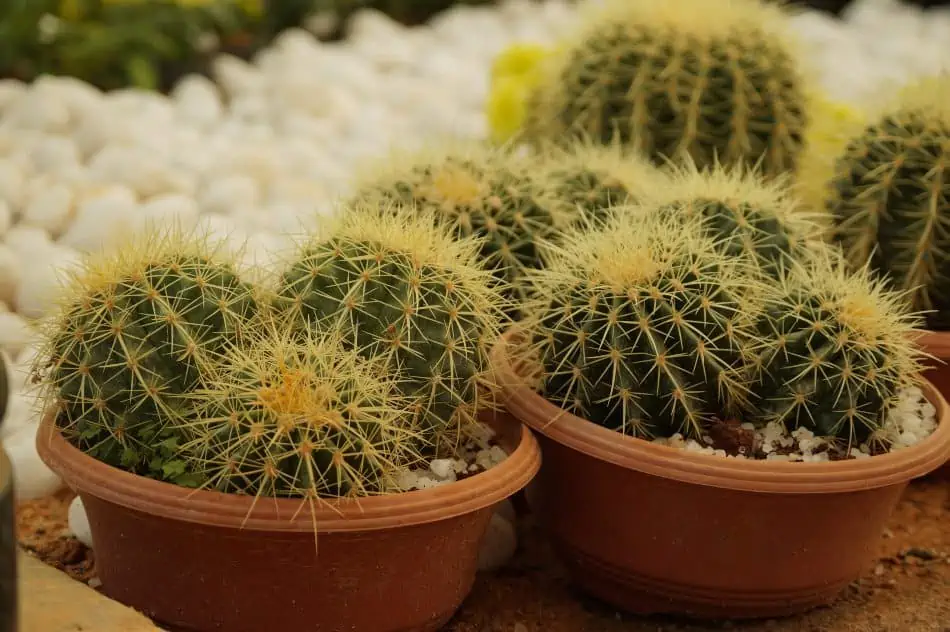
A golden barrel cactus in a rocky soil.
Rocks allows water to easily pass through the soil so that it does not sit and negatively impact the roots.

For both plants in containers and those in the ground, the soil is critical. It is a common mistake to use regular potting or gardening soil for cactus, which does not contain proper draining qualities and can lead to root rot more quickly than cactus mix or soil. You should be mimicking growing the conditions that cacti find themselves in many desert environments.

The best soils for cacti have the following characteristics:

  • Rocky: This allows water to easily pass through the soil so that it does not sit and negatively impact the roots.
  • Rich in nutrients: Many cactus mixes will include nitrogen, phosphorus, and potassium.
  • Contain peat: If kept in extremely dry environments, peat moss is often added to help the plants maintain and hold moisture, so the soil does not dry out too fast. This will vary based on the species you grow.
  • Fertilized: To help aid in the growth of your cacti, consider adding fertilizer to the soil every couple of months. They do best with light fertilizing as full-strength can be overwhelming to their composition and growth. Some soils are enriched with fertilizer and will not require additions. Phosphorus-rich solutions are best for growth.

The containers you plant the cacti in should also have holes at the bottom to allow for this drainage to occur. Without holes, the soil remains moist, leading to premature death and decay of the roots. As cacti proliferate, they need to be repotted every two to three years so they have access to fresh soil with new nutrients.

A pot with drainage hole.
The containers should have holes at the bottom

4. Offering Too Little Sunlight or Scorching Them

Sunlight is crucial to the growth of all plants for photosynthesis. Cacti do engage in photosynthesis, but it is CAM photosynthesis, allowing them to maintain moisture by collecting carbon dioxide at night. The amount of light given to cacti is one of the most important factors in keeping the plant healthy. A common mistake is providing them with too little or too much light.

There are two main issues where sunlight is concerned:

  • keeping them indoors where there is limited light
  • leaving them outside in intense sun that can burn the plant

You want to provide a good light balance for the plant, which will largely depend on the species you are growing. Some cacti require indirect sunlight, bright light, or a restriction on the hours exposed.

A cactus exposed on the sunlight outside.
Most cacti will require 4 to 6 hours of sunlight per day, with specific species being suited for full sun.

If your cactus is receiving too little light, here are some common solutions:

  • Keep it near a window: To avoid burning but allow for more light, keeping a cactus near a window will give it the light it needs without high intensity.
  • Use artificial lighting: If you cannot provide enough natural light, artificial light will work. You will just need to make sure it is exposed to these lights for longer as they are not as powerful or strong as natural lighting will be.
  • Move it outside: Many species will thrive in outdoor environments with ample sun. You can always put it in an area that will be partially shaded if it cannot withstand direct light all day.

A common misconception is that cacti should be left in full sun all day since they are naturally in the desert. For some varieties, this is absolutely true and they need lots of light for growth. Others may be more intolerant, especially if it is a hot and intense sunlight. Brightness may be more important than direct sunlight, which can be achieved near a window for indoor plants.

Most cacti will require 4 to 6 hours of sunlight per day, with specific species being suited for full sun.

Some cacti are found in tropical environments rather than deserts, so intense sunlight is not going to allow them to thrive. Understanding your specific species will help determine this! Cacti can get a sunburn and they will tell you with yellowy skin color. If you notice this, take the cactus out of direct sunlight and grow it either indoors or in areas that will receive shade.

Old lady cactus flowering.
Brightness may be more important than direct sunlight.

5. Using Pesticides Incorrectly

Because we want to keep bugs and insects off our plants for optimal growth, it is a common mistake to use harmful pesticides on your cacti. Most cacti naturally deter bugs and do not really deal with this problem as much as they do bacterial and fungal disease. When bugs do develop, you need to make sure proper insecticides are used as to not damage the plant.

Bugs will feed on the nutrients accumulated in leaves and stems, with the most common pests being:

  • Mealybugs: These are dangerous to the plant and will attack it from the stems and the leaves. They are small white bugs that reproduce quickly and will damage the cactus. Try removing with water or tweezers before chemicals. Neem or horticultural oil and rubbing alcohol solutions can also be used before more intense insecticide applications.
  • Scale: Another difficult pest to remove, scale insects are often found in warm environments (perfect for cacti) and produce honeydew which can contribute to mold creation. If not addressed, leaves will die and it can kill the plant. Similar treatment methods can be used as mealybugs, but armored scales are more difficult to remove. Early intervention is necessary for effective removal.

One of the most common ailments a plant faces when pesticides are involved is phototoxicity. When pesticides are combined with sunlight, they can produce a chemical reaction that is similar to that of a sunburn on the cacti. This will result in burning of the cactus skin and is a direct result of a grower’s application of a pesticide.

A pest in a leaf.
Most cacti naturally deter bugs but when bugs do develop, you need to make sure proper insecticides are used

The best way to both use a pesticide and prevent phototoxicity is to apply pesticides when direct sunlight is not present. Application will kill bugs or pests but have limited impact on the surface of the plant as long as contact with sun is not made. When the pesticide is left on for the amount of time it needs to kill the bugs, wash it off before the plant will be exposed to sun again.

Prevention is the best way to avoid cactus damage related to pesticides. Make sure all pesticides used will not damage the plant upon impact. Using a cactus-specific solution will help to keep your plants healthy and prevent the infestation of bugs or insects on your plants.

Taking Best Care of Cacti

Cacti are incredibly strong plants but they are also sensitive and should be treated with care. They are best served being slightly neglected over being micro-managed with too much water or interference. Our best advice for avoiding the mistakes mentioned throughout this article is to research the specific cacti you will be caring for.

Because ‘cacti’ is a such a large plant grouping, there is not one set of directions that will apply. The common mistakes apply to all cacti, but which ones will be more resilient to either end of the spectrum is largely dependent on the plant you have. Cacti are excellent for homes, and compared to most plants, are beautiful and low-maintenance additions.

Will A Cactus Grow Better Indoors Or Outdoors?

When people think of cacti, they often imagine the hot, arid desert; like other succulents, a cactus can thrive outdoors. However, what if you wanted to grow your own cactus indoors? Will it do just as well, or even better? 

Will a cactus grow better indoors or outdoors? A cactus can be grown both inside your home and outside equally well.  However, regardless if you choose to grow cacti indoors or out, note that they can only grow successfully in specific environments.

This means that while specific locations are great for planting a cactus outdoors, other locations, such as those that get a lot of rain, would not help the cactus thrive to the best of its ability and therefore require to be kept inside. Cacti are plants known to store water, so when it comes to indoor care, the leading cause of their failure to bloom is overwatering or being planted in the wrong soil. (Note that this can be the case if the plant is outside, too.)

When should you grow cactus indoors?

Cacti are naturally occurring in the desert, where the climate is dry, and there is very little rain.  In other words, they thrive in hot, dry conditions. If you live in an area that gets a lot of rain (or just more rain than the desert), then it is best to grow your cactus indoors. These plants need a lot of sunlight, but so long as they are placed in the proper position, they are low maintenance and easy to take care of. 

Types of Cactus that Can Grow Indoors

Cacti are known for their wide variety of species. While they are commonly thought of a desert plant, many can thrive indoors as well. That being said, some cacti do thrive better indoors than others. Here, we have compiled a list of cacti that make great indoor plants:

Bunny Eared Cactus

Also known as Opuntia microdasys.  These cacti originate from Mexico and are named for their appearance.  These cacti are covered in brown pickles, and in the summertime, they often grow white flowers and purple fruits.  They can grow to be up to three feet tall, which is around the size of many other average house plants. 

Old Lady Cactus

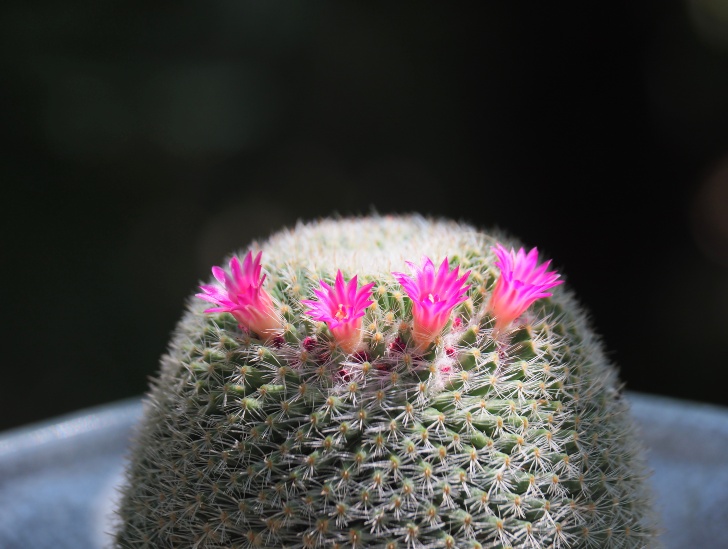
Also known as the Mammillaria hahniana.  It is a type of pincushion cactus of the mammillaria family, which has 250 species within it!  The old lady cactus is known for its ring of pink or purple flowers that grow and bloom in spring.  They are easy to take care of and only need to be watered once a week.

A old lady cactus flowering.
Old Lady Cactus

Moon Cactus

The moon cacti’s proper name is Gymnocalycium mihanovichii.  They vary in shape, size, and color, but typically the popular variety is the Hibotan cactus.  It originates in South America and comes in many bright colors.  They need to be watered more than many other cacti, usually once a week.  They also need only partial light, and all in all, they are still easy to take care of.

A flowering moon cactus.
Moon Cactus

Star Cactus

Less commonly known as the Astrophytum asteria.  The star cactus has also been called the sand dollar cactus and the sea urchin cactus.  It is easily identified by its round body, which is sectioned into eight pieces.  It also has tiny white dots leading up to the top center of the cacti, where it blooms a yellow flower in the spring.  It has a small (2-6 inches in diameter) appearance, which makes it an ideal house plant to manage.

Easter Cactus

Also known as the Hatiora gaertneri, this plant is native to Brazil.  The Easter cactus usually blooms anywhere from late winter to early spring.  Its flowers are beautiful and come in a variety of colors from white to orange, or even lavender.  They have also been known to bloom red and even peach colors.

The flowers on the Easter cactus are not the only attention-grabbing feature on the cacti.  They are also known for their rickety stacked appearance, which creates a very unusual shape. 

Unlike regular cacti, they thrive in colder temperatures.  How much you water the plant can vary anywhere from every 3 to 6 weeks.  The amount of water the cactus receives mostly depends on the environment the plant is grown in.  The best temperature to grow them in is between 50 to 65 degrees Fahrenheit.  

Types of Cactus that Can Grow Outdoors

As previously mentioned, many types of cacti grow best outdoors.  This list is for those of you that live an environment ideal for outdoor cactus growth:

Barrel Cactus

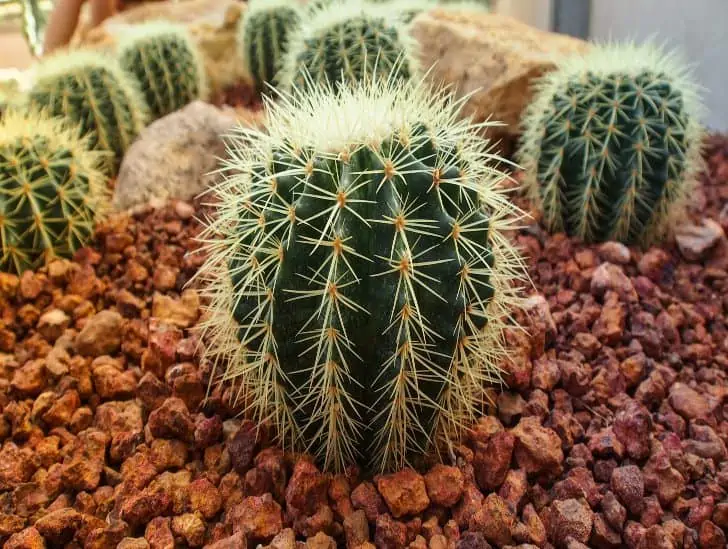
Also known as Ferocactus, the barrel cactus is known for its round or barrel-like shape.  There are a few different varieties of this cactus.  Some of the most popular are the California barrel, the blue barrel, and the golden barrel.  Their flowers bloom in May and June and are commonly either red or yellow.

A golden barrel cactus.
Barrel Cactus

Thanksgiving Cactus

Scientifically known as the Schlumbergera truncate, this cactus is known as the Thanksgiving cactus because it blooms around the Thanksgiving holiday every year.  Like the Easter Cactus, it thrives in colder temperatures. It blooms throughout the winter. Even though it flourishes in colder temperatures, it cannot grow in a region where frost occurs.

Prickly Pear Cactus

The prickly pear cactus is found in areas that are prone to droughts.  They can thrive in back yards but are unpopular for such a scenario because they do shed their needles.  They can produce either purple, yellow, and red flowers. They usually only need to be watered every three weeks.

A prickly pear cactus.
Prickly Pear Cactus

Queen of the Night

Also known as the dutchman’s pipe cacti, the queen of the night is native to Brazil. This cactus’ actual name is Epiphyllum oxypetalum; however, it is known as the queen of the night because its flowers bloom at night.  It produces large white blooms, and when planted in slightly acidic soil, it will bloom frequently. Fun fact: this plant actually grows on trees! 

Totem Pole Cactus

The totem pole cactus is slow growing; however, it can grow up to twelve feet in height!  Instead of visible spines, the notches on this cactus look more like wrinkles.  Similar to the queen of the night, the totem pole cactus blooms at night, producing pink flowers and red egg-shaped edible fruit.

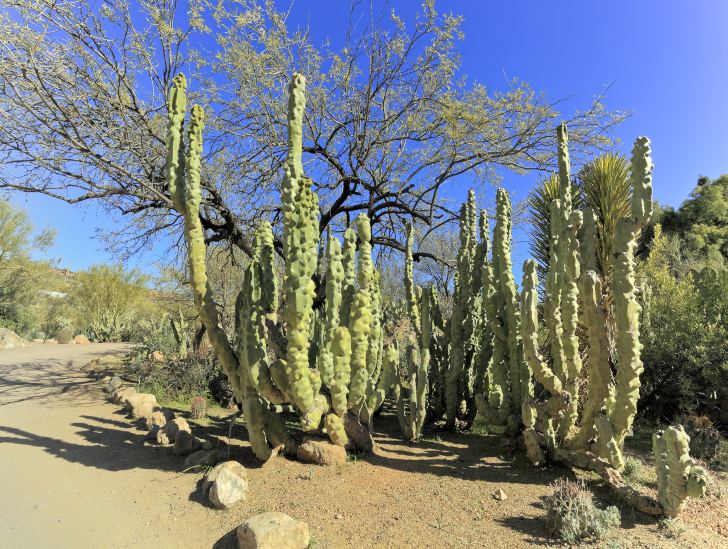
A totem pole cactus.
Totem Pole Cactus

To thrive, this plant needs full sunlight during the daytime and does not need a lot of water.  They live well in drought-prone areas and survive best in well-draining, gravely soil.  Therefore, it needs very little water.  It is an excellent plant for backyards because it does not shed its needles.

Conclusion

Cacti are part of a group of plants known as succulents. They are generally found in desert areas but have gained growing popularity as house plants. Certain cacti thrive best indoors, and others are more likely to survive outdoors. 

There are even certain cacti like the totem pole cactus and the Saguaro cactus that survive both indoors and outdoors. Both these cacti are slow-growing and can eventually be moved to the outdoors when they become too tall to keep inside.

Owning cacti gives your home a modern feel and is excellent for anyone who loves plants but doesn’t have time to water them. They are also excellent housewarming gifts for first-time homeowners! 

In conclusion, whether you choose to grow cactus indoors or out, it is vital that you’re mindful of their sunlight and watering needs so they can thrive in the environment they’re kept in.

What Kind Of Cactus Has Flowers?

Cactus is an amazing plant that you can add inside or outside of your home. While they are relatively low maintenance, ensuring the health of your cactus does require some work on your part. One thing that many people need to research before adding a cactus to their home is the different types of cacti and what to expect from each variety.

Specifically, many people ask: which cactus has flowers? This is somewhat of a trick question because all cacti are flowering plants, and every cactus is capable of blooming once it has reached maturity. However, whether a cactus will bloom is highly dependent on their age and the care the plant receives.

While all cacti are flowering plants and can flower, many find it easier to bloom than others. There are a few species that are more likely to bloom, and those are in the Mammillaria, Gymnocalycium, and Parodia family. But, cacti can produce beautiful flowers that feature impressive, colorful displays.

Which Cacti Are More Likely to Bloom?

With proper care, your cactus is almost certain to bloom at some point. It needs to reach maturity and have a regular period of dormancy to bloom properly.

One of the best ways to guarantee that you are getting a cactus that will bloom is to purchase one that is healthy and already in bloom.

If you are new to the cactus raising world, you will want to purchase a type that is easier to bloom and more likely to produce flowers. When you are shopping for a cactus, look for some of these varieties:

  • Easter cactus or Rhipsalidopsis – The Easter cactus comes in a variety of bloom colors, and they are usually in bloom at the time of purchase. The flowers featured range from red, white, orange, peach, lavender, and pink. To set buds, they need cooler temperatures and longer hours of darkness.
  • Garnet or Dwarf Cacti from Rebutia cactus genus – These cacti are vigorous growers that flower quite readily with proper care. They feature a large, brightly colored flower which arises from areoles. The flowers are usually found around the lower portion of the stems.
  • Christmas cactus or Zygocactus – Christmas cacti are one of the only ones on our list that are not naturally grown in a dry or arid environment but are naturally found in the rainforests of Brazil. It is important to water these cacti more than other types. Also, when they look as if the blooms are about to open, you will want to ensure proper watering and keep the plant cool.
  • Pincushion cactus from Mammillaria family – These cactus plants bear funnel-shaped flowers with a wide variety of colors like red, yellow, pink, white, and green. The flowers will later develop into often red-colored fruits that resemble a berry or are more elongated.
  • Hedgehog cactus varieties – There are a variety of hedgehog cacti that all feature colorful flowers, and most have edible fruits. The flowers open after the spring rains from February to May. The flowers featured are magenta, pink, purple, and lavender, and the blossoms last for five days opening each morning and closing at night.
  • Prickly pear Optunia cactus – Most feature yellow, red, or purple flowers on these cacti that vary in height from less than a foot up to six or seven feet. These cactus plants feature pads, which are edible and vary in size, shape, and color.
  • Bolivian or Lobivia cacti – This cactus blooms in the spring and summer with large flowers that are in vibrant red, yellow, or orange. They blossom along the sides of the stem and never on top. To blossom, you will want to provide the cactus with proper vernalization keeping it in a vegetative state during the winter.
  • Notocactus or Ball Cactus – To encourage flowering, allow the plant to enjoy a cooling period in the winter and dramatically cut back watering. You will want to continue to water the plant periodically but provide them this time of dormancy.
A christmas cactus.
Christmas cactus

How Do You Choose a Healthy Cactus?

Of course, choosing a flowering cactus variety is one thing, but making sure it’s healthy enough to bloom successfully is another. To make sure the cactus you choose is healthy, you will want to look for the following:

  • Check the outer appearance. The cactus trunk should be robust and firm to the touch.
  • During cooler months, like fall and winter, you may notice the trunk is wrinkly, but this should not be an issue.
  • The cactus’ spikes should be dense and have good color. The spikes are a great indication of the overall health of the plant.
  • Do not buy a cactus that has a “fake” bloom or flower present. Some locations will add fake decorative flowers to their plants, which makes them more prone to get infectious diseases. Also, removing the fake flowers will leave a blemish on the plant.
  • Look for any signs of sickness or inadequate care. You should be able to notice any spots or bruising. A weak or pale trunk is a sign of a chlorophyll shortage in the plant’s tissue.

How to Care for Your Cactus

Once you have purchased your cactus, it is time to begin caring for your new plant and encouraging blooming. You want to ensure you are providing your cactus with the right environment to ensure annual blooming. Most cacti need bright, hot sunlight during the growing season and several months of cooler, less bright sun during the winter months.

Where to Place Your Cactus

The best way to ensure that your cactus blooms is to mimic the natural cycle that the plants would go through outdoors. If you are planting your cactus outside, you will be in less control of the environment that the plant is in. However, if you live in a dry, desert-like area, many spiny desert cacti do much better outdoors than they do indoors.

Golden barrel cactus in a rocky soil.
If you do not have an area that has an abundance of light, some cacti thrive in artificial light.

However, if you are keeping the plant indoors, to encourage blooming, you will want to put the plant through phases similar to those outdoors. Many bloom in response to a cool, dry, dormant period or during the winter. This means that from around September to April, keep the cactus in bright yet indirect sunlight at about 50 degrees and water more sparingly.

During the growing season, which is during spring and summer, indoor cacti do better in a sunroom or south-facing windowsill. This allows the plant to receive the most sunlight, and they need maximum light and heat during this time. You will also want to turn the plant regularly for even light exposure. If you do not have an area that has an abundance of light, some cacti thrive in artificial light.

When to Water Your Plant

While cacti are desert plants, they do still need an occasional watering to guarantee proper growth. Similar to the amount of light they receive, the amount of water you provide should vary depending on whether it is the growing season or during the dormant months. During the growing season, the plant will need more water than during the dormant season.

A flowering cactus in a water can.
You will want to water the plants one every two or three weeks

Most cacti have adapted to very little rainfall, and even indoor plants have these same hardy characteristics. You will want to water the plants one every two or three weeks. Often, it is best to water on the less often side than too much as these plants can easily rot in oversaturated soil.

An easy way to tell if watering is needed is to feel the soil that the plant is in. You should allow the top two inches of soil to dry out before you water the plant again, at this point water thoroughly until it runs out of the bottom of the pot. You will then empty whatever drainage tray you have present to avoid allowing the plant to sit in extra water.

When to Fertilize Your Plant

Compared to most other plants, cacti do not need regular feeding, and adding fertilizer is more of an owner preference. If you do want to add fertilizer to your plant, opt for a general-purpose houseplant fertilizer that you can find at most lawn and garden stores. Follow directions on the packaging and never overfeed the plant.

A woman applying fertilizer to cactus.
You should also note that overfeeding the plant will not make it bloom.

You should only be fertilizing the plant in the spring and summer months. NO fertilizer should be added during the dormant period. You should also note that overfeeding the plant will not make it bloom.

When to Repot Your Plant

Cacti are universally known for being slow growers, so the need to repot the plant should not be very often. (They also do not need regular pruning or trimming, but you can do this if needed.) However, over time, there will be a need to repot the plant if it outgrows its current pot, but this is likely only to happen once every three or four years.

You can tell if the plant needs repotting because the roots will tightly fill the inside of the container. Also, some cactus plants will become too large to stay stable in the container. If you want to repot your cactus, you have to pay extra care due to the spines of the plant. You should always use some form of tongs, gloves, or a folded towel when handling the plant.

Make sure that you repot your plant in a potting mix that is designed for cacti and succulents. Do not water your cactus for a week after repotting.

A small cactus flowering.
Repot the plant should not be very often

When Will Your Cactus Bloom?

If you follow the proper steps laid out above, your cactus should be in the proper environment for blooming. However, the age of the plant and overall health of the plant can be an important factor. If your plant is not mature, it will not bloom.

As mentioned, the best way to ensure that your plant is going to bloom is to buy one that already has a bloom present. This means that the cactus is at the age of maturity and can bloom. You will still want to provide the proper environment for your plant so it can continue to bloom once in your home.