This Is How To Care For String Of Hearts

If you enjoy having plants in your home, you might have come across a ceropegia plant, also known as string of hearts. These plants are known for the shape of their leaves- small hearts all connected by a vine that drapes over its pot. They are beautiful to look at and although they require some special care, it is clear that they are worth it. 

It is important to know how to care for your plants so that they can live long, healthy lives and provide your home with clean air and a beautiful ambiance. Learn how to care for this delightfully poetic plant with just a few simple steps! Soon your string of hearts will be well taken care of. 

What Kind of Plant Is a String of Hearts?

String of hearts is part of the succulent family. This one very small detail is incredibly important so that you know exactly how to care for a string of hearts. 

Succulents are known for their durability and love for hot weather. They tend to live in hot climates, surviving with very little water. They are great indoor plants if you are looking for something to spice up your kitchen or living room. 

The string of Hearts plant features heart-shaped leaves that are connected to each by draping vines.

These cute little plants will make a great addition anywhere you put them, as long as there is enough sunlight for them to eat up. Succulents are very popular right now, so finding a string of hearts for a cheaper price may be difficult, but do not worry because these pretty plants propagate very easily! 

Know Where to Place Your String of Hearts

String of hearts is known for its trailing way of growing. They are almost vine-like, growing downwards or trailing off the older they get. For a beautiful effect, place your indoor string of hearts by a window, or in a hanging pot somewhere high up. That way, the more they grow, the more space they take up. 

When growing a string of hearts indoors, place them near the window or in a hanging pot higher up.

A string of hearts draped by a window is lovely imagery. If your string of hearts is an outdoor plant and part of your garden, try draping them against a garden wall. If you do not have a garden wall, the best place to put them is in a hanging pot where the vines can trickle down beneath the pot as the plant gets older. 

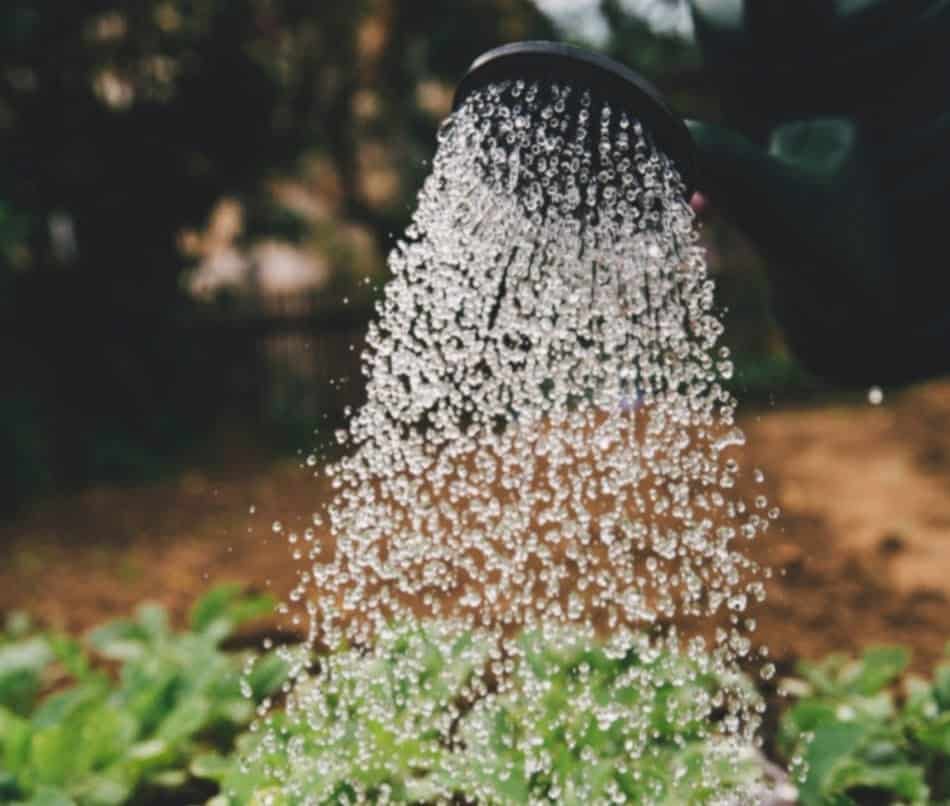
Water Your String of Hearts 

Similar to its succulent family members, the string of hearts does not need a lot of water. 

Before watering your string of hearts:

  • Check the moisture level of the soil
  • Remember the last time you watered them
  • See if your plant looks healthy 
Water your string of hearts only when the soil is dry to avoid overwatering the plant.

It is a common tip with succulents to check the water level of the soil before watering. Too much water can harm your string of hearts, so be careful and make sure to check the moisture of the soil. If the soil beneath your finger feels slightly moist, then it is best to wait a couple of days before watering. With these plants, it is better to give them less water than to overwater. 

String of hearts prefers a drought period in between waterings. This means that you should wait until the water is almost completely dry before watering for a second time. This plant is prone to root rot from overwatering, which can potentially kill it. 

If you fear that you are underwatering your plant, just look at the leaves. If the usually plump and healthy leaves look a bit wilted and lackluster (and if the soil is extremely dry) then it is time to water! 

What Does an Overwatered Plant Look Like?

If you are overwatering your string of hearts, your plant could die of root rot. This is something that succulents deal with frequently when they are overwatered. 

An overwatered string of hearts can have:

  • Wilted leaves
  • Yellow leaves 
  •  Edema 

All of these symptoms can be a sign that your plant is overwatered but also that it might have root rot. Root rot is when too much moisture from excess watering seeps into the roots. Essentially, the roots of your plant drown because of too much water and because they do not have access to enough air. 

All the moisture in the roots will allow for the growth of fungus, mold, and other bacteria that will rot the roots and kill the plant. 

If your plant has yellow leaves it typically means that your plant has an iron deficiency, caused by too much watering. Wilted leaves mean that the leaves are beginning to fall off, which is never a good sign. 

Edema is also caused by overwatering your plants. This is when there are water droplets or spots between or on the leaves. Eventually, these moist spots turn brown and black, eating up at the plant. When a plant gets overwatered it needs to be purged of the extra water within it. 

How to Save an Overwatered String of Hearts

To save your withered string of hearts, there are a few options. You can either re-pot your plant to a new pot or propagate from what is left of the plant. 

If your plant suffered lots of root damage, then it is best for you to propagate it. If there has not been too much damage to your plant, then you can simply re-pot your string of hearts to a new location and remember to keep watering your plant to a minimum! It is better for your string of hearts to go through a drought than a flood of water.  

Sunlight and Temperature

String of hearts require lots of sunlight and a hot temperature, due to them being part of the succulent family. While they do not require direct sunlight, it will be a good idea to keep them in a well-lit room or by a west-facing window, where the sun will hit them at some point of the day. 

To save an overwatered string of hearts, provide the plant with sufficient sunlight.

String of hearts require:

  • About 80-85 degrees in temperature 
  • Sunlight but not direct
  • About 60 degrees in the winter 

These plants love the heat, so 80-85 degree weather is perfect for them during the summer months. In the winter 60 degrees should be good enough for them to survive. If you live in a warmer environment, then a string of hearts can be grown outside and will probably survive. If you live in a colder environment, however, it is important that you keep your plants inside to protect them from the cold. 

Sunlight is great for these plants but direct sunlight is something that they simply can not tolerate. To tell if your plants are getting too much sunlight is to check the leaves. If your plant needs more light, the leaves will appear pale and with less marbling than usual. Healthy strings of hearts have a gorgeous marbling effect going throughout their leaves. 

Make sure that your plant’s leaves are not scorched, as this is another sign of having too much direct sunlight. This does not mean you should move them to a place with low light. Not enough sunlight will kill your string of hearts. 

Fertilize Your String of Hearts

Plants need fertilizer to absorb vitamins and minerals so that they can be healthy and happy. Some plants need more fertilizer than others. As for the string of hearts, when it comes to fertilizer it is pretty simple:

  • Half diluted 
  • Relatively infrequent 
  • None during the winter months 

What makes this plant so easy to take care of is its lack of fertilizer usage. Some plants need a lot of assistance with fertilizer and plant food and vitamins that it has to become a regular routine. For example, orchids have to be fed plant food and fertilizer almost every other week in order to be healthy. 
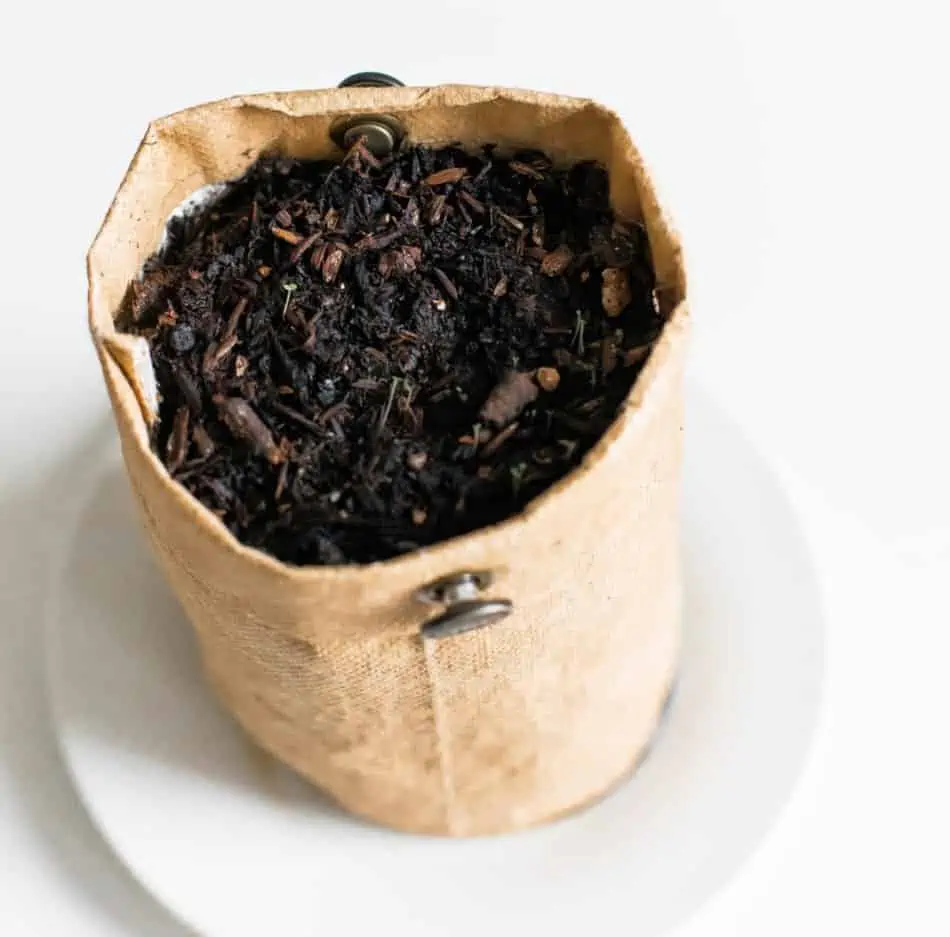
The string of hearts requires half-diluted fertilizer only once in a while and no fertilization during winter.

Luckily for you, the string of hearts is not that needy. The only fertilizer you will need is half diluted, meaning that the fertilizer is diluted with water and is not nearly as potent as other fertilizers. This means that you can have one portion of fertilizer for a long time without having to buy more, which saves you some money. 

You have to fertilize these plants about once a month during the summer months, but it is not set in stone. If you skip a http://www.rustburgpharmacy.com month or two your plant will not really mind as it is pretty self-sufficient. During the winter, string of hearts enters their dormant period where they do not really grow or need much care. 

Fertilizing your string of hearts can also cause it to flower, which is one of the best parts of owning a plant. The flowers that string of hearts give out are a very pretty magenta pink color, and if you fertilize the right amount (a small portion) then the flowers will bloom and thrive. Be careful not to add too much fertilizer, as this could harm the plant and cause it not to flower. 

Know How to Repot Your String of Hearts

Most house plants at one point or another need to be repotted in order to have their space for their roots to grow. With a string of hearts, it will not happen often, as they are not very large or exceedingly fast-growing. 

You should repot:

  • Every year to year and a half for plants in a small pot
  • Every two years to two years and a half for plants in larger pots 
  • If you notice that your plant is suffering
Since the string of heart is not a large succulent, you may not need to repot the plant.

If you have a small desktop or kitchen counter string of hearts, then you will not need to worry about repotting until a year and a couple of months have passed by. If you wish for your plant to grow larger, then repot gently to a new pot that is not much bigger than the previous pot. Getting a pot that is much bigger than the previous will most likely drown the roots. 

If you wish to keep your plant the same size, then transfer it into the same pot or a different pot of the same size, but make sure to trim the roots a bit. This will cause it to have to regrow until it eventually maintains its small shape that is molder to the small pot it resides in. 

If you have a bigger pot for your string of hearts, then you will need to repot your plant every two to two and a half years. When repotting, make sure to do it during the summer months, when your plant is at its healthiest. The winter months are the plant’s time to rest. 

If you notice that your plant has some rot root issues or is perhaps looking a little more dull than usual, it is time to repot the plant. Plants need space to grow, and if the roots are infected with fungus or bacteria, cutting out the infected parts and repotting the plant to a new location may be the best bet for saving its life. 

Know How to Propagate Your String of Hearts

When a plant is propagated, it begins its first steps in reproducing and breeding. If you are looking to have more than one string of hearts in your home, or want to give one out as a gift to a friend, then you need to know the correct way to propagate this plant. 

There are three methods of propagation for a string of heart plants. They include:

  • Water 
  • Soil 
  • Tuber 

The great part about string of hearts is that they are mostly very easy to propagate, and with a few different methods, you should be able to have more than one string of hearts in no time. 

You can easily propagate the string of hearts in water, soil, or tuber.

Water Propagation 

The water method of propagation is fairly simple and probably the most popular method to use because of how easy it is. The first step is to find a piece of vine from your string of hearts that you would like to use to propagate with. With a pair of gardening scissors, carefully cut a piece of vine off from the plant and transfer it to a vase of water. 

After a few days or weeks, the plant should begin to sprout roots. Make sure to propagate during the right time of the year. For a string of hearts, this means the summer months, when they are at their strongest and most healthy. The summer is also a perfect season because of the ample sunlight and hot temperature. 

The summer sun and heat will speed up the root growing process and in turn, speed up propagation. In this environment, roots should appear in a few days. 

Soil Propagation

The soil propagation method is also relatively simple as your string of hearts will make sure to help you.  

In order for this method to work, you will need some soil in its own separate pot, water, and the right amount of light. 

Simply find a part of the plant that has a leaf and a vine. With gardening scissors, cut off the perfect piece of vine. Make sure that the side of the vine that you are planting in the soil does not have any leaves. If it does, just remove these excess leaves and plant the vine into the soil. 

Make sure to water the area. Water is especially important during propagation. For best results, water about once a week, so that the soil is consistently semi-moist. Make sure to place your propagated plant in the perfect amount of sunlight. Make sure the area is not a place with blazing direct sunlight, as that will be too harsh. 

It is also important to note that the area needs to have plenty of fresh air. Air is very important for new roots to form and grow into healthy adult roots. 

Tuber Propagation

As your plant becomes bigger and healthier, you will begin to notice small nodes or nodules on the plant between the leaves. These are part of the propagation process and will help you tremendously. They are known as tubers. 

When you cut your vine to begin propagation, make sure to cut a piece that has these nodules on it. In a separate pot of dirt, plant the vine and the end with the nodules into the soil. This is mandatory for your plant to sprout roots. 

String of hearts are so easy to propagate because of these nodules. Naturally, these plants will propagate if you let the plant grow and fall into a layer of dirt below it. If the nodules get buried in the dirt, they will sprout roots with enough luck and care. 

If you plan on using this method, take the part of the plant with the tuber and without separating it from the mother plant, dig it into the soil of the pot and wait until it sprouts a root. Once a root sprouts, you may cut it from the mother plant and move it to its own separate pot where it will grow.

If you have never propagated plants before, a string of hearts will make for an excellent place to start. Make sure to water the soil and that it is placed in enough sunshine.

Experts Guide: How to grow Euphorbia Plants?

Euphorbia is a genus of flowering plants belonging to the family Euphorbiaceae, often called spurges. It is a succulent that can grow to be a large shrub or small tree. It can also take on the form of an upright or trailing plant depending on how it’s grown and what type you decide to purchase.

These plants are native to Africa, Madagascar, and the Arabian Peninsula in southern Asia. The name is derived from Greek words meaning “well-being”. There are around 800 different species of euphorbia growing throughout the world today.

So, how do you grow Euphorbia? For better results, start with a plant that has already been growing for some time so as not to shock the roots. Euphorbias are very tolerant of cold temperatures, drought, and low-light conditions which makes them ideal plants when trying to grow indoors or outside in colder climates.

If you’re planting your euphorbia outdoors then choose an area that gets at least four hours of direct sunlight each day. For those looking to grow indoors, it’s best to place the plant near a window with lots of natural light rather than artificial light. 

Euphorbias are relatively pest-resistant plants and grow quickly which makes them an ideal addition for home gardens but they do have one major drawback. They’re poisonous to animals, humans and birds so use caution when handling this plant or any part of it at all times.

 If you’re looking for some Euphorbia growing tips, then this article is perfect for you. We’ll go over soil preparation, watering frequency, sunlight requirements, and more in-depth topics like pruning and propagating your plants.

Common characteristics and features of the Euphorbia

-Euphorbia plants are a succulent that can grow to be either large shrubs or small trees

-Euphorbias usually have spiny stems, branches, and leaves but not always which is why it’s so important to identify the species before planting

-There are around 800 different Euphorbia species in existence today with about 60 of them being native to the U.S

-Euphorbia plants are able to grow in a variety of conditions with low water needs, cold tolerant, drought-resistant, and ideal for beginners

-Many Euphoria species have leaves that can be either green or red as well as other colors which is why they’re often planted close together for their varied color combinations

-Euphorbia plants are poisonous to animals, humans, and birds

-Euphorbias grow relatively fast so they’re a good choice for home gardens but can be pruned to produce new cuttings that will then root in water or even the soil if conditions are right.

Propagation for Euphorbia plants

Euphorbia can be propagated in the following ways:

1. Cuttings

Steps:

-Take a cutting from the plant and make sure that it has at least two sets of leaves on it

-If you’re planting indoors, then place your cuttings in a glass or jar filled with water. Make sure to change out the water every few days until roots develop

-For outside plants, take your potting soil and poke a hole about an inch deep in it

-Insert your cutting and make sure that the leaves are at least one to two inches underground level. Cover up with soil and gently pat down until there are no air pockets left

-Water well before placing outdoors or bringing inside for a few weeks of growth

Note: This method is perfect for propagating new plants or cuttings but will not work for creating a mature tree

-A hardwood cutting is the best way to produce healthy and strong euphorbia trees. This method requires more time as it takes about one year before the plant can be planted outdoors

Steps:

-Take your Euphorbia branch and remove the leaves, making sure that there is at least one set of leaves on it

-Cut your branch into two-inch segments and place it in water. Make sure to change out the water every few days until roots develop

-After a few weeks you’ll notice new growth coming from where you cut off your branches which is when you can then place it in potting soil. Ensure that the cut end is at least one inch below ground level and cover up with soil

-Water well before placing outdoors or bringing inside for a few weeks of growth

Note: This method will not work on branches without leaves as they won’t be able to absorb water needed for new root development

2. Air layering

Steps:

-Take a plant cutting that is about six to eight inches long and make sure it has two or more sets of leaves on it. Cut off the bottom portion and place in water with new growth coming from where you cut off your branch for rooting purposes

-You’ll then need to take some soil from your desired location and wrap the plant cutting with it. Make sure to leave about two inches from ground level for roots

-After a few weeks new growth will come out of where you cut off your branch which is when you can then place it in potting soil, just like before. Ensure that the bottom end of your plant is at least one inch below ground level and cover up with soil

-Water well before placing outdoors or bringing inside for a few weeks of growth

Note: Air layering is the process where you don’t need to remove any leaves from your plant but still requires that it has two sets of leaves. This method also takes longer than cuttings because it’s not until after one year that you can place the plant in your garden.

3. Division

Steps:

-Identify which Euphorbia plant you want to divide and gently pull it apart with a spade or your hand. Be careful not to damage the roots while doing this as they can be easily damaged if pulled too hard

-Take some potting soil from your desired location and place it on top of the roots. Make sure that the top portion is covered by about an inch of soil

-Water well before bringing inside or placing in your garden for a few weeks to allow new roots to develop

Note: This method will only be successful if you’re dividing mature plants with at least one year’s worth of growth on them. It also takes longer than cuttings or air layering because it’s not until after one year that you can place the plant in your garden.

Watering  guide

Euphorbia plants need to be watered every week for at least an hour to ensure they don’t dry out. The watering time can be extended to every two weeks if the plants are indoors and do not receive a lot of natural light from outside. In case of drought, it is important to water the plants twice a week.

This will not only ensure that the plants stay looking healthy but it will also save your pot from cracking. Nevertheless, you may water your plant any time to notice the leaves are curling up and turning to a yellow or brown color. This means that it has been deprived of water for too long

Water your euphorbia once a week for at least an hour to prevent it from dehydrating.

If you want to make sure your plant is getting enough water, the best way to do so is by using a soil meter. Simply stick one end into the potting soil until it hits the top, then wait a few seconds and look at the readings. If they’re not within an ideal range of 80-100% you’ll need to water your plant more often or invest in a new pot with better drainage

It’s worth noting that when watering it is best to use room temperature (cold) water rather than cold. This will prevent the soil from contracting around the roots and shrinking.

Euphorbia Fertilization Guide

Euphorbia needs to be fertilized every two weeks for understory plants that are outdoors and four times a year for indoor plants. The fertilizer composition is different depending on the type of soil you are using. Understory plants will require a fertilizer that has both nitrogen and phosphorous, while indoor plants only need fertilizers with nitrogen or phosphor.

Ideally, you should fertilize your euphorbia every two weeks.

If you would like to use organic fertilizer, try using compost tea or fish emulsion diluted at half strength. This ensures that you are feeding the soil with a nutritious liquid.

For synthetic options, look into Miracle-Gro which is known to work well with this plant.

Euphorbia Light and temperature requirements

Euphorbia plants will require plenty of light and different temperature requirements depending on their location. Understory plants need at least six hours of sunlight a day, while indoor plants should be set in an area that gets three to four hours of natural or artificial light daily. In case of cold climates, make sure that your plants are stored in a place where they can get plenty of sunlight.

Euphorbia requires at least 6 hours of sunlight daily.

In terms of temperature requirements, both understory and indoor plants need to be kept at room temperature for the most part but should not exceed 75°F (24°C). If you want to keep them alive during the summer months without sun but it’s important to note that they don’t do well in humid environments. Euphorbia prefers natural light to artificial light and should not be placed in dark areas.

Euphorbia Pruning guide

Euphorbia plants grow in a wild and natural pattern that can make it difficult for gardeners to prune the plants. Do not be afraid of cutting off some branches, as this will help them to look tidy and create desired space. Pruning also helps get ideal cuttings for propagation.

Pruning your euphorbia will make the plant look much tidier.

If you’re pruning your plants for the first time, it’s best to use a sharp pair of scissors or garden shears. You can cut off any branches that look unhealthy and make sure they are at least two inches away from the plant. It is important not to leave too many stubs behind because these will grow into new shoots.

Do not prune your plants in the winter because it is important to do so when they are dormant and would prefer http://windhampharmacy.com you not to mess with them during this time. Prune during spring or fall months when they are actively growing. If you notice that some branches have grown low enough, now might be a good time to trim them off and avoid future accidents. 

Euphorbia Pests and Diseases Guide

In the event that your plant becomes infected by pests or has a disease, it is important to act quickly before they spread. Insects like aphids can cause yellow leaves, brown spots, wilting branches, stunted growth, and leaf drop while fungus diseases can cause a plant to turn brown and die.

To get rid of bugs you may use insecticide diluted with water, which should be sprayed onto the plant’s foliage one time every two weeks. To treat fungus it is best to mix up some baking soda (half cup) in a gallon of water then spray over your plant’s leaves as needed.

If you are unsure of the cause, it is best to call an expert who can help diagnose your plant’s specific problem and provide a solution for getting rid of them.

Aphids

Aphids are one type of insect that can infect plants like Euphorbia with yellow leaves and wilting branches. To get rid of these insects you will need to use insecticide diluted with water and sprayed onto the plant’s foliage every two weeks.

Fungus Disease

Fungus disease is another type of problem that can affect Euphorbias, causing them to turn brown or die if left untreated. The best way to treat this is by mixing up some baking soda in a gallon of water then spraying it onto the plant leaves as needed.

Wilting branches

Wilted Branches can be caused by aphids or fungus diseases, both of which need to be treated with insecticide diluted with water and sprayed every two weeks.

Stunted growth

Stunted Growth can be caused by aphids, fungus diseases, or dry weather. To prevent stunted growth it is recommended to use organic fertilizers that have nitrogen as well as phosphorous.

Pests that like to attack Euphorbias are mostly found on the top of the plant or in the leaf axils. If you notice this happening then it is best to use a product with Neem oil on it, which can be bought at any garden center. Alternatively, you can use the natural remedy of baking soda to get rid of them.

Importance and uses of Euphorbia

-Euphorbia plants are a beautiful centerpiece that can brighten up any space.

-The Euphorbia produces an ornamental flower called the crown of thorns, which is used for decoration purposes and in some religious ceremonies.

Euphorbia features gorgeous flowers that can be used as decorative pieces.

-Euphorbias also offer medicinal benefits to people suffering from different ailments such as asthma or arthritis by producing substances that help relieve pain, swelling, and itching.

-The Euphorbia is the national flower of Kenya, where it grows in great numbers.

Euphorbia Varieties to grow at home

1. Euphorbia cactus (crassulaceae)

Euphorbia Cacti can be planted outdoors or indoors, and are popular for their low maintenance requirements. The Euphorbia cactus has a variety of names in different languages including ”Espuela de Caballo”, which means “horse’s spur”. These plants grow in the wild in many regions of North America and Central America.

Euphorbia cacti prefer to grow in soil that has a lot of organic matter like manure, compost, or peat moss. They can be planted from seeds, cuttings or purchased as potted plants ready for planting.

2. Euphorbia pulcherrima

Euphorbia Pulchirima is a beautiful plant that comes in many colors and can even be grown indoors. They are popular for their colorful flowers which grow on the tips of tall stalks, with some varieties having multiple blossoms per stalk. These plants prefer to live outdoors because they need lots of suns, with soil that should be allowed to dry out before watering.

Euphorbia pulcherrima plants can start reproducing when they are about one year old and will need to be divided every few years for maximum growth in numbers.

Euphorbia Pulcherrima, AKA Poinsettia, is a type of euphoria that features colorful flowers and loves the sun.

3. Euphorbia erythraea

Euphorbia Erythrea grows in the wild on rocky hillsides near waterfalls. In their natural environment, these plants need to be planted in soil with a lot of organic matter like manure or compost. They can also survive in dry climates as long as they are watered regularly and given a partly sunny location.

Euphorbia Erythraea is a type of euphorbia that thrives in dry climates as long as it is watered regularly.

These plants come in many different colors and are popular for their beautiful flowers which can grow up to 12 inches tall.

Euphorbia Erythrea is a slow-growing plant that does best when it is given lots of water, fertilizers, or organic matter as well as plenty of light. It will also need to be divided every few years for maximum growth in numbers.

Conclusion

Euphorbia is one of the most notable succulents you can get for your home garden. They come in many varieties and colors, and they are easy to take care of. They originate from arid regions near the equator but have recently become popular as house plants due to their low maintenance requirements.

If you are looking for a new plant to add to your cacti garden, the Euphorbia is an excellent choice. The most popular variety of this succulent is the cactus type which can be found in many colors and are low maintenance. They grow well indoors or outdoors but prefer dry climates with lots of sunlight for best growth results.

Expert Guide: How To Grow Echeveria Plant?

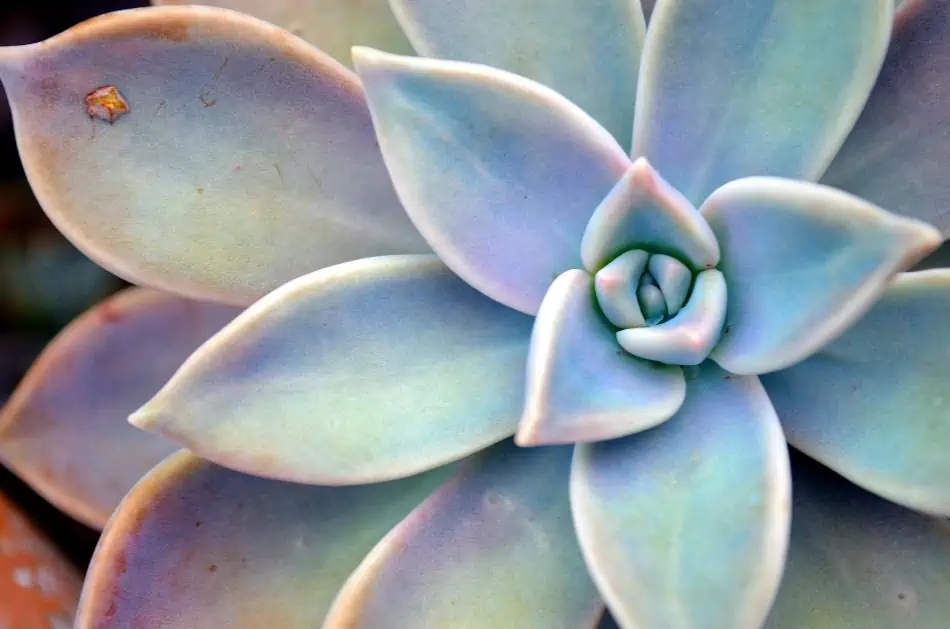
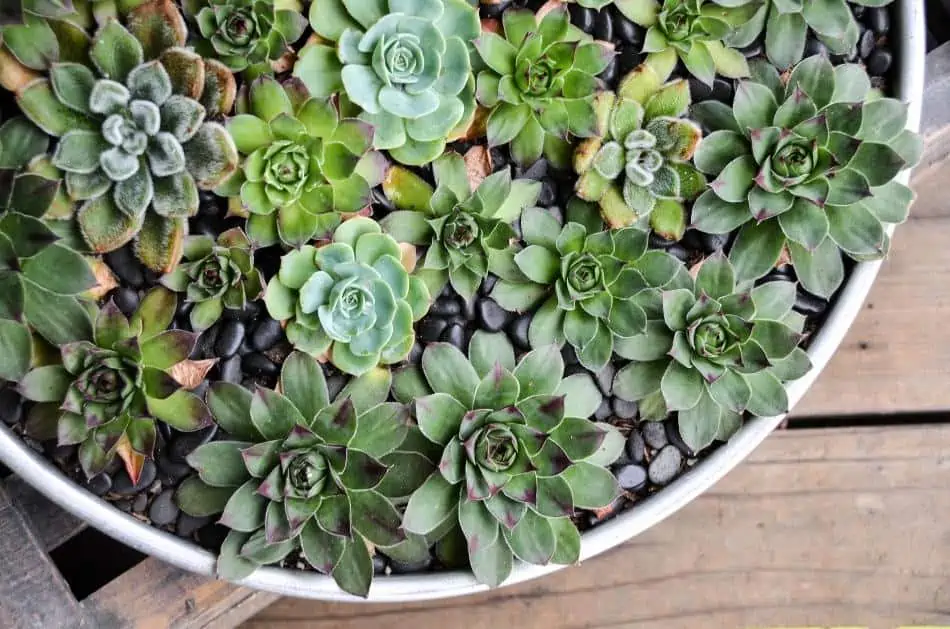
Echeveria is an interesting succulent plant that you can grow in pots or in the ground. It is commonly featured in succulents gardens,terrariums, floral arrangements, and planters. Echeveria is the most common type of succulents in cultivation, but there are other types like Crassula (Crassulaceae).

Interestingly enough, echeverias have thrived under different conditions from temperate to sub-arctic climates. These succulents stand out with their rosette shape and vibrant colors.

So, how do you grow echeveria plants? If grown indoors, it would need lots of bright light and less water to avoid getting root rot. It also needs well-drained soil so make sure your pot has enough holes on the bottom for drainage. When growing it outdoors, provide shade from the hot sun during summer months but allow some sun in cold months. If they need more sun (if you have them outside), move them closer to the window but not in direct sunshine as this will cause scorching of their leaves and stunted growth.

This article will be looking at the best growing practices for echeveria plants focusing on cultivation in pots or the ground, both indoors and outdoors. It will also look at the different types of echeveria that are available and their best uses.

Common features and properties of the echeveria plant

The echeveria plant has a number of features that make it stand out. You can easily identify it in the following ways:

– Rosette shape with fleshy leaves that are spiny and succulent. They have a convex, symmetrical rosette around the stem.

– The color of their foliage is usually somewhere in between light green to deep red or pink, but there are also some other colors like yellow and orange available for purchase at nurseries.

The color of echeveria leaves varies from light green to deep red or pink.

– The leaves are usually in clusters along the stem and can be flat or pointed.

– Echeverias have flowers that come out of a sheath at the base of their leaves, but these species lack showy blooms. Their colors range from red to pink to white.

– They thrive under different conditions with varying amounts of sunlight.

– Echeverias are drought tolerant and can survive long periods without water, but they need good drainage soil to reduce the risk for root rot if grown indoors or in pots.

Interesting facts about echeveria plant

Echeveria is a genus of succulent plants in the Crassulaceae family which are mainly native to Mexico. They can be found mostly in semi-arid regions and they usually grow as solitary rosettes forming large clumps or clusters, although some species form mats on rocks. Echeverias have thick leaves that store water, and they grow in a wide range of colors and sizes.

Echeveria features thick leaves that store plenty of water.

Echeveria is grown for their rosettes of thick fleshy leaves that can be shaped into attractive foliage plants or cut to create interesting containers with dramatic shapes. They have long-lasting flowers too: urns or bells which open at night but are often hidden under the foliage.

Echeverias are very easy to grow, and they will flower best in full sun or near a north-facing window. They can be grown from seed (which is usually collected from ripe fruits), cuttings, offsets of larger plants, tubers, or by dividing mature clumps.

The Echeveria plant thrives on neglect and doesn’t need frequent watering unless the pot is very small or it does not have holes for drainage. This is a great plant to grow if you want something that requires little care while still looking pretty.

Propagation of the echeveria plant

Echeveria plant can be propagated in several ways:

Leaves

This is the simplest way to propagate echeveria plants. Simply cut off a leaf and plant it in potting soil or your garden bed. Be sure that you use enough water from time to time.

The simplest way to propagate echeveria is using its leaves.

Root Cuttings

This is another simple method of propagating echeveria plants. The root cutting should be taken in March, when the plant is dormant, from a healthy echeveria. The cutting should be around eight inches long and two to three inches wide.

Division

The easiest way of propagating an echeveria (especially if it has been in your garden for some time) is by dividing it into small clumps with at least four or five miniature plants. You can do this by carefully pulling the plant up from its roots, and then dividing it into clumps with a sharp knife.

An echeveria can be propagated by dividing the plant into clumps.

Seed Germination

Most types of echeveria will not grow successfully from seed because they have developed an adaptive strategy to prevent self-fertilization. However, there are a few rare types that can be propagated from seed.

Soil and Fertilizer guide for echeveria plant

Echeveria plant does not need much soil, as they like to grow in dry conditions and therefore do not require a lot of water. For soil, it is advisable to use a potting mix that does not hold water very well, as this will allow the plant to dry out quickly.

It is important for echeveria plants to be fertilized regularly. This will help them to grow and maintain their health. This should be done on a bi-weekly or monthly basis, but it is important to remember that the echeveria plant does not need extensive fertilizing. When need is, the best way to fertilize an echeveria plant is with a diluted liquid fertilizer, which should be applied in the morning. Fertilize them with potassium-rich fertilizer and apply it every other week during springtime. When applying fertilizers to your garden, it is very important to use a sprayer that covers the whole area and not just individual plants.

Echeveria should be fertilized with a diluted liquid fertilizer bi-weekly or monthly.

Best planting season and conditions

The best time of year for planting an echeveria will vary depending on where you live. In general, it is better to wait until after frost has passed before planting. It can also depend on what type of echeveria you are planting. Some types of echeveria plants will not grow well in cold climates, such as Echeveria elegans and a few other species.

 Echeverias prefer to have their roots kept cool. When the plant is brought into your home for winter care, it should be http://www.slaterpharmacy.com/ placed at moderate temperatures. The plant should be kept at a temperature of 55-65 degrees Fahrenheit. For better results, ensure that the temperature is kept even throughout winter.

Echeveria plant watering guide

Echeveria plants should be watered when the soil is dry to a depth of at least one inch. If you have multiple echeveria plants in your garden, it is advisable not to water them all at once because this will dilute their need for water. Each plant should be watered individually, and it is advisable to water them in the morning or late evening because this will stop water from evaporating.

You should water your echeveria when the soil is dry.

The water requirements for echeveria plants can depend on several factors, such as the climate and soil type. In most cases, these plants prefer to be watered at least two or three times a week during periods of hot weather. If you have an indoor plant that is kept in a pot that holds water; it is advisable not to let this stay stagnant for too long.

Watering echeveria plants outside

The best time of day for watering your outdoor echeveria plant will depend on the climate and temperature, but in general, it is better to water them at dusk or during periods when temperatures are not too high. The soil should be kept moist until the following morning so that it can dry out before nighttime.

Echeveria plant pests and problems

The echeveria plant is generally not prone to any serious pest or disease, but one of the most common issues encountered with them is an infestation from aphids. These are small insects that feed on plants by sucking up their sap through a long tube, which can leave the plant wilting.

In order to stop this, it is advisable to use a spray bottle of water mixed with soapy dish detergent and then spraying around the base of your plants. The soap will clog up their little tubes and they will eventually die from starvation or dehydration. It should also be noted that aphids are more likely to infest plants that have been watered with water from a hose, so it is important not to spray your echeveria plant directly anymore.

Additionally, there are other pests such as slugs and snails which can also eat the leaves of an echeveria plant if left unchecked. If this happens you should use a natural slug killer, which is very easy to find in stores.

Common diseases, signs an cure

This succulent is hardly prone to diseases seen in other similar plants. However, occasional cases can see the plant suffer from the following conditions:

_Root rot –  This can be caused by overwatering, or the plant’s roots being in contact with water for too long. To prevent this, the plants roots should be kept cool.

_Stem rot – This is caused by a fungus or bacteria. To prevent this, ensure that you water your echeveria plant infrequently in order to avoid flooding their root system with too much water at one time. It can also help if there are several inches of air

_Leaf spot – This is a sign of infection from soft scales insects. To prevent leaf spots, use an insecticide that has been approved for succulents plants such as neem oil.

Echeveria plant harvesting guide

It’s not necessary to harvest an echeveria plant in order for it to grow and flower; only if you want a particular part of the plant or are propagating new plants through cuttings. When harvesting parts from an echeveria plant, be sure to use a sharp knife or razor blade. Do this by cutting the plant off at ground level. If you need to harvest its flowers, make sure that you are not cutting the plant in half. If there is a part of the plant which it does not require, such as if it has been damaged or attacked by pests, cut this off and discard it. Echeveria plants will flower prolifically; you can cut off the flowers at their base to stop this.

It is, however, important to know that echeveria plants may not always bloom when they are planted in certain locations. This can depend on where you live and what type of climate your region has. If this happens, a good way to get them to flower is by transplanting them into warmer soil. This will make them experience the same change in climate that occurs when they are shipped from a nursery.

Potting and repotting

This succulent plant does not need to be repotted or re-potted often. Potting and replanting an echeveria plant will usually only be necessary if you have harvested a large amount of it from the ground, for example when harvesting its flowers. Otherwise, it is advisable to leave the plant alone and replant if necessary. However, if you have to repot them, it is advisable to use a pot with drainage holes and one which has the same diameter as the original.

Echeveria does not require repotting, but you should consider transplanting if you harvest its flowers.

If you are replanting your echeveria plant in order to move it from a cooler climate (such as an indoor or outdoor container) into warmer soil; be sure not to do this during winter because they will probably not be able to survive. If you are repotting your plant outside, always wait for the soil to thaw out first. The best way to go about this is to move it during the spring or summer. This will ensure that it will have time to adjust before winter sets in.

The best way of securing an echeveria plant in its container is by using a layer of gravel on the bottom that has good drainage properties. This ensures that it does not get waterlogged and can withstand any sudden changes in temperature or weather conditions that might affect other plants.

Uses of echeveria plant

1) Echeveria plants are often used as decorative plants in gardens. This is mainly because the Echeveria plant is a flowering species of succulents that can grow to be about 15 cm tall, depending on the strain and whether or not it has been cultivated from seed or propagated by cuttings. Flowers range in color but usually have dark green leaves with pink or purple spots.

2) Echeveria plant is also known as a houseplant for those who might want to have it in their homes. As a houseplant, it helps clean the air of toxins by absorbing them.

3) Echeveria plant is often used as a ground cover in gardens, especially if they are planted with other plants. This is because they can grow to a considerable size and will also have flowers, so it is easy for them to provide an attractive display.

4) Echeveria plant is a traditional food for the people of Lima, Peru. This is because echeveria plants are easy to grow and they can be prepared in many different ways.

5) They can be used as ornaments in cakes and other foods.

Best echeveria plant varieties to grow at home

If you are looking to grow an echeveria plant at home, there are plenty of varieties that will do well in both containers and gardens.

– Echeveria Elegans: This is one of the most commonly seen species grown as an ornamental houseplant because it is easy to maintain even if planted in high light conditions or if it is too dry of a climate.

– Echeveria derenbergiana: This variety will need to be watered less often than others, so it’s perfect for those who live in more arid climates or are busy with work and don’t have the time to give plants much attention.

– Echeveria carnicina: This variety is easy to grow and can thrive in both low-light conditions or higher light.

– Echeveria lauii: This plant is one of the most vulnerable species because it needs moisture at all times, so you will need to be vigilant when looking after an echeveria carnicina.

– Echeveria peacockii: This is a species of echeveria plant that doesn’t need to be watered often, and it also takes up less space. 

– Echeveria purpusorum:  This variety will not flower as much as others but if you are looking for something small then this might be the one for you.

Conclusion

Echeveria  is an interesting plant that every succulent enthusiast needs to have in their collection. You will love the diversity in the different types of echeveria plant varieties that are available. If you decide to buy one, make sure it has a label with information about where and how it was grown so you know what type will work best for your climate. The fact that its care is so simple is one of the reasons why it has become such a popular plant. Just make sure you give it the right amount of water and repot it as needed. It will also help if you offer the right light conditions, so you may need to move it around your home if light conditions change.

Which Succulent Is Best To Grow Indoor With Low Light?

One of the reasons why people love to grow succulents is because they can be very easy to care for. These plants can thrive indoors and, unlike other plants, will not need constant attention. Not all succulents are the same, however. Some need more light than others, and if you do not have a lot of light, you may wonder which is the best one.

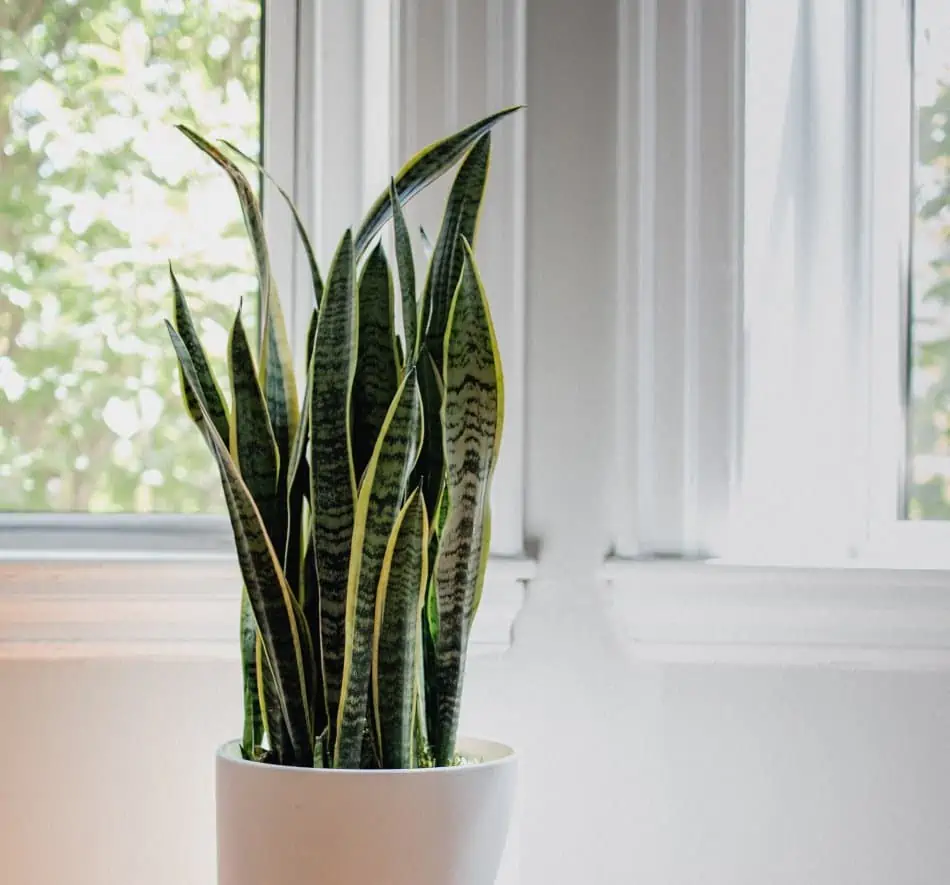
Several succulents grow well in low light. The best succulent to grow indoors with low light is the “snake plant,” which is also known as the “mother-in-law’s tongue.” These succulents are commonly referred to as “indestructible,” and do very well in low light. 

When choosing a succulent to grow indoors with low light, you need to consider several factors before choosing one. Moreover, understanding how to properly care for an indoor succulent is important, too. Read on to discover all you need to know about which succulent is best to grow indoors with low light. 

Succulents That Do Well Indoors

While the snake plant may be the best option when choosing an indoor succulent that only needs low light, there are many others that you may find are what you are looking for. A common factor between these succulents is their propensity to need minimal water and little to no direct sunlight. 

Snake plant, aloe vera, holiday cacti, and haworthia are among the best succulents to grow under low light conditions.

The best succulents will be ones that thrive in the environment you provide them. Perhaps you live in an apartment with few windows, or maybe you have a room in your house that does not get much sunlight. You will want to consider some of these succulents to decorate the room. 

  • Aloe vera. Aloe vera is a popular succulent that can grow in low light. There are several varieties, so you will want to pick one that will fit your available space. Additionally, aloe vera succulents grow well in colder temperatures (down to 40 degrees Fahrenheit), so they are a good option if you live in a colder climate. 
  • Holiday cacti. Holiday cacti is a group of succulents named after holidays that thrive in low light. They will bloom in shady areas better than in areas with direct light. Unlike some other succulents, they do require more water than usual. Moreover, they prefer warmer temperatures and humidity. 
  • Flaming Katy. The Flaming Katy succulent is one of the most popular succulents for a few reasons. It does not require much light, though occasional bright light will help it bloom better, and it has beautiful flowers that bloom at its top. They do not require much water. They work well as centerpieces or a nice piece of decor. 
  • Mistletoe cactus. This succulent looks best when planted in a hanging pot, which is where it gets its name from as it droops over the side. It likes humidity, so placing it in the bathroom may be a good option. It does not need an abundance of light, though some morning light is good to have. 
  • Tiger aloe. Tiger aloe is a variation of the aloe succulent. This variety can survive quite well under low-light conditions, and they can thrive under artificial lighting if necessary. Additionally, its watering needs, like others, are relatively sparse. 
  • String of bananas. The name of this succulent perfectly describes its aesthetic. The leaves look like little bananas, but these leaves are toxic, so be careful. Nevertheless, this succulent works best as a hanging succulent and can withstand low light conditions, though brighter conditions are used. 
  • Candle plant. The candle plant is an interesting-looking succulent. It is narrow and grows upward. It is a highly toxic succulent, but that should not deter you from trying this one in your home. The candle plant works very well in low light, so if you have not much light, this one can work for you. 
  • Zebra wart. This succulent is aesthetically very interesting. It grows in twisting columns that point upward. It is also non-toxic, so you do not have to worry about that. Moreover, they grow well in low light. 

These are just a handful of succulents that will grow well indoors with low light. Others will also grow well. However, many of them do require some more direct light for at least a part of the day. Sometimes this is not possible if you do not have many windows or your home does not receive much direct sunlight. 

What Does “Low Light” Mean?

When looking for a succulent that does well in low light, you may begin wondering what exactly “low light” means. It can be a vague term, but it is a term that is crucial to understand if you want your succulent to thrive. 

Most importantly, low light does not indicate the total absence of light. Rather, it refers specifically to direct sunlight. For example, if a succulent can grow in low light, it means it can grow without direct sunlight. Consider the following criteria for low light areas.

  • No direct sunlight, such as a north-facing window.
  • Bright light for a fraction of the day. 
  • Shady areas that receive soft light instead of bright light. 
You can always use artificial lighting when growing succulents in shady areas.

Shady areas and areas that only receive bright light for a few hours a day are considered low light conditions. Remember, succulents still need light to grow. If an area is very dark or shady, the succulent will suffer as a result. 

Also, some succulents can grow with artificial lighting, which is useful if you have shady light but not bright light. It depends on which type of succulent you choose for your space. Nevertheless, as long as your environment is not overly dark, you will be able to have a low-light succulent. 

Why the Snake Plant is Perfect for Low Light

While succulents such as the aloe vera, Flaming Katy, and others are great for growing indoors in low light, the one that is perfect for most scenarios is the snake plant. The snake plant can withstand most conditions that come with an indoor environment. Moreover, it will match most interior designs because of its green and yellow-tinged leaves. 

The snake plant is great for low light because it does not need any direct sunlight to thrive. While others need at least a little bit of direct sunlight, the snake plant is different. Of course, if you provide a little bit of direct sunlight, it will help its growth. It will not, however, hinder its growth if it never receives direct sunlight. 

Snake plant is a succulent that can grow perfectly fine indoors even in shady areas.

Consider the following elements that make the snake plant a perfect succulent for your home.

  • No direct sunlight. Snake plants do not need any direct sunlight, as mentioned. So, if your home or apartment is in a shady area or does not have much sunlight, these indoor succulents are perfect for your light conditions. 
  • East-facing window is the best location. If you have an east-facing window, this is the best place to put your snake plant. An east-facing window will provide some brighter light briefly in the morning, and it will provide low light for the remainder of the day. This is the best combination for the snake plant. 
  • Minimal watering. Snake plants use very little water. You will only have to water it once every two weeks. Its roots can become waterlogged and rot, so it is important to make sure the water dries up before watering again.
  • Avoid cold temperatures. Snake plants do best in warmer temperatures, though they can survive down to about 40 degrees Fahrenheit. When you keep them indoors, this will not be an issue. 
  • Easy to propagate. If you want more snake plants, you can easily propagate the snake plant. This means you are essentially splitting the plant to make new plants that are identical to the original. 

A snake plant, when exposed to too much light, can easily burn. You will notice discolored spots on its leaves. You will also notice that the edges will begin to burn and turn brown. This is why low light is so important for these delicate succulents. 

Caring for an Indoor Succulent

Succulents require different care than your other houseplants. If you are not used to caring for a succulent, it may be a little confusing at first. However, once you understand the basics of caring for an indoor succulent, it will be easy. 

It is important to remember that, generally, succulents that have bright and varied colors will need more sunlight than more aesthetically basic succulents. Green succulents usually work best indoors because they require far less sunlight. 

You will want an indoor succulent that thrives in low-light environments if your home is located in a shady neighborhood, or you do not have many windows to let abundant sunshine in. 

Since succulents are not like other houseplants, they require special care when grown indoors.

There are several elements you need to consider when taking care of an indoor succulent. Pay attention to the following tips:

  • Place your succulent near a window. 
  • Use well-drained pots. 
  • Rotate the plant for optimal light.
  • Do not overwater your succulent. 
  • Monitor the air temperature. 

Each of these elements, when performed properly, will help preserve your succulent. Many succulents can last for a long time when taken care of properly. Many succulents die because of improper care. Remember, their needs are different from the plants you may be used to. 

Place Your Succulent Near a Window

While you may be getting your succulent because it can survive in low-light conditions, this does not mean you can ignore its lighting needs. Remember, low light just refers to indirect sunlight. 

Therefore, you must place your succulent near a window. When you place your succulent near a window, regardless of how much light is coming through, it will grow better and healthier than if left completely in the shade away from the window. 

Always place your succulents near the window so that they receive enough sunlight throughout the day.

Remember, most succulents need at least some brighter light during the day. The best sun for them to receive is the morning sun. The sunshine in the morning is not as strong as the sunlight in the afternoon. This will help your succulent. If the light is too strong, it will burn the succulent, leaving it discolored. 

Moreover, if you do not have ample light coming from a window, you can always install a grow light in your home. This will allow you to have your succulent anywhere you wish within the home. 

Now, all this does not mean you cannot have your succulent away from a window. You may place your succulent anywhere you wish as long as some indirect sunlight is reaching it. However, near a window is where it will thrive the best. Succulents are resilient plants and can handle most conditions you place them in. 

Use Well-Drained Pots

Succulents do not need a lot of water, and if it is planted in a pot or container that cannot be drained then it will suffer. For example, you will want to avoid glass containers. Glass containers have several downsides when it comes to succulents, such as:

  • Glass containers do not drain water. 
  • Glass containers keep the soil wet and soggy, which can rot the root system.
  • Glass containers limit airflow to the succulent, which is needed for a healthy root and leaf system. 
Plant your succulents in pots that offer enough drainage to prevent soil from getting too wet or soggy.

The root system of a succulent is very delicate, and when the soil remains wet the roots will rot. This is why having a well-drained pot is crucial to the health of your succulents. 

You want a pot that can drain the water well. Succulents do not need a lot of water to survive, but they do need water from time to time. However, an important part of watering a succulent is letting all of the soil dry out before watering again. A poorly drained pot will not allow this to happen. 

Rotate the Succulent

Returning to the light requirements of a succulent, it is important to rotate your succulent at least once or twice a week to keep it healthy. Consider the following reasons for rotating your succulent:

  • Even coverage of light. Oftentimes, the light source is only going to be coming from a single direction. If you have a succulent in a window then the light will be continuously hitting just one part of the plant. You want the entire plant to get sunlight. 
  • Stretching will be avoided. When a succulent needs lights, it will begin to stretch toward the light source. So, if part of the plant is not getting the light, it will begin this process. However, this stretching is not good for the plant, and it will cause the plant to lose any vibrant colors it may have. 
  • Burning will be avoided. Likewise, if one part of the succulent gets too much sunlight, it will burn. The leaves can shrivel and die, and the color of the succulent can change from a healthy green to an unhealthy yellow and brown. Rotating the plant will prevent this from happening. 

So, while many indoor succulents can survive with low light, it is still important to rotate them and to provide them with enough light to help them grow strong. Rotating the plant is the best way to keep your plant healthy. 

Do Not Overwater Your Succulent

One of the most important aspects of caring for a succulent is its water intake. Many plants you have in your home require constant watering, especially during the summer months. 

A succulent, however, does not need nearly the same amount of water. For many succulents, you only need to water succulents once a week. Sometimes, you can stretch it to once every two weeks. 

Moreover, it is important not to overwater your succulents. You must make sure that the entire pot and soil are dry before watering again. If you water before this occurs, you could potentially ruin your succulents. Most succulents will die if you overwater them. 

To avoid overwatering, water your succulents once the soil is completely dry.

It is also important to remember not to water the succulent itself. Rather, put the water directly onto the soil to completely saturate it. If the leaves of the succulent get wet it could turn to mold, so be sure to avoid that. 

Since the soil needs to be completely saturated for proper watering, the presence of drainage holes is important. Remember, a well-drained pot will allow for a proper watering schedule. 

Monitor the Air Temperature

Most succulents cannot survive in very cold temperatures. Succulents are used in arid climates, so if you live in a very cold environment, it is important to monitor the air temperature. For most succulents, anything above 40 degrees Fahrenheit should be okay for them to survive. 

However, succulents will grow better in warmer temperatures between 70 and 90 degrees Fahrenheit. You should consider hanging a thermometer in the room so you can monitor how hot or cool it is. 

Additionally, if the weather gets too hot, it can harm the succulent. For most, however, this should not be an issue. Regardless, when you keep a succulent indoors, the temperature will be regulated for the most part, especially in the winter months when you have your heating system on anyway. 

Conclusion

The succulent that is best to grow indoors with low light is going to the snake plant. It is because it can withstand a lot of low light, and it has been described as “indestructible,” so if you accidentally forget about it for a while, it should be fine. 

However, many succulents can be grown indoors with low light. Consider the aesthetics of your room when making your decision. Moreover, taking the proper steps to take care of your succulent will help maintain its health for a long time. 

7 Health Benefits Of Having Succulents At Home

Plants have long been known to provide health benefits when placed in homes. They bring a bit of nature inside and improve your quality of life in many ways. But there is one type of plant that rises above all the rest when it comes to keeping you healthy and happy – the succulent.

Succulents have a unique ability that sets them apart from other houseplants and allows them to bring numerous physical, emotional, and mental health benefits when placed in your home. (And it’s not just your Grandma’s aloe plants, either!) Read on to learn why you should spruce up your space – and your health – with succulents.

The Air You Breathe is Cleaner

It is no secret that polluted air is all around. However, unclean air is not only found in big cities with tons of traffic and factories. It is also found in a place you would least suspect – your home. You may already be aware that plants can help to remove pollution from the air in your home, but did you know that succulents are the best choice for purifying the air in your space?

Unlike other plants that only photosynthesize during the daytime, succulents (and cacti) continue the process of photosynthesis overnight – releasing oxygen into your home 24/7. Because they are constantly taking in carbon dioxide and converting it to oxygen, they are continuously removing toxins from the air around you, leaving you with fresh, purified air.

As succulents photosynthesize during the daytime and overnight, they produce oxygen 24/7.

Two of the best air-purifying succulents that you can add to your home are:

  • Aloe plants
  • Snake plants

The constant flow of new oxygen into your space introduces a myriad of benefits, including easier breathing and more restful sleep.

Humidity is No Longer an Issue

Most people don’t consider the humidity levels in a room where they are watching television or playing a video game. For many people, humidity is an outdoor consideration more than an indoor one. But there is actually a need for adequate humidity in a home to ensure good health for all inside.

When the humidity is too high in your home, the following can happen:

  • Your body can struggle to regulate its temperature.
  • The extra moisture can cause fungus, mold, and mildew to grow.
  • The wood and furniture in your home can swell or rot.

Meanwhile, if the humidity level in your home is too low, you may experience the following:

  • Your skin may begin to dry out, causing dry lips and itching skin.
  • Respiratory issues, like wheezing and breathing problems, may arise.
  • You may begin to experience fatigue.
Along with letting you decorate your indoor space, succulents control the humidity in your home.

According to a study done by the Mayo Clinic, it is recommended that your home’s humidity level be between 30% and 50%. While you can use devices like humidifiers to control the humidity in your home, a much more aesthetically pleasing option is to set out a few succulents and let them work their magic!

One succulent that you can use to increase the humidity levels in your home is the jade plant. If you are looking to decrease your home’s humidity, you can try succulents from the Euphorbia family, like the dragon bone cactus.

You Enjoy Enhanced Focus and Productivity

Today, it’s almost a given that your life is busy and in a constant state of movement. With so many daily distractions, it’s difficult to maintain focus throughout the day. Guess what? Succulents have the amazing ability to help improve your focus and increase your productivity. But how?

You already know that succulents photosynthesize during the day and the night, resulting in a steady flow of clean oxygen in whatever space they are placed in. This process increases the amount of oxygen in your home and allows you to breathe in more oxygen during your day. 

More oxygen in your lungs means more oxygen goes to your brain. 

A well-oxygenated brain is a more energized brain that results in:

  • better concentration
  • heightened focus
  • more productivity
  • improved memory

You can place an agave or elephant bush in your home office to ensure that your brain stays healthy and your days stay productive.

You Can Manage Stress Better

One of the most frequently suggested ways to de-stress is to go outside and get some fresh air. However, it’s not always possible to step outside and enjoy the air because of obligations like work and the unpredictability of weather. But succulents allow you to bring that “fresh air” inside your home, where you can enjoy it whenever you’d like.

Often, indoor air is considered “clean.” Unfortunately, most air inside a home has a “suboptimal balance of oxygen, nitrogen, and carbon dioxide, especially in enclosed rooms with poor ventilation.” If you suffer from stress or anxiety, this “suboptimal” air in your home is not helping you. 

Having succulents at home means that you will no longer have to worry about being stressed or anxious.

Placing succulents around your home introduces more clean oxygen into your body; that increase in oxygen helps you maintain a more peaceful emotional state, therefore lessening your stress levels. In fact, veterans that have been diagnosed with post-traumatic stress disorder (PTSD) have been “treated” with oxygen-rich air to help them manage their disorder.

Giving yourself cleaner air to breathe also increases the serotonin levels in your body, which balances your mood and increases your happiness. You can treat your brain and your body with this Haworthia succulent.

Succulents Even Fight Sickness

Another incredible benefit of succulents is that they help prevent sickness. It may seem odd to think that a plant can keep you feeling well, but the idea is not that far-fetched. When you take into account a succulent’s ability to increase oxygen levels and manage humidity levels in a home, it’s rather easy to see how these miracle plants can aid in your physical well-being.

When you are living in a home that is full of polluted air or experiencing humidity issues, you can quickly succumb to many ailments, such as:

  • Dry, itchy skin and lips
  • Coughing and wheezing
  • Asthma flare-ups 
  • Colds and allergies
  • Sore throats

Additionally, the lack of fresh air contributes to higher stress levels in your body, leaving you even more susceptible to illness. (Wouldn’t it be easier to invest in this adorable succulent garden to better both your health and your mood?)

In the 1990s, the Agricultural University of Norway conducted a controlled study on the link between sickness in workers and the presence (or lack thereof) of plants in their office area. They recorded a 25% decrease in illnesses reported by workers who added plants to their work area. The study also reported that the workers with plants in their area experienced less fatigue and better concentration than those without plants in their area.

You Recover from Illness and Injury Quickly 

Not only can succulents decrease your chances of getting sick, but they can also help you recover from illnesses and injuries more quickly. And it all goes back to the extra oxygen that these plants release into your home.

Just like a well-oxygenated brain will result in better focus, well-oxygenated cells will result in faster healing – so much so that oxygen therapy is often used to help athletes recover from their injuries. 

  • When your body is healing from an injury, damaged cells must be replaced with new ones.
  • Likewise, when your body is healing from an illness, healthy cells in your body must fight to deplete the sickly ones. 

The oxygen you breathe goes straight into your bloodstream, feeding these new and healthy cells. The more fresh oxygen you breathe, the faster (and better) your cells can heal you. You can purchase this Donkey Tail succulent to start benefiting from extra oxygen today.

Succulents Have Many Medicinal Uses

You’re probably wondering how there could be more health benefits that succulents can bring into your home, but there are. Succulents passively give you all the benefits listed above, but there are more advantages of having succulents in your house, too. Many succulents themselves have medicinal properties (like the famous aloe plant)!

Aloe vera is one of the most popular succulents that is commonly used for its medical benefits.

Here are some succulents and their medicinal properties and uses:

SucculentMedicinal Properties/Uses
AloeIs commonly used to treat sunburnsCan be used as a laxativeCan be used to treat symptoms of eczema, bruises, and burnsCan be used to treat symptoms of sinusitis, conjunctivitis, and arthritis
Sour FigHas astringent properties that allow it to be used to treat infections in the mouth and throatCan be used to treat fungal infectionsCan be used to ease the pain of earaches and toothachesCan be used to soothe digestive issues
Elephant’s FootCan be used to treat sores and cutsCan be used to treat scabiesUsed by some cultures to make cortisone
BoababCan be used to treat feverCan be used to treat diarrheaCan be used to treat urinary disordersCan be used as an astringentHas anti-inflammatory properties
Pig’s EarCan be used to remove warts and cornsCan be used to ease the pain of earaches and toothachesCan be used to treat boils on the skinHas anti-inflammatory properties

Medical Disclaimer: Please do not use this information to treat any illness or injury before consulting a doctor. 

In Conclusion

One thing is clear – succulents are the best houseplants for your overall health and well-being. From purifying the air that you breathe to soothing a wretched sunburn, these beautiful and beneficial plants are a wonderful addition to any house.

Euphorbia Vs. Cactus: What’s The Difference?

Many people often confuse euphorbia for cactus. Well, we can’t blame them because many cactus plants look like euphorbia and vice versa. It’s usually hard to tell the difference between the two plants by just looking at them.

Some Euphorbias possess cacti-like features like branching arms, pokery parts, and ribs. You’ll even get more confused if you go to nurseries, as many euphorbias are sold as cacti there. However, there are distinctive features that differentiate the two plants. These are usually physical features such as the presence of areoles, flowers, leaves, spines, milky sap, and more.

Read through to understand the distinguishing characteristics between cactus and euphorbia. Most of these differences are in their physical features, which you can easily identify.

Euphorbia vs. Cactus: The Similarities

Euphorbia and cactus have many similarities that make many people confuse them for each other. Both plants have succulent stems that help them store water in the stem tissues for future use. These features, as well as the lack of leaves or small leaves, make these plants survive in arid conditions.

Euphorbia and cactus also have thorns and spines, respectively. These features work in place of leaves but are also a form of defense mechanism for the plants, defending them against animals that would want to eat or wound them.

Like cacti, euphorbia also feature thorns that grant them abilities to withstand harsh climates.

The reason behind these similarities is due to convergent evolution. Both plants grow in similar conditions and hence react the same way to the climate. However, they still have different origins. As a result of their environment, the plants develop some striking features that help them survive and thrive in the climates they grow in. Some of these features include branching stems, thick stems to store water, and fibrous roots for water absorption.

But even though the plants adopted the same survival tactics and have similar features, they’re not of the same type. There are still many differences between the euphorbia and cactus.

Euphorbia vs. Cactus: The Differences

You can only differentiate cactus from euphorbia by knowing their physical characteristics. Well, most of these characteristics are not visible, but once you know where to look, you’ll understand the differences. Here are the distinguishing features between euphorbia and cactus plants.

The Areoles in Cacti

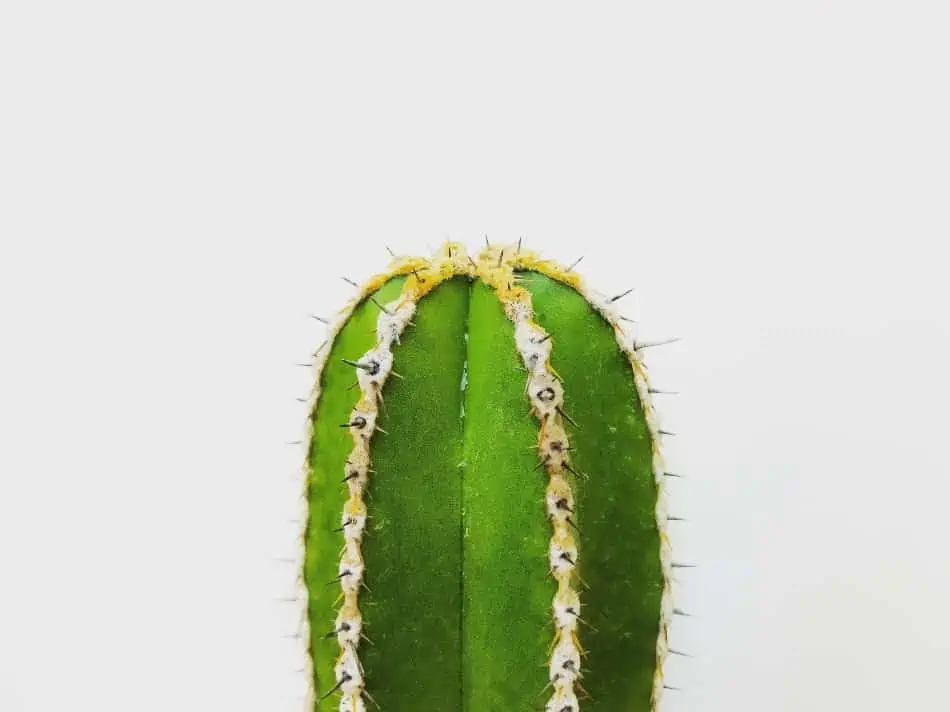
The areolas are the fuzzy and cushion-like dots where the spines, flowers, and stems of cacti plants grow. The areoles are found in all cacti species and are either white or yellow. Even if they’re not visible from a distance, you can still notice them if you take a closer look.

Unlike cacti, euphorbia lack areoles and this is one of the ways to differentiate these two plants.

Euphorbia and other plants don’t have the areoles. So, if you confuse any plant with cacti, you have to look closely. If you don’t see the presence of the areoles, then that plant is not cacti. The same goes for the euphorbia plant.

The Thorns

Both cacti and euphorbia species feature some sort of modified stems that come in the form of thorns. For euphorbia, their thorns come in either a pair or single. These thorns are very thick and form part of the stem. If you happen to remove the thorns and leave the branch, you’ll end up with a wounded euphorbia plant.

Cacti thorns come in the form of modified leaves called spines. The spines grow in circles but can also take other shapes. But despite the shapes they take, cactus spines always emerge from the areolas. You can easily remove a spine from a cacti plant and not cause any wound. Some cacti spines are even known to break off the plant easily and penetrate the skin of animals.

While this is another important distinctive characteristic, you must also understand that not all cacti have spines, and not all euphorbias grow thorns. So, for those thornless euphorbias and spineless cacti, you have to look at a different distinguishing feature.

The Flowers

Another essential factor that you can use to distinguish cactus from euphorbia is the blooms. Cacti bloom in beautiful and colorful flowers featuring important parts like petals and stamens. Their flowers are usually vibrant and appealing and can be used as gifts. Like the spines, cactus flowers also grow from the cushion-like areole. The flowers carry both stamens and pistils. This means many cactus plants are self-pollinated.

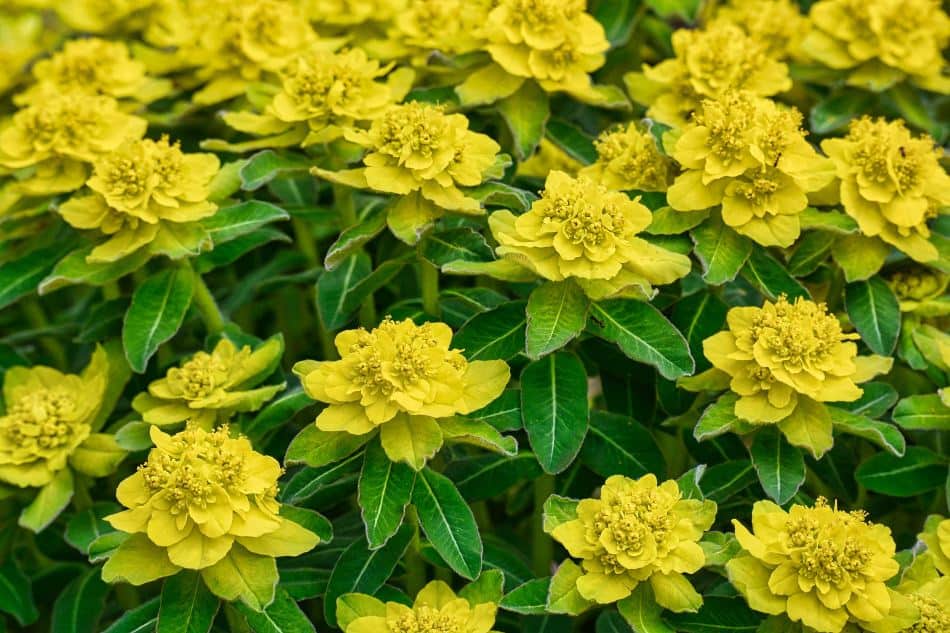
Typically, euphorbia species produce tiny yellow flowers.

As for euphorbia, their flowers are usually small and yellow. These flowers have no petals. These flowers are not as flamboyant as those of cactus and, at times, can go unnoticed. They usually produce unisexual flowers, which can be only stamens or only pistils. This means euphorbia plants can’t self-pollinate like their counterparts.

In some euphorbia species like the crown of thorns, the flowers are surrounded by modified leaves known as very colorful bracts.

The Leaves

There are spiny, cactus-like euphorbias that produce leaves. These leaves are insignificant and fall off seasonally. They might fall off on sunny days, so they don’t cause water loss.

Euphorbia species feature leaves that often fall off seasonally, especially in hot sunny days.

Cacti, on the other hand, have modified leaves called spines. Some cacti also have stems that may look like leaves. However, cacti lack leafy leaves. There are exceptional ones like the Pereskia and Opuntia that have leaves. But even these ones lose their leaves as they grow.

The Genius and Species

Euphorbia doesn’t exist in families like the cactus plant. It’s only a single genus in the family of Euphorbiaceae. The genus is known as spurges and exists in 2000 different species, with some used as ornaments in homes.

Cacti are available in a big family called the Cactaceae. They are available in up to 175 genera with up 2000 species. You’ll find popular genera such as Cereus, Echinocactus, and Opuntia. Most cacti are also used as houseplants.

The Milky Sap

Another way to differentiate euphorbia from cactus is to cut it. Euphorbia plants produce a milky sap from their stems when you hurt them. The sap is not too friendly to animals and humans as it’s sticky and toxic. Often, it can irritate the eyes or skin if it comes into contact with them. It can also cause severe inflammation when it comes in contact with your body. The sap is mostly white, except for that of E.abdelkuri, which is usually yellow.

For cacti, you’ll get a clear sap that doesn’t irritate the skin and is not sticky. However, some cacti still produce white milky sap like that of euphorbia. An excellent example of such is the Mammillaria.

The Evolution

Cacti and euphorbias evolved differently, even though they have almost the same features. Cacti are found in North, South, and Central America. These plants evolved in the New World, even though other species such as Rhipsalis baccifera are native to the Old World.

Euphorbias are succulents that evolved in the Old World. They mostly evolved in Madagascar, Africa, and the drier regions of Asia.

Both of these plants are mostly found in their native growth areas. An exception is the Opuntia cactus which escaped from its natural habitat and now grows as a weed in different parts of the world.

Euphorbia vs. Cactus: Frequently Asked Questions

What is a Euphorbia Plant?

Like cactus, euphorbia is not a single plant but a genus that consists of up to 2000 species. They consist of a single family of Euphorbiaceae called the spurge. Many euphorbia species are popular as houseplants because they require minimal care and can do with minimal watering.

Is Euphorbia Poisonous to Humans and Animals?

When you cut euphorbia, it produces a highly toxic sap that can irritate the eyes and the skin when it comes into contact. If you’re going to cut euphorbia, you should do it carefully. To be safer, make sure you wear protective gloves and eyewear protection. You should also keep euphorbia away from pets such as cats.

Are Cactus and Euphorbia Succulents?  

Both cactus and euphorbia are succulents. However, not all euphorbias are succulent; not all cacti are succulents. Cacti are closely related to most succulent plants like they are to euphorbia. But still, don’t assume that all cacti or all euphorbia are succulents. An excellent example of non-succulent euphorbia is poinsettias. There are also many examples of non-succulent cacti across the globe.

Summary

Cacti and euphorbia indeed have some similarities that can confuse even expert gardeners. To make this even worse, many plant nurseries sell euphorbia as cactus. If you’re planning to add euphorbia or cacti to your garden, it’s essential to know the difference so you learn to differentiate them.

Check the physical characteristics such as lack of leaves, the presence of areoles, and flamboyant flowers to identify cacti. Once you know these features, you should also know that euphorbia is the exact opposite.

Are Succulents Poisonous to Dogs? Everything You Need To Know

Disclaimer: The author is not a medical doctor or veterinarian. The information presented is purely to share our experience and for entertainment purposes. As always, check with a doctor and/or veterinarian before making any health or nutrition decisions and consult with a doctor and/or veterinarian regarding any question or problem that you have. The author and blog disclaim liability for any damage, mishap, or injury that may occur from engaging in any activities or ideas from this site.

Whether you are a dog owner who loves succulents, or you are a succulent extraordinaire who loves dogs, one day you will ask yourself if succulents are poisonous to dogs?

Some types of succulents are poisonous to dogs and if ingested, they may cause vomiting, diarrhea, seizures, and in rare cases, death. If you know the difference between the toxic and non-toxic plants, you can easily enjoy their therapeutic benefits, while keeping your four-legged friends safe.

Keep reading to learn more about succulents, which ones are toxic to dogs, and what you should keep in mind if you have a dog and a succulent in your house.

Succulents Poisonous to Dogs

Succulents are low maintenance plants that are an attractive home décor option. They are also believed to purify the air, improve humidity, and increase oxygen levels in the house. But sometimes accidents can quickly ruin what they were meant to do. 

So, first things first, let us talk about the plants that can harm your dog, what they look like and what signs of poisoning you should watch for.

PlantScientific NameDescriptionSymptoms
AloeAloe VeraShort-stemmed with thick, greenish, fleshy leavesVomiting, lethargy, diarrhea, red urine
String of PearlsSenecio RowleyanusPea like leavesDrooling, diarrhea, vomiting, and lethargy, skin irritation, and dermatitis
Jade PlantCrassula OvataSmooth, shiny, thick, and fleshy leavesIncoordination, vomiting, lethargy, and even depression
Snake Plant Sansevieria TrifasciataSwordlike leaves with vibrant yellow edgesVomiting, nausea, and diarrhea
SpurgeEuphorbia spp.Leaf bracts of yellow, red, purpleVomiting and irritation of the mouth and the stomach
KalanchoesKalanchoe blossfeldianaBlooming in pink, red, yellowAbdominal pain, lethargy, salivation increase, diarrhea, vomiting, irregular heartbeats, severe weakness, labored breathing, death
Sago PalmCycas RevolutaPalm tree like leavesVomiting, thirst, and liver failure
Pencil CactusEuphorbia TirucalliTall with thick white sapVomiting
Panda PlantPhilodendron BipennfoliumFuzzy, mossy leavesDifficult swallowing, mouth irritation, and vomiting
Kalanchoe DelagoensisMother of MillionsCreeping tendrils that brunch together on a single stemDiarrhea, abnormal heart rhythm, vomiting, death
Silver Jade PlantCrassula ArborescensSilvery green leaves with red edgesVomiting and nausea
Kalanchoe DaigremontianaMother of ThousandsBig green leaves ending with baby plantlets on the edgesVomiting, collapse, diarrhea, abnormal heart rate, tremors, and seizures

For more information visit ASPCA Animal Poison Control Center and Pet Poison Helpline for a database of toxic and non-toxic plants.

Things to Know About Succulents and Dogs

Sometimes (unfortunately), things go backwards. Your dog would eat a succulent, and you may not even know that he did, let alone its name. It could be a plant that your dog triumphantly ate on a walk, or your spouse decided to water your aloe plant and left it in your dog’s reach. Let us talk about these unexpected scenarios and how you can be prepared for them. 

Why would your dog eat succulents anyway?

Dogs will be dogs. They would eat succulents for the same reason they would roll in the mud or eat:

  • A box of pudding
  • A $100 bill
  • An umbrella 
  • Another dog’s poop.
Dogs are attracted to various succulents due to their physical appearance, smell, and taste.

However, it is not uncommon that dogs would be attracted to succulents because of their smell, taste, and texture. Often, they would have an upset stomach, and to get rid of the discomfort, your fido friends would eat plants to induce a bowel movement or throw up. Sometimes dogs are deficient in certain nutrients and look for uncommon (in people’s view) foods to supply those.

Toxic and Non-Toxic Succulents

Now that you know that some succulents are toxic, you may decide that you do not want them at home if they are jeopardizing the health and life of your dog. If you are still looking for a natural succulent in your home, but don’t want to worry that it can hurt your dog, here are some beautiful options that will still brighten your home and purify the air without the toxicity.

To replace your Aloe Vera, that is harmful to dogs, when ingested, choose another succulent with long spiky triangular leaves like Haworthia. The look is similar, but the latter would not hurt your dog.

Ha
Haworthia is a succulent that looks like Aloe Vera, but it is not harmful for dogs.

If you want to replace String of Pearls, which is toxic to dogs, try Burro’s Tail. It has lush green leaves that are just a little bigger than the pea-looking leaves of String of Pearls.

If you like colorful succulents like Kalanchoe, substitute them for a vivid Sempervivum Red Lion. 

Signs of Succulent Poisoning in Dogs

If your dog swallowed one of the succulents on the toxic list, you should watch for the following signs:

  • Vomiting
  • Diarrhea 
  • Weakness 
  • Labored breathing
  • Lethargy
  • Tremors
  • Seizures

If your dog eats a succulent and gets sick, keep these tips in mind:

  • Take your pet away from the plant
  • Check if your pet is breathing normally 
  • Take a sample of the succulent
  • Take notes of symptoms in your dog to report to the vet 
  • Do NOT try to feed your dog
  • Do NOT induce vomiting without talking to your veterinarian or Pet Poison Helpline 
  • Call for Help

You are a new pet owner, or you just have never encountered a situation like this? Here are a few suggestions for who to call:

  • Your Vet.  Your vet is prepared to give you advice on plant poisoning. She will also know your dog’s health history and will take that into consideration to prescribe the best plan to action. If you end up at the vet’s office, keep in mind that your dog’s adventurous taste may cost you between a few hundred and a few thousand dollars.
  • The American Society for the Prevention of Cruelty to Animals (ASPCA). You can contact the Poison Control Center at 888-426-4435 and describe the symptoms of your dog. ASPCA may be able to give you some tips on how to help your dog recover faster from plant poisoning.
  • Animal Poison Control Center. Call the Center at 855 764-7661. You may want to write the phone number and put it on the fridge, so you have it handy in case the unexpected happens.

Can My Dog Die if She Eats a Succulent?

Most often, poisonous plants cause reactions ranging from mild nausea to tiredness. If your dog eats a large quantity of a toxic succulent, this may lead to death, but that would be extremely rare. The chances are your dog will be fine in a couple hours. 

In rare cases, intesting large amounts of succulents might lead to fatal results in dogs.

Tips for Pet Owners who are Succulent Lovers 

Good news is that you do not need to give up your succulent or your dog because you have heard that these two may not be compatible. You can still have both if you stay informed.

Here are a few tips that would help you enjoy your plants, and keep your dog safe:

Know What Plant You Have

If you already have a succulent, but you do not know what it is, do some research. You can go to a nearby nursery and ask the staff or check out the garden literature in the nearest library, ask a neighbor who loves plants, or simply search the topic on the Internet. Be resourceful and proactive to gather as much information as possible. You will learn something new, that can help you take better care of both your household plants and your pets. 

As a dog owner, you should get detailed information about the toxicity of your succulents to protect your beloved pet.

Know What Plant You Buy

When you are buying a succulent, ask the shop assistant if it is poisonous to dogs. Most nurseries and flower shops would have that information handy and will gladly provide it to you. They want happy and returning customers after all.

Keep Toxic Plants Away from Dogs

 You want your plants in visible places, so you can enjoy them and take advantage of their health benefits. Most likely your dog will inhabit the same room where you have the plants. Try putting the succulents in higher and inaccessible for your pets places to prevent them from eating them.

Communicate with Others in the House that Succulents Poise Risks to Dogs 

Talk to your family about the harm of succulents to dogs and set rules on who and how to take care of the plants to minimize your dog’s exposure to them.

Summary

Taking care of your succulent and dog is not rocket science. You do not need to choose one or the other. Be informed, use common sense, and the chance of getting your dog poisoned will be minimal. If you are not willing to take the risk of harming your dog with a poisonous plant at home, investigate buying some artificial plants that look like succulents, and that should do the trick.

Are Succulent Plants Poisonous To Cats?

Disclaimer: The author is not a medical doctor or veterinarian. The information presented is purely to share our experience and for entertainment purposes. As always, check with a doctor and/or veterinarian before making any health or nutrition decisions and consult with a doctor and/or veterinarian regarding any question or problem that you have. The author and blog disclaim liability for any damage, mishap, or injury that may occur from engaging in any activities or ideas from this site.

Succulents are popular, low-maintenance houseplants that add greenery to any space.  Consuming too much of any plant is not recommended for cats, there are certain succulent plants that are more toxic than others.  Cat owners must know exactly what kind of succulents they have in their home.  

There are succulent plants that can cause severe upset to a cat’s gastrointestinal tract.  Some succulents may cause minor sickness, while others pose a host of serious issues for cats.  With many different types of succulents, you need to know if your succulents are toxic or non-toxic to your cat.

Some succulent plants are non-toxic to cats.  But with so many different types of succulents, which ones are poisonous to cats?  Read on to learn about popular succulents that are harmful to your cats and how to keep cats away from houseplants.  

Poisonous Succulent Plants to Keep Away from Cats

The list of poisonous plants is constantly increasing.  Below is a list of some popular succulent plants that are harmful to cats.  

Plant NameSymptoms
Aloe VeraVomiting, diarrhea, lethargy; saponins are toxic tremors, poor appetite, abdominal pain
KalanchoeAbnormal heart rhythm, vomiting, diarrhea
EuphorbiaSkin and eye irritation, gastrointestinal upset
JadeIncoordination, gastrointestinal upset

These are just a few succulent plants that are poisonous to your cat.  Know what kind of succulent you have and if its type is harmful to cats.  

Common Symptoms Cats May Display

There are certain symptoms that are commonly displayed in cats.  For example, the famous aloe vera succulent has saponin components that cause diarrhea, vomiting and makes them lethargic.  A stomach problem would be a sure sign your cat has consumed a harmful plant.  

Another symptom to look for would be irritation on their skin.   Watch for a change in their behavior, like constant scratching and licking.  If there are rashes, any visible discoloration in their skin would be a cause for concern. 

Keep Your Succulent Plants and Your Cat Safe

Your cat is naturally curious and may want to explore your succulent plants.  They may want to chew at the leaves or dig in the soil.  Make sure to check with your veterinarian during your cat’s check-up visits.  They may be allergic to certain types of succulents in your home.  

Since cats are naturally curious about the environment, they might chew succulents or dig the soil.

What To Do If Your Cat Ingests a Poisonous Succulent?

Cats are inquisitive and independent animals.  A pretty, succulent plant can be tempting for cats, and it is normal behavior for them to want to play or eat them.   While not all succulent plants are poisonous, cats still shouldn’t consume these.  

If your cat does ingest a poisonous succulent, you should contact your local veterinarian.  It is better to contact them as soon as you believe your cat has ingested one of these succulents.  If you are told to bring your cat to the veterinarian, it helps to also bring a piece of the plant and know the plant’s name for reference. 

If your cat ingests a poisonous succulent, contact the local vet right away.

A complete list of poisonous succulents and other plants can be found on ASPCA Animal Poison Control Center’s website. Taking your pet to the local veterinarian or contacting them first is the best thing you can do for your feline friend to ensure they receive proper care.

Non-Poisonous Succulent Plants to Cats

Succulent plants are popular due to their beauty and low maintenance. Luckily, some beautiful succulents are non-poisonous to cats.  Listed below are a few succulent plants that are cat-friendly and safe to have in your home.  

Zebra Haworthia is among the non-poisonous succulents to cats.

These plant options are easy to maintain, which is one of the reasons succulents are so popular.  Plants like opuntia succulents are prickly, which can be a natural deterrent for cats to stay away.  Cats may be tempted to play with these plants, but you won’t have to worry about it being fatal.  

Keeping Your Cat Away from Succulent Plants

Even if your succulents are non-poisonous to your cat, you may not want them to play with your plants.  There are ways to keep cats out of your plants but not compromise having your favorite succulents in your home.

Even if your succulents are not poisonous to cats, you should still keep your cat away from them to protect the plants.

Use a Safe Spray as Repellent 

While training your cat is a good option, making your plant undesirable to your cat can work as well.  Cats are not big fans of citrus.  They do not like the taste or smell, so spray your succulent with water and squeeze juice from:  

  • Lime
  • Lemon 
  • Orange

Another natural repellent is to mix your water with lavender or garlic to help deter them from nibbling on your succulent plants.  In addition to homemade repellents, many store brands can be used as a deterrent for cats.  Keeping them away from these succulent plants means your cat is staying safe.

Cover the Soil So Your Cat Can’t Dig

If you have a plant that has soil exposed, consider covering the soil with a breathable surface.  Using a breathable fabric, like burlap, and cover soil.  Spray with a natural citrus repellent. 

Place Succulent Plants Out of Your Cat’s Reach

As a cat owner, you may have to do some rearranging to your space to best accommodate your cat.  While cats tend to be excellent leapers, find out of reach places around your home to place those succulent plants.  

  • Hanging Plants – Decorate your home with hanging plants that will still give a touch of greenery but stays out of your cat’s reach.
  • Plant Terrariums – Display your succulents in a small or large terrarium.  Whatever the style, it will keep your succulents covered and inaccessible to your feline.
  • Wall Planters – Have beautiful succulent plants high out of reach of your cat to avoid any harm.  Your home will be well-decorated.  Most importantly, your cat will be safe from consuming any poisonous plants.
  • Wall Pallets – These are a unique display for your succulents that can be placed high up on your wall, inaccessible to your cat.

These different options should all be placed out of reach from your cat.  Hang your succulent plants high enough that your cat cannot reach them.  For the terrariums, make sure they are displayed in a location where your cat cannot knock them over.   

Make Sure Your Cat Litter is Well-Maintained

In addition to using repellents and ensuring you have non-poisonous succulent plants in your home, there are other factors that can help keep your cat away from your plants.  Start with maintaining a clean litter box.  Cats are known as clean pets and for this many cat owners appreciate owning one.  If the litter isn’t well-maintained, they may dig in the potting soil as if it was their new litter box.  

Have Litter Boxes Accessible for Your Cat

Make sure you not only have a clean litter box but a litter for as many cats as you may own.  To keep your cat from digging in plants, ensure they have easy access to litter boxes.  If you have 1 cat, then you should have 2 litters.  For however many cats you may have, make sure there is 1 more litter box for use.

Give Your Cat Their Own Plant

There are cat-friendly grass planters and other types of plants that are made just for cats.  A grass planter is a perfect distraction and will have your cat playing hours.  There are DIY planters, just make sure the type of plant is cat friendly.  Cat grass or an inside cat garden can provide hours of fun for your cat.   

There are some popular plant toys for cats:

  • Catnip
  • Scratching post
  • Cat tree

Making your home safe for your cat is important.  Providing a safe plant for your cat will distract them from getting into your favorite succulents.  

8 Unusual Types Of Succulents To Brighten Your Home

The popularity of succulent plants is a thrill that won’t lose steam any time soon. What with amateurs jumping on the bandwagon to try their hand in gardening? However, if your knowledge of succulents is limited, you will be surprised to note a rare group of succulents, some with unusual features. These don’t mature quite easily and may fail to grow roots or even propagate. In contrast to the popular indoor and outdoor plants like Burro’s Tail, Flaming Katy, Aeonium, and Agave that can thrive on neglect, some of the uncommon succulents require a little attention to thrive.

So what are the unusual types of succulents? There about sixty family plants that can be categorized as succulents. Unusual succulents are termed to thanks to their uniqueness in growth, size, shape and maturity.  The term rare succulents came about not because they are unavailable but because they were difficult to grow, propagate or even produce roots at a certain point. Some of the uncommon types of succulents include the following:

1.Pig’s Ear Plant( Cotyledon orbiculata)

2. Plover Eggs

3. Aeonium haworthii ‘kiwi’

4. Graptoveria ‘Topsy Debbie’

5. Pebbled Tiger Jaws

6. Mexican Hens and Chicks

7. Baseball plant

8. Kalanchoe rhombopilosa

This article will take a look at each of these unusual types of succulents. It will also consider their characteristics, origins, and ideal conditions for growth.

1. Pig’s Ears Plant( Cotyledon orbiculata)

This plant, also called round-leafed navel-wort, is native to the Arabian Peninsula and South Africa. The name Pig’s Ears came about because its fleshy grey-green leaves resemble a swine’s ear. The plant can grow up to 4.3 feet or 1.3 meters in height. Its small and bell-shaped leaves are coated with a whitish substance that helps the succulent to reflect sunlight and conserve moisture. Depending on the variety, this succulent can have either orange-red or, in rare varieties, yellow leaves.

Pig’s Ears plant is a succulent with bell-shaped leaves that can grow up to 4.3 feet in height.

To care for Pig’s Ear, plant it in a dry space, whether indoors or in the garden. You can also put it on hanging baskets, pots, window baskets, and any suitable container. Even though it can do well in partial shades, a sunny location that mimics its natural habitat is ideal. Before watering your plant, ensure the soil is well-draining. Rotting is a common problem, not to mention that snails and slugs make the plant their favorite playground. If possible, use a snail trap or a slug bait to get rid of them.

2. Plover Eggs Plant

This succulent with pudgy silvery-green leaves dotted with purplish speckles is native to South Africa. Its scientific name is Adromischus cooperi from the family Crassulaceae, but the name Plover Egg Plant is used because the leaves have a mottled appearance. You can see the copper marks on the leaves against the green leaves. When mature, it stands at 4 inches or 10 centimeters tall, with delicate, sky-facing flowers on a slender stem. The  Plover Eggs Plant is known to be a slow-growing succulent.

The propagation of this succulent is possible either by seeds, leaves, or cuttings. If the species drops off its leaves, you can simply place it against the side of the container, and it will grow into a new plant. However, you can also cut the leaves using a camping knife. For planting purposes, fill the container with gritty sand before adding humus. The sand ensures that the water will drain. Every month, feed it with a cactus fertilizer for optimum growth.

3. Aeonium haworthii ‘kiwi’

This plant is also known as Kiwi Verde, Aeonium Kiwi, or simply Kiwi. Its origin is a mystery, and people believe it could be a hybrid of Aeonium haworthii from the Canary Islands. With yellow and green variegated and spoon-shaped leaves, this succulent is surely a beauty to look at when fully grown. The edges have a tinge of rose-red. Under the right conditions, it can grow to as high as 2 feet.

Aeonium Kiwi is a succulent with yellow and green spoon-shaped leaves that feature rose-red edges.

To grow it successfully, water it under excessively dry conditions only in well-drained soil, preferably every two to three weeks. The kiwi Verde can be propagated, but for you to achieve that, make sure you do so from healthy leaves only. Use a sharp knife or scissors to do so and let it callous for five days, if not a week, before planting.

4. Graptoveria ‘Topsy Debbie’

Another unique succulent is a hybrid of Topsy turvy and Debbie, all from the Crassulaceae family. The plant is also known as Lilac spoons because of its color. It has thick, spoon-shaped leaves in seamless rosettes. When mature, this plant can grow up to 15 centimeters tall and produces flowers in Spring.

If you plant it in a container, mix sand, grit, topsoil. Add humus for optimum growth. Besides, it needs the full sun, so when you plant it indoors, ensure you move it with the sun.  Shrivelled leaves or a finger that goes several inches into the soil means you need to water.

5. Pebbled Tiger Jaws

This succulent, native to South Africa, was named so because of its intimidating, fang-shaped leaves. It has also been named Shark jaws and Faucaria tuberculosis. Interestingly,  the Pebbled Tiger Jaws is quite harmless and soft to the touch despite the spikes. It is no wonder that the Royal Horticultural Society awarded it the Award of Garden Merit based on its performance in the United Kingdom.

The Pebbled Tiger Jaws is a succulent with triangle-shaped leaves that features yellow blooms when the weather is cool.

The Pebbled tiger jaws has fleshy leaves that are triangular and produce bright yellow flowers during cooler months. When fully grown, it stands to a height of 15 centimeters, or 6 inches tall.

6. Mexican Hens and Chicks

The fact that this succulent is native to Mexico has seen it attract such names as the Mexican gem, the Mexican snowball, and White Mexican rose. The term hens and chicks is used thanks to the mother plant that produces numerous tiny baby offsets that surround its base. It is a perennial evergreen succulent belonging to the genus echeveria and Crassulaceae family.

Mexican Hens and Chicks is an evergreen succulent with pale green and fleshy leaves.

Mexican Hens and Chicks grows up to 4 inches or 10 centimeters tall when mature. Its leaves are pale green and fleshy.  It has long pink stalks and flowers. The flowers with yellow tips appear during Spring and winter. To propagate the plant, you can use either the offsets, leaves, or stem cuttings. These are cut carefully using a sharp razor blade.

7. Baseball plant

If you were wondering about its name, the Baseball plant, also known as Euphorbia obesa, has a shape that resembles a ball. It grows wildly in arid regions in the Cape Province of South Africa.  The succulent has become popular as a houseplant since its discovery in the 1800s, for they have thanks to their unique shape and low maintenance requirements.

The Baseball plant can have a diameter of  6 to 15 centimeters. Its diameter usually depends on age.   When the green succulent is exposed to direct sunlight, either red or purple areas are visible.

You can grow the Baseball plant alone or choose to grow it together with other succulents. When doing so, avoid moving the plant because it easily gets stressed, leading to poor health. It is unnecessary to use fertilizer, but cactus food will be ideal when tempted to use it. Use it only once at the onset of growth.

8.  Kalanchoe Rhombopilosa

This darling of collectors is also named Pies of Heaven because the leaves have an almost triangular shape, just like a pie. It is native to Itampolo in southwest Madagascar. When fully grown, this succulent can stand to a height of 10 to 30 centimeters on its silvery stem.

The grey-green leaves are mottled and pinched at the edges. The Kalanchoe usually peaks during Spring and Autumn. However, they are dormant during summer. It is during Spring that the succulent is ideal for propagation. The flowers are usually small and greenish-yellow with red lines. As an ideal container succulent, the Pie requires more water during winter.

These unusual types of succulents are a great addition to any garden or home as they add both personality and distinction. Taking care of these succulents is a good way of expanding your knowledge on them as a whole as they are both fascinating and diverse. Getting an unusual succulent and caring it to maturity is a source of pride for any succulent enthusiast. While there are tens of other succulents with unique characteristics, these top the list, and it also helps that they can be grown indoors.

15 Types Of Succulents That Are Easy To Care

When it comes to succulents, you always know they’re the easiest to plant and care for. These plants can survive pretty well anywhere. They’re used to enduring harsh climatic conditions with little to no moisture. These are the types of plants you plant in your house, water once in a while, and let them fend for themselves.

However, not all succulents are easy to care for and can survive neglect. Others require very strict watering, while others need them to fertilize often. If you’re looking for specific succulents that will give you a very easy time caring, you have to pick carefully. You need succulents that won’t be demanding in terms of watering, sunlight, or fertilizer. You also need those that can resist pests, rot, and won’t die easily.

Finding the kinds of cactus that will give you an easy time is not hard. Take a look at this list of 15 succulents that are pretty easy to care for.

1.  Paddle Plant

Also known as Kalanchoe tetraphylla, the paddle plant makes it our top list of the easiest succulents to grow. The plant doesn’t give you a hard time keeping in your indoor garden because it will call for very little attention. You only have to water it when you notice that the soil on top is dry. It needs bright light but doesn’t expose it to direct or hot sunlight if you want to maintain its red edges.

2.  Aloe Vera

You can never go wrong with the Aloe Vera plant either in your indoor or outdoor garden. It’s a great plant to start with if you’re a beginner gardener because you don’t need a manual full of instructions to care for it. Make sure the soil dries out between watering for your aloe vera to grow healthy. Ensure it receives direct sunlight for a couple of hours every day. You can only re-pot it once you notice the roots pushing out of the pot.

Since aloe vera does not require too much care, it is an excellent succulent for beginners.

3.  Agave

Agave is a quick-growing succulent that adorns your garden with beautiful blooms in their season. You don’t want to break your back, caring for it to reward you with beauty. It’s another one which will give you the easiest time to care for. The agave plant has its smaller varieties suitable for indoor growing with bright light next to the window.

4.  Jade Plant

Jade plant is a very popular succulent in indoor gardens, all thanks to its easy-to-care nature.  The plant is available in different varieties, which all do well with very little care. Whether you buy the tiny baby plant or go for the mature ones, be assured that they’ll thrive in your garden. 

Just make sure they receive good drainage soil with lots of sunlight. Have the soil dry completely between watering but give it plenty of water when you decide to do so. It needs good soaking during watering and not just a few sips.

5.  Dasylirion

This is another attractive succulent plant that requires very little input from your side to adorn your garden. This plant resembles palm, and many people don’t even realize they’re succulents, but they are.  They’ll give your garden their southwestern look with their green, blue-green, or greying leaves. The leaves are small and sharp, and they have somehow woody stems.

If you love this stunning appearance, make sure this succulent receives some water to grow. But you’re assured that they can still do well in desert gardens thanks to their drought-tolerant nature. Plant them in containers if you want them to adorn your garden with their attractiveness.

6.  String of Pearls

If you thought those plants that hang on baskets are complicated to grow, then you’re wrong. Try a string of pearls and enjoy the beauty of hanging plants without straining yourself. You have to give your precious plant bright light and enjoy that direct afternoon sun. You should also go slowly on watering because it doesn’t need a lot of it. Water string of pearls moderately in warm climates and bright light and enjoy the beauty.

You can easily grow a healthy String of Pearls if you give the succulent plenty of sunlight.

7.  Lithops

Lithops look like stones, and someone won’t even notice they’re plants until they bloom. These plants are one of the easiest succulents to use in adorning your indoor garden. They provide you with lots of colors and designs. If you want these plants to bloom, give them enough sunlight. They need well-drained soil with little watering. They grow dormant in winter, and you should refrain from watering during this period.

Lithops are stone-like succulents that can bloom if you give them enough sunlight.

8.  Haworthia

This is a great succulent that produces a clear gel similar to that of aloe vera. Haworthia adorns your garden with plenty of colors ranging from brown to green. They also come in various types and sizes to choose from. Haworthia will do well in your garden if you give them good shade and mild winter climates. The plant is easy to maintain and resistant to pests. Don’t expose them to too much moisture, as this can cause rot and end up killing your precious plant.

Although Haworthia is resistant to pests, moisture can cause root rot and kill the plant.

9.  Burro’s Tail

This plant is also known as Sedum Donkey’s Tail, thanks to its fleshy and cute appearance. It’s a perfect plant to grow in hanging baskets. The plant has a unique ability to survive in any soil type. It’s resistant to pests and many diseases. It’s a friendly succulent to grow even in households with pets because it’s non-toxic. Grow Burro’s Tail either indoors or outdoors, and you’ll love it.

10. Snake Plant

If the term snake doesn’t scare you, then the snake plant should be one of the plants to grow in your garden. Gardeners love this succulent for its easy care and beauty. The plant adorns your garden with its glossy, long, and flat leaves, which have a dark green color. Apart from the beauty, the snake plant is also known to provide your garden with some good air purification. Be careful with this plant where there are pets because the leaves can be toxic.

11. Echeveria

The beautiful succulent is one of the most popular plants in gardens thanks to their easy care. The plant grows beautiful rosettes which come in a variety of colors and pastels. You don’t need to give your Echeveria too much water because this will only cause them to rot. Plant them in a container with good drainage soil. Water if you notice that the soil has completely dried out.

12. Tiger Jaws

Tiger jaws got their name from their leaves that form what looks like tiger jaws with pointy teeth. The appearance makes a great part of this plant’s beauty. It’s one of the easiest succulents that you can introduce to your garden. Make sure you grow this plant near the window area where it can benefit from the direct sunlight. 

At least four hours of direct sun is enough to make this amazing plant adorn your garden with stunning yellow flowers. Grow it in a container with good drainage holes and only water when the soil is completely dried out.

13. Hens-and-Chicks

This is another low care succulent species that grow in spirals or rosettes. The plants have pointed leaves that are green in color and marked with red, blue, or purple colors. The plants come in two main varieties; the Echeveria Elegans and sempervivum tectorum. Both varieties grow pretty well either indoors or outdoors and require little maintenance.

14. Golden Barrel Cactus

You cannot mention low-maintenance succulents and leave cactus species out. In this case, the golden barrel cactus is a perfect representation of the cactus succulent varieties that are easy to grow and care for. The ‘mother-in-law’s cushion’ is a drought-tolerant plant that is beginner gardener friendly.

Grow this plant indoors but don’t forget to ensure it receives enough sunlight.  Water it when you notice the soil drying out. The plant is also one of the fastest-growing cactus varieties that you should re-pot while still young. Well, it won’t take over your home by growing into a giant barrel because its growth rate slows down as it ages.

15. Pincushion Cactus

Still, on cactus, the pincushion is another succulent cactus type that can give you a very easy time to grow and care for. The pretty-looking cactus got its name from its sharp needles that can prickly your skin if you don’t handle them well. It’s not a very family friendly-plant because of the spikes. Keep it away from homes with children and pets.

If you give your pincushion lots of sunlight, the rest of the care will be very easy. Water only when the soil is dry. Give it a period of no watering during the cold months, so it goes into the dormancy stage. If you follow these simple care tips, the pincushion cactus will indeed reward you with beautiful blooms.

Summary

If you’re beginning your gardening journey and don’t know much about succulents, these low-key plants are the ones to start with. The plants are very easy to grow and care for and will easily jumpstart your journey to becoming an excellent gardener. Ensure you learn the care needs for these plants and enjoy the beauty they add to your garden.