Discover the Benefits of Bonsai for Your Garden

Bonsai on hand.

Bonsai plants have gained massive popularity recently. “bonsai” is Japanese, meaning “a plant in a container or vessel.” These plants are delightful to have in your house since they add a whimsical element to the indoor spaces where they are displayed. And even though cultivating these plants usually requires a lot of time and dedication, many people still enjoy investing in them. In fact, it has become so popular that there is an entire bonsai culture with conventions and gatherings. So, what makes these plants so popular in different parts of the world? Let us find out.

What are bonsai good for? Bonsai plants generally bring much peace and calm into your life, making it almost impossible to get frustrated or agitated around them. They are known to be great stress relievers and will make you patient since they require proper care to thrive. They give you a massive chance to learn life’s most important lesson – working hard and being patient. Bonsai trees also purify the air, maintain humidity, and promote healthy living.

This blog post highlights some benefits of bonsai plants in your home. Read on to find out everything you need to know.

What Are Bonsai Trees

Let us first understand what bonsai trees are before we discuss some of the benefits that they offer. Bonsai is a unique art discovered many years ago in Japan and China.

However, the authentic bonsai culture is mostly associated with Japan. The practice is known as “penzai” or “penjing” in China.

Penjing is a Chinese term for potted plants that form a beautiful scenery and landscape. Penjing is a symbol of prestige and pride in China.

A healthy bonsai tree.
Bonsai is a unique art discovered many years ago in Japan and China.

Even though Penjing was originally practiced in China, it grabbed the attention of the Japanese and became an essential Japanese art for many years.

The Japanese adopted bonsai art in the 12th century, and it became a significant part of their culture.

The term “bonsai” refers to a small presentation of a tree in Japanese culture. Unlike the Chinese art “Penzai,” which is mainly reserved for the elite, bonsai is a practice that can be done by anyone who has the patience and dedication to do it.

Recently, bonsai trees have gained immense popularity worldwide, and numerous people enjoy cultivating these plants indoors. They offer several benefits, such as stress reduction and air purification.

What Makes Bonsai Trees Different?

The truth is that bonsai is an ancient living art. It is unique and different from the traditional houseplants culture.

The atmosphere required for bonsai trees to survive and thrive is created and controlled 24/7.

You can create bonsai trees by finding a way to control the growth of certain trees by applying several techniques. These techniques include root pruning, wiring, and heavy crown pruning.

Unlike other houseplants, bonsai trees require constant effort and maintenance to maintain their miniature status.

These trees are slow growers, but their seeds are similar to regular trees. It is only that they are forced to remain small.

While bonsai trees are no different from conventional houseplants, they have been miniaturized by heavy pruning and restricting their roots.

A person watering a bonsai.
It is unique and different from the traditional houseplants culture.

Therefore, any woody or perennial tree capable of producing normal branches can be trained into a bonsai. However, some tree species are naturally bonsai.

Their relatively small leaves and needle-like structures make them a great option for creating a bonsai scenery and landscape.

Nearly all plant trees can be converted into beautiful bonsai trees, but the most recommended species include boxwood, maple, juniper, and ficus.

Bonsai trees are unique and appear beautiful because they combine human art and nature.

Every bonsai tree created represents the skill and art of patient humans willing to channel their inner creativity into making small trees with unique and stunning shapes.

What Are Bonsai Good For?

The beauty and elegance of having a small tree in your house are massive. Here are some reasons why more and more people opt for this miniature landscape art:

1. Air Purification

The truth is that all plants are a gift from nature to us. Plants produce their food through photosynthesis, consuming carbon dioxide and giving out oxygen.

The air we breathe may contain harmful toxins that can’t be seen. However, plants are known to eliminate a massive number of toxins present in the air.

Therefore, keeping bonsai plants indoors can help purify the air and maintain a healthy environment.

A mini caudex bonsai outdoor.
Plants are known to eliminate a massive number of toxins present in the air.

Furthermore, keeping these plants in offices or living spaces is critical in reducing volatile organic compounds, also known as toxins. The presence of toxins in the air can damage your internal body organs.

One of the most common and dangerous toxins in the air is formaldehyde in rugs, grocery bags, smoke, and even new furniture.

Bonsai plants are known to reduce formaldehyde’s presence in the air, making them an essential part of all indoor settings.

2. Stress Reduction

Every person experiences stress in their life due to various reasons. Fortunately, bonsai trees can help reduce stress levels by creating an aesthetically pleasing ambiance.

They are known to be very calming for the eyes and mind as they bring tranquility and peace.

Studies have shown that simply looking at bonsai trees can significantly change the mental state of individuals suffering from stress.

They are known to reduce stress levels, lower blood pressure, ease muscle tension and contribute to relaxation.

It is important to note that these plants do not help cure any form of mental illness but help reduce stress.

3. Maintains Humidity

Air humidity refers to the amount of water vapor present in the air. Generally, high humidity levels are beneficial for our body since it helps in keeping the skin and hair nourished.

Bonsai tree in the windowsill exposed to sunlight.
The more bonsai trees you keep indoors, the higher the relative humidity.

It also provides a suitable environment for other indoor plants.

Bonsai trees come with well-structured tiny leaves that help maintain the humidity in closed environments like offices or homes. The more bonsai trees you keep indoors, the higher the relative humidity.

Furthermore, people suffering from respiratory ailments like asthma can benefit greatly from bonsai trees as they must ensure their environment has a higher humidity level to avoid further complications.

4. General Well-being

Staying close to nature makes a person happy. While caring for your bonsai plants, you will naturally feel good because you dedicate your time, care, and love to the plants. And you get what you provide.

As your plant grows and forms beautiful scenery, you will naturally fall in love with your passion and effort.

In fact, a full-grown bonsai plant teaches you never to give up in life. Instead, you should always be open to new lessons and experiences. Bonsai trees will lead you to make a healthy relationship with every situation you face in life.

Every time you examine and remove a damaged part of your bonsai plant, you learn how to let go of negative thoughts and traits that may be dragging you down.

5. Decoration

Are you looking to add life and vibrancy to your home’s indoor area? Bonsai trees are a perfect choice as they can act as an excellent décor piece. They come in various shapes, sizes, and colors, making them versatile.

You can customize the bonsai tree’s shapes and positions per your home’s environment. All you need to do is learn the basics of bonsai gardening, buy a plant suited to your needs, and get creative with it.

6. Breeds Patience

Every bonsai tree is a result of hard work and patience. Typically, bonsai trees have a relatively long lifespan but will only thrive if you constantly take good care of them.

Bonsai trees require constant pruning, fertilization, and watering to thrive. You must invest much time and effort in every bonsai plant to get the best results. Whether you buy or grow the plant yourself, you need much patience.

It takes time for bonsai trees to grow compared to other houseplants. These plants will teach you patience and hard work. Plus, caring for them will harness a sense of spirit within you.

Remember that good things take time; having a beautiful bonsai landscape should be your long-term goal.

To achieve this, you need daily proactive and patience. So, keep doing what you do, and the results will eventually come.

7. Bonsai Trees Make You Creative

Lastly, bonsai trees open up a world of possibilities for creativity. You can experiment with various ideas and creative techniques to form different shapes, sizes, and styles.

A man pruning a bonsai tree.
The more you practice, the better you become.

This allows you to use your imagination and skills to find the right shape or design suitable for a specific tree species. The more you practice, the better you become.

So, start exploring the wonderful world of bonsai gardening and unleash your creativity. You can even find thousands of ideas on the internet with amazing images to inspire and motivate you.

Final Thoughts

Bonsai trees are a combination of human art and natural beauty. Keeping these plants indoors offers many advantages, including air purification, stress reduction, and general well-being.

Bonsai trees can be a great choice for those looking for an aesthetic way to bring nature to their homes.

However, it is important to remember that bonsai plants require careful and regular maintenance. Keeping the plant healthy requires patience and dedication, but the rewards are worth it!

Top 10 Cold-Resistant Succulents for Your Garden

Blue spruce covered with snow.

We know succulents are a great way to add life and color to our homes and gardens. Most of these plants are drought-resistant and thrive in areas with plenty of sunlight. But do you know that some succulents are cold-hardy, too? Cold-hardy succulents can survive in temperatures as low as -20 degrees Fahrenheit. They may experience some leaf damage or wilting, but they usually fully recover with proper care.

So, what are some of the common cold-hardy succulents? Some of the most popular cold-hardy succulents include Echeveria, Queen Victoria Agave, Sedum, Red Yucca, Texas Sotol, Pink Ice Plant, Sempervivum, Blue Elf, Lace Aloe, Delosperma, and Orostachys. These plants require well-drained soil with plenty of sand or gravel for added drainage. They must also be watered only when their soil has completely dried out. Avoid over-watering, as this could cause root rot or other problems with your succulents.

This blog post discusses some of the common cold-hardy succulents in detail. Read on to find out everything you need to know.

Understanding Your Horticultural Zone

Before looking at some cold-hardy succulents, you must understand your horticultural zone. The best way to do this is to study the USDA’s Plant Hardiness Zone Map and key in your ZIP code (for USA residents) to gather helpful information on your USDA horticultural zone.

But why is this important? Knowing your horticultural zone helps you identify which plants will grow best in your climate. It also gives you an idea of the lowest temperatures your succulents can tolerate.

In the case of cold-hardy succulents, it’s essential to know what weather conditions can reach your area so that you can plant accordingly and ensure the survival of your succulents.

Remember that the most crucial step in your gardening journey is knowing you have the right plant for your horticultural zone.

While cold-hardy succulents can tolerate freezing temperatures, their survivability is always limited.

What Are Some of the Common Cold-Hardy Succulents?

Now that you know what your horticultural zone is, let’s look at some common cold-hardy succulents.

Sempervivum

One of the most common cold-hardy succulents is the sempervivum. Also known as houseleek or the hens and chicks plant, the plant is known for its rosette shape and bright colors.

A sempervivum on rocks and exposed to sunlight.
The succulent has a rose shape that may form dense mats.

The succulent gets its name from the mother plant (hen), which produces many baby plants (chicks). The succulent makes an excellent ground cover plant and is relatively easy to care for.

It produces rosettes that can be as small as 1/4 inch or as wide as 15 inches, depending on a wide range of factors.

The succulent has a rose shape that may form dense mats. Sempervivum can survive in almost every soil type and comes in many shapes, textures, and colors.

Many gardeners use it in rock gardens and container projects because of its hardy nature. The succulent is easy to propagate and can be propagated using offsets, division, or leaf cuttings.

Unfortunately, sempervivum succulents are monocarpic, meaning they flower only once in their lifetime and then die. It usually takes the succulent between two and five years to bloom.

However, the flowering of the plant doesn’t mean the end since the chicks surrounding the mother plant continue growing and fill the space left behind by the mother plant.

Its flowers are star-shaped and spectacular. They can be pink, red, or yellow and may reach up to two feet tall, lasting between two to four weeks.

Sempervivum is typically hardy to -20 degrees Fahrenheit, but some varieties can tolerate even lower temperatures. The plant grows in well-drained soil and can survive temperatures as low as -30 degrees Fahrenheit with proper care.

Queen Victoria Agave

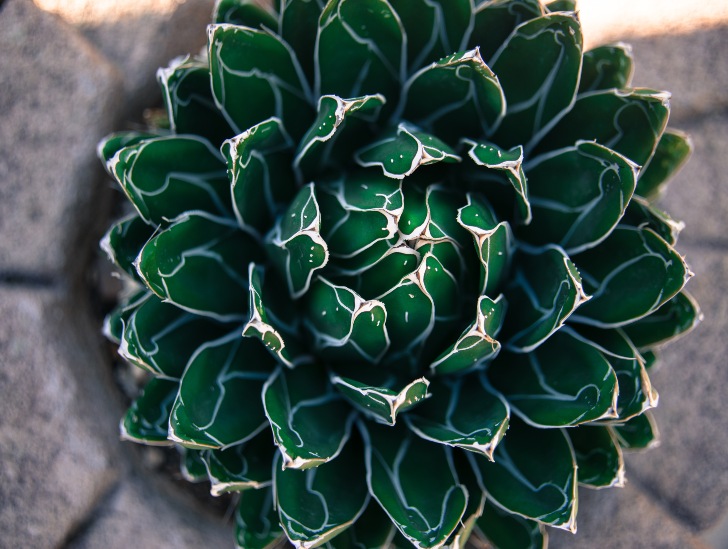
Many people describe Queen Victoria Agave as the most decorative and cold hardy succulent. This agave variety is native to Mexico, Belize, and Guatemala, where it grows on rocky hillsides in full sun exposure.

The plant has an upright rosette of deep-green foliage tipped with yellow or brown margins and a central stem reaching one foot tall.

A queen victoria agave plant.
This agave variety is native to Mexico, Belize, and Guatemala, where it grows on rocky hillsides in full sun exposure.

The Queen Victoria Agave is drought tolerant and has been known to be hardy down to -20 degrees Fahrenheit.

The plant blooms in late summer, sending up a flower spike that can reach ten feet tall. The flowering period can last six weeks or more; the flowers are yellowish-green with red bracts.

The Queen Victoria Agave produces offsets or pups around the base of the plant, and these can be used to propagate new plants. However, protecting the plant from extremely cold temperatures during winter is also crucial.

Pink Ice Plant

The famous Pink Ice Plant is native to South Africa, where it grows on rocky hillsides and in well-drained soils. It features attractive pink flowers with yellow centers.

The plant can reach up to 6 inches tall and has a creeping nature, making it ideal for use as a ground cover planting, in rock gardens, and as a container plant.

It is resistant to most pests and diseases; however, it is crucial to plant it in well-drained soil. The Pink Ice Plant is hardy down to 10 degrees Fahrenheit and can be propagated by division or cuttings.

Opuntia

Several cacti species from the Opuntia genus are cold-hardy and won’t have issues surviving outdoors during winter.

Most opuntia species can grow outdoors in horticultural zones 3b through 11. O. Fragilis can withstand low temperatures of up to -35 degrees Fahrenheit.

Opuntia plant covered in snow.
These cacti are drought-resistant and can handle periods of prolonged dryness without issue.

Opuntia species feature fleshy, flattened stems that are called pads. These pads contain small spines known as glochids which guard against animals and help the plants store water for long periods.

The plant has yellow flowers with showy red centers, producing edible fruits known as ‘tuna.’

These cacti are drought-resistant and can handle periods of prolonged dryness without issue. They prefer well-drained soil and must be planted in a sunny position for best results.

Opuntias don’t grow tall but spread out over time, forming an interesting pattern with their round, green pads. They can be propagated through stem cuttings and offsets.

The prickly pear cactus is an excellent choice for security borders around your property or underneath windows. Most of them grow up to 20 feet tall and 15 feet wide.

Orostachys

Orostachys is a small, low-maintenance succulent native to mountains in Central Asia. It features rosettes of bright green leaves with red tips and colorful purple flowers during summer.

The plant is hardy down to -20 degrees Fahrenheit and loves full sun exposure and well-draining soil. Orostachys can also survive periods of drought and requires minimal maintenance during winter.

The succulent can be propagated by division or leaf cuttings, and it is ideal for rock gardens, perennial beds, and container planting. It also makes an excellent houseplant due to its low-maintenance requirements.

Orostachys is a great choice for gardeners looking for a low-maintenance succulent with attractive foliage and flowers. It’s sure to bring some color and texture to your outdoor spaces.

Blue Elf

The Blue Elf is an interesting succulent because it is a pure hybrid. However, people need to find out the two plants that were crossed to form them. The plant features spoon-shaped blue-green leaves with white edging and pinkish-red tips.

The plant grows up to eight inches tall and will branch out into an interesting shape over time. The Blue Elf is hardy down to ten degrees Fahrenheit, making it suitable for growing outdoors in many horticultural zones.

It prefers well-draining soil and will require regular watering during the growing season but won’t need much maintenance during winter. The plant can be propagated through stem cuttings or offsets.

The Blue Elf is an excellent choice for gardeners looking to add some unusual color and texture to their outdoor spaces.

Blue Spruce

The Blue Spruce features a furry, fern-like structure ideal for small spaces. The plant features silver-blue foliage and produces tiny yellow flowers in spring.

A blue spruce with snow.
Its unique foliage will bring a touch of class to any garden.

The Blue Spruce is hardy down to -40 degrees Fahrenheit and can be grown outdoors in many horticultural zones. It requires sandy, well-drained soil and prefers a sunny position, but it can tolerate some shade.

The plant is easy to maintain and requires minimal care during winter. It can be propagated through stem cuttings or leaf cuttings.

The Blue Spruce is an excellent choice for gardeners looking to add texture and interest to their outdoor spaces. Its unique foliage will bring a touch of class to any garden.

Cobweb Houseleek

The Cobweb Houseleek is a succulent with an exciting name and even more interesting features. It features foliage ranging from light green to silvery blue and produces delicate white flowers during summer.

The plant also has wiry cobweb-like threads all over its leaves, giving it a unique look.

Cobweb houseleek in a pot.
The Cobweb Houseleek is a succulent with an exciting name and even more interesting features.

The Cobweb Houseleek is hardy down to 0 degrees Fahrenheit and prefers well-drained soil in full sun or partial shade.

It requires regular watering during the growing season but can withstand long periods of drought without issue.

The succulent can be propagated through stem cuttings or offsets, making it an excellent choice for gardeners looking to add unique texture and color to their outdoor spaces. It is sure to bring a touch of character to your garden.

Summary

Cold-hardy succulents can be a great addition to any garden or home, regardless of location.

Succulents such as Sempervivum, Queen Victoria Agave, Pink Ice Plant, Opuntia, Orostachys, Blue Elf, Blue Spruce, and Cobweb Houseleek are some of the most popular ones found in colder regions.

Anyone looking to add warmth to their outdoor space or fill indoor planters with greenery should consider one of these impressive succulents.

Terrarium Succulent Care: Signs of Over/Underwatering

A person spraying water to a Open Terrarium.

Creating a succulent terrarium is a great way to bring the beauty of nature indoors. However, it’s important to remember that succulents are very sensitive to water and must be watered appropriately to thrive. While most succulent terrarium ecosystems operate on a fine balance, you must remember that too much or too little water can have dire consequences. Too much water can accelerate mold growth, while too little water can cause your plants to become dry and brittle. Fortunately, some common signs can indicate whether your succulents are being overwatered or underwatered.

So, what are some common signs of overwatering and underwatering in a succulent terrarium? Signs of overwatering include yellowing of leaves that eventually fall off, mushy stems and leaves, foul odor from the soil, soaking wet substrate, mold growth, and plant rot. On the other hand, signs of underwatering include dry and crispy leaves, dry soil, shrinking or shriveled plants, and stunted growth.

This blog post outlines the common signs of overwatering and underwatering succulents in a terrarium to help keep your plants healthy and thriving. Read on to learn more.

How Often Should I Water My Succulent Terrarium?

Before we dive into the signs of overwatering and underwatering in a succulent terrarium, it is crucial to know how often you should water your plants.

Generally, most succulents must be watered about once a week during the active growing season – from spring through fall. They may need to be watered even less frequently during winter.

A person watering the plant in the terrarium.
Monitor your terrarium plants carefully ensuring they are not drying out too quickly.

To avoid overwatering and underwatering your succulents, it’s important to check the soil before watering. Stick your finger into the soil; if it feels dry to touch, it is ready for the water.

Another critical factor determining how often to water your succulent terrarium is the type of plants you have.

Everything depends on the succulent species since some are more tolerant to drought and can go for weeks without water.

Other species, however, may require frequent watering – especially during the summer months.

Note that succulents in terrariums tend to dry out faster than those planted in the ground because they don’t have access to moisture from the ground.

Therefore, monitoring your terrarium plants carefully ensures they are not drying out too quickly.

The proper watering technique involves spraying water to the sides of the plants and on the substrate. Avoid pouring water directly on your succulents because it may cause irreversible damage.

Remember that the time you choose to water your terrarium is also essential. Avoid watering your succulents late in the evening because the lack of sunlight will make it hard for them to dry off quickly, and this can lead to mold growth or root rot.

Signs of an Overwatered Terrarium

Now that you know how often to water your succulent terrarium, let’s talk about the signs of overwatering.

1. Mold Growth

Mold is a fungus that grows in areas with much moisture and plenty of organic material to digest. Mold on its own is not harmful to your plants but more of a nuisance to the beauty of your terrarium.

However, it could indicate bigger problems you must deal with as soon as possible.

If you start noticing signs of mold growth in your terrarium, it could mean you are overwatering your succulents.

The mold growth issue may also arise if you need a proper drainage layer in your terrarium that helps water drain away from your substrate.

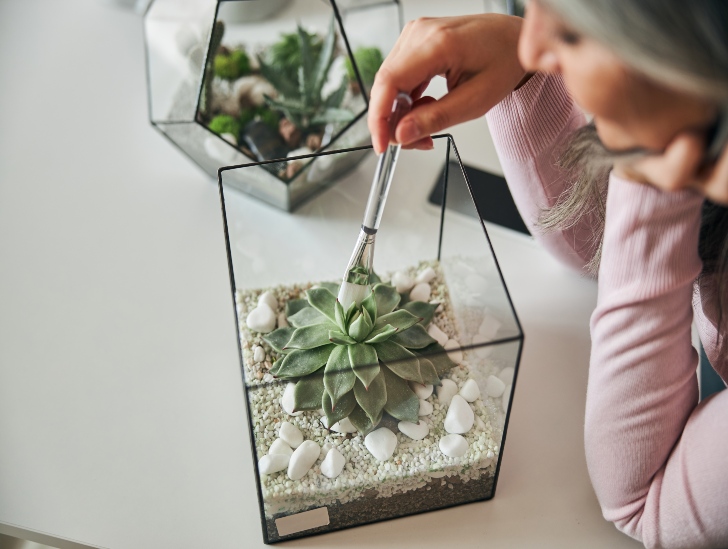
A woman brushing the plant in the terrarium.
Mold on its own is not harmful to your plants but more of a nuisance to the beauty of your terrarium.

Ideally, you should address the issue of mold growth as fast as possible before it spreads to other parts of the terrarium and create a bigger mess that will be hard to deal with.

To deal with the issue of mold growth, consider reducing the water levels in your succulent terrarium. Once the water levels stabilize, the mold should start to die on its own.

If it doesn’t work, spray some fungicide around your succulent terrarium to suffocate and kill the mold.

Building your terrarium with a drainage layer that allows it to drain away from the soil is one of the best preventive measures to stop mold growth.

2. Unpleasant Odors

If your succulent terrarium produces an odd smell that you don’t like, it could be a sign that it is being overwatered.

The smell is usually caused by bacteria and fungi growing in the moist soil of a terrarium, which can be very unpleasant.

To eliminate the unpleasant odors from your succulent terrarium, consider reducing the water levels and allowing the soil to dry out.

Add activated charcoal or perlite to your terrarium to help absorb any excess moisture.

Once you have better control over how much you are watering your plants, the smell should reduce significantly.

3. Yellowing Leaves

Yellow leaves are among the most common signs of overwatering in a succulent terrarium. Leaving your plants soaking in water for too long can cause their roots to rot and ultimately lead to their death.

A dry yellow leaf.
Yellow leaves are among the most common signs of overwatering.

If you notice yellowing leaves on your succulent terrarium plants, it’s important to stop watering them and allow the soil to dry out as soon as possible.

You should also move your succulents to a slightly drier environment and ensure you are not placing them too close together, which can cause moisture levels to increase.

4. Plant Rot

Rotting roots and stems is another sign of overwatering. Rotting roots will appear brown or black depending on the extent of the damage.

If you notice any signs of rotting in your succulent terrarium plants, it’s important to stop watering them and let the soil dry out as much as possible.

If the roots are still salvageable, try repotting them in a fresh potting mix and give them some extra light and air circulation to help them heal.

Signs of an Underwatered Succulent Terrarium

Like overwatering, underwatering can also have a detrimental effect on your succulent terrarium. Here are some signs of underwatering that you should look out for:

1. Dry Soil

One of the most obvious signs of an underwatered terrarium is dry soil in the container and around the plants. If you notice that the soil in your terrarium is dry, it’s time to add more water.

Remember that most succulent terrariums house tropical plants that require soil with relatively high water retention but excellent drainage. So, your terrarium soil should never be dry if you want to achieve good results.

The simplest way of testing for soil dryness is dipping your finger into the soil and feeling it.

A nerve plant in a closed terrarium.
If you notice that the soil in your terrarium is dry, it’s time to add more water.

If the soil feels dry to the touch, consider watering your succulents. The primary objective is to keep the soil moist but not soggy.

Check the condensation levels against the glass to avoid getting your fingers dirty.

A relatively moist substrate will clearly show beads of condensation around the glass, which means your terrarium is healthy and well-watered.

If there is no condensation or very little moisture, consider adding water to your succulent terrarium immediately.

Alternatively, purchase a moisture meter from a garden center and check the soil moisture levels with it.

This is one of the most accurate and easiest ways of determining whether your succulent terrarium needs watering.

2. Wilting Leaves

Another sign of an underwatered succulent terrarium is wilting leaves. When a plant doesn’t get enough water, the leaves start to sag and look lifeless.

If you notice this happening in your terrarium, it’s time to water your succulents.

The leaves may also become crispy and dry if the plants don’t receive enough moisture in good time. This is particularly common in succulents with large, fleshy leaves, such as Haworthias or Crassulas.

However, it’s important to note that the wilted leaves could also be caused by other factors, such as too much direct sunlight or a lack of nutrients, so you should always check for any additional signs of underwatering before adding more water to your terrarium.

3. No Visible Condensation

It is more than just the soil level that should show condensation. Typically, a closed succulent terrarium with an adequate water cycle should display condensation on the glass.

If you can’t see condensation forming on the upper parts of your terrarium, it is a sign that your succulent plants are not getting enough water.

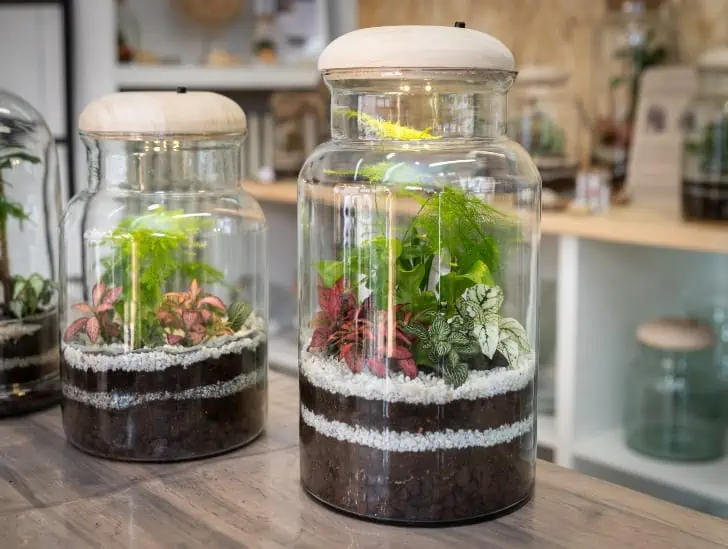
A two closed terrarium.
A closed succulent terrarium with an adequate water cycle should display condensation on the glass.

Consider adding more water to prevent dehydration and wilting of leaves in your terrarium.

4. Stunted Growth

Finally, underwatered succulent terrariums can also show signs of stunted growth. When plants don’t get enough water, they won’t grow or thrive as well as they should.

If your succulents are not growing at the normal rate, your terrarium probably has an insufficient water supply. Consider adding more water to help them grow and thrive better.

Final Thoughts

With the right level of care and attention, you can easily avoid the issue of overwatering or underwatering in your succulent terrarium. Watch out for the signs we mentioned above, and be sure to address any problems as soon as they arise.

Mastering Hardy Succulents: Your Complete Guide

A succulent in a snow.

Growing succulents as houseplants are fast becoming a trendy thing among gardeners worldwide. Many people love these plants because they are easy to care for and thrive in different environments. They are also known to be very hardy plants, surviving in extreme temperatures and drought-like conditions. Many succulent species are considered the tough cookies of the plant world!

But what are hardy succulents, and what do you need to know about them? The term hardy succulent is mainly used to refer to succulent species that can survive in freezing temperatures. They are also referred to as cold-hardy succulents. Many of these succulents require less water than typical plants because they store much water in their stems. Hardy succulents come in a variety of shapes, sizes, and colors. Most are zone 4 and 5 succulents ranging from small and compact to long-stemmed types. There are many different species to choose from, but you must fully understand your region’s climate to make an informed decision.

This blog post discusses everything you need to know about hardy succulents. Read on to learn more.

Understanding the Optimal Growth Conditions for Most Succulents

The term “hardy succulents” relates to the hardiness zone in which they grow best. Most succulents, including cacti, tolerate temperatures ranging from 32 to 104 Degrees Fahrenheit.

For optimal growth, though, many species do better when exposed to sunny locations and drier climates. As such, they tend to thrive in regions with mild winters and relatively hot summers.

Aeonium exposed to sunlight.
Many species do better when exposed to sunny locations and drier climates.

It’s important to note that some succulents don’t require full sun and can survive in the shade, but they will still need light for photosynthesis.

And it is not just about the amount of light received. Most succulents hate being exposed to freezing temperatures since they are highly susceptible to frost damage. You should move them indoors if temperatures drop below freezing point.

On the contrary, cold-hardy succulents have adapted to survive in very cold environments and can tolerate temperatures as low as 0 degrees Fahrenheit.

These plants are perfect for gardeners who live in colder climates and still want to enjoy the benefits of having a succulent collection.

What Makes a Succulent “Hardy?”

Surprisingly, some succulents can survive in temperatures below freezing. However, it is essential to differentiate between regular and hardy succulents.

Regular succulents cannot withstand long periods of extreme cold weather and will likely die if exposed for too long.

On the other hand, cold-hardy succulents have adapted to survive in cold climates and are considered hardy.

They have adapted mechanisms that enable them to survive extreme temperatures and are generally much more challenging than regular succulents.

A echeveria in a windowsill exposed to sunlight,
It is essential to differentiate between regular and hardy succulents.

One of the most common adaptations is that some species produce thick, waxy coatings on their leaves to prevent water loss due to evaporation. This helps reduce the risk of freezing damage in cold climates.

They also store more water in their leaves and stems than other succulent varieties. This allows them to survive extended drought periods or extreme temperatures with little maintenance.

Do We Have “Soft” Succulents

By now, you must be wondering if we also have “soft” succulents. The simple answer is yes. While hard succulents are well adapted to surviving in cold environments, soft succulents are more sensitive to frost and can easily suffer severe damage.

These plants are adapted to relatively warm temperatures and can’t tolerate anything below 40 degrees Fahrenheit.

When temperatures drop below freezing, they don’t have appropriate mechanisms to deal with the extreme cold.

The water stored in their cells starts to freeze when temperatures are relatively low, leading to irreversible damage.

If you don’t take appropriate measures to bring the succulent indoors before things worsen, its leaves will turn brown and get mushy/soft.

Sometimes, you can save frost-damaged succulents by pruning the saggy brown parts and moving them to a relatively warm location.

However, some succulents sustain extensive damage within a relatively short period making it hard to save them.

That is why it is critical to keep a close eye on your succulent during winter and protect it from extremely cold temperatures as soon as you notice signs of stress.

Tips For Growing Hardy Succulents

If you live in a colder climate and want to incorporate hardy succulents into your garden, you should keep a few tips in mind.

The most important thing is to choose the suitable species for your region. Cold-hardy succulents come in various shapes and sizes, giving you plenty of options.

You can use a cloche or plastic covering to keep your succulent safe during winter or cold nights.

A blue spruce with snow.
Cold-hardy succulents come in various shapes and sizes, giving you plenty of options.

This will help insulate the plants and create a warm environment to survive frost damage. You can also bring the plants indoors to protect them from freezing temperatures.

Finally, remember that hardy succulents will still require proper maintenance and care. They need adequate sunlight and water during their growing season.

Fertilizing your succulent at least once a month will help it stay healthy and strong throughout the year.

Water Requirements for Hardy Succulents

One of the reasons succulents are popular houseplants is their low water requirements.

Most hardy succulents need less frequent watering than other plants and can survive drought-like conditions.

However, they still need some water to survive and thrive. When succulents actively grow and produce new leaves during summer, you should water them every 10-14 days.

When the plants aren’t actively growing in winter or other cold months, you can reduce the watering frequency to once a month or even less.

Sunlight Is Still Key

Being hardy doesn’t mean that these succulents don’t need sunlight. Like any other plant, hardy succulents also require adequate sunlight to stay healthy and strong.

Most of these plants prefer bright, indirect light throughout the day. If you are growing your succulent outdoors, ensure it gets at least 4-6 hours of direct sunlight daily.

If that isn’t possible, you can use artificial grow lights to supplement the sunlight your succulent is receiving.

Consider using high-quality artificial lights such as LED lights or fluorescent bulbs for better results.

Keep the light source at least 12 inches away from the succulent to avoid burning its leaves and flowers.

Can Hardy Succulents Survive in Hot Climates?

Given that these succulents are well adapted to cold climates, many assume they cannot survive in hot environments. This isn’t the case.

Most hardy succulents can tolerate high temperatures for short periods and cope well if the other growth conditions are right.

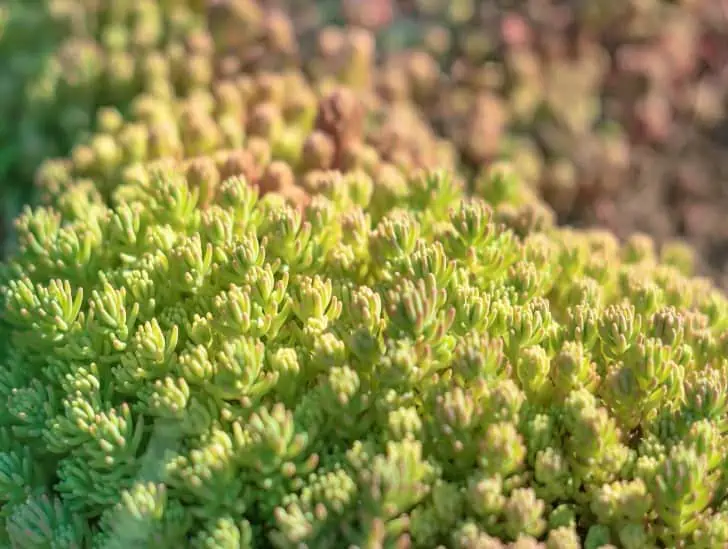
A sedum exposed to sunlight.
Protecting them from strong winds is advisable.

However, if you live in a hot climate and want to grow these plants without, ensure they have access to plenty of shade, especially during summer.

Protecting them from strong winds is advisable since they can cause excessive drying out and damage their delicate leaves.

Keep in mind that these plants require more frequent watering during summer than they do during winter.

Common Hardy Succulents

Depending on your region’s climate and preferences, you can choose from different types of hardy succulents. Here are some of the most popular ones:

1. Sempervivum (Hens and Chicks)

These low-maintenance succulents look great in rock gardens or containers. They come in various shapes, sizes, and colors and can tolerate freezing temperatures. Many people love to use them in winter decorations.

2. Echeveria

These gorgeous succulents are rosette-like and come in various colors, including pink, purple, red, and orange. They can tolerate cold temperatures but need some protection in very cold environments.

3. Aeonium

These succulents are perfect for those looking for a showy yet low-maintenance plant. Aeoniums come in various shapes and sizes and can tolerate cold and hot temperatures. Their flowers are usually yellow or orange and can attract pollinators to your garden.

4. Sedums

Sedums are popular hardy succulents that can tolerate both cold and hot temperatures. They are low-maintenance, drought-tolerant plants in various colors, such as pink, purple, and yellow. They have an upright growth habit and look great in rock gardens or containers.

5. Red Yucca

Red Yucca is another popular hardy succulent that can tolerate cold temperatures. It produces colorful foliage and blooms long-lasting flowers throughout the year. It is a great choice for an evergreen plant with minimal care requirements.

A red yucca flower.
Protecting them from strong winds is advisable.

PS: The best way to choose a hardy succulent is by starting with the frost-tolerant cacti you already know. Take time to research the plants before you buy them to be sure they will survive in your region. That way, you won’t end up with a plant that doesn’t match the weather conditions of your area.

Final Thoughts

Overall, hardy succulents are low-maintenance plants that can survive in a wide range of climates with minimal care.

Although they require less protection from frost than other succulent varieties, they still need to be cared for and maintained to thrive like other houseplants.

Follow the simple tips outlined above to ensure your hardy succulents stay healthy and strong throughout the year.

Remember that proper watering and fertilizing are essential for their growth and development.

Mastering Outdoor Bonsai Care: The Complete Guide

A outdoor bonsai exposed to sunlight.

Bonsai is a Japanese term that translates to “planted in a container.” This is why many people believe that these trees must be kept indoors to thrive. However, this is false because only a few trees can survive indoors. Most of the exciting bonsai trees are grown outdoors. Common Bonsai trees such as Juniper, Maple, Pine, and Mulberry are all outdoor trees. Remember that outdoor Bonsai trees need special care to grow and thrive.

So, what are some of the care requirements for outdoor Bonsai trees? Everything starts with where you choose to position your trees. Generally, ensure you place your outdoor Bonsai trees in a bright and well-lit spot. Consider providing some afternoon shade if you live in an area that experiences scorching summers. Monitor your trees closely and only water when necessary. Avoid watering them on a routine. Outdoor Bonsai trees can endure relatively high temperatures and cold weather if they are taken care of properly. To maintain healthy and beautiful outdoor bonsai trees, fertilizer is essential. Use any general-purpose fertilizer to keep your trees healthy and adequately nourished. Lastly, outdoor Bonsai are vulnerable to pests and insect infestations. To prevent this, use an organic pest control solution to keep pests away from your bonsai trees.

This blog post discusses everything you need to know about outdoor Bonsai tree care requirements. Read on to learn more.

Understanding the Dangers of the Seasons on Outdoor Bonsai Trees

Before we discuss how to care for your outdoor bonsai trees, it is critical to understand the risks that different seasons pose to your miniature trees.

We are not trying to discourage you from keeping your bonsai trees outdoors. We only want you to be aware of these risks so you can take the necessary steps to protect your precious trees.

Bonsai on hand.
It is critical to understand the risks that different seasons pose to your miniature trees.

Here is an overview of how different seasons affect outdoor bonsai trees:

  • Spring: The frost is quickly vanishing, and new buds are quickly forming. If you moved your bonsai trees indoors during winter, don’t be so quick to bring them out. They may not be ready for a quick transition and may develop shock. Also, be mindful of the rise in harmful insects and pests during this time.
  • Summer: The sun could burn and dehydrate your outdoor bonsai trees during summer. Be sure to provide enough shade and water to prevent this from happening. Arid areas also experience low humidity during this time, which can devastate some bonsai tree species.
  • Autumn: Most bonsai trees are resistant to cold temperatures; however, it is still essential to consider their health during this season. Ensure they receive adequate sunlight while avoiding extreme cold temperatures.
  • Winter: If you live in an area with extremely cold temperatures, don’t leave your bonsai trees outside during this time. Move them indoors to an environment that is neither too hot nor too cold. Be aware of low humidity levels and provide enough moisture to prevent dehydration and loss of leaves.

Caring for Outdoor Bonsai Trees: The Steps

Now that you understand the dangers of the seasons let us look at how to care for your outdoor bonsai trees:

1. Positioning

Bonsai trees usually slide into dormancy during the winter season. These plants need cold temperatures during this time.

It means you cannot take your bonsai trees indoors when the weather changes because they need a dormant period for proper growth.

Start preparing your bonsai trees for winter dormancy around Thanksgiving Day. You can accomplish the preparation in several ways.

One way is to bury your trees in the ground without the pot and mulch them up to the first branch. Ensure you choose a good location fully protected from strong winds but not rain and snow.

Bonsai tree in the windowsill exposed to sunlight.
A balcony, porch, or patio are good locations for your trees.

You can also prepare your outdoor bonsai trees for dormancy by placing them in an unheated garage. Remember that your trees don’t need light during the dormancy period, which lasts three months.

During the warm months, keep your bonsai trees outdoors in a spot with plenty of morning sunlight and good afternoon shade. A balcony, porch, or patio are good locations for your trees.

Consider placing your trees on a table or bench at eye level for a beautiful display.

You can also bring them indoors occasionally to display during special occasions but only leave the trees indoors for a short period since the indoor conditions don’t favor their growth.

2. Watering Outdoor Bonsai Trees

Pay attention to your outdoor bonsai trees when watering because the outcome can be catastrophic. Consider watering your trees when the soil appears dry but never allow the soil to become completely dry.

If your trees need frequent watering, consider using a self-watering pot to reduce the time and effort to provide adequate moisture to your bonsai trees.

You can also opt for soil additives like akadama or pumice, which help improve drainage.

A person watering a bonsai.
Pay attention to your outdoor bonsai trees when watering.

Remember to mist the foliage and branches of your trees regularly. This helps to maintain the humidity levels around the tree, which is highly beneficial for its health.

3. Fertilizing Outdoor Bonsai Trees

You have to fertilize your outdoor bonsai trees regularly if you want them to remain healthy.

Find a good fertilizer that is made explicitly for bonsai trees. Never use a fertilizer with high nitrogen content because it can potentially burn your plants.

You can fertilize your bonsai trees during their growing season or provide them with slow-release fertilizers, which are convenient and less time-consuming.

4. Trimming

Trimming is essential in keeping the stature of your bonsai trees and enabling new growth to a safe point. The best time to trim your bonsai trees outdoors is during the active growing season from spring through summer.

You can use specialized tools like pruning shears, scissors, tweezers, and knob cutters for trimming the branches and leaves of your outdoor bonsai trees.

When trimming, ensure that your pruners remain sharp and clean to avoid damaging the tree.

Avoid pruning everything because it can affect your plant negatively. Some foliage should be left behind to sustain the health of your bonsai tree.

A person trimming a bonsai.
When trimming, ensure that your pruners remain sharp and clean to avoid damaging the tree.

Tropical and sub-tropical tree species used in bonsai cultivation usually require periodic pruning to maintain their size and shape. Also, prune the roots of your trees to ensure they keep the pot growing.

5. Insects and Pests Treatment

When caring for outdoor bonsai trees, watch out for pests and diseases. Common bonsai pests include aphids, mites, scales, mealybugs, etc. can cause severe damage to your trees if not correctly treated.

You can use organic insecticides or pesticides to eliminate such insects and pests from your outdoor bonsai trees.

 Ensure you follow the safety instructions while using these products and always wear protective gear like gloves, respirator, and eye protection.

You can also attract beneficial insects to your bonsai trees by planting certain plants around them, like chrysanthemums and dandelions, which will help control pest infestations naturally.

6. Repotting

You should consider repotting your bonsai trees every three or four years when their root system fills the current pot.

The primary reason for repotting your bonsai tree is to supply it with fresh soil and encourage new root growth.

The best time to repot your bonsai tree is early spring before the growing season begins. Use lightweight, well-draining soil mix for better results and ensure you don’t damage the roots during repotting.

Examine the root system of your bonsai tree every year to determine if it is root-bound. In most cases, the repotting process is relatively easy.

Carefully remove the tree from its current pot and lightly trim the roots to reduce their mass and volume. Place the tree in its new pot and use stakes to position it correctly if necessary.

Fill the pot with fresh soil, ensuring all the roots are covered with enough soil. Press down gently to remove air pockets and thoroughly water your bonsai tree.

7. Training

You need to understand that there is nothing like “bonsai trees.” Bonsai is a form of art, and the plants used are just regular trees trained to grow in a certain way.

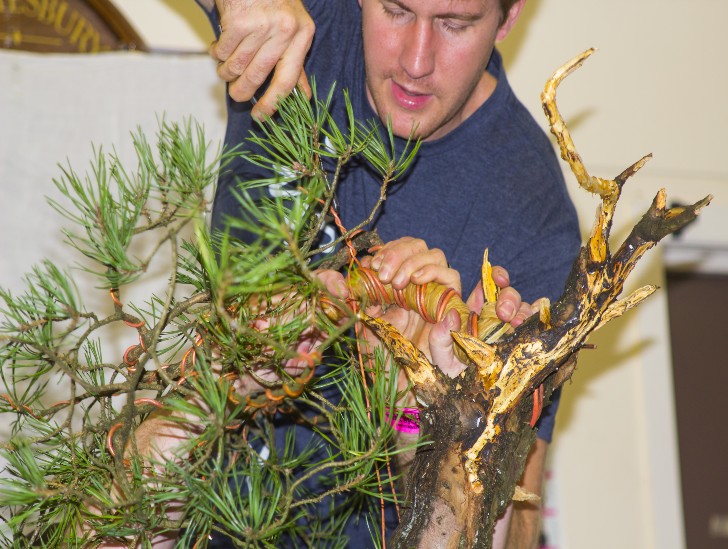
Training your bonsai tree is integral to its maintenance as it helps maintain its shape. You can use wiring techniques like trunk wrapping, branch bending, etc., to train your bonsai trees into desired shapes.

A man training bonsai.
Training your bonsai tree is integral to its maintenance as it helps maintain its shape.

You can use natural techniques like pruning and trimming to shape outdoor bonsai trees. Ensure you use the proper technique while training your bonsai tree, as inappropriate training can lead to severe damage.

Wiring should be done carefully because it is unnecessary for all plant species, and improper wiring can harm the tree.

Always use an appropriate size of wire and keep it on for a short period since it can damage the bark and restrict the growth of your bonsai trees.

Final Thoughts

Caring for an outdoor bonsai tree is easy if you understand your trees’ needs.

Provide adequate water, humidity, and fertilizer during their growing season and protect them from severe winter weather when they enter dormancy.

Trim regularly for the desired shape and size, repot every few years, and train them to maintain their shape.