How To Know When A Succulent Needs Water

You are a plant lover who wants to add a successful succulent like a cactus or aloe vera to your garden. You go to your local nursery, buy a healthy-looking succulent and bring it home. However, you might start to wonder when you are supposed to water your succulent, and how you can know when your succulent is thirsty. 

Look at a succulent’s leaves and roots to tell if it needs water. Succulents are low maintenance when it comes to care and attention. Since succulents grow in dry climates, they only need to be watered once a week during the summer and once every two to three weeks during the remaining seasons.

The number one reason succulents die is from either overwatering or underwatering the plant. Succulents can store a significant amount of water in their stems, roots, and leaves. If you overwater succulents, the plant will drown. If you underwater succulents, the plant may die of parchment. Read on to learn about the things to look for so you can know when it is time to water your succulent plant.

Look at Your Succulent’s Leaves

The texture of a succulent leaf should be smooth. When the leaves start to wrinkle or appear to be shriveling up, it is time for you to water your plant. To smooth out the wrinkles, follow these steps.

  • Add water by first placing your finger about an inch deep into the soil.
  • If the soil feels completely dry, take a water dispensing device and apply water.
  • After you have watered the soil, your leaves should return to their smooth and flawless finish.

If you water the succulent and still find that your leaves are wrinkled, you may have placed the plant in an area with too much sun. The sun’s rays may be dehydrating the plant at a faster pace than it can absorb water. If the plant is in an indoor pot, simply move it a few inches away from the window so it can receive a reduction of radiation.

If your succulent leaves are not smooth, it means that the plant requires water.

In addition to having a smooth appearance, succulent leaves should also feel firm. If you can easily bend the leaves or they look weak, it is time for you to hydrate your plant. The leaves should feel strong and difficult to bend. If the leaves are still flexible after an hour of watering the plant, you can either move the plant away from the sun or add about three tablespoons worth of water.

What To Do If You See Burn Marks on Leaves

If your plant has been in too much sunlight, you will see burn marks on the leaves and the stem. Move the plant away from the sunlight and water the plant properly.

If you see burn marks and the plant does not replenish itself after a day or two of being out of direct sunlight, you can remove the succulent from its pot and place it in a cup of water for twenty-four hours. This procedure should rehydrate the plant and resurrect your healthy, strong succulent back to life.

Look for Aerial Roots on Your Succulent

You can think of aerial roots like spuds on a potato. Aerial roots are anything that grows on the root that is not supposed to be there. They often appear as pink or white hair-like substances growing on the stem. These roots grow to absorb water from the air if they are not getting enough hydration from the soil.

If you see an aerial root on your succulent, do not panic. It is normal for this to happen and it is your plant’s way of telling you that it is thirsty. By simply adding water to the plant and making sure it is not receiving too much UV radiation, the aerial roots will disappear within a week. Here are four things you can do to get rid of the aerial roots on your succulent plant:

  • Water your succulent plant once a week during the summertime and once every two weeks during fall, winter, and spring. If you live in a warmer climate like Texas, Arizona, or Florida, follow the summer guidelines throughout the year.
  • Do not remove the aerial roots. This is the plant’s way of surviving from water in the air and they will go away on their own once they are hydrated.
  • Aerial roots are more likely to appear during the succulent’s growing season. While once a week in the summer and once every two weeks for the rest of the year is a general rule of thumb, they may require more attention during their growing season, which is typically in the warmer months.
  • When the aerial roots dissipate, continue to practice proper watering techniques. You may need to water the plant twice a week if it is in an extremely dry climate, or once every two weeks if the climate you are in has a lot of moisture. It depends on your location and the plant’s individual needs.
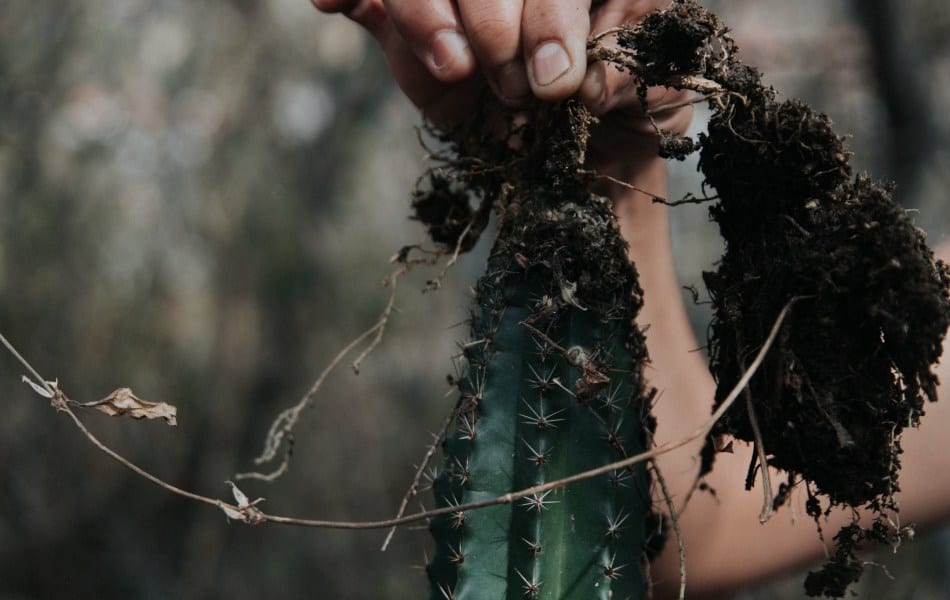
If you notice that your succulents have aerial roots, water the plant and protect it from UV radiation.

Furthermore, the roots on a succulent should be light in color and firm in texture. The roots should not be flexible. If you can bend the roots or they have discoloration, your plant may be suffering from root rot. This is when the roots start to decay due to dehydration or overwatering. To get rid of root rot, remove the plant from the soil.

Then, clean off the soil from the roots and place the plant in a space that is out of direct sunlight. Let the plant dry and make sure there are no rotten roots, which will be brown or black in color. Let the plant sit for five days, and then replant the succulent in a new pot of fresh soil. After two days of the plant sitting in the new soil, water the succulent.

This should cure the root rot. Make sure you keep up with proper watering practices after replanting the roots to ensure the root rot does not occur again.

Use the Correct Watering Tool 

Avoid using spray bottles to water your succulent. While spray bottles work great for other types of indoor plants, they are not well suited to water succulents. 

While spray bottles work for other houseplants, they are not suitable for watering succulents.

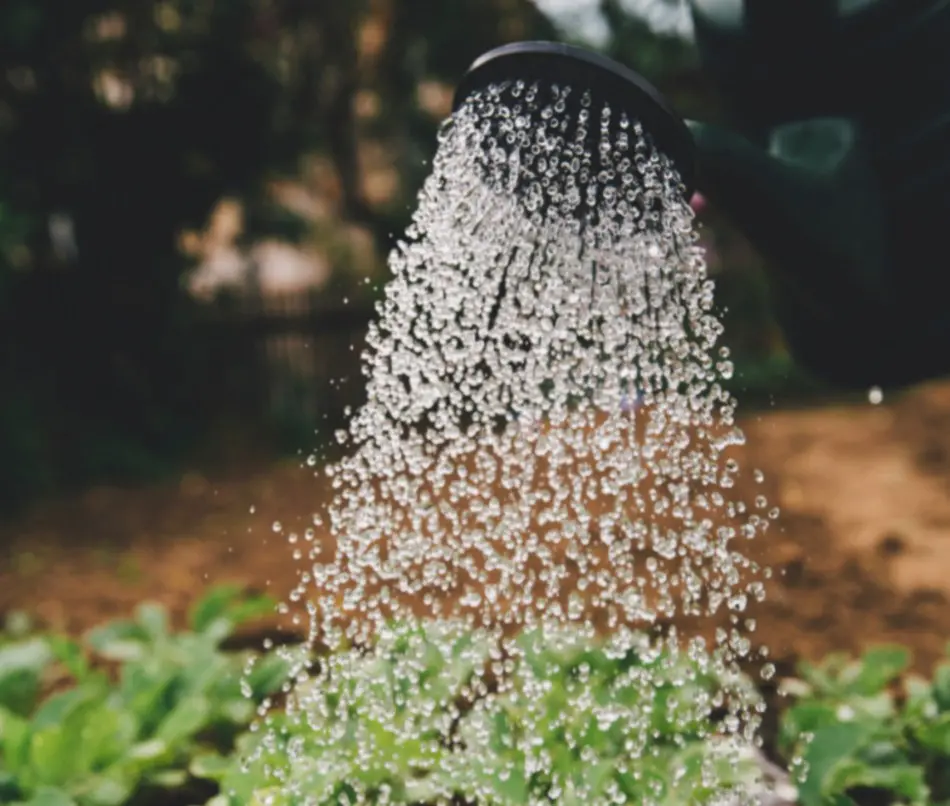
You need to have a more concentrated water flow for the water to penetrate the roots of the succulent and the dispersion of liquid from the spray bottle is not powerful enough to evenly distribute among the roots of the plant. Water cans are preferable since they have a consistent flow.

  • The best way to water a succulent is by using a measuring cup and pouring a cup of water over the entire plant.
  • Allow the soil to dry completely, and then pour another cup of water over the plant.

This method will activate the plant’s root system, give it time to absorb the first cup, and prepare the plant to receive hydration from the second cup.

Use the Correct Pot and Soil

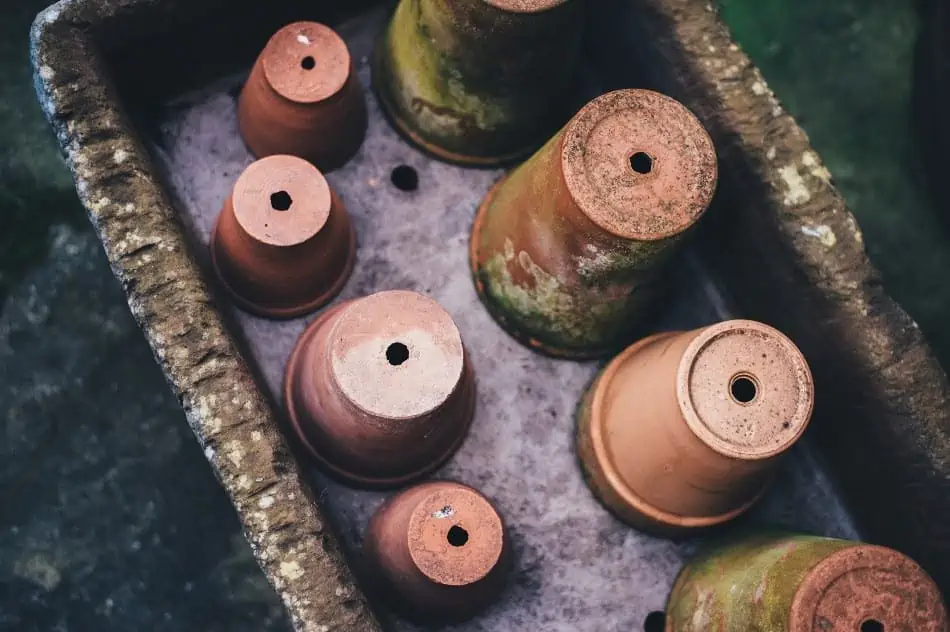
You need to use a pot with a draining hole. The hole prevents the succulent from drowning or rotting. A small pot with a single draining hole will be sufficient in containing your succulent.

Using the proper pot and soil mix is key to providing sufficient drainage for your succulents.

Additionally, you need to use the right soil. Most soils are too dense and hold too much water for your succulent to thrive in. Remember, succulents have evolved to contain enough water over an extended period. They do not need the support of the soil to hold more water since their storage units do this naturally.

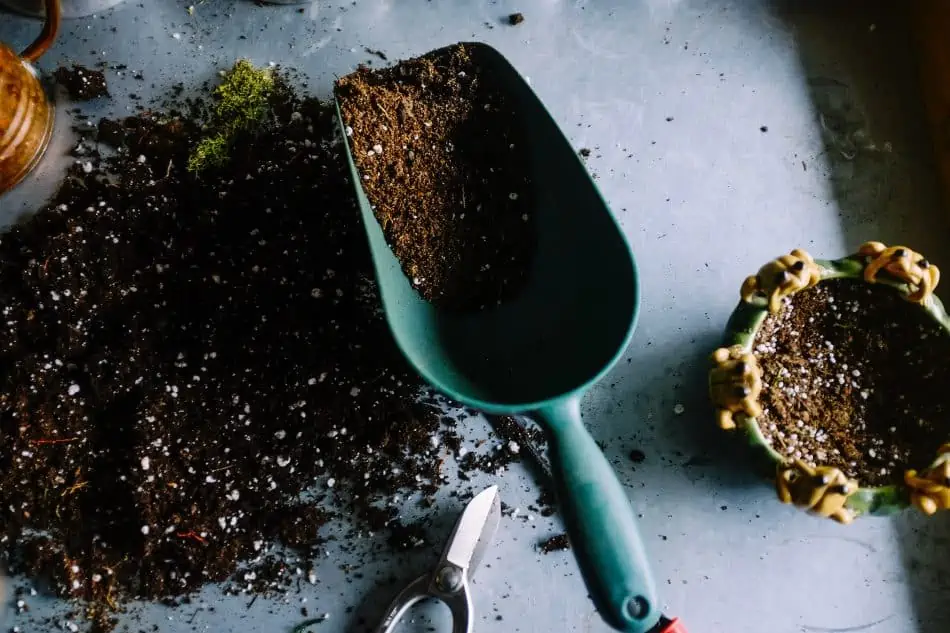
Choose a soil that has visible particle sizes. A gritty mix is a great soil to use since it only holds water for a short period of time and has a small absorption rate. The gritty mix also dries out quickly, making it ideal for plants that are well-suited for dry climates.

Conclusion

Succulents are low-maintenance plants that do not require a lot of time or care. They have evolved to survive on little water and can go for long periods of time without water. Overwatering your succulents can damage them. However, a succulent’s leaves and roots will alert you when it is thirsty and needs to be rehydrated.

Sources:

11 Amazing Facts About Cactus Pear

The prickly pear is one of the most popular members of the cacti species. Thanks to the huge awareness of cacti, it has become a household name in many parts of the world.

The prickly pear has become so established in different parts of the world, including areas where it is not native.

In fact, it is so widespread that its original, natural habitat is still unknown. Some people believe it originated in Mexico, while others argue that it is native to California.

Whatever you believe, there are a lot of things to learn about the prickly cactus. From its delicious fruit to its blooms and flowers, the cactus provides you with a good learning experience.

In this post, we discuss some of the exciting facts about the cactus pear and what makes it unique. Read on to discover more.

1. The Prickly Pear Was Introduced In Europe by Christopher Columbus

There was a time when most parts of the world didn’t know about the existence of the prickly pear. However, things started to change when explorers to the new world began returning with the unusual plant specimens.  Many of them didn’t know if it would survive outside its natural habitat, but they had to try.

Although cacti were a familiar sight to many Americans and some parts of South America, the first cactus seen in Europe was a prickly pear specimen gifted to Queen Isabella of Spain by Christopher Columbus.

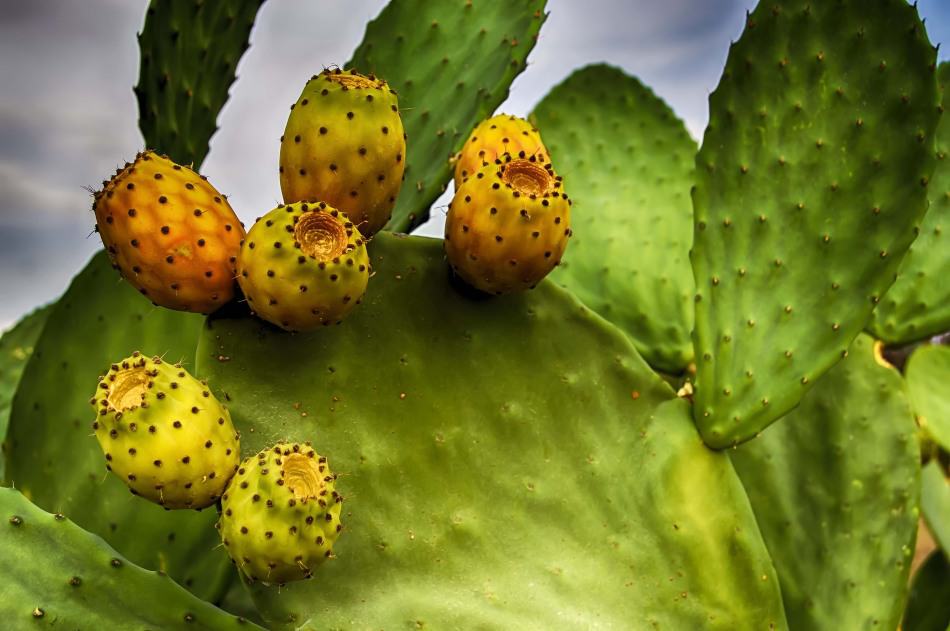
Prickly pear is a fruit-bearing cactus that can be found all across the globe.

Today, these succulents are all over the world. Most of them are found in the United States, including the Caribbean Islands and Galapagos Islands. Some of them can still be found in Old World areas too.

The prickly pear remains one of the most vital members of the wildlife community. Various parts of the plant provide food for iguanas, peccaries, deer, rabbits, tortoises, and many other bird species. They also provide shelter for reptiles, birds, rodents, and cactus wrens.

2. Desert Beauties

When the prickly pears blossom, it is always a scene to savor. The flowers vary in color and size and form exciting patterns.  The colors range from pink to yellow, magenta, red, or orange. Some of the blooms are large, while others are relatively small.

When several of these succulents are seen together during the flowering season, the site is indescribable.  The vibrant colors of their blooms illuminate the desert, giving it life. Bees and hummingbirds usually dance around the flowers for the nectar.

The plant is also home to desert wildlife running away from predators. Reptiles, rodents, quails, and different types of birds can all be found around the prickly pear. Therefore, it is good to be cautious when you are around them, especially in the desert.

When human beings don’t pluck the fruit, it is eaten by squirrels, peccaries, beetles, tortoises, jackrabbits, and iguanas.  The paddle is also edible, but you need to be careful with the spines. Take time to remove them and prepare your fruit appropriately before eating.

The cactus pear fruit is also popular for its natural cochineal dye. The dye is mainly used in our everyday products, such as cosmetics, pharmaceuticals, and textiles. Some of it is even used in waterproof paint for our homes.

Outside of the gorgeous flowers, the prickly pear still plays a critical role in the desert and human ecosystem.

3. Unique Identifying Features

The prickly pear is perhaps a unique cactus in the cacti family. The cactus can easily be identified thanks to its broad, flat, and green pads. The pads are covered with white spines that are approximately three inches long. The spines can be curved or straight.

The plant is also covered with tiny, barbed hairs referred to as glochids. You will notice groups of up to six spines emerging from common center areas known as the areoles. These areas are scattered all over each pad.

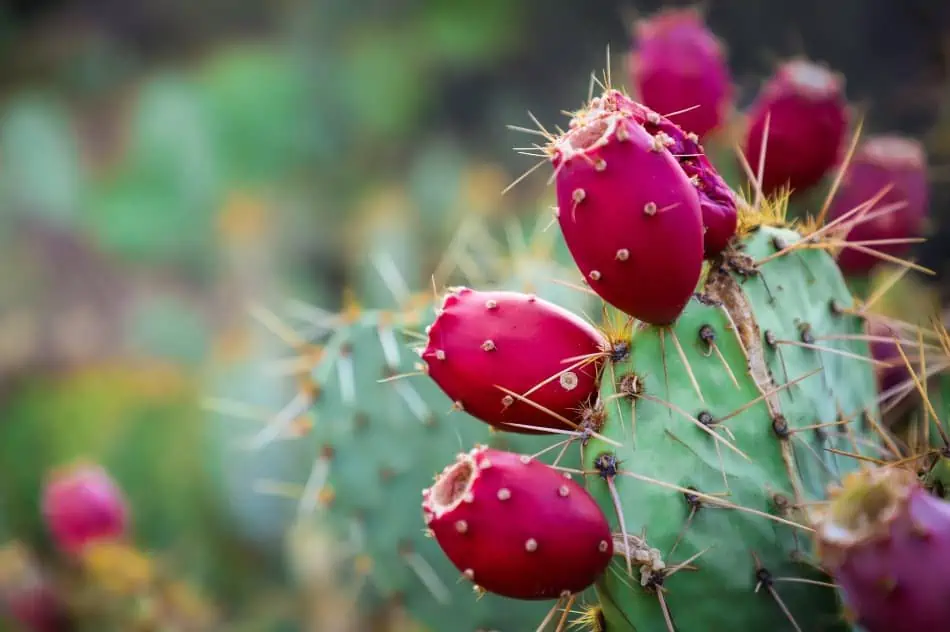
The flowering usually starts around May or June. And the fruits usually ripen around July. You will know that the fruit is ripe if it has turned to a bright red color.

The red fruit is also known as “tuna” and offers a wide range of health benefits. It has anti-inflammatory properties and can help you lose weight. It also improves your immune system and alleviates ulcers. 

4. The Spines Serve More Than One Function

As mentioned earlier, a prickly pear’s pad is covered with thorn-like structures known as spines.  While most of us think that these spines are only used for protection, the truth is that they serve more than one function.

Besides protection, they are also used for sun protection, drinking straw, and coats.  They reflect sunlight hence protecting the cactus plant from sunburn. They also keep out the cold on frosty nights.

Prickly pear spines protect the cactus from animals, sun, and enable the plant to absorb water.

Clouds of mist usually condense on the spines forming water which the cactus then absorbs. That is why they are sometimes referred to as “drinking straw.”

When animals pass near the plant, they get caught in the fur and fall far away, propagating into new plants.  This helps to ensure the plant doesn’t become extinct.

The prickly pear is also considered “musical” because its spines were traditionally used as gramophone needles. Don’t be surprised because they did the job pretty well.

5. They Are Intoxicating

Native Americans that interacted with the prickly pear extensively discovered that the plant was somehow intoxicating. Some of them chewed the plants raw, believing that it will take them closer to the gods.

They usually combined the prickly pear with the peyote cactus native to many parts of North America.  The peyote cactus contains mescaline that can be intoxicating when it reaches the human body.

Louis Lewin first examined the peyote cactus in 1888 and was able to extract anhalonin from it.  However, in 1896, Arthur Heffter conducted another experiment on the plant and extracted pure mescaline from it.

A few years later, Ernest Spath achieved a total synthesis that laid a solid foundation for the synthetic production of the intoxicant from peyote and prickly pear cacti. Mescaline is a powerful intoxicant that is illegal in many countries.

It has also been declared illegal worldwide by the United Nations Convention. In the United States, if you are found to be in possession of mescaline, you may be jailed for up to five years.

6. They Photosynthesize

Most of us know that every plant and animal requires food to survive. Plants usually make their own food through the process of photosynthesis.

During the day, their stomata open to absorb carbon dioxide that is used in the process of photosynthesis. However, this process uses a lot of water and would not be ideal for desert plants such as prickly pear.

So, how does the cactus survive?  Well, instead of opening the stomata during the day, prickly pear and other desert plants experience reverse opening and closing of the stomata.

It means that their stomata remain closed during the day to avoid losing a lot of water due to evaporation but opens during the night. During this time, the evaporation isn’t as high as during the day.

But since the plant cannot photosynthesize during the night due to lack of sunlight, the absorbed carbon dioxide is usually stored in the form of an acid.  During the day, the acid breaks down, releasing carbon dioxide into the plant cells to facilitate photosynthesis.

This way, photosynthesis saves up to 90% of water consumption. The only downside of this process is that it requires more energy than the normal photosynthesis process, but the prickly pear has learned how to handle it pretty well.

7. The Cactus Pear Is Both a Fruit and Vegetable

As mentioned earlier, the cactus pear fruit is also known as “tuna.” It is entirely edible and offers a wide range of health benefits.

Before you eat it, you need to ensure it is ripe and take time to get rid of any visible barbed spines that may get lodged in your throat.  However, that isn’t the only edible part of the cactus.

Both fruits and pads of a prickly pear are totally edible.

The green pads are also edible, and many people consider them a vegetable. Most people harvest them in late spring and early summer and dice them into their meals.

Many Mexican cuisines use the pads or fruit as an ingredient, and the culture is slowly being accepted in other parts of the world.

Most people who grew up in parts of South America must have eaten “nopalitos,” a term coined from the Spanish word nopal, meaning the cactus.

8. The Prickly Pear Pharmacy

Native Americans discovered much more than a food source in the prickly pear. Besides the nutritious element, the early inhabitants who loved the cactus also found a verifiable pharmacy in the plant.

The prickly pear has been used to treat cuts and bruises, stomach upsets, cold symptoms, constipation, inflammation, and even diabetes.

Prickly pear can be used as a treatment for diabetes.

If you or your loved one is suffering from a cold, simply heat the pad and place it on your chest to relieve the congestion. It won’t be long before you start feeling well.

9. They Are Great Cold-Hardy Plants

The prickly pear has adapted to handle extreme droughts, high heat, and cold temperatures. However, it can withstand temperatures as low as -20°F and still survive.

The cactus may look fragile on the outside, but it is quite a tough plant in its natural habitat. In fact, they are often seen thriving in areas where other plants won’t survive.

But it is always good to take proper care of your prickly pear during winter to avoid freezing and other cold-related issues.

Prickly pear plants can also be used as a natural windbreak to protect your home from strong winds during winter.

10. It Doesn’t Have True Leaves

The prickly pear has flat, green parts that resemble leaves. However, these parts are not true leaves. They are known as pads and serve as modified branches. These branches serve several functions, including water storage, photosynthesis, and defense against animals.

The pads are usually covered with white spines that protect the plant from predators. They also provide shade to other plants.

The spiny pads also store energy in the form of glucose for the cactus during periods of drought or intense heat.

The leaves of prickly pears are modified spines as well. They usually produce small, yellow flowers that appear at the top of the plant in summer.

The fruits have leathery skin and are edible. They can be eaten raw or cooked. The cactus pear fruit is a popular ingredient for making jams and jellies.

11. Prickly Pear Seed Oil Has Many Benefits

Prickly pear produces edible fruits that have seeds. In most cases, the seeds are discarded as waste. However, they possess unique properties that make them beneficial to humans.

The oil extracted from prickly pear seeds is gaining popularity due to its numerous health benefits.

It consists of essential fatty acids like oleic and linoleic acids, which can help reduce inflammation and preserve skin moisture. Other compounds in the oil include vitamin E, squalene, and phytosterols.

The oil can help reduce the appearance of wrinkles, fine lines, and other signs of aging. It also has antioxidant properties that may help protect skin from damage caused by sun exposure and pollution.

Furthermore, it can be used to nourish dry hair and scalp and treat skin conditions like eczema.

The oil from prickly pear seeds is also gaining traction as a food supplement because of its anti-aging properties.

It can help you maintain healthy cells and reduce the risk of degenerative diseases such as cancer, heart disease, diabetes, and Alzheimer’s.

Final Thoughts

That is it about some of the exciting facts about the prickly pear, and we hope you enjoyed reading this post. 

So, what are you doing next? Grabbing your car keys and heading to your local nursery to find yourself a prickly pear? Go on and let us know if you like it.

9 Signs That You Need To Cut Your Succulent

Has your succulent been growing like crazy? What should you do if you notice signs of distress in your succulents? Being a plant parent is hard, interesting, and fun all in one, and that’s why I’m here.

There are nearly a dozen things that could go wrong with your innocent little plant! Before you start feeling overwhelmed, here are nine signs that you need to cut your succulent.

1. You Noticed Some of Your Succulent’s Leaves Are Dying 

So you noticed some of your succulent leaves are either looking discolored or wilted. There’s no need to panic, as this is a fairly easy fix. 

This could have happened for different reasons, including:

  • Overexposure to sunlight
  • Not enough water
  • Bugs!

Trying to narrow down the cause of the deaths can help make sure your plant stays healthy in the future. Maybe it needs to be moved to a shadier area or watered more often!

Removing dead succulent leaves is key to growing a healthy plant.

Regardless of the reason, if your plant’s leaves are dead, it is best to cut off the dead leaves. It’s important to remember that a few dying leaves are totally natural and expected with any succulent. Over time, some of the leaves die, and others will regrow and replace them. This is why if you notice some dead leaves, it’s totally okay to snip them off!

2. Your Succulent is Under Attack from Root Rot

Have you taken a look at your succulent’s roots lately? Maybe you noticed they look a bit darker than normal. That’s definitely not good. 

The typical reasoning for root rot is overwatering. You may not have even noticed you were doing it, and in that case, it may not be too late! If you catch root rot early, you can attempt transferring your plant into a new pot with fresh and dry soil. 

If your succulent roots are rotting, you should consider transferring the plant into another pot.

It’s important that you clean off any old and moist soil from the roots during the transfer as well. This will give your succulent the best fighting chance. 

Lucky for you, even if you didn’t catch it early, there is still hope! It is now time to behead your succulents and remove the rotted roots. Plant the “head” part of the plant in a fresh pot, and be careful with the water!

3. One of Your Succulent’s Stems Broke

If one of your succulent stems broke, it’s not the end of the world. Try figuring out the cause of the issue. Stems do just break off, and there is nothing that could have been done about it. Sometimes Mother Nature is involved, and oftentimes gravity plays a big part. 

If you have a stem depressingly drooping off of your succulent, cut that thing off! The coolest thing about a succulent is replanting it! If the stem is still alive, you will be able to replant it with some water and dirt. Slowly, roots will regrow over time. How cool is that?

4. Your Succulent Got Way Too Big

Often, succulents are used as decorative pieces on the interior of your home or on desktops. So what do I do if my succulent gets too big?

It will help to realize why the succulent grew too big as well. Is it in direct sunlight? Try moving it to a different spot, as too much sunlight or water could do this to the plant. If indoors, the plant may be moving and stretching itself out as well. 

If your succulent has grown too big, cut the plant and propagate the clippings to grow new succulents.

If your succulent has gotten too big over time, it is no worry at all to chop it back a bit. After pruning to your liking, you can even collect the clippings and regrow them into a whole new plant, given time! So don’t worry about it. Cut that plant, and make sure to save those leaves and clippings!

5. Your Succulent is Physically Damaged

Physical damage can come from several different factors, the biggest being… Bugs! If your succulent is getting physically damaged, it must be either from:

  • The wind
  • Wildlife
  • Pests 
  • Human interaction

Pests are the biggest contributor to physical damage on this list. Melee Bugs, Spider Mites, and Fungus Gnats are pests popularly attributed to a succulent plant. Mice, Voles, and Squirrels have also been known to go for these plants when in an outdoor setting as well.

If pests are on your succulent, try repotting it with fresh dirt and moving it to a different location. Spraying Vinegar, Bleach and Mint have all been said to work on solving these issues. Lucky for you, a broken stem is not the worst thing that could have happened.

6. Your Plant is Stressed, and so Are You

Is your plant stressed out? Stress comes in different shapes and sizes, as we all know, but there is no need for you to be stressed as you have come to the right place! Plants getting stressed are common and natural and often easily fixable. 

Stress can come from different sources for a plant, but most often, elevated stress has to do with the temperature of the plant. Make sure your succulent remains at an ideal temperature of 60-80 degrees Fahrenheit. Cold temperatures have been known to stress all sorts of plant life out, which is why it is important to keep it its ideal temperature.

Stress can also come from the environment. Messing with your succulent too much can be harmful. Too much touching and cutting and unnecessary bending will put additional stress on your plant. 

Stop messing with your succulents too much and make sure it stays in that temperature range, and your plant will be calm and relaxed.

7. Your Succulent is Elongated

Succulent’s being elongated is actually quite common. As most are kept indoors, they will yearn for light and try to stretch out to find some. This gives you an elongated and awkwardly tall succulent plant. 

You may have also noticed:

  • Lighter colored leaves
  • Smaller leaves than normal forming on the plant
  • The extra spacing between the leaves
  • Bending of the plant

These are sure signs that your succulent is elongated. As natural as it is for a plant to bend and look for a light source, not all of us are in love with how that appears. 

It’s absolutely okay to chop the head right off your elongated succulent. Behead the plant and start another one. Chop it down to a size of your choice and try to move the plant to an area where it can receive some more light, to avoid it happening again. 

8. Your Succulent Grew an Antenna and Looks Like an Alien

Are you staring at your succulent, wondering where in the world that long antenna-looking thing came from? You are definitely not alone. The antenna comes about for the same reasons as your plant being elongated. All it means is your plant has been working extra hard to try to reach sunlight. 

Plants, even indoor ones, need sunlight to survive. Without sunlight in a room, your succulent will bend and twist and reach as far as it can, attempting to get some bit of sunlight. Cut that antenna off, and yes, even that part will regrow a new plant too!

9. You Want a Free Succulent

If you want a free succulent, and you already have one (or knows someone who does), then you’re in luck! Beheading a succulent is totally natural, just like discussed earlier. The thing is, there doesn’t have to be anything wrong with the plant to behead it! 

Cutting your succulent enables you to propagate the plant and have a new baby succulent for free.

Maybe you just want a second succulent, or maybe you wish to give one to a friend. Maybe you’re growing an army of succulent plants and want thousands! Either way, all you need to do is behead your succulent. Beheading it or cutting off branches/leaves and placing them in fresh soil and water will result in a new baby succulent!

Whether you need to or want to, cutting your succulent is almost never the end of its life. Watching a succulent regrow many times over is a beautiful thing to watch, and the best part about the plant. 

Can An Overwatered Succulent Be Saved?

Succulents are adapted to arid climates and require little water. Somehow you find you’ve overwatered yours, now what?!

Succulents do not require very much water to survive. But when a succulent is overwatered, it can still be saved. There are several advised methods for drying out an overwatered plant.

Continuing, we’ll cover some tips for drying out that soggy succulent. We will also go over some indicators for identifying an overwatered plant and advice for preventing overwatering.

How Do You Treat an Overwatered Succulent?

When your succulent is showing signs that it has had too much water, there are commonly used techniques for drying it out and preventing further damage or death to the plant.

Change the Soil

This is pretty straightforward. Instead of waiting for the soil to dry and the plant sitting in it, soaking up more water. Just remove the plant and replace its soil with some fresh, dry soil. If you are going to pull the plant out of its pot anyway, it might be a good idea to try the following technique listed.

If you have noticed that your succulent soil is too wet, change it as soon as possible to protect your plant from dying.

Remove succulent from its soil and lay it out to dry

If you have removed your plant from its pot, it may not be a bad idea to leave it out for a short while. Don’t worry; it can survive several days out of a pot. The roots will dry a bit, and this will also allow the succulent to process some of the excess water it is holding. After you carefully dig them up, brush them off a bit and lay your plants out. Do not put them in direct sunlight. Once the excess water has dried up, you can repot them.

Keep out of direct sunlight. 

Too much direct sunlight will put stress on the plant. Although it may seem counterintuitive, putting the succulent in the sunniest part of your house won’t help the plant dry out in a good way. In addition to the plant having excess water to deal with, it will have to deal with processing intense sunlight. However, Plenty of indirect daylight is always good.

Protect your succulent from prolonged exposure to direct sunlight to prevent it from stressing.

Signs You Have Overwatered Your Succulent

Because these plants thrive in dry conditions, as you would find in a desert, they have a very distinct look. This can make it easier to identify overwatering; in fact, the first two of these signs can be as easy as asking, “does this look like something that grows or belongs in a desert?”

Overwatering succulents leads to excessively wet soil, bloated leaves, and rotting.

Soil is Too Wet

The first thing to look at is your soil. Your solid should be very dry. If you probe the soil with a chopstick or finger and it is coming back wet or muddy, that is not ideal. Mud is not a common thing to find in the desert, and your succulent did not evolve to thrive in the mud. 

Leaves Appear to be Bloated With Water

As with other desert dwelling organisms, succulents are great at storing water to survive long periods without hydration. They are so efficient at storing water that they will soak up and hold onto too much. This will be indicated by 2 signs in their leaves:

  • The plant’s leaves will begin to change color. Sometimes it will be an unnatural color change. Sometimes it will look as if their natural color was being diluted by excess water. Think of a green water balloon that becomes less green as it is filled and expands. 
  • The plant’s leaves will feel softer than usual and somewhat spongy.

These signs can show from a mistake as innocent as the plant being left out in the rain. Consistent overwatering or a long period without correcting the issue can lead to a more severe problem.

The Succulent is Rotting

Rotting is another, probably the most severe, indicator of overwatering the succulent. This will happen from repeated overwatering or excess water sitting in the pot for too long.  Rotting will be evident if it is above the soil. In the same way, an apple gets discolored, shriveled and maybe even somewhat gooey. Rotting will also cause the plant’s leaves to fall out at some point. It will kill your plant if left untreated.

How to Prevent Overwatering a Succulent

We’ll start with the type of pot you use since that is the foundation of your succulent’s growth. Only use pots with drain holes and soil that drains easily. By preventing water from pooling at the bottom of the pot we already eliminate a large risk of overwatering and especially root rot.

Creating a proper watering schedule and using adequate pots for your succulents will protect them from overwatering.

As for soil, these plants excel in sandier mediums, potting soil can be mixed with pumice or perlite, or you can buy special premixed cactus soils, but your standard run-of-the-mill dirt won’t do, unless maybe you live in the desert.

Re-evaluate your watering schedule and be more methodical with your watering. Don’t “guesstimate” or eyeball it, especially don’t put it in the sink with the faucet on and get distracted. It is much easier and more practical to know, for example, that “this plant requires X amount of water every X number of weeks during X season.” Also, remember, this plant thrives in the desert. If the soil is even a little bit damp, the succulent doesn’t need any more water.

Signs of Rotting in Succulents

As mentioned previously, overwatering can lead to a succulent rotting. There are multiple parts of your succulent that can rot. Each part of the plant will show different signs of rot. Typically the rotting works its way up the plant, starting from the roots.

  • The roots of the plant are generally where rotting will start. If you discover rotting early enough, you will find it here and it will be indicated by the roots being abnormally black and unhealthy looking.
  • If the rotting progresses it will begin to move up the stem from the roots. The stem of the succulent will start to become discolored and the plant will begin to look saggy or “melting.”
  • As the rotting moves up the stem, it will also begin to diverge into the leaves. Again, this will show through dark discoloration and the leaves will begin to look like they’re losing their constitution or turning into a soft mass.

Can You Save a Rotting Succulent?

Rotting in your succulent makes it harder to salvage than an overwatered succulent. That’s why it is important to catch an overwatering early. However, if your plant is showing signs of rot, it can still be saved. Depending on which part of the plant is rotting, there are several methods for rescue. 

How to Treat Root Rot

In the early stages of root rot you may be able to dry the roots out just the same as if you had overwatered. Remove the plant from the soil and lay it out to dry for a couple of days. It may also be possible to prune rotten parts from the roots to prevent spread.

How to Treat Rotting Stem and Leaves

If the stem is rotting, the situation begins to get a little dire. The plant’s best chance of recovery is for you to clip it from the rot down. That clipping will include any or all parts of the:

  • Leaves
  • Stem
  • Roots

Find the part that is not yet affected by rotting and take that off of the rest of the succulent. After this, the process basically turns into cloning a new plant.

Saving your Succulent

Succulents are great for beginning gardeners or just as casual house plants. They are very hardy and are well adapted to harsh conditions. If you find that yours has been overwatered, just remember it isn’t necessarily the end of the plant. The succulent can recover as long as you take some simple steps to help dry it out and prevent overwatering in the future.

Why Is My Succulent Falling Over?

Since plants cannot talk, it is not easy to understand their physiology. Succulent falling over is undoubtedly unhealthy for a succulent and the cause behind this troublesome behavior requires some attention. A proper environment is necessary for the succulent to grow and have healthy leaves and roots. 

A succulent falling over could be attributed to a few causes. These causes include water level, light level, energy issues, temperature levels, and chemical damage. 

Continue reading to figure out the problem with your succulent. Once the root cause is realized, it is easy to restore the health of the plant. So if you notice that the succulent is falling over, do not sulk and continue on to diagnose the reason.

Diagnose Your Succulents Ailment

Since there are several reasons your succulent could be falling over, you will need to determine the true cause. Assess these points to figure out the reason for the succulent falling over:

  • Is the soil damp or compacted?
  • Is the soil prepared for the succulents?
  • Are there any holes in the pots?
  • Are the leaves shedding from above or below the plant?
  • Is it normal shedding or abnormal? 

Assessing and diagnosing can help in fixing the problem with the succulent. Assessing the soil dampness can give an idea about the watering and light needs. Assessing the direction of the succulent damage can enlighten you about its energy needs.

Looking at the position of the succulent damage can clue you in about temperature and light needs. If the plant is damaged abnormally, you might find that your succulent has suffered some type of chemical damage. 

Optimal Water Exposure for the Succulent 

When your succulent is not watered properly, it can become damaged and fall over. The proper way to water is to wait until the solid is almost dry and the leaves look a bit wrinkled. Water thoroughly after that until you can see water coming out of the drainage holes.

Clay pots with holes at the bottom.
Make sure you use a pot with drainage holes and water your succulents properly to prevent them from falling over.

It is important to use pots with drainage holes when growing succulents. Watering too frequently and watering in high amounts can swell their leaves and, consequently, cause harm. 

If the damage has occurred already, check if the stem is bad too. If so, cut off the rotted area and keep the healthy portion of the plant in a dry area. For a week, do not water the plant and the plant should revive to its original condition. 

Overwatering

Overwatering can seriously damage the succulent to the point of total plant death. The extra water swells up the cell walls leading to plant death and it is the number one cause of succulent death.

Water only when the soil appears dry to touch, which would be about once every week or so. 

A person arranging his/her plant.
Do not water your succulents unless the soil is dry to touch.

Underwatering

An underwatered succulent can be diagnosed by its soft and wrinkled leaves. Leaves will appear weak and wilted, but a change in color is not seen like seen in overwatered leaves.

If leaves do not fall off from touching, the plant can still be brought to its original condition. If the damage is too severe, the plant will die and no amount of watering the plant would help at this point. 

As long as the succulent was not severely underwatered, salvage it by:

  • Increasing the watering frequency slowly to revive the plant.
  • Only making gradual changes as drastic changes can hurt the plant. 
  • Watering from the bottom as not to exert too much pressure. 

These fixes will likely perk your succulent back up so it is no longer leaning over.

Optimal Sunlight Exposure for the Succulent

If succulents are not exposed to enough light, they can turn yellow and straggly as they reach for a light source. As they reach, they will fall over and stay that way. If the lighting is not fixed then the new leaves will grow smaller. Succulents need lots of sun all year long and can die if kept in no light for a long time. 

A plant exposed to sunlight.
As succulents require plenty of sunlight, make sure you place them in a well-lit area.

To fix this issue, gradually expose the succulent to sunlight or artificial light. Start with three hours daily and slowly increase it up to six hours of sunlight or 12 hours of artificial light per day. Overexposure to sunlight can give sunburn and so it is necessary to find the proper level. 

Optimal Temperature for the Succulent

If a succulent is new and has not acclimated, exposure to hot temperatures from outside can damage it. Even though most succulents grow in naturally harsh habitats, too much heat is not healthy. If succulents are exposed to extended periods of heat, they can become damaged when stressed by drought or heat. Thus, keeping succulents in the shade when temperatures rise will be beneficial. 

If the succulent looks fallen over or wilted, either place a shade cloth over it or move it to a shaded region. Keeping the plant in a den or a patio with some form of shading can help in controlling the heat. Under a roof or inside a shielded net can also be appropriate. 

Plant near the wondow exposed to indirect sunlight.
If your succulent starts to fall over or wilt, place it in a shaded area.

Just like too much heat, most succulents cannot bear the extreme cold. If exposed to freezing temperatures for too long, the cells inside their leaves can freeze. If your succulent has frozen in the winter, its leaves will feel mushy and look either brown or black. 

During winter times, make the following changes:

  • Move the plant to an enclosed location that does not vary in temperature too much.
  • Relocating from outdoors to a garage is a good choice, however from outdoors to completely indoors is too much of a change. 
  • Do not water the succulent at all if you need to keep your succulent outdoors during winter.

Watering can freeze the soil causing damage to the roots, thus eliminating any chance of survival. The plant should be kept dry only.

Optimal Energy for the Succulent 

If your succulent is leaned over, you may also notice that the leaves at the bottom of the plant appear brown mainly due to being covered by leaves higher up. Before shedding the leaves, plants take as much energy as possible from them. 

This is not a reason to be alarmed if it only happens occasionally as this is a natural phenomenon. This is completely normal and can be overlooked, however, if it is of concern then simply pick out the brown leaves slowly.  

Chemical Damage Causing Succulent to Fall Over

Using chemicals without properly following package directions can harm the plant. Likewise, too much fertilizer can also be harmful and stunt growth. Improper use can damage the root and cause the succulent leaves to discolor. Eventually, the plant could burn or fall over. 

  • Most over-fertilized plants can be fixed by removing any fertilizer from the plant and soil that can be seen.
  • Allow some water to run through the roots to wash the remaining fertilizer.
  • Then, remove the damaged foliage and do not give any fertilizer for about a month. 

Lack of nutrients can make leaves turn yellow. Overwatering can wash away necessary nutrients often found in potting soil. You will have to add back these nutrients through the use of fertilizer or through replanting your succulent in a new pot of soil.

A bear plant exposed to sunlight.
Keeping succulents in the shade when temperatures rise will be beneficial. 

You should only use well-balanced fertilizer on your succulents that is designed specifically for cacti or succulents. Succulents do not actually require much fertilizer, so you do not have to use a great deal. When using fertilizer with succulents, dilute the recommended amount by half.

Conclusion

A succulent can be salvaged through proper care and maintenance. Do not let the fallen succulent leaves scare you as they can regenerate. First diagnose the cause of the succulent tipping over to make the appropriate changes in levels of water, light, temperature, or chemicals. Next, figure out which one of the above problems caused your succulent to fall over and make adjustments over time that are not sudden.

5 Signs Your Succulent Needs Less Water

Succulent plants can be found everywhere and are extremely popular houseplants. One reason for this is that they are easy to take care of. They are a plant that doesn’t need much care to thrive and for novice houseplant owners, they are an excellent plant to start with. However, it is important to water them correctly to make sure they are healthy.

If you think you are overwatering your succulents, read on. We have five classic signs of overwatering that you should look for, what you can do to revive your plant after overwatering, and the correct method for watering succulents. Follow our tips and you should have a happy and healthy succulent.

What Happens when a Succulent is Overwatered

The internal structure of a succulent is made up of, just like every other living creature, a series of cells Succulents are native to dry climates and as such, they developed specialized cells that store water in the roots, leaves, and stem. During periods of low rain and drought, the plant can rely on these cells to provide the water that it needs to survive.

An overwatered succulent can be characterized by swollen cells as the plant has absorbed excess water.

As the plant uses the water in these cells, they are replenished by water in the ground. Since these plants have evolved to survive in dry climates, they use the water in the cells slowly, refilling whenever there is water in the soil to absorb. The cells are similar to water balloons and can expand significantly.

Succulents are used to an environment when waterings are rare. If you overwater your plant, it absorbs too much water. This causes the cells to swell up so much that they burst which damages the cell structure and can lead to rotting leaves and roots. It is important to monitor your plant for signs of overwatering.

Look at the Leaves for Signs of Overwatering

Like most plants, the first signs of overwatering are shown in the leaves. The leaves are where the photosynthesis process occurs. This is when the plant uses sunlight, water, and carbon dioxide to create energy, which it uses to grow. The leaves hold the cell-filled water, which combined with sunlight and absorbed carbon dioxide creates glucose.

If you overwater your succulents, the leaves will quickly show signs of burst water cells. If you are not sure if you are overwatering, keep an eye on the leaves.

The Leaves are Mushy

When the cells burst inside the leaves, it damages the internal structure. This results in soft and mushy leaves. A succulent that is not overwatered will have sturdy leaves that are firm to touch. The damaged leaves will also start to take on a translucent appearance.

Leaves Become Shriveled and Wrinkled

Another physical change your succulent will make if it is overwatered is leaves that are shriveled and wrinkled. Similar to when your fingertips become wrinkled in the bath; this is because the cells cannot absorb any more water. Shriveled leaves can also be a sign of underwatering, but in this case, the leaves will also be rubbery.

The Leaves Turn Black

When the succulent’s cells burst, they are no longer usable and the leaf is effectively dead. Like all plant matter, the dead leaves will start to rot and turn black. This process usually starts from the center of the plant. The rot will work its way up the stem and affect all the leaves. At this point, the succulent is probably past repair.

Some Plants have Burst and Split Leaves

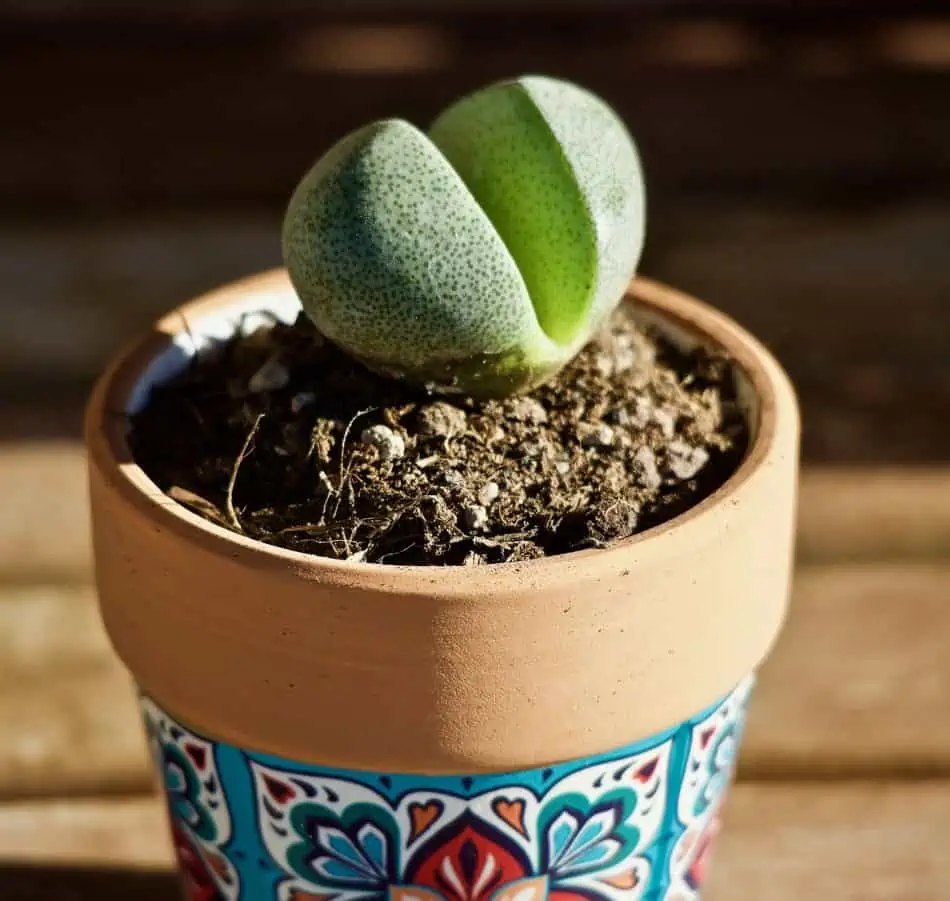
While most succulents will have spongy leaves, some succulents will react to overwatering by bursting or splitting their leaves open. This is most likely to happen to succulents with plump leaves, like ice plants and lithops.

The Plant is Dropping Leaves

Another obvious sign of overwatering is when your succulent drops its leaves. They can drop on their own or from the slightest movement or touch. If a plant is underwatered, the plant will drop shriveled, brown leaves from the bottom of the plant. It is easy to tell the difference between the two scenarios.

How To Bring Your Succulent Back from Overwatering

Unlike under-watering, it can be hard to return a succulent to health after overwatering. This is because the internal structure of the plant is damaged. The burst cells will not be able to repair themselves. The easiest way to repair your succulent is to take leaves and cuttings to propagate a new plant.

To do this, you need to find out what plant you have. Some plants can propagate from cuttings while others will from leaves. To take a leaf, twist it off the stem. Make sure it is a clean twist and is either at the stem or with a little of the stem attached. To take a cutting, cut a piece off the succulent above the leaf on the stem.

If you have overwatered your succulent, you should consider propagating a new plant.

You will either plant the cutting in fresh soil or lay the leaves on top. In about two to three weeks, you will see new rosettes forming and you will have a new succulent to plant. Make sure to water it carefully and it should last a long time.

Prevent Overwatering in the First Place

To avoid the trouble of having to propagate a new succulent from your overwatered one, you should avoid overwatering to begin with. It is important to remember that these plants have evolved to live in dry climates and do not need much water to thrive. Unlike tropical plants, a little water can go a long way for succulents.

Water Your Succulent Infrequently

Succulents should only be watered when the soil is completely dried out. Depending on the humidity of your home, your succulents will probably need watering every 14 to 21 days. If you feel like this is too often, then you can adjust your watering schedule. Keep an eye for signs of underwatering, like brown or rubbery leaves and water then.

Water your succulents every 2-3 weeks, after the soil is completely dry.

Soak and Dry Your Succulent

The best way to water your succulent is to use the soak and dry method. This is when you soak the soil thoroughly and let it dry completely between waterings. When the soil is dry, the succulent will develop a strong root system that will help it absorb and store more water during the next soak cycle. Don’t use a spray bottle between waterings as that will hinder root development.

Use the Right Soil and Pot

For the soak and dry method to work efficiently, you want the soil to dry out relatively quickly, within two or three days. Having a pot with a drainage hole and well-draining soil will let the water pass through the pot quickly. There are special potting mixes for succulents that are great for creating the right soil environment for your succulents.

By using the soil and pot that offer adequate drainage, you will protect your succulents from overwatering.

Succulents live their best lives under benign neglect. It is better to underwater them than to overwater them since they can recover from too little water. When it comes to watering, you should always lean on the side of less frequent waterings than the other way around. These are desert plants, after all, and are designed to survive periods of drought.

Proper Care Leads To Happy Plants

The signs of overwatering are easy to spot, but unfortunately, your succulent may be past repair when you do notice them. Water your succulents less often and keep an eye on the leaves to know the health of your plant. Remember, it is always better to underwater than to overwater. Treat your succulent properly and it will thrive.