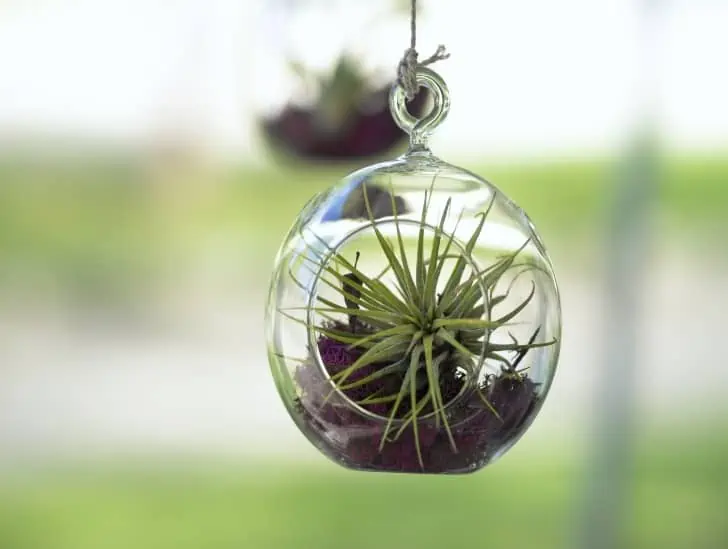
Can You Cut Off A Piece Of Succulent And Plant It?

Succulents are a resilient breed of plants, so much so that you can actually plant a piece of it, and it will grow into a new plant. Regenerating something new from a decapitated limb may sound like a horror movie or the plot for Netflix’s upcoming sci-fi thriller, but it’s actually real life. Even if you cut off one of their branches, they will find a way to continue living. 

Yes, you can cut off, or prune, a piece of a succulent and replant it. And with the proper living conditions, the pruned piece of succulent will take to its new home and grown into a full-fledged succulent.  

Keep on reading if you’re interested in learning about pruning succulents. Once you master the process, it’s like growing multiple plants for the price of one! 

Propagating a New Succulent 

The process of pruning a piece of a succulent and using it to grow a new plant is called propagation. If done correctly, propagating can allow you to grow multiple succulents from a single succulent. 

Performing a clean cutting is important for successful propagation. Using scissors or pruning shears will help you get the cut that you need. But you can also experiment with this process by using your hands and pinching off pieces of your succulent. 
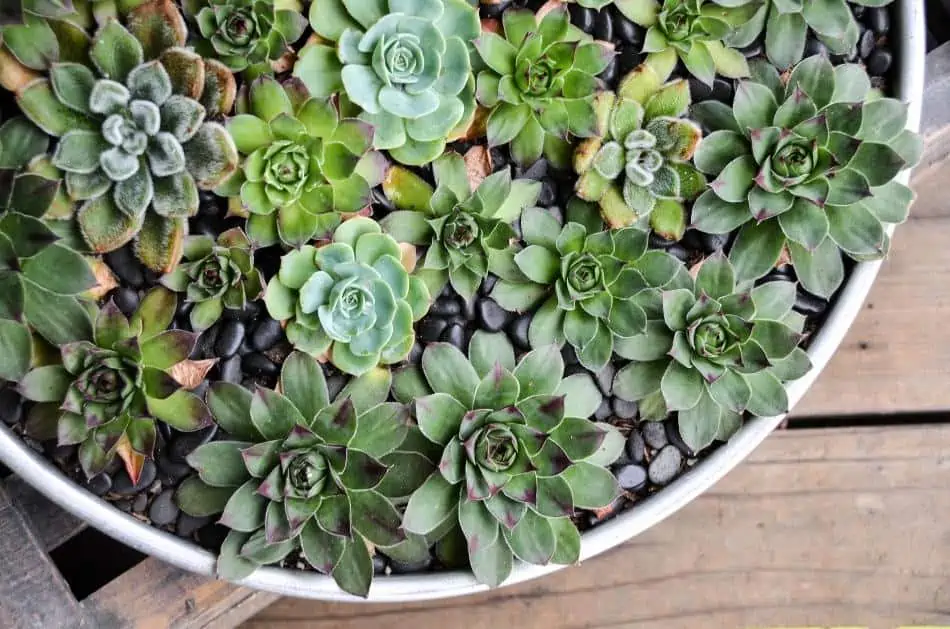
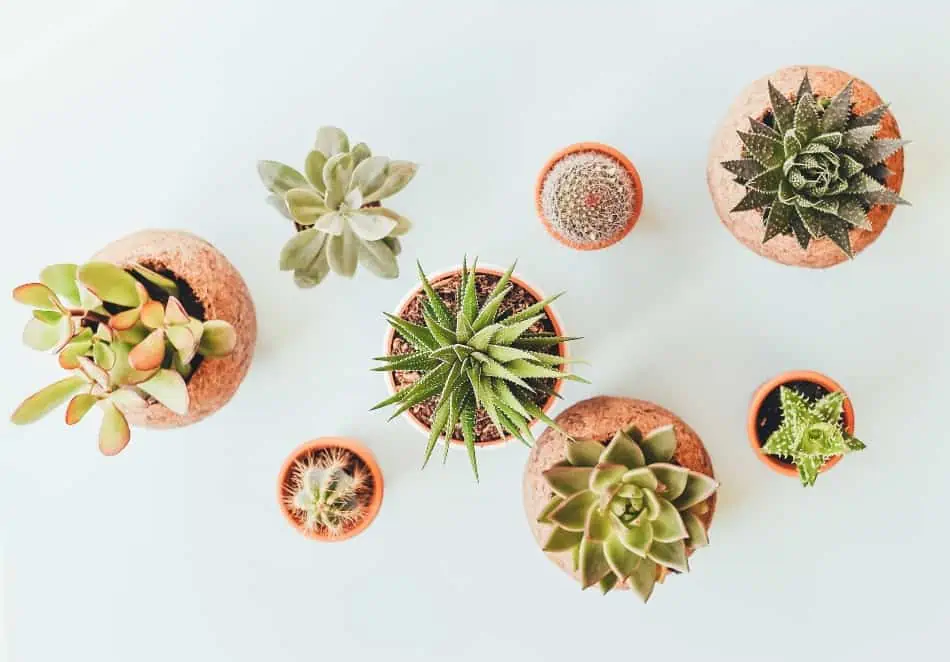
A huge number of succulent on pot.
A single leaf of your succulent should be enough to propagate the plant.

Depending on what type of succulent you are working with, removing a single leaf is good enough. Whether you are utilizing shears or just your hand, aim to remove a leaf of your succulent as close to the stem as possible.  

If your succulent is larger and has multiple stems or branches, you may be able to cut off the top of a certain section or an individual offshoot. 

Drying Out the New Cutting

Once you’ve removed a series of leaves, stems, or offshoots, you will want to let the cuttings dry out. Depending on the amount of sunlight and heat, your cuttings will need to dry out for 1 to 3 days to scab over. 

A person reportting the small succulent and cactus plants.
You should let the cuttings dry before you plant them.

Your cuttings should shrivel up just sightly. If the fresh cuttings do not have time to dry out, they’ll absorb too much water the first time you hydrate and drown or eventually develop root rot. 

Watering the New Cutting

The cutting you pruned should be placed on top of the soil. Refrain from actually planting one end of the cutting into the soil. Once your cuttings have dried out sufficiently, it’s time to start watering them. 
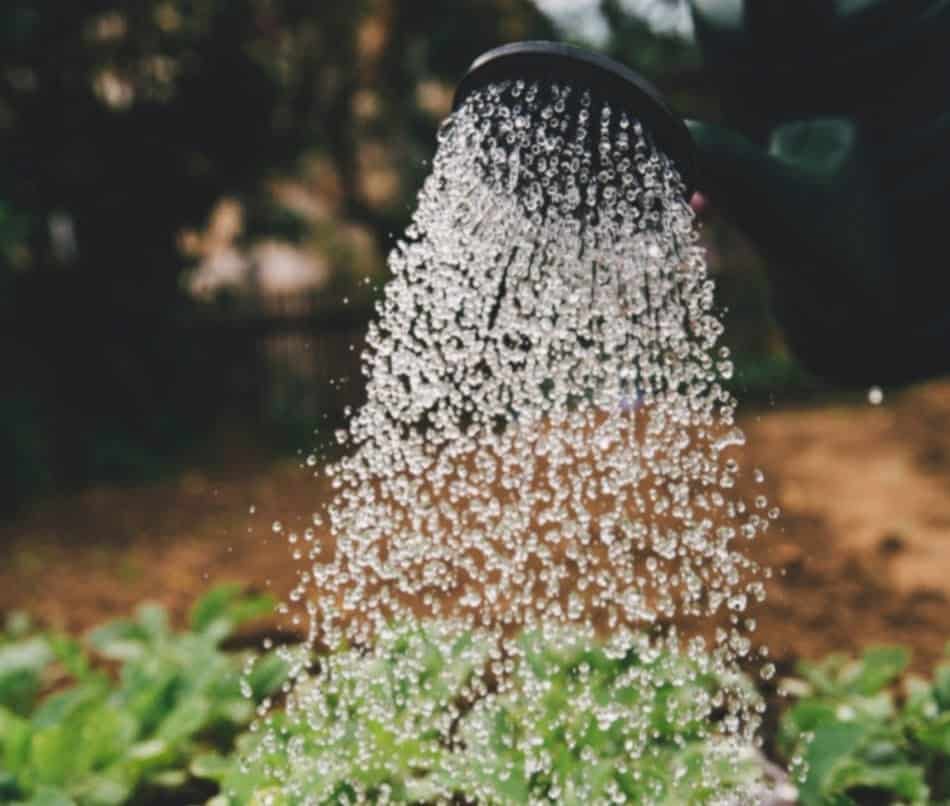
Watering the plant.
You should slightly water newly propagated cuttings every day.

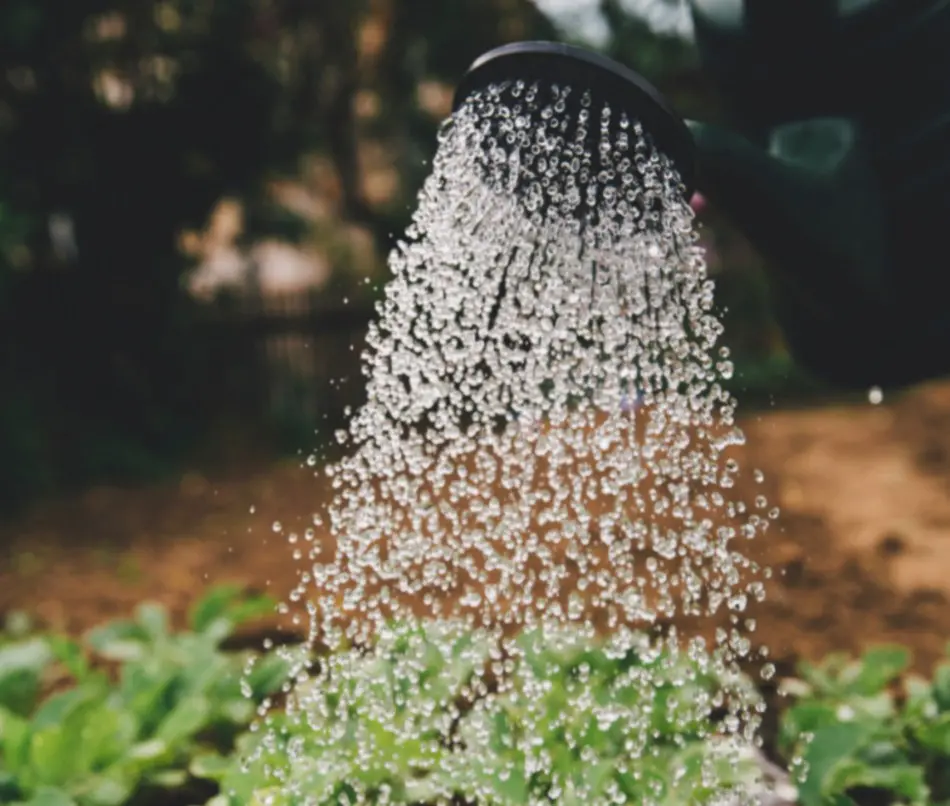
Full-grown succulents do not need to be water every day. However, newly propagated cuttings do require a light watering every day. When the soil is dry, water the cutting. Using a spray bottle is a popular tool for watering, especially during the early stages. 

Eventually, your cutting will take to its new environment and begin to set roots! 

Ideal Living Conditions for Propagating Succulents 

In order for your new succulent to thrive, you will want to create the ideal living conditions for it. 

Above, we talked about the watering needs during the propagation process. But there are a few other things to consider moving forward. 

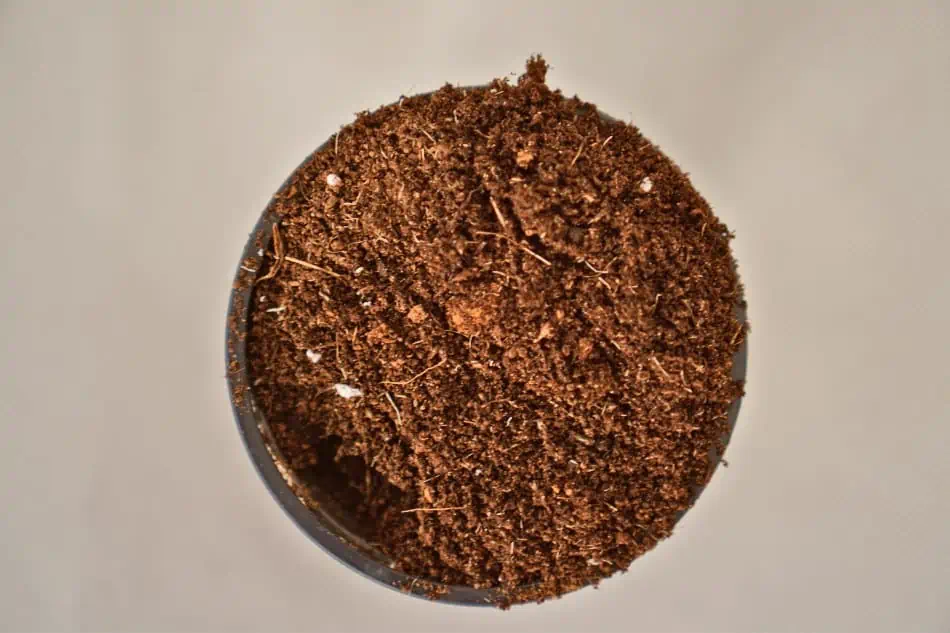
  • Soil type: First off, succulents require well-draining soil. Using a pre-made cactus potting mix will ensure that your growing medium is ideal for your succulent. To encourage draining, you might consider lining the bottom of your container with gravel or pebbles.
  • Sunlight requirements: In general, succulents enjoy a lot of sunlight. Ideally, around 6 hours of sunlight per day. However, be careful. Freshly propagated cuttings should not be placed in direct sunlight. 
  • Watering needs: Succulents’ watering needs are considered to be pretty low maintenance. Depending on the size of your container, the soil, and your local climate, you should only be watering your succulent one time every 1 to 2 weeks. 
  • Fertilizing: Succulents are hardy little plants that are easy to grow if you take care of their basic water, soil, and sunlight necessities. However, you may want to incorporate fertilizer to encourage faster growth. 

Maintaining Your Succulents After Planting from a Cutting

Succulents are popular because they are low maintenance. For the most part, if you water them correctly and plant them in high-quality soil with plenty of indirect sunlight, they will grow happily. However, there are a few maintenance items to consider in order for your succulents to be the happiest they can be. 

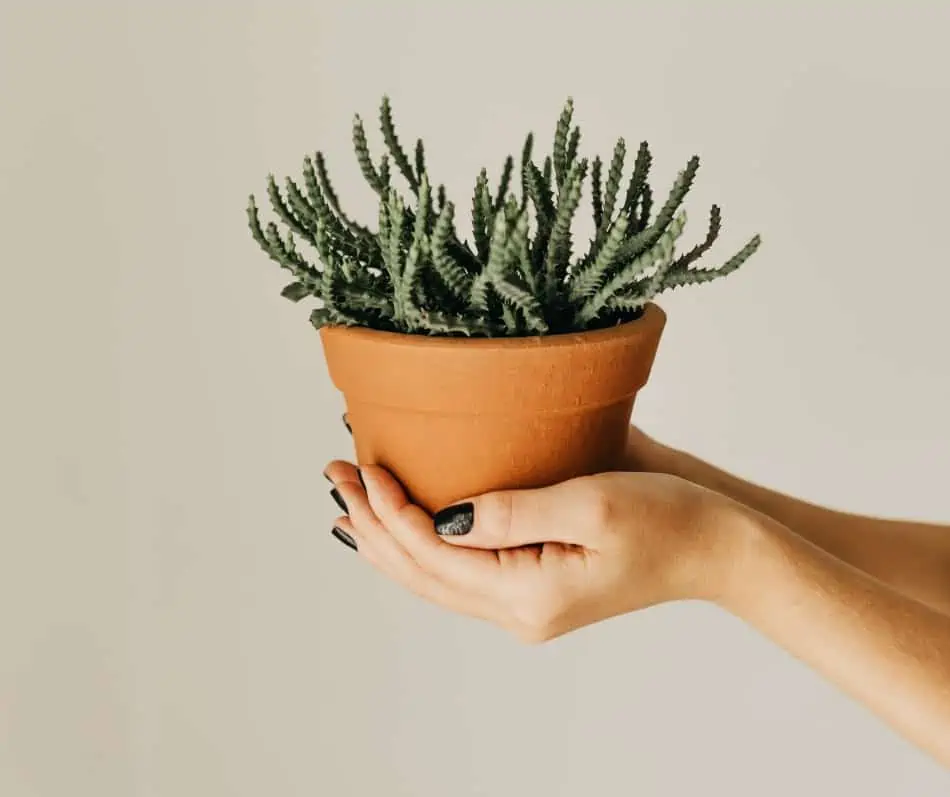
A person holding the small pot with succulent.
Although succulents are low-maintenance plants, you still need to provide water, give enough sunlight, and prune them.

Pruning your succulent is not just something you can do to propagate more succulents. In fact, pruning is also important for removing dead and dried-up leaves and encouraging new growth. 

Dried-up leaves should not cause alarm. It’s just part of the life cycle. We recommend you prune your succulents sometime in the Springtime. 

Cleaning your Succulents

Maintaining your succulents may also involve cleaning and dusting. Dust and other debris can build up on your succulents. This can take away from their vibrant colors, affecting their aesthetic appeal, and may even encourage pests or diseases to grow.

You can wash your succulents with a damp ramp. Or use a spray bottle to wet them before removing any dirt or dust. If your succulents are outside, you may need to remove extra debris like sticks and leaves. 

Preventing & Treating Pests and Disease

No matter how well we take care of our plants, sometimes Mother Nature gets the best of us. If you grow succulents long enough, you may eventually encounter some pests or diseases on your plants. 

The best thing you can do is prevent the pests and diseases from establishing themselves in the first place. There are a few simple things you can do to prevent pests and disease:

  • Encourage airflow: airflow is important for succulents. If indoors, avoid positioning your succulents in a closed room with little airflow. 
  • Check your plants often: if you examine your succulents regularly, you can stay ahead of any pests or disease. If they do develop, you’ll be able to spot them before the infestation gets bad.
  • Wash your succulents: washing your succulents regularly with water or a diluted alcohol solution will help prevent pests and disease. You can also use neem oil for extra preventative power. 
  • Don’t overwater: Or, underwater for that matter. These two things can’t be mentioned enough. There’s a rumor out there that succulents don’t need water- they do! But they don’t need a ton. Just a weekly misting is usually enough.

Treating Pests and Disease

If pests or diseases do take hold of your plants, you will have to start a treatment plan to get rid of the infestation. The first thing will be to separate the struggling succulent from other plants to prevent whatever it is from spreading. 

Spraying the leaves with neem oil is the preferred method. If the infestation is particularly bad, then you can also soak the soil with neem oil. Using a diluted solution of rubbing alcohol and water can also kill some types of bacteria. 

A mealy bug on a leaf.
If the infestation is particularly bad, then you can also soak the soil with neem oil.

Depending on the problem, you may also consider using a pesticide or herbicide. If you do choose to incorporate chemicals, make sure to follow the directions. If your plant is indoors, ensure that the product is approved for indoor use. 

And if you have small pets or children, using an organic and biodegradable product will keep all parties involved much safer. 

Summary

Succulents are amazing plants. They are easy to grow and relatively low maintenance. Better yet, if you properly prune them, you can propagate entirely new plants from the cuttings. 

Just follow the recommended guidance from above, and you’ll be propagating and growing new succulents in no time. 

Here are The 15 Most Popular Succulents To Grow

Succulents are becoming more and more popular in gardens thanks to their ease of care and beauty. A single succulent in your indoor garden is enough to make a statement and adorn your house with beauty. For this reason, the list of succulent lovers is growing daily as the plants become more popular.

But not all succulents grow at home and are easy to care for. Besides, not all species are cute and colorful, so you must be picky about the ones you introduce to your home. There are common types of succulents that you’re likely to see in stores or find in a friend’s garden. Many of them are also easy to replant, require little watering and at least a few hours of sunshine.

There are a variety of succulents to introduce to your indoor garden. If you’re looking for the easiest succulents to care for and most popular, here are 15 of them.

1.  Burro’s Tail

Burro’s tail is also known as the donkey tail and is one of the easiest succulents to propagate, making it among the most popular. The houseplant grows pretty easily and is not too demanding when it comes to caring. The plant can grow up to four inches long with its beautiful tail-shaped appearance. If you want it to grow well, keep it in the confines of the four walls. Also, ensure you put it in a well-drained container and allow the stems to drape down the pot’s edges.

2.  Zebra Plant

Also known as Haworthia, you can never go wrong with the Zebra plant in your succulent collection. The plant will adorn your indoor garden with nothing but beauty from its spiky look. It has no thorns to scare you away, so you can grow it comfortably where there are children and pets.

Since Haworthia does not have any spines, it is considered as a kid-friendly succulent.

The Zebra plant gets its name from white tubercles that give it a striking look. The plant grows in low clumps, with its rosettes going up to 5 inches long. Make sure your plant receives at least 6 hours of daily sunlight for it to grow well.

3.  The Jade Plant

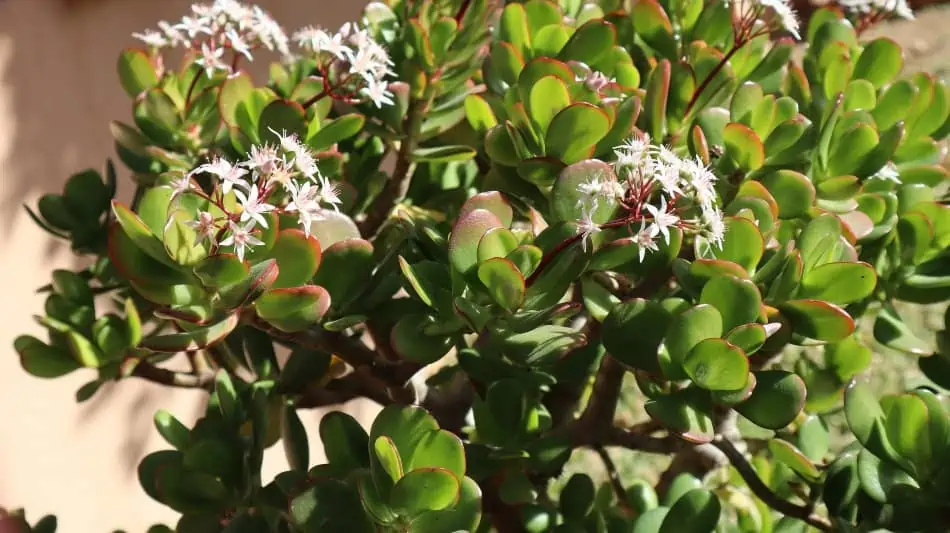
The Jade plant is commonly believed to bring good luck, financial success, and friendship in households where it grows. This has given it other nicknames like the Lucky plant, money tree, and friendship tree. It also makes a perfect gift for any occasion. Indeed, the plant has many characteristics that easily fix it in the list of the most popular succulents. Its beauty comes from the thick, broad green leaves. It also blooms in small white or pink flowers if you give it the right conditions.

4.  Echeveria

Echeveria is another popular indoor succulent that does well indoors with direct sunlight. Echeveria comes in different species, but they all require the same care needs to thrive. You need to plant it near the windows to get a lot of direct sunlight if you want it to grow well. Echeveria also requires minimal watering and the best time is when the soil dries completely. It will do well in a clay pot with good drainage.

Echeveria is a popular succulent that requires direct sunlight to thrive and grow healthy.

5.  Flaming Katy

Flaming Katy is a beautiful succulent plant that does best indoors as long as you give it clay pots with good drainage. The plants will also appreciate it if you give them well-lit areas. They need at least 10 hours of sunlight for them to adorn your beautiful indoor garden with their beautiful buds and flowers. With the right conditions, expect flaming Katy to reward you with buds of four petals that come in different colors. Their flowers can be golden, dark red, or white shades. You can use the plant on your desk or a centerpiece on your table.

6.  Moonstones

From the name alone, you automatically know that moonstones are the real gem. This succulent grows in bluish-green leaves that are sure to give your garden the beauty it deserves. The plant can adapt well in dry conditions thanks to its drought-tolerant nature. The moon-like leaves are capable of storing enough water for it to survive many months of drought. If you grow it in your garden, make sure you water it sparingly.  Watering twice in summer and once in winter is just enough for the plant.

7.  Aloe Vera

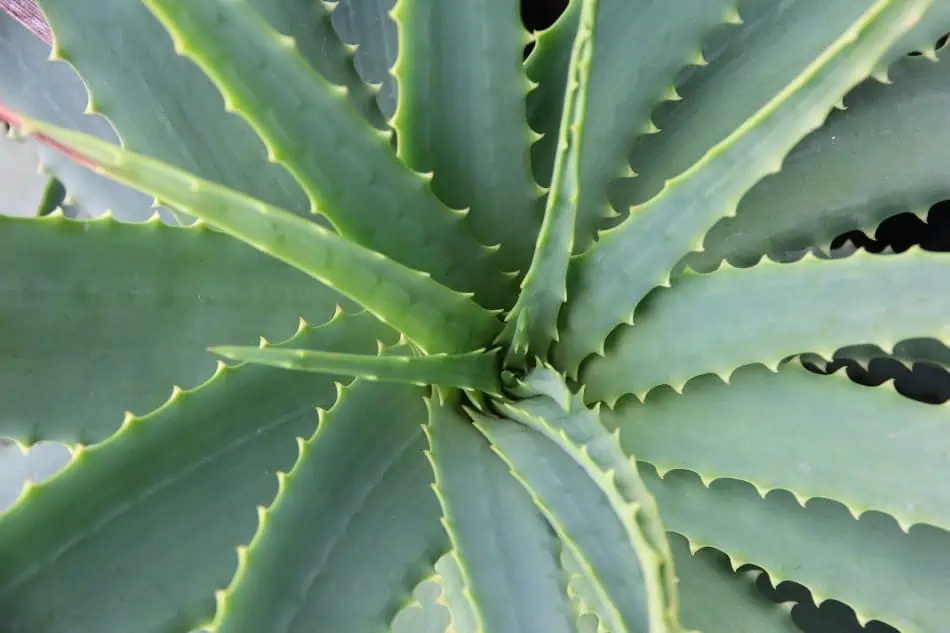
Aloe vera plant is not only famous for its beauty but also its medical benefits. The compounds of aloe vera are perfect for easing burns and scrapes. It’s used to make various skin lotions, ointments, and a host of other cosmetic products. Aloe vera is also a perfect decorative plant making it ideal for indoor planting. Its thick pointed leaves come in green-gray color. Some leaves come with spots of white.

Along with being a decorative succulent, Aloe Vera offers plenty of medical benefits.

8.  Snake Plant

The snake plant is another low maintenance succulent that can make a great companion for your home. The plant is unique in its own way because, unlike other succulents, it can do well placed under indirect sunlight. It also needs a bit more watering than other succulents, but you should go slow on watering during winter. This plant can grow pretty large over time, and you need to re-pot it before it outgrows its pot. The snake plant is a great therapeutic plant known for its air purification benefits.

9.  Hens and Chicks

Hens and chicks are one of those succulents with unique growth abilities. The plant grows on the rooftops of old European cottages. They’re used to protect the roof slates from fire and lightning. This plant grows in clusters with thick fleshy leaves. You’ll notice them in clusters of compact rosettes with their thick leaves alternating from a central point.

Hens and chicks are available in different species that come in varying colors. The plants can tolerate cold temperatures and still reproduce without proper care.

10. Pinwheel Desert Rose

Pinwheel desert rose, which is popularly known as aeonium, is a beautiful succulent with unique characteristics. Something that differentiates this plant from other succulents is the fact that it doesn’t appreciate hot weather. It goes dormant when the weather gets above 80 degrees. It grows well if the temperatures remain at 65 to 75 degrees. The desert rose grows rapidly and quickly reaches 3 feet. They’re also easy to plant with regular potting soil needs. It also needs enough moisture to grow its shallow roots.

11. Stonecrop

Stonecrop is another unique succulent, just like moonstones. The unique plant grows in a variety of colors and can form pink, silver, green and blue shades. It’s also available in two different types, namely, tall sedums and creeping sedums. The tall sedums grow about three feet tall. They adorn your summer garden with pretty flower clusters. Creeping sedums are found on rock gardens, roofs, and walls. This is an outdoor succulent that is pretty easy to plant and care for.

12. Ball Cactus

Ball Cactus adorns every succulent garden with its unique shape. The cactus has a balloon shape and grows up to two feet tall. But your children won’t pick this balloon to play with because it’s not that friendly. The rounded body is protected with very sharp spines that keep away anyone that dares to mess with it. The beauty is not only in the shape of the ball shape but also in its small, yellow flowers that form clusters.

13. Saguaro Cactus

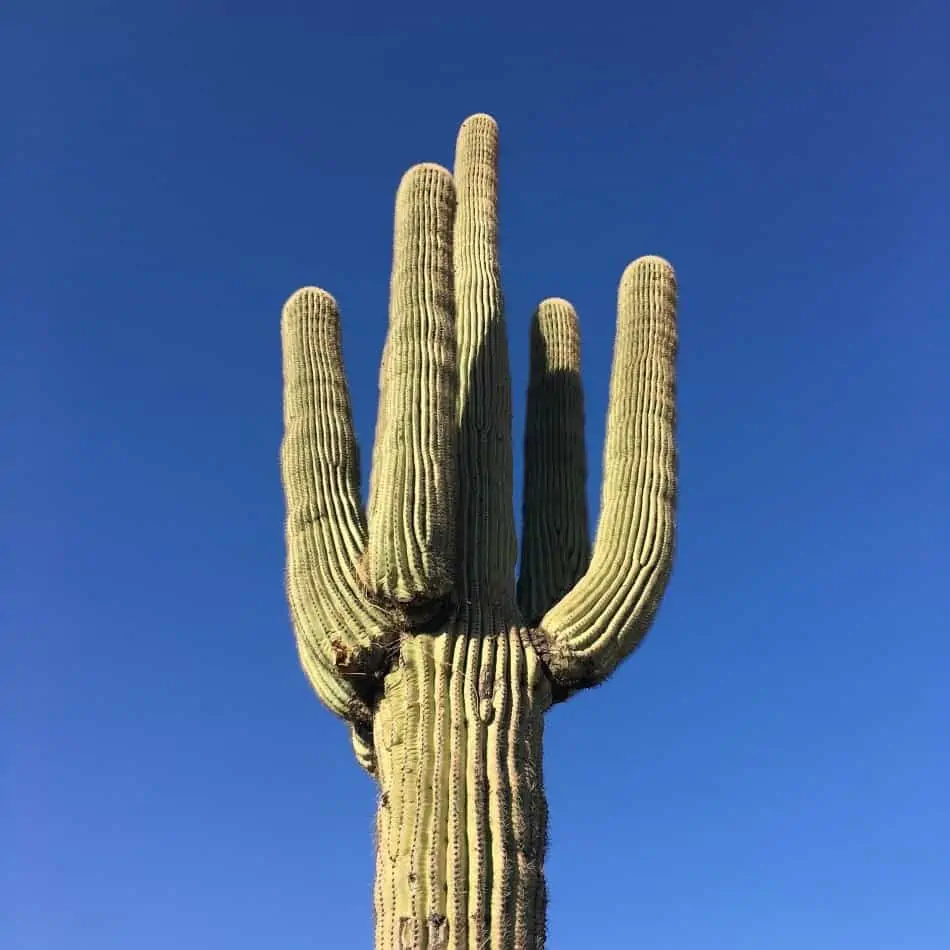
Saguaro is another popular succulent with the ability to thrive in very harsh climates and grow up to 40 feet tall. It grows thick main stem with others spouting out to look like arms. This plant is popular for its ease of care and drought tolerance nature, thus grows more than 150 years. The cactus can adorn your garden with beautiful white blooms. Its stunning flowers have given it the name wildflower of Arizona. It also produces edible fruits from its stem and arms.

Saguaro is a succulent that grows up to 40 feet tall and can withstand even the harshest conditions.

14. Kalanchoe

Another beautiful and popular plant in the cactus collection is the lovely kalanchoe. Kalanchoe needs a bright spot in your house where some indirect sunlight can hit it. However, it won’t appreciate direct sunlight as this will only cause burning. Kalanchoe also doesn’t like cool weather, so you should avoid drafty areas.

If you want kalanchoe to appreciate your gardening efforts, make sure the soil is dry between watering. When it’s time for kalanchoe’s watering, make sure you water deeply, so it drinks enough to go for days.

15. Pig’s Ear

Pig’s ear is succulent that grows in thick, oval leaves with red edges. It produces yellow and red flowers on top of the stems and droops down. You’ll mostly see the flowers of pig’s ear in autumn and summer. The pig’s ear is a perfect succulent for growing outdoors as it grows up to four feet high. The plant does well in dry areas like the rock beds, and you can also grow them in hanging baskets. Leave some space in between it and the next plant as it tends to occupy a large space.

Summary

That’s your list of the 15 most popular succulents to plant either indoors or outdoors, depending on the type. These succulents are easy to grow and require little maintenance. Choose your favorite one and see the beauty they can bring to your succulent garden.

9 Best Types Of Succulents That Make Excellent Houseplants

The use of succulents as indoor plants is quickly catching on.  This is because succulents are easy to take care of. They also require little water to survive, making them ideal as indoor plants. If you have a  busy schedule or are forgetful, you need not worry that your plant would die for lack of attention.  Succulents have water-storing tissues which help them survive for long, even while indoors with little to no attention. It is little wonder then that they are loved not only by beginners but also professional gardeners. Succulents help bring a little of nature indoors with their striking features of distinct leaf shapes, sizes, and textures.

So, what are some of the best succulents out there that make excellent houseplants? Granted, not all succulents make excellent houseplants. For example, Aeonium, Agave, Haworthia truncate, Crasulla ‘Gollum’  to name but a few can only make great outdoor plants despite them being succulents. They include Aloe, Cacti, Stonecrop, Prickly Pear, White-pitahaya, Jade plant, Ponytail palm, Snake plant, Panda, Burro’s tail, Christmas cactus and Hens-and-chicks.

This article will consider nine of these succulents that make great houseplants at length. It will take into account the origins, physical characteristics, and ideal conditions for growing the same.

1. Burro’s Tail

This amazing houseplant has been dubbed the donkey tail plant, and for a good reason. It grows up to 60 centimeters long and has the shape of a donkey’s tail. Interestingly, it is a cactus and a great indoor plant with its origin in Africa. With its fleshy blue-green leaves and flowers that turn pink in the summer, you can see why this plant adds to the overall ambiance of your house.

The ideal conditions for its growth include plenty of sunlight and moderate watering throughout the year. The sun helps in giving the leaves their color. However, when watering, avoid too much water lest you damage its roots. It is also advisable to handle the plant with care because its leaves are gentle and can break easily from the stem.

2. Jade Plant

This miniature tree-like succulent is also referred to as the money plant or money tree by the Chinese. According to them, the Jade plant brings wealth and prosperity. With its small pink and white flowers and oval-shaped leaves, this decorative plant is loved for its resilience on growth and ease in maturity. It’s a native to South Africa and Mozambique, but  practically possible to grow anywhere with similar conditions as the native lands.

Jade Plant is a tree-like succulent that features white to pink flowers.

Granted, the Jade plant rots easily. As such, make sure you let the soil dry before watering it again. It is also advisable to avoid watering the plant immediately after planting. You can take up to a week to do so with no harm to the plant. This house plant has a longer lifespan compared to other succulents, and that’s one of the reasons it has been passed from generation to generation. Jade plant grows to heights of 90 centimeters or 3 feet and does well in dry conditions. That said, avoid watering it during winter because the plant is usually dormant during this period and may not need much nutrient uptake.

3. Panda Plant

Well, let’s first clarify that this plant has no relationship with the black-and-white, bear-like animal found in China. Named Cocoon plant and Chocolate soldiers, the Panda plant is native to Madagascar, an island country southwest of Africa. With its red, small-sized and rimmed foliage, the plant has become a favorite for gardeners and succulent enthusiasts.

The Panda plant with tiny rimmed leaves requires at least 6 hours of sunlight daily.

The Panda plant needs plenty of sunlight, about six hours of exposure. As such, planting it inside a container and putting it near the window will work just fine. When watering the Panda, keep it to the minimum, only doing so each time the soil feels dry to avoid too much water affecting its roots. The Panda can grow up to 61 centimeters or 2 feet in height.

4. Snake Plant (mother-in-law’s tongue)

This evergreen perennial plant with upright green leaves and yellow edges might as well be the most famous of all the houseplants. During the night, the Snake plant converts carbon (IV) oxide into oxygen; an impressive feat for such a small plant. It is also named Saint George’s sword and viper’s boasting hemp.

The snake plant is touted to have cancer-fighting capabilities by absorbing pollutants from the environment. This is in addition to being  a snake repellent.

This succulent prefers indirect sunlight and can do well in the shade, albeit with a slow growth rate. Exposing the plant to too much strong sunlight will kill it as direct sun rays burn its leaves.

5. Crown of Thorns (Euphorbia milii)

If you are a Christian, the term Crown of Thorns worn by Jesus is not alien. This plant is believed to have been part of that crown that Jesus wore just before his crucifixion. Native to Madagascar, the plant has tear-shaped leaves, sharp thorns, and deep red bracts. It adapts to warmer climates where it can grow up to 150 centimeters or 5 feet.

The Crown of Thorns thrives when exposed to direct sunlight, and so three to four hours of sunlight daily is enough to get the blooms all year round. Make sure to place it near the window, and move it if you must when the sun moves. This ornamental houseplant is a real gem for any succulent enthusiast looking to improve their indoor décor.

 6. Christmas Cactus ( Schlumbergera truncate)

Colors like white, yellow, purple, and pink are always common during the holidays, and that is what this plant, a native of the tropical rain forest in Brazil, is all about. The Christmas Cactus has branches that can grow up to 90 centimeters or 3 feet long. The plant also goes by other names like Thanksgiving cactus, Holiday cactus, and Crab cactus. Considering its native lands, the Christmas cactus prefers a humid environment.

Christmas cactus produces gorgeous flowers when grown in relatively humid environment.

Direct sunlight may burn leaf segments; so be sure to place it in areas that do not experience direct sunlight around the house.  You can water this succulent every 2 to 3 weeks to allow the soil to dry fully.

7. Aloe Vera (Aloe barbadensis)

Wonder what else can come out of the Arabian Peninsula apart from oil? Well, the Aloe vera that grows wild in arid climates is native to the Arabian Peninsula. It’s quite a popular succulent, if not the most popular of them all. Thanks to its juice, some consumer products have been given a lifeline. The benefits ascribed to this wonder plant include:

•          Healing burns,

•          Promoting better oral health

•          Clearing acne

•          Improving digestion

•          Improving indoor decor

Aloe Vera offers a variety of exceptional health benefits while adding a touch of green to your interior décor.

For lovers of home décor, you can kill two birds with one stone by improving your indoor outlook while getting medicinal values whenever needed.

Aloe vera has thick green or sometimes grey-green serrated leaves, and it grows well away from direct sunlight, preferring instead just the brightness of the sun. With the right conditions, it can grow up to 100 centimeters long or a little over 3 feet.

8. Hens-and-Chicks

You might be wondering why the name Hens-and-chicks for a plant. Well, this succulent is a member of the alpine family that has this habit of producing a flock of offspring that stays closer to the mother plant. It is known by many other names, including houseleeks, hens, and semps.  Remarkably, they are known to survive both falls of snow and frost; an impressive feat among succulents.

Hens-and-chicks grows well in dry conditions and is thus easy to care for as a houseplant. This explains why it is popular among the busy succulent lovers

9. Ponytail Palm

The word ponytail brings to mind a kind of hairstyle, but this plant is far from that. With a stem that looks like an elephant’s trunk and leaves capping the stem, the plant looks so interesting. The ponytail is native to Mexico and grows to about 3 feet as a houseplant. Otherwise known as the elephant foot, this succulent plant has become popular in the last few years as a houseplant, and it’s easy to see why. Its popularity stems from the fact that it thrives on neglect, meaning you need to do very little. 

Succulents are slowly taking center stage in home décor. The need for much greener and eco-friendly interiors has seen many succulents enthusiasts opt for these plants for their indoors. Even with his, it is important to consider the growth conditions of your chosen houseplant by ensuring it corresponds with that of your region. Whether you are looking for flowering succulents or simply yearning to see green at home, succulents are your best bet. The fact that they do not need much attention makes it the best choice for busy individuals or frequent travelers.

The Best 14 Low Light Succulents For Your Home

The first thought that comes to your mind when you think of succulent is the desert environment with lots of sunlight. What if you find out that a good number of succulents don’t need the scorching sun? Some plants prefer shade, while others only need a few hours of direct sunlight.

However, don’t confuse low light with no light because these plants still need to photosynthesize, and they can’t do that without light. You must ensure your indoor succulents still receive sunlight but not direct exposure. If you’re to keep them indoors, they need a well-lit room or a spot near the window where they can receive some light. Grow light can also work well for such plants.

If you’re thinking of growing low-light succulents in your home, you have an overwhelming number of options to choose from. Here is a list of the best low-light succulents you can grow in your home.

1.  Aloe

Aloe is one of the most popular succulents you can come across. This plant does well in low light and can grow large. You’ll recognize the aloe plant with its fleshy pointed leaves. Aloe grows up to three feet when planted outside but does pretty well when given partial light or artificial light.

Many people grow aloe vera for its medicinal purposes. The gel found in the leaves of this plant is known to provide essential soothing and moisturizing effects. Also, give it low water at least once every three weeks in dry months, which should reduce in winter months.

2.  The Snake Plant

The snake plant is among the best house plants. The plant is known to tolerate a large variety of circumstances, such as low watering and low light. The plant can still thrive with low light but also does well in brighter conditions.

For it to grow well, keep it away from direct sunlight. Ensure you find brighter areas of the house. Do not overwater this plant. If you take good care of it, the snake plant will reward you with various colors to adorn your indoor garden.

3.  Kalanchoe

The most popular kalanchoe variety is found in small shrubs, which grow in thick leaves of different shapes and forms. Some come with smooth leaves covered with fine frizzy hair.  Kalanchoe does well in pots and makes a great indoor plant that needs low light.

This plant is one of the easiest to grow and is highly adaptable to various conditions. The plant survives well under low light but can also do well under bright indirect light. Kalanchoe can also tolerate intense heat. The plant is known to produce colorful floors that adorn your house in clusters of blooms.

4.  Echeveria

Echeveria is among the most recognized succulents and grows in beautiful shapes with colorful leaves. You’ll find this succulent variety in different colors, including blue, green, purple, and pink leaves. The center stalk of this plant tends to elongate in an attempt to reach out to reach the sun.

A couple of hours of sun daily is enough for Echeveria to grow healthy indoors.

Four hours of sun every day is enough for this plant to grow well and avoid elongating searching for the sun. This plant will not require much attention from you and will still perform well under neglect. Just don’t forget to water it once in a while in hot weather and twice the entire winter.

5.  Burro’s Tail

If you love hanging plants, Burro’s tail will be your best low-light succulents. This succulent is easy to grow and propagate. The fallen leaves easily develop roots and begin to grow if they get a conducive growth environment.

Burro’s tail prefers growing in ample light but can still do well in lower light levels. Apart from sunlight, they also prefer more watering in summer, which should reduce in winter. This plant has extremely fragile leaves that can easily fall off the plant when you brush on them. You must be very careful.

6.  Hoya

Hoya is another great succulent plant known for its thick and nearly heart-shaped leaves. The plant is also called the Hindu Rope or Wax plant. You must understand that not all Hoya species are succulents, but those who are don’t need direct sunlight to thrive.

Hoya plants need partial shade, and you must protect it from intense heat and frost. The plant grows well in beautiful hanging baskets indoors.

7.  Holiday Cacti

You can’t miss cacti species in the list of low-light succulents, and the holiday cactus represents the list well. This plant falls under the epiphytes, which means they live under trees that protect them from the sun. The cacti varieties under holiday include Thanksgiving, Christmas, and Easter cacti.

While holiday cacti love humid environments, they can do totally fine without plenty of sunlight.

All these plants don’t need lots of light to thrive. They love humidity and will thrive better if you water them more than other cacti varieties. The lack of light encourages these plants to bloom, especially in autumn. The shortening life exposure in the autumn is what allows them to bloom.

8.  Agave

Foxtail Agave is a perfect low-light succulent that every landscaper loves. The plant portrays a flamboyant presence and is highly tolerant of drought. The stalks of this plant grow up to eight feet wide and five feet tall and can extend up to 10 feet. Its bushy stalks bloom in summer.

The plant is suitable for growing in pots where it tolerates shade and sun in equal measures. Make sure this agave receives moderate temperatures. It’s also a drought-tolerant plant that can survive neglect.

9.  Ponytail Palm

Ponytail palm is succulent and not a palm tree-like other people think. The plant comes with a bulbous pump where it stores water, which categorizes it under succulents. It got its name from the long, slender, and hair-like leaves. While this plant loves the sun, it can still allow you to grow it in a controlled environment with low light.

Make sure the ponytail palm receives well-drained soil. The plant needs minimal watering as it can survive up to three weeks without water. The edges of the leaves of this plant turn brown over time and fall off from the main branch.

10. String of Bananas

This is a dangling succulent that needs baskets or a shelf placed under low light conditions. You’ll notice this plant with its long tendrils and slightly curved leaves resembling tiny bananas. If you were to plant it outdoors, make sure you give it a hanging box or a hanging planter in partial shade.

11. Scarlet Ball Cactus

Here are cacti species that fall under low light succulents. This magnificent plant survives well in shade and low light conditions. For it to thrive well, give it bright sun but protect it from intense heat. The plant can grow solo or can form beautiful clusters. The plant itself grows in a greyish green color but blooms in yellow and bright orange flowers.

12. Zebra Cactus

This is yet another cactus plant that loves low light and makes a good choice of succulent to add to your indoor collection. Even though zebra plants grow pretty well under low light, sometimes it’s best to give it bright or direct sunlight under given periods of the day. When grown in low-light conditions, this plant will need very little water.

If you are growing the Zebra plant in low-light environment, give the succulent just a little bit of water.

The Zebra plant is no doubt a lovely miniature plant. It has a vivid dark green color with beautiful white markings. This appearance is what gave it the name zebra. It does powerful indoor décor work, especially if you place it on your office desk.

13. Jade Plant

If you want your jade plant to look healthy and keep its structure and texture, put it under low light. The plant portrays green or red color depending on the amount of sunlight it receives. Many people have this plant either in their rooms or the office as it’s regarded as a symbol of luck.

Jade plant is a low-light succulent that is often associated with luck, fortune, and prosperity.

The plant needs shade to protect it from direct sunlight. Don’t water jade plants because too much water can end up killing them. But it’s also one of the easiest plants to save as the Jade plant easily grows back even after its leaves have fallen. It’s a highly resilient and hardy plant.

14. Haworthia

Haworthia succulent collection comprises a host of beautiful low-light species that you won’t hesitate to add to your succulent collection. Most of these plants grow in rosettes and form thick fleshy leaves. In the wild, you’ll notice that haworthia tends to hide in bushes and rocky crevices in search of shade. This means they can do well indoors where there’s lots of shade.

Haworthia species with thinner leaves make the best houseplants. They thrive well in areas with low amounts of sunshine. Haworthia is available in different varieties, so you won’t have a hard time finding one that you can plant.

Summary

If you want to grow some succulents indoors and are worried about the low-light inside your house or the office, don’t worry because there are plenty of succulents to grow indoors. You can get a countless number of attractive succulents to grow in low-light. Just understand that low light doesn’t mean that the plant receives no sunlight at all.

How To Choose The Right Pot For Your Succulents?

Collecting succulents has become a popular pastime but, how do you choose the right pot for your succulents? With a few considerations, such as lighting, sizing, and drainage, there are endless possibilities to explore the perfect home for your succulents where they can thrive happily and healthily.  

Continue reading below to gather the facts before beginning your fairy garden. Not all pots are made the same and you want to avoid choosing a pot solely because it looks cute. Making an informed decision when choosing the right pot for your baby greens will save you time and money in the long run.

Measure What Size Pot You Need For Your Succulent

First off, making certain you find the right size home for your succulent is essential to providing the highest quality of life. It is vital to provide the plant with adequate room to grow. For reference, if your plant is 5 inches in diameter, aim for a pot of 5.5”.

Choosing the right width and depth of a pot ensures the succulents get proper nourishment. A pot that is too large can retain an abundance of moisture which will cause the succulent to rot. While a pot that is too small can hinder the healthy growth of the roots.

Pot Sizing for Clusters Of Succulents

If you are potting a cluster of succulents, there are a few things to keep in mind.

  • Make sure each green has ample room to grow properly
  • Keep an eye out to ensure each plant gets enough lighting
  • If any of the succulents seem crowded, be prepared to re-pot them as soon as possible
If you have decided to plant a cluster of succulents, pick a pot that is large enough to fit the plants.

Planting multiple succulents in one container can be tricky, so if you do decide to go this route, make sure you choose a pot large enough for the buds to grow into. 

Drainage and Airflow Are Important When Choosing A Pot

Although succulents are regarded as nearly effortless, they do have basic survival needs. 

Proper Drainage Is Essential

Succulents retain more water in their leaves and stems than other plants. Because of this, they require proper drainage from their pots. It allows the soil to dry faster, preventing the rotting of the roots. 

Pots that offer proper drainage will protect your succulents from root rot.

Adequate Airflow Is Necessary 

Plants need airflow to breathe and make food. Succulents are no exception to this rule. Choosing a pot that provides generous airflow will lead to overall healthier succulents. 

Make sure to keep these necessities in the back of your mind while choosing the right pot for your succulents. 

Pros and Cons Of Popular Pots

There is an abundance of readily available pots to choose from for your succulents. Each material has its advantages and disadvantages. 

Clay Pots Are Ideal Material

Clay pots, like ceramic or terracotta pots, are a great option for succulents, particularly in more tropical climates. They are very porous which helps in avoiding rotting roots. The material soaks up some moisture from the soil, and are great for indoor or outdoor succulents. 

Clay pots are common enough where you can find them quite affordably at a local home and garden store.

The downside to clay pots is, they may not be as aesthetically pleasing as some of the inspirational arrangements you find online and are typically a neutral orange-ish color. Keep in mind that they are also fragile and typically have only one or two drainage holes.

You can find more attractively colored clay pots that have been glazed over. If you go that route, keep in mind that the glaze does slightly alter the porousness of the pot which can decrease the amount of moisture it would soak up. 

Plastic Pots Can Be Fun

Plastic pots are another prevalent choice for succulent pots. Unlike clay, you can find plastic pots in a large array of 

  • Sizes 
  • Colors
  • Shapes

These give the ability for a more personalized arrangement. They are also quite affordable and easily found at a local store. 

Plastic pots typically have good drainage, but pliable enough to drill into to create more holes, if necessary. Their lightweight material makes them a safer option for an area with small children or pets because they are not as breakable as clay.

The downside to plastic pots is they heat and cool easily. The material makes it easier for your succulents to burn or freeze. If you choose plastic pots, it is recommended to keep them indoors to keep an eye on the temperature.

Wood Pots Are Eye-Catching

Their unique style has enhanced the popularity of wooden pots and planters. They are a natural and sturdier material and do their best in full, direct sunlight. 

They also come in endless varieties of 

  • Stains 
  • Shapes
  • Sizes

They are conversation pieces. 

Although beautiful, wood pots can split or rot out at the base if not kept in proper sunlight. This is simply because wood is a natural, porous material that pools moisture too easily. If you think about trees, which normally rot, this should be expected if choosing a wood pot or planter. Just keep an eye out, checking the integrity of the pot every so often. 

Since wood is an organic substance, acknowledge the possibility of some pests nestling into this kind of pot. 

Choosing an Uncommon Type Of Pot

These are only a few of the endless other options, besides the usual suspects, to consider when choosing the right pot for your succulents.

Metal Pots Are Decorative

An unexpected type of pot used is metal. While they add intriguing and undeniable style, metal pots can overheat very quickly and eventually rust, causing irreparable damage to your succulents. It is recommended to only use a metal pot as a temporary home.

Although metal pots look stunnig, they should be used only temporarily.

Glass Pots Add Pleasing Aesthetic

If you choose to go with a glass pot for your succulents, you will want to remember there are sufficient drainage and airflow concerns.

You will most likely have to drill extra holes for drainage as these pots will probably be custom-made. Also, take care to choose one with a larger opening than you would get with another pot made from different materials. This is because your soil needs plenty of airflow, and the quality of airflow with glass is almost nonexistent. 

Hanging Baskets Add Style To Small Spaces

Hanging baskets are most common when growing a succulent such as a string of pearls because they grow big enough to see in the baskets. They make beautiful accents to small spaces, like a deck or porch. 

Hanging baskets are especially suitable for succulents like the String of Pearls.

Hanging baskets are one of the eco-friendlier options out there. You can easily find one made from 

  • Organic Products
  • Recycled Products
  • Recyclable Products

They may not be a great choice for smaller succulents, as they will be strung up and nearly impossible to see. Also, if choosing this type of pot, it needs to be kept away from high wind spaces because they can dry up quickly. 

Choosing The Right Pot For Your Succulents

When you choose the right pot for your succulents, it will ultimately be the pot that works best for your 

  • Space
  • Aesthetic
  • Budget
  • Environment

If you have a home with young children and pets, your perfect pot is most likely not made of clay.

On the other hand, if you are looking for an entirely unique pot, the good news is you can make almost anything into a customized succulent pot. Just remember to create proper drainage, have a large enough opening to promote healthy airflow if the material is not porous enough, and make the pot large enough for the plant to grow strong. 

How To Grow Succulents From Seed?

Succulents are a beautiful way to decorate your home or office, and with so many varieties to choose from, you might be tempted to break the bank buying them at your local garden store. If you want a more cost-effective approach to filling your life with succulents, and you are willing to put a little time and effort into the process, growing your own succulents from seed might be the right choice for you!

Before you get started on growing succulents, though, you’ll want to be sure you know the basic steps required. Understanding the supplies and environment you’ll need to be successful, and being aware of some potential pitfalls to avoid, will help ensure you end up with a satisfying experience.

Choose the Type of Succulent You Want to Grow

There are hundreds of types of succulents out there, from the very common (like aloe) to rare varieties that are too difficult to find or too expensive to purchase in mature form. 

Take some time to learn about the types of succulents before choosing the one (or more than one!) that you’d like to grow. This guide from Succulents and Sunshine might be a good starting point; it has a helpful overview of 100 different types of succulents.

As you choose your succulents, you’ll, of course, want to consider how they look. But also think about how big they will be when they are mature and whether that size will be the right fit for where you plan to keep the plant long-term. 

You should also look carefully at the care needs of each type of succulent, both during growth and after it is mature. If you’ll struggle to meet the plant’s needs related to watering, sunlight, and temperature, you may want to choose another variety of succulent to grow.

Don’t forget that growing succulents from seeds is a long process, so you should also look at the germination time for each succulent type. Don’t choose a plant that takes months to germinate if you’re looking for faster results!

Purchase Seeds from a Reputable Seller

Because succulent seeds are so small, they can easily be confused with a bit of dirt or other gardening material, so it’s important to buy your seeds from a reputable seller to ensure quality. Check customer reviews before you make a purchase. Given the amount of time and effort you’re going to put into growing your succulents, you do not want to be disappointed down the road when you discover you bought fake seeds!

Gather and Prepare Your Other Supplies

In addition to your seeds, you’ll need some other supplies to grow your succulents:

  • A planting tray (more than one if you want to grow more than one type of succulent) – choose a shallow tray (just 3-4 inches deep) with drainage holes in the bottom
  • A cover for the tray, such as a plant dome or simple plastic wrap
  • Your chosen planting medium (sand, soil, etc.)
Prepare your supplies, including a planting tray, its cover, and suitable soil for your succulents.

One key decision you’ll need to make in growing succulents from seed is what planting medium to use and how you will prepare it. Succulents need soil that drains well to avoid the seeds being over-watered. So, you’ll want a sand-based soil mixture rather than a traditional potting soil.

You can opt to purchase a soil specifically made for growing succulents, or you can make your own soil mix combining horticultural sand and potting soil. If you want to learn more about making your own soil mixture for growing your succulents, this Better Homes & Gardens guide provides a great overview of types of potting soil and mixes.

Whatever soil you choose, be sure to sterilize the soil before use. Bake it in the oven (30 minutes at 300 degrees F) or the microwave (10 minutes), cool completely, wet the soil, and drain. Now you’re ready to plant!

Plant the Seeds

To plant your seeds, first, prepare your planting trays. Fill the trays with soil up to 1- to ½-inch from the top of the tray. Make sure the top of the soil is damp; this will allow the seeds to stick.

When dealing with tiny succulent seeds, be sure that you are planting in a sheltered area. Because they are so small, they could blow away with the slightest breeze! You may want to carefully place the seeds in the palm of your hand to make them easier to arrange in the planting tray. 

It’s generally not a good idea to spill them out onto the table you’re working on, as they could get lost in any soil or other debris.

Put the seeds on the top of the soil, carefully placing each one separately and providing space between the seeds. Consider the size of the mature plants in deciding how much space to leave between seeds.

If you are using individual growing trays, just put one or two seeds in each one. If you are growing more than one type of succulent, plant them in different trays.

To grow succulents from seeds, put individual seeds on top of the soil and keep some space between the seeds.

If you need to move the seeds after placing them, use a small tool like a toothpick. Do not cover the seeds with soil. When the seeds begin to germinate, they need to find their way to light above the soil, and with seeds so small, even a little soil on top would prevent them from doing this.

After you have planted the seeds, cover the planting trays with your plant dome or with plastic wrap with some ventilation holes in it. Succulent seeds need a warm, humid environment to grow. 

Some gardeners recommend direct sunlight at this stage of growth, while others suggest a warm sunny setting that is not in direct sunlight. Consult the specific care guidelines for the type of succulent you have chosen to grow and select a growing location accordingly.

Provide Daily Care for Germinating Succulents

Succulents need three key things to grow successfully: proper light, proper amount of water, and proper temperature. 

After your seeds have started to germinate, you’ll want to keep your plating trays in a well-lit area but out of direct sunlight. The seeds need good airflow to keep growing, so remove the lid from the growing tray once you see seedlings.

Although you generally only need to water a mature succulent once a week, when they are growing, they need constant water. However, you also need to ensure they are not overwatered. 

Daily care is essential for growing healthy succulents.

You may want to maintain water in the tray beneath the growing tray, allowing the water to be soaked up through the drainage holes. Add water daily to ensure the seedlings have all the moisture they need. Once the plants have fully established roots, you can gradually shift to watering less frequently.

Finally, most succulents should be kept at 70 degrees F when growing. You should ensure that the plants are not exposed to temperatures below 60 degrees F or above 80 degrees F. Choose your growing location based on the temperature and sunlight needs of the succulent variety you’ve chosen.

Replant the Mature Succulents

As we’ve mentioned already, growing succulents from seeds can be very rewarding, but it is not a fast process. You’ll need to provide ongoing care for your growing succulents for months before they are mature enough to replant and place them in their permanent homes.

After planting succulent seeds, it will take a couple of months for the plant to be mature enough for repotting.

Thankfully, the care needs of the plants will decline over time. They need the most attention during their first days and weeks of growth, and then less as time goes on. That said, you don’t want to try to replant too soon. 
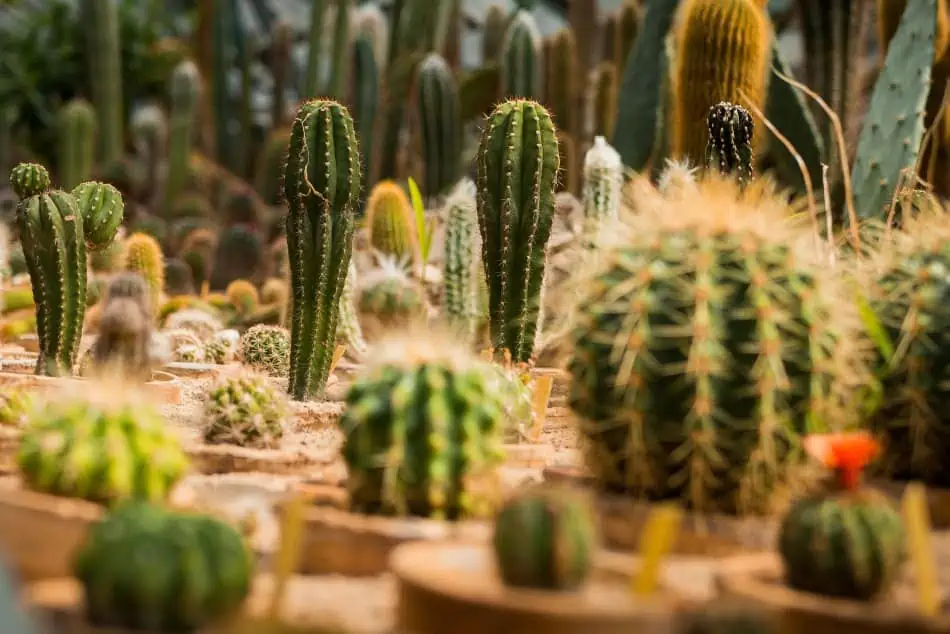
Wait until the plant is large enough that you can easily move it without damaging fragile leaves and roots. It’s best to err on the side of waiting longer rather than moving the plant too soon. Usually, you’ll be able to replant after about six months.

Why My Succulents Turning Brown?

Succulents- they’re resilient, they’re low maintenance, but they’re also known to turn brown. You’ve made sure to not over or underwater. You have good soil and optimum growing conditions, but what could be making those succulents of yours brown?

Why My Succulents Turning Brown? There are multiple things that could turn your succulents brown. They could be getting too much sun, or the browning might result from a pest infestation. Browning succulents are also an indicator of root rot. Some of these have better chances for revival than others do. 

We all want to see our succulents beautiful and flourishing; fortunately, there are things you can do to bring your beloved succulents back to their beautiful aesthetic that we love them for. We’ll cover what you can do to try to fix any of these issues and how to prevent them from happening in the future.

What Causes Succulents to Turn Brown?

There are many factors that can make your succulent start to turn brown. The most common issues that cause succulents to turn brown are:

With early detection and some extra care, you should be able to revive your plant from almost all of these.

Sunburn

Yes, even these resilient little plants can get sunburnt! It is common for these plants to start sunburn once temps start to get over 104 degrees Fahrenheit. It can also happen if you don’t properly acclimate a succulent to the level of light and heat you introduce it to.

Sunburn is one of the most common reasons why your succulent is turning brown.

What Does Sunburn Look Like on a Succulent?

There are a few telltale signs that let you know your succulent is suffering from a sunburn, beyond the browning:

  • Brown and dark spots
  • The plant is soft and mushy
  • Plant may collapse

Even though we think of cacti as made for the heat and dry climate, they still aren’t invincible.

How Can You Prevent Sunburn on Succulents?

You can do a few things to prevent your precious succulents from getting sunburnt. These things include:

  • If they are in pots, move them to a shadier area.
  • You could buy a shade cloth to block out some of the suns.
  • Allow more time for the plants to acclimate.

Acclimation will be important, especially if you’re moving a succulent into any drastic temperature change. We may not have sunscreen for our succulents yet, but we can do what we could to at least make their lives easier.

Frost

Frost will damage succulents similarly to sunburn. They can turn brown and end up collapsing. How can you prevent frost damage?

  • Bring them inside if possible
  • Buy a frost cover to cover them with
  • Keep away from windows during extra cold periods
Just as sunburn, frost can damage your succulents and the plants will gradually change their color to brown.

Succulents are quite resilient and can withstand high temperatures and really low temperatures, but like everything could only take so much.

Pests

Pests are just as gross as you’d expect. And your succulents don’t like them any more than you do. There are many pests that will mess with your succulents. These pests include:

  • Aphids
  • Mealybugs
  • Slugs 
  • Grasshoppers
  • Mice 
  • Birds 
  • Deer

There is a wide variety of pests that will come and mess with your succulents. Only a few are really common, though. Aphids and mealybugs are the most common suspects when it comes to succulent pests. 

If your succulent is not as green as it used to be, you should check if pests have damaged the plant.

Aphids are small insects that are green, black, brown, or orange. Mealybugs are small white bugs that look kind of like cotton. Aphids and mealybugs bite into the plant, and they suck sap and other juices out. They excrete those saps and juices out as something called “honeydew,” and that can grow into mold.

Getting Rid of Pests 

To get rid of aphids and mealybugs, you can do a couple of things:

  • A solution of 5% Neem oil, 95% water, and a few drops of dish soap
  • Use 70% isopropyl alcohol
  • Try an over the counter succulent pest spray

Use these substances with caution! They can kill the bad bugs, but they could also kill the plant too if you’re not careful. You could either apply this as a spray bottle or with a q tip. Make sure to clean off dead bugs, and after a few hours, rinse off any oils or alcohol you use. 

You’re going to want to quarantine those sick succulents of yours, so they don’t get any of your other plants sick. Make sure to keep an extra good eye on them for a few weeks. After the first week, give them another spray and a rinse, and then keep a good eye on them for another couple of weeks.

Over or Underwatering

Overwatering tends to be more of a problem than underwatering does, but we don’t want to do either of them. Overwatering will make your plant start to get soft and rot. Underwatering will make your plant dry and shrivel up.

To prevent your succulents from turning brown, you should only water them when the soil is dry.

How Often Should You Water Succulents?

There’s no specific amount of time you should wait to water your succulents, but a general rule of thumb is to wait until the soil is completely dry before you water again. This could be a few days to a few weeks, depending on climate and location. 

Signs of Overwatering

There are a few signs of overwatering. These signs could be:

  • During the early stage will be yellow
  • Leaves feel soft and mushy
  • A light touch could knock a leaf off
  • When severe can look brown or black

Just like a lot of these problems, early detection is the key. Once you reach severe overwatering, it could be too late to save that succulent.

How to Revive from Overwatering 

Thankfully, overwater succulents are one of the few things that they can recover from. Some things you could do to revive from overwatering are:

  • If possible, let the soil dry out 
  • After drying, change soil if the soil has bad aeration 
  • If damaged down to the stem, then cut what’s good and replant it

Soil can be a cause for issues because if it doesn’t have the proper aeration, then it could hold too much water. You want that soil to be nice and airy and be able to dry out well.

In addition to browning, there are other side effects from overwatering your succulents. Other issues overwatering can cause are:

  • Fungus infections
  • Water worts
  • Rot

Overwatering could cause a whole bunch of issues that you really don’t want to deal with. It’s important to let your soil completely dry out before you water again.

Signs of Underwatering 

Underwatering isn’t as common as overwatering, but you’ll notice underwatering if the top parts of the leaves start to dry up. Dried-up dead leaves on the bottom aren’t necessarily a bad thing, but once it gets to the top, that is an indication of an issue. 

How to Recover from Underwatering

I’m sure we could all guess this. You just need to make sure to give it a couple of waterings as you normally would, and it should start to perk back up. If the shriveling is severe, though, then your succulent could likely be past the point of revival.

Final Thoughts: So What Are Those Brown Spots On Your Succulents?

It could be many things, pests, too much sun, too much cold, over or underwatering, lack of care when handling, that is for you to judge off of this list we provided you.

 A lot of this can be taken care of with early detection or early action, but unfortunately, sometimes it can be a little too late to act, and you might have to restart with your sweet succulents. 

Hopefully, this can help you get out of a situation or prevent you from getting back into it in the future.

How To Choose The Perfect Soil For Your Succulents?

Providing a solid foundation for your succulents, as in choosing the perfect soil, is the first place to keep them healthy. Succulents are currently all the rage, and whether you are putting them in your living room or bedroom, it can be important to make sure they have the care they need to succeed. One of the sources which ensure success when it comes to succulents is the soil it is placed in. 

Choosing the perfect soil for your succulents means picking soil that is a combination of regular potting soil, coarse sand, and perlite. These components must be mixed in the proper amounts to allow your succulent to have drainage without keeping in moisture. 

If you use the wrong type of soil for your succulent, it could cause it to not get the proper amount of water and air, and it may die. Keep reading to find out just how to choose the perfect soil to keep your succulents happy and healthy. 

Choosing Soil for Your Succulents

When you head to the store to buy soil for your succulents, it may be tempting to buy a bag of regular potting soil. Don’t do this. Regular potting soil retains water in amounts that are too high for your succulent, and this will cause them to rot. 

Another problem is that regular potting soil is too compacted for a succulent to grow properly. It stifles the roots, so they are unable to breathe. This is why succulents need their own soil.

Instead of getting random soil, make sure the soil is suitable for your succulents.

Look around the store for soil that is labeled specifically for succulents. Depending on your region, you may not see any soil which is specified for use with succulents. 

Check for soil that can be used for cacti because this soil has similar properties to the soil needed by succulents. If you don’t see either of these options, you may have to make your own soil to ensure the success of your succulents. 

Make Your Own Succulent Soil

If you’ve looked high and low for the perfect soil for your succulents and you don’t want to order soil online, it may be time to create your own soil. 

You can make your own succulent soil by mixing inorganic matter, perlite, and coarse sand.

Generally, the best recipe for making succulent potting soil is as follows:

  • 1/2 Inorganic Matter
  • 1/4 Perlite
  • 1/4 Coarse Sand

Inorganic matter refers to dirt, and this is where it is okay to use regular potting soil. However, it alone is not enough. This is why you will mix in the perlite and coarse sand to make the soil more breathable. 

You can also replace the perlite or coarse sand with other organic matter such as peat moss, compost, and bark. You have to be careful, though, as these three materials are all masters at retaining moisture and quickly cause your soil to become too wet if you replace both the perlite and the sand. 

You will need a large bucket to place all of these elements in, then use a spade to mix them all together. Once all the components are thoroughly mixed, you can shovel the mixture into the pot you plan to place your succulent into. 

Can I Use Soil from My Garden?

Do you already have an outdoor garden that you think has great soil? Unfortunately, it’s a bad idea to consider using this for your succulents. This is because the soil in your garden isn’t considered sterile, meaning it may be infested with bugs that could harm your succulent. 

Since soil in your garden is not sterile, it should not be used for planting succulents.

Not only that, but it’s likely your succulent will be a house plant, and who wants bugs in their house?

For the best results, purchase all-purpose potting soil that is fresh and free from pests. If you have questions about how fresh potting soil is, don’t be afraid to ask an employee for help. 

Can I Use Sand from My Sandbox?

Although it may be tempting to grab a handful of sand from your sandbox for your succulent soil mixture, this not the proper sand for your plants. Even if you live near the beach or another place with lots of sand, this is still not advised. This is because sand, like the soil from your garden, can contain bugs and other plant matter, which can harm your precious succulent. 

You should never use sand from a sandbox to add to your soil mix since it is not sterile and might contain bugs.

While shopping for sand, it’s best to find a coarse mixture that is recommended for use with cacti, succulents, or bonsai trees. This coarse sand is made especially for growing succulents and is much more sterile than the sand you will find outside. Don’t be surprised when you find that this sand is more expensive than sandbox sand. That’s because this sand is different and designed with your plant’s health in mind. 

What is Perlite?

This may be the first time you are hearing about perlite, and you may be wondering what it is. Perlite is a lightweight material made from volcanic ash. It goes through a process that makes it light and porous, which is one of the reasons it is so good to add to a soil mixture. Besides just helping the soil breathe, the pours on the perlite help the soil to store nutrients. 

Perlite is non-toxic, but it can irritate your lungs, especially in people who already have lung conditions like asthma. It can also irritate your eyes, so be careful with it while you use it. Luckily perlite never decays, so if you purchase a large bag, you can keep it around for your succulent planning for years to come. 

You can usually buy perlite at the same place you can buy gardening soil. But you can also order it online if you are unable to find it in a store. 

Notes for Outdoor Succulents

Now it’s possible that you may want to plant or keep your succulents outside. You can still use the same soil mixture that you created above, but you may need to make a few changes. You will know what changes need to be made based on the location in which you live.

If you live in an area with clay soil, it is not advised that you try to grow your succulents outdoors. This is because the ground is too dense to work with or amend in a way that is beneficial for succulents. You are better off keeping them in pots. The best pots for outdoor succulents are terra cotta or clay pots that will let the water drain. 

For those who live in an area that is non-clay soil but receives a lot of rain, it is best if you create the specified mixture above and plant your succulents in a raised garden bed. 

This will allow the excess water to run out of the soil instead of staying around the succulents’ roots and causing rot. Do note that if you are keeping your succulent in a pot outdoors in this type of weather, it should not be a plastic or glazed pot because these retain too much water.  

In windy areas, you can still use the raised garden bed idea, but it will be important that you also place some medium-sized stones on top of the soil to prevent it from blowing away. After all, that soil is your hard work and the lifeblood for your succulents!

Final Thoughts

It can be difficult to find the perfect potting soil for your precious succulents, especially because succulents cannot thrive in regular potting soil. When in doubt, you should make your own soil for your succulents rather than purchasing soil that won’t be quite right. Once you’ve created the perfect soil for your succulents, then you can sit back and enjoy watching as they thrive. 

13 Beautiful Cactus Blossoms To Add To Your Home

Cactus is a popular plant in many homes for both indoor and outdoor gardens. Even though the plants originate from the desert, most of them can grow happily indoors. Some require very little care and can survive long months of neglect.  But if you want them to blossom and adorn your garden with nothing but beauty, you have to take excellent care of your cacti.

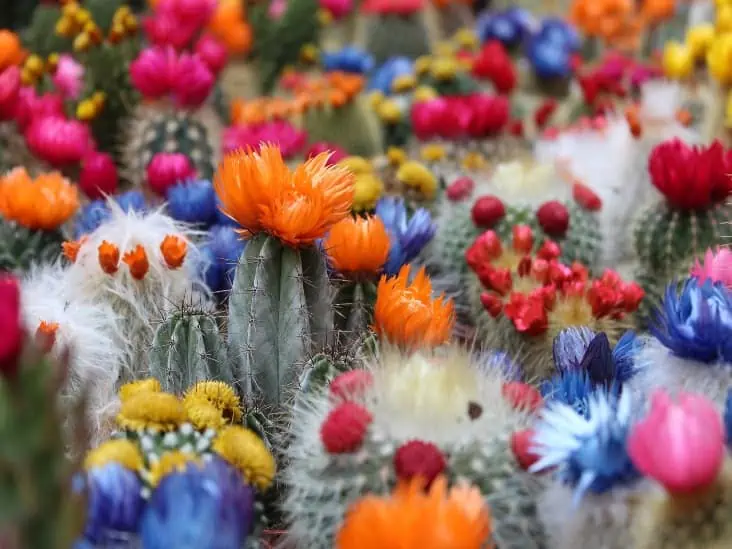
Cactus plants come in different shapes, sizes, and colors. Some boast beautiful flowers, while others have stunning shapes. Others have spines, while others are spineless. There are also some, like the old lady cactus, that grow attractive white hairs. The good thing is that most cacti require little maintenance and can do well in both your indoor and outdoor garden.

So, if you’re looking for ways to add some beauty and glam to your home garden, you have plenty of options to choose from. Here are 13 awesome cactus blossoms that will do well in your home.

1.  Christmas Cactus

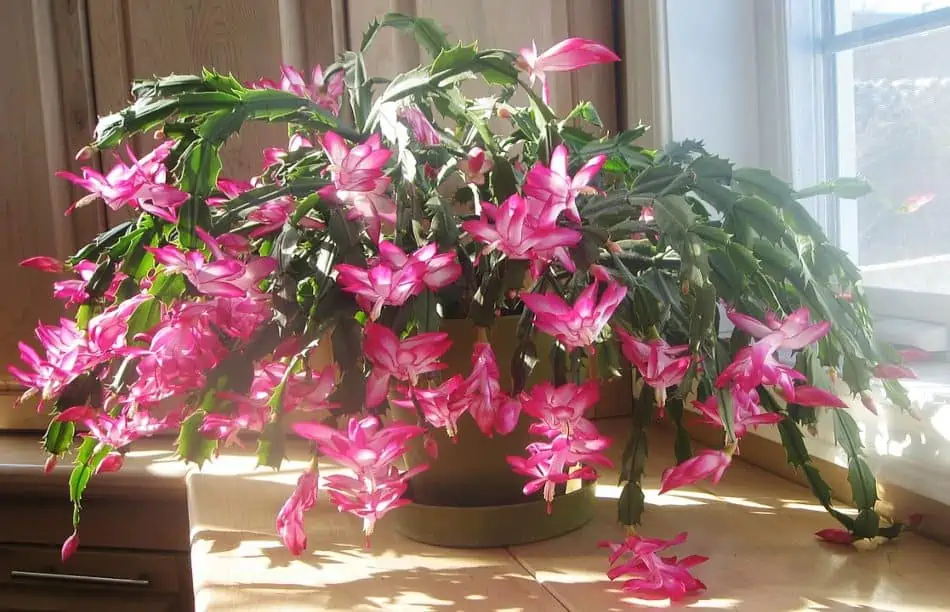
You can never go wrong with Christmas cactus if you want to add unique blossoms to your home. This cactus is not named Christmas for nothing as the plant has a way of leaving beauty in every space it touches. The cactus plant brightens the holiday seasons with bright pink blooms perfect for Christmas gifting.

Christmas cactus features bright pink flowers right for the holidays.

Christmas cactus is a little different from other cacti because it requires more watering and blossoms in a humid climate. This might be the reason why this amazing cactus blooms in winter. The plant also does well indoors and requires moderate home conditions.

Even though Christmas cactus needs more watering than other plants, be careful not to overwater it because the roots can rot. The cactus can adapt in low light but will only bloom if you give it enough light. It can bloom twice per year under good conditions.

2.  Cholla Cactus

Cholla cactus is a cactus species that are almost related to the prickly pear cactus. The cactus forms unique rounded and elongated cylindrical stems connected in segmented joints. The Cholla cactus branches have several functions, including photosynthesis, storing water, and producing flowers.

If you’re growing cholla cactus, take good care and allow some clearance for moving around other plants. The plant boasts of dense spines, with some species appearing very colorful. Most cholla cactus plants bloom in orange or greenish-yellow flowers according to their condition. It’s an excellent outdoor addition to sunny gardens of Southwestern-style.

3.  Star Cactus

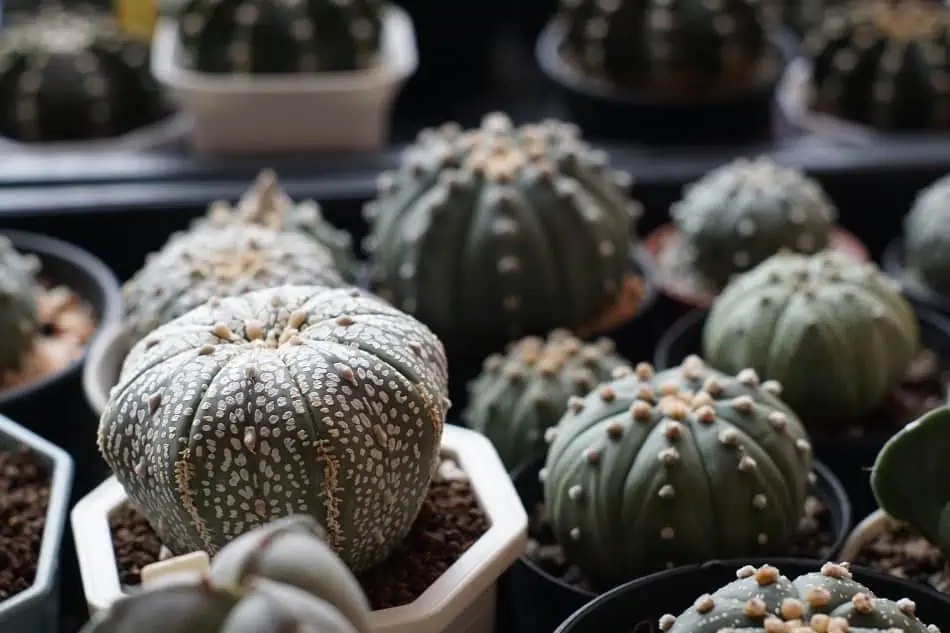
The star cactus stands up to its name by producing a star-like bloom. The plant has a beautiful round shape sectioned into eight slices. Star cactus also has white hairs and some tiny white dots, which perfectly define its beauty.

Star cactus is a round-shaped succulent sectioned into 8 star-like slices.

The small plant does more than its size by brightening a rather dull day if you make it part of your succulent garden. This cactus is ideal for your indoor garden if you want it to grow well and blossom. The cactus produces yellow and white blooms, which mostly appear in spring.

Star Cactus grows up to 6 inches long. It doesn’t have spines but produces beautiful areoles. It has a greenish body covered in white scales. It’s a great ornament plant that you can add to your cactus garden collection.

4.  Old Lady Cactus

Those white feathers you see on this cactus plant are not actual feathers of animals. Old lady cactus grows these beautiful white hairs that cover its entire body. The plant is not only famous for its white hairs but also its purple or pink flowers that you’ll mostly see in spring.

Even though the hairs may look soft, the old lady is also covered with spines. The plant devised ways to protect its beautiful hairs, and it will not go easy with you if you try to touch it. The old lady is easy to grow and care for. It makes a perfect garden plant for beginners in the cactus world.

5.  Feather Cactus

Like old lady cactus, feather cactus is covered with feather-like hairs that give it its ornament and functional purpose. The feathers shield this plant from intense sunshine. It grows well as a houseplant if you give it a shallow container.

When watering the plant, be careful not to wet the features. While the features appear white, fluffy, and soft, they also camouflage for the sharp spines covering the plant’s body. Feather cactus also blooms in white, pink, and yellow flowers. Take very good care of this amazing cactus because it’s nearing extinction.

6.  Easter Cactus

Like Christmas cactus, Easter cactus is another stunning holiday plant to add to your collection. It’s named Easter cactus because it blooms with bright pink flowers around the Easter period. You can also get white, orange, and lavender colors depending on the conditions you give it.

The Brazilian plant also has green segments that blend well with the flowers to add to the beauty. The spines are stacked on top of one another, giving it a unique shape. This attractive plant also makes a fantastic gift plant to give your friends for Easter.

7.  Parodia Cactus

Parodia is a ball-shaped cactus with beautiful showy plants. Parodia is a slow-growing cactus, but it can take a few years to reach full maturity under the right conditions. The cactus makes a fantastic addition to your cactus garden.

Give it more light and more water than other cactus, and it will reward you with amazing blooms. The flowers vary in colors of red, orange, pink, and yellow depending on the species. The older ones bloom more regularly but mostly around spring and summer.

8.  Moon Cactus

Moon cactus adds plenty of colors to your garden, including pink, white, orange, red, and yellow. Their bright color makes them a perfect addition to this list of amazing cacti blossoms to grow indoors.

Moon cactus is an excellent plant to grow indoors since it adds a bunch of bright colors to your indoor cactus garden.

This plant comes in two types of cacti crafted together to form an amazing plant. Its bottom stock consists of a Hylocereus species. The top part that gives it unique colors is the Gymnocalycium mihanovichii.

The top cactus lacks chlorophyll hence reveals the underlying pigment. Moon cactus requires very little maintenance, and you need to water it occasionally. It’s a small plant that can only grow 6 inches tall, but that’s enough to beautify your garden.

9.  Chin Cactus

If you thought all cacti had those sharp spines, then you haven’t come across chin cactus. Chin cactus doesn’t have hair on their flower buds. Some chin cactus species will appreciate it if you could grow them under a shade, while others will do well under direct sunlight. Find out the species that you have with you so you can give them the desired light requirements. This cactus blooms in red, white, pink, and salmon.

10. Thanks Giving Cactus

Thanksgiving cactus is another fantastic cactus blossom that you should never miss in your home if you love beauty and glam. This is another holiday cactus joining the likes of Christmas and Easter cacti in the holiday plants collection. The plant continues to bloom into winter and does pretty well in cool temperatures. However, make sure there’s no frost.

11. Queen of the Night

Like the name, queen of the night is a night-blooming cactus, hence its name. This cactus is an epiphyllum, meaning it grows on other trees. This is a native to Brazil plant that adorns your outdoor garden with large white blooms. If you give it acidic soil, you’ll get this amazing plant to bloom often. When they bloom, they fill your home with a sweet fragrance that you’ll notice immediately you wake up. It offers you a perfect way to start your day.

12. Prickly Pear Cactus

From the name, you’ll mostly associate this cactus with its spines. But that’s not its only attribute because this amazing cactus also makes an excellent addition to your home. You’ll mostly identify this cactus with its wide, flat, and branching pads. They also got the name paddle or nopal.

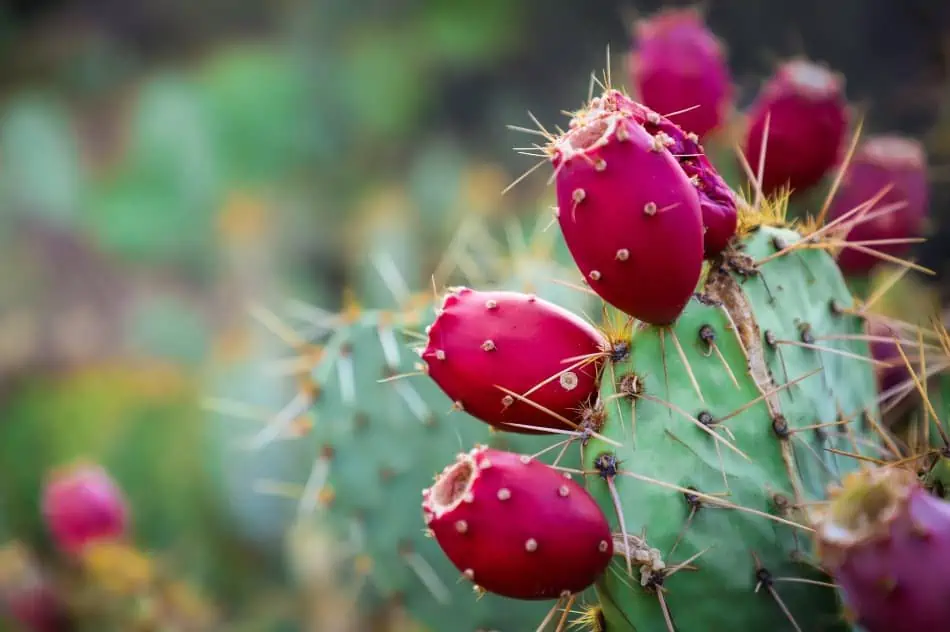
Prickly pear is a fruit-bearing cactus that can be added to your indoor cactus garden.

This cactus is not only grown for its beauty, but the natives use it for food as well. Its pads, flowers, and fruit are all edible. The plant blooms in yellow, purple, and red flowers. Its edible pads vary in size, shape, and color.

13. Hedgehog Cactus

This is another small, barrel-shaped cactus to add to your home cactus collection. The plant blooms in pink, red, orange, and lavender flowers. They open in the morning and close at night. Hedgehog cactus also has very sharp spines, so you must be careful when caring for it or picking beautiful flowers. Hedgehog also produces edible fruits. Its flowers open after the spring rains.

Summary

It’s the joy of every gardener to see their plants thrive and bloom when the time is right. Cactus doesn’t disappoint when it comes to this and is sure to reward you with beautiful flowers if you take care of it. If you love cacti that bloom, you have them in the above list of the 13 cactus blossoms for your home.

Well, some don’t flower, but they’re still beautiful in their way. And the good thing about cactus is that they’re not too demanding in terms of care needs.

Where To Place Your Succulents To Ensure Good Feng Shui

Succulents are plants with thick, fleshy parts that are designed to retain moisture.  An example of a succulent would be a cactus, which has a fleshy trunk with large, fleshy paddles to retain water.  Some people place succulents in their homes, both to provide a visual relief and balance their feng shui.  

Succulents are best when placed so as to subtly enhance the overall look of a room, but not front and center.  They are more of a supporting mechanism that improves the overall mood, out of sight.  Places such as the back corner of your living room work well for succulent placement.

Accurately placing succulents to ensure good feng shui is difficult, but not impossible.  Read on to find out what succulents work best for ensuring good feng shui, and where to place them in your house to ensure maximum effect.

Where to Place Your Succulents to Improve Feng Shui

In order to ensure good feng shui and maximum effectiveness, the placement of your succulents is crucial.  They should subtly enhance the energy of the room overall, rather than being front and center of all the objects in the immediate space.  You also need to consider the room where you are placing the succulents.  

The feng shui is different for every room in your house.  The bedroom, for instance, is a place for intimacy.  You wouldn’t want a spiky cactus on your nightstand, as that can project negative energy and kill the mood.  Likewise, the kitchen is a balanced place for creativity and love; the wrong succulent can change the feng shui in a negative manner.

APerson holding a succulent plant on a small pot.
The placement of your succulents is essential to creating good feng shui.

Small cacti in a pot are popular choices when it comes to succulents for the home.  However, you do need to be careful when putting one in your home, as the spiky needles can project negative energy into the surrounding room and unbalance the feng shui.  A small potted cactus works well on objects like a side table in the living room.

Overall, the best place to put a succulent is the place in your house known as the fame and reputation quadrant, which is the room from which you project your personality to the world.  Your fame and reputation quadrant can be your living room, or it can be your kitchen, but that is where a succulent should be placed to ensure proper feng shui.

What Succulents are Best for Ensuring Good Feng Shui?

When considering which succulent/s to bring into your home, you also need to consider how much time and care you want to devote to them.  Having a succulent to balance the feng shui does nothing if you are not willing to take care of it and will simply add clutter.

If gardening is not your strong suit, here are 3 feng-shui enhancing plants that are easy to keep alive:

The Snake plant is a very easy plant to take care of.  It requires little water, is extremely resilient, and as for feng shui, a Snake plant projects protective energy.  It is a good plant to place near the main entrance to your home for a feeling of safety.

The Jade plant  is associated with friendship, money, health and fame.  Like the Snake plant, it is very easy to take care of, requires little water and will work in almost any area of the home, as health energy benefits every room.  A note: the Jade plant does best in bright light conditions.

A Jade plant flowering and exposed to the sun.
Jade plant is a low-maintenance succulent that ensures good feng shui.

Lucky Bamboo is a symbol of good fortune, and is often placed in the wealth area of a building, such as the payroll office.  It will actually grow in water, with a little gravel mixed in for minerals.  Lucky Bamboo does best in medium light conditions; low light will result in unhealthy leaves and high light will burn them.  

What Succulents are Best for Me?

Feng shui also goes beyond simply getting a plant that projects the right energy; you want a plant that is also matched to your geographical area.  Having a bamboo plant in the middle of the desert both wastes water and will look out of place, as they are much better suited to wet areas: Seattle, for example.  

Save bamboo, succulents are excellent at surviving in conditions with low rainfall and high temperatures.  Cacti in particular are very good at eking out a living in desert conditions, and they use very little water.  Additionally, cacti will not seem out of place in areas with high temperatures and low rainfall and will not destabilize the feng shui.

Yop view of different kinds of succulent.
Good feng shui can be achieved by selecting the succulents that carry the right energy for you.

Additionally, you do not need to have one type of succulent and one type only; you can put different succulents in different rooms of your house according to the energy you want to project.  Having a Snake plant by the front door will project protective energy, as will a cactus.

Having a Jade plant in any room will serve the twin purpose of putting you and your guests in a good mood and projecting health energy.  The same goes for a Lucky Bamboo, but remember to place it in a medium-natural light area.

Where to Place Outdoor Succulents for Good Feng Shui

Managing good feng shui is not limited to just your house; it can be extended to your yard and entire property if you so choose.  Doing this requires a little more knowledge of gardening and the climate of your area, but it can be done.

Cactuses on a pot.
You can create good feng shui by properly placing succulents both indoors and outdoors.

While most succulents do well in hot, dry climates, keep in mind even the hardiest plant will be affected by two feet of snow.  If you live in an area that gets plenty of snowfall along with a cold winter, be prepared to redo your outdoor succulent arrangement every spring.  Nonetheless, you should absolutely extend your feng shui outdoors if possible.

Follow the Energy Map

Feng Shui is the art of reaching balance in one’s life.  It believes that if one can achieve harmony in one’s home, office or chosen place, then it will remain peaceful, prosperous and harmonious.  

If you’re serious about feng shui and your succulents, the feng shui garden is made of 9 zones.  A feng shui garden also represents the five main elements: Water, Wood, Fire, Earth and Metal.  The 9 zones are these: Wealth, Fame/Reputation, Love, Health/Family, Center, Creativity/Children, Wisdom/Self Cultivation, Career, Helpful People & Travel.  

Depending on the size of your property, you may be able to make a garden that accommodates each of these zones.  However, if you do not have the space, you can also compensate by hanging plants and having small examples of succulents in pots around your residence.

A air plant hanging on a glass container.
if you do not have the space, you can also compensate by hanging plants.

The zones could also be combined in a pinch.  Wealth, Fame/Reputation and Career could all come together in your home office or workspace, as the three do go together.  Love, Health/Family, and Creativity/Children will work well in your living room, garden or basement.  

Conclusion

Feng shui is a fascinating subject and one that you could spend a very long time studying.  Finding balance and harmony in one’s home is important, and the right succulents can help you achieve that more easily.

With regard to succulents, feng shui boils down to this.  You must have the plant in the right room, it should also be near a good light source, and you need to be willing to take care of the plant, otherwise your efforts are wasted.  

Use the right succulents, however, and while the effect will not be dramatic, your home or workspace will seem much more pleasant to be in.  Your mood will be improved, and your space will be better overall.