Gasteria Flow 101: Tips for Growing and Maintaining

Native to the Eastern parts of South Africa, Gasteria Flow is a unique and rare species of flowering succulent. It is also known as “Little Warty” due to its peculiar growth patterns. Gasteria Flow has thick green, waxy leaves that form a rosette shape and protrude outwards from the main stem in a fan-like shape. The leaves are mottled with bright white spots or stripes and are often covered in bumps, giving them a warty appearance. As the plant matures, it can produce long, graceful flowers on long thin stalks that resemble small bells with a pointed tip.

So, what facts do you need to know about Gasteria Flow? It is less popular than other succulents due to its slow growth rate and relatively high price tag. However, Gasteria Flow is an excellent choice for those looking for a unique and unusual houseplant that can tolerate some neglect. It prefers bright indirect sunlight and infrequent watering for the best results. Cultivated Gasteria flow is unlikely to bear flowers, but you may be lucky if you do everything right. It can grow to six feet tall and survive outdoors in USDA hardiness zones three through eight.

This blog post discusses everything you need to know about Gasteria Flow succulent. Read on to learn more.

Gasteria Flow: Description & Appearance

Gasteria Flow is a rare perennial succulent in the Asphodelaceae family. It features hard, dark green, and tongue-shaped leaves resembling succulents such as haworthia and aloe vera.

It is often mistaken for a Haworthia due to its similar appearance. The leaves are mottled with white spots or stripes, giving them an interesting texture and pattern.

A gasteria flow plant in a white pot.
It features hard, dark green, and tongue-shaped leaves.

Gasteria Flow can occasionally produce nectar-filled tubular pink, green, or orange flowers. However, young Gasteria Flow plants will bloom once they mature.

The succulent derives its name from the Latin term “gaster,” meaning “stomach.” This drought-tolerant succulent has a relatively slow growth rate and prefers slightly warm and dry climate conditions to thrive.

Gasteria Flow: Classification

As mentioned earlier, Gasteria Flow belongs to the Asphodelaceae family, and its scientific name is Gasteria fasciata. It belongs to the genus Gasteria, consisting of around 50 plant species native to Southern Africa.

The species is further divided into two varieties or subspecies: Gasteria fasciata var. fasciata and Gasteria fasciata var. poellnitziana.

The former variety features gray-green leaves with bright white spots, while the latter has green-gray leaves with a velvety texture and white stripes.

The succulent was first discovered in 1803 by botanist Johannes Burchell. Today, Gasteria Flow is widely grown as a decorative houseplant due to its attractive leaves and low maintenance.

Its common names include cow tongue, ox tongue, or lawyer’s tongue.

Gasteria Flow: Distribution and Habitat

Gasteria Flow is native to eastern parts of South Africa, particularly the Eastern Cape Province. It is often found growing on rocky slopes and hillsides in the Succulent Karoo Biome of South Africa.

However, it is now widely cultivated as a houseplant and can be found in most nurseries or online stores.

A little warty plant in a tray.
It is often found growing on rocky slopes and hillsides in the Succulent Karoo Biome of South Africa.

Pay close attention to the suitability of the climate and soil before investing in this succulent for your home, especially if you live outside Africa.

Gasteria Flow: Size and Growth Rate

Gasteria Flow is generally a slow-growing succulent. It can reach about 6-20 inches, depending on how well you care for it.

The succulent leaves are flat, stiff, and thick, with a rough texture covered in wax. The leaves resemble the shape of a tongue, explaining why it has many tongue-themed names.

The leaves can grow to be a foot long. The leaves usually grow in opposing pairs on young Gasteria Flow plants but change to a spiral formation as the plant matures. Mature plants grow clumps of rosettes that may reach a foot in diameter.

Gasteria Flow and Aloe/Haworthia: Similarities and Differences

Gasteria Flow resembles aloe and haworthia plants. Many confuse it for an aloe because it was initially included in the same genus as other aloe plants.

However, botanists realized there is a massive difference between these plants regarding leaf formation and configuration.

Generally, aloe plant leaves grow in a rosette formation, while Gasteria Flow leaves grow in opposing pairs or a loose spiral formation.

Young Gasteria plant leaves usually display opposing pairs of leaf formation that turn into a spiral formation as the plant matures.

A haworthia plants.
Gasteria Flow resembles aloe and haworthia plants.

Aloe plant leaves are relatively smooth, while Gasteria leaves are marked with white tubercle warts or bumps. They also have a relatively rough texture.

The flowers produced by these succulents also display massive distinctions. Gasteria Flow plant flowers grow in small clusters on one end of a relatively long stem, while aloe flowers tend to grow along the length of the flower stalk.

Gasteria flowers are tubular with inflated bases, while aloe flowers adopt a slim silhouette appearance. In fact, the names of these succulents are inspired by the shape of the flowers they produce.

Although Gasteria Flow is no longer in the same genus as aloe plants, the two succulents are similar in many ways.

For instance, these succulents belong to the same family and are native to South Africa. They also belong to one tribe, along with Bulbine, Poellnitzia, Astroloba, and Chortolirion.

Gasteria Flow: Care Guide

Gasteria Flow is easy to care for and can thrive indoors, even in low light conditions. It’s ideal for those who want a unique succulent requiring little attention or effort.

When caring for Gasteria Flow, use a lightweight soil mix and pot with enough drainage holes. This plant requires regular watering but allows the soil to dry out between watering sessions completely.

Gasteria Flow prefers bright indirect sunlight or partial shade exposure and requires temperatures between 65-85°F.

A little warty plant in pot.
It’s ideal for those who want a unique succulent requiring little attention or effort.

Feed your Gasteria Flow plants with a balanced liquid fertilizer once every two weeks during the growing season and reduce feeding during winter.

The succulent prefers normal indoor humidity levels and doesn’t need to be misted for humidity.

Low humidity is not a significant problem for these succulents, but you may experience issues with the plant in highly humid environments.

Combined with overwatering, excessively high humidity levels can easily trigger root rot and fungal infections.

The succulent can survive in the same pot for many years without issues. However, you should consider repotting your Gasteria Flow if you notice a significant decline in its growth rate.

The best time to repot your plant is in summer or spring since the warm conditions will compensate for any watering mistakes you might commit.

Ensure you repot the plant in a relatively shallow container with plenty of drainage holes. Also, repot the succulent with a well-draining soil mix, and remember to water it once you are done repotting.

Gasteria Flow is not known to be affected by pests or diseases, but you must watch out for signs of mealybugs, spider mites, scale insects, and root rot in case of overwatering.

To prevent any infestation or infection, regularly inspect your succulent for signs of pests and diseases and clean it with a damp cloth if needed. Pruning is only necessary if you want to maintain its size or shape.

Gasteria Flow: Flowering and Propagation

Gasteria Flow is a flowering succulent that produces small tubular flowers with inflated bases. The flowers can be pink or orange, usually in summer, particularly after rainy periods.

The Gasteria Flow plants primarily propagate through the offset method rather than seeds. You may need to repot your succulent to separate the offsets from the mother plant.

The offset should root within a month, and you can then repot it in a shallow pot with a well-draining soil mix.

Place the new plants in bright indirect sunlight and ensure you water them regularly but allow the soil to dry out before watering again.

Gasteria Flow: Toxicity

The succulent is classified as poisonous and should not be consumed. It contains saponin, which can cause gastrointestinal problems in humans and animals.

Accidental consumption of any part of the succulent may cause nausea, a loss of appetite, and vomiting.

Accidental consumption of Gasteria Flow must be dealt with promptly to avoid catastrophic outcomes.

It is also important to note that the leaves of Gasteria Flow may be covered with minute spines. So, keep it away from children or pets. If ingested, contact your veterinarian immediately for medical attention.

Buying Gasteria Flow

Remember that Gasteria can easily be crossed with Haworthias and aloe plants to produce hybrids. So, make sure you know what you are buying before purchasing.

A top view of a little warty plant.
The original succulent is readily available in the market.

Fortunately, the original succulent is readily available in the market, and you can find it in most nurseries or online stores.

The succulent usually comes with a colorful label, but if you need clarification on its identity, compare it with authentic Gasteria Flow images.

When buying the succulent, look for signs of pests or diseases, such as brown spots, wilting leaves, and webbing on the foliage.

If you encounter these problems, avoid that particular plant because it may also spread to other healthy plants in your collection.

Finally, ensure you buy a succulent with healthy foliage and roots. It should not be dry or underwatered. Otherwise, it may take a long time to recover from any damage.

The Bottom Line

Gasteria Flow is a unique, eye-catching succulent perfect for adding texture and color to any garden or indoor space.

Its robust care requirements make it an ideal choice for those who want to maintain a low-maintenance plant.

Whether you grow it indoors or outdoors, Gasteria Flow will be an attractive addition to your home.
Agave vs. Aloe: The Great Succulent Debate

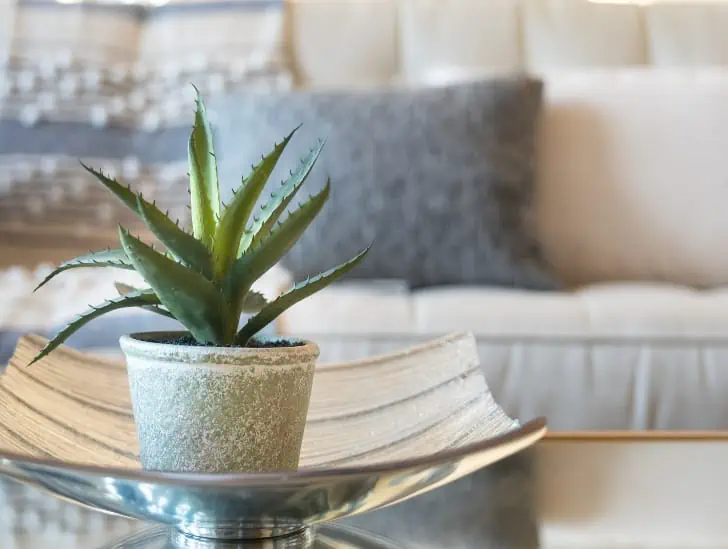
A aloe vera indoors.

Agave and aloe are two of the most common succulents in the world. These plants are similar in many ways, making it hard for a common individual to spot the difference between them. In fact, most of the time, you will encounter them in big-box stores or home-improvement garden centers with inappropriate or no labels. You may buy what you didn’t intend if you can’t tell them apart.

So, what is the difference between agave and aloe plants? Agave plants tend to be larger and more upright than aloe plants, with long fleshy leaves that grow in a rosette pattern. The agave plant also has sharp spines along its edges, which makes it difficult to handle. Aloe plants usually have short, upright leaves, often spotted or striped with white bands or dots. Most don’t have spines, and their edges are rounder than agaves. Agave blooms more frequently than aloe, producing a tall stalk of flowers at the end of its life cycle when it is between five and twenty years old.

This blog post highlights the key differences between aloe and agave plants. Read on to find out everything you need to know.

Aloe & Agave Plants: Are They Distantly Related?

Although agave and aloe plants are quite different in many ways, as discussed below, it is good to mention that they were once related during prehistoric times.

Although they still look similar in many ways, these succulents come from different parts of the world today.

Most aloe plants come from Madagascar, although they have spread throughout the Mediterranean region. As the plant spread away from its native region, different varieties developed.

Aloe vera plant exposed to sunlight.
They can survive in any part of the world as long as you provide them with proper care.

Today, many forms of aloe plants thrive in relatively cooler winters, while others do well in tropical climates.

Agave originates from parts of Mexico and Central America. Most agaves are drought tolerant.

As the plant spread away from its native region, different varieties developed. Present-day agave plants have solid green leaves with varying stripes and bands of white.

Both agave and aloe plants thrive in relatively dry and sunny climates, although they can survive in any part of the world as long as you provide them with proper care. They love light, airy, and well-draining potting mix.

Differences Between Aloe & Agave Plants

Even though these succulents share many similarities, they differ in many ways. Here are some of the key differences between aloe and agave plants:

Agave vs. Aloe: Origin and Family

Both succulents are adapted to growing in arid, semi-tropical, and tropical climates. However, they are native to different parts of the world even if they share general growing conditions.

Agave plants are native to Mexico and Central America’s tropical and relatively hot regions. They are also found in parts of the Southwestern United States.

On the other hand, most aloe plants are native to Madagascar in Africa. However, it is quite impossible to dispute the assumption that these plants may have a different origin, given their ease of propagation and ability to adapt to different climates.

Agave with water droplets.
Agave belongs to the Asparagaceae family, while aloe belongs to the Xanthorrhoeaceae family.

Aloe plants can survive in almost every climate in the world.

For instance, the aloe vera plant has a massive travel history, including the Spanish explorers’ journey to South America and parts of the Caribbean.

The succulent’s medicinal use is referenced in India, China, Greek, Rome, and other parts of the world, even as the succulent continues to journey across the world.

All agave plants belong to Agave spp. Genus, while aloe plants are members of the Aloe spp. Genus.

Although both plants are classified as succulents, agave belongs to the Asparagaceae family, while aloe belongs to the Xanthorrhoeaceae family.

Agave vs. Aloe: Size & Appearance

The size and appearance of agave and aloe plants are quite different. Agave plants tend to be larger, with a rosette of leaves that can grow up to five feet in diameter.

The plant is also armed with sharp spines along its edges, which makes it difficult to handle.

Aloe plants usually have short, upright leaves often spotted with white warts. They grow to about one foot in height and are much easier to handle than agave plants.

Agave vs. Aloe: Flowering

Agave and aloe plants have quite different flowering habits, even though the flowers look alike. The key difference is in their blooming frequency.

Both succulents produce flowers on their long stalks that grow from the middle of the plant. The stalks can be of different lengths depending on the exact plant species.

However, all flowers appear in red, orange, or yellow shades.

Aloes are frequent bloomers since they are polycarpic. Typically, they produce flowers yearly during spring or summer (between December and May). The flowers are bell-shaped or tubular.

A blooming aloe vera plant.
Both succulents produce flowers on their long stalks that grow from the middle of the plant.

On the other hand, agaves are naturally monocarpic. It means that they only bloom once in their lifetime.

A typical agave plant will bloom once it is at least ten years old. Once the plant blooms, the flower is pollinated, producing seeds. The succulent dies after that.

Agave vs. Aloe: Growing Period

Agave and aloe plants also differ in their growing periods. Most agave plants tend to grow during the warm period and go dormant when the cold season kicks in.

Don’t feed your agave plant during the dormancy period to prevent potential stem or root rot.

These plants also require minimal watering during this period. Focus on giving them what is important, and don’t sweat too much over them.

Unlike agave plants, aloes grow throughout the year since they are hardy. They require regular watering throughout the growing season, but you can reduce the watering frequency when the plant enters winter or dormancy.

It will continue growing in any climate if you keep providing your aloe with what it needs.

Agave vs. Aloe: Lifespan

The lifespan of the two succulents is also quite different, with agave plants having a much longer life span than aloe plants.

Agave plants can live for as long as twenty years, while aloe plants usually only live up to five to ten years.

Agave vs. Aloe: Care & Maintenance

On care and maintenance, agave and aloe plants require similar growing conditions, but the watering requirements of each differ slightly.

Agave plants need less water than aloe plants, and they should be watered only once in three weeks. Depending on the season, aloe plants should be watered every week or two.

Repotting an aloe vera plant.
Only consider pruning your aloe plant after the flowering season to remove dead flower stalks and avoid overcrowding.

Both succulents will thrive outdoors when exposed to full sun and should be brought indoors during winter.

They grow as perennials in consistently warm areas. The desired temperature range for these plants is between 60 degrees Fahrenheit and 85 degrees Fahrenheit.

Although both are relatively heavy feeders, aloe plants need more fertilizer than agave to thrive.

Consider applying an all-purpose fertilizer to your outdoor plants in spring or early summer. Feed your indoor plants monthly with half-strength fertilizer. Water-soluble fertilizer is the perfect option.

Both of them have relatively low pruning needs. Only consider pruning your aloe plant after the flowering season to remove dead flower stalks and avoid overcrowding.

Pruning your agave plant helps reduce the potential risk of pests and increases better air circulation.

Agave vs. Aloe: Uses

Both succulents provide great drought-tolerant landscape design options with many species and cultivars available for gardening.

They form a great pairing with relatively similar care requirements. Use them to create a wonderful water-wise border that looks good year-round.

However, aloe plants also have many uses that agave plants do not. Aloe gel is a well-known natural remedy for minor burns and skin irritations, while the plant’s juice has laxative effects.

In fact, the famous aloe vera plant is a species of aloe that has been used for hundreds of years to treat different ailments. It has been listed in pharmacopeias for more than two millennia.

Agave plants can also be used in creating outdoor walkways or patios thanks to their low-maintenance nature; creating beautiful borders and hedges; and making agave syrup, a great dessert sweetener.

Agaves can be made into tequila or used in syrups and other sweetener products.

Mexico’s traditional tequila, mezcal, and spirits are made from the wonderful agave plant. Tequila is expertly crafted from the blue agave plant.

What Is a False Aloe?

In some parts of the southeastern United States, you may come across a plant commonly known as the false aloe.

It is a species of yucca that has been mistakenly identified as an aloe plant, and it should not be confused with true aloe plants.

The false aloe resembles an agave plant in some ways but has no medicinal properties found in true aloes and agaves.

A false aloe plant.
It is a species of yucca that has been mistakenly identified as an aloe plant.

The false aloe is a hardy plant often grown as an ornamental in landscapes, but it should not be confused with the true aloe used for medicinal purposes.

As such, it is more challenging to care for and maintain than true aloe plants. It needs more water than agave and prefers acidic soil.

It does not flower as often as other succulents, and its leaves are much more rigid than aloes or agaves.

Summary

Agave and aloe plants are two wonderful succulents that have unique characteristics.

They both make great additions to any garden or landscape but differ in some aspects, such as flowering habits, lifespan, growing period, and water needs. You can choose the right one for your situation after careful consideration.

Seven Ways to Make Money with Succulents

A woman gardener succulent in a terracotta pot.

Who doesn’t love decorative succulents in their home? If you are lucky to have a suitable climate in your region, you can have a succulent garden because these plants are excellent for landscaping and other garden options. Even more interesting is that they are easy to maintain and live for many years. However, did you know that growing succulents can also be one of your income-generating activities? There is money in growing succulents that can explore.

So, what are the seven ways to make money with succulents? You can start selling succulents online or plant succulent cuttings and sell the well-rooted young plants at a slightly higher price than conventional cuttings. You can publish a blog or YouTube channel about succulents, teach courses at your local schools on how to grow succulents, or create and sell gift baskets that feature succulents. Some people also make money selling beautiful succulent arrangements, while others offer succulent growing and landscaping services.

This blog post outlines the top seven ways to make money with succulents. Read on to find out everything you need to know.

1. Sell Succulents at Your Local Farmers’ Market

Charity begins at home. If you want to start growing succulents for a profit, why not start selling them at your local farmers’ market? Farmers’ markets are the perfect place to sell succulents because they attract customers who care about locally grown plants and are willing to pay top dollar.

Although succulent plants make great indoor plants, only some people are patient enough to watch them grow from raw cuttings or seeds.

So, you can do the hard work and sell mature plants to people who don’t want to go through the ‘waiting phase.”

A kid with 3 succulent on hand.
Farmers’ markets are the perfect place to sell succulents.

Since they make great houseplants, succulents are always in demand year-round. It means you can sell your succulents and even different succulent creations at your local farmers’ market anytime.

 Consider running a dedicated succulent booth or selling along other plants such as ferns and moss.

So, can you profit from selling succulents at your local farmers’ market? We bet you can. You can add value to your hassle by arranging succulent boxes and pots to make them attractive to potential customers.

You can even source and use beautiful boxes, planters, pots, and terrariums to make the packaging look great.

2. Plant Succulent Cuttings and Sell Rooted Plants at a Higher Price

One of the most common succulent propagation methods is replanting cuttings to grow new plants. People purchase succulents as raw cuttings, wait for them to form roots, and eventually mature.

However, the waiting period between the initial rooting and when the cutting becomes a young plant can be long, depending on the succulent you are growing.

That’s why most people prefer selling raw cuttings to those who want to start their garden. Those who sell cuttings only promise that the cuttings will root well and become young plants in no time.

Unfortunately, there is no guarantee that their promise will be fulfilled because it takes much work to root a succulent cutting successfully.

You can take the guesswork and hassle out of this process by offering people succulent plants that have already rooted and begun to grow.

Lucky for you, this comes with a higher price tag. Typically, stable and well-rooted succulents fetch more money than normal cuttings.

So, if you intend to earn money by planting and selling rooted succulent plants, you must be smart when shopping for your plants.

Consider mature succulents with many offsets or branches to make your work easier. That way, you can easily double or even triple your profits.

In some parts of the world, a small port of succulents costs as much as $15, while cuttings can only earn you up to $5.

So, the additional two months for rooting and taking care of the cutting as it grows into a young plant can earn you three times as much. Generally, the bigger and more beautiful the succulent, the higher the price tag.

You can also create a subscription program where customers pay you monthly for receiving succulent cuttings and plants.

3. Create Succulent Arrangements and Sell Them for a Profit

The ability to make succulent arrangements is one of the most creative ways to make money with succulents.

This involves taking your time, making unique potting soil mixtures, and carefully placing different types of succulent plants in attractive pots or planters.

You can either buy pre-made containers or create your custom succulent arrangements. The secret to making profits is keeping the cost of acquiring the materials and your time invested low.

You can also offer these arrangements as gifts or favors during special occasions such as weddings, birthdays, anniversaries, and more.

A succulent box arrangement.
You can either buy pre-made containers or create your custom succulent arrangements.

You can create a website that showcases some of your best succulent arrangements and offer them for sale.

Creating attractive online images or videos of your succulent arrangements is also a great way to attract customers.

You can even offer subscription services where you will deliver fresh plants in custom planters once every month.

This will help you get regular orders from loyal customers and make more profits in the long run.

4. Sell Succulents Online

Whatever you create to sell at your local farmers’ market can be sold online. One of the best places to sell succulents online is Etsy since it allows you to own a shop.

Etsy takes care of all the hard stuff on your behalf. They accept payments, provide well-designed pages, and handle sales tax and target audiences.

Setting up a simple shop on Etsy is relatively easy and only takes a few minutes to complete. Another great thing about the site is that it only attracts people looking to purchase.

But there are other online platforms to sell your succulents. You can also sell them on Facebook, other social media sites, and eBay.

An important thing to consider when selling succulents online is that you must carefully package your products to arrive safely at their destination.

Packaging can cost quite a bit of money. Therefore, you’ll need to factor this cost into the price of each item you sell.

A woman selling succulent online.
There are other online platforms to sell your succulents.

Furthermore, ensure you include shipping fees in the price of each product you offer online. You can offer discounts for bulk orders to attract more customers and increase profits.

Remember to focus on marketing your succulents online as well. This is essential for gaining visibility and making money off your products.

You can run ads on social media, create attractive videos showcasing your succulents and share them with the right audience.

5. Start Your Succulent Website

Starting your succulent website like this one may be complicated, but it is one of the most profitable ways to make money with succulents.

You can use this platform to offer advice and tips, sell subscriptions, and feature different succulents you are passionate about.

You could even create a store section where your customers can purchase their favorite succulents right from the comfort of their homes.

The right content and marketing strategy could be a great way to earn additional income.

To make things easier for you, plenty of website-building platforms like WordPress help you create a professional-looking website in no time. You can also join affiliate programs that offer commissions on each sale from your website.

6. Start a Succulent Delivery Service

You can start your succulent delivery service by accessing large quantities of beautiful succulents. Depending on the customer’s requirements, you can deliver succulents in bulk or individually.

You can also offer subscriptions where customers will be charged monthly for their succulent orders.

This is the perfect option if you have a large volume of clients and want to automate the process of delivering succulents.

plant in a box.
You can deliver succulents in bulk or individually.

Consider creating special packages for holidays, birthdays, and other special occasions. You can also include extra items such as potting soil, fertilizer, and other decorative products for an additional charge.

7. Teach Local Courses on How to Grow Succulents

Lastly, you can also make money by teaching courses on how to grow succulents. This option is perfect if you love sharing your knowledge and are passionate about succulents.

You can teach classes at local nurseries and farmers’ markets or start an online course. You can offer advice on different techniques for caring for succulents and highlight the tools needed.

A woman teaching the girl about plants.
You can also make money by teaching courses on how to grow succulents.

You can also focus on choosing the right succulent based on the customer’s needs and preferences. Teaching is a great way to make an income while sharing your passion and knowledge with others.

Summary

The tips mentioned above can help you start making money with succulents. Choose between selling rooted plants, creating beautiful arrangements, or offering them as gifts or favors.

With a bit of creativity and effort, you can create great income opportunities by growing succulent plants.

So, why wait? Start your journey to earning money with succulents today!

Top 10 Cold-Resistant Succulents for Your Garden

Blue spruce covered with snow.

We know succulents are a great way to add life and color to our homes and gardens. Most of these plants are drought-resistant and thrive in areas with plenty of sunlight. But do you know that some succulents are cold-hardy, too? Cold-hardy succulents can survive in temperatures as low as -20 degrees Fahrenheit. They may experience some leaf damage or wilting, but they usually fully recover with proper care.

So, what are some of the common cold-hardy succulents? Some of the most popular cold-hardy succulents include Echeveria, Queen Victoria Agave, Sedum, Red Yucca, Texas Sotol, Pink Ice Plant, Sempervivum, Blue Elf, Lace Aloe, Delosperma, and Orostachys. These plants require well-drained soil with plenty of sand or gravel for added drainage. They must also be watered only when their soil has completely dried out. Avoid over-watering, as this could cause root rot or other problems with your succulents.

This blog post discusses some of the common cold-hardy succulents in detail. Read on to find out everything you need to know.

Understanding Your Horticultural Zone

Before looking at some cold-hardy succulents, you must understand your horticultural zone. The best way to do this is to study the USDA’s Plant Hardiness Zone Map and key in your ZIP code (for USA residents) to gather helpful information on your USDA horticultural zone.

But why is this important? Knowing your horticultural zone helps you identify which plants will grow best in your climate. It also gives you an idea of the lowest temperatures your succulents can tolerate.

In the case of cold-hardy succulents, it’s essential to know what weather conditions can reach your area so that you can plant accordingly and ensure the survival of your succulents.

Remember that the most crucial step in your gardening journey is knowing you have the right plant for your horticultural zone.

While cold-hardy succulents can tolerate freezing temperatures, their survivability is always limited.

What Are Some of the Common Cold-Hardy Succulents?

Now that you know what your horticultural zone is, let’s look at some common cold-hardy succulents.

Sempervivum

One of the most common cold-hardy succulents is the sempervivum. Also known as houseleek or the hens and chicks plant, the plant is known for its rosette shape and bright colors.

A sempervivum on rocks and exposed to sunlight.
The succulent has a rose shape that may form dense mats.

The succulent gets its name from the mother plant (hen), which produces many baby plants (chicks). The succulent makes an excellent ground cover plant and is relatively easy to care for.

It produces rosettes that can be as small as 1/4 inch or as wide as 15 inches, depending on a wide range of factors.

The succulent has a rose shape that may form dense mats. Sempervivum can survive in almost every soil type and comes in many shapes, textures, and colors.

Many gardeners use it in rock gardens and container projects because of its hardy nature. The succulent is easy to propagate and can be propagated using offsets, division, or leaf cuttings.

Unfortunately, sempervivum succulents are monocarpic, meaning they flower only once in their lifetime and then die. It usually takes the succulent between two and five years to bloom.

However, the flowering of the plant doesn’t mean the end since the chicks surrounding the mother plant continue growing and fill the space left behind by the mother plant.

Its flowers are star-shaped and spectacular. They can be pink, red, or yellow and may reach up to two feet tall, lasting between two to four weeks.

Sempervivum is typically hardy to -20 degrees Fahrenheit, but some varieties can tolerate even lower temperatures. The plant grows in well-drained soil and can survive temperatures as low as -30 degrees Fahrenheit with proper care.

Queen Victoria Agave

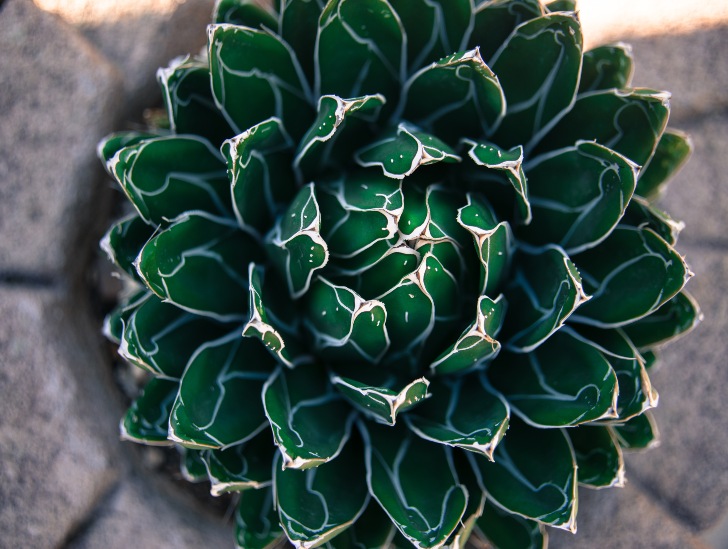
Many people describe Queen Victoria Agave as the most decorative and cold hardy succulent. This agave variety is native to Mexico, Belize, and Guatemala, where it grows on rocky hillsides in full sun exposure.

The plant has an upright rosette of deep-green foliage tipped with yellow or brown margins and a central stem reaching one foot tall.

A queen victoria agave plant.
This agave variety is native to Mexico, Belize, and Guatemala, where it grows on rocky hillsides in full sun exposure.

The Queen Victoria Agave is drought tolerant and has been known to be hardy down to -20 degrees Fahrenheit.

The plant blooms in late summer, sending up a flower spike that can reach ten feet tall. The flowering period can last six weeks or more; the flowers are yellowish-green with red bracts.

The Queen Victoria Agave produces offsets or pups around the base of the plant, and these can be used to propagate new plants. However, protecting the plant from extremely cold temperatures during winter is also crucial.

Pink Ice Plant

The famous Pink Ice Plant is native to South Africa, where it grows on rocky hillsides and in well-drained soils. It features attractive pink flowers with yellow centers.

The plant can reach up to 6 inches tall and has a creeping nature, making it ideal for use as a ground cover planting, in rock gardens, and as a container plant.

It is resistant to most pests and diseases; however, it is crucial to plant it in well-drained soil. The Pink Ice Plant is hardy down to 10 degrees Fahrenheit and can be propagated by division or cuttings.

Opuntia

Several cacti species from the Opuntia genus are cold-hardy and won’t have issues surviving outdoors during winter.

Most opuntia species can grow outdoors in horticultural zones 3b through 11. O. Fragilis can withstand low temperatures of up to -35 degrees Fahrenheit.

Opuntia plant covered in snow.
These cacti are drought-resistant and can handle periods of prolonged dryness without issue.

Opuntia species feature fleshy, flattened stems that are called pads. These pads contain small spines known as glochids which guard against animals and help the plants store water for long periods.

The plant has yellow flowers with showy red centers, producing edible fruits known as ‘tuna.’

These cacti are drought-resistant and can handle periods of prolonged dryness without issue. They prefer well-drained soil and must be planted in a sunny position for best results.

Opuntias don’t grow tall but spread out over time, forming an interesting pattern with their round, green pads. They can be propagated through stem cuttings and offsets.

The prickly pear cactus is an excellent choice for security borders around your property or underneath windows. Most of them grow up to 20 feet tall and 15 feet wide.

Orostachys

Orostachys is a small, low-maintenance succulent native to mountains in Central Asia. It features rosettes of bright green leaves with red tips and colorful purple flowers during summer.

The plant is hardy down to -20 degrees Fahrenheit and loves full sun exposure and well-draining soil. Orostachys can also survive periods of drought and requires minimal maintenance during winter.

The succulent can be propagated by division or leaf cuttings, and it is ideal for rock gardens, perennial beds, and container planting. It also makes an excellent houseplant due to its low-maintenance requirements.

Orostachys is a great choice for gardeners looking for a low-maintenance succulent with attractive foliage and flowers. It’s sure to bring some color and texture to your outdoor spaces.

Blue Elf

The Blue Elf is an interesting succulent because it is a pure hybrid. However, people need to find out the two plants that were crossed to form them. The plant features spoon-shaped blue-green leaves with white edging and pinkish-red tips.

The plant grows up to eight inches tall and will branch out into an interesting shape over time. The Blue Elf is hardy down to ten degrees Fahrenheit, making it suitable for growing outdoors in many horticultural zones.

It prefers well-draining soil and will require regular watering during the growing season but won’t need much maintenance during winter. The plant can be propagated through stem cuttings or offsets.

The Blue Elf is an excellent choice for gardeners looking to add some unusual color and texture to their outdoor spaces.

Blue Spruce

The Blue Spruce features a furry, fern-like structure ideal for small spaces. The plant features silver-blue foliage and produces tiny yellow flowers in spring.

A blue spruce with snow.
Its unique foliage will bring a touch of class to any garden.

The Blue Spruce is hardy down to -40 degrees Fahrenheit and can be grown outdoors in many horticultural zones. It requires sandy, well-drained soil and prefers a sunny position, but it can tolerate some shade.

The plant is easy to maintain and requires minimal care during winter. It can be propagated through stem cuttings or leaf cuttings.

The Blue Spruce is an excellent choice for gardeners looking to add texture and interest to their outdoor spaces. Its unique foliage will bring a touch of class to any garden.

Cobweb Houseleek

The Cobweb Houseleek is a succulent with an exciting name and even more interesting features. It features foliage ranging from light green to silvery blue and produces delicate white flowers during summer.

The plant also has wiry cobweb-like threads all over its leaves, giving it a unique look.

Cobweb houseleek in a pot.
The Cobweb Houseleek is a succulent with an exciting name and even more interesting features.

The Cobweb Houseleek is hardy down to 0 degrees Fahrenheit and prefers well-drained soil in full sun or partial shade.

It requires regular watering during the growing season but can withstand long periods of drought without issue.

The succulent can be propagated through stem cuttings or offsets, making it an excellent choice for gardeners looking to add unique texture and color to their outdoor spaces. It is sure to bring a touch of character to your garden.

Summary

Cold-hardy succulents can be a great addition to any garden or home, regardless of location.

Succulents such as Sempervivum, Queen Victoria Agave, Pink Ice Plant, Opuntia, Orostachys, Blue Elf, Blue Spruce, and Cobweb Houseleek are some of the most popular ones found in colder regions.

Anyone looking to add warmth to their outdoor space or fill indoor planters with greenery should consider one of these impressive succulents.

How to Stop Birds from Eating Succulents?

Do you have a beautiful collection of succulents, but you constantly find some bitten, eaten, and badly damaged? If so, you could be dealing with more than bugs and pests. Birds may be eyeing your succulents as an easy and tasty snack. Fortunately, there are several ways to prevent birds from getting close enough to take a bite out of your beautiful succulents.

So, how can you stop birds from eating your succulents? One way to keep birds away from your succulents is by using deterrents. Netting or bird spikes can be used to create barriers that the birds cannot cross. Another way to protect your succulents is by using repellents. Repellents such as bird-repellent gel, liquid, or granules can help discourage birds from coming close to the succulents. You can also use motion-activated devices to frighten birds away. Water sprays and ultrasonic devices are effective for deterring birds from eating your plants.

This blog post discusses everything you need to know about protecting your succulents from birds. We review the best methods for deterring birds and other tips and tricks for keeping them away from your plants.

Read on to learn more.

Why Do Birds Eat Succulents?

Birds often target succulents because they like the nutritious juice in the leaves and stems. The juice contains much-needed vitamins and minerals, which the birds need for energy.

Furthermore, the bright colors of some succulent varieties attract birds in search of food.

Keep in mind that the diet of most birds doesn’t include succulents, but they will go for the juice if other food sources are scarce.

A bird eating a plant while flying.
The sugary leaves and stems serve as an excellent dessert for them.

Some succulents, such as echeverias and aloes, contain highly delicious and nutritious water. During times of scarcity, birds flock to succulents for a drink.

Other succulents, such as agaves, are a delicious treat that many birds cannot resist. The sugary leaves and stems serve as an excellent dessert for them.

When the birds are done with all the pecking, your succulent plants will be left with several wounds that may eventually lead to death if you are not careful.

How to Know If Birds Are Eating Your Succulents

To find out if birds are having a field day with your succulents, you should start by looking at the soil around your pot. Do you see signs of birds’ poop around the pot? If yes, then you are probably dealing with a bird problem.

Another way to tell if birds have been having a snack is to look at the leaves and stems of your succulents. Bite marks on the leaves or stems indicate that birds have tasted your succulent.

Since most birds taste succulent leaves, you will likely notice small holes in your succulent leaves. The holes will be smaller for birds.

So, if you notice bigger chunks of holes in the leaves, you may be dealing with bigger animals, not birds.

A  remain of cactus fruit caused by the bird.
Some bird species will leave behind the entire leaf or stem after feasting on them.

Keep in mind that even cats and dogs eat succulents. Squirrels and other rodents may also find their way to your garden and feed on your succulents.

Some bird species, such as hummingbirds, will leave behind the entire leaf or stem after feasting on them.

In this case, you will notice that the leaves and stems are gone, with just a tiny stub remaining where they were connected to the main stem.

If you find any of these signs around your succulents, you must act immediately before more damage is done.

How to Protect Succulents from Birds

You can take several actions to protect your succulents from hungry birds. Here are some of the most effective ones:

1. Netting

One of the most effective ways to stop birds from accessing your succulent collection is using netting or bird spikes. You can use the netting to create a physical barrier that the birds cannot cross.

You can purchase bird netting made of fine mesh so birds cannot go through it quickly. Consider placing the net over the top of your succulents to keep birds away.

The good thing is that you can easily set up the bird netting to surround your garden without touching your succulents.

A plant protected by a net.
You can use the netting to create a physical barrier that the birds cannot cross.

Find a way to build a simple framework around your succulents so you can easily drape the netting over them. This plays a critical role in ensuring the net doesn’t hinder the growth of your succulents in any way.

Using fence posts, tall stakes, or bamboo poles, you can make the netting framework. Take time to set up an excellent framework to protect your garden effectively.

2. Hang Reflective Tape Near the Garden Area

Did you know that a good reflective tape can scare away birds? Consider hanging some reflective tape near the garden to protect your succulents from birds.

The shiny surface of the reflective tape will scare away any bird that tries to access your garden. This is an effective way to keep birds at bay without hurting them or making your garden unattractive.

You can also hang wind chimes near your succulents if birds try to access your garden. The sound of the wind chime will scare away the birds and keep them from eating succulents.

3. Use Chicken Wire Over the Ground

Chicken wire pinned to the ground can protect newly sown succulent seeds or tubers. The wire stops birds, including your chickens, from scratching the soil where you have the seeds or tubers.

As your succulents grow and become bigger, you can carefully lift the wire on stakes or bend it around hoops.

The primary target is to ensure that the chicken wire doesn’t take away the beauty of your garden. You can also use fabric, burlap, or compostable mulch to cover newly sown succulent seeds.

A plant protected by a chicken wire.
The wire stops birds, including your chickens, from scratching the soil where you have the seeds or tubers.

These materials will help control weeds while providing an effective barrier against birds. Some gardeners also use mothballs around the area where they have succulents.

The mothball smell keeps the birds away without hurting anything else!

4. Use Predator Decoys

Predator decoys can be a good way of scaring birds from your succulent garden. Luckily, there are many different types of predators that birds fear. One of the best predator decoys is the owl.

Carefully position owl decoys near your succulents or fence posts to scare birds away. Use multiple owl decoys if you have a relatively large garden.

However, there is one thing you need to keep in mind when using this method. Birds aren’t stupid; they will soon realize that an owl decoy left in one place for several days or weeks will not harm them.

Therefore, it is essential to rotate the decoys and change their locations occasionally. This will help scare away the birds effectively while keeping your succulent garden safe.

5. Use a Bird Repellent Spray

Bird repellent spray is something that many gardeners think of first when trying to keep birds away from their gardens.

This spray contains chemicals that make the surface of your succulents unpalatable and inedible for birds. You can apply this spray on your plants or any area around the garden you want to protect.

However, it is essential to note that most bird-repellent sprays may have an unpleasant smell, and their effectiveness can be reduced over time. Therefore, you should consider reapplying the spray periodically for maximum results.

6. Feed the Birds, So They Lose Interest in Your Succulents

The primary reason birds eat succulents is that they are hungry, and their food sources are dry.

So, if you can provide them with an alternative food source, they will immediately lose interest in your succulents.

You can feed the birds around your garden area or hang bird feeders at a distance. This will help keep them away from your succulent garden without causing any harm.

You can also consider setting up water baths around your succulents. Once the birds have had enough food from the feeders, they will likely drink from the water baths and leave your succulents alone.

To make things easier, avoid putting mixed seeds in your bird feeders. Instead, have one seed type in each feeder. This way, birds can easily choose what they want to eat, and your succulents will remain safe.

7. Use Natural Predators to Keep Birds Away from Your Succulent Garden

Your cat or dog can effectively keep birds away from your succulent garden. Besides cats and dogs, you can use natural predators such as hawks and owls to scare birds away.

You can also introduce a few chickens around your succulents, as they will scare away other birds from visiting your plants.

A dog looking at the succulent.
Your cat or dog can effectively keep birds away from your succulent garden.

However, it is essential to note that chickens can also eat succulents, so keep them away from your garden.

Finally, remember to clean up regularly and eliminate bird droppings that may attract more birds.

Conclusion

Protecting your succulents from birds is essential if you want them to thrive. Several ways to keep birds away from your succulents include deterrents, repellents, and motion-activated devices.

With a little extra effort, you can enjoy the beauty of your succulents without worrying about birds damaging your plants.

Good luck!

Trailing Succulents: A Guide to 7 Must-Have Varieties

Did you know that there are over 10,000 succulent species in the world? This provides you with a variety of options for your garden or home. One popular succulent group is the trailing succulents. These succulents are becoming popular since they can fit in different spaces and look beautiful. But for starters, it can be challenging to identify which trailing succulents types may work best for you. Fortunately, we are here to help you.

So, what are some of the best trailing succulents? Trailing succulents come in different shapes, colors, and sizes. Some of the most common ones include the monkey’s tail, the string of pearls, the rat tail cactus, the string of bananas, and the climbing aloes. Others include the string of nickels, the string of hearts, the string of buttons, and the starfish cactus.

This blog post discusses seven of the most popular trailing succulents, their features, and how to care for them. Read on to find out everything you need to know.

What Are Trailing Succulents

The term “trailing succulents” refers to a group of plants that grow in a trailing or cascading pattern. This is because they have stems that hang down and cascade over the sides of planters, hanging baskets, and other vessels.

Trailing succulents come in many shapes, sizes, and colors, allowing you to choose something that best fits your space. They can be used in various ways, including small hanging baskets, ground covers, or window boxes.

You can also use these succulents to cover large areas like walls and fences. The best part is that they are easy to care for, making them perfect for busy gardeners who don’t have much time to devote to their plants.

Different Types of Trailing Succulents

Now that you know what trailing succulents are, let’s discuss the types available. The seven most popular trailing succulents are:

1. String of Pearls

The string of pearls is one of the most popular trailing succulents. Native to parts of South Africa, this plant has become a common houseplant thanks to its beauty and versatility.

The succulent looks beautiful anywhere you stick it and can be used to add a unique dimension to your overall plant arrangement. The succulent will grab everyone’s attention, from little teacups to hanging baskets.

String of pearl hangging near the window exposed to sunbeam.
This plant is a common houseplant thanks to its beauty and versatility.

Its stem can grow up to three feet long, with a large portion hanging. When cut, the stem automatically splits into two or more parts and keeps growing. Its stems are lined beautifully with small, round, pea-like leave.

The string of pearls is less fussy, and caring for it is less tedious once you figure out what it needs to thrive.

Typically, the succulent requires a well-draining potting mix and less watering. However, young plants require frequent watering to establish stable roots. Only water your string of pearls when the soil is completely dry. consider

The succulent requires bright, indirect sunlight to thrive. Therefore, it is crucial to protect it from the intense afternoon soon. In fact, the string of pearls thrives in a partially shaded area.

For fertilization, use a soluble fertilizer once a month in the spring and summer.

When mature, this succulent produces white flowers with a sweet, vanilla scent. The flowers appear in late spring or early summer and last for a few days before disappearing.

2. Monkey’s Tail

The monkey’s tail is another popular trailing succulent that has become quite common with gardeners. It is native to Mexico, where it can be found growing on rocky hillsides or cliffs.

The succulent has long, thin stems that hang and trail down, much like a monkey’s tail. Its leaves are small, oval-shaped, and light green in color.

The monkey’s tail is relatively easy to care for, requiring well-draining soil and regular watering. The succulent needs bright filtered sunlight to thrive, so it should be placed near a window or other area with plenty of light.

It should be watered when the soil is dry and fertilized in the spring and summer. It also requires protection from strong winds and sudden temperature changes, so avoid placing it outdoors if possible.

The succulent produces small yellow flowers in the late spring or early summer, giving it a unique look and adding a nice pop of color to your plant arrangement.

The monkey’s tail can be used in various ways, from ground cover to hanging baskets or window boxes. When used in the latter two, ensure the stems are secured so they don’t fall as the succulent grows.

3. String of Nickels

The String of Nickels is another great trailing succulent. The succulent has green, bluish-gray leaves that are primarily flat and round, giving them the appearance of nickels (coins) hanging on a piece of string.

They are native to the tropical rainforest of Central and South America and are natural epiphytes. The term “epiphyte” refers to a group of plants that mainly grow on tree trunks, rocks, or other plants.

The String of Nickels looks excellent in living wreaths, hanging baskets, or wall art cascading down on the sides of the planter.

String of nickel hanging.
This produces white flowers in spring or early summer.

As with most succulents, the string of nickels requires well-draining soil and regular watering when the soil is dry.

They need plenty of light to thrive, so place them near a window or other area where they can get bright filtered sunlight. During the spring and summer months, fertilize with a soluble fertilizer once a month.

The String of Nickels produces white flowers in spring or early summer, adding an extra touch to your plant arrangement.

4. String of Hearts

The String of Hearts is a beautiful succulent with heart-shaped leaves. Native to parts of South Africa, the String of Hearts has vines that can trail endlessly, reaching up to seven feet long.

The leaves of this succulent are usually dark or pale green, depending on their exposure to sunlight. They also have ivory-colored veins, giving them the appearance of hearts.

The String of Hearts requires well-draining soil and regular watering when the soil is dry. It needs bright indirect sunlight to thrive, so keep it near a window or other area with plenty of light. Fertilize in the spring and summer with a soluble fertilizer once a month.

String of hearts outdoors exposed to sunlight.
The String of Hearts has vines that can trail endlessly, reaching up to seven feet long.

The String of Hearts produces purple flowers in spring, adding an extra pop of color and life to your plant arrangement.

When growing this succulent, ensure that you support its long vines, as they can become heavy when mature. Secure them at regular intervals to keep them from drooping down.

5. Wax Plant

Also known as Hoya, the wax plant is native to Australia, East Asia, and Southern India. This succulent is known for its heart-shaped leaves and vine-like qualities. But remember that not all Hoyas are succulents.

These plants are popular houseplants but also do well outdoors. Most of them require bright but filtered sunlight to thrive. Also, protect your wax plant from the intense afternoon sun.

Wax plants are typically grown in hanging baskets and require more watering than other succulents to thrive.

You should also provide it with a well-draining potting mix and only water when it is dry. Consider watering it more during the active growth season and less often during winter.

Fertilize the wax plants twice a month in the spring and summer with a soluble fertilizer.

The succulent produces clusters of waxy, star-shaped white flowers that are very fragrant and attractive. This adds an extra level of interest to your plant arrangement.

6. Burro’s Tail

Native to parts of Mexico, the Sedum Burrito (Burro’s Tail) is a beautiful and easy-to-care-for trailing succulent. It has fat, teardrop-shaped leaves that are bright blue-green and grow on long stems or tails.

This succulent does not require much maintenance and is generally relatively easy to look after.

Sedum buritto hanging.
This succulent also makes a great addition to hanging baskets as it has an excellent trailing habit.

Place it near a window with plenty of bright, indirect sunlight and water it when the soil is dry. Fertilize twice a month in the spring and summer with a soluble fertilizer.

The Burro’s Tail produces small, white-pink star-shaped flowers during spring, adding extra beauty to your plant arrangement. This succulent also makes a great addition to hanging baskets as it has an excellent trailing habit.

7. Rat Tail Cactus

The rat tail cactus derives its name from its long, thin stems reminiscent of a rat’s tail. Native to Central and South America, this cactus prefers bright indirect sunlight and fast-draining soil.

Water the rat tail cactus when the soil is dry but avoids overwatering as this can lead to root rot. Fertilize with a soluble fertilizer twice a month during the spring and summer.

Flowering rat tail cactus.
The rat tail cactus derives its name from its long, thin stems reminiscent of a rat’s tail.

The rat tail cactus produces white-pink flowers at its tips in summer, adding extra beauty to your plant arrangement.

This cactus is known for its ability to tolerate full sun and very low temperatures, making it an excellent choice for outdoor succulents.

Summary

Trailing succulents are perfect for filling in empty spaces in your garden or for cascading down from a hanging planter.

They come in various shapes and sizes, so you can find one to fit your needs.

Although they’re relatively easy to care for, it’s essential to know which type of plant you have so that you can give it the proper amount of sunlight and water.

Spine-Free Cactus: A List of Thornless Options for Your Garden

What comes to your mind when you think of cacti? Well, many people view cacti as prickly plants with sharp spines. But did you know that not all cacti have spines? In fact, there are more than 1,500 species of cacti, and only a small percentage of them are armed with spines.

So, what are some of the common types of cacti that don’t have spines?

The most common spineless cactus is the Christmas cactus (Schlumbergera truncata). This tropical plant is native to Brazil and features segmented stems with colorful flowers. Another popular type of spineless cactus is the Easter cactus (Rhipsalidopsis gaertneri), which is closely related to the Christmas cactus. Other notable spineless cacti include the orchid cactus (Epiphyllum), queen of the night (Peniocereus greggii), and old man cactus (Cephalocereus senilis).

Read on to learn ten types of cacti that don’t have spines and their other characteristics.

1. Christmas cactus (Schlumbergera truncata)

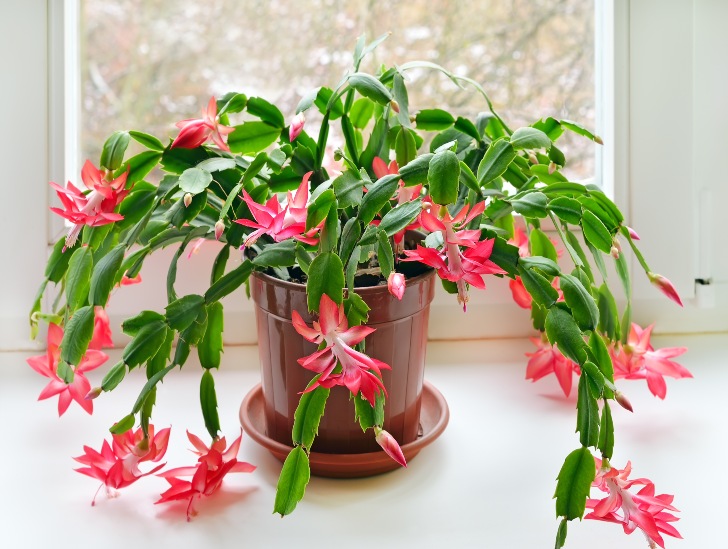
Christmas cactus is the most popular type of spineless cactus. This tropical plant is native to Brazil and features segmented stems with colorful flowers. The plant gets its common name from the fact that it blooms around Christmas time.

Christmas cactus is relatively easy to care for and makes a great houseplant. When growing indoors, place the plant in a bright spot but out of direct sunlight.

A christmas cactus flowering near the window.
This tropical plant is native to Brazil and features segmented stems with colorful flowers.

The best time to water Christmas cactus is when the soil is dry to the touch. Christmas cactus is also relatively tolerant of drought and can go long periods without water.

Once the plant blooms, it will likely start to drop its flowers. This is normal and doesn’t mean that the plant is dying. To encourage more blooms, give the plant a cool period (50-60° F) for about four weeks in the fall.

2. Easter cactus (Rhipsalidopsis gaertneri)

The Easter cactus is another popular type of spineless cactus. This succulent is closely related to the Christmas cactus and shares many of the same features. The Easter cactus is native to Brazil and gets its common name from the fact that it blooms around Easter time.

The Easter cactus is relatively easy to care for. When growing indoors, place the plant in a bright spot but out of direct sunlight. Water the plant when the soil is dry to the touch. Easter cactus is also relatively tolerant of drought and can go long periods without water.

To encourage blooming, give the plant a cool period (50-60° F) for about four weeks in the fall. However, you need to be careful with Easter cactus as it is susceptible to root rot. Be sure to plant the succulent in well-draining soil and avoid overwatering.

You also need to be careful with the amount of fertilizer you give Easter cactus. Too much fertilizer can damage the plant’s roots and prevent it from blooming.

3. Mammillaria lasiacantha

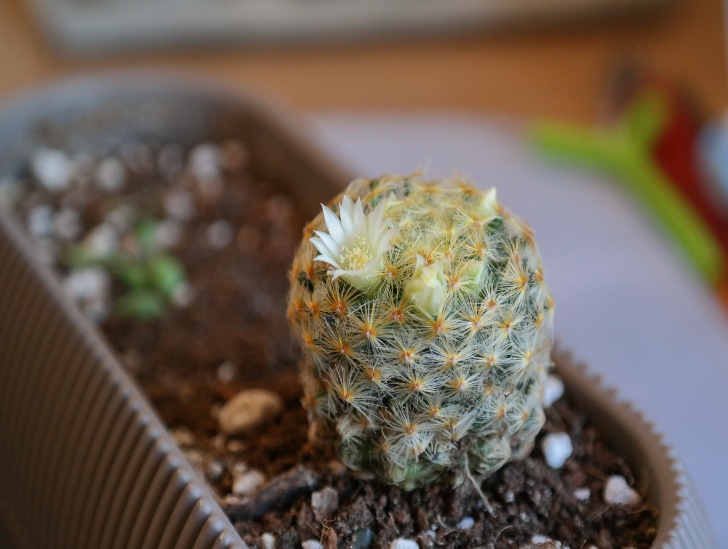
Mammillaria lasiacantha is another type of non-spiny cactus native to parts of Mexico. It gets its name from the long, white hairs that cover its body. These hairs help protect the plant from the hot desert sun.

Mammillaria lasiacantha has a spherical body and grows about 6 inches (15 cm) tall. The flowers of this cactus are white or pink, and they bloom in the spring.

Mammillaria lasiacantha flowering.
It gets its name from the long, white hairs that cover its body.

This cactus is easy to care for and makes a great houseplant. Place it in a bright spot but out of direct sunlight. Allow the soil to dry out completely between watering sessions. Water it less often during winter.

Mammillaria lasiacantha is not susceptible to many pests or diseases, but mealybugs can be a problem. The best way to protect your plant from mealybugs is to keep an eye out for them and treat them with insecticidal soap or neem oil as soon as you spot them.

4. Orchid cactus (Epiphyllum)

The orchid cactus is a type of spineless cactus that is native to Central and South America. This plant gets its common name from its showy flowers resembling orchids. Orchid cacti are also sometimes called epiphyllum cacti.

Orchid cacti are relatively easy to care for, making them perfect for planting indoors. They can thrive both indoors and outdoors. When growing indoors, place the plant in a bright spot but out of direct sunlight.

Consider placing it on a south-facing window or near an east-facing window. Water the plant when the soil is dry to the touch.

Ochid Cactus flowering.
This plant gets its common name from its showy flowers resembling orchids.

To encourage blooming, give the plant a cool period (50-60° F) for about four weeks in the fall. This will ensure the plant has enough time to rest and store energy for blooming. Its flowers are typically white or pink and bloom in the spring or summer.

5. Rhipsalis baccifera

This cactus is native to Brazil and is one of the most popular spine-less cacti. It’s easily recognizable by its long, thin stems that can grow up to 3 feet (1 meter) long. The stems are greenish-brown and covered in tiny, white hairs.

Rhipsalis baccifera flowers are small and white and bloom in the late spring or early summer.

This cactus is easy to care for, making it a great houseplant. Place it in a bright spot but out of direct sunlight. Allow the soil to dry out completely between watering sessions.

One of the ways to care for cacti during the winter months is water even less frequently. In fact, this cactus can survive the entire winter without water.

Rhipsalis baccifera is not susceptible to many pests or diseases, but mealybugs can be a problem. These pests suck the sap from the plant and can cause it to become stunted or even die. If you see mealybugs on your plant, treat them with insecticidal soap or neem oil.

6. Queen of the night (Peniocereus greggii)

The queen of the night is a type of spineless cactus that is native to Mexico and the southwestern United States. This plant gets its common name from its large, showy flowers that bloom at night.

The queen of the night cactus is relatively easy to care for and makes great houseplants. When growing indoors, place the plant in a bright spot but out of direct sunlight. Water the plant when the soil is completely dry.

The queen of the night cactus is well adapted to surviving in relatively dry areas and can go long periods without water.

Queen of the night flowering.
The queen of the night cactus is relatively easy to care for and makes great houseplants.

The queen of the night cactus typically blooms in late spring or early summer. The flowers are short-lived, only lasting one night. However, the plant will produce new flowers nightly for several weeks.

After the flowering period, the plant will go into a dormancy period and should be watered less frequently. Allow the soil to dry out completely between watering during this time.

Also, the plant may shed some of its older leaves during the dormancy period. This is normal and should not be cause for concern.

The queen of the night is not susceptible to many pests or diseases. However, mealybugs can be a problem. These pests suck the sap from the plant and can cause it to become stunted or even die. If you see mealybugs on your plant, treat them with an insecticidal soap or neem oil.

7. Pachycereus pringlei

Pachycereus pringlei, commonly known as the Cardon cactus, is a type of spineless cactus native to Mexico. It is the tallest cactus in the world and can grow up to 65 feet (20 meters) tall.

The cardon cactus has a large, columnar trunk, and it is covered in spines. The flowers of the cardon cactus are white or pink, and they bloom in the spring. The fruit of the cardon cactus is edible, and it tastes like a cross between a pineapple and a pear.

The cardon cactus is mainly found in the Sonoran Desert, California. It is also known as the elephant cactus or the candelabra cactus.

A Cardon Cactus in the desert.
the Cardon cactus is a type of spineless cactus native to Mexico.

This succulent is a slow-growing plant that can live for hundreds of years. It is drought-tolerant and does not need much water to survive.

The cardon cactus is an important food source for desert animals, and the Native Americans used the cactus for food, shelter, and medicine.

If you are looking for a unique and interesting plant to add to your collection, the cardon cactus is a great choice. It is a beautiful plant that is sure to make a statement in your home or garden.

8. Peyote

Peyote is an odd-looking but cute cactus native to Mexico and the southwestern United States. It has a green, spherical body with small, pink flowers. It gets its name from the fact that it is often used as a natural psychedelic drug.

Peyote grows in arid desert regions, and it is a slow-growing cactus. It can take up to 12 years for a peyote plant to mature. The plant is small and only grows about 6 inches (15 cm) tall.

Peyote has been used by Native Americans for centuries, both as a food source and as a medicine. It was also used in religious ceremonies and as a way to induce hallucinations. Peyote is still used today for these same purposes.

If you are interested in growing peyote, it is essential to know that the plant is federally protected in the United States. It is illegal to grow or possess peyote without a permit. In Mexico, peyote is not regulated, and it is legal to grow and use the plant.

Summary

While some cacti have spines or thorns, several do not. If you are interested in adding a cactus to your garden, but are unsure if it will have prickles, consult this list for some ideas.

All of the cacti on this list can be found at local nurseries, so you can get started on your collection today!

Caudex Plants: A Touch of the Tropics in Your Home

If you are a gardener, chances are you are always looking for new and exciting plants to add to your collection. You might have heard of a caudex plant, but you don’t know what it is or how to care for it. Caudex plants are a fascinating group of succulents with an intriguing and unique appearance. They are relatively low-maintenance and can bring an exciting look to your garden.

So, what is a Caudex plant? Caudex plants are members of the plant family Crassulaceae, which includes some other well-known succulents such as the jade plant and hens & chicks plant. Caudex plants have a thick, woody stem (called a caudex) that gives them their unique appearance. Their leaves are usually small and can be found in shades of green and purple. Most of them are native to the Mediterranean, so they thrive in warm climates with plenty of sun exposure and well-draining soil.

This blog post discusses everything you need to know about caudex plants, including their care requirements and tips for propagating them. We will also discuss the different types of caudex plants and how to choose the right one for your garden.

Read on to learn more!

Caudex Plant: General Overview

As mentioned earlier, caudex plants are members of the plant family Crassulaceae. Many of these plants have thick, woody stems that give them their unique look— think of a cactus with its thick stem!

Caudex plants range in size from small succulents to larger shrubs or trees. They can be found in various colors, including green, purple, and yellow.

Most are native to the Mediterranean, thriving in warm climates with plenty of sun exposure and well-draining soil.

While they may not be as easy to care for as some other types of succulents, such as jade plants or aloe vera, they can still make a great addition to your garden if you are willing to put in the effort.

Caudex plants usually require regular watering and total exposure to the sun when grown at home. They can also benefit from occasional fertilizing, especially during the growing season.

You may need to protect your plant during the coldest months of the year if you live in a region with colder winters.

Why Grow Caudex Plants at Home?

Caudex plants are an excellent choice for gardeners looking to add some unique, eye-catching plants to their collection. Their attractive shape and vibrant colors can make them stand out in any garden or landscape.

These plants are also relatively low-maintenance and don’t require much care. They are also drought-tolerant and can survive long periods without water.

Finally, caudex plants are widely available in nurseries and garden centers, so it’s easy to find one that fits your needs and preferences.

Common Types of Caudex Plants

There are many different types of caudex plants, and each one has its unique characteristics. Some of the most popular varieties include:

1. Crassula perfoliata

This caudex plant is native to South Africa and has a unique shape. It has thick stems, and bright green leaves that form an attractive rosette pattern.

Crassula perfoliata in a pot.
This caudex plant is native to South Africa and has a unique shape.

This caudex plant can be grown in containers or gardens and is relatively easy to care for. All it needs is full sun and occasional watering.

2. Euphorbia Obesa

Euphorbia Obesa plant has an unusual shape that resembles a bowling pin or a sea shell.

It is native to parts of South Africa and can tolerate hot climates, though it does need protection from frost in colder regions. This plant requires full sun, well-draining soil, and occasional watering to thrive.

3. Desert Rose

Few succulents can match the beauty of a Desert Rose. This caudex plant has bright green leaves and beautiful pink flowers that bloom throughout the year.

It is native to parts of Africa, Madagascar, and other regions. The desert rose requires full sun and well-draining soil to grow correctly.

A desert rose flowers.
This caudex plant has bright green leaves and beautiful pink flowers that bloom throughout the year.

It is often deciduous in winter. Therefore, it is crucial to bring the plant indoors if the temperatures drop below 50 degrees Fahrenheit.

4. Elephant’s Foot

The elephant’s foot is perhaps the most common type of caudex plant. It is native to parts of Africa and has thick stems and glossy green leaves.

The succulent gets its name because it looks like an elephant’s foot. This caudex plant is best suited for growing in containers and requires full sun, well-draining soil, and occasional watering to thrive.

5. Madagascar Palm

The Madagascar palm is another typical caudex plant. It has thick stems and bright green leaves that can reach up to twelve feet in height.

The plant is more tolerant to cold temperatures than other varieties and can be grown outdoors in temperate climates.

However, it will need protection from frost during the winter months. Feel free to expose it to full sun, as it can tolerate much more light than other caudex plants.

6. Buddha Belly Plant

The buddha belly is also known as the grout plant and is native to parts of Africa and Arabia. It has thick stems and large, round leaves that resemble a Buddha’s belly. This plant is easy to care for and can tolerate various soil types.

Buddha elephant plant in a pot.
It has thick stems and large, round leaves that resemble a Buddha’s belly.

It does require plenty of sunlight to grow properly. However, you must protect it from frost during the winter months. It does not require much care and can survive long periods without water.

Caring for Caudex Plants

Caring for caudex plants is relatively simple as long as you meet their basic needs. They require full sun and well-draining soil to prevent root rot.

Water your caudex plant about once a week or when the soil is dry. Fertilize with a balanced fertilizer once every two months to promote healthy growth.

Pruning is not necessary, but if you do prune, be sure to use sterilized tools to prevent the spread of infection.

Another essential aspect of routine care is to ensure your caudex plant has enough space for its roots to expand freely. Since most are slow-growing plants, they can stay in the same pot for about three to five years.

If you need to repot it, use a container one size up from its current home. For instance, if the plant is in a four-inch pot, use a five or six-inch pot when repotting. This will give its roots enough room to grow and maintain healthy growth.

Troubleshooting Caudex Plants for Trouble

These succulents are usually prone to rotting and weak/unseasonal growth. In fact, rotting is the main complication of caudex plants. The most common signs of rot are yellowing leaves, softening stems, and rotting roots.

If you notice any of these signs on your caudex plant, acting quickly and removing the affected parts is crucial. Be sure to check the soil drainage and make sure that the plant is not overwatered.

Additionally, ensure the container has enough drainage holes and is in an area that receives plenty of sunlight. With these simple steps, you can help your caudex plant stay healthy and thrive.

How to Propagate Caudex Plants

Propagating caudex plants is relatively easy. The easiest way to propagate them is by using stem cuttings, leaf cuttings, or division. Stem cuttings can be taken from the ends of the stems and placed in a sterile medium.

Leaf cuttings can also be taken and placed on a sterile medium, where they can form new roots that will eventually develop into new plants.

However, division is the most reliable way of propagating caudex plants. To do this, you must carefully remove the plant from its container and gently separate it into two or more sections.

A small desert rose.
The easiest way to propagate them is by using stem cuttings, leaf cuttings, or division.

You can then replant the sections in separate containers with well-draining soil and provide the necessary care.

If you are ambitious, you can also try propagating them through seed germination. Most caudex plants are slow growers, so it will take some time for the seeds to germinate.

On average, it takes around two to three months for caudex seeds to germinate and sprout. Once the seeds have sprouted, transfer them to individual containers and provide proper care.

How to Choose the Right Caudex Plant for Your Garden

When looking for a caudex plant to add to your garden, choosing one that fits your climate and space is vital. Consider the amount of sunlight, soil type, and temperature range when selecting a plant.

You should also consider how much maintenance you are willing to do—some caudex plants require regular pruning or repotting. In contrast, others need minimal attention to thrive.

Euphorbia Obesa in a pot.
You should consider how much maintenance you are willing to do—some caudex plants require regular pruning or repotting.

When you find the right plant for your garden, provide it with ample sunlight and water and watch as it grows into a beautiful succulent centerpiece.

Summary

Caudex plants are an exciting and easy-to-care-for addition to any garden. These unique plants come in many shapes, sizes, and colors, making them perfect for adding interest and variety to your landscape.

If you’re looking for a low-maintenance plant that can tolerate extended periods of drought, then a caudex plant might be the right option!

8 Perfect Plant Choices for Your Open Terrarium

Small plant at an open terrarium.

Creating an open terrarium is an excellent way to add a unique style to your home or garden. Open terrariums are ideal for those who want to bring the outdoors inside but don’t have the space or budget for a full-blown greenhouse. However, choosing the right plants for an open terrarium can be tricky. That is why we are here to help you.

So, what are some of the best plants for open terrariums? Open terrariums typically contain succulents, cacti, mosses, ferns, ivy, and other low-maintenance plants that thrive in sunny yet humid environments. When selecting plants for your open terrarium, it’s important to remember that not all species will work well together; some may compete for resources like light and water, while others may not be compatible with one another due to different environmental needs. Therefore, it’s important to research each plant before adding it to your open terrarium to ensure they will all get along nicely.

This article discusses some of the most popular and best plants for open terrariums. Read on to find out everything you need to know.

What Is an Open Terrarium?

Before we dive into the best plants for open terrariums, let’s take a quick look at what an open terrarium is and why it is good for your home.

Generally, an open terrarium is a glass container with no lid or cover that can be used to display plants indoors or outdoors. Unlike closed terrariums, which are completely enclosed, open terrariums allow air to flow freely.

This makes them great for areas with low humidity and plenty of sunlight. Furthermore, plants in an open terrarium require relatively little maintenance compared to closed ones; they only need enough water and occasional pruning to keep them healthy and thriving.

A echaveria plant on a open terrarium.
The plants in open terrariums can add a layer of warmth and coziness to any room.

Having an open terrarium in your home offers a wide range of benefits. Not only do they look great, but they also help to purify the air in your home by removing pollutants like formaldehyde and benzene.

Additionally, the plants in open terrariums can add a layer of warmth and coziness to any room.

The Best Plants for Open Terrariums

Now that we know what an open terrarium is, let’s move on to the best plants for them. Each group of plants mentioned here is well-suited for open terrariums and will provide a unique touch to your home or garden.

1. Succulents

Succulents are one of the best choices for an open terrarium due to their hardy nature and ability to thrive in drier conditions. Examples of succulents that work well in open terrariums include aloe, jade plant, crassula ovate, and echeveria.

These plants don’t need much water or sunlight to thrive. They come in many shapes and sizes, so you can mix and match different kinds together within your terrarium to create interesting patterns and textures.

Succulents will thrive perfectly in the dry air of an open terrarium, so you won’t need to worry about over-watering them. That said, checking up on your succulents now and then is still important—just make sure the potting mix is completely dry before watering!

You should also consider feeding your succulents every few months with a liquid or slow-release fertilizer to ensure they stay healthy. The best time to apply fertilizer is during the active growth or flowering season.

Avoid fertilizing your succulents during the winter months since they are in a dormant period during this time.

2. Cacti

Cacti are another great choice for an open terrarium due to their hardy nature and ability to store water for long periods. Examples of cactus species that work well in open terrariums include prickly pear, barrel cactus, and star cactus.

These plants need plenty of light and warmth to thrive, so placing your terrarium in a bright spot away from any drafts or cold spots in your home is important.

Little succulent and cacti on open terrarium.
Cacti are another great choice for an open terrarium due to their hardy nature and ability to store water for long periods.

Cacti don’t need much water; simply mist the potting mix once every week or two to keep them happy. Ensure you don’t over-water your plants; only provide enough water to moisten the soil without making it soggy.

3. Ferns

Ferns make excellent additions to terrariums because they can tolerate being enclosed in glass walls with no natural air circulation.

There are many varieties of ferns available, some that thrive in low light conditions while others prefer bright light. Ferns are often used as ground cover plants because they stay small and grow horizontally rather than vertically.

Some popular fern varieties include Asplenium nidus (Birds Nest Fern), Nephrolepis exaltata (Boston Fern), Adiantum (Maidenhair Fern), and Selaginella (Clubmoss).

Taking care of ferns in an open terrarium is quite simple; all they need is regular misting and watering to keep them healthy. They don’t require a lot of sunlight, making them ideal for areas with low light conditions or those without access to direct sunlight.

If you want your ferns to thrive, ensure the potting mix is kept moist (but not soggy). For best results, apply a slow-release fertilizer to the potting soil once or twice a year.

4. Mosses and Liverworts

Mosses and liverworts are small flowering plants that don’t need much direct sunlight or water to survive. They tend to do well in damp environments like terrariums and don’t require as much care as other plant varieties.

Mosses and liverworts come in different varieties, so you can experiment with combining different types together to create interesting effects within your terrarium.

Additionally, mosses and liverworts help keep humidity levels in your terrarium stable, which is important for the health of the other plants you might have inside the terrarium.

To get the best results, add a layer of moss or liverwort to the potting soil and mist it every few days with rain or distilled water. You don’t need to apply fertilizer as these plants typically do not need added nutrients to thrive.

Some of the best mosses and liverworts for terrariums include Selaginella, Riccia Fluitans (Floating Moss), Marchantia polymorpha (Pennywort), and Pellia epiphyllum (Liverwort).

These plants are perfect for creating lush, green environments inside your open terrarium. Experiment with different varieties to create your own unique and beautiful miniature garden.

5. Ivy Plant

Ivy plant is another great option for open terrariums. It can be grown as a groundcover or allowed to climb the walls of your terrarium, creating a stunning display of curling vines and glossy green leaves.

Ivy is easy to care for; all it needs is indirect light, regular misting with distilled water, and occasional liquid fertilizer applications during the active growing season.

A ivy plant on aopen terrarium.
It can be grown as a groundcover or allowed to climb the walls of your terrarium, creating a stunning display of curling vines and glossy green leaves.

Some of the best ivy varieties for terrariums include English Ivy (Hedera helix), Algerian Ivy (Hedera canariensis), and Irish Ivy (Hedera hibernica).

These plants are perfect for creating an enchanting miniature garden with cascading vines and glossy green leaves.

6. Air Plants

Air plants have become increasingly popular in recent years due to their unique look and easy-care requirements. Unlike other kinds of plants that need soil to grow, air plants get their nutrition from the air.

They prefer bright light but can also tolerate lower light levels if necessary—just be sure to mist them regularly, so they don’t dry out.

Air plant hangging on the Open terrarium.
Unlike other kinds of plants that need soil to grow, air plants get their nutrition from the air.

Air plants are great for creating a carpet in your terrarium; they come in all sorts of colors (green is the most common) and look beautiful when combined with other types of plants.

Some of the most common air plants for terrariums include Tillandsia, Xerographica, and Ionantha.

7. African Violet

The African Violet is a popular houseplant with its bright purple flowers and thick, fuzzy leaves. While African Violets typically prefer warmer temperatures and higher light levels than those found in terrariums, they can still do quite well in open terrariums if the conditions are right.

African Violets need regular watering (about once a week) and should be fertilized once a month. They prefer well-draining soil and should not be overwatered to avoid root rot.

African violet plant on a terrarium.
They prefer well-draining soil and should not be overwatered to avoid root rot.

These plants can also benefit from a little humidity, so you may consider adding a pebble tray or misting your terrarium every few days to increase the humidity level slightly.

8. Croton Plant

Lastly, the Croton plant is another great choice for open terrariums. This tropical plant is known for its bright, colorful foliage and striking shape. It is native to South and Central America but has become popular in terrariums worldwide due to its low-maintenance requirements.

Croton plants need bright, indirect light and regular misting to thrive. They also require fertilizer twice a month during the growing season.

Croton comes in various colors, including yellow, red, orange, and green. They are perfect for creating a tropical oasis in your terrarium!

To get the best out of your Croton plant, prune it regularly and give it enough humidity. Your Croton will be a beautiful addition to your terrarium with proper care!

Summary

All plants mentioned here are great choices when it comes to creating an open terrarium because they all require little attention yet add a lot of beauty to your space.

When selecting your plants for an open terrarium, remember that each type has different requirements when it comes to lighting, temperature, soil type, etc. So be sure to conduct thorough research before purchasing any of them for your project!

This will help you make informed decisions that will ensure that your open terrarium is filled with healthy plants that will last for many years.

The Top Air Plants for Low-Maintenance Living

Air plants are a great way to bring life and color into your home. They require minimum maintenance than other houseplants and can also be arranged uniquely to spruce up the look of any room. Whether you are new to gardening or want an easy-to-care-for houseplant, an air plant is an excellent choice. However, some air plants are relatively more suitable for beginners than others.

So, what are some of the best air plants for beginners? The most popular air plants among novice gardeners are Tillandsia xerographica, Tillandsia stricta, and the Aerangis mystacidii. Others include the Tillandsia caput-medusae, Tillandsia ionantha, Tillandsia cyanea, Tillandsia butzii, Tillandsia Streptophylla, and the smaller, compact species such as the Tillandsia funckiana. While it is relatively easy to care for these plants, you should remember that each species will require different watering and light requirements.

This blog post discusses everything you need to know about some of the best air plants for beginners. Read on to learn more.

Understanding Air Plants: A General Overview

The term “air plants” refers to a group of plants that get most of their nutrients from the air. They are not rooted in soil, but rather absorb moisture and nutrients through their leaves.

Air plants come in various shapes, sizes, and colors, some with intricate patterns on their leaves. They require little maintenance and can be placed anywhere as long as they receive enough light and humidity.

Most of these plants are native to warm, humid climates, but they can still thrive in dry environments as long as they are properly cared for. Most air plants prefer indirect sunlight and should be watered only when the leaves start to look dry.

In general, air plants need bright, indirect light; regular misting with distilled water (or rainwater if available); and occasional fertilizing with a balanced fertilizer every two weeks during the growing months.

What Makes Air Plants Ideal for Beginners?

Air plants are ideal for beginners because of their easy maintenance and hardy nature. They require minimal watering, can thrive in a range of light conditions, and only need to be fertilized occasionally.

These plants come in different shapes and sizes, making them suitable for any space. They are also highly versatile, as they can be hung from the ceiling, placed on shelves, or even mounted onto a wall.

A airplant hanging.
These plants come in different shapes and sizes, making them suitable for any space.

Furthermore, air plants don’t require a lot of soil to grow, making them ideal for gardeners who don’t have access to outdoor space or those who don’t want the mess associated with potting and re-potting plants.

What Are the Best Air Plants for Beginners?

Now that you know the basics of air plants, let’s look at some of the best air plants for beginners.

1. Tillandsia Cyanea

The Tillandsia Cyanea is an excellent option for beginner air plant growers. This species has long, thin leaves with bright purple tips and soft pink flower spikes when it blooms.

Tillandsia Cyanea is a classic air plant that doesn’t need soil to thrive. All you need to do is water your plant once every two weeks by either misting or soaking it in water for ten minutes or so.

You can also fertilize the plant lightly every month to keep it healthy and growing strong. With proper care, the plant will bloom at least once a year, producing a spectacular sight to behold.

Tillandsia Cyanea in a pot.
The Tillandsia Cyanea is an excellent option for beginner air plant growers.

The Tillandsia Cyanea is also known to be an easy air plant to propagate. All you need is a sharp pair of scissors and patience. Cut off a healthy stem, remove the lower leaves, and leave it to dry for around two days.

After that, plant the stem in moist soil or sphagnum moss and voila – you have a new Tillandsia Cyanea plant.

2. Tillandsia Ionantha

The Tillandsia Ionantha is another popular air plant for beginners. It has bright green leaves with lovely purple tips and yellow flowers when it blooms.

When it comes to maintenance, the Tillandsia Ionantha needs weekly misting or soaking in water to keep its leaves moist and healthy. It also needs to be fertilized once a month during the growing seasons.

This air plant is also easy to propagate, just like the Tillandsia Cyanea. All you need is a pair of scissors and patience, as it can take some time for the offsets (i.e., babies) to grow big enough to be transplanted.

3. Tillandsia Funckiana

The funckiana variety of air plants has stunning silver-green foliage, which forms into tight clusters when mature.

While this species requires more frequent watering than other varieties (up to twice per week), its vibrant colors make it well worth the extra effort necessary for upkeep.

A Tillandsia Funckiana.
The funckiana variety of air plants has stunning silver-green foliage.

Additionally, unlike other air plants, funckiana does not bloom; instead, it creates multiple offshoots from its stem, which can be propagated easily into new plants.

4. Ionantha Mexican

The Ionantha Mexican is an excellent choice for those who want an easy-to-care-for air plant that still looks beautiful when fully grown.

This species has small but thick green leaves that turn pinkish-red when exposed to higher levels of sunlight or slightly cooler temperatures.

It thrives in bright light but needs protection from direct sunlight during the hottest parts of the day; water this succulent once every week by giving it a quick misting with a spray bottle filled with filtered water.

This air plant should be watered less frequently during winter but should still receive some moisture.

Fertilizing the Ionantha Mexican is unnecessary, though you can give it a light application every two weeks during the active growing season (spring and summer).

Once established, this air plant is very easy to propagate and will provide you with plenty of new plants in no time.

5. Tillandsia Xerographica

If you’re looking for something more unique, Tillandsia xerographica is the perfect fit. This species is recognizable by its sprawling leaves, which have a distinct silvery hue.

While this variety requires more attention than others on this list, it’s still fairly easy to maintain as long as you keep up with misting, give it plenty of light, and keep it out of direct sunlight.

A Tillandsia Xerographica hanging on a stick.
If you’re looking for something more unique, Tillandsia xerographica is the perfect fit.

Tillandsia Xerographica is known for its unique shape, making it a great statement piece in any room. Take time to admire its intricate details, and you won’t be disappointed.

6. Tillandsia Streptophylla

Tillandsia Streptophylla is an attractive, fast-growing air plant that produces bright pink blooms each spring. Its thick leaves form a rosette shape and can grow up to 8 inches in diameter. It prefers bright light but can tolerate some shade as well.

When it comes to water and fertilizer, the Streptophylla needs to be misted or soaked at least twice per week and be given light application of fertilizer once every two weeks during its active growing season.

To propagate this air plant, remove healthy pups (offsets) from the mother plant and place them in a new container with some soil.

Once established, Tillandsia Streptophylla can be an easy and rewarding air plant to care for. Its beautiful blooms and lush foliage will undoubtedly capture your attention.

7. Tillandsia Stricta

Tillandsia stricta is great for novice gardeners as it requires minimal maintenance. This species needs plenty of light but should generally be kept out of direct sunlight to avoid scorching the leaves. It also doesn’t need to be watered or fertilized regularly.

This air plant has thin, upright leaves and small, light-colored flowers when it blooms. It also propagates easily and quickly with offsets that grow on the parent plant.

8. Tillandsia Caput Medusae

This air plant derives its name from its resemblance to the head of Medusa! Its long green leaves start out as a tight curl and unfurl as they age until they look like a mass of snakes surrounding the center of the plant.

It thrives in bright indirect light and should be watered weekly for optimal growth. The caput medusae is also very easy to propagate, with offshoots that can be transplanted into new plants.

Tillandsia Caput Medusae exposed to sunlight.
This unusual air plant is sure to draw attention wherever it is placed.

It blooms with small purple flowers that add to its already striking appearance. This unusual air plant is sure to draw attention wherever it is placed. Being a low-maintenance air plant makes it a great addition to any home or garden.

9. Tillandsia Capitata

Lastly, the Tillandsia Capitata is a striking air plant that will make an impact. Its large, curved leaves are stiff and have silver-green mottling and white tips. It prefers bright light but can tolerate some shade as well.

The Capitata should be watered at least once a week and fertilized every two weeks during its active growing season. This air plant also produces offshoots that can be transplanted into their own pot for easy propagation.

The Tillandsia Capitata makes a beautiful statement piece in any room and is sure to turn heads with its unique shape and mottling pattern.

Summary

All these air plant varieties are excellent options for beginners looking for an attractive houseplant without all the fuss that often comes with many houseplants.

They require minimal maintenance but still provide vibrant colors and exciting shapes that will help add character to your home décor.

We hope you enjoyed reading this article and are ready to try these easy-care air plants in your home. Good luck!