Is Cactus A Good Outdoor Plant?

Many gardeners believe that growing cacti plants outdoors is almost impossible or that these succulents can only do well in dry and hot areas. Fortunately, that is not the case. Cacti plants and other succulents make incredible landscaping plants. They can thrive in different climates, require little maintenance, and are always easy to grow and care for.

So, is cactus a good outdoor plant? Yes. While cacti plants tend to thrive in indoor environments, many varieties can also do well when planted outside. No matter the climatic conditions of the region where you live, you can always find an ideal cactus species that can thrive outdoors.

While some cacti species are adapted to intense light and heat, other varieties do well in cold-winter climates. Therefore, it is upon you to find the right species that will do well in your area.

In this post, we are going to discuss everything you need to know about growing cacti plants outdoors.  What is the process like? How do you find an ideal cactus species that will thrive in the outdoor environment? How do you take care of your cactus garden? Read on to find out everything you need to know.

Growing Cacti Plants Outdoors

The moment you decide to grow your precious succulents outdoors, make sure you choose a relatively sunny and sloppy location in your garden for better results. Planting cacti on a sloppy area allows for much better drainage, which is critical when cultivating these desert plants.

Also, depending on the type of cactus species that you have selected, make sure your beds are approximately 6-15 inches deep. The soil should be well-drained and specially formulated for cacti plants.
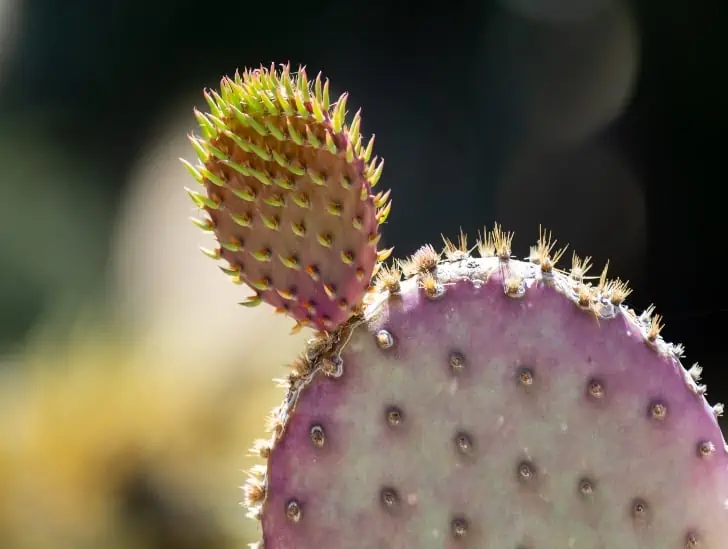
Santa rita cactus exposed to sunlight.
Make sure you choose a relatively sunny and sloppy location in your garden for better results.

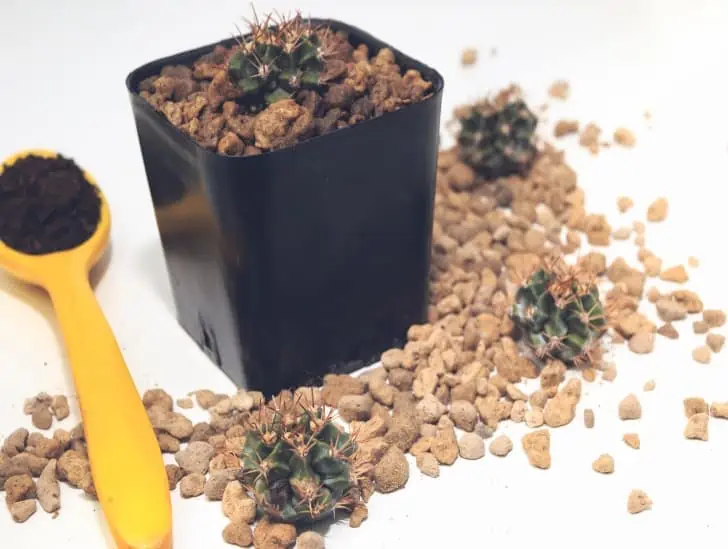
You can either purchase the soil and mix it with your natural garden soil or mix it yourself using two parts sand, two parts potting soil, and one part gravel. You should also consider adding a moderate layer of mulch, such as pebbles, rocks, or a similar substance. 

Here are some more gardening tips to follow when planting cacti outdoors:

  • These plants don’t do well when they are allowed to sit in water. Keep in mind that you are dealing with a desert plant, so there is a need to avoid exposing it to excessive water. 

The best way to ensure that your garden is not waterlogged is to choose a sloppy area with good drainage. Adding a layer of mulch to the soil, as mentioned above, is also critical.

  • During the warm summer months, your plants may need frequent watering because the rate of evaporation is quite high. Always inspect the topsoil of your garden and consider watering your plants whenever you realize the soil is dry.
  • However, during the cold winter months, cut down on the number of watering sessions and only water your garden when you feel it is necessary. Some cacti species don’t need to be watered at all during the cold months until a new growth cycle starts in spring.
  • Sand mulch is always a great type of soil to use in your cacti garden since it allows water to drain away pretty quickly.
  • Allow sufficient space between cacti plants in your garden. You do not want to deal with an overcrowded garden since the risk of losing some of your plants will be too high.
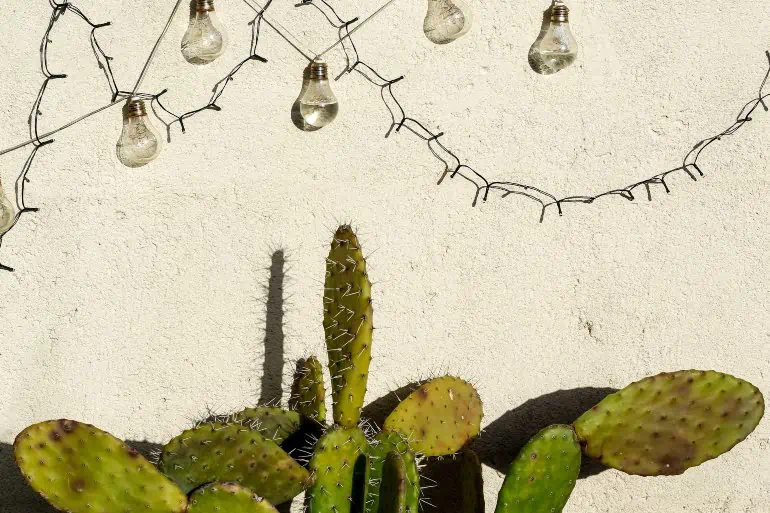
A cactus outside exposed to sunlight.
During the warm summer months, your plants may need frequent watering

Which Climates Are Best for Growing Cacti Outdoors

Cacti plants are generally native to hot, dry climates. However, some cacti species are known to be quite tolerant of cold weather and can even survive in temperate climates.

When choosing a cactus for your landscape, it is important to select a species that can tolerate the climate in your area.

Some cacti species that do well in hot, dry climates include:

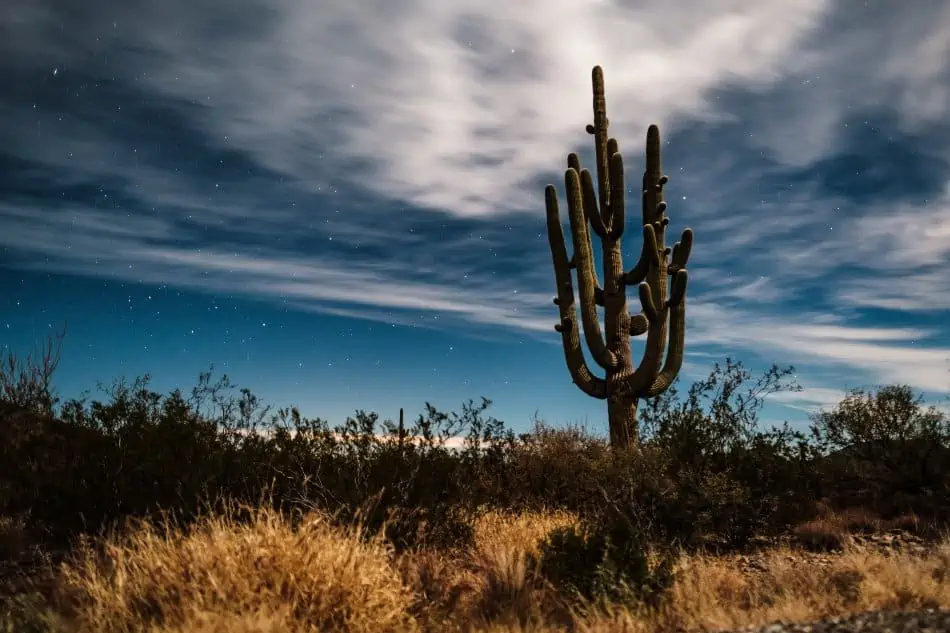
  • Saguaro (Carnegiea gigantea): This cactus species is native to the Sonoran Desert in Arizona and Mexico. It can grow to over 50 feet tall and has large, triangular stems.
  • Barrel cactus (Ferocactus spp.): There are different species of barrel cacti, all of which are native to dry regions of North and South America. These cacti have round or oval-shaped stems and can grow several feet tall.
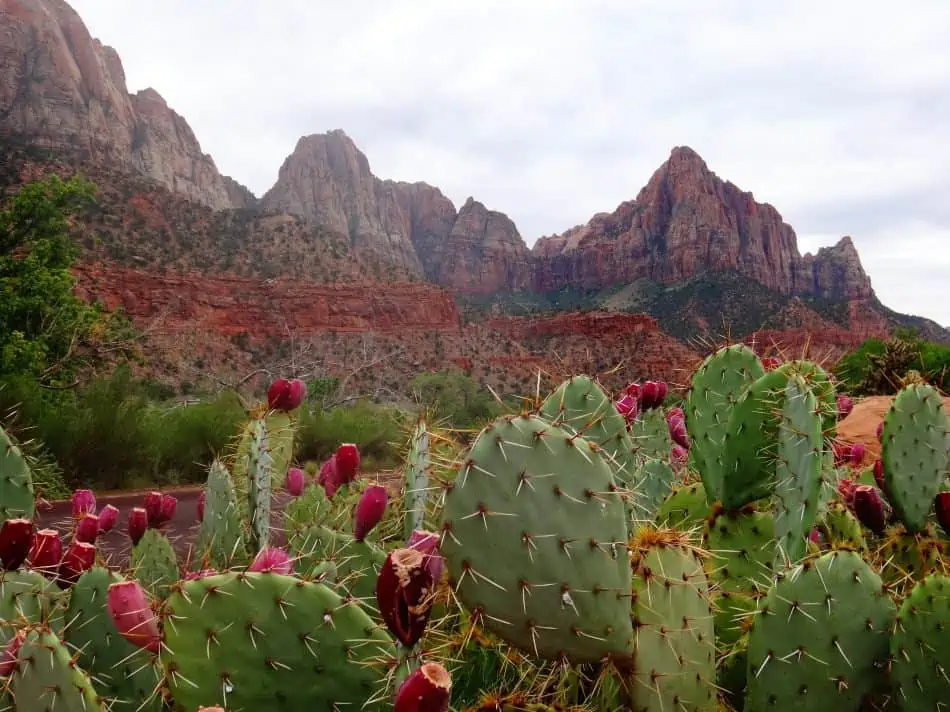
  • Prickly pear cactus (Opuntia spp.): Prickly pear cacti are native to dry regions of North and South America. They have flat, oval-shaped stems that are covered in spines. Prickly pear cacti can grow to be several feet tall and wide.
  • Peruvian apple cactus (Cereus repandus): This cactus is native to Peru and Bolivia. It has a columnar shape and can grow over 20 feet tall. The Peruvian apple cactus has large, white flowers that bloom in the summer.
  • Easter lily cactus (Rhipsalidopsis gaertneri): This cactus is native to Brazil. It has a slender, upright stem and can grow several feet tall. The Easter lily cactus has white or pink flowers that bloom in the spring.

Some cacti species that do well in temperate climates include:

  • Mammillaria hahniana: This cactus is native to Mexico. It has a spherical shape and can grow to be about seven inches tall. The Mammillaria hahniana has white or pink flowers that bloom in the spring.
  • Coryphantha missouriensis: This cactus is native to the United States (specifically Missouri). It is cylindrical and can grow to about 12 inches tall. The Coryphantha missouriensis has yellow or red flowers that bloom in the summer.
  • Echinopsis chamaecereus: The Echinopsis chamaecereus cactus is native to Bolivia and Argentina. It has an elongated, cylindrical shape and can grow to about 18 inches tall. The Echinopsis chamaecereus has white or pink flowers that bloom in the spring.
  • Schlumbergera truncata: The Schlumbergera truncata cactus is native to Brazil. It has a flattened, stemless shape and can grow to about six inches tall. The Schlumbergera truncata has white or pink flowers that bloom in the winter.
  • Notocactus uebelmanniana: This cactus is native to Brazil. It has a globular shape and can grow to be about 6 inches tall. The Notocactus uebelmanniana has yellow flowers that bloom in the spring.

Crucial Steps to Growing Cactus Plants Outdoors Successfully

If you are planning to create a cacti garden in your backyard, then you need to learn how to do it right. Otherwise, you risk suffering significant amounts of losses if you do things in a hurry and without a proper plan.

Follow these steps if you want to grow cacti plants outside your house successfully:

  • Plant selection: The most crucial step to growing cacti plants outdoors successfully is choosing the right cacti species. Keep in mind that not every cactus species is well-suited for growing outside.

Before choosing your plants, be sure to check their hardness rating. The rating usually indicates the ability of the cacti species to tolerate cold conditions. Plants will generally be categorized as zone 4, 5, or 6.

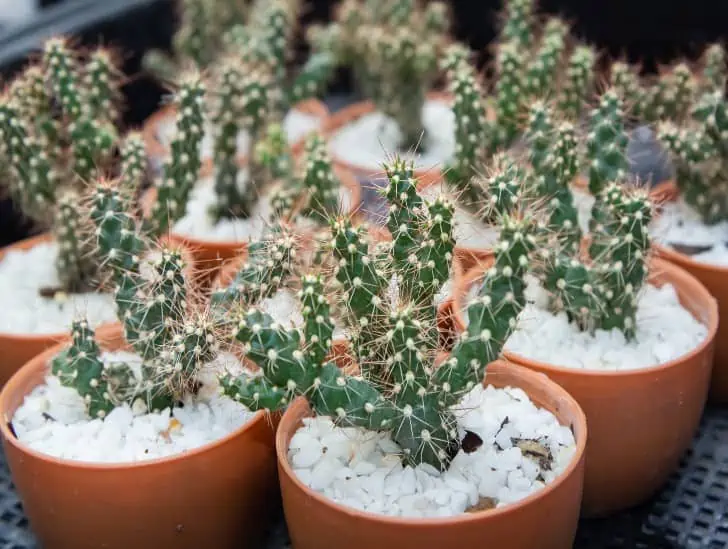
Many of the cacti species in the prickly or Opuntia family are known to be cold-hardy and come in a wide range of shapes and sizes. Opuntia fragilis or the famous brittle prickly bear, is the toughest in the family and is capable of withstanding cold freezing temperatures as low as -35oF. Several species in the Cylindropuntia family also do well outdoors.
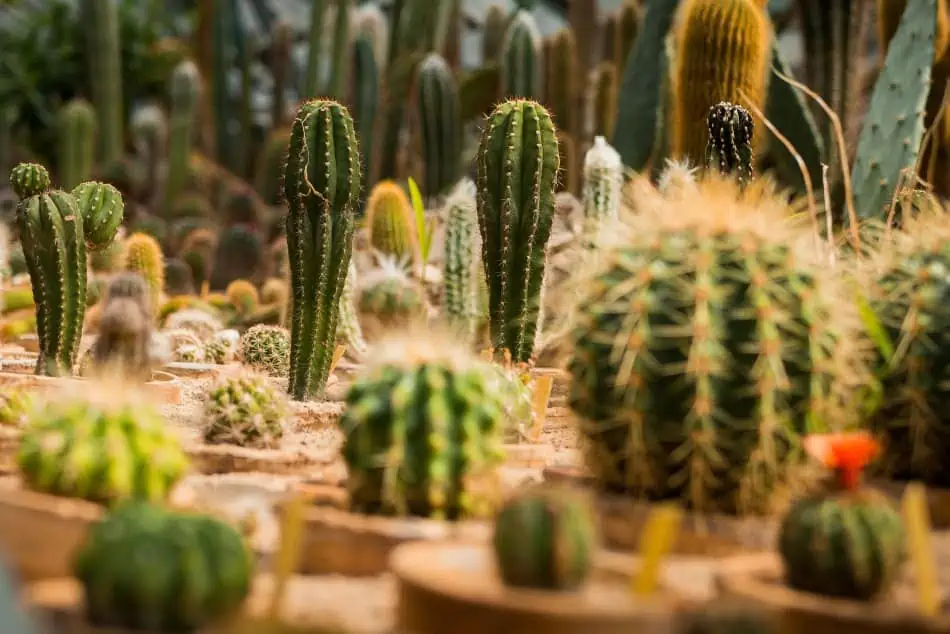
Several kinds of cactus.
Keep in mind that not every cactus species is well-suited for growing outside

Even in dry climates, not all cacti species thrive. Therefore, it is always good to pay close attention to each plant’s unique needs. When selecting your plants, consider choosing a multi-colored cactus without any visible bruises and scars.

You should also check the plant’s flesh for thickness and firmness. You want to feel a nice firm flesh before you decide to take the plant away.

Learn the optimal conditions for growing cactus plants outside:

Basically, cacti plants that thrive outdoors tend to have the same basic needs as those that grow indoors.

First, every cactus plant requires sufficient exposure to sunlight to bloom. Therefore, you will need to ensure the garden section where you choose to grow these plants receives plenty of sunlight.  

Good drainage is also critical. Refer to our previous points to understand how you can boost the drainage in your garden. Feel free to use container gardens to make it easier to move your plants if need be.

  • Planting: Because of its relatively shallow root system, a cactus plant is always susceptible to root rot. Therefore, it is always good to plant the succulent in a location where the base can easily dry out.

Consider elevating the plant on a berm, setting it up on rocks, or placing extra gravel underneath it.  Take two small stones and carefully put them together and plant your cacti in-between such that the base of the plant is sitting on top of the rocks, but its roots are in the soil.  This way, you can be sure that the base will dry out as soon as possible.

  • Learn how to take care of your plants: When growing cacti plants outdoors, you should always do your homework first. Take time to learn more about the growing requirement for each plant and try as hard as possible to match these requirements to that of your landscape.

Even though cacti plants have developed a wide range of tactics that helps them to adapt to different environments, it is always better to provide the ideal environments for fast growth.  

Small cactus plant near the window.
Every cactus plant requires sufficient exposure to sunlight to bloom.

If you are growing more than one cacti species in your garden, group them according to their needs and find ways of taking care of each species. There are lots of other things you can do to take care of your plants. 

Watering Outdoor Cacti

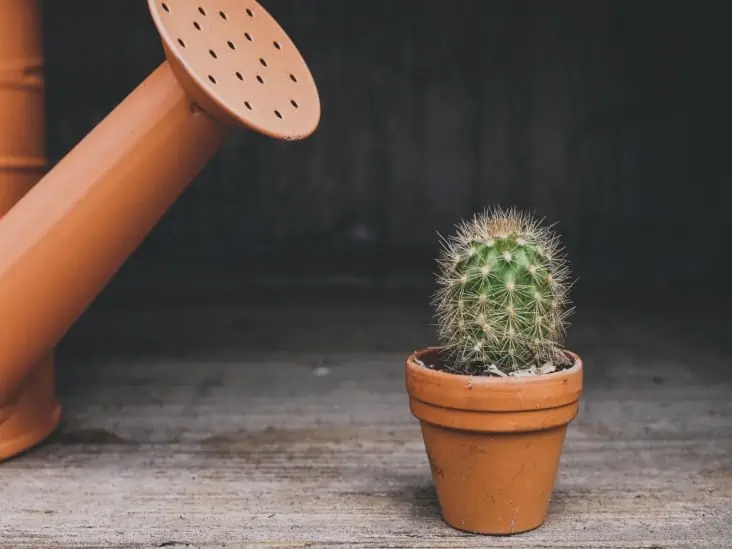
Do outdoor cacti plants require watering? The simple answer is yes. Never fail to water your plants even if you think it is unnecessary. During the warm summer months, consider watering your plants at least twice a week.

Water slow and deep until you are sure the plants have received sufficient water supply. Some experts recommend using the “deep soaking” method to water your outdoor cacti plants.

Deep soaking is a relatively slow but steady drip from a garden hose over a 2 to 6-hour period. Typically, the overall size of the plant will determine the duration for deep soaking.

The larger and more established plants may require less watering since the plant has larger storage capacity and can go longer between waterings. For instance, a full-grown Saguaro species may never need frequent watering, but a tiny mammillaria species may need frequent watering.

However, do not water newly planted cacti plants. Always wait for a few days after planting before you start watering. Since watering depends on the weather, the cooler it is, the longer you might have to wait before you give your succulents that first drink.

Plant experts recommend waiting for at least one week before you start watering newly planted cacti plants. This waiting period gives the roots sufficient time to heal before being exposed to water. Only water again once the soil is completely dry at the roots.

 No matter how you choose to water your outdoor cacti plants, one thing you need to avoid at all cost is overwatering since it can spell doom for your plants. Cactus plants easily succumb to root rot, so it is always advisable to know when to water them.

During winter, mother nature may take care of the plants’ watering needs in the form of rain, but you should consider watering your plants thoroughly during the hotter months.
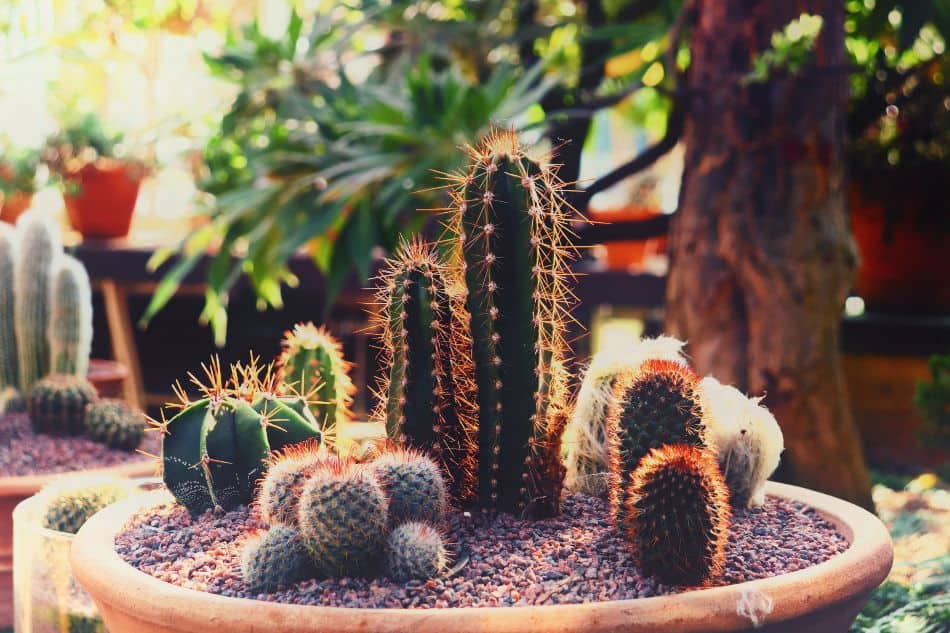
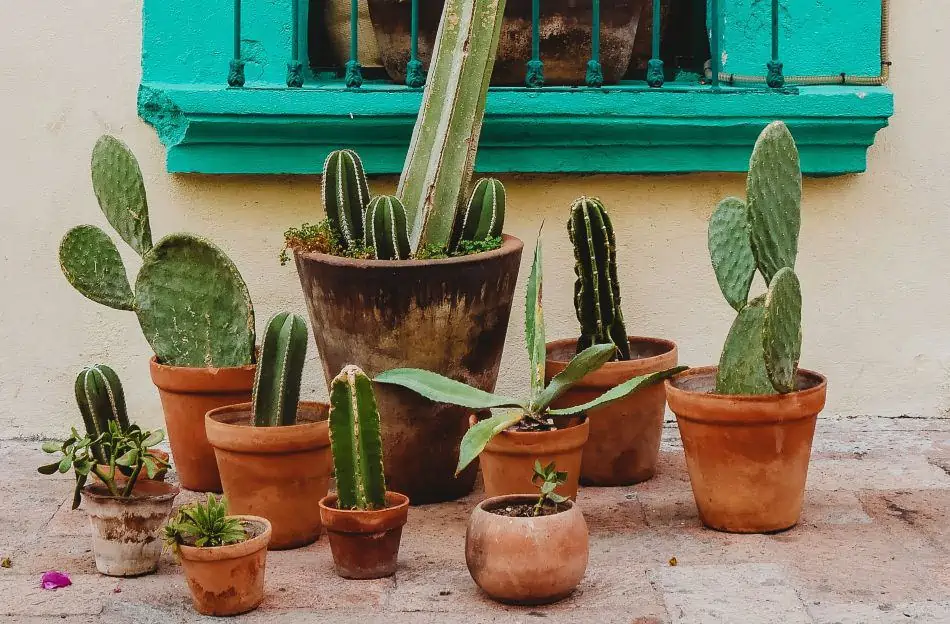
Different kinds of cactus in one pot.
Water slow and deep until you are sure the plants have received sufficient water supply

What Are the Pros and Cons of Growing Cacti as Outdoor Plants?

There are both pros and cons to growing cacti as outdoor plants. Some of the pros include

  • Cacti plants are drought-tolerant and tend to survive with minimal care
  • They are low-maintenance succulents
  • Cacti plants add a unique touch to any landscape design

Some of the cons of growing cacti as outdoor plants include:

  • They require full sun to thrive. So, they may not survive in areas that experience prolonged winters.
  • The soil must be well-draining to prevent problems with the roots
  • Cacti should be watered sparingly to avoid root rot. Too much water can be detrimental to the plant.

If you are considering adding cacti to your outdoor landscape, it is important to weigh the pros and cons to see if they are the right plants for you.

Summary

Cacti plants are not only great houseplants but also thrive when grown outdoors. However, great care needs to be observed when growing these succulents outdoors since they are exposed to a wide range of destructive elements. 

The most important thing to keep in mind if you want to grow cacti plants outdoors is to choose the right species that can withstand the climatic conditions in your area.  Failure starts with poor plant selection.  

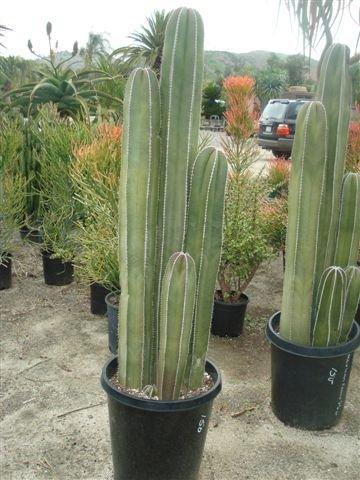
Some of the common types of outdoor cacti plant species include the eastern prickly pear cactus, pipe organ cactus, crow’s claw cactus, and the candelabra cactus.

We hope this post has provided you with some good information that can help you set up your outdoor cactus garden successfully.

20 Best Cactus Species For Your Indoors / Outdoors Cactus Garden

Cacti are one of the extraordinary plants. Most people prefer them and can be grown either indoors or outdoors. With proper care: watering when needed and having the right potting mix, your cactus can last for decades. They require minimal supervision and are ideal for aesthetics. 

As I was researching on cactus species, I wanted to know which species are ideal for indoors and outdoors. I have compiled a list of 20 types of cacti that are ideal for your home. 

Indoor Cactus

A Saguaro Cactus
Saguaro Cactus

1. Saguaro Cactus

Also known as Carnegiea gigantea, this particular species can grow to over 40ft/12m in height. The Saguaro is native to the Whipple Mountains, the Sonoran Desert in Arizona, Imperial County found in California and the Mexican State of Sonora. 

It has a lengthy lifespan of approximately 150 years. Some may grow their first side arm after about 75-100 years. However, some don’t grow these arms and are referred to as Spear. 

It starts flowering in between April and June. The flowers open after sunset and close mid-afternoon. 

It can take about ten years for the Saguaro to reach 1 inch in height. 

Their fruits are red and are often between 2.4 inches to 3.5 inches. They ripen in June and are edible. 

Saguaros are barrel-shaped and have peripheral stems, which are the “arms.” The plant stores water, and the more it stores, the more it expands and becomes heavy. A foot of the Saguaro can weigh up to 90 pounds. A mature one can even weigh about or over a ton.

Watering cactus is an essential aspect of the plant as proper care needs to be taken for it to grow healthy. Water the Saguaro every 10 to 14 days. However, be sure to check if the soil still has moisture before watering it to avoid root rot.

The oldest Saguaro to live is the ‘Old Granddaddy,’ and it was 300 years old when it died. 

2. Angel Wings

A  Angel Wings.
Angel Wings


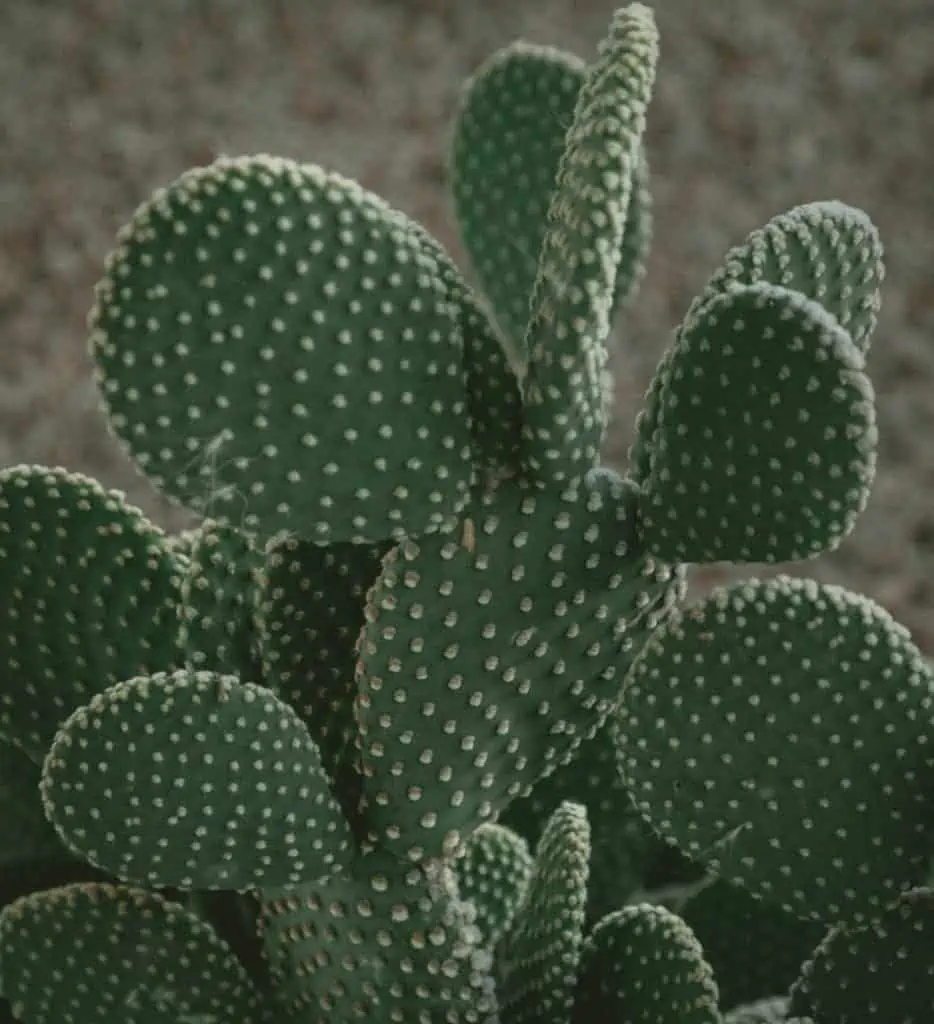
Also known as Bunny Ears or its scientific name Opuntia microdasys, the Angel wings cactus is native to northern and central Mexico. It is more of a dense-like shrub that’s usually40-60cm tall. The stems range from 6-15 cm long while 4-12 cm broad. 

Unlike some other cacti, it has no spines but instead, has yellow or white glochids that are 2-3mm and in clutters. The glochids are thinner than the human hairs and detach when touched. Upon touching, they can cause skin irritation. 

The Angel Wings cactus has no central leaves or stems but has individual segments that contain the cactus body. The sections grow in pairs which the new growth resembles bunny ears. 

Budding always begins late spring and produces flowers that are 2 inches. The flowers are yellow but slowly fade to peach once they are fertilized. 

Since this is a desert cactus, regularly water it when in a new pot to from strong roots. Don’t water it during winter. 

Its fruits are safe to eat but should be handled with care, especially when repotting. 

3. Rat Tail Cactus

A  Rat Tail Cactus.
Rat Tail Cactus

The Disocactus flagelliformis or the Aporocactus flagelliformis is native to Mexico. It can be grown indoors, outdoors, or in greenhouses. It is quite a distinctive species whose long trailing stems branch out and are about 1-2 m long and 8-24mm thick. 

The cactus flowers during spring and summer and they are usually red, violet, pink or orange. The flowers are generally 2 inches, which last for a few days. 

Due to its trailing stems, the rat tail cactus is grown in hanging pots. It’s easy to propagate it by cuttings as the stems grow so fast. 

Full light is necessary for this species. Make sure your pot/container is near or on a south or west-facing window. During summer, when the cactus is blooming, ensure the potting soil is moist. However, during winter, water sparingly; when the soil is dry. 

For the temperature, your cactus is just fine at room temperature during summer, spring, and early autumn. However, during winter, keep the cactus in a more relaxed setting. 

4. Christmas Cactus

 A Christmas Cactus
Christmas Cactus

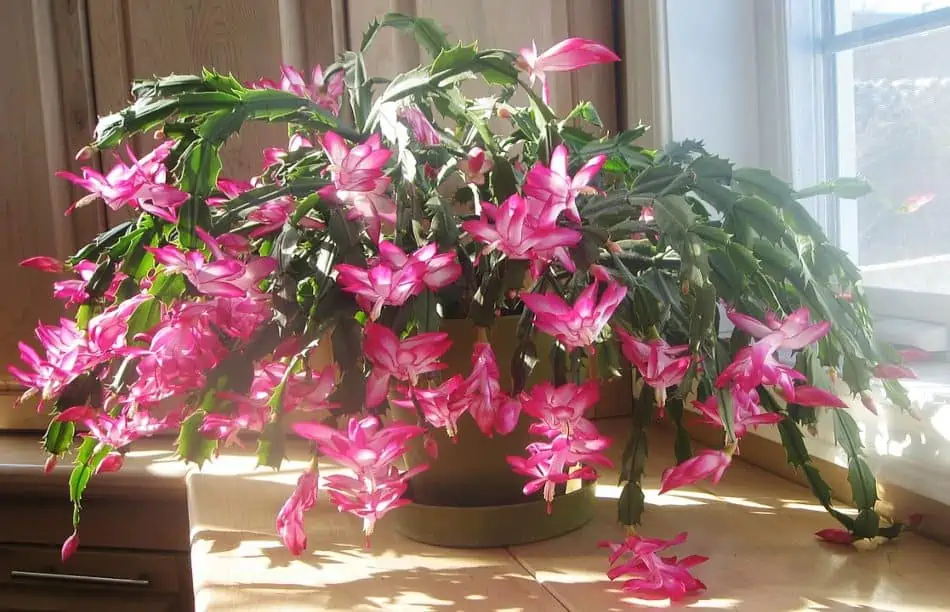
Just as the name suggests, the Christmas Cactus blooms around Christmas. It has hanging branches that are green and flat about 3ft tall. 

The flowers are commonly red, lilac, yellow, pink, and white. They are usually 3 inches long. Native to coastal parts of Brazil, this cactus prefers a humid climate. 

Christmas Cactus is scientifically referred to Schlumbergera. Proper care will help you see the tips of leaves starting to grow. The tips will then begin turning darker until buds appear. Around Christmas time, the buds will then open to beautiful flowers which are perfect for the season. 

They do well in natural light but avoid direct sunlight to encourage blooming. Water them every 3-4 weeks. Only water when the pot is dry on your touch. It requires more water when flowering. 

The type of soil you use should contain leaf matter and debris as this is what they feed on. If you want to propagate, do so 2-3 months after flowering. 

For them to bloom, they’ll need 12-14 hours of complete darkness daily. 

5. Barrel Cactus

A Barrel Cactus
Barrel Cactus

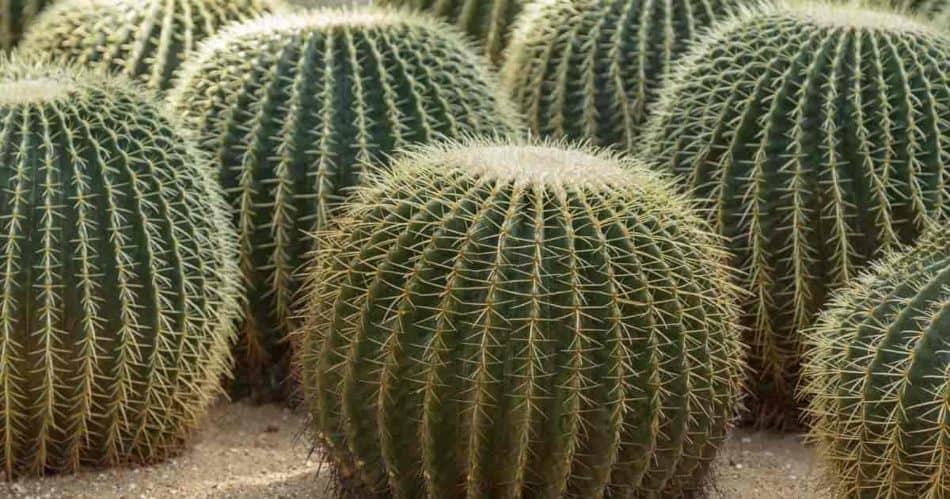
Barrel cacti are not just one species but various species belonging to two genera, Ferocactus and Echinocactus. They are native to southwestern North America. Some species reach over 1 meter in height at maturity. Others have been known to reach 3 meters in some areas. They are 30cm wide. 

They have a lifespan of an average of 100 years. Naturally, barrel cactus live in extreme heat and direct sun, and it’s only natural to try and mimic the same conditions indoors. 

Barrel cacti are muffin-shaped and often pop out over the edges of their pots. You can easily distinguish it because of its elongated fruits and wavy ribs.

The flowers that bloom in April tend to be yellow, orange or purple and are up to 8cm across. The spines can go up to 10cm long. They grow in a circular shape on top of the cactus when it is quite old. 

For barrel cactus to bloom, they need full sunlight during spring and summer. Direct sunlight can make them become stunted and sunburned and fail to thrive, which is why they are perfect indoors because you can control the amount of light they are getting. 

Due to adapting to arid conditions, their water requirements are not high, and you can even get away with watering every 2-3 months. Unlike other types of cacti, the barrel ones are hard to check for water because their shape almost covers the whole pot and it’s easy to get pricked. 

What kills most barrel cacti is overwatering. Only water when you think it’s essential to avoid root rot.

Place your cactus on a south-facing window, and it does best without humidity. You can also add some cactus fertilizer during the growing season.  Propagation is by seed. 

6. Old Lady Cactus

A Old Lady Cactus.
Old Lady Cactus

Old Lady Cactus, commonly known as Mammillaria hahniana, is a powder puff species which grows in arid areas. It is native to central Mexico. It is capable of growing 10inches/25cm by 20inches/50cm broad. The width being 12cm. White spines usually cover it. 

The Old Lady Cactus is quite popular. As much as it is found in arid areas, it makes a perfect indoor plant as well. You just need to place it in a sunny place in the brightest spot in the room and avoid overwatering it. A south-facing window is perfect. 

It blooms in spring and summer producing red or purple flowers with them being about 0.6 inches/15mm in diameter. It needs 4-6 hours daily for it to thrive. 

Make sure when choosing a cactus soil, you get a porous one, one that drains quickly to avoid the roots sitting in water for an extended period. Make sure you add perlite into the mix. You can use potassium fertilizer once during summer. 

Only water when the soil is almost dry. It could be weekly or biweekly depending on its requirements. Avoid watering during winter unless the plant needs it.  

If you want to propagate, use the offsets that often form clusters on the base of the main plant. Remove the offset and let it dry in a few days so that it forms a callous. Once it forms, you can plant it in a new pot. 

7. Bishop’s Cap

A Bishop’s Cap.
Bishop’s Cap

Also known as bishop’s hat or bishop’s miter cactus, this particular species is native to the highlands of northeastern and central Mexico.

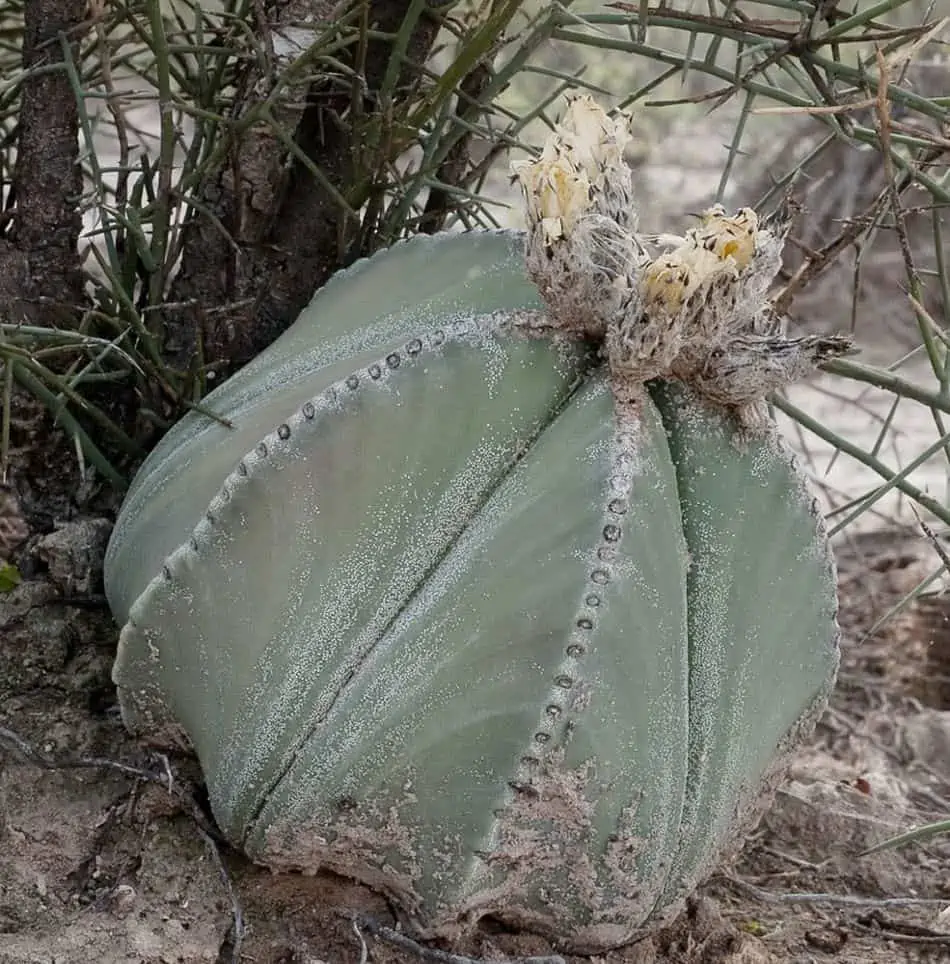
Its scientific name is  Astrophytum myriostigma.  The word astrophytum is Greek meaning star plant. Physically, it has about three to seven vertical ribs which define its star-like shape when young. As it matures, the ribs may increase in number and become more cylindrical. 

The bishop’s cap grows to about 70-100cm tall with a 10-20cm diameter.  The flower which is usually daisy-like appears on top of the cactus. It is typically a maximum of 2inches in diameter.

The cactus blooms in early spring. It produces one or more flowers and is usually creamy yellow with a red or orange base. It can take up to six years to flower. Each of its flowers blooms after every two days. 

For the young plants, the bishop’s cap can’t take intense light, which is why it is perfect indoors. Never place them under the full sun. 

These types of cacti don’t require a lot of water. Only water frequently during summer and avoid watering at all during winter. 

8. Moon Cactus

A  Moon Cactus
Moon Cactus

The moon cactus has a scientific name, Gymnocalycium mihanovichii. The species is native to Paraguay and Argentina. They are found in South America as well. 

Moon cacti are also referred to as Ruby Ball, Red Hibotan, Hibotan cacti or Red Hibotan. What makes them stand out is their red, pink, orange, or yellow colors. The colors are usually ball-shaped, making them look like balls with thorns that sit on another green-colored cactus. It’s more of a two-in-one kind of plant. 

This particular species comes in numerous varieties. What’s frequently found is the mutant of cultivated ones where the colors are only viable if they are grafted because they don’t assimilate because of lack of chlorophyll. In most nurseries, it’s grafted onto another green cactus that has chlorophyll. The plants reach both a heigh and a diameter of 3-5cm while the flowers are 4-5cm wide. 

This type of cactus does not require a lot of water. Only water it when the soil feels dry. Don’t water during winter unless it’s a young moon cactus but even on these occasions, water minimally. 

For sunlight, they thrive best in bright but avoid direct sunlight. It; s great for beginners as it is a low maintenance cactus.

Outdoor Cactus

1. Prickly Pear Cactus

A  Prickly Pear Cactus
Prickly Pear Cactus

The Prickly Pear Cactus is also known as Opuntia. The prickly pears (fruits) are referred to as Tuna, and the pads are Nopals. 

The cactus can grow to a height of about 5-7m, which is equivalent to 16-23ft with spines of 2.5cm. Some are spineless as well. 

Opuntia is only native to the Americas. They are available in various parts of the world and are in abundance in Mexico (central and western areas & West Indies), United States (in drought-prone Western and The south-central regions) and Canada (southern and western) among other areas. 

The Tuna is a typical delicacy in Mexico. The fruits come in various colors: red, yellow-orange, wine-red, or green and can be eaten raw depending on how ripe they are. The pads are also edible; they require thorough cleaning before incorporating them into your meals. The nopales are used in numerous Mexican dishes such as eggs and salads.  

When it comes to propagating, you only need the stem segment. Make sure you plant in spring or summer for better results. 

When caring for your cactus, it doesn’t need pruning. Make sure to get the right potting mix with porous soil that drains quickly to avoid water resting in for long. For newly propagated pads, don’t water for the first month. After that, you can water every 2-4 weeks. 

Growth may be slow after propagating and may take 3-4 years before it produces many flowers. 

As mentioned, the pads are edible — harvest about ⅓ of the pads to keep your plant healthy. The pads are best cut in the mid-morning since the acid content is usually low. 

Place the Opuntia where light is maximum as it requires ample sunlight. For hotter climates, have a partial shade for them to avoid scorching. If you plant them outside in garden soil, no fertilizer is needed. 

These cacti bloom mid-spring all the way to mid-summer. 

2. Jumping Cholla Cactus

A  Jumping Cholla Cactus.
Jumping Cholla Cactus

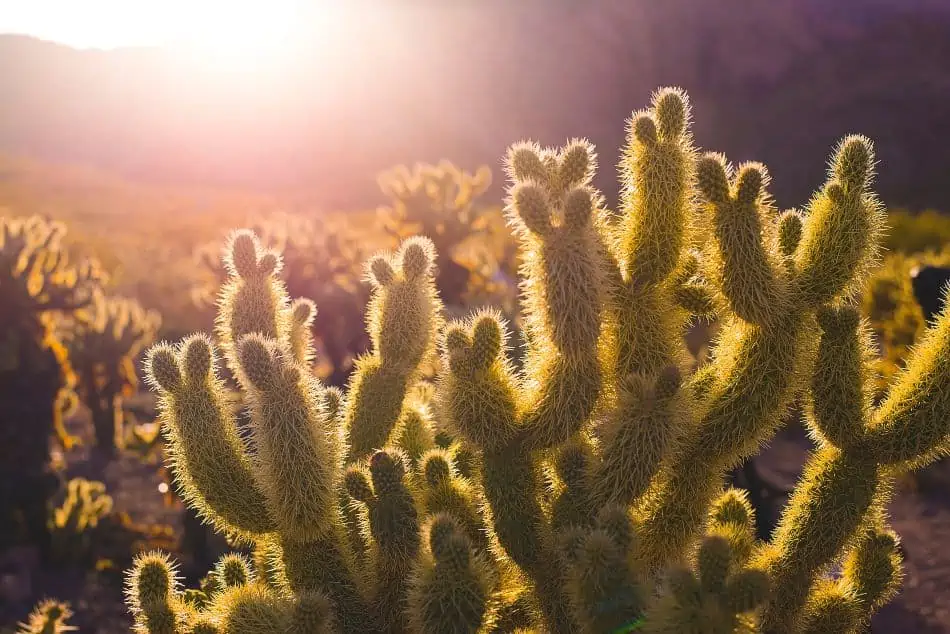
Also known as the hanging cholla, it is native to the South Western United States and Sonora. Scientifically known as Cylindropuntia fulgida grows at elevations of 300 to 1,000m. The jumping cholla is tree-like grow to heights of  4m/13ft.Their wart-like projections on their stems measure between 6-9mm. Their flowers range from pink, white and lavender and are about an inch wide. 

The name, ‘Jumping Cholla’ comes from the ease at which the stems will detach upon the slightest touch. Their sharp spines will attach themselves to animals and people where they get dispersed.  Upon dispersing, when people remove them and throw them on the ground, they easily root there. 

Chollas do well in slightly acidic soil with an approximate pH of 6. The best potting mix to use for these cacti is one with grit and sand. Just like other cacti that have spines, be cautious when repotting as they may end up sticking on you. Get a pair of leather gloves and a newspaper to ensure you have no contact with them. 

They need as much light as possible and do well in greenhouses where there’s partial shade. Always check the soil for moisture before watering. If it’s moist, wait till it dries to avoid overwatering. 

3. Old Man Cactus

A Old Man Cactus.

Image from Red Bubble

As hilarious as the name sounds, you may think it doesn’t exist, but the truth is, this cactus does exist. The cactus s native to Hidalgo and Guanajuato in eastern Mexico. 

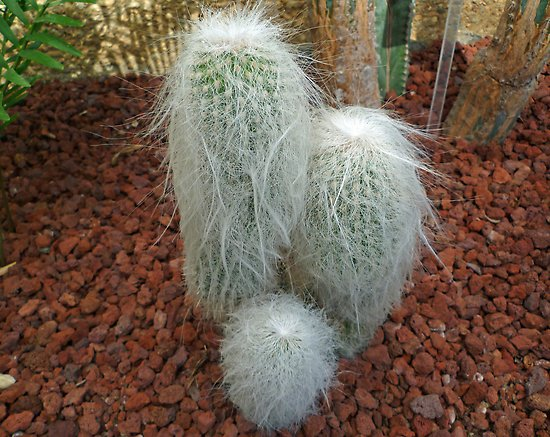
Otherwise known as Cephalocereus senilis it is a columnar species that has clusters of stems that grow between 5-15m tall. What’s striking about this species is the shaggy coat of some long and white hairs that resemble unkempt hair of an older man, hence the name. 

It usually takes a long time before flowering, which can take place anywhere between 10-20 years. The flowers are generally yellow, red or white and bloom at night. They bloom in spring.

It grows well in Mediterranean climates, and it loves well-draining soil hence the need to have a good mixture. 

The best way to grow it is from seeds as it may be hard to get its cuttings. Old man cactus is slow-growing and may take about a three-month germination period, which is why purchasing a grown away could be an easier option. 

This species loves bright light and heat and needs a lot of special care. Allow the soil to dry before watering the plant thoroughly.

4.  Organ Pipe Cactus

A  Organ Pipe Cactus.
Organ Pipe Cactus

Also known as Pitaya, this particular species is native to the United States and Mexico. They are mostly found in rocky deserts. 

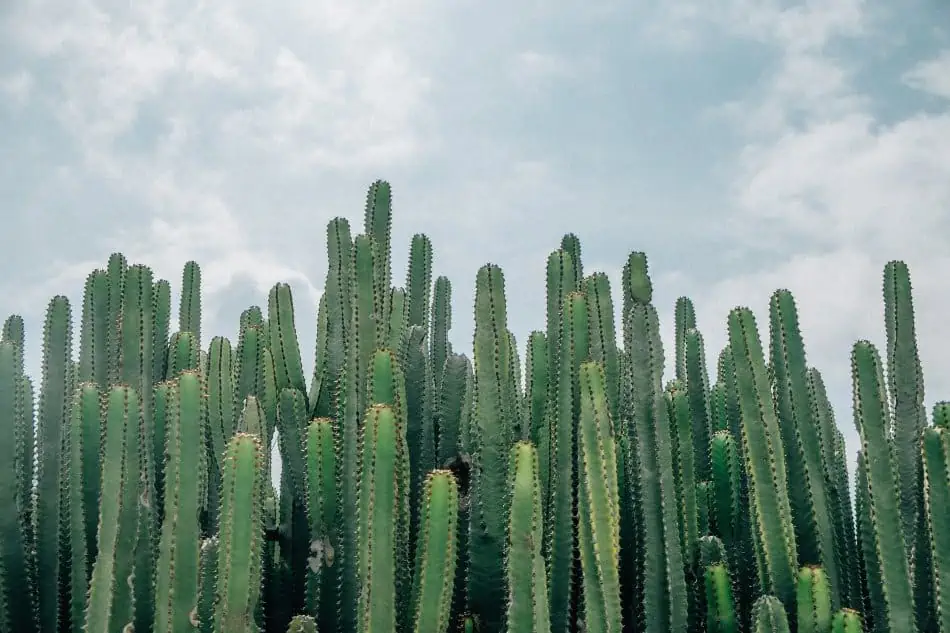
Scientifically known as Stenocereus thurberi, has several stems that grow from one short trunk and rising vertically. The stems are usually 15cm/6inches thick with an average height of  4.9m/16ft while others reach between 23and 26ft. 

Older plants have funnel-shaped flowers that open at night and close during the day. They are usually white and are 8cm for the older plants. The flowers grow around April, May, and June. 

What’s interesting is that they bear fruits as big as a tennis ball with people claiming it tastes better than a watermelon. 

Grow the cactus in gritty,well-drained soils. In the case you are growing them in a container, you can mix one part perlite, one part sand, and one part potting soil. Since it is found in the hot sunny areas, ensure it accesses full sunlight. 

In early spring, water it regularly but look out for indications of overwatering. 

The organ pipe has an estimated lifespan of 150 years. 

5. Peanut Cactus

A  Peanut Cactus .
Peanut Cactus

A peanut cactus can both be grown indoors or outside. Scientifically known as Echinopsis chamaecereus, this cactus is native to Argentina. 

It has long stems that are about 1cm/0.4inches wide and orange flowers that are about 4cm/6inches wide. The flowers appear in late spring. They can grow up to 15cm/6inches tall. 

This particular cactus is quite popular in gardens of hot areas and have a high growth rate. Some of these areas are Arizona, Texas, and California. 

Peanut cacti are susceptible to rot, and they need to be watered only when the top inches of the soil are extremely dry. You can use a stick and dip it into the soil, if some remnants of wet soil stick to it then don’t water the plant. 

Also, give it as much sunlight as possible as it prefers hot temperatures. 

6. Silver Torch Cactus 

A  Silver Torch Cactus.
Silver Torch Cactus, Image by Wikimedia

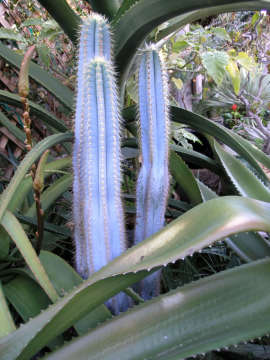
The Silver Torch Cactus which is also referred to as snow pole and wooly torch, is native to the mountain regions in Argentina and Bolivia. With a height of 3m/9.8ft, they have grey/green columns that are quite erect and slender with only 6cm/2.5inches across. 

Its scientific name is Cleistocactus strausii. The perfect soil is a highly-draining one. It requires strong sunlight but not high temperatures. Full sunlight is needed several hours a day for it to bloom. Surprisingly, it can withstand a frost of -10 °C. 

Naturally, it needs plenty of water during summer and none at all during the winter. Some of the older plants produce deep red and burgundy flowers in summer.  

7. Kingcup Cactus

A kingcup cactus.
Kingcup Cactus, Image by Natural History

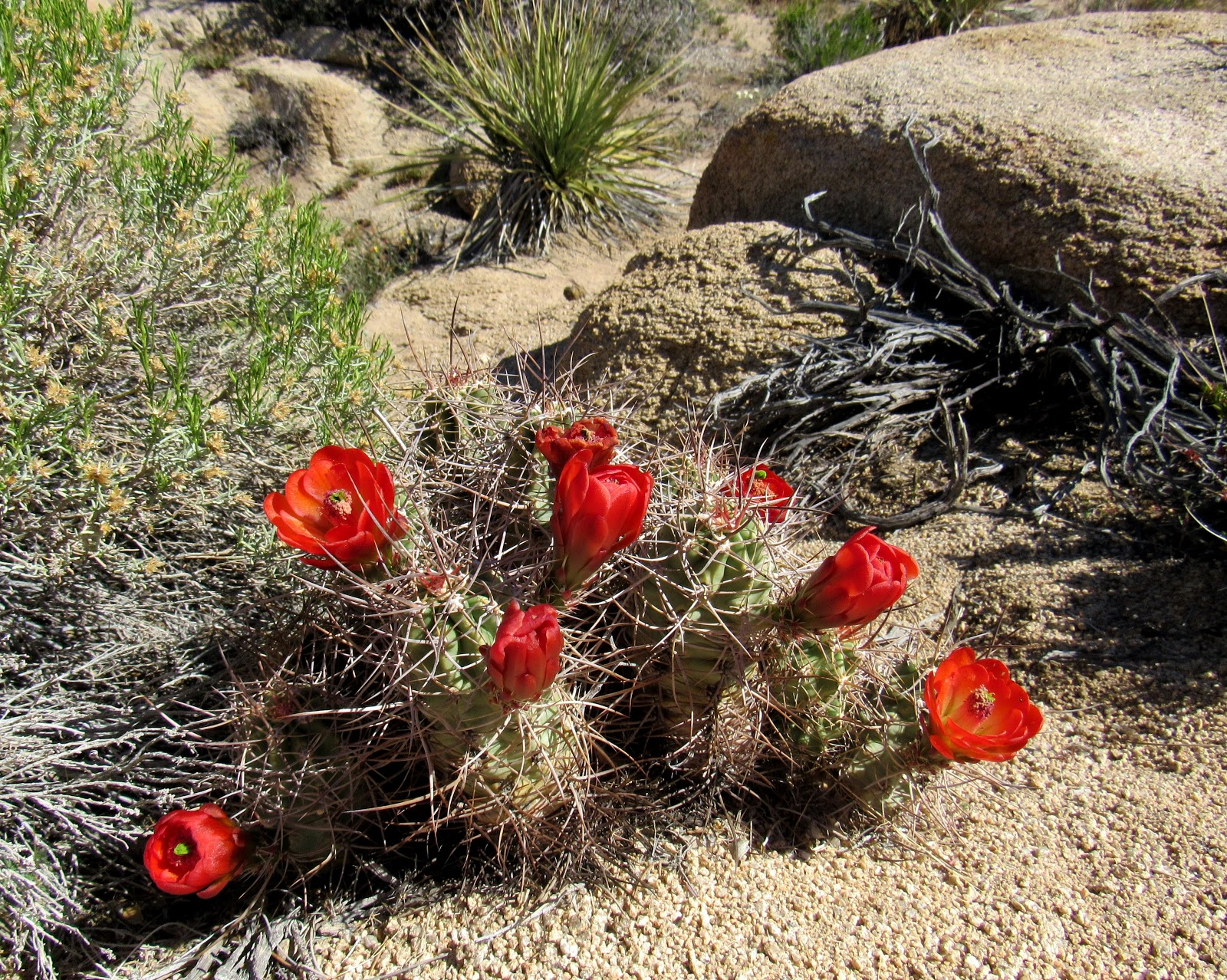
Kingcup cactus is a species of the hedgehog cactus. Scientifically referred to Echinocereus triglochidiatus, it is native to northern Mexico and the southwestern United States. 

Some other commonly referred names are claret cup or Mojave mound cactus.

One distinct feature is that it forms a bulbous pile of hundreds of cylindrical stems. It is somehow wooly. 

The flowers, which are usually orange-red or scarlet red bloom up to 8-9cm wide in late spring. They prefer a little bit of moisture, some partial sunlight and porous soil that drain water quickly. 

8. Barbados Gooseberry

A barbados Gooseberry.
Barbados Gooseberry, Image by Waimea Nurseries

Some of its common names are blade-apple cactus, Barbados gooseberry, rose cactus, leaf cactus, and lemon vine. Scientifically, it is known as Pereskia aculeata. 

The cactus is native to tropical America. Its leaves and fruits are both edible as they contain iron, protein, among other nutrients. Unlike other cacti, this particular species has a vine that grows up to 10m/33ft tall. The stems are 2-3cm thick. 

Flowers of the Barbados gooseberry are either pink, white or cream with them being 2.5-5cm/0.98-1.97inches.  They are mostly outdoor plants because of their shrubby growth. Their preference is dry areas, and you don’t need to repot them regularly. 

When it comes to watering them, you need to be careful not to overwater. They’d rather be underwatered than excess water because the chances of rotting are higher. 

9. Queen of the Night Cactus

A queen of the night cactus.
Queen of the Night Cactus, Image by Tanqueverderanch

The Queen of the Night Cactus-Epiphyllum oxypetalum-is also referred to as Dutchman’s pipe cactus. 

Native to Southern Mexico and some areas of South America, it is a fast-growing plant that flowers late spring all through to summer. The stems are of two types; we have the primary stems that grow to be 6m long while the secondary stems are flat and grow 30cm x 10-12cm. 

They only bloom at night and wilt just before dawn. Flowers are usually white and have a sweet scent and are 30cm long by 17cm wide. Their fruits are purple-red. 

Make sure you feed them the morning sun but avoid the afternoon sun because their leaves can quickly get scorched. If possible, keep them under a shade. They prefer mild winters but hate overwatering.

10. Mexican Fence Post Cactus

A mexican Fence post.
Mexican Fence Post Cactus, Image by Palms4u

The Pachycereus marginatus is a slow-growing plant with a height of between 3.7m/12ft and 6.1m/20ft. The stems are 9-10cm/3-4inches in diameter. 

As it matures up, it grows numerous ‘arms.’ The name comes from the fact that in several Mexican homes, it’s used as a fence. 

The plant blooms in spring and produces red and yellow fruits with black seeds. You can plant it against the wall of your house. Mexican fence post cactus requires full sunlight with partial shade and porous soil. 

Water occasionally during the hot, dry months. 

11. Totem Pole Cactus

A Totem pole cactus.
Totem Pole Cactus, Image by Gardenista

The Pachycereus schottii f. Monstrosus is a smooth-skinned plant with no visible spines. It is a columnar cactus that grows 3.6m/12ft tall. It has small bumps that give the plant an overall look of a carved image. 

The plant is a night bloomer that produces light pink flowers that open in the evening and close by mid-morning. They produce red fruits that are egg-shaped and are edible. 

These plants are low maintenance and can practically grow even when left uncared for. They love a partial shade as opposed to direct sunlight. Ensure they are under a shade but shield it from extremely cold temperatures. You can even keep them inside during winter. 

Only water them on need-basis. 

12. Blue Candle Cactus

A blue candle cactus.
Blue Candle Cactus, Image by Plant Standaz

Also named whortleberry cactus and bilberry cactus, it is a large shrubby cactus that grows 4-5m in height. The stems have a diameter ranging 6-10cm. 

The flowers have a diameter of 2-2.5cm and are usually creamy white. The fruits are dark purple and are edible. This particular species is quite popular in Mexico for consumption. 

Don’t expose them to temperatures below 25°F as they may die. They are low-maintenance and always allow the soil to dry out before watering them. 

Its scientific name is Myrtillocactus geometrizans.

All the above species are all great. Some are low maintenance, while others require a bit of attention. Before choosing what you want, make sure you go through this list to ensure you make an informed decision. 

Cactus Care: Growing Healthy Cactus Outdoors

Growing cacti in your outdoor space can be a great way to give the external area of your home a unique look. These plants produce beautiful blooms during the spring and summer and have plenty of options that you can explore. 

The cactus flowers come in vivid and attractive colors that are guaranteed to be a conversation starter. In addition, cactus comes in a variety of shapes and sizes, giving you plenty of options to choose from.

Wondering how you can create intriguing landscaping designs using cactus for your outdoors? Here are some simple cactus landscaping ideas;

  • Scattering cacti amongst small shrubs or perennials
  • Using prickly bear or blueberry cactus as a specimen plant
  • Creating a desert-inspired theme by scattering stone and gravel where your cacti grow
  • Using tall cacti species to create a wall around your home

Cacti don’t require your care around the clock. Therefore, if you’re a frequent traveller or have a tight work schedule hence little time for plant care, this plant is an excellent choice for you. 

These plants also do not require intensive care, but surprisingly, they can outlive most plants, so long as you know how to care for them.

Although cacti plants require minimal care, it’s crucial to know what to do to, keep your plants healthy. Providing the right care for your cactus will ensure that they don’t die off, prompting you to restart the planting process once again. 

Before we look at how best to take care of our cactus, it’s critical to note that cactus falls into two broad categories. The two categories are;

  • Desert cactus
  • Forest cactus

Both types of cactus have a unique set of needs. Knowing how to differentiate between the two will help you know the type of care they need. Desert cactus has spines and can withstand direct sunlight for hours. 

Forest cacti, on the other hand, are natives of forests and jungles. These plants do not have spines, and are not as hardy, as desert cactus.

Besides knowing what type of cactus you want to grow, you also ought to consider where to plant your cactus. You might either prefer to pot your plants or plant them on the ground, depending on the look you’re going for.

It’s also important to consider whether you’d like to grow your plant from scratch or would just prefer to buy a potted seedling. Sourcing for a seedling that’s already growing might be easier than growing your plant from a seed. However, the latter might give you a first-hand experience on how to care for your plant from start to finish. 

If you buy a cactus from your local plant store, all you’ll need to do is dig a hole to plant your cactus. If you want to grow your cactus form a seed, you’ll need to get your seeds by cutting them out from the pod. 

Growing desert cactus

Desert cactus is a hardy and will survive all year round, in your outdoors, even during winter. Don’t let some varieties of the cacti like the prickly bear fool you when they flop to the ground during winter. The plant will surprise you by jumping back to life in spring and summer. 

A cholla cactus bearing fruits.
Desert cactus has spines and can withstand direct sunlight for hours. 

Watering needs

Do not kill your desert plants with kindness by overwatering. Cactus is a succulent that stores water in its stems, making the plant to look plump. 

Too much water might be misleading at first because it may make the lump appear plump and healthy. However, your cacti roots will suffer from overwatering. 

Only water your plants when the top part of your soil begins to feel dry. One way to check your soil is to put at least two inches of your fingers in the soil. If the soil feels dry, then you need to water your plant.

You can also lift your potted plant to check if it needs watering. If it feels light, then your plant needs watering. To use this method, you’ll need to check the weight of your plant after fully watering it, then do the same after a week or two, to notice the difference. 

Another way you check your soil is to use a moisture measuring device. The device will accurately measure your soil’s watering needs letting you know if it’s too dry or still too wet.

Choose the right container

Container choice may not sound like a big deal when growing cacti, but it can hugely affect your plant’s health. As opposed to using plastic containers which retain plenty of moisture, consider using the following materials;

  • Terracotta
  • Clay
  • Concrete

The above materials wick away any excess moisture, allowing your plants to thrive. If you don’t have access to the above materials, ensure that your pot has plenty of drainage holes.

As a rule of thumb, ensure that water completely runs through the holes every time you water. It may seem like your plant will remain with no water but your soil mix will ensure that there’s still some water left for your plant to absorb. 

If you can’t afford to buy pots at the moment, planting your cacti on your ground will do. Growing your plants on the ground is also suitable if you want to use the plants as a fence.

The best way to plant cacti on the ground is to plant it on a raised bed, rather than level ground. Planting the plants on a bed will help with drainage, especially if it happens to rain for a few days in a row. 

Else, grow your plants in containers if you live in an area that receives lots of rain throughout the year.

The obvious advantage of using containers is that you’ll be able to move your plants to a dry area to save them from overwatering during the rainy season. We’ll cover the dangers of overwatering, under the “watering needs section” below.

Cactus plants outside in the pot.
The above materials wick away any excess moisture, allowing your plants to thrive.

Soil type

Proper drainage is an important part of growing your plant. Soils that hold water for long can contribute to root rot. You might not have the right soil type to suit cactus growth in your area, but you can create it right in your garden.

Bear in mind that good cactus-growing soil should have a mix of both organic and non-organic material. Non-organic materials help with drainage while the organic materials help provide nutrients for your plants.

Cactus soil and requirements.
Soils that hold water for long can contribute to root rot.

You’ll need the following non-organic ingredients to help create holes in your soil, for it to drain properly;

  • Coarse sand
  • Turface
  • Pumice
  • Perlite

The following organic ingredients provide the perfect nutrient-rich soil and retain moisture to grow healthy cactus;

  • Coconut coir/shredded coconut
  • Bark
  • Peat moss

Organic cactus soils are available for you if you don’t have the time to experiment with different soil compositions. These soils are available in many shops that sell cacti. 

Lighting

Desert cactus loves light. Therefore, place your plant in an area with lots of sunshine. Focus on getting at least a minimum of 6 hours and a maximum of 8 hours of sunshine for your cactus daily. 

The beauty about growing cacti outdoors is that you don’t need to place them on your windowpane for sunlight. Window panes tend to amplify the strength of light which might end up burning your cactus. 

Move your plants to a shady area once the sun becomes too hot. 

Too much sunlight might discolor your plant. 

Temperatures

Desert cactus has adapted to dry climate, hence can do well in most dry areas. A temperature of about 75 degrees Fahrenheit will do.

When temperatures dip, such as during winter, avoid watering your plants too much as there’s already enough humidity in the air. 

Growing forest cactus

Soil requirements

Forest cactus survives best in humid areas. Therefore, choose soil that retains a little bit of moisture compared to that of desert cactus soil mix. 

The following soil proportions will work best for your forest cactus;

  • One part of sponge rock/perlite
  • Three parts of potting soil
  • One and a half tablespoons of orchid bark

Watering needs

Forest cactus loves water. Unlike desert cactus which require you to only water them when the soil is completely dry don’t wait for the soil to become too dry.

However, you should be careful not to overwater your plants because the results will be a cactus with rotting roots. Always check the soil and ensure that it’s moist but never wet.

Small cactus in a pot with a water container beside.
Be careful not to overwater your plants because the results will be a cactus with rotting roots.

 Another important thing to note about watering is to water your plants according to the season. During winter, water your plants once every two weeks. During summer and spring, water your plants every few days.  

If you’re growing your plant from a cutting rather than buying a young cactus plant ensure that you don’t water the cutting. Only water the cutting once it starts to root, otherwise it will rot.

Lighting requirements

Forest cactus love filtered lighting. To ensure that your plants get the right amount of lighting, it’s best to grow them in hanging containers. 

If your plants are growing under a tree, put up a shade made of lath or cloth. The materials will filter out the light to prevent sunburns, and promote blooming.  

Do not make the mistake of moving your cacti indoors during winter, then putting them directly under the sun when summer returns. Your plants require time to adjust. Start by placing them under a shade, and then slowly start exposing them to sunshine using an incremental approach.

Initially, place the plant under direct sunlight for about an hour, then moving it to shade, the first few days. Proceed to place it under the sun for two hours the next few days and so on. 

Cactus plant exposed to sunlight.
The general idea here is to avoid shocking your plant with extreme heat as this might eventually kill the plant

Temperatures

If you live in a tropical area, you won’t need to worry too much about temperature requirements for your cactus. This plant is a native of tropical areas where temperatures remain the same all year round.

 If temperatures in your area dip below 10 degrees centigrade move your plants to a warmer area. Your house could be an ideal location until temperatures return to normal. 

Alternatively, construct a shed that you can move your plants over the winter. A shed will ensure that you don’t bring plant bugs to your home. 

Fertilizing needs

Forest cactus gets a lot of nutrients from rotting leaves in the forest. Visit your local plant shop, and buy cactus fertilizer. Use this fertilizer every time you water your plants to promote absorption by the roots. 

You can also try using cow compost. Be careful to use only properly composted manure. Stay away from compost that smells as this is an indicator that it’s not ready for use. 

Container choice

Forest cacti require containers that can seal in the moisture for a longer period. A good choice for material for your container here is plastic. However, ensure that your container has proper drainage to keep the soil moist, but not waterlogged. 

A cholla cactus in a pot.
A good choice for material for your container here is plastic.

Common problems that you may encounter when growing outdoor cactus and how to fix them

Overwatering issues

The easiest way to kill your cacti is to overwater them. Here are the dangers of overwatering your plants. 

  • Your plants won’t be able to properly absorb nutrients because water will constantly drain the nutrients down the soil.
  • Your soil will have excess moisture promoting root rot
  • Your plant will attract plenty of garden pests looking to quench their thirst

The following signs will help you know that you’re overwatering your plants;

  • At first, the plants may appear plump, and then start wilting
  • Soft squishy stems
  • Yellowing of the plant
  • Formation of bumps and blisters that leave permanent marks

Like with indoor plants ensure that you only water your cacti when the top two inches of your soil is dry.

Rotting roots

Remove the plant from the soil, and scrap off the rot with a blunt object. Ensure that you change the soil before replanting as the old soil will contain some of the fungi or bacterium that caused the roots to rot. 

A person holding a cactus freshly picked from the ground.
Always check the soil and ensure that it’s moist but never wet.

Breakage or scarring from hail

Protect your plants with a cardboard box whenever there’s hail in your area. If you have potted plants, it’s easier to move them to a sheltered place until the climate regulates to normal. 

Stunted growth

Every plant needs re-potting every few years, as it grows in size. As your plant continues to grow, it requires more room for expansion and a smaller container will limit growth. 

Another reason to repot your plants is due to nutrient deficiency. Every time you water your cacti, the water washes out the nutrients.

Repot your plants annually or every two years. The time frame is usually when the plants show significant growth. 

How to re-pot your plants

  • Gently pull out your cactus from the soil. The good news here is that cactus has shallow roots; hence you won’t need to yank it out of the soil, which can cause damage.
  • To prevent further damage, cover your plant with a newspaper before pulling it out
  • Pull out your plant from the part of the stem closest to the soil to prevent injury from spines
  • Gently hit the root ball against a hard surface such as a wall to remove excess soil, and also, to make it easier for you to inspect the roots
  • If the roots show any signs of rotting scrap off the rotting parts before re-planting  
  • Ensure that you change the soil, and mix it according to your plant’s nutrient and soil requirements. 

Broken stems

Broken stems can attract pathogens and if left unchecked can kill a whole cactus plant. If your stems are showing signs of disease, cut them off right from the point of infection using shears. Ensure that you don’t leave any infected parts out. 

A pencil cactus in a white pot.
Broken stems can attract pathogens and if left unchecked can kill a whole cactus plant.

Make sure that you disinfect your equipment right after, to discourage the spread of disease. 

Dealing with bugs and other critters

Snails, scale insects, mealybugs and spider mites love cactus. While it’s easy to pull off snails some insects like scales insects and spiders require a little more work.

Here’s how to identify the different critters. 

Mealybugs have a cottony, white and waxy appearance and are usually in clusters. These insects like to attach themselves in hidden joints and the underside of leaves.

Spiders

The first sign of a spider infestation is the appearance of spider webs all over your plant. 

Scale insects

Scale insects are also cottony but have dome-shaped shells. You can find these insects on the stems of your cactus plants

Bug removal

  • Dip a cotton bud in alcohol then use it to remove the insects. Alternatively, make an alcohol-water solution in the ratio of 1:3. Spray the solution all over your plant.  
  • Buy insecticidal soap spray from your local plant shop. Use the spray sparingly as too much might damage your cactus
  • Use imidacloprid, acephate, pyrethrins and neem insecticides for bugs that may be difficult to spot or control. 
  • Remember to separate your infected plants from the healthy ones to prevent the bugs from spreading. 

In conclusion

Cactus plants can help you transform your outdoors into a beautiful and attractive space. Both forest and desert cactus can thrive outdoors if you’re keen on their lighting, soil temperature, and watering requirements.