Why Is My Succulent Turning Yellow?

Succulents aren’t as easy to care for as you might have heard. They’re notorious for turning yellow when they’re unhappy. “I speak positivity over my succulent, I water my succulent, and I follow all the rules according to my care instructions, so why is she turning yellow?!” then you’ve come to the right place. 

The most common cause of a succulent turning yellow is too much water. Succulents are plants that store water in their leaves and stems because they grow in humid and dry environments. Therefore, overwatering is an easy mistake to make. Poor soil and drainage can also cause a succulent to turn yellow.  

To find out more about why your succulent is turning yellow, stick around. We have all the answers and some possible fixes. Just keep reading. 

What Does A Yellow Succulent Mean?

A yellow succulent is not happy and healthy! If succulents’ leaves are turning yellow, it is a sign that your plant is dying. Succulents are not like usual plants are watered multiple times a week. They require less attention, hotter climates, and less water. 

Overwatering and underwatering will cause your succulent to turn yellow. If your plant is overwatered, it will begin to turn yellow and rot. The leaves will start to bend and feel wet instead of dry and firm. 
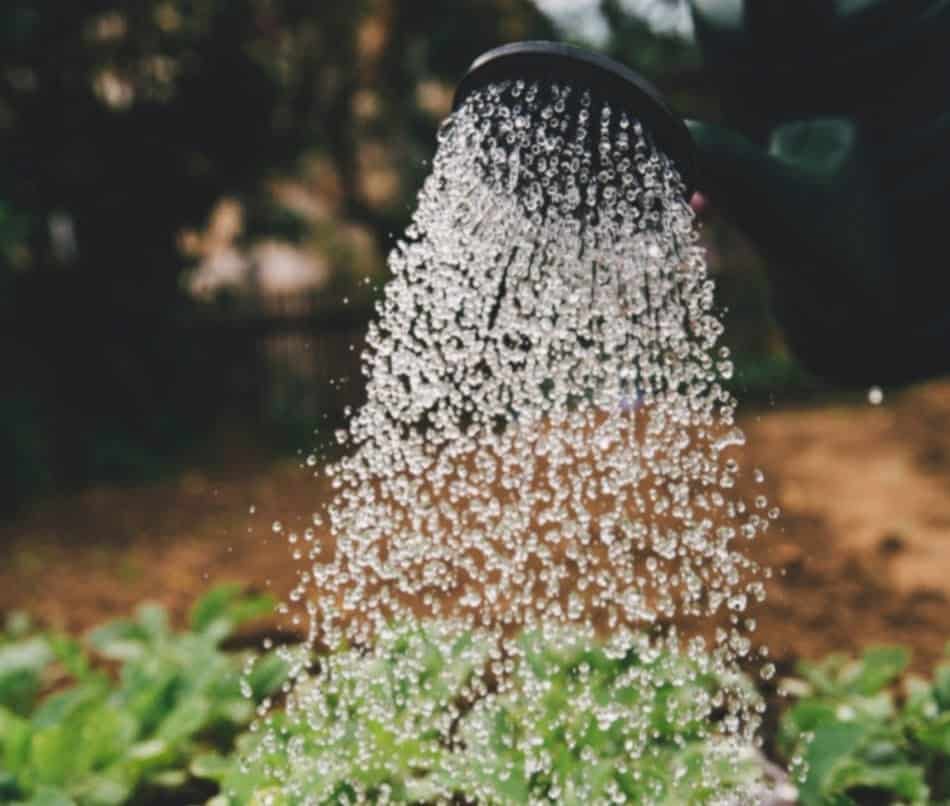
Overwatering is one of the most common reasons for a succulent turning yellow.

Yellow leaves and black spots are signs of overwatering. If succulents receive too much water, they are less likely to get the nutrients they need from the soil stunting their growth and photosynthesis process. 

If your succulent is turning yellow, it can also be underwatered. This means that there is not enough water stored inside of the plants’ leaves. This can also cause the stem or leaves to feel brittle and fall off. 

If your succulent’s soil isn’t right, or it’s not draining properly, this can also contribute to yellowing leaves. In some instances, pests are the reason for a yellowing succulent. 

How Should A Healthy Succulent Look?

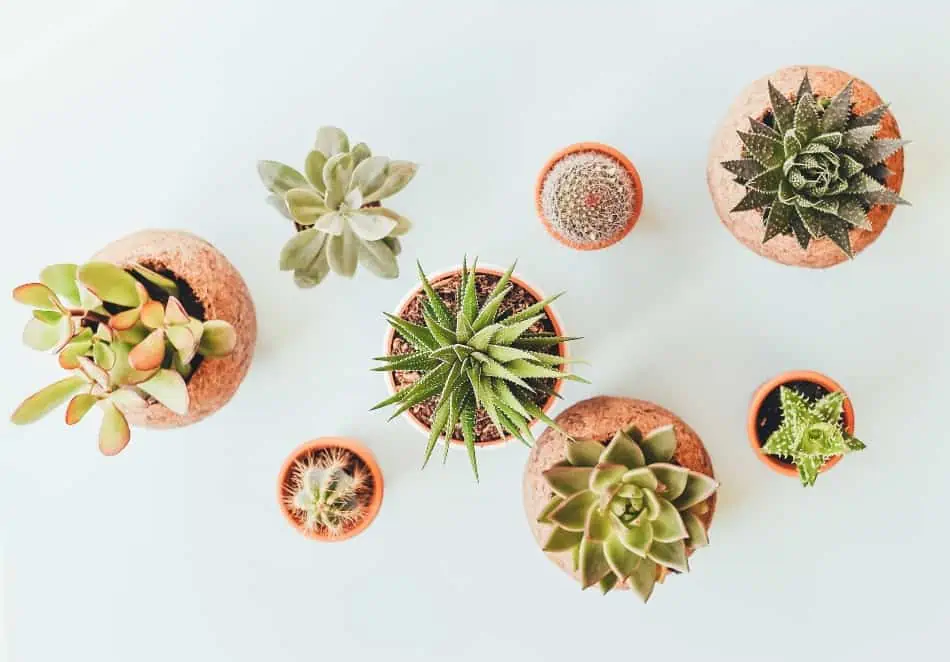
Succulents and cacti come in different shapes, colors, sizes, and species. They are a diverse plant group with one major characteristic in common. They are drought-resistant. These plants have tissues built for storing water long term. Succulents should have thick leaves that conserve water. 

Healthy succulents have fleshy leaves, thick roots, and dry soil.

Healthy Succulents Have

  • Thick roots
  • Thick and fleshy leaves containing sap
  • Feel firm to the touch
  • Leaves and stems standing upright
  • Dry soil

If your succulent does not have thick, upright leaves, some other tell-tale signs can help you save your plant before it is too late. 

How Can I Stop My Succulent from Turning Yellow?

The best way to save your succulent is to be very observant. Pay attention to the texture of the leaves, the feel of the soil, and the color of the plant itself. If a succulent turns yellow, it could mean that it has had too much light. 

Try moving your succulent to a spot with indirect light or in a shadier area for a few days. For example, if your plant is in the windowsill, move it to a table further away that still snags some beams of light or bring your place into the house off the porch for a few days. 

Be wary of succulents that you can see through. While succulents typically turn yellow, develop brown or black spots when in distress, they will begin to look transparent. The same steps can be taken to help save your succulent, whether it is yellow, black, brown, or translucent. 

When we think of plants, we think of plenty of sun, easy-to-break apart soil, and an abundance of water. Succulents are unique because they require a fair amount of sun, dry soil and only need watering about once a week. So almost the opposite of what we’ve been taught about plants in general. 

Repot Your Plant

Repotting can also save your succulent. Be sure that you are using soil specifically recommended for growing cacti and succulents. You can use cactus and succulent soil and add in extra elements to help the plant stay dry, like gravel or sand. 

Make sure you select the right soil when repotting your succulent.

The key is to place your plant into soil that encourages drainage so your plant will not become wet and therefore change color. 

Allow the Succulent to Dry

To save the succulent, you can also pull it out of the pot completely. Take your succulent out of the pot, brush off any excess soil, and clip browned or rotten roots. The roots can be darkened because of the excess water. 

This will allow your succulent to start healthier. Once the roots are cut off, leaving the succulent dry for up to 4 days. The drying out process does not have to be in the sun. 

Protect Your Succulent from Insects

Succulents turn yellow when their needs are not being met or they are experiencing an attack. Nobody likes a pest infestation! Succulents are susceptible to invasion from insects such as

  • Spider mites
  • Fungus gnats
  • Mealybugs
Pests gradually weaken your succulents and sometimes even cause their death.

While your succulent will not immediately turn yellow from the slow nibbling of these insects, over time, it will weaken your plant resulting in drooping yellow leaves. To get rid of these pests, apply rubbing alcohol to the outside of the plant or insecticidal soap. 

Use both sparingly and as directed to avoid worsening the condition of the plant. These insects will spread from plant to plant, so be sure to isolate the succulent until the issue has been remedied. 

Conclusion

Succulents are different than most plants and require a special kind of care to allow them to thrive outside of their natural conditions. 

To keep succulents alive, be sure to pay attention to the moistness of the soil, the thickness and rigidness of the leaves, and the color of your succulent. Invest in a pot that allows the proper amount of drainage, soil that is tailored to the needs of succulents, and find the perfect spot that allows the plant to soak up the sun. 

How To Easily Propagate Succulent Pups?

There are two different approaches when planting succulents. One is to purchase the leaves, called pups, from a dependable succulent dealer. You can also propagate your existing collection of succulents following a few simple steps using the succulents already sitting in your window or plant stand.

While the official term is an offset, a succulent pup is a small root that pops out at the base of the succulent mother plant. If you are looking to have more succulents growing each year, it is best to remove pups in the spring. Some succulent plant owners will tell you late summer is best. You do what works best for you and your succulents.

Propagating Your Succulent Pups

Whatever timeframe you choose, there are always correct ways and procedures that may not work out well for you when trying the first attempt to produce new succulents. When propagating succulent pups, follow these thirteen basic steps to get your new succulent to grow correctly.  

Keep in mind that your succulent has been tirelessly working year-round, producing pup after pup as it grows. Most pups will be well-formed around the base as the other leaves are still in various growth stages.  

A succulent in a small pots on hand.
Make sure your chosen pups are fleshy and well-shaped before you propagate them.

Look for pups that are not showing signs of rot or discoloration. You will want to choose fat, well-shaped leaves to remove from the base. Flat leaves or those ripped or torn will ultimately wither and rot during the process.

Before you begin to remove the leaves, there are a few tools you will need to make things easier.

  • Root Hormone (optional but recommended)
  • A transfer pot with fresh topsoil mix

It is also a good idea to wash your hands thoroughly before beginning to remove the pups. You will be handling the pups with your fingers to pull them from the mother plant’s base. You don’t want to take a chance of transferring a bacterial infection to either the succulent or the pup itself.

Removing the Pups of Your Succulent

Now that you have identified the pups you intend to use for propagation; the next step is to remove each one. Hand removal of a pup is a tedious step but crucial one, and it requires patience. Grasp the first pup and gently rock it back and forth.

It is worth mentioning that your first pup may separate from the stem easily, but it is also a strong possibility that it may provide a tenacious grip on the trunk requiring you to work it a bit. Continue rocking the pup back and forth until it finally comes off.

Your goal is to have the entire leaf come off, including the base that attaches to the stem. Without it, the pup is damaged and will not survive the transfer process. Your first attempts may not be as successful, but keep practicing. You will get the hang of it soon.

Let the Succulent Pup Dry

As with all succulent leaves, you need to remember that the leaves are full of moisture. When you pull the pups away, it creates a wet wound at its base where it is connected to the stem. Before your next step, you must let the separation wound dry.  

Remember not to place the pups in any area of direct sunlight. They need to remain warm but not warmed by direct sun. Also, depending on the pup’s size and moisture content, it may take about two days to two weeks to dry.

You will know when the pup has dried sufficiently by examining the base of the succulent leaf. What you should see is a small scab covering the end. If there are still some pups that have not scabbed over, do not include them in the next step.

If you do, the results will be disappointing as the succulent leaf will rot and die in your potting mix. Considering that you have waited almost two weeks for the drying process to finish, a few more days for the final pups to dry shouldn’t be too long to wait.

Growth Hormone For Your Succulent Pups 

Using Root starter or growth Hormone makes sense to give your pups a leg up when it comes to establishing a great root system. Dip the scabbed end of the pup into the growth, and then place the scabbed portion into the pot filled with fresh potting mix.

You do not have to bury the scabbed end of the pup in the soil if you don’t want to immerse your succulents in the mix immediately. Many gardeners who frequently propagate their succulents often lay them flat on the fresh potting mix.  

If you chose the flat method, you should remember to arrange the pups with enough growth space for when they take root and start growing. While either way will work just as well, these two methods are merely a gardener’s preference.

Direct Sunlight and Your New Succulent Pups 

During the rooting period, your pups do not need direct sunlight. Direct sunlight at this stage does more harm than good as it will result in drying out the succulent.  

Hand and sunlight.
Avoid direct sunlight during the rooting period.

Many gardeners on their first succulent propagation attempt, have gone to the window to inspect the progress of their propagation efforts only to discover a bunch of withered and dead leaves. Yes, there will be a time to expose your succulents to sunlight to help them grow, just not at the moment.

Do Not Water Your New Pups Mist Instead

Newly propagated succulents need more water than fully grown succulents, but the last thing you want to do is drown them. You may need to mist once a week in humid environments where the soil stays moist.

A person watering the plant.
Instead of watering your newly propagated succulent, mist them once a week to keep the soil moist.

It will help your pups on their journey to mist twice a week when growing in dry climates. Remember to test the soil with a fingertip to determine moisture level before you drag out your mister.

Succulent Pups Over The Next Four Weeks

Over the next four weeks, if you adhere to the basic rules of sunlight and moisture, you should begin to see the products of your efforts. Tiny little root stems will start to show curling from the base of your pup into the soil.

If you propagated your pups using the flat method, you might want to cover the roots with a light dusting of potting mix and continue misting as you have over the last four weeks.

New Succulent Pup Growth 

Where there are new roots, there will eventually be a new plant. Continue misting your new plants as the new succulent begins to thrive, and you will notice that the pup used to propagate your succulents has withered and died.  

Haworthia offset.
Where there are new roots, there will eventually be a new plant.

You have a couple of choices at this point. You can leave the original pup where it is until it decomposes entirely, or you can remove it and discard it. Take care if you choose to remove it. You will need to apply the same care with the root system when removing the old pup as you did in the beginning.

Time for a New Propagation Transplant

Your little propagation wonder has now grown into a baby succulent and is producing pups of its own. It is time to transport it to its new home, where it can continue to thrive and multiply.

Hopefully, the final resting place you’ve chosen does not place your baby succulent in direct sunlight. At this stage of growth, your succulent still needs to stay away from the harsh heat of the sun.

Place Your Succulents in the Sun

As your succulent continues to grow, you can now move it to either your window box or plant stand where the sun filters in and your succulents get direct sunlight.  

Top view of plants on a pot.
After your succulents start to grow, you should place them in a way that they get plenty of direct sunlight.

Continue to water your new succulent as you would all of your other plants until next spring or summer when it becomes time to propagate some more pups.  The more you perform the propagation steps every year the more succulents you will have to display with a sense of pride.

What Temperature Is Too Cold For Succulents?

Succulents are temperamental plants that should not be kept in extremely low temperatures. Cold environments cannot sustain succulents, and if you notice the temperatures dropping outside, act quickly to prevent succulents from freezing.  

Succulents are not likely to live in temperatures lower than 40 degrees Fahrenheit. In temperatures between 30 and 40 degrees, succulents can freeze and die. 

Succulents should be brought inside when temperatures drop below forty degrees Fahrenheit. Read on to discover how to care for your succulent when temperatures drop, why forty degrees is a point of no return for succulents, and what other temperatures pose problems for these plants. 

Why is 40 Degrees Fahrenheit Too Cold for a Succulent Plant?

Temperatures between 30- and 40-degrees Fahrenheit pose some extreme risks for succulent plants. Forty-degrees Fahrenheit poses a threat to succulent plans because that is the temperature at which they will begin to change color, and when they approach their freezing point, they will begin to develop frost and rot. Soft succulents are not able to withstand frost, and at 40 degrees Fahrenheit will develop frost on the leaves and other parts of the plant. 

Temperatures between 30 and 40 degrees Fahrenheit are extremely dangerous for succulents.

Risk at Temperatures Between 30- and 40-Degrees Fahrenheit

Succulents are at risk for freezing in temperatures below 40 degrees Fahrenheit. The colors of your succulent plant will begin to change once it reaches 40 degrees Fahrenheit or below. At that point, if you don’t move the plants into a warmer setting, they will start to reach their freezing point, and begin to die. 

If your succulent is exposed to temperatures below 40 degrees Fahrenheit, the plant will begin to freeze. There is a short window of time from the point that your succulent reaches 40 degrees Fahrenheit to the time it will freeze. Succulents, especially soft succulent variations, should be brought indoors before temperatures get to 40 degrees Fahrenheit. 

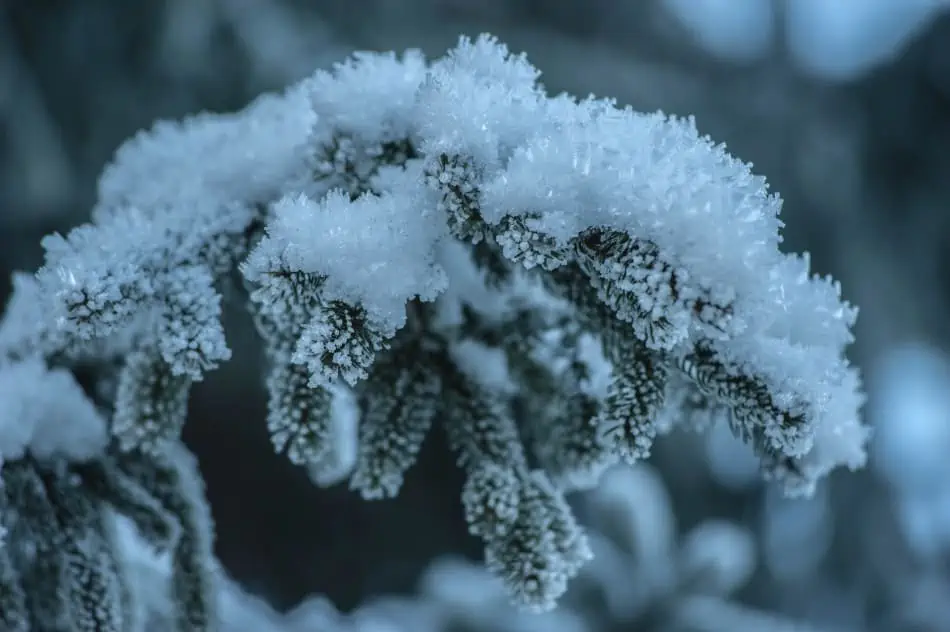
In cases where succulents aren’t brought into temperature-controlled environments at 40 degrees, you will notice some prominent color changes in your succulent as it begins to reach its freezing point. The colors will become deeper and more vibrant until ice crystals form on the leaves and other parts of the plant. The longer the succulent plant is in colder temperatures, the more frost will develop on the leaves and soil. The plant will begin to show signs of rot and a black or brown discoloration before dying. 

Temperatures Below 32 Degrees Fahrenheit

The freezing point of succulent plants is around 32 degrees Fahrenheit. Succulent plants cannot sustain life at this temperature and will begin to freeze and die off. You should transfer outdoor succulents kept in pots or potable containers inside during the winter to keep them alive. 

If you begin to see tiny ice crystals forming on the plant’s leaves, you will need to immediately bring it into a warmer environment. If you fail to bring the plant in once ice crystals form on its leaves, it will become harder to revive once it is in a warmer environment. Most succulents cannot tolerate frost, and if exposed to it, they will begin to fade and eventually die. Bring non-frost tolerant succulents indoors at night to avoid killing them. 

Changes in Your Succulents at Extreme Temperatures

Color changes are the most noticeable change in succulents exposed to extreme temperature, whether high or low. Colors in succulents will begin to intensify when they reach 40 degrees Fahrenheit, and the closer they get to their freezing point of 32 degrees Fahrenheit, they will start to look dull and shrivel. 

Another color change in succulents is brown or black areas appearing on leaves or other parts of the plant. Weather that is too cold causes plant cells to burst, giving the appearance of rot. If the leaves or any other part of your succulent begin to turn a dark brown or black color, you may have left it at a temperature that is too cold for the succulent to remain healthy. 

Are There Succulents That Can Live in Extreme Temperatures?

Hardy succulents are a type of succulent that can tolerate frost. Hardy succulents are suitable for growth outdoors all year round, even in below-freezing temperatures. Sedum and Prometheum are two types of hardy succulents that can survive in these harsh, colder temperatures. 

Hardy succulents can withstand temperatures down to -20 degrees Fahrenheit and can withstand extreme drought. These types of succulents are extremely low maintenance, and because of the cooler temperatures they can survive in, they are more colorful and vibrant.

What is the Optimal Temperature for Succulent Plants?

It is essential to keep succulents at their optimal temperature around the clock. The ideal temperature for succulents is 60-80 degrees Fahrenheit. These temperatures, along with soil that is kept relatively dry, will let succulents flourish and prevent them from either freezing or burning. 

For succulents to grow healthy, they should be grown in the temperature range from 60 to 80 degrees Fahrenheit.

The USDA developed a scale known as plant hardiness map that divides North America into 13 hardiness zones for succulents suitable to grow in those zones. Visit the USDA website to determine your area’s hardiness zone, and what types of succulents are ideas for growth in your zone. The hardiness zone map will give you the option to choose either hardy or soft succulents to plant and tell you if you’ll need to bring them indoors or if they will be able to withstand conditions year-round. 

How to Keep Succulents at Optimal Temperatures

If your succulents are planted outside, you may consider transplanting them around a month before the first winter frost in your area. Succulents can be transplanted into flower pots and kept inside during the winter. If your succulents are in pots, be sure to transport them indoors at night as well as before the first frost of the winter and through the months with colder temperatures. 

Always make sure that your indoor succulents get plenty of sunlight.

If transplantation isn’t an option, considering covering your outdoor succulents with a cloth before precipitation. Keeping the soil dry is a must for succulents. Keep indoor succulents away from drafty windows to prevent freezing, but make sure they still receive sunlight, either naturally or with a grow light. 

Frost cloths are explicitly made to protect outdoor plants from harsh conditions. Frost cloths like the Sunpro Plant Protector can be held down with heavy objects at the corners during precipitation or cold conditions to keep plants insulated and not subject to rain or snow. 

Temperatures too High for Succulents

Temperatures above 90 degrees Fahrenheit can pose similar risks for succulents as freezing temperatures. You should protect your succulent by transporting it to a shaded area, or if they are in pots, potentially indoors. Extremely high temperatures, especially those above 90 degrees Fahrenheit, can be deadly for most succulents. 

Temperatures above 90 degrees Fahrenheit can also damage your succulents.

Like the effects of colder temperatures, in extremely warm temperatures, the colors of your succulent will begin to intensify until reaching 90 degrees Fahrenheit, when the plant will start to burn, turning a brown or black color. If your succulent plants are exposed to extreme sunlight or higher temperatures, the roots and leave of the plant will appear fried or “sunburned.”  

Conclusion

Succulents are temperamental plants that cannot be kept at cold temperatures. At temperatures below 40 degrees Fahrenheit, succulents begin to experience changes, including extreme color change, but they will freeze and possibly die by the time they reach 32 degrees Fahrenheit. Likewise, in temperatures higher than 90 degrees Fahrenheit, succulents run the risk of burning in extreme temperatures or intense sunlight. To protect your succulent plants, bring them indoors or in temperature-controlled areas to prevent freezing or burning.